 1
Fortifications
Clock Tower
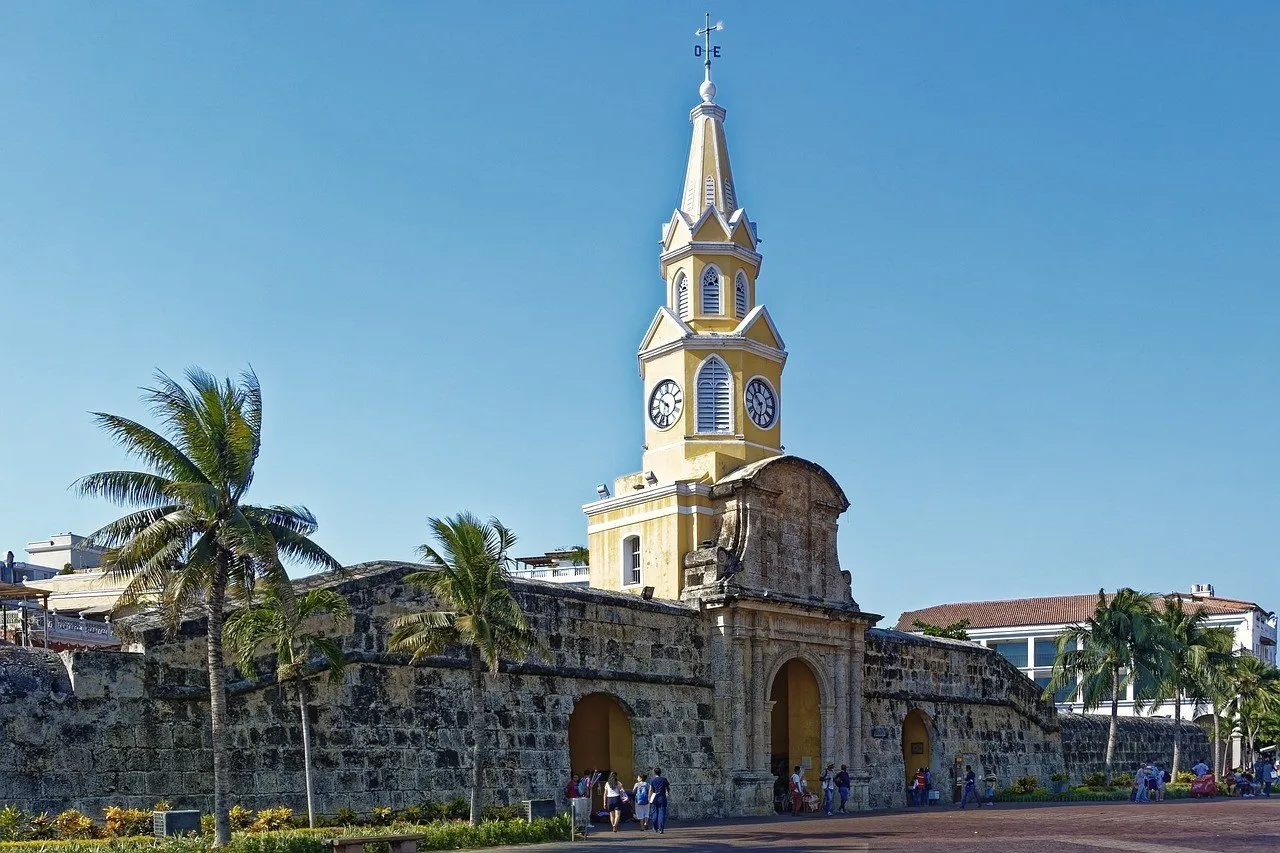
The yellow tower marks the main entrance to the walled city. Walk through the arches to start exploring the streets of the historic center.
View details for Clock Tower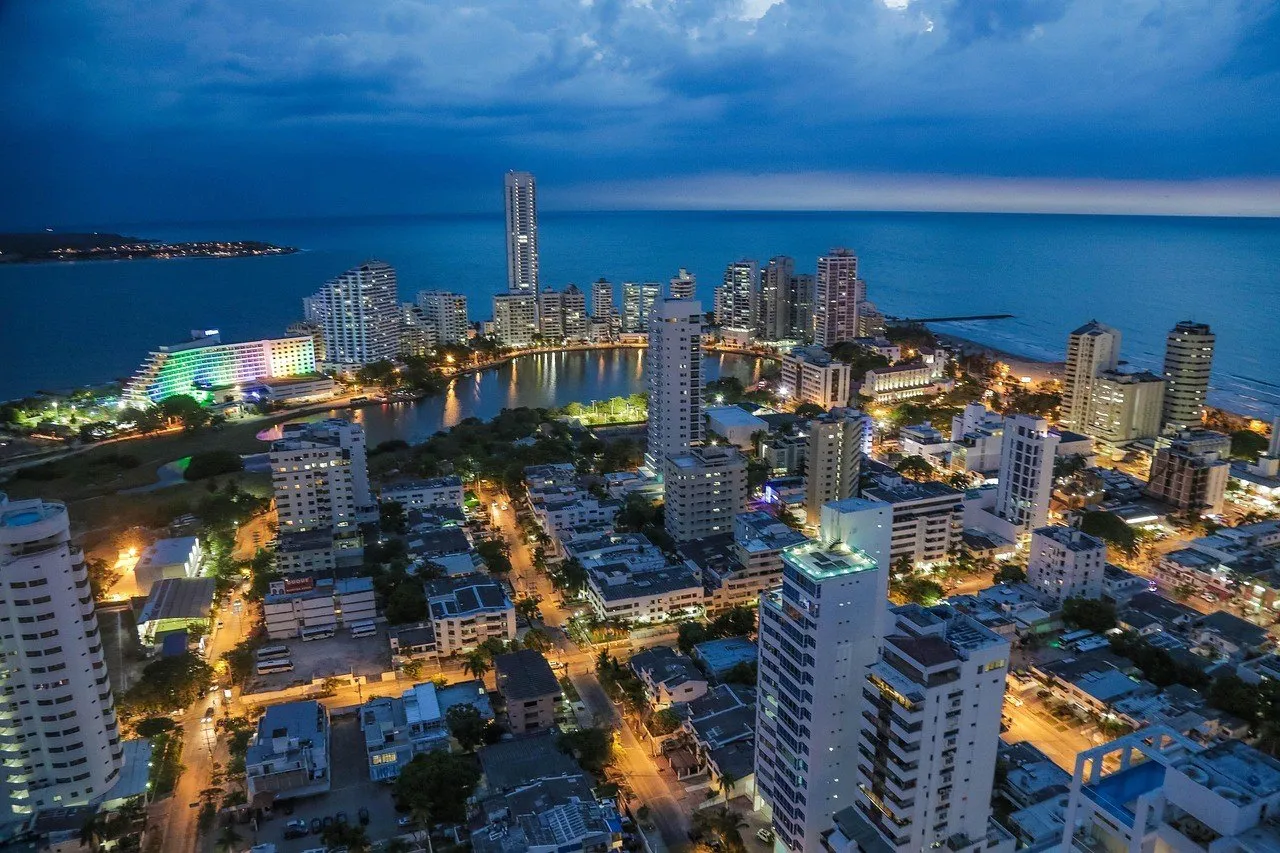
Colombia
In Cartagena, late afternoon has an address on the city walls: the Caribbean on one side, church towers and colorful balconies on the other. The hard part is remembering to look ahead while you walk.
A yellow tower marks the entrance, balconies lean over the street and, once you climb the walls, the Caribbean appears on the other side of the stone. Cartagena asks for that back-and-forth: step into the streets, step out, study the facades and hunt for shade. The historic center and its fortifications are part of a UNESCO World Heritage Site; start on foot, without turning every corner into a chore.
Split the city by rhythm. In the center, churches and museums sit between squares where you can pause your walk. San Felipe takes stamina for the ramps; La Popa works best with arranged transport; Getsemaní deserves time for the murals and dinner. Bocagrande adds an urban beach. These three days stay within Cartagena itself: to visit the islands, add time instead of squeezing everything into the schedule.
La Popa got its name from the resemblance sailors saw between the hill and the stern of a ship.
Las Bóvedas was once a barracks and a prison. Today its row of arches houses craft shops: military architecture, new routine.
The Zenú Gold Museum presents societies that managed floods with canals; the story goes beyond the glitter in the display cases.
Gertrudis, by Fernando Botero, is part of life on Plaza Santo Domingo without needing a museum hall or an invitation to the table.
1The yellow tower marks the main entrance to the walled city. Walk through the arches to start exploring the streets of the historic center.
View details for Clock Tower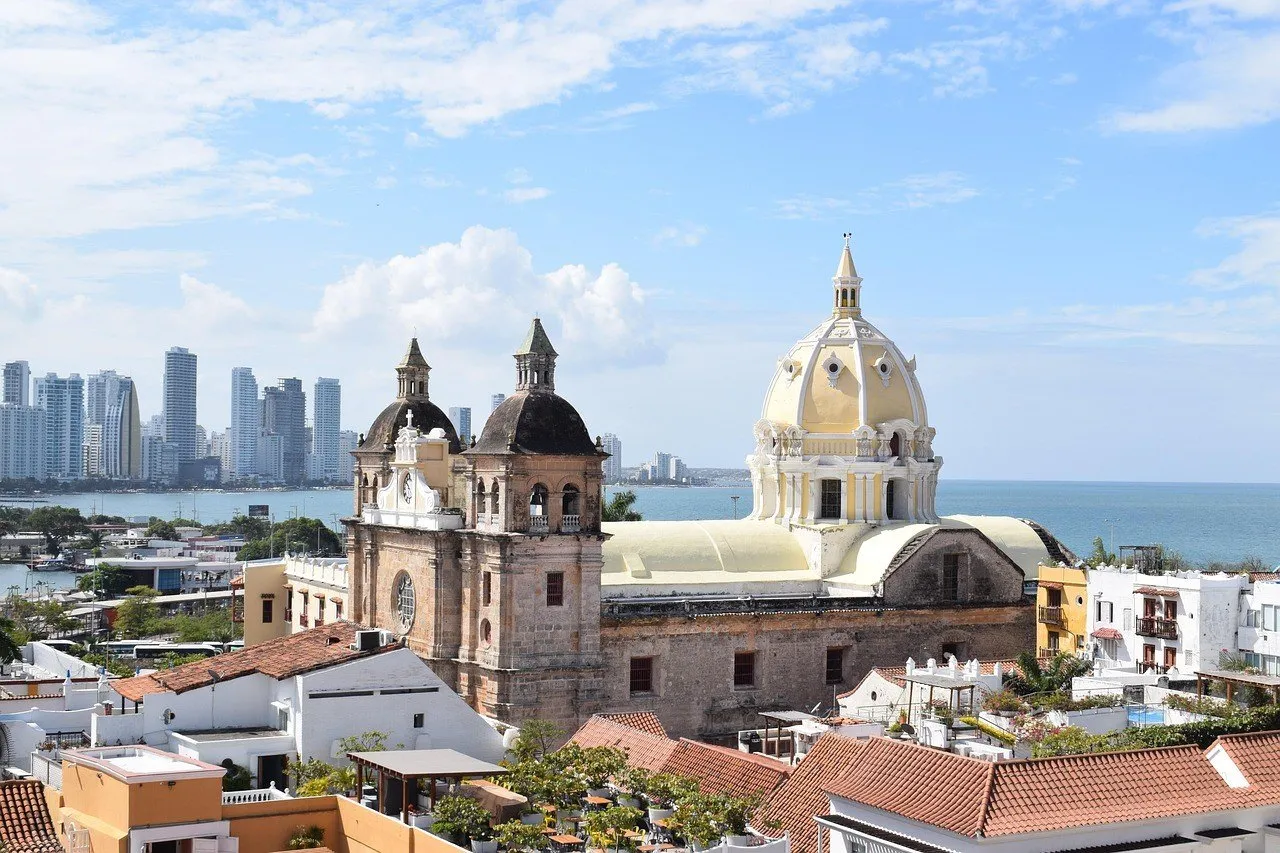 2
The church and museum present the memory of Pedro Claver and the Afro-Colombian history of Cartagena. A visit that asks for attention to the people behind the facades.
View details for Sanctuary of San Pedro Claver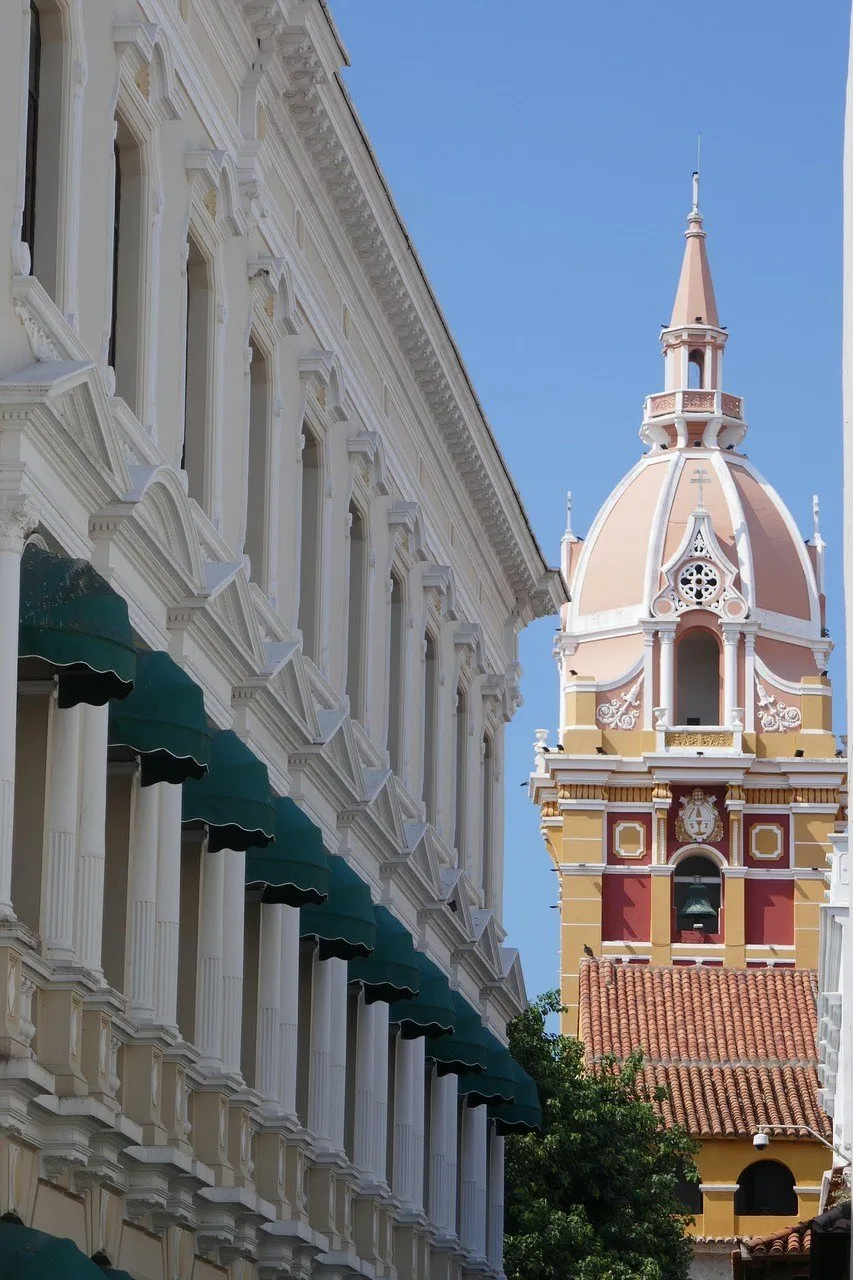 3
The cathedral appears among the streets of the center, next to Plaza de la Proclamación. See the facade and check access to the interior before going in.
View details for Cathedral of Saint Catherine of Alexandria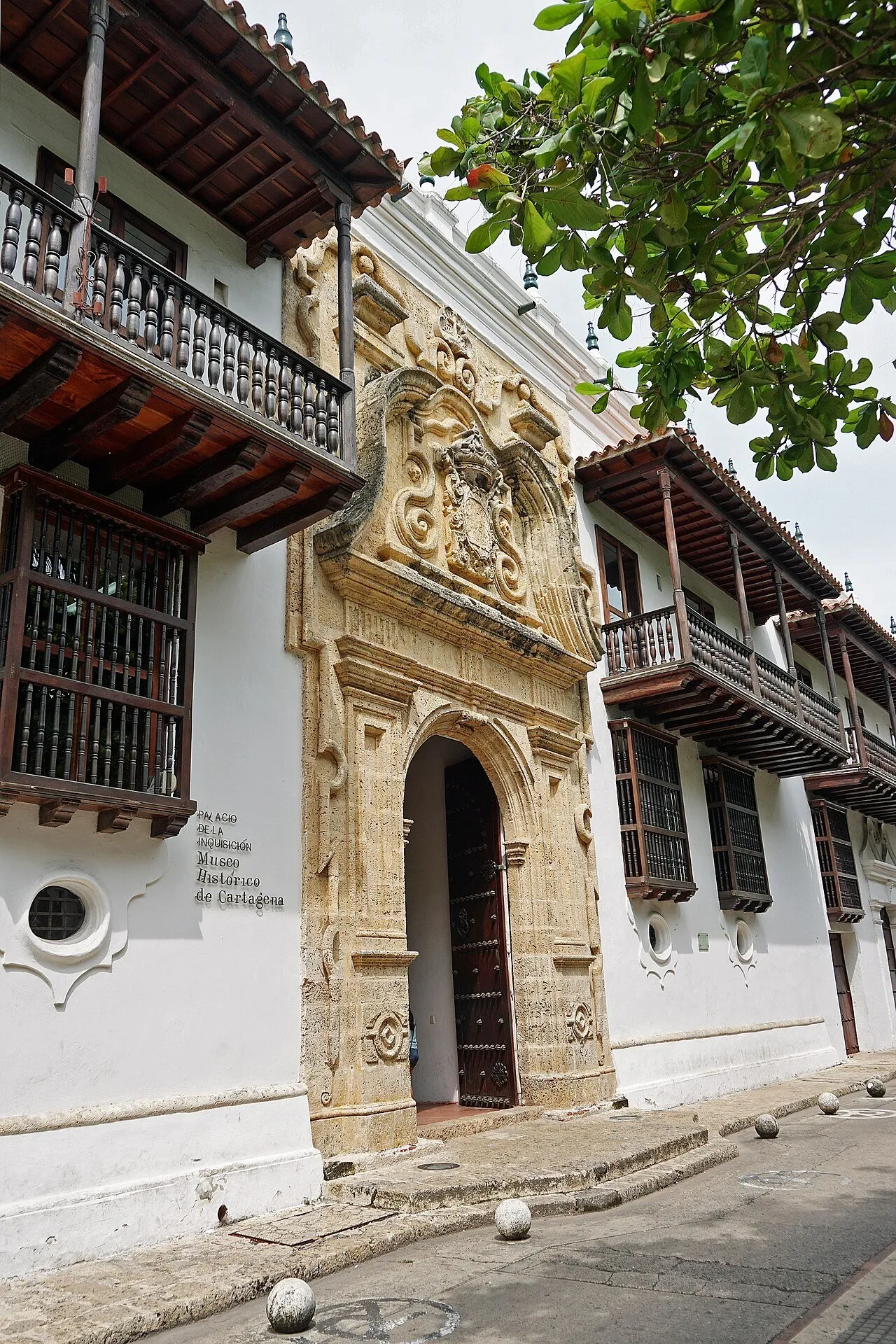 4
The palace houses the Historical Museum of Cartagena, with exhibits on the city's formation, the Inquisition, human rights and coexistence.
View details for Palace of the Inquisition and Historical Museum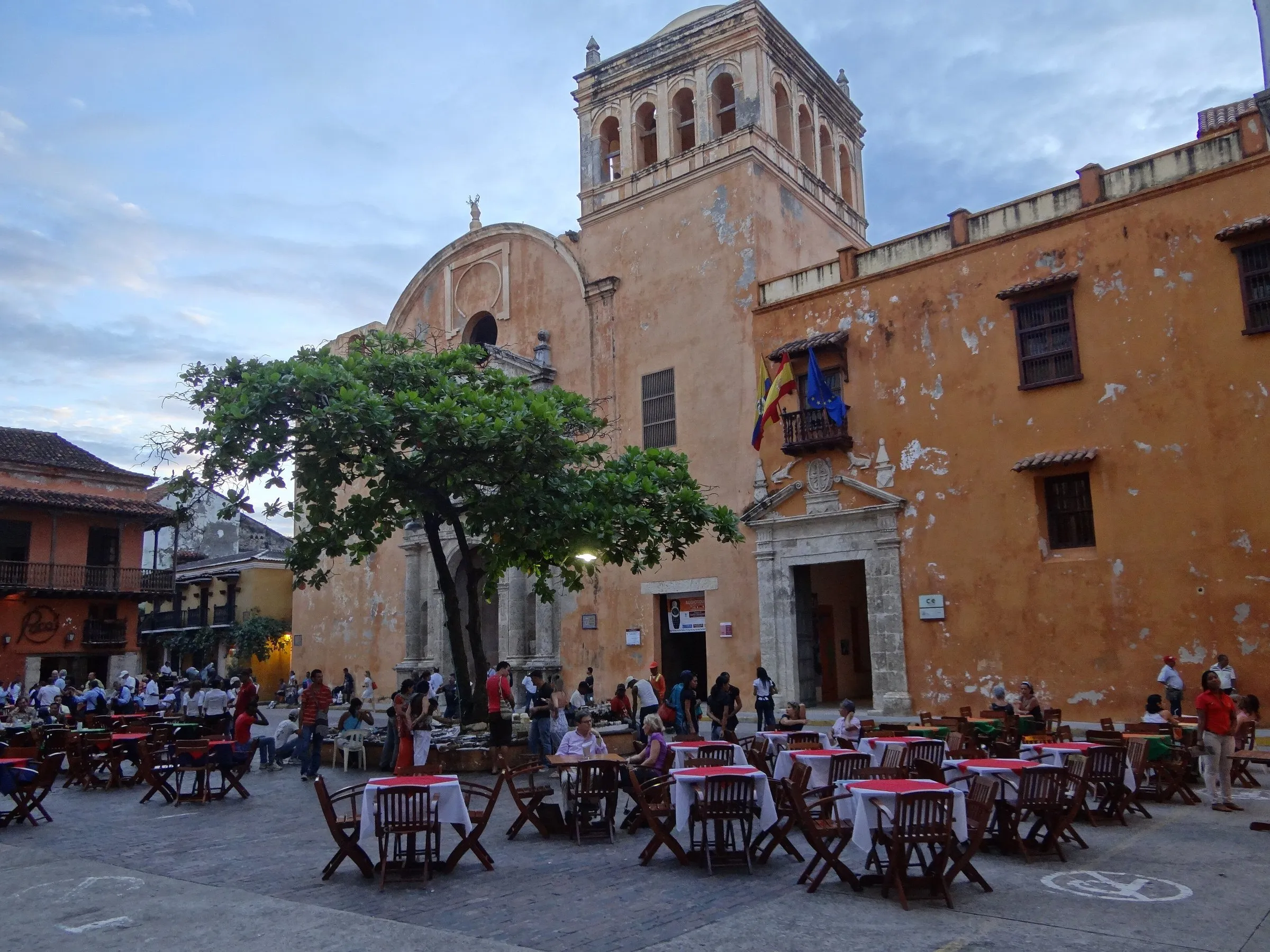 5
A church, restaurant tables and Gertrudis, by Fernando Botero, share the square. A good stop to watch the city before choosing dinner.
View details for Plaza Santo Domingo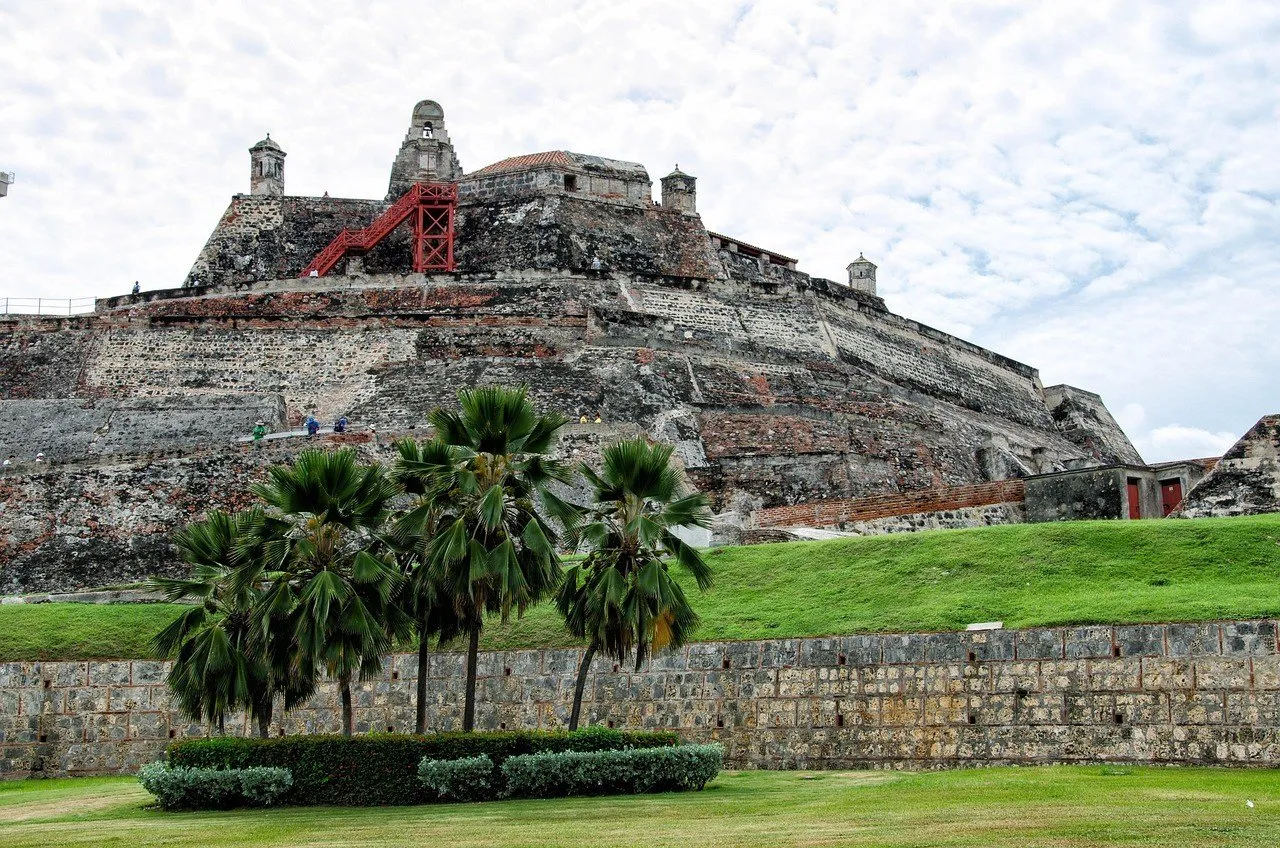 6
Ramps, platforms and tunnels reveal the military logic of San Felipe. The visit also opens views over Cartagena and takes stamina for the climb.
View details for Castle of San Felipe de Barajas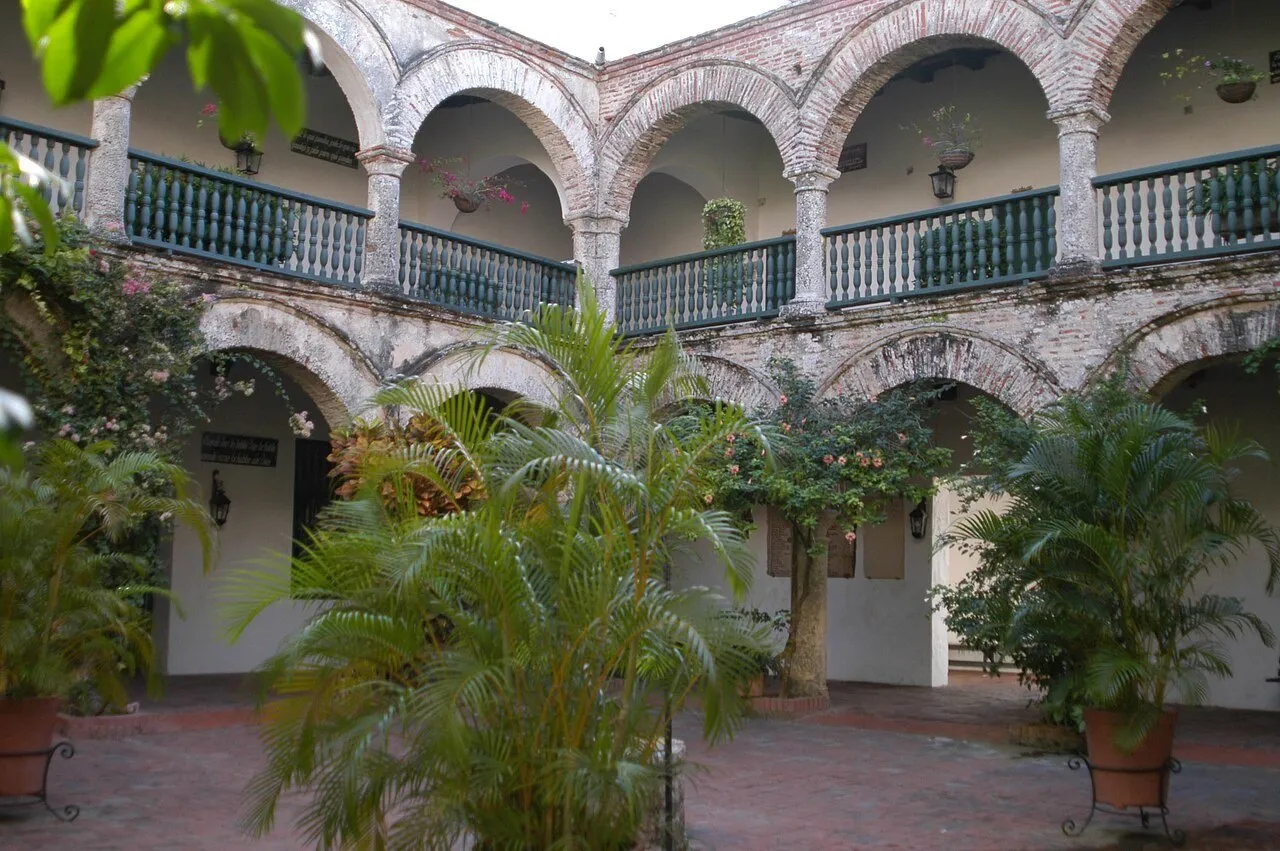 7
At the top of the hill, the Convent of La Candelaria combines religious art with a view over Cartagena. Plan your transport and leave time to look around.
View details for La Popa Convent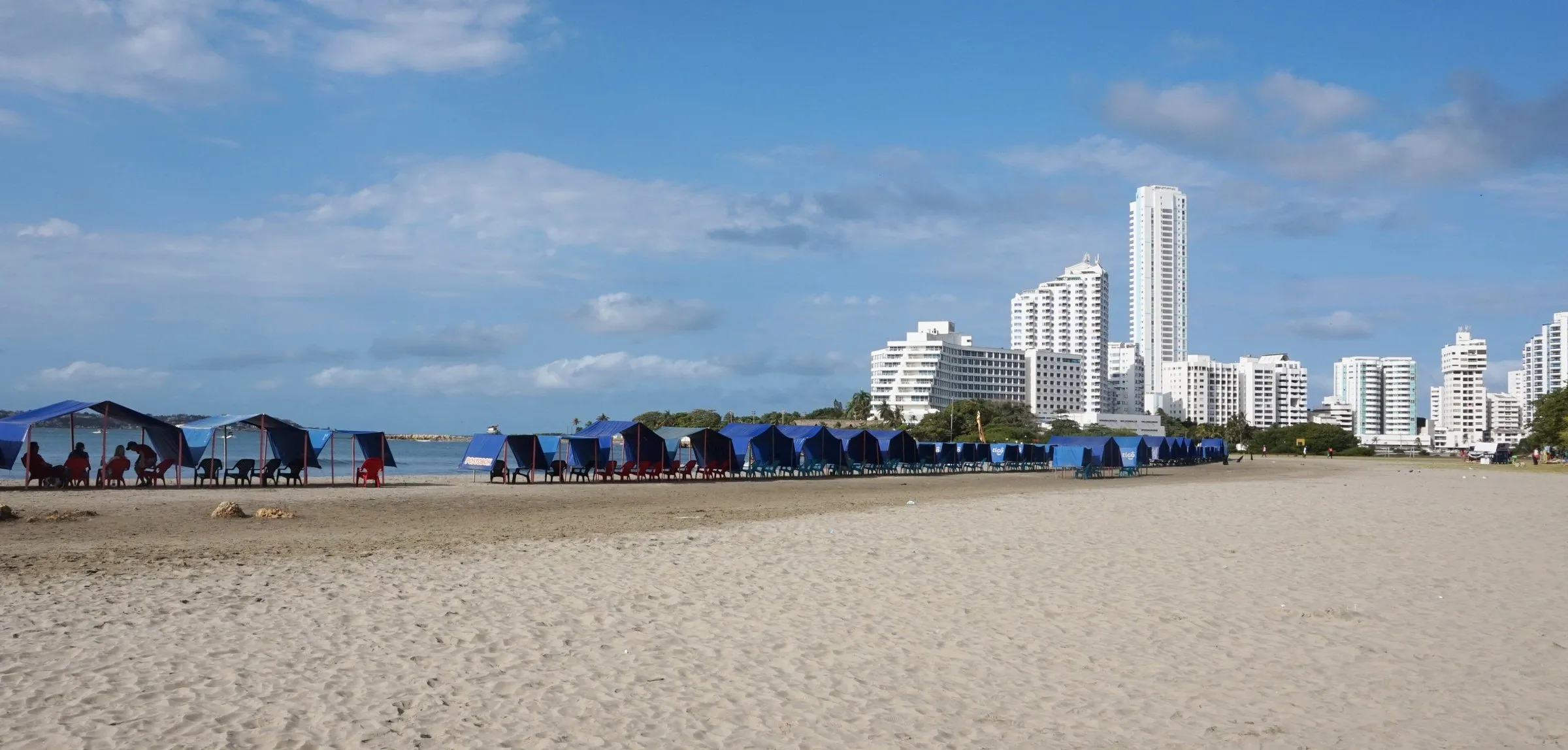 8
The strip of sand at Bocagrande sits right by the city, with buildings and services nearby. A way to fit in a beach without giving a whole day to an excursion.
View details for Bocagrande Beach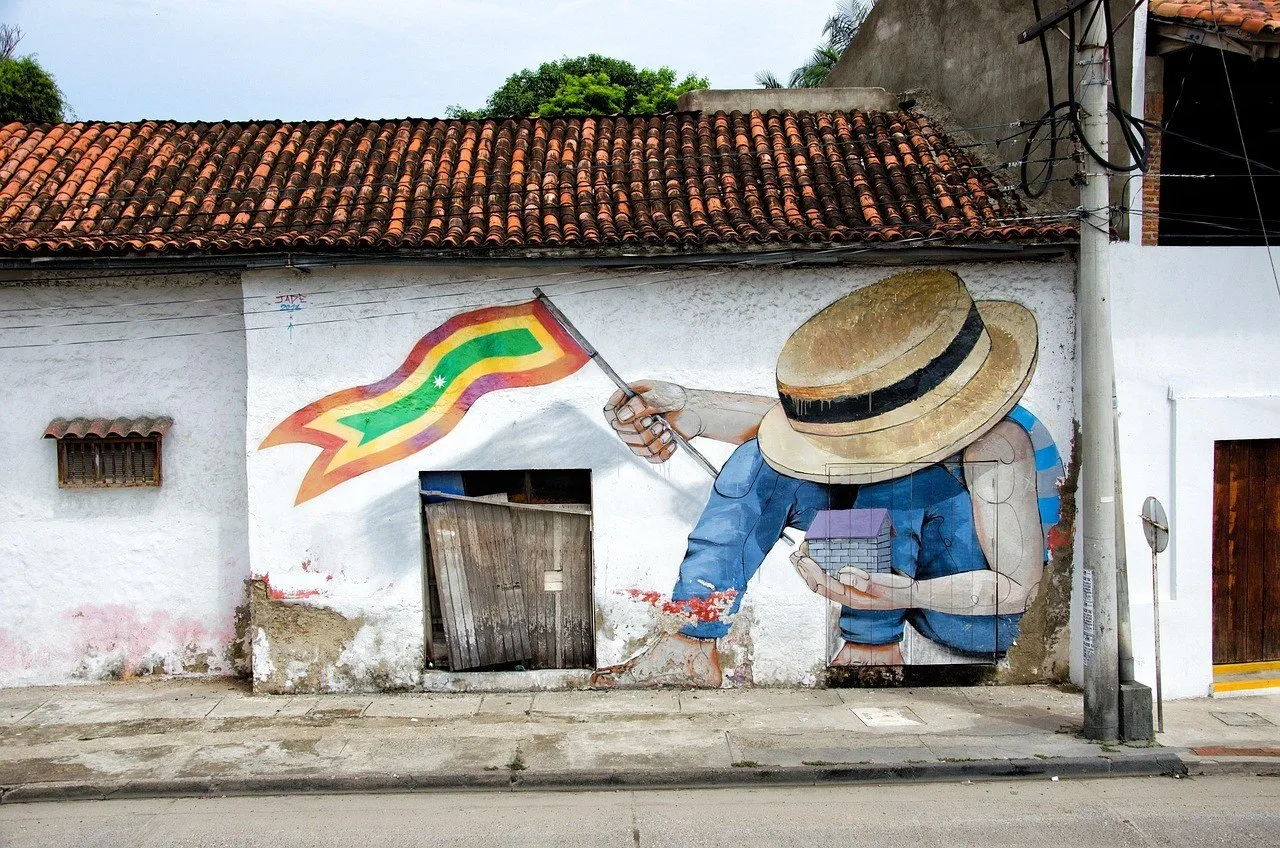 9
Colorful facades and murals are part of the walk through Getsemaní. Set aside time to look at the paintings and return to the rhythm of a lived-in neighborhood.
View details for Getsemaní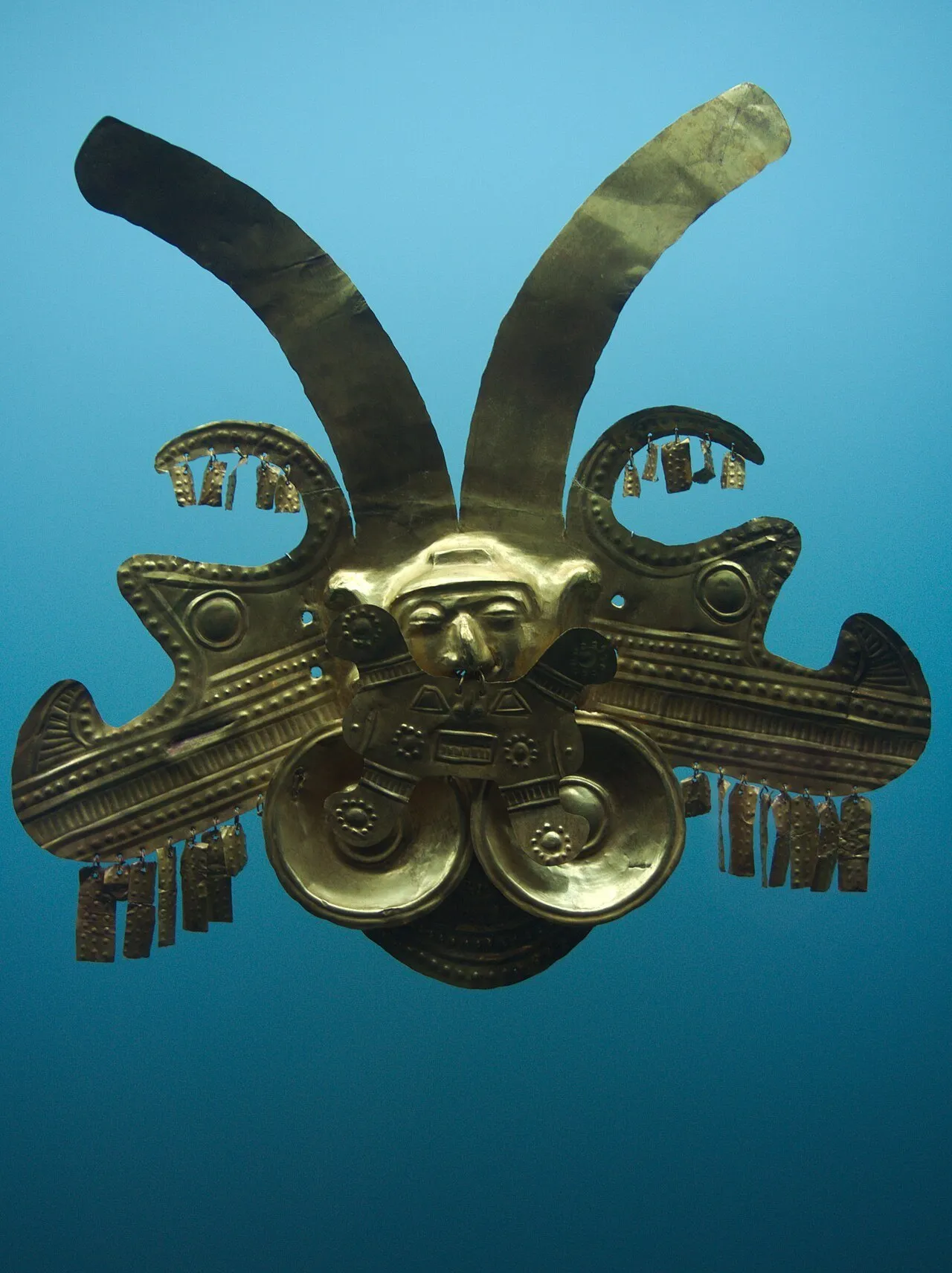 10
Gold and ceramic pieces present cultures of the Colombian Caribbean. The visit links the objects to water management, animals and life in the region.
View details for Zenú Gold Museum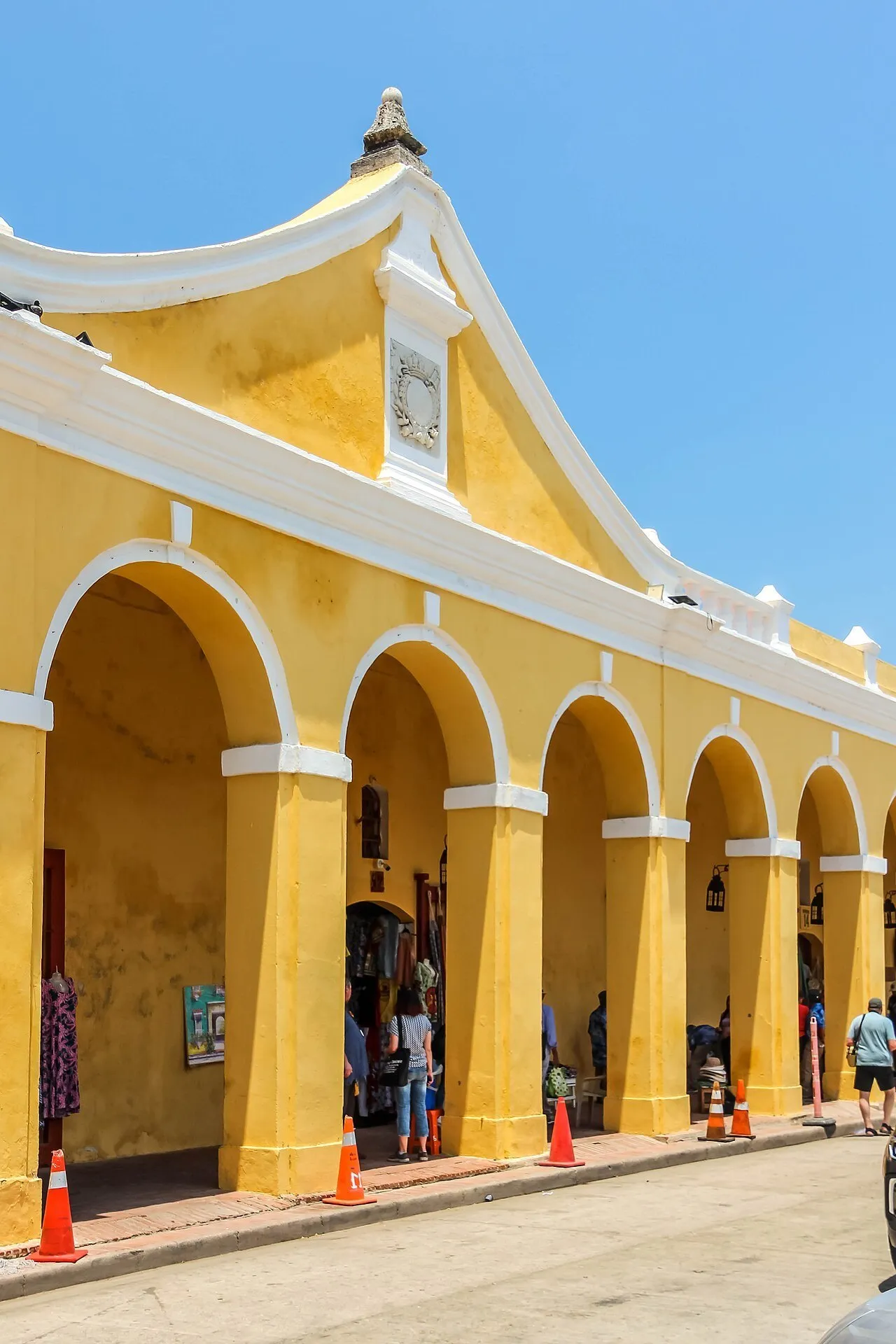 11
Repeating arches along the walls hold craft shops. The former military complex was a barracks and a prison before gaining storefronts.
View details for Las Bóvedas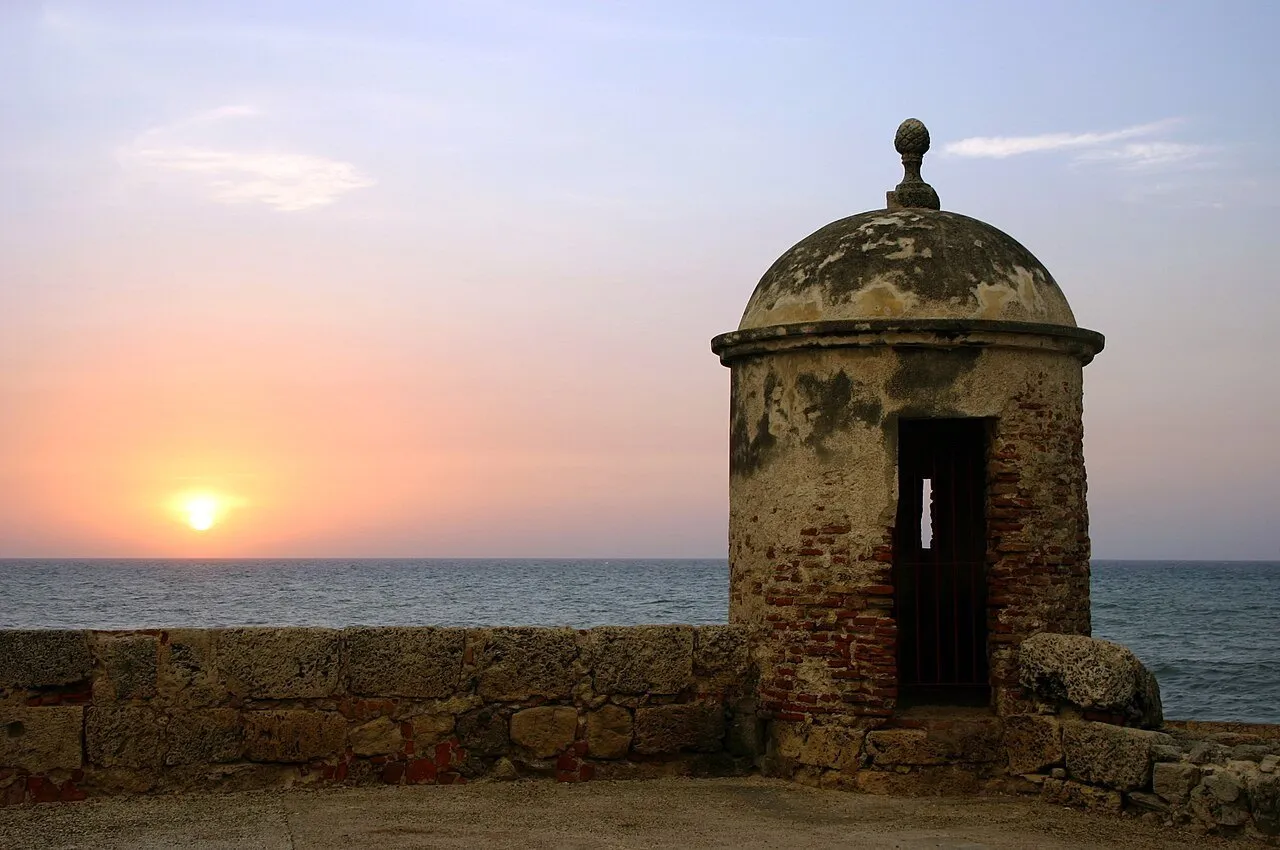 12
The old defense system is now a stroll between stone and sea. Late in the day, the bastions offer another angle on the Caribbean and the rooftops.
View details for Walls of Cartagena1The Clock Tower works as an introduction to Cartagena: stone, a narrow passage and a yellow tower that pulls your eyes upward. It marks the main entrance to the walled city, so it makes sense to start your walk here, passing through the arches.
Look at the entrance from both sides before heading on foot to the churches and squares. The clock helps you set a meeting time; controlling the timing of your photos is another matter.
2Standing before the church of San Pedro Claver, the architecture catches your eye first. Inside the complex, though, the visit gains another layer: the sanctuary and the museum explore the memory of Pedro Claver, a Jesuit priest linked to the care of enslaved Africans at the port.
The museum presents itself as a place of Afro-Colombian memory and brings together art and history. Read the information carefully: it helps you think of the port through the people who suffered the violence of slavery.
3The tower of the Cathedral of Saint Catherine of Alexandria is a landmark among the streets of the center, but the facade deserves an unhurried approach. The church stands on Plaza de la Proclamación, next to the Parque Bolívar area, and helps you read the city from above.
If the interior is open, look at the altar and visit quietly. Stay flexible: services can change access. From outside, notice how the tower shows up between the neighboring facades.
4The name Palace of the Inquisition grabs attention, but the Historical Museum of Cartagena covers a wider arc of the city. The exhibits move through indigenous origins, the conquest, slavery and independence, while other rooms address the Inquisition, human rights and coexistence.
Take the rooms together, without reducing the visit to the theme of punishment. The location on Parque Bolívar lets you study the architecture and trade facade photos for questions about how Cartagena took shape.
5Gertrudis, by Fernando Botero, draws a good share of the attention on Plaza Santo Domingo, but it pays to widen the frame. The church and the outdoor tables make the square a place to stop, rather than just cross on the way to another monument.
At the end of the day, musicians and other performers can change the pace of the space. Sit down or just watch; if you pick a table, check the menu first. The break also has to fit the budget.
6The word castle may suggest halls and chambers, but San Felipe offers something else: ramps, platforms and tunnels built for defense. As you climb, you see how the fortification uses the terrain and changes shape with the angle.
A guide or the available information helps you make sense of each structure. Bring water for the sun-exposed areas and watch your step in the tunnels; follow the open sections, with no obligation to enter every one.
7La Popa changes the scale of the outing: from up there, you see the city as a whole. The Convent of La Candelaria sits at the top of the hill and gathers elements of religious art, including an altar with gilded ornamentation.
Leave time for the building and for the landscape. The hill's name comes from its resemblance to the stern of a boat; arrange your ride back before heading up to enjoy the view.
8At Bocagrande, the beach comes with the city: buildings and shops stand close to the sand. The idea is to fit a few hours by the sea between sights, with urban infrastructure around and without setting aside a whole day for getting there.
Pick your stretch based on the conditions you find and confirm prices before using any services. Simply walking along the shore is also fine; check the available access points and follow local guidance on swimming.
9In Getsemaní, murals share space with doors, windows and the daily routine of the people who live in the neighborhood. The art on the walls tells stories and asserts local references; looking closely pays off more than hunting for a colorful backdrop for your next photo.
Walk without turning every facade into a required stop, then choose where to eat. Give the neighborhood its own time and keep the passageways clear: the houses are still homes, even when the street looks like a gallery.
10The shine of the pieces pulls you closer, but a visit to the Zenú Gold Museum goes beyond the metal. The collection presents cultures of the Colombian Caribbean and lets you connect the objects to ways of living, beliefs and ways of occupying the land.
Look at the animals depicted and their relationship with flood-prone areas. Zenú societies developed canals to deal with water: understanding that world changes your perspective after the colonial fortresses.
11At Las Bóvedas, the repeating arches create a facade you want to walk along from end to end. The complex sits in the north of the walled city and served as a barracks and a prison before housing craft shops and other commercial spaces.
Look at the structure first, then step into the shops. If you want a keepsake, ask about its origin and materials: the building's history doesn't guarantee that everything for sale was made there.
12The walls were built to defend the city; today you can walk stretches of the system and look out at the Caribbean. The bastions help you see that protecting the port took more than a continuous wall: it was a network of defensive positions.
Pick a stretch and walk slowly, shifting your gaze between the sea and the rooftops. Late afternoon suits the visit: the stone, the breeze and the changing light give you plenty to talk about.
Group your visits in the center. For La Popa and Bocagrande, arrange transport; in a taxi, confirm the fare before the ride.
Cartagena is hot and humid. Bring water, sun protection and light clothing; leave San Felipe for the morning and the walls for late afternoon.
Confirm the total price before ordering food or accepting services on the beach. Keep receipts and book tours with the terms in writing.
Carry Colombian pesos for small expenses and check the payment method before you buy; don't rely on cards alone.
Getsemaní is also a residential neighborhood. Avoid blocking doorways or photographing the inside of homes; ask permission before photographing people.
Look after your belongings and plan your return after dinner. In churches, respect services and access guidelines.
Between one fortress and the next, set aside time for Cartagena's cooking: fried snacks, rice dishes, soups and slow-cooked meats. An arepa de huevo and a posta cartagenera change the subject of the conversation. Read the menu and confirm prices before ordering.
A fried arepa with an egg inside: ask for a freshly made one and wait a moment before the first bite.
A beef dish, good for discovering another side of local cooking beyond fish and seafood.
A soup of yam and cheese, an option to break up the fried foods and rice dishes.
The variety of fruit makes for good breaks between walks; ask which flavors are available that day.