 1
History and architecture
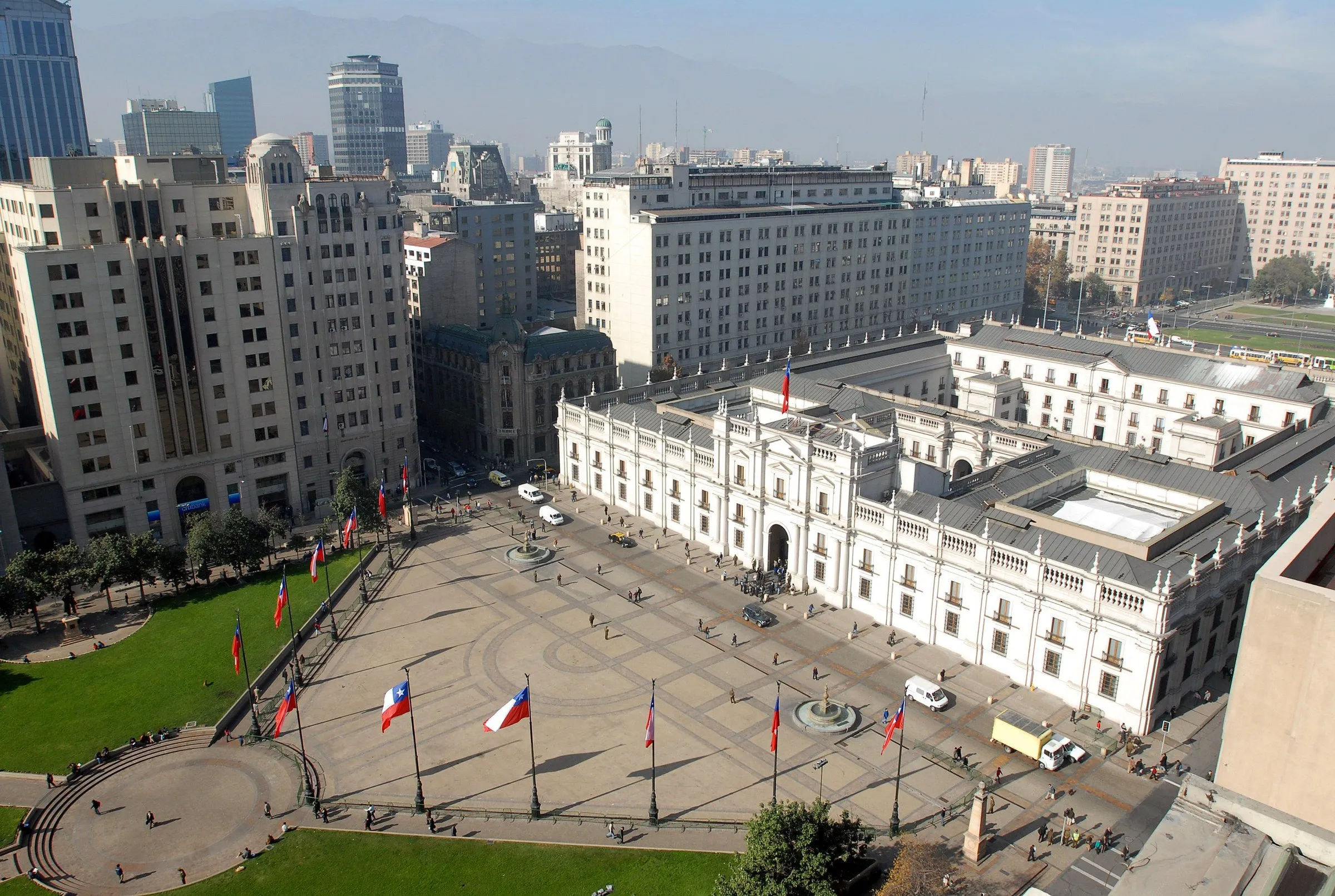
Palacio de La Moneda
The seat of the Chilean government began as a mint; its facades and squares help explain political history in downtown Santiago.
View details for Palacio de La Moneda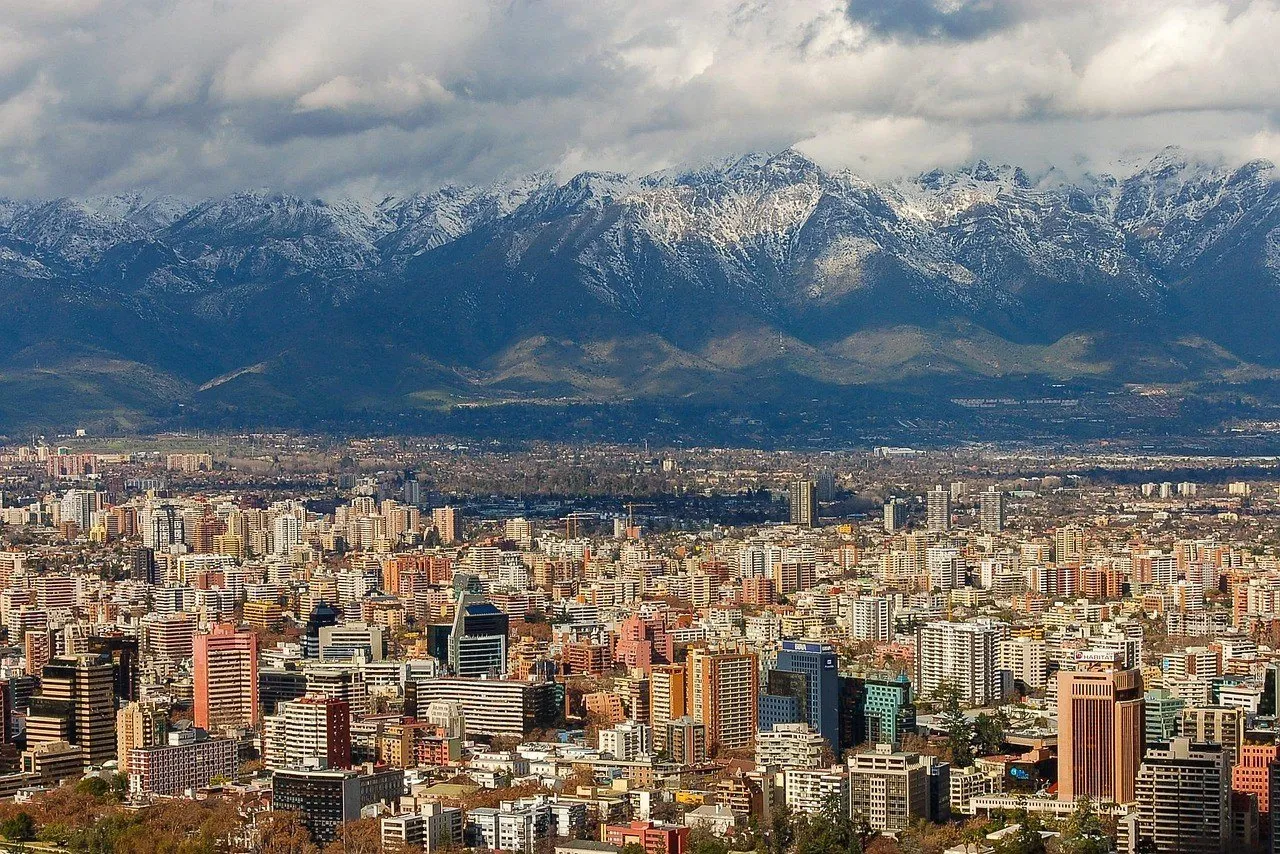
Chile
You climb a staircase on Santa Lucía and Santiago spreads out between buildings and mountains. Down below, Lastarria waits with cafés; up here, the urge is to check off one more viewpoint.
Santiago makes you check the sky before you check the map. The Andes are part of the landscape, but visibility decides how much of them shows up, so it pays to save the viewpoints for the clearest day. At street level, the walk trades the staircases of Santa Lucía for the aisles of the Mercado Central, the palace that once minted coins and the benches of the Plaza de Armas. The city pays off when you alternate height and pavement, without turning every climb into a competition.
Organize your visit by area: the historic center in one day, Lastarria and Parque Forestal on another, Bellavista and the big viewpoints on the third. The metro helps with longer trips; within each block, walk and leave time to look at the facades. Spring and fall tend to favor these outings, while summer calls for breaks in the shade. Three days make a good first urban visit: this itinerary leaves room for a museum, lunch and that café in Lastarria that ends up taking more time than planned.
La Moneda takes its name literally: before it was the seat of government, the building housed the minting of coins.
La Chascona got its name from the nickname Pablo Neruda gave Matilde Urrutia, a reference to her hair.
The glass dome of the Museo Nacional de Bellas Artes was designed and built in Belgium: the light in the hall has a travel story of its own.
Santa Lucía is also known by the name Huelén; its fountains and terraces are the result of turning the hill into a public promenade.
1The seat of the Chilean government began as a mint; its facades and squares help explain political history in downtown Santiago.
View details for Palacio de La Moneda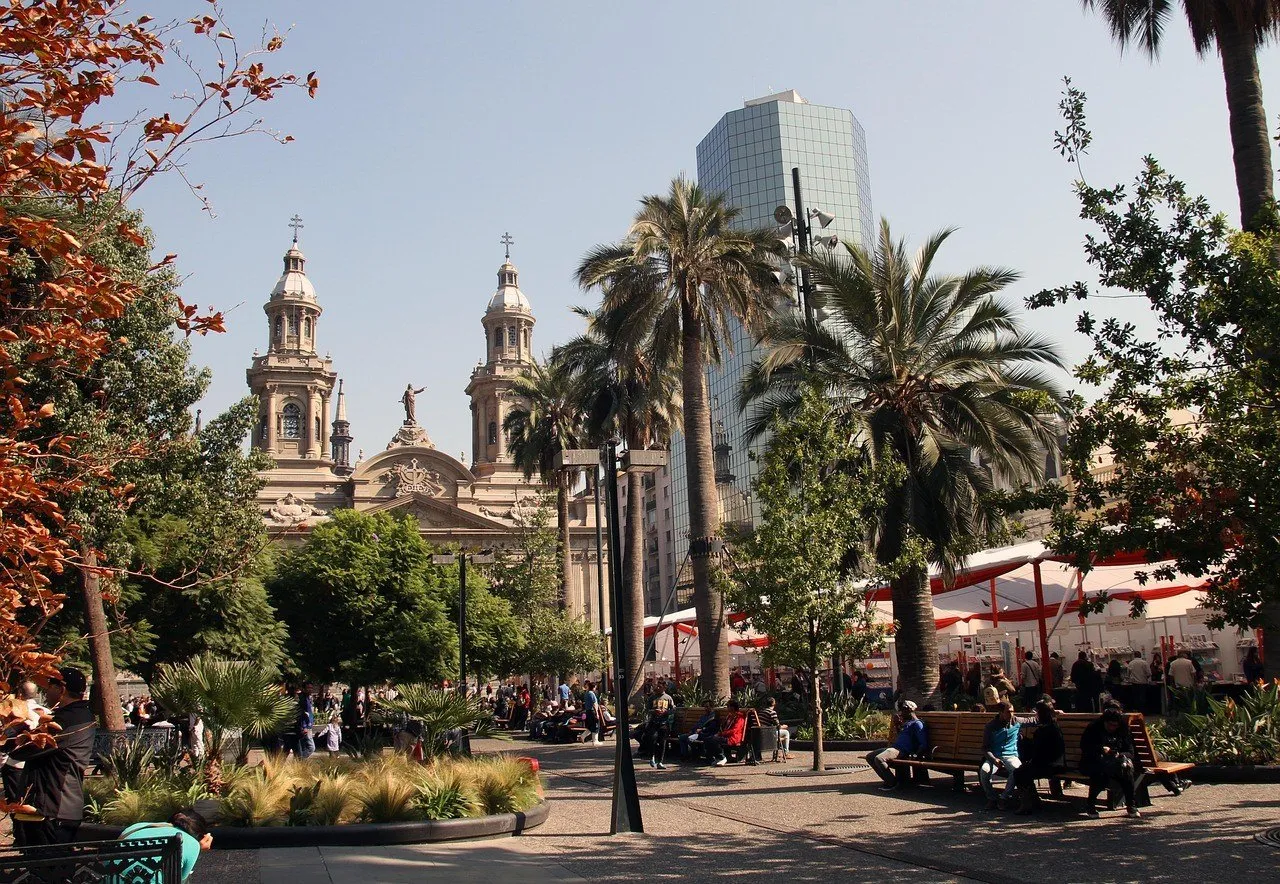 2
The square gathers the cathedral, the Central Post Office and the Museo Histórico Nacional: a good place to read Santiago through its facades and the movement of people crossing downtown.
View details for Plaza de Armas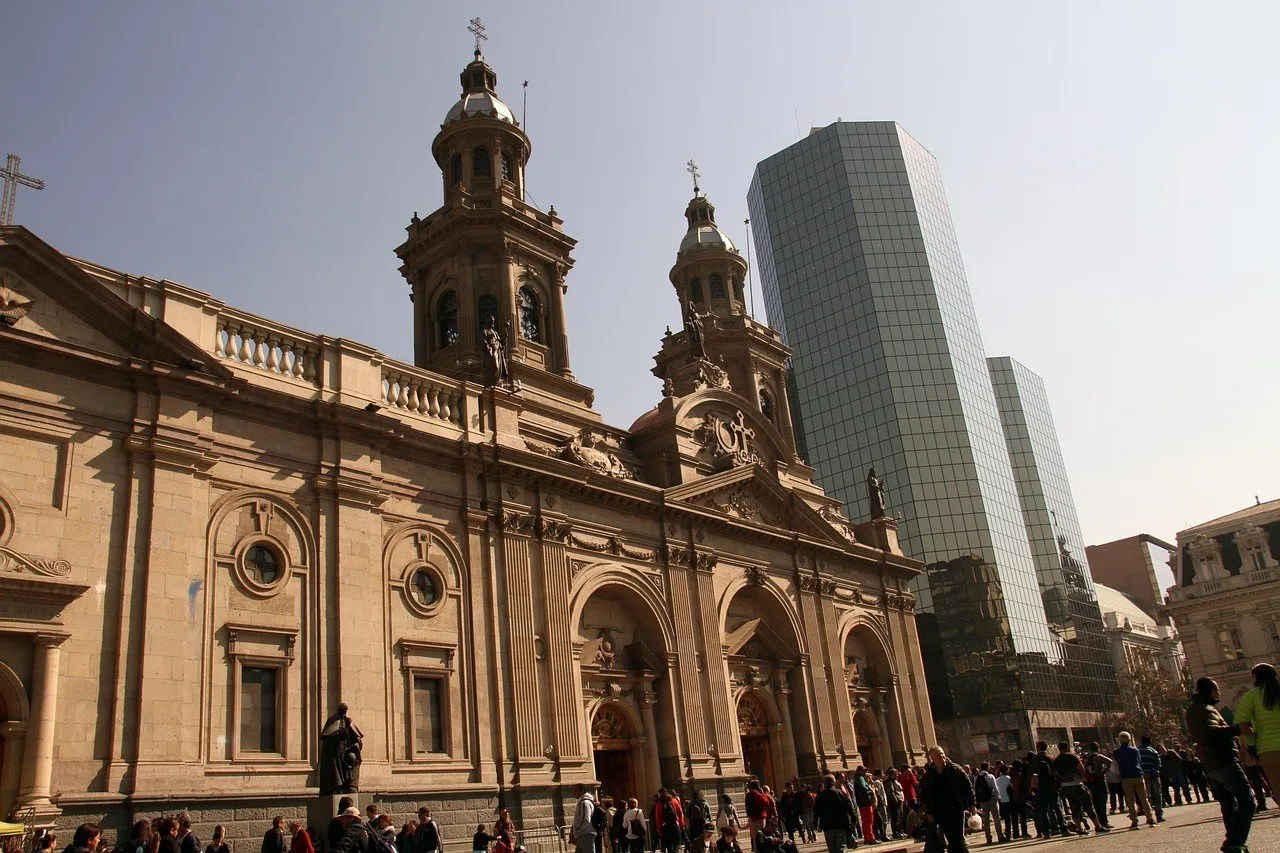 3
On the side of the Plaza de Armas, the Metropolitan Cathedral swaps downtown's bustle for naves, stained glass and an interior that asks for a few minutes of attention.
View details for Metropolitan Cathedral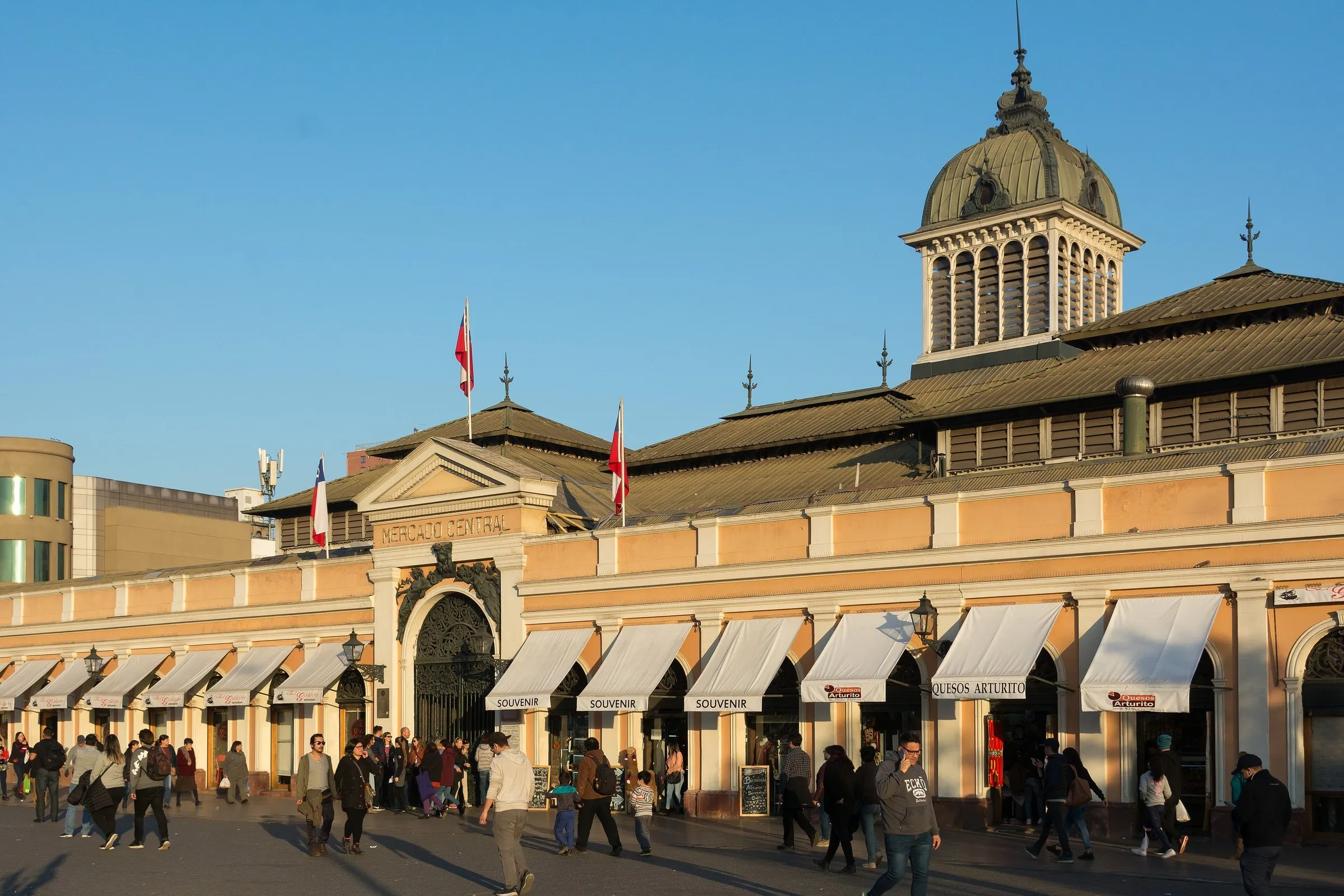 4
Fish, seafood and restaurants fill the Mercado Central, where the metal structure deserves as much attention as the dishes and the stalls.
View details for Mercado Central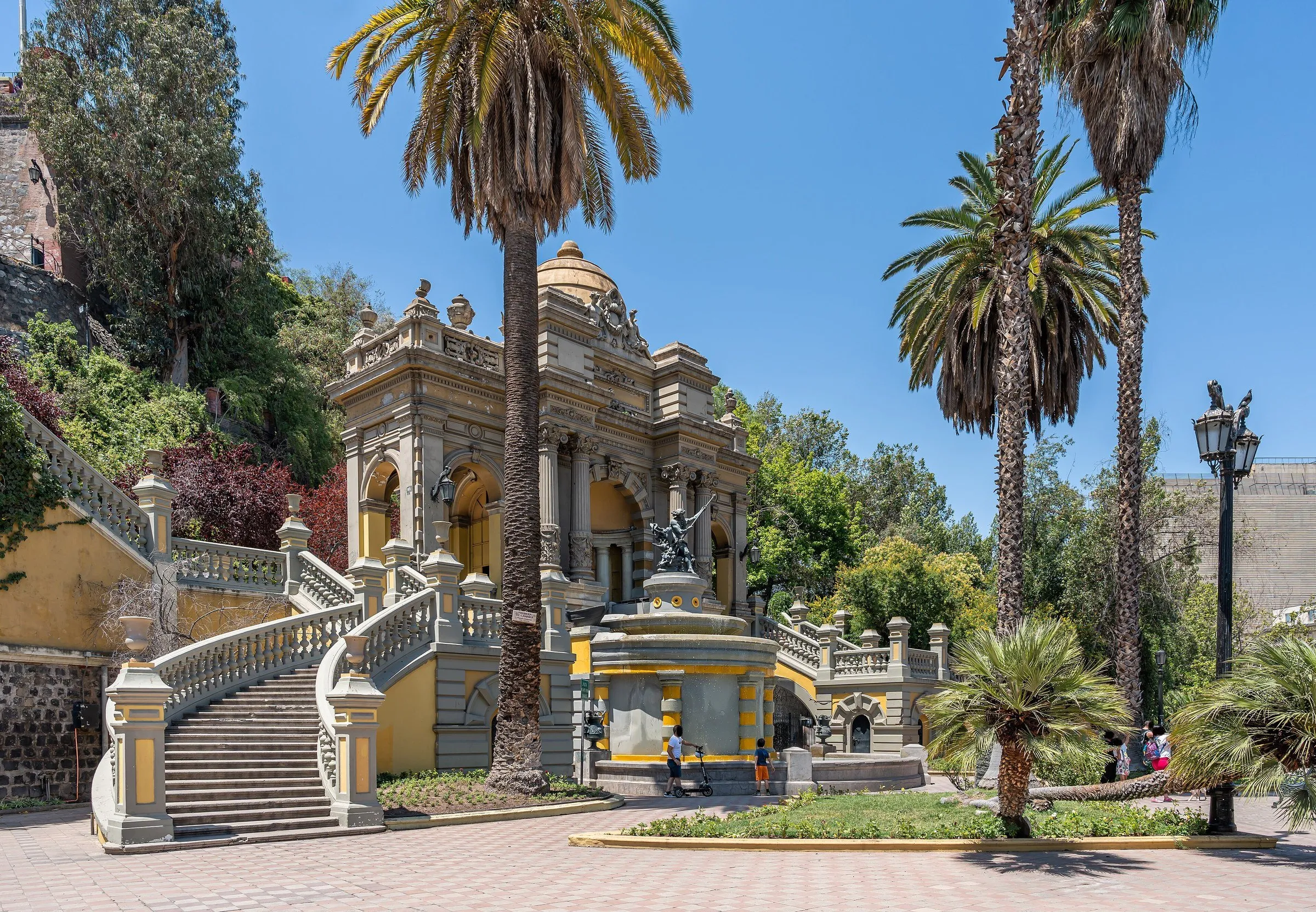 5
Fountains, terraces and staircases turn Santa Lucía into a climb in stages, with views of downtown Santiago and good excuses to catch your breath.
View details for Cerro Santa Lucía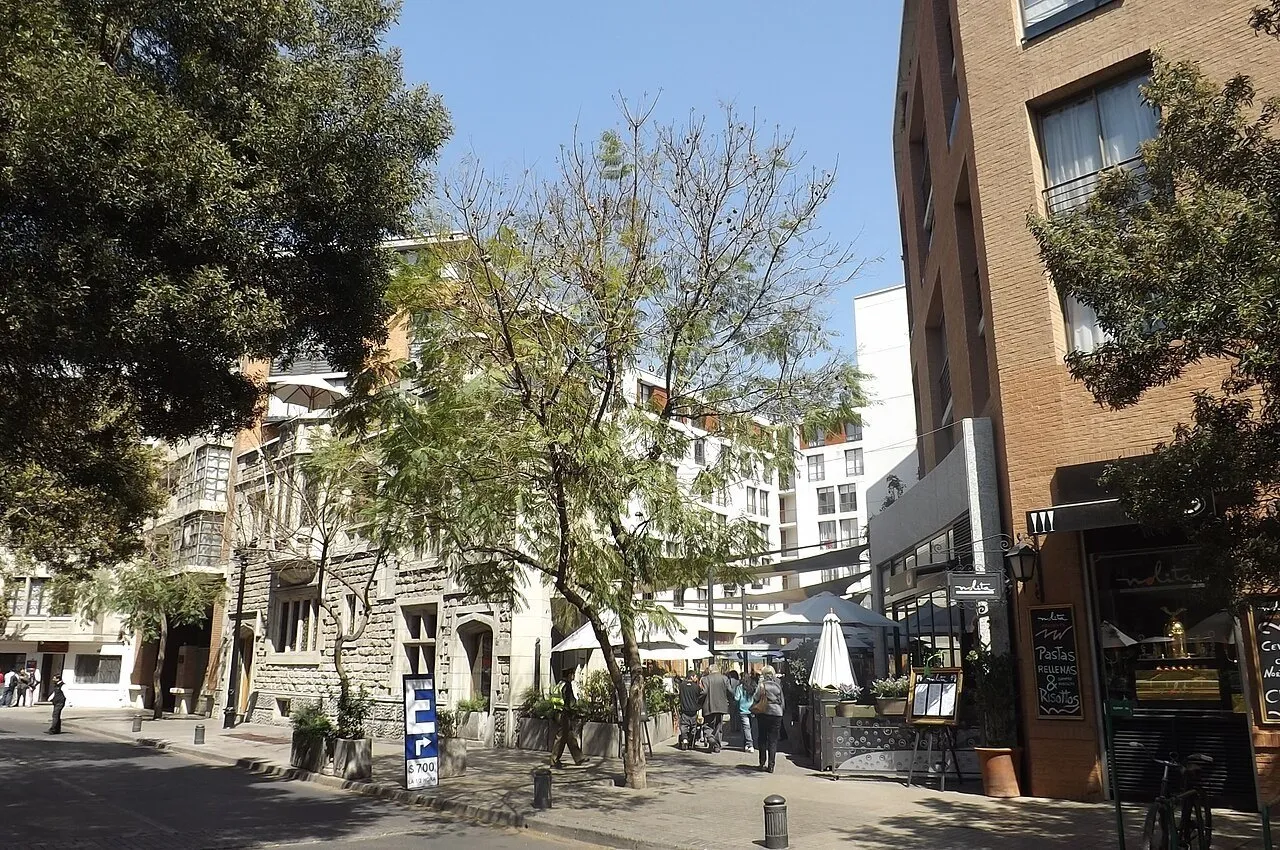 6
Short streets, cafés, design shops and cultural spaces make Lastarria a good walk between Santa Lucía and the museums of the Bellas Artes area.
View details for Barrio Lastarria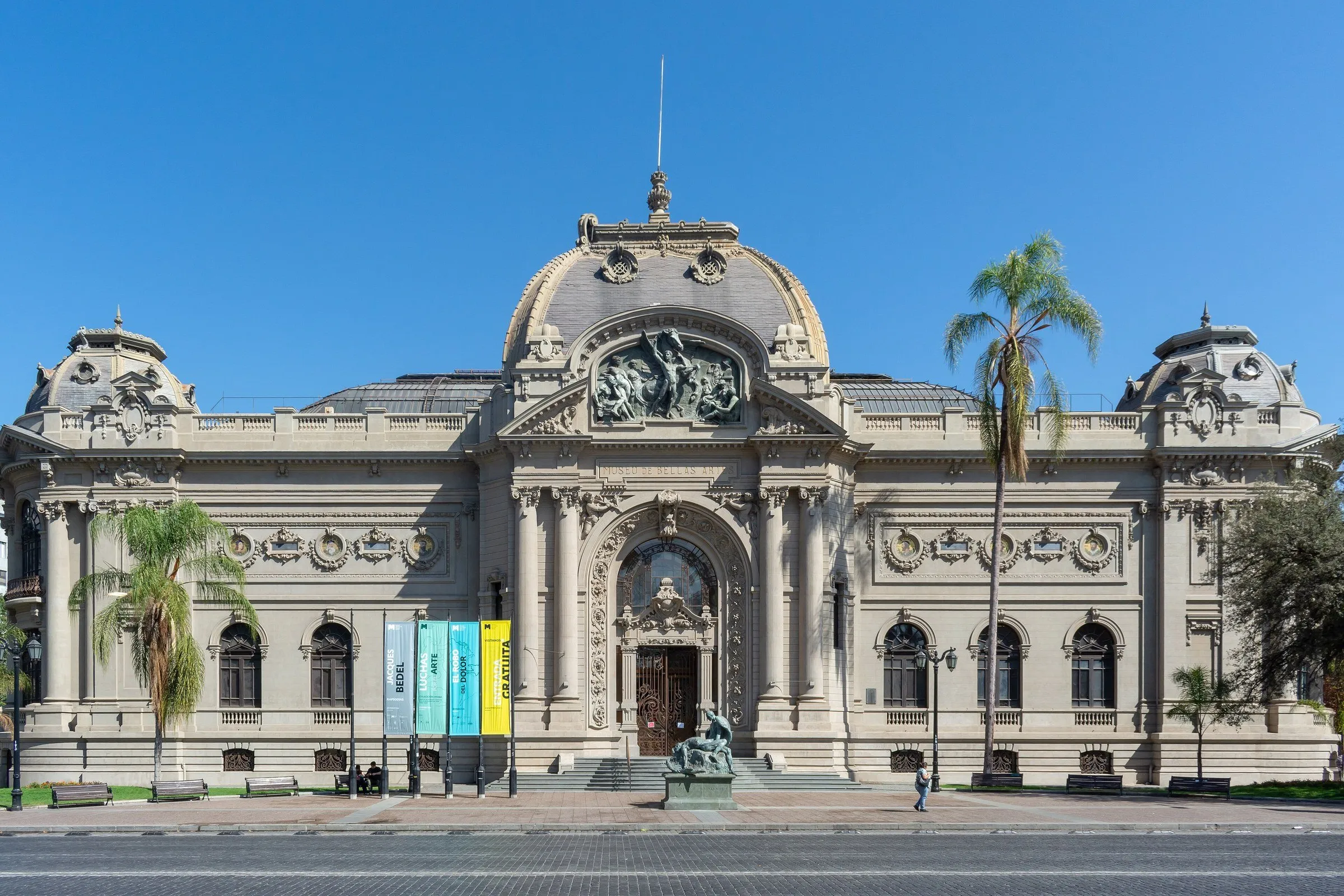 7
A palace in Parque Forestal houses the Museo Nacional de Bellas Artes, with Chilean and foreign art and a central hall lit by a glass dome.
View details for Museo Nacional de Bellas Artes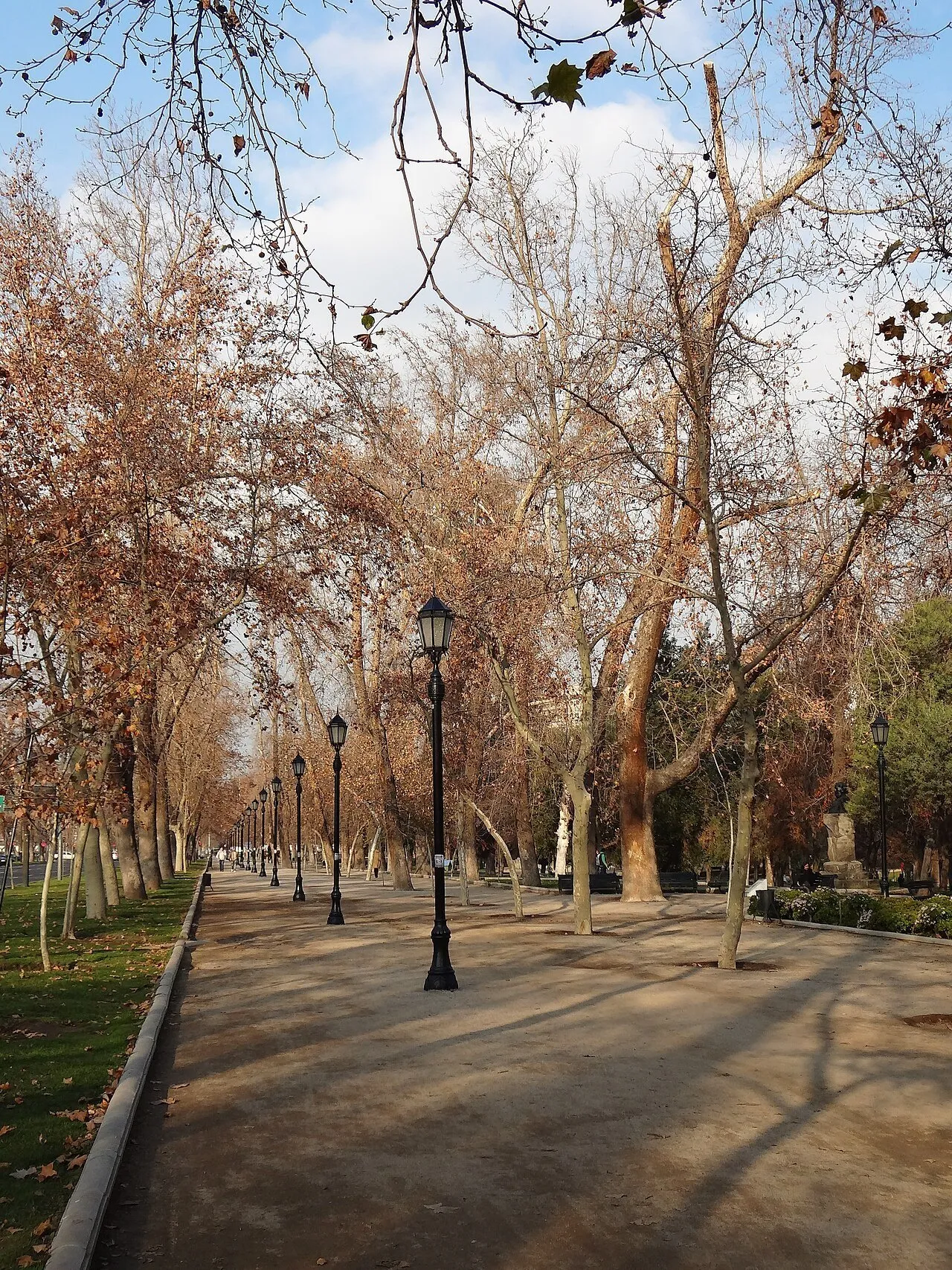 8
On the south bank of the Mapocho, Parque Forestal stitches together tree-lined paths and sculptures around Bellas Artes: a break to stroll without another climb.
View details for Parque Forestal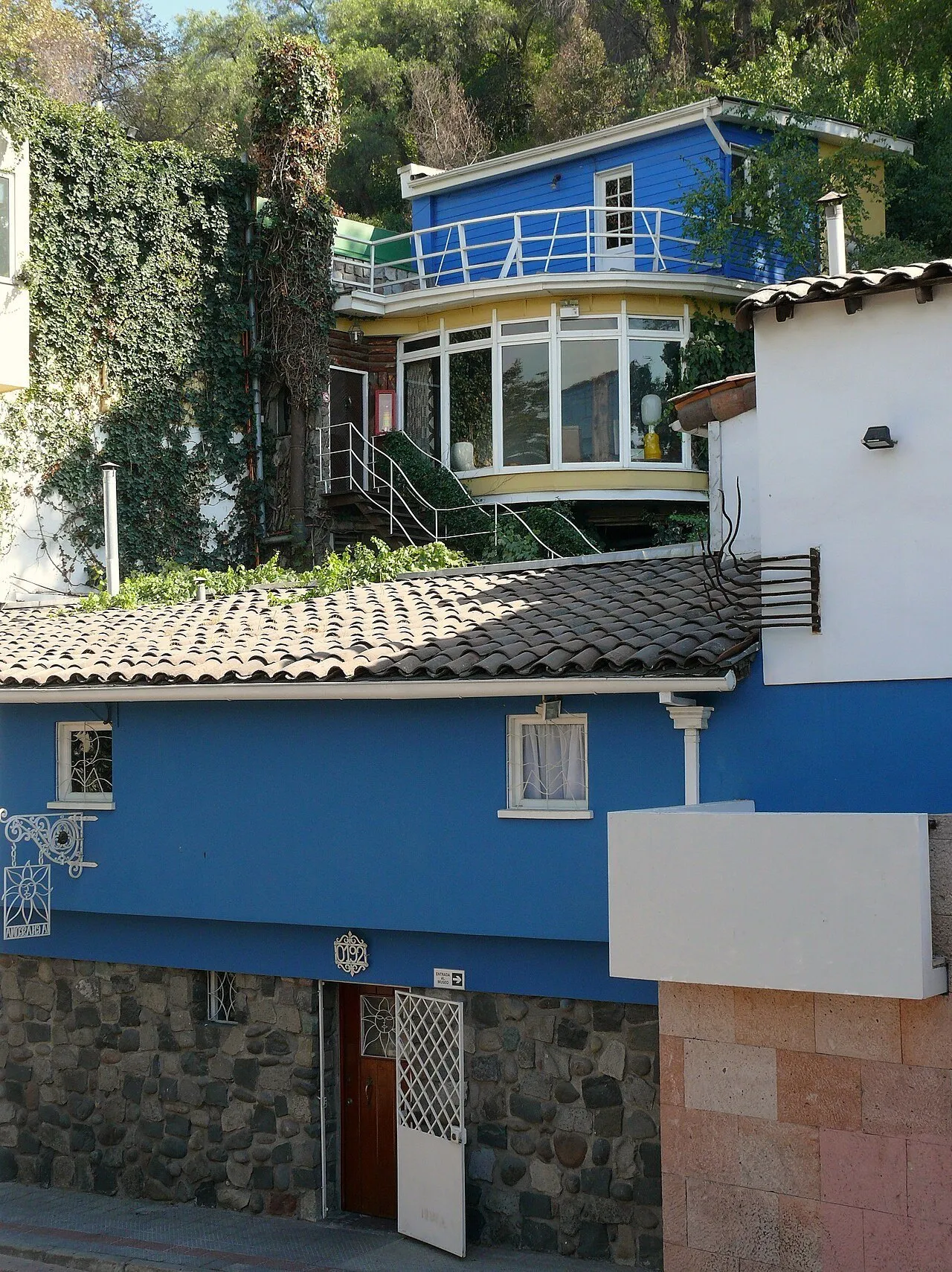 9
The house of Pablo Neruda and Matilde Urrutia in Bellavista holds objects, art and intimate rooms that help tell the story of the couple and the place.
View details for La Chascona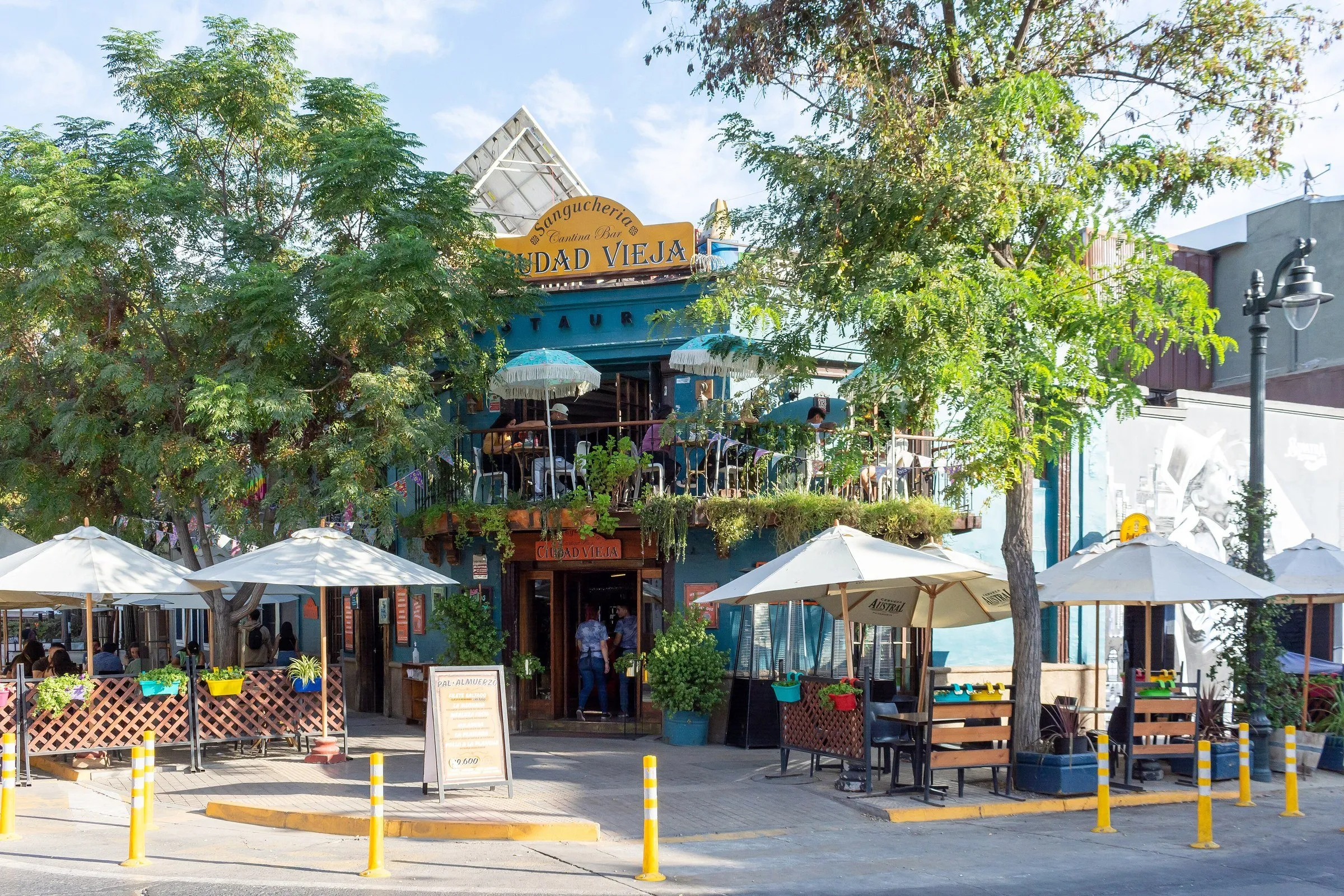 10
Murals, restaurants and bars mark Bellavista, the neighborhood that links the visit to Neruda's house with the access to San Cristóbal and changes pace after dark.
View details for Barrio Bellavista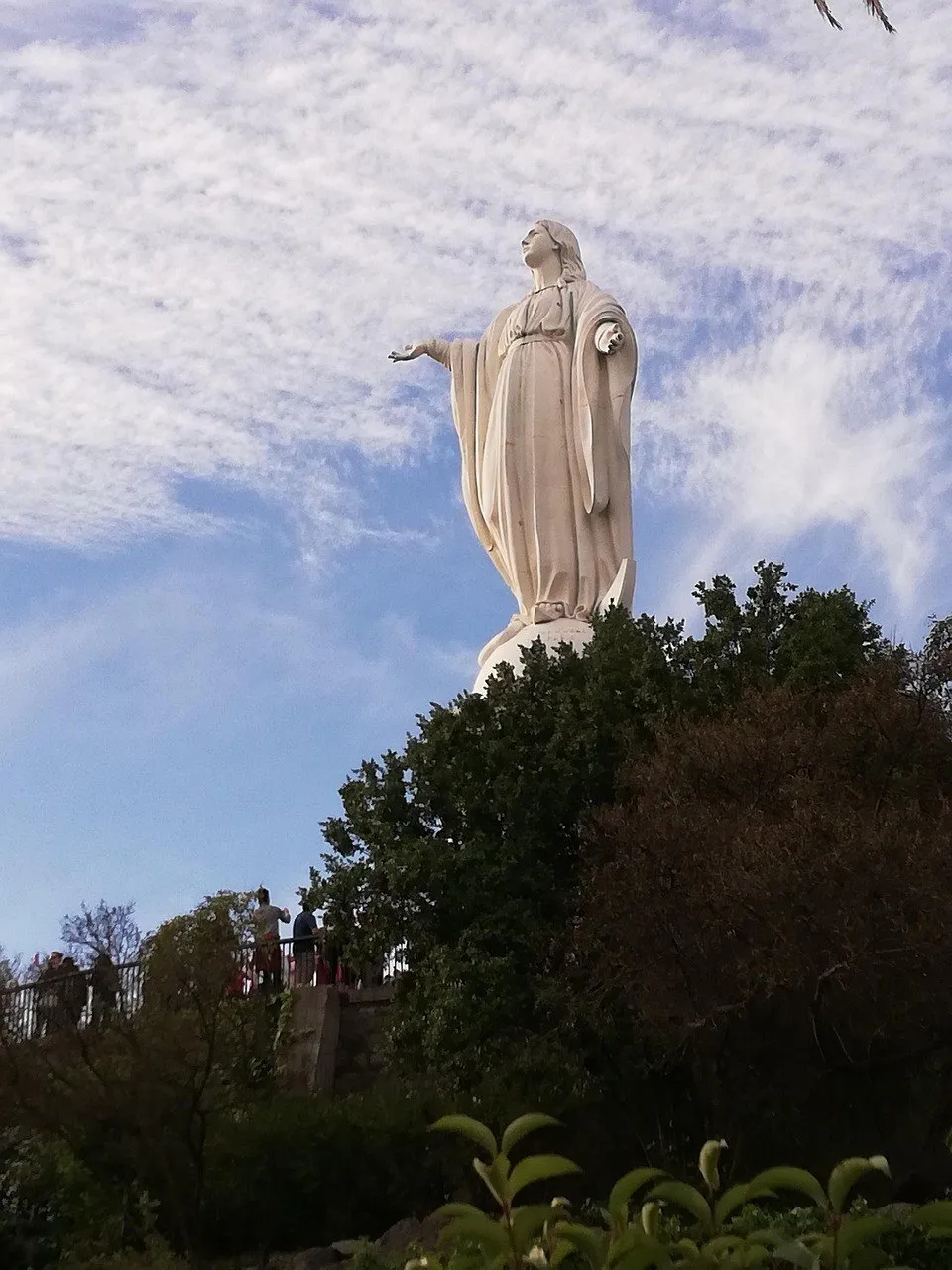 11
San Cristóbal offers the funicular ride, the sanctuary at the top and a wide view of Santiago; set aside time to go up, look around and come down without rushing.
View details for Cerro San Cristóbal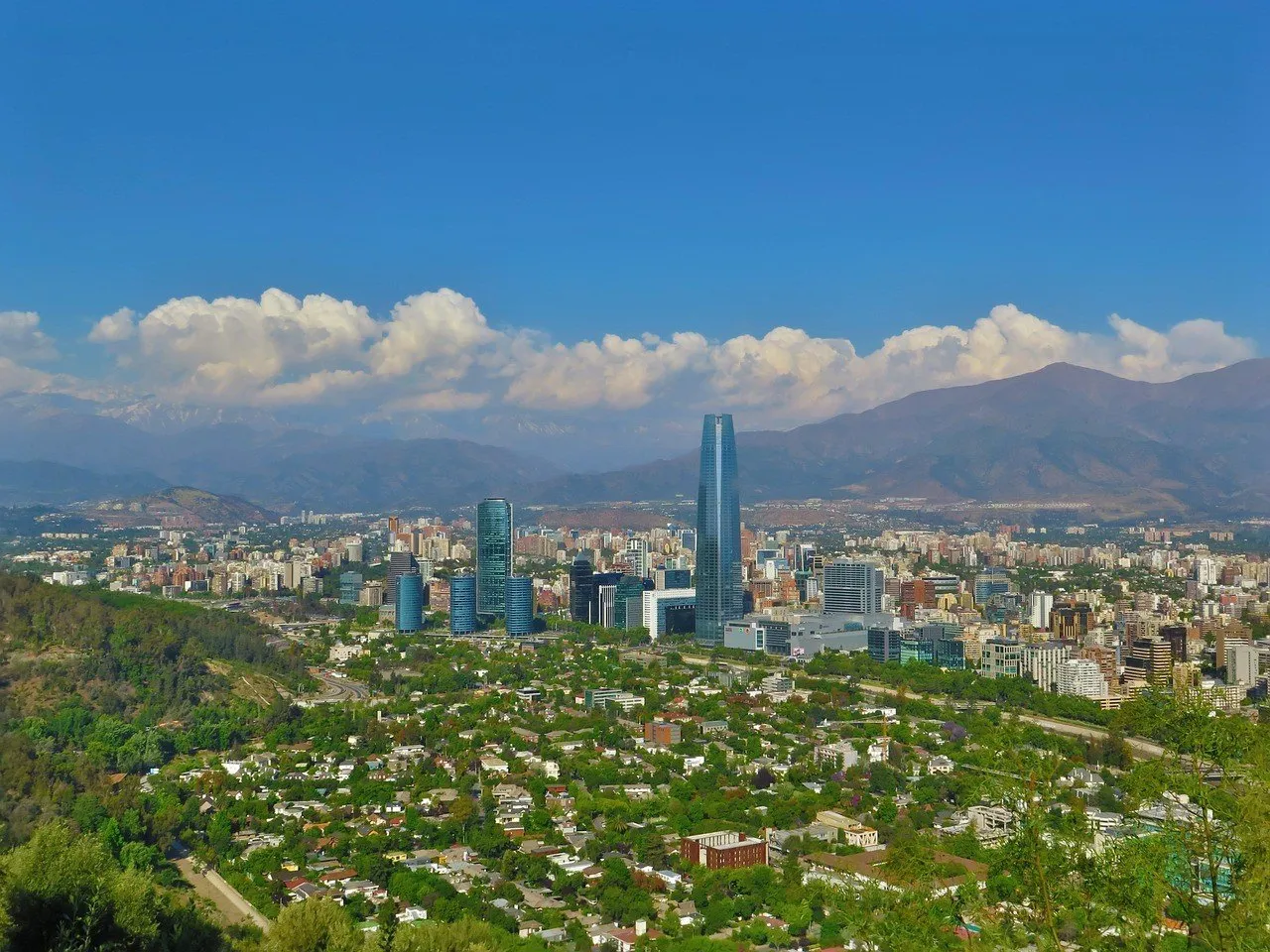 12
At the top of the Gran Torre Costanera, the Sky Costanera viewpoint offers a panoramic reading of Santiago, with the valley, the buildings and the Andes depending on visibility.
View details for Sky Costanera1The name gives away its first function: La Moneda was built to mint coins. Joaquín Toesca's project later came to house the seat of government. Start with the outer squares; the main facade faces the Plaza de la Constitución.
This is also a place of memory of the military coup that bombed the palace. Look with that context in mind. Visiting the interior takes planning; the walk outside already lets you recognize its relationship with the civic center.
2A lap around the Plaza de Armas takes in the cathedral, the post office, city hall and the building of the Museo Histórico Nacional. The square set the original layout of Santiago and is still a meeting point, with artists and people crossing downtown on the way to their next appointment.
Before picking a bench, look at the facades as a whole. The charm lies in the mix of institutional buildings and square life: you came to see architecture, but the bustle competes for your attention.
3From the square, the towers help you spot the Metropolitan Cathedral; once inside, look for the stained glass and the interior decoration. Joaquín Toesca took part in the facade, while other interventions changed the building. The church you visit is the result of successive reconstructions and renovations.
Notice this difference between facade and interior, instead of photographing only the entrance. Visit quietly and give priority to those who are praying: the tourist itinerary fits the rhythm of the church.
4Lunch is on the tables, but start by looking up: the metal structure is one of the reasons to visit the Mercado Central. Beneath it are stalls and restaurants mainly tied to seafood, in a stroll with the smell of fish and the noise of service.
Walk the aisles before sitting down. You can visit the building or set aside time to eat, without picking the first invitation. Combine the stop with the Plaza de Armas, in the same area.
5The Santa Lucía staircase turns a walk that looks short on the map into an outing with pauses. The Terraza Neptuno is one of the recognizable stops. Also called Huelén, the hill took on the look of a park in a landscape transformation led by Benjamín Vicuña Mackenna.
Climb slowly and watch downtown open up between the buildings. At every pause to enjoy the view, your legs thank the coincidence. After the descent, Lastarria helps swap the stairs for a chair and a coffee.
6José Victorino Lastarria street sets the direction, but the facades justify detours. The neighborhood gathers cafés, restaurants, galleries and cultural spaces near Santa Lucía and Parque Forestal. Its formation is tied to artists and writers and to the architecture of the old houses.
Set aside time just for the neighborhood, instead of merely cutting through. Browse the shop windows, look for the Plaza Mulato Gil de Castro and pick a café: the itinerary may gain the note “stay a little longer”.
7The entrance of Bellas Artes deserves a pause before the galleries. The building echoes the Petit Palais in Paris, and the glass dome lights the central hall. Inside, the collection brings together works by Chilean and foreign artists.
You don't need to know the names to enjoy the visit. Choose a few works to look at closely, then return to the hall and notice the architecture. Outside, Parque Forestal offers a continuation of the walk.
8After the steps of Santa Lucía, Parque Forestal changes the conversation with your legs. The green strip follows the south side of the Mapocho and gathers tree-lined paths, sculptures and the surroundings of Bellas Artes. A row of plane trees marks the walk.
Choose a stretch near the museum and stop in a pleasant patch of shade. The interest lies in the layout of the paths and in the way buildings are framed among trees: a calm transition between art galleries and the streets of Lastarria.
9La Chascona swaps the scale of a palace for that of a house full of personal choices. Neruda built it for Matilde Urrutia; the name came from the nickname tied to her hair. Artworks, furniture and objects present the couple's rooms.
The visit also covers the history of the house, damaged after the military coup and restored by Matilde. Look at the details as part of that trajectory. The address in Bellavista fits with the neighborhood and the climb up San Cristóbal.
10The colors of Bellavista show up on facades and in graffiti, among restaurants and bars. The neighborhood combines nightlife and culture, with La Chascona and San Cristóbal nearby. Use Pío Nono as a reference to observe the surrounding streets.
Between Neruda's house and the hill, set aside a stop to have lunch and look at the murals. At night, the mood changes to music and bar tables; also plan your transport back to your lodging.
11The funicular leaves from the Pío Nono entrance and makes the ascent part of the outing. Near the ridge is the Santuario de la Inmaculada Concepción; the view shows how far Santiago spreads across the valley. Pick a day with good visibility.
Set aside time for the way up and the descent, especially when combining the hill with another viewpoint. Don't try to cover the entire Parque Metropolitano: one stretch well enjoyed is worth more than looking for the next exit without seeing the landscape.
12After the staircases and the hill, Sky Costanera offers another perspective: Santiago seen from the top of a tower. The viewpoint is in the Gran Torre Costanera and lets you follow the urban layout in several directions. The Andes join in when the sky helps.
The entrance is through the shopping center; look for the viewpoint signs. Up there, walk around before choosing your framing and recognize the places you have covered. Sunset can extend the visit, depending on visibility.
Use the metro to link downtown with Providencia and walk within each area of the itinerary; for Bellavista, Baquedano is a useful reference, from where the walk continues on foot.
Arturo Merino Benítez airport has bus and taxi options into the city; compare the official alternatives before leaving the terminal and confirm the arrival point near your lodging.
Put your phone away after checking the map and keep your bag close to your body in busy parts of downtown; in Bellavista at night, prefer to go out with company and return by authorized transport.
In Santiago, day and night can have very different temperatures: dress in layers and bring water for the hills; in summer, save the climbs for less hot periods.
Alternate the paid viewpoints with walks through the Plaza de Armas, Lastarria and Parque Forestal; bring some cash in pesos for small purchases, in addition to your card.
Check museum opening times and how the San Cristóbal transport is running before distributing the days; on holidays or in bad weather, the order of this itinerary may need adjusting.
The Mercado Central steers the conversation toward fish and seafood; Lastarria and Bellavista help prolong it at the table. Before choosing a restaurant, read the menu and check the price of what you plan to order. Between one visit and another, try the empanada de pino and save room for the pastel de choclo. The mote con huesillo solves another travel question: when you wanted a drink, but also had room for dessert.
Baked dough filled with meat, onion, egg and olive; some recipes include raisins, so ask if that decides your order.
A corn topping with basil over a filling that usually combines meat and chicken; it arrives at the table with a vocation for long lunches.
Cooked wheat and dried peach in a sweet syrup, served cold; the spoon makes as much sense as the straw.