 1
History
Edinburgh Castle
High above the Old Town, ramparts, royal halls and views over the rooftops share your attention; the time-signal cannon provides the soundtrack.
View details for Edinburgh Castle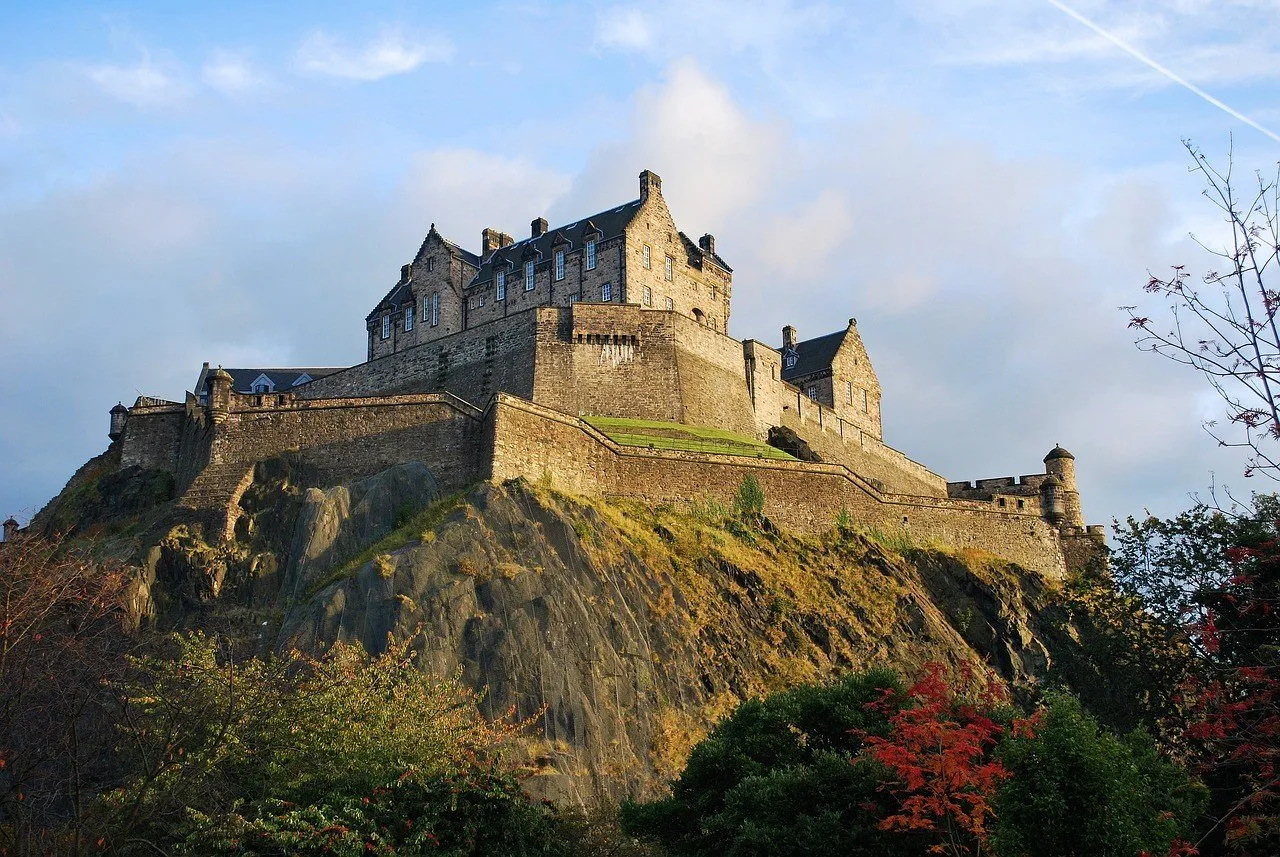
United Kingdom
You raise your camera to the castle, notice the slope and negotiate one more break. In Edinburgh, cobbled streets lead from royal halls to an ancient volcano without leaving the city.
Seen from Princes Street Gardens, Edinburgh stacks up stone: the castle above, the Old Town next and narrow passages stitching the streets together. The Royal Mile is the thread between the fortress and Holyroodhouse, but the walk gets better when you look sideways. A close interrupts the shop windows, a staircase changes the perspective, and a stroll that looked short suddenly needs another pause to admire the rooftops.
Plan the trip in three movements: the interiors and slopes of the Old Town, the open landscape of Holyrood, and the gardens by the New Town all the way to Dean Village. The times in this guide are estimates for planning, not visit stopwatches. Book the tickets you want and save the hill walks for a favorable window; a museum handles a rainy afternoon far better than insisting on photographing from inside a cloud.
The castle’s cannon was used so ships could set their clocks: the boom that startles visitors began as a punctuality service.
St Giles’ Thistle Chapel has angels playing bagpipes among its carvings; it’s worth looking for that detail before you leave.
Waverley station is named after the series of novels by Walter Scott. In Edinburgh, literature even shows up at the train platform.
1High above the Old Town, ramparts, royal halls and views over the rooftops share your attention; the time-signal cannon provides the soundtrack.
View details for Edinburgh Castle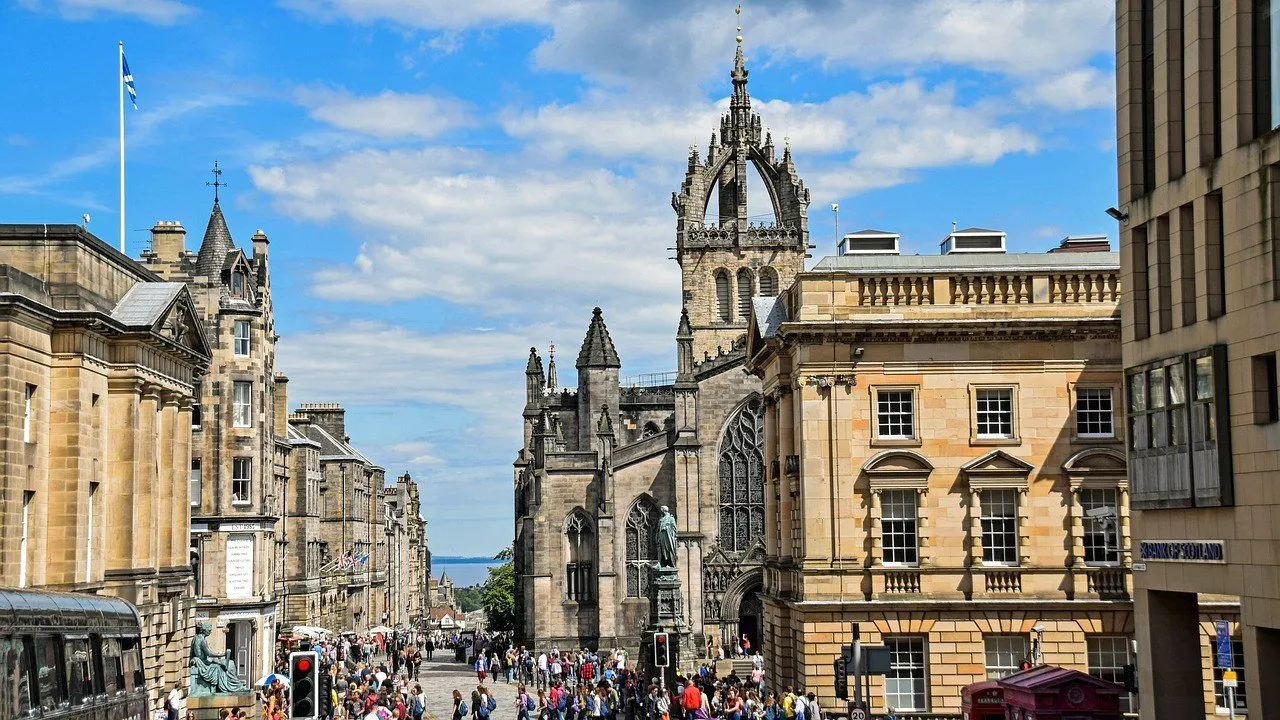 2
The string of streets between the castle and Holyroodhouse packs stone, slopes and closes: narrow passages that change the scale of your walk.
View details for Royal Mile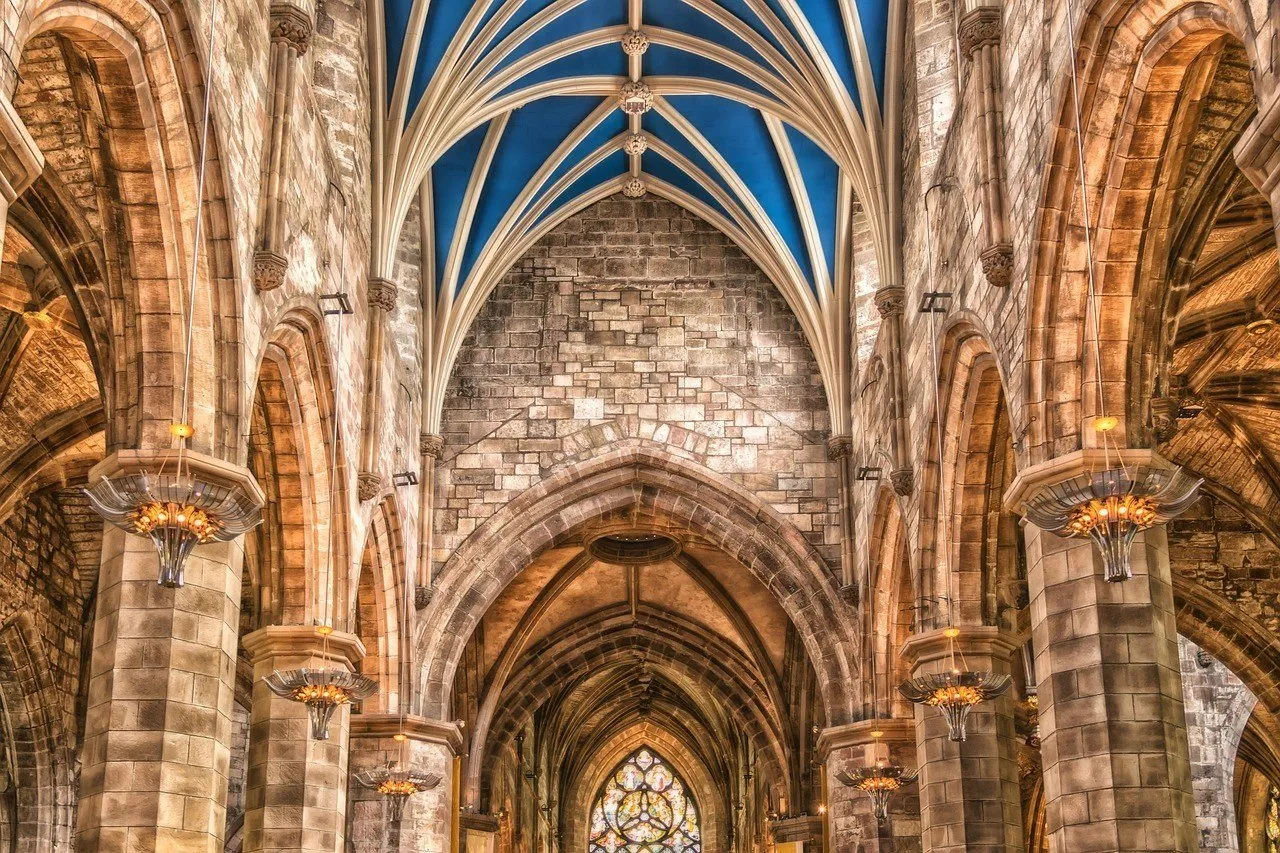 3
On the Royal Mile, the church holds stained glass and the Thistle Chapel, where carved wood, heraldic symbols and bagpipe-playing angels demand attention.
View details for St Giles’ Cathedral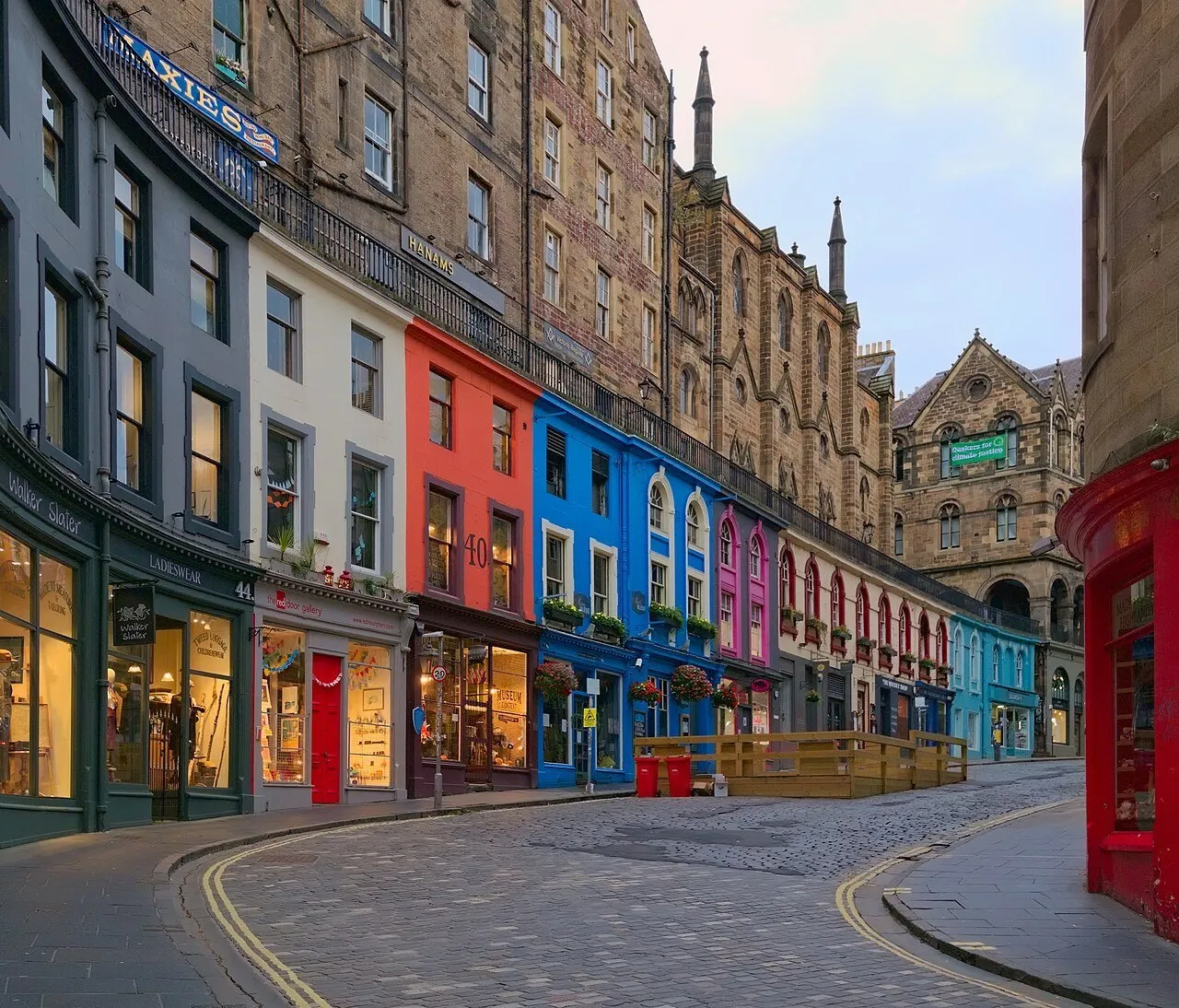 4
The curved cobbled street combines colorful facades and independent shops; it’s a window-shopping pause between the castle and the museum.
View details for Victoria Street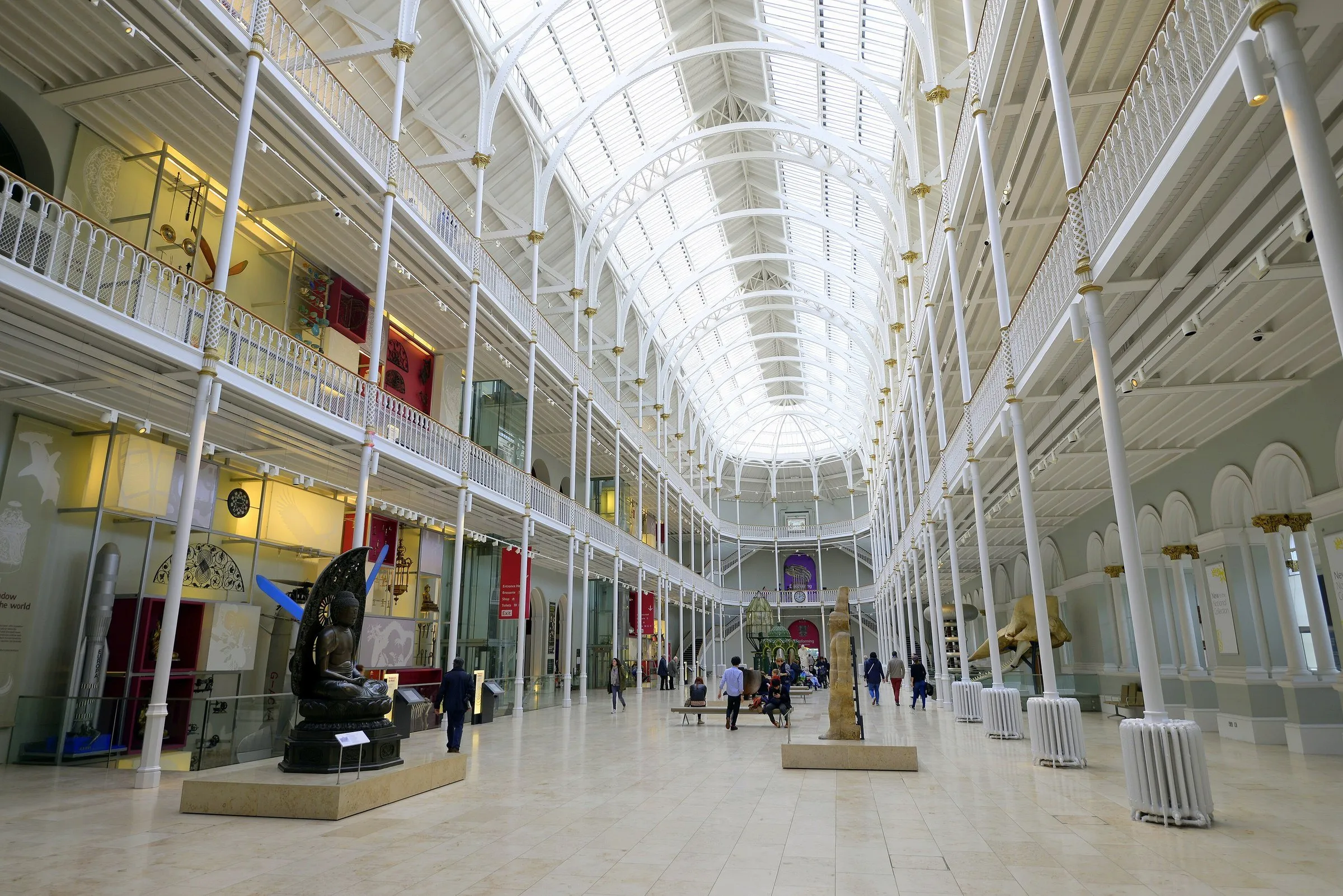 5
Scottish history, science, nature and design fill galleries linked by a large, bright atrium; choose one theme so the visit doesn’t swallow the day.
View details for National Museum of Scotland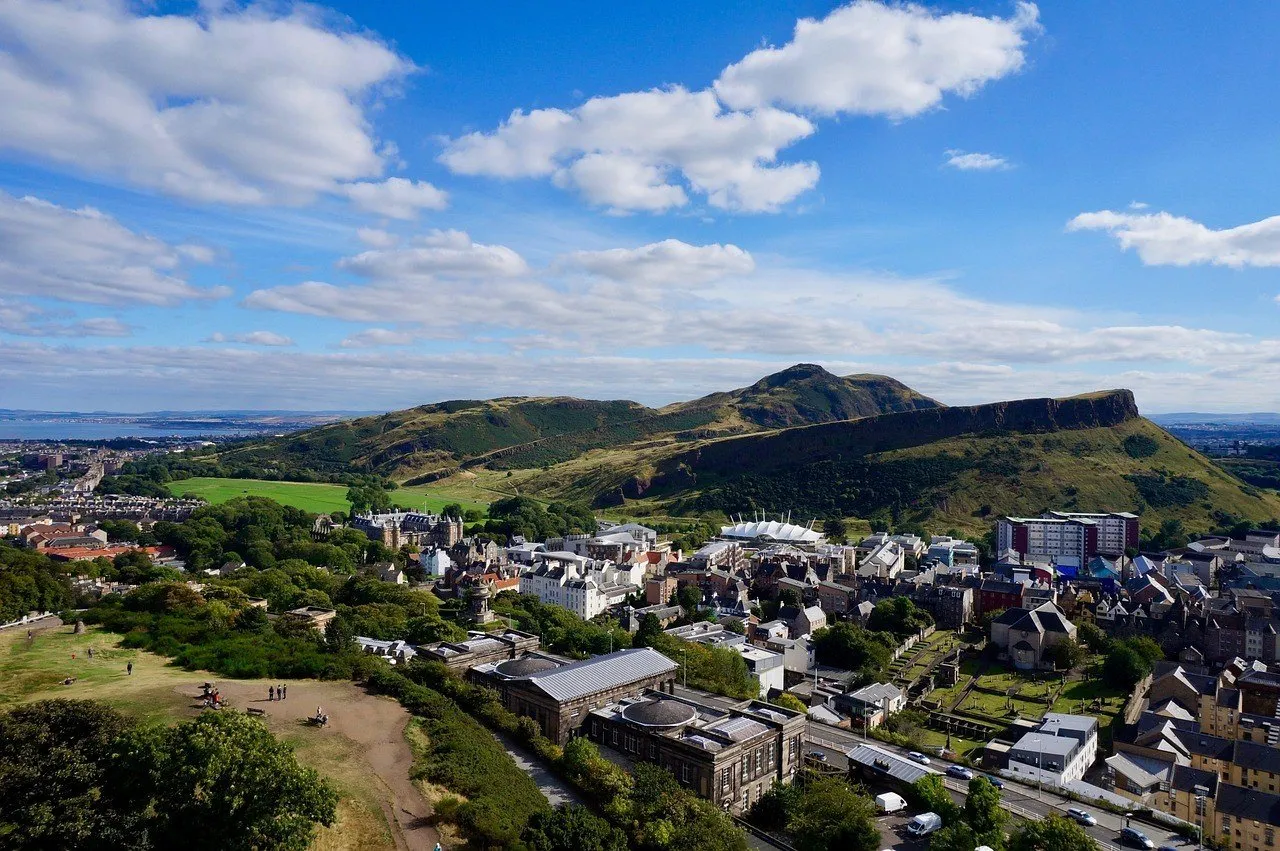 6
Holyrood Park’s volcanic terrain puts trails, rock and lochs next to the city; climbing Arthur’s Seat takes more care than a park stroll.
View details for Arthur’s Seat and Holyrood Park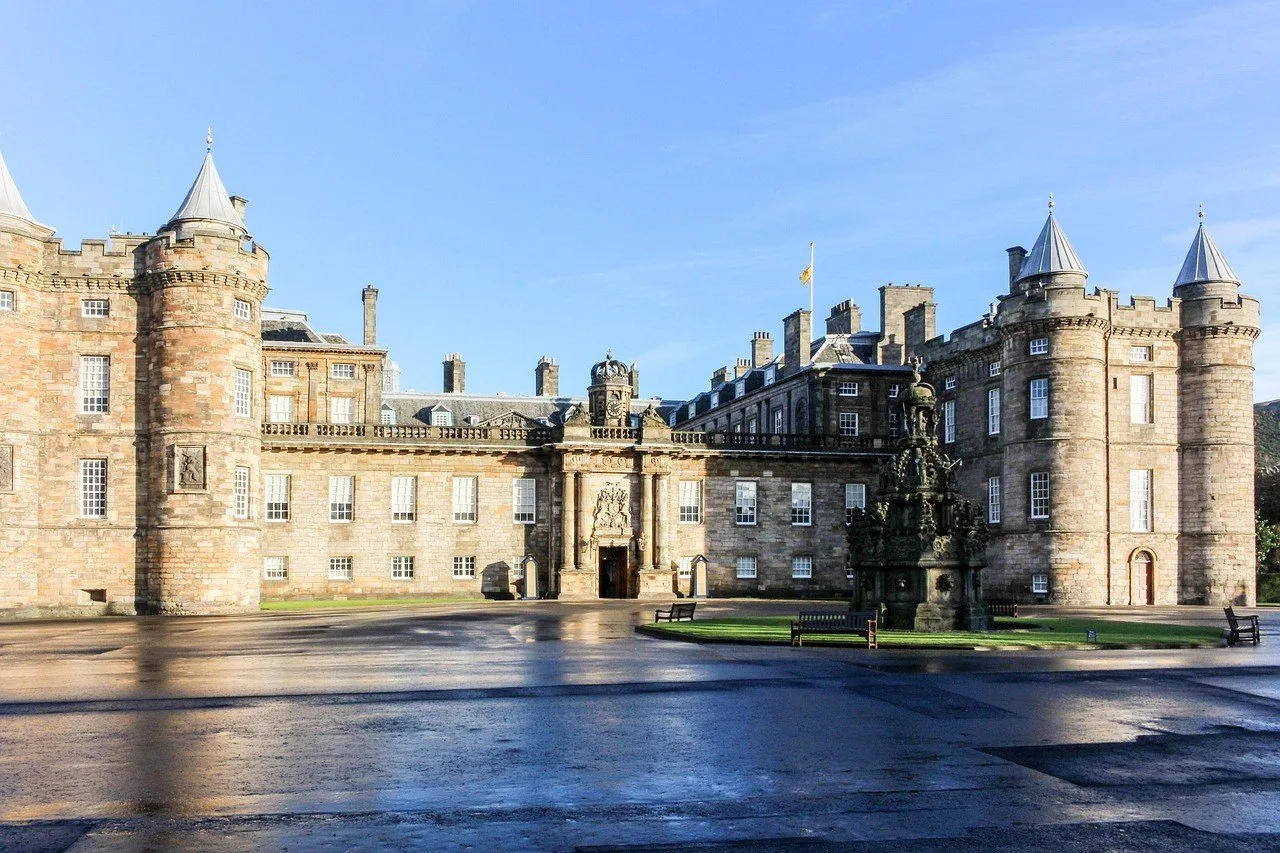 7
At the opposite end from the castle, the palace brings you closer to the State Apartments and the stories of Mary, Queen of Scots, with the abbey among the highlights.
View details for Palace of Holyroodhouse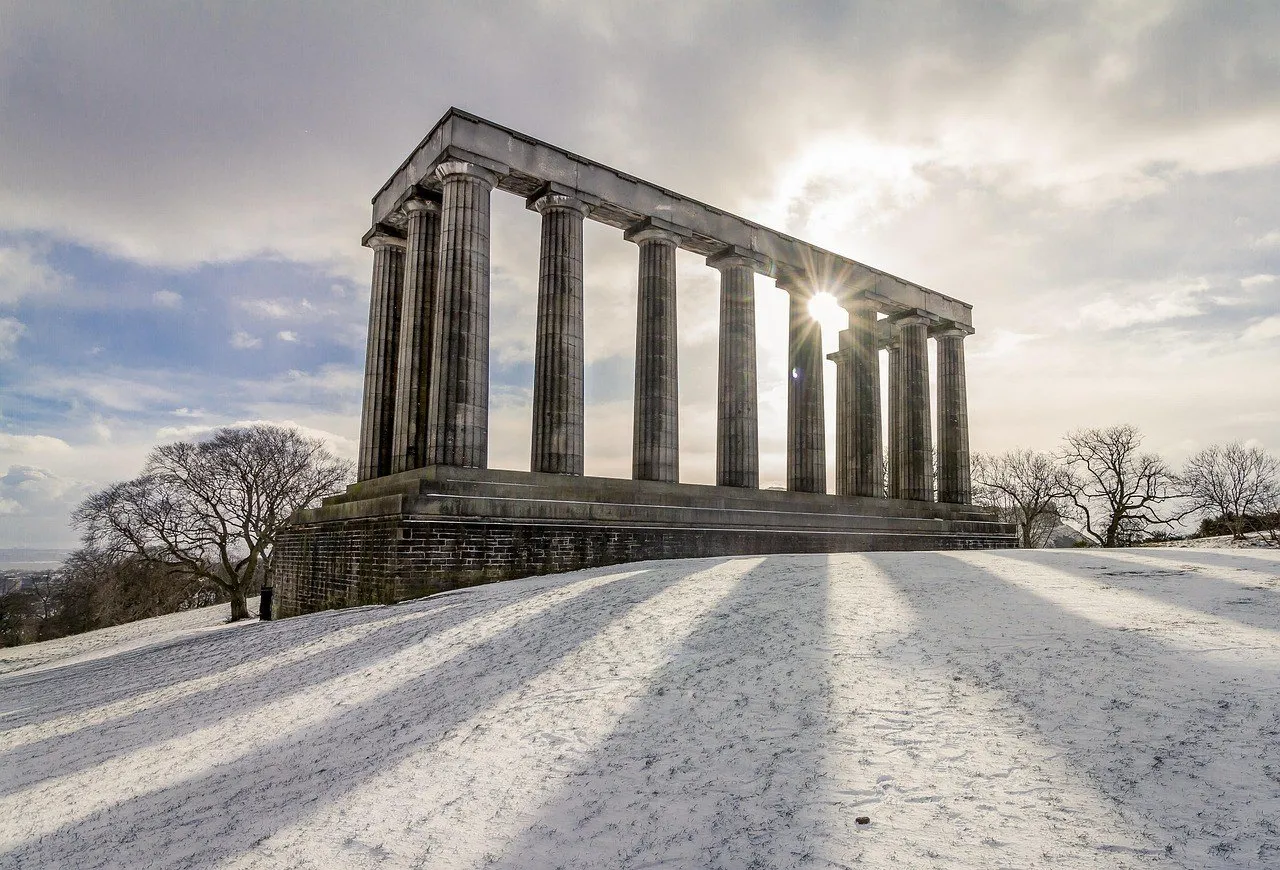 8
Rooftops, hills and monuments share the view from above; the columns of the National Monument help you recognize one of Edinburgh’s most photographed landscapes.
View details for Calton Hill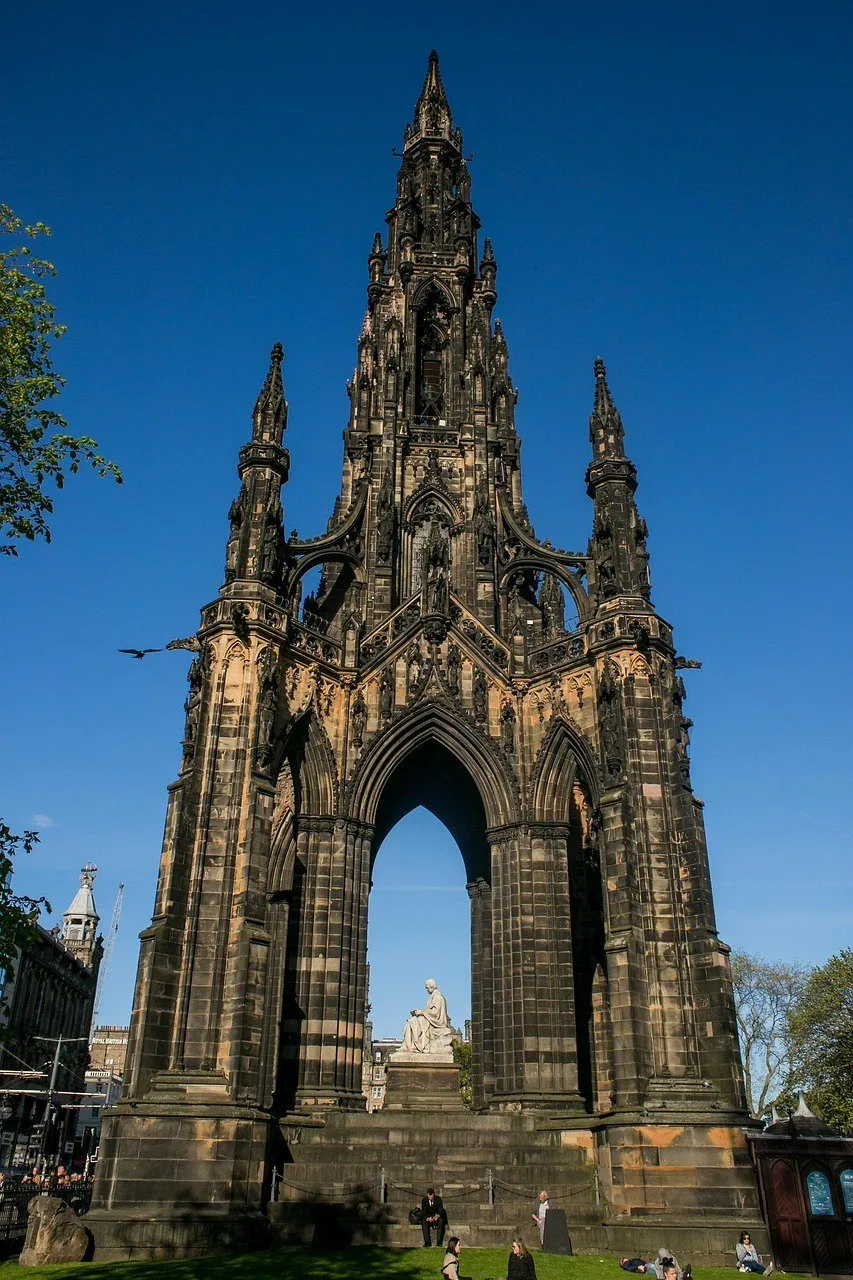 9
The Gothic tower dedicated to writer Walter Scott rises over Princes Street Gardens; at its base, the author appears with his dog Maida.
View details for Scott Monument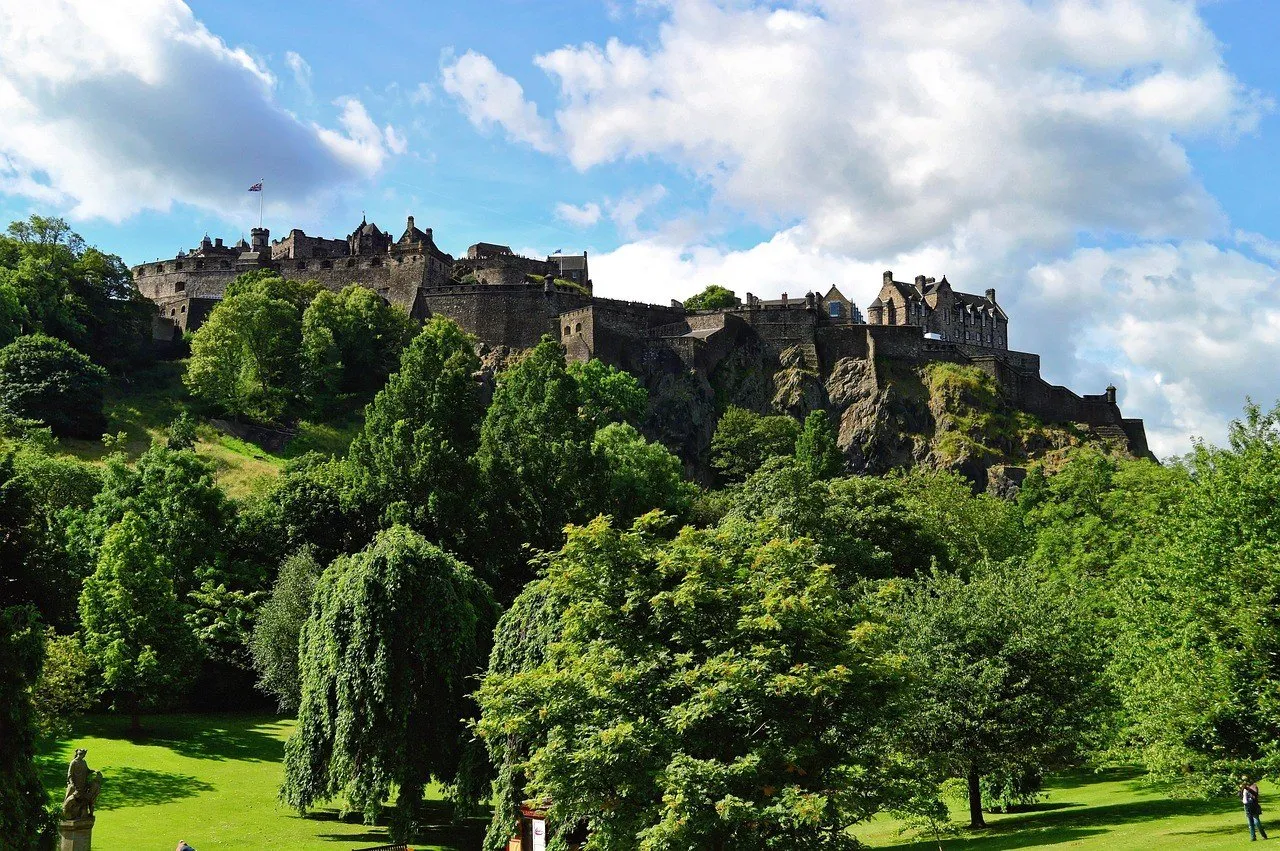 10
At the foot of the castle, gardens, paths and benches create a green pause between the old city and the Princes Street shopping area.
View details for Princes Street Gardens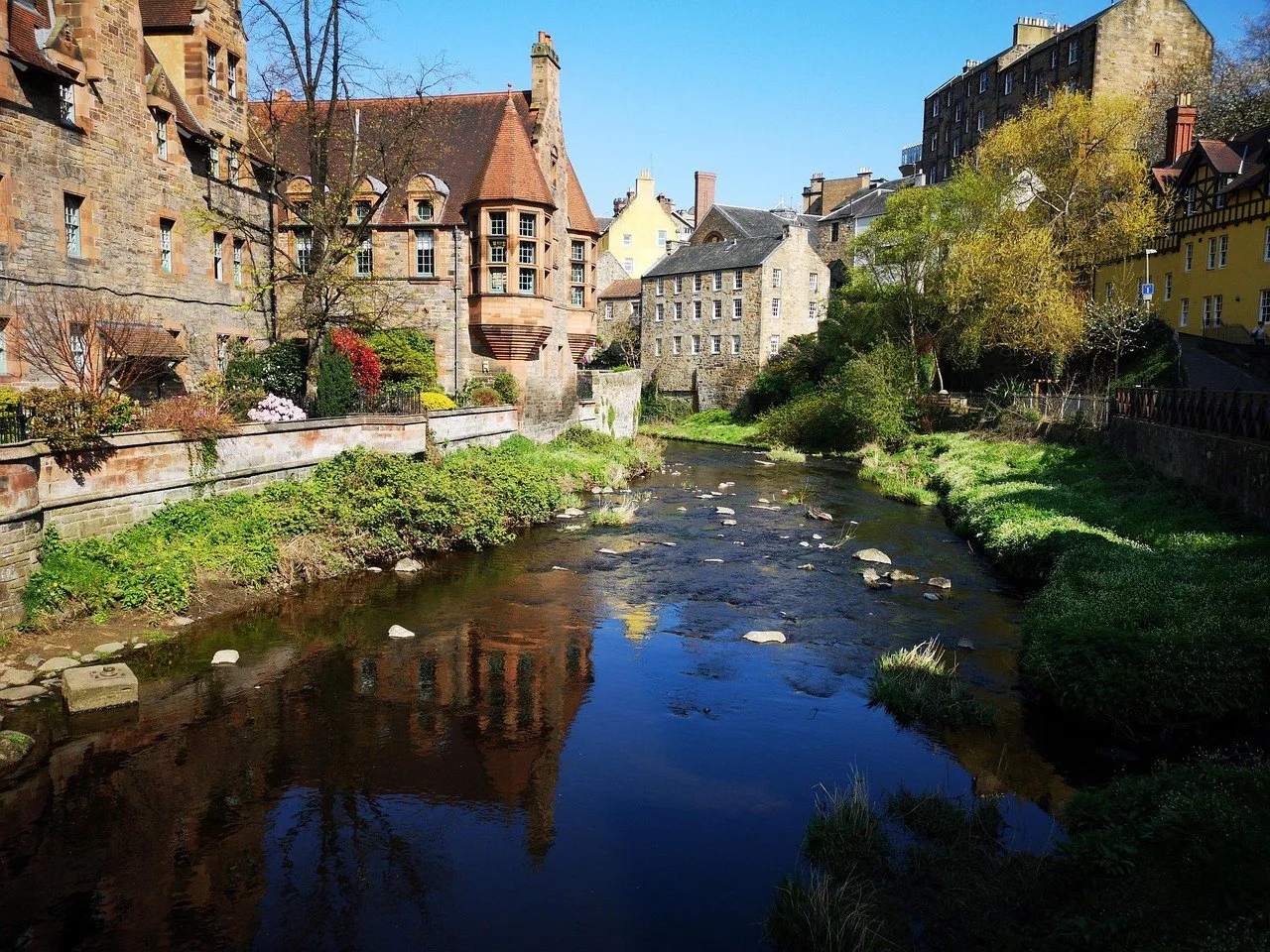 11
Houses beside the Water of Leith and traces of old mills reveal another rhythm of Edinburgh, in a residential area that calls for a discreet visit.
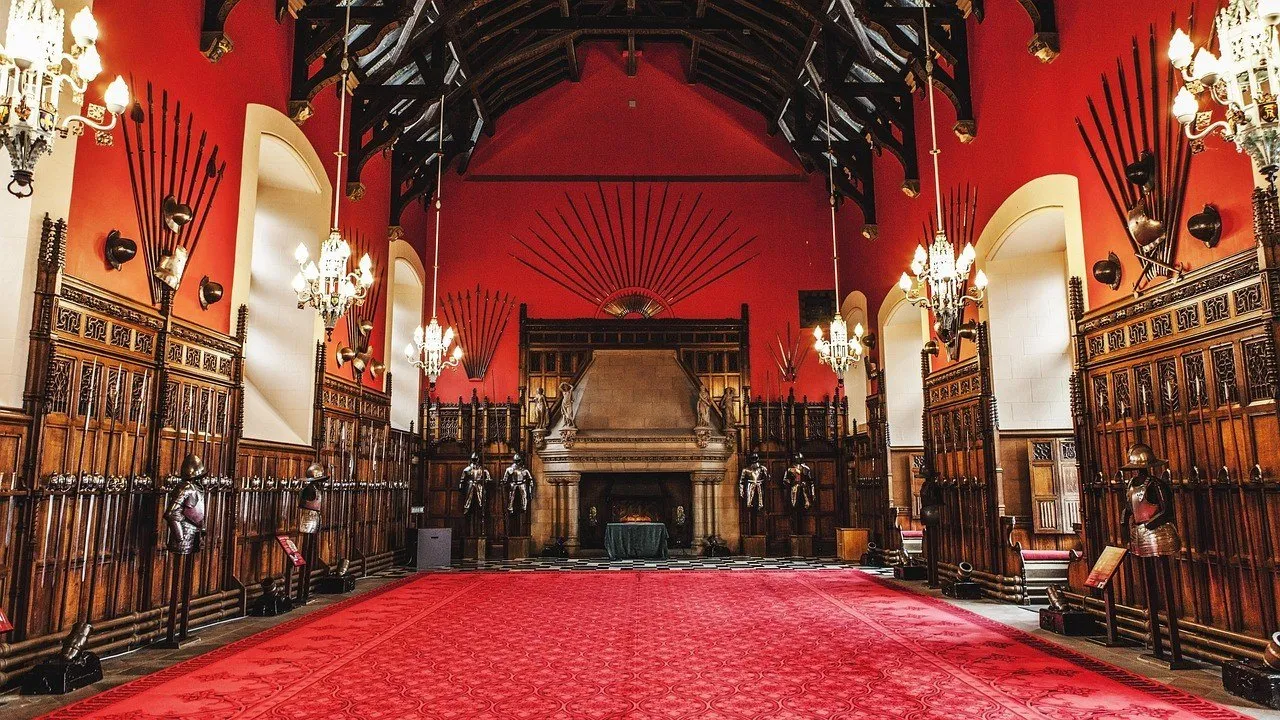
View details for Dean Village1You climb up and understand why the castle dominates so many photos of Edinburgh. Inside the walls, the visit spreads across courtyards and exhibitions, with stops such as the Great Hall, St Margaret’s Chapel and the prisons of war.
Pick a few interiors and set aside time to look at the city from the ramparts. The One o’Clock Gun began as a time signal for ships; today the bang also tests how steady your camera hand is.
2The Royal Mile links Edinburgh Castle to Holyroodhouse across the Old Town. Look past the shop windows and notice the closes: narrow passages between buildings, some with steps, others opening into nooks the front facade never hints at.
Between churches and cafés, it works as the spine of the trip. Walk one stretch slowly and pick up the rest when you visit the palace; your ankle doesn’t demand that everything happen on the same descent.
3At St Giles’, swap the bustle of the Royal Mile for stained glass. The Thistle Chapel, tied to the Order of the Thistle, has canopied wooden stalls, coats of arms and a stone vault worth a few minutes with your neck tilted back.
Look for the angels playing bagpipes, a detail confirmed by the cathedral itself. It’s a good reason to look beyond the first photo. Since services are held here, the visit follows the life of the church, not the other way around.
4The curve of Victoria Street slowly reveals colorful facades along the stone slope. The stroll has two speeds: that of someone trying to frame the whole street and that of someone who finds a shop window and forgets the group outside.
Include the walk in your route through the Old Town. Among independent shops you’ll find books, prints and clothing, as well as Harry Potter-themed stores. What carries the visit is the street itself and its link to the Grassmarket.
5In the Grand Gallery, take in the space first: pillars, balconies and light from high above. Then negotiate with the clock. The National Museum of Scotland combines the country’s history and archaeology with natural history, science, technology, art and design.
Choose one or two areas before you start. For groups with different interests, agreeing to meet back at the atrium lets everyone follow their own curiosity. The permanent collection is usually free to enter; special exhibitions may charge admission.
6Holyrood Park trades pavement for rocky slopes, lochs and trails. Arthur’s Seat, the ancient volcanic peak that dominates the park, offers another view of the city. The center stays close; the surface under your feet tells you that you’ve left the sidewalk.
Choose your route according to time, visibility and fitness. There are slippery stretches and exposed edges. Walking the lower parts also makes a good visit; reaching the summit doesn’t have to be an obligation.
7At the end of the Royal Mile, Holyroodhouse hosts the royal family’s official engagements in Scotland. The visit passes through State Apartments and rooms associated with Mary, Queen of Scots, with the Great Gallery among the highlights. Pay attention to what each room was for, not just the portraits.
The abbey and the gardens round out the complex when accessible. The palace pairs well with the castle’s fortifications. Set aside time for the multimedia guide instead of treating the interiors as a corridor to the exit.
8Calton Hill gathers monuments and views. The National Monument, inspired by the Parthenon, was left unfinished; nearby are the Nelson Monument and the monument to Dugald Stewart. Walking among these structures changes the framing without requiring another expedition across the city.
Take a lap and compare the perspectives over the buildings and the hills. After Holyrood, it’s a possible stop if you have energy and light; in winter, let your photography follow the clock of the sky.
9The Scott Monument looks like a church spire that decided to honor a novelist. Beside Princes Street, the Gothic structure houses a statue of Walter Scott with Maida, his dog, at its base. Watch the arches cutting into the sky.
The interior visit, when available, involves narrow stairs and has no elevator. Staying on the ground also makes for a good appreciation. The city’s link to Scott shows up at Waverley station too, named after his novels.
10The castle accompanies your stroll through Princes Street Gardens with no ticket and no new climb. The gardens run alongside Princes Street, split by the Mound, an artificial rise between the Old Town and the New Town.
Use the paths to look at the city from the bottom up and rest your legs. The scenery works even if you’re not up for another historic interior. Check access: gates and events can change how you move through the gardens.
11The sound of water takes over the walk in Dean Village, a former milling community on the Water of Leith. Look for millstones and plaques with breads and pies. Well Court, one of the most recognizable buildings, housed mill workers.
Look at the houses from public access points, without turning residential courtyards into a private backdrop. After the shops and monuments of the center, the charm lies in the change of scale; the residents are not part of the attraction.
The tram links the airport to the city center, with a stop right by the terminal. The trip requires an airport-zone ticket; check fares, validation and service before you travel.
Bring layers and a waterproof piece. The weather changes during the day: a good morning on the Royal Mile doesn’t guarantee conditions for Arthur’s Seat in the afternoon.
In Holyrood Park, wear shoes with good grip and follow the open routes. Uneven ground and exposed drops call for care; stick to the lower parts when conditions worsen.
The permanent collection at the National Museum of Scotland is usually free; special exhibitions may charge. Pair that visit with the castle and palace tickets.
Respect the order of arrival even when there is no marked queue. In the Old Town closes and in Dean Village, keep access routes clear and visit public areas only.
The currency is the pound sterling, including Scottish banknotes. Cards are widely accepted; have a backup and check the bill before adding a tip.
After climbing to the castle, hot soup stops looking like a mere starter. Try Scottish cooking between walks: haggis comes in traditional and vegetarian versions, Cullen skink helps on cold days and cranachan takes care of dessert. On the Royal Mile and in the Grassmarket, pick your table by the menu and your own pace.
Haggis combines meat, oats, onion and spices; the classic serving comes with turnip and potato. Vegetarian versions are also available.
A soup of smoked fish and potato, a good spoon-powered pause between two cobbled walks.
A dessert of cream, toasted oats, honey, whisky and raspberries; ask about the ingredients if you avoid alcohol.