 1
Churches
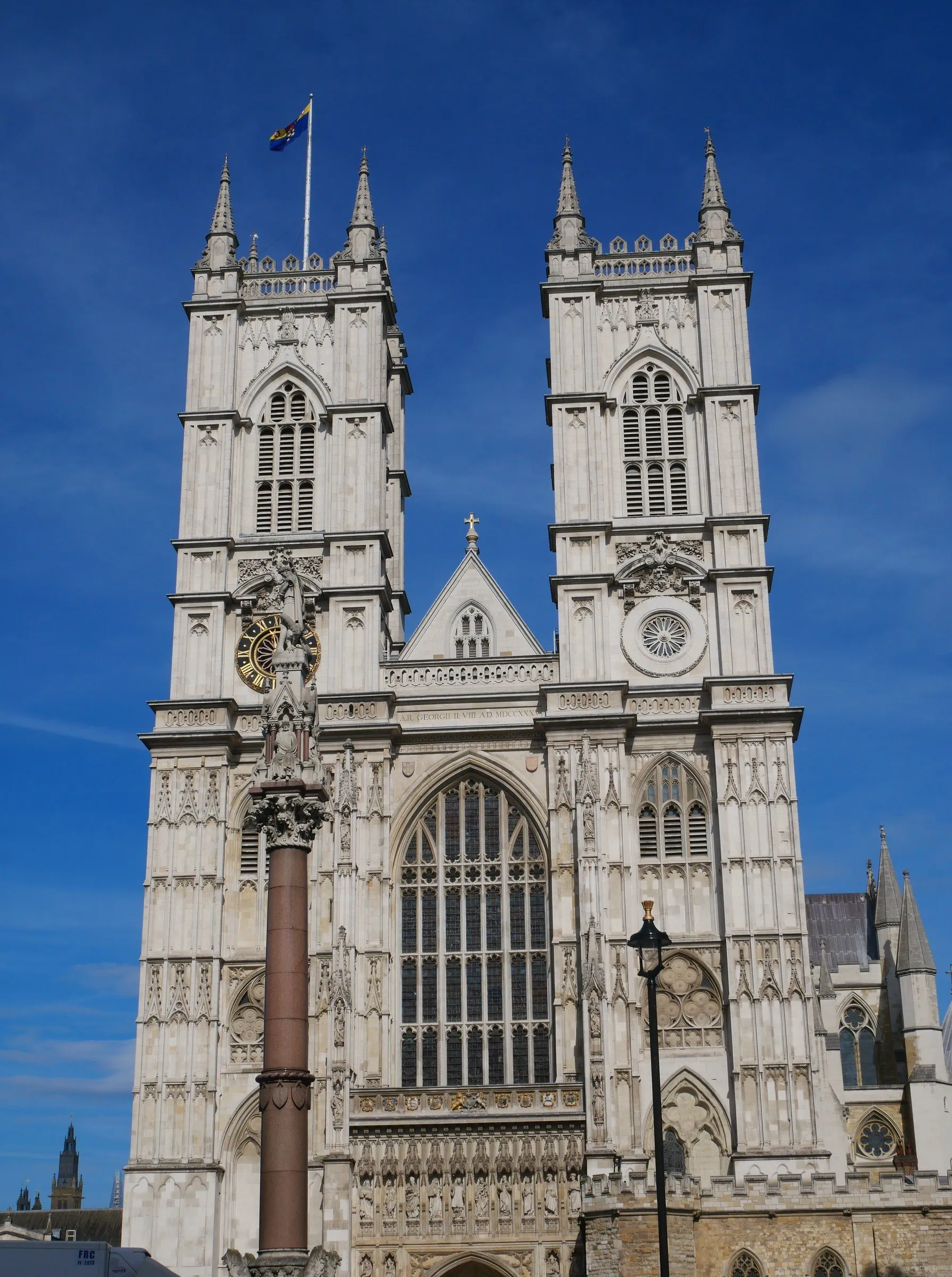
Westminster Abbey
A Gothic church where monarchs have been crowned since 1066, a stage for royal weddings and the home of more than 3,300 tombs and memorials, from kings to poets.
View details for Westminster Abbey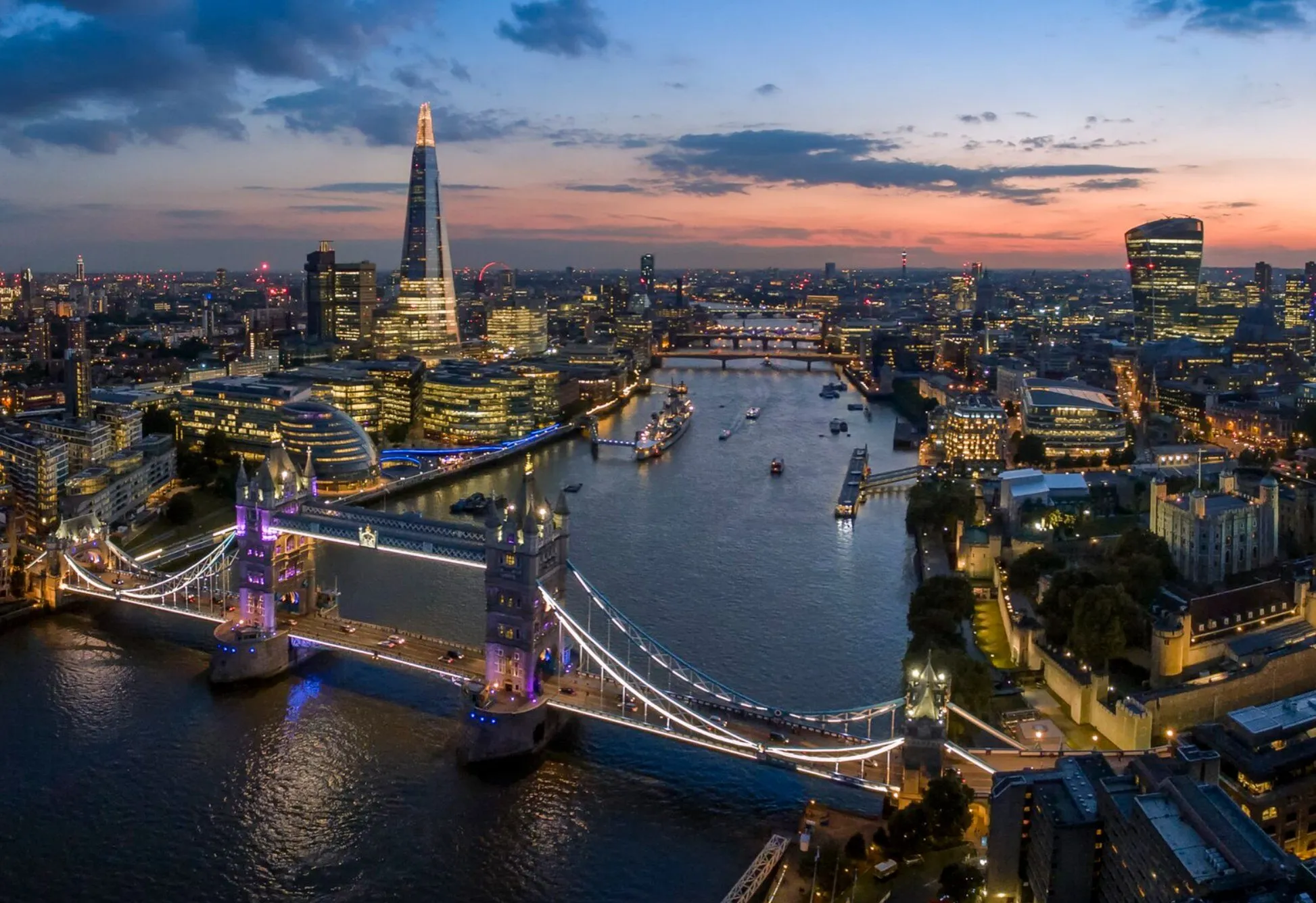
In London, a Victorian bridge still splits in two to let ships through, Big Ben is actually the name of a bell, and the city's biggest museums don't charge admission.
London works like an old house that has never stopped being renovated. An 11th-century fortress sits a short walk from a power station turned art museum, the Thames stitches it all together down the middle, and the country's most visited museums open their doors without charging for the main collection. The result is a city where you can spend little on culture and a lot on tea, depending on where you get distracted.
To avoid getting lost, think in blocks. Westminster holds the Abbey, Big Ben and, just up the road, the National Gallery on Trafalgar Square. Along the river, farther east, you'll find the Tower, Tower Bridge, St Paul's Cathedral, Tate Modern and Borough Market, all within walking distance. The west side has Hyde Park and the museums of South Kensington. And the Tube accepts contactless payment, so the ticket-office line can be someone else's problem.
The Tower of London once housed a royal menagerie: from at least the 1330s it held lions and other animals, which were among the castle's most popular attractions.
The pound sterling is considered the oldest currency in the world still in continuous use, but it wasn't divided into 100 pence until 1971.
One of the first to sell fried fish and chips from the same counter was Joseph Malin, a Jewish immigrant from Eastern Europe, in Bow in the East End, around 1860.
The first known pie and mash shop opened in Southwark in 1844. By the late 19th century, London had around 110 of them; in 2024, 34 were left.
1A Gothic church where monarchs have been crowned since 1066, a stage for royal weddings and the home of more than 3,300 tombs and memorials, from kings to poets.
View details for Westminster Abbey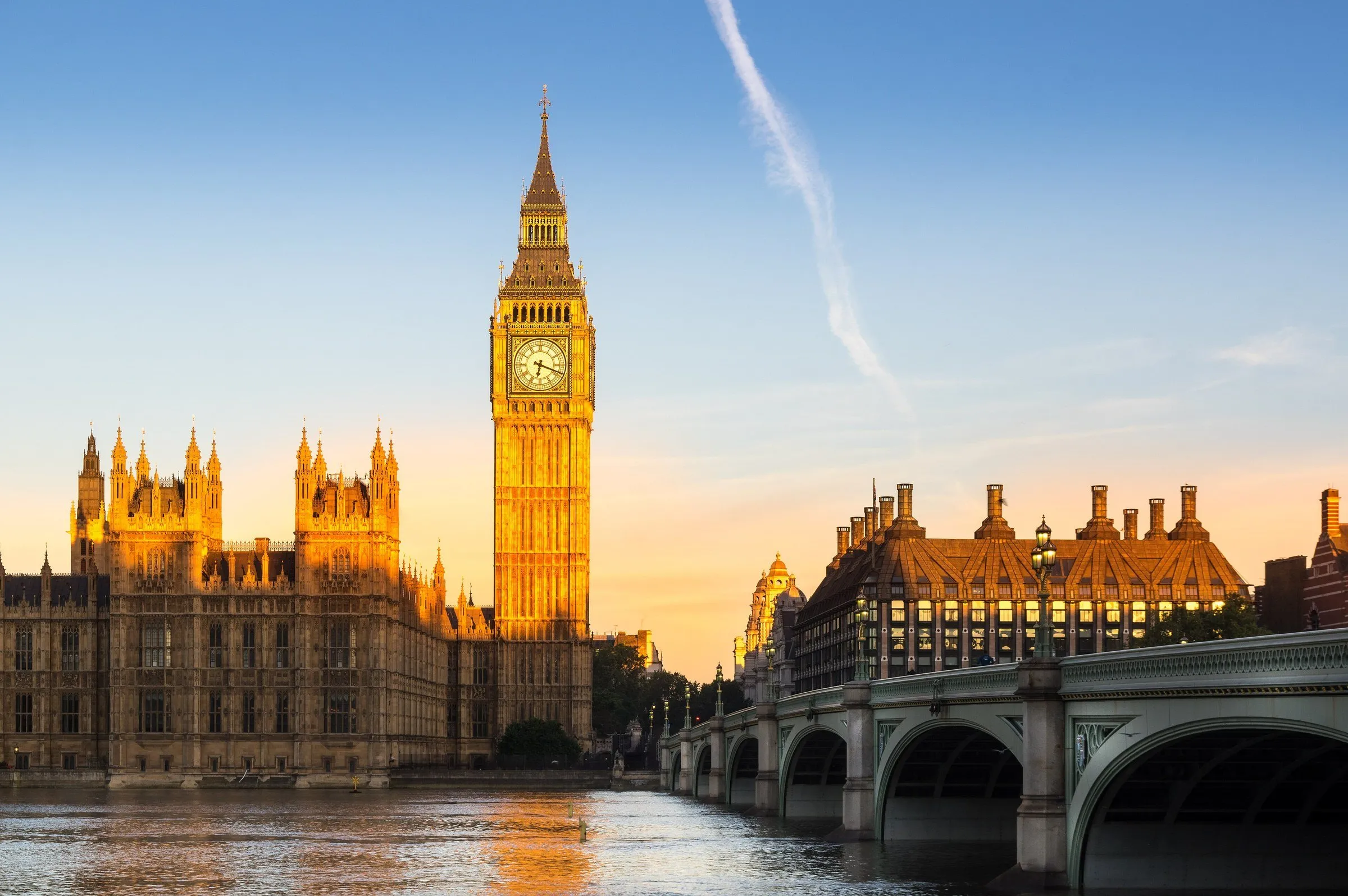 2
London's most famous clock tower, completed in 1859 and renamed Elizabeth Tower in 2012; strictly speaking, Big Ben is the 13.7-ton bell inside.
View details for Big Ben and the Palace of Westminster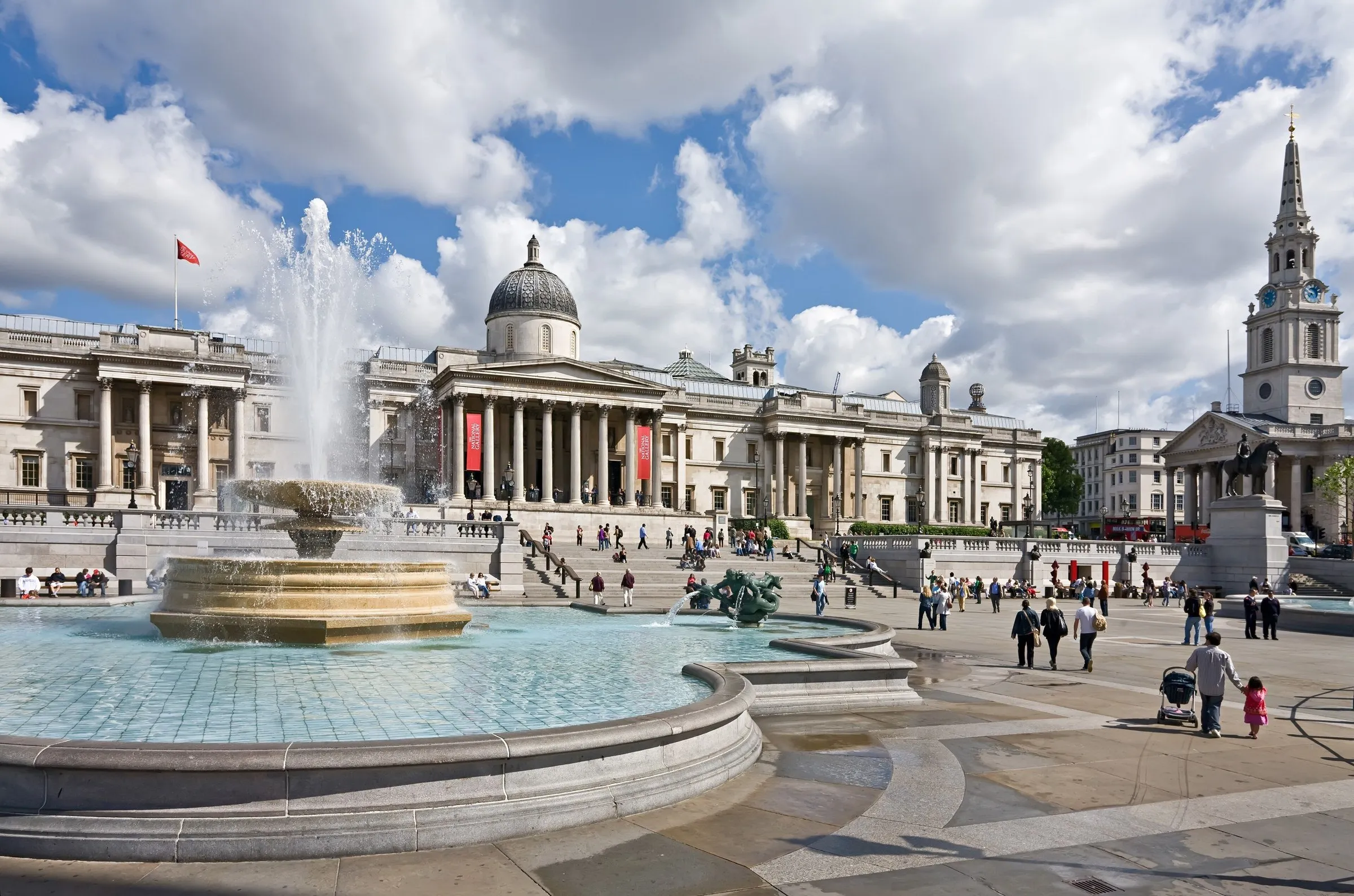 3
About 2,300 paintings, from the 13th century to 1900, in a building facing Trafalgar Square, with free entry to the main collection.
View details for National Gallery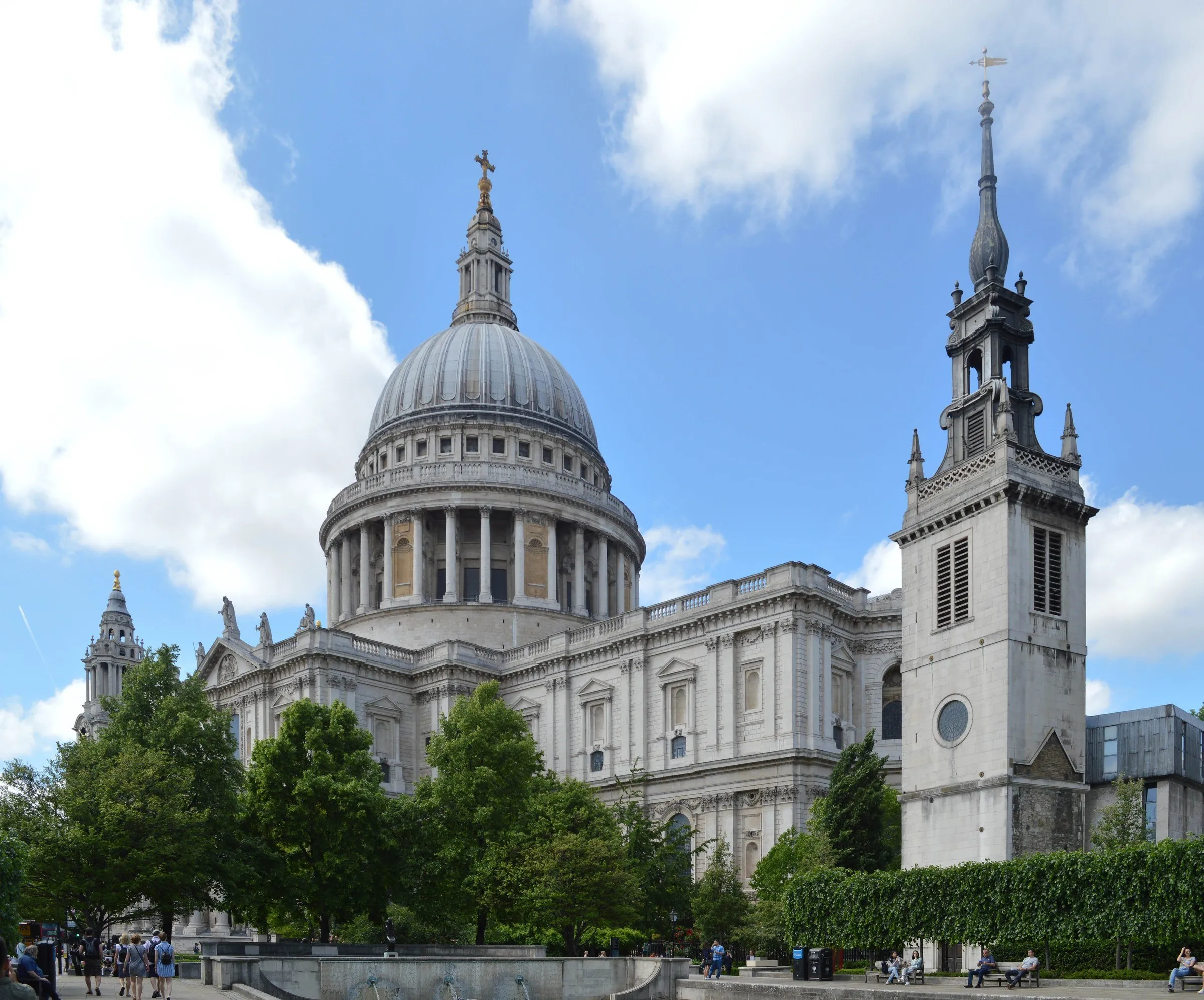 4
Christopher Wren's cathedral, built after the Great Fire of 1666, with a dome you can climb: 528 steps to the highest gallery, outdoors.
View details for St Paul's Cathedral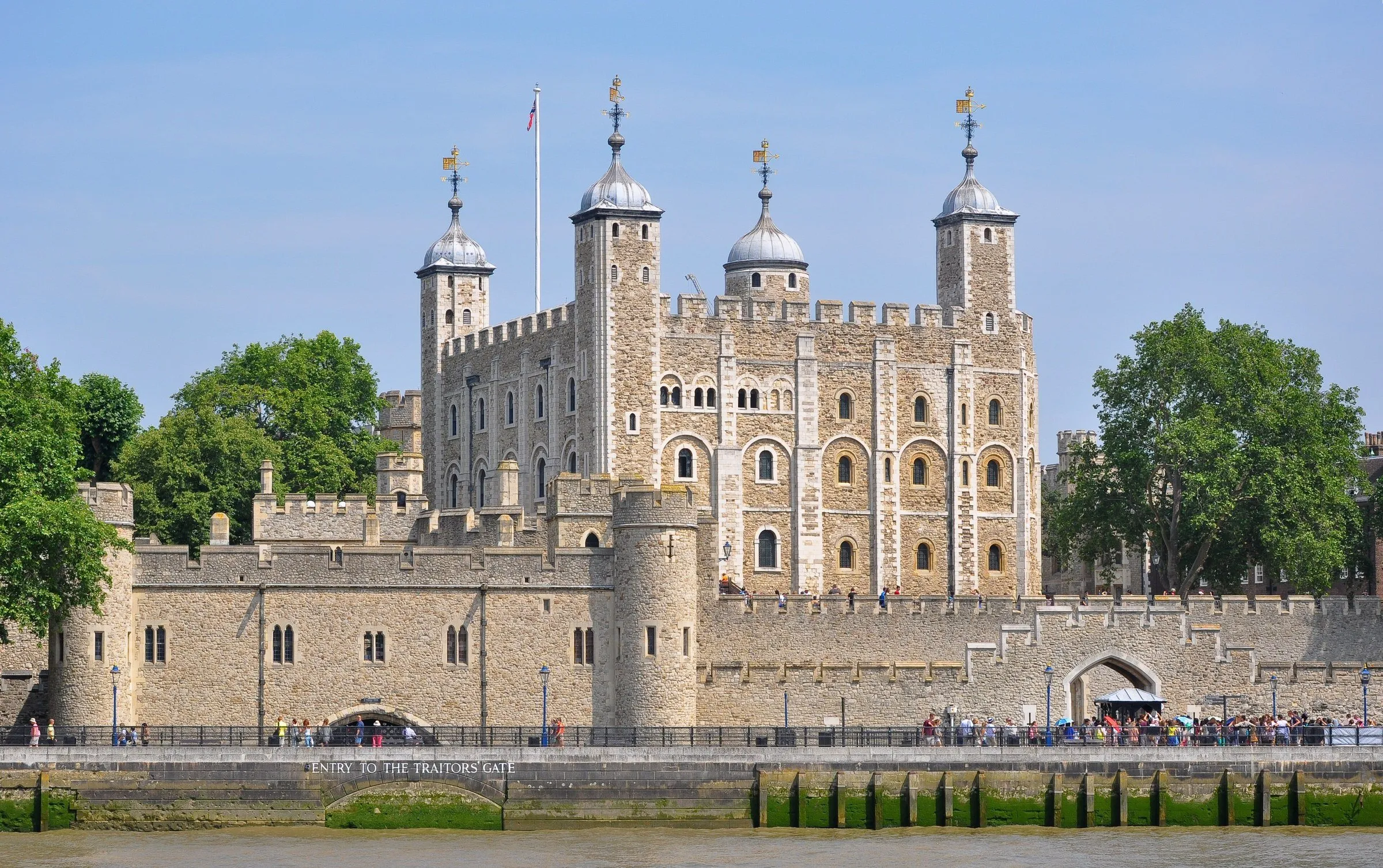 5
A riverside fortress begun by William the Conqueror around 1078 that has been a palace, a prison and a mint, and today holds the Crown Jewels.
View details for Tower of London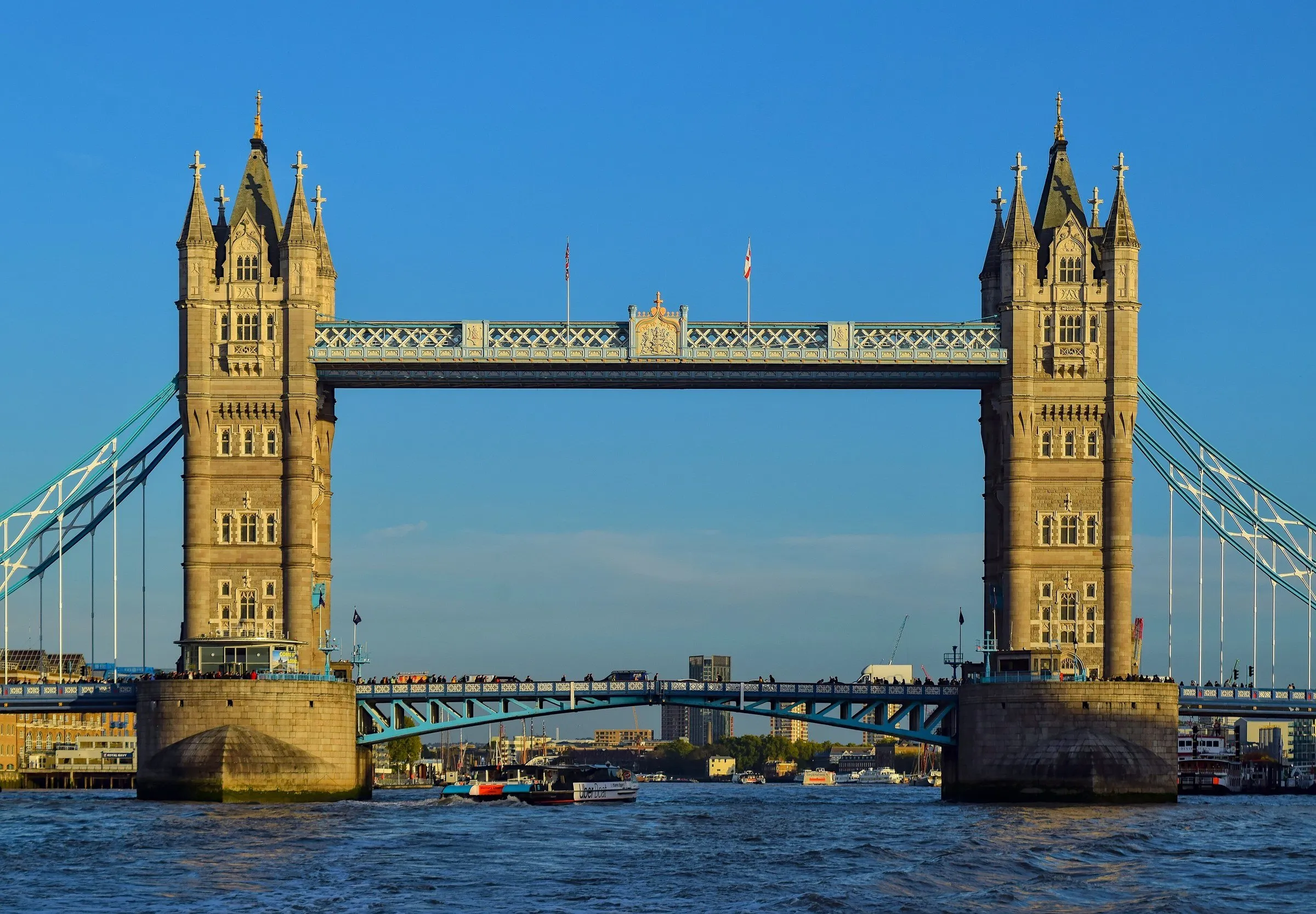 6
A Victorian bascule bridge opened in 1894, with glass-floored walkways more than 40 meters above the river and a central span that still rises for boats to pass.
View details for Tower Bridge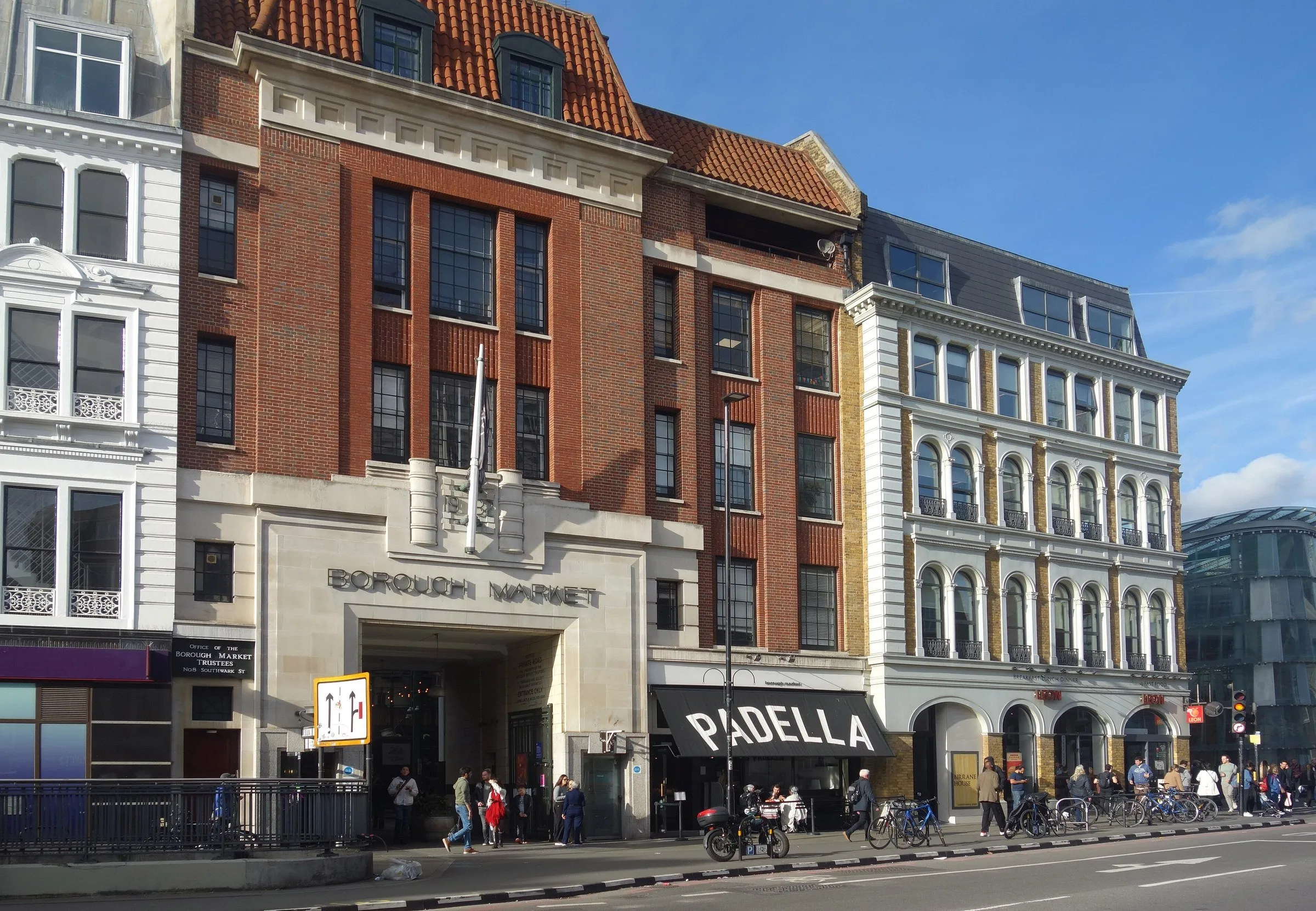 7
A food market at the foot of London Bridge that claims to date back to 1014 and has stood at its current site since 1756; great for lunch between the Tower and Tate Modern.
View details for Borough Market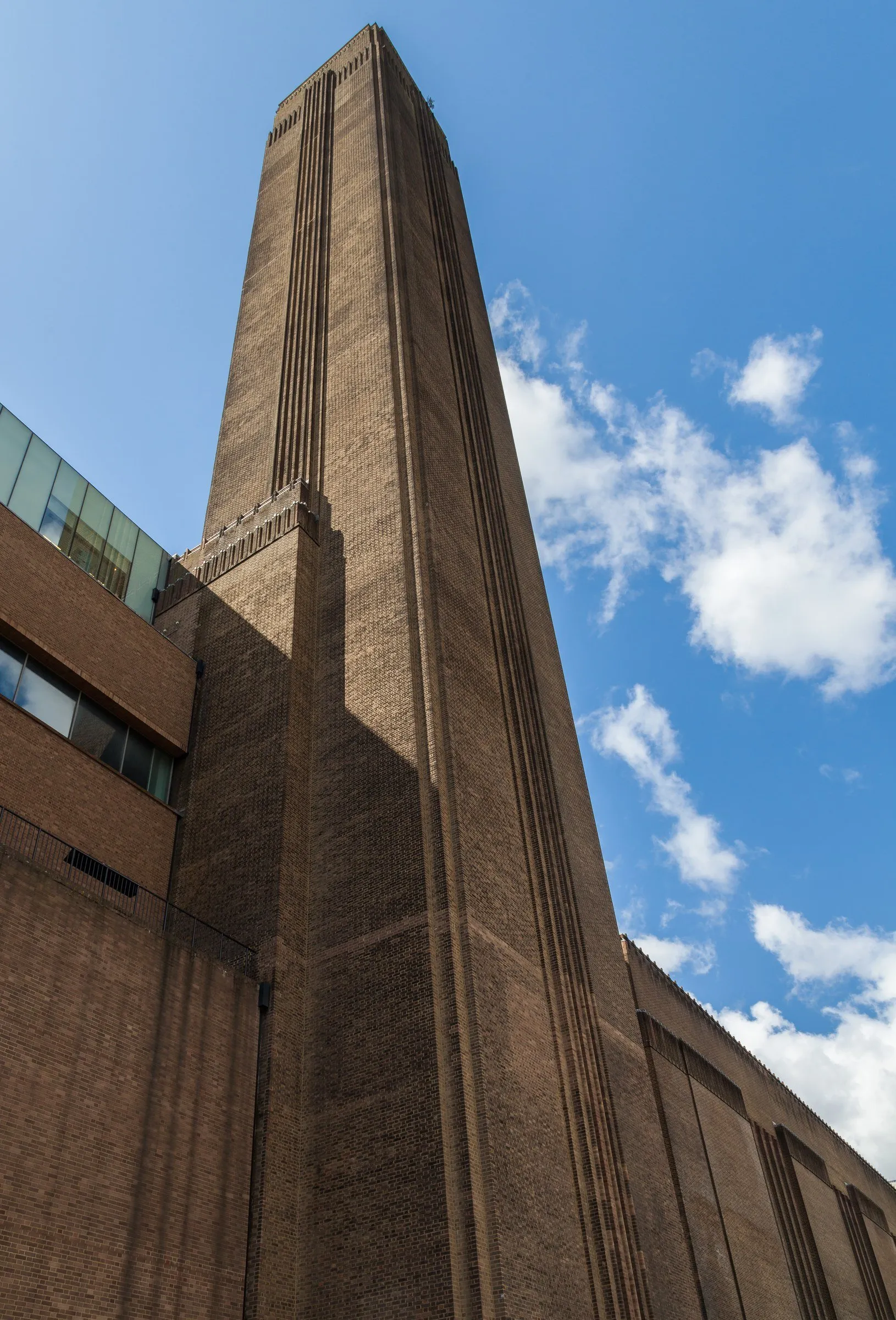 8
A modern and contemporary art museum housed in a former power station on the Thames, opened in 2000, with a free permanent collection.
View details for Tate Modern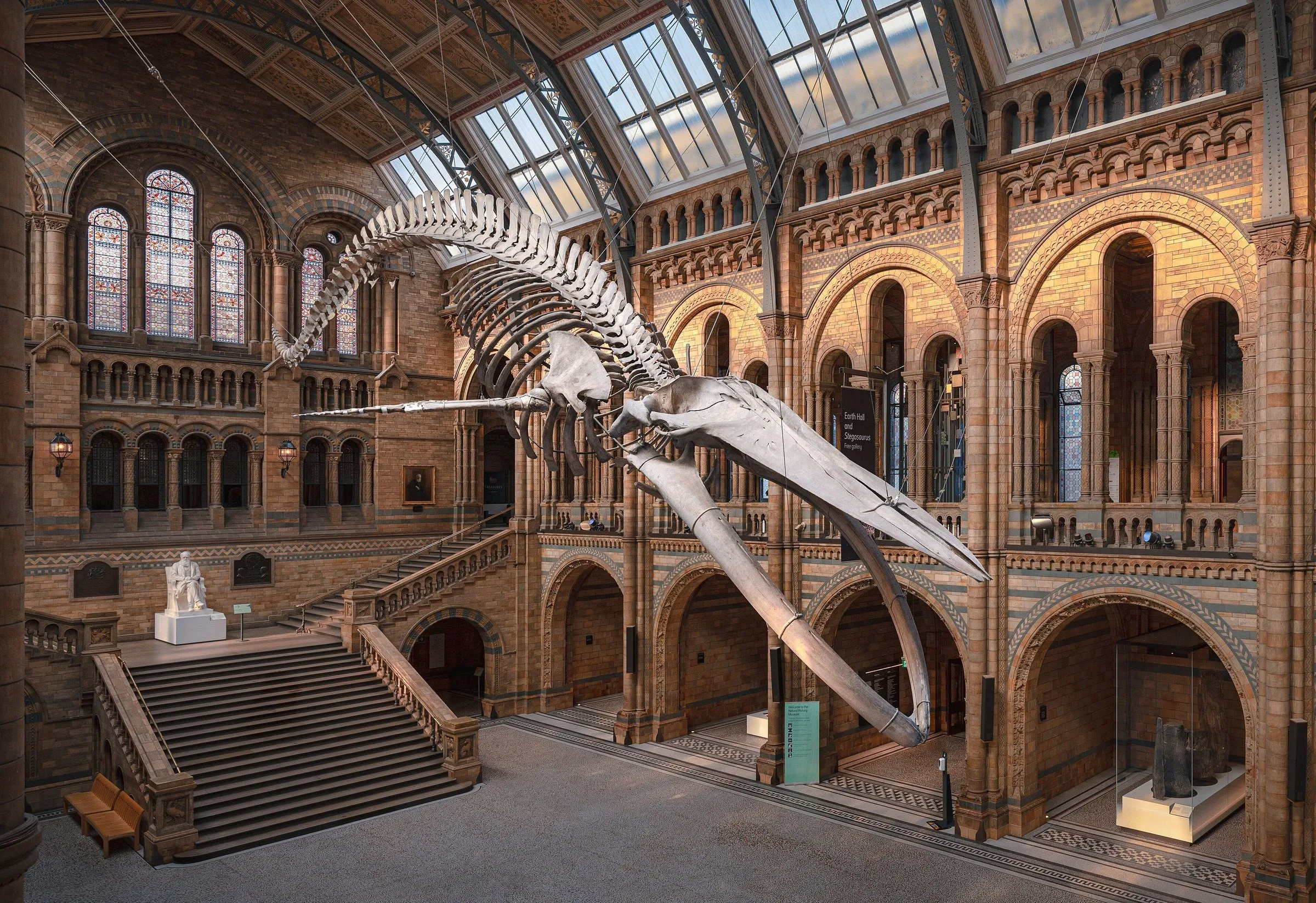 9
A natural history museum in an 1881 terracotta building in South Kensington, with a blue whale skeleton in the main hall and free entry.
View details for Natural History Museum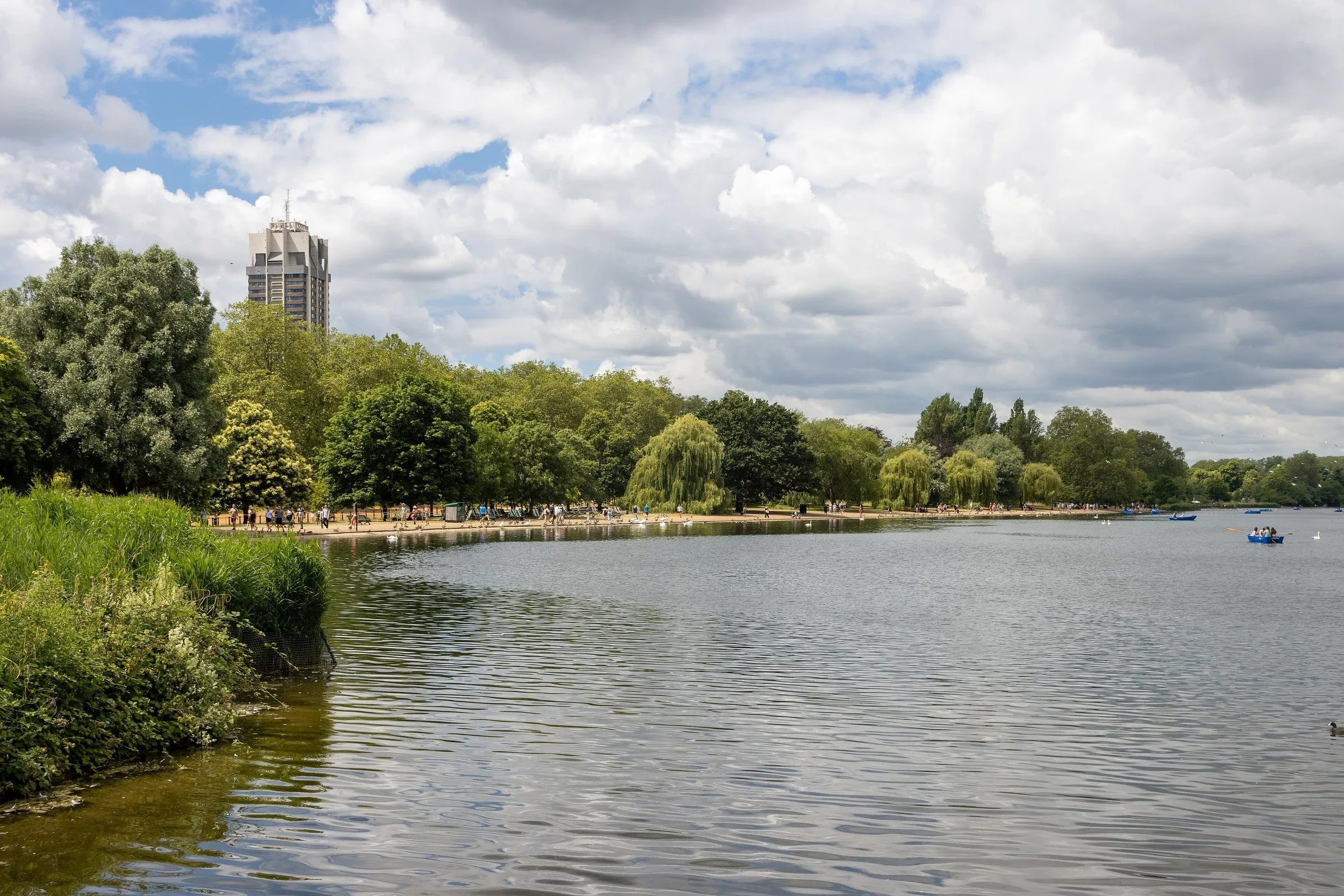 10
A 140-hectare royal park in central London, with the Serpentine lake, Speakers' Corner and the fountain in memory of Princess Diana.
View details for Hyde Park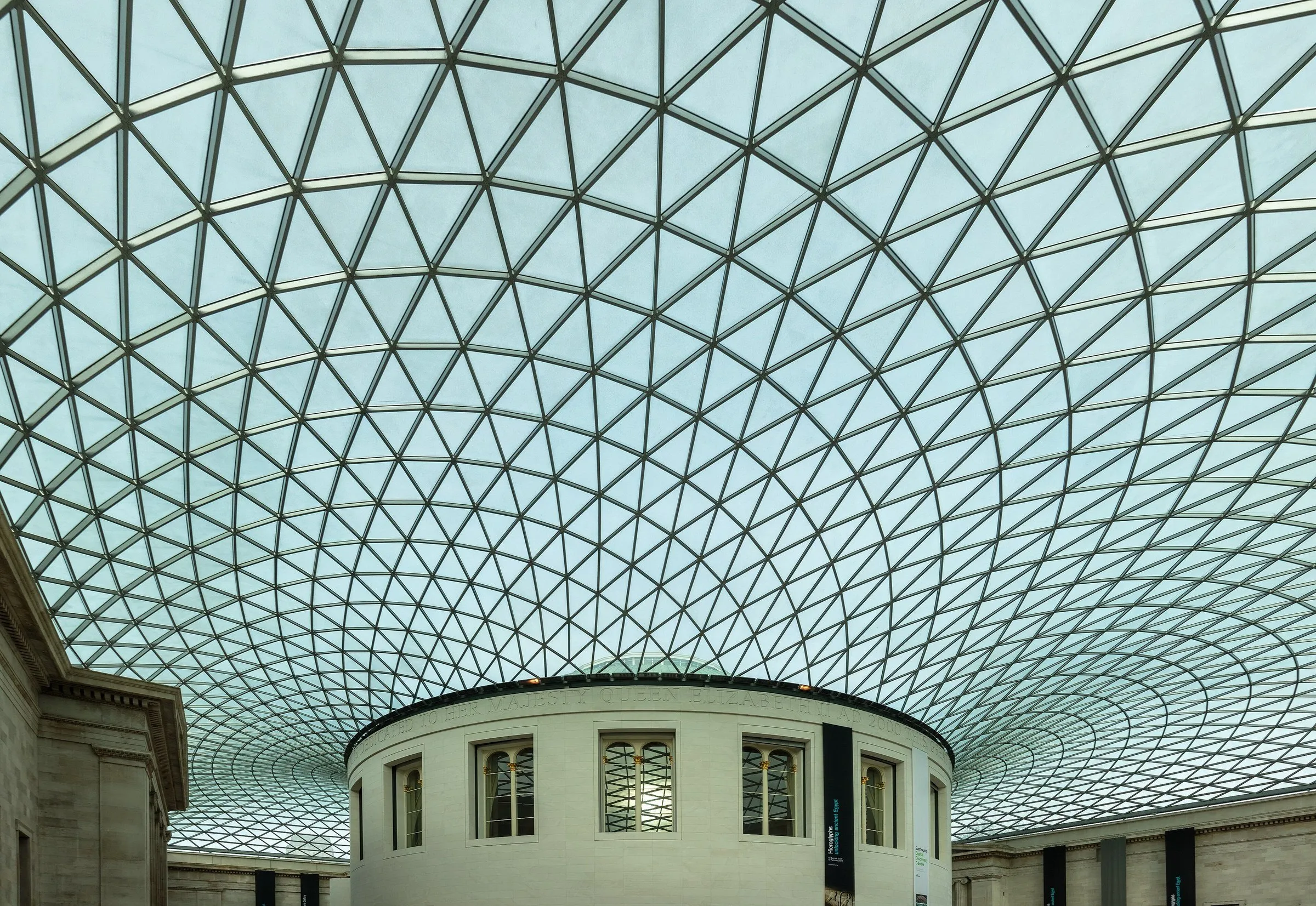 11
The world's first public national museum, founded in 1753, with about 8 million objects, the Rosetta Stone and free entry to the permanent collection.
View details for British Museum1Since William the Conqueror in 1066, English and British coronations have taken place here: 40 so far. The church you see began to be built in 1245 on the orders of Henry III, and its Gothic design keeps pulling your eyes upward, even with the stream of visitors shuffling single file down the nave.
Inside are more than 3,300 tombs and memorials, including Poets' Corner and the monument to Isaac Newton. Look for the Coronation Chair, made in 1296 for Edward I: it even has a battle scar, having lost a corner to a bomb planted by suffragettes in 1914.
2Time to correct your friend in the photo: Big Ben is the nickname of the main bell, and the tower has been called Elizabeth Tower since 2012, when it was renamed to honor Queen Elizabeth II's Diamond Jubilee. Completed in 1859 and standing 96 meters tall, it came off the drawing boards of Charles Barry and Augustus Pugin.
Between 2017 and 2021, the tower hid behind scaffolding during a restoration whose budget jumped from about £29 million to nearly £80 million. Without the scaffolding, it once again shares the scene with the Houses of Parliament, which together with the Abbey and St Margaret's Church have been a UNESCO World Heritage Site since 1987.
3The collection started modestly: in 1824, the British government bought 38 paintings from the Angerstein collection. Today there are about 2,300, and the building designed by William Wilkins, opened in 1838, still keeps its facade on Trafalgar Square pretty much as it was, with the square serving as an open-air waiting room.
Start at the Sainsbury Wing, a 1991 addition devoted to Renaissance painting, and then go hunting for a few heavyweights: Holbein's The Ambassadors, Velázquez's The Toilet of Venus (the Rokeby Venus) and Piero della Francesca's The Baptism of Christ. Since entry is free, no one expects you to see it all.
4The Great Fire of 1666 left the old cathedral in ruins, and Christopher Wren got the chance to start from scratch. The first stone was laid in 1675 and, from 1710 to 1963, no building in London was taller. It hosted Winston Churchill's state funeral in 1965 and the wedding of Charles and Diana in 1981, who chose St Paul's over the Abbey because it held more people.
But the real program is the climb. There are 257 steps to the Whispering Gallery, famous for walls that carry a voice, and 528 in all to the Golden Gallery, with the whole city at your feet.
5Almost a thousand years on the job have given the Tower a résumé that's hard to sum up: royal residence, prison for the high and mighty, mint, even zoo. The White Tower, the square block at the center, began to rise around 1078 on the orders of William the Conqueror, and the complex has been a UNESCO World Heritage Site since 1988.
Its reputation as an execution site is somewhat exaggerated: before the 20th century, only seven people were executed inside, and most sentences were carried out on neighboring Tower Hill. Today the star is the Crown Jewels collection, housed in a former 19th-century barracks and watched over by the Yeoman Warders, the royal guard since at least 1509.
6The scene worth waiting for is the bridge opening: the two arms of the central span, each weighing more than a thousand tons, rise slowly while cars and pedestrians wait and a boat glides through as if it were the most normal thing in the world. Opened in 1894 after eight years of construction, it still goes up about a thousand times a year.
Up high, the walkways between the two towers were closed from 1910 to 1982 and, since 2014, have had stretches of glass floor: you look down and see buses and boats passing beneath your shoes. The visit ends in the Victorian engine rooms, where the original steam engines are kept.
7Borough Market claims to have existed since 1014, and probably earlier, and there is a record of a market on the site since at least the 12th century. The current location, just south of Southwark Cathedral and at the southern end of London Bridge, dates from 1756, and the halls you wander through were designed in 1851 by Henry Rose.
Notice the portico on the south side: it belonged to the old Floral Hall at Covent Garden, was dismantled during the Royal Opera House renovation and reassembled here in 2004. If the setting looks familiar, it's not your imagination: the market appears in Bridget Jones's Diary and Harry Potter and the Prisoner of Azkaban.
8Before it hung paintings, the building generated electricity: it was Bankside Power Station, designed by Giles Gilbert Scott, the same architect as Battersea Power Station. Herzog & de Meuron handled the conversion, and the museum opened in 2000 as the home of Britain's national collection of international art from 1900 onward.
The heart of the place is the Turbine Hall, where the generators once stood and which now hosts commissioned works in a space the size of an industrial cathedral. In 2016 came the extension now called the Blavatnik Building. With about 4.5 million visitors in 2025, it was the most visited art gallery in the United Kingdom.
9The building is already half the visit: Alfred Waterhouse covered everything in terracotta, inside and out, because the material withstood the soot of Victorian London. The museum opened in 1881 and holds about 80 million specimens from the life and earth sciences, a collection that wouldn't fit into even ten visits.
In Hintze Hall, the one who greets you is Hope, a blue whale skeleton suspended from the ceiling that in 2017 took the place of Dippy, the diplodocus replica that used to do the honors. With more than 7 million visitors in 2025, it was the most visited attraction in the United Kingdom, so arrive early.
10Henry VIII took this land from Westminster Abbey in 1536 to use as a hunting ground; today the biggest effort around here is finding a patch of sunny grass. The park covers 140 hectares and is cut through by the Serpentine, a lake formed by damming a river and completed in 1733.
In the northeast corner, near Marble Arch, Speakers' Corner has hosted open speeches and debates since 1872, and you can stop to listen to whoever is talking. South of the lake is the memorial fountain for Diana, opened in 2004. In 1851, the park hosted the Great Exhibition, in a crystal palace that was later dismantled and moved to Sydenham Hill.
11It all began with the collection of a physician and naturalist, Hans Sloane, left to the nation for £20,000, far less than it was worth. Founded in 1753 and opened to the public in 1759, the museum now holds about 8 million objects, and it feels like a good share of human history walked these halls before you.
You enter through the Great Court, a courtyard opened in 2000 and covered by a glass-and-steel roof with 1,656 panels, each a different shape. From there, the classic route leads to the Rosetta Stone, the key to deciphering Egyptian hieroglyphs, and to the Parthenon sculptures, both long the subject of requests for return.
A contactless credit card or a phone works as a ticket on the Tube and buses. Tap the yellow reader at the entry and exit gates on the Tube (on buses, only when boarding), always use the same card to benefit from the daily cap, and remember that each person needs their own card. Foreign cards may charge a fee: check with your bank.
Rain in London is spread fairly evenly through the year, with no real dry season. In July, highs are around 23 to 24 °C (about 74 to 75 °F); in January, near 8 °C (about 46 °F). A light jacket and a folding umbrella handle almost any day.
The British Museum, the National Gallery, the Natural History Museum and the Tate Modern collection don't charge admission; only the temporary exhibitions are paid. Build your itinerary around them and your budget will thank you.
The main airport is about 23 km (14 miles) west of the center and has its own station on the Tube's Piccadilly line and on the Heathrow Express train. Compare travel time and price for each option before you decide.
The most London food of all was born to feed people who worked hard: pie and mash fed dockworkers in the early 19th century, and fish and chips made its name in the East End. On the other side of the social scale is afternoon tea, a ritual of little sandwiches and scones attributed to the Duchess of Bedford, who asked for a snack to get through the gap between lunch and a late dinner. To sample a bit of everything in one place, Borough Market solves lunch.
Battered and fried fish, usually fresh cod or haddock, with fries, salt and malt vinegar. In the south of England, cod tends to be the favorite.
A minced-beef pie with mashed potatoes and liquor, a green parsley sauce. Many shops still offer jellied eels on the side, for the brave.
Black tea with milk, crustless sandwiches (cucumber is the classic), cakes and scones with clotted cream and jam. A whole meal pretending to be a snack.
We use cookies and similar technologies, such as Google Analytics, in accordance with our Privacy Policy and, by continuing to browse, you agree to these terms. You can decline at any time in the policy.