About Dimitrie Gusti National Village Museum
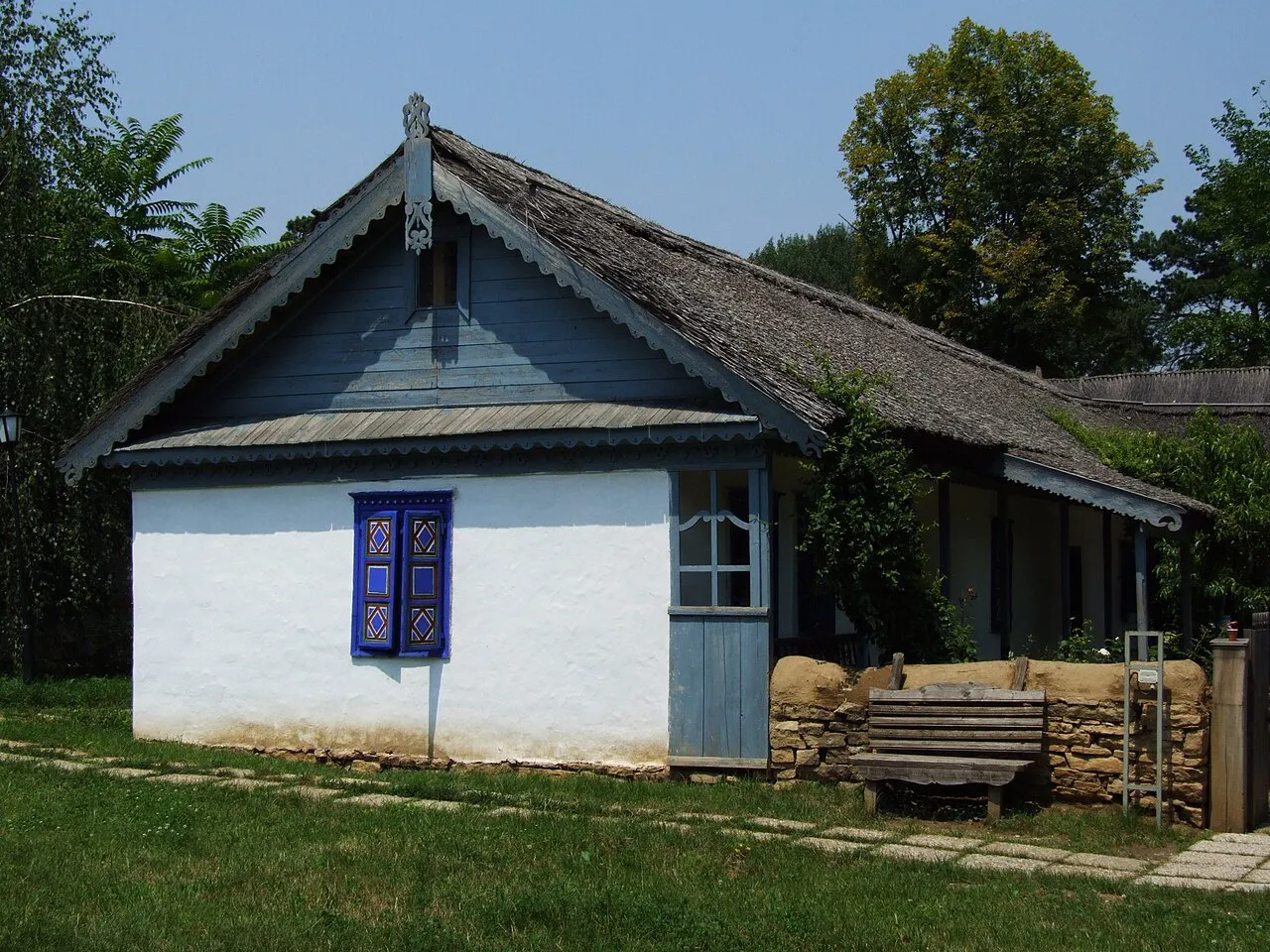
In 1936, the sociologist Dimitrie Gusti brought into the capital the rural Romania his team had been researching. The museum opened with 33 houses moved from villages and today gathers more than 120 peasant complexes and 363 monuments, from Banat, Transylvania, Moldavia, Maramureș, Oltenia, Dobruja and Muntenia.
Walking through is like changing region at every bend of the path: wooden houses, fences, a windmill from Sărichioi and, at the center, the 17th-century wooden church brought from Dragomirești, in Maramureș, which became the image on the museum's logo. Set aside time, because the area covers more than 10 hectares.