 1
Architecture
Palace of the Parliament
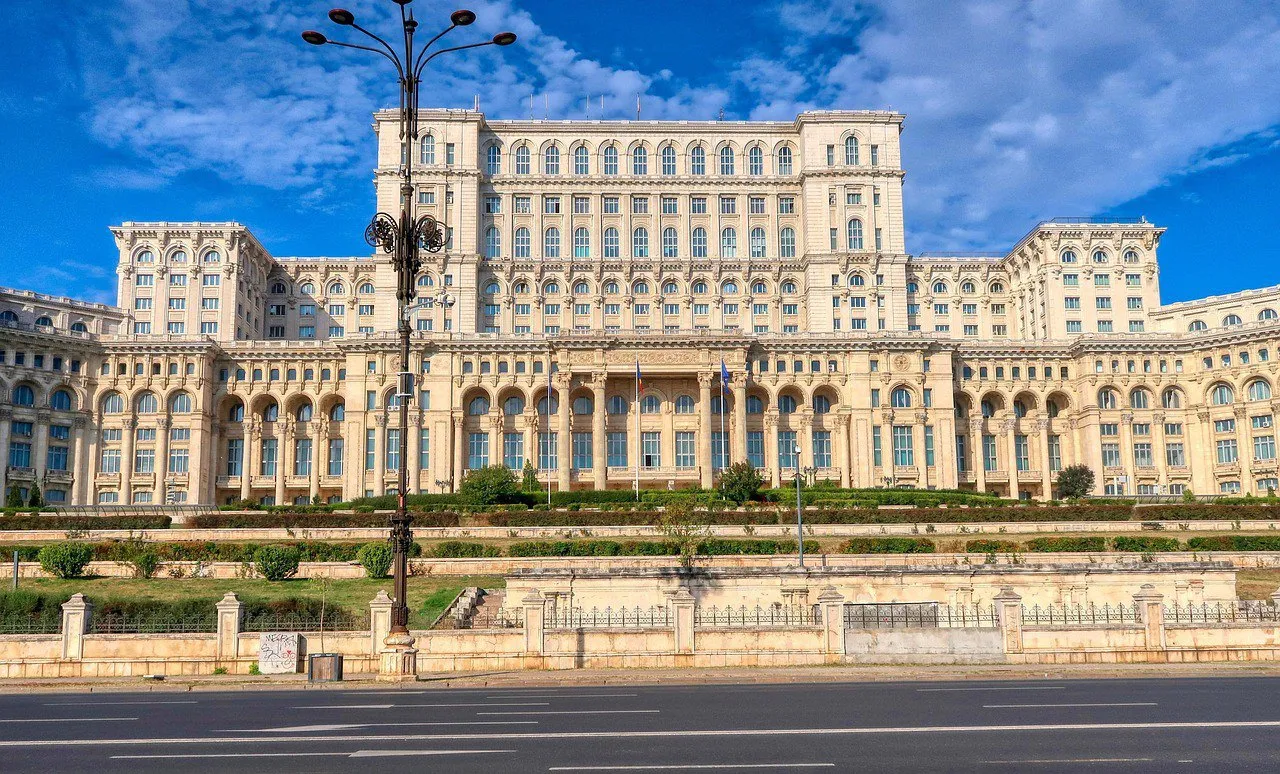
Considered the heaviest building in the world, with about 1,100 rooms, it was built between 1984 and 1997 and now houses the Chamber of Deputies and the Senate.
View details for Palace of the Parliament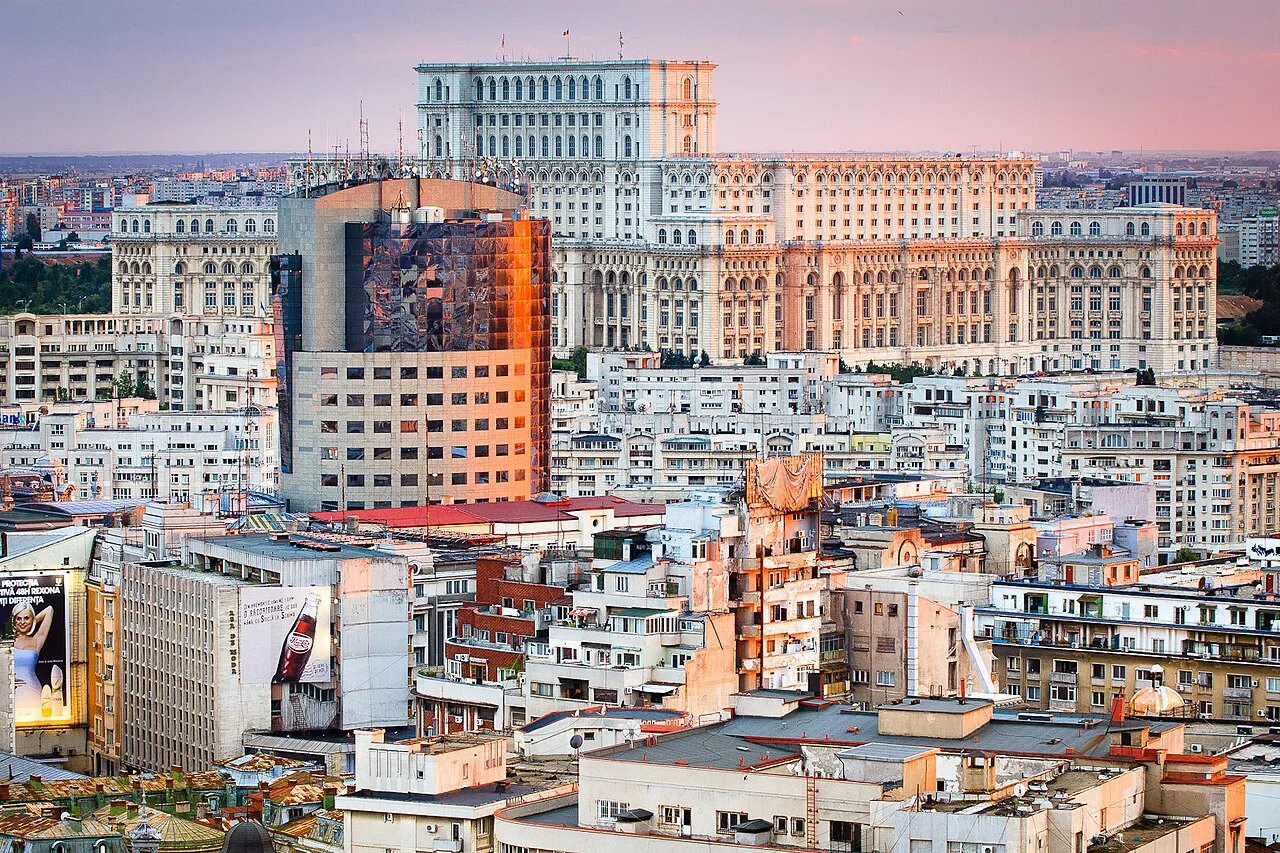
Romania
In Bucharest, a little stone church from 1724 hides among the bars of Lipscani and, a short walk away, a palace with 1,100 rooms fills the whole skyline. The city loves extremes.
Bucharest runs on two clocks. One keeps the time of the narrow streets of Lipscani, where merchants once sold goods brought from Leipzig and waiters now try to talk you into their bars from the doorway. The other keeps the time of the Palace of the Parliament, the marble-and-concrete colossus that Ceaușescu's regime raised over a demolished historic neighborhood. Between the two lies the city that earned the nickname Little Paris: wide avenues, late 19th-century mansions and a concert hall paid for in part by public donations.
Split the trip into three blocks. On day one, the Parliament and the old town, with Orthodox churches, the ruins of Vlad III's court and a merchants' inn from 1808. On day two, take your time in the craft streets of Lipscani and the bookstore set in a former bank, then head up Calea Victoriei in the evening for a concert at the Athenaeum. The third day goes to the green north: the house where the dictator lived, an open-air museum of villages and a huge lake. The metro handles the long stretches; the rest is done on foot, with a strategic pause for a papanași.
The first written record of Bucharest dates from 1459, when Vlad III, the prince of Wallachia whom fiction would turn into Dracula, used the city as a residence and a base to defend the Danube frontier.
The Dâmbovița River, which crosses the city, flooded Bucharest often until it was channeled in 1883.
In 1862, Prime Minister Barbu Catargiu was assassinated as his carriage passed in front of what is now the Patriarchal Cathedral.
Calea Victoriei, with its late 19th-century palaces and cafés, was compared to the Champs-Élysées: hence the nickname Paris of the East that the city carried for decades.
1Considered the heaviest building in the world, with about 1,100 rooms, it was built between 1984 and 1997 and now houses the Chamber of Deputies and the Senate.
View details for Palace of the Parliament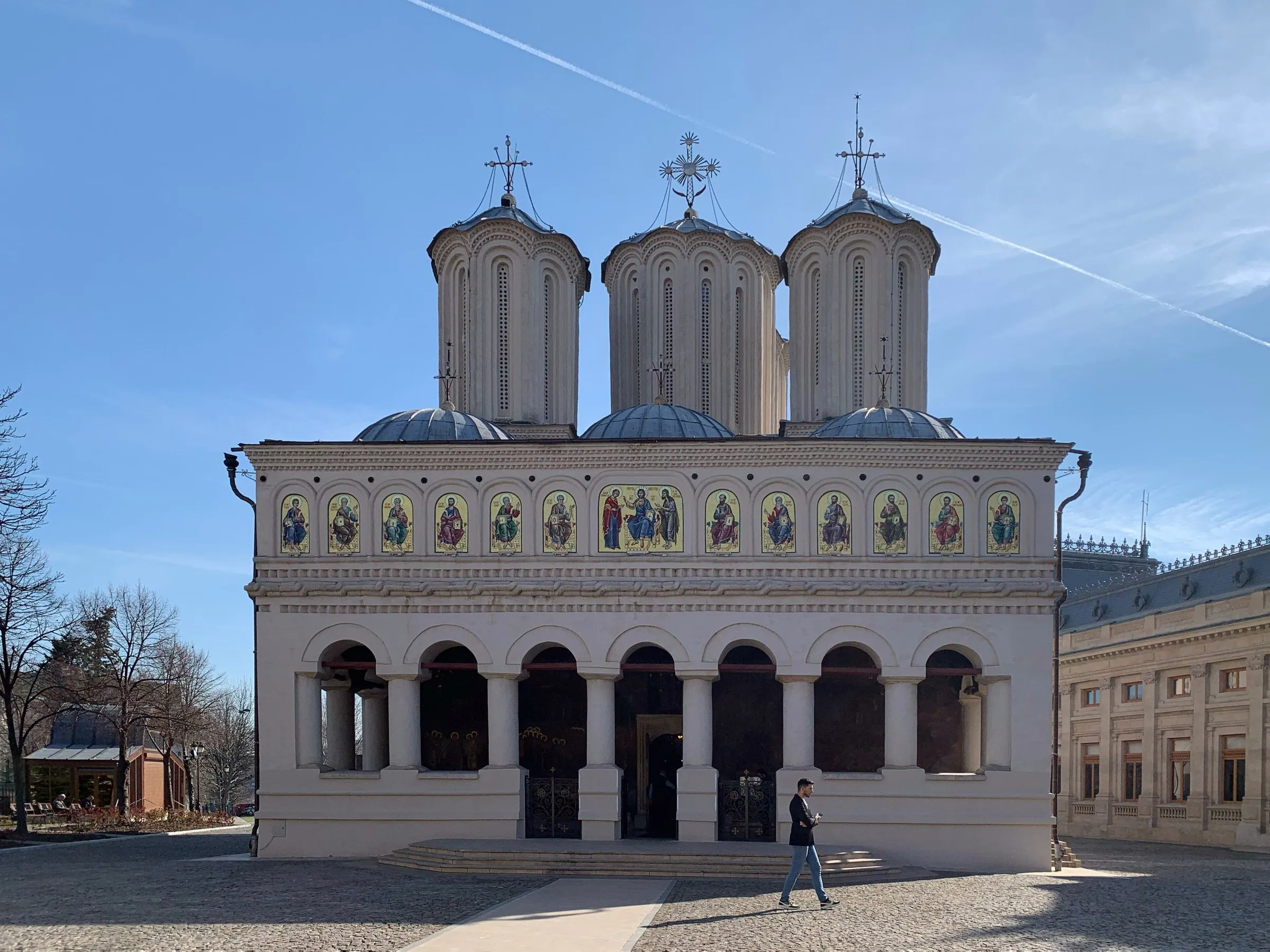 2
Orthodox cathedral completed in 1659 at the top of Dealul Mitropoliei, home to the relics of Saint Demetrius the New, the patron saint of Bucharest.
View details for Patriarchal Hill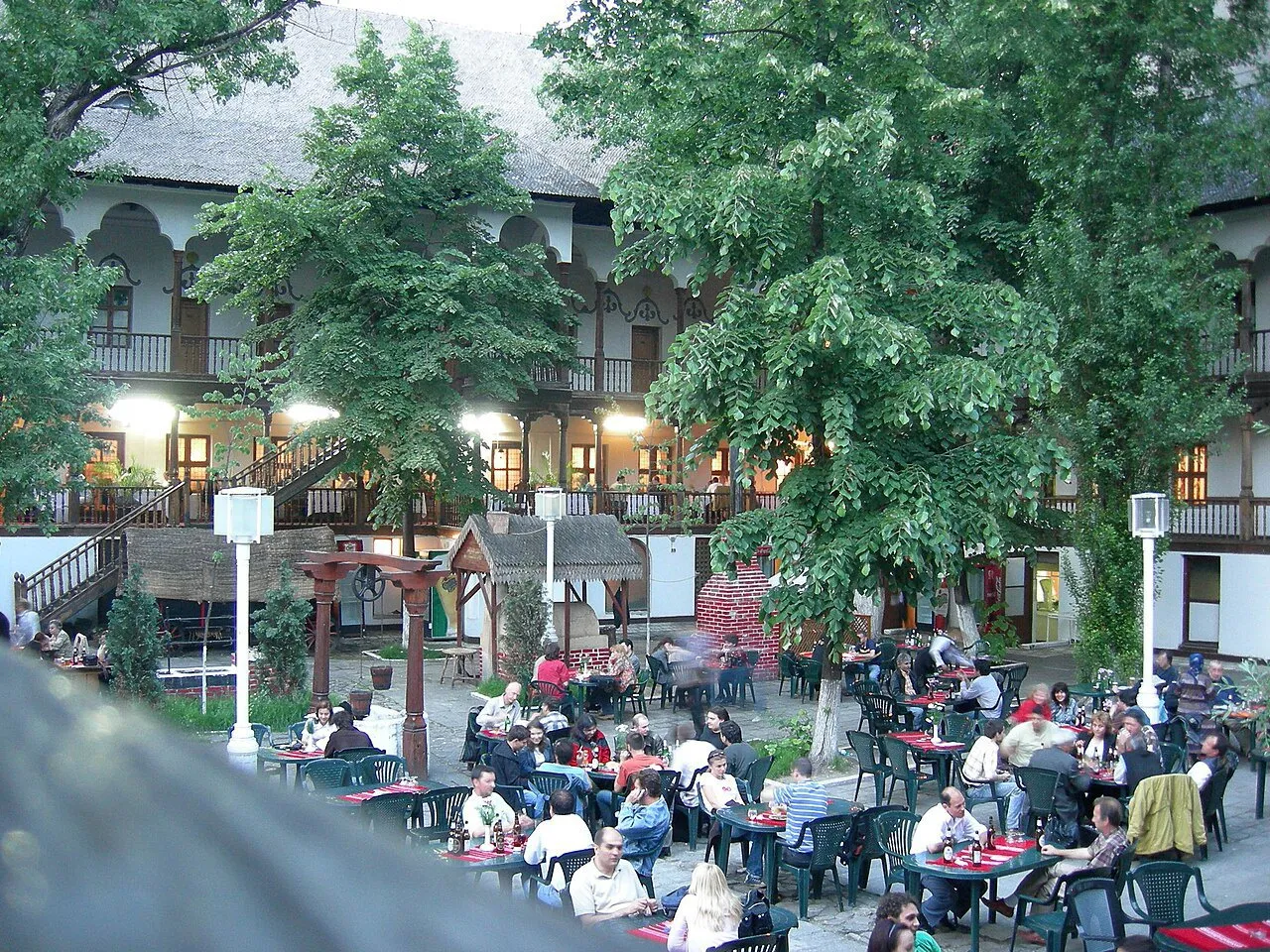 3
A former merchants' inn built in 1808, with a large inner courtyard ringed by balconies, now a hotel and restaurant in the heart of the old town.
View details for Hanul lui Manuc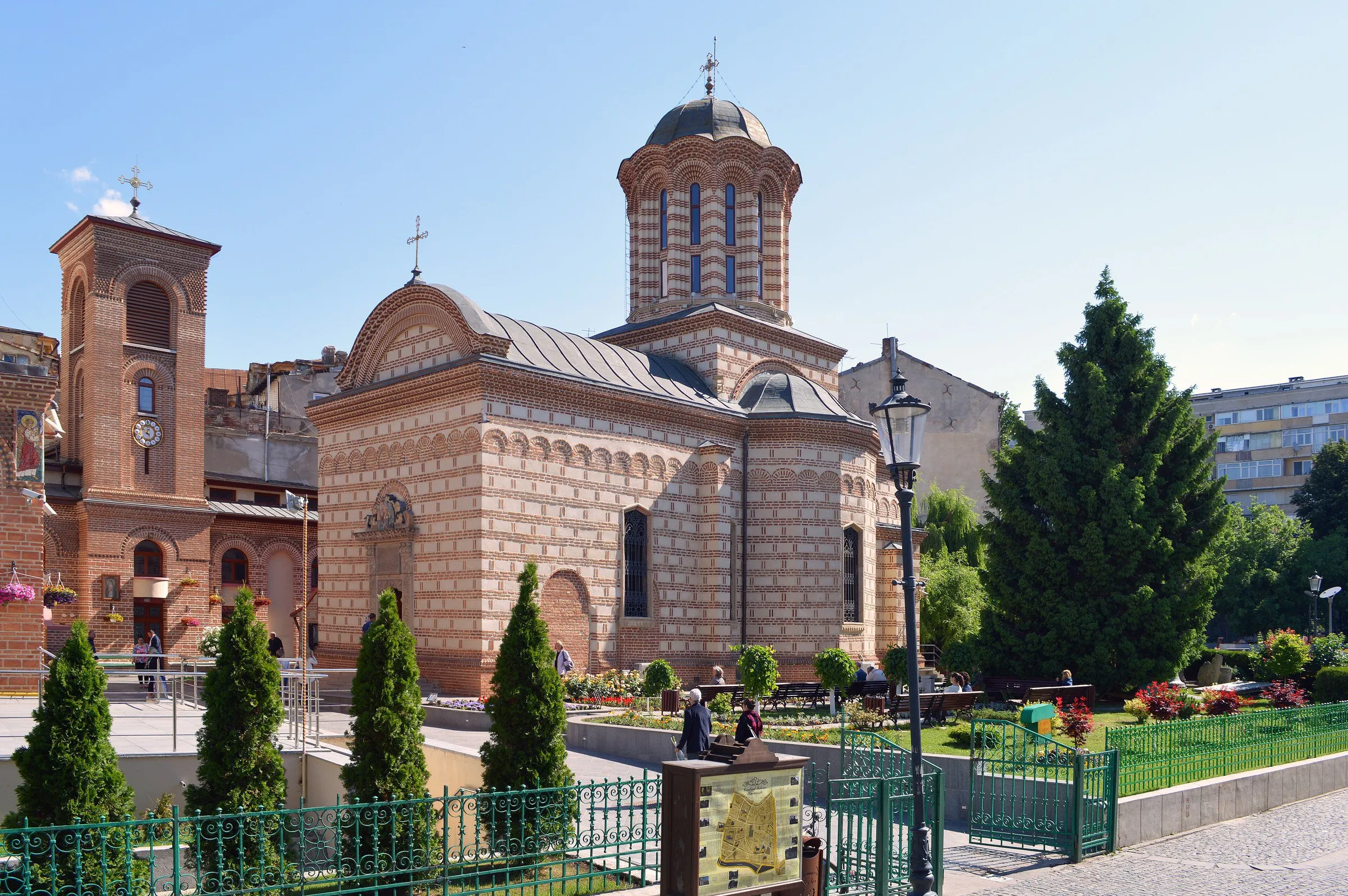 4
Ruins of the residence that Vlad III had built in 1459, next to the 1559 church that is Bucharest's oldest place of worship still with its original look.
View details for Curtea Veche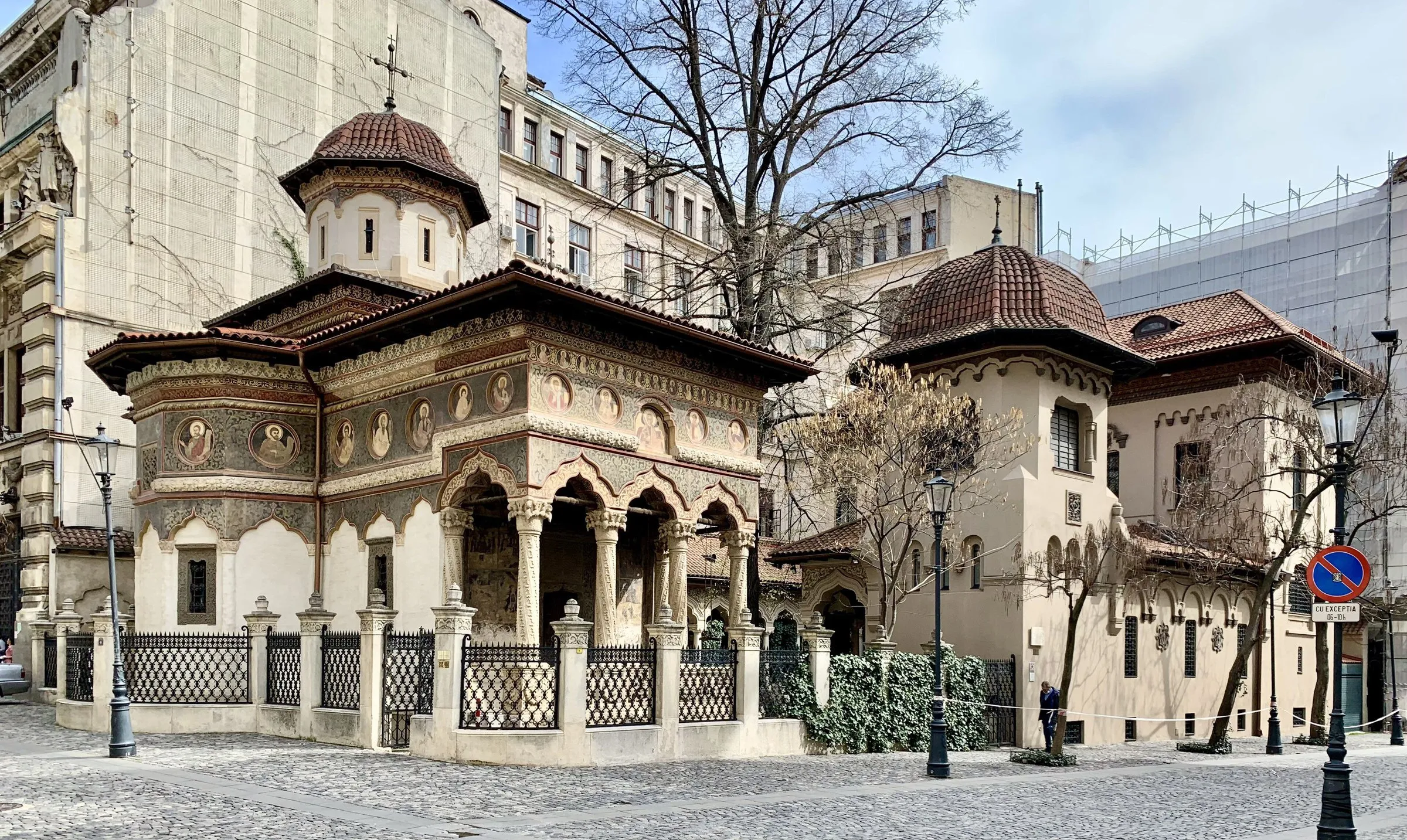 5
Small church from 1724 in Brâncovenesc style, with carved stone, a convent of nuns and the largest collection of Byzantine music books in Romania.
View details for Stavropoleos Church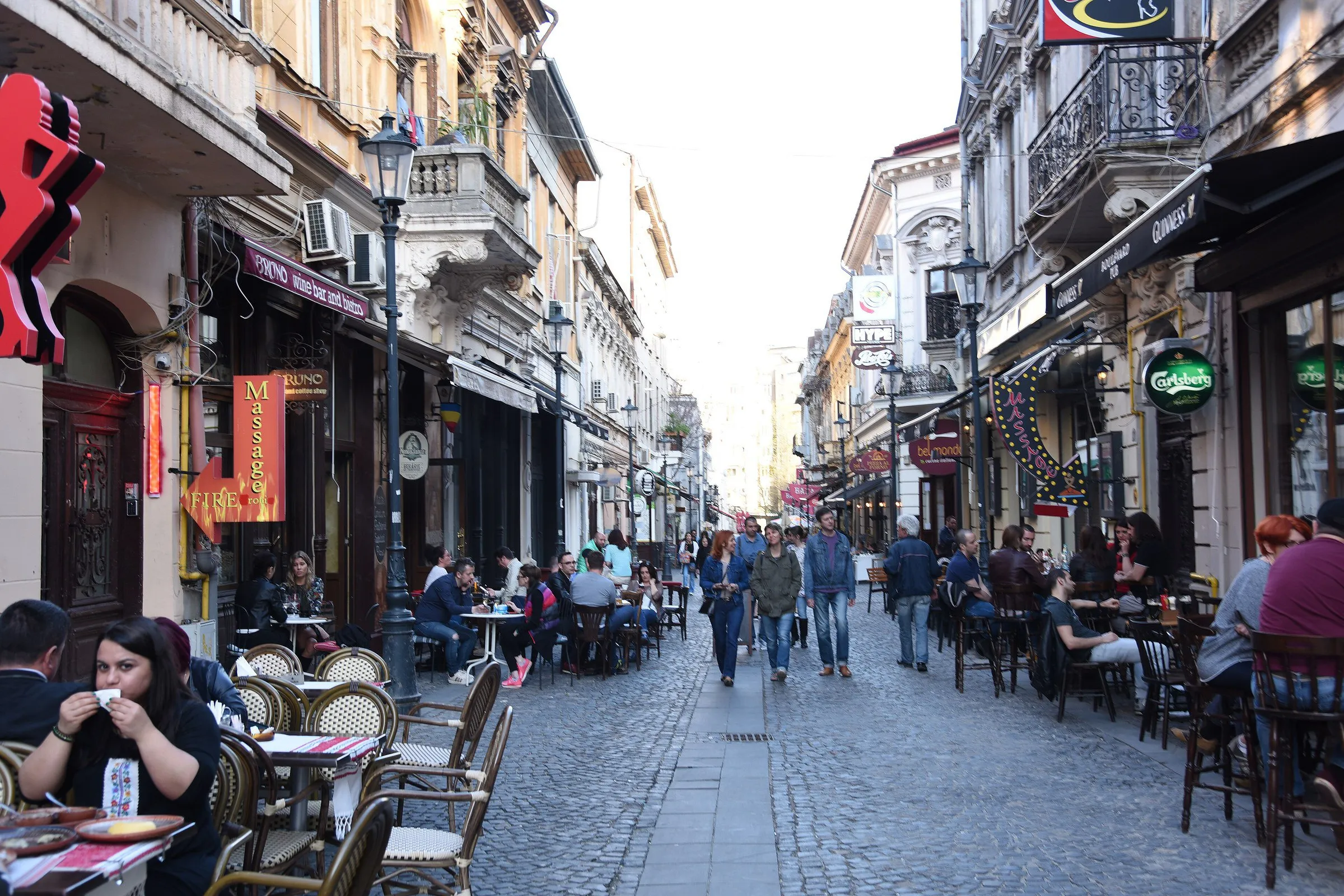 6
The old street of merchants who sold goods from Leipzig gave its name to Bucharest's old town, now a pedestrian zone of restored facades, bars and restaurants.
View details for Lipscani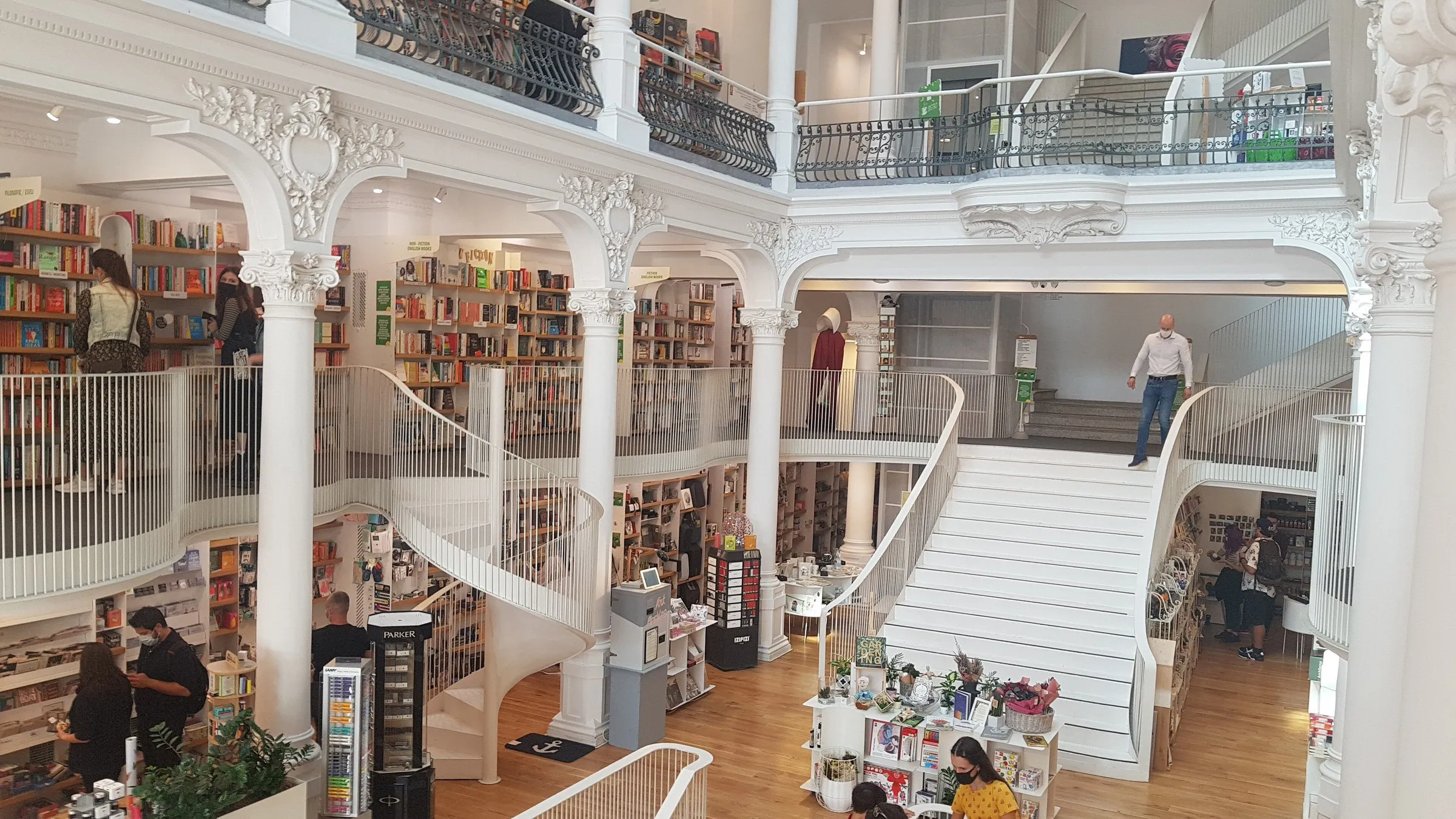 7
All-white bookstore opened in 2015 in a restored former bank building, with stacked curved balconies around a large central void, on Lipscani Street.
View details for Cărturești Carusel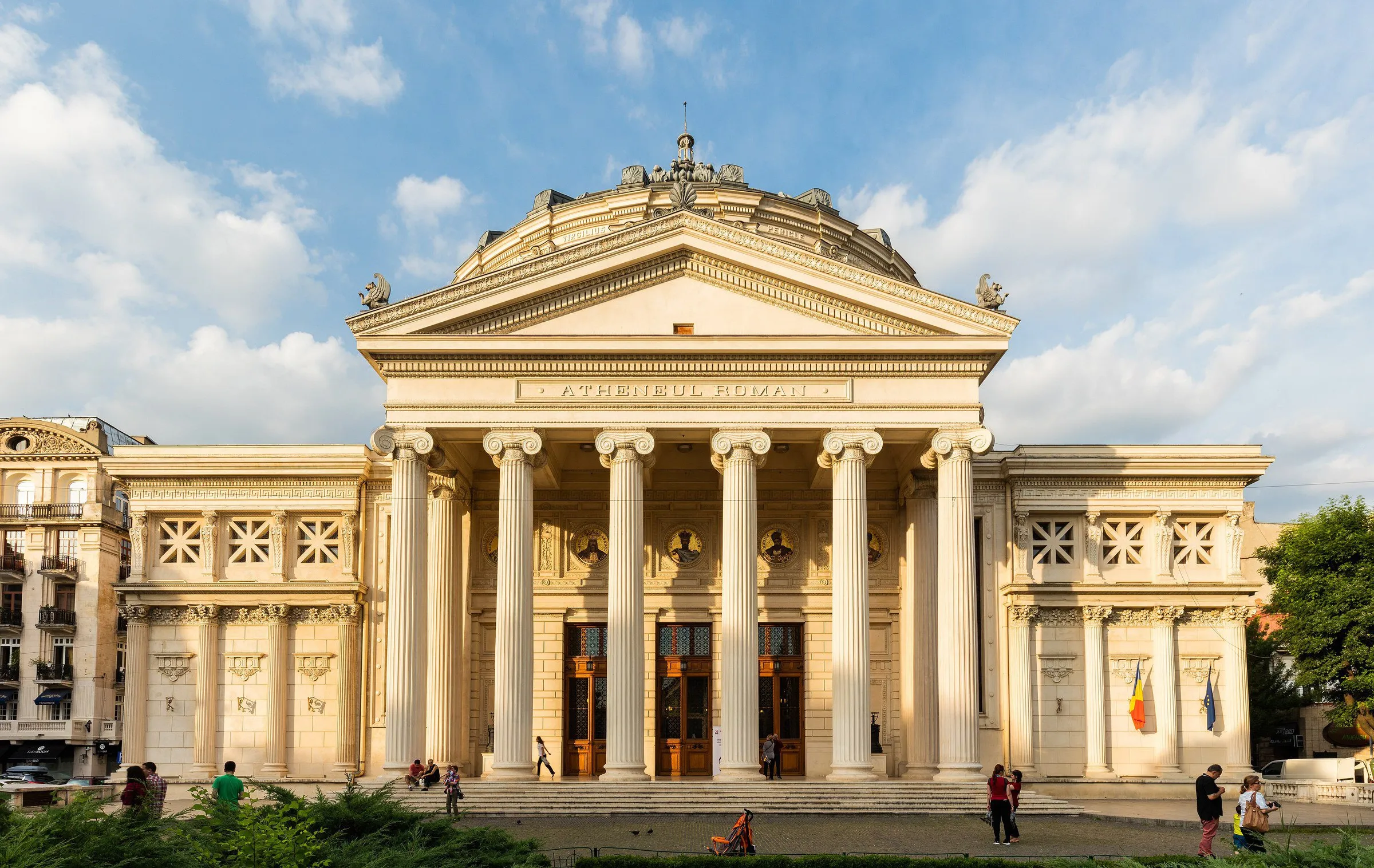 8
Concert hall opened in 1888 and paid for in part by public donations, with a 75-meter circular fresco that tells the history of Romania.
View details for Romanian Athenaeum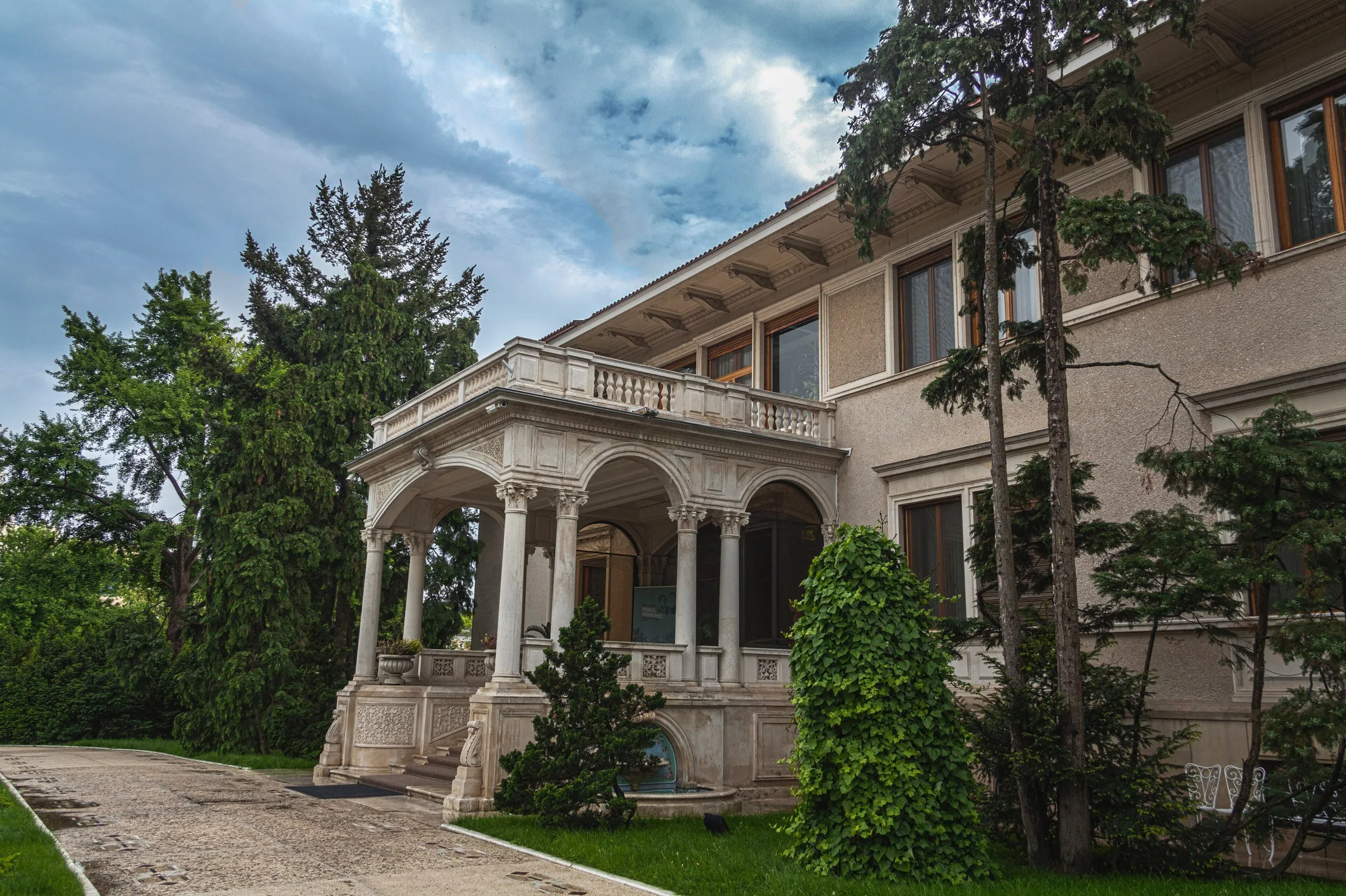 9
The house where Nicolae and Elena Ceaușescu lived until 1989, opened to the public in 2016, with a mosaic pool, handmade tapestries and guided visits only.
View details for Spring Palace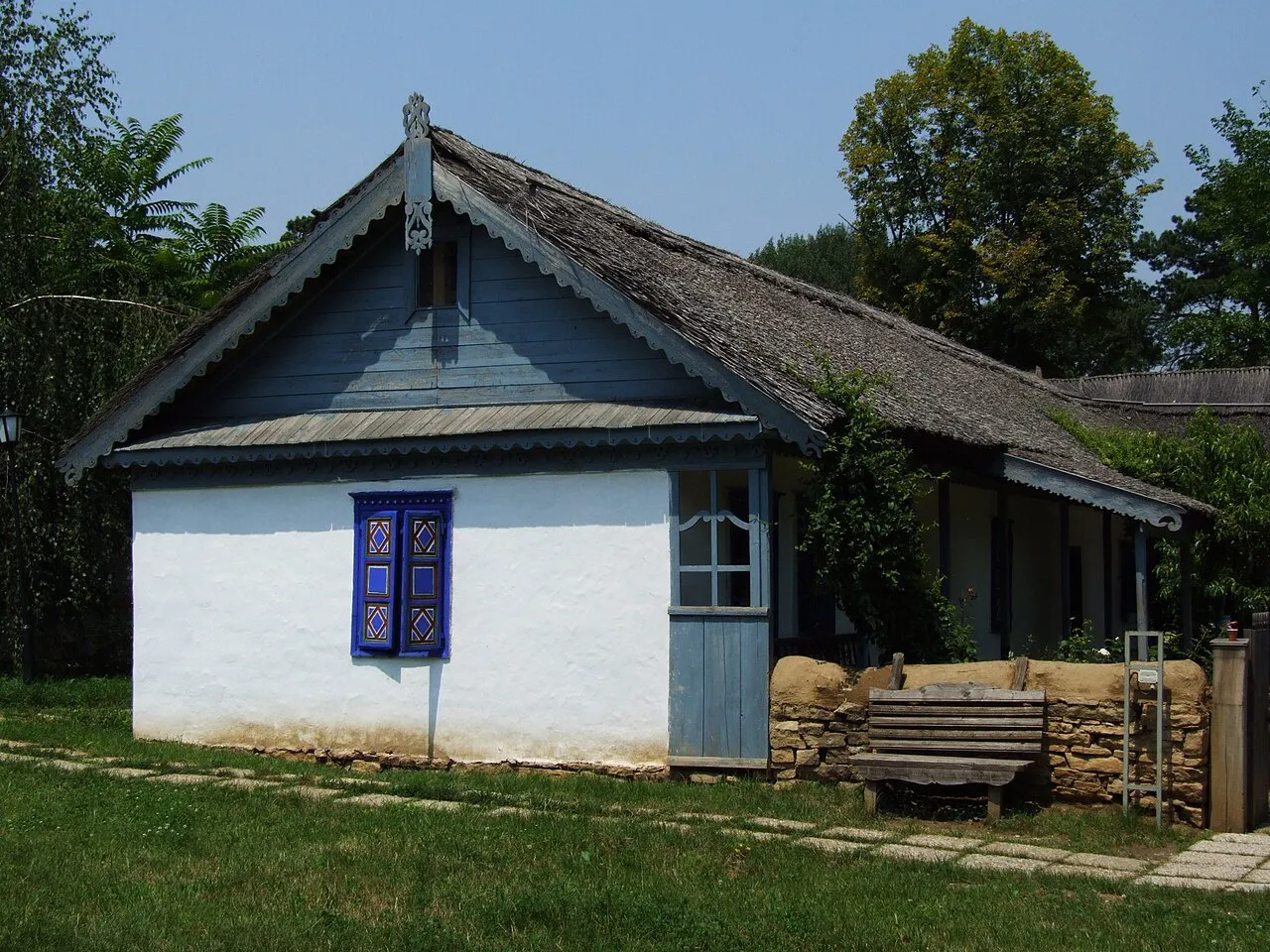 10
Open-air museum created in 1936, with houses, wooden churches and even a windmill brought from villages across all regions of Romania, in King Michael I Park.
View details for Dimitrie Gusti National Village Museum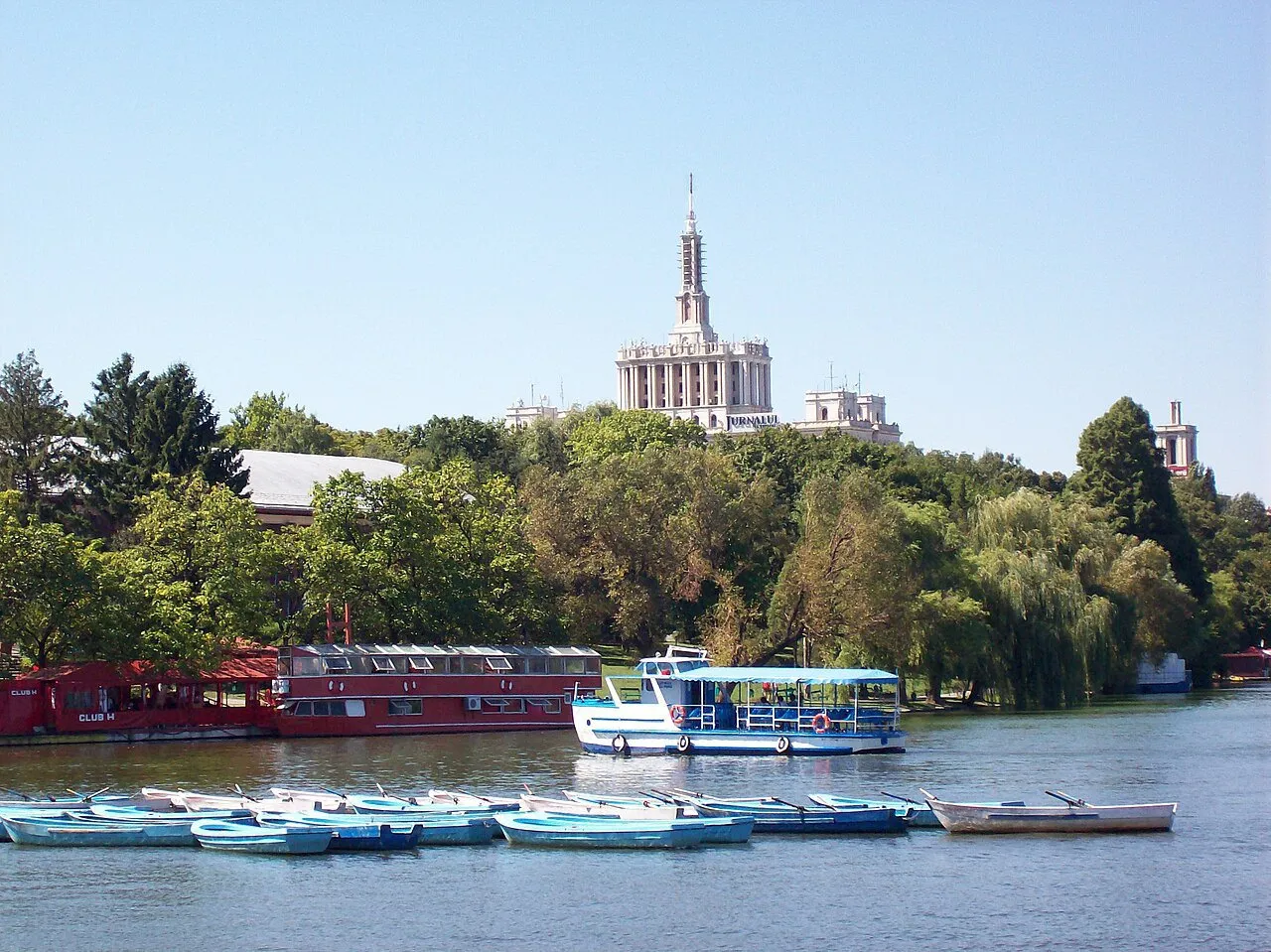 11
A 187-hectare park around a 74-hectare lake, opened in 1939 and renamed in 2017; many people still call it by its old name, Herăstrău.
View details for King Michael I Park1There is no angle that fits the whole Palace of the Parliament in a photo: it has a footprint of 240 by 270 meters, stands 84 meters tall and goes another eight levels underground. Construction began in 1984, under Ceaușescu, and only ended in 1997, years after the dictator's fall. The chief architect, Anca Petrescu, was 28 when she took over the project and ended up coordinating about 700 architects.
The visit is guided and runs through marble halls, crystal chandeliers and corridors that seem to have no end. The detail nobody expects: by some estimates, about 70% of the building is still empty. Besides the Parliament and the Constitutional Court, the west wing houses the National Museum of Contemporary Art, opened in 2004.
2Leaving the Parliament, a short slope leads up to Dealul Mitropoliei, and the noise of the boulevards stays behind. At the top stands the Patriarchal Cathedral, built between 1655 and 1659 by Prince Constantin Șerban, with a Brâncovenesc-style facade. Almost all of the original decoration was lost: the frescoes you see today were painted in 1923 by Dimitrie Belizarie.
Since 1774 the church has housed the relics of Saint Demetrius the New, protector of the city. The saint's feast day, on October 27, brings about a week of celebrations and draws thousands of pilgrims. On an ordinary day, the program is quieter: if you arrive during the liturgy, stay a few minutes to hear the choir, which sings a cappella.
3In 1808, the Armenian businessman Emanuel Mârzaian, better known as Manuc Bei, built this han: a mix of inn and warehouse where caravans unloaded goods and travelers spent the night. By the mid-19th century it was the city's main commercial complex. In 1812, its halls hosted the preliminary talks for the treaty that ended the war between Russia and the Ottoman Empire.
Today the courtyard is still the best part: tables in the middle and balconies all around, as if the whole building were watching you eat lunch. Renovated in 2007, the complex works as a hotel, restaurant, bars and café, so the most honest way to visit is to sit down and order something.
4Before becoming a vampire legend, Vlad III ruled Wallachia and needed a base to watch the Danube frontier. In 1459 he had his residence built here, and it is from that time that the first written record of Bucharest dates. The princes who followed rebuilt and expanded the court in stone, until it lost its purpose and was auctioned off in 1798.
What remains are walls, arches and cellars uncovered by excavations that began in 1953, now looked after by the Bucharest Municipal Museum. Next door stands the Church of the Annunciation, from 1559, where Prince Mircea Ciobanul is buried: it is the oldest religious building in the city preserved with its original appearance.
5Among bars and souvenir shops, Stavropoleos looks as if someone left it there by mistake. The church was built in 1724 by the Greek monk Ioannikios, who two years later became Metropolitan of Stavropolis, which gave the church its name. The style is Brâncovenesc, a Romanian signature of columns and arches worked in stone, at an almost miniature scale.
Today the place is a convent of nuns and keeps a library of more than 8,000 volumes, among them the largest collection of Byzantine music books in the country. The house choir, created in 1994, sings in that tradition. If you arrive during a service, stay: it is the perfect counterpoint to the sound of the bars outside.
6The name comes from Leipzig: the lipscani were the merchants who brought goods from Western Europe, and from the Middle Ages until the early 19th century this was the main commercial area of the city and of Wallachia. Each trade had its own street, and the signs still give it away: Blănari was the furriers' street, Șelari the saddlers'.
Under the communist regime, the neighborhood was put on a demolition list that never left the paper. After years of neglect, the facades were restored and the sidewalks gained tables. At night, the only decision is which bar to stop at, and many people end up at Caru' cu Bere, a beer hall founded in 1879, with a neo-Gothic facade and an Art Nouveau dining room.
7The building was once the headquarters of the Chrissoveloni family bank, later became a shop and, by the early 2000s, was falling apart. Five years of reinforcement and restoration work ended in 2015, and the Cărturești chain moved in with an all-white bookstore whose balconies curl around the central void like the turns of a carousel.
The name fools a lot of people: Cărturești does not mean light, it is simply the name of the bookstore chain. But it is the light that makes everyone climb to the top floor and look down. Besides the shelves, the building has an exhibition space and a bistro at the very top, for anyone who wants to read the book they just bought over a coffee.
8The Athenaeum was funded, in part, by a fundraising campaign that lasted 28 years and left a slogan Romanians still remember: Dați un leu pentru Ateneu, or give a leu for the Athenaeum. The project is by the French architect Albert Galleron, and it opened in 1888, although work continued until 1897.
Inside, Costin Petrescu's fresco runs around the concert hall: 75 meters long and 3 meters high, from Trajan's conquest of Dacia to the formation of Greater Romania in 1918. The hall seats 794, and the building is home to the George Enescu Philharmonic and to the festival that bears the composer's name.
9Built between 1964 and 1965, the Ceaușescu family residence stayed closed to the public until March 2016, more than 26 years after the revolution. The visit is always guided and passes through the dictator's office, the family bedrooms and the leisure areas, with handmade tapestries, paintings and mosaics everywhere.
The star is the indoor pool, lined with a mosaic that, according to local guides, adds up to more than a million tiles. Part of the artwork did not even belong to the family: it came from state museum collections. After the Parliament, the house completes the portrait of the regime: there, the scale of power; here, its taste in everyday life.
10In 1936, the sociologist Dimitrie Gusti brought into the capital the rural Romania his team had been researching. The museum opened with 33 houses moved from villages and today gathers more than 120 peasant complexes and 363 monuments, from Banat, Transylvania, Moldavia, Maramureș, Oltenia, Dobruja and Muntenia.
Walking through is like changing region at every bend of the path: wooden houses, fences, a windmill from Sărichioi and, at the center, the 17th-century wooden church brought from Dragomirești, in Maramureș, which became the image on the museum's logo. Set aside time, because the area covers more than 10 hectares.
11Work began in 1936, and the park opened to the public in May 1939. For almost eight decades it was called Herăstrău; in December 2017, days after the death of King Michael I, the city council renamed it in his honor. On older maps and guides, you will still find it as Herăstrău.
Of the 187 hectares, 74 are lake, and small boats are allowed on the water. The park is the natural close to the day in the north: after hours among peasant houses at the neighboring museum, you sit on the shore and watch the city's buildings reappear across the water.
Izvor station leaves you about a 10-minute walk from the Parliament's visitor entrance, and Aviatorilor serves the Spring Palace. In the old town and on Calea Victoriei, the best transport is your own feet.
The Parliament and the Spring Palace only take guided visits at set times. Book before you travel and confirm prices and rules on the official channels, because they change often.
To enter the Parliament you must show a valid ID; for visitors from outside the European Union, that means the passport, not a copy.
July and August usually bring highs near 30 °C and humid air; in winter, temperatures are often below freezing and it may snow. Spring and early autumn are the most comfortable seasons for walking.
Stavropoleos and the Patriarchal Cathedral are places of worship, with services throughout the day. Speak softly, wear modest clothing and check for a notice about photos before pulling out your phone.
The currency is the Romanian leu (RON), not the euro. Keep some cash on hand for tips and small purchases, and prefer paying in lei when the card machine offers a conversion.
Bucharest's food is built to withstand a winter of snow: sauerkraut, ground meat, sour cream and mămăligă, the Romanian cornmeal polenta, served alongside plenty of things. In the old town, the two classic addresses for trying this repertoire are the courtyard of Hanul lui Manuc and the Art Nouveau dining room of Caru' cu Bere, a beer hall founded in 1879. Save room for dessert, which weighs as much as the main course.
Little sour cabbage rolls stuffed with ground meat, rice and herbs, cooked for hours and almost always served with mămăligă and sour cream.
Grilled little rolls of ground meat, seasoned with garlic, thyme and paprika: the griddle snack that goes with cold beer.
Tangy tripe soup, thickened with sour cream and egg yolk, sharpened with vinegar and boosted with garlic. Hearty enough to count as a meal.
Fried or boiled fresh-cheese dumplings, topped with sour cream and fruit jam. One is enough for two people, but nobody shares.