 1
Neighborhoods
Old Town (Stare Miasto)
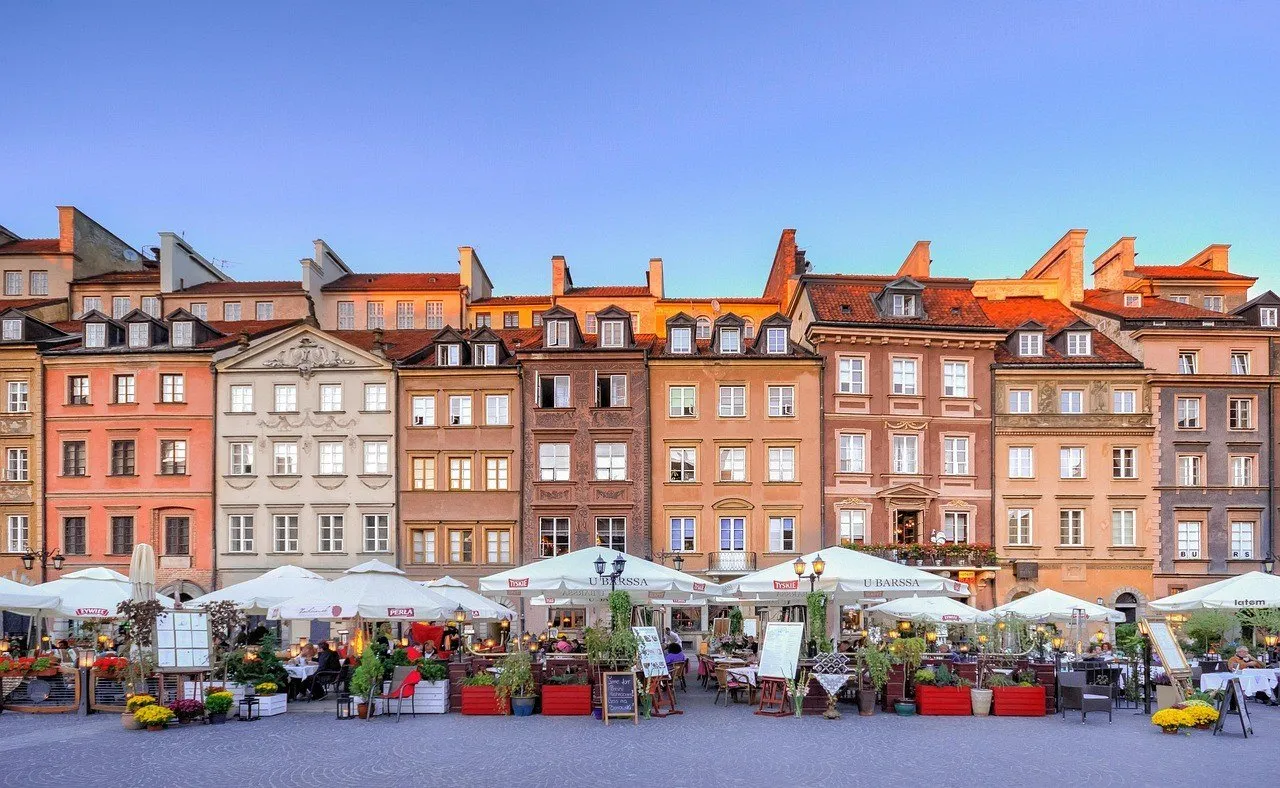
Colorful facades, cobbled streets and the mermaid of the main square make up a neighborhood rebuilt after the war, recognized by UNESCO for that work.
View details for Old Town (Stare Miasto)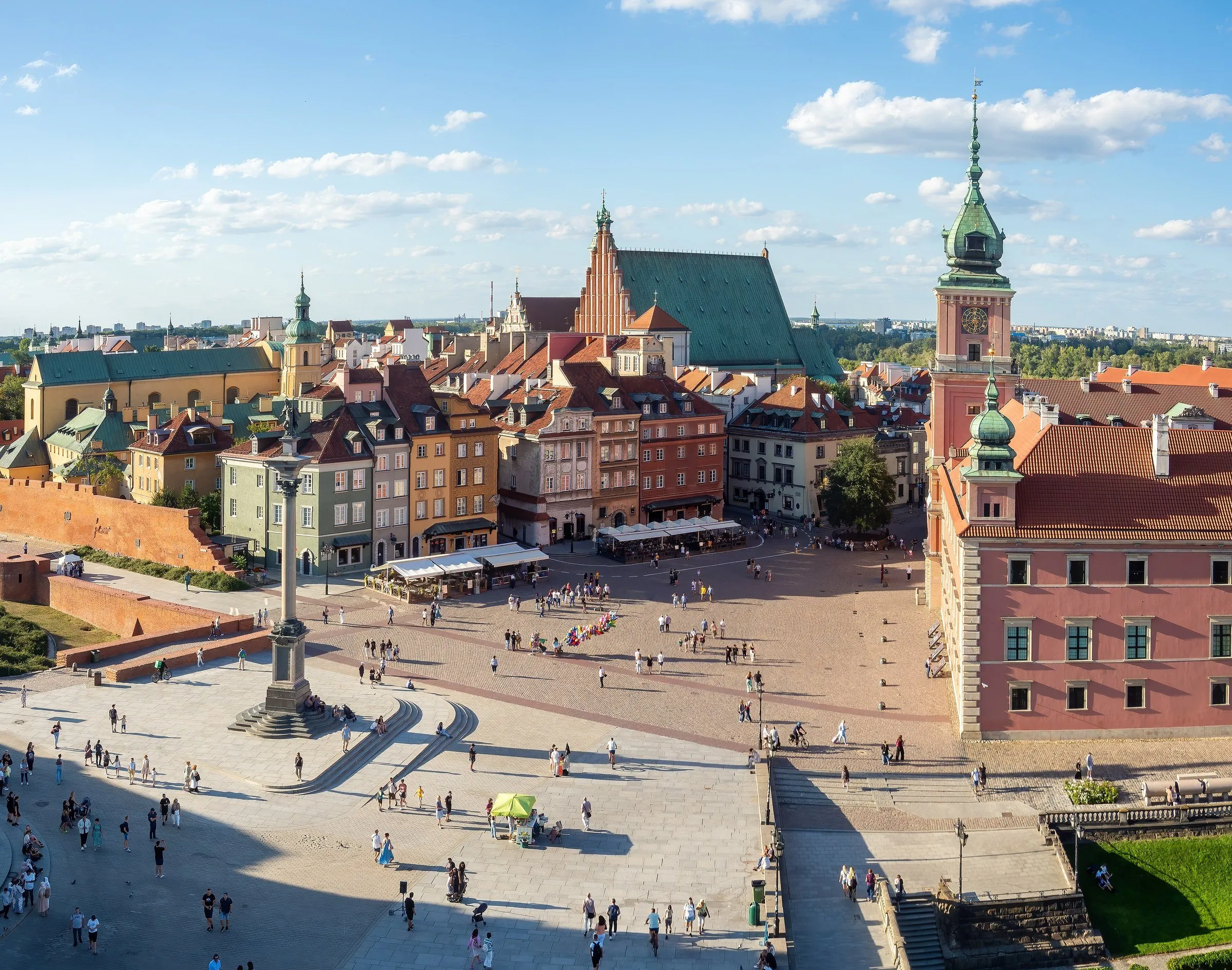
Poland
In Warsaw's Old Town Market Square, a mermaid holds a sword and shield among colorful facades. Later, the walk swaps cobbled streets for the palace reflected in the lake at Łazienki.
The Old Town mermaid stands armed in the middle of the square while you pick which facade to photograph. The detail that changes the walk comes next: much of this scenery was rebuilt after the destruction of World War II. UNESCO recognizes precisely that work of recovery. Walking through Warsaw means paying attention to what shows on the surface and to the effort that brought each street back to life. Afterward, the museums help fill in what the facades do not tell.
Split your trip between the old center, POLIN and the green spaces. In the museum, Jewish history goes far beyond the Holocaust; on the streets, the reconstruction gains doors, windows and café tables. Between visits come the palace reflected in the lake at Łazienki and the garden on the library roof. Use public transport for the longer stretches and set aside time for the interiors, without turning the castle into a race. In the end, the pierogi take care of the hunger your step counter had been reporting.
The Old Town is a World Heritage Site for the value of its reconstruction: UNESCO recognizes the recovery of a historic center that was almost entirely destroyed.
Łazienki owes its name to a former bathhouse, later turned into a palace; the royal retreat began with a much more modest idea of relaxation.
The facade of the university library has panels that recall book pages, with texts in different languages and even mathematical and musical notation.
1Colorful facades, cobbled streets and the mermaid of the main square make up a neighborhood rebuilt after the war, recognized by UNESCO for that work.
View details for Old Town (Stare Miasto)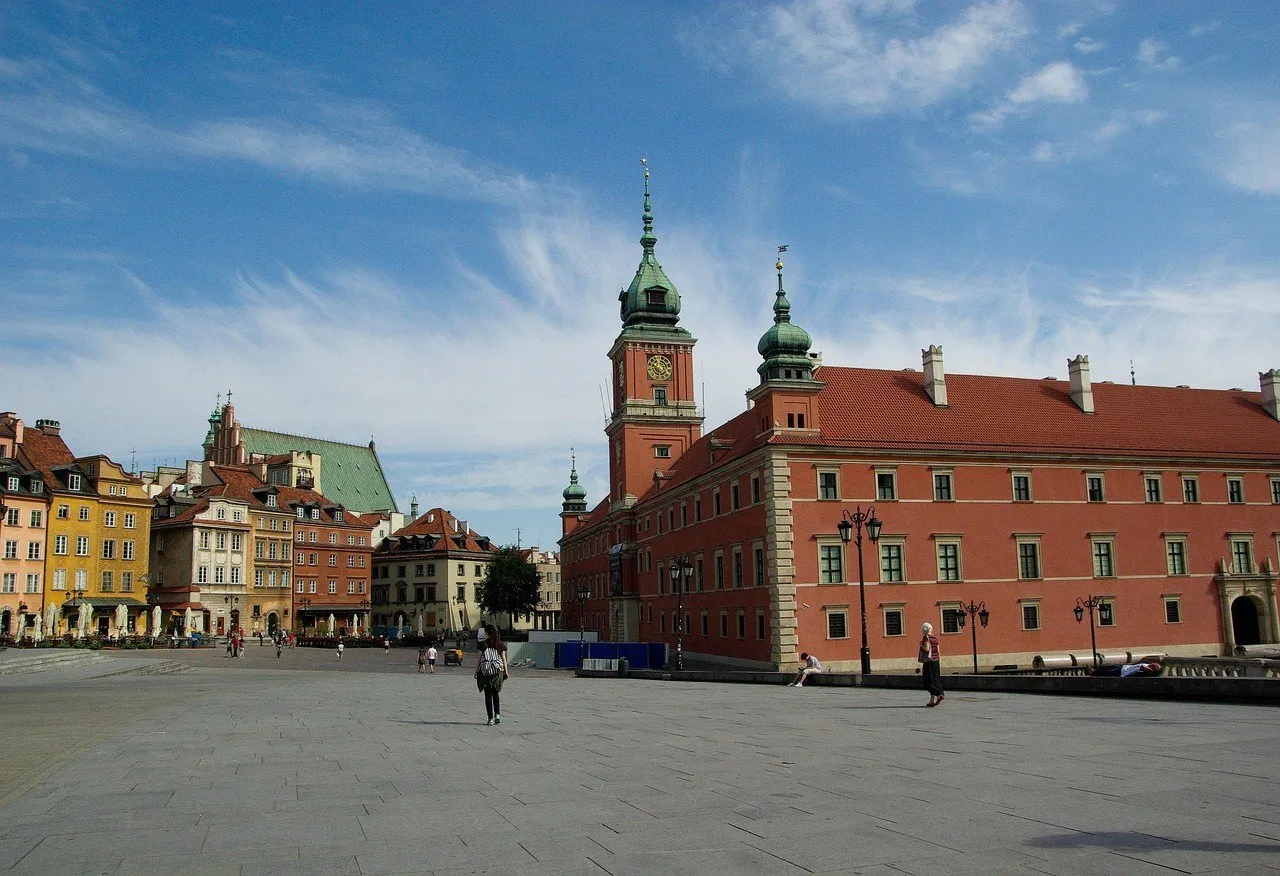 2
The former residence of Polish rulers holds ceremonial rooms, thrones and paintings; the visiting routes let you choose between the palace and the art collection.
View details for Royal Castle in Warsaw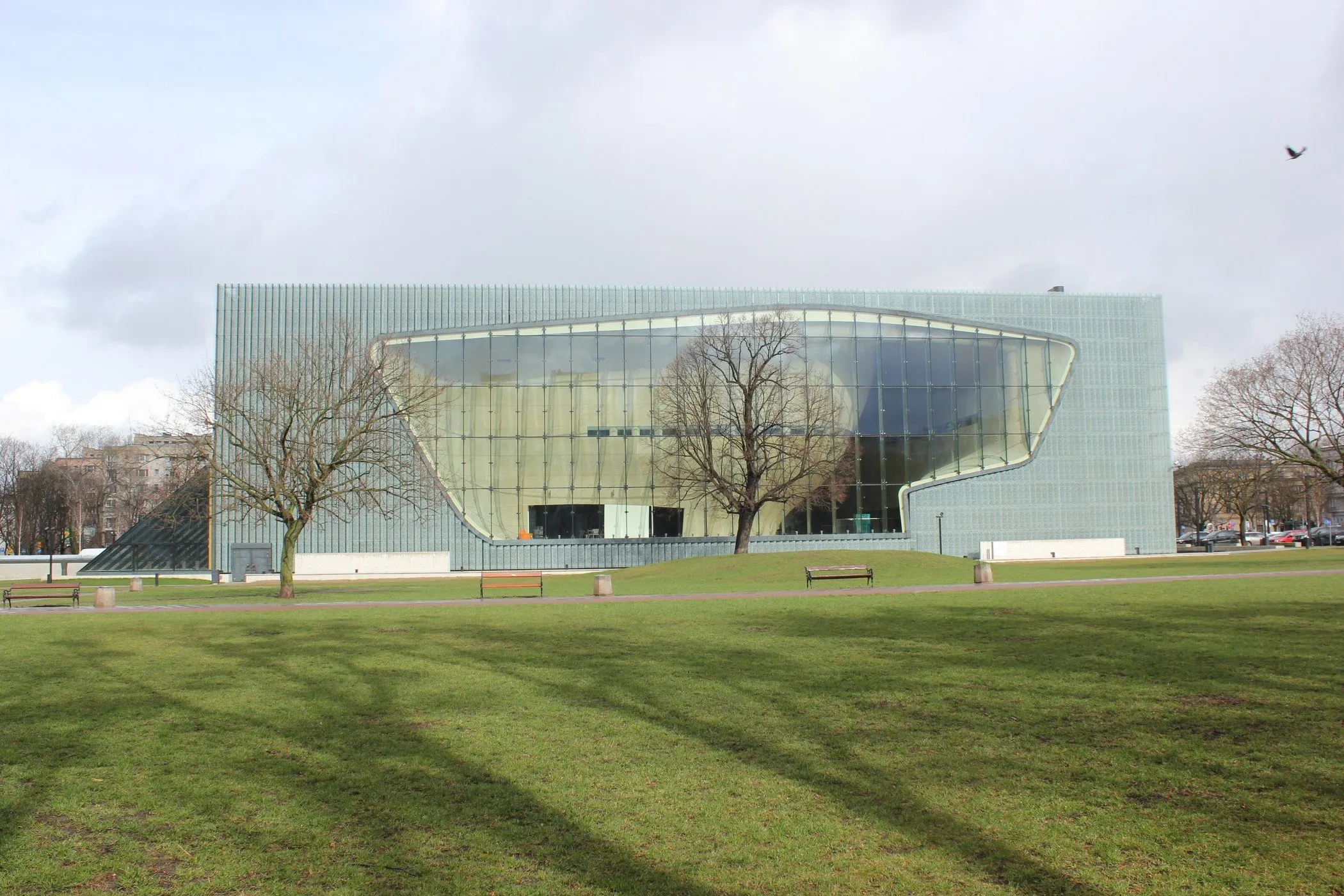 3
On the territory of the former ghetto, POLIN follows the Jewish presence in Poland through different eras, with installations, objects and a reconstructed synagogue.
View details for POLIN Museum of the History of Polish Jews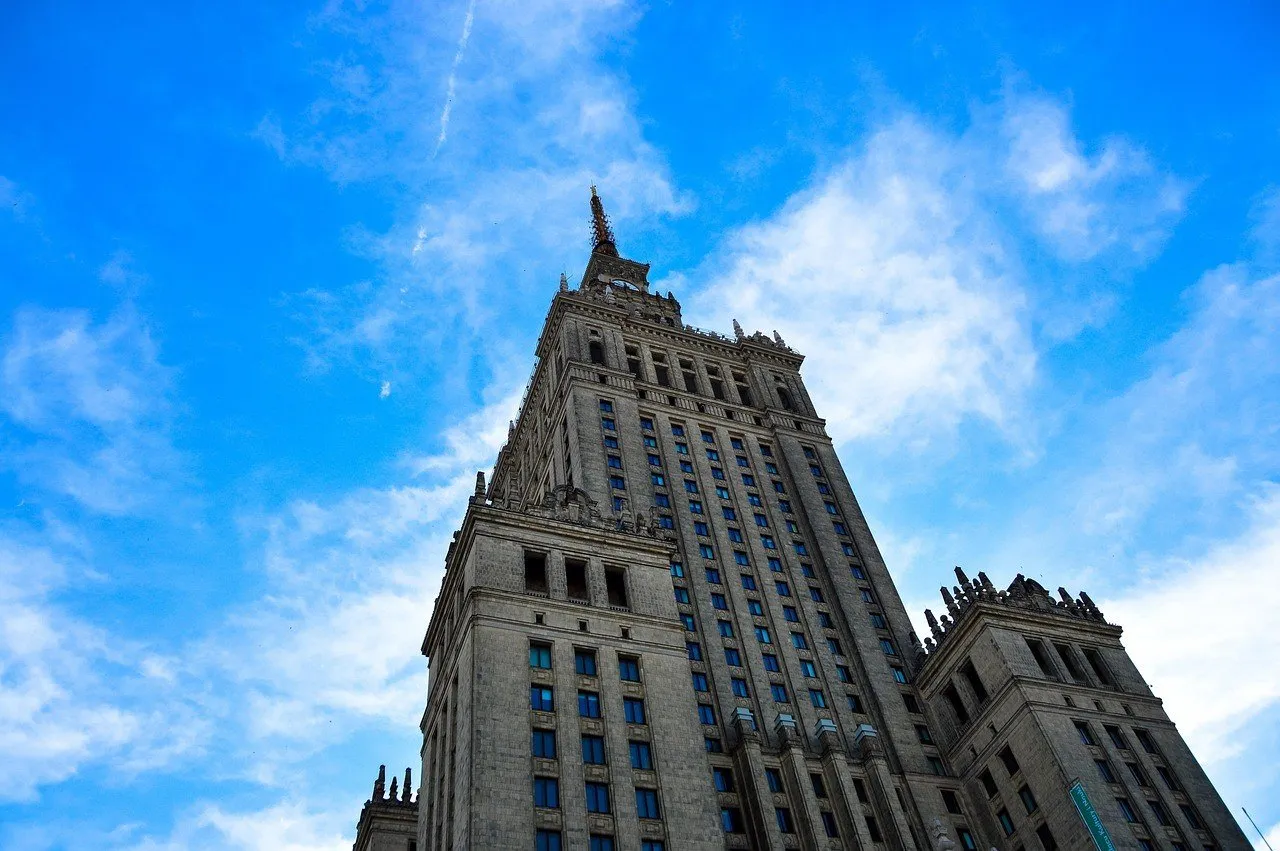 4
The large building of Soviet origin holds cultural spaces and a viewpoint over central Warsaw, its avenues and the line of modern buildings.
View details for Palace of Culture and Science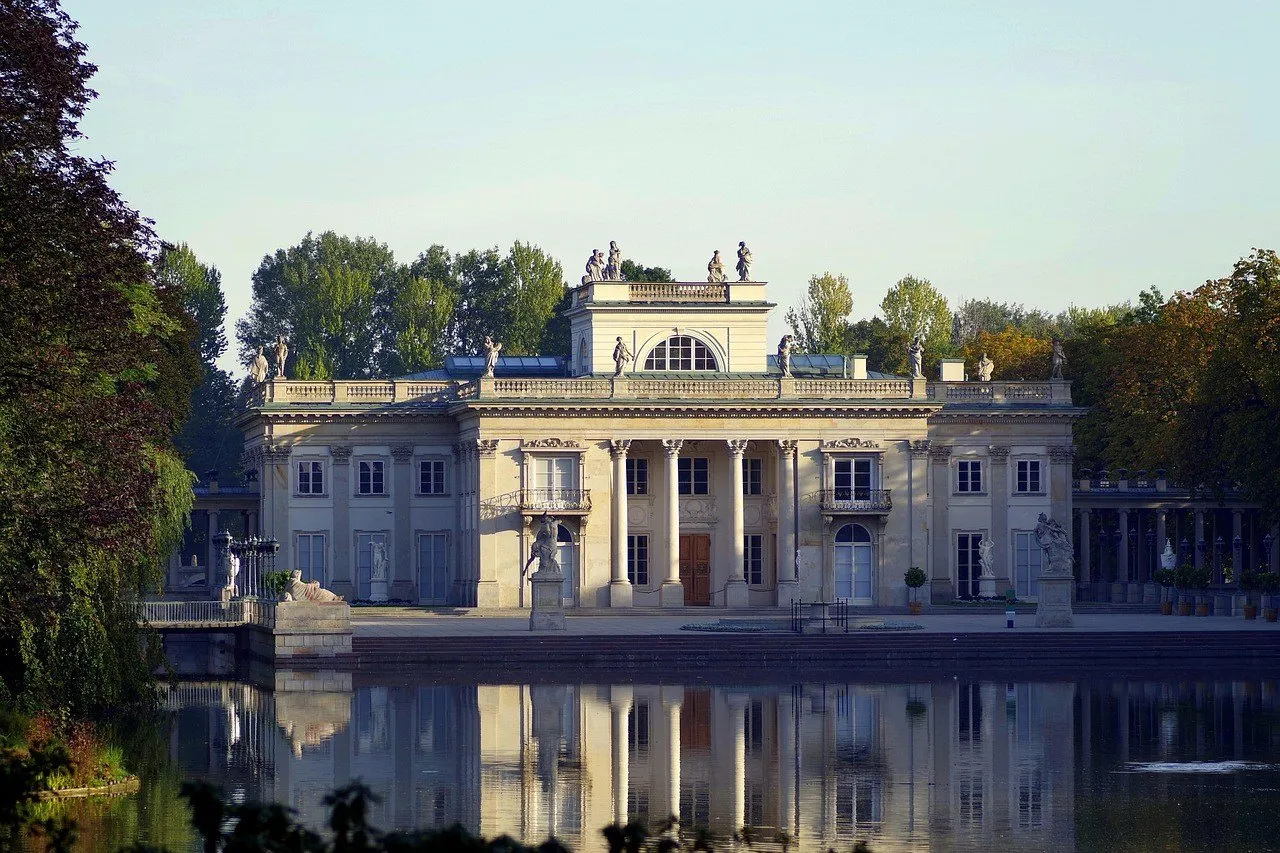 5
The park of the former royal summer residence holds tree-lined paths, the Palace on the Isle, an amphitheater and the Chopin monument among lakes and gardens.
View details for Royal Łazienki Park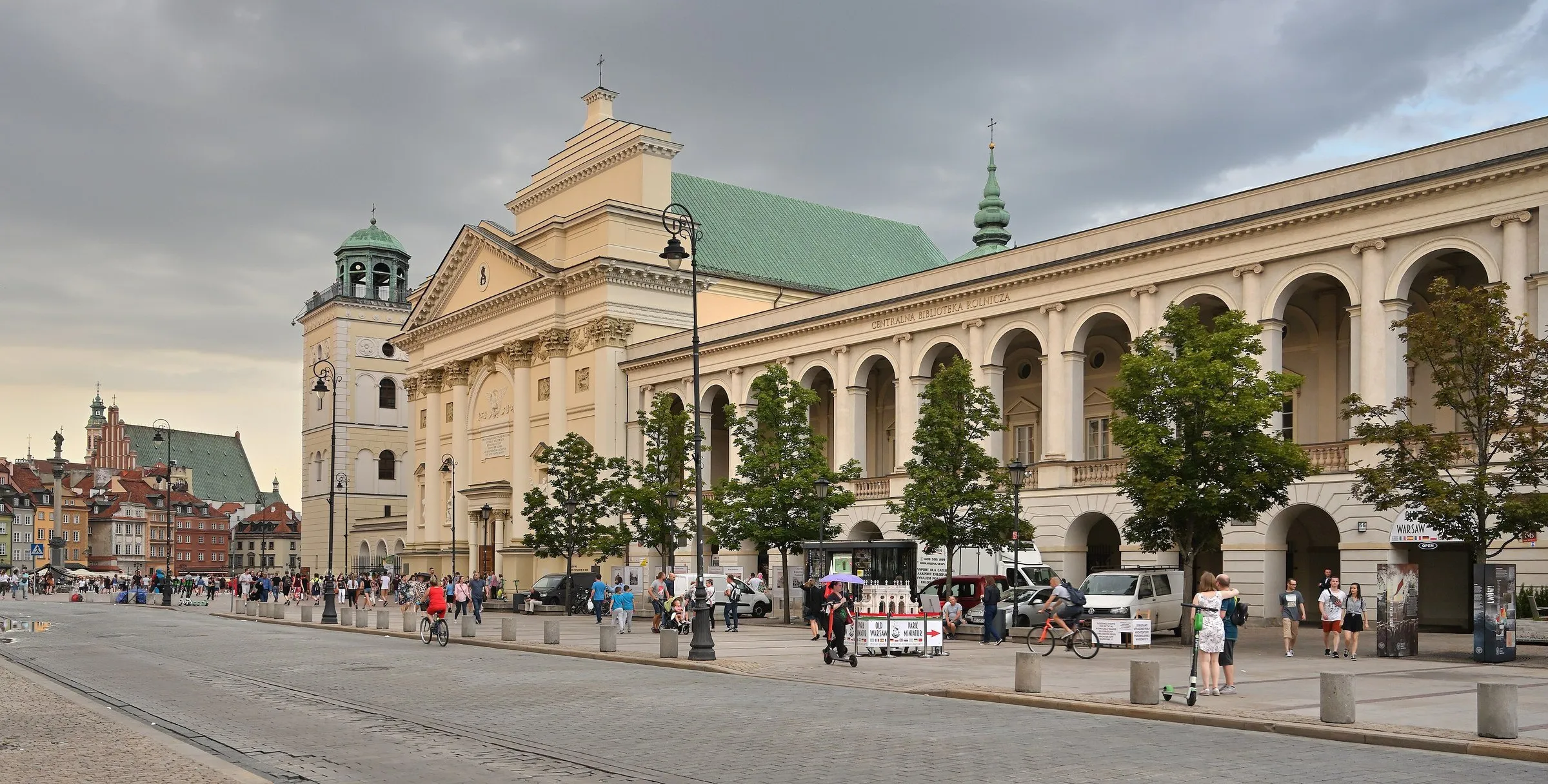 6
The central stretch of the Royal Route strings together palace facades, churches and the university campus, with room for a walk that calls for several pauses.
View details for Royal Route: Krakowskie Przedmieście and Nowy Świat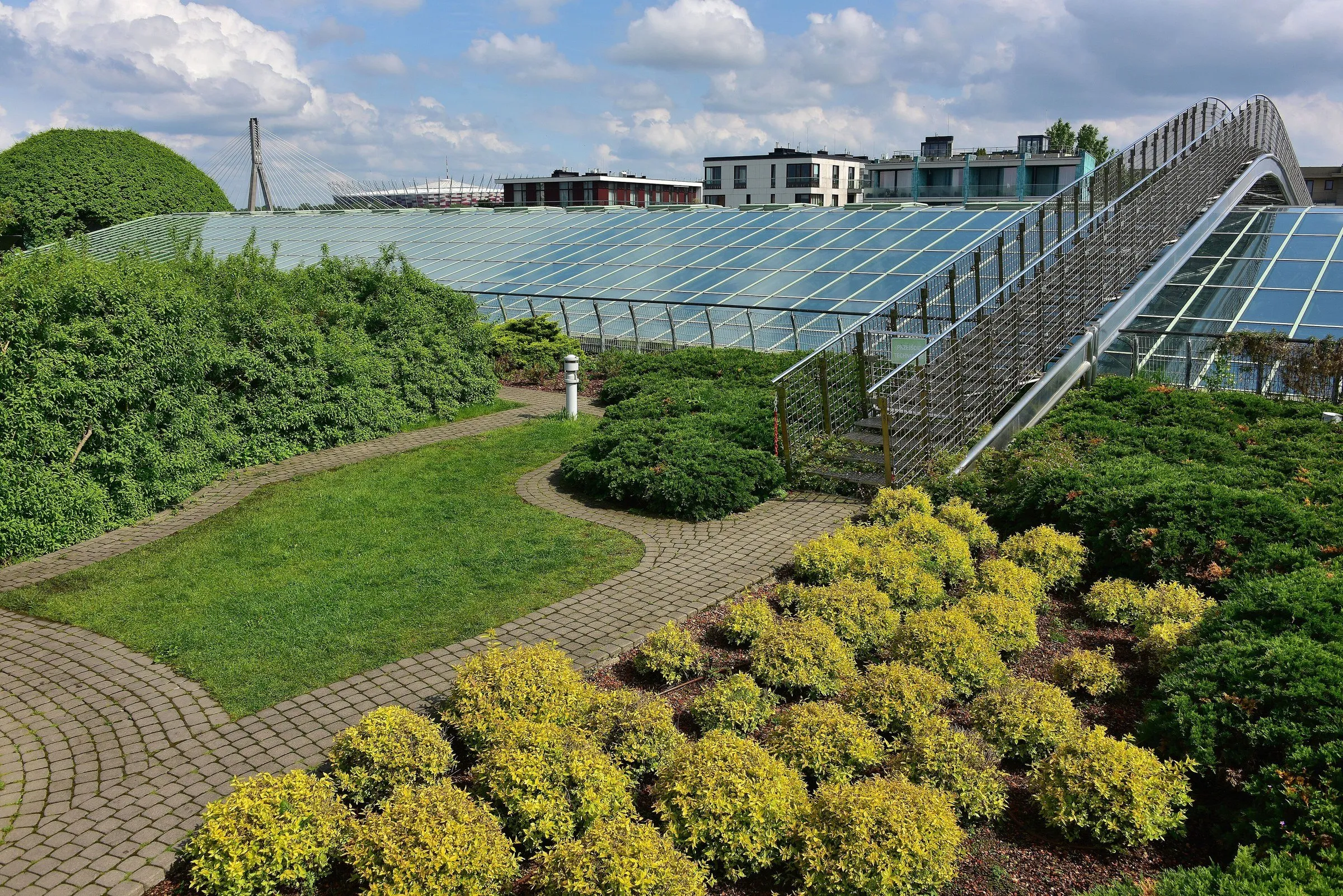 7
Walkways, climbing plants and flower beds cover the roof of a library in Powiśle, with views of the Vistula and access to the upper level depending on the season.
View details for Warsaw University Library Garden1In Rynek Starego Miasta, the market square, the mermaid raises a sword and shield in front of the colorful houses. Put the map away to notice doors, windows and painted details. A good part of this ensemble came out of the reconstruction effort after World War II.
Follow the smaller streets and the line of the walls, passing the Barbakan, the old defensive structure. Once you understand what happened here, the facades stop being just a pretty backdrop for coffee.
2The reddish facade marks the entrance to the Old Town, but the visit changes scale in the ceremonial rooms. A former residence of Polish rulers, the Royal Castle lets you follow court life and its collections. Gilding and thrones play the royal part without shyness.
Look at the views of Warsaw painted by Bernardo Bellotto, known as Canaletto, and compare them with the city you have walked through. There are different routes: not every ticket includes the same set of rooms and works.
3Pay attention from the lobby on, where curved walls open a passage through the building. POLIN stands in the area of the former ghetto, but its narrative reaches Jewish life in Poland long before and after the Holocaust. Objects and recreated settings present cultural and everyday relationships.
One of the moments of greatest visual impact is the painted ceiling of the wooden synagogue of Gwoździec, reconstructed for the exhibition. The visit takes time and reading; leave room for a pause after the section on the Holocaust.
4It is hard to ignore the Palace of Culture and Science in the center. The tower and the stone volumes reveal its origin in the period of Soviet influence; today, the building houses theaters, a cinema and museums. Its sculptures represent activities such as science, art and labor.
On the terrace, the eye moves from detail to urban scale, with avenues and modern buildings surrounding the palace. Pick good visibility: a whole city behind haze costs the same ticket and offers far less to talk about.
5The Palace on the Isle is reflected in the water, and the tree-lined paths slow the pace. Łazienki was the summer residence of Poland's last king, Stanisław August Poniatowski. You can stroll through the gardens or add the interiors to the visit.
Pass by the amphitheater and the Chopin monument, associated with the concerts of the warmer season. Among the trees, peacocks and squirrels tend to draw more attention than the map. Leave time to sit and watch the palace's reflection change.
6Leaving Castle Square, Krakowskie Przedmieście becomes a sequence of gates, churches and palace facades. The historic campus of the University of Warsaw appears along the way. You make little progress because some detail always pulls your eyes to the other side.
The full Royal Route connects former residences of rulers and goes well beyond this core. Focus your walk on Krakowskie Przedmieście and Nowy Świat: the name is singular, but the whole route has royal ambitions.
7Here, the pause between books also happens on the roof. The library garden combines walkways, pergolas and plants grouped by color, with the Vistula on the horizon. Before going in, notice the facade panels: they look like open pages, with texts and symbols from different fields of knowledge.
The route links the lower garden to the roof and fits the architecture of Powiśle. The upper part usually closes in winter; at that time, count on the lower garden and look at the details of the building.
Combine walking with the metro, trams and buses. Check WTP or Jakdojade for the duration, zone and how to validate your ticket before boarding.
Chopin has urban trains and buses; Modlin calls for planning a longer connection, which can combine a bus and a train. Add the transfer when comparing flights.
Closures and free-admission days vary between institutions. Settle POLIN and the Royal Castle route first, then fit in the walks; avoid buying tickets that force you to cross the city in a hurry.
May, June and early fall favor outdoor walks, but the weather changes. Bring rain protection and an extra layer for the gardens and the observation terrace.
The currency is the Polish złoty. Exchange money at clearly identified establishments and keep your bag and phone safe in lines and crowded vehicles.
After crossing Warsaw on foot, soup and filled dumplings stop looking like an excessive lunch. Polish cuisine shows up in restaurants and in the bary mleczne, milk bars serving home-style meals. For dessert, a pastry shop settles the curiosity about the local combination of chocolate and cream.
Dumplings with fillings such as meat, cabbage and mushrooms, or potato and fresh cheese; choose the filling before declaring a favorite.
A sour soup made with rye flour starter, traditionally served with egg and white sausage.
Potato dumplings, with or without a meat filling; an option to vary the dish between one round of pierogi and the next.
Chocolate cake with cream, well known in Warsaw's pastry shops; an argument for extending the coffee break.