 1
History and museums
Barbican and St. Florian's Gate
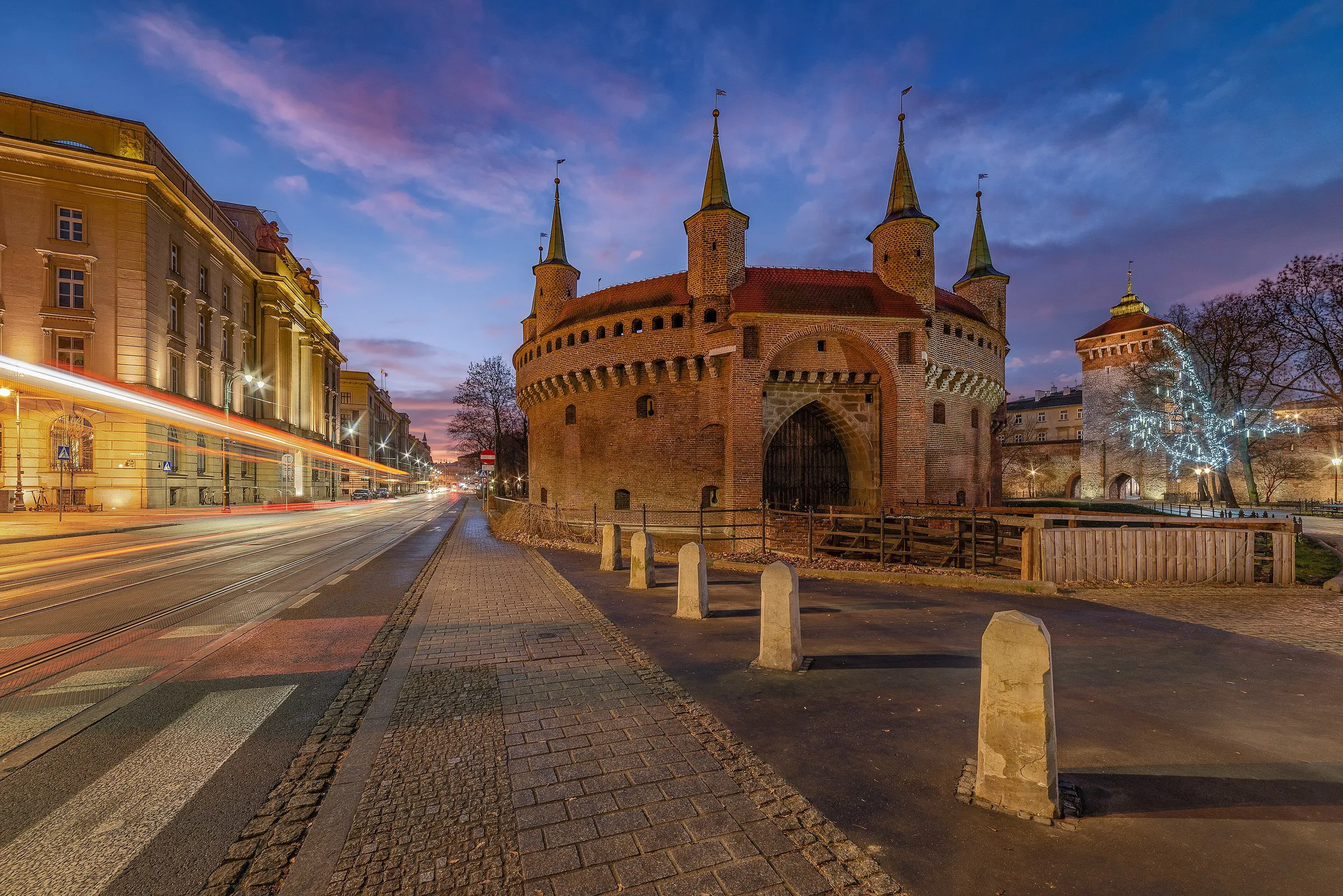
The rounded Barbican and St. Florian's Gate show what remains of Krakow's defenses, next to the tree-lined paths of the Planty.
View details for Barbican and St. Florian's Gate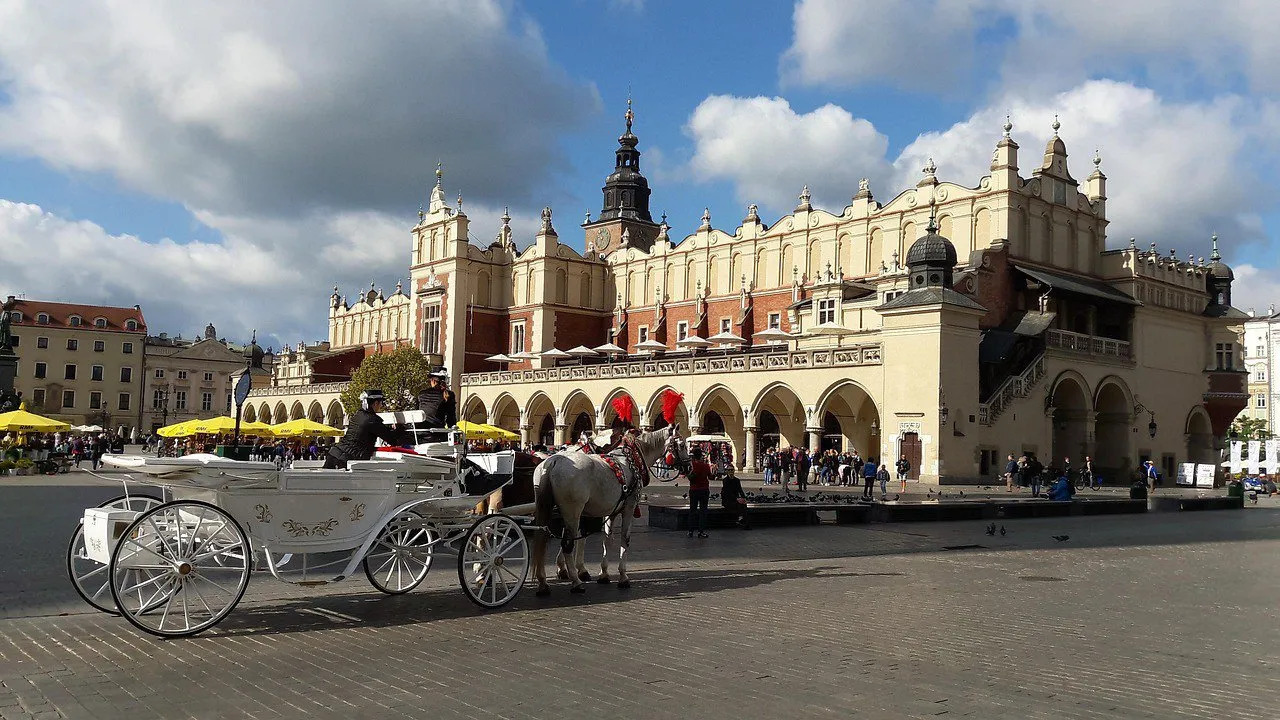
Poland
You buy an obwarzanek from a cart and reach the Rynek still deciding where to start on the bread ring. Ahead, the towers of St. Mary's and the arches of the Sukiennice compete for your next stop.
On the Rynek, you can go from a souvenir stall to a church with a carved altarpiece and, moments later, stop in front of a cart of obwarzanki. Krakow organizes its center around this square, with streets that leave between old facades and end in the greenery of the Planty. The challenge is not figuring out where to walk: it is crossing a block without adding one more stop. Leave room for the walks as well as the tickets.
Split your visit among the old town, Wawel Hill and a circuit through Kazimierz and Podgórze. The castle and the cathedral are different attractions, with their own entrances; trying to buy a single ticket that covers everything usually complicates the morning. On the last day, walk the places tied to Jewish history and set aside time for the Schindler's Factory exhibition. These are visits that call for context and attention, with no rush to get to the next photo.
The Planty occupies the strip of the city's former defenses: the path that now offers benches and trees once was part of a barrier.
The Sukiennice keep shops on the ground floor and a gallery of Polish art upstairs; the souvenir and the historic painting share the same building.
Kazimierz was once a city separate from Krakow. Its streets hold references to Jewish life and culture, in addition to today's cafés and restaurants.
The obwarzanek goes through hot water before the oven; the name of the bread is related to that step of the preparation.
1The rounded Barbican and St. Florian's Gate show what remains of Krakow's defenses, next to the tree-lined paths of the Planty.
View details for Barbican and St. Florian's Gate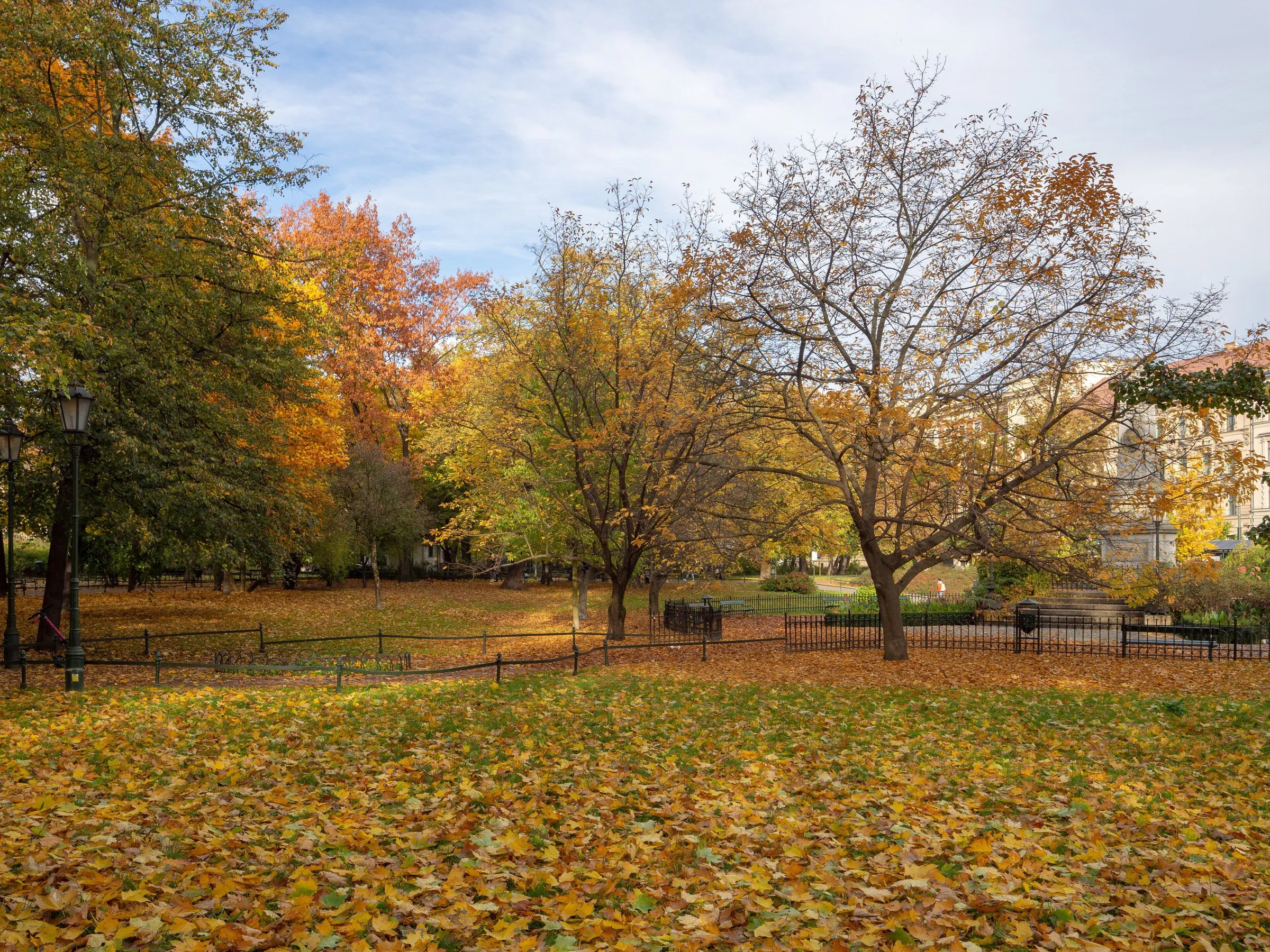 2
The green ring of the Planty follows the old town with trees, benches and monuments, occupying the strip where parts of the city's former defenses stood.
View details for Planty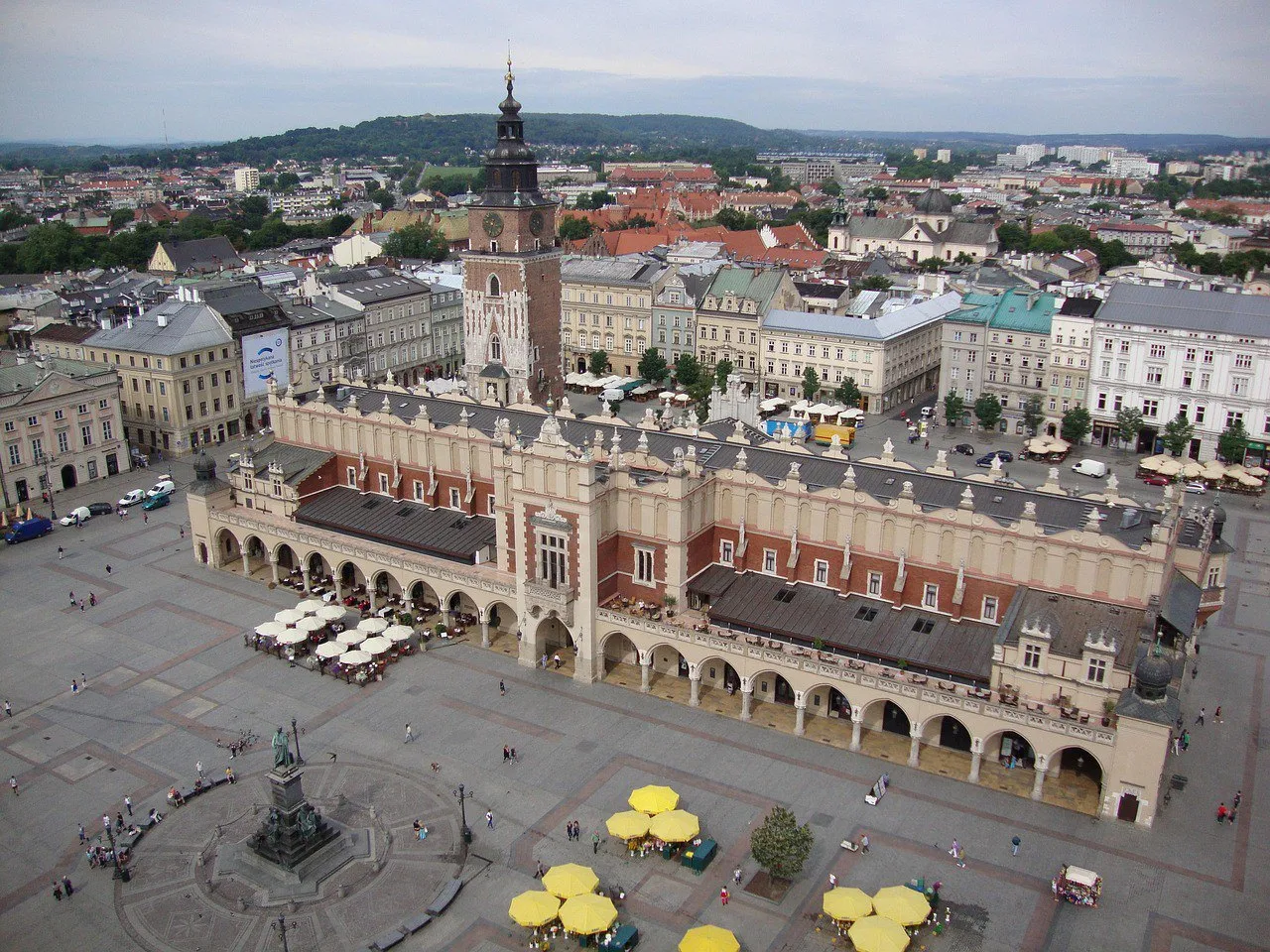 3
The central square brings together St. Mary's towers, the Sukiennice and old facades: a place to get your bearings and change your angle between stops.
View details for Rynek Główny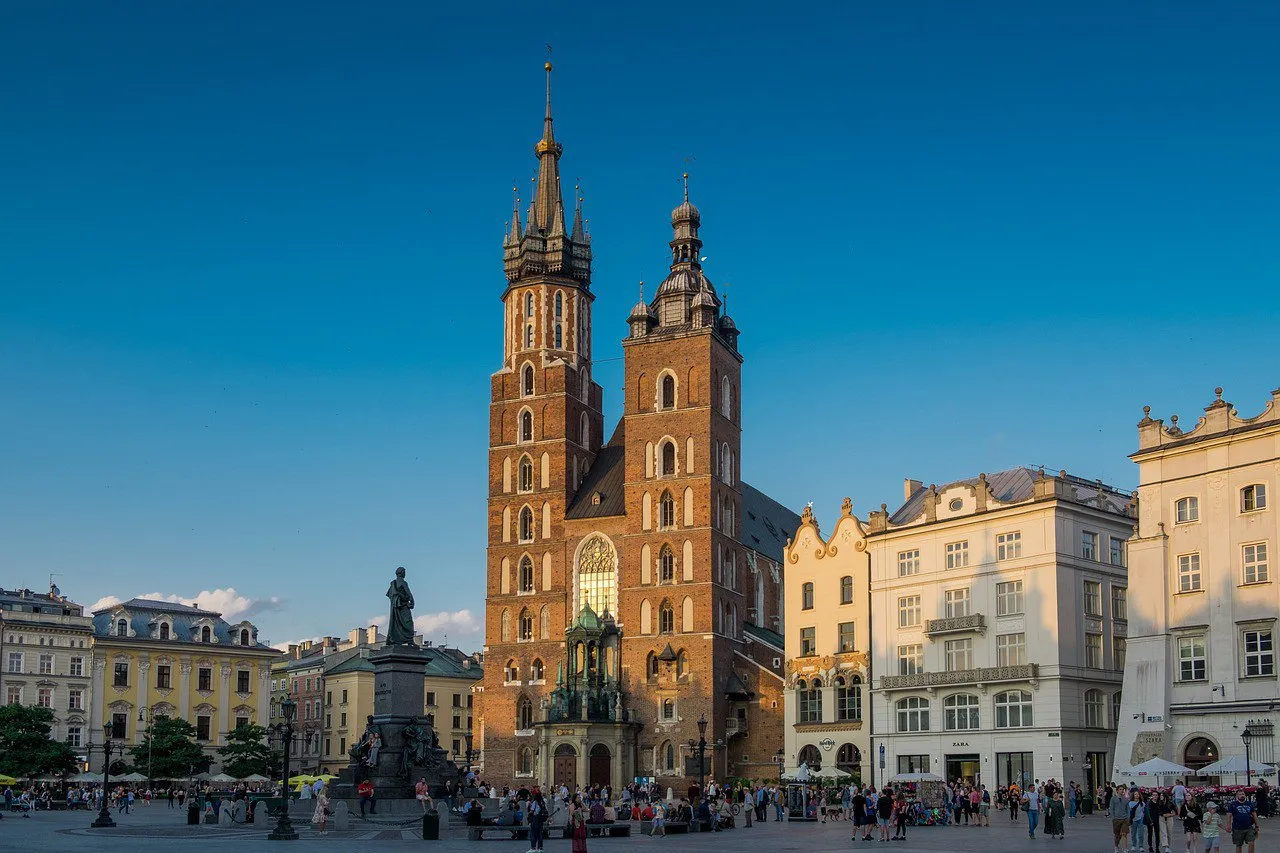 4
St. Mary's towers mark the square; inside, the altarpiece carved by Veit Stoss deserves a planned visit outside service times.
View details for St. Mary's Basilica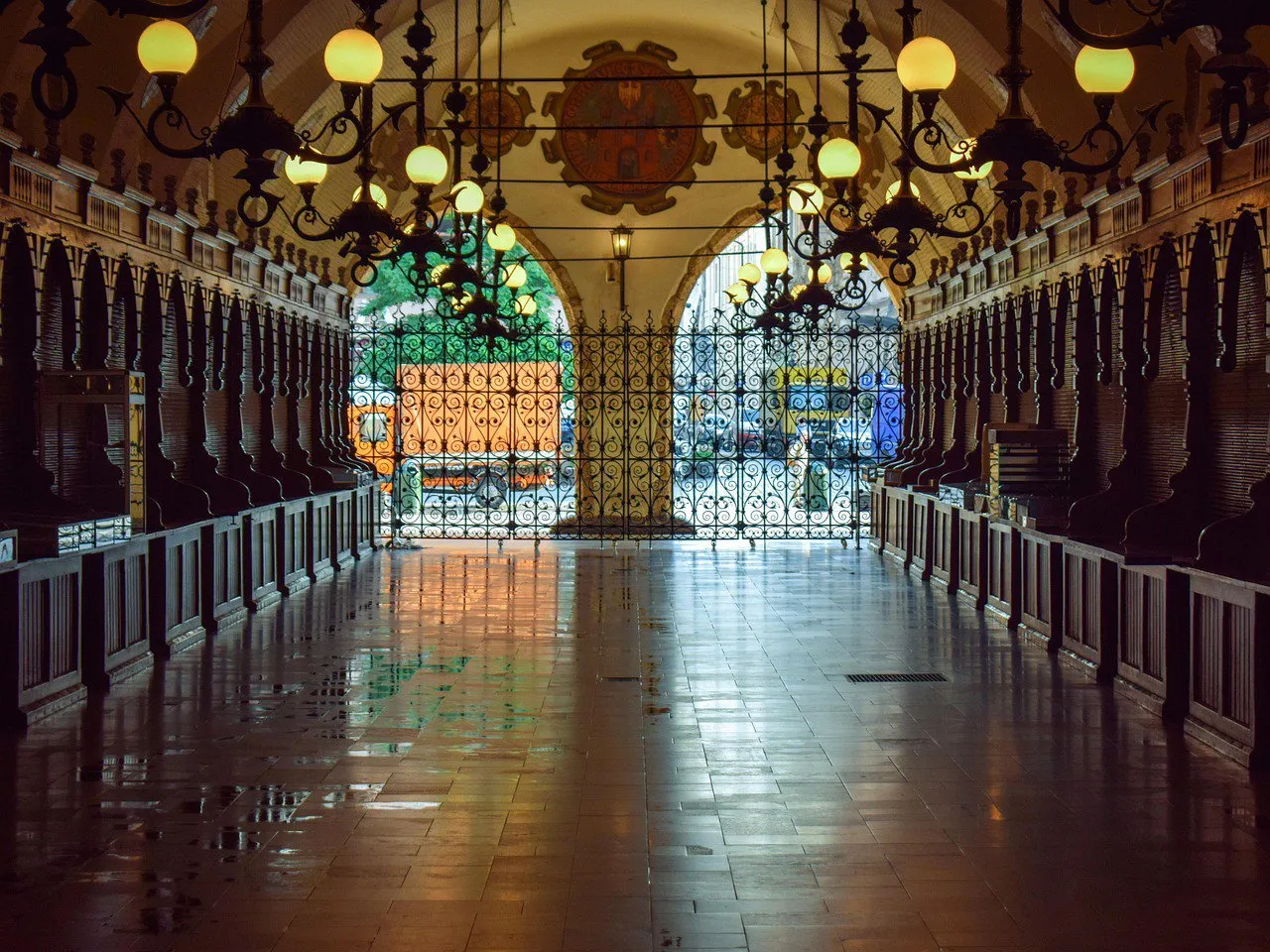 5
The old trading hall keeps stalls on the ground floor and houses Polish art upstairs; architecture, shopping and the museum each take different amounts of time.
View details for Sukiennice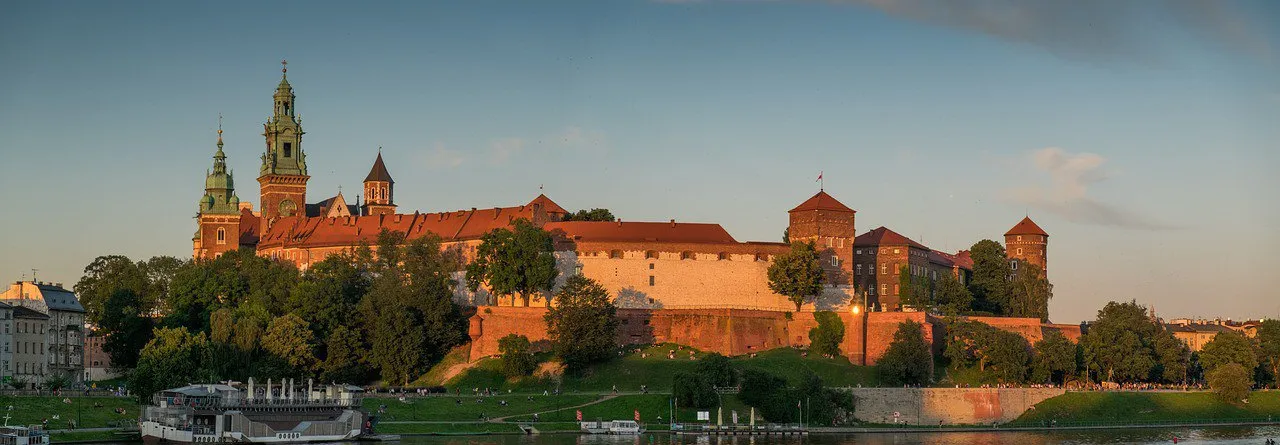 6
On Wawel Hill, the former royal castle holds halls, tapestries and collections; choosing exhibitions before you buy makes the visit calmer.
View details for Wawel Royal Castle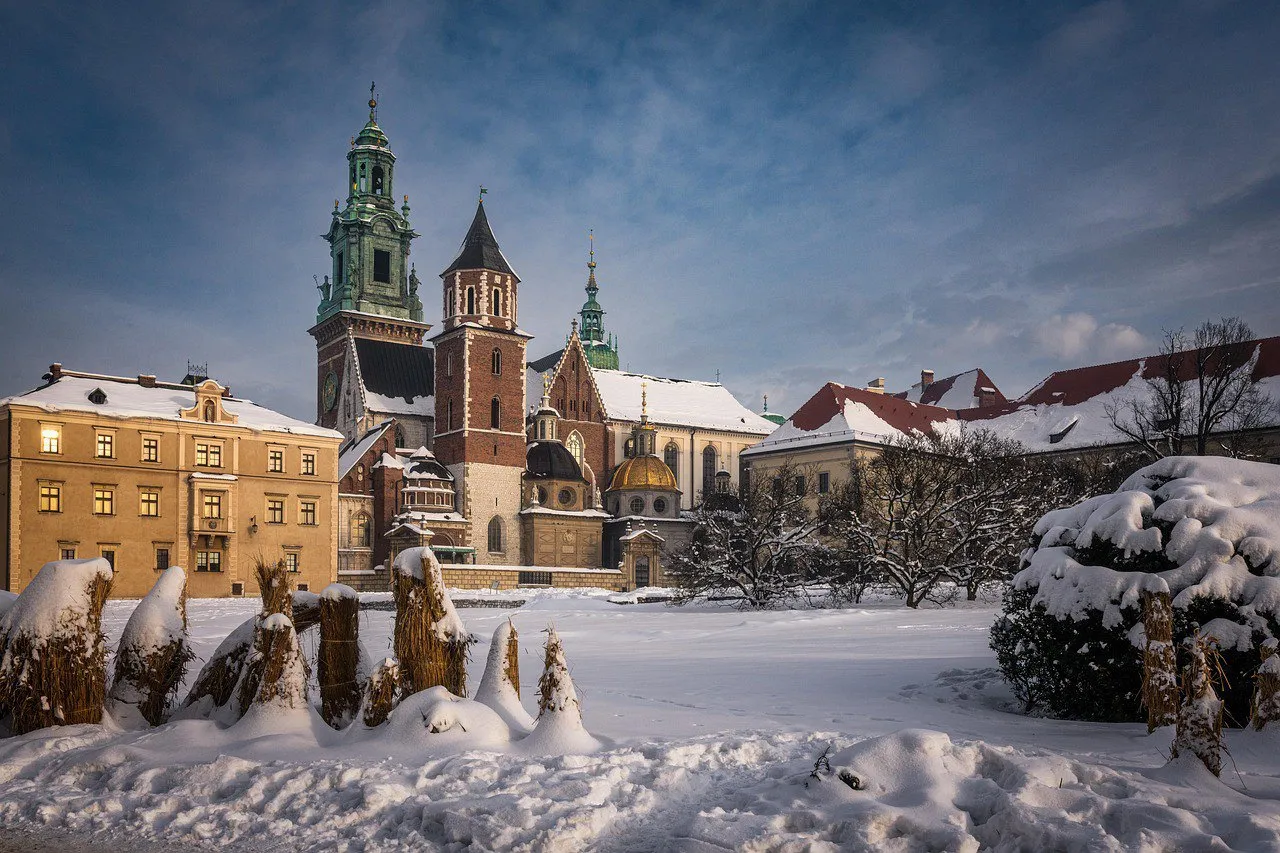 7
Coronations, royal tombs and chapels tie Wawel Cathedral to Polish history; the route should respect services and the ticket's sections.
View details for Wawel Cathedral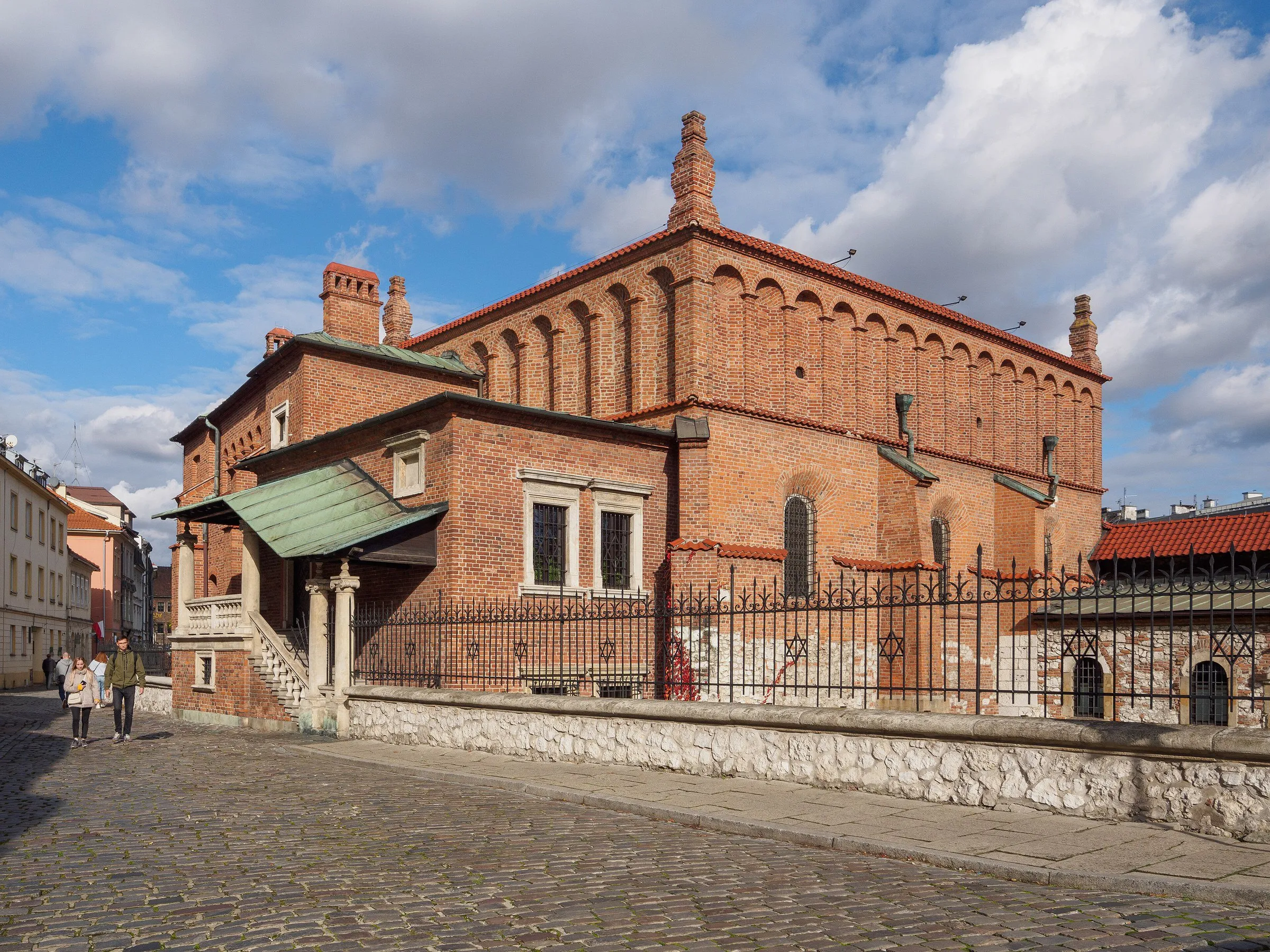 8
Streets, synagogues and restaurants make up Kazimierz; at the Old Synagogue, the museum presents the history and culture of Krakow's Jewish community.
View details for Kazimierz and the Old Synagogue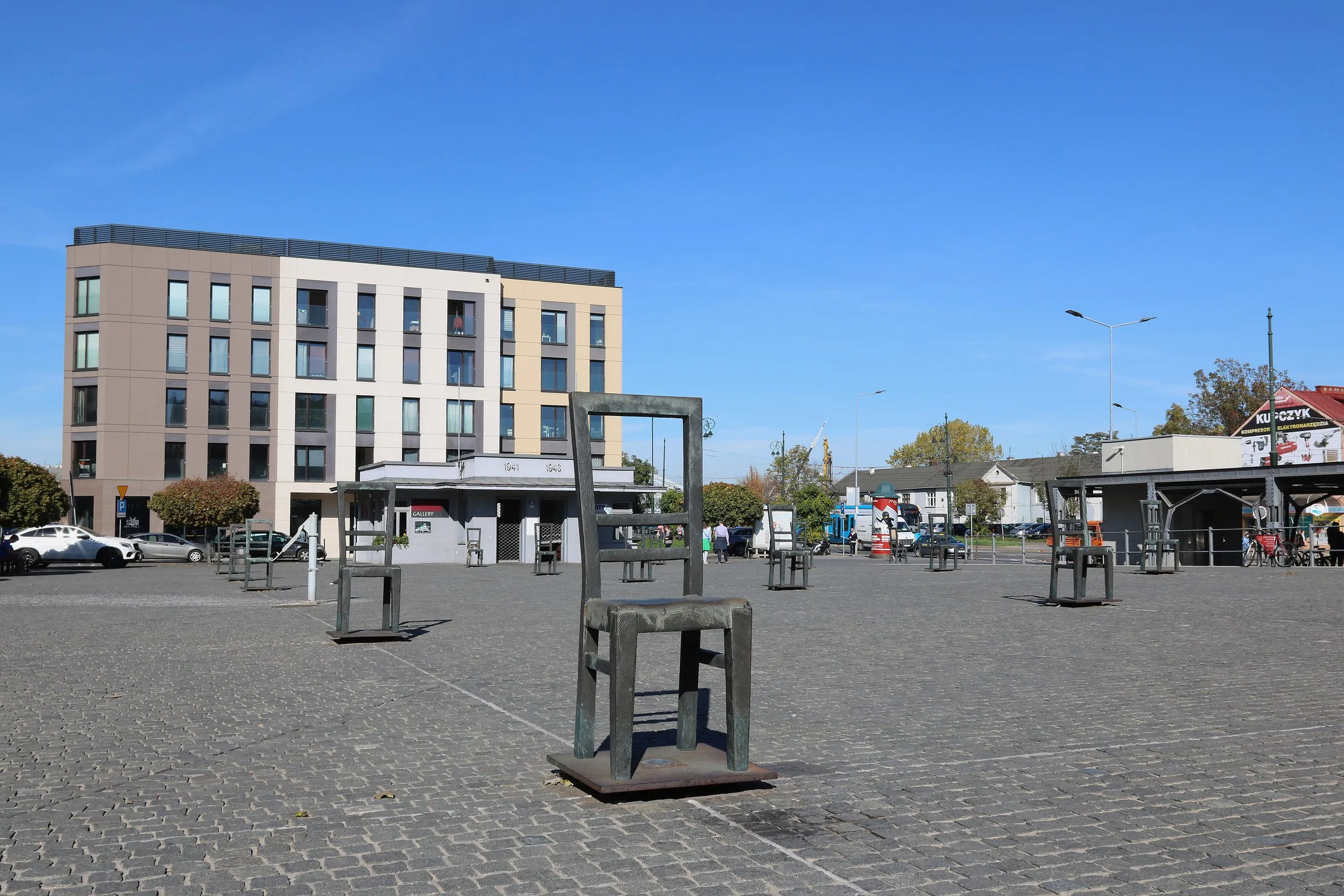 9
The empty chairs of Ghetto Heroes Square remember the Jewish residents persecuted and deported during the Nazi occupation of Krakow.
View details for Ghetto Heroes Square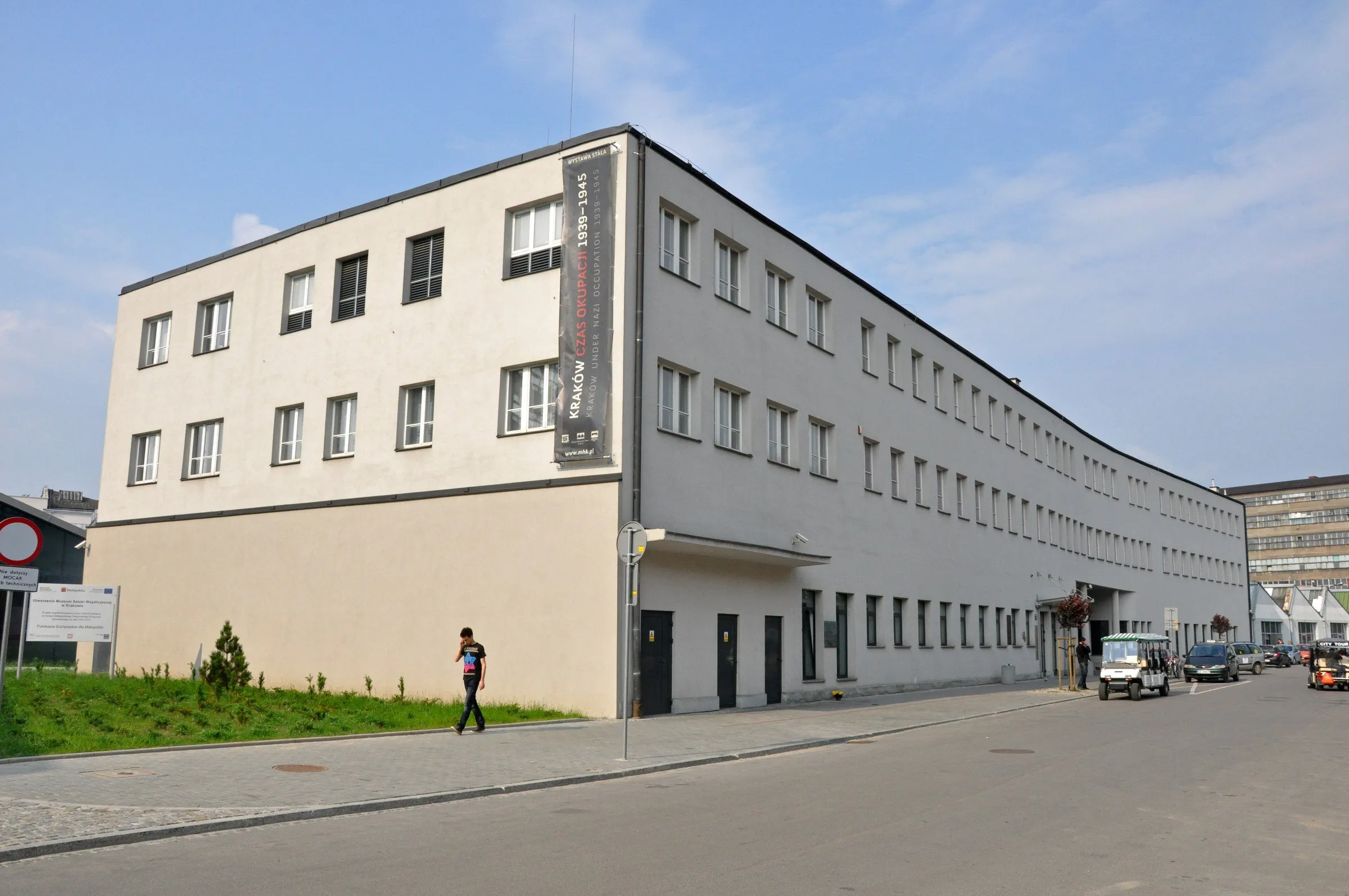 10
In the factory's former administrative building, the exhibition covers Krakow under Nazi occupation through the experiences of its Polish and Jewish residents.
View details for Schindler's Factory1The Barbican swaps the city's facades for brick, towers and a rounded plan. Nearby, St. Florian's Gate marks the passage into the streets of the center. The structures help you understand a Krakow that needed to control who came in.
Look at the exteriors and at how the elements of the old defenses relate to each other before heading to the Planty. Interior access works by season; the proposed walk does not depend on it. If you want to go inside, set aside extra time and confirm the visiting calendar.
2In the Planty, the old town appears among the trees, and the walk trades shop windows for benches. The park follows the strip of the former fortifications; near the Barbican, the shift from defense to garden is especially easy to imagine.
Choose one stretch instead of trying to complete the whole ring. The itinerary uses the part near the fortifications before entering the Rynek, but you can return for a break. In rain or cold, shorten the walk without turning the park into an obligation.
3Arrive at the Rynek without deciding right away where to sit. St. Mary's towers, the surrounding facades and the arches of the Sukiennice call for a lap before the coffee. The old layout of the center is still easy to read in the streets that lead to the square.
Use the space as a reference point, not as your only plan. Look at the tower of the former town hall and cross over to see the buildings from other angles. Your coffee doesn't have to pick the rest of your day for you.
4The towers lead your eyes upward while you are still in the square. Inside St. Mary's Basilica, attention shifts to Veit Stoss's altarpiece, with figures carved in wood. Take in the details without trying to sum it all up in a single photo taken from the entrance.
The tourist area has its own operating rules and does not cover the whole church. The itinerary includes the interior, without the tower climb, which has seasonal access. Respect the parts reserved for prayer and confirm the altarpiece's opening schedule before planning your day.
5The long arches of the Sukiennice help organize the square, but the building also changes once you step inside. On the ground floor, souvenir and craft stalls keep the commercial function of the place. Upstairs is the National Museum's gallery of Polish art.
The itinerary includes a pass through the hall and the exteriors. To see the paintings, add some time and check the gallery ticket. Buying a gift and walking through a museum seem like nearby tasks only when you look at the floor plan.
6At Wawel, the view of the buildings already tells you the morning needs room. The castle was a royal residence and holds halls, tapestries and art collections. Choose the route you want to see, instead of treating each option at the ticket office as a chore.
The circuit of the castle's floors offers a first selection; the treasury, armory and other areas require attention to the product you choose. The cathedral is another visit, with its own operation. Leave a margin between tickets: even a day among kings needs breathing room.
7Wawel Cathedral holds the memory of coronations and royal tombs in a building that is still a place of worship. Chapels and tombs bring the visit closer to Polish history; walk slowly to notice how the spaces connect.
The tourist ticket may include sections such as the tombs and the Sigismund Bell, depending on current conditions. Check accessibility and stairs before choosing your route. A service can also change the flow of visitors, so keep your schedule flexible after the castle visit.
8In Kazimierz, head to Szeroka to start reading the neighborhood through the Old Synagogue. The building houses a museum dedicated to the history and culture of Krakow's Jews. The visit helps you look at the streets with references that go beyond restaurant tables.
Kazimierz was once a separate city. Today, walking and eating share time with places of memory and religious heritage. Include the museum without hurrying and then continue to Podgórze, telling the historic neighborhood apart from the area where the Nazis imposed the ghetto.
9The empty metal chairs change the way you cross Ghetto Heroes Square. The memorial recalls the objects and the lives interrupted by the forced displacement of the Jewish population. The square was a gathering place for deportations and a site of violence during the Nazi occupation.
Stop to read the monument's context, instead of treating the chairs as props for photographs. The visit connects with the Schindler's Factory exhibition. Leave a gap between the two places, respecting the time for reflection of those with you.
10Schindler's Factory houses an exhibition about Krakow and its inhabitants during the Nazi occupation. Photographs, documents, testimonies and reconstructed settings present different aspects of life under persecution. Oskar Schindler's story is part of this whole, without limiting the museum to a biography.
The route runs through the factory's former administrative building and calls for attention to the narrative and the materials on display. Book your entry and leave time to read. When you leave, avoid following it with another activity on a tight schedule; this is a visit for understanding, not just walking through.
Combine walking with KMK trams and buses. Check the duration, zone and validation of your ticket; in the app, follow the vehicle identification it asks for. Activate it before putting your phone away.
The train connects the airport to Kraków Główny station, with access to the terminal by a covered walkway. Check the schedules and buy the right rail ticket; don't assume that any city pass includes this stretch.
Spring and early fall favor the walking circuit, but bring an extra layer and rain protection.
At St. Mary's Basilica and Wawel Cathedral, respect services, silence and reserved areas. Check the tourist entrance and paid sections; an open door for prayer is not the same as the tourist route.
Choose Wawel exhibitions before buying and book Schindler's Factory through the official channel. For a named online ticket to the factory, bring the original document required. In crowded places, keep your documents and phone close.
Alternate the bread from a cart with a sit-down meal and a snack in Kazimierz. The obwarzanek solves hunger between visits; the zapiekanka at Plac Nowy calls for a pause. To sit down, look for maczanka and żurek, checking ingredients and portions. The soup inside the bread deserves a negotiation with your appetite.
A ring of twisted dough, boiled before baking and topped with salt or seeds, sold from carts around the city.
Open-faced bread with toppings, served hot; the stalls at Plac Nowy are a reference for this snack in Kazimierz.
Bread with meat and sauce, a hearty option from Krakow's cuisine that turns a snack into a meal.
A sour soup made from rye starter, which may come with egg and sausage, sometimes served in a hollowed-out bread.