1Heraklion Archaeological Museum
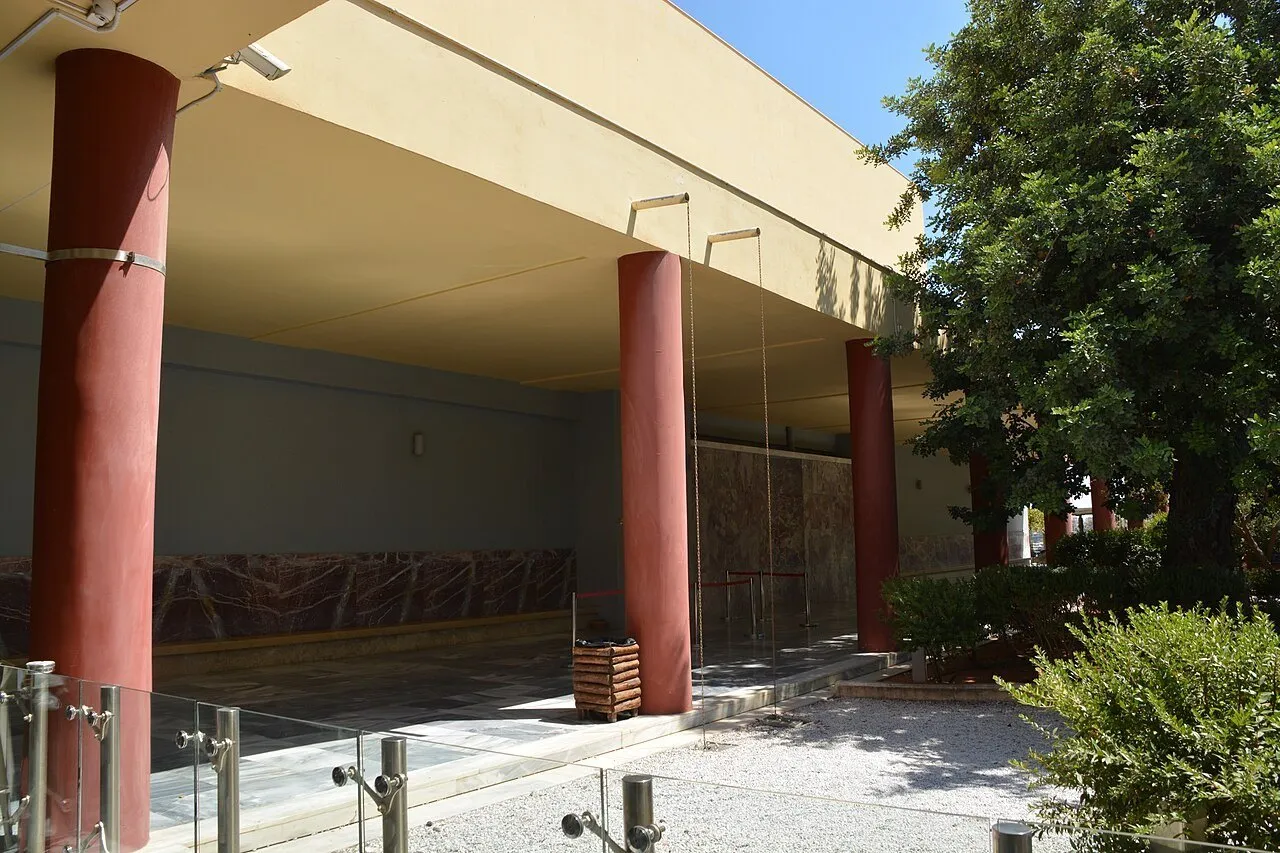
Frescoes, pottery and Minoan objects give context to Knossos in a museum worth visiting with time to spare, without turning every display case into an obligation.
View details for Heraklion Archaeological Museum
Greece
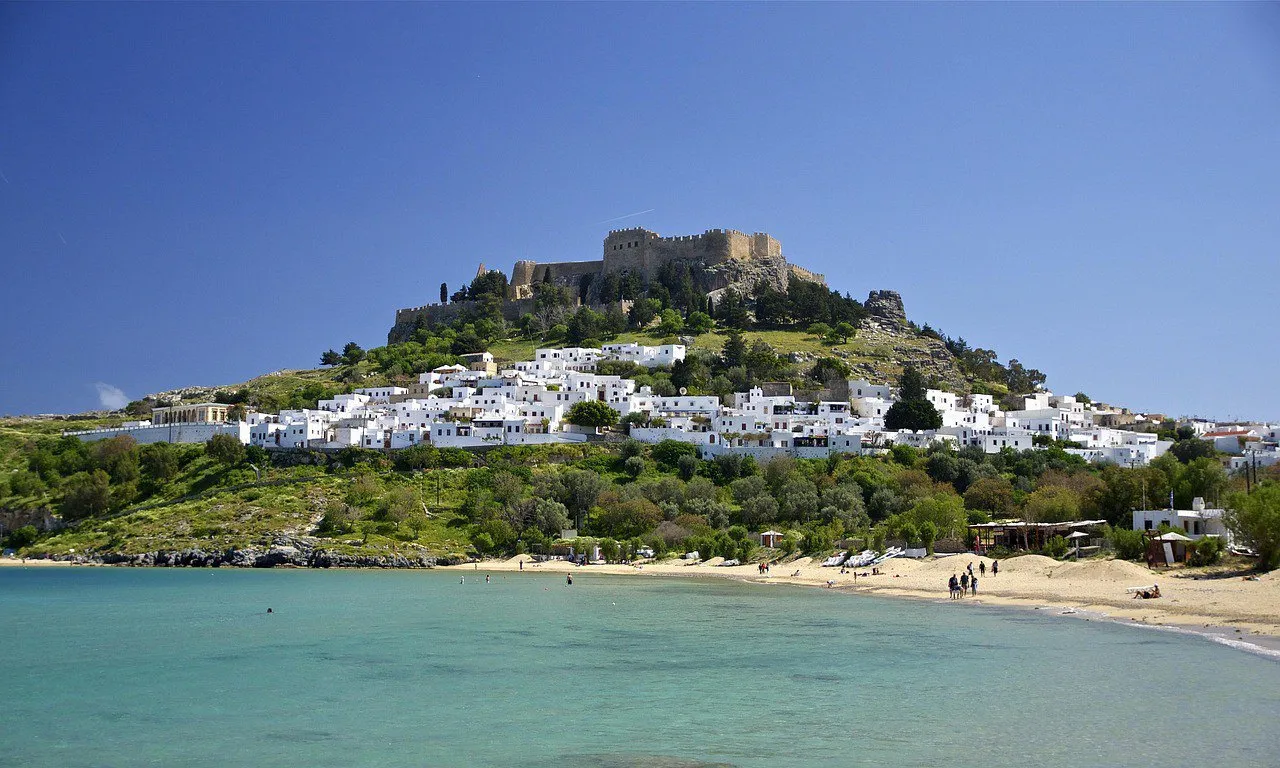
In Heraklion, you go from Minoan frescoes to stone lions in a square and end up facing the sea. Between the palace and the harbor, a table of Cretan food deserves a place on the itinerary.
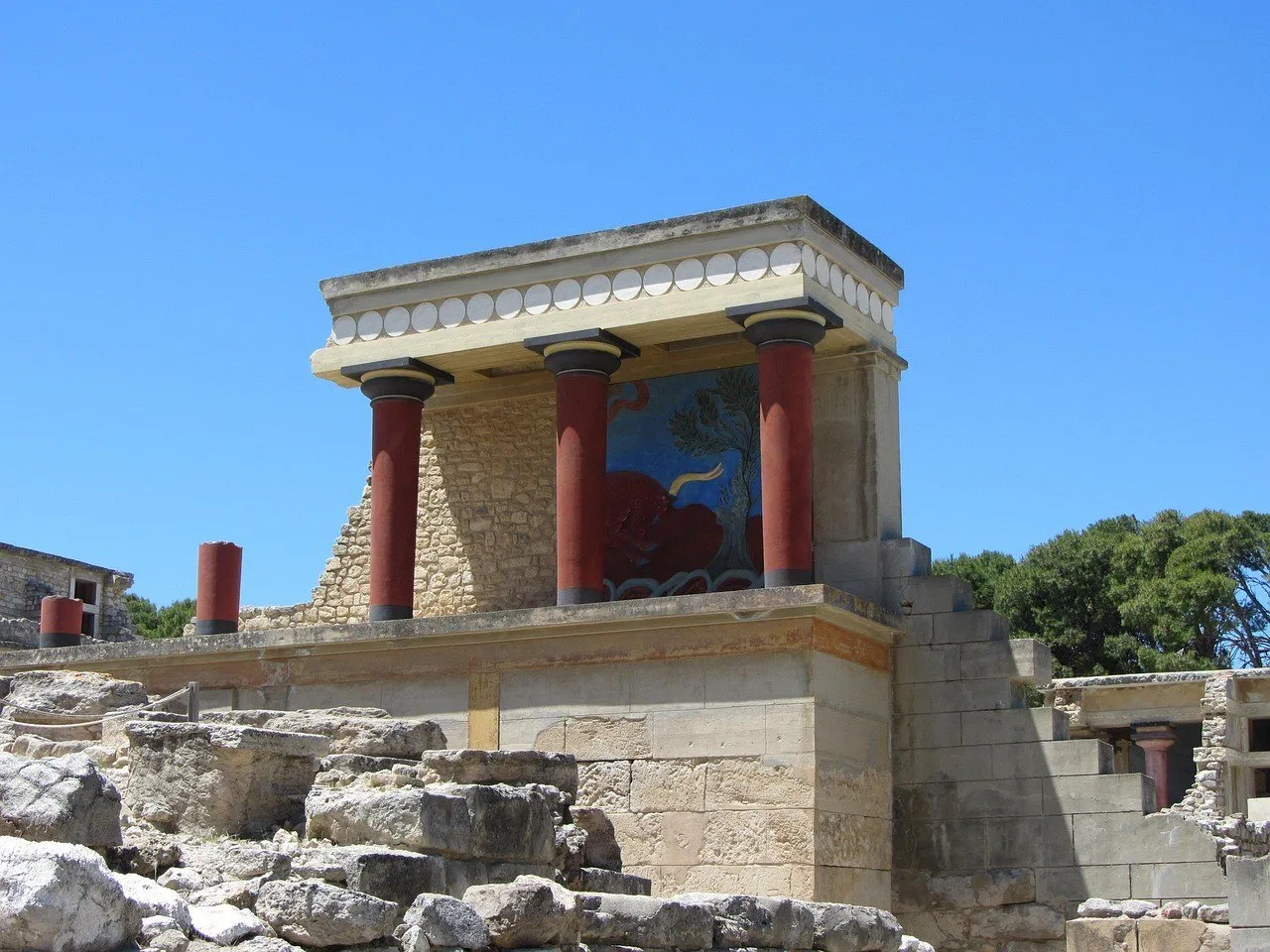
The red columns of Knossos also tell a modern story: the site includes reconstructions made by Arthur Evans, which need to be told apart from the ancient structures.
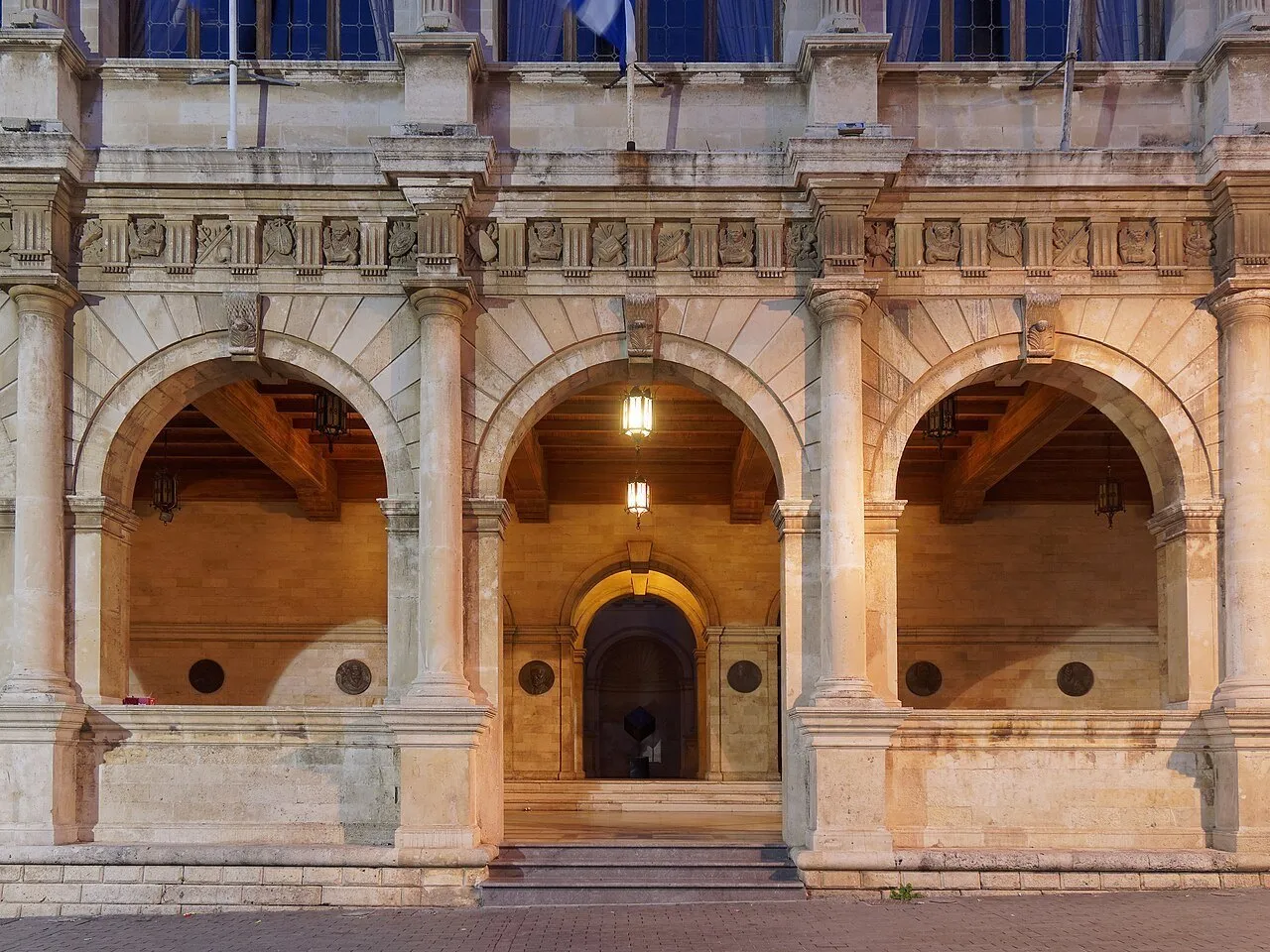
The Loggia went from a meeting place for the Venetian elite to a seat of municipal services: the historic architecture is still part of the city's administration.
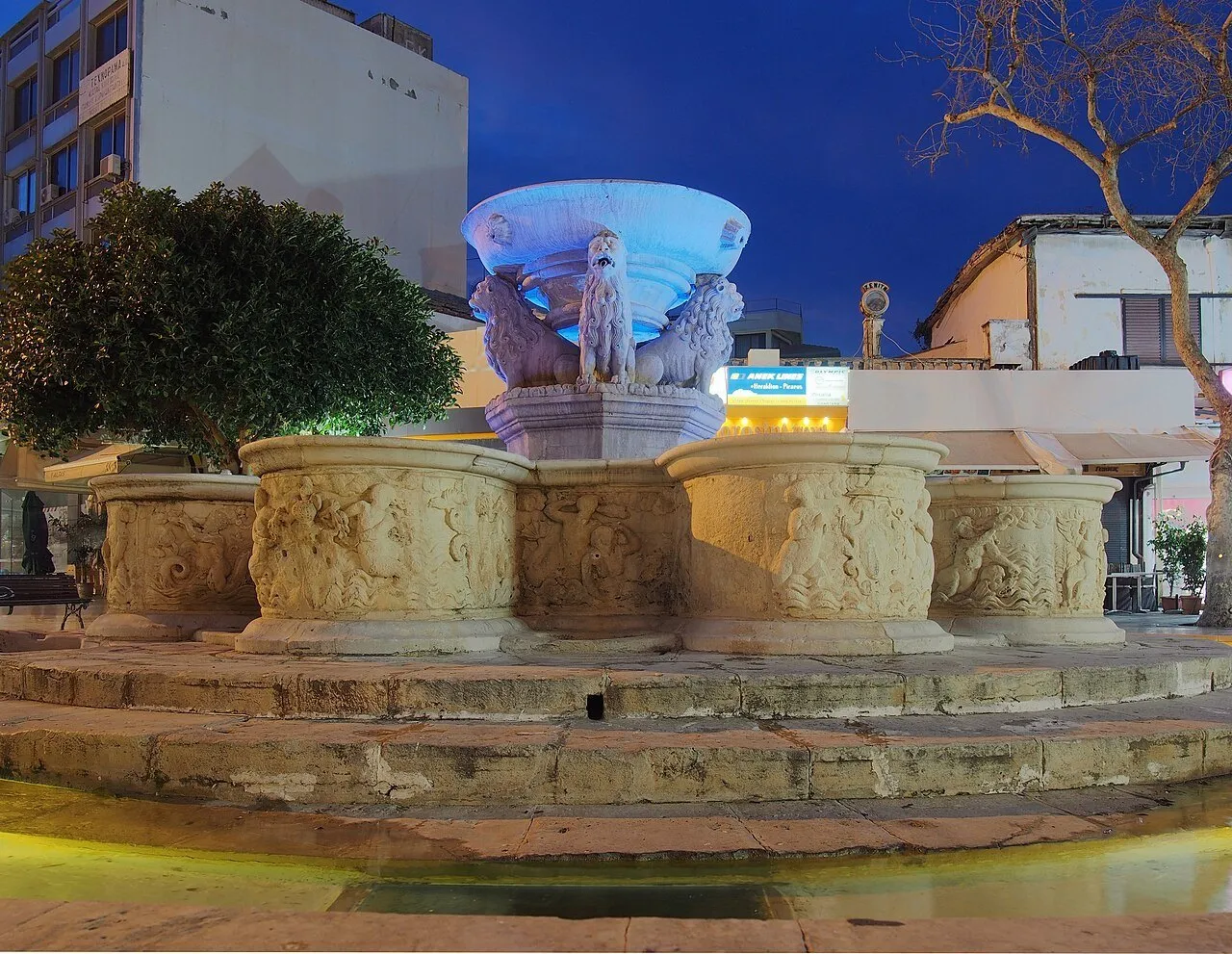
The Morosini Fountain was part of a system that brought water from the springs of Archanes to the city; the lions had a job beyond posing for photos.
1Frescoes, pottery and Minoan objects give context to Knossos in a museum worth visiting with time to spare, without turning every display case into an obligation.
View details for Heraklion Archaeological Museum
2The stone lions of the Morosini Fountain mark a central square of cafés and strolling; look at the reliefs too, not just the photo of the whole.
View details for Morosini Fountain
3Arcades and columns introduce the former Venetian Loggia, now tied to city hall; the visit focuses on the facade and the accessible courtyard.
View details for Venetian Loggia
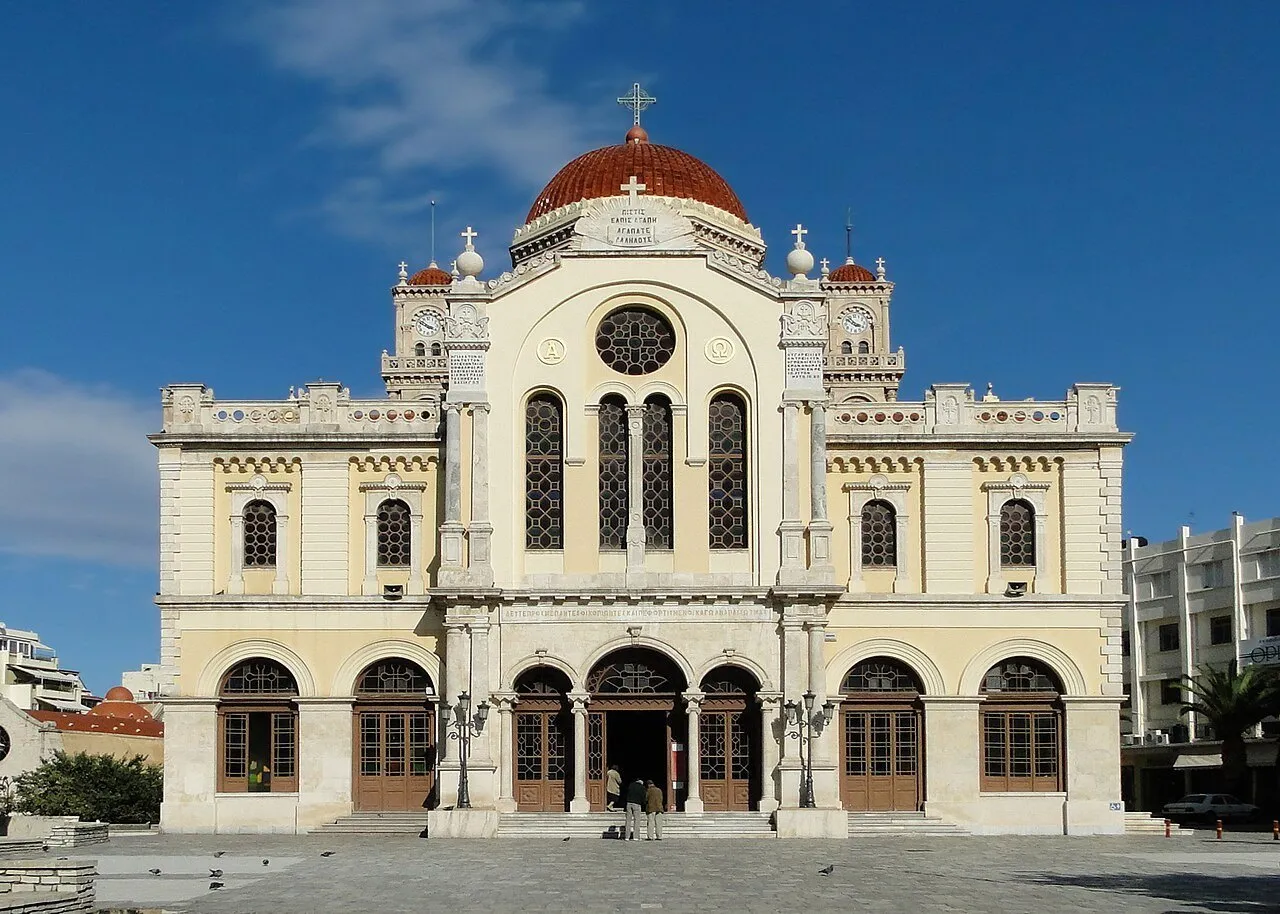
4The cathedral dedicated to Heraklion's patron saint offers a pause in the center; visiting the images and architecture should respect the services.
View details for Cathedral of Agios Minas
5Courtyards, storerooms and reconstructions help interpret the Minoan center of Knossos; an archaeological route that makes more sense after the museum.
View details for Palace of Knossos
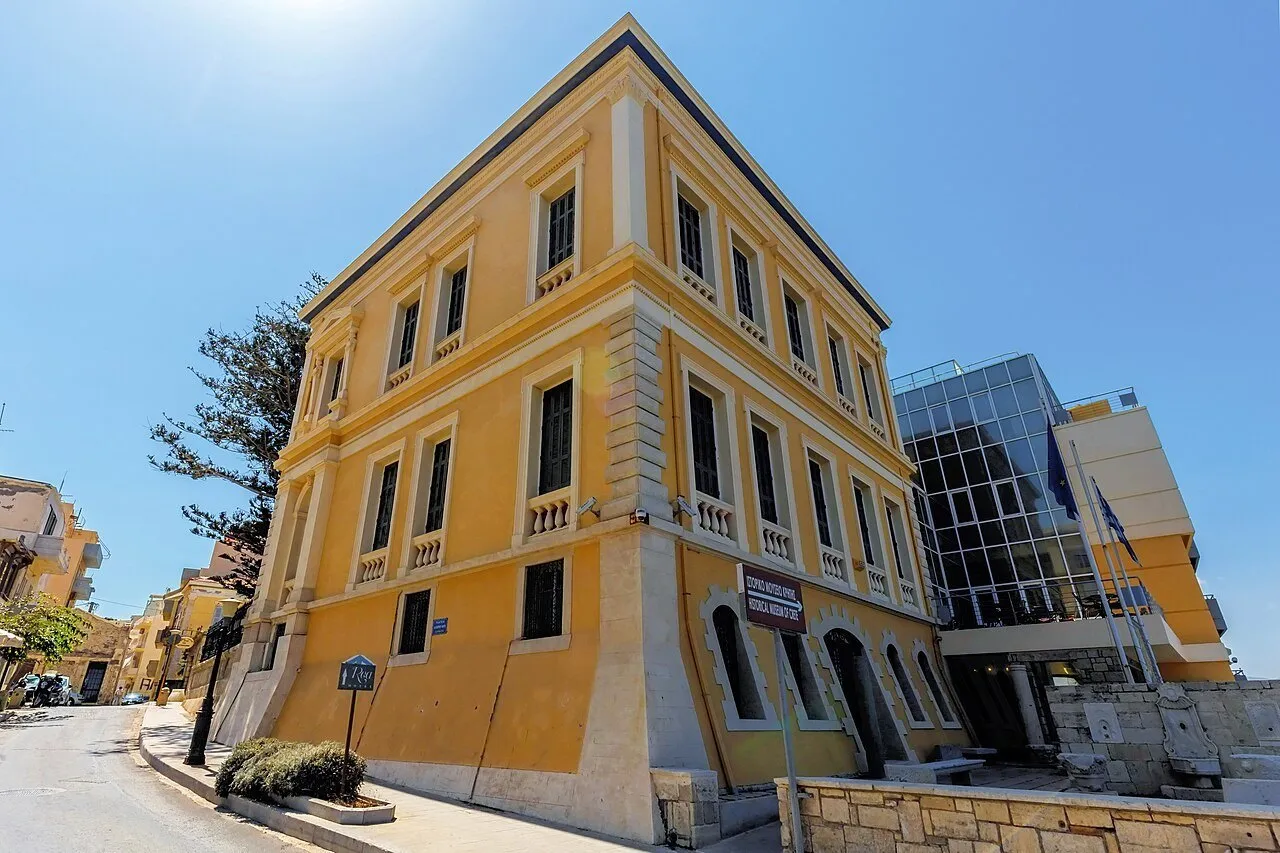
6The collections follow Crete from the Christian era to modern times, with works by El Greco; a complement to the Minoan world of the Archaeological Museum.
View details for Historical Museum of Crete
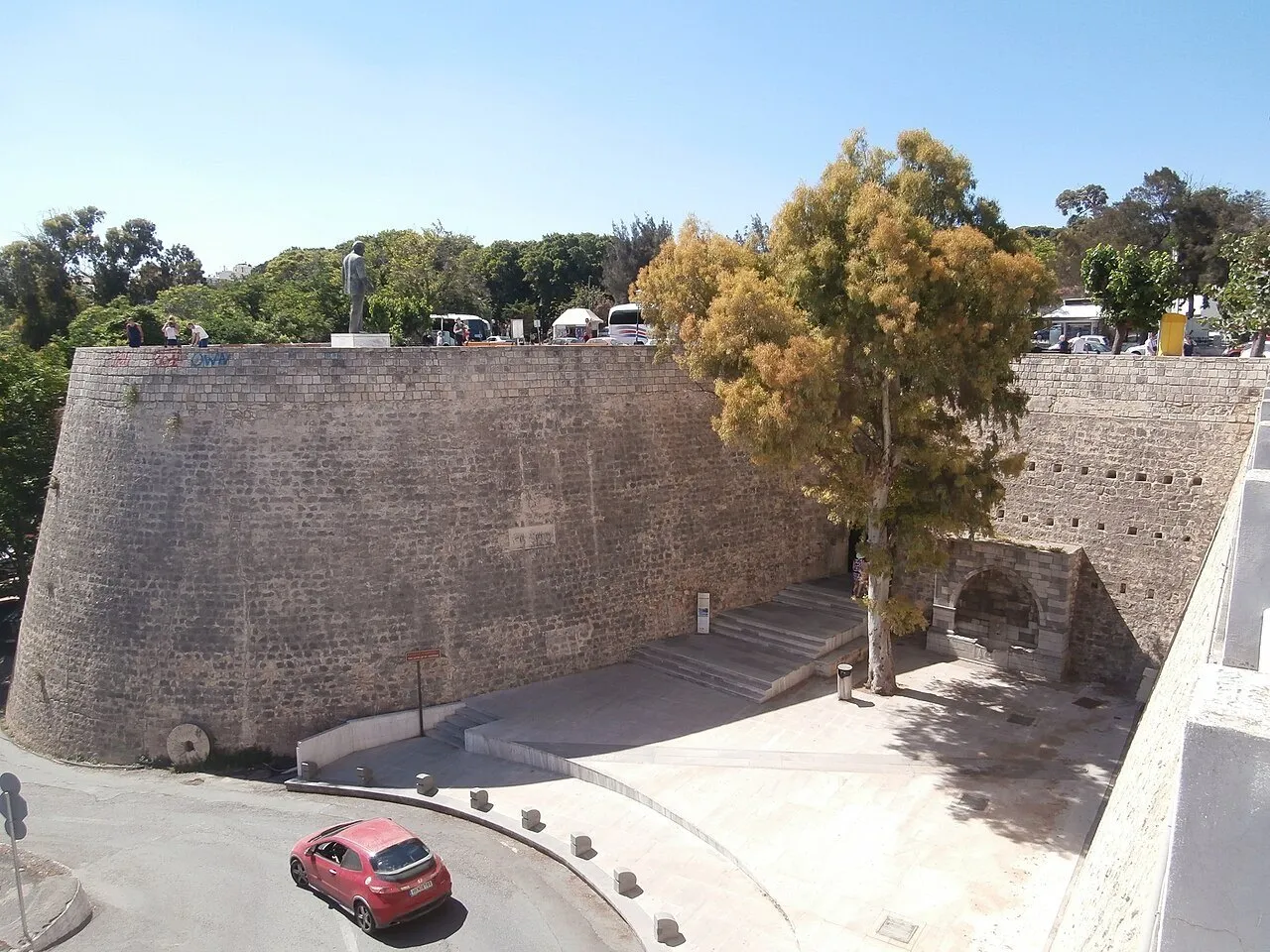
7Bastions and raised paths let you see Heraklion from another angle; the Martinengo sector includes the tomb of the writer Nikos Kazantzakis.
View details for Venetian Walls
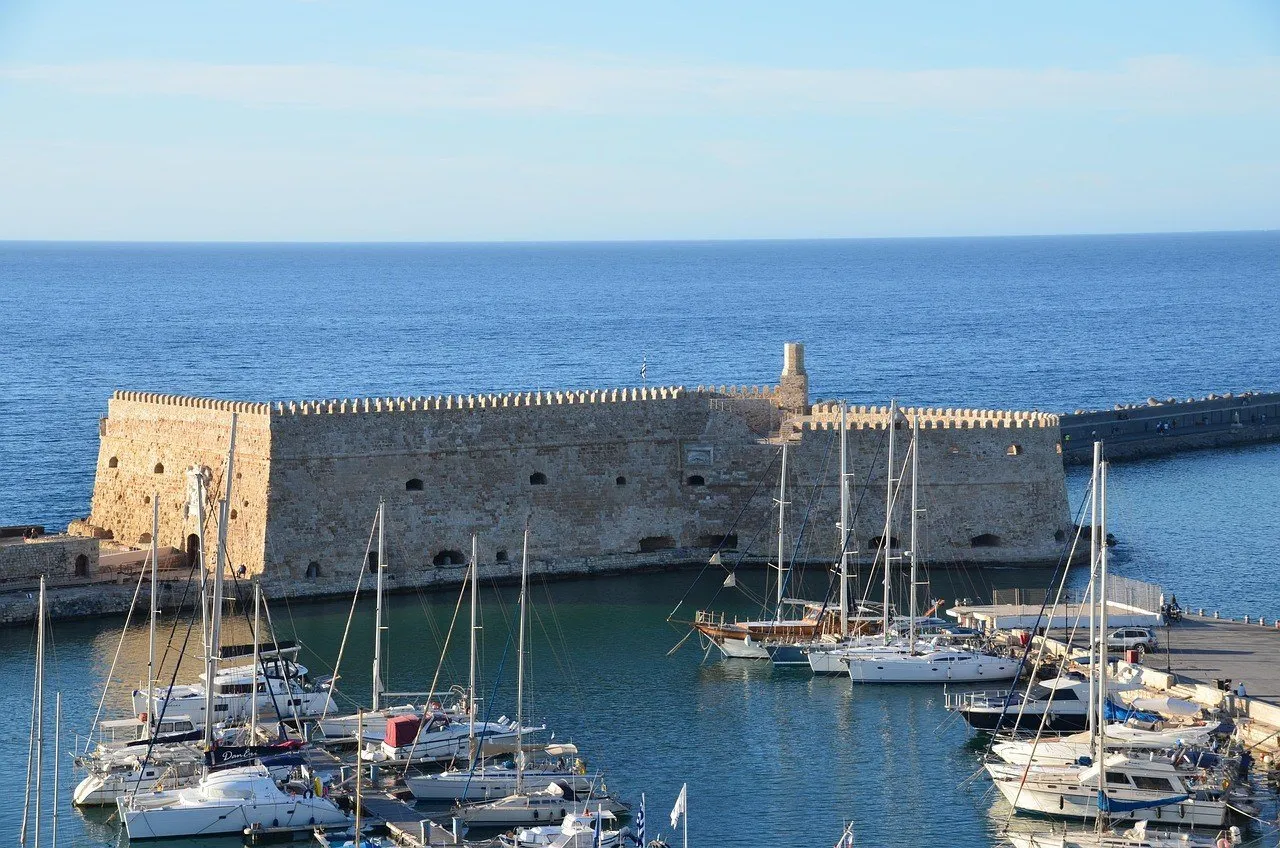
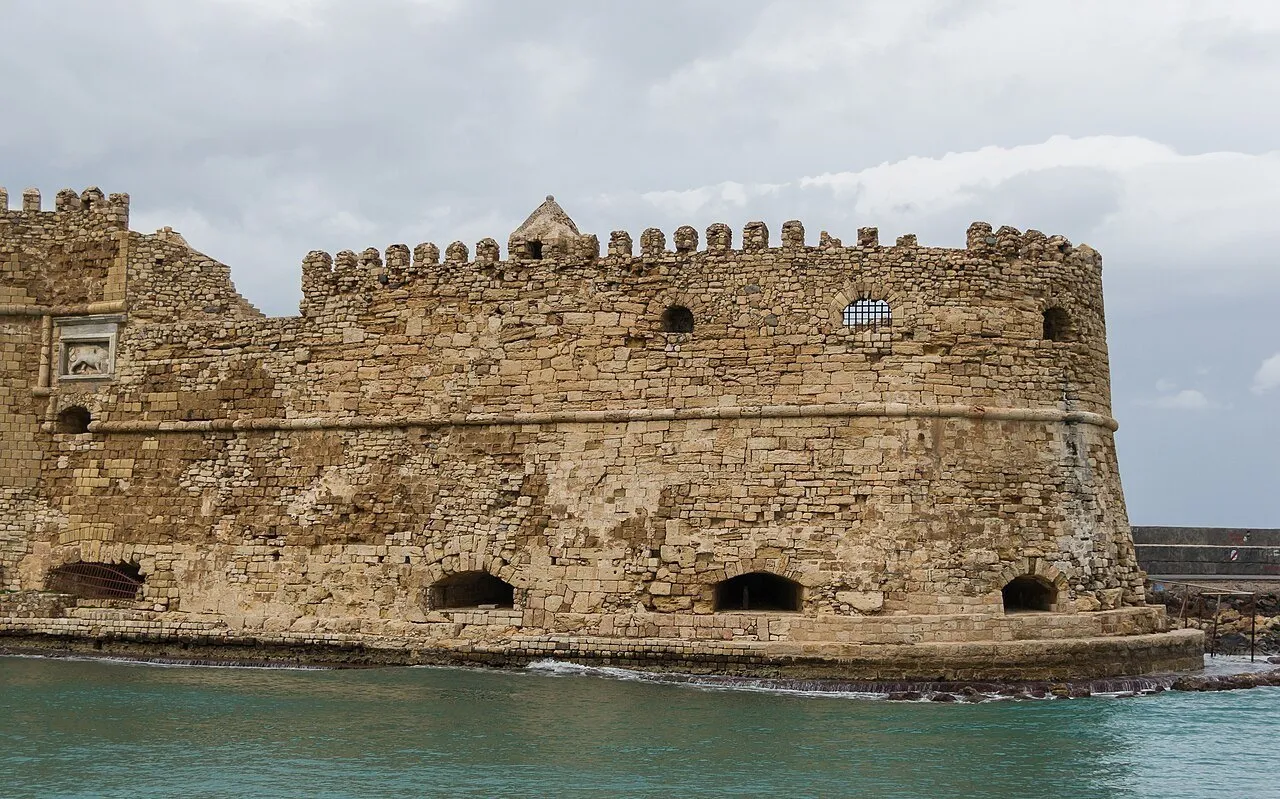
8The fortress at the entrance to the Venetian harbor combines stone rooms and coastal views; access to the terrace depends on operating conditions.
View details for Koules Fortress
9A strip of sand near Heraklion, in the municipality of Malevizi, for a coastal break with access and swimming conditions checked beforehand.
View details for Ammoudara Beach
1The figures in the frescoes and the Minoan objects help fill in the gaps that the open-air ruins leave behind. The Archaeological Museum presents collections from different periods of Crete, with a focus on the Minoan civilization. Starting here makes the visit to Knossos more interesting.
Pick your rooms and leave space to rest. Wednesday hours start later than on other days, and the schedule changes with the season: check the current timetable, not an old screenshot.
2The lions help you recognize the square even before you read the name Eleftheriou Venizelou. The Morosini Fountain gathers sea figures and mythological scenes in its reliefs, in the middle of the bustle of the center. The stop is short on the map, but it offers enough detail to deserve a full lap.
Look without climbing on the structure, and pick a nearby café for a break. The fountain was part of the city's water supply, which came from the springs of Archanes. The monument was infrastructure before it became a backdrop for café tables and photographs.
3Among the shops and walkways of 25th of August Street, the arcades of the Loggia ask you to slow down. The building was a meeting place for the Venetian elite, where political and commercial matters shared space with social life. Today, it is part of city hall.
Compare the facade with the passage through the courtyard, when it is open. It is still used for administration: work rooms are not automatically places to visit. Since the Morosini Fountain is nearby, the Loggia fits into a walking circuit without another major trip.
4Two towers and a wide facade announce the cathedral of Agios Minas, dedicated to the patron saint of Heraklion. The square around it leaves room to take in the whole before going inside. Once inside, the change of pace helps: this is a working place of worship, not just an architectural stop.
Walk through the open areas, look at the decoration and respect those who are praying. Near the cathedral, the small old church of Agios Minas shows another scale of the same religious complex. Do not mix up the two when arranging to meet someone or looking for the entrance.
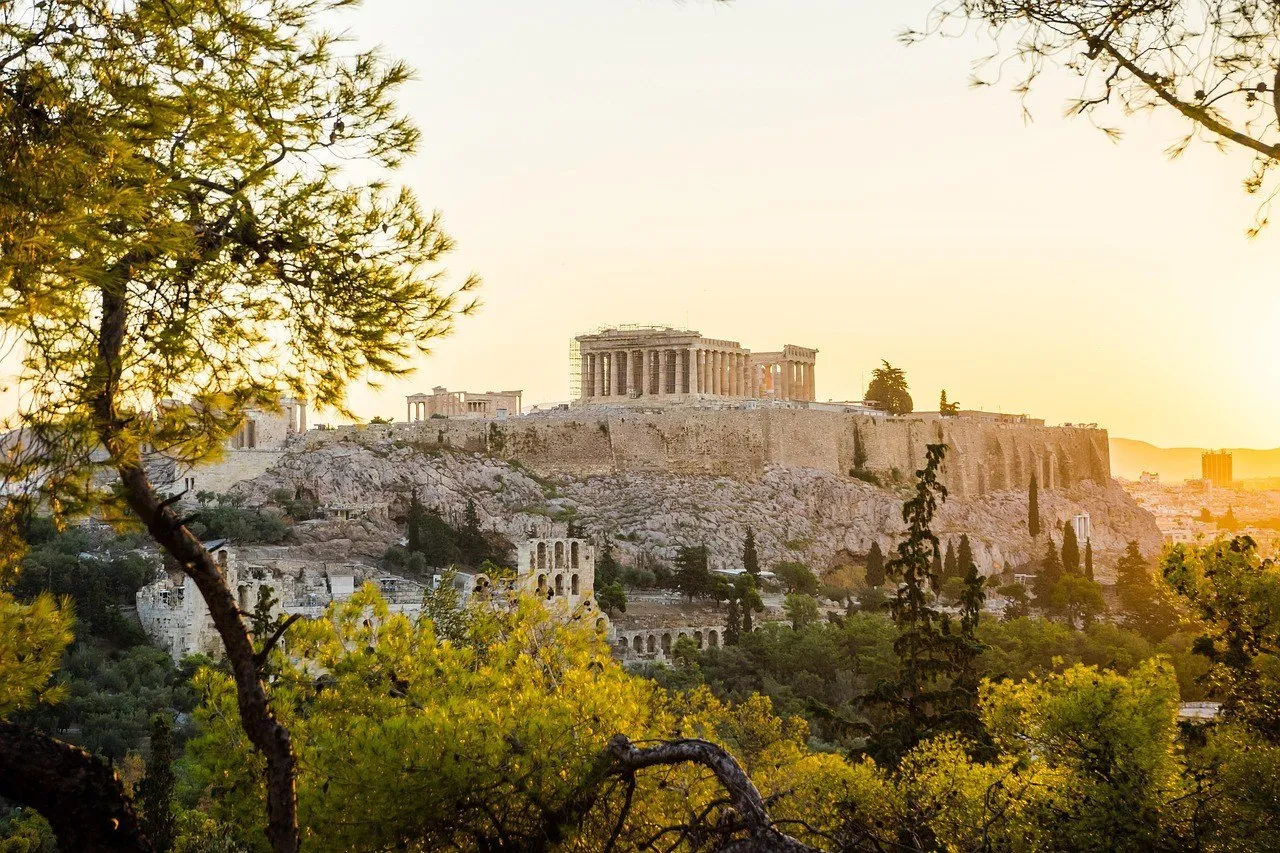
5Red columns, courtyards and storage spaces make Knossos seem more complex than the word palace suggests. The Minoan center served administrative, economic and religious functions; it is part of UNESCO's Minoan Palatial Centers. The Minotaur and the Labyrinth belong to mythology, not to a proven archaeological route.
The route also includes reconstructions by Arthur Evans, which need to be told apart from the ancient structures. Use the explanations on site or a guide to interpret the whole. Go early, bring water and return to the center by bus or arranged transport, leaving time for lunch.
6After Knossos, this museum changes the period of the conversation. The collections follow Crete from the first Christian centuries to the modern era, with art and testimonies of the island's history. Works by El Greco are among the highlights, without turning the rest of the collection into a mere hallway.
Choose a route that fits the afternoon you have. In winter, the window between lunch and closing can be short; in that case, swap the visit with a morning from the itinerary. Also check Sunday opening, which changes with the season.
7The walk climbs and the center begins to arrange itself from another angle. The Venetian fortifications still outline part of Heraklion's historic edge, with bastions, gates and paths used today for strolling. In Martinengo lies the tomb of Nikos Kazantzakis, a stop that calls for a little silence.
Choose an open stretch instead of turning the end of the afternoon into a full lap of the defenses. Bring water and watch the surface and the uneven levels. Works and access can change; follow the indicated route and head back before the light fades.
8The stone fortress visually guards the entrance to the Venetian harbor and gives the walk an easy-to-recognize destination. Koules, also known as Rocca a Mare, preserves winged lions linked to the Venetian presence. Look for these details before going into the rooms and taking in the building's relationship with the sea.
The visit usually includes interior areas and the terrace, depending on the open access. The operator reports a temporary problem with the terrace elevator; confirm the situation if anyone has reduced mobility. When the sea is rough, follow the harbor signs and do not extend the walk along the breakwater.
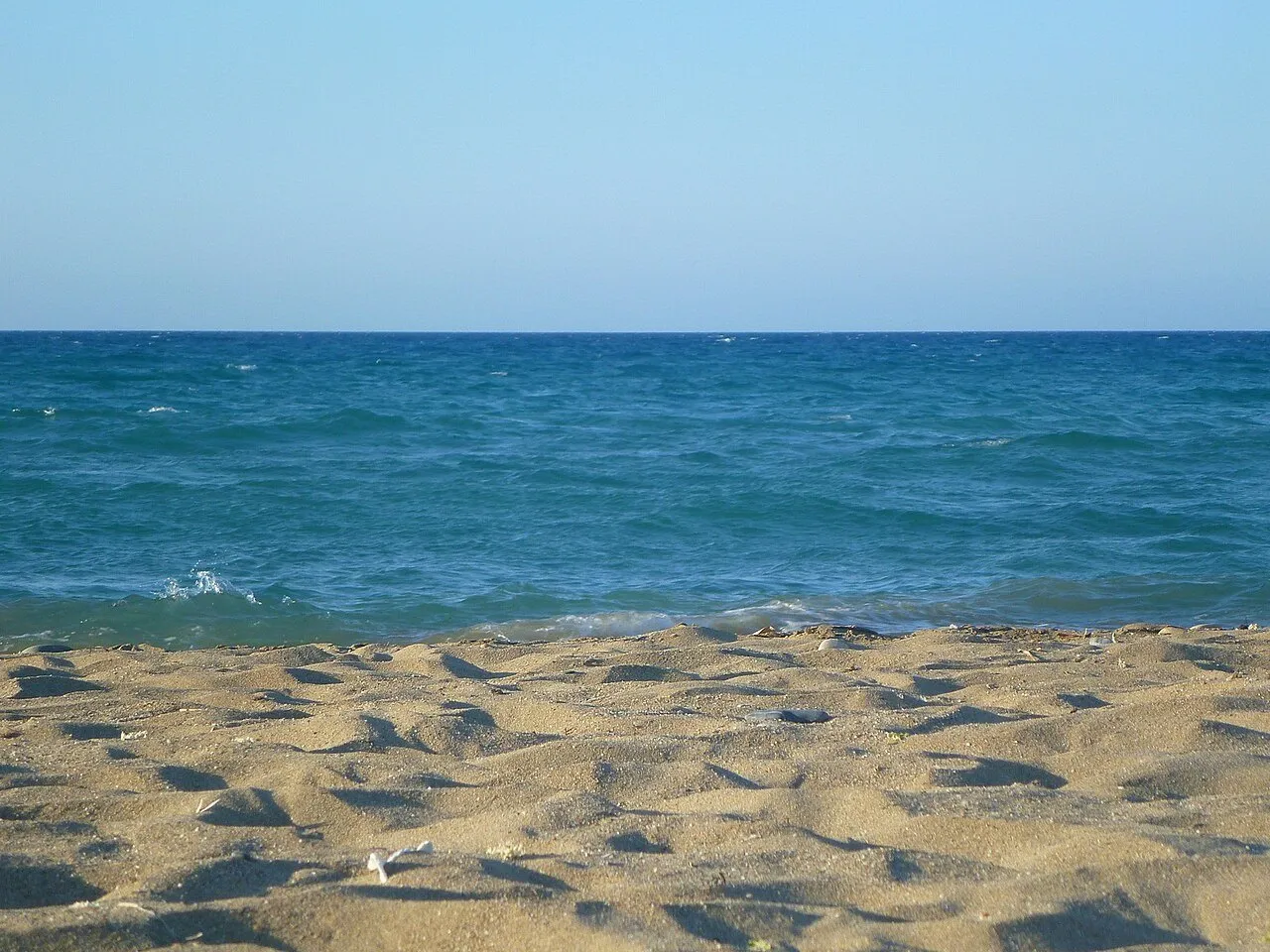
9West of Heraklion, the sand of Ammoudara offers a break from the museum circuit without crossing Crete. Hotels and businesses line different stretches of the coast. Choose where to get off the bus and combine the seaside break with a meal, without necessarily depending on getting in the water.
There is a current caveat: in July 2026, a localized swimming ban was announced near the drainage outlet on Erotos Street, after a sewage leak. Confirm the situation and the signs before your visit. Wind, waves and seasonal services also decide the plan; a pretty photograph does not certify swimming.
The center is walkable; Knossos and Ammoudara call for transport. Check routes and arrival estimates on the Heraklion Urban Bus system. Confirm the return stop and the last departure before spending the afternoon away.
Check Knossos and the Archaeological Museum separately on the official channels, without assuming a combined ticket. Verify hours, discounts and required documents; an expected free admission does not remove the need to check access.
Bring water, a hat and sturdy shoes for Knossos and the walls. Plan breaks indoors during the hot hours. On the coast, follow the forecast and the signs; wind and sanitary restrictions can change the beach plan.
Ask each attraction about its accessible route. Koules reports a temporary problem with the elevator to the terrace; do not assume full accessibility from the entrance. Ruins, stairs and uneven levels also call for specific planning.
At Agios Minas, wear clothing suitable for a religious space and make way for those taking part in services. In museums, check the photography rules and avoid flash or professional equipment without permission; the visit may give you more with fewer clicks.
Check the HER airport on your ticket and the transfer to your accommodation. For flights or ferries, leave a boarding margin and confirm that the service is running. In busy spots and on the beach, keep your belongings close and do not leave valuables unattended.
At the tavernas, start with dishes to share and ask what is being prepared that day. Cretan cooking uses olive oil, greens, cheeses and herbs; bread also takes center stage in dakos. Order in stages: looking at the menu after a walk around Knossos can produce a bigger table than planned.
A base of dried barley bread with tomato and cheese: the texture changes as the ingredients meet.
Small pies or pastries, in sweet and savory versions; check the filling before choosing.
Marinated, smoked pork, which can be among the dishes to share.