 1
Antiquity
Acropolis of Athens
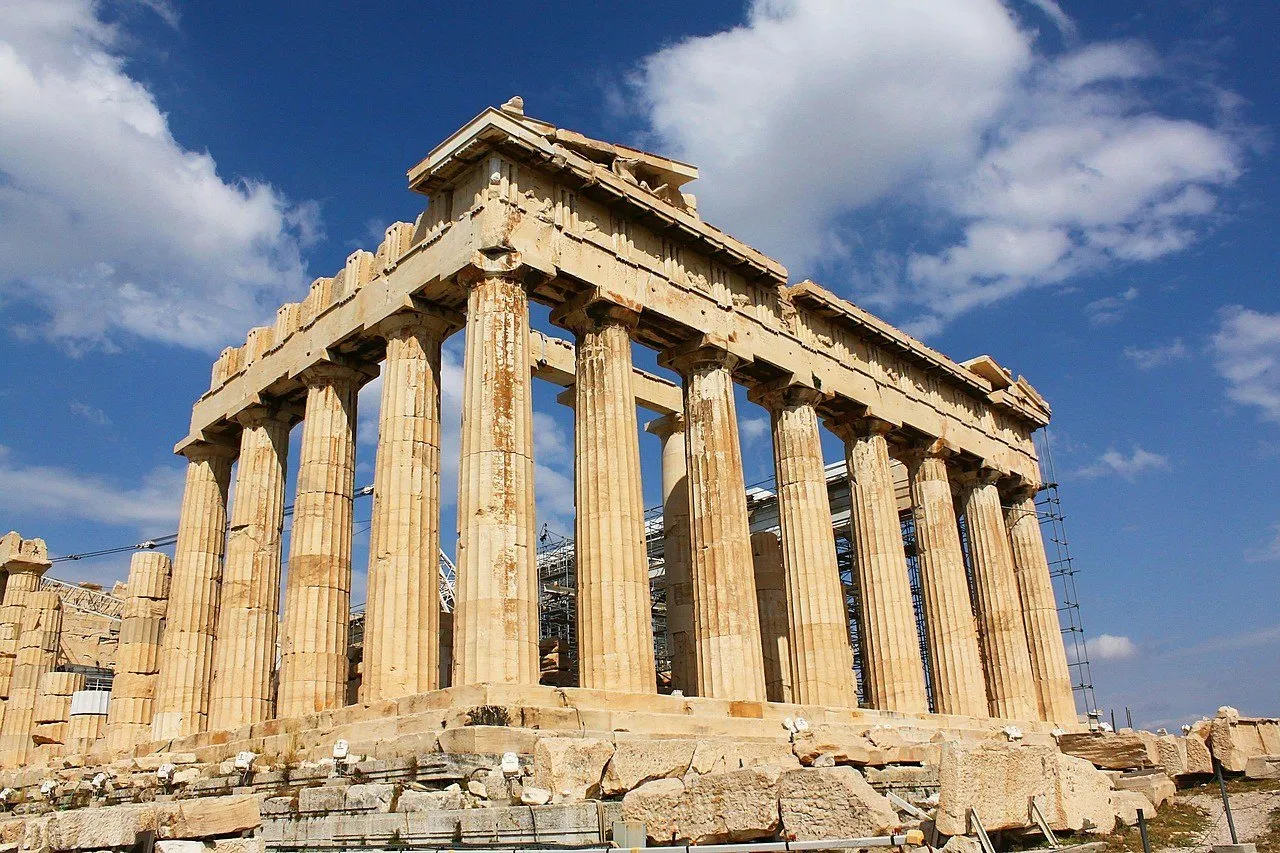
The Parthenon, the Propylaea and the Erechtheion crown the hill that follows you around the city; the visit combines temples, stone underfoot and open views of Athens.
View details for Acropolis of Athens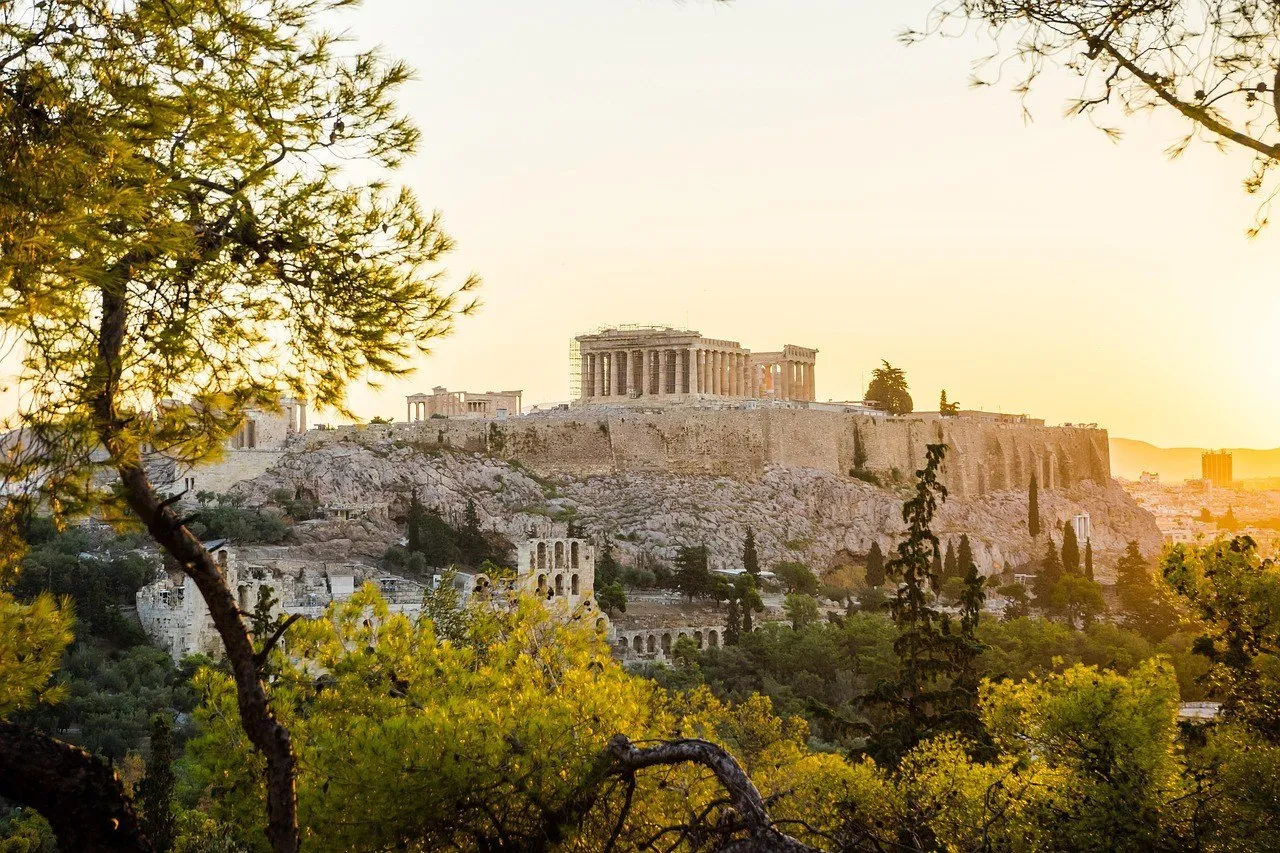
You're looking for a table in Monastiraki, you glance up, and there is the Parthenon. In Athens, the temple competes for your attention with the grilled skewer, and both deserve a pause.
The Acropolis rises above the rooftops while life carries on below: metro trains arriving, tables spilling onto the sidewalks, people choosing what goes inside their pita. You can spend the morning among temples and end up squeezed into a Plaka alley with a bag of souvenirs and the feeling of having dropped down several centuries at once. Athens works because the monument and the lunch table sit so close together.
Plan your visit by area and respect the sun. The Acropolis and its museum make a pair; the Ancient Agora and Monastiraki belong to another outing, with Filopappos closing the afternoon. Leave room for the National Archaeological Museum and for seeing the city from Lycabettus. Three days make a good first taste, as long as you accept that ruins, stairs and heat all count toward the tally of your legs.
Anafiotika, the stretch of white houses above Plaka, was built by workers from the island of Anafi, so the neighborhood's origin is a nod to the islands.
Monastiraki means “little monastery.” The Pantanassa church on the square is what remains of the religious complex that gave the area its name.
In the Parthenon Gallery, the sculptures are arranged to follow the orientation of the temple: looking through the glass wall helps connect the fragments to the building outside.
1The Parthenon, the Propylaea and the Erechtheion crown the hill that follows you around the city; the visit combines temples, stone underfoot and open views of Athens.
View details for Acropolis of Athens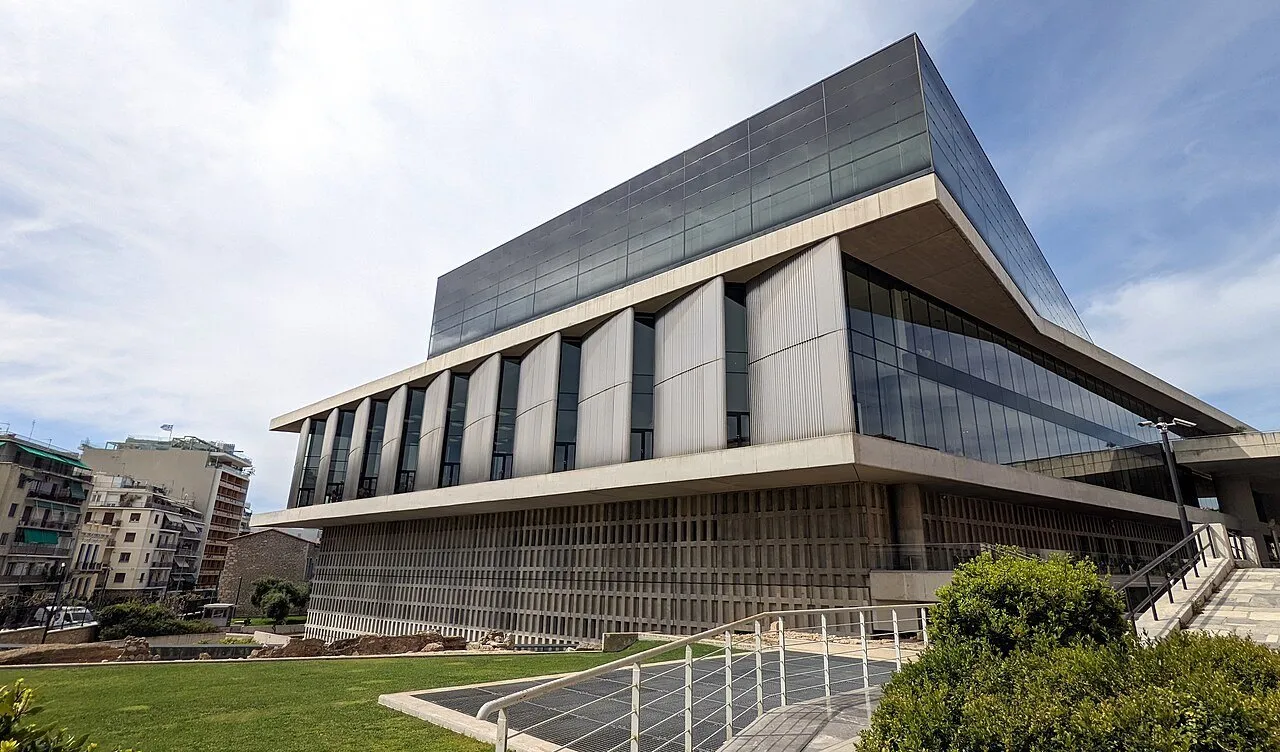 2
Sculptures and an excavation beneath the building bring the Acropolis closer to your eyes; the glass gallery sets Parthenon fragments face to face with the temple itself.
View details for Acropolis Museum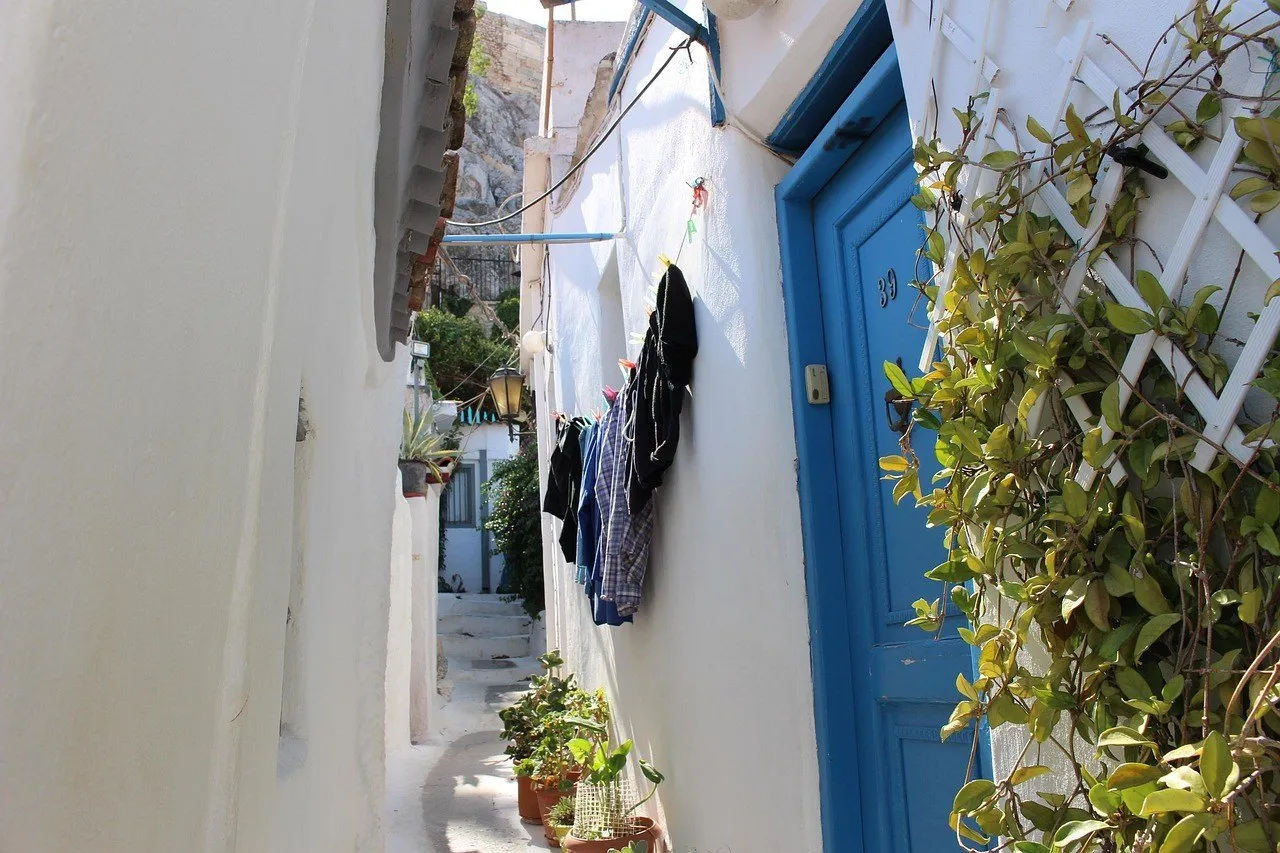 3
Narrow streets, neoclassical facades and sidewalk tables follow the slope of the Acropolis; Anafiotika adds white houses and passages with stairs.
View details for Plaka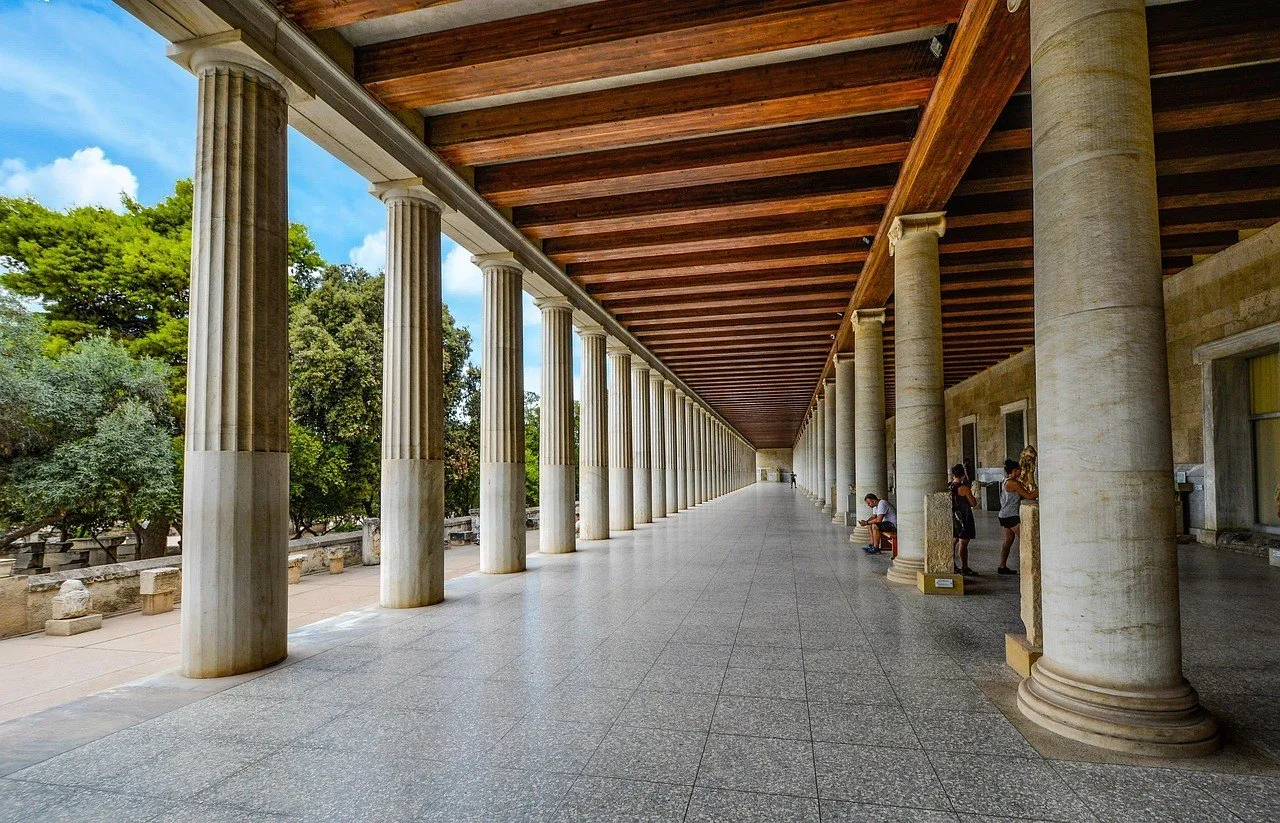 4
The ancient hub of trade and political life offers paths among ruins, the Temple of Hephaestus and the Stoa of Attalos with its archaeological museum.
View details for Ancient Agora of Athens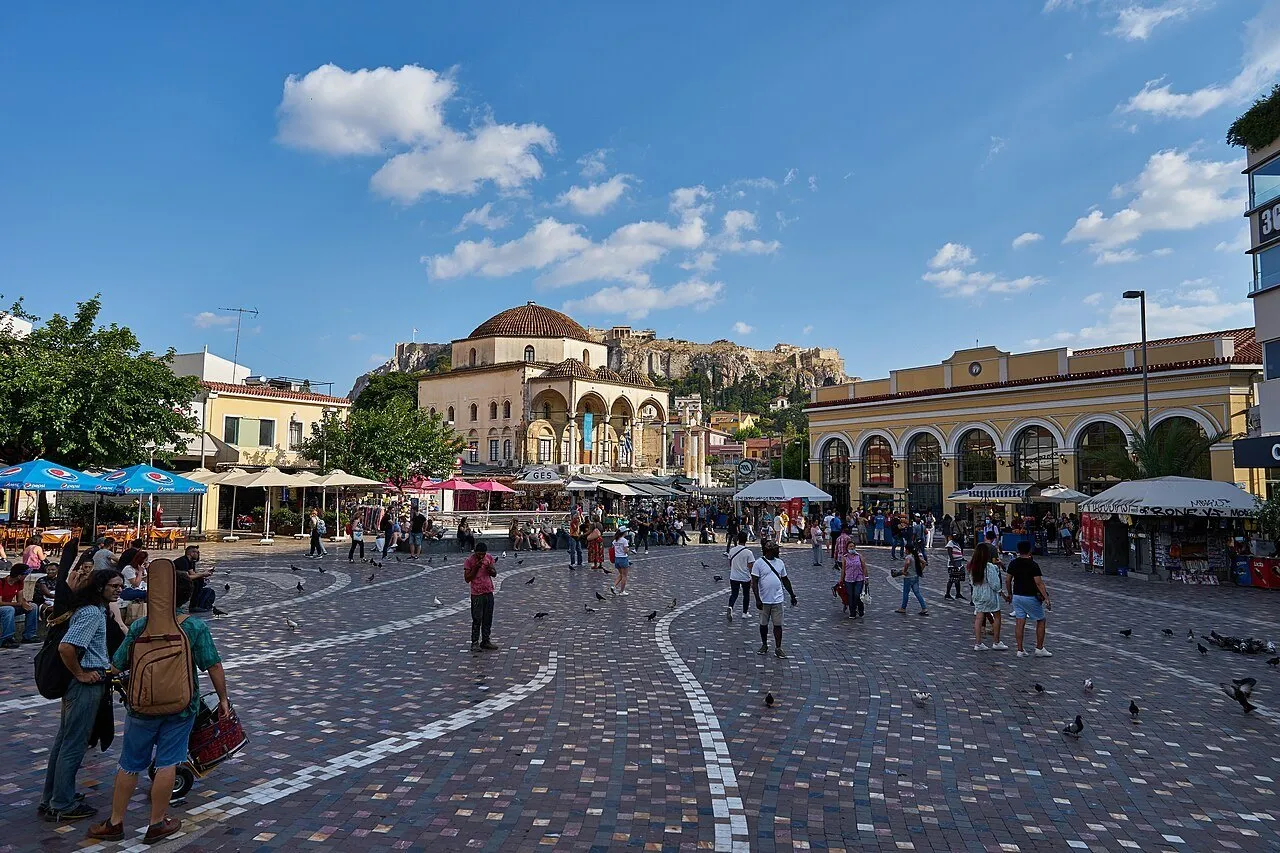 5
A square with a view of the Acropolis connects secondhand shops, souvenirs and shopping streets; neighboring Psirri extends the walk among tables and painted facades.
View details for Monastiraki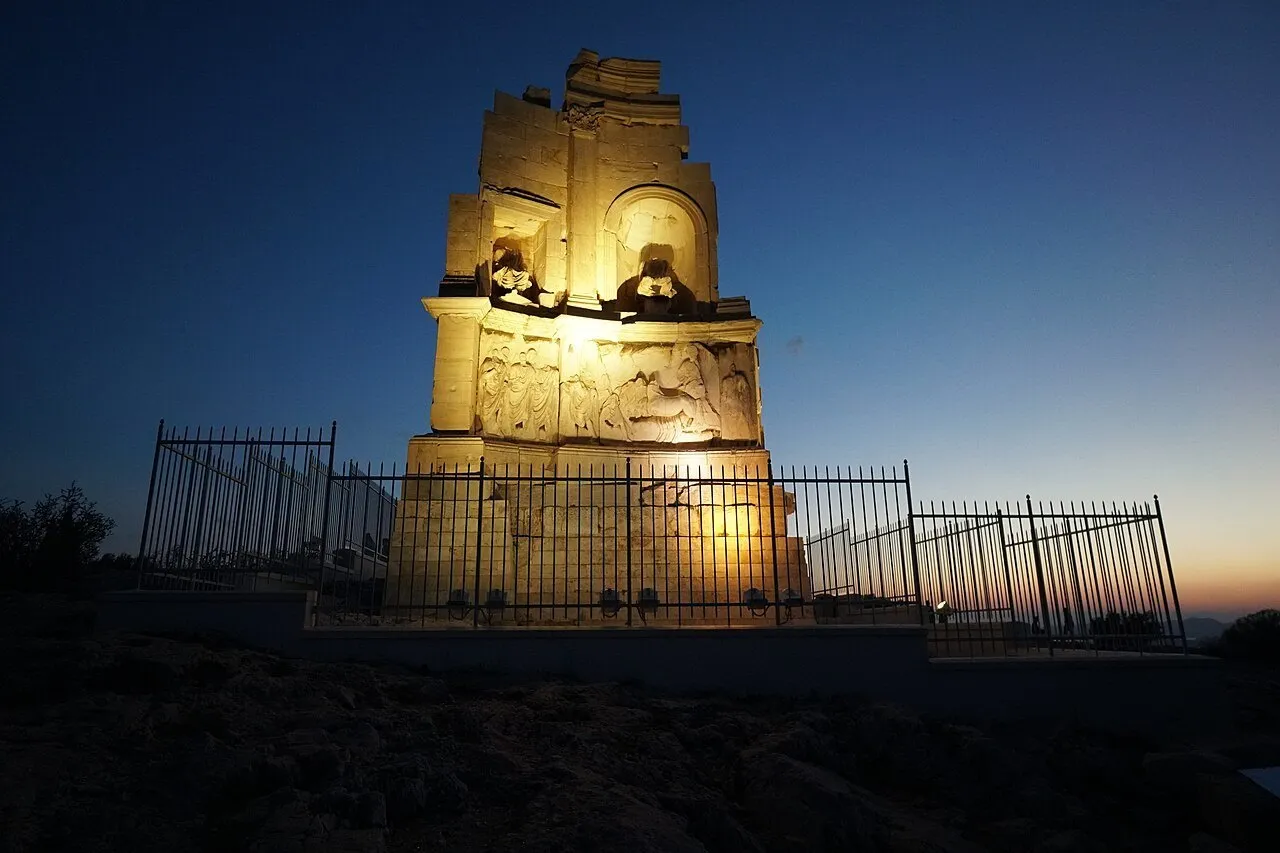 6
Paths among pine trees lead to a head-on view of the Acropolis and to the Filopappos Monument, with the city spreading out toward the sea in the distance.
View details for Filopappos Hill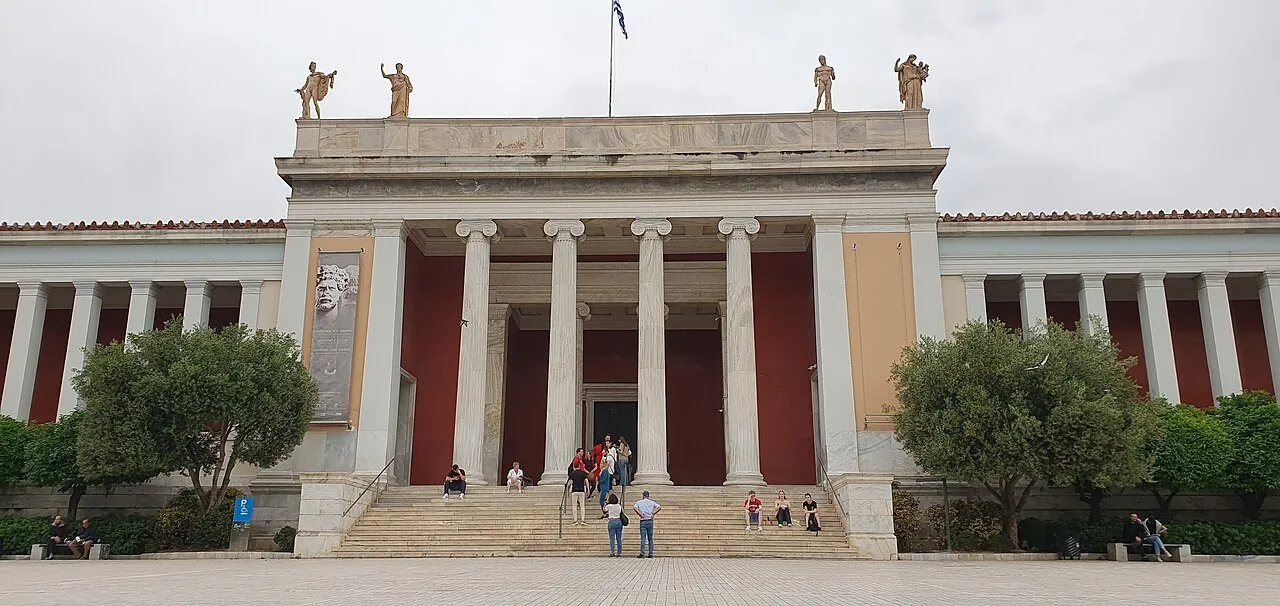 7
Objects from Mycenae, Cycladic figures, sculptures and bronzes stretch the trip beyond Athens in a visit that calls for choices.
View details for National Archaeological Museum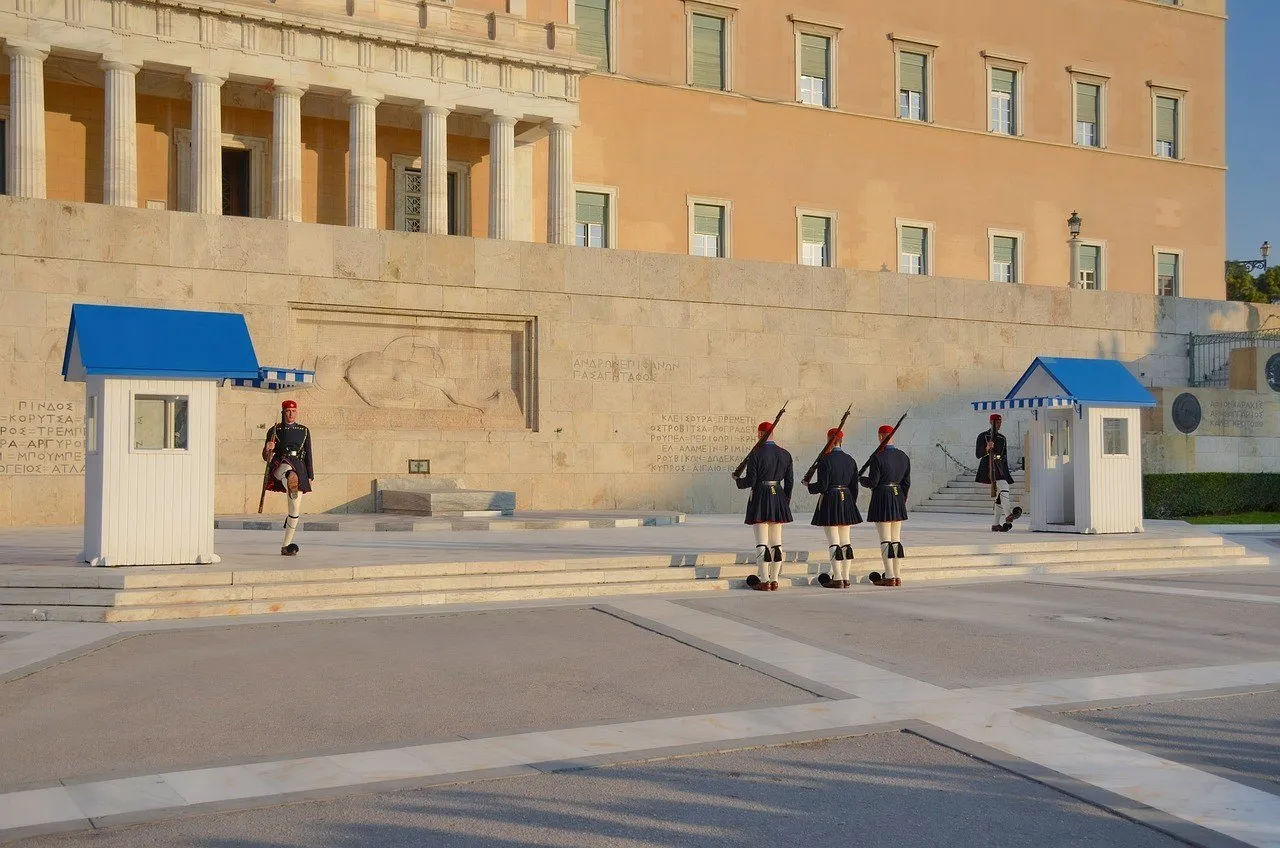 8
The square in front of the Parliament combines everyday foot traffic with the Evzones ceremony at the Tomb of the Unknown Soldier, just above the garden.
View details for Syntagma Square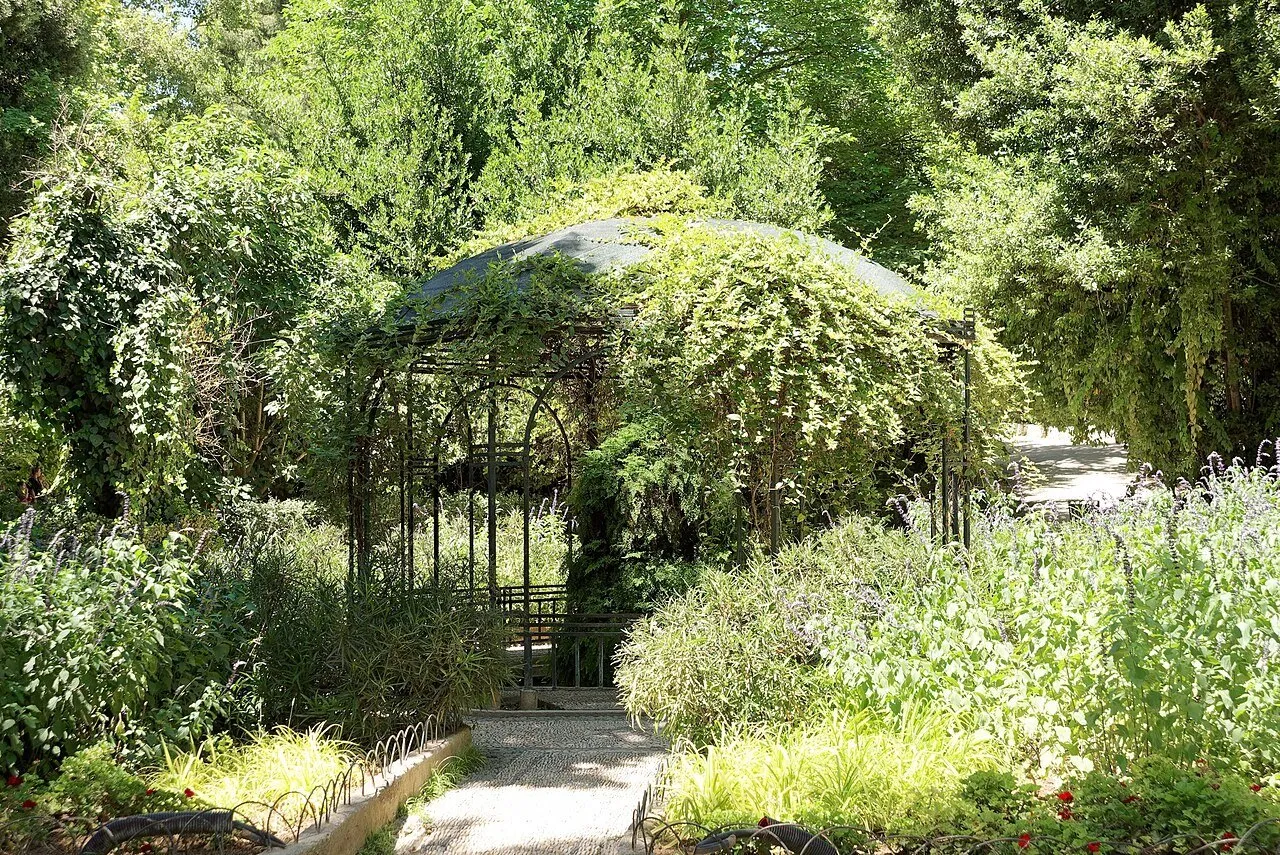 9
Tall trees, paths and small ponds make a shaded pause beside Syntagma, in the former royal garden now open to the city's daily life.
View details for National Garden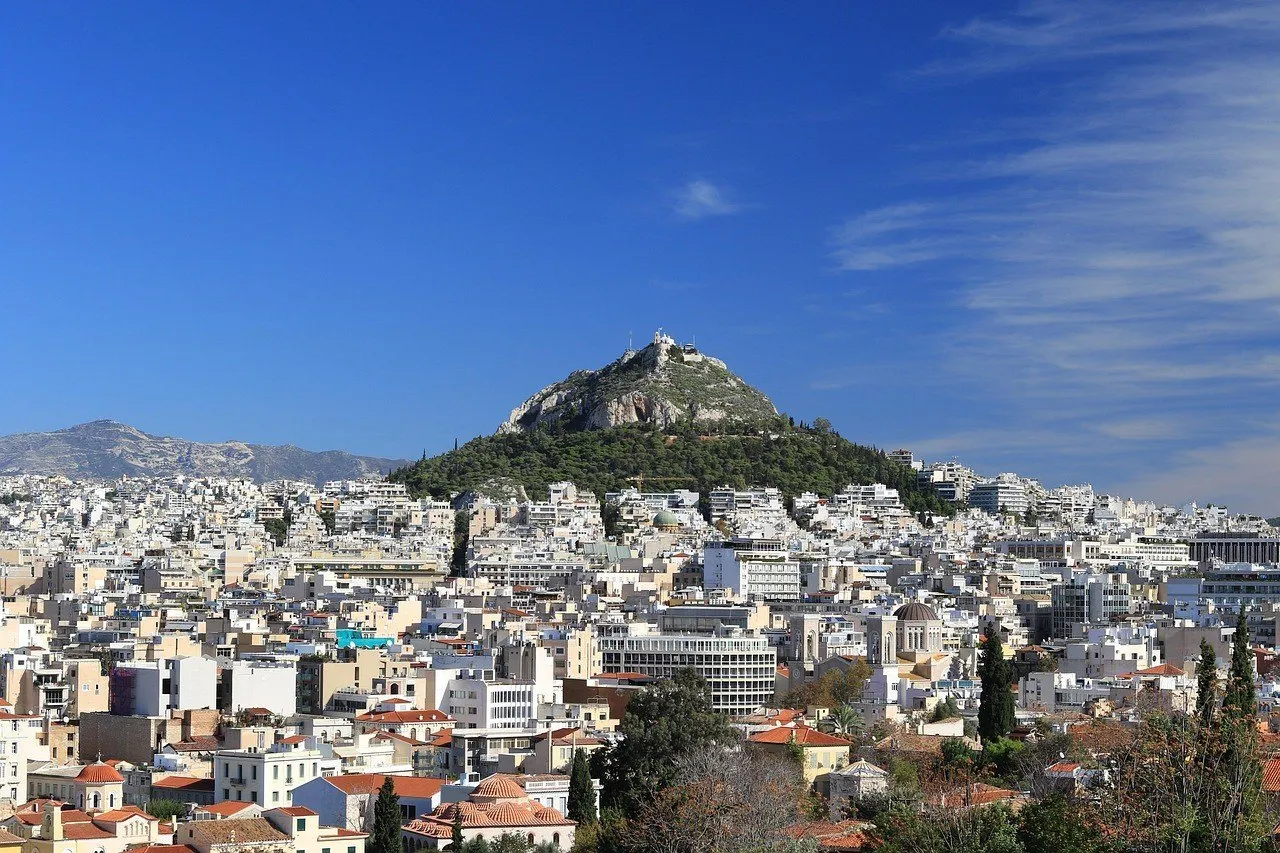 10
The climb on foot or by funicular leads to a panorama of Athens' buildings, with the Acropolis standing out in the landscape and the sea visible on clear days.
View details for Mount Lycabettus1Up there, the Parthenon shares the spotlight with the Erechtheion and the monumental gateway of the Propylaea. The Acropolis is a complex of sanctuaries on a rock, and walking it helps you understand why the temple shows up so often on the skyline. It's worth looking at the smaller buildings before fighting for the same frame as everyone else.
Go up at your reserved time, ready for uneven paving. In hot weather, choose the earliest slots available; the museum at the foot of the hill requires its own ticket.
2After seeing the temples from a distance, you get close to the sculptures and notice details the top of the hill hides. The Parthenon Gallery brings together original pieces and reproductions of works kept in other museums, with the Acropolis visible through the glass walls. The building outside becomes a reference for reading what is inside.
Add the excavation under the museum to your plan, if it is open. Take the visit slowly: the collection deserves its own attention, plus a break between climbs.
3Step off the busiest street and Plaka swaps shop windows for neoclassical facades, small churches and a sequence of staircases. The neighborhood hugs the base of the Acropolis, so the temple reappears between the rooftops when you least expect it. The charm lies in wandering without turning every corner into an obligation.
Higher up, Anafiotika has whitewashed houses tied to the workers from Anafi. The passages are still residents' addresses: take photos without blocking doors and keep your voice down.
4Picture shopping, meetings and public decisions sharing the same patch of the city. The Agora was that center of activity, today crossed among building foundations, open paths and the Temple of Hephaestus. Unlike the Acropolis up high, here you try to rebuild in your mind the routine that played out at street level.
At the Stoa of Attalos, visit the site museum. Alternate the outdoor area with the covered space; in strong sun, reading signs becomes a negotiation with the shade.
5On Monastiraki Square, the view of the Acropolis passes over a church and a former mosque before reaching the temples. Below, the movement flows to the shops and shopping streets. It's a good place to stop studying ruins and watch the city at work, without having to choose between sightseeing and lunch.
Head to Avissinias to look for secondhand objects and antiques; not every price is a bargain. Psirri is close by for continuing among restaurants and street art.
6From this side, the Acropolis finally fits in your view whole. Filopappos offers tree-lined paths and openings in the vegetation from which the temple complex appears above the rooftops. The marble monument at the top honors the Roman consul who gave the hill its name; look for it without losing sight of the panorama.
Climb when the temperature is pleasant, slowly on the stone paving. The view invites you to stay, but head down while there is light and follow the main paths.
7The marble figures of the Cyclades change the scale of the trip: suddenly, Athens is the gateway to collections from many Greek regions. The museum gathers prehistoric finds, sculptures, ceramics and metalwork, with the treasures of Mycenae as a highlight. It is not a repeat of the Acropolis Museum.
Pick a few collections: even a selective visit takes up a good part of the morning. Afterward, take transport to Syntagma; on Tuesdays, opening is usually later.
8The measured steps of the Evzones change the rhythm in front of the Parliament, while Syntagma Square keeps serving as a meeting spot and thoroughfare. The ceremony takes place at the Tomb of the Unknown Soldier, a memorial to unidentified Greek servicemen. Watch the scene without crossing into the guards' area.
Pair the stop with the National Garden next door. The changing of the guard usually happens every hour; check whether it is running on days with events, demonstrations or blockades.
9After the traffic of Syntagma, the trees of the National Garden turn the conversation down. Paths, benches and small ponds fill the former royal garden, now a pause in the center. You walk in to shorten your route and find that sitting for a while counts as an activity too.
Take a short loop and watch the birds among the treetops. It's a transition between the morning museum and Lycabettus, without another long crossing; check the exit before wandering off.
10Seen from Lycabettus, the sea of buildings gains scale and the Acropolis looks like an island of stone in the middle of the city. The walking route climbs a wooded slope; the funicular offers another way to cover part of the effort. Either way, the goal is to stop at the top and look.
Get to Kolonaki with time to find the trail or station. If your legs have already argued with the stairs of Plaka, choose the comfortable option and plan your way back.
Metro line 3 connects the airport to the center; the X95 bus serves Syntagma. Check the airport fare and schedules: don't assume the city ticket covers this route.
Choose your entry slot through the portal linked from the Acropolis's official website. The museum has its own ticket office: check your confirmations so the times don't overlap.
Bring water, a hat and shoes with good grip. Do the climbs during the cooler hours and follow official notices: heat waves can suspend outdoor visits.
Protect your belongings on transport and in Monastiraki; put your phone away when you sit at a café. Check for demonstrations and blockades before passing through Syntagma.
Plaka and the viewpoints have slopes and uneven paving. For reduced mobility, confirm the Acropolis elevator and available access routes before planning your route.
Compare tickets on the official channel and check what they include. Alternate paid museums and sites with neighborhoods and viewpoints; not every hour has to buy another ticket.
Food solves the logistics between climbs: a cheese pie from a bakery, a pita for lunch and then a table for sharing small plates. Plaka has options right by the sights; Monastiraki and Psirri extend the choices. Read the menu before you sit down: eating while walking up staircases demands a coordination your vacation doesn't need to test.
Meat on a skewer; in the pita version, it comes wrapped in bread, with toppings that vary from place to place.
A cheese pie found in bakeries, good for breakfast before tackling the slopes.
Fried dough balls with honey: order a portion to share and let them cool before the first bite.
We use cookies and similar technologies, such as Google Analytics, in accordance with our Privacy Policy and, by continuing to browse, you agree to these terms. You can decline at any time in the policy.