 1
Markets
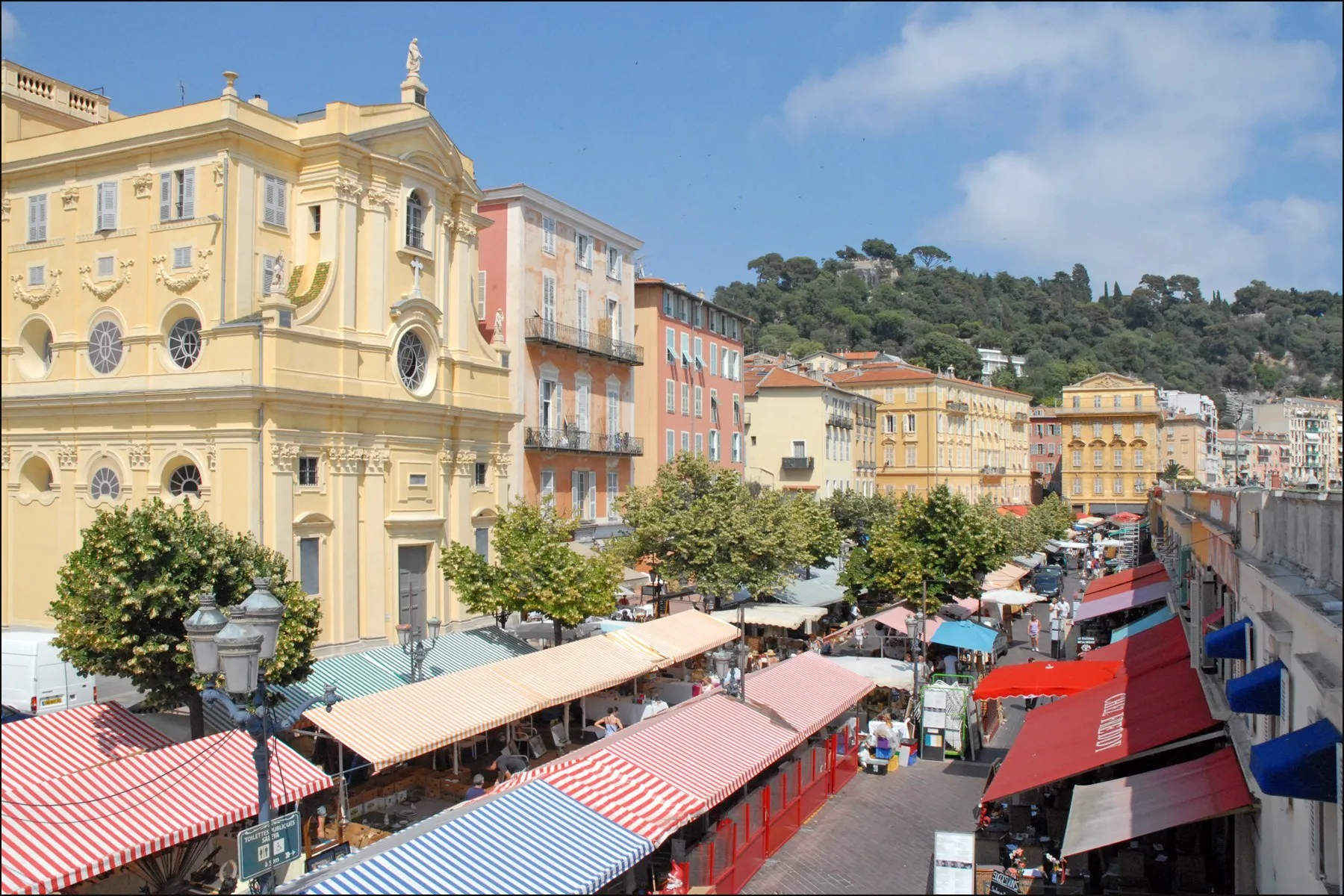
Cours Saleya
Flowers, fruit, vegetables and local specialties fill the stalls of the Cours Saleya, surrounded by cafés and restaurants; the type of market depends on the day.
View details for Cours Saleya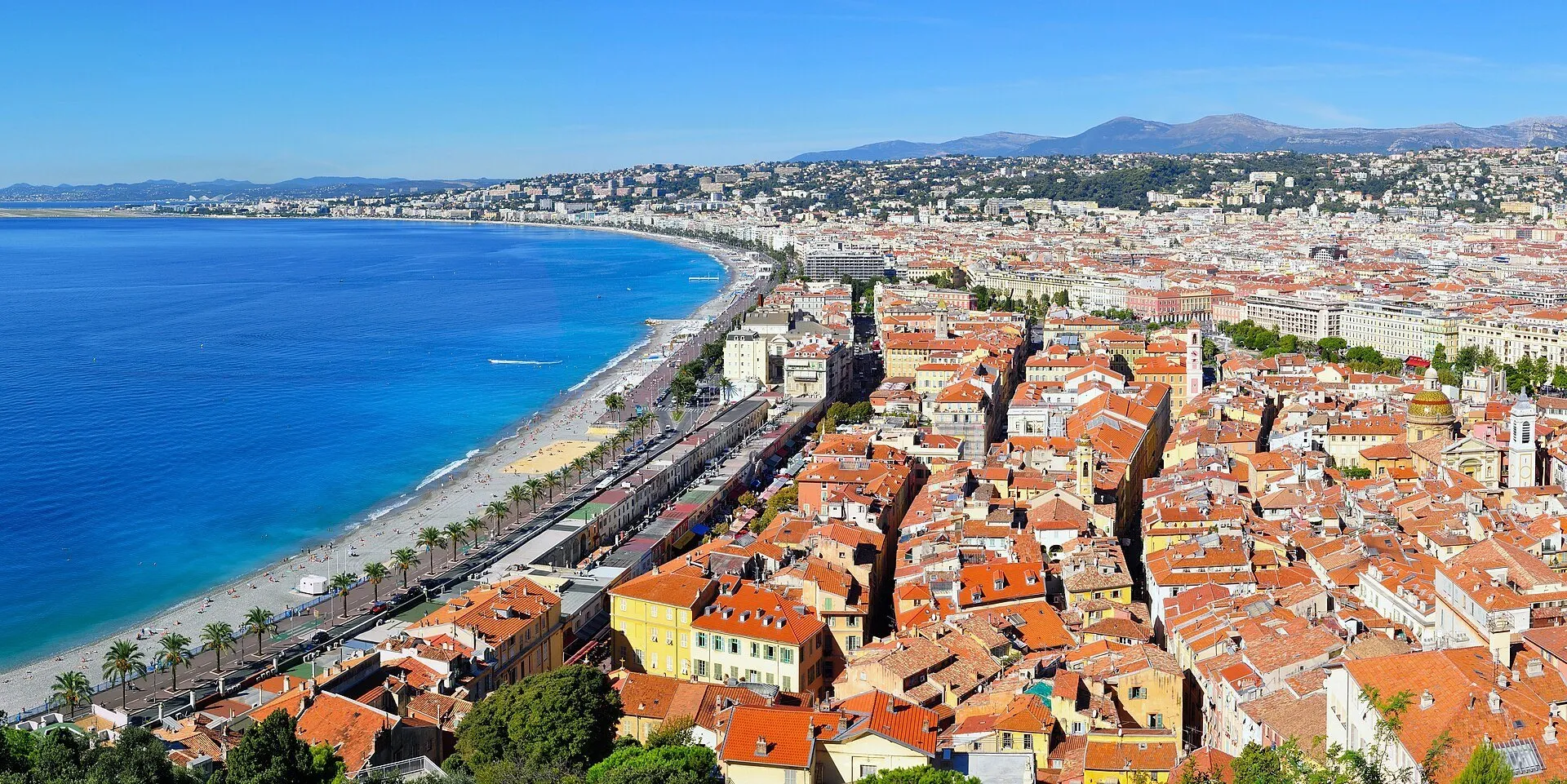
France
In Nice, the blue chairs face the Mediterranean, but the smell of socca pulls you into the lanes of the old town. Between the sea and the oven, the itinerary learns to take breaks.
The blue chairs on the Promenade des Anglais have one clear program: sit and watch the Mediterranean. You go along with it for a few minutes, until you remember the façades of Vieux-Nice, the market and the hill just ahead. The city alternates the open space of the waterfront with narrow streets, where the next stop might be a socca counter. The beach is pebbly, a detail your feet discover before any explanation about the Côte d’Azur.
Split your visit between the old center and the climb to Cimiez. On one day, combine the Cours Saleya, the lanes, the Colline du Château and the port. On the other, visit the Matisse Museum and head back down for lunch before continuing to the Place Masséna and the waterfront. The center invites walking; for the uphill stretches, use public transportation. Leave some slack to eat slowly: a sandwich full of olive oil goes badly with hurry and with an overly optimistic shirt.
The name Promenade des Anglais preserves the role of British visitors in developing the seaside walk; the blue chair came later as an invitation to stay.
The Colline du Château keeps the name of the castle, but today’s visit is to a park with remains: the real star of the climb is the view.
The pointus of Port Lympia are traditional wooden boats with their own shapes and paint jobs, sharing the harbor with other vessels.
At the Matisse Museum, objects that belonged to the artist converse with his works: what sat in the studio was also part of the creation.
1Flowers, fruit, vegetables and local specialties fill the stalls of the Cours Saleya, surrounded by cafés and restaurants; the type of market depends on the day.
View details for Cours Saleya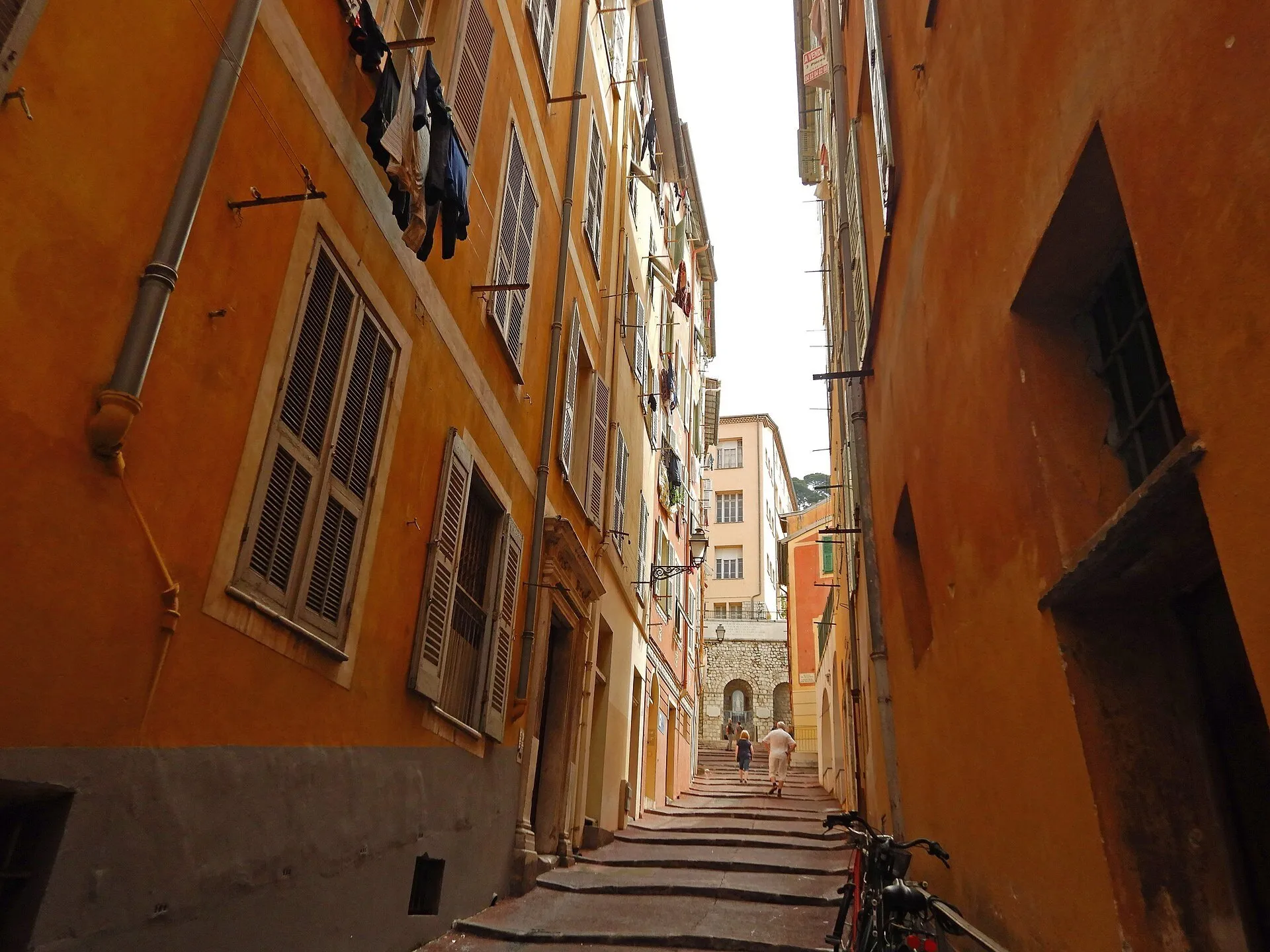 2
Narrow streets, colorful façades and small squares make up Nice’s old town, with shops, cafés and tables that fill the walk with breaks.
View details for Old Town (Vieux-Nice)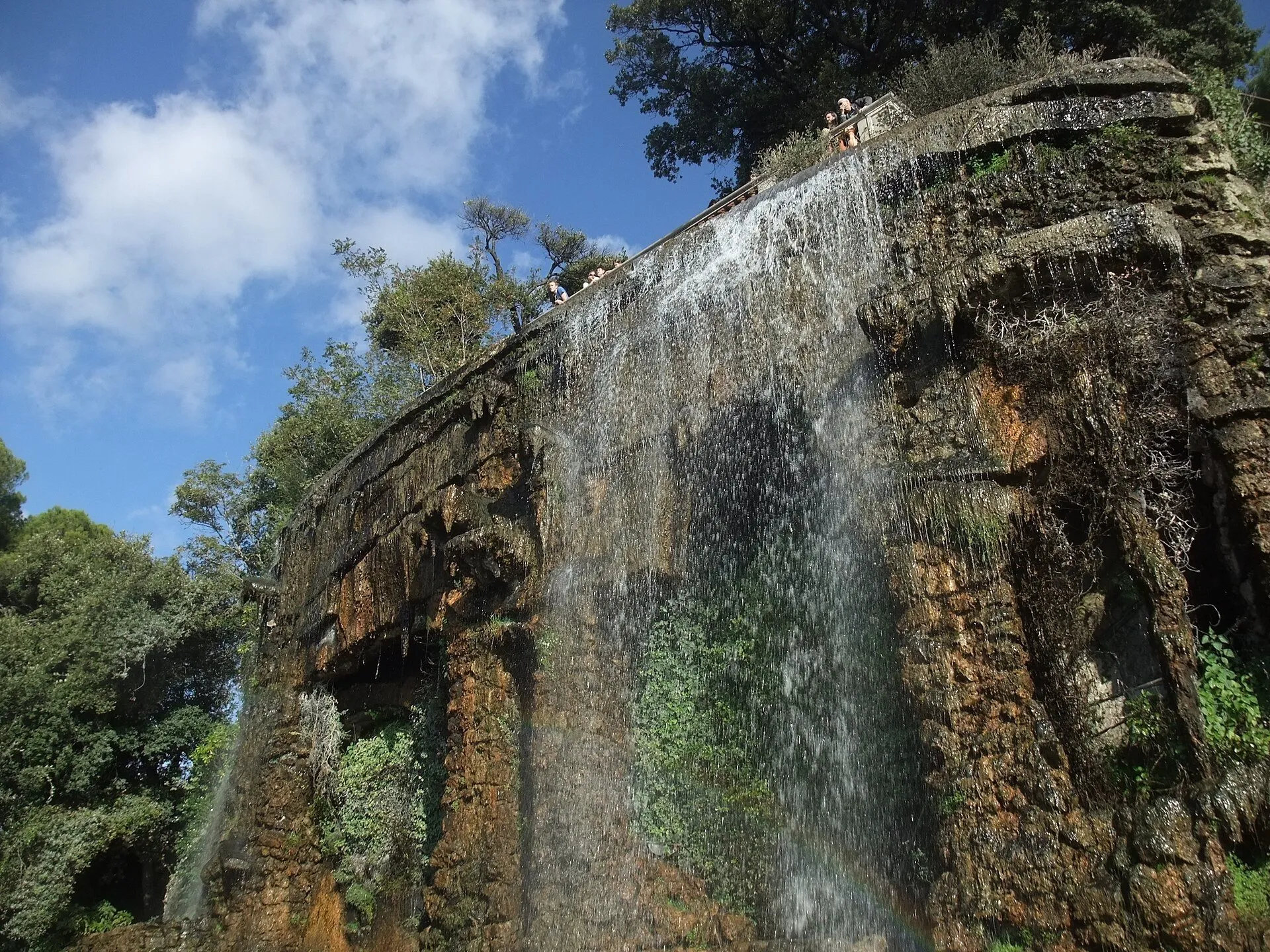 3
The park at the top of the hill brings together tree-lined paths, a waterfall and remains, with viewpoints facing the Baie des Anges, the old town and the port.
View details for Castle Hill (Colline du Château)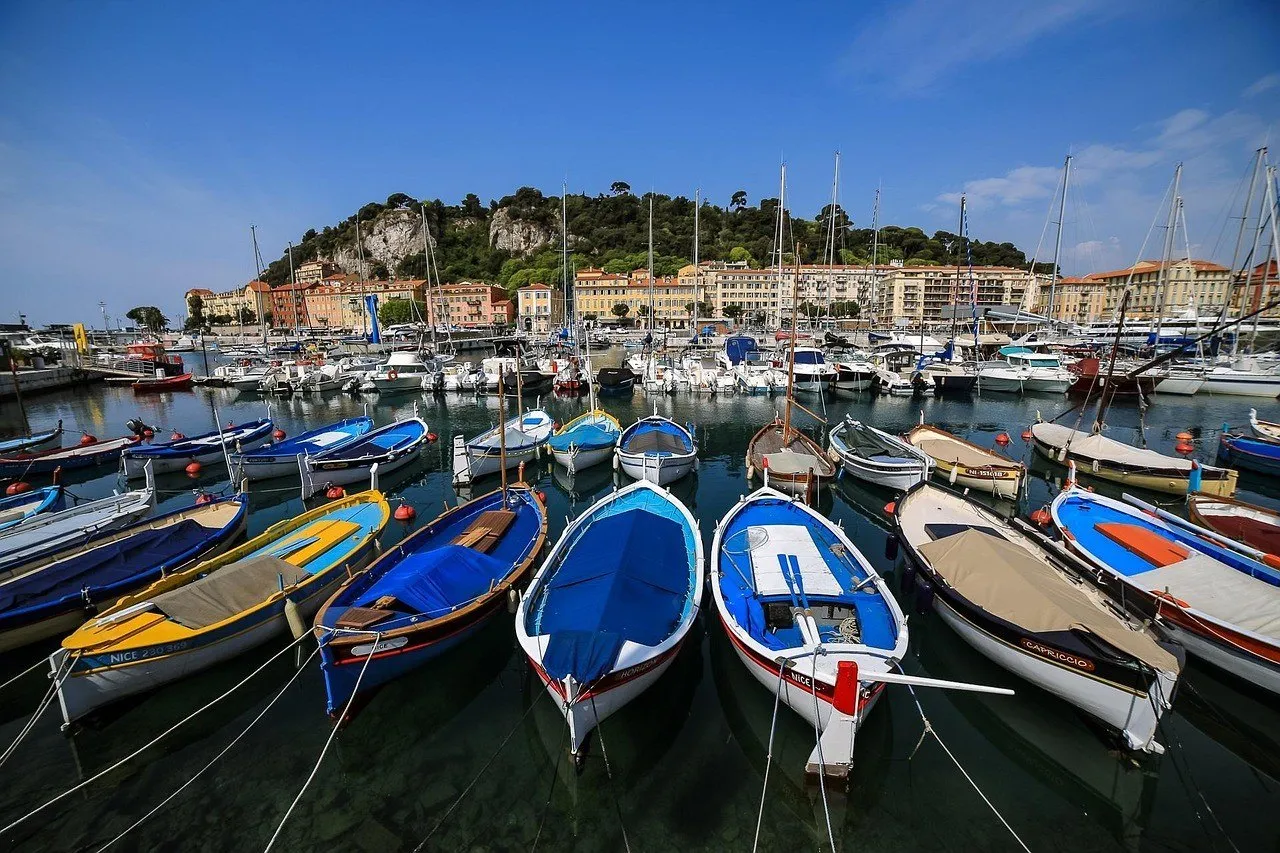 4
The quays of Port Lympia combine colorful façades, pleasure boats and wooden pointus, in a district tied to Mediterranean activities.
View details for Port Lympia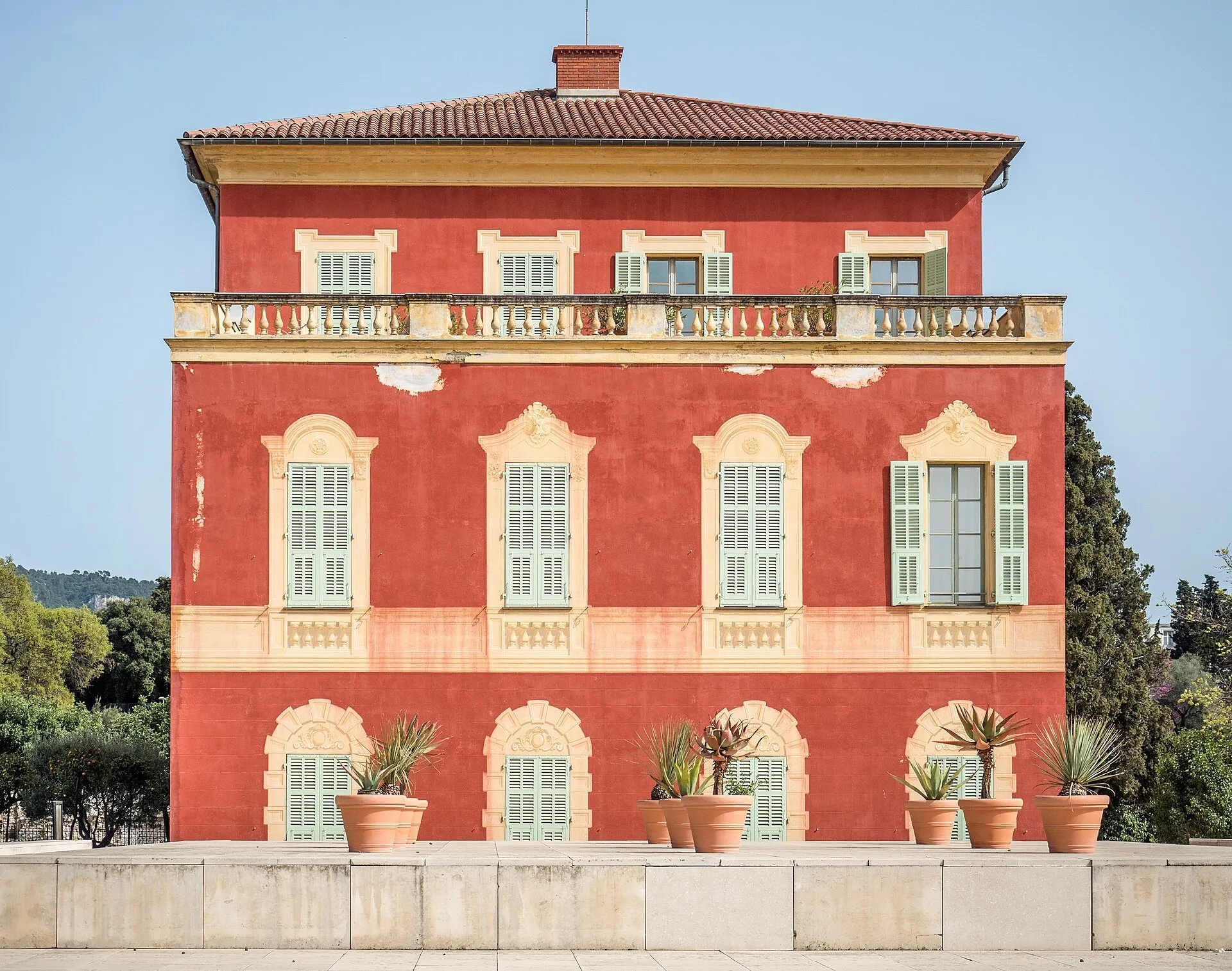 5
At the Villa des Arènes, in Cimiez, works and personal objects of Henri Matisse bring visitors closer to his studio and his experiments with shapes and colors.
View details for Matisse Museum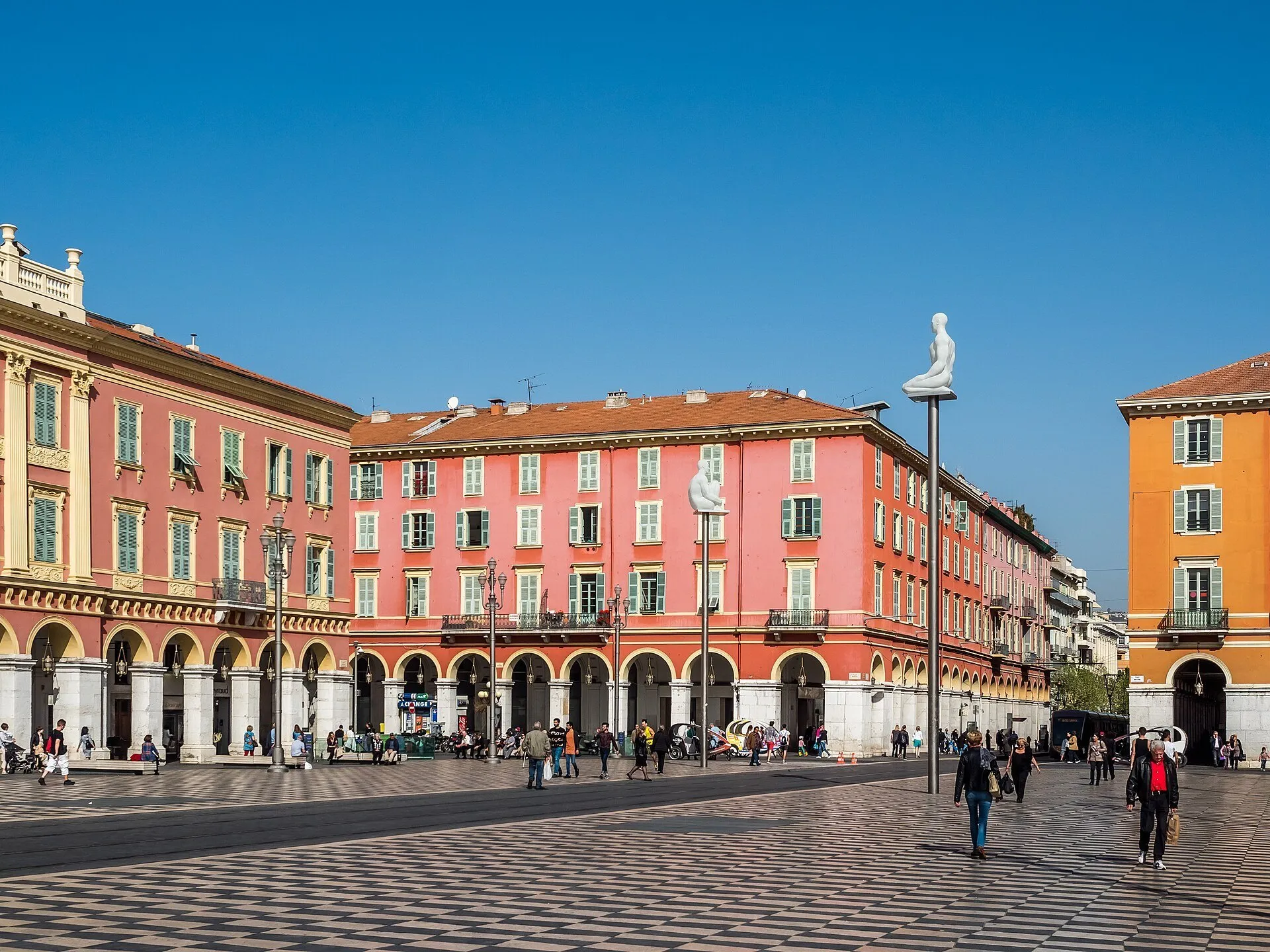 6
Red façades with arcades, a black-and-white pavement and the Fontaine du Soleil make up a square that connects the old town, the shops and the direction of the sea.
View details for Place Masséna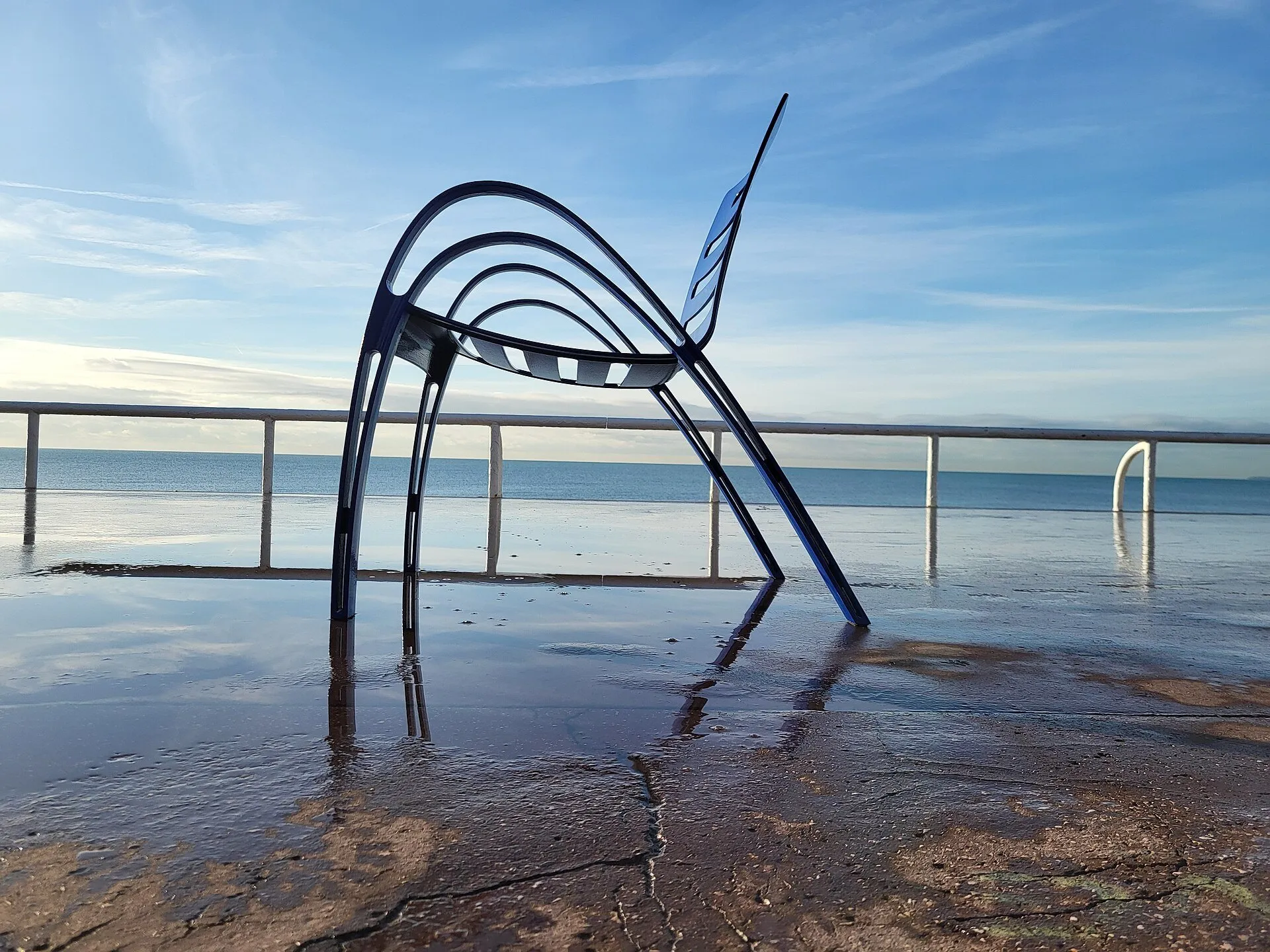 7
Palm trees, blue chairs and pebble beaches line the walk along the Baie des Anges, among walkers, runners and the façades of grand hotels.
View details for Promenade des Anglais1Under the awnings of the Cours Saleya, your walk starts obeying the stalls. Flowers and fresh produce share attention with local specialties, while cafés and restaurants line the sides of the space. Do a lap before buying: the urge to stop at the first counter tends to last until the next one.
The market changes subject depending on the day; the schedule includes antiques in place of the usual stalls. Even outside market hours, the Cours stays tied to neighborhood life through its tables and shops. To see the products and feel that bustle up close, set aside the morning and check the calendar for your date.
2The façades almost meet over some streets of Vieux-Nice, and the walk takes on a different scale after the open space of the waterfront. Go on without racing the map: shops, cafés and small squares appear between narrow passages. The area keeps the presence of Ligurian and Piedmontese influences in its urban landscape, alongside the city’s French history.
Use the neighborhood as a stroll, without turning every door into an obligation to visit. Notice the colors, shutters and façades before choosing a table. Detours work best when you accept coming back to the same corner with an ice cream or a purchase that was not in the plan.
3From above, the curve of the Baie des Anges ties together the walk you had been doing in pieces. The Colline du Château has tree-lined paths, viewpoints and a waterfall, plus remains of the former fortified complex. The name promises a castle; what awaits you is a park where the landscape plays the leading role.
Walk more than one side of the hill to compare the waterfront with the port. Between one view and the next, look for shade and take the break the climb asked for. There are options to get up on foot or by elevator, subject to operation; plan your route without relying on reaching the park when it is about to close.
4The smaller boats draw the eye before the big vessels do. At Port Lympia, look for the pointus, traditional wooden boats whose colors and bows stand out in the mix. The port also hosts commercial activity and maritime transport, so the scene goes beyond a parking lot of sailboats to photograph.
Walk along the public quays and look back at the neighborhood’s façades. After the hill, the port lets you swap the distant view for the detail of ropes and hulls. Save a meal or a coffee for this area if you want to extend the outing, always respecting working access points and areas reserved for boats.
5The reddish villa in Cimiez changes the scenery of the itinerary even before you go in. At the Matisse Museum, paintings, drawings, sculptures and cut-outs show different paths of the artist’s creative work. Objects from his personal collection add another layer: things from the studio reappear in the works or help you see how he arranged his compositions.
Compare the media instead of looking only for one famous image. An object, a drawing and a sculpture can talk to each other better than a series of quick photographs. The presentation of the collection is renewed, and temporary exhibitions change the route; check what will be on during your visit.
6The black-and-white pavement of the Place Masséna seems to call for a geometric photograph, but the red façades and their arcades compete for the frame. The Fontaine du Soleil, with Apollo, marks another point of attention. The square stitches together Vieux-Nice, the Avenue Jean Médecin and the paths that lead to the waterfront.
Look up, too: the figures on columns of Jaume Plensa’s Conversation à Nice add contemporary art to the ensemble and light up at night. By day, use the square as a break between the museum and the sea; if you come back after dark, compare how the colors change the way you read the space.
7Pick a blue chair and let the Mediterranean fill your field of view. The Promenade des Anglais follows the Baie des Anges between palm trees, beaches and grand hotels. The name recalls the role of the British community in developing the walkway, which is still used for walking, running, chatting and simply watching the water.
You do not need to cover the whole waterfront to enjoy the stop. Walk one stretch and go down to the pebbles if the sea and the weather invite you. For sitting, a thicker pad helps the negotiation with the stones. Between the walk and the break, the best measure of the route may be the wish to stay a little longer.
Combine walking in the center with a bus to Cimiez. Check the Lignes d’Azur planner, how to buy tickets and validation before boarding; the connection to the Matisse Museum helps set the order of the day.
The airport has a tram link to the center and Port Lympia. Check the destination, the service in operation and the products sold at the terminal machines; compare them with city tickets before buying.
May, June and September are good bets for combining outdoor outings and museums. Bring sun protection and a waterproof layer: the arrival of autumn can bring rain, and the plan works better with an indoor alternative.
On the beach, the pebbles change how you get in and out of the water. Consider water shoes and a more comfortable pad to sit on; check sea conditions and keep your belongings in sight.
Confirm the closing day, the open rooms and the last entry time of the Matisse Museum before choosing your Cimiez morning. Save the waterfront for a time with good weather and check the forecast before heading down to the beach.
In the lanes of Vieux-Nice, take photos without blocking doors and passages. Keep your phone and wallet safe among groups and stalls; a table on the sidewalk still shares space with other people’s path.
Niçoise cooking shows up in portions that fit into a break: hot socca, a slice of pissaladière or a pan bagnat with well-seasoned bread. At the Cours Saleya and in Vieux-Nice, look at what is coming out of the oven and choose by hunger. Keep a napkin handy before starting the sandwich; olive oil and tomato have a capacity of their own to redraw lunch.
A thin preparation of chickpea flour, water and olive oil, baked in a very hot oven; it is worth trying fresh out, with crisp edges.
Bread dough topped with slowly cooked onions, anchovies and olives: the sweetness of the onion meets the salt in the same bite.
A round loaf with tomato, olive oil, vegetables, egg and fish, such as tuna and anchovy; the crumb soaks up the seasonings instead of staying dry.