 1
Neighborhoods and walks
Vieux-Port
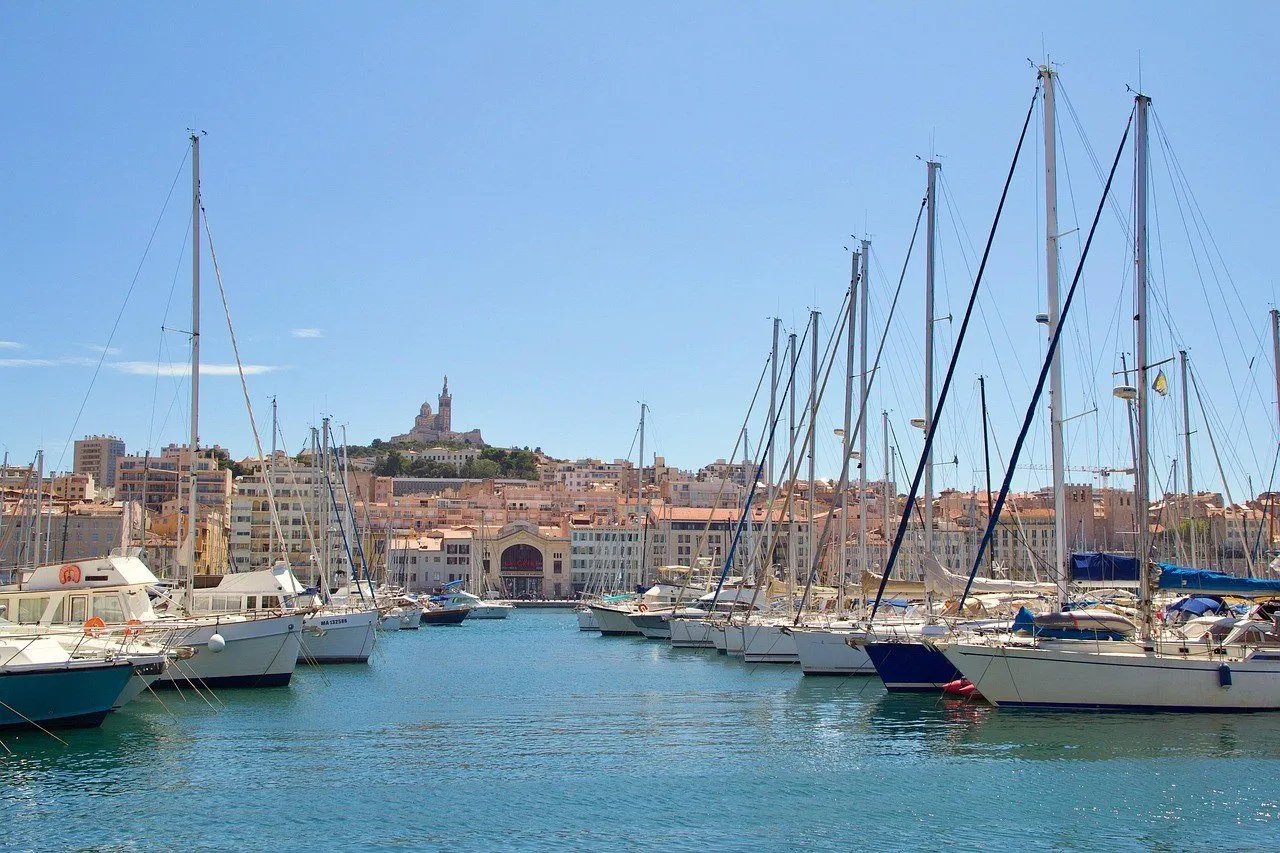
Quays, boats and a mirrored ceiling make the Old Port a good start to Marseille, with the basilica up high and boats to the islands right at the water's edge.
View details for Vieux-Port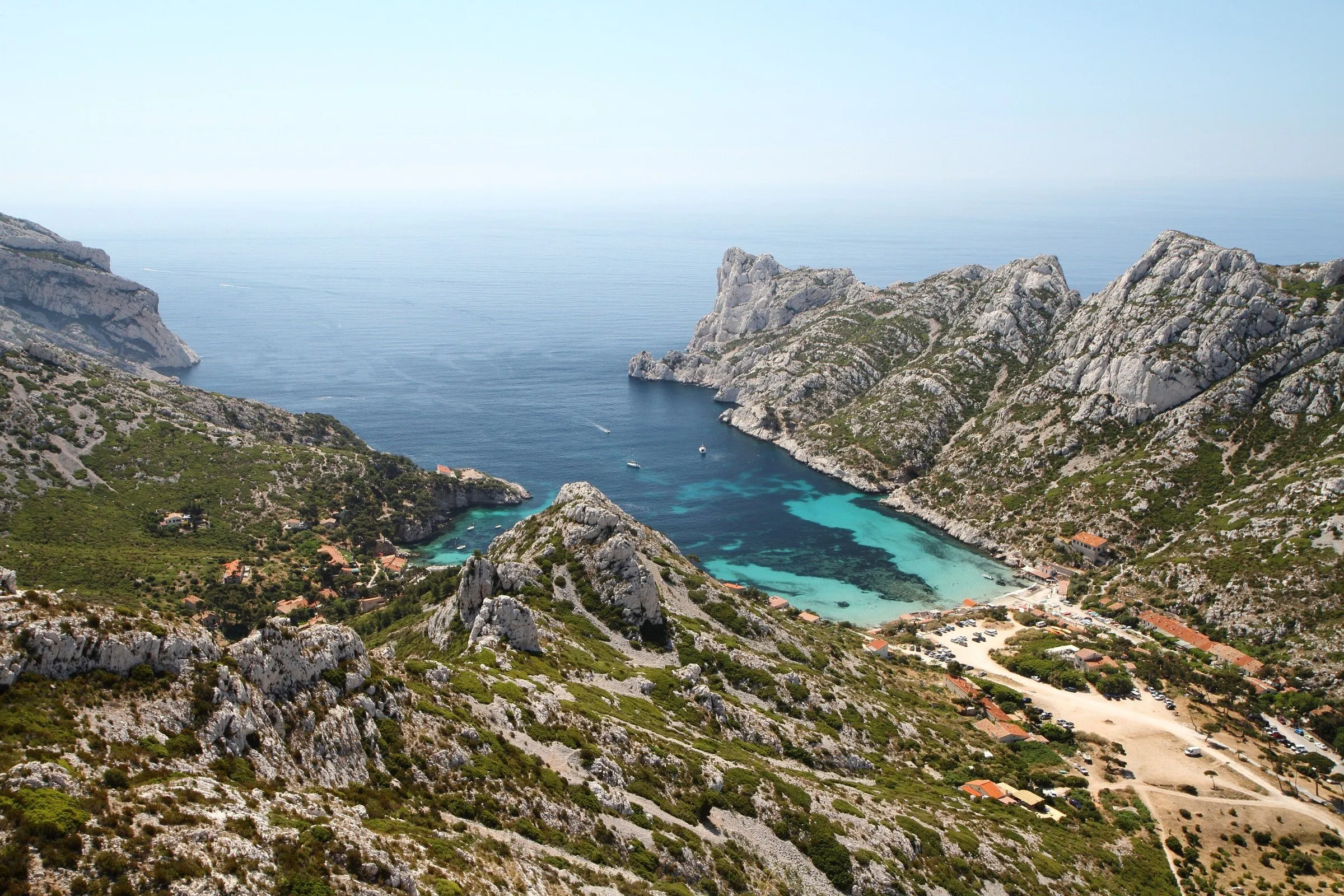
France
At the Vieux-Port, masts scratch lines across the sky while the basilica keeps watch from above. In Marseille, even the walk to a museum can end on a footbridge over the sea.
The mirrored canopy at the Vieux-Port hands you back an upside-down harbor. You look up, search for your own reflection, and before you know it you're standing in the way of someone trying to catch a boat. That's Marseille in a nutshell: busy quays, façades facing the water and Notre-Dame de la Garde rising above the rooftops. The city asks you to keep switching your gaze between sea level and the top of its hills.
Set aside two days for the neighborhoods and monuments, another for If and Frioul, and a fourth for Sormiou, in the Calanques. Boat trips and hikes depend on the conditions that day, so keep the order flexible. Cassis, a neighboring town with a harbor and pale-fronted streets, works as an optional fifth day, as a round trip by train and local bus. You can keep sleeping in Marseille; if you want to stretch your stay in Cassis, add nights instead of squeezing everything between two museums.
The Palais Longchamp celebrates the arrival of water from the Durance in Marseille: the cascades have a purpose far more concrete than looking good in photos.
Edmond Dantès was never a prisoner at the Château d'If: the hero of The Count of Monte Cristo was born in Alexandre Dumas's imagination.
The word auffes, in the name of the small harbor Vallon des Auffes, refers to a plant used to make ropes and fishing nets.
1Quays, boats and a mirrored ceiling make the Old Port a good start to Marseille, with the basilica up high and boats to the islands right at the water's edge.
View details for Vieux-Port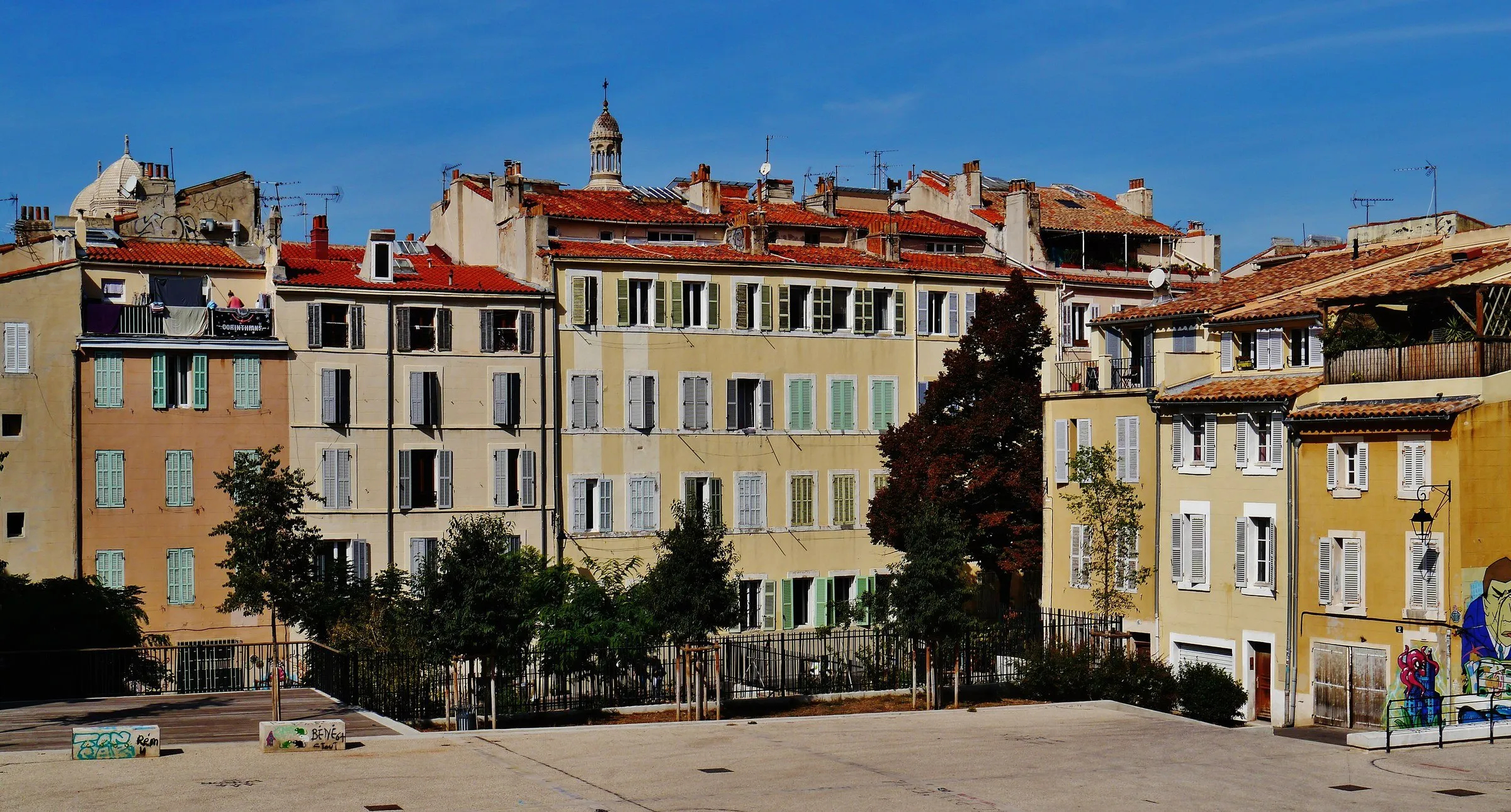 2
Stairways, painted façades and workshops fill the streets of Le Panier, the old quarter that climbs behind the harbor and keeps your phone's map busy.
View details for Le Panier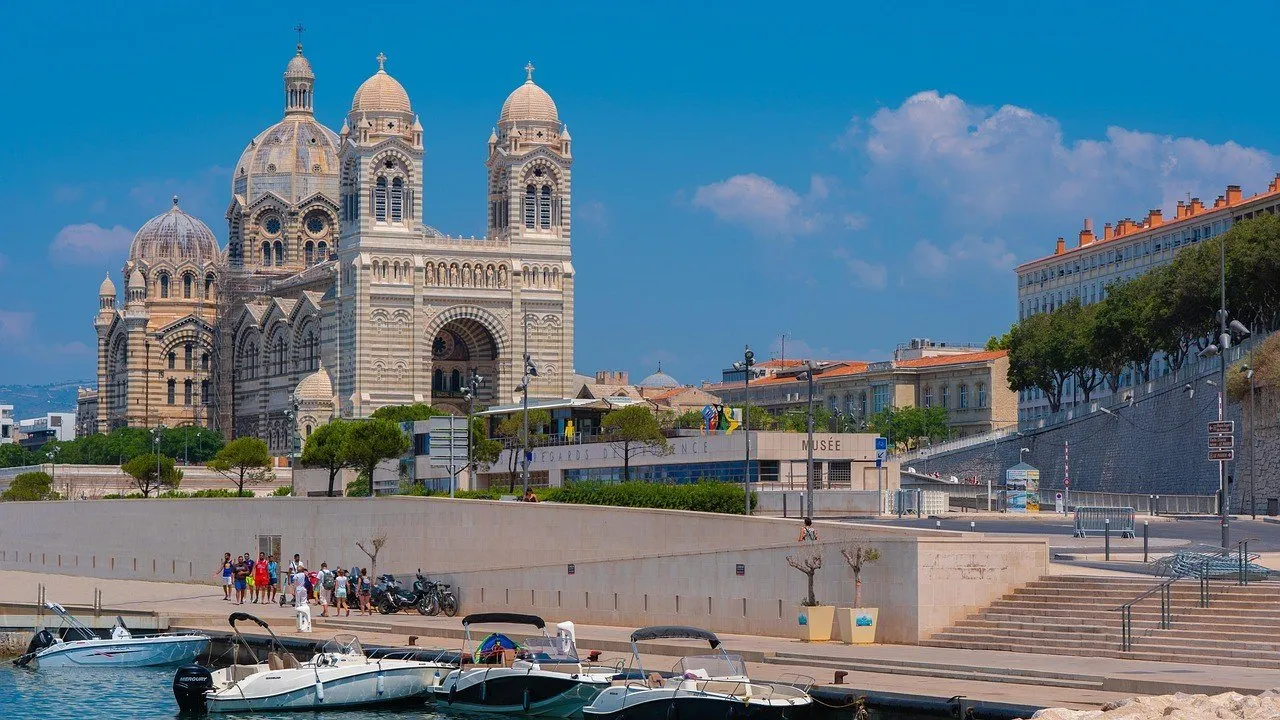 3
Domes and bands of stone mark the Sainte-Marie-Majeure Cathedral, known as La Major, between Le Panier and the waterfront that leads to the Mucem.
View details for La Major Cathedral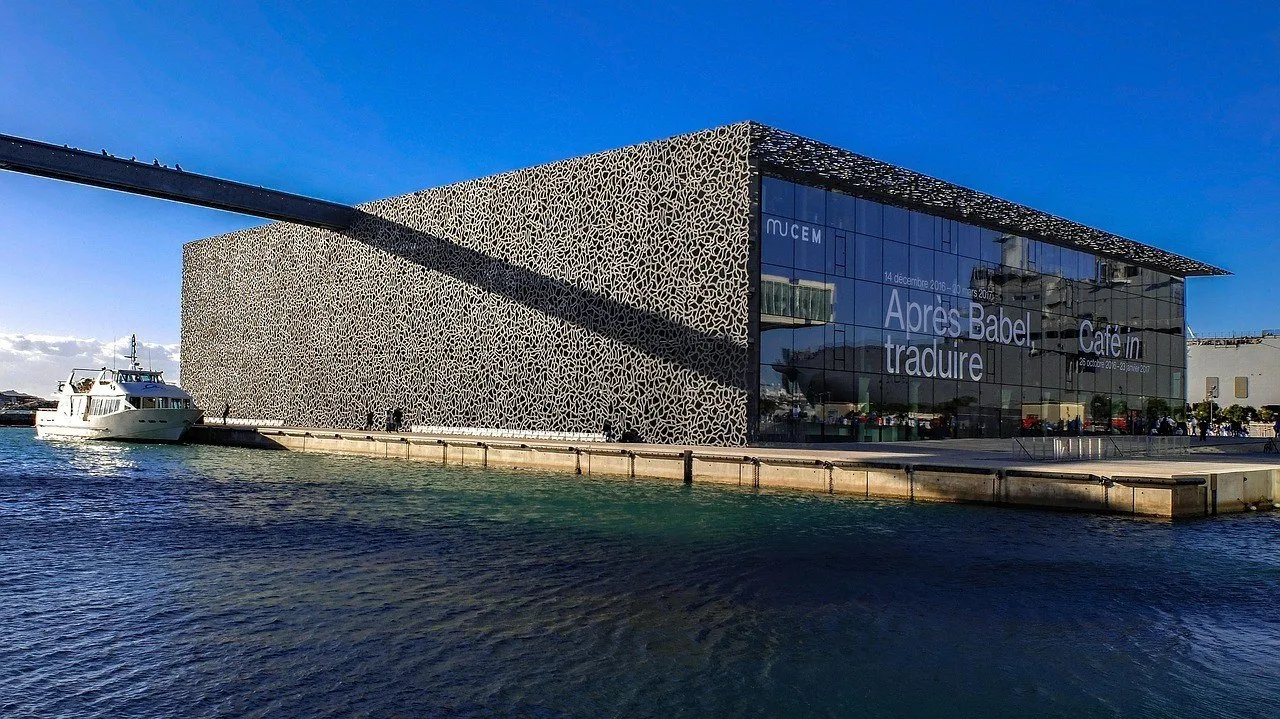 4
A web of concrete wraps the Mucem's J4 building, where exhibitions on the Mediterranean share your attention with the sea and the footbridges.
View details for Mucem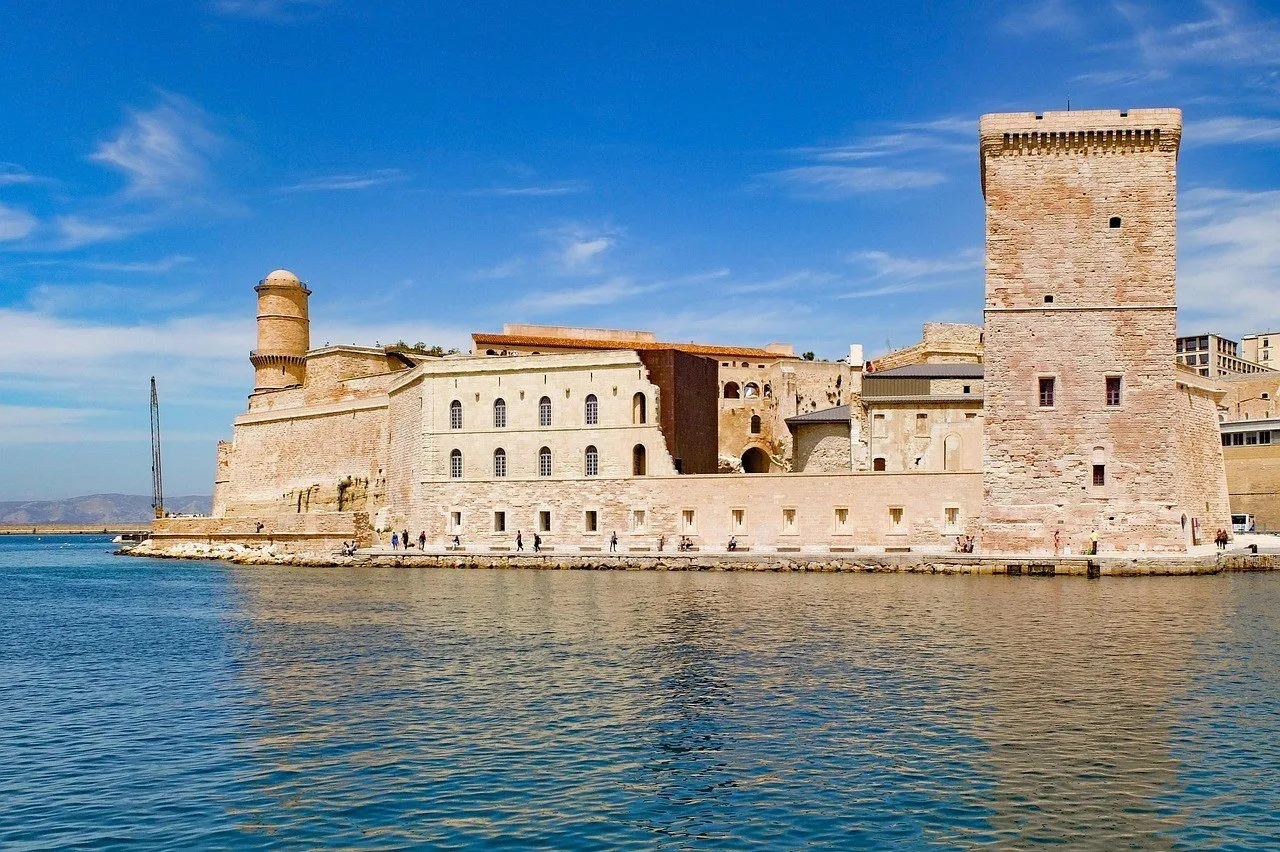 5
Ramparts, courtyards and a Mediterranean garden make up the visit to Fort Saint-Jean, linked to the Mucem and Le Panier by footbridges.
View details for Fort Saint-Jean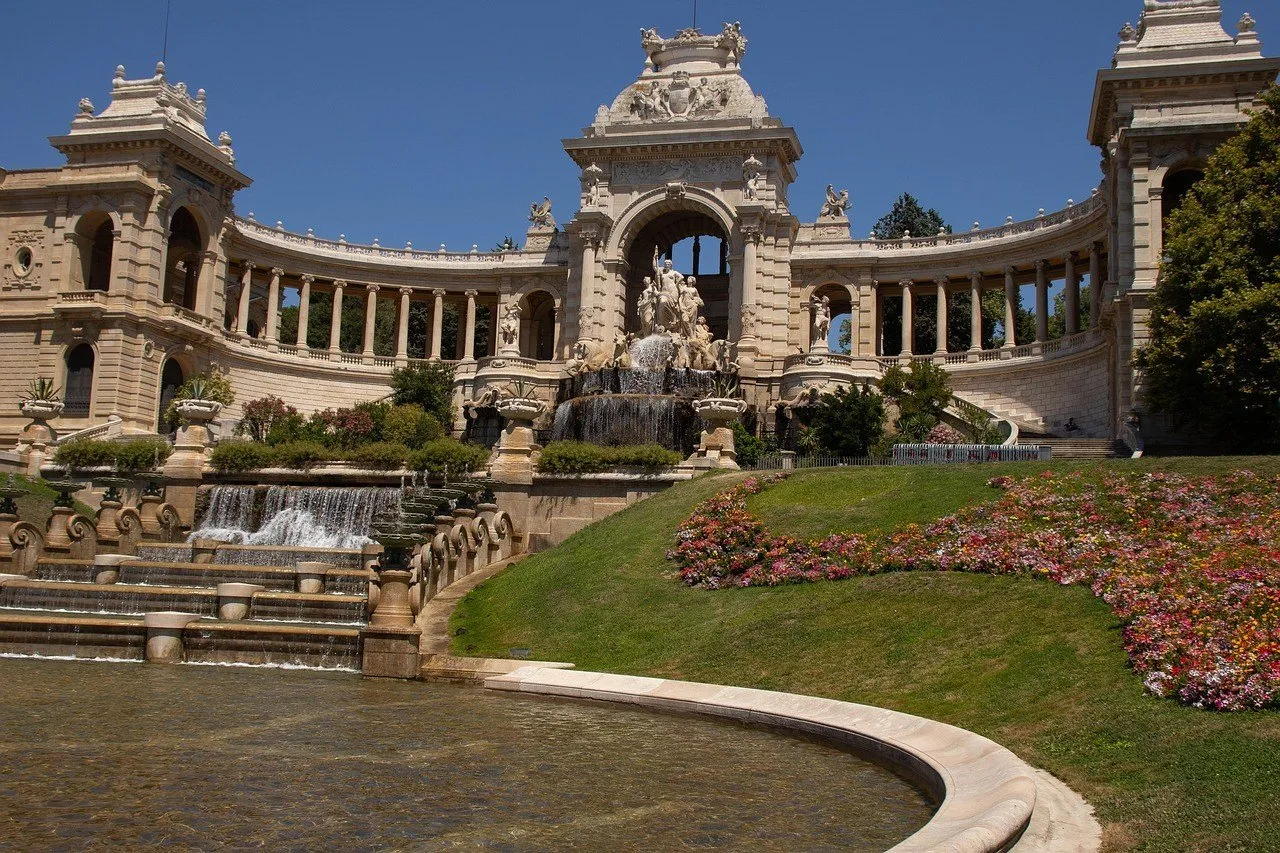 6
Colonnades, sculptures and cascades celebrate the arrival of water in the city at the Palais Longchamp, with gardens and museums in the side wings.
View details for Palais Longchamp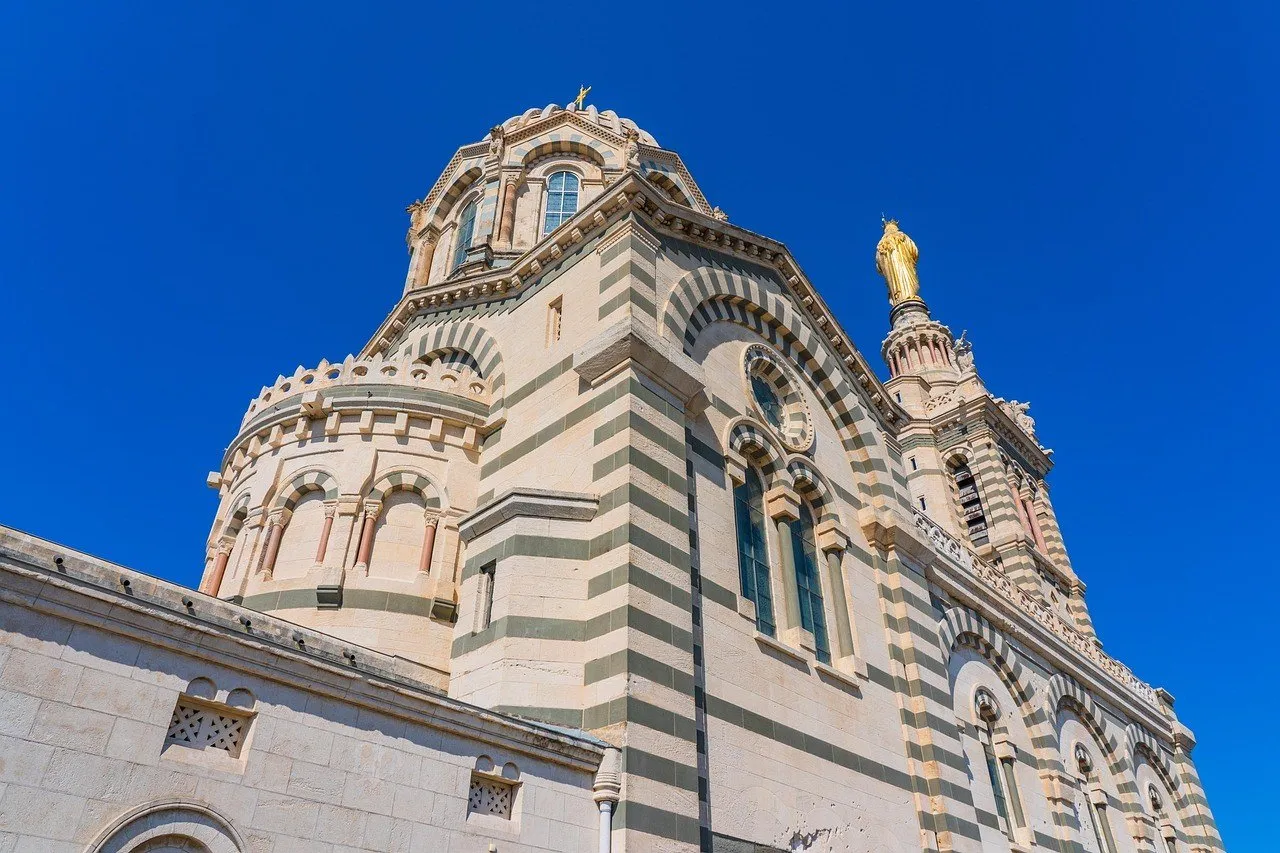 7
The basilica known as the Bonne Mère dominates Marseille's rooftops, with a golden statue and views that help you pick out the harbor and the islands.
View details for Notre-Dame de la Garde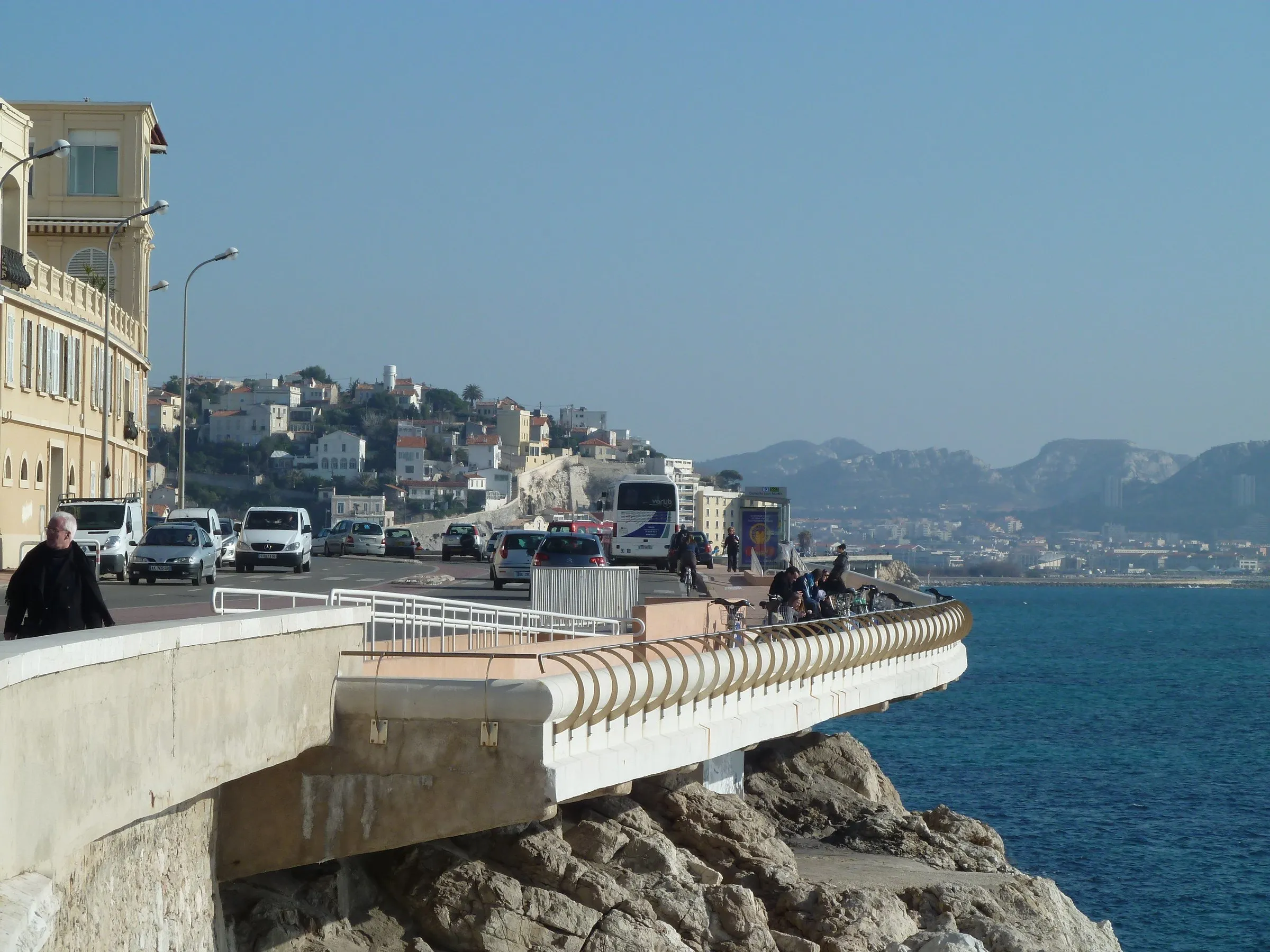 8
The coastal avenue puts the islands on the horizon and offers benches and promenades along the Mediterranean, with a natural stop at the Vallon des Auffes.
View details for Corniche Kennedy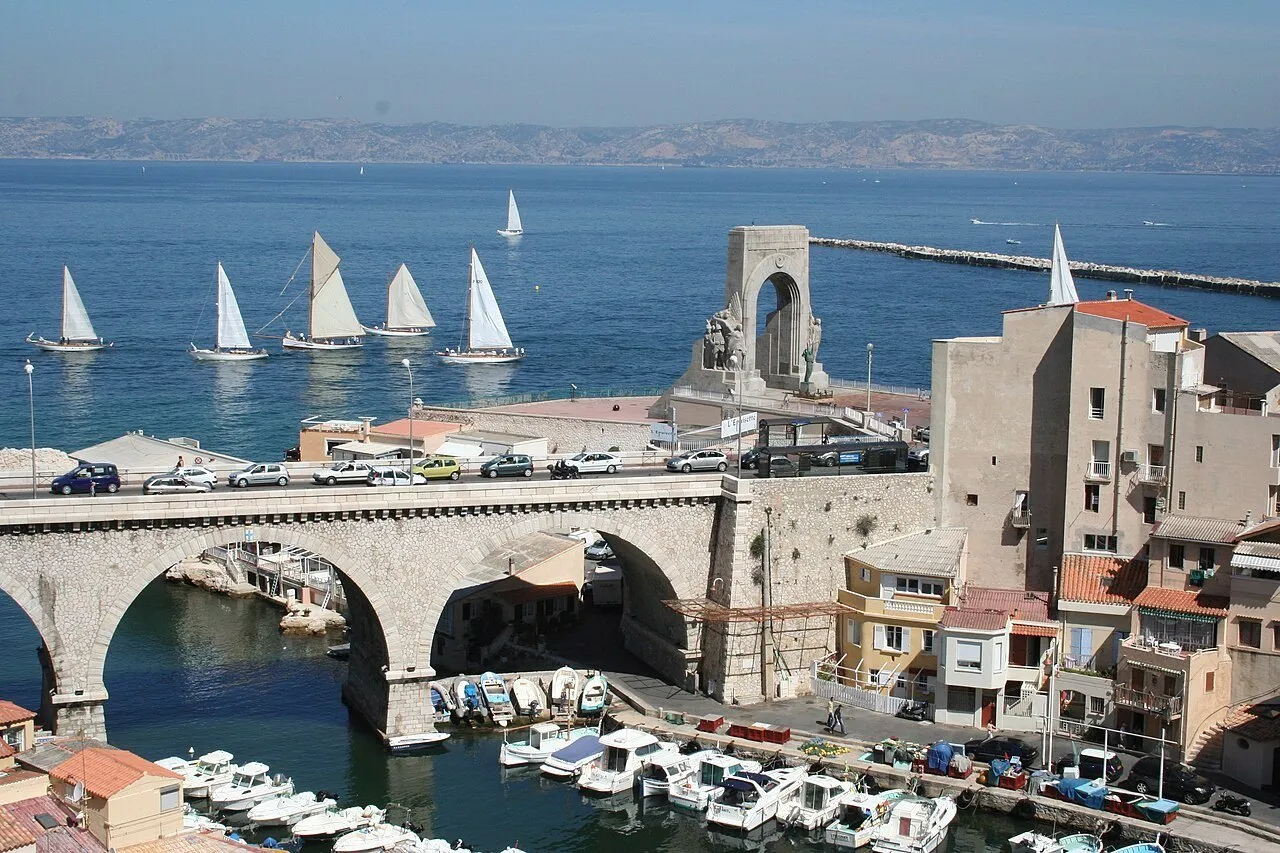 9
Beneath the arches of the Corniche, fishing boats and colorful houses fill the Vallon des Auffes, a small harbor with tables facing the water.
View details for Vallon des Auffes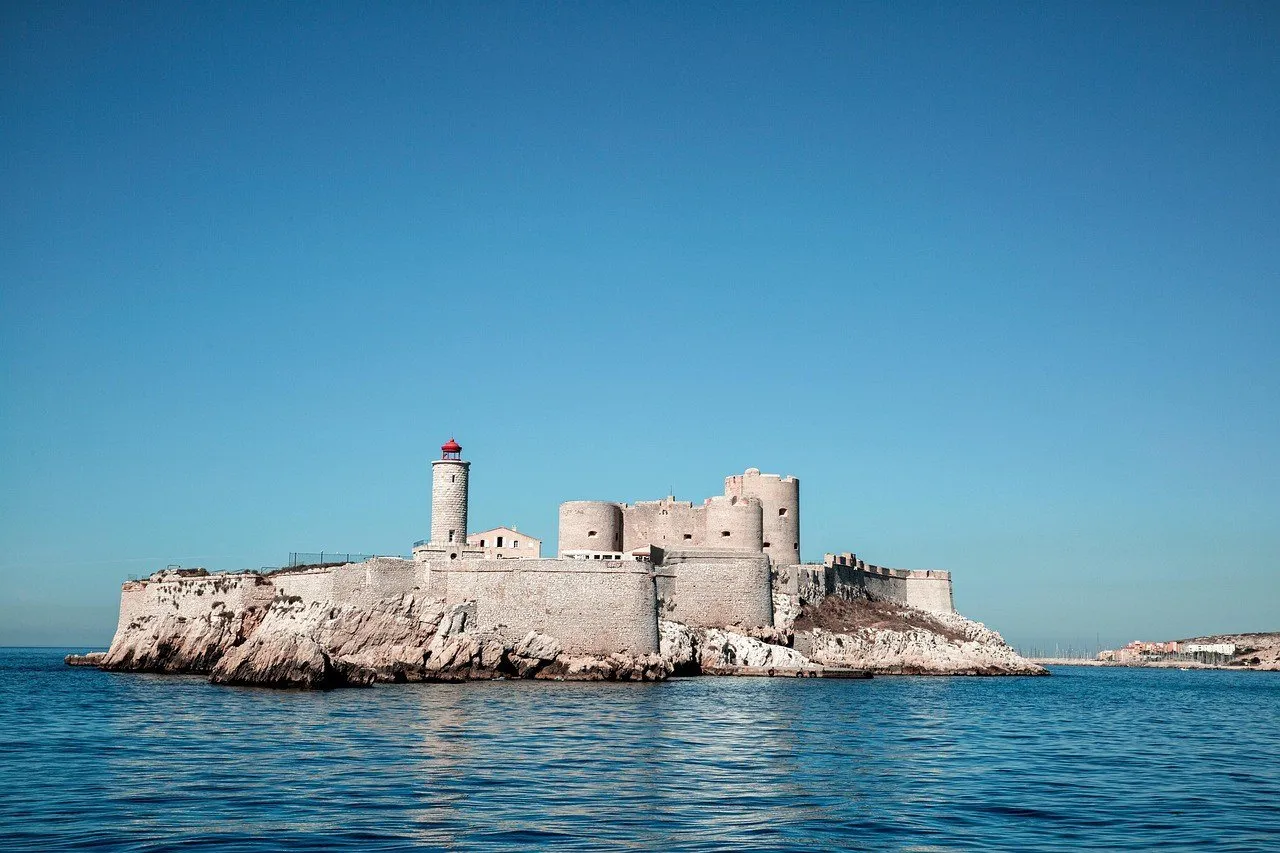 10
The fortress turned prison sits on an island off Marseille and became famous in literature as the setting of Edmond Dantès's captivity.
View details for Château d'If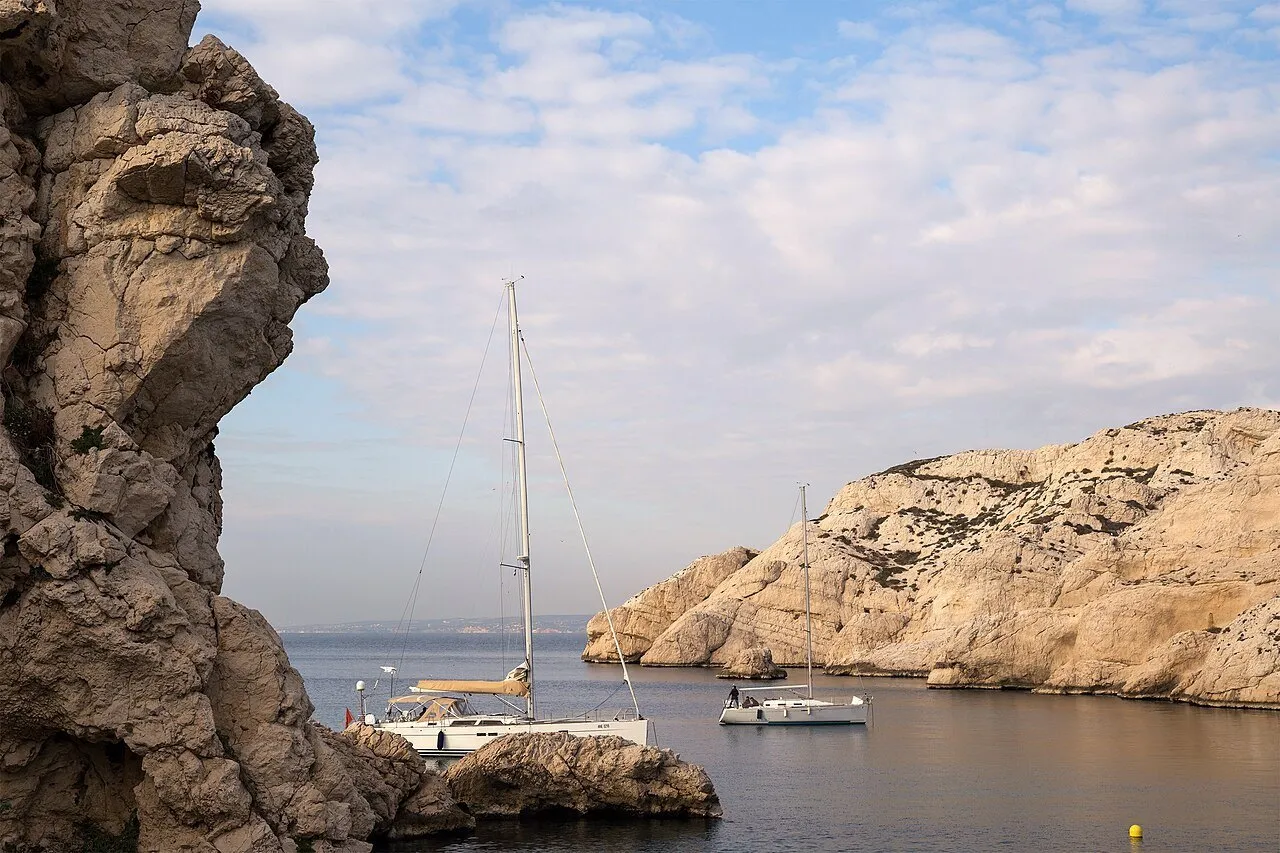 11
Pale rocks, coves and sun-exposed paths set the tone on Ratonneau and Pomègues, islands reached by boat from the Old Port.
View details for Frioul Islands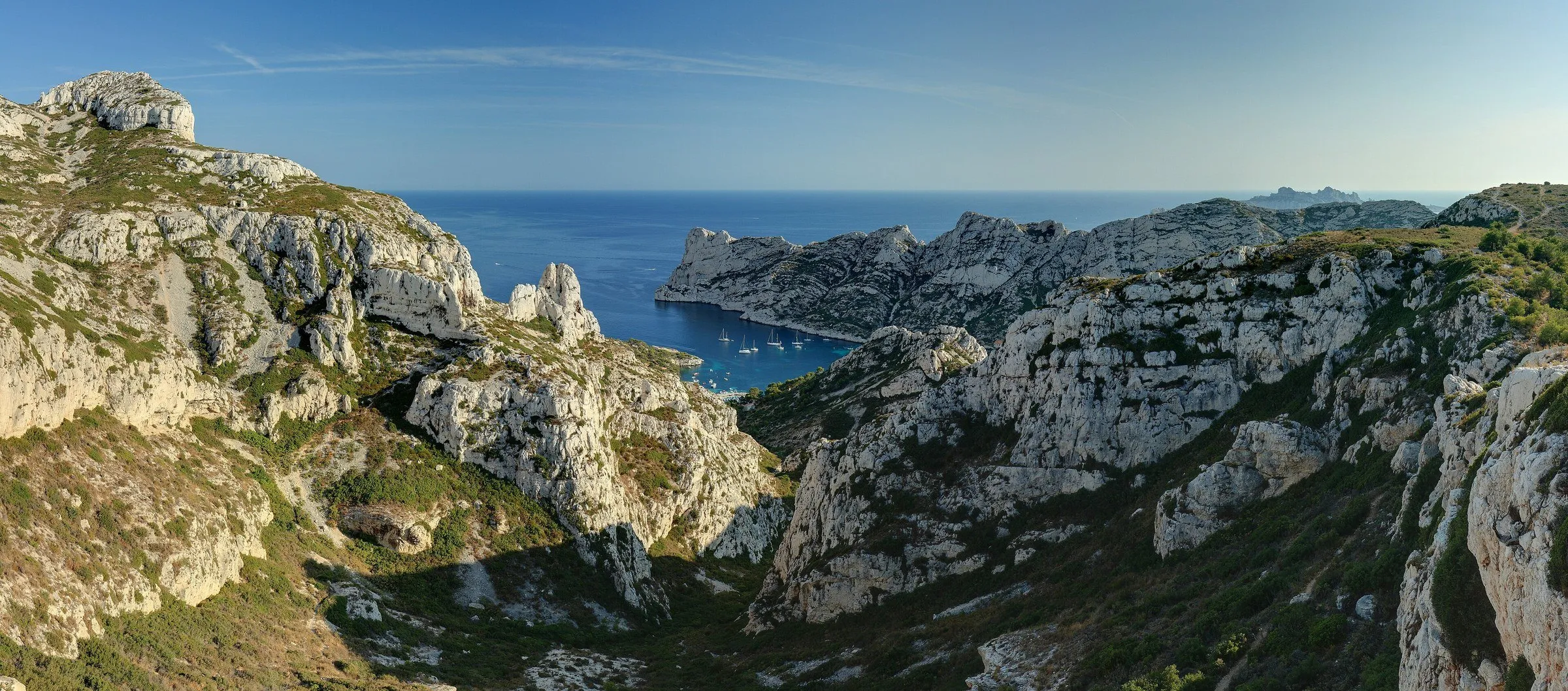 12
A blue-water cove between limestone slopes, with a beach and cabanons, makes Sormiou a nature day that takes planning and good legs.
View details for Calanque de Sormiou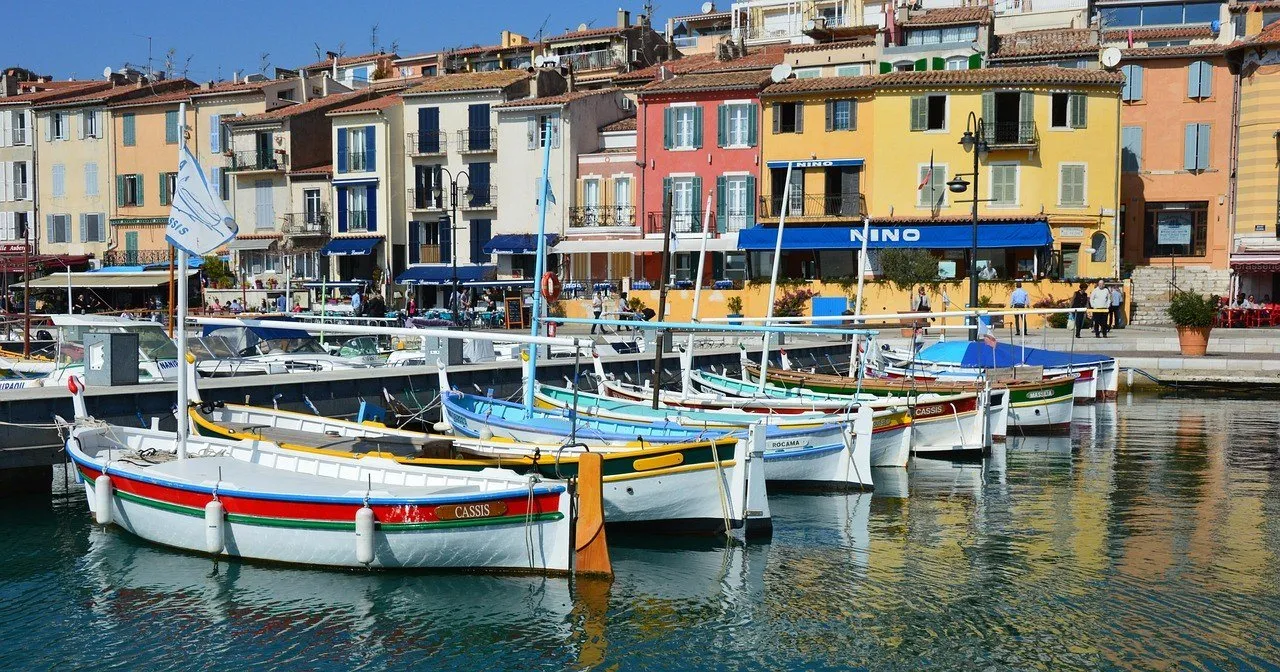 13
Outside Marseille, Cassis harbor combines pastel façades, pedestrian streets and a view of Cap Canaille on a day trip with a full day set aside.
View details for Cassis Harbor and Town Center1The Vieux-Port helps you grasp Marseille's layout: Le Panier climbs on one side, Notre-Dame de la Garde appears on the other, and the mouth of the harbor points to the islands.
Walk under the Ombrière, Norman Foster's mirrored canopy that turns the ground into a ceiling full of people. In the morning, look for the fish market; then follow the quai du Port toward the old quarter, without having to cross the city.
2In Le Panier, the street that seemed to solve your route can end in a staircase. Marseille's old quarter is best explored slowly, among façades with street art, designers' shops and small café tables. The charm lies in paying attention to the passageways, rather than treating every corner as a race to the next attraction.
Use the Vieille Charité as a landmark inside the neighborhood, then head toward La Major. The slopes are part of the walk: if you need to avoid steps, plan a specific route.
3The light and dark bands of La Major catch your eye before you reach the entrance. The domes and arches give scale to the esplanade, while the interior swaps the open light of the quay for mosaics and carved stone.
Its position by the harbor made the cathedral visible to those arriving by sea. Today, it fits neatly into the walk from Le Panier to the Mucem. Also look at the preserved section of the old church next door, but don't count on visiting its interior.
4From afar, the J4 looks like a dark box resting at the water's edge. Up close, the concrete lattice cuts the sea into small patterns and makes you slow down before you even reach the ticket office. The building by Rudy Ricciotti, in association with Roland Carta, houses exhibitions of the Museum of European and Mediterranean Civilisations.
Pick one exhibition to enjoy without rushing, and leave time for the ramps and the terrace. The footbridge to Fort Saint-Jean carries the walk on above the water.
5You go from the Mucem's carved concrete to the stone of Fort Saint-Jean without returning to street level. The fort is part of the museum, but its courtyards and paths have a different rhythm: it's worth stopping to watch boats come and go from the Vieux-Port and to compare the façades seen from here with those you saw on your morning walk.
The Jardin des migrations gathers plants from around the Mediterranean in the outdoor spaces. It's a good break between exhibition rooms and neighborhood streets.
6To celebrate the arrival of water, Marseille went all out on the staging: open colonnades, sculptures and cascades make up the Palais Longchamp. The monument celebrates the supply from the Durance, brought to the city by the Canal de Marseille.
The Fine Arts Museum and the Natural History Museum occupy the sides of the palace, while the gardens continue behind. In the proposed itinerary, the visit is mainly to the monument and the park; to go inside the museums, stay longer and cut back on the rest of the day.
7After seeing the basilica on the skyline for so long, it's time to look at Marseille from it. Known as the Bonne Mère, Notre-Dame de la Garde combines a Romano-Byzantine church, the golden statue on top and terraces from which the whole harbor seems to fit in a single glance.
The climb from the Vieux-Port is an uphill walk; the bus lets you save your legs for the rest of the day. Step into the church calmly and with respect for the prayer areas.
8The Corniche Kennedy follows the coast, with the sea on one side and the traffic of the avenue on the other. You don't need to walk all of it: a stretch between the Catalans area and the Vallon des Auffes already opens up the view to If and Frioul.
Farther on, the tide gauge is a reminder that this landscape also serves to measure sea level. Walk along the pedestrian promenade and use the bus to lengthen or shorten the loop, depending on the heat and the wind.
9The avenue passes overhead; the small harbor carries on below, with pointed little boats and brightly colored houses. Heading down to the Vallon des Auffes changes the scale of the Corniche walk: instead of a wide horizon, you start noticing ropes, reflections and arches framing the sea.
The name of the place recalls a plant used to make nets and ropes, a direct link to fishing. Restaurants line the edges of the harbor and can stretch your stop into dinner.
10The fortress looks small from the quay, but its isolation becomes much clearer as the boat approaches. The Château d'If became a prison and found a second fame in the pages of The Count of Monte Cristo. The stone is real; Edmond Dantès, the prisoner so many people come looking for here, is a character created by Alexandre Dumas.
Explore the interior and the viewpoints over the bay, leaving some slack for the next boat. The crossing leaves from the Vieux-Port and depends on the state of the sea.
11On Frioul, pale stone takes up more space than shade. Arriving at the port of Ratonneau gives you access to walks along the coves and a dry landscape, very different from the streets of Le Panier.
Choose a route that fits your available time, without trying to explore every headland after visiting If. Bring water and sun protection, stay on the paths and leave time to get back to the dock. The restaurants are clustered by the port.
12The water appears between limestone slopes and low vegetation, with small cabanons beside the cove. Sormiou lies within the municipality of Marseille, inside the Calanques National Park, but it needs a day of its own.
Getting there combines transport to the south of the city with a walk over rocky ground, going down and climbing back up on the return. Leave margin for both, and bring water, food and hiking footwear. Road access is restricted and fire risk can close the massif; check the official conditions the day before and on the day.
13Outside Marseille, the harbor gathers boats, pale façades and outdoor tables; behind it, narrow streets invite you to stroll without a huge list of stops. From the quay, Cap Canaille adds a wall of rock to the horizon.
Take the TER and complete the trip by local bus: Cassis station is far from the center. Check the connections both ways, especially the last link between town and station. The proposed optional day stays at the harbor and in the center; hikes and boat trips call for different planning.
Walk between the Vieux-Port, Le Panier, La Major and the Mucem; save transport for Longchamp, the basilica and the access to the Calanques.
Wind can suspend landings at If and fire risk can close trails; check the official notices every day.
Stairs in Le Panier and rocks in the Calanques call for suitable footwear; for Sormiou, bring water and sun protection.
Check with the Mucem for the hours of terraces, gardens and footbridges, in addition to exhibition tickets.
Confirm the price and portion of the bouillabaisse; on island day, a picnic can help you save.
Keep your documents and phone close to your body when boarding in crowds, and avoid leaving your belongings alone on the beach.
Bouillabaisse deserves a meal with time to spare: fish, broth, croûtons and rouille arrive at the table in a ritual worth understanding before you order. In between, try navettes scented with orange blossom; make sure you know they're cookies, because navette also appears in the name of boats.
A preparation of fish and aromatic broth, served with croûtons and sauces; agree with the restaurant on how it will be served.
Boat-shaped cookies, traditionally scented with orange blossom water.
A vegetable and pasta soup, finished with a mix of basil, garlic and olive oil.