 1
Nature
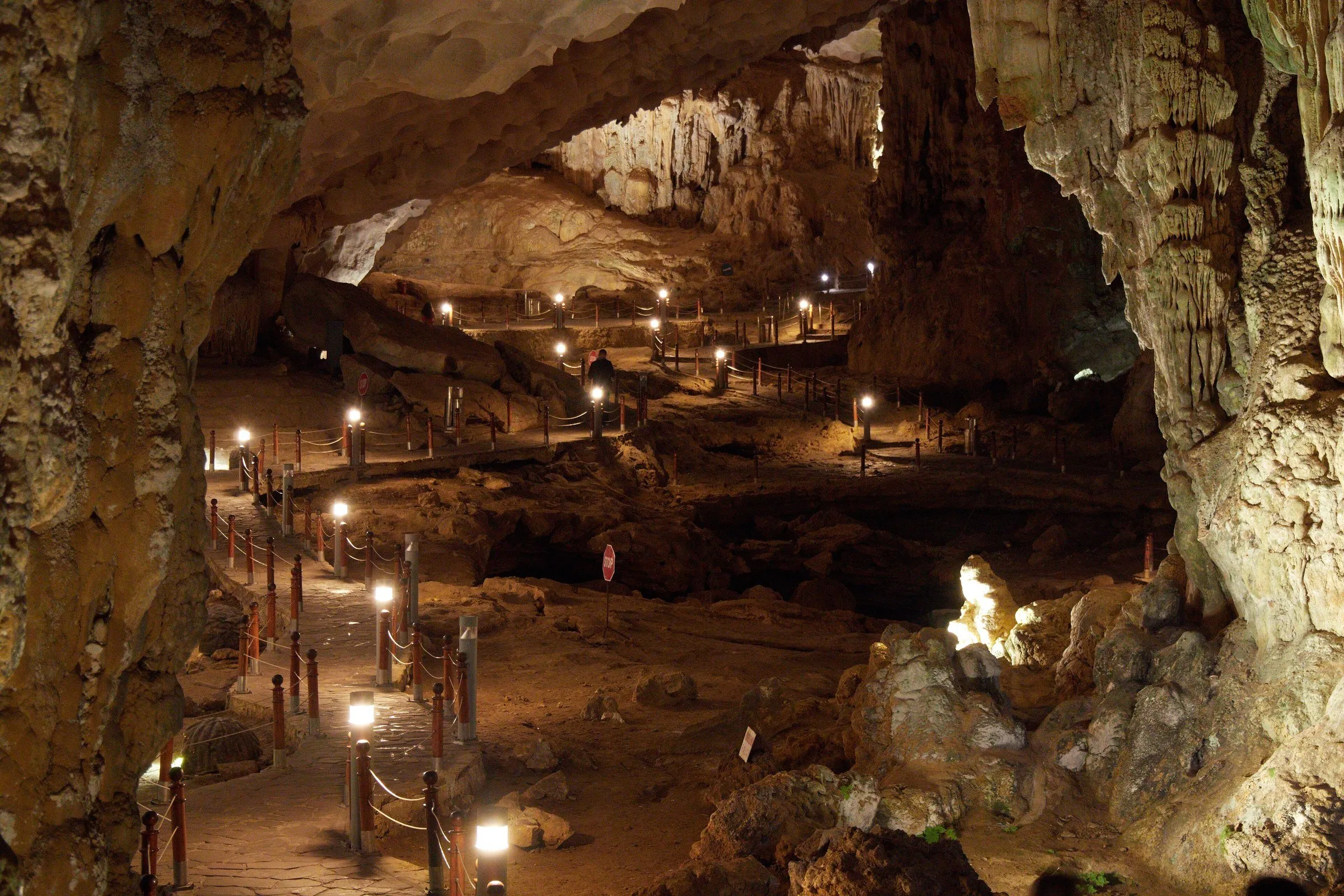
Sung Sot Cave
Limestone chambers and lit formations inside Bo Hon Island: Sung Sot is one of the big stops for boats on the VHL2 route.
View details for Sung Sot Cave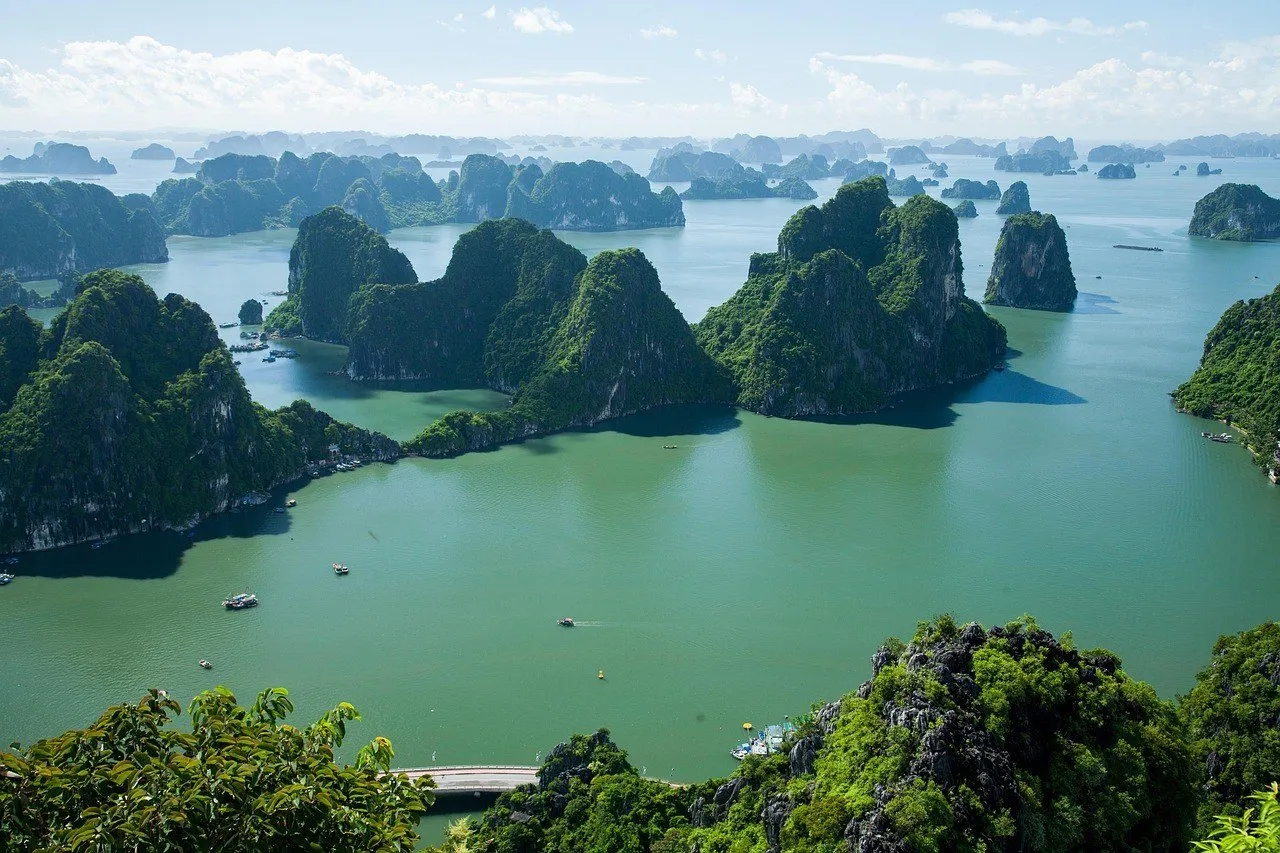
Vietnam
The boat rounds one limestone wall and another appears, draped in green. In Ha Long you try to put your phone away, but the next bend in the bay always makes a better case.
The bay's charm lies in its limestone islands, which seem to spring straight out of the water, with jagged cliffs and vegetation clinging to the slopes. To see them up close you have to get out on a boat, and choosing the boat also means choosing which stops you will make. Sung Sot, Ti Top and Luon fit into one specific day cruise, but they do not automatically appear in every listing that just says “Ha Long”.
On land, base yourself between Bãi Cháy, with its beach and cable car, and Hòn Gai, home to the museum and the market. This itinerary gives one day to the bay and two to the city, with car transfers when needed. The Thien Cung and Dau Go caves are alternatives from a different route; Cat Ba and Lan Ha call for their own planning, even when they share the same marketing.
Ti Top is named after cosmonaut Gherman Titov: space history turns up right where almost everyone arrives expecting a beach.
The dark facade of the Quang Ninh Museum was inspired by coal, which has a major place in the region's economic history.
Luon works as a water passage: you glide through the base of the rock into a lagoon ringed by cliffs.
UNESCO groups Ha Long Bay and the Cat Ba archipelago in a single designation; visiting one stretch is not the same as covering the whole area.
1Limestone chambers and lit formations inside Bo Hon Island: Sung Sot is one of the big stops for boats on the VHL2 route.
View details for Sung Sot Cave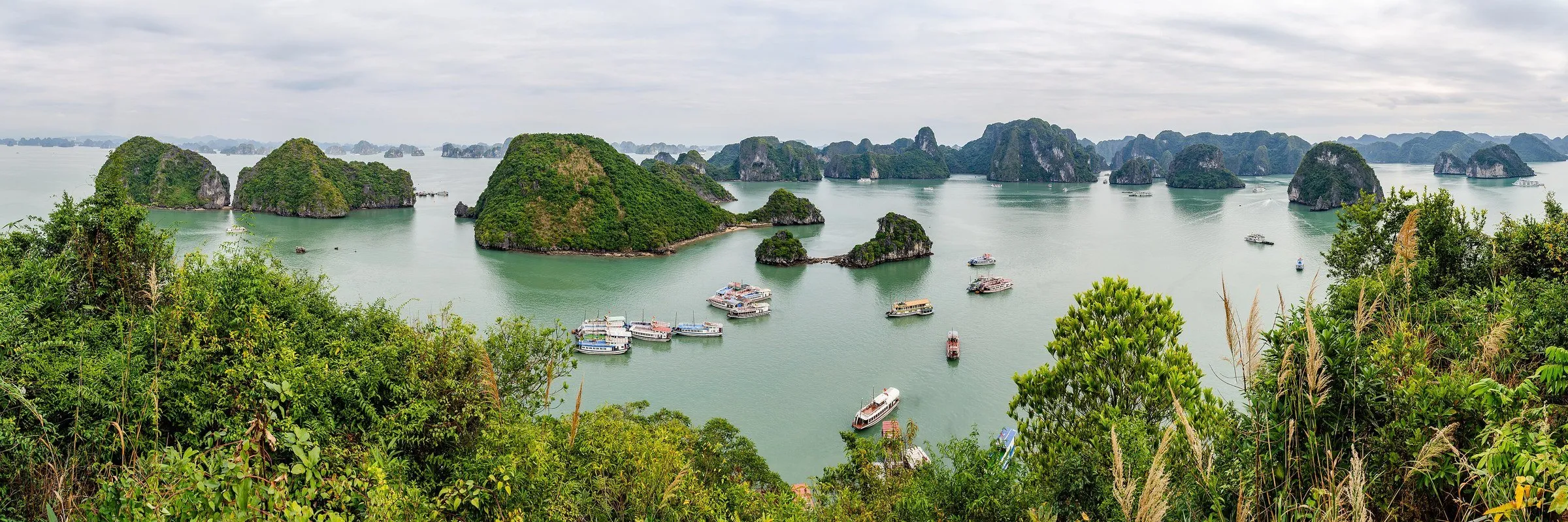 2
A strip of sand at the foot of the island and a viewpoint reached by a staircase: at Ti Top you choose between looking at the bay from above or staying by the water.
View details for Ti Top Island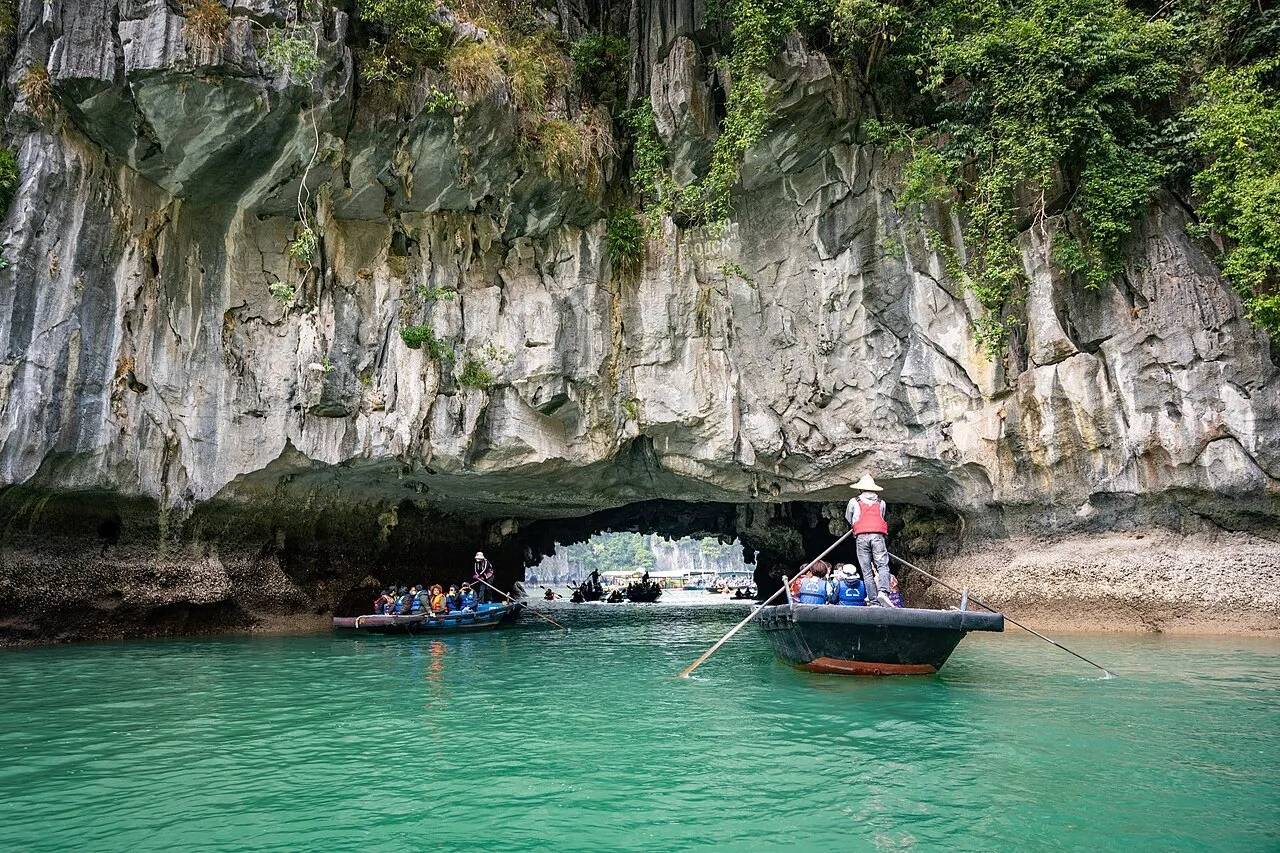 3
A low tunnel in the rock leads to a lagoon ringed by cliffs; the Luon crossing is done by kayak or in a small rowboat.
View details for Luon Cave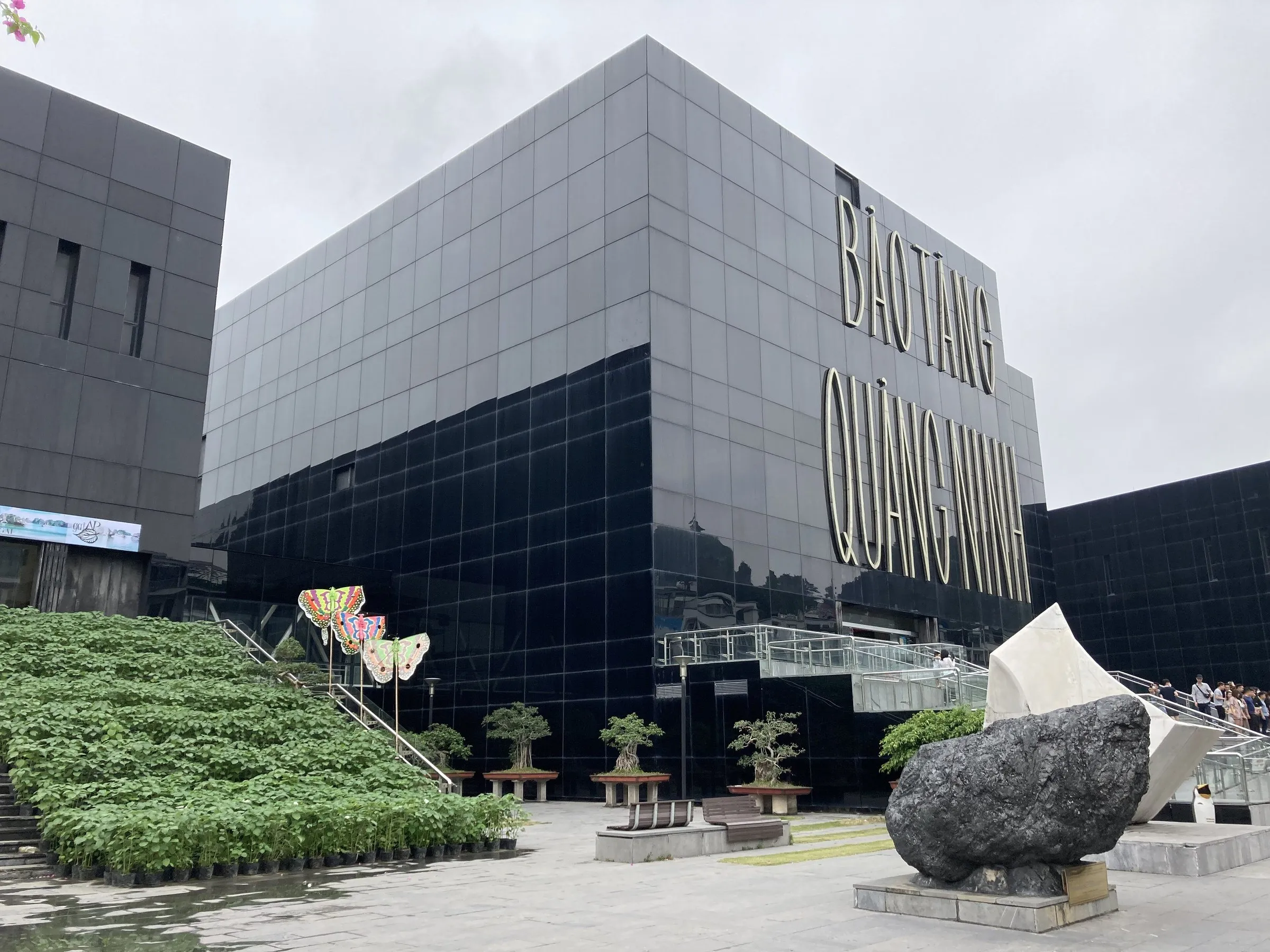 4
The dark building inspired by coal presents the nature, history and mining of Quang Ninh, with a view of the region that goes beyond the cruises.
View details for Quang Ninh Museum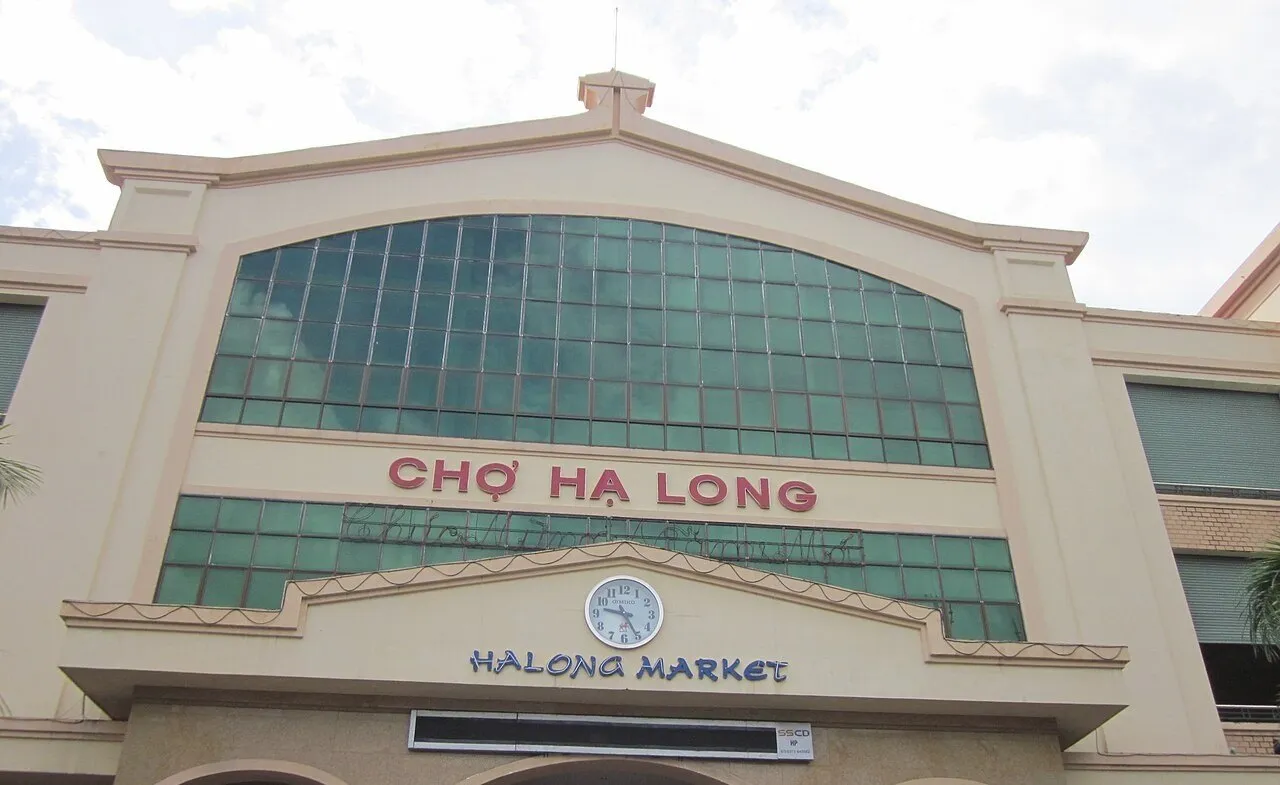 5
Food stalls and specialties of Hòn Gai, including chả mực: the squid cake that can turn a stroll through the market into lunch.
View details for Ha Long Market 1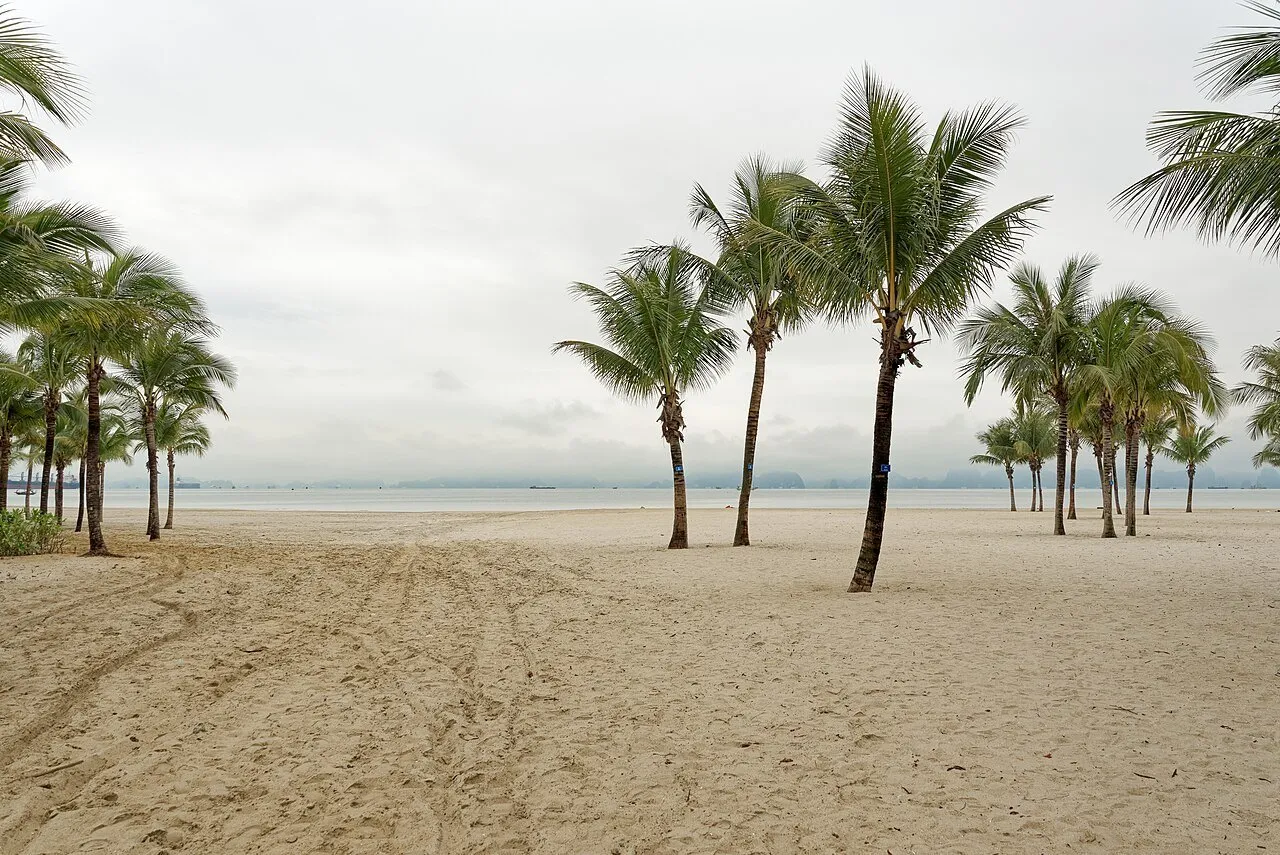 6
The sandy strip at Bãi Cháy lets you enjoy the waterfront without boarding a boat: an urban beach with hotels and services nearby for a gentler morning.
View details for Bai Chay Beach 7
The Queen cabin crosses Cua Luc to Ba Deo Hill, offering another view of the water, the Bai Chay Bridge and the buildings scattered along the shores.
View details for Queen Cable Car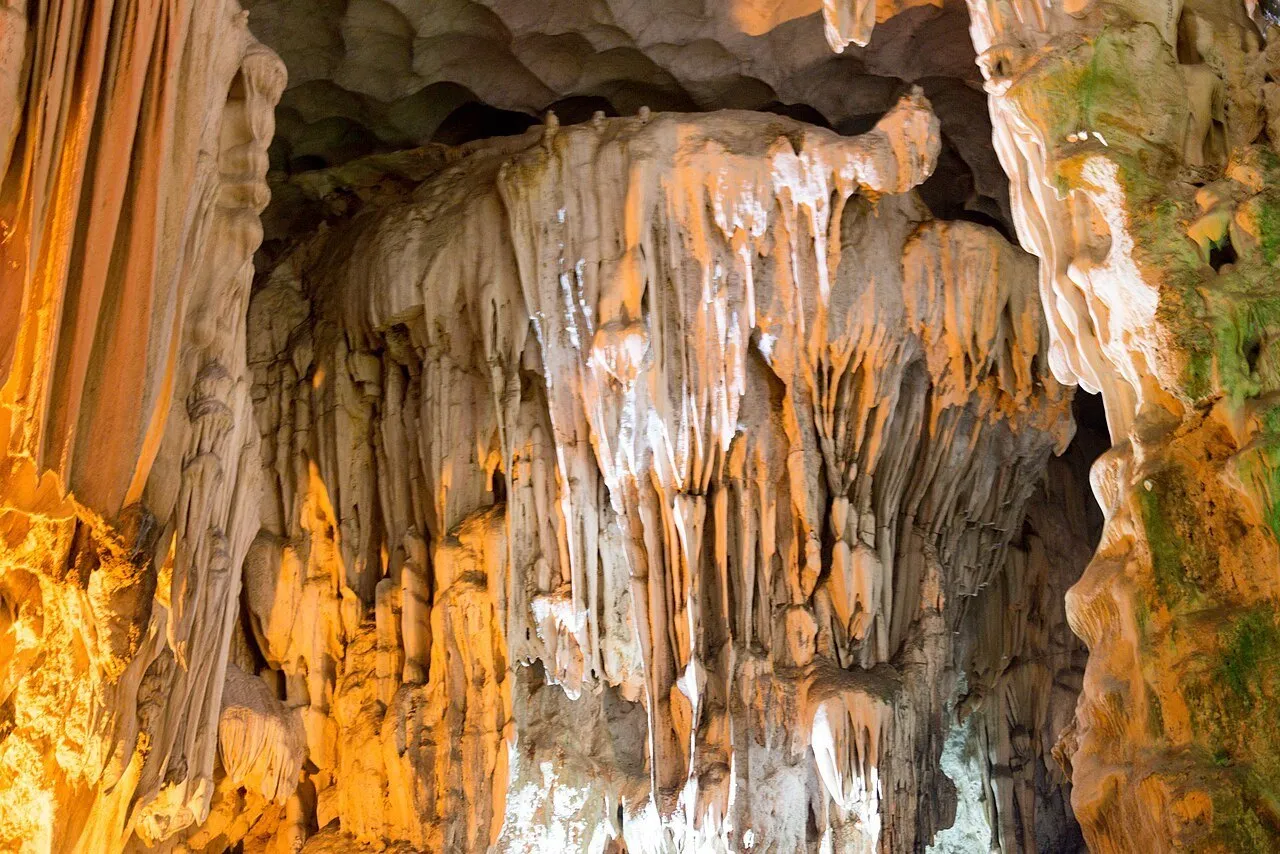 8
Pale formations and limestone chambers on Dau Go Island: Thien Cung is on the VHL1 route, an alternative to the trip to Sung Sot, Ti Top and Luon.
View details for Thien Cung Cave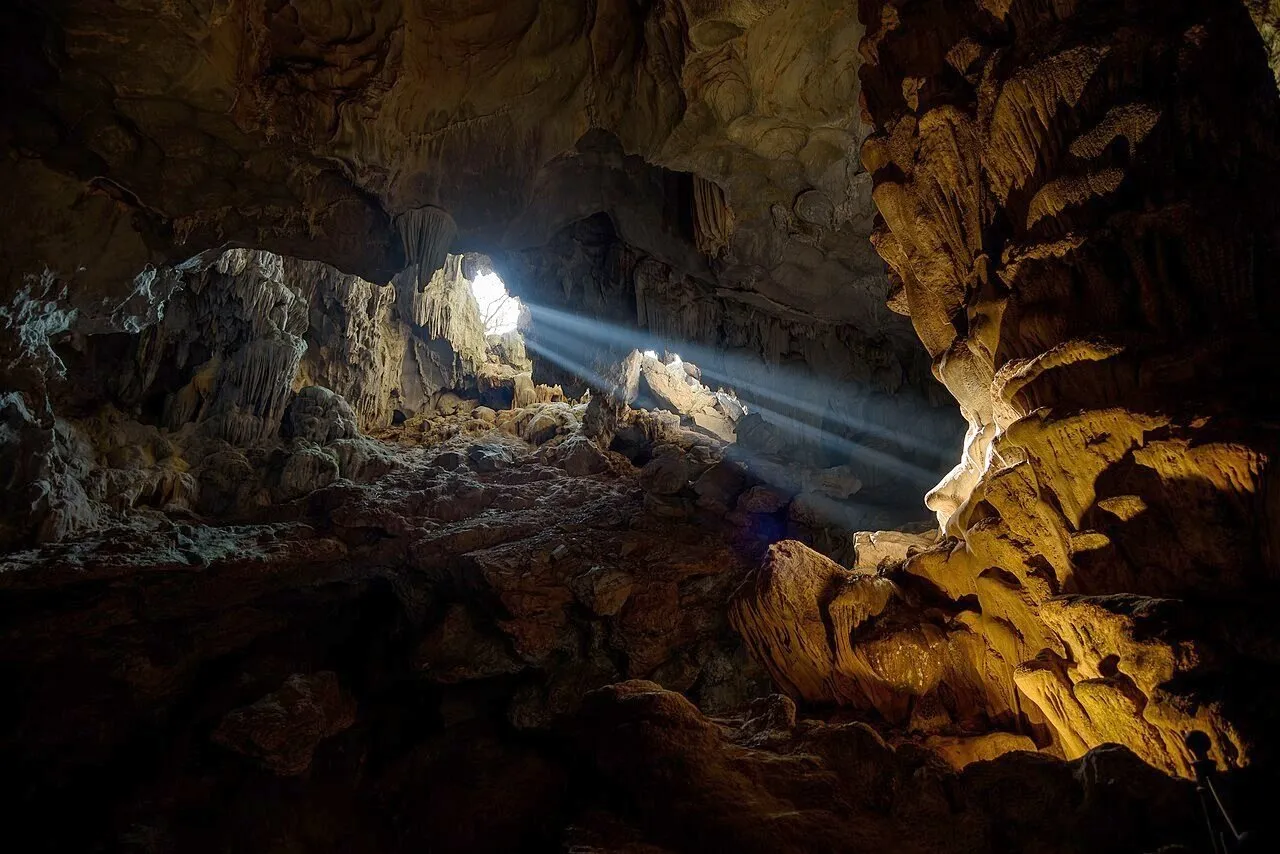 9
Near Thien Cung, Dau Go has a wide opening that lets natural light reach part of the formations; a second cave for anyone who chooses the VHL1.
View details for Dau Go Cave1The entrance means climbing the slope of Bo Hon Island; inside, you keep moving through chambers and limestone formations. Sung Sot delivers scale: tiny people on the path, a high ceiling and enough stalactites to drain your battery before lunch.
It belongs to the VHL2 route and should be listed in the boat's program. Allow about an hour for the stop, including the walk up, as a planning guide; your guide sets the time available. There are steps and damp stretches, so sturdy shoes help.
2On the sand, the boats fill the horizon; on the climb, they shrink among the islands. Ti Top packs a beach and a viewpoint into a small space. If the stop is short, pick one priority before you start up the stairs.
The island honors cosmonaut Gherman Titov, who visited it with Ho Chi Minh. It is part of the VHL2 route, but going ashore and swimming depend on the program and the conditions that day. Bring water for the climb and follow the instructions of the beach staff.
3Here you swap the deck for a smaller boat. The passage runs through the base of the rock into a lagoon surrounded by cliffs. Luon is all about the water: don't expect to step ashore and stroll through a chamber as at Sung Sot.
The activity appears in VHL2 route programs, by kayak or rowboat. Check whether it is included or paid separately. If you would rather take it all in without paddling, ask about the guided option; the tide and local operations decide how the crossing goes.
4The dark facade announces the subject right away: architect Salvador Pérez Arroyo drew inspiration from coal. Inside, the museum connects the marine environment, regional history and mining. You come to understand the land behind the landscape you saw from the boat.
Set aside time for the galleries, besides photographing the mirrored exterior. The section on the miners adds another layer to the trip. Afterward, enjoy the waterfront avenue to catch your breath before heading by car to the old quarters of Hòn Gai.
5On the map the name may appear as Chợ Hạ Long I: this is the market you want, in Hòn Gai. Among its specialties is chả mực, made with squid worked into a paste and then fried.
Go to watch the trade and to try a portion. Ask the price and the size of each piece before ordering; fresh goods, dried goods and ready-made food call for different choices. For lunch, look for a busy stall and ask them to explain the side dishes available.
6Bai Chay is the urban beach, with a strip of sand and services close by. You arrive by land, stroll along the waterfront and can pause the plan to eat, before the cable car in the afternoon.
Expect services and buildings all around. A walk is worth it on its own when the weather doesn't invite a swim; if you want to get in the water, check the conditions and the open areas. Don't use the color of a photo to predict the color of the sea.
7The cabin leaves the Ocean station in Bãi Cháy, crosses Cua Luc and arrives at the Sun station on Ba Deo Hill. Your eyes follow the bridge, the built-up shores and the pattern of the water.
Allow time to wander around the hill and make the return trip. Check which attractions are covered by the ticket and whether they are running. Afternoon suits planning better, since weekday opening may only happen after lunch.
8The name evokes a heavenly palace, an association that makes sense given the pale formations. Thien Cung is on Dau Go Island and offers a walk among limestone shapes, columns and smaller details.
It is on the VHL1 route, different from the one chosen for the first day of this guide. Use that circuit as a substitute or add another boat day. A cave on the map is no guarantee of a stop: confirm the list of landings before you book.
9The wide opening lets light reach part of Dau Go, highlighting the formations and the greenery near the entrance. Farther in, the columns change how the space reads; take in that transition away from your screen.
Dau Go is near Thien Cung, on the same island, and belongs to the VHL1. The two can be part of a booked program that includes both. They are alternatives outside the three main days, which avoids promising a boat that stops at every cave.
Tuần Châu and the Ha Long International Port are different boarding points; check the name, terminal and time in your booking before arranging transport.
Ask in writing for the stops, fees, meals, transfer and the Luon activity; a bay cruise listing can sell very different programs.
Storms can cancel departures, and winter can bring cold and mist; stay flexible and bring an extra layer for the deck.
Bãi Cháy suits the beach and the Queen; Hòn Gai puts the museum and market closer, and Tuần Châu can make some departures easier, depending on the boat you choose.
Bring dong for small purchases and check the unit being charged for food; count the zeros calmly before paying for a squid cake or settling on a portion of seafood.
Wear shoes with good grip in the caves, respect the swimming limits and the crew's instructions; take your trash back with you and avoid touching the limestone formations.
Start with the squid: chả mực has a firm texture and a fried surface, and works as a quick taste or alongside rice. Order a small portion first; for packaged purchases, check storage and transport.
A squid cake made from a worked paste and fried until golden, a specialty associated with Ha Long.
Dried squid, found among the region's specialties; ask how it will be prepared before ordering it to eat on the spot.
Crab served steamed or in a tamarind sauce, among other preparations; agree on size, quantity and price before ordering.