 1
History and art
Museum of Cham Sculpture
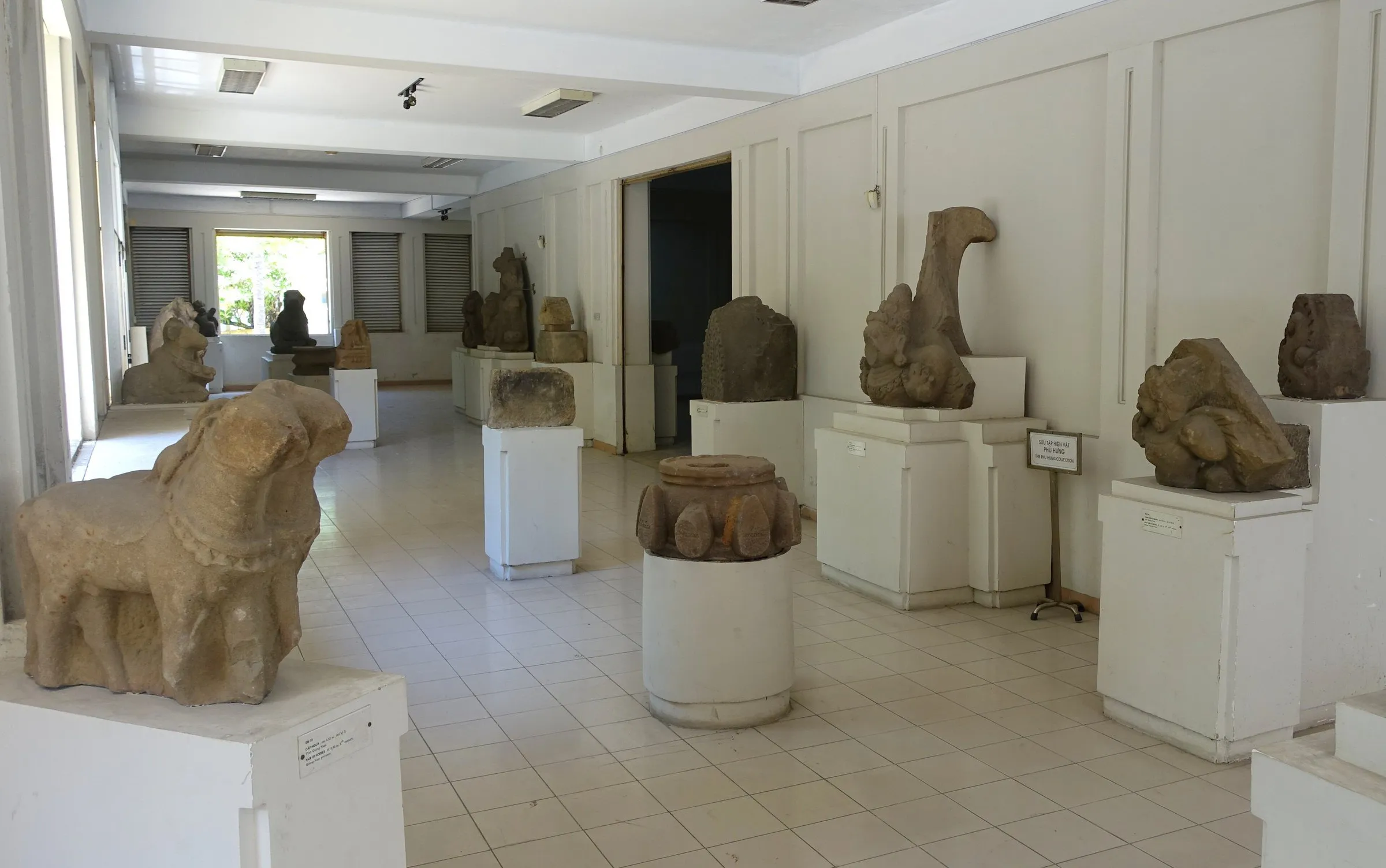
Stone sculptures from ancient Champa sanctuaries fill the rooms beside the Han River, with pieces from My Son, Tra Kieu and other sites in the region.
View details for Museum of Cham Sculpture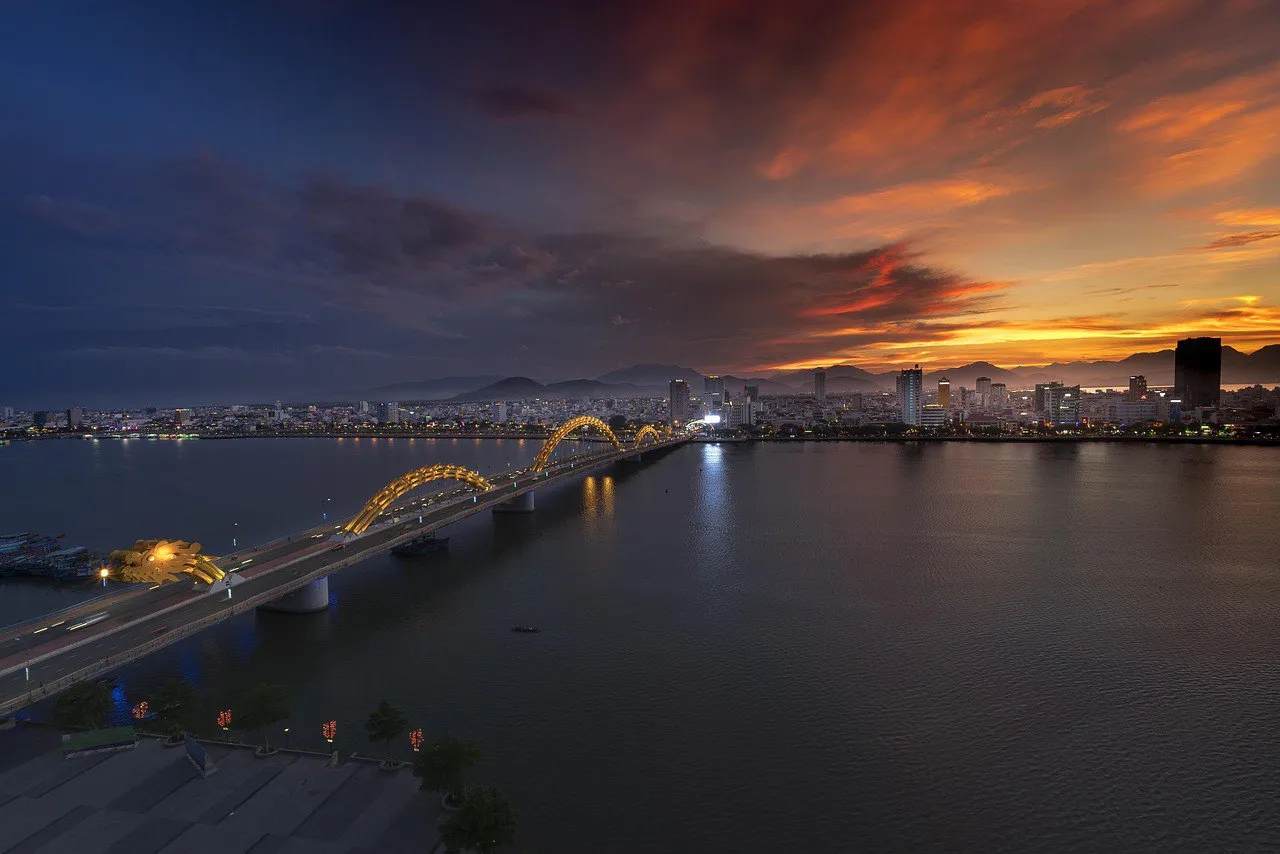
Vietnam
You leave the sand of My Khe, cross the Han River and find a yellow dragon doing duty as a bridge. In Da Nang, even the walk back from the beach calls for a stop to look around.
The dragon bridge looms over the Han River while, on the other side of the city, the sand of My Khe fills with walkers and swimmers. Da Nang has this way of spreading your day between water and mountains: you pass a museum of Cham sculpture, order a bowl of mì Quảng and still manage to look out over the coast from a pagoda. The hard part is persuading your schedule to leave one afternoon free.
To plan the trip, split the sights between the downtown on the Han riverbank and the attractions along the coast. The museum, the market and the bridge fit into one day, with a coffee break in the middle. On the other, combine the Marble Mountains, My Khe Beach and Linh Ung Pagoda, and organize transport between stops. The suggested times in this guide are planning margins: extend the trip if you want more time on the sand, without bargaining over every swim with the clock.
The Dragon Bridge often hosts fire and water shows: the structure that helps you cross the Han also joins the evening program.
The Marble Mountains are named after the elements metal, wood, water, fire and earth; the most common visit focuses on Thuy Son, the water mountain.
The sculptures in the Cham Museum come from different ancient sanctuaries, such as My Son, Tra Kieu and Dong Duong; walking through the rooms is a way to compare those places through the work in stone.
1Stone sculptures from ancient Champa sanctuaries fill the rooms beside the Han River, with pieces from My Son, Tra Kieu and other sites in the region.
View details for Museum of Cham Sculpture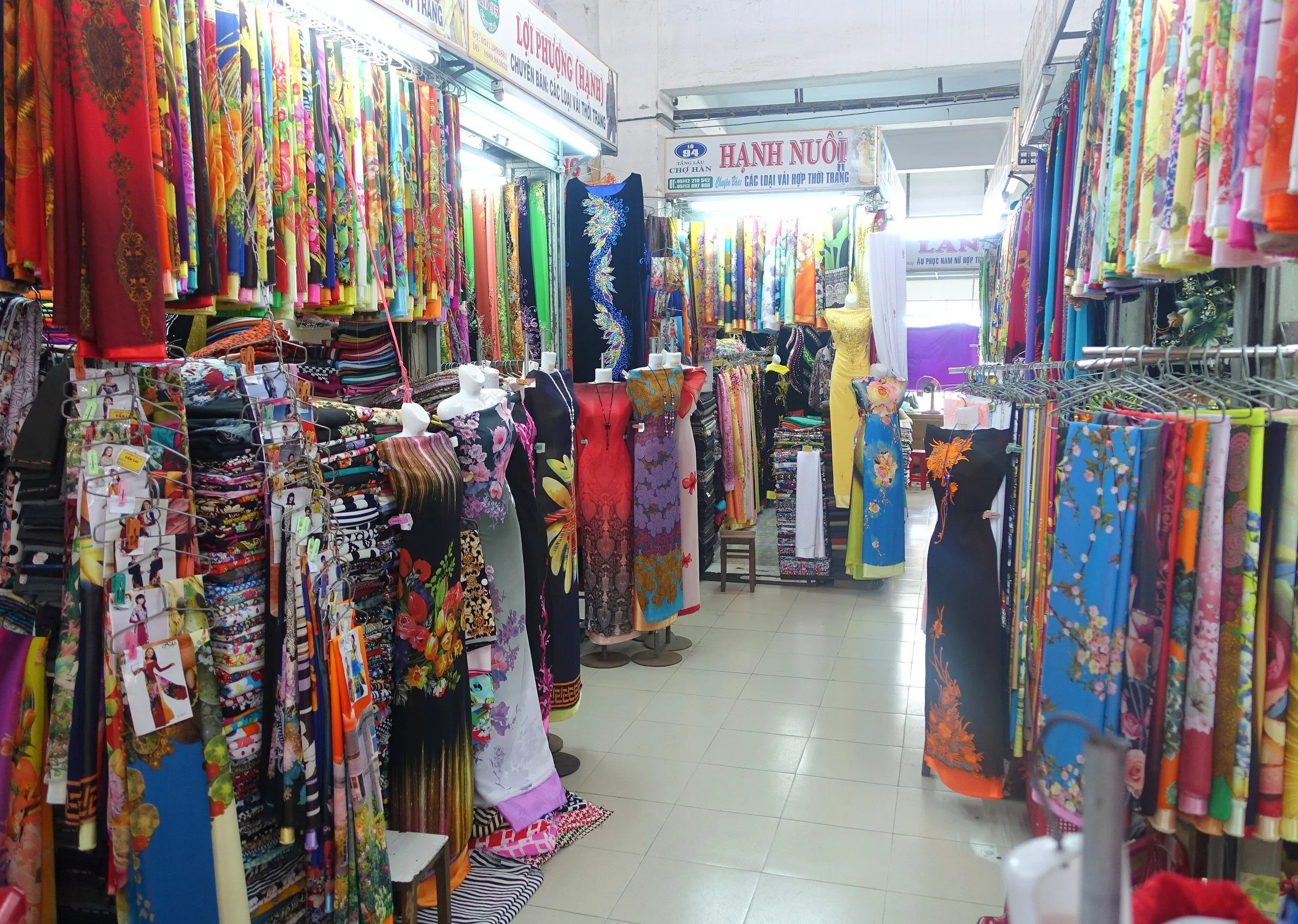 2
Fruit, dried foods, fish sauce, clothes and fabrics share space at Han Market, a good stop for comparing souvenirs and discovering local products.
View details for Han Market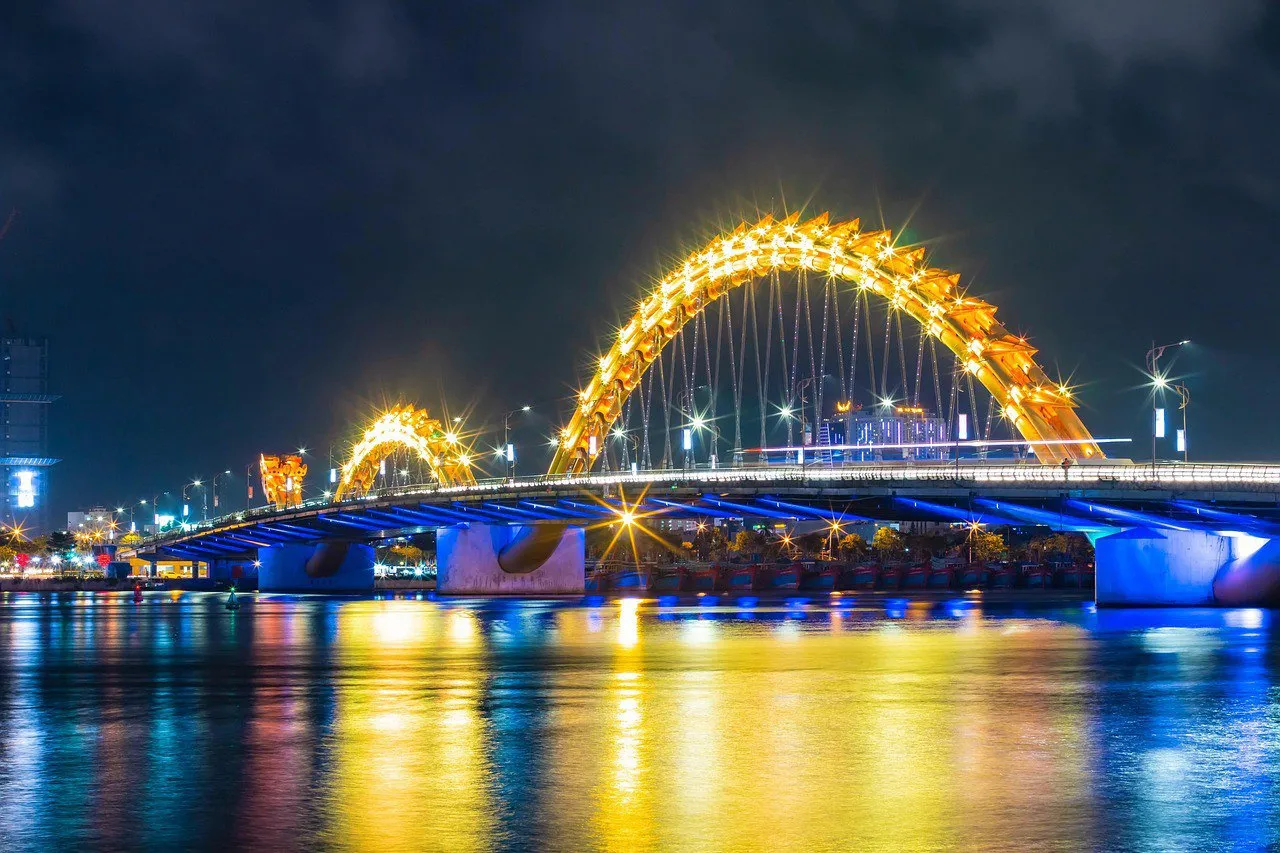 3
A yellow dragon follows the crossing over the Han River and lights up at night; fire and water shows tend to draw crowds to the banks.
View details for Dragon Bridge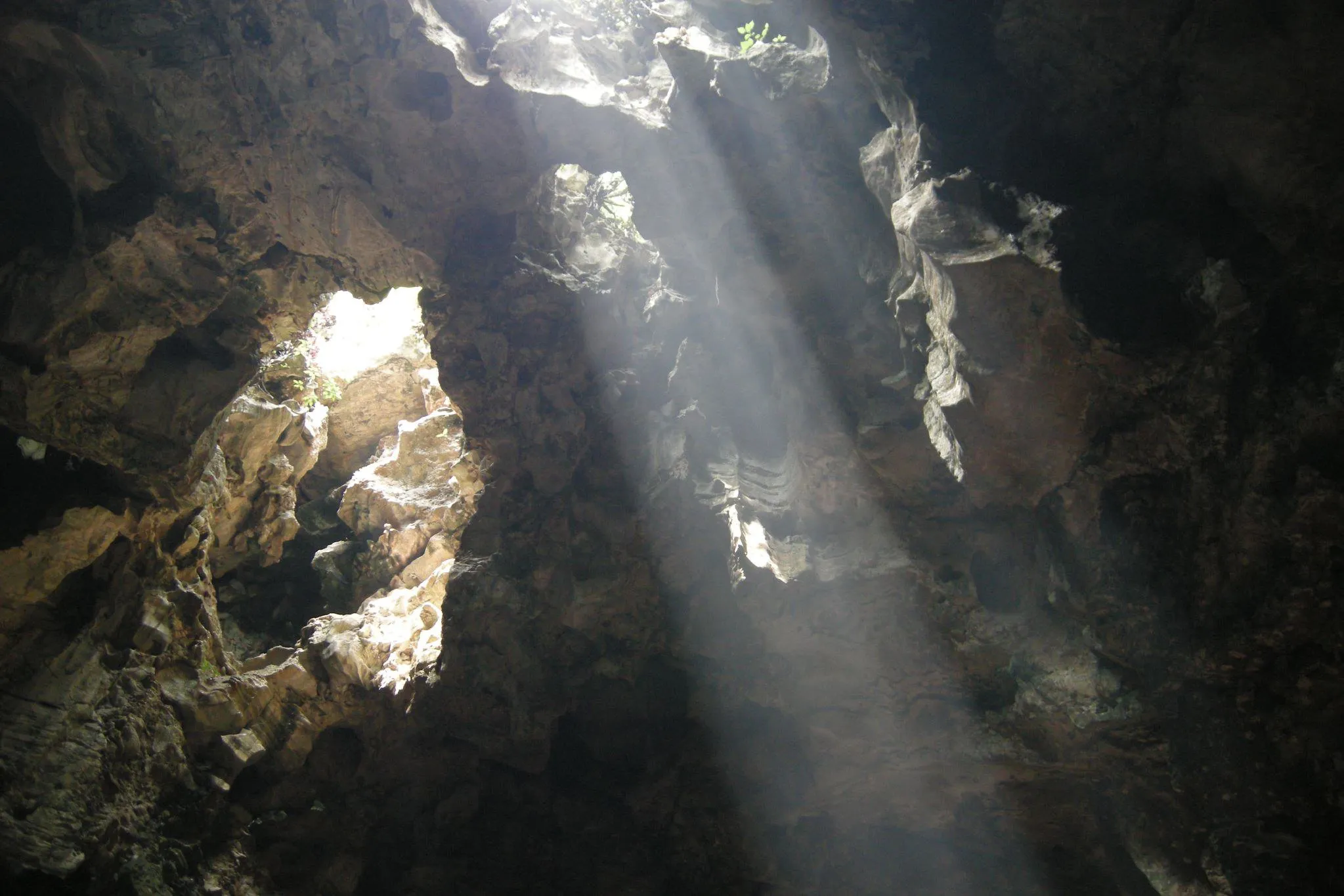 4
Stone stairways lead to caves, altars and pagodas on Thuy Son; in Huyen Khong cave, openings in the ceiling let light into the place of worship.
View details for Marble Mountains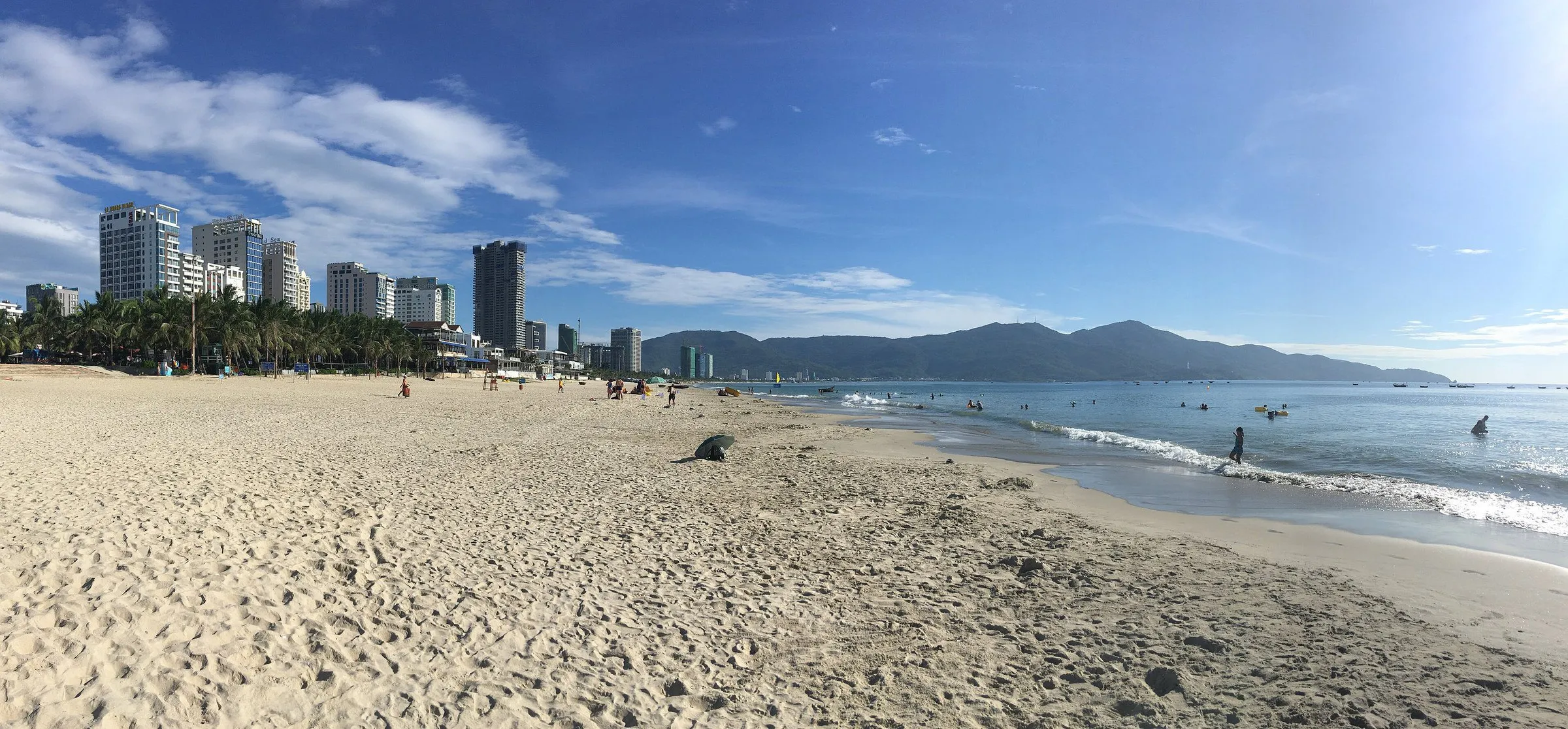 5
The strip of sand at My Khe welcomes walkers, sports and swimmers, with the Son Tra peninsula marking the landscape to the north of the shore.
View details for My Khe Beach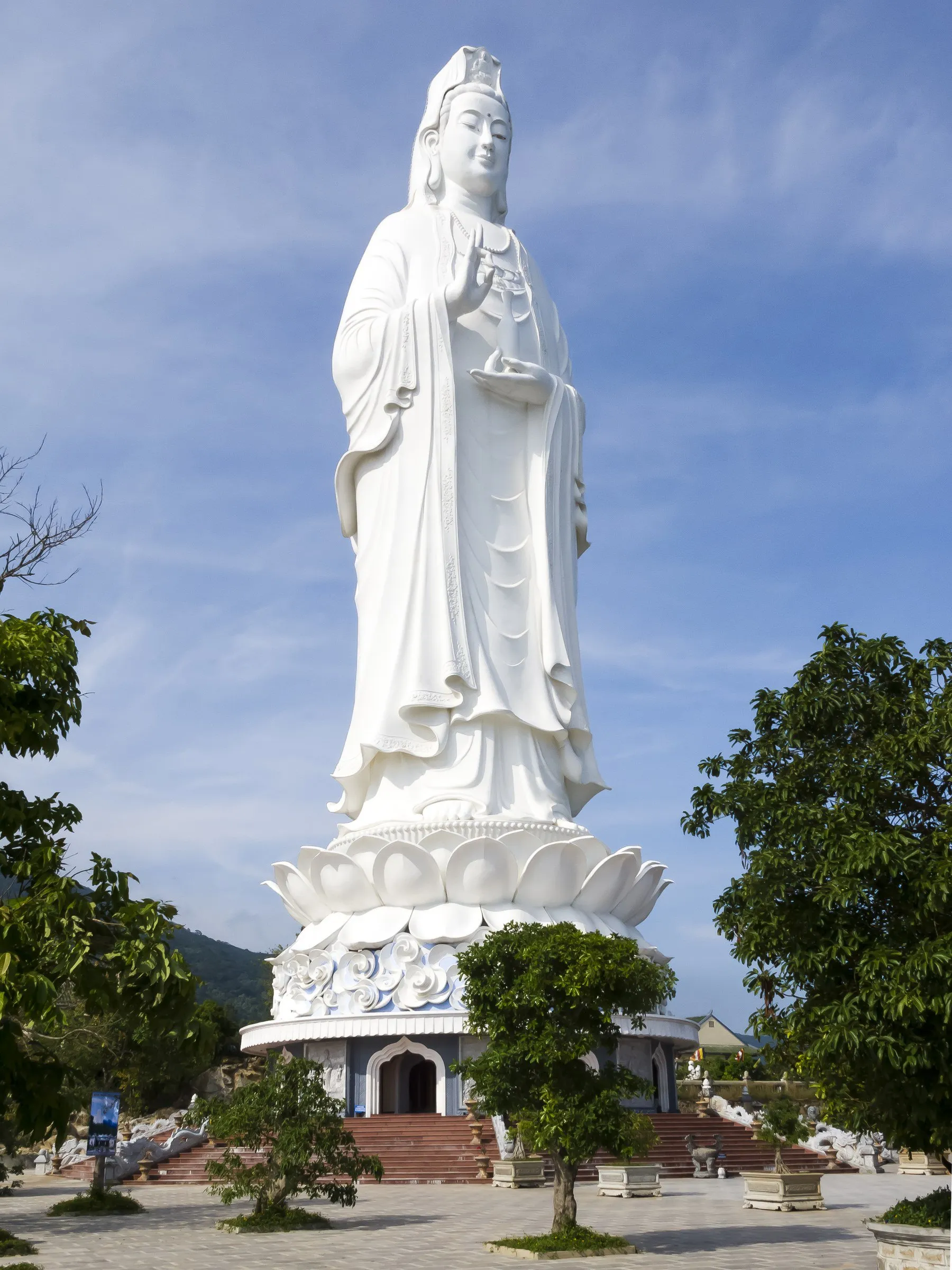 6
A large white statue of Avalokiteshvara, known as Lady Buddha, looks out to sea at the Linh Ung complex, with courtyards and coastal views.
View details for Linh Ung Pagoda, Son Tra1Before you start competing for phone space with the bridges, take a look at the Cham sculptures. The museum gathers pieces from ancient Champa sanctuaries, including My Son, Tra Kieu, Dong Duong and Thap Mam. The stone holds figures and details that call for a closer look: it is worth stopping in front of one piece and studying the carving, instead of trying to cover every room.
Its spot on the west bank of the Han makes it easy to fit into a downtown day. Start here and continue toward the Tran Phu area, without leaving the visit for the last few minutes.
2Somewhere between a fabric stall and a dried-food stall, your souvenir list starts to change. Han Market gathers clothes, shoes, fruit and specialties such as fish sauce and dried squid. The appeal is in the mix: you can arrive looking for a T-shirt and leave trying to work out how to fit a pack of rice crackers into your suitcase.
Walk around before buying and confirm the product, quantity and price. For edible gifts, choose labeled packaging. The spot near the river lets you include the visit without giving up a whole day to shopping.
3A long-bodied dragon spans the Han and, while at it, carries the traffic along. By day, the yellow stands out against the structure; at night, the lighting changes how you see the bridge. It is worth viewing it from the bank, far enough back to follow the curves of its body, before going off in search of a detail of the head.
The fire and water shows depend on the schedule and local conditions. Fit the bridge in at the end of your downtown walk and choose a permitted spot on the bank to watch.
4In Huyen Khong cave, light enters through openings high above and meets altars carved in stone. This mix of cave and religious space sets the tone for the Marble Mountains. Focus your visit on Thuy Son: between stairways, paths and pagodas, the walk calls for more attention to your feet than the relaxed faces in the photos suggest.
Go early in the morning and bring water. The elevator covers part of the route but does not eliminate every step. Take your time with the caves and courtyards, respecting the places of worship.
5Early in the morning, My Khe already has people walking and wading into the sea. You can join in or simply watch the movement from your seat on the sand, a respectable choice after climbing stairs in the Marble Mountains. The shoreline gives a good sense of the city's geography: a long beach ahead, hotels behind and Son Tra closing off the view to the north.
Set aside time to stay. The start or end of the day is best for a walk; for swimming, current conditions rule the plan. Follow the signs and the lifeguards' instructions.
6The white statue you spot from the beach stands here, facing the sea. Known to visitors as Lady Buddha, it represents Avalokiteshvara, a Buddhist figure associated with compassion. Up close, the scale of the statue shares your attention with the courtyard, the sculptures and the view of the Da Nang coast.
Ask the driver for Linh Ung in Son Tra to make sure you reach the right pagoda. The visit pays off as much for the statue as for the courtyards facing the sea; set aside time to take in the coast and follow the guidance at each religious space.
The Han area suits a museum and market day; the My Khe area suits trips to the sand. Choose your lodging based on your main plan and count on transport for the other blocks.
Taxis and ride-hailing apps serve the city; for the Marble Mountains and Linh Ung Pagoda, arrange your ride back and confirm the meeting point before setting out, instead of counting on finding a car right where your visit ends.
March to May is usually a good window for combining beach and sightseeing. In rainy periods and storm alerts, check local conditions before heading to My Khe or climbing the Marble Mountains stairways, and keep the order of your days flexible.
At Linh Ung and the Marble Mountains pagodas, dress respectfully, follow the guidance on shoes and photography, and keep clear of areas where people are praying.
At Han Market, confirm whether the price is for the item, the pack or the weight shown; for seafood meals, ask the price and how it is charged before cooking.
In Da Nang, a bowl of mì Quảng is a good place to start: rice noodles, herbs, peanuts and pieces of bánh tráng make a meal with different textures in every bite. Alternate with fish soup or bánh xèo, and save the seafood for a meal near the coast. You can spend the day swapping beach for table without repeating a dish; just ask about sauces and ingredients before choosing, especially if you have dietary restrictions.
Rice noodles with just a little broth, herbs, peanuts and crunchy bánh tráng; the toppings vary, with pork, chicken or shrimp versions.
Rice noodle soup with fish cakes; in the Da Nang version, the broth may include tomato, pineapple and pumpkin.
Yellow, crispy pancake with fillings such as pork and shrimp, which you pair with leaves, herbs and sauce.
Slices of pork to wrap in rice paper with herbs, served with mắm nêm, a fermented fish sauce with a bold flavor.