 1
Museums
National Museum
The National Museum's galleries present the Arabian Peninsula through archaeology, trade routes and the formation of the Saudi state.
View details for National Museum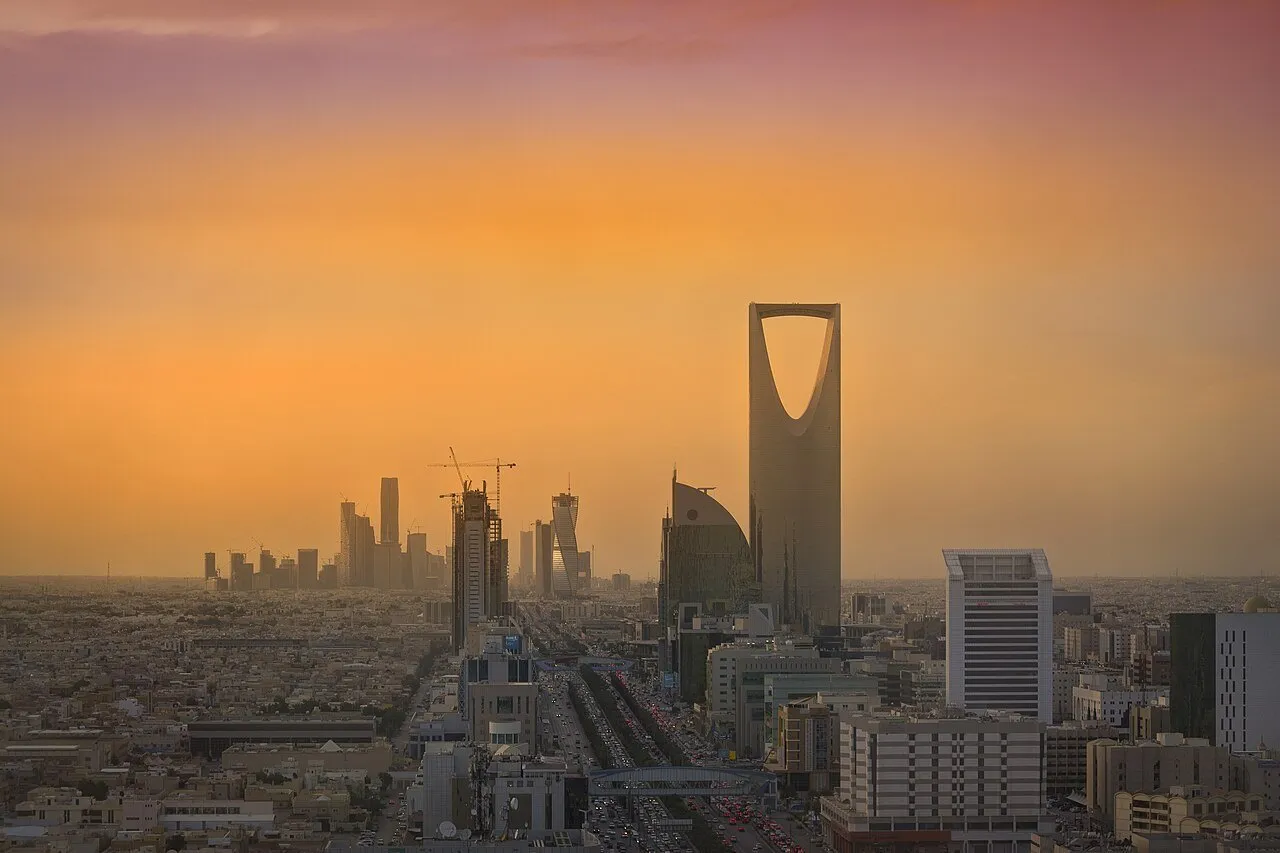
Saudi Arabia
The scent of incense drifts past the rugs of Souq Al Zal; farther on, Kingdom Centre cuts into the sky. In Riyadh, you plan each day by district and save the long walks for when the sun gets low.
At Souq Al Zal, a single rug can hold your attention; from the top of Kingdom Centre, the avenues seem to unroll all the way to the horizon. Riyadh asks for that shift in scale. You stroll between earthen walls in the old center, take the metro or call a car, and surface in front of the glass facades of the financial district. The trip between these settings is part of the day too.
Plan your visit in three blocks: museums and markets in the center, modern architecture, and a long afternoon in Diriyah. Between one district and the next, allow time for getting around and for breaks indoors. Winter makes outdoor plans easier; in the strong heat, an empty schedule at midday can be an excellent decision. The Edge of the World calls for an extra day or for replacing a whole day's circuit, with transport and access confirmed.
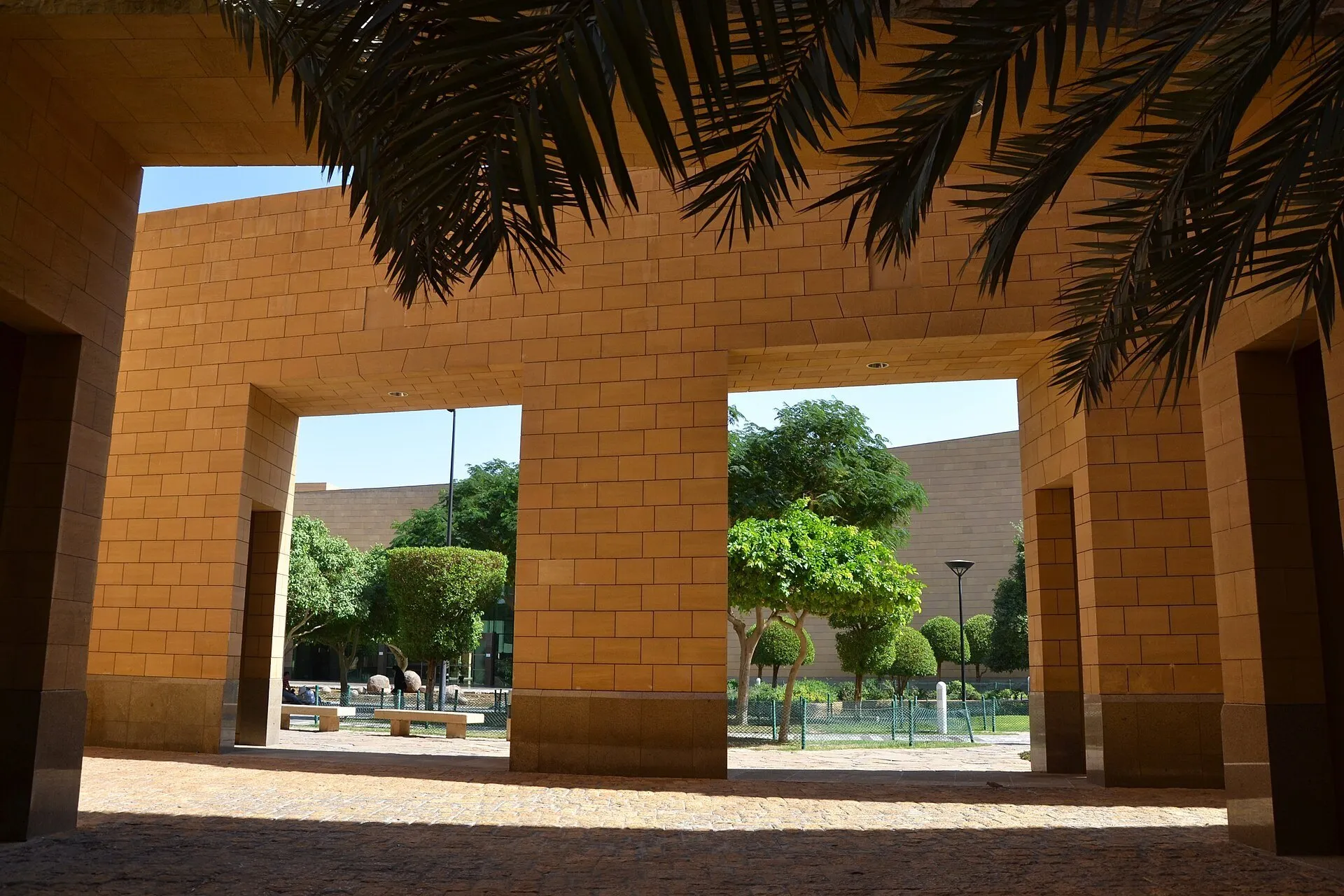
The mud brick of At-Turaif is not just a color choice: building with earth is part of how Najdi architecture answered the climate of the peninsula's interior.
The void at the top of Kingdom Centre has a walkway crossing the opening: the Sky Bridge turns a detail of the skyline into an outing.
At KAFD, the visit also takes in the space between the buildings: walkways and public areas let you see the architecture without going into the offices.
1The National Museum's galleries present the Arabian Peninsula through archaeology, trade routes and the formation of the Saudi state.
View details for National Museum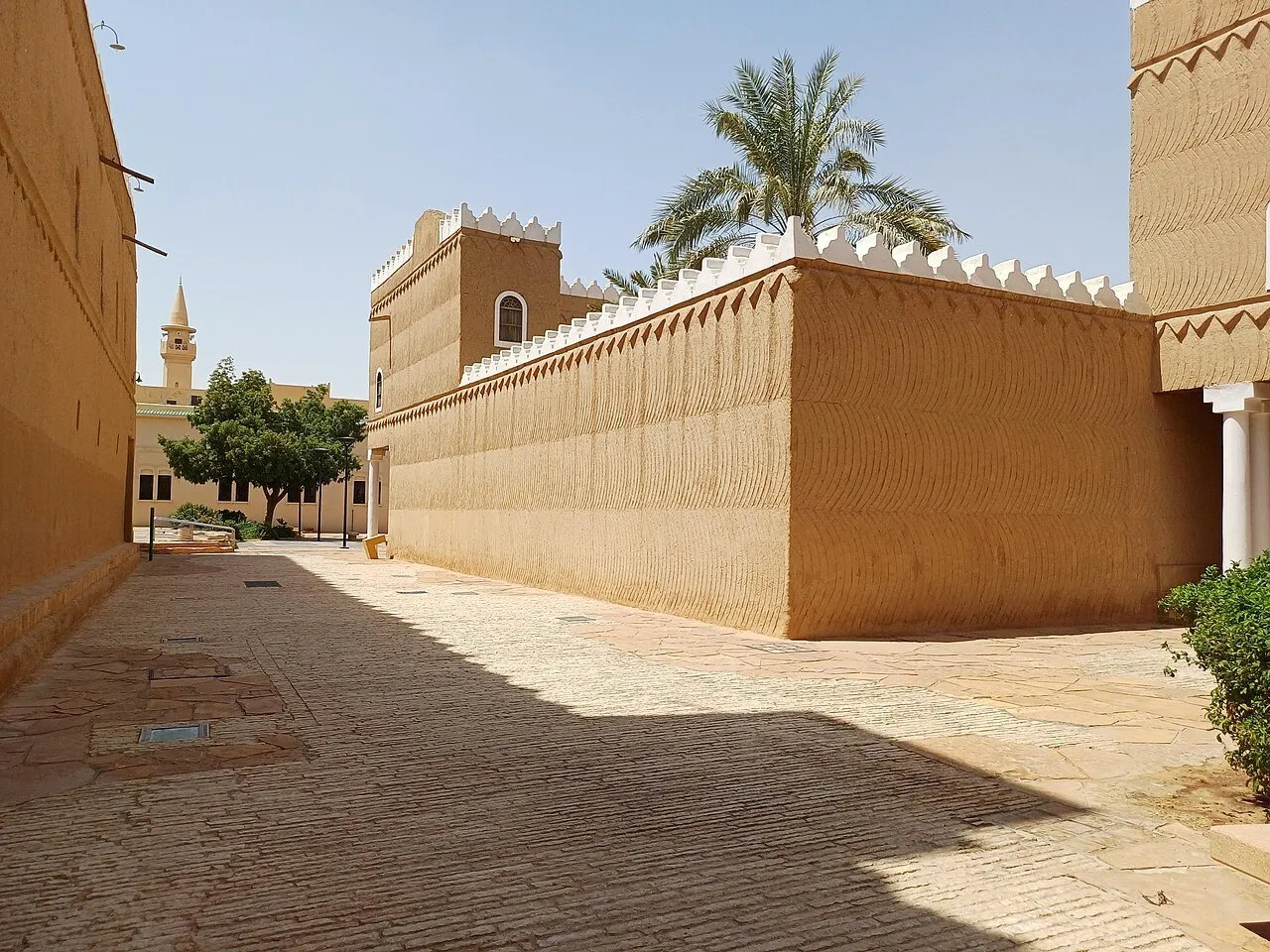 2
Courtyards, mud-brick walls and geometric details show Najdi architecture in King Abdulaziz's former residence and workplace.
View details for Murabba Palace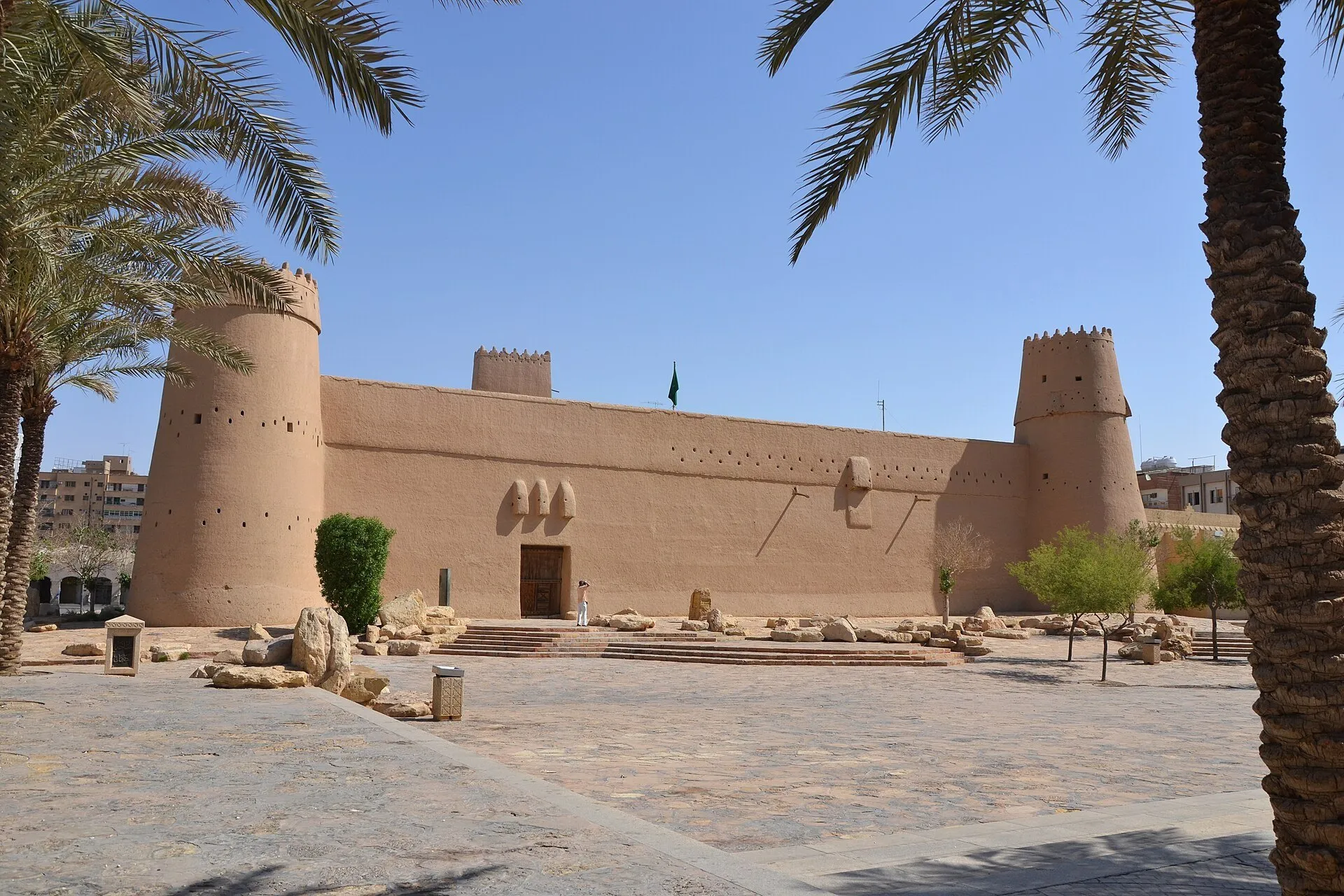 3
The mud-brick fort in Al Dirah houses a museum on the recapture of Riyadh and the country's path to unification, among towers and courtyards.
View details for Al Masmak Fort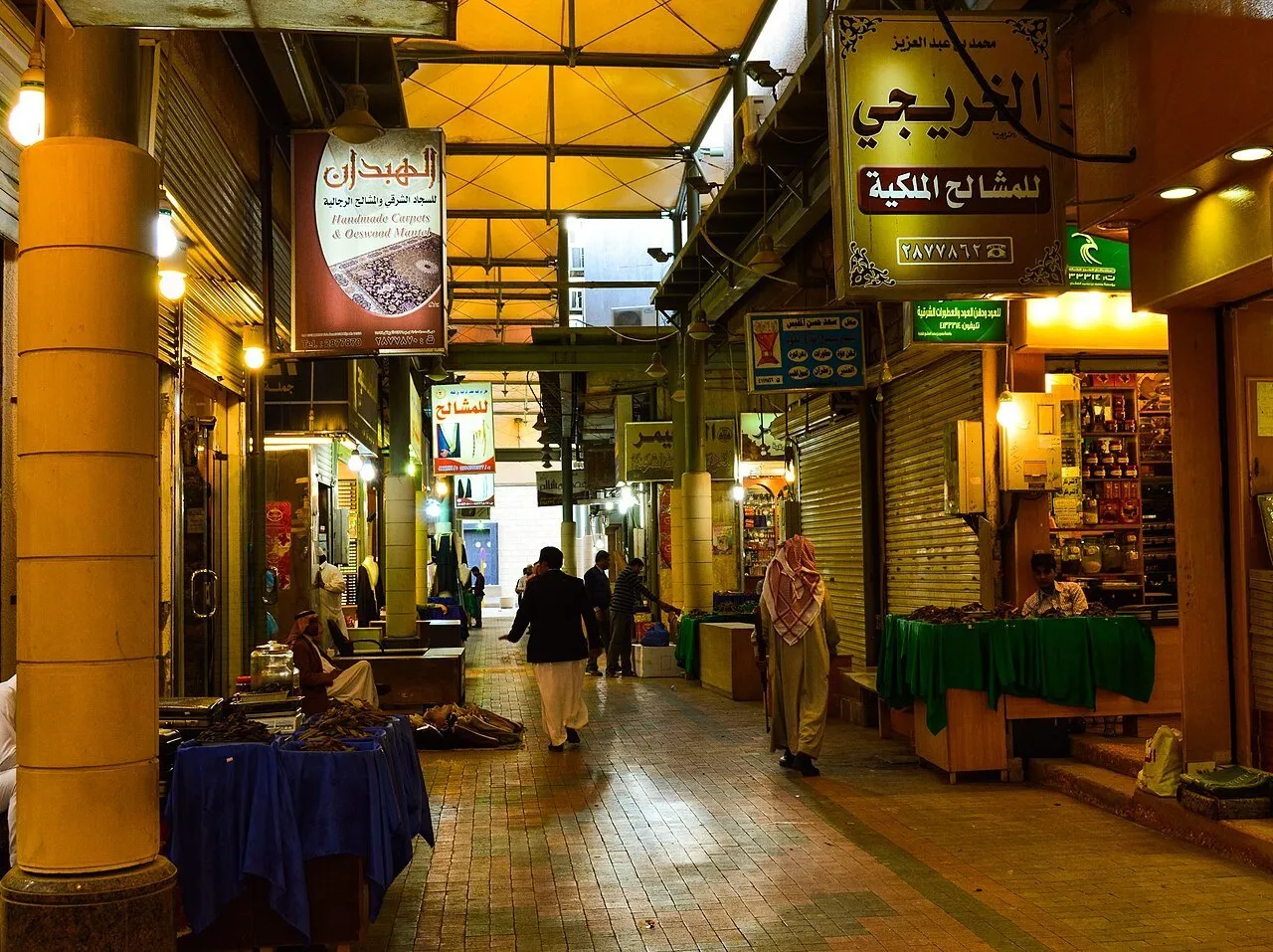 4
Rugs, incense, perfumes and antiques share the shops of this traditional market in the old center, a good place to explore with no obligation to buy.
View details for Souq Al Zal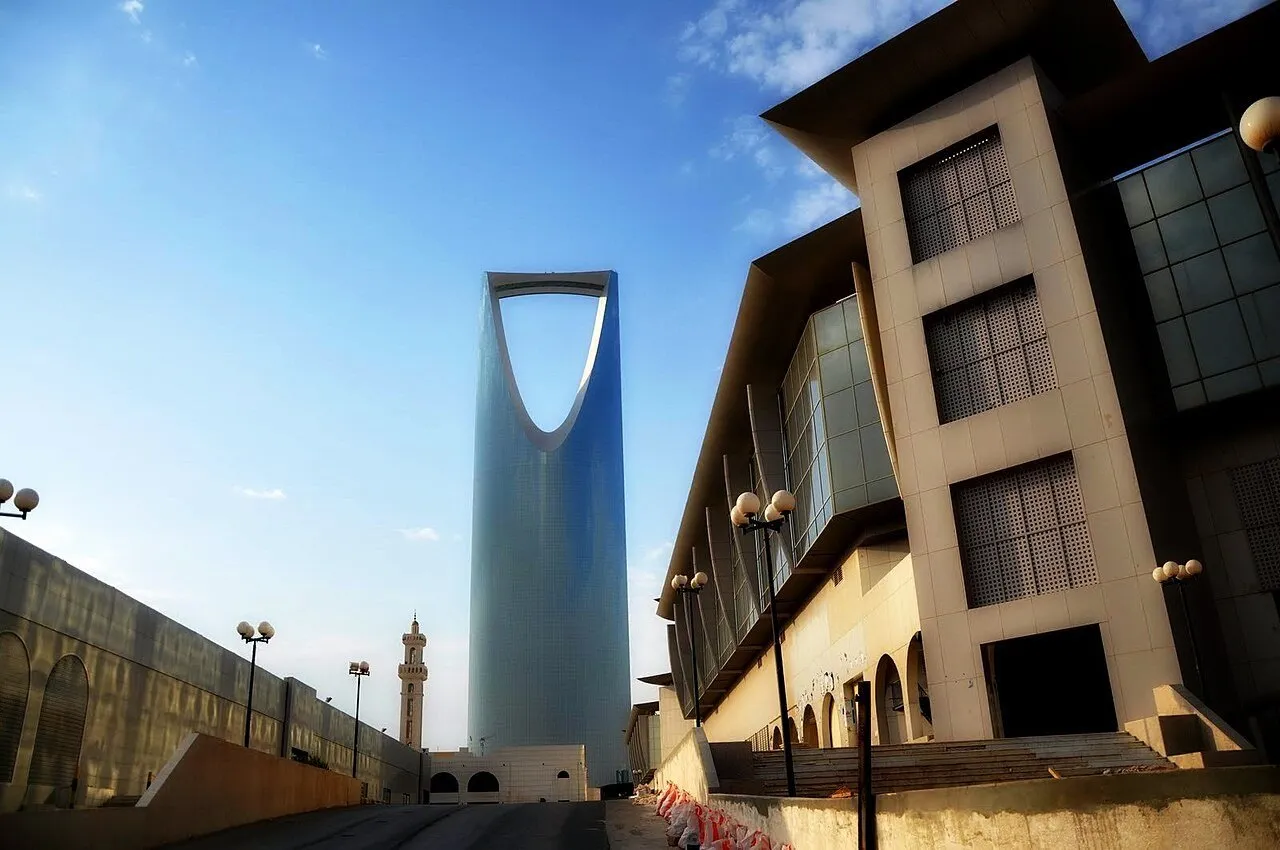 5
The opening at the top of Kingdom Centre holds the Sky Bridge, a panoramic walkway from which the avenues help you grasp the scale of Riyadh.
View details for Kingdom Centre and Sky Bridge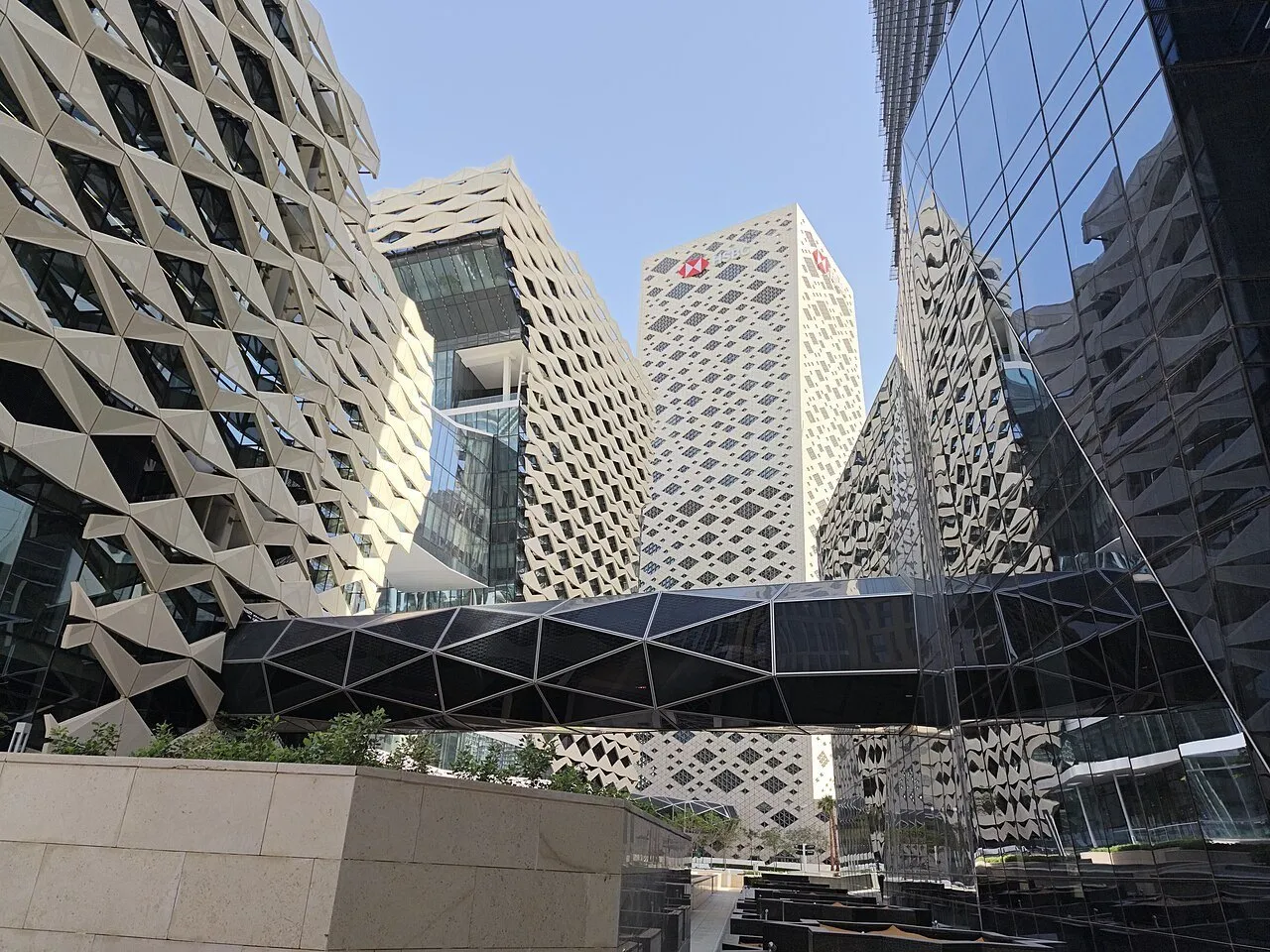 6
Angular towers, walkways and the sunken Wadi path form a district of contemporary architecture with cafés and restaurants.
View details for King Abdullah Financial District (KAFD)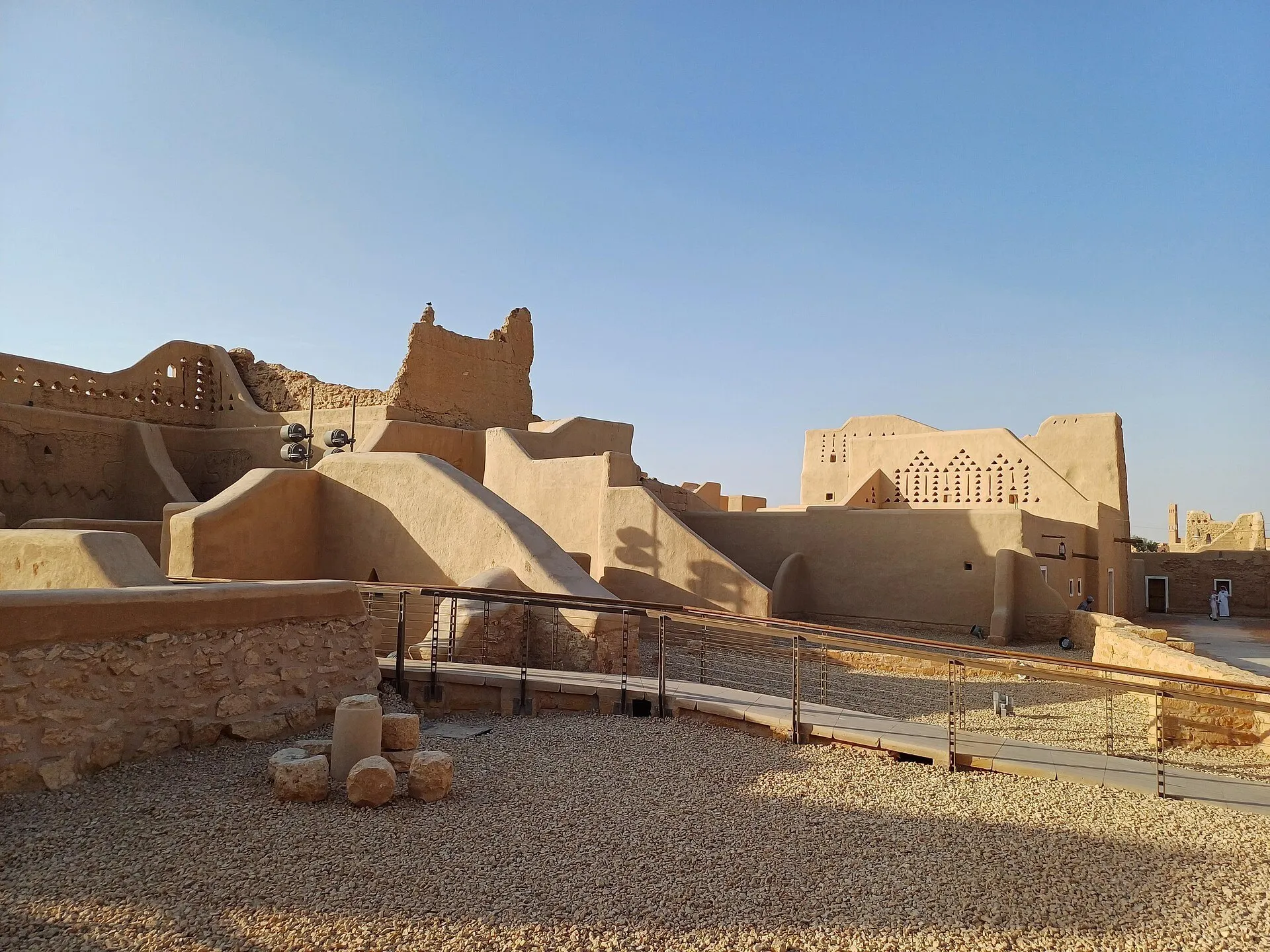 7
Earthen palaces and restored paths make up Diriyah's historic core, recognized by UNESCO and tied to the first Saudi state.
View details for At-Turaif, in Diriyah 8
Restaurants and cafés facing At-Turaif extend the visit to Diriyah, with Najdi-inspired architecture and tables in high demand.
View details for Bujairi Terrace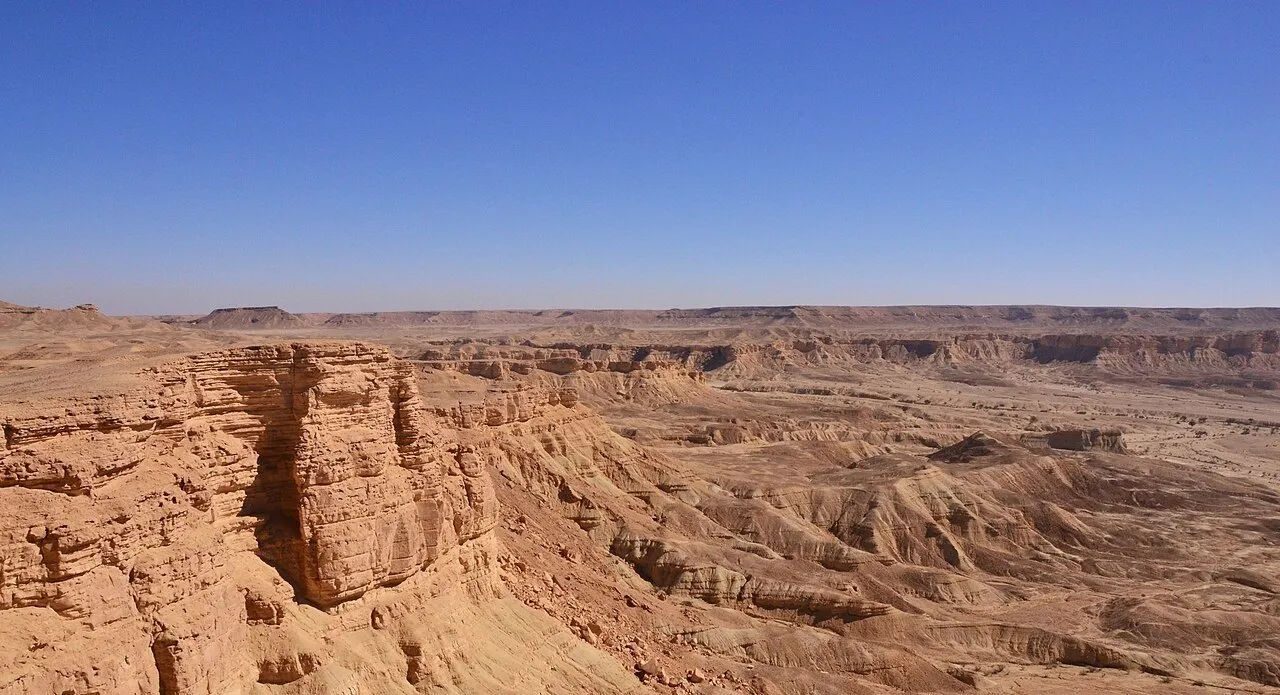 9
The rocky walls of Tuwaiq open onto a vast plain; the trip requires desert logistics, a guide and confirmed access conditions.
View details for Edge of the World1Before the skyscrapers, start with the inscriptions, ceramics and maps. The National Museum offers an introduction to the Arabian Peninsula that covers archaeology, the old trade and pilgrimage routes, and the formation of the Saudi state. It is a good way to arrive in Diriyah with better questions than just where to take the photo.
Take your time in the rooms and read the context of the pieces. The building is part of the King Abdulaziz Historical Center, near Murabba; combining the two avoids repeated trips.
2Earthen walls, a pale finish and rooms facing the courtyard change the rhythm after the museum's display cases. Murabba Palace was King Abdulaziz's residence and working center. The building shows solutions from Najdi architecture, with local materials and spaces arranged around a protected core.
Look at the doors, openings and geometric designs. The interest also lies in the domestic scale of power. Check which rooms are open; official visits may change how you can move through the palace.
3The rounded towers and the small openings in the walls are a reminder that Masmak was built to defend, not to pose. Abdulaziz's recapture of Riyadh runs through the history of this fort, now presented through documents, photographs, models and audiovisual displays on the formation of the country.
The official Saudi agency announced its reopening after restoration. Check the conditions on the day: the facade and surroundings help you read the old urban core, close to Souq Al Zal.
4The rugs add color to the stroll; the incense takes care of the scent. In the shops of Souq Al Zal you will find perfumes, old pieces and everyday objects that reveal more when someone explains what they were for. Here, looking slowly usually pays off more than arriving with a list of souvenirs.
Talk to people before photographing the shops, and ask about materials and origin before bargaining. Not every old-looking piece is an antique; the market calls for curiosity, not for buying.
5You recognize Kingdom Centre by the big void in its upper part, crossed by the Sky Bridge. From up there, the tangle of traffic takes shape: avenues, blocks and towers show why getting around Riyadh takes more planning than simply picking a direction.
Access is by elevator inside the shopping complex. If a ticket is required, aim for the time when the light changes, bearing in mind that dust and visibility can alter the view and your photo plans.
6At KAFD, the facades seem to compete over which angle will look best on your camera. The King Abdullah Financial District brings together towers, walkways and public spaces; in the Wadi, the sunken path creates a different relationship with the buildings and with the shade. It is worth alternating looking up with watching where you walk.
Pick one area to explore and finish at a café or restaurant. The offices have their own access controls: look at the architecture of the open spaces, without assuming you can enter every building.
7Low light reaches the mud-brick walls before it reaches the ground. At-Turaif, in Diriyah, preserves a set of palaces and paths tied to the first Saudi state. Najdi architecture shows in the thickness of the walls, in the geometric designs and in the way the buildings occupy the edge of the oasis.
The exhibitions and restored areas help you understand how the place worked. Set aside a long window with natural light: Diriyah deserves more than a rushed arrival just before dinner.
8Across the At-Turaif landscape, Bujairi Terrace offers what your legs will probably be asking for: a table. The group of cafés and restaurants echoes Diriyah's earthen architecture and lets you see the historic core from another angle, especially when the walls are lit up.
Compare menus and book the table separately: the entry pass does not guarantee a seat. Also check the consumption conditions and whether the ticket price can be credited before you confirm the reservation.
9The line of the escarpment ends suddenly and the plain carries on into the distance. The Edge of the World, as it is known in searches, shows a rocky face of the desert, with layers of stone and wide horizons. The landscape justifies a program of its own, not a dash between two city commitments.
Set aside an extra day or replace a whole circuit. Hire a licensed operator, confirm the vehicle and the permitted route, and follow the guide; wind and loose ground call for distance from unprotected edges.
Check routes and schedules on Darb: the metro links the airport, KAFD and central areas, but the last stretch may need a car. Check the entrance address.
Keep your walks to the cooler hours. Bring water, sun protection and a layer for the air conditioning and the cold nights; drop outdoor plans when conditions are poor.
Choose loose, modest clothing, respect the signs and ask permission before photographing people. In religious spaces, follow the staff's instructions on dress and access.
Confirm museums, Sky Bridge and Diriyah before paying for transport. Do not count on free admission out of season; check the pass, the reservation and the consumption policy.
For the Edge of the World, hire a licensed operator with a guide, a suitable vehicle and confirmed access. Check water, the forecast and the return time; keep your distance from the edges.
Use an authorized taxi or a ride-hailing app, check the plate and destination and agree on the pickup point. On the metro and the bus, food and drinks must stay closed.
Look for a Saudi restaurant to try fragrant rice and slow-cooked wheat. In Bujairi, dinner stretches out the view of At-Turaif; compare menus before booking, because the scenery will not tell you how big the bill is. For a break, spiced coffee changes the aroma of the conversation.
Spiced rice with chicken or meat; the platter calls for company and a little planning when you order.
Wheat cooked down to a thick porridge, with versions that combine milk and broth; a texture quite unlike rice dishes.
Saudi coffee scented with spices, cardamom among them; one small cup makes for a long pause.