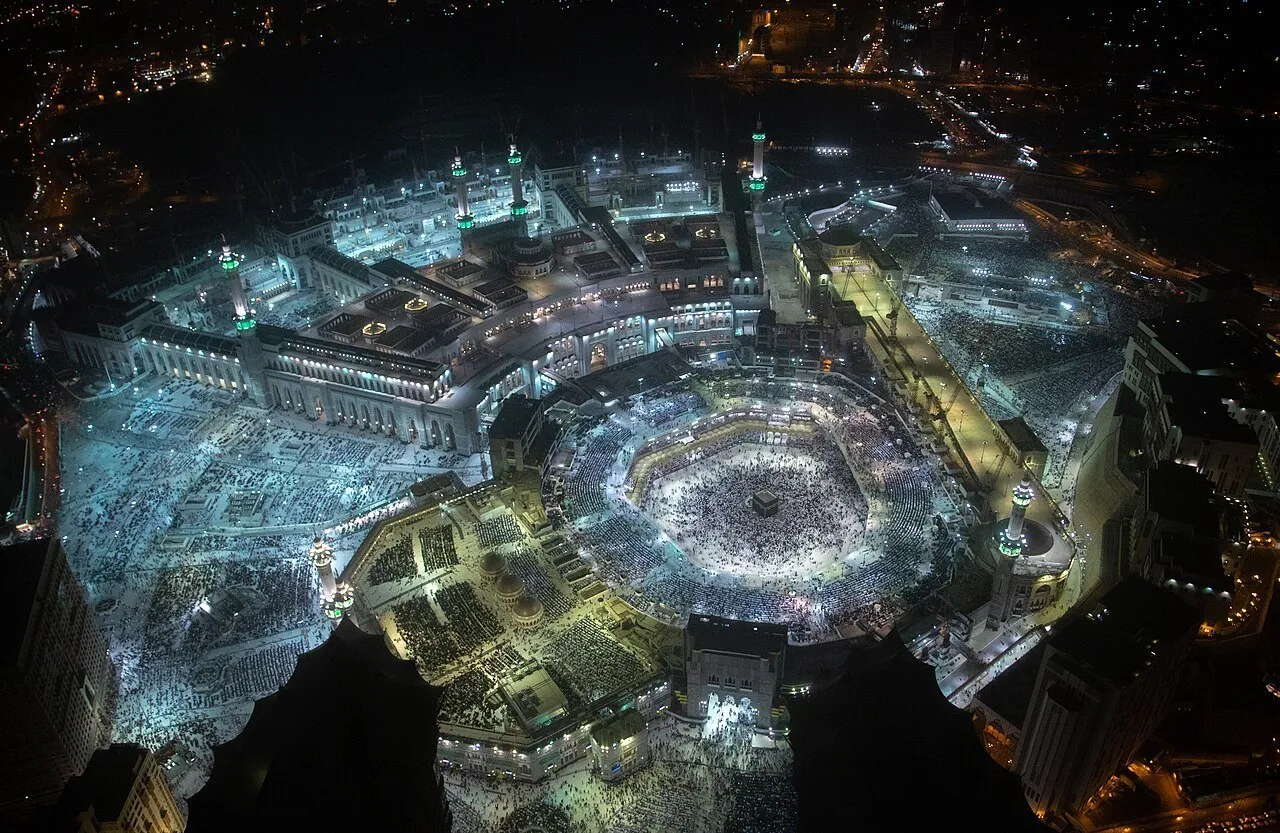
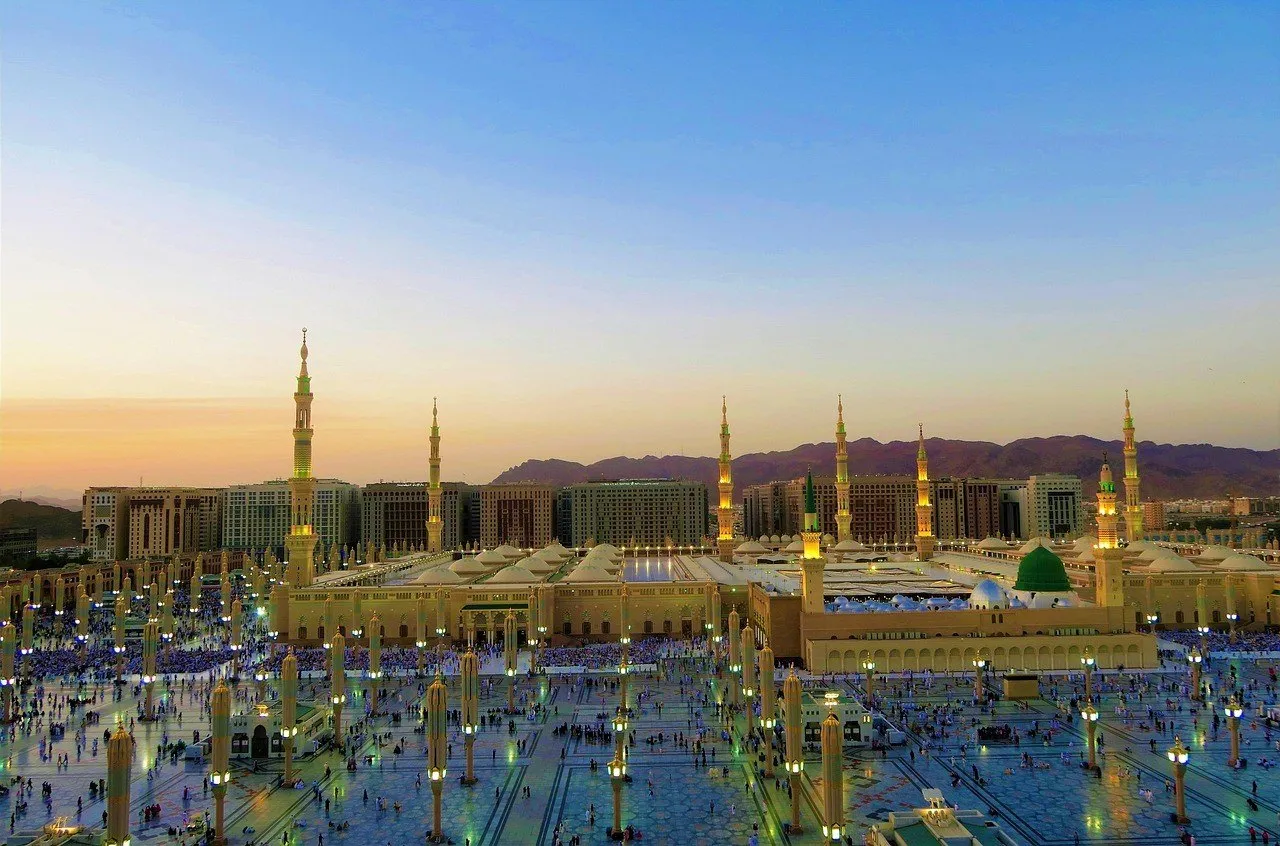
Elevated night view of the Masjid al-Haram, with the Kaaba at the center of the courtyard and lit minarets.

Mecca

Mecca welcomes Muslims from all over the world all year for umrah and, once a year, for the hajj. Entry to the city is permitted only to Muslims; this guide is for those making the pilgrimage.

Best time to go
November to FebruaryWinter: less intense heatJune to August: above 40 °C (104 °F)Hajj: date set by the Islamic calendar
Suggested stay
3 to 5 days for umrah
Airport
King Abdulaziz, in Jeddah (JED)
Currency
Saudi riyal (SAR)
Language
Arabic
Time zone
UTC+3

Overview

Entry to Mecca is permitted only to Muslims. The rule is stated by Saudi Arabia's Ministry of Hajj and Umrah, which reserves the city's sacred area for followers of Islam. This guide is therefore addressed to those who are going to perform umrah, possible during most of the year, or the hajj, which takes place on fixed days of the Islamic calendar. The rites appear here only in outline, to help you get your bearings; the details of each step should come from your group or from a trusted scholar.

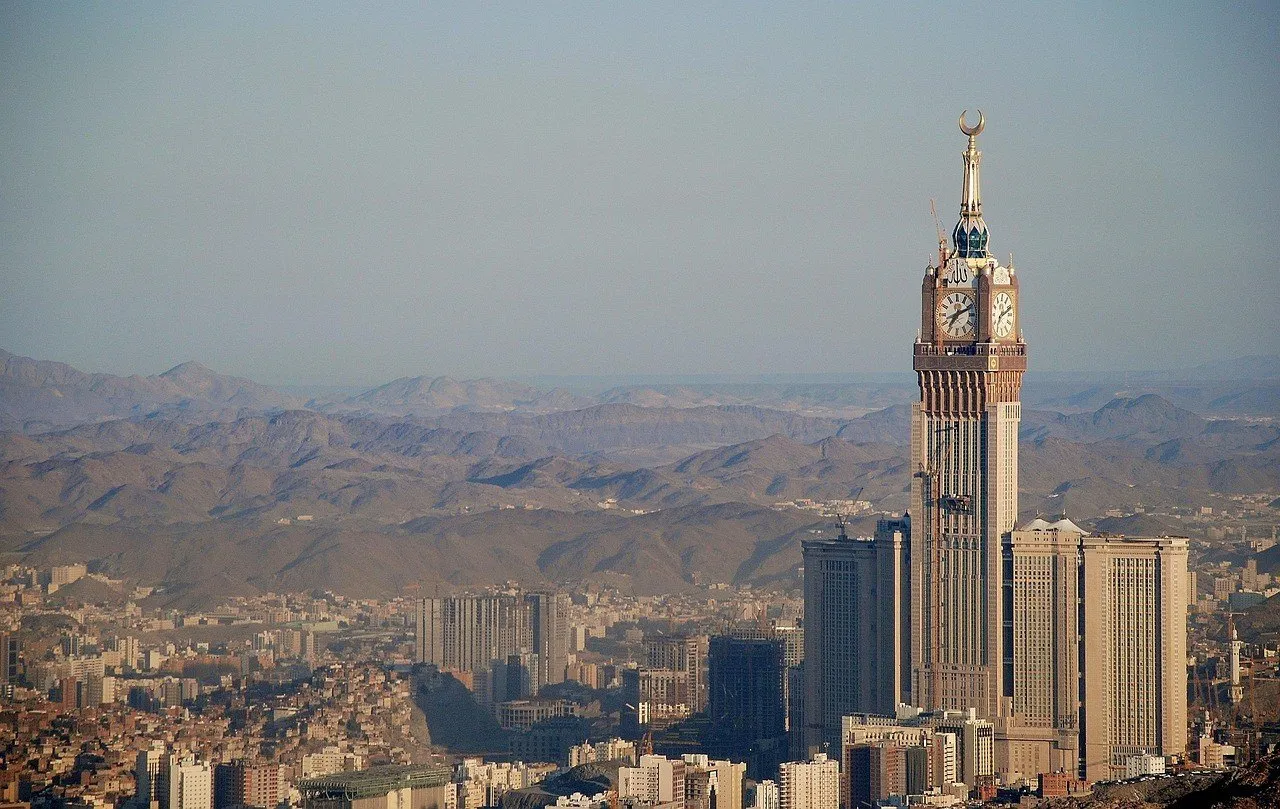
The city sits in a narrow valley about 277 m above sea level, surrounded by mountains. Everything revolves around the Masjid al-Haram: hotels cluster in the blocks around it, and to the south the Clock Tower rises, visible from almost anywhere. In the central area, getting around is almost entirely on foot, and the distance between your hotel and the mosque matters more to your stay than any other detail of the booking.

East of the center lie Mina, Muzdalifah and Arafat, the sacred sites of the hajj. They receive millions of pilgrims between the 8th and 13th of Dhu al-Hijjah and are practically empty the rest of the year. Closer to the city are the mountains tied to the story of the Prophet Muhammad, such as Jabal al-Nour and Jabal Thawr, and two museums that help explain the mosque's architecture and the way time is measured by the moon.

Did you know?

  1. The kiswa, the embroidered cloth that covers the Kaaba, is renewed on the first day of each year of the Hijri calendar and is made in Mecca itself, at the King Abdulaziz Complex in the Umm al-Joud district.

  2. Inside Mecca's haram, acts that are allowed elsewhere, such as hunting and cutting down trees, are forbidden.

  3. The Al-Mashaer train, which links Arafat, Muzdalifah and Mina, runs only during the hajj season, between the 7th and 13th of Dhu al-Hijjah; its first trip was in 2010.

  4. The Jamarat complex in Mina has five floors, but its foundations were designed to support up to twelve, anticipating a growing number of pilgrims.

Things to see in Mecca

10 attractions
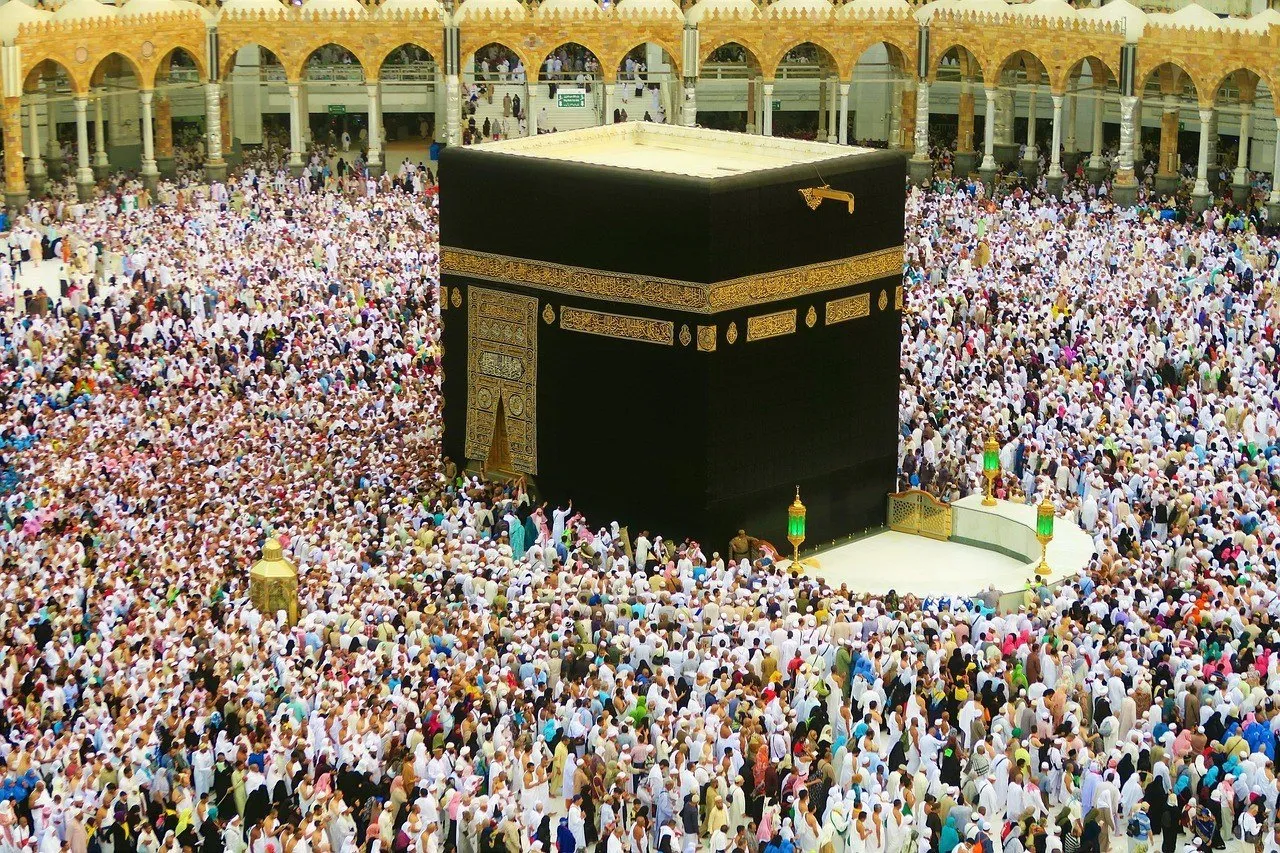
Kaaba seen from above, with black cloth and golden embroidery, arcades and pilgrims around it.1
Sacred Mosque

Masjid al-Haram and the Kaaba

The Sacred Mosque, with the Kaaba at the center of its white marble courtyard, is the direction Muslims face in prayer and the place where umrah and hajj begin.

Suggested time:Several hours a dayArea:Center
View details for Masjid al-Haram and the Kaaba
Decorated arch of a Sacred Mosque passage, with Arabic signs identifying Zamzam water.2
Sacred Mosque

Zamzam Well

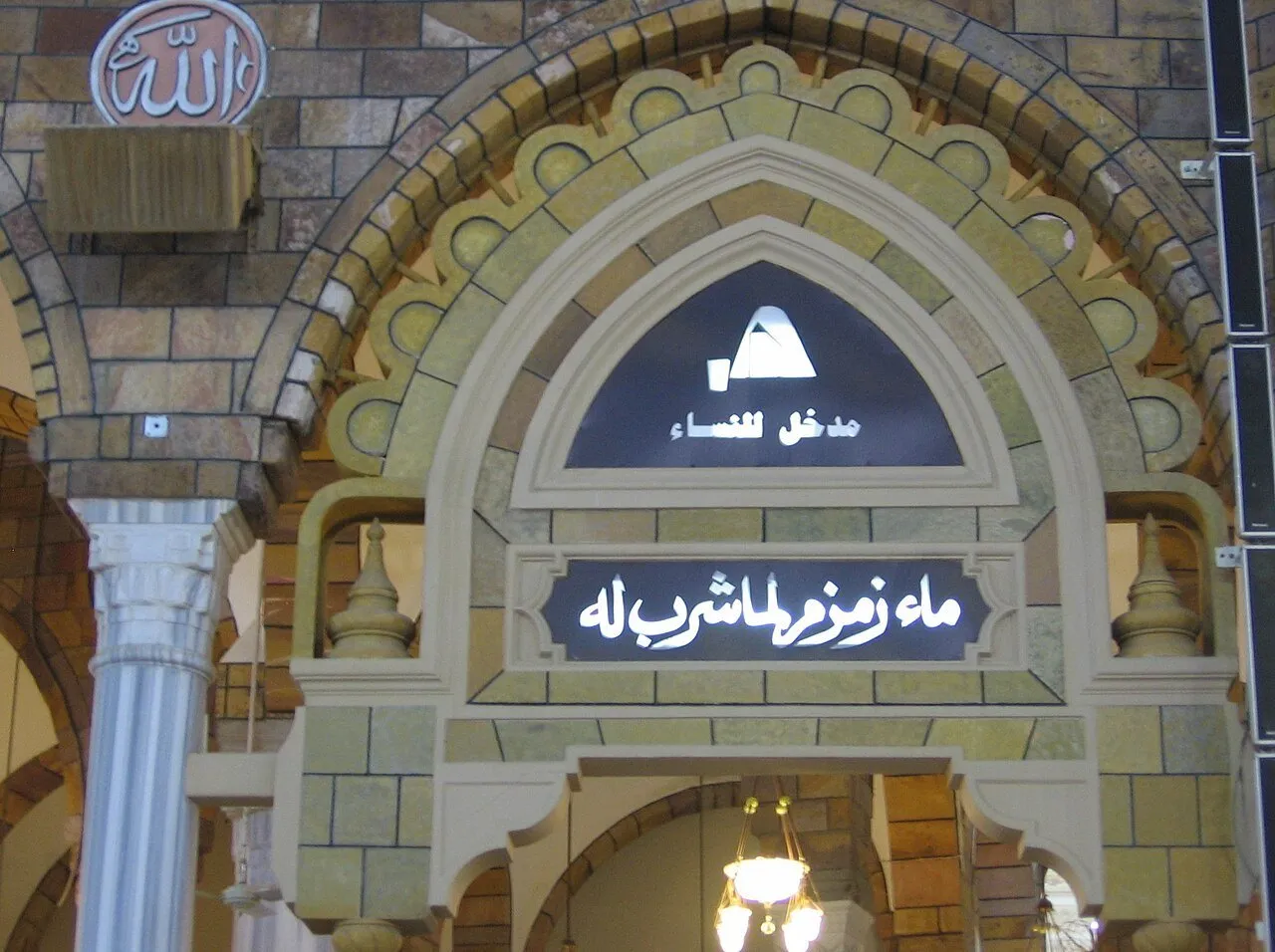
The well lies about 20 m from the Kaaba and is not open to the public; the water reaches worshippers through fountains and containers placed throughout the mosque and courtyards.

Suggested time:15 minArea:Masjid al-Haram
View details for Zamzam Well
Gallery of the mas’a between Safa and Marwa, with ornate windows, columns and pilgrims walking.3
Sacred Mosque

Safa and Marwa

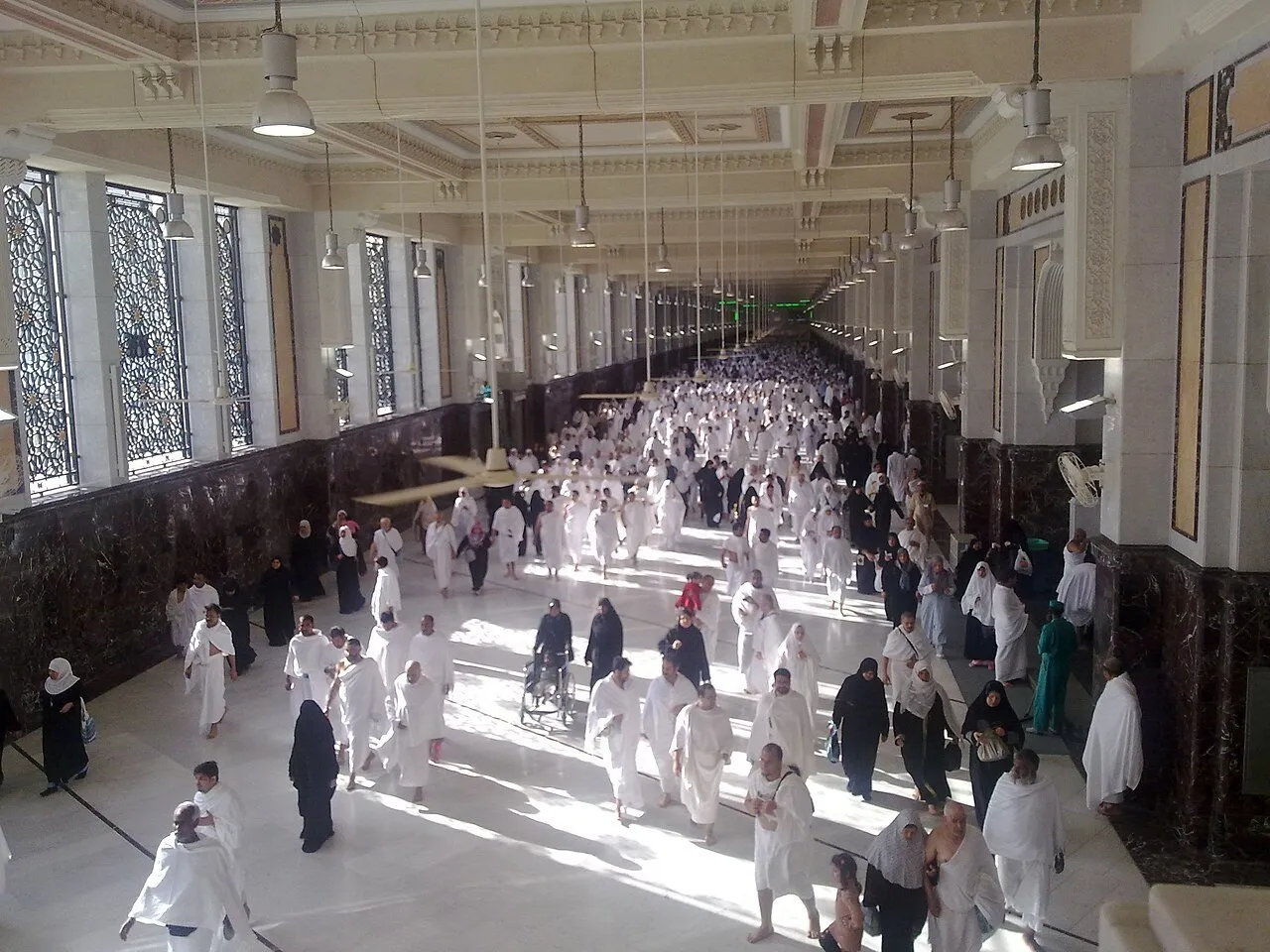
A covered gallery between the hills of Safa and Marwa, inside the Sacred Mosque, where the sa'i is performed: seven laps that begin at Safa and end at Marwa.

Suggested time:1 to 2 hArea:Masjid al-Haram, east side
View details for Safa and Marwa
Peak of Jabal al-Nour seen from below, with a rocky slope in the foreground and clear sky behind.4
Historic mountains

Jabal al-Nour and the Cave of Hira

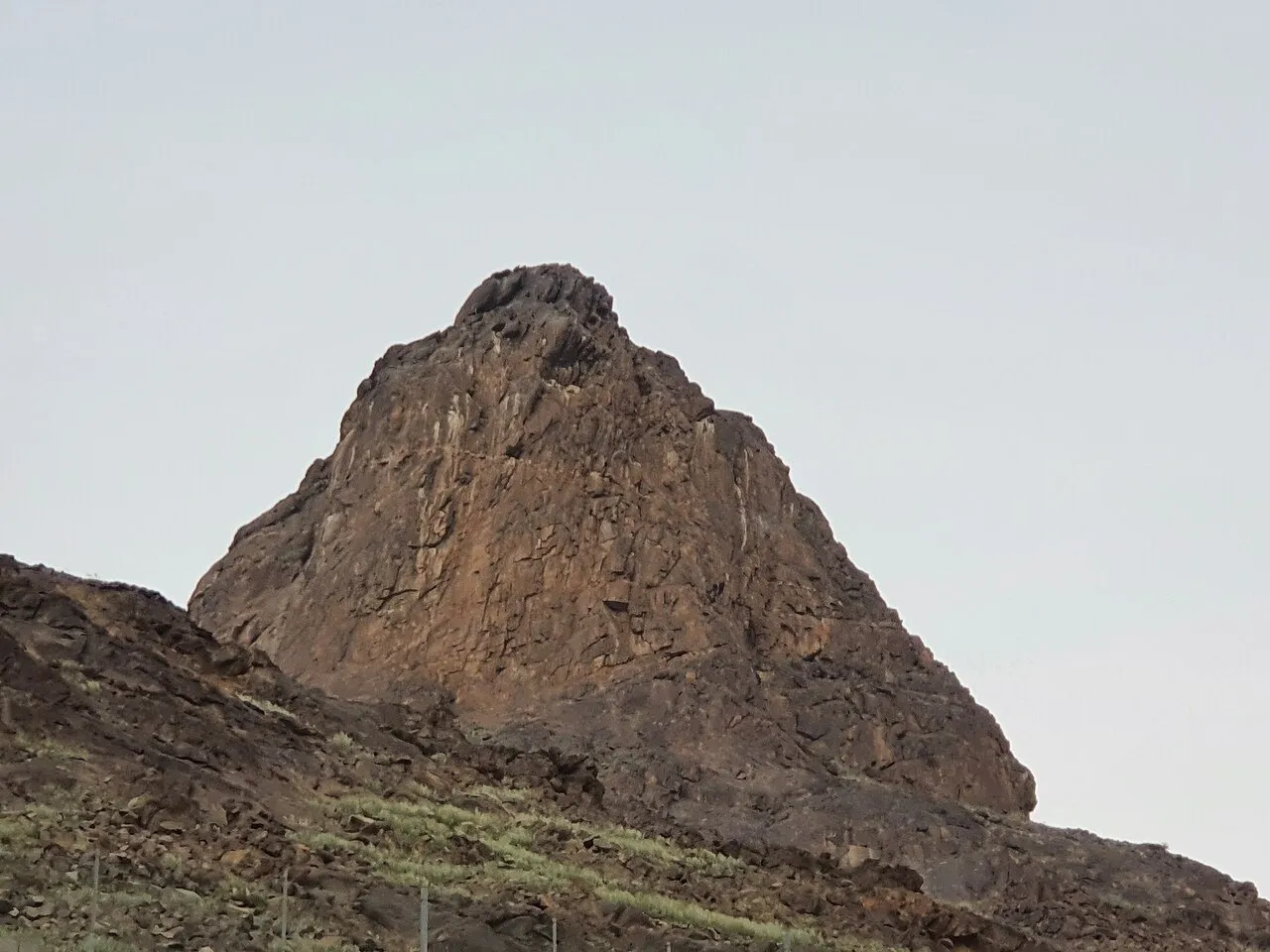
A mountain about 640 m high, some 5 km from the Sacred Mosque, with the Cave of Hira at the top, where, according to Islamic tradition, the revelation of the Quran began.

Suggested time:2 to 4 hArea:Northeast of the city
View details for Jabal al-Nour and the Cave of Hira
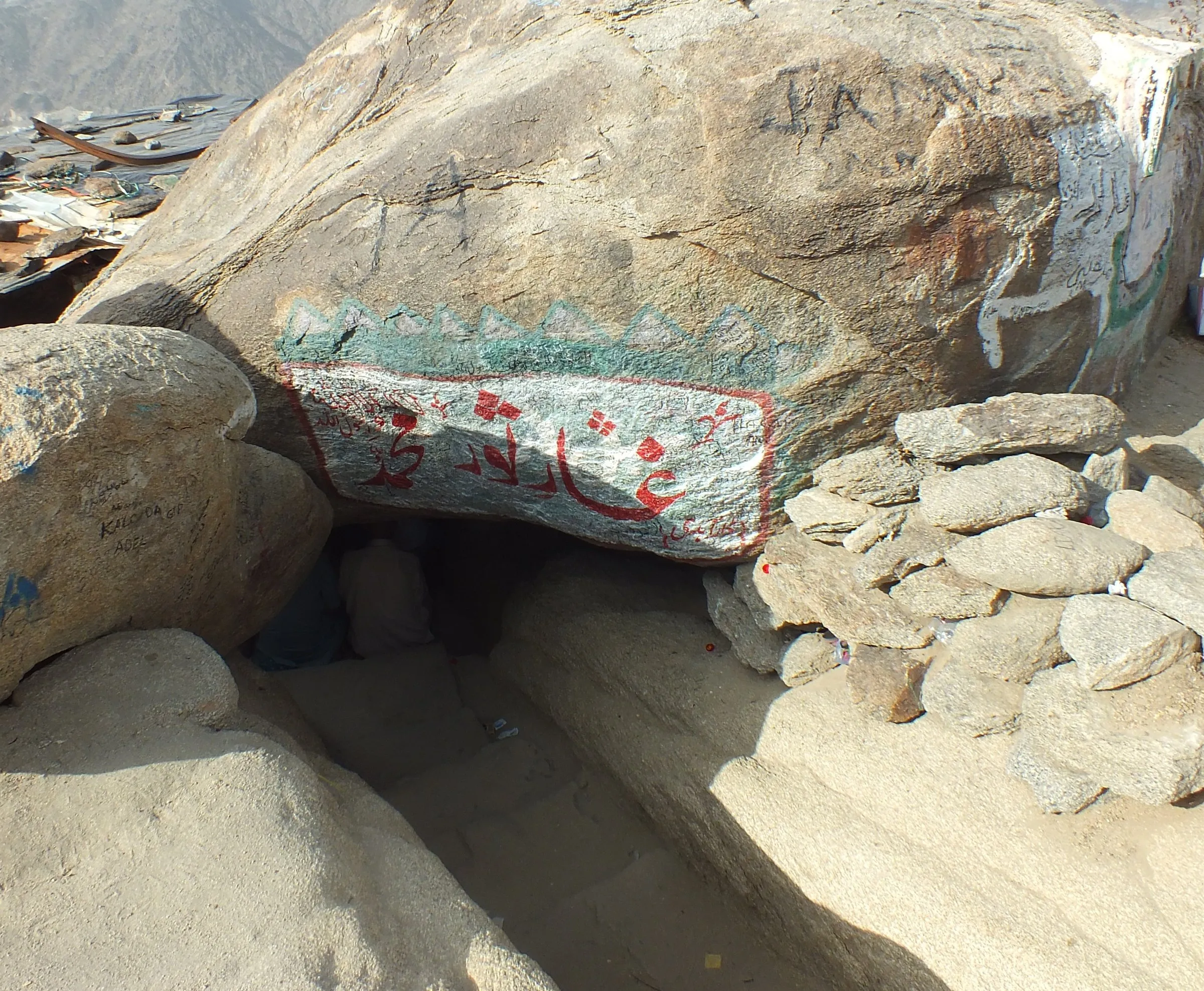
Low entrance of the Cave of Thawr, with inscriptions on the rocks and stones around it, in daylight.5
Historic mountains

Jabal Thawr

A mountain south of the Sacred Mosque, about 750 m high, home to the cave where, according to tradition, the Prophet Muhammad and Abu Bakr took shelter on the way to Medina.

Suggested time:1 to 4 hArea:South of the city
View details for Jabal Thawr
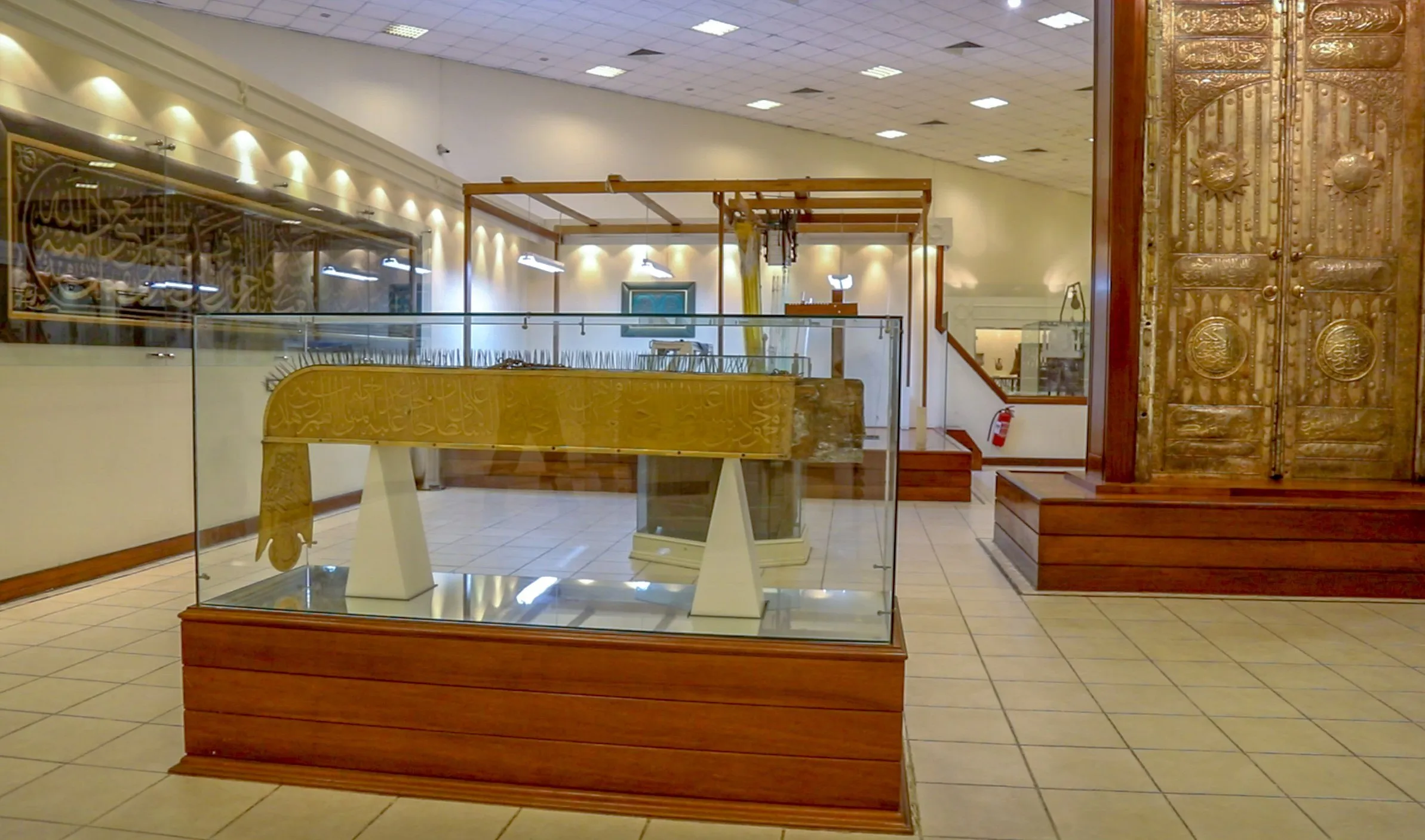
Display case with a golden piece in a hall of the Two Holy Mosques Architecture Exhibition in Mecca.6
Museums

Two Holy Mosques Architecture Exhibition

A museum in Umm al-Joud, near the complex where the Kaaba's kiswa is made, with ancient pieces from the Kaaba and models of the Masjid al-Haram and the Prophet's Mosque.

Suggested time:1 to 1.5 hArea:Umm al-Joud
View details for Two Holy Mosques Architecture Exhibition
Mecca's Clock Tower seen from a distance, with buildings below and mountains in the background.7
Museums

Clock Tower (Abraj Al-Bait) and Museum

The central tower of the Abraj Al-Bait complex, 601 m tall, with a four-faced clock visible from 25 km away; the top floors house a museum of astronomy and timekeeping.

Suggested time:1 to 2 hArea:Opposite the south facade of the mosque
View details for Clock Tower (Abraj Al-Bait) and Museum
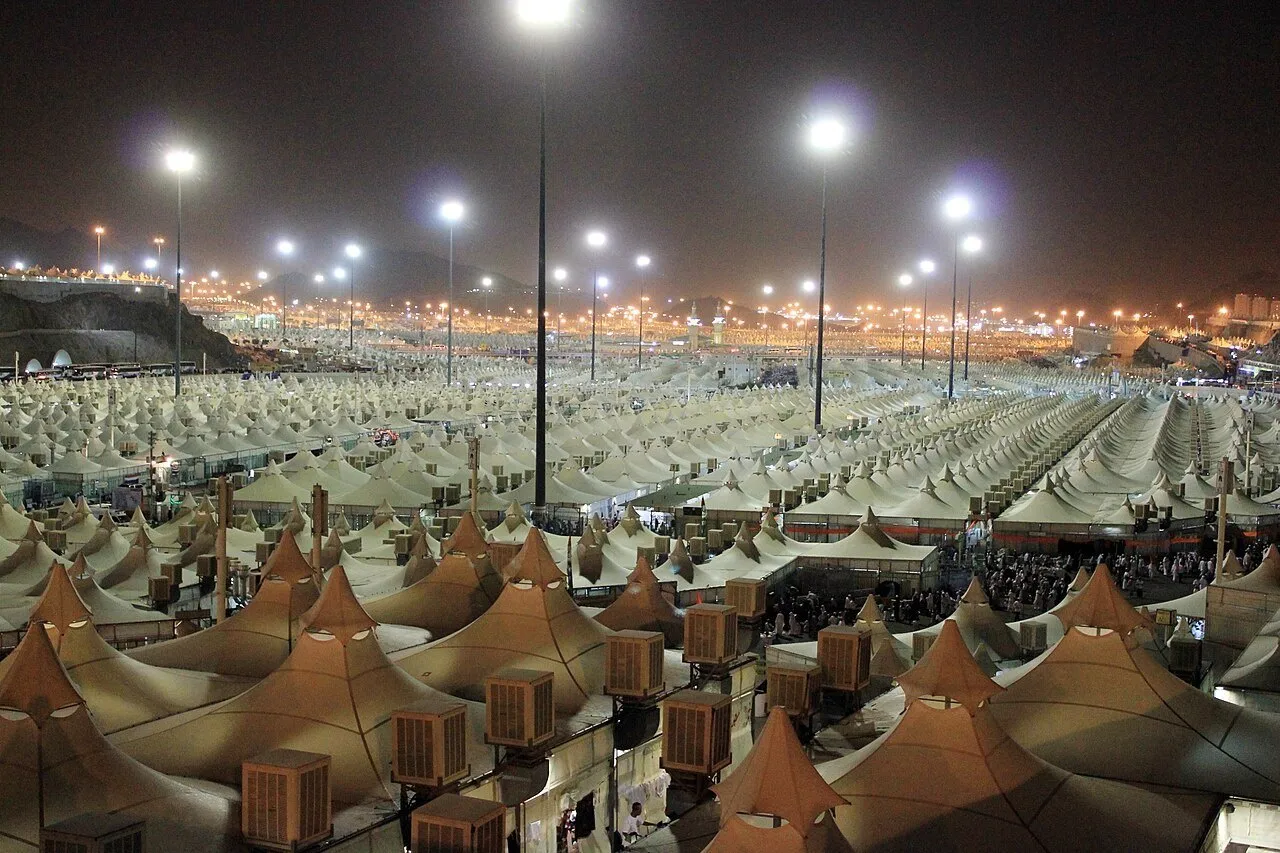
Elevated view of rows of tents in Mina at night, lit by lampposts, with mountains in the background.8
Hajj sites

Mina

A valley about 7 to 8 km from the Sacred Mosque, covered in white tents, where pilgrims stay on the 8th of Dhu al-Hijjah and on the days of tashreeq. Outside the hajj, it is empty.

Suggested time:30 min passing throughArea:East of Mecca
View details for Mina
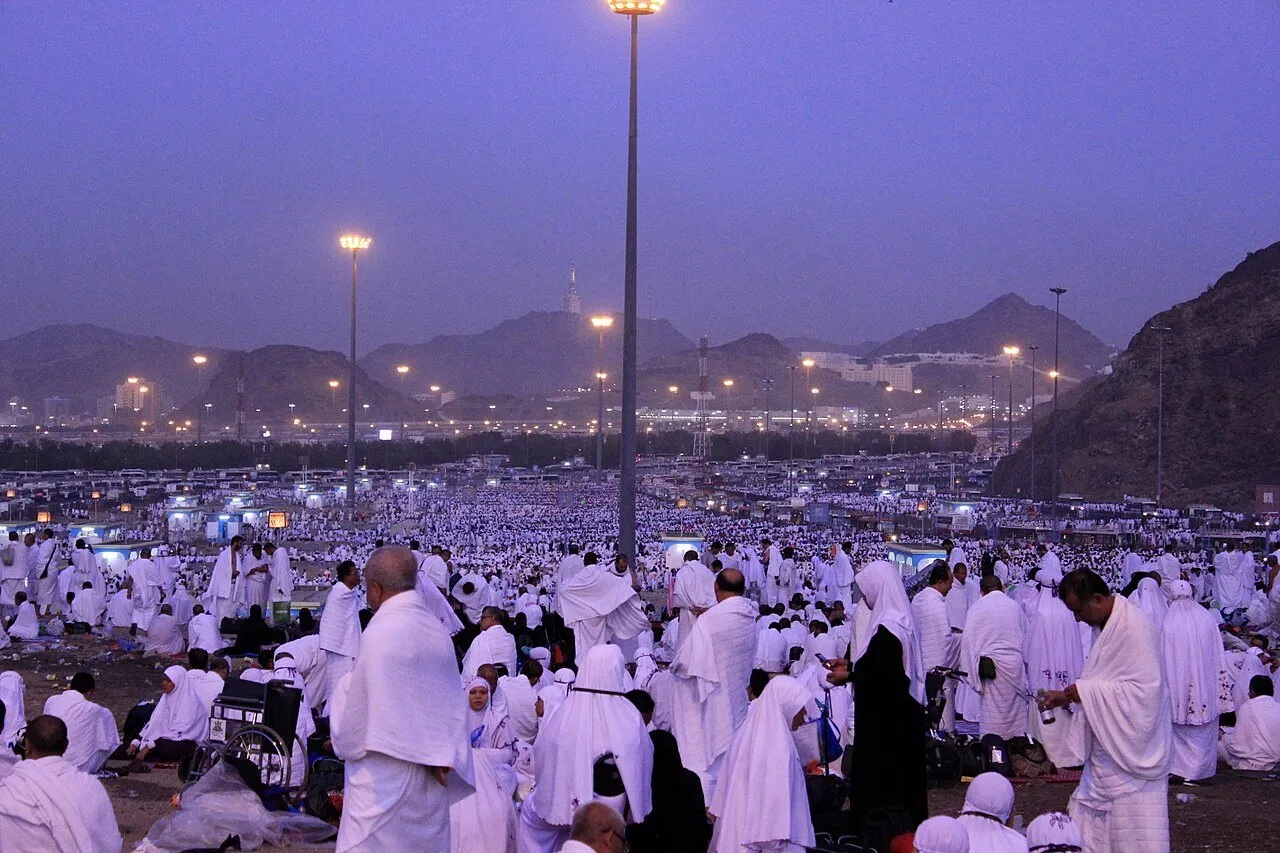
Wide view of Muzdalifah in blue dawn light, with pilgrims on the plain, lampposts and mountains behind.9
Hajj sites

Muzdalifah

An open area between Mina and Arafat where hajj pilgrims spend the night of the 10th of Dhu al-Hijjah, on their return from Arafat, and collect the pebbles for the Jamarat.

Suggested time:20 min passing throughArea:Between Mina and Arafat
View details for Muzdalifah
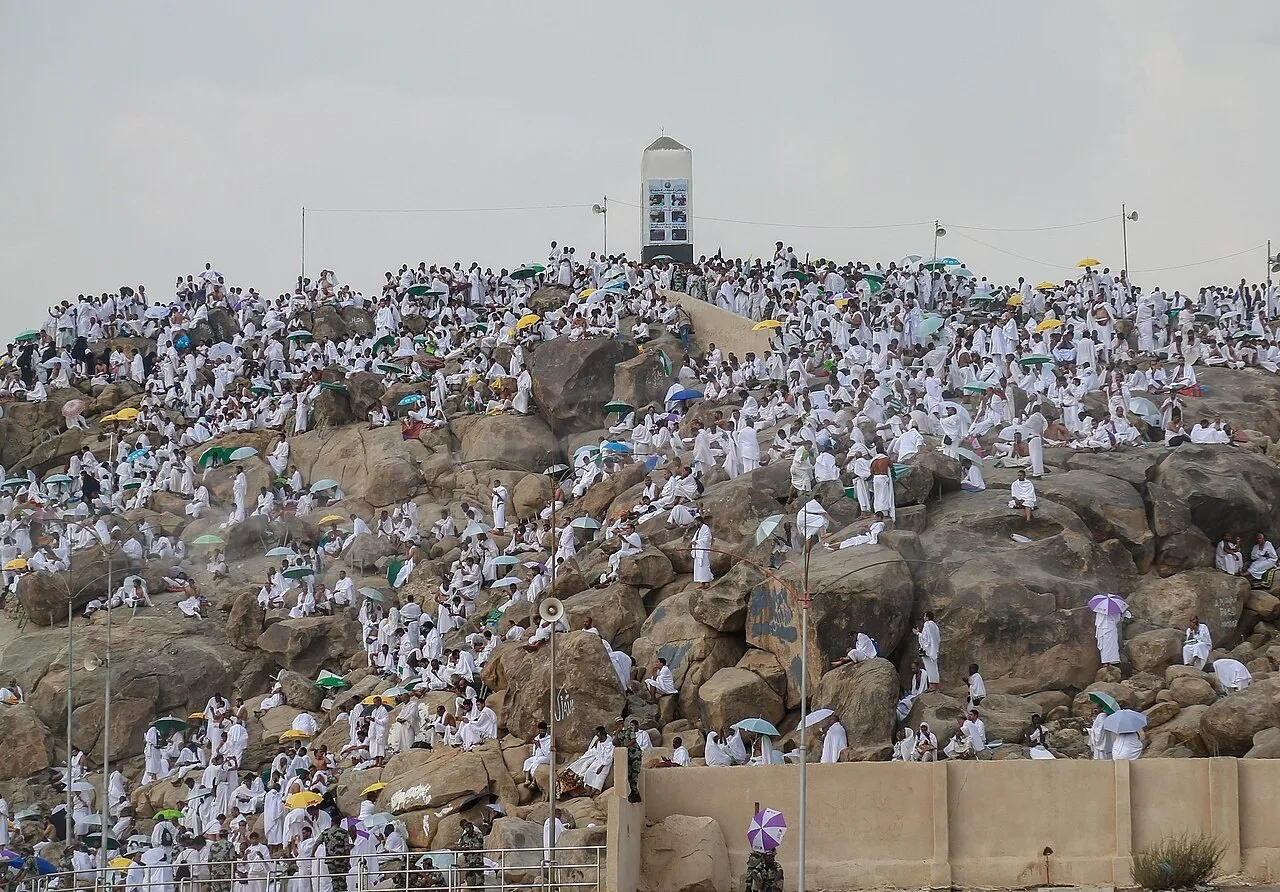
Rocky slope of Jabal al-Rahmah with a white marker at the top and pilgrims scattered among the rocks.10
Hajj sites

Arafat and Jabal al-Rahmah

A plain about 20 km from the Sacred Mosque, with Jabal al-Rahmah, where pilgrims stay on the 9th of Dhu al-Hijjah, the Day of Arafah.

Suggested time:1 hArea:About 20 km from the center
View details for Arafat and Jabal al-Rahmah

3-day itinerary

Day 1

Arrival and umrah

  • Arrival from Jeddah by Haramain train or by road, already in ihram
  • 1Tawaf around the Kaaba, at the Masjid al-Haram
  • 2Break to drink Zamzam water at the mosque's drinking points
  • 3Sa'i between Safa and Marwa
  • Rest at the hotel
Day 2

Mountains and museums

  • 4Climb Jabal al-Nour before sunrise
  • 5Jabal Thawr, with a stop at the foot of the mountain
  • 6Two Holy Mosques Architecture Exhibition, in Umm al-Joud
  • 7Late afternoon at the Clock Tower museum
Day 3

Hajj sites and a day of prayer

  • 8Mina and the tent camp
  • 9Muzdalifah, on the way to Arafat
  • 10Arafat and Jabal al-Rahmah
  • 1Return for prayers at the Masjid al-Haram

Map

8 places on the map

Practical tips

Visa and permit through Nusuk

There is the umrah visa, requested through Nusuk, and Muslims on a tourist visa may also perform umrah during their permitted stay; neither is valid for the hajj. With the umrah visa, each trip requires a service package from a licensed operator on Nusuk and an umrah permit issued in the app before arrival, with the same dates as the package. Umrah visas are not issued during the hajj season, between the 15th of Dhu al-Qi'dah and the 15th of Dhu al-Hijjah.

Hajj only with a permit

The hajj requires its own permit and takes place on dates set by the lunar calendar, announced officially each year. For pilgrims from countries with Muslim minorities, the Ministry of Hajj and Umrah opens registration through the Direct Hajj Program, done only on the official Nusuk Hajj platform; the ministry warns that no intermediary is authorized to register pilgrims through this program. Confirm whether your country is included and be wary of offers outside official channels.

Ihram

Ihram is entered before crossing the miqat, the boundary set for each route of arrival. Men usually wear two white seamless pieces, one fastened at the waist and the other over the torso, with sandals; women wear ordinary modest clothing, with no special garment. Those arriving by air generally prepare before the flight or on board, and some airports have rooms for this. Follow your group's guidance on what is forbidden in this state.

Mandatory vaccine

Saudi authorities require the quadrivalent meningococcal (ACWY) vaccine for anyone going to the umrah and hajj areas from 1 year of age, given at least 10 days before arrival. The conjugate version is valid for five years, and the polysaccharide version for three. Depending on your country of origin or transit, polio and yellow fever vaccines may also be required.

Heat and health

In summer, afternoons in Mecca exceed 40 °C (104 °F), and even in winter the day can top 30 °C (86 °F). Drink water constantly, prefer to get around in the early morning and at night, and seek care at the first sign of illness: dehydration, heat exhaustion and heatstroke are among the risks pointed out by health authorities. Large crowds also raise the risk of respiratory infections.

Getting there

Mecca has no airport. The nearest is King Abdulaziz International in Jeddah, about 70 km away. The Haramain High-Speed Railway, which has run at up to 300 km/h since 2018, links Mecca to Jeddah, the airport and Medina; check schedules and fares on the operator's official channels.

Food and drink

At the Saudi table, kabsa is the dish of honor: rice with meat, chicken or vegetables, served on a single platter around which four to ten people sit, and traditionally eaten with the right hand. Other rice dishes, such as mandi, derive from it. The cuisine of the Hejaz, the region of Mecca, has recipes of its own, such as saleeg, and hospitality comes through Arabic coffee, ground with cardamom and served with dates.

Rice cooked with meat, chicken or vegetables in a single pot, seasoned differently in every home and served on a platter to share.

Rice cooked in meat broth; in the Mecca version, it comes to the table with the meat on top.

Thin dough folded into a square and filled mainly with ground meat, fried or baked, eaten with lemon and green chili. Popular in the west of the country.

Arabic coffee with cardamom ground together with the beans, offered as a sign of hospitality and served with dates.

Other cities in Saudi Arabia

View Saudi Arabia

Sources and credits

Sources

Image credits

  • The illuminated Sacred Mosque seen from above, with the Kaaba at the center of the courtyard. Archive photo from 2019.Photo: saudipics / Yasser Bakhsh · CC BY-SA 4.0 · original
  • The Kaaba sits at the center of the Masjid al-Haram courtyard, surrounded by the pilgrims' circuits. Archive photo.Photo: Konevi · Licença Pixabay · original
  • Light streams through the windows of the mas’a, the gallery between Safa and Marwa. Archive photo published in 2011.Photo: Aiman titi · CC BY-SA 3.0 · original
  • Signs identify Zamzam water in a passage of the Sacred Mosque. Archive photo from 2008.Photo: Mardetanha · CC BY-SA 3.0 · original
  • The rocky peak of Jabal al-Nour stands out against the clear sky. Photo from December 2020.Photo: Richard Mortel · CC BY 2.0 · original
  • Entrance of the Cave of Thawr, in a 2016 photo: a low passage between large blocks of rock.Photo: King Eliot · CC BY-SA 4.0 · original
  • Rows of tents in Mina stretch out under night lighting. Archive photo from 2011.Photo: Arisdp · CC BY-SA 3.0 · original
  • Muzdalifah in the light of dawn, with pilgrims scattered across the open area and mountains in the background. Archive photo from 2011.Photo: Arisdp · CC BY-SA 4.0 · original
  • Jabal al-Rahmah with its marker at the top and pilgrims on the slope. Archive photo from 2017.Photo: saudipics / Yasser Bakhsh · CC BY-SA 4.0 · original
  • Archive photo: the Clock Tower stands out among the buildings and mountains of Mecca, in warm light.Photo: GLady · Licença Pixabay · original
  • A hall of the Two Holy Mosques Architecture Exhibition, with pieces in display cases and decorated panels. Photo from 2019.Photo: saudipics · CC BY-SA 4.0 · original

Search destinations

Type at least 3 letters