 1
Neighborhoods
George Town Historic Center
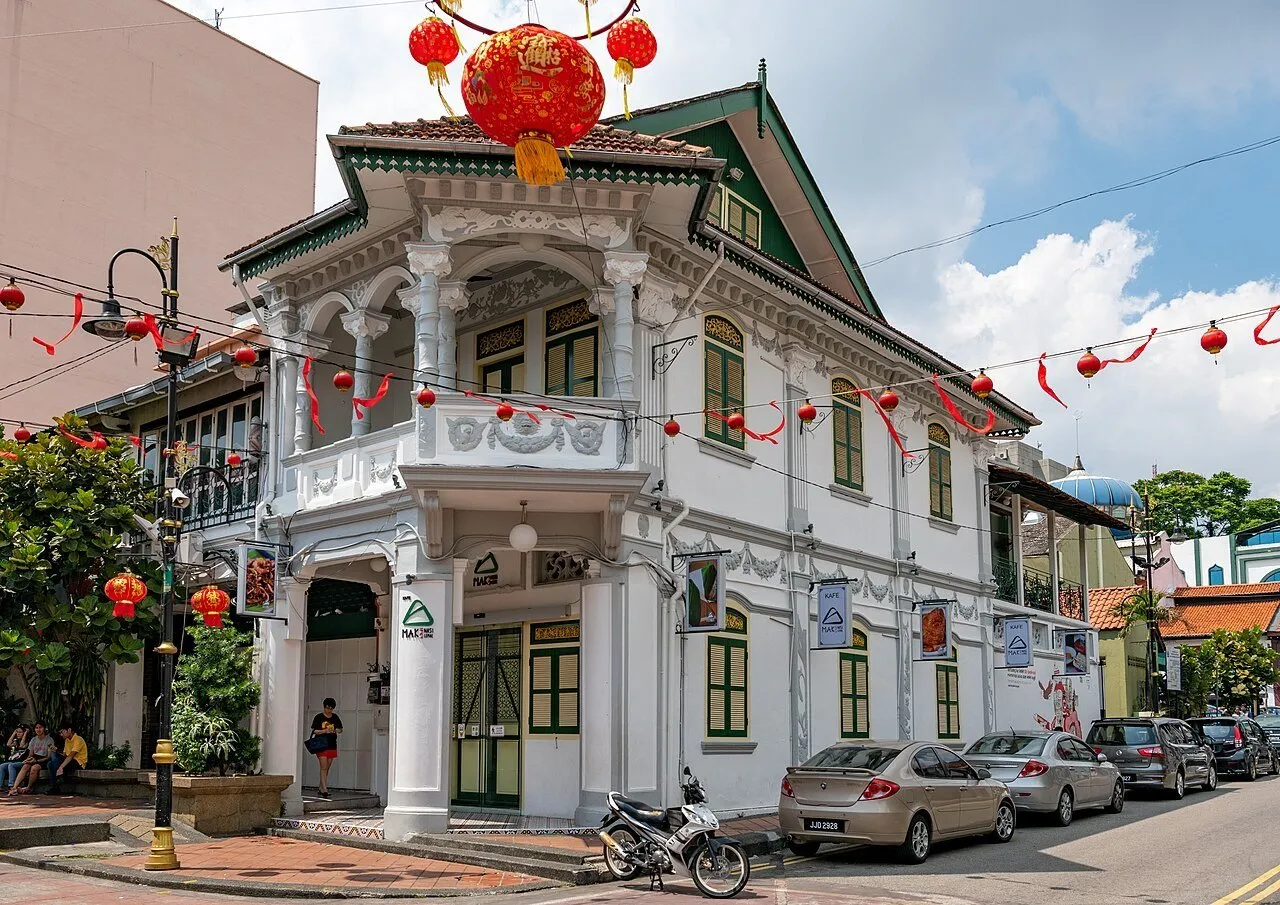
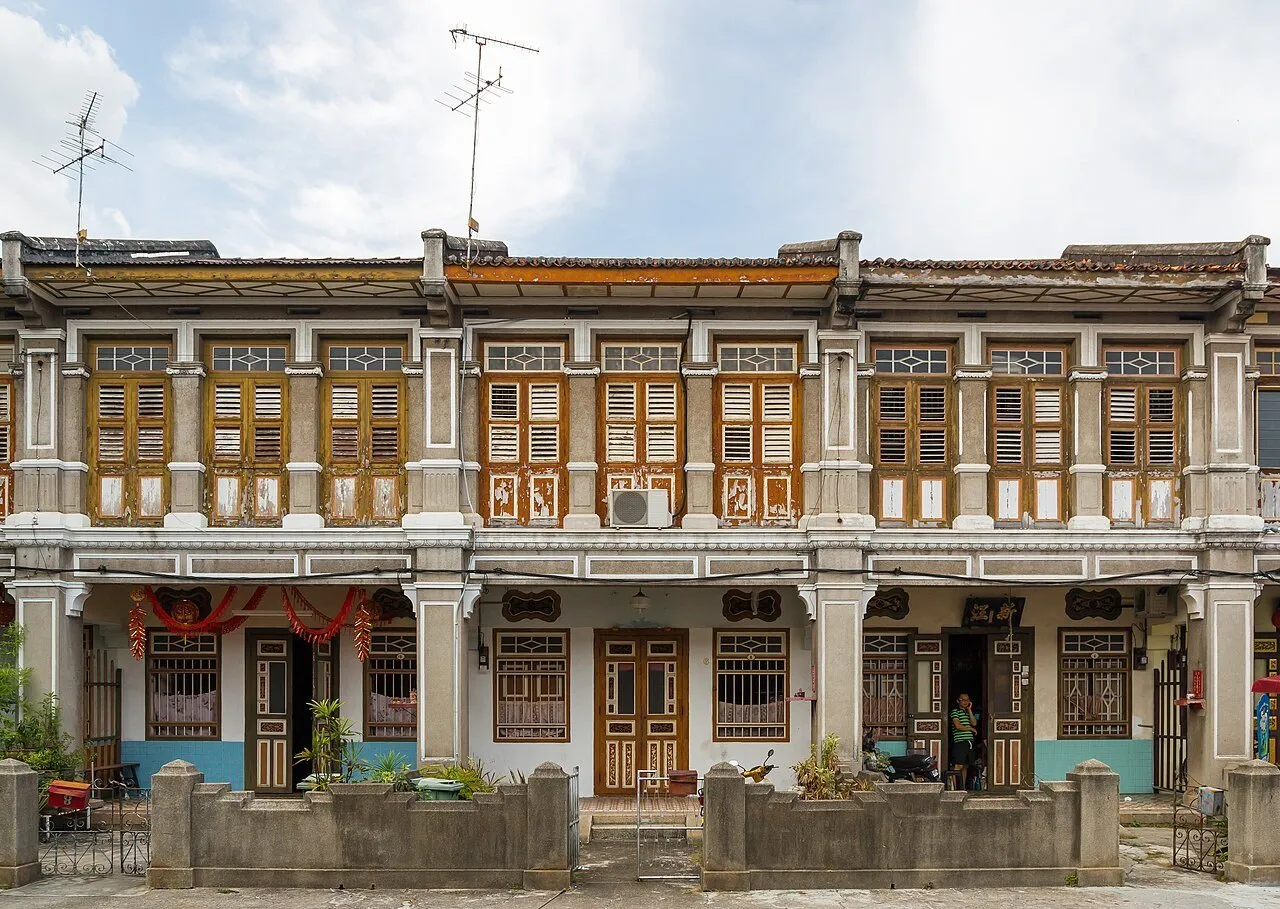
Commercial shophouses, craft streets and places of worship make up George Town's historic center, a good walk with stops to eat.
View details for George Town Historic Center
Malaysia
In George Town, the clang of a spatula on a wok competes for your attention with colorful facades and temples. You head out to see Penang and end up negotiating with your own stomach over the next stop.
A walk around Penang often starts with a distraction: you meant to look at an old house and instead find someone making noodles on the corner. George Town, on the island, is the base for this guide, with ground-floor shops in shophouses, clan association houses and places of worship that are still in use. The UNESCO-recognized historic area is still a neighborhood where people work and live; it pays to look beyond the line to photograph a mural.
Penang is also the name of the state, made up of the island and the mainland region of Seberang Perai, where Butterworth is located. This itinerary keeps the outings on the island: one day among the streets of George Town, another in Air Itam and Penang Hill, and the third on the north coast. Leave slack for getting around, heat and rain. On the map everything looks close; in practice, the funicular and the traffic also have a say in the schedule.
George Town shares its World Heritage listing with Melaka: UNESCO recognizes the history of the port cities and the cultural encounters tied to the Strait of Malacca.
Khoo Kongsi is more than a temple: the complex includes association spaces, ancestor worship and an opera stage facing the courtyard.
The Hokkien spoken in Penang takes in influences from Malay and English; the mix shows up in everyday conversation, as well as on restaurant signs.
The Blue Mansion still operates as a hotel; buying a visit lets you see part of the house, not wander through the guests' rooms.
1Commercial shophouses, craft streets and places of worship make up George Town's historic center, a good walk with stops to eat.
View details for George Town Historic Center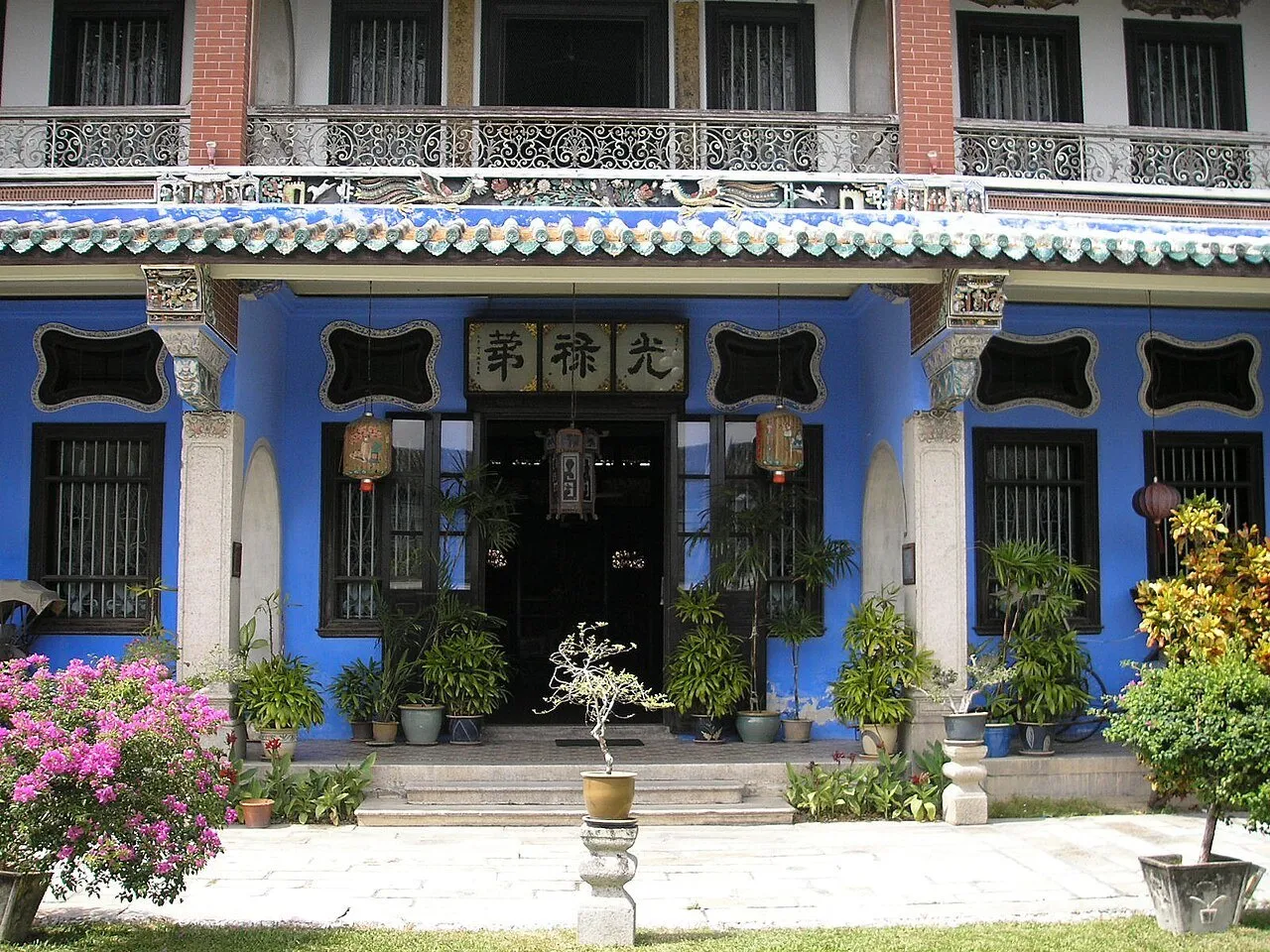 2
Cheong Fatt Tze's house combines indigo-blue walls, courtyards and visits to the former residence; part of the building operates as a hotel.
View details for Blue Mansion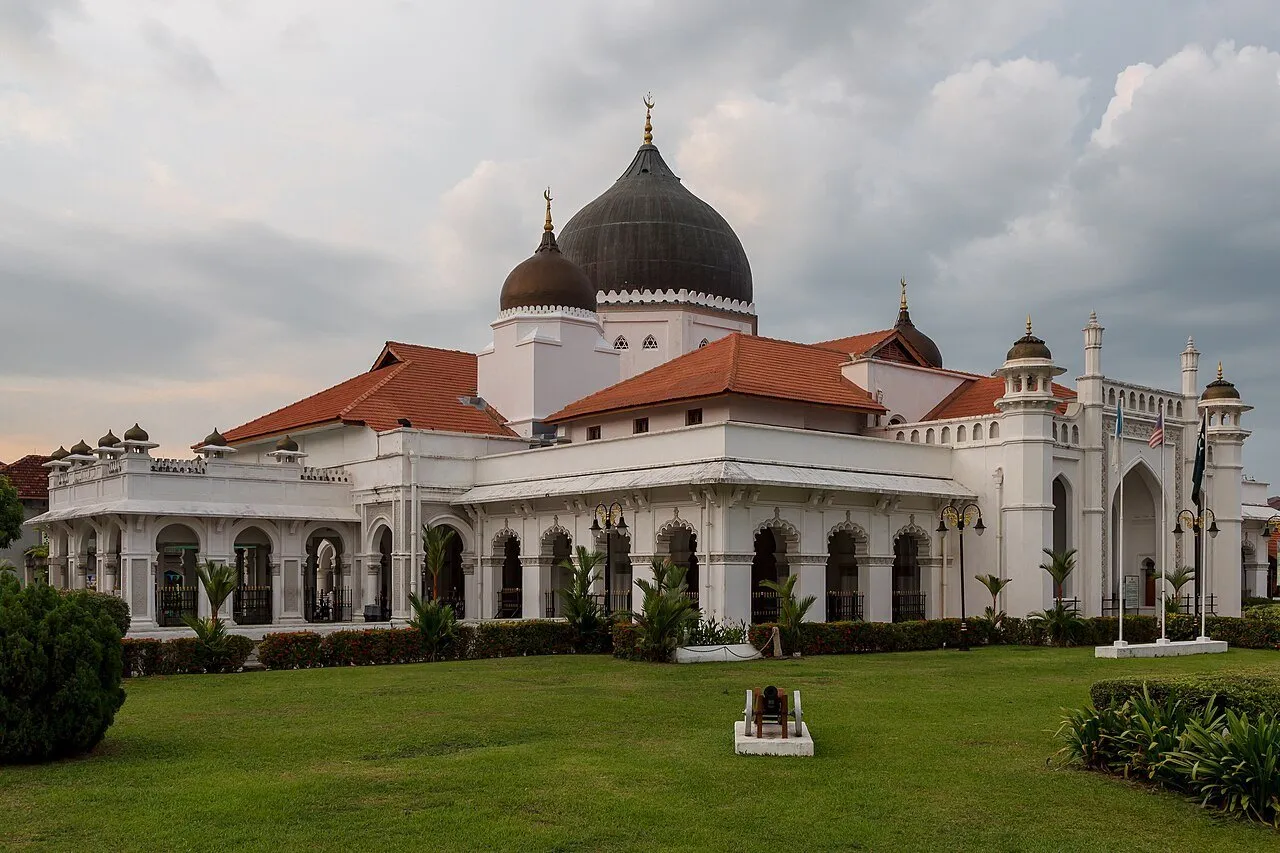 3
Light-colored domes and a minaret stand out in central George Town; visiting means following the rules of an active place of prayer.
View details for Kapitan Keling Mosque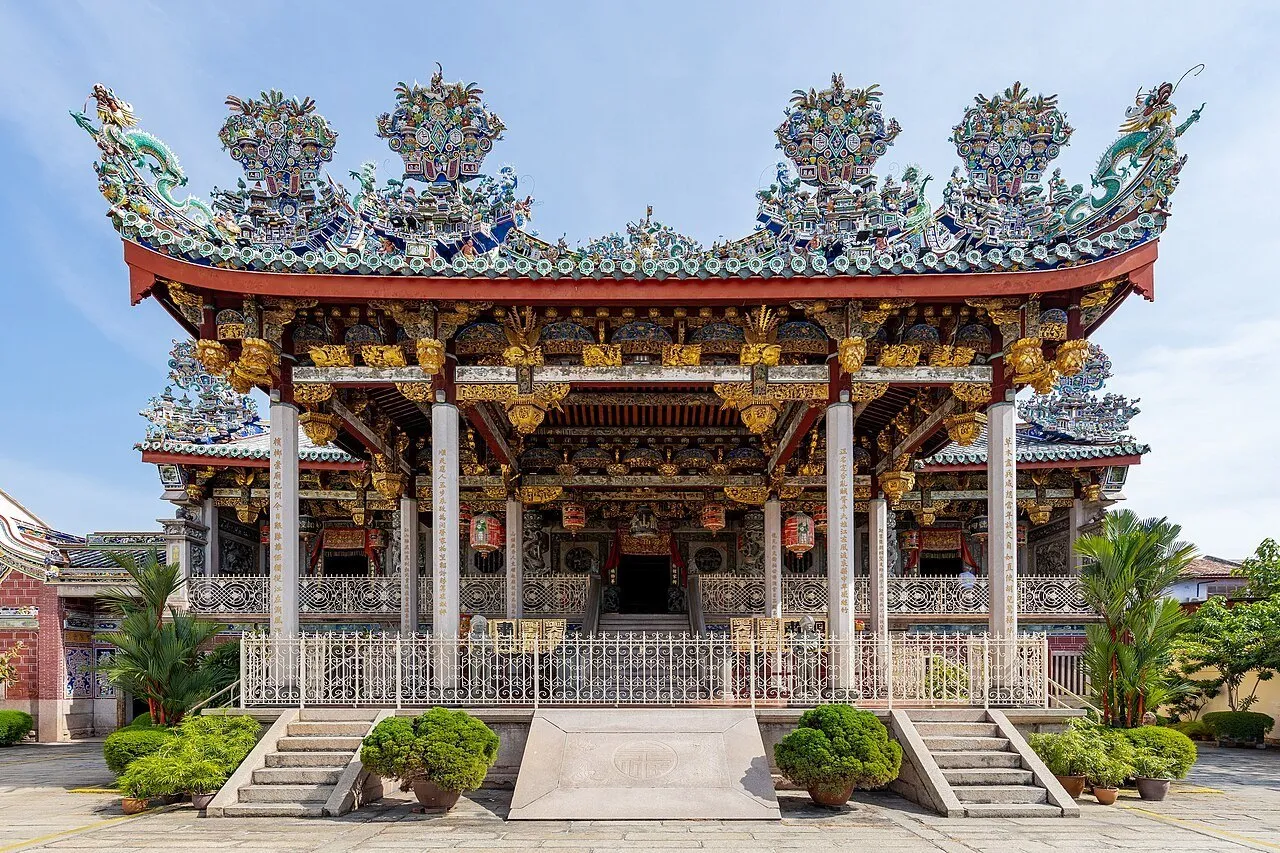 4
The Khoo clan complex brings together a temple, an ancestral hall and an opera stage, with stone and wood carvings worth a close look.
View details for Khoo Kongsi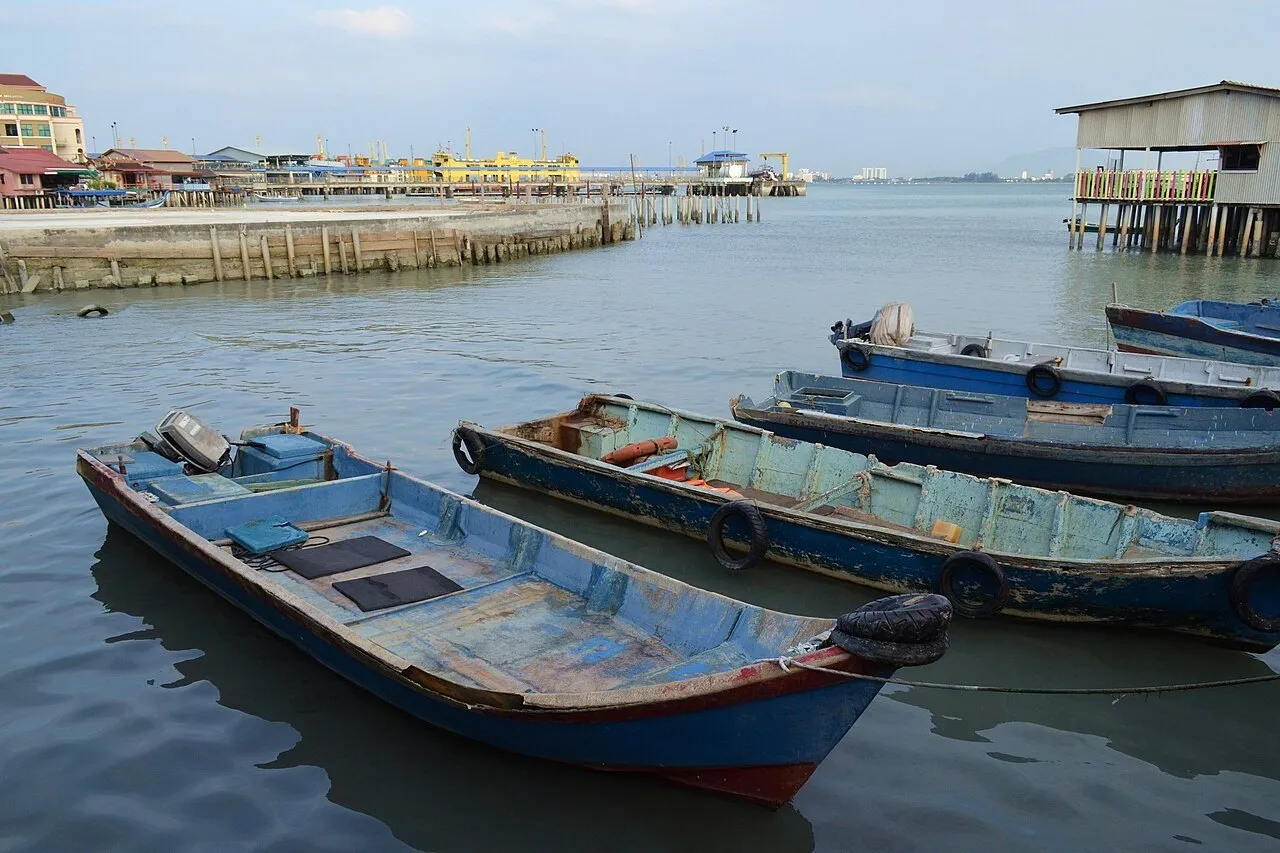 5
Wooden walkways connect houses on stilts at one of George Town's clan jetties, where the walk passes through a residential area.
View details for Chew Jetty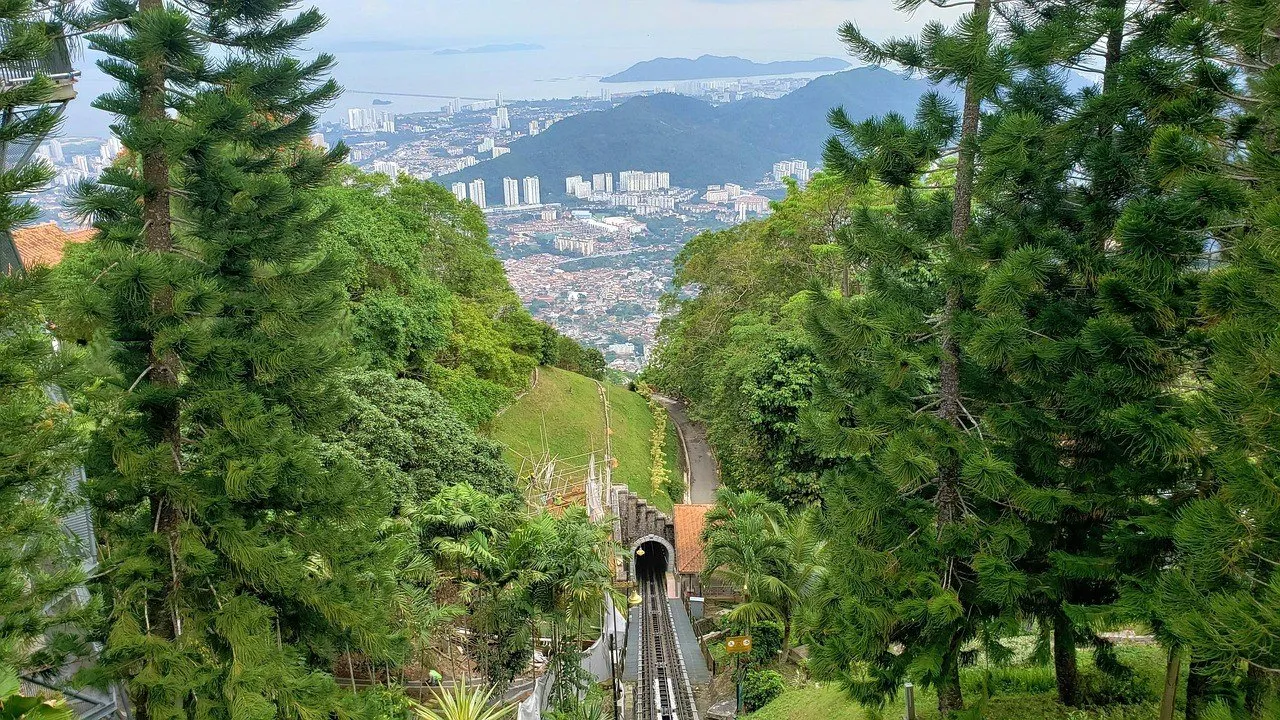 6
The funicular climbs from Air Itam to Bukit Bendera, where viewpoints reveal George Town and the sea when the clouds let the landscape show.
View details for Penang Hill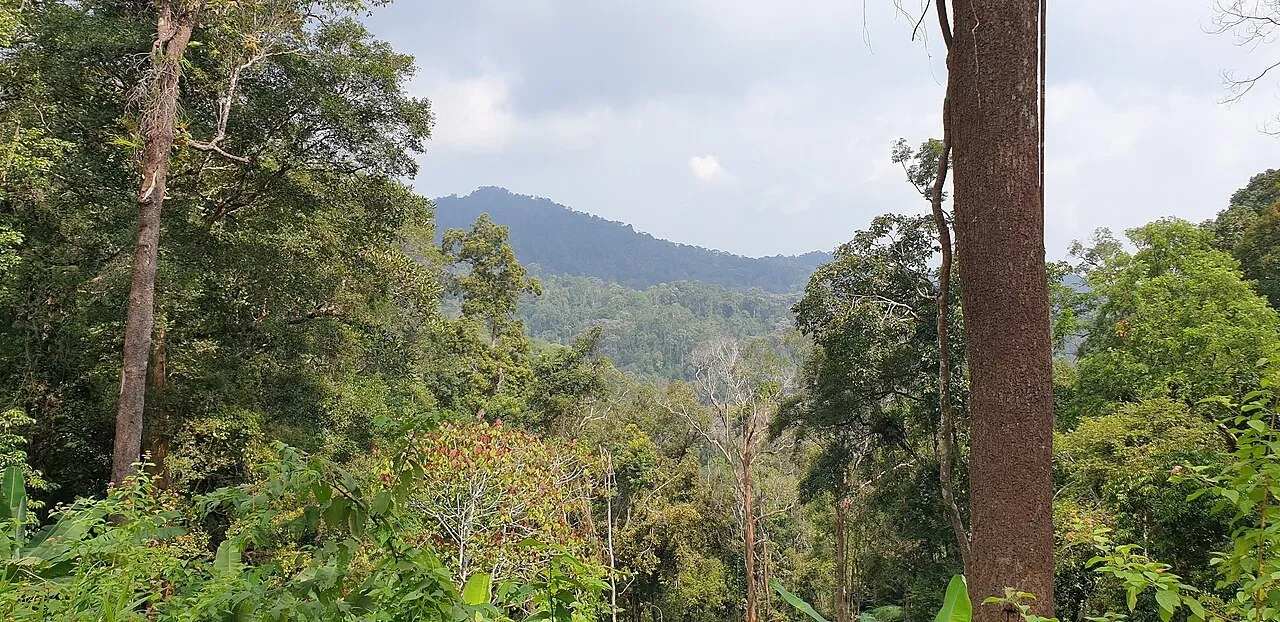 7
An interpretive trail and elevated walkways bring you closer to the forest at the top of Penang Hill, with a ticket separate from the funicular.
View details for The Habitat Penang Hill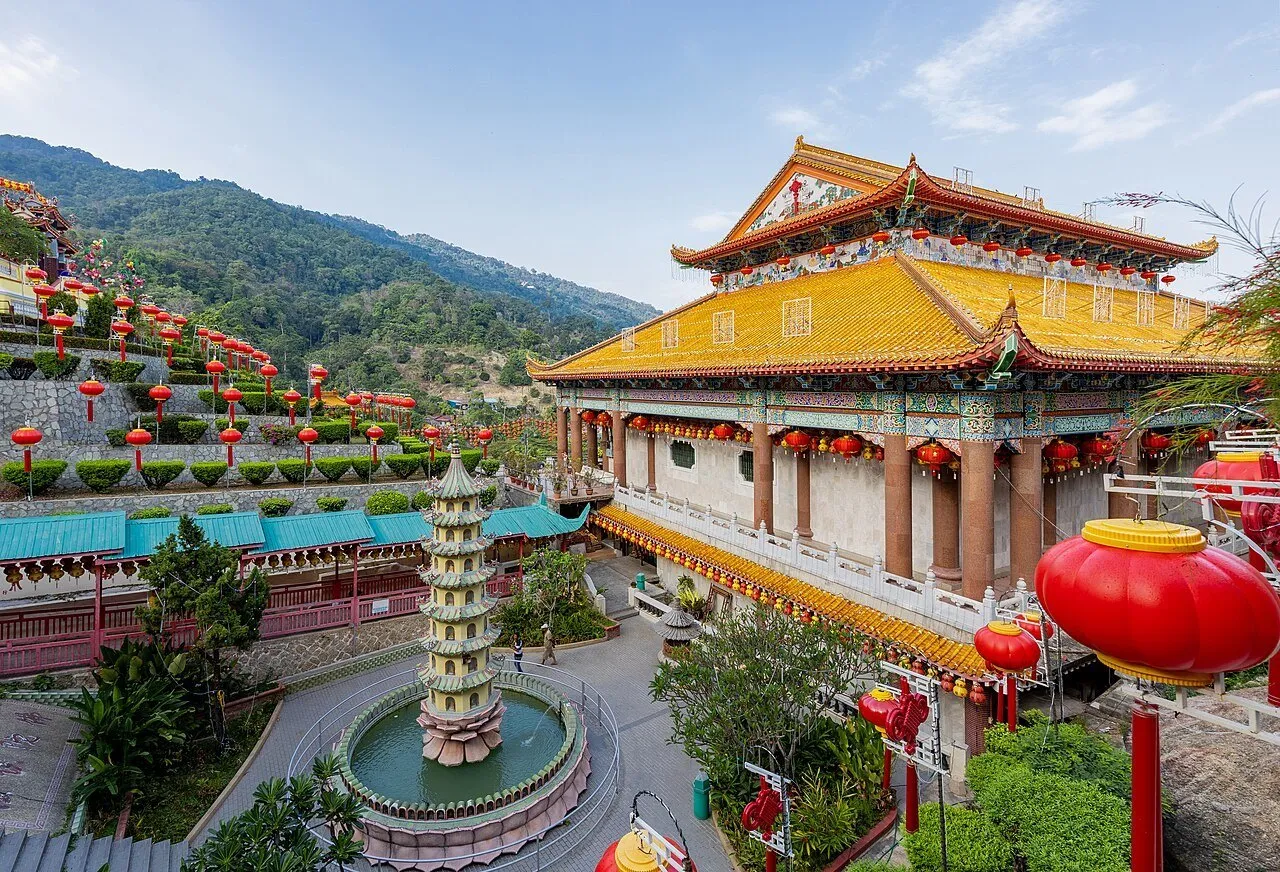 8
Prayer halls, a pagoda and the statue of Guanyin fill the Air Itam hillside in a Buddhist complex that takes time to climb and take in.
View details for Kek Lok Si Temple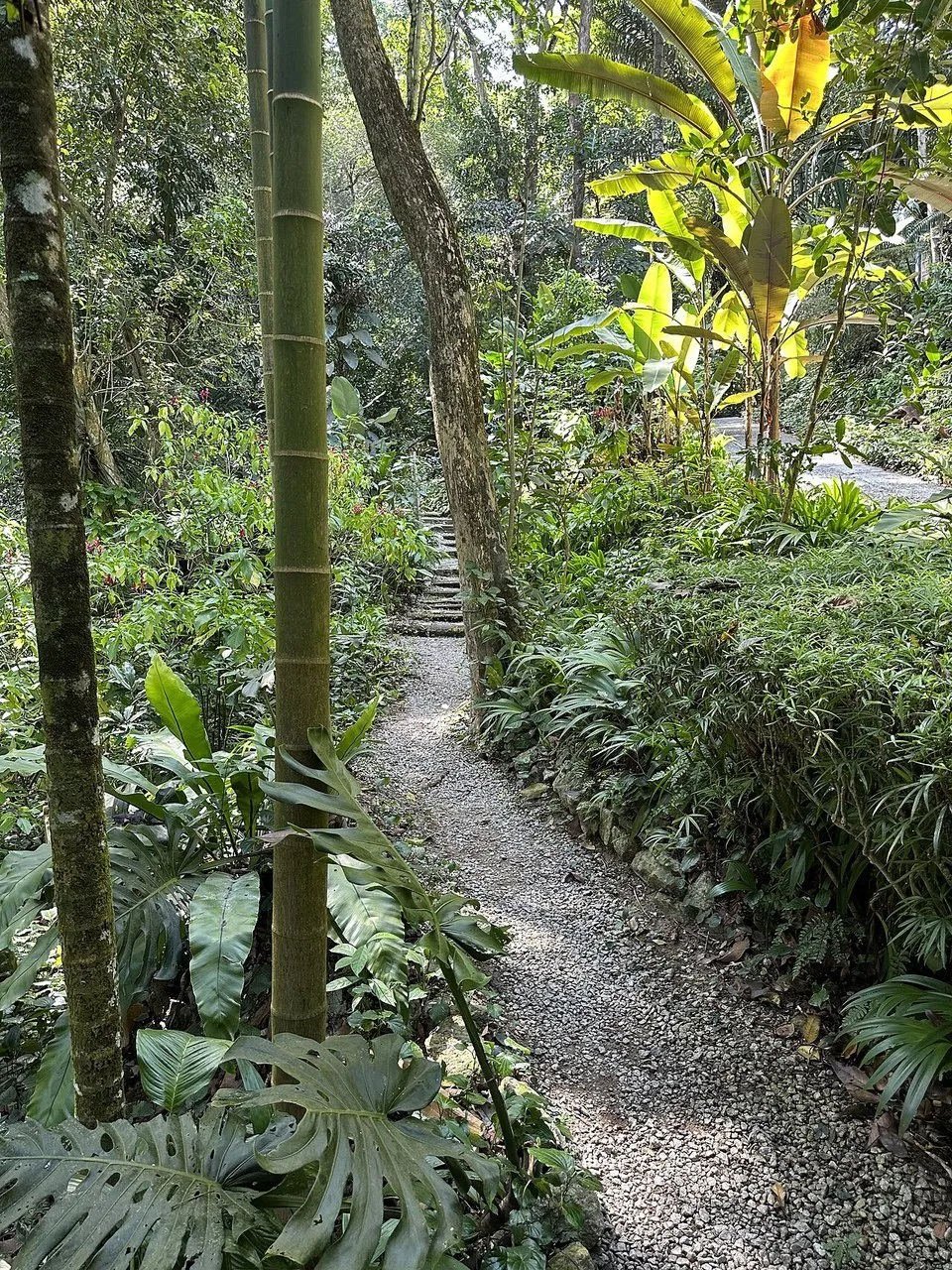 9
A garden of spices and tropical plants near Teluk Bahang, with trails that connect the ingredients of a dish to the plants that produce them.
View details for Tropical Spice Garden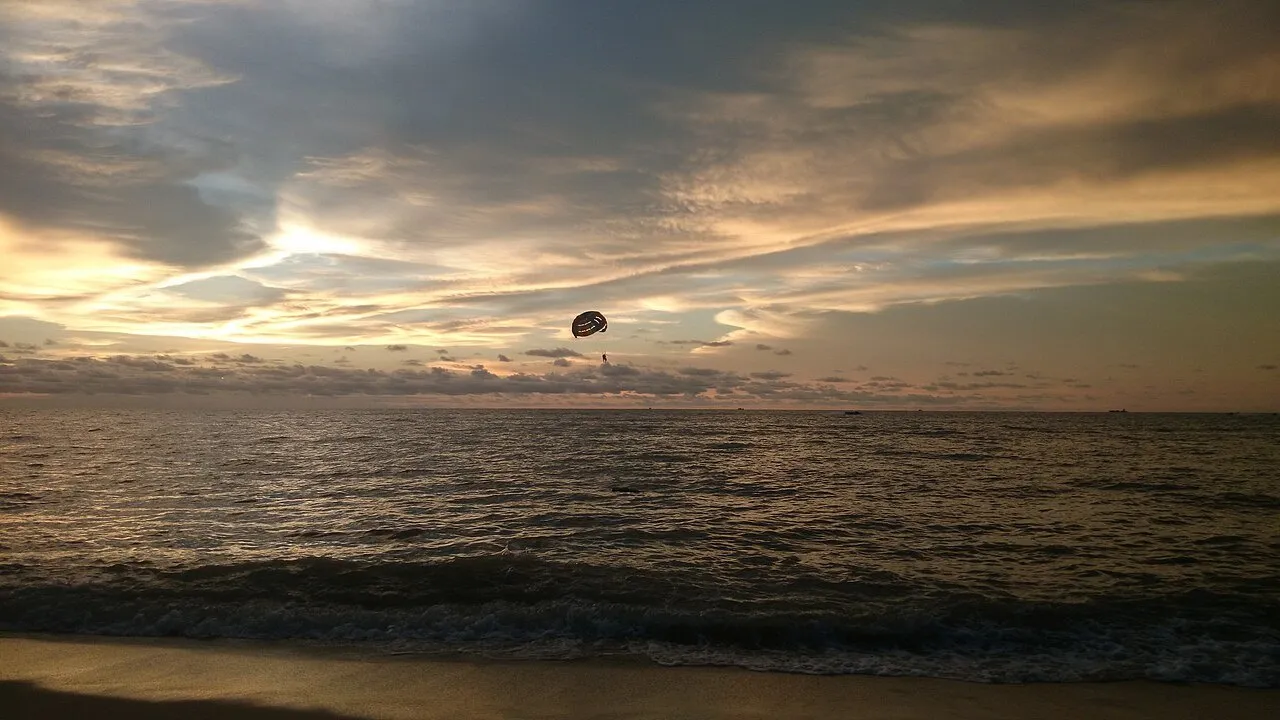 10
Sand, hotels and restaurants define Batu Ferringhi, a break on the north coast to stroll and wait for the late-afternoon light.
View details for Batu Ferringhi Beach1Start with the facades: George Town's commercial houses keep the shop below and the living floors above, forming rows that change color at every door. Near Armenian Street, the walk links architecture, small businesses and street art without asking you to tick off a list of murals.
The UNESCO recognition covers this urban fabric and its communities. Leave shop entrances clear and ask permission before photographing someone at work; a shopfront does not turn the person into an attraction.
2The indigo blue calls to you from the street, but the courtyard is what holds your attention. The former residence of the merchant Cheong Fatt Tze opens selected areas for visits that present the architecture and history of the house. Between the facade and the interior spaces, it is worth watching how the light changes the way the color looks.
The mansion also takes in guests: the ticket does not give unrestricted access to the building. Choose a guided tour or an audio guide and plan your walk around the reserved time.
3Among commercial facades, the open area of Kapitan Keling changes the pace of the street. The domes and minaret help you recognize this mosque, tied to the Muslim community of Indian origin. It is part of a route of nearby places of worship known as the Street of Harmony.
Ask at the entrance which areas can be visited. Prayers take priority, especially on Fridays; if you cannot go in, look at the architecture of the permitted areas.
4Walk through the passage into the courtyard and look up: ornate roofs, carved wood and stone reliefs share your attention at Khoo Kongsi. The association house keeps the memory of the Khoo clan members and shows how community networks supported the immigrants who arrived in Penang.
The complex includes an ancestral hall, a temple, a museum and an opera stage. Pick one panel to study: the carved scenes tell stories and family values. Your neck will thank you for the break.
5The wood underfoot changes the scenery of the walk: at Chew Jetty, the walkways run between houses on stilts and stretches open to the water. The jetty is part of the group of family settlements along George Town's waterfront, tied to the presence of Chinese communities in the port city.
There are shops and visitors, but also private doors. Stay on the authorized paths and photograph the architecture without intruding on residents' privacy. After rain, watch for wet flooring.
6The funicular swaps the streets of Air Itam for a climb surrounded by green. At the top of Penang Hill, also called Bukit Bendera, the viewpoints help you understand the position of George Town between the slope and the water. The view depends on the clouds; buying a ticket does not include negotiating with the weather.
The train ticket covers the transport, not the private attractions at the top. Allow for queues and combine the ride up with The Habitat to give the forest more time.
7Here the landscape stops being just the backdrop of the photo. At The Habitat, the trail goes through the forest and the Langur Way lets you observe the canopy from an elevated walkway. It is a chance to pay attention to leaves, insects and sounds that disappear when the only goal is to reach the viewpoint.
The ticket is separate from the funicular. Curtis Crest adds another perspective when available, but maintenance or storms can change the route. Confirm which areas are open before going in.
8Kek Lok Si appears in layers: prayer halls, pavilions and a pagoda spread across the Air Itam hillside. The statue of Guanyin, associated with compassion, is another highlight of the complex. Each change of level brings a new angle, so a quick stop tends to become a longer visit.
Respect the worship areas and plan the climbs without rushing. Some sections and entrances may have their own charges. Combine it with Penang Hill by using transport between the entrances: sparing yourself the slope helps you enjoy the halls.
9After tasting Penang's seasonings, meet some of them before they reach the pot. The Tropical Spice Garden gathers spices and other tropical plants along paths on a wooded slope. The signs and the audio guide help you notice shapes and uses that would go unnoticed on a walk only in search of shade.
Go in the morning, before Batu Ferringhi. Cooking classes require a reservation and can take up part of the day. Getting to know a plant is not permission to pick it or taste its leaves.
10Batu Ferringhi swaps the street corners of George Town for a strip of sand lined with hotels and places to eat. It is a good change of pace after the temples and the forest: walk, find a table and let the late afternoon happen without scheduling another attraction right after.
Some stretches are subject to erosion and protection works: access may differ from old photos. Follow local warnings about jellyfish, waves and boats; the itinerary does not depend on swimming.
George Town makes the first day and meals easier; Batu Ferringhi favors the beach. Check the address: Butterworth is on the mainland and requires a crossing for this itinerary.
Use Rapid Penang or a ride-hailing car for Air Itam and the coast. Add traffic and waiting to the visit times; the CAT helps downtown depending on the current route.
The heat is humid and it rains throughout the year. Bring water, sunscreen and a rain jacket; stay off exposed walkways during storms and follow park warnings.
Check the international fare: MyKad refers to the Malaysian ID card. Count the train and The Habitat separately; getting to the top does not settle every ticket office.
Use crosswalks and keep your belongings close to your body. Follow the dress and access rules at temples; on the jetties, doors and houses remain private.
Bring cash for small purchases and confirm the price before the extras. Mention allergies: sauces and broths may contain ingredients that are hard to see.
Spread your meals across the day: one stall specializes in noodles, another in dessert. Look for hawker centres, groups of stalls with tables, and kopitiams, traditional cafés. Order dishes to share and ask about the ingredients, especially in the sauces.
Wide rice noodles stir-fried in a wok; the mix varies, so check for seafood, meats and eggs.
Noodles in a tamarind fish broth, sour and spicy, quite different from the coconut versions of laksa.
Rice served with curries and other dishes chosen at the counter; ask the price before building your plate.
Shaved ice with coconut milk, palm sugar, pandan-flavored strands and, in many versions, red beans.