 1
Religion and art
Masjid Jamek
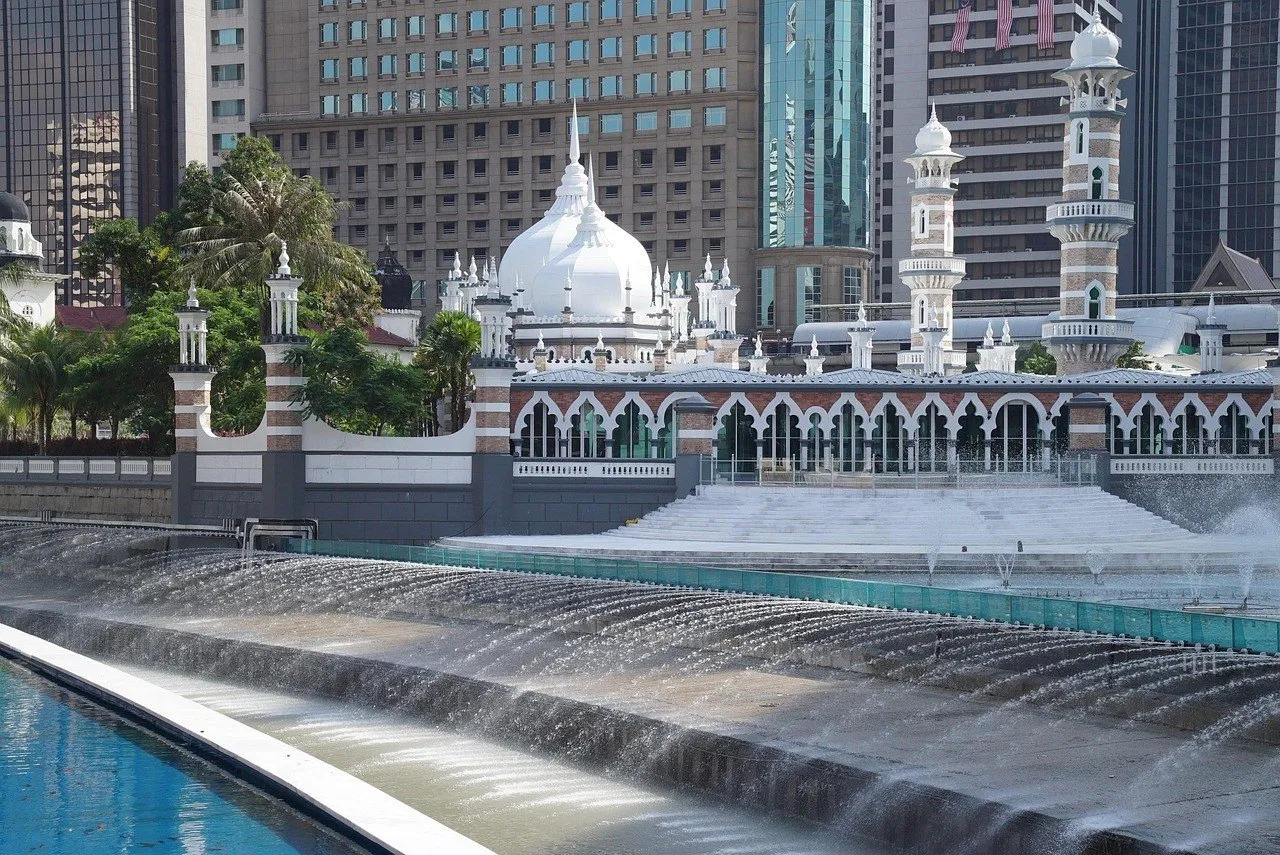
A 1909 mosque built right where the Klang and Gombak rivers meet, the spot that gave Kuala Lumpur its name. Visitors enter outside prayer times.
View details for Masjid Jamek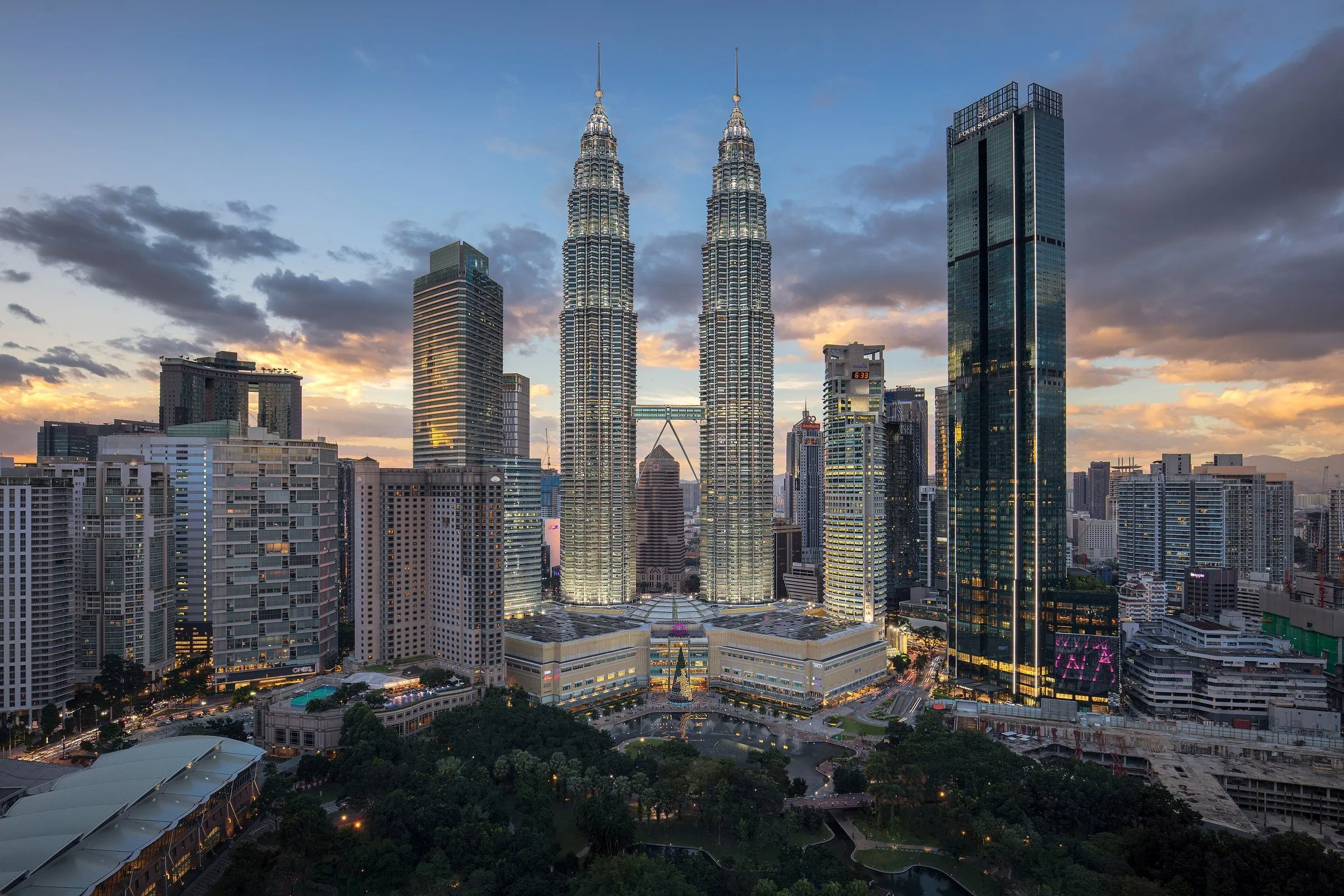
At Masjid Jamek, two muddy rivers meet and give the city its name: Kuala Lumpur means "muddy confluence." A few blocks later, a Hindu temple shares the sidewalk with Chinatown.
Kuala Lumpur began around 1857 as a tin-mining camp where the Klang and Gombak rivers meet, and the mix of people who came for the ore never left. Malays, Chinese and Indians share the city to this day, and it shows on the plate, in the festival calendar and on the map: a Mughal-style mosque, a Hindu temple with a colorful tower and Chinatown's covered street all fit into the same morning walk.
Islam is the official religion of Malaysia and the faith of most of its people, with freedom of worship guaranteed to other religions. For visitors, that comes down to a few simple rules: arms and legs covered in places of worship, shoes left outside, and attention to prayer times. Mosques open to tourists usually lend a robe at the entrance, so nobody needs to pack a special suitcase.
The humid heat sets the pace. Mornings are for walking the old center and climbing the steps at Batu Caves; afternoons, for air-conditioned museums; evenings, for eating on the street. The Petronas Towers make the list, of course, but as part of the city, not as a summary of it.
Kuala Lumpur means "muddy confluence" in Malay: the city was born where the Klang and Gombak rivers meet, exactly where Masjid Jamek stands today.
Brickfields got its name because this patch of clay is where the city's bricks were made, after a fire and a flood destroyed the wood-and-thatch buildings in 1881.
In 2024, Malaysian breakfast culture, which includes nasi lemak and teh tarik, was added to UNESCO's list of intangible cultural heritage.
From 1998 to 2004, the Petronas Towers were the tallest buildings in the world; they lost the title to Taipei 101, but they remain the tallest twin towers on the planet.
1A 1909 mosque built right where the Klang and Gombak rivers meet, the spot that gave Kuala Lumpur its name. Visitors enter outside prayer times.
View details for Masjid Jamek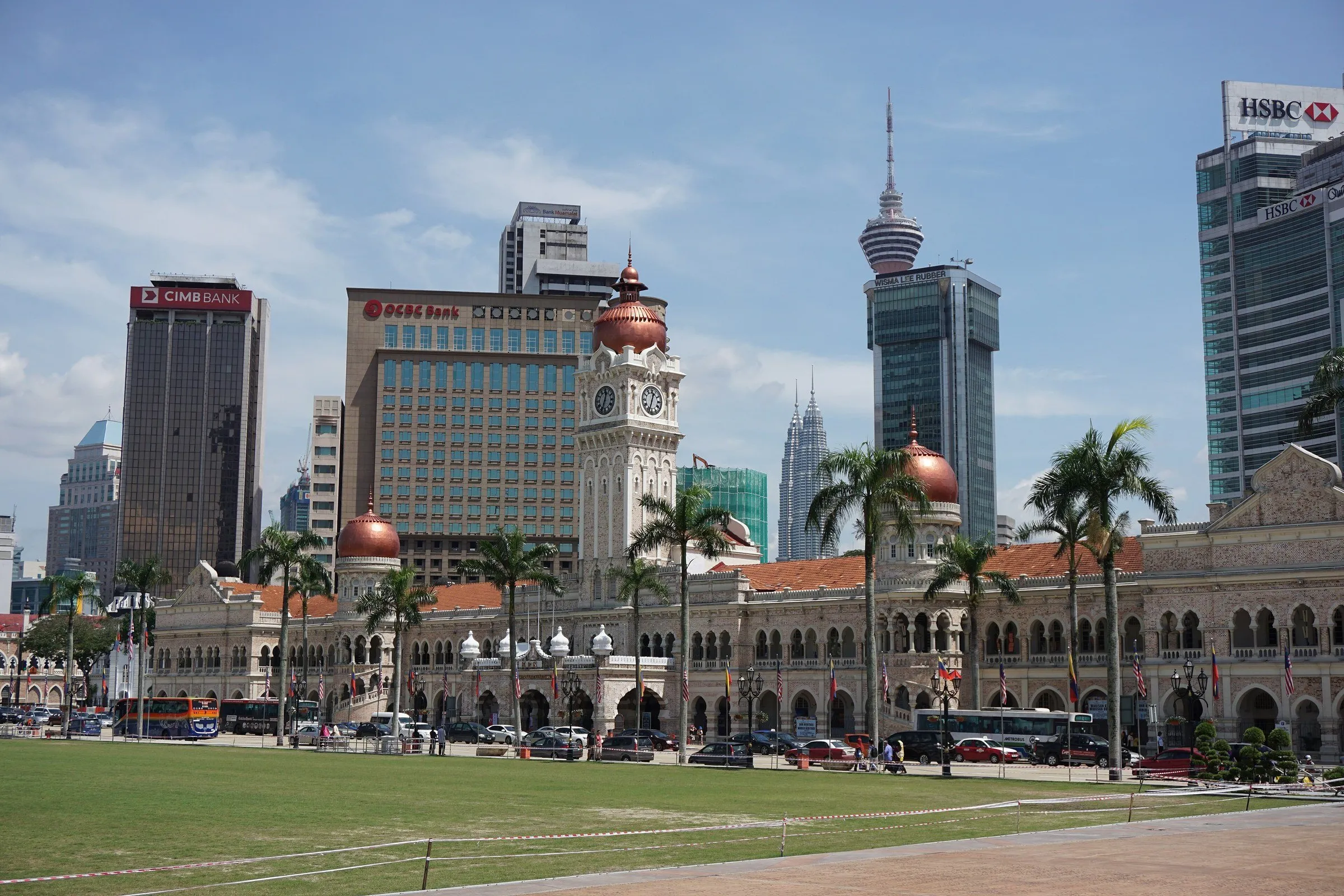 2
The British cricket ground where the flag of independent Malaya first went up in 1957, facing a colonial building in Mughal style.
View details for Merdeka Square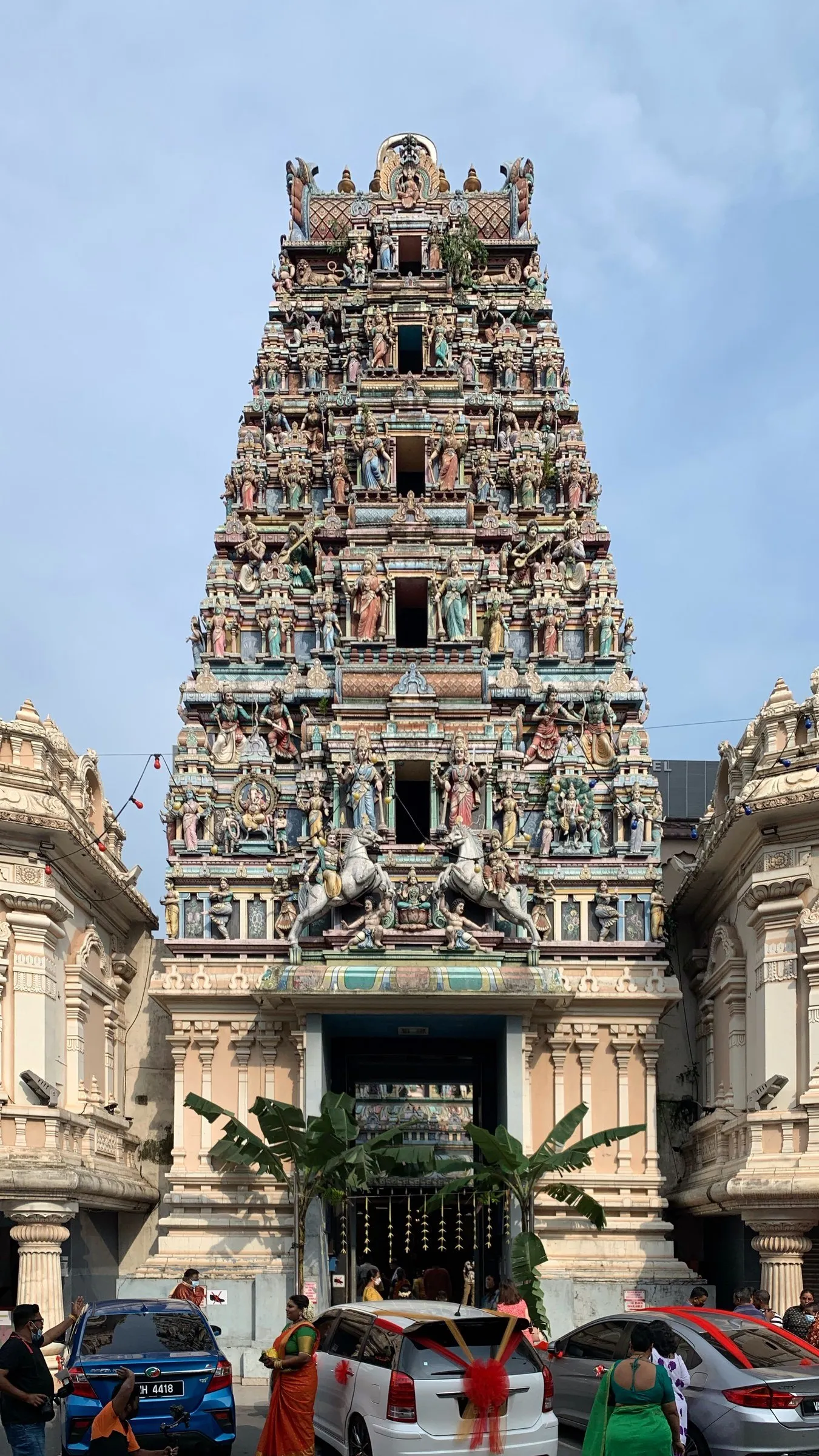 3
A Hindu temple founded in 1873, with a five-tier entrance tower covered in carved and painted deities, tucked into the middle of Chinatown.
View details for Sri Mahamariamman Temple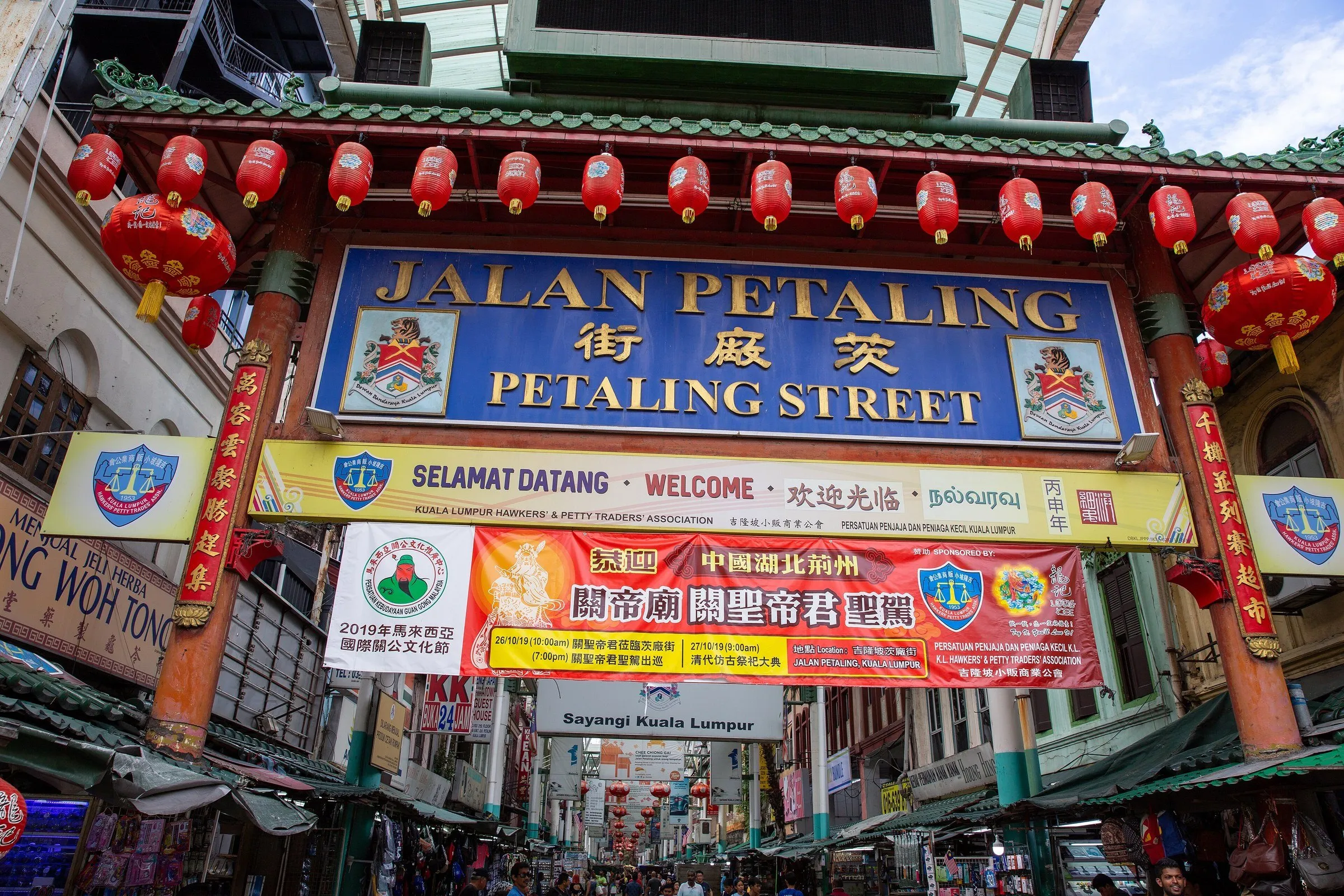 4
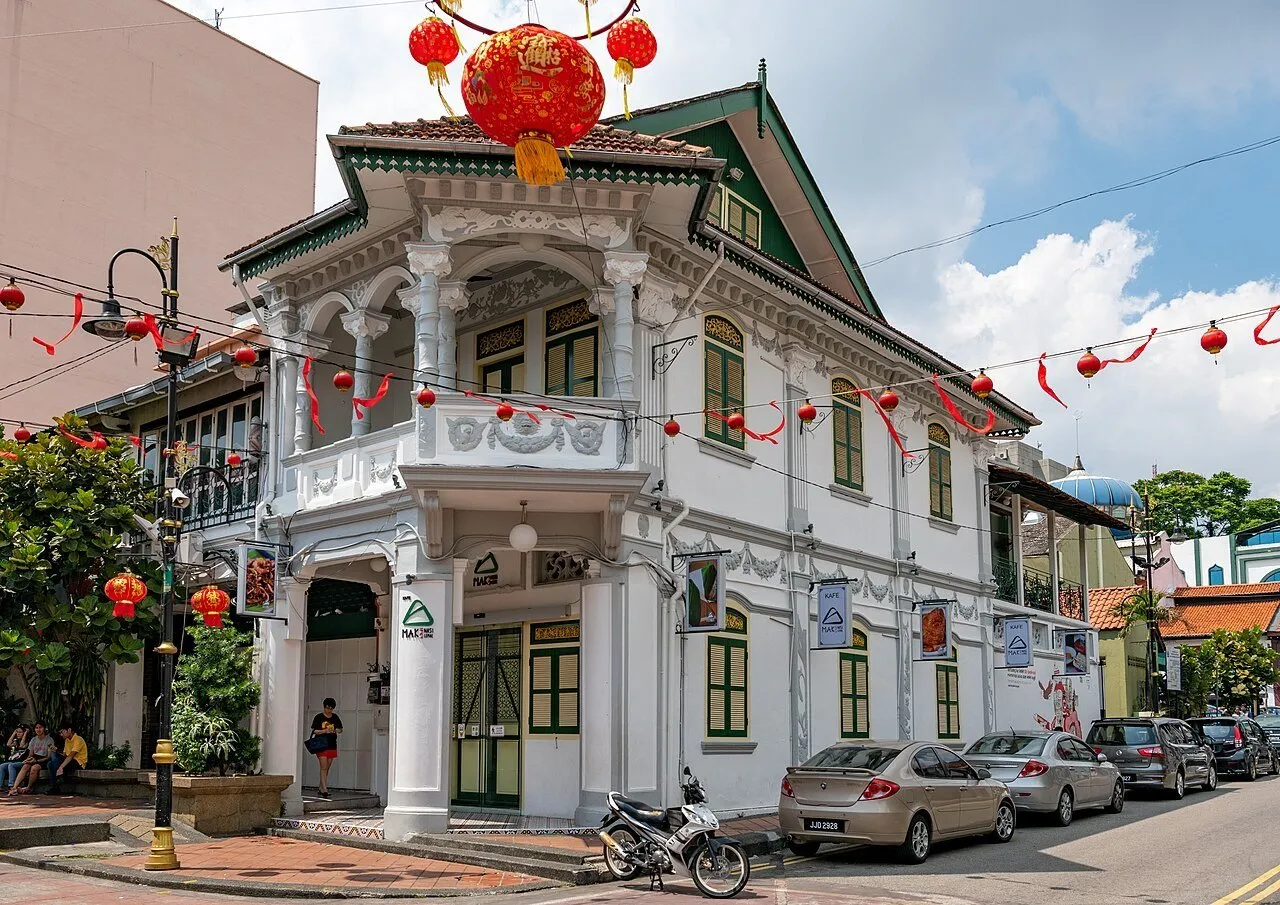
The main street of Kuala Lumpur's Chinatown, covered and pedestrian-only, where you haggle, eat at stalls and meet the city of the old tin miners.
View details for Petaling Street (Chinatown)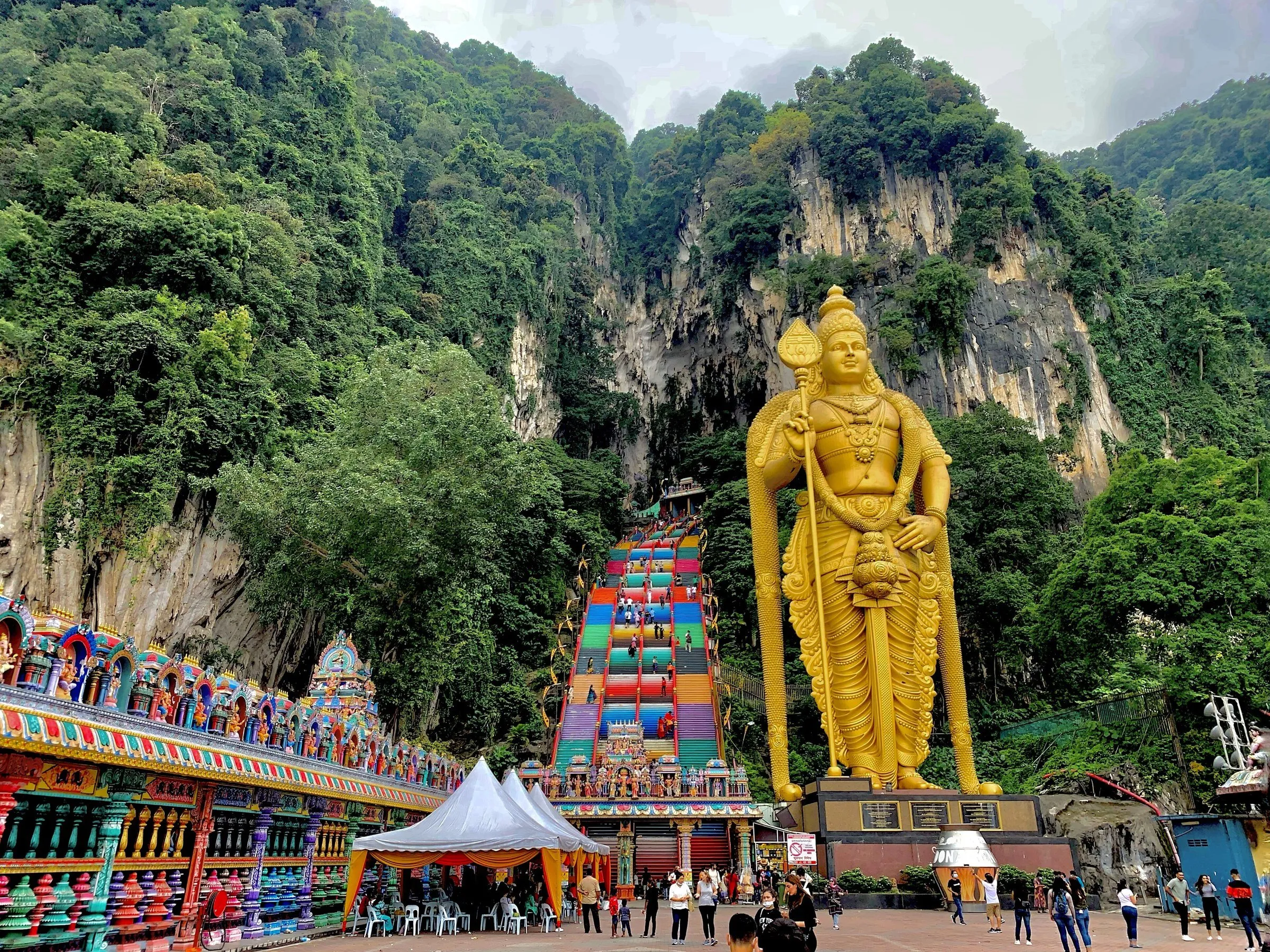 5
Limestone caves with Hindu temples, a golden statue of Murugan about 43 meters tall and 272 colorful steps up to the main cave. You can get there by train.
View details for Batu Caves 6
Kuala Lumpur's Indian neighborhood, right by KL Sentral station, where rice served on a banana leaf shares the street with Hindu, Chinese and Buddhist temples and churches.
View details for Brickfields (Little India)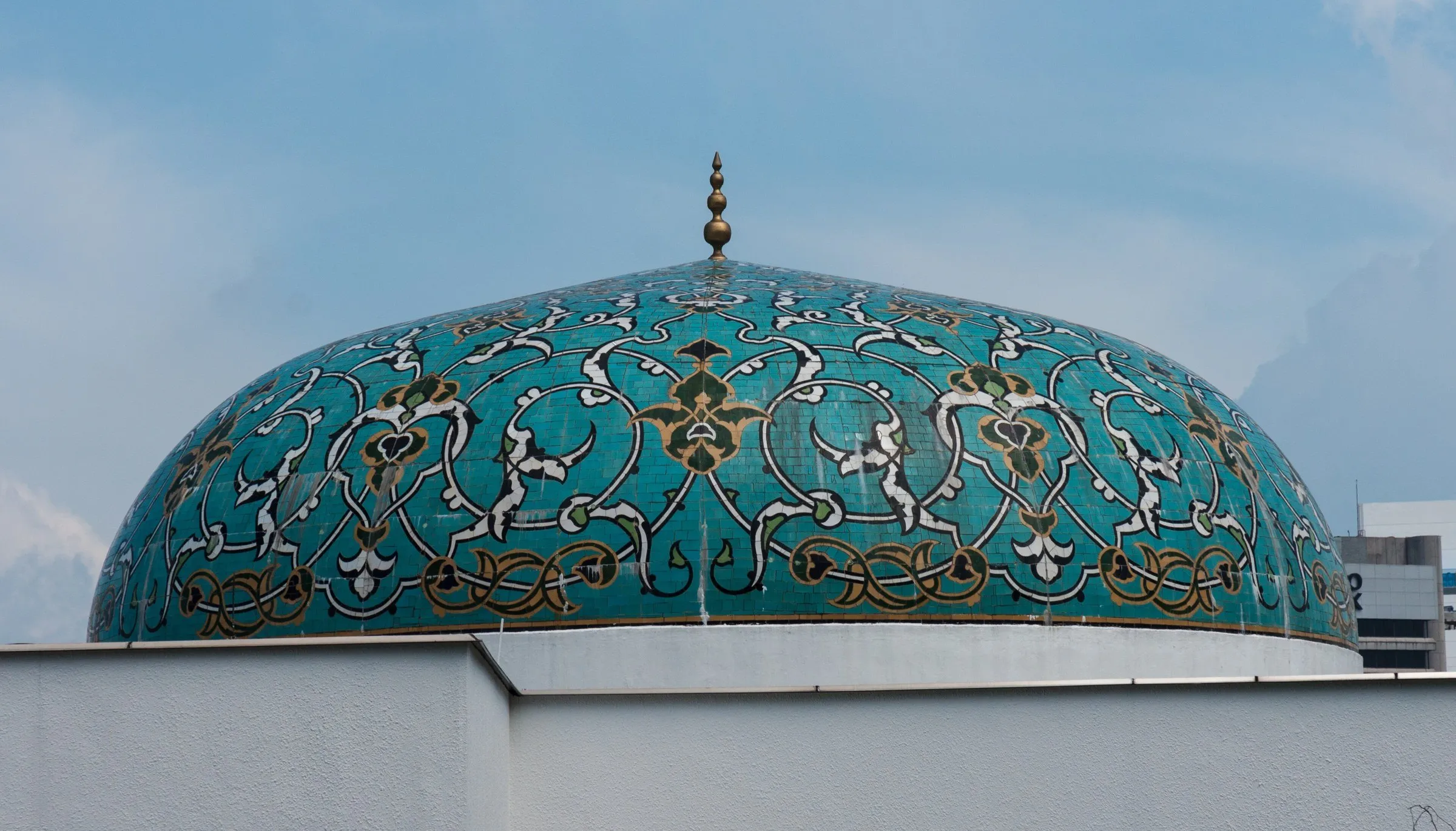 7
More than 7,000 pieces from the Islamic world, from India to China and the Malay Peninsula, in 12 galleries under turquoise-tiled domes, near the National Mosque.
View details for Islamic Arts Museum Malaysia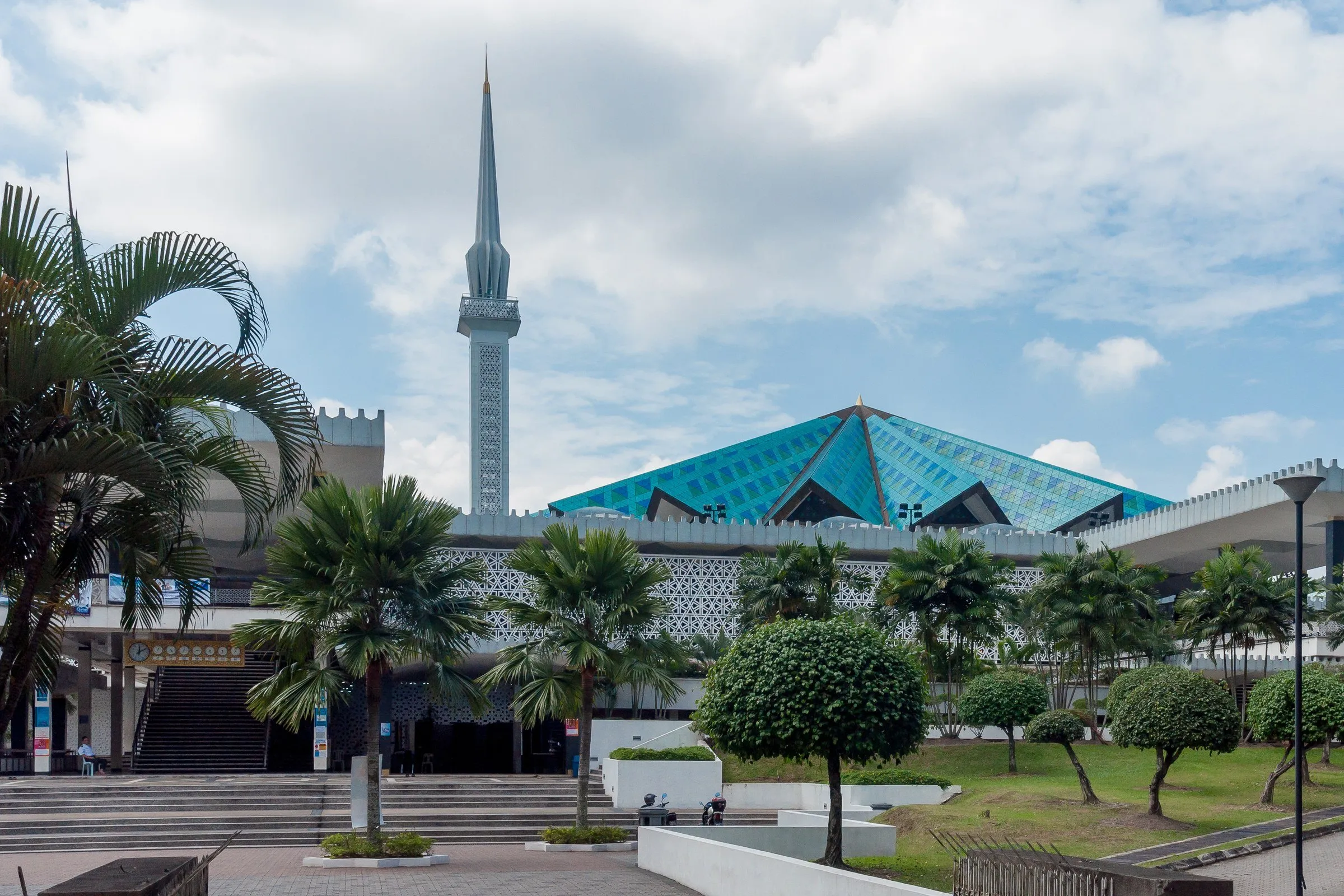 8
A modernist mosque from 1965, with a roof that looks like an open umbrella, a 73-meter minaret and room for 15,000 worshippers. Open to visitors between prayers.
View details for National Mosque (Masjid Negara)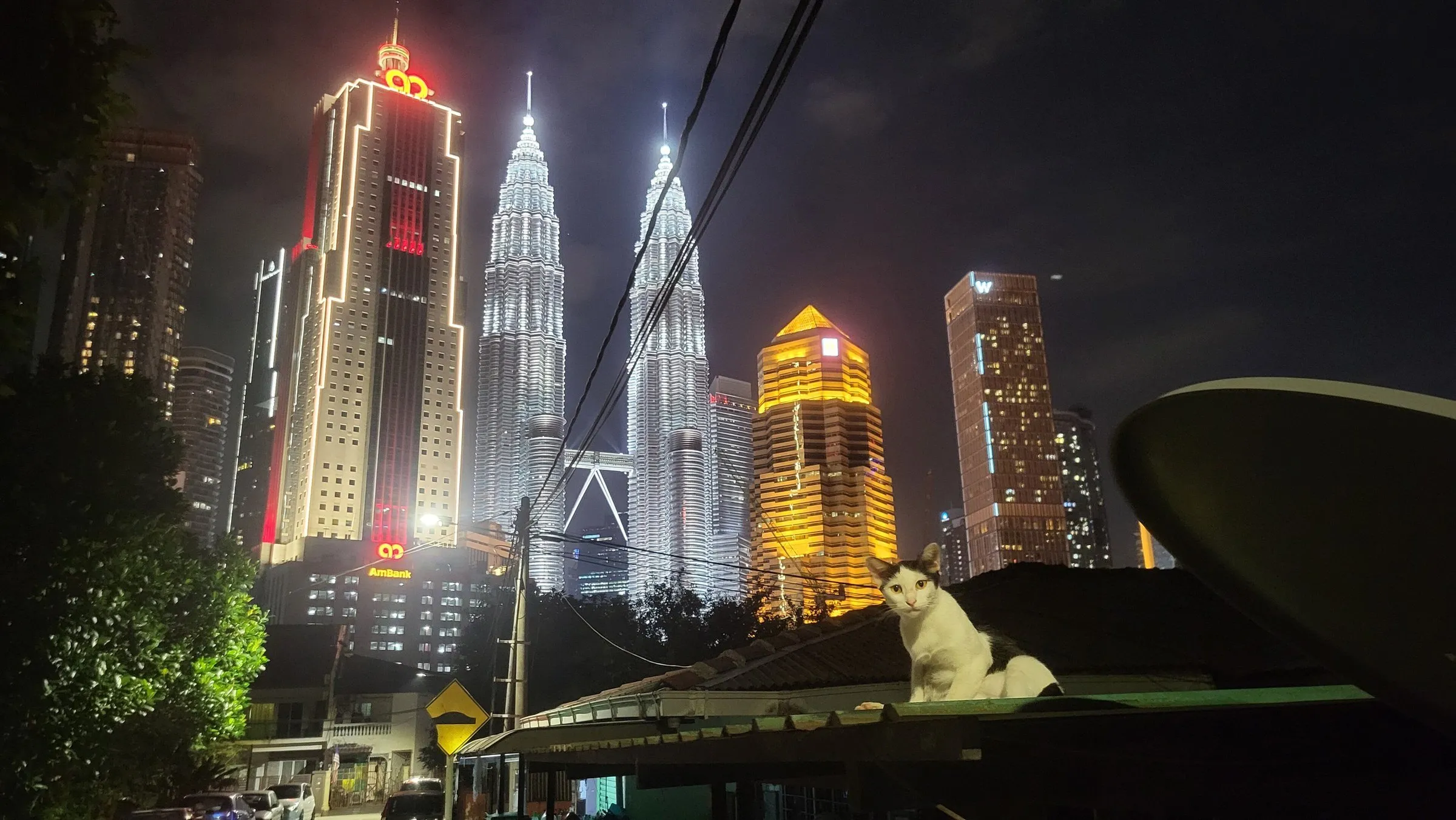 9
A Malay neighborhood created in 1899 to keep village life inside the city, with low houses, a mosque and street food, a footbridge away from the Petronas Towers.
View details for Kampung Baru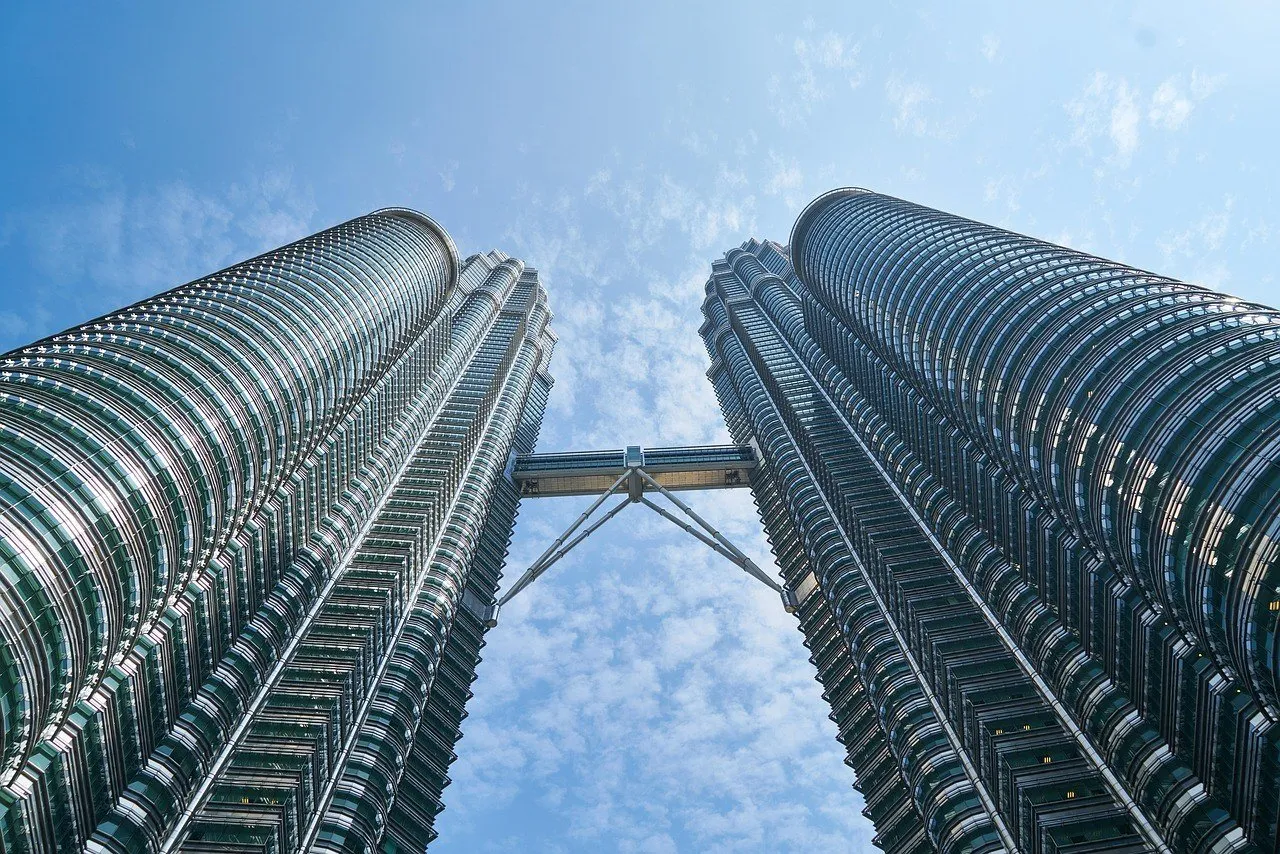 10
The world's tallest twin towers, 452 meters high, with a bridge between floors 41 and 42 and a park with a fountain and light show at their feet.
View details for Petronas Twin Towers and KLCC Park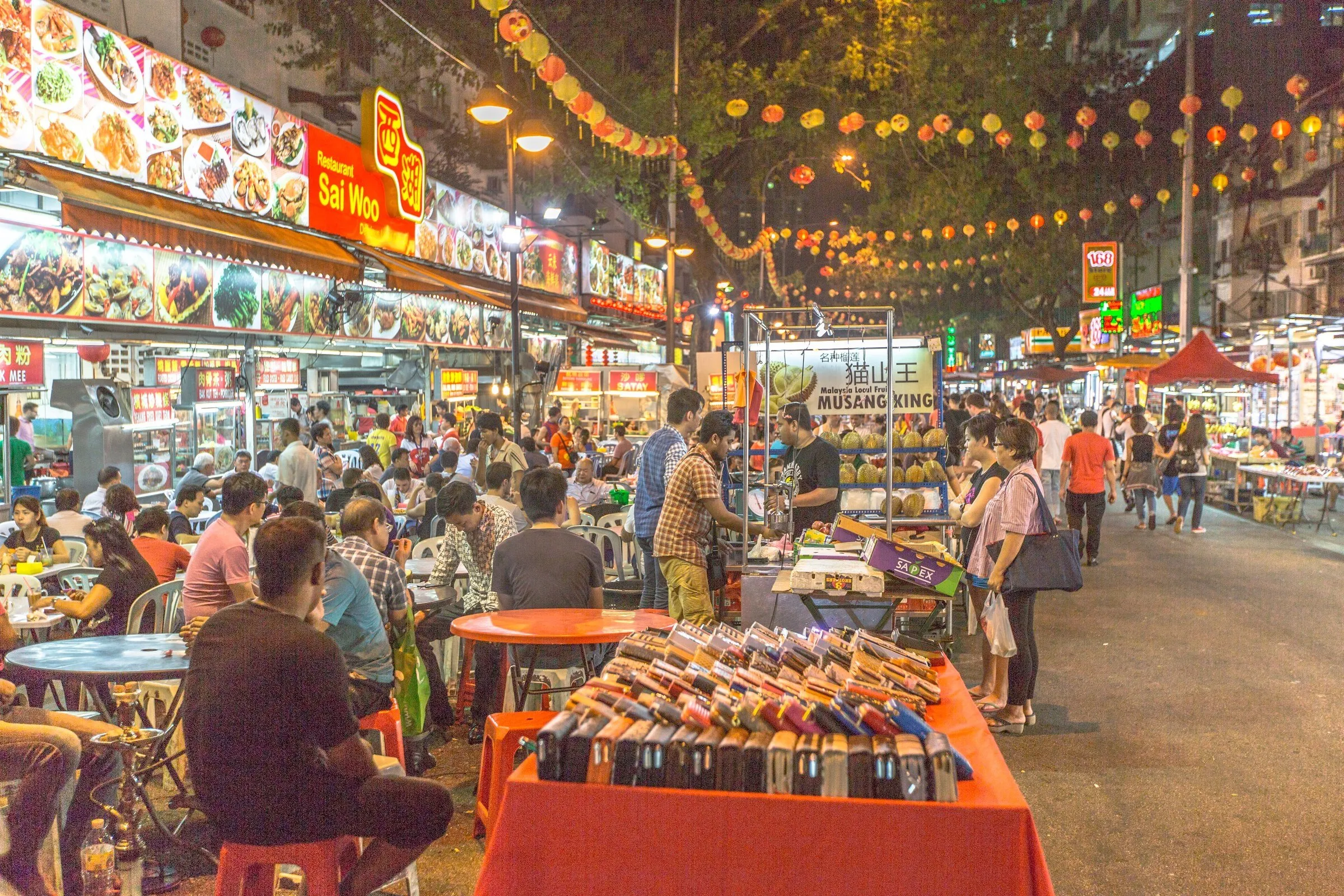 11
A street parallel to Bukit Bintang that fills with stalls and sidewalk tables after dark, serving Chinese and Thai food until late.
View details for Jalan Alor1Arthur Benison Hubback, a British architect with the Public Works Department, designed this mosque of domes and arches in the Mughal style, opened by the Sultan of Selangor in December 1909. It sits on a raised embankment right at the confluence of the Klang and Gombak rivers, the very mud that named the city. The riverbanks gained fountains and colorful lighting through River of Life, a river revitalization project.
To go in, stop at the information desk first. Non-Muslim visitors are given a robe when their clothing doesn't cover enough, and women also get a headscarf. Shoes go on the racks by the door. Visits are suspended during prayers.
2Today it looks like one huge lawn, but it used to be the Padang, the Royal Selangor Club's cricket field and a meeting point for the colonial elite. At midnight as August 31, 1957 began, the British flag came down and the flag of independent Malaya went up right here. A round black marble plaque marks the spot, near a 95-meter flagpole, and the square still hosts the annual independence parade.
Across the street stands the Sultan Abdul Samad Building, which housed the colonial government offices in 1897. In the Indo-Saracenic, or neo-Mughal, style, it looks like it left Mughal India and stopped by mistake in front of an English cricket field.
3On Jalan Tun H.S. Lee, between Chinese shops, rises the gopuram: a five-tier entrance tower almost 23 meters tall, with more than two hundred figures of gods and guardians. The temple began in 1873 as a private shrine of K. Thamboosamy Pillai's family and moved to this address in 1885.
This is where the silver chariot is kept that, since 1983, carries the image of Murugan through the streets to Batu Caves during the Thaipusam festival. Take your shoes off before going in, cover your shoulders and knees, and remember this is a temple in active use: photograph worshippers only with permission.
4Many of the miners who built Kuala Lumpur were Cantonese or Hakka, led by the Chinese kapitan Yap Ah Loy, who even set up a tapioca factory on this very street. Today Jalan Petaling is closed to cars and, since 2003, covered by a green roof nicknamed the Green Dragon, which is worth its weight in gold when the afternoon downpour hits.
The house rule is to haggle with good humor. Between one stall and the next, look for food: wanton mee, Hainanese chicken, curry laksa. In the Kwai Chai Hong alley, six interactive murals tell the story of the neighborhood's past, and the Central Market, an old market turned crafts bazaar, is a short walk away.
5The statue comes first: Murugan, a Hindu deity, all in gold, about 43 meters tall, unveiled in 2006. Behind him, 272 steps, painted in different colors in 2018, climb to the Temple Cave, a hall with a very high ceiling and shrines. The temple has been here since 1891, and Thaipusam, which draws hundreds of thousands of worshippers between January and February, has been held here since 1892.
The long-tailed macaques live on the staircase and can spot a snack bag from far away: keep your food stowed and don't feed anyone. There is a dress code with knees covered, and visitors in shorts can rent a sarong at the foot of the stairs. At the base, the Ramayana Cave, with scenes from the epic and a 15-meter Hanuman at the entrance, charges a separate admission fee.
6The name gives away the origin. After the fire and flood of 1881, the British administration began requiring brick and tile in construction, and Yap Ah Loy bought this patch of clay to make the bricks for the new city. Today Brickfields is Kuala Lumpur's Little India, with Indian businesses along Jalan Tun Sambanthan, the former Jalan Brickfields.
The neighborhood is more mixed than its nickname suggests: the Sri Kandaswamy Kovil temple, from 1902, shares the area with the Buddhist Maha Vihara, founded in 1894, as well as Chinese temples and several churches. The visit ends sitting down, in front of a banana leaf rice.
7Opened in 1998, the Islamic Arts Museum Malaysia is the largest museum of Islamic art in Southeast Asia, with more than 7,000 objects. The turquoise domes outside set the tone: everything here is ornament, geometric pattern and a craftsman's patience. The first floor brings together architecture, Quran manuscripts and the arts of India, China and the Malay world; the second, weapons, textiles, jewelry, coins, metalwork, woodwork and ceramics.
Look for the Ottoman Room, a fully restored 19th-century chamber, and the central illumination of the Royal Terengganu Quran, from 1871. It is also the best shelter from the hottest hours of the afternoon.
8Opened in August 1965, eight years after independence, the National Mosque swapped traditional domes for concrete and straight lines. The main roof, star-shaped, looks like an open umbrella; the top of the 73-meter minaret, a closed one. The design came from a team of three architects at the Public Works Department, and the mosque holds 15,000 people.
Entry is free and works in time windows between prayers, shorter on Fridays. At the entrance, anyone whose arms and legs aren't covered is lent a robe, and women a headscarf. Shoes stay outside, and it's worth following the staff's directions on where to walk.
9In 1899, a piece of land was set aside so that Malay families could keep the kampung way of life, the village way of life, inside the capital. More than a century later, Kampung Baru is still low-rise: old wooden houses beside concrete ones, the Masjid Jamek Kampung Baru and, in the background, the Petronas Towers watching over everything from above.
The neighborhood is known for Malay food, and Jalan Raja Muda Musa is the street for breakfast with nasi lemak. Redevelopment plans and negotiations with residents have dragged on for years, so remember this is a residential area and photograph the houses discreetly. To leave, the Saloma Link footbridge crosses the Klang River toward the towers.
10From 1998 to 2004, no building in the world was taller, until Taipei 101 took the title. They have 88 floors and stand 452 meters to the tip, and the floor plan of each tower, designed by architect César Pelli, starts from an Islamic symbol, the Rub el Hizb. The two-story bridge links the towers at floors 41 and 42, 170 meters above the ground.
The paid visit includes the bridge and the observation deck on the 86th floor, with a limited number of tickets per day. The free part is worthwhile too: KLCC Park, at almost 7 hectares, has a running track, shallow wading pools for children and a fountain with a light show. The best photo of the towers, by the way, comes from the park, not from inside them.
11By day, Jalan Alor goes almost unnoticed in the Golden Triangle, the central area of Bukit Bintang. It wakes up at night: stalls and cafés open, tables spill out in front of the restaurants and smoke from the grills slowly takes over the street. The cooking is mostly Chinese and Thai, great for ordering several dishes and sharing with the whole table.
It works as an easy dinner after the towers, a short Grab ride away. The real risk here is ordering too much at the first table and having no room for the second. On a street this touristy, checking the menu with prices before sitting down avoids surprises on the bill.
KLIA is about 50 km south of the city. The KLIA Ekspres train goes straight to KL Sentral in under half an hour; the KLIA Transit covers the same route with stops.
The Grab app is the simplest way to get around, with the price set before the ride. For the metro and trains, buy a Touch 'n Go card, and in the center take advantage of the free GoKL buses, which run circular routes.
Arms and legs covered, shoes outside the door and no visits during prayers. Many mosques lend a robe and headscarf, but light trousers and a sleeved shirt in your bag save time.
Violent crime against tourists is rare, but there are motorbike thieves who snatch bags. Carry yours on the side away from the street and keep your passport with you, because the police carry out checks.
When eating with your hands, use the right: the left never touches the food. Public drunkenness is frowned upon, so save the beer for the bar.
From October to March, monsoon storms can flood streets. Between May and October, smoke from fires in Sumatra sometimes blankets the city; people with asthma should keep an eye on air quality.
In Kuala Lumpur, the city map is also a menu. Kampung Baru serves Malay food; Chinatown and Jalan Alor, Chinese cooking late into the night; Brickfields, rice on a banana leaf. In between are the mamak stalls, where roti canai comes off the griddle and teh tarik flies from one mug to another, and the kopitiam, traditional cafés where the day starts with kaya toast and nasi lemak. Breakfast here is serious business: it became UNESCO heritage.
Rice cooked in coconut milk with pandan leaf, served with spicy sambal, fried anchovies, peanuts, egg and cucumber. It is the national dish and traditionally comes wrapped in a banana leaf.
A flaky flatbread of dough stretched and folded several times, cooked on a griddle and served with dal or curry. A classic breakfast at mamak stalls.
The "pulled tea": strong black tea with condensed milk, poured from one mug to another, from a height, until frothy. It is considered the national drink.
Rice with curries, vegetables and side dishes served on a banana leaf, a specialty of the restaurants in Brickfields.
We use cookies and similar technologies, such as Google Analytics, in accordance with our Privacy Policy and, by continuing to browse, you agree to these terms. You can decline at any time in the policy.