1Old Jaffa and Jaffa Port
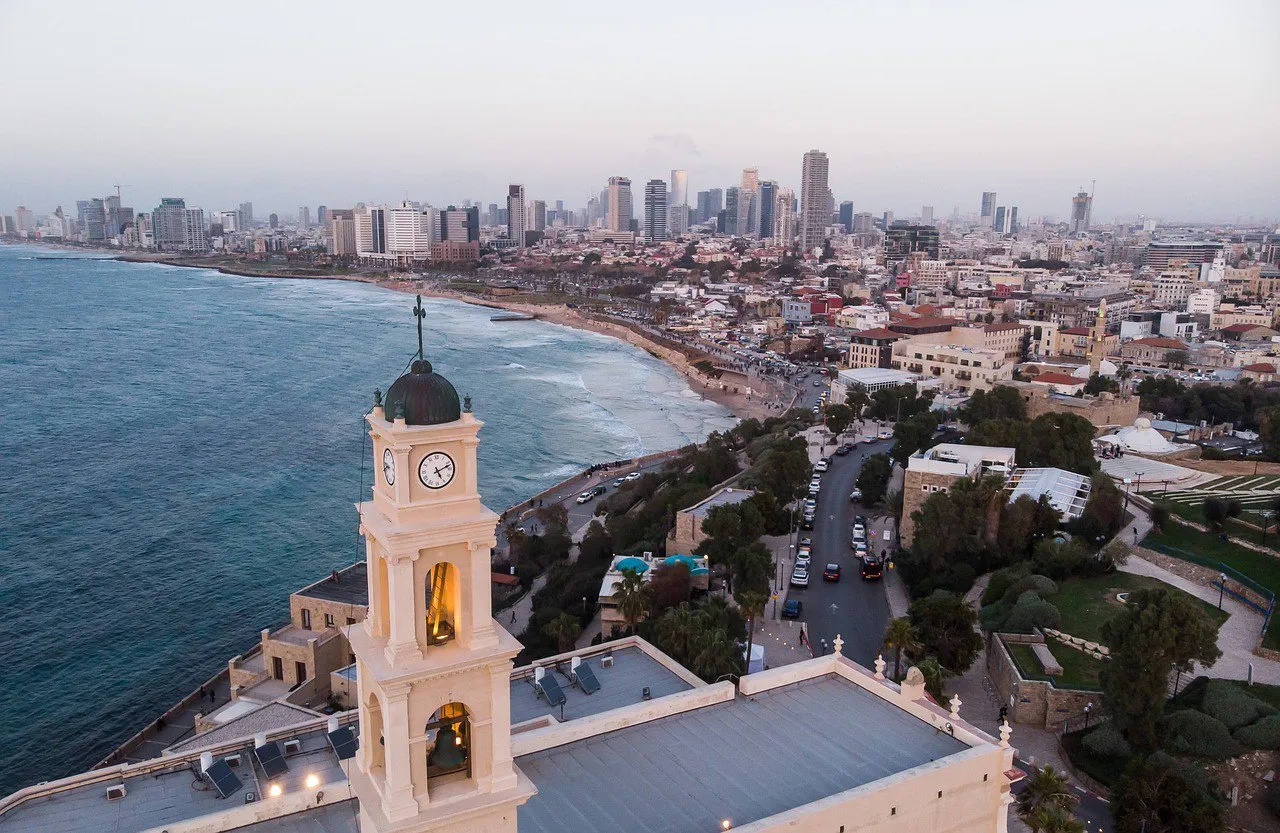
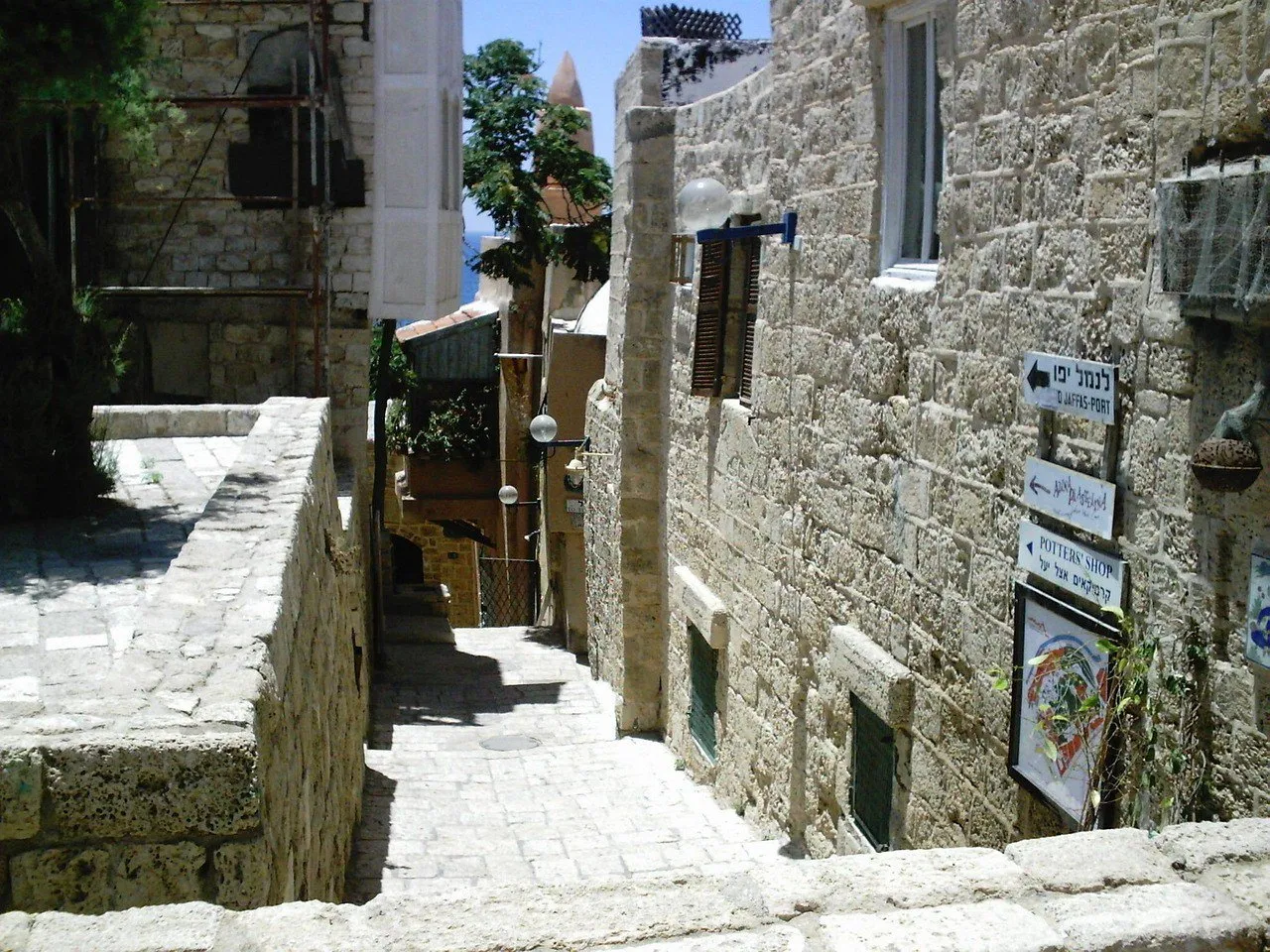
Stone alleys, galleries and the port bring the walk closer to the maritime history of Jaffa, with views of the Mediterranean and the Tel Aviv waterfront.
View details for Old Jaffa and Jaffa Port
Israel
In Jaffa, stone alleys run down to the boats; to the north, the promenade follows the sand and the buildings. In Tel Aviv, the Mediterranean helps set the route and choose the next break.
The White City recognized by UNESCO is not a row of identical buildings: it brings together different strands of modernism adapted to the climate and local traditions.
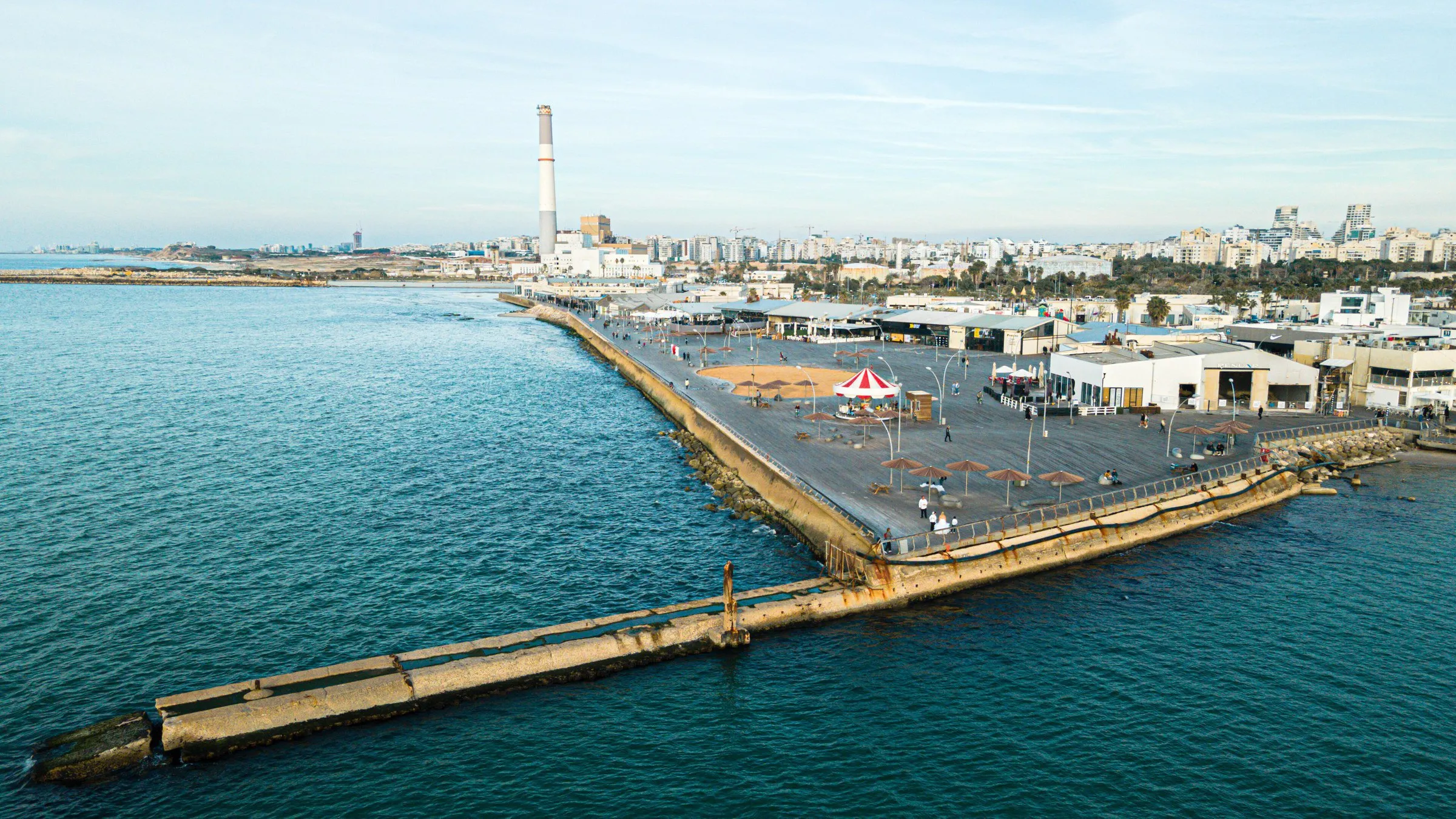
The wavy wooden deck at Tel Aviv Port was inspired by dunes: the landscape that existed before the buildings reappears in the promenade.
Jaffa Port still receives fishers, even with old warehouses now occupied by galleries and restaurants: work at sea shares the space with the stroll.
1Stone alleys, galleries and the port bring the walk closer to the maritime history of Jaffa, with views of the Mediterranean and the Tel Aviv waterfront.
View details for Old Jaffa and Jaffa Port
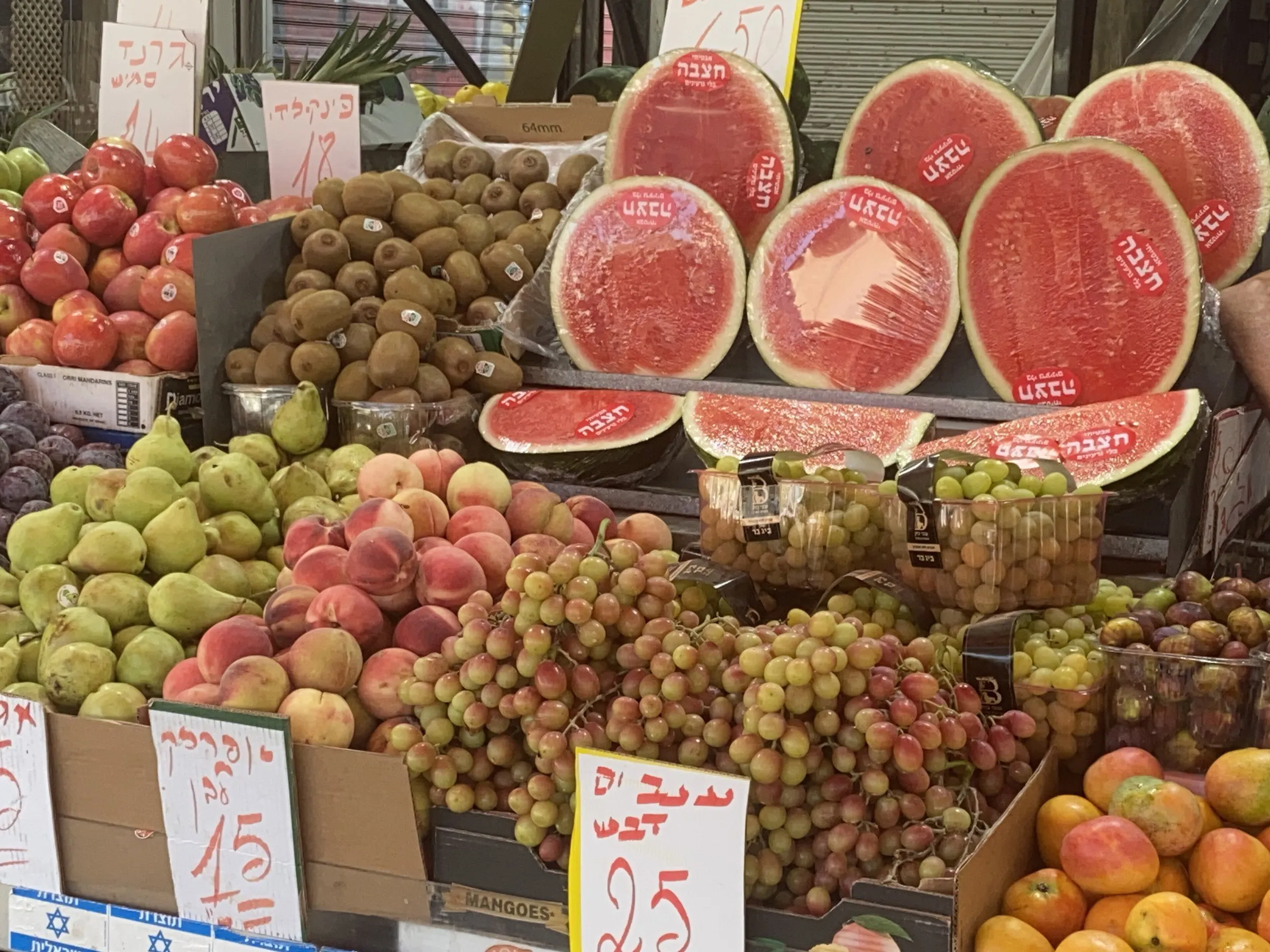
2Stalls of fruit, spices, preserves and other goods line up in Carmel Market, where the break to eat can become the main part of the visit.
View details for Carmel Market (Shuk HaCarmel)
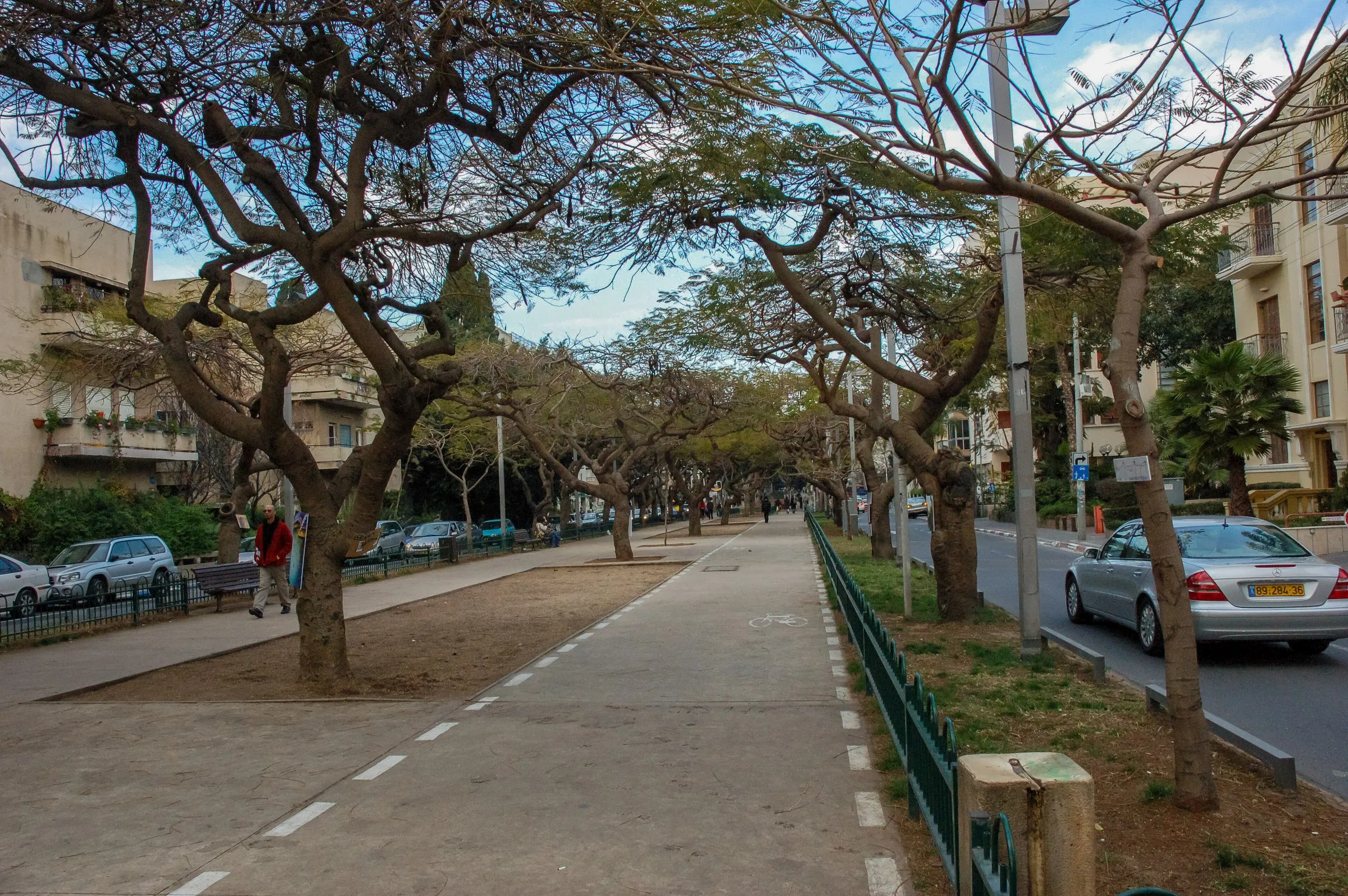
3A walk along Rothschild combines the tree-lined central strip with modernist facades tied to the White City recognized by UNESCO.
View details for Rothschild Boulevard and the White City
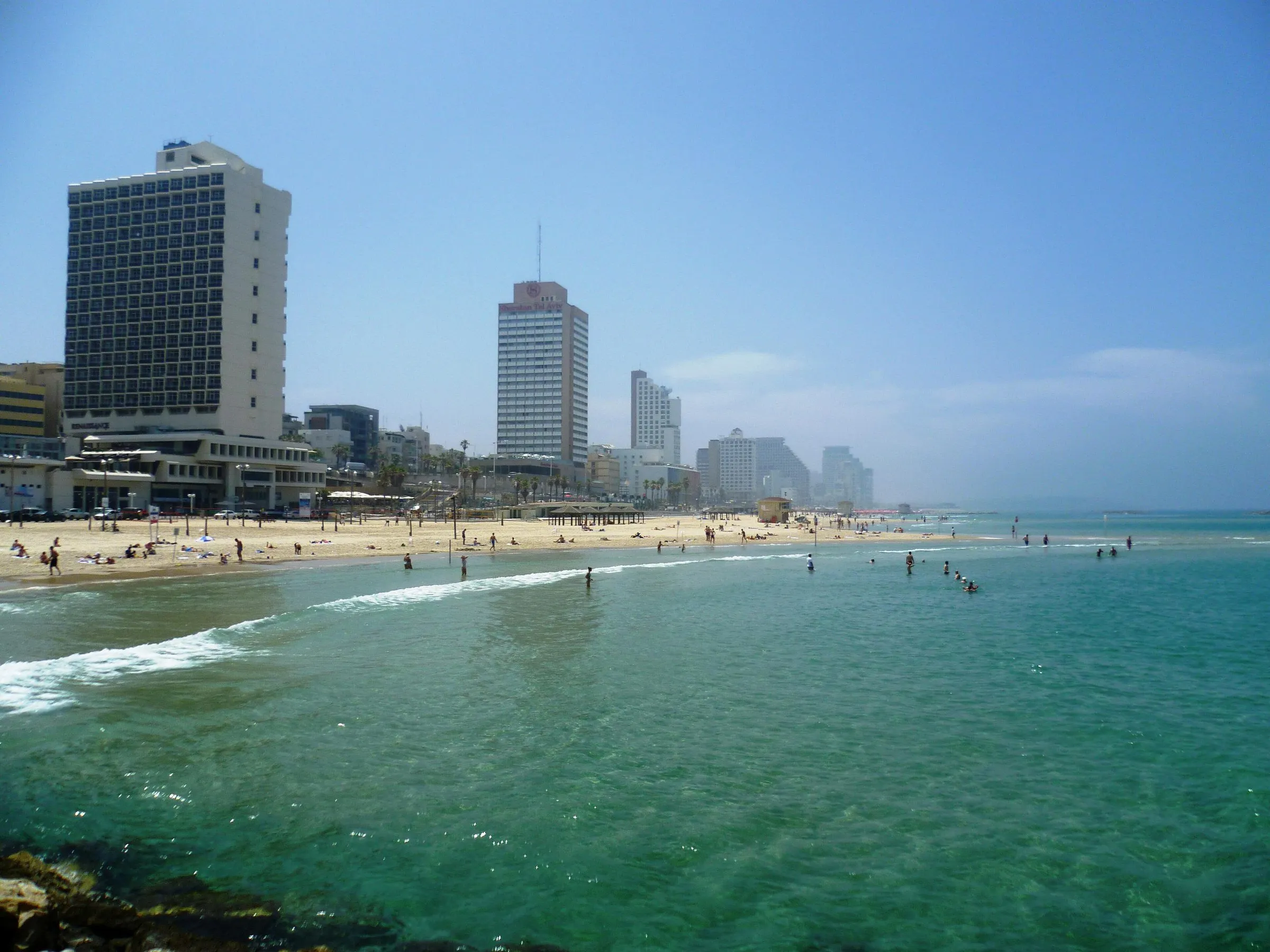
4Sand, volleyball courts and a promenade make Gordon a stop beside the Mediterranean, with waterfront buildings behind and room to walk.
View details for Gordon Beach and Promenade
5The old port brings together a wooden deck, shops and restaurants beside the sea; the curves of the floor give the walk in northern Tel Aviv a shape of its own.
View details for Tel Aviv Port — HaNamal
1The stone alleys change direction and let the sea appear between the buildings. In Old Jaffa, you follow a port city that is now part of Tel Aviv-Yafo. Walk through the passages and go down to the boats, noticing the difference between the streets on the hill and the strip beside the water.
The port still receives fishers, while old warehouses host galleries and restaurants. Watch the work and the landscape without turning everything into a hunt for the perfect frame. Open doors and access points need to be confirmed on the day.
2The Carmel aisle demands divided attention: fruit, spices and preserves compete for space with people moving along with their shopping. The market stretches south from the Allenby area. Walk first to understand what is on offer, then choose what to try.
Everyday products share space with food counters and casual restaurants. Set aside a break outside the walkway; balancing bags and sauce takes more concentration than deciding on your order. Check the stalls' opening hours before planning the day, especially around Shabbat and holidays.
3The central strip offers a good spot for looking at the balconies. Rothschild crosses part of Tel Aviv's White City, an ensemble recognized by UNESCO for its modern architecture and planning. Notice the horizontal lines, the curves and the relationship of the buildings to the street.
Avoid calling every building Bauhaus: the ensemble brings together different modernist influences, adapted to local conditions. Walk toward Habima, noticing gardens and entrances; a guided tour can give context to the designs your eyes have already met.
4At Gordon Beach, volleyball courts take up the sand and the promenade keeps the city beside the sea. It is an urban beach: you can alternate walking, a pause to watch the water and the search for a table without leaving the central stretch of the waterfront.
Plan the outing according to conditions, without treating a swim as a required step. Check access, flags and lifeguard guidance before entering the Mediterranean. If you stay on the promenade, look in both directions: the buildings explain the scale of the city, and the horizon helps you drop the clock for a few minutes.
5The wood makes waves without leaving the ground at Tel Aviv Port. The deck was designed with dunes as inspiration and turned the former port area into a place for walking, shopping and eating. The interest lies in the space beside the sea, with no need to look for large ships.
Look at the floor and choose a break at one of the open establishments. This port is different from Jaffa Port; similar names are no reason to send the driver to the wrong end. Combine it with Gordon on the second day, walking the promenade or using transport depending on the heat, and confirm your way back before staying later.
Review consular advisories, flights and Home Front Command guidance before booking and during your stay. On arrival, ask your accommodation to show you the protected space and explain how to receive official alerts.
On Friday afternoon and on Saturday, do not count on the usual network of trains and buses. The region has a municipal weekend service on its own routes; check the route and operation before setting out.
At Gordon, check the signage, swimming guidance and lifeguard hours. If access or the sea does not allow swimming, keep the outing on the authorized promenade.
Use transport between Jaffa and the Carmel and group Gordon with Tel Aviv Port on the second day. On shared paths and crossings next to the promenade, look both ways before stepping into the bicycles' path.
Spring and autumn tend to be more pleasant for walking than the height of summer. Bring water and sun protection; leave the Carmel stalls and the Jaffa alleys for cooler hours.
At the Carmel, confirm the price and form of payment before choosing; keep your bag closed. To photograph people or products at a stall, ask first and wait outside the aisle.
In Jaffa and around the Carmel, a meal can start with bread for scooping hummus and continue with falafel or shakshuka. These dishes are tied to Arab traditions and those of other parts of the Middle East and North Africa, and are present on the local table. Ask about portion size and spice: the next stretch of the walk deserves an honest negotiation with lunch.
Chickpea cream with tahini, lemon and garlic, usually served with bread; compare the sides before ordering another bowl.
Fried balls of seasoned legumes, often served in pita with salad, pickles and tahini.
Eggs cooked in a seasoned tomato sauce, often served in the pan itself, with bread for the leftover sauce.