 1
Museums
Tower of David
The citadel by the Jaffa Gate holds exhibits on Jerusalem and a viewpoint that helps you get your bearings before heading into the alleys.
View details for Tower of David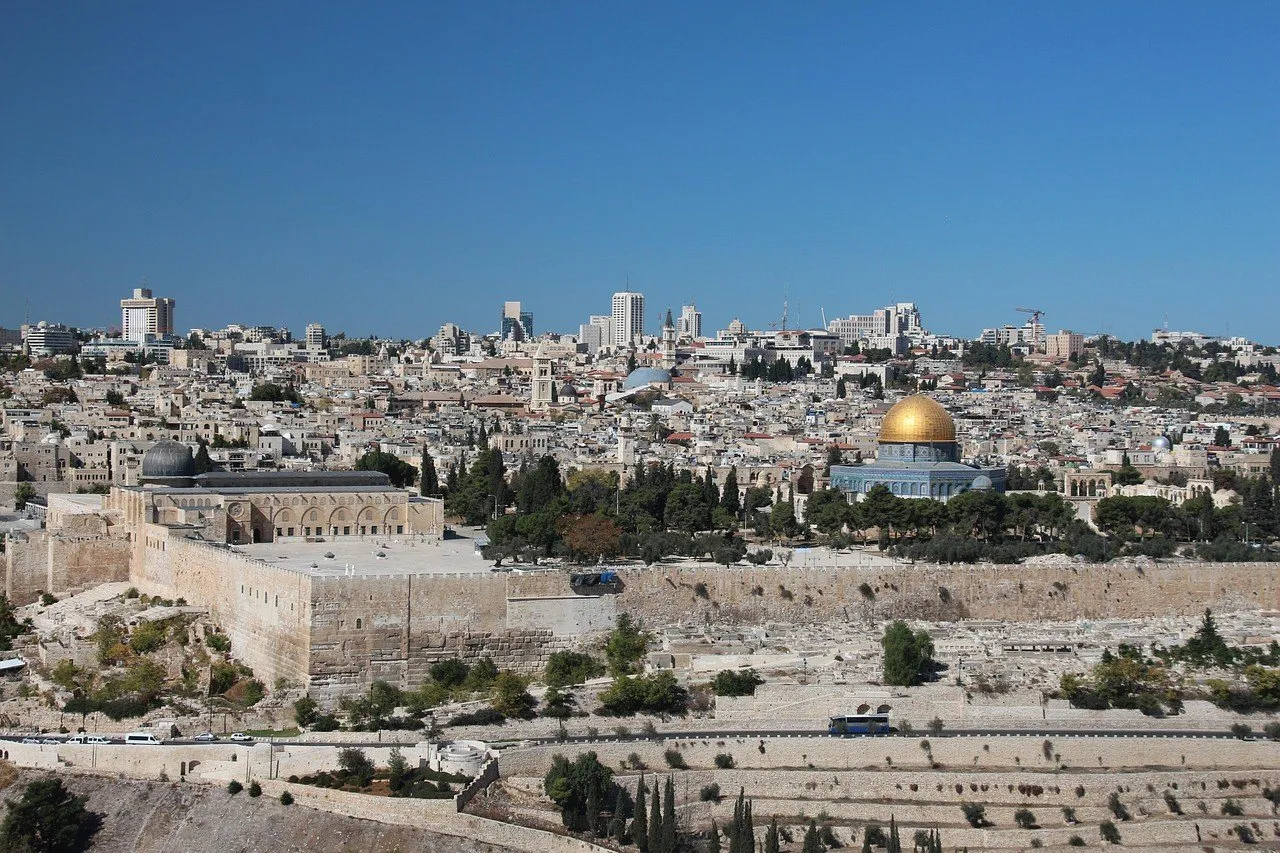
Israel
In Jerusalem's Old City, a passage under an arch can lead from a bread stall to a place of prayer. The map fits in your pocket; understanding these streets takes more time and a lot of listening.
A stone arch, a line of pilgrims, shopping bags passing between groups: the Old City has a life of its own beyond the monuments. You will find places central to Jews, Christians and Muslims along a route of stairs, slopes and shifting rhythms. The area lies in East Jerusalem, occupied Palestinian territory according to the UN; the political context and movement restrictions are part of any responsible visit.
This itinerary is a reference for when conditions are suitable, with no guarantee of access. When checked on October 26, 2026, Ireland was advising against non-essential travel to Israel; check official advisories before booking. If the trip is feasible, separate the Old City, the eastern slope and the museums. Leave slack for security checks, ceremonies and last-minute changes: here, a tight schedule quickly stops being useful.
The name Tower of David does not mean King David built the citadel: the museum lays out the layers of the complex.
Keeping the key and the door of the Holy Sepulchre involves Muslim families, while Christian communities share the basilica.
The Western Wall is a retaining structure for the esplanade; it is not a wall left over from the Temple building.
The model at the Israel Museum helps you picture Jerusalem in the Second Temple period before you try to decipher the streets.
1The citadel by the Jaffa Gate holds exhibits on Jerusalem and a viewpoint that helps you get your bearings before heading into the alleys.
View details for Tower of David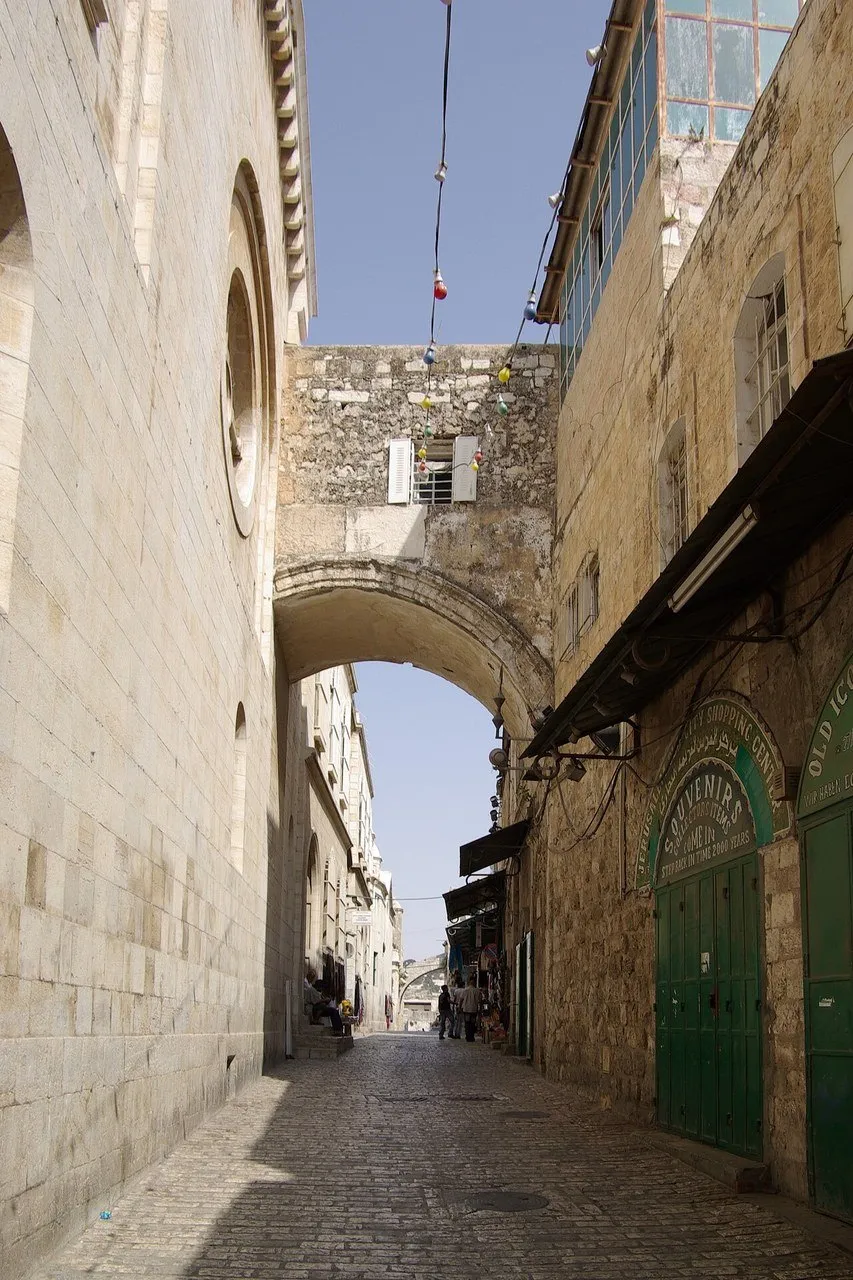 2
Streets and small chapels mark the Christian devotional route to the Holy Sepulchre, among everyday shops and groups of pilgrims.
View details for Via Dolorosa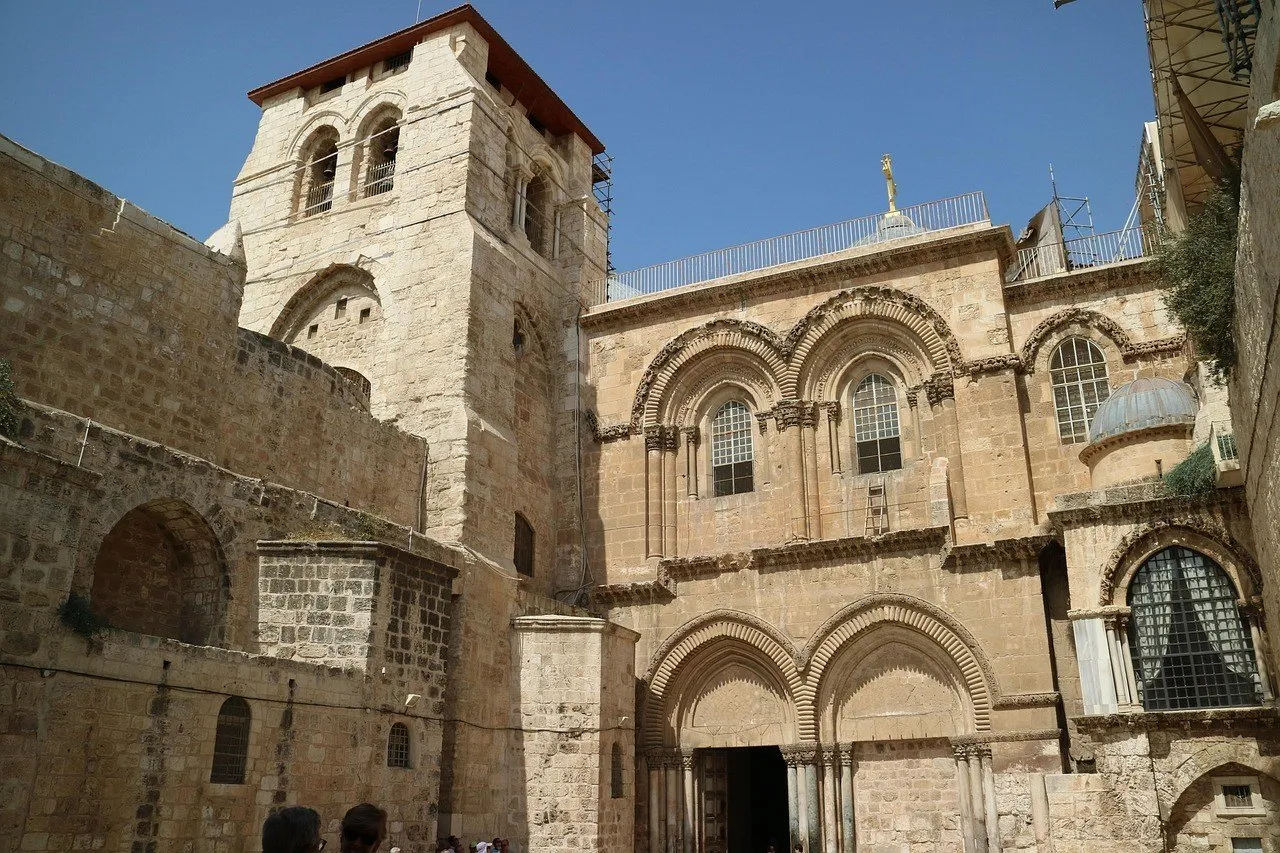 3
Under one roof, the basilica brings together the places Christians venerate as Calvary and the tomb of Jesus, amid chapels and services.
View details for Church of the Holy Sepulchre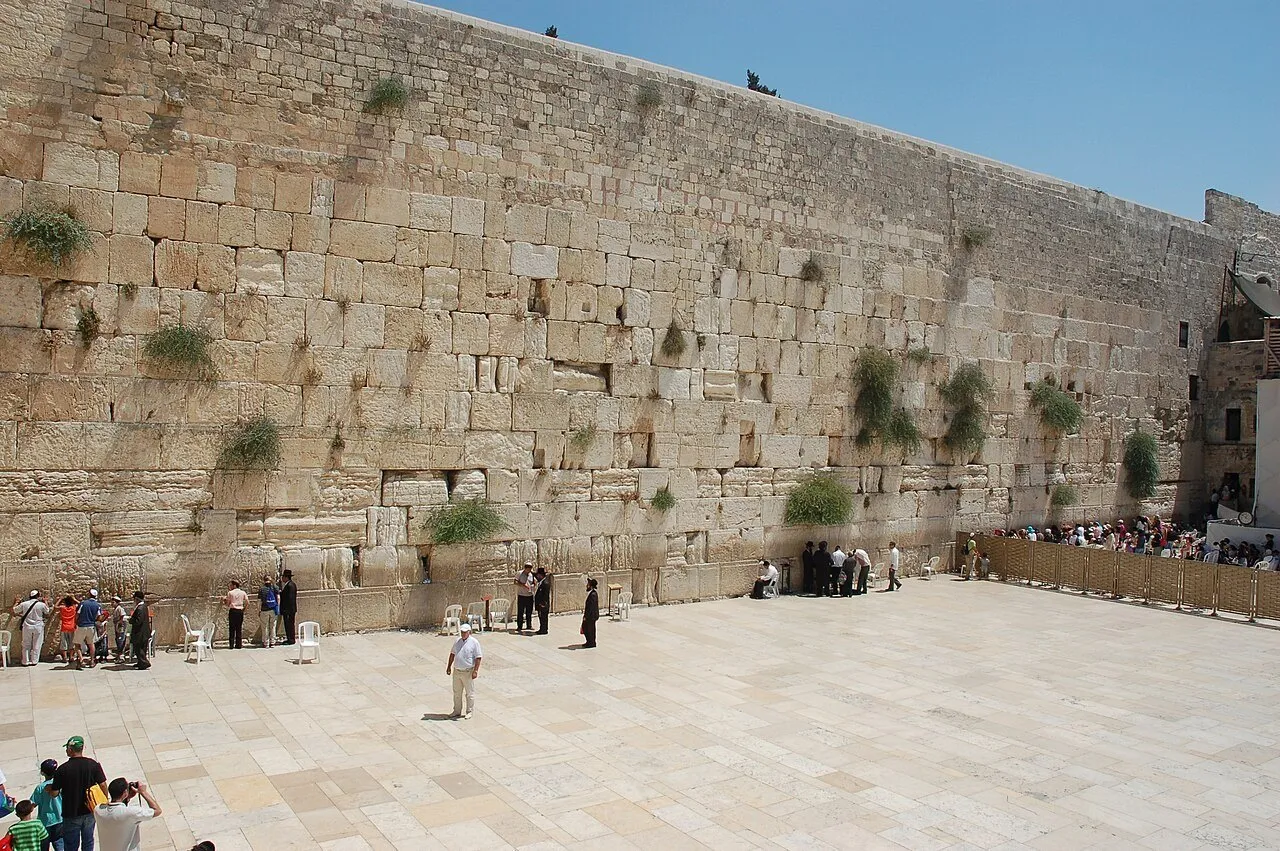 4
A place of Jewish prayer beside the structure that supports the sacred esplanade, with a wide plaza and prayer areas with controlled access.
View details for Western Wall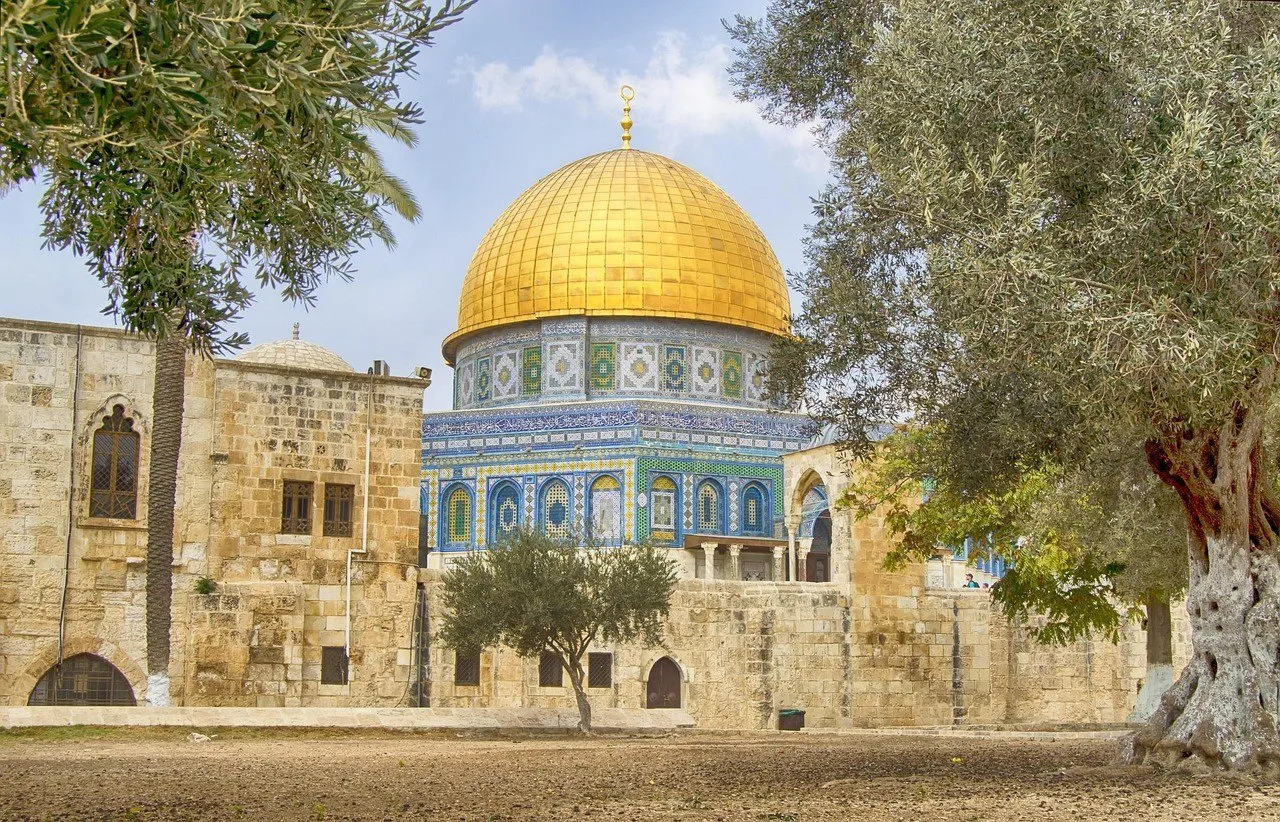 5
An esplanade sacred to Muslims and Jews, with the Dome of the Rock and the Al-Aqsa complex; visits depend on authorization and the rules in force.
View details for Al-Haram al-Sharif / Temple Mount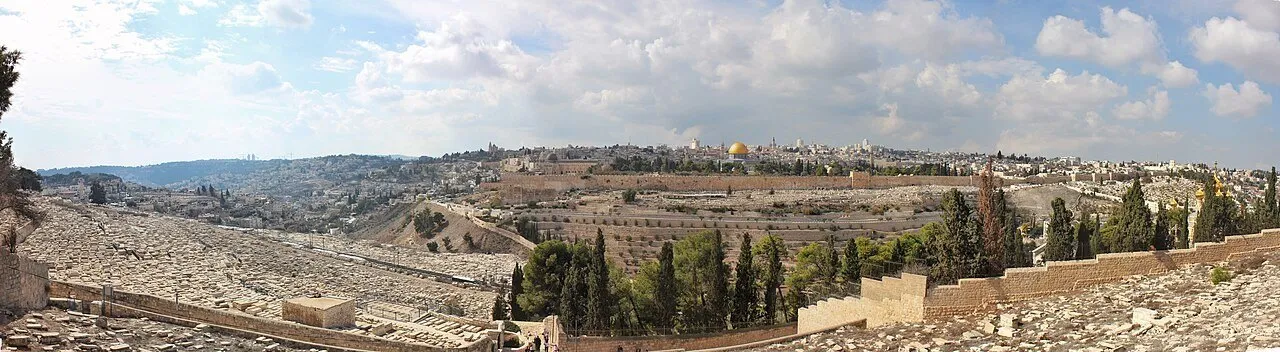 6
The viewpoint on the eastern slope opens onto walls, domes and the Jewish cemetery; the climb needs planning and confirmed transport.
View details for Mount of Olives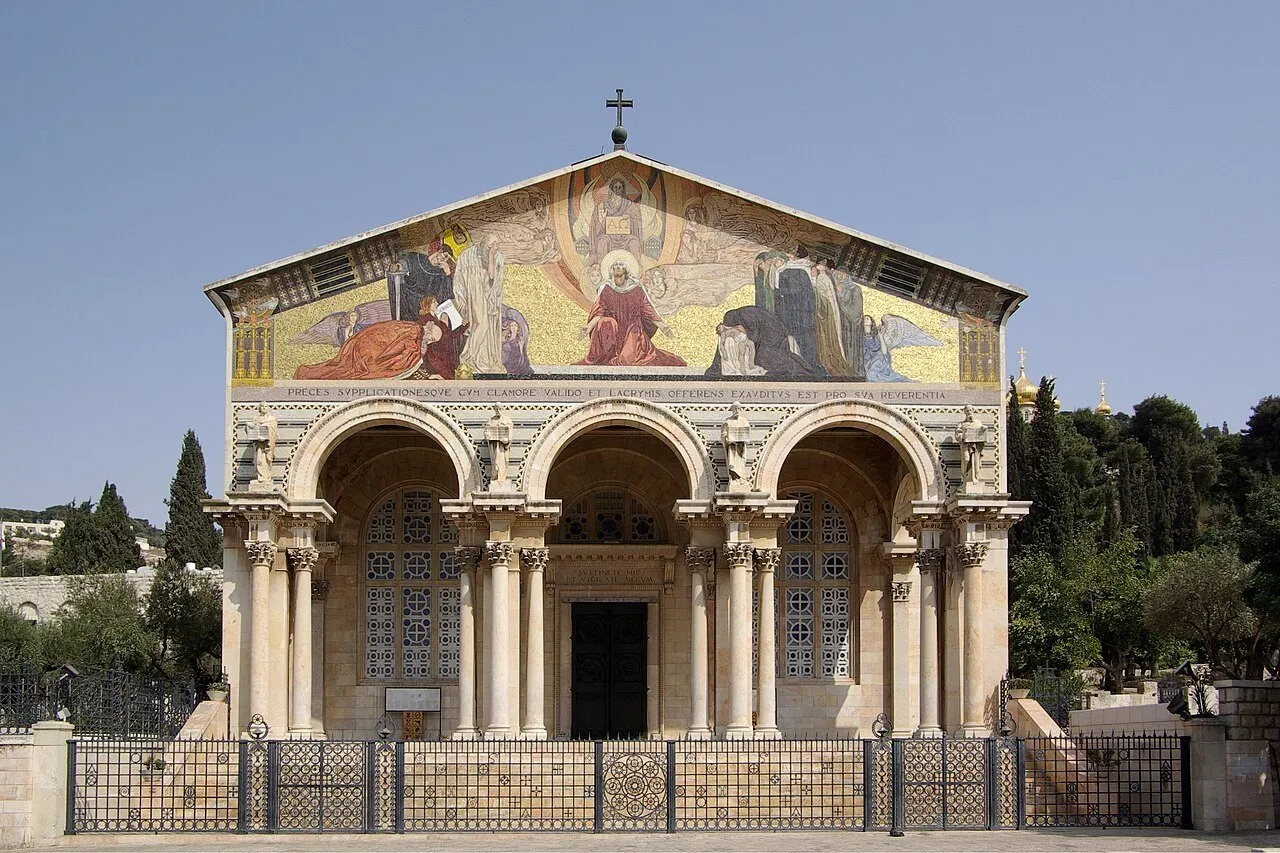 7
Twisted-trunk olive trees and the Church of All Nations mark the place Christian tradition associates with Jesus' prayer before his arrest.
View details for Gethsemane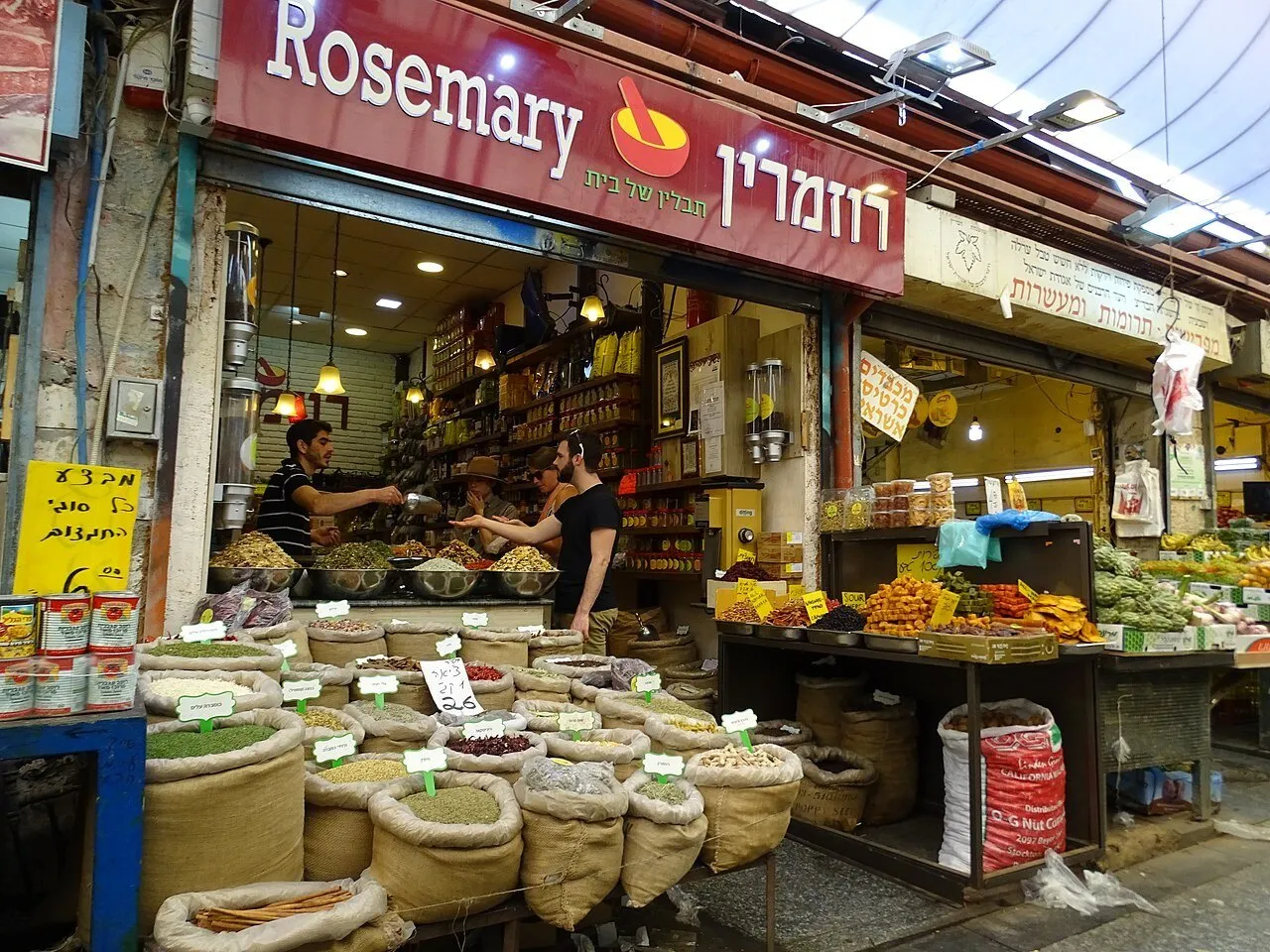 8
Food stalls, sweets and small restaurants make the market a walk for tasting small portions and watching everyday shopping.
View details for Mahane Yehuda Market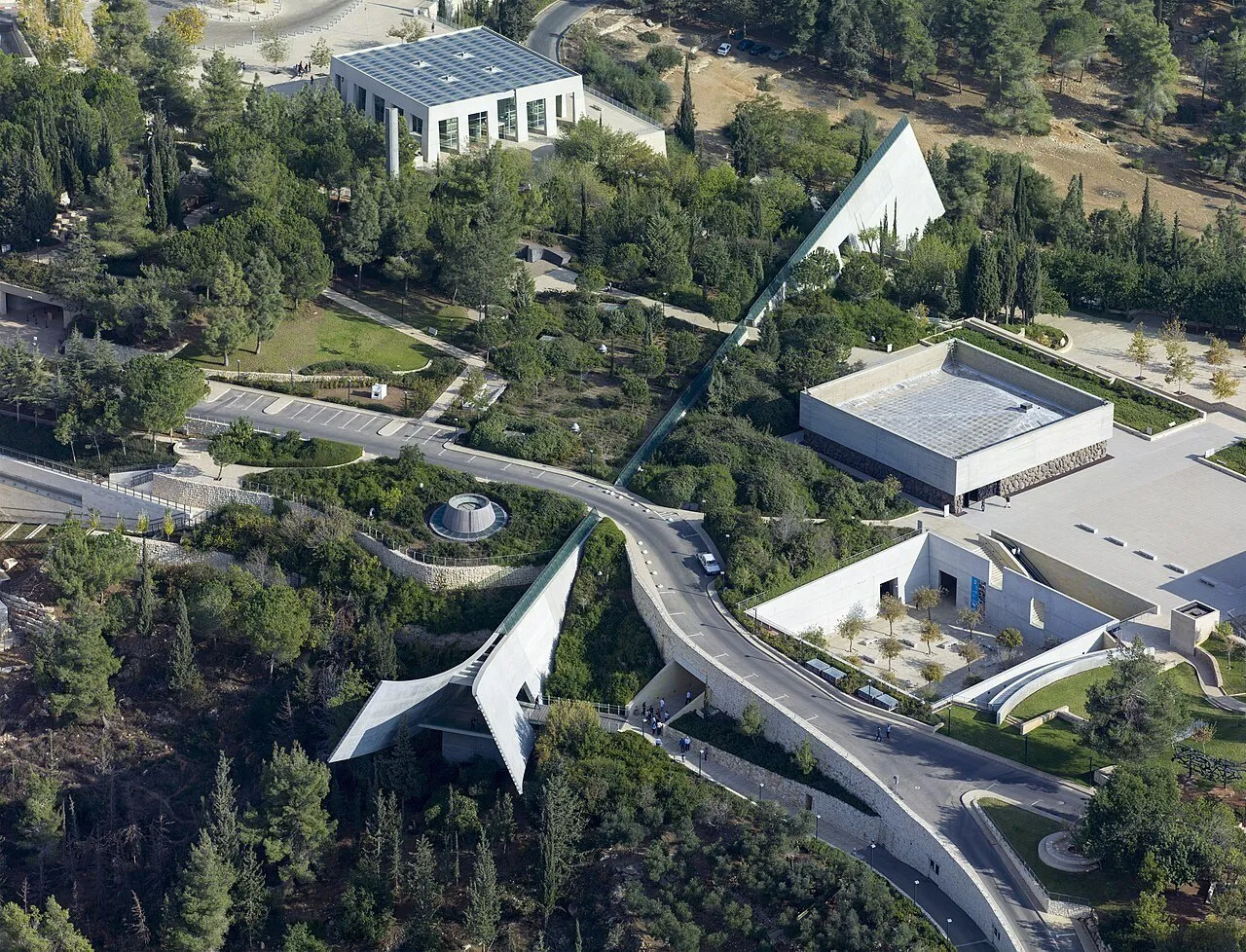 9
A Holocaust remembrance center with testimonies, objects and memorial spaces; it asks for time, silence and attention to individual stories.
View details for Yad Vashem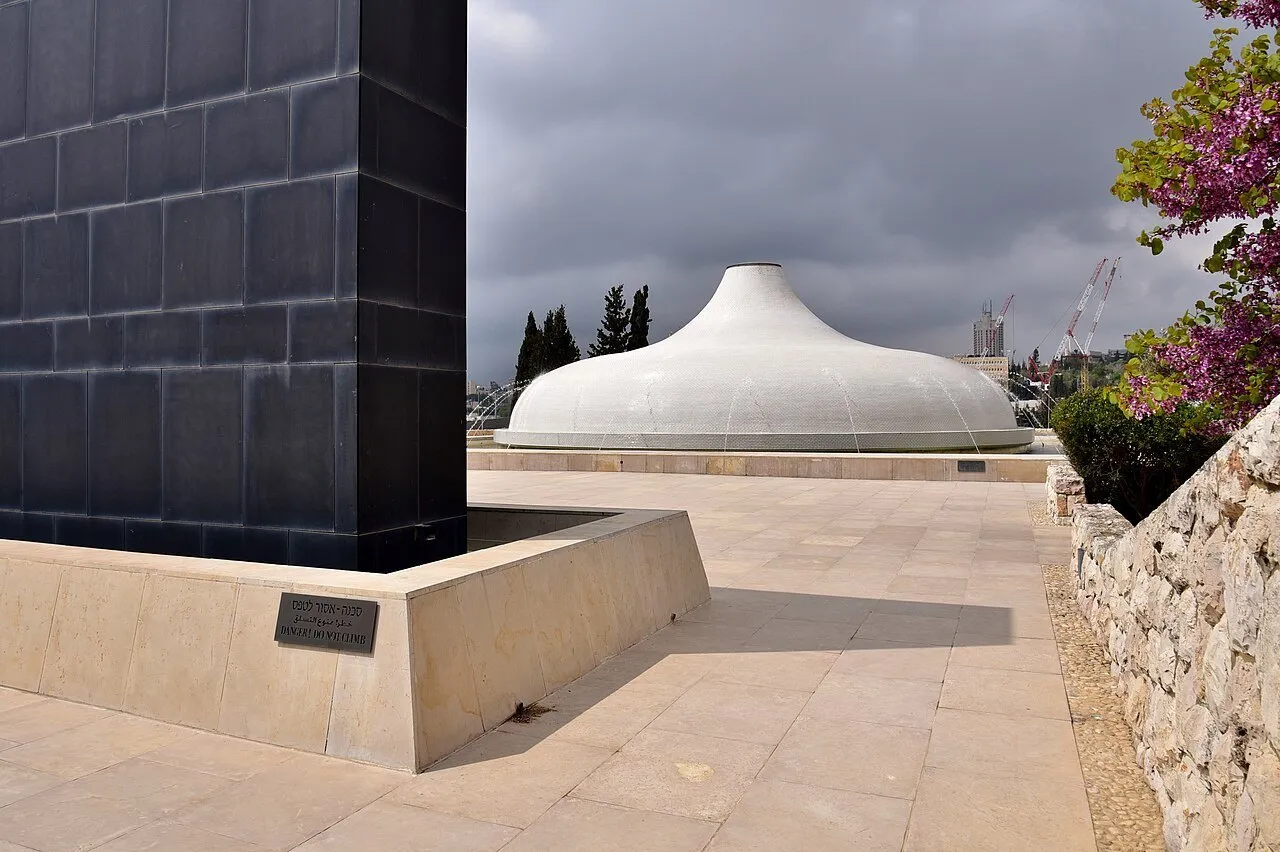 10
Archaeology, art and the Shrine of the Book allow a focused visit; the model helps you understand Jerusalem in the Second Temple period.
View details for Israel Museum1Starting at the citadel gives the map some chance of making sense. Next to the Jaffa Gate, the Tower of David Museum combines archaeological remains, objects and audiovisual resources on different periods of Jerusalem. The building is part of the explanation: you are inside a fortification turned museum.
After the galleries, look for the viewpoint, if it is accessible. There are stairs on this part of the visit, even with accessibility improvements to the exhibits. The evening show is booked separately: it is not the daytime visit with the lights turned off.
2Signs and chapels mark the Via Dolorosa along streets used by residents and shopkeepers. It is a devotional route tied to the Passion of Jesus, not a proven archaeological reconstruction of each step. Walking it with that distinction makes the visit more honest and the eye more attentive.
Start at the Flagellation stretch and continue to the Holy Sepulchre. The chapels may be closed; the streets still let you follow part of the route. Make way for processions and workers: your pause to check the map takes up real space.
3Lamps and stairs lead to the spaces Christians venerate as Calvary and the sepulchre of Jesus. The Edicule shelters the tomb site under the rotunda. It is a working shrine, shared by Christian communities, not a sequence of rooms prepared only for visitors.
A ceremony changes the rhythm: observe without crossing the worshippers' space. Lines for the Edicule can eat up the time you planned; choose between waiting and seeing other open areas. Do not count on seeing everything between two appointments.
4The stones of the Western Wall support part of the esplanade above; they did not form the wall of the Temple building. The plaza is one of the main places of prayer in Judaism. First, understand where you may stand, how to pass the checkpoints and when to put the camera away.
Observe the signs for the prayer areas and local customs, and dress respectfully. On Shabbat and Jewish holidays, do not take photos. The plaza and the tunnels are different visits: this itinerary covers only the outdoor area, without adding an underground tour.
5The Dome of the Rock rises over the esplanade that Muslims call Al-Haram al-Sharif and Jews call the Temple Mount. The complex includes the Al-Aqsa Mosque and carries deep religious and political significance. The dome and the mosque are separate structures.
Include the visit only if it is permitted. For non-Muslims, the visit is usually limited to the exterior, in specific time windows and with their own checks; do not count on entering the Dome or the mosques. Follow local rules on dress, items and conduct, and give up this stop in the face of restrictions.
6From the viewpoint near the Seven Arches, the Old City takes shape: walls, domes and the Dome of the Rock appear beyond the Kidron Valley. The Jewish cemetery covers part of the slope. Places of worship and burial deserve more care than a hurried photo stop.
Arrive by vehicle with the return arranged. If conditions allow, walk down toward Gethsemane, watching the paving and the slopes. You can do both stretches by transport: sparing your knees does not diminish the view.
7Twisted trunks mark Gethsemane, at the foot of the Mount of Olives. Christian tradition associates the place with Jesus' prayer before his arrest. The garden is small, with organized circulation to protect the trees; do not expect a large green area to wander freely.
Next door, the Basilica of the Agony, also called the Church of All Nations, has an interior of filtered light. Go in if visits are allowed, respecting services and instructions. You do not need to give the olive trees a biblical age to feel the strength of the place.
8Mahane Yehuda starts as a stroll and easily turns into lunch. Among fruit, sweets and spices, choose small portions before sitting down. Outside the walls, in downtown West Jerusalem, the market combines everyday shopping with restaurants and bars on the nearby streets.
To see the stalls at work, go during business hours; the evening is no substitute for the market. Friday calls for attention to closing time before Shabbat. Compare prices and check products sold by weight. Save room for dessert: the eating plan is usually the first to fail.
9Personal objects and testimonies bring you closer to the lives affected by the Holocaust. At Yad Vashem, the historical museum is part of a campus of remembrance, research and education. Read fewer panels more carefully, instead of trying to conquer every room.
Check availability and prefer to secure a time slot through the official system, checking the booking conditions. With children, check the access policy and whether the route is suitable before planning the day. Take a break afterward: time to process what you saw is also part of the visit.
10The model of Jerusalem in the Second Temple period does what a phone screen cannot always manage: it relates walls, buildings and terrain. It is part of the complex that includes the Shrine of the Book, associated with the Dead Sea Scrolls; check which documents are on display.
Archaeology and art collections would justify much more time. To combine it with Yad Vashem, choose two sections and plan an afternoon with enough hours. If you like reading every label, give the museum a whole day: shortening the route increases what stays in memory.
Reassess the trip using consular advisories and local guidance. Ask your accommodation about protected spaces and the alert procedure; avoid demonstrations and stop the outing if tension rises.
From late Friday afternoon to Saturday night, many shops and transport services suspend operations. Confirm each leg and arrange transfers, including the airport one, before arriving.
Bring clothing that covers shoulders and knees and follow each community's guidance. Ask consent for portraits; respect photo bans, services and spaces reserved for prayer.
Wear shoes with good grip in the Old City and on the eastern slope. Ask for an accessible route before buying tickets: access to the galleries does not guarantee access to the viewpoints.
Compare menus before sitting down and ask the price of products sold by weight. Buy portions at the market; a snack in a pita makes lunch easy between visits.
April and October tend to be milder; bring water and sun protection, plus a layer for the evening. If arriving via Ben Gurion, check which flights and transport are running, without assuming regular service.
Between the Old City and Mahane Yehuda, ask what is on the counter. Hummus, falafel and sweets circulate through Palestinian and Israeli kitchens and across the region; they do not need an exclusive origin to be good. Check ingredients, dietary needs and certifications with whoever prepares the food.
A chickpea and tahini spread, good with pita and best eaten without hurry.
Fried balls of legumes and spices, often served in pita with salads.
A dessert of cheese, thin pastry and syrup: worth sharing a portion before ordering another.
A crumbly sesame sweet; try a small amount before choosing a flavor.