 1
Religion and art
Vihara Budhi Bhakti
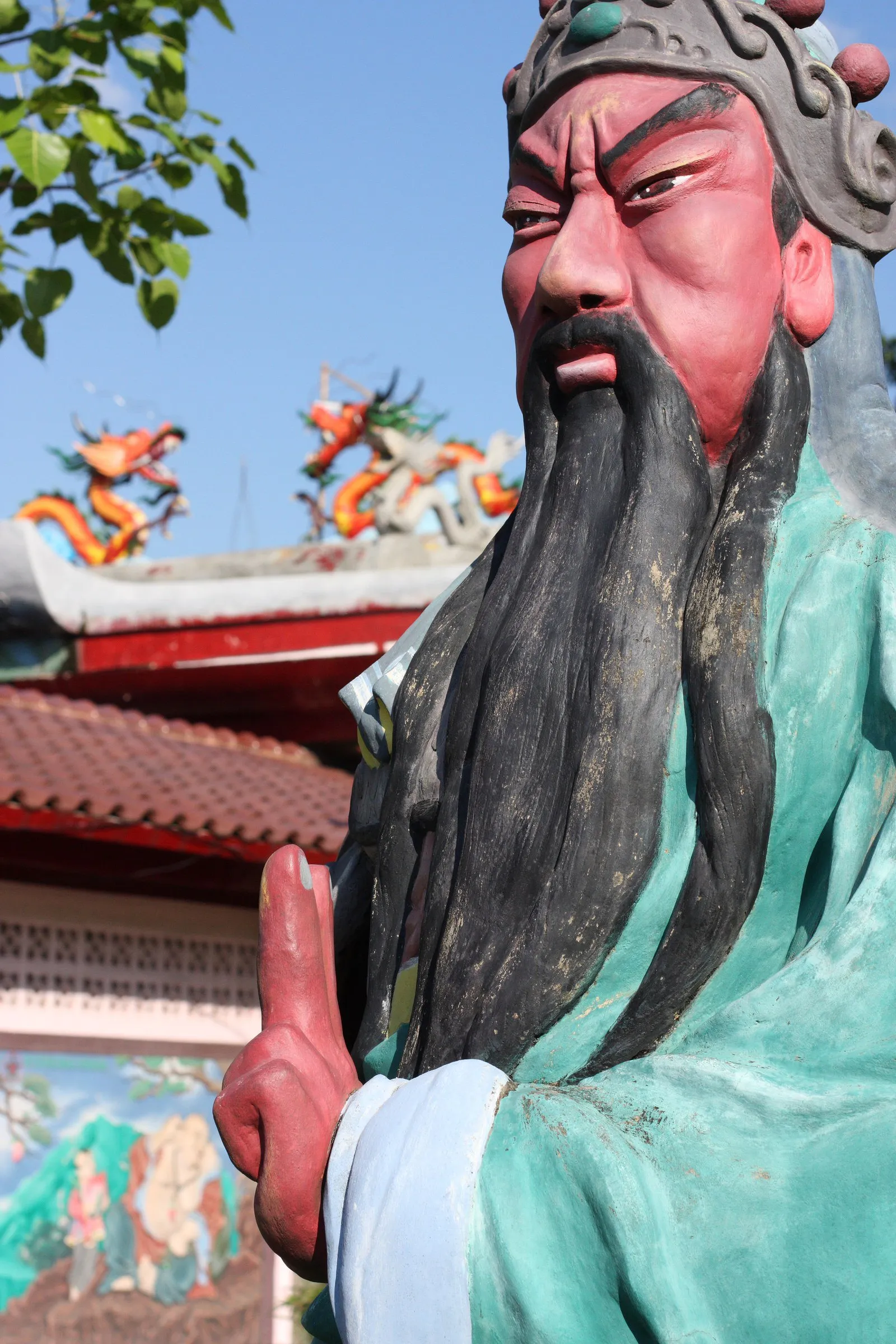
Near central Nagoya, the temple combines Chinese architecture with a garden of stone sculptures and Buddhist images to take in without hurrying.
View details for Vihara Budhi Bhakti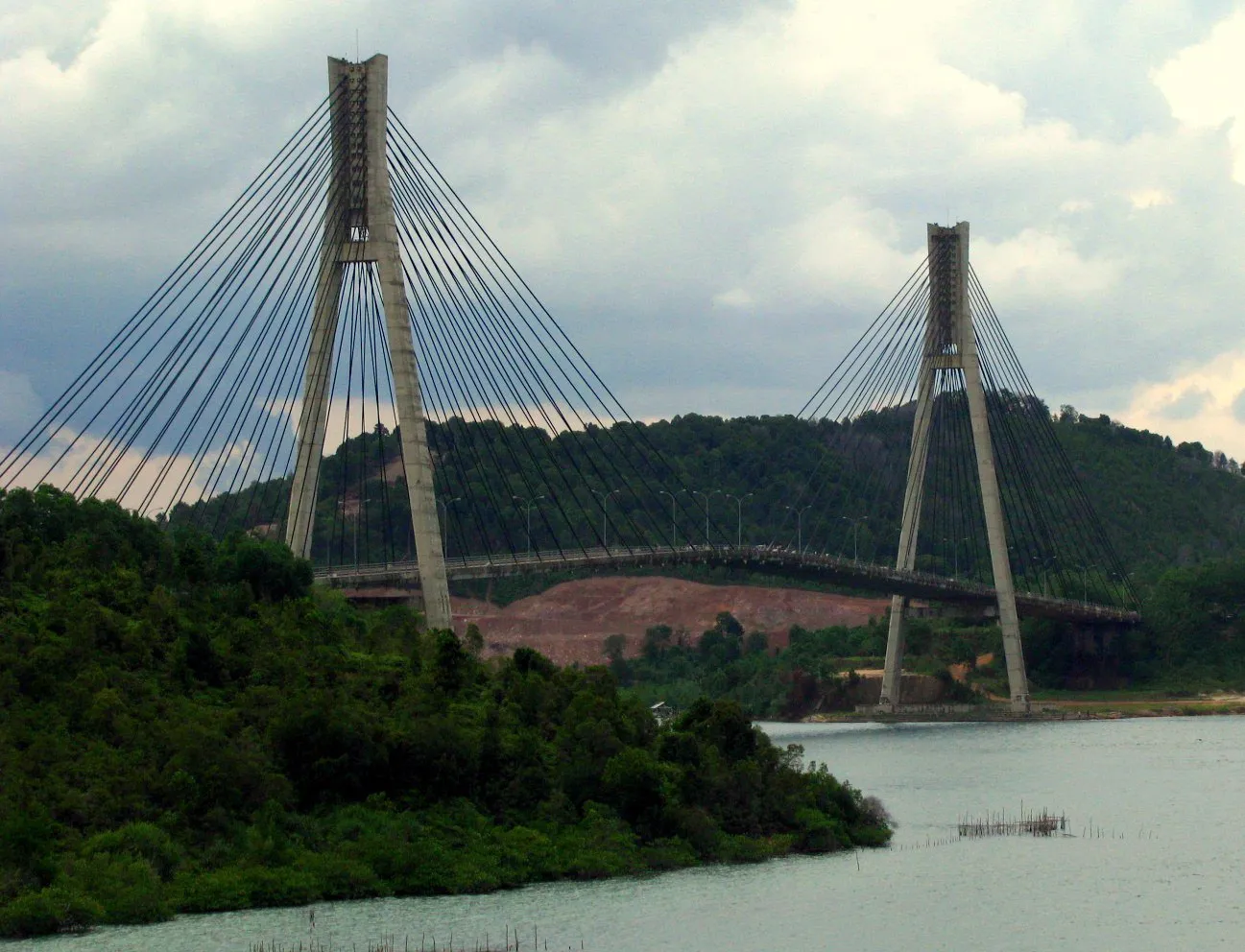
Indonesia
On the Barelang Bridge, the cables fan out over the sea. In Batam, the trail from temple to mosques to beach ends at the table, with a toothpick for pulling gonggong out of its shell.
The cables of the Barelang Bridge seem to stitch the islands together, while the ferries do a different job: linking Batam to Singapore and Malaysia. Industry, ferry terminals and tourism share the map. You can start in front of the sculptures at Vihara Budhi Bhakti, look for the architecture of the mosques and save another day for the Sekupang coast. Between stops, the peanut sauce on mie lendir is a good reason to look beyond the hotel's international menu.
Plan the trip by area: Nagoya and Batam Centre hold the city outings; Sekupang has beaches and coastal scenery; the Barelang route heads to the islands in the south and the former Galang refugee camp. That last trip deserves a day of its own, with a car and the return trip arranged in advance. A day trip by ferry lets you pick part of the circuit, but don't try to squeeze all ten places between two departures: your suitcase already has enough to do without carrying a stopwatch too.
The Tengku Fisabilillah cable-stayed bridge is the first of the six Barelang bridges, even though many people use the name of the whole chain when they talk about it.
Mie lendir gets its name from the thick texture of its sauce; the noodles turn up at breakfast and lunch.
When eating gonggong, the toothpick is part of the service: it helps pull the snail out of its shell.
1Near central Nagoya, the temple combines Chinese architecture with a garden of stone sculptures and Buddhist images to take in without hurrying.
View details for Vihara Budhi Bhakti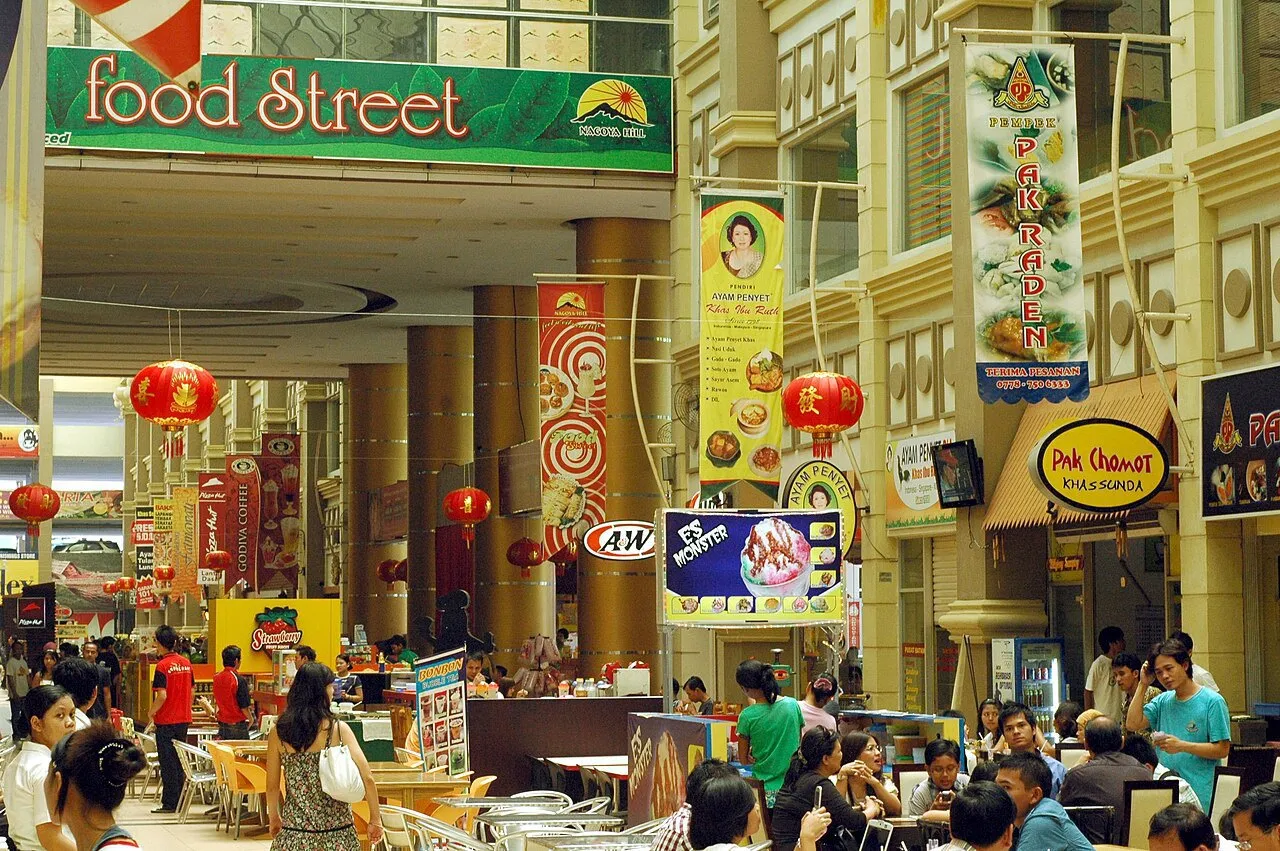 2
Electronics shops, souvenirs and the Food Street make Nagoya Hill a shopping and lunch stop on the city circuit, with a break sheltered from the rain.
View details for Nagoya Hill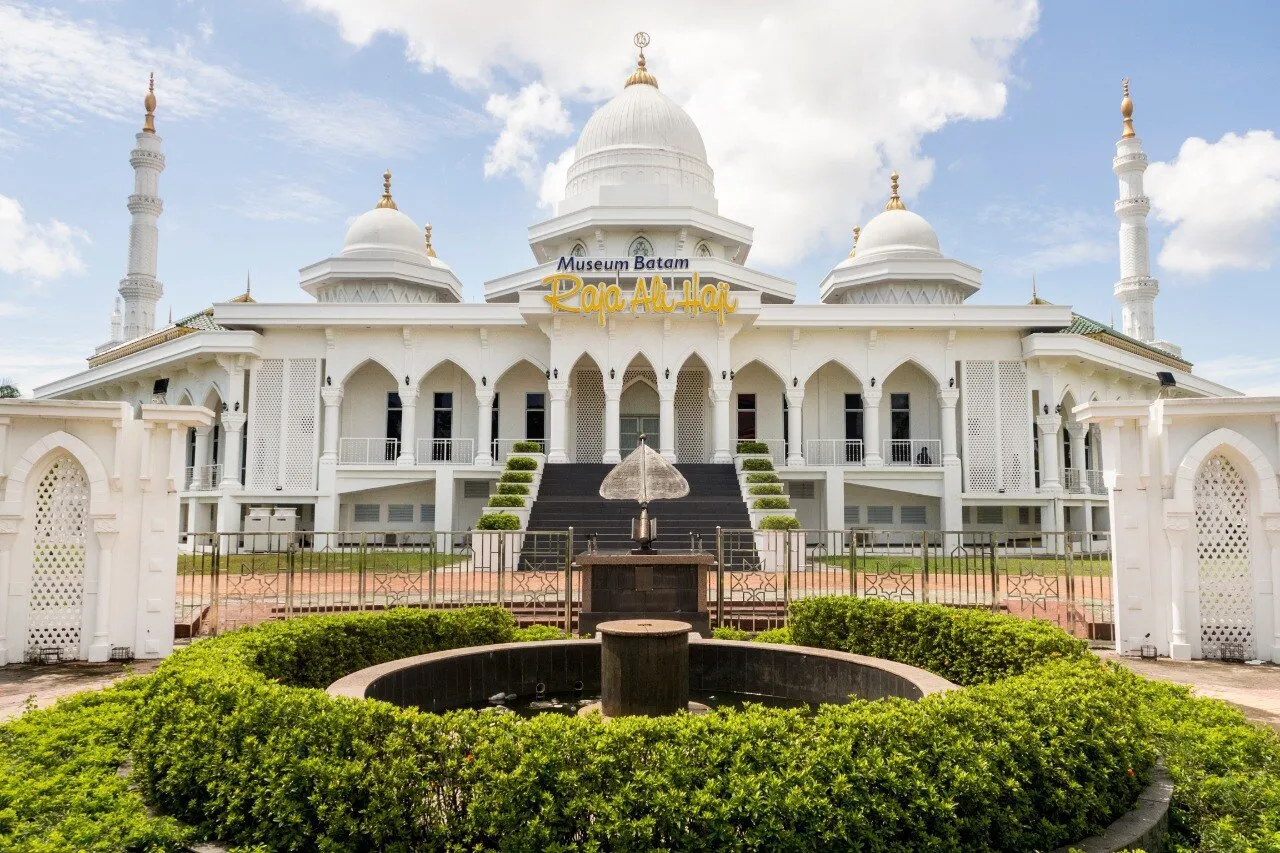 3
The city museum gathers objects and photographs on Batam's history, from the period tied to the Riau-Lingga Sultanate to the changes of the modern city.
View details for Batam Raja Ali Haji Museum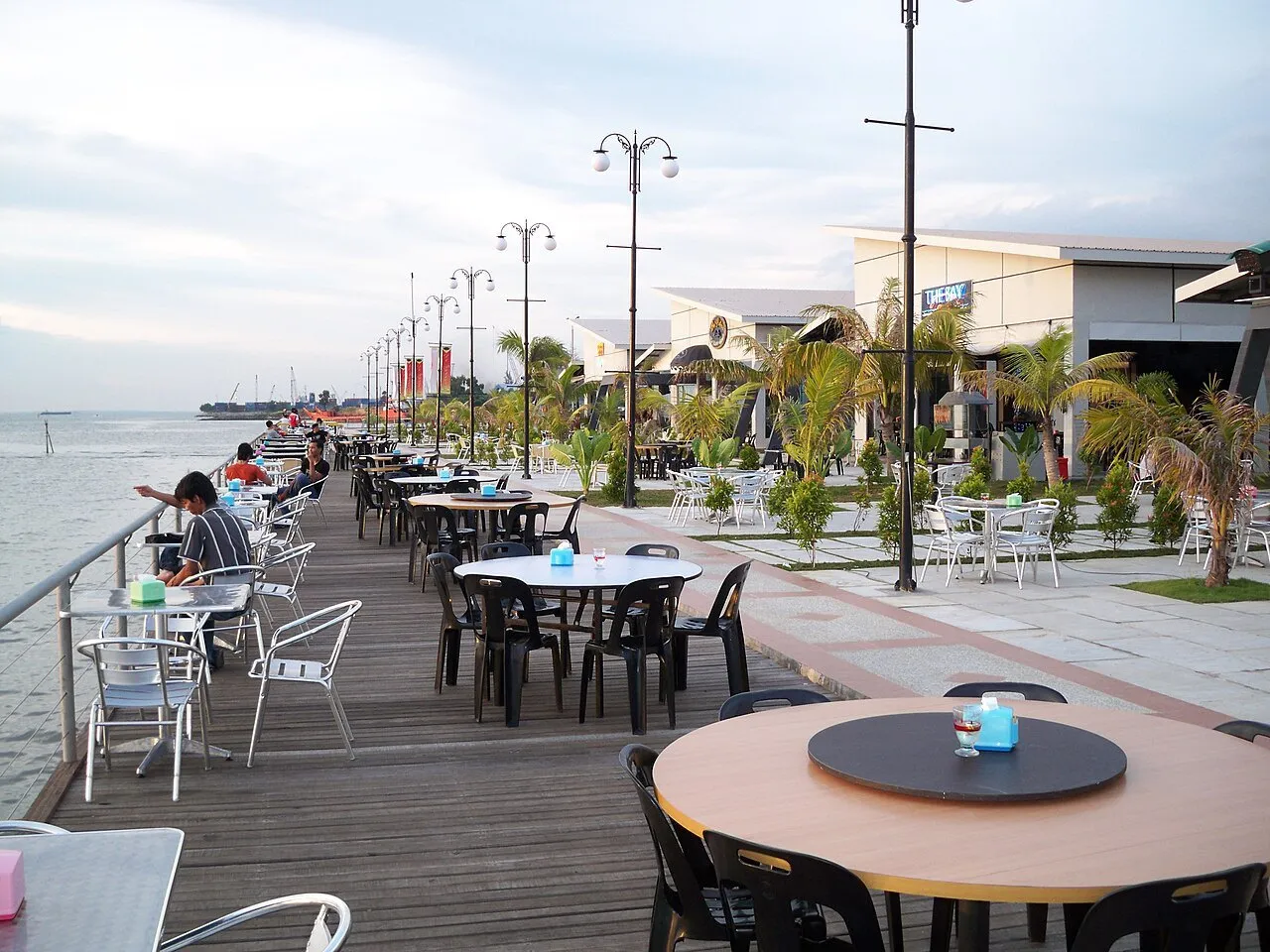 4
Near the ferry terminal, the Harbour Bay waterfront has tables facing the sea and seafood restaurants; a good area to end the day at the table.
View details for Harbour Bay Waterfront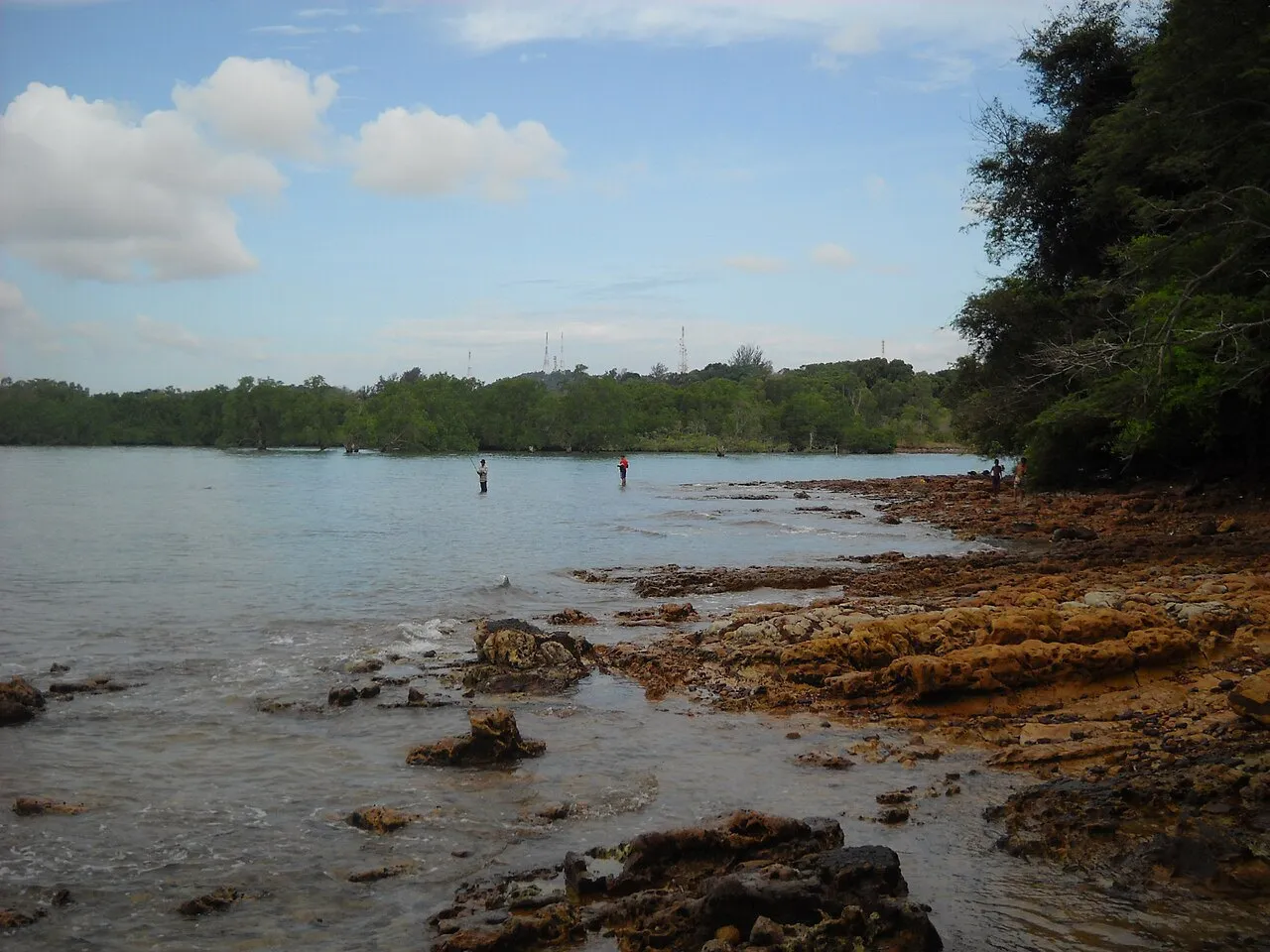 5
On the Sekupang coast, Tanjung Pinggir has brownish sand, rocky stretches and sea views; in good visibility, Singapore appears in the distance.
View details for Tanjung Pinggir Beach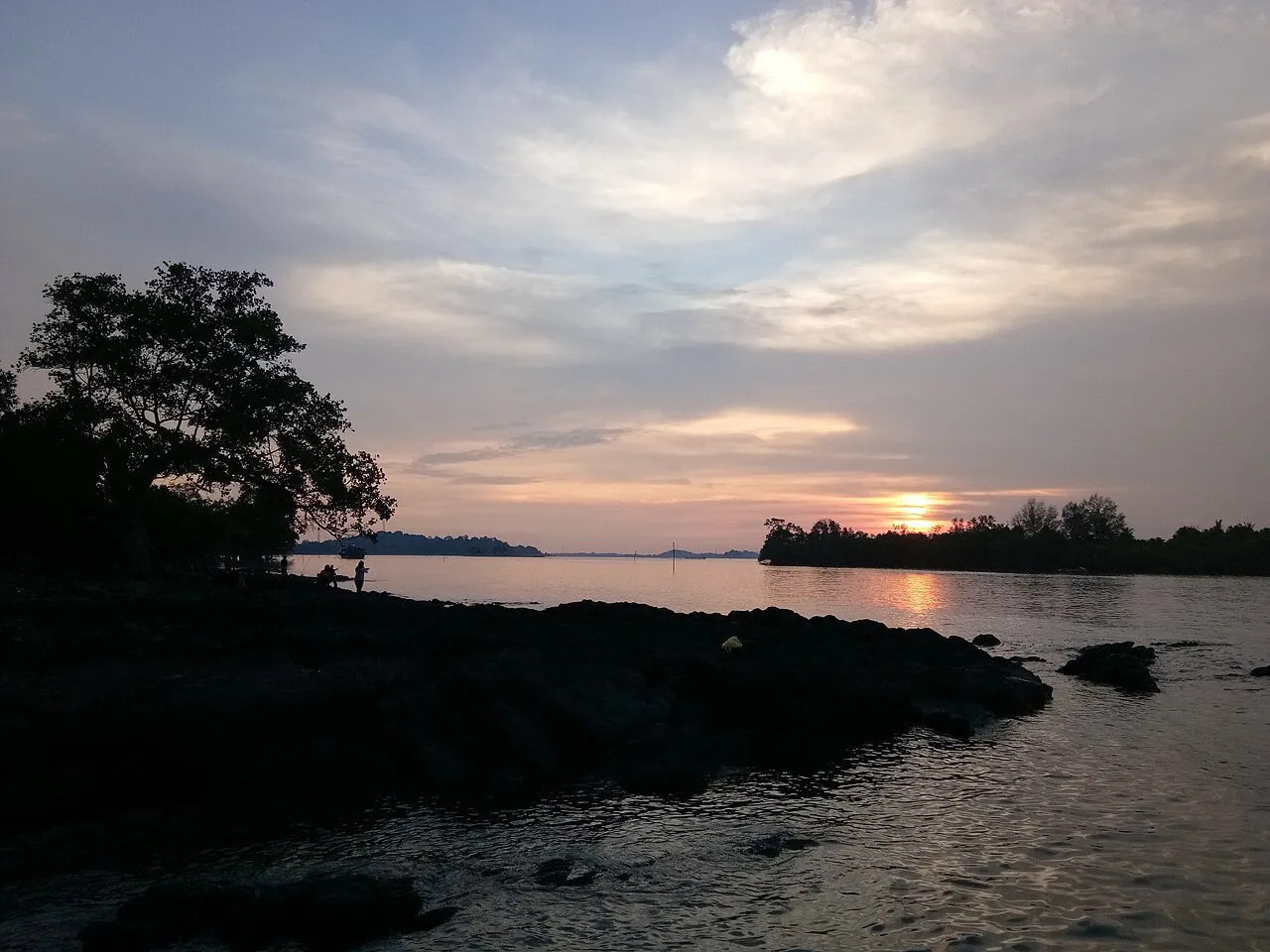 6
In Bukit Dangas, stairways link the high ground to the coast and open views over the sea; the visit is worth it for the scenery and the late-afternoon light.
View details for Taman Habibie Tangga Seribu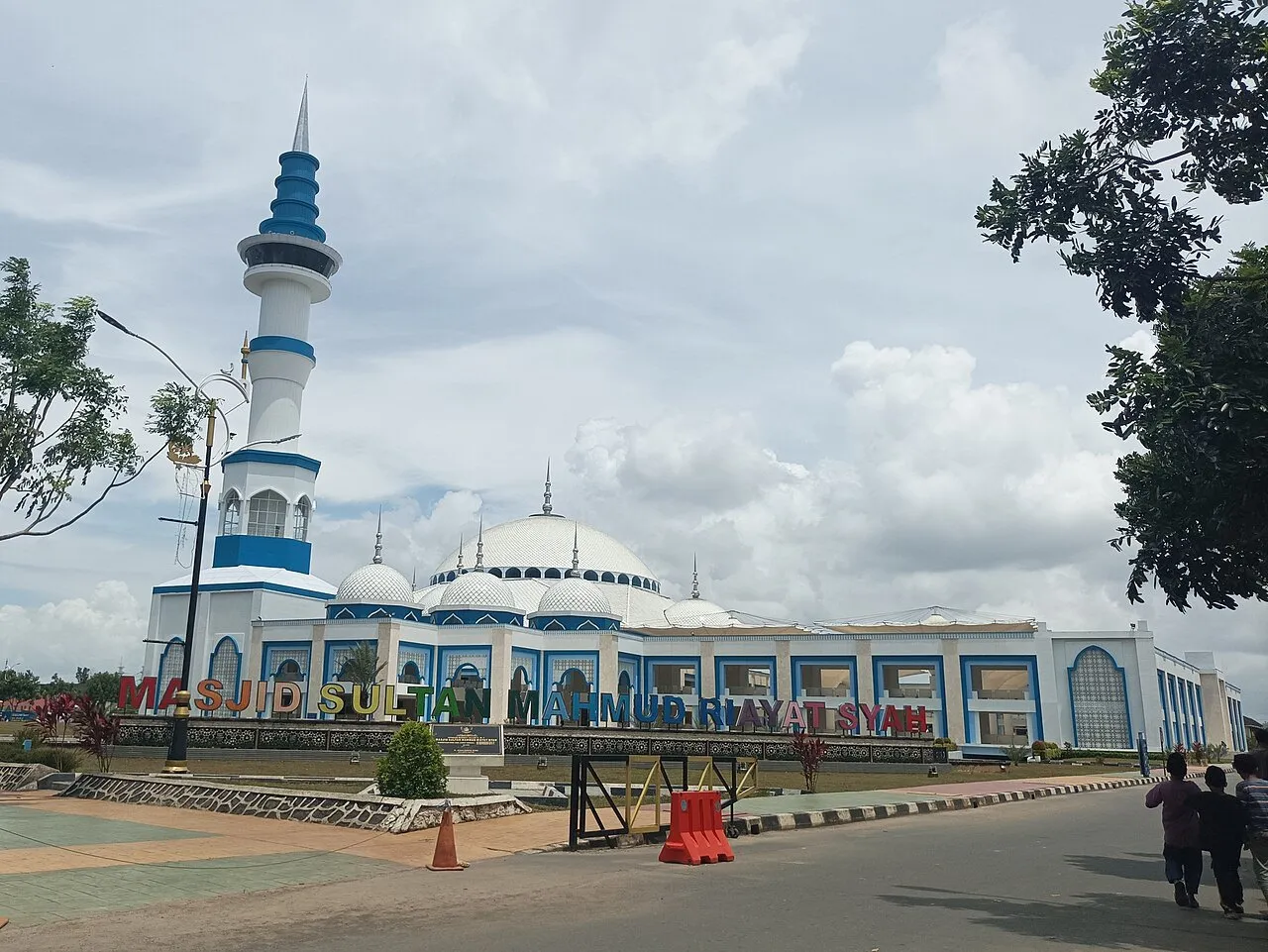 7
In Batu Aji, the mosque's ensemble of domes, minaret and large canopies combines Islamic references with ornaments tied to Malay culture.
View details for Sultan Mahmud Riayat Syah Mosque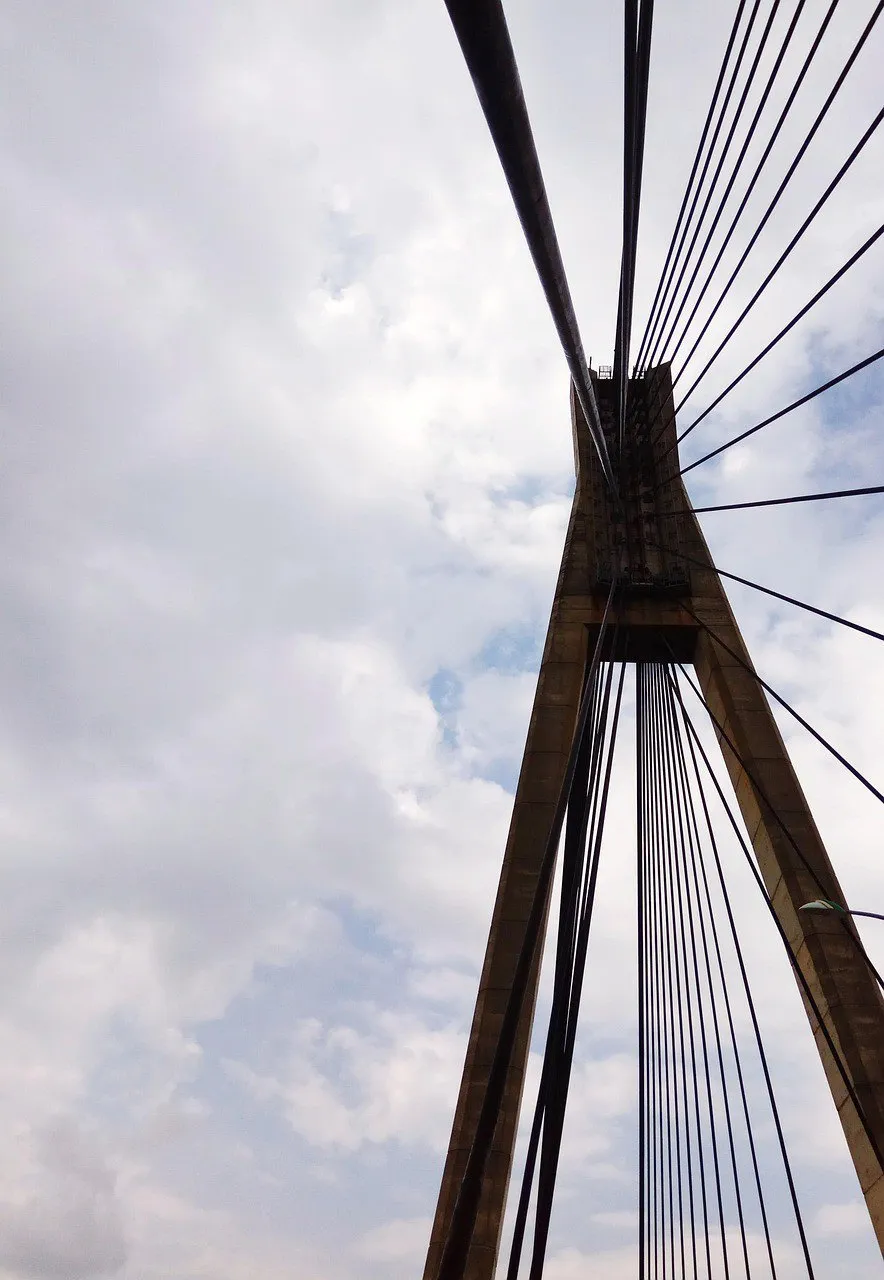 8
The Tengku Fisabilillah cable-stayed bridge opens the Barelang chain: cables, pylons and sea make a stop to admire the engineering that links the islands.
View details for Barelang Bridge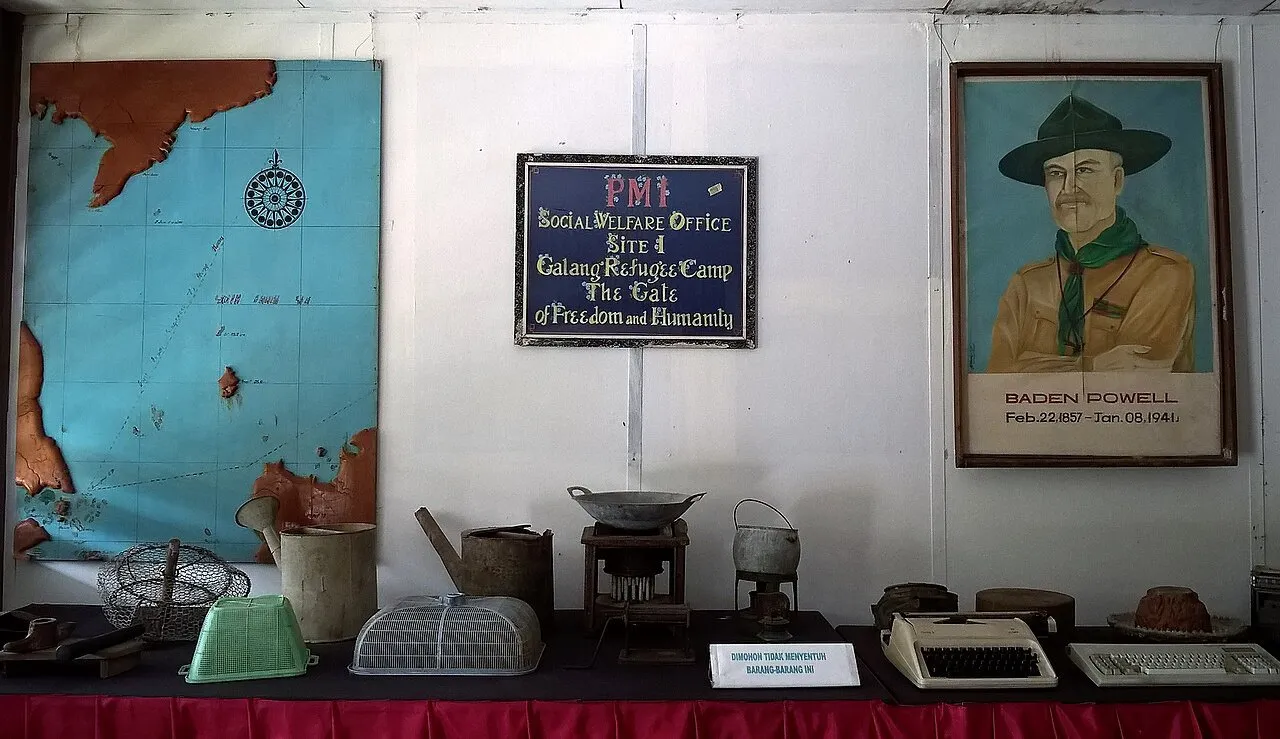 9
The former Galang camp preserves the memory of Indochinese refugees who awaited resettlement; a historical visit beyond the first Barelang bridge.
View details for Former Galang Refugee Camp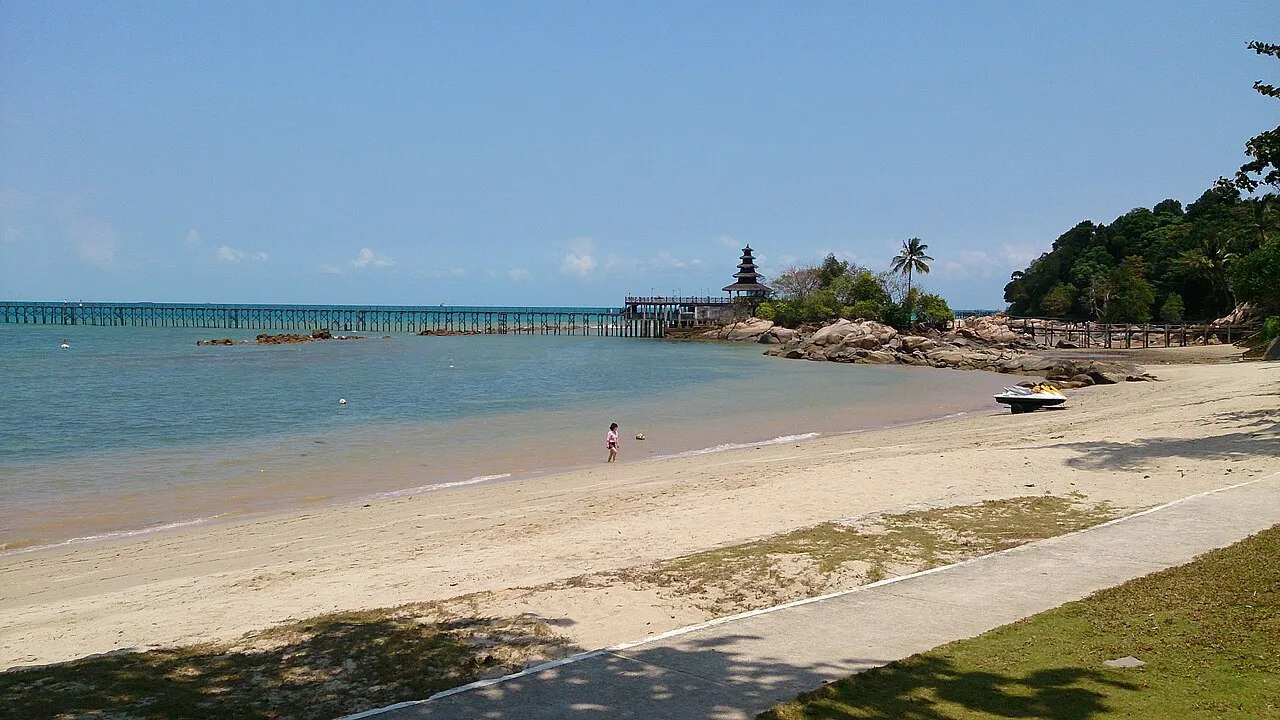 10
The strip of sand and the pier at Turi Beach Resort introduce the Nongsa coast; access is through private property and needs to be arranged.
View details for Turi Beach1Behind a visit to Vihara Budhi Bhakti comes another stop: its sacred garden. The stone sculptures and Buddhist images give plenty to those who enjoy details, instead of just showing up at the gate and moving on. The complex is in Lubuk Baja, in the Nagoya area, and opens the circuit of the city's places of worship.
Start with the areas open to visitors and set aside part of your time for the garden. The change of pace is worth more than a collection of photos: here, the visit calls for attention to forms and respect for those who came to pray.
2At Nagoya Hill, the mission can begin with a souvenir and end at the Food Street, with your shopping bag waiting while you choose lunch. The complex has shops, electronics and entertainment in Nagoya's commercial center, a handy stop between the Budhi Bhakti temple and the afternoon outings.
Go with a short list and compare prices before buying. If the weather turns, stretch out the meal or check what's showing at the cinema. Batam has beaches, but a roof between two downpours does a fine job too.
3Before heading to another seascape, step into the Batam Raja Ali Haji Museum to understand the territory you are crossing. Objects and photographs present the city's history, with references to the Riau-Lingga Sultanate and to Malay culture. The collection includes instruments and utensils that bring the subject closer to everyday life.
Pick a few pieces to look at closely and read the information available beside the display cases. The museum gives context to getting around the island: after the visit, port, city and tradition stop feeling like separate subjects.
4Harbour Bay has a ferry terminal, but this itinerary's stop is at the tables facing the sea. The dining area has seafood restaurants and is part of a complex with shops and lodging. You can show up just to stroll and choose where to have dinner, without a boat ticket in your pocket.
Look over the menus before sitting down and check how fish and shellfish are charged. If you come across gonggong, try your skill with the toothpick; after the first snail, conversation usually goes back to its normal pace.
5The brownish sand and rocky stretches of Tanjung Pinggir offer another break on the Sekupang coast. The outing suits walking along the beach, looking for shade and watching the horizon. When visibility helps, the silhouette of Singapore rises on the other side of the water.
Don't expect the facilities of a resort: check what is operating before setting up a picnic. The tide changes the look of the shore, so enjoy the scenery according to the day's conditions and keep access routes clear for other visitors.
6Tangga Seribu puts your legs to work: the series of stairways connects the high part of Bukit Dangas to the waterfront. The appeal lies in changing height and watching the landscape rearrange itself among greenery, water and horizon, especially when the afternoon light starts to fall.
Before heading down, remember that the climb back is part of the outing too. Check the condition of the steps and choose how far you want to go. The itinerary is about taking in the coast; any access to the water depends on conditions and local guidance.
7The domes and minaret of Sultan Mahmud Riayat Syah change the scale of the outing in Batu Aji. The design combines references to the Prophet's Mosque in Medina with Malay-inspired ornament; the architecture brings different traditions together without leaving Batam's map.
Take in the exterior slowly and ask which spaces can be visited. The large canopies are also part of the complex's design. This stop is far from Nagoya: include the transfer in the Barelang and Galang day, with a car booked, rather than squeezing it between two ferry commitments.
8The bridge that usually appears in photos of Batam has a name: Tengku Fisabilillah. It is the first in the Barelang chain, which brings together six bridges linking islands south of Batam. The cable-stayed design is easy to recognize, but the useful detail is another: you can see this crossing without driving the whole chain.
Agree on the trip out and back with your driver and choose a permitted area off the roadway to stop. A spot to the side helps you take in the span and the water under the deck. Then keep going along the route to the former Galang refugee camp; the first bridge is a stop on the way, not the end of the trip.
9Galang took in refugees from Indochina who were waiting for a chance at resettlement in other countries. The former camp presents this history of displacement and waiting, a layer of Batam that lies far from the shopping centers and calls for a visit attentive to the remains and the memorial spaces.
Set aside the time the subject deserves and check which sections are accessible. The road continues beyond the first Barelang bridge, so it doesn't fit as a small detour after the photo. Bring water and settle the return trip before starting the visit.
10In Nongsa, Turi Beach combines pale sand, greenery and a pier reaching out over the water. The scenery belongs to Turi Beach Resort: it is an option for those who stay there or can arrange a visit with the property, without assuming free entry from the beach.
Set aside a separate block of time to rest facing the sea and check which areas will be available. Since Nongsa is far from the Sekupang coast, this is an extra option beyond the three main days. If it makes it into the plan, stretch the trip out instead of collecting beaches through the car window.
Check the arrival and departure terminals before booking the car; Batam Centre and Nagoya are not the same address.
Arrange a car, waiting time and the return. Book transport for the whole day for Sultan Mahmud, Barelang and Galang, so you don't have to look for a ride back after the last visit.
Bring clothes that cover shoulders and legs and follow the guidance on footwear. Ask about photography and visitor access at mosques and temples; ceremonies can change the route.
Carry rupiah for smaller expenses and confirm the price of seafood before ordering. Check the ferry total including fees and surcharges.
Humid heat and rain call for breaks and flexibility. Check the forecast for Sekupang and Barelang and rearrange city outings when the weather turns.
Check the local time of each leg and how early the operator requires you to arrive. On flight or ferry days, shorten the circuit and leave a margin for traffic, check-in and passport control.
Batam puts the Riau Islands on the table: there is thick peanut sauce on noodles and mollusks served in the shell. Look for Malay food or seafood and save room for a snack. When you order gonggong, the toothpick becomes your main utensil as you learn to pull out the meat.
A marine snail with firm meat, usually boiled and served with a spicy sauce; pull the meat out of the shell with the toothpick.
Yellow noodles with a thick peanut sauce, bean sprouts and boiled egg; served at breakfast and lunch.
A fried pastry with a seasoned fish filling, a Riau Islands option for the break between lunch and dinner.