 1
Nature
Campuhan Ridge Walk
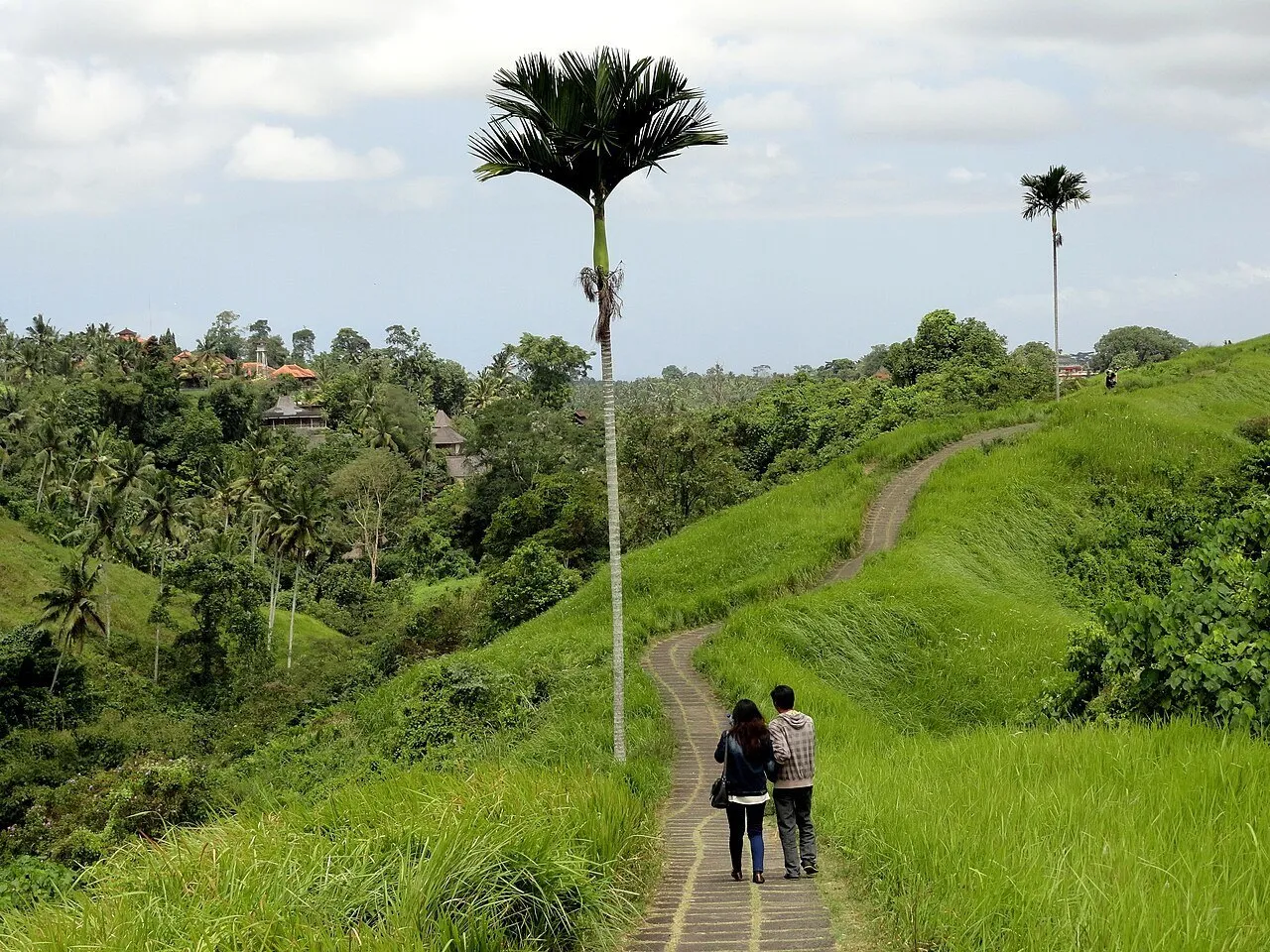
The Campuhan trail follows a green ridge near central Ubud: a walk to start the day before the heat takes over the conversation.
View details for Campuhan Ridge Walk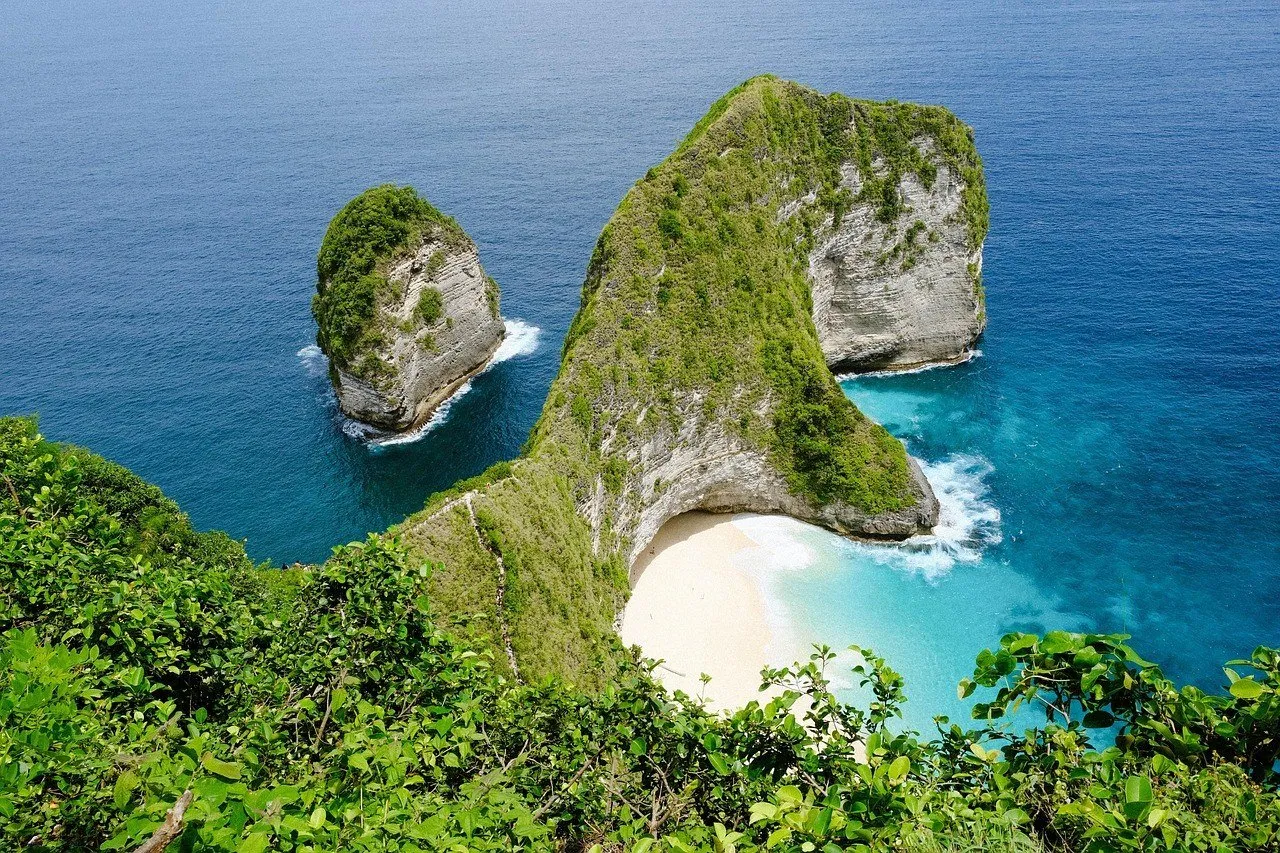
Pale sand appears between cliffs, the sea shifts shades of blue and a waterfall opens a clearing in the green. Bali pairs these landscapes with temples and rice terraces; Nusa Penida calls for a boat crossing and time of its own.
Offerings on the sidewalk make you watch your feet; the lotus ponds of Ubud pull your eyes toward the gateways. Bali puts working temples, farmland and beaches in the same itinerary, but it doesn't fit the logic of a historic center you can cover on foot. It is an island, with Denpasar as the provincial capital, and this guide covers two areas: Ubud and its surroundings, inland, and the Bukit peninsula with Jimbaran, in the south.
A practical approach is to split your stay between Ubud and the south, setting aside six to eight days for outings, rest and the change of base. The three days below are blocks of visits to spread across that stay, with the transfer on a separate day. That way you see temples, rice terraces and cliffs without making the back seat of the car the main memory of your vacation. The extra suggestions, a waterfall and Nusa Penida, need time beyond this circuit.
To extend the trip, set aside a separate outing from Ubud to Tegenungan Waterfall. Kelingking and Diamond Beach, on the other hand, are on Nusa Penida, another island in Bali province, reached by boat. If you want to see both coasts without racing for the last departure from the harbor, consider staying overnight and spreading the visits over different days. They appear as extra suggestions, outside the three numbered itineraries. Arrange the crossing, lodging and driver before booking, and leave some slack between the return boat and your flight home.
Subak ties together irrigation, farming communities and water temples. UNESCO recognizes a specific cultural landscape of this system, not every rice field in Bali.
Ubud Water Palace is the Saraswati temple; the Ubud Palace is Puri Saren Agung. Similar names, different visits.
In kecak, the pulse comes from the voices of the chorus. At Uluwatu, that sound accompanies scenes from the Ramayana, with the sea in the background.
Nyepi marks the Balinese Saka New Year: visitors stay at their accommodation, and the airport suspends operations. Check the date before booking flights.
1The Campuhan trail follows a green ridge near central Ubud: a walk to start the day before the heat takes over the conversation.
View details for Campuhan Ridge Walk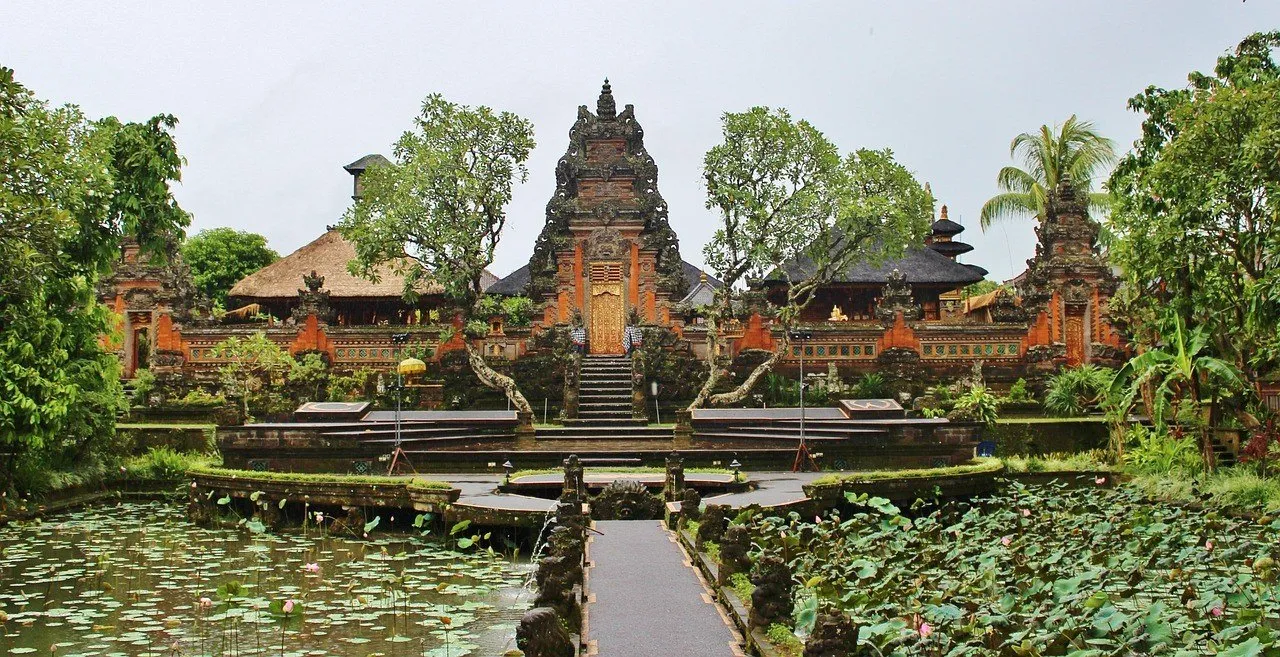 2
Lotus ponds lead the eye to the gateways of Saraswati, a temple dedicated to the goddess of knowledge and the arts in the middle of Ubud.
View details for Saraswati Temple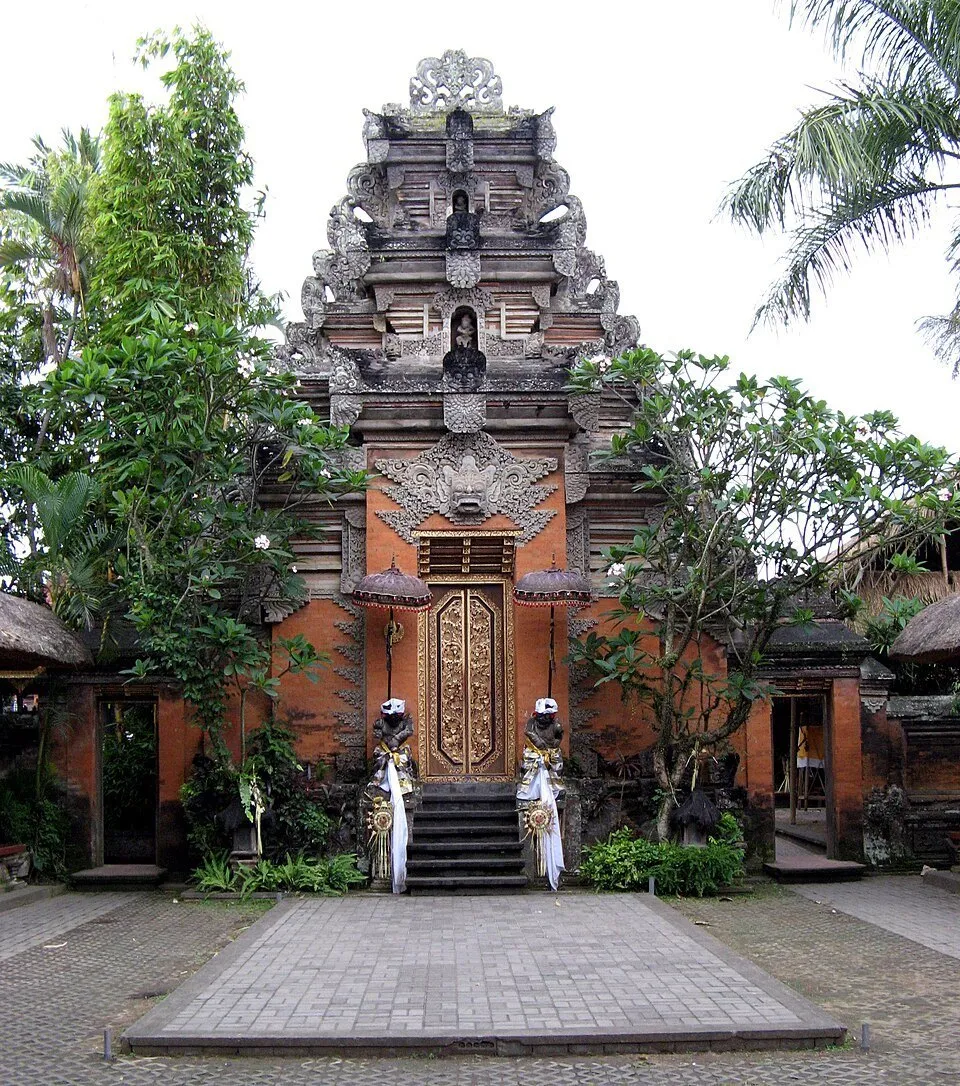 3
Puri Saren Agung shows off gateways, pavilions and Balinese architectural detail; the visit focuses on the open part of the palace, right in central Ubud.
View details for Ubud Palace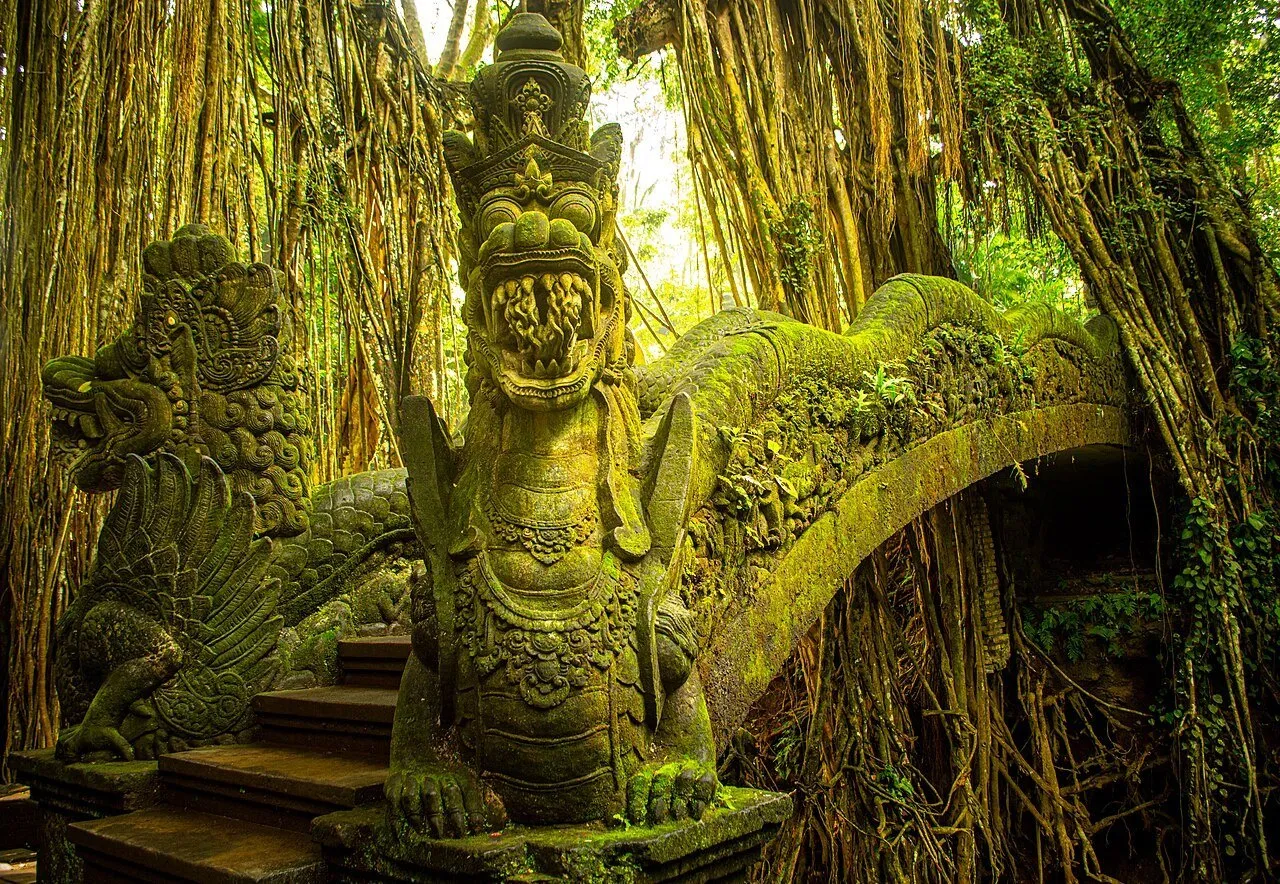 4
Long-tailed macaques, tree-lined paths and sacred spaces share the Padangtegal forest; watching from a distance is part of the visit.
View details for Ubud Monkey Forest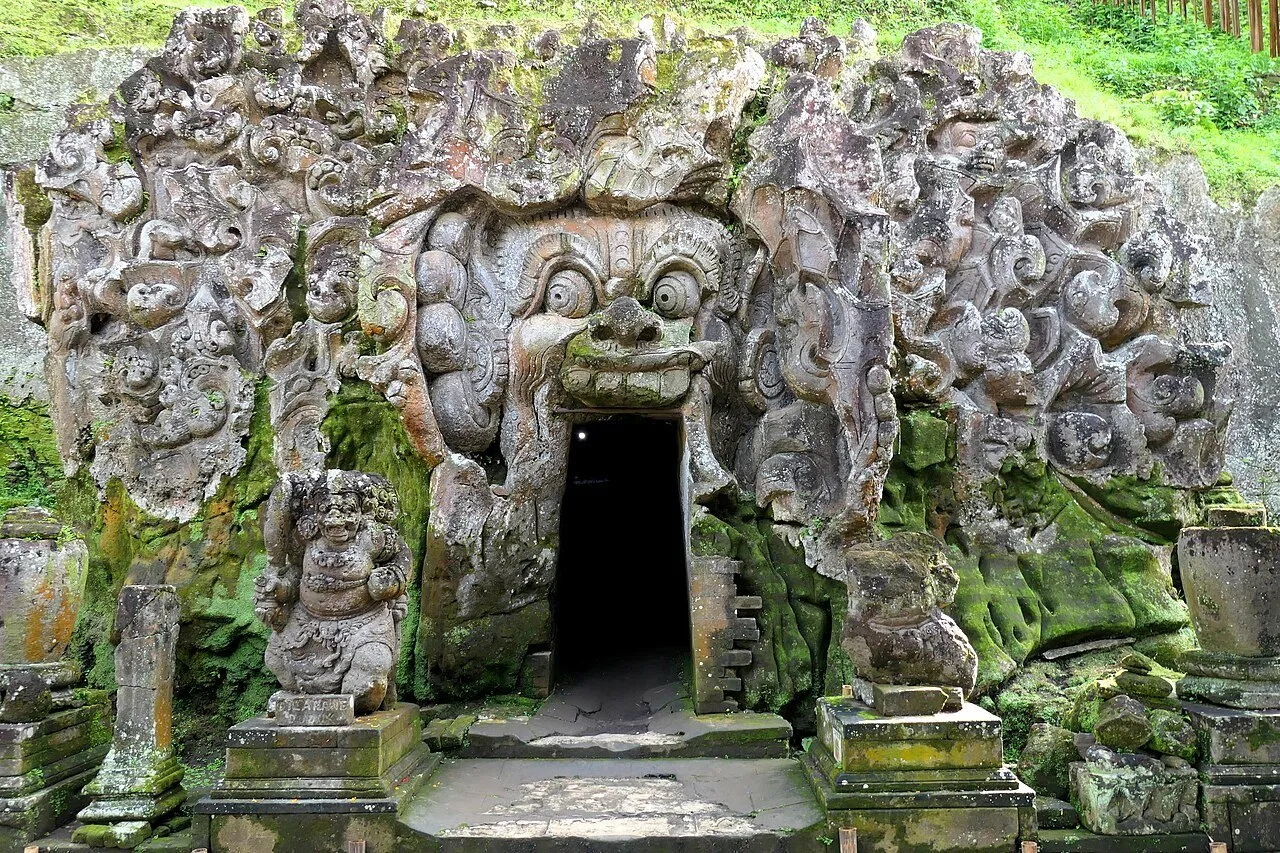 5
A carved face frames the entrance to the Goa Gajah cave, in a complex with Hindu and Buddhist remains and an ancient bathing area.
View details for Goa Gajah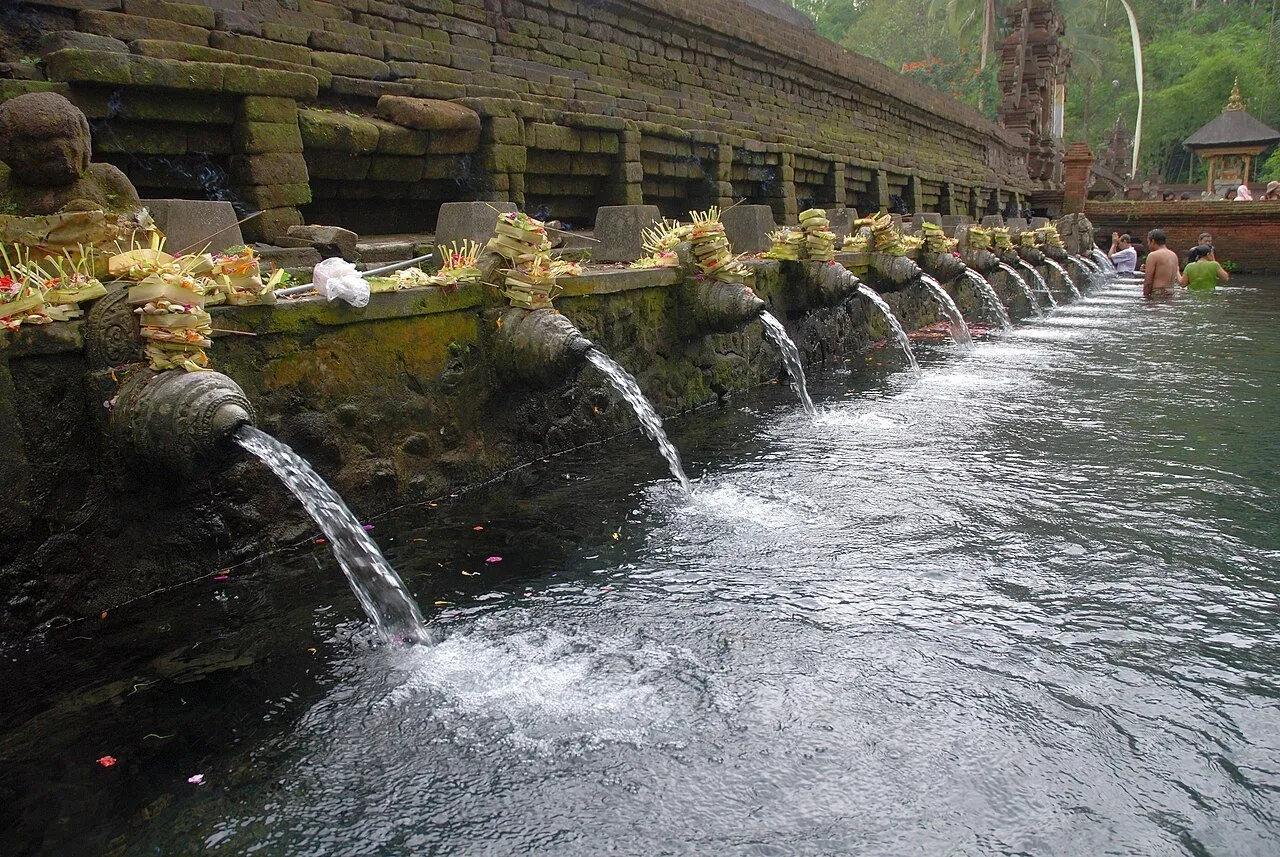 6
The springs of Tirta Empul feed pools used for melukat, a Hindu purification ritual; visiting the temple calls for attention to the rules and to those who are praying.
View details for Tirta Empul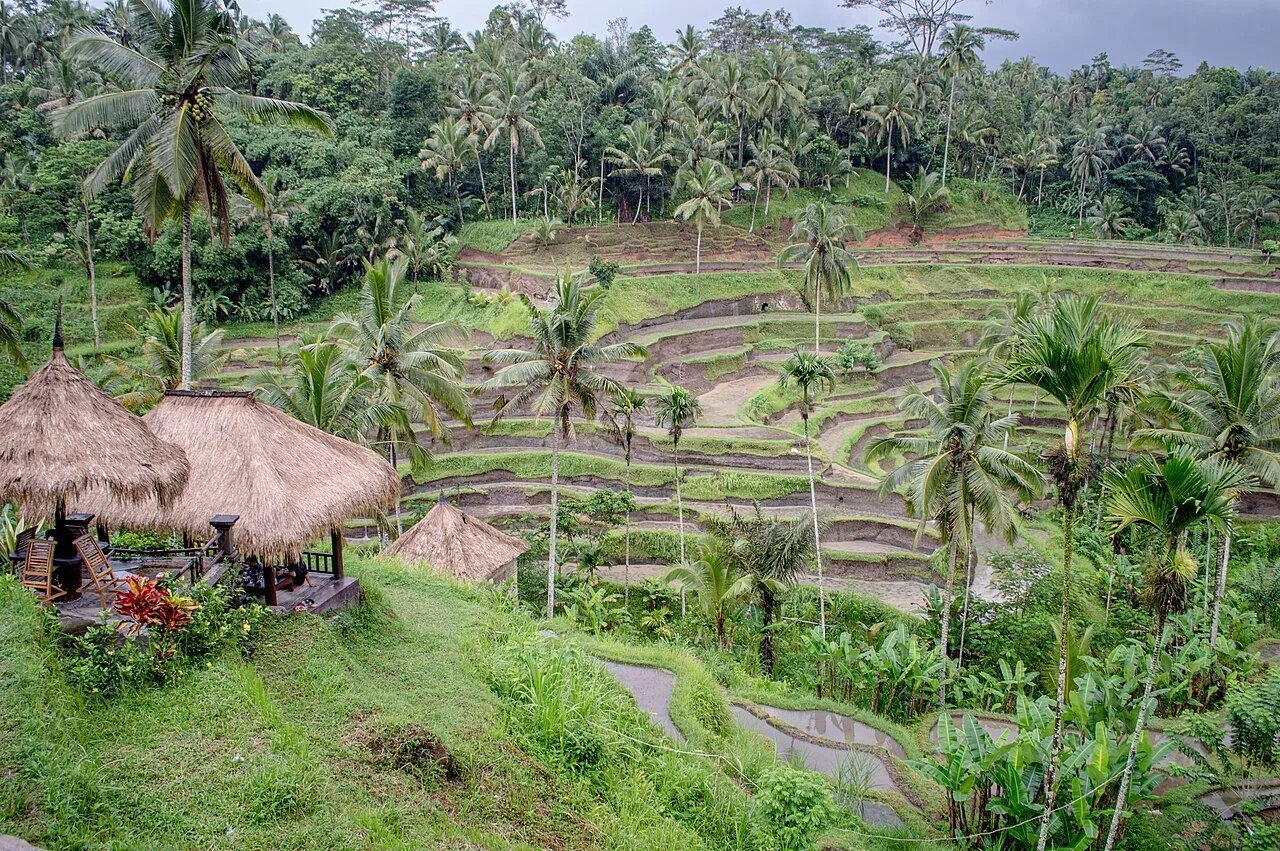 7
The rice terraces of Ceking shape the Tegallalang valley, north of Ubud; paths and viewpoints show a landscape that is still working farmland.
View details for Tegallalang Rice Terraces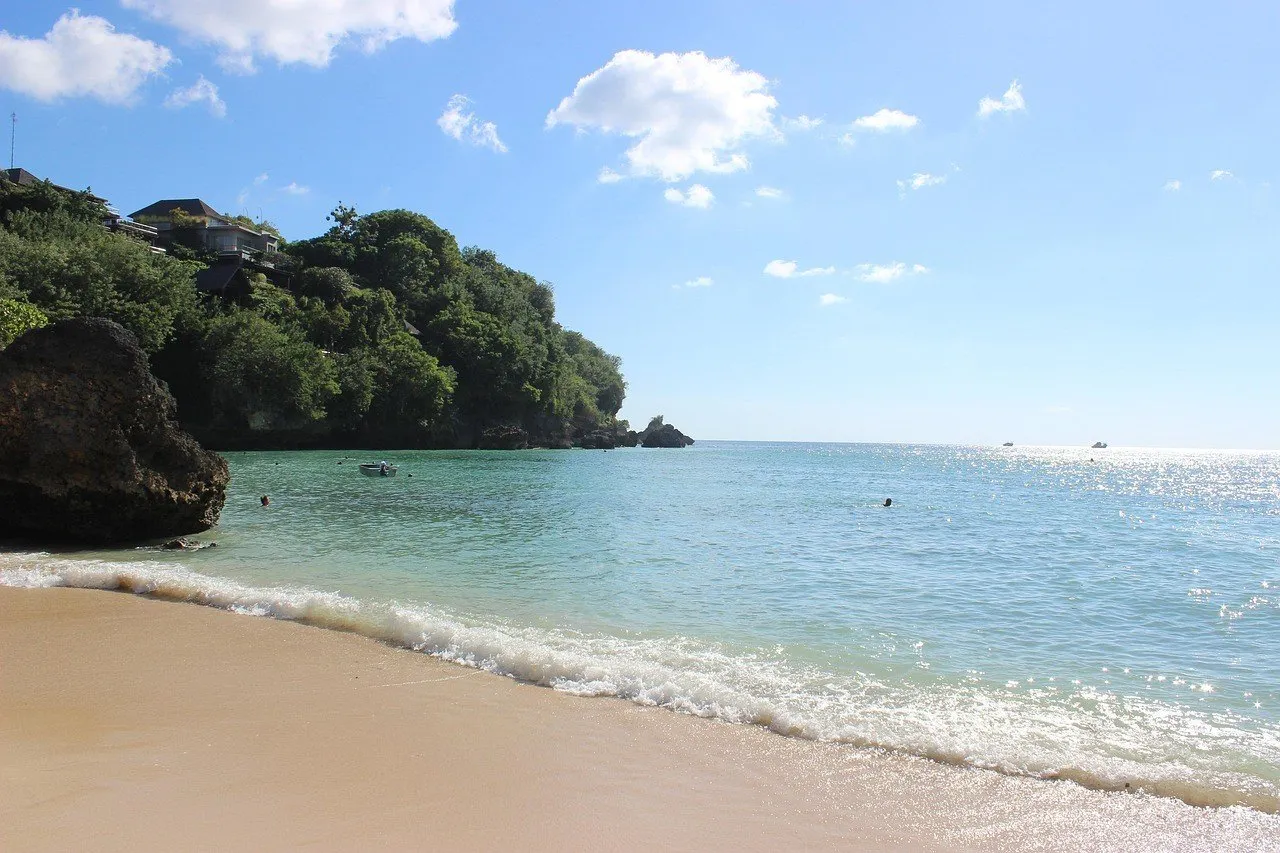 8
A passage between rocks and a staircase lead to the strip of sand at Padang Padang, in Pecatu, surrounded by cliffs and close to waves surfers seek out.
View details for Padang Padang Beach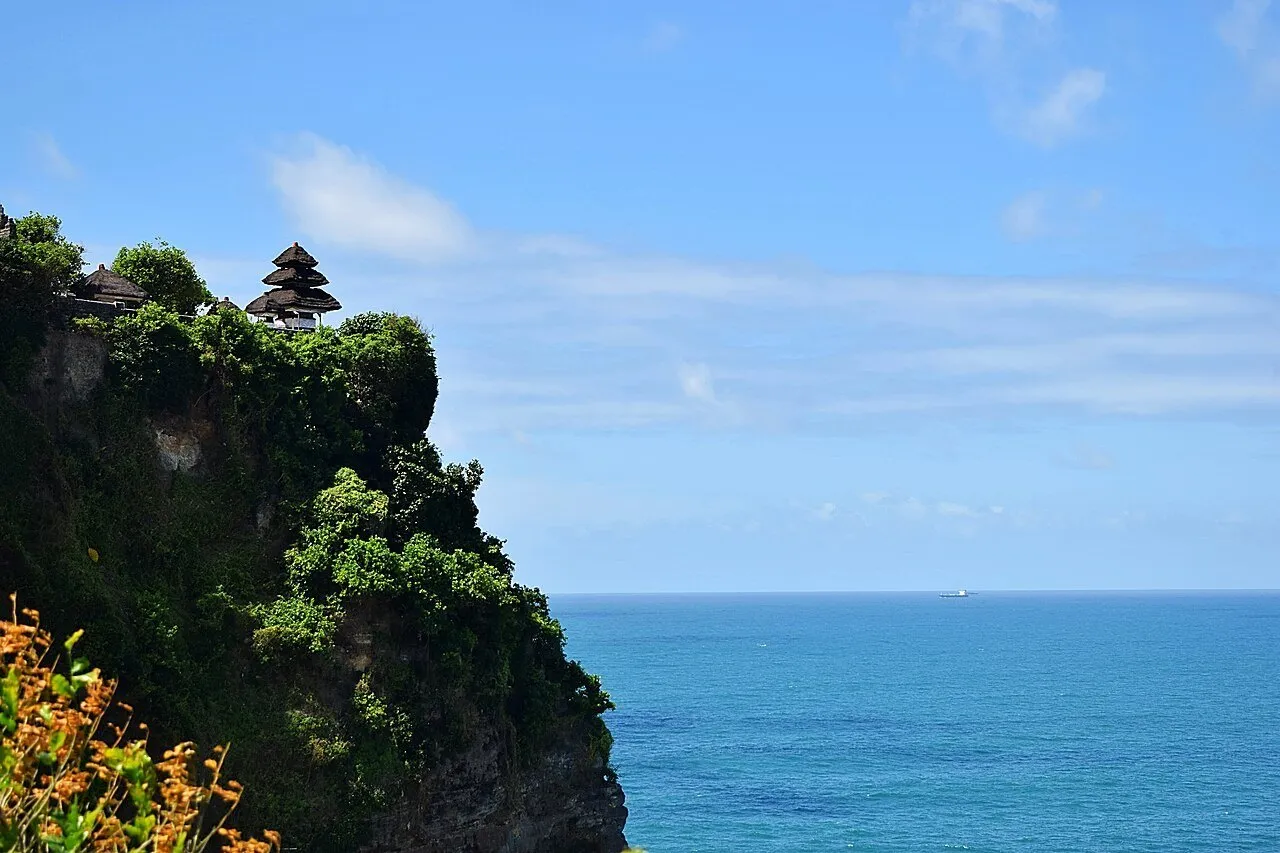 9
Pura Luhur Uluwatu sits atop a cliff facing the Indian Ocean; the visit can include kecak, a performance based on the Ramayana.
View details for Uluwatu Temple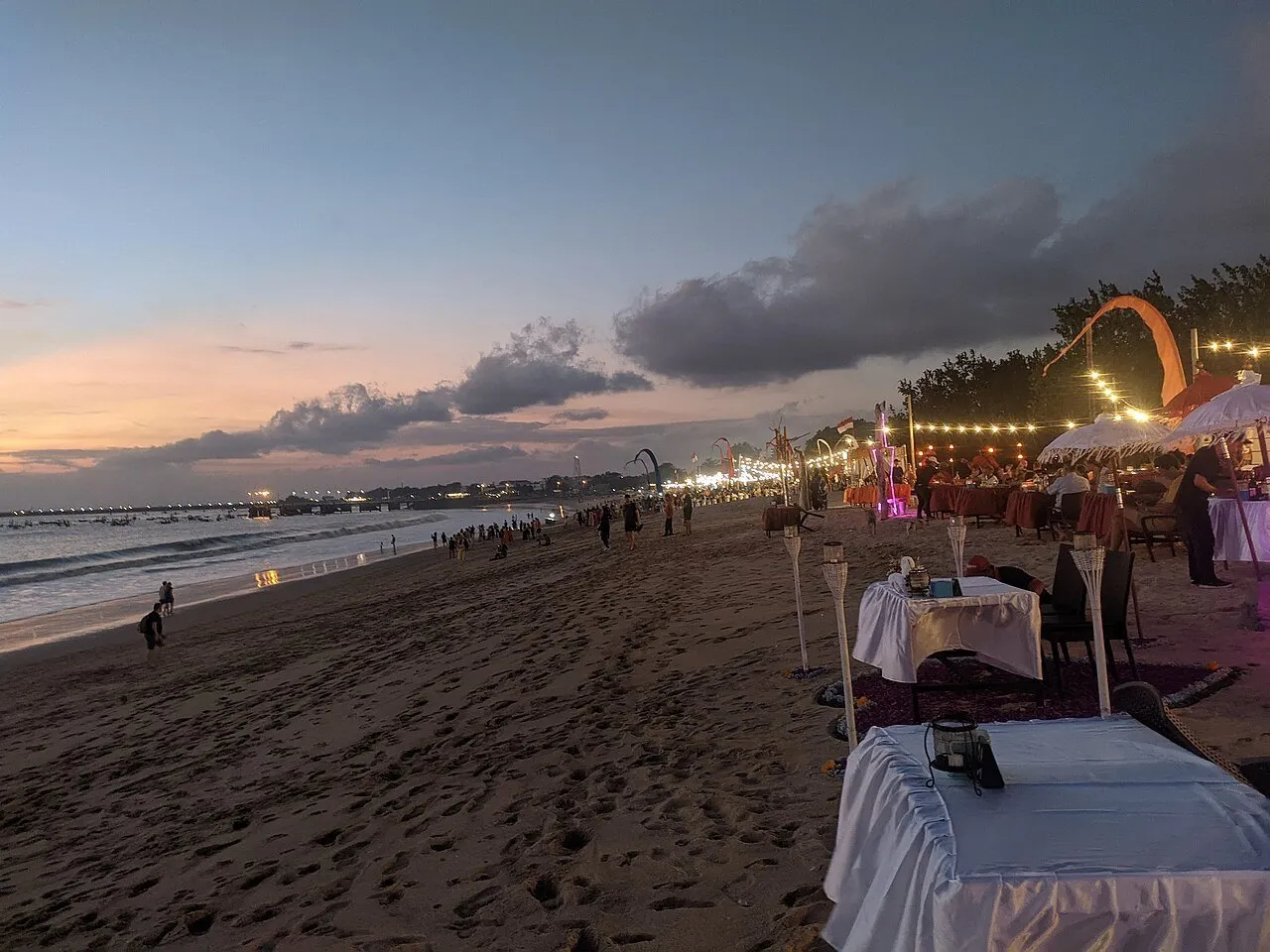 10
Jimbaran Bay pairs a long stretch of sand with seafood restaurants; at the end of the day, tables and the smell of the grill become part of the scenery.
View details for Jimbaran Beach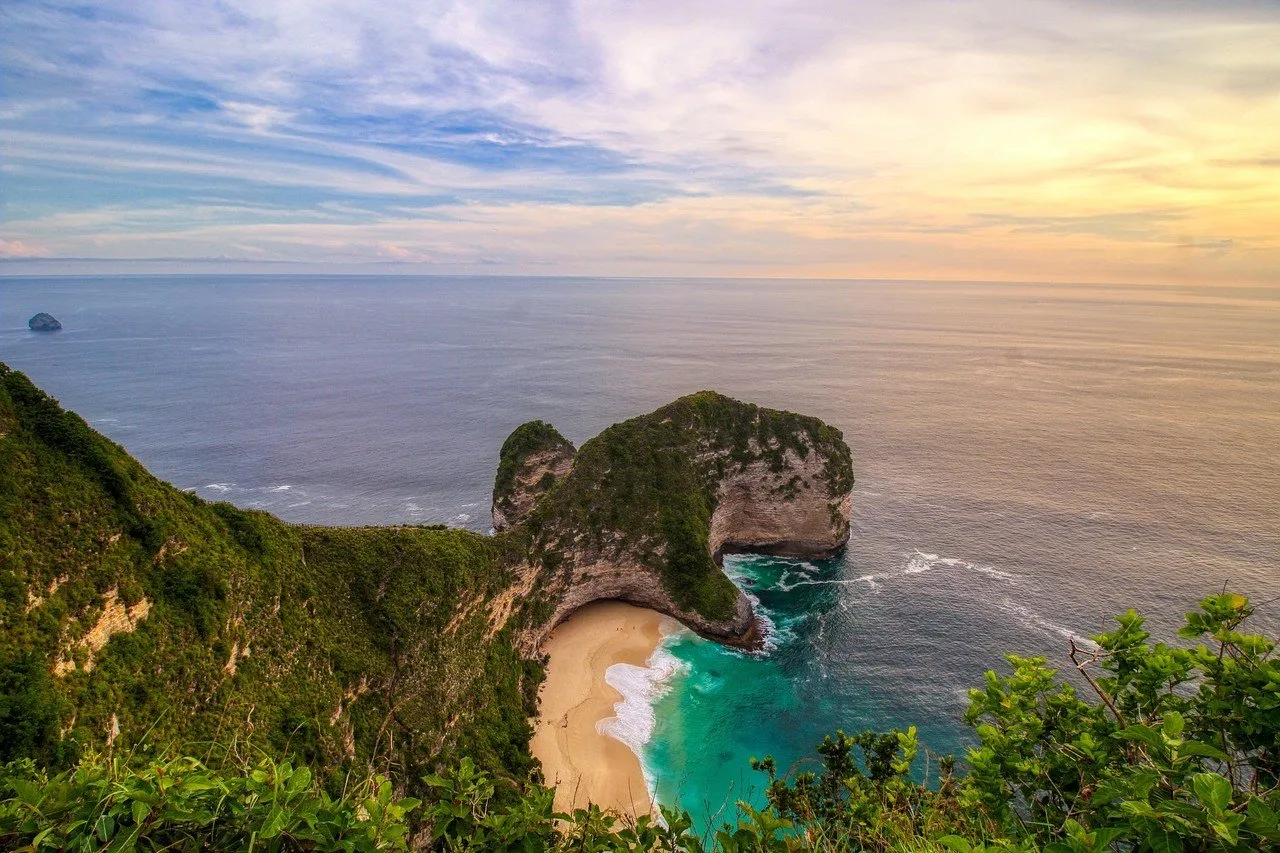 11
From the top of Kelingking, a green headland curves over pale sand and blue sea; the landscape is on Nusa Penida, another island, reached by boat from Bali.
View details for Kelingking Viewpoint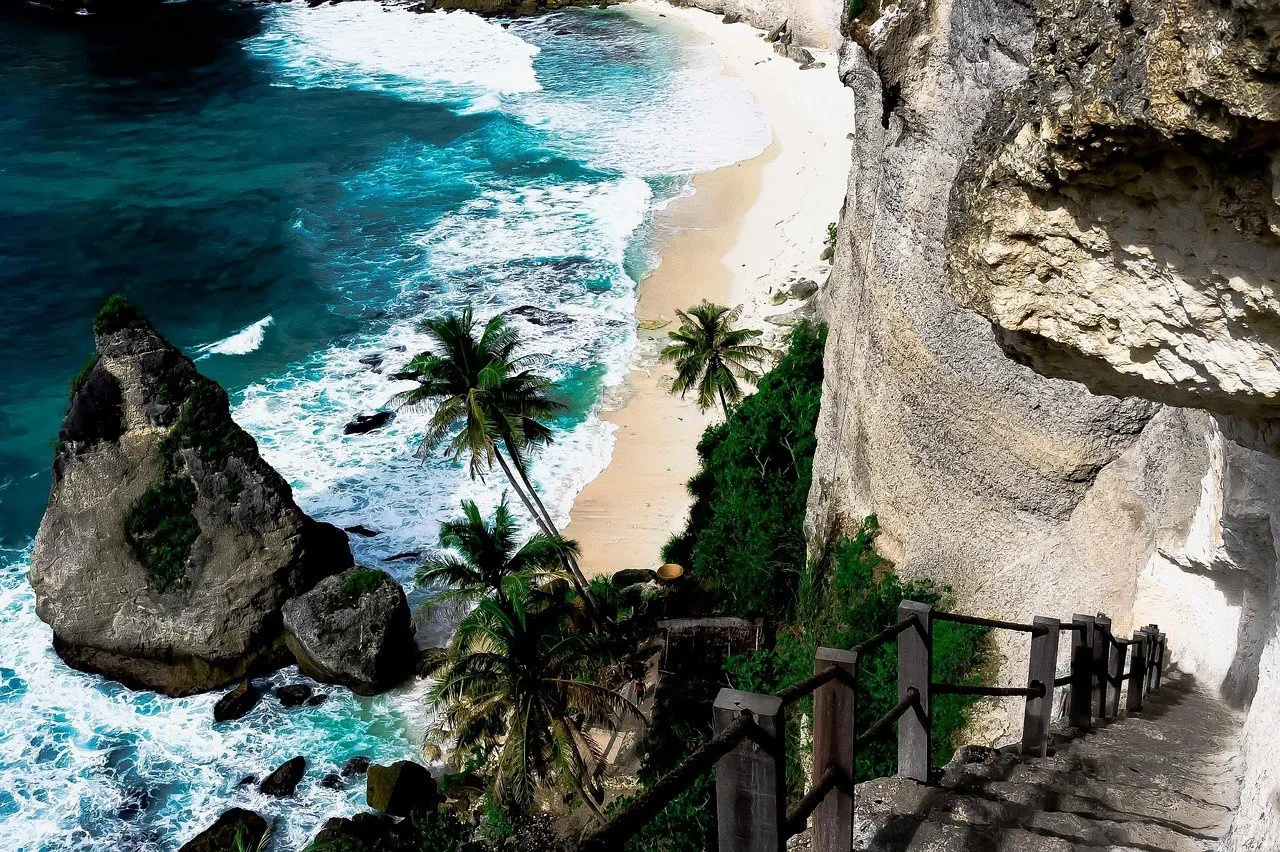 12
Pale cliffs, rocks rising from the water and a narrow strip of sand make up Diamond Beach, on the east coast of Nusa Penida, best taken in calmly from above.
View details for Diamond Beach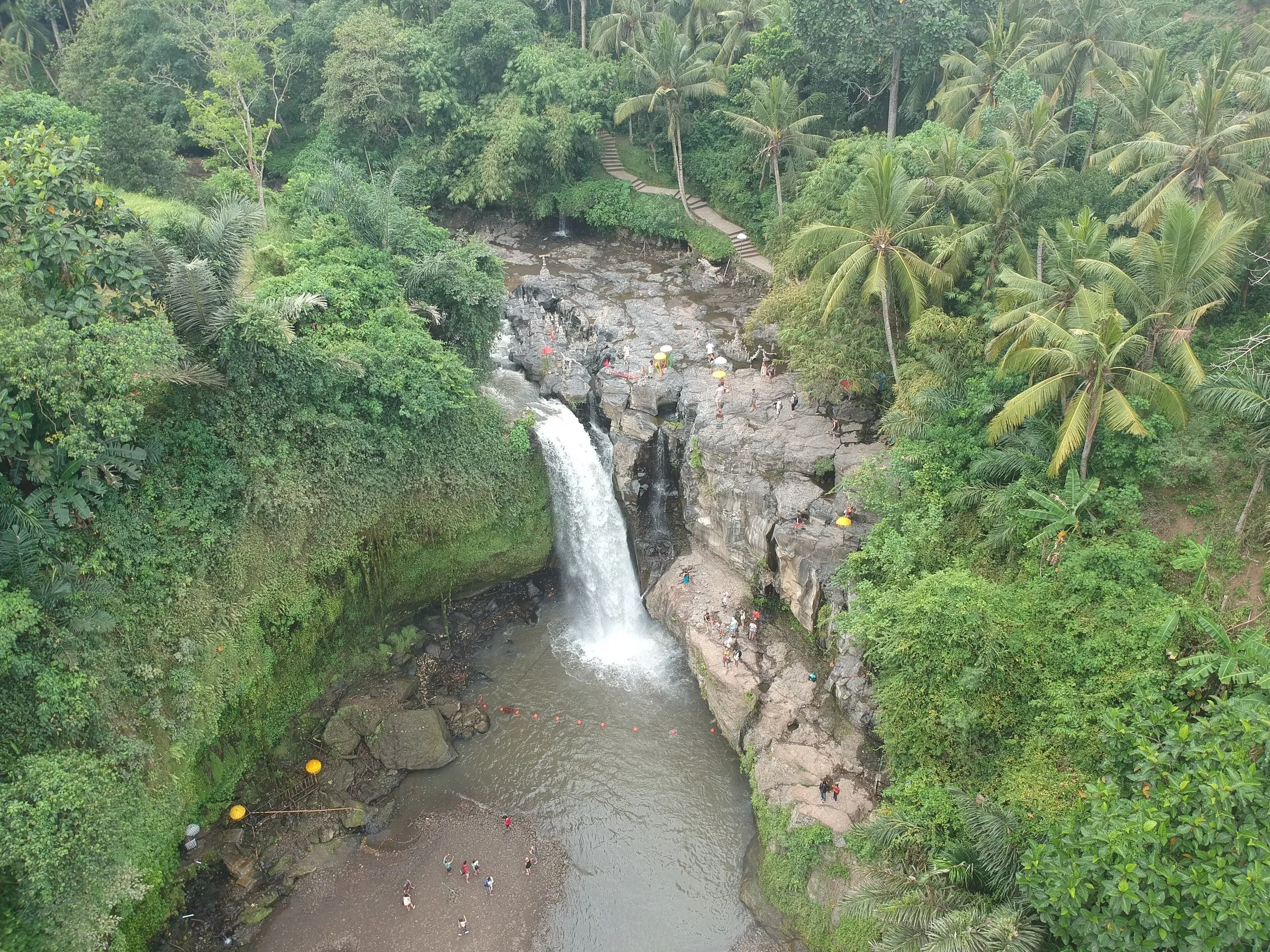 13
A waterfall ringed with vegetation gives a different rhythm to outings in Gianyar; Tegenungan can fill an extra trip from Ubud, with time to take it in.
View details for Tegenungan Waterfall1The trail follows the Campuhan ridge and opens a strip of sky between the hills of Ubud. The path is the outing: you walk, watch the curves of the terrain and decide when to turn back. After the downtown streets, even the pace of your steps changes.
Start early and treat the walk as an out-and-back, with no obligation to reach some faraway spot. The idea is to look at the scenery, not to rack up mileage. The green of the view does not guarantee shade along the way.
2Between the street and the gateways, the lotus ponds change the scale of the visit. Notice the reflections on the stone, the carvings and the path. The complex, marketed as Ubud Water Palace, is dedicated to Saraswati, goddess of knowledge, literature and the arts.
This is not the Ubud Palace, which also appears in the itinerary. The visit covers the areas open to visitors within the religious site; ceremonies can change how you move around. The lotus bloom doesn't follow the calendar of your trip, either.
3Carved gateways and pavilions make Puri Saren Agung a short stop, but one full of detail. Instead of looking for a monumental hall, watch the passages between buildings and courtyards. It's a chance to slow your gaze down after the busy street.
The accessible part is not the whole complex: some spaces are reserved. Look up the cultural program if you want to come back at night, checking tickets and the performance. Resist the temptation to turn every closed door into a shortcut theory.
4In the Padangtegal forest, long-tailed macaques roam among trees, paths and temple areas. You are visiting a space tied to the community's religious life, as well as watching animals in a semi-wild setting. The sculptures deserve attention too.
Keep small items put away and follow the staff: no food, no touching, no getting close for photos. Some sacred spaces are outside the permitted route. The memory worth keeping is watching the animals go about their business, without having to join the cast.
5The face carved in the rock marks the entrance to Goa Gajah before you even grasp the whole site. The cave is part of a religious site in Bedulu with Hindu and Buddhist remains. Look beyond the opening: the ancient bathing pools add to the visit.
Set aside time for the wooded area too, instead of making the cave the only stop. The pools and the carvings help you read this place of worship. Stay only in the areas that are open and notice how the different elements are laid out across the grounds.
6The springs organize the scene at Tirta Empul. The temple in Manukaya is tied to freshwater springs and to melukat, a Hindu purification ritual. Understand that the line in front of the spouts can be an act of worship, not a water attraction.
You can see the permitted areas without taking part. If you want to do the ritual, ask for guidance on procedure, clothing and restrictions before getting into the water. Photograph discreetly and keep the way clear for those who came to carry out their devotion.
7In Ceking, the rows of rice follow the terrain and make the valley look drawn in layers. Tegallalang lets you see the terraces up close, but it is still farmland: its look changes with the crop, with no obligation to match the photo that brought you here.
Understand what your admission includes before paying. Viewpoints, trails and photo structures may be charged separately. The swings are a commercial option; keeping your feet on the ground also makes for a good afternoon.
8You squeeze between rocks and go down a staircase before reaching the sand at Padang Padang, also called Labuan Sait. The beach fills a gap in the Pecatu coast, smaller than a panoramic photo might suggest.
Plan an unhurried stop and follow local guidance. Surfing fame doesn't make every stretch a safe place to swim. Think about the stairs before heading down: they will still be in the same place after your rest.
9The cliff lets the ocean fill almost your whole field of view at Uluwatu. Pura Luhur Uluwatu is an active Hindu temple; the route offers coastal views without unrestricted access to worship. Leave your hurry far from the edge.
One option is to watch kecak: rhythmic voices accompany characters from the Ramayana. The performance has its own ticket; confirm the showtime and arrive with time to spare. The monkeys also demand attention to your belongings, especially anything left loose.
10The smell of the grill can reach you before the menu does at Jimbaran. The seafood restaurants help define the bay, along with the sand and the movement of the coast. Swap the sequence of attractions for a long, slow meal.
If you watch kecak at Uluwatu, come here afterward for dinner: the sunset will already be behind you. To see the afternoon light here, do the temple earlier and skip the performance. Check the weight, side dishes and price before choosing your fish.
11Down below, the strip of sand looks like a brushstroke between the cliff wall and the ocean. Up top, the Kelingking headland draws the profile that earned the nickname T-Rex. The viewpoint already delivers this view: you don't need to climb down the cliff to know the place.
Plan the visit as part of a stay or an outing dedicated to Nusa Penida, with the crossing and ground transport. Stay in the permitted areas and behind the barriers. This outing is about taking in the coast from above; the steep descent and the open sea call for a different assessment of conditions and preparation.
12Pointed rocks rise beside the sand, while the pale cliffs frame the blue. Diamond Beach adds another angle on the Nusa Penida coast: the scenery is the reason for the stop, and the upper area lets you enjoy it without making the visit a mandatory descent.
The stairs hug the cliff wall, so confirm conditions and permitted access before going further. Keep this coast separate from your Kelingking visit if you want to take it slowly. When planning, count on transport across the island and time at the harbor; a photo with clear water is not an automatic invitation to swim.
13Water drops through an opening between trees, and the white of the spray cuts into the green at Tegenungan. The waterfall is in Kemenuh, in the Sukawati district, and adds fresh water to an itinerary of temples and rice terraces. It's worth setting aside time to look at the fall, instead of stopping just to get the photo.
Organize a separate trip from Ubud and confirm which access you will use. The water volume and the open areas can change; choose your viewing spot according to local guidance. The idea is to enjoy the scenery, without treating a swim as a guaranteed part of the outing or the transfer as an invisible gap.
Group visits by area. Arrange the driver, stops, waiting time and return for the rural circuit; look for a licensed guide. Check traffic and book the Ubud-to-south transfer on a day without timed-entry tickets.
Cover shoulders and legs and follow the sarong and sash requirements. Respect restricted areas, offerings, ceremonies and anyone who doesn't want to be photographed. Taking part in rituals requires guidance.
Keep loose items stowed and watch monkeys without touching or feeding them. At the beaches, follow the signs: calm water in a photo is no forecast for your swim.
Use an authorized exchange. Check the visa and arrival requirements for Indonesian immigration for your nationality; look up the tourist levy and exemptions on Love Bali. Keep the receipt.
May to September usually favors outings, but rain is still possible. Check Nyepi before booking flights: stay at your accommodation and arrange meals with the local team.
Temples, rituals and performances can have different charges. Understand what access includes at Tegallalang and check the weight, side dishes and fees before ordering in Jimbaran.
Give Balinese food room beyond the fish of Jimbaran. Ask about ingredients and be honest about your chili tolerance. Coconut and spices show up in different dishes; small portions help you understand the whole without turning lunch into a contest. For dietary restrictions, confirm the ingredients with whoever is cooking.
Minced fish or meat mixed with coconut and spices, molded onto a skewer; lemongrass may scent the dish.
Spiced roast pork served with side dishes; the crackling skin competes with the meat for attention.
Chicken slow-cooked with a spice paste; ask about the chili before ordering.
Chopped vegetables, coconut and spices; it may include meat, so confirm the ingredients.
We use cookies and similar technologies, such as Google Analytics, in accordance with our Privacy Policy and, by continuing to browse, you agree to these terms. You can decline at any time in the policy.