 1
Memory and rights
Constitution Hill
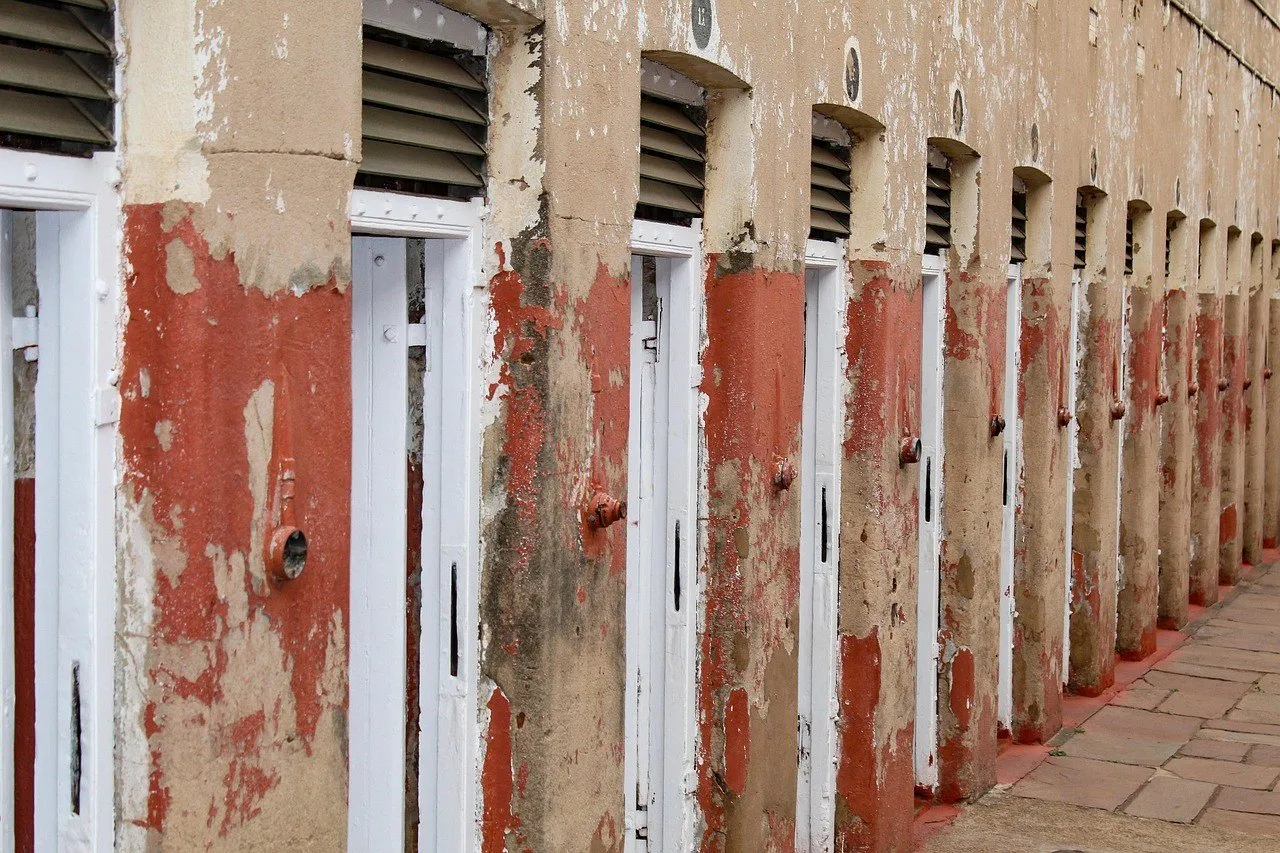
Former prisons and the Constitutional Court share the same complex, in a visit that connects the repression of the past to the rights of the present.
View details for Constitution Hill
South Africa
At Constitution Hill, you walk out of the old prisons and into the Constitutional Court. In Johannesburg, understanding the path between those two places matters as much as getting to the next stop.
An old prison next to a working court explains Johannesburg better than a collection of skyscrapers. Constitution Hill, the Apartheid Museum and the memorial sites of Soweto show how political decisions reached into homes, schools and families. Between those visits, save room for the African art at the Wits Art Museum and the courtyards of 44 Stanley: the city also introduces itself through what it produces today.
Plan Joburg in clusters of visits, with transport between them. Braamfontein, Ormonde, Soweto, Emmarentia and Sandton do not make up a continuous circuit to do on foot. Combine a car and a guide where indicated, confirm pickups with your accommodation and leave a buffer for traffic. Three days allow for this selection; a fourth helps you go deeper into the museums. Soweto deserves listening and a responsible local guide, with time to talk and not only to take photos.
The Constitutional Court was built with bricks reused from an old prison block at Constitution Hill: the transformation is in the walls, too.
Mandela House brings an immense political history down to the scale of a family home: the small space also asks for time to listen and observe.
The Botanical Garden has a Shakespeare garden, an herb garden and a rose garden, as well as open areas by the Emmarentia dam.
1Former prisons and the Constitutional Court share the same complex, in a visit that connects the repression of the past to the rights of the present.
View details for Constitution Hill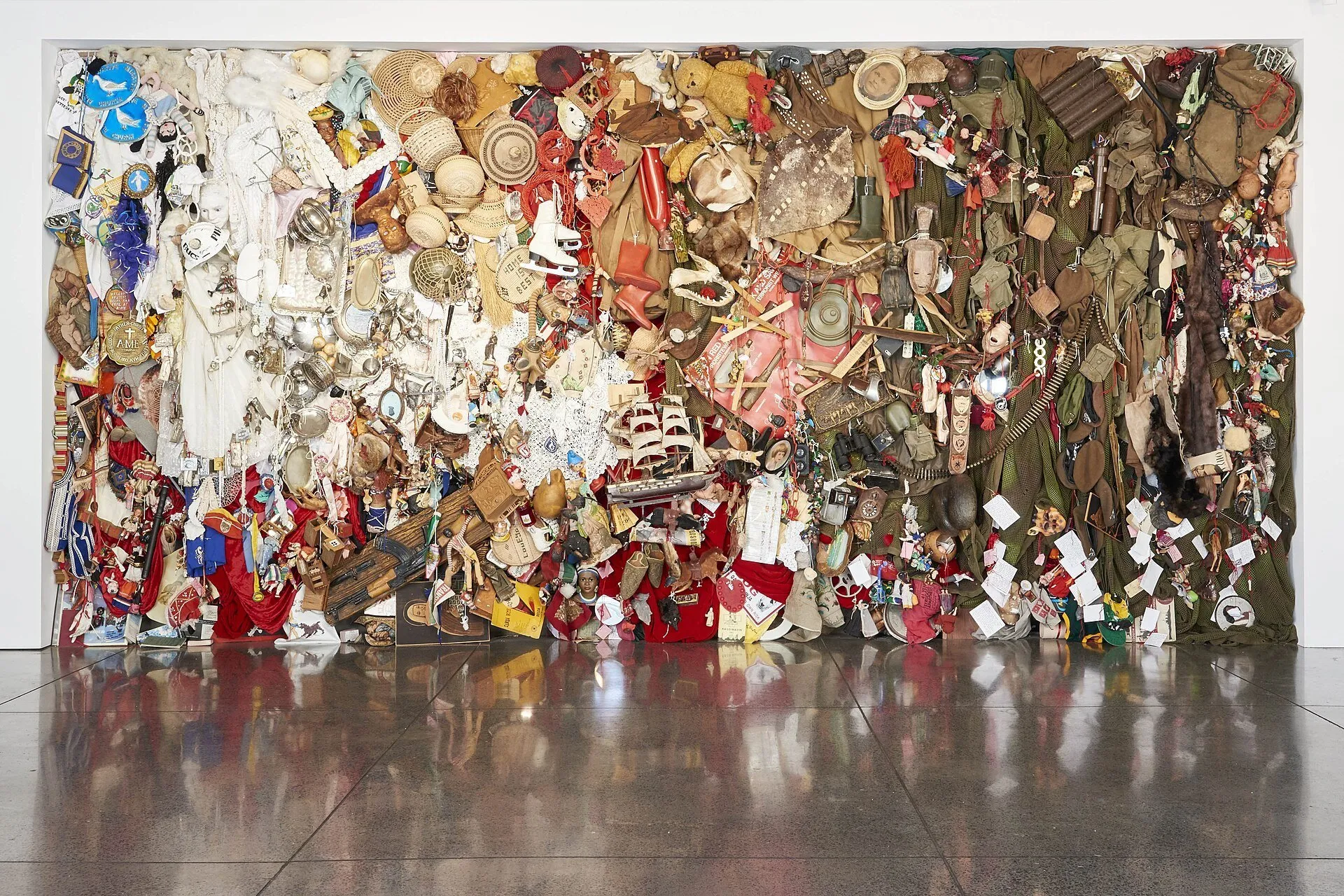 2
The University of the Witwatersrand's museum presents African art in exhibitions that help you look beyond the objects sold as souvenirs.
View details for Wits Art Museum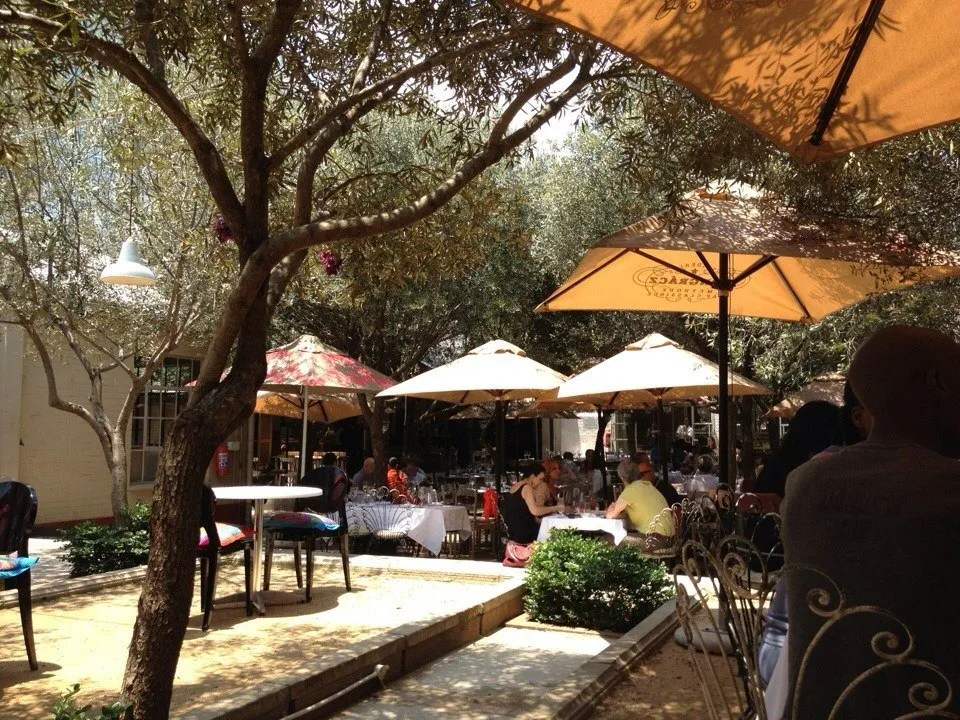 3
Courtyards of a former industrial complex hold cafés, independent shops and creative spaces, in a break with a fixed address in Braamfontein Werf.
View details for 44 Stanley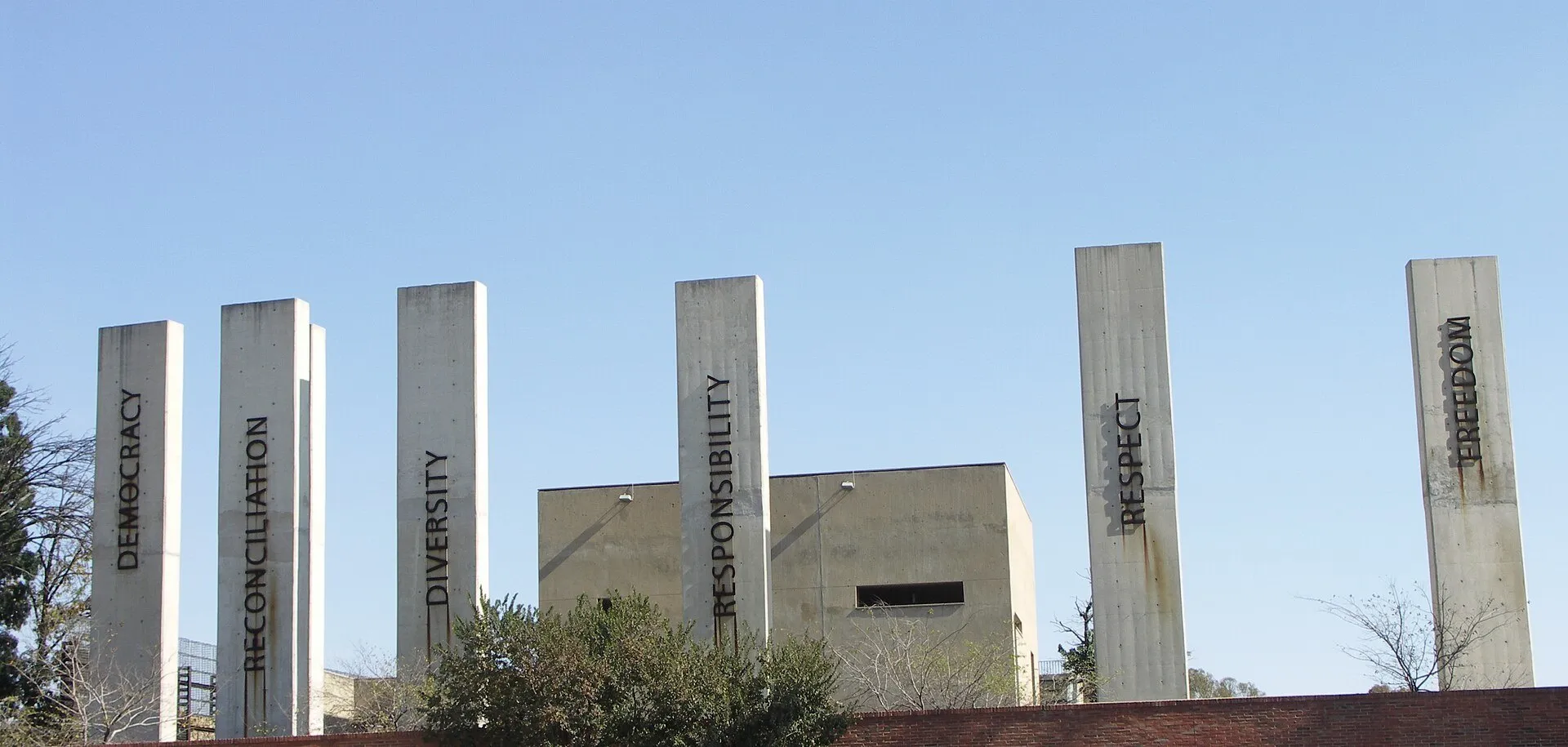 4
The exhibition follows racial segregation, resistance and the building of South African democracy; the visit calls for attention and a few breaks.
View details for Apartheid Museum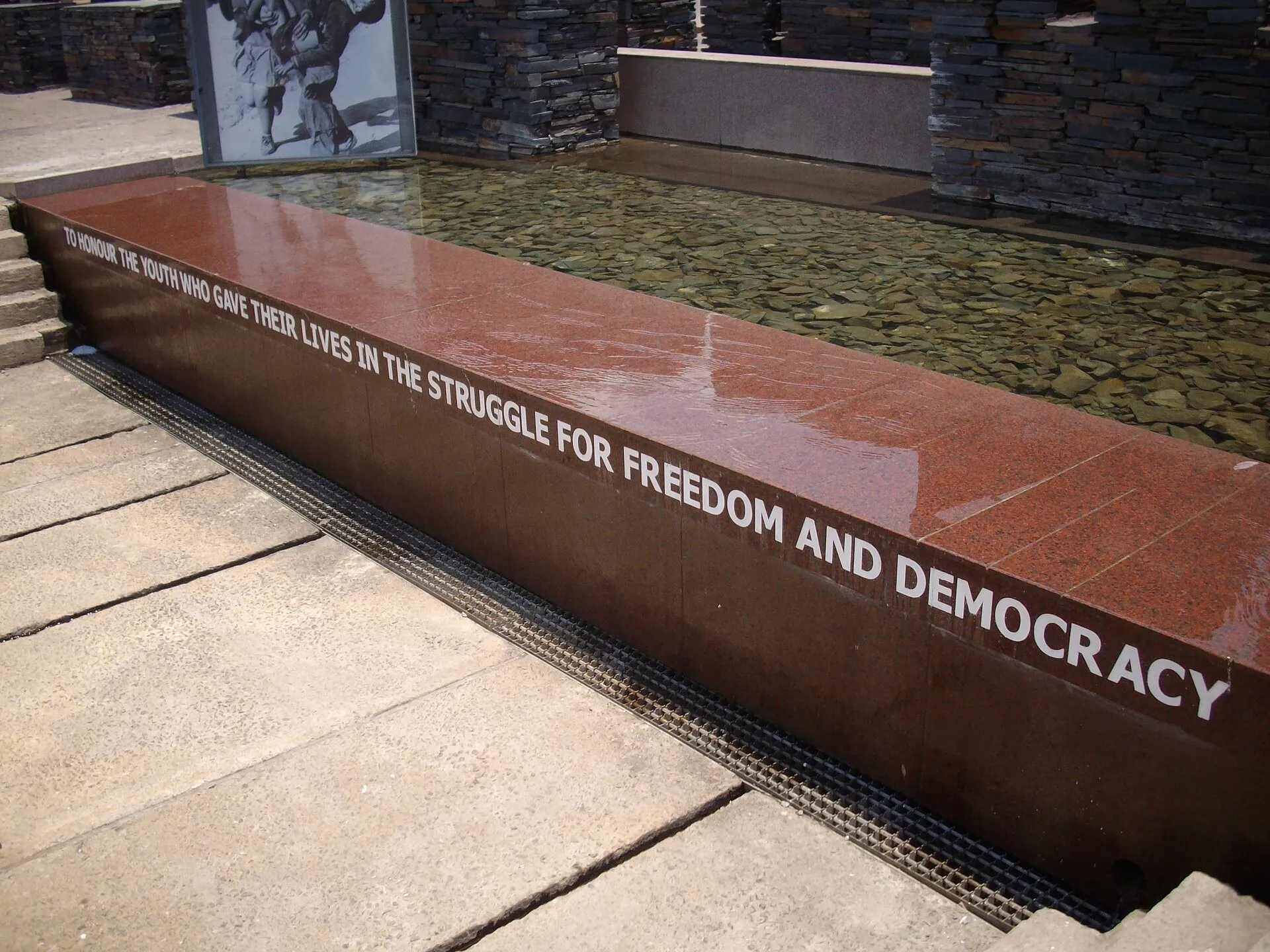 5
Photographs and testimonies present the Soweto student uprising, remembering Hector Pieterson and the other young people hit by the repression.
View details for Hector Pieterson Museum and Memorial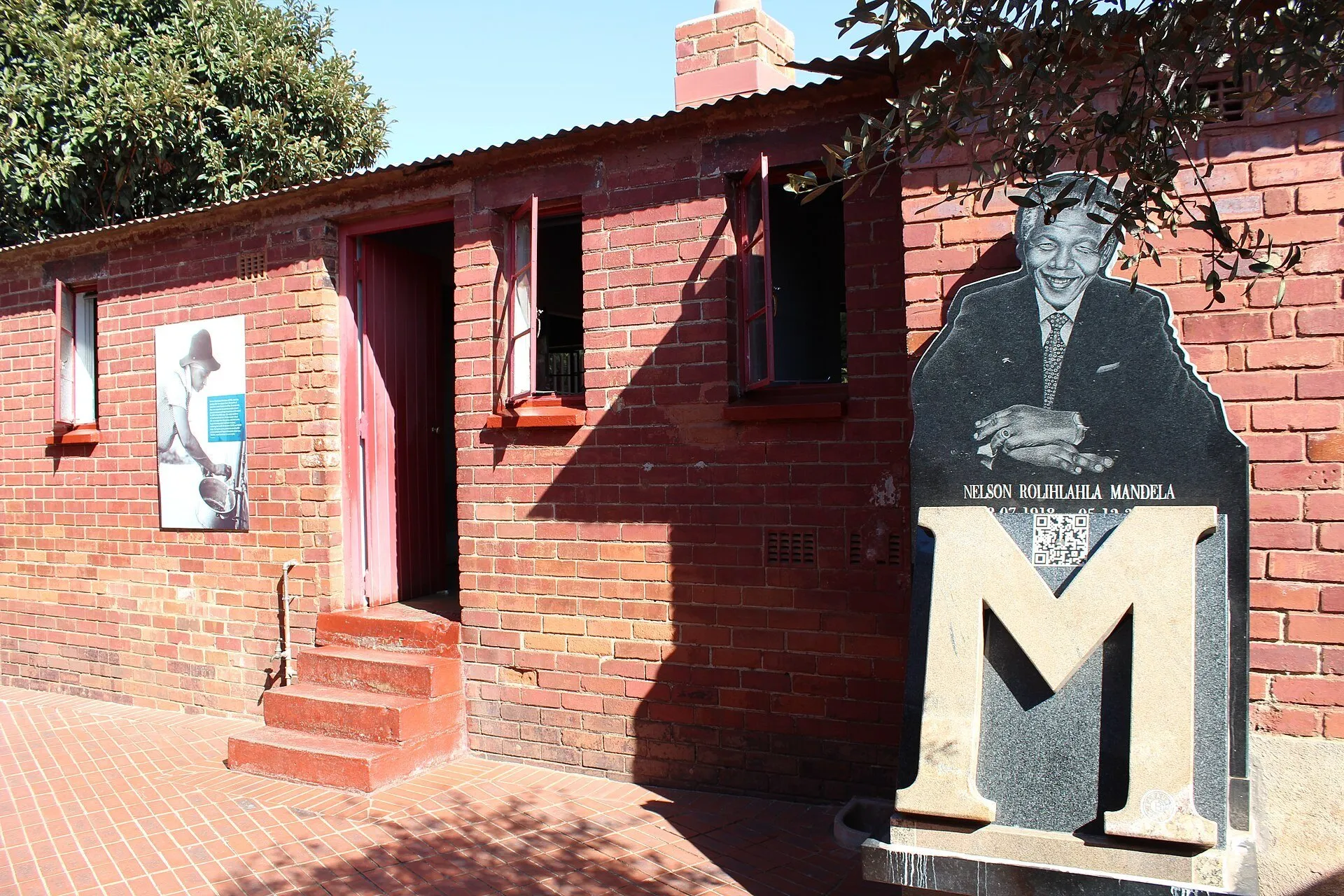 6
The small Mandela family house in Orlando West brings political history closer to everyday domestic life and to the experiences of those who lived there.
View details for Mandela House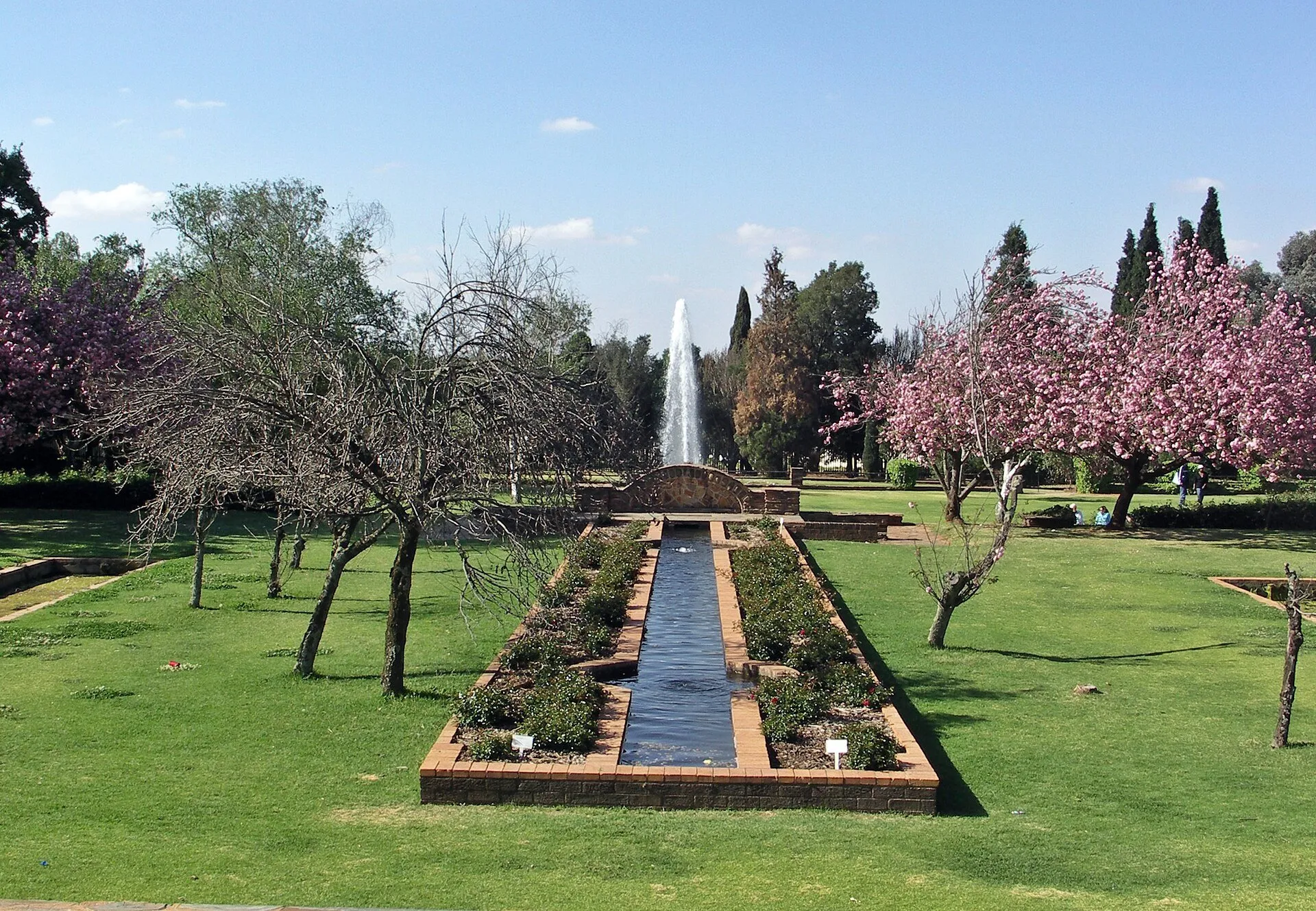 7
Themed gardens, lawns and the surroundings of the Emmarentia dam offer a morning outdoors, with the route and access planned ahead.
View details for Johannesburg Botanical Garden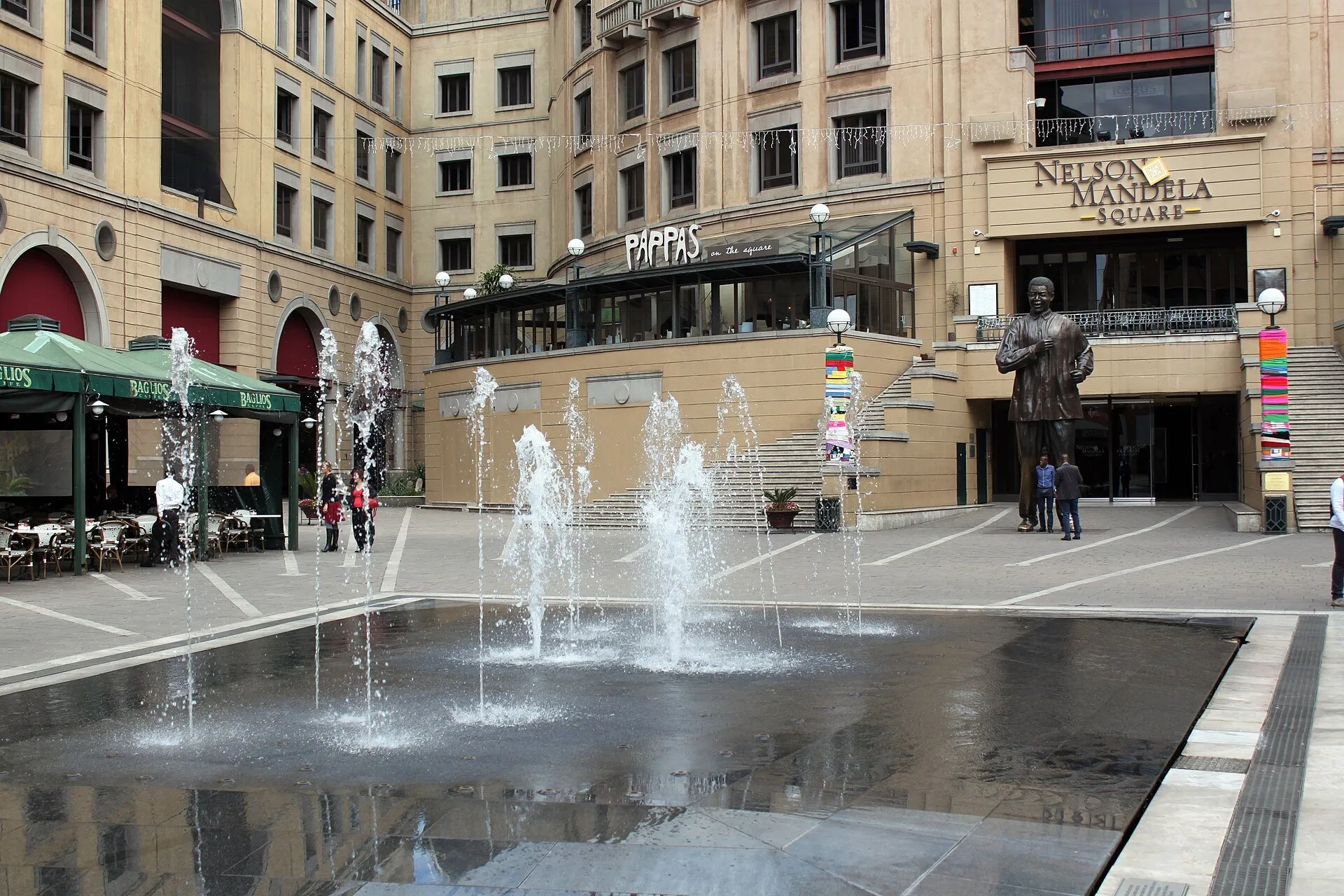 8
The statue of Mandela and the outdoor tables define the Sandton square, which connects to the Sandton City shopping complex and is surrounded by restaurants.
View details for Nelson Mandela Square1Prison corridors, courtyards and a working court fill Constitution Hill. The tour goes through the Old Fort, the women's prison and Number Four, revealing differences in how prisoners were treated. The presence of the Constitutional Court gives the whole complex another meaning: the debate over rights is still going on there.
Choose the full guided tour to connect the different spaces. Look for the reused bricks from the old prison block; access to the court depends on the institution's activities.
2Beadwork, wood sculpture, painting and photography are part of the Wits Art Museum's collection. Linked to the University of the Witwatersrand, WAM brings together works from different regions of Africa, with a strong South African presence. The continent stops fitting under a single label, as it should.
Exhibitions change: check the program to see what will be on display. Having a collection does not mean everything is on the wall at once. Book your transport to leave straight from the museum for the next stop.
3The name is the address: 44 Stanley Avenue. A former industrial complex opens into interconnected courtyards, with cafés, clothing shops, design objects and art spaces. After the museums, you trade explanatory panels for shop windows and a table outdoors.
Look at the independent production and have a meal. The shops keep their own hours, so do not push the visit to the end of the day. The café you planned should not end up behind a closed gate.
4Racial classification and its everyday consequences guide the Apartheid Museum's exhibition. The route covers segregation, resistance, repression and political negotiations, ending with the building of democracy. Following the events matters more than trying to read every panel with one eye on the clock.
To combine it with Soweto, plan a selection of about two hours at the start of the day. To go deeper, set aside another morning. The museum warns about graphic content: keep that in mind if you are traveling with children.
5Sam Nzima's photograph of Hector Pieterson being carried after he was shot became a central record of the Soweto uprising. The museum and memorial remember the students who faced repression in 1976. Testimonies and images put the demands and the school environment in context.
Start here when you arrive in Orlando West, with a local guide. Visit the outdoor memorial too: reading the accounts gives the place a dimension that a quick photo stop cannot reach.
6At 8115 Orlando West, the scale of the house is a surprise after so many portraits of Mandela in monuments and books. The family home is now a museum, with exhibits about the people who lived there. Winnie Madikizela-Mandela and the children are part of this story, too.
The visit is short in space, but it does not have to be rushed. Listen to the explanations about the family and the preservation of the house before continuing along the Orlando West circuit, accompanied by a local Soweto guide.
7Lawns, trees and themed gardens change the scenery in Emmarentia. The Botanical Garden brings together local plants and plants from other regions, including rose and herb sections, by the dam. Choose a pleasant route instead of ticking off flower beds as if chasing museum rooms.
Go during the day, with company, and stay on the busy paths. Ask the staff about the condition of the sections and about suitable access. For a picnic, use the areas the park indicates.
8Mandela in bronze greets those who arrive at the Sandton square, surrounded by restaurants and connected to Sandton City. The piazza and its outdoor tables make for a stop without a museum agenda: a photo, a coffee or a meal closes the circuit through the north of the city.
The square shows the commercial side of Sandton. Compare menus and arrange your pickup back to the hotel; being close to shops is not an invitation to extend your walks after dark.
The Gautrain connects O. R. Tambo to Sandton and allows a connection to Rosebank. Check how it is running and plan the final stretch to the hotel; another option is a transfer booked through your accommodation.
Set aside a budget for a driver, an organized tour or a reputable ride-hailing app, with the ride confirmed on the platform. Check the license plate and the driver. Ask locals for guidance on routes and pickup points at the attractions and the airport.
Avoid walking at night, deserted stretches and displaying valuables; do not leave belongings in the car. Check current alerts and ask your accommodation about the route. Postpone or change outings if there are protests or blockades.
Hire a responsible local guide and arrange transport. Soweto is made up of neighborhoods where people live and work: ask for consent before taking portraits and visit local businesses without turning residents into scenery.
Check the calendars: the weekly closing days of the museums do not coincide. WAM states that admission is free; others charge for tickets. Compare costs including transport and confirm the payment methods.
Winter tends to bring dry days and cold nights; in summer, storms can interrupt outings. Bring an extra layer and sun protection, and follow the forecast before your morning in Emmarentia.
In Soweto, arrange a local meal with your guide; Sandton also helps close out the days. At a shisa nyama, the grilled meat leads the table. Ask about the chili before filling your plate: the smell of the grill decides quickly, and hunger sometimes overdoes it.
A maize preparation served with meats and sauces, with a texture that varies depending on how it is made.
A side of vegetables and spices, often spicy, sharing the plate with the pap.
A seasoned sausage common on the grill; check the ingredients if you have dietary restrictions.