 1
Viewpoints
Table Mountain
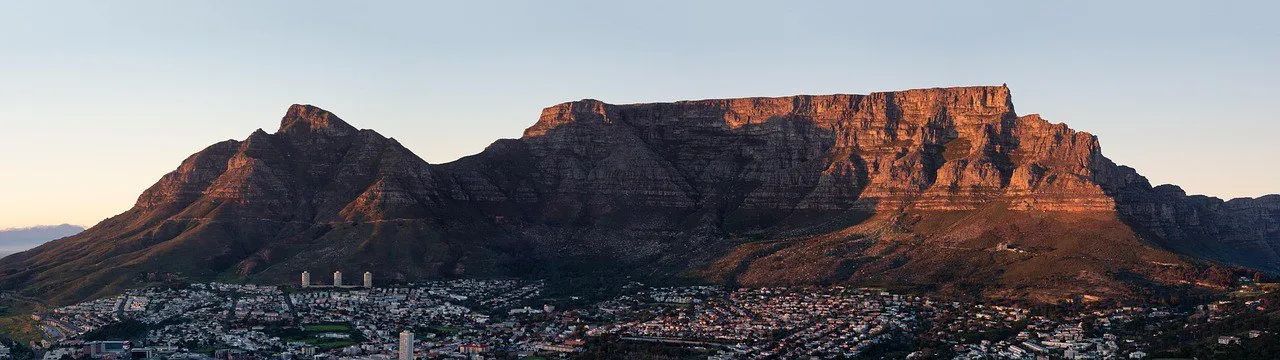
The flat top of Table Mountain keeps watch over the whole city. By cable car, you reach the summit paths and see the harbor, the sea and the surrounding mountains.
View details for Table Mountain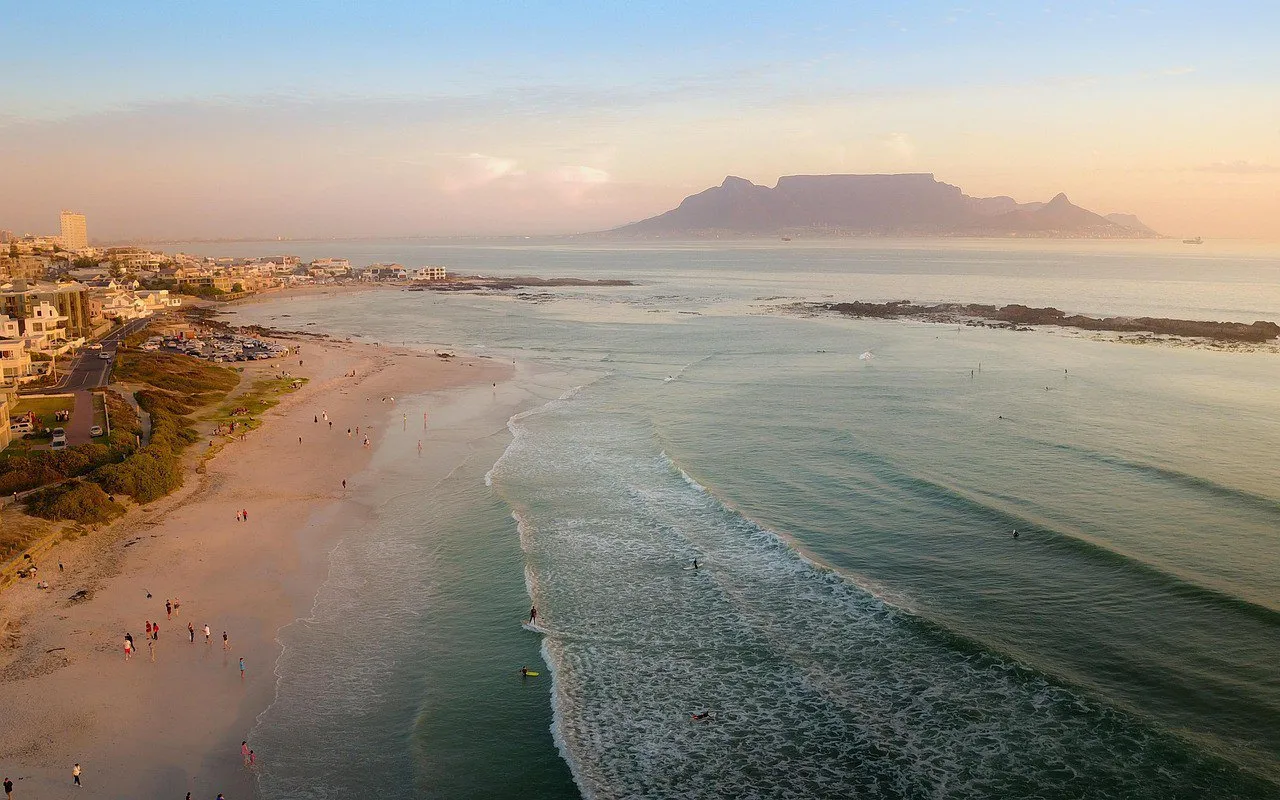
South Africa
Cloud pours down Table Mountain while you hunt for a table with an ocean view. In Cape Town, even choosing between beach, mountain and lunch calls for a peek at the forecast.
Table Mountain looms behind the streets, the boats and your conversation about lunch. When cloud covers the top, the mountain gets a sort of tablecloth; when it clears, the cable car becomes the priority. Down below, you find the working harbor at the Waterfront, the colorful slopes of Bo-Kaap and the strip of sand at Camps Bay. The hard part is resisting the urge to cram it all into one afternoon.
To understand the city, give history as much room as the scenery. The District Six Museum tells of the forced removals during apartheid; Robben Island takes you to Nelson Mandela's former prison. Set aside a full day for the peninsula, too, with Boulders and Cape Point. We suggest staying four or five days: the three-day itinerary means picking priorities and trimming some visits, especially when the wind changes the plans.
The cloud that sometimes covers the top of Table Mountain is known as the “tablecloth.” The mountain's very name turns the weather forecast into a lunch menu.
The Boomslang walkway at Kirstenbosch was inspired by a snake's skeleton. You stroll among the treetops following its curves.
Cape Point is not the southernmost tip of Africa: that title belongs to Cape Agulhas, outside this itinerary. The scenery stays enormous once the geography is sorted out.
Company’s Garden began as a vegetable garden to supply ships of the Dutch East India Company. The shade came after the vegetables.
1The flat top of Table Mountain keeps watch over the whole city. By cable car, you reach the summit paths and see the harbor, the sea and the surrounding mountains.
View details for Table Mountain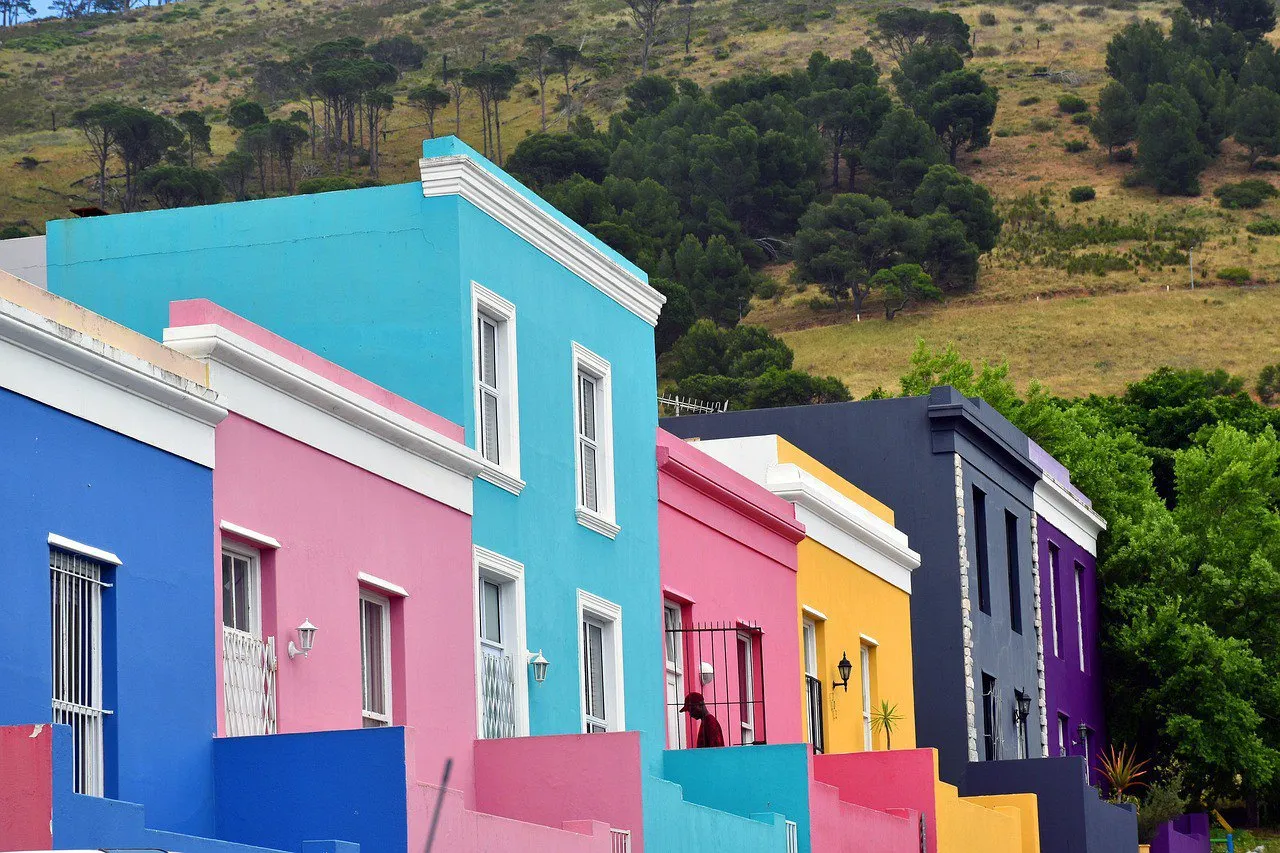 2
Colorful houses climb the hills of Bo-Kaap, a neighborhood with a strong Muslim presence where Cape Malay history also shows up in kitchens and mosques.
View details for Bo-Kaap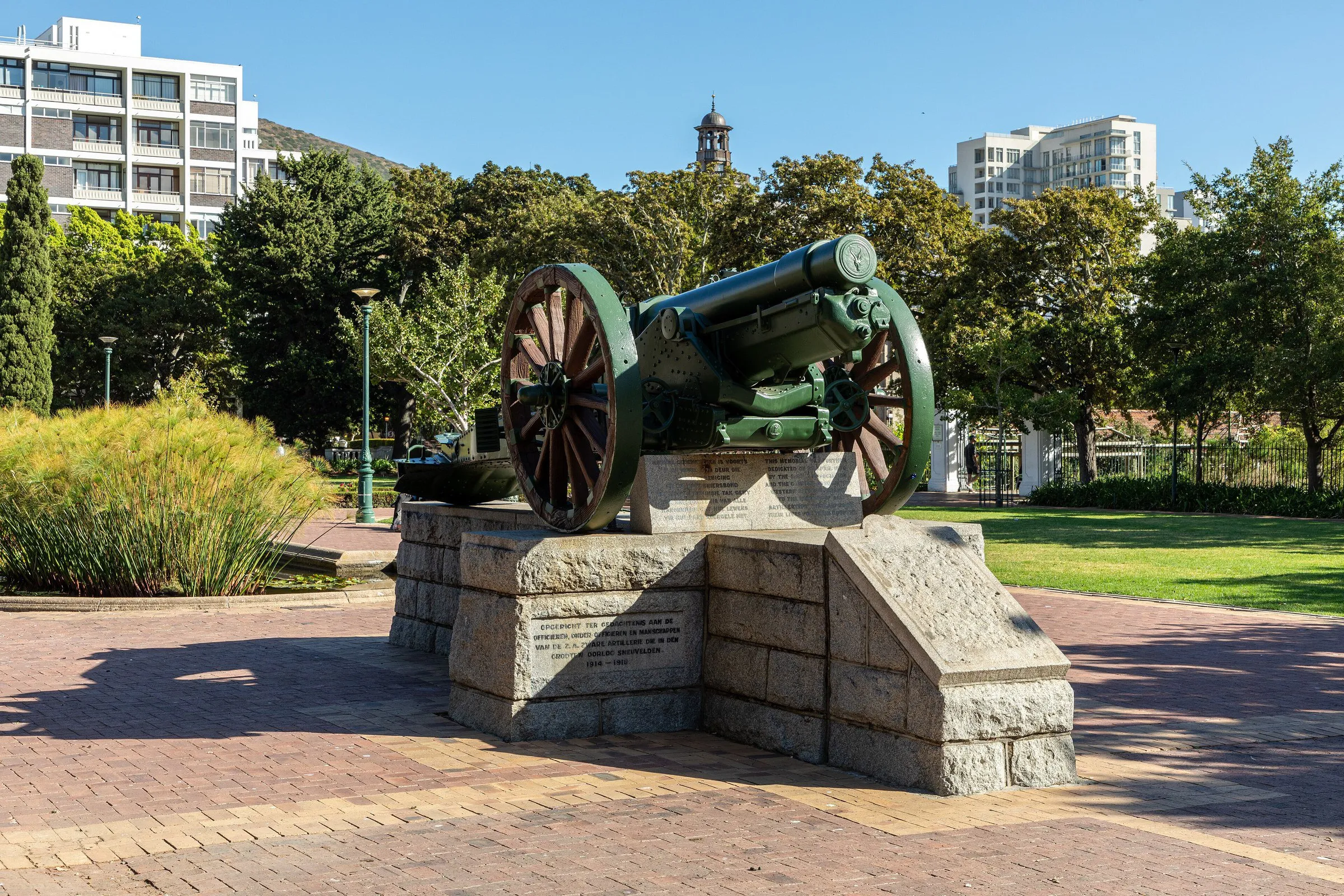 3
In the center, the former garden that supplied ships offers shaded paths, flower beds and a break near Parliament and the Iziko museums.
View details for Company’s Garden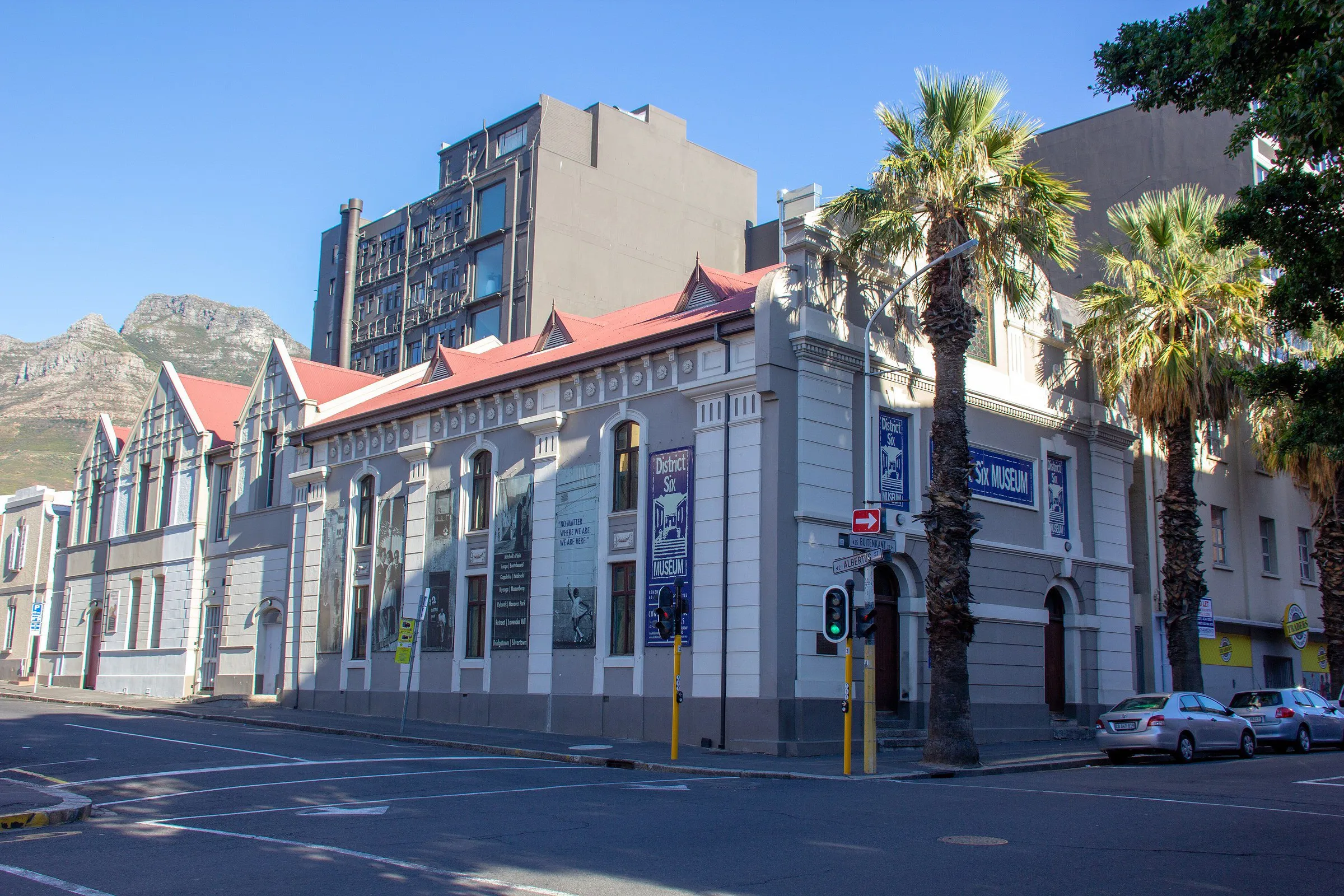 4
Photographs, documents and residents' memories help you understand the destruction of District Six and the forced removals imposed by apartheid.
View details for District Six Museum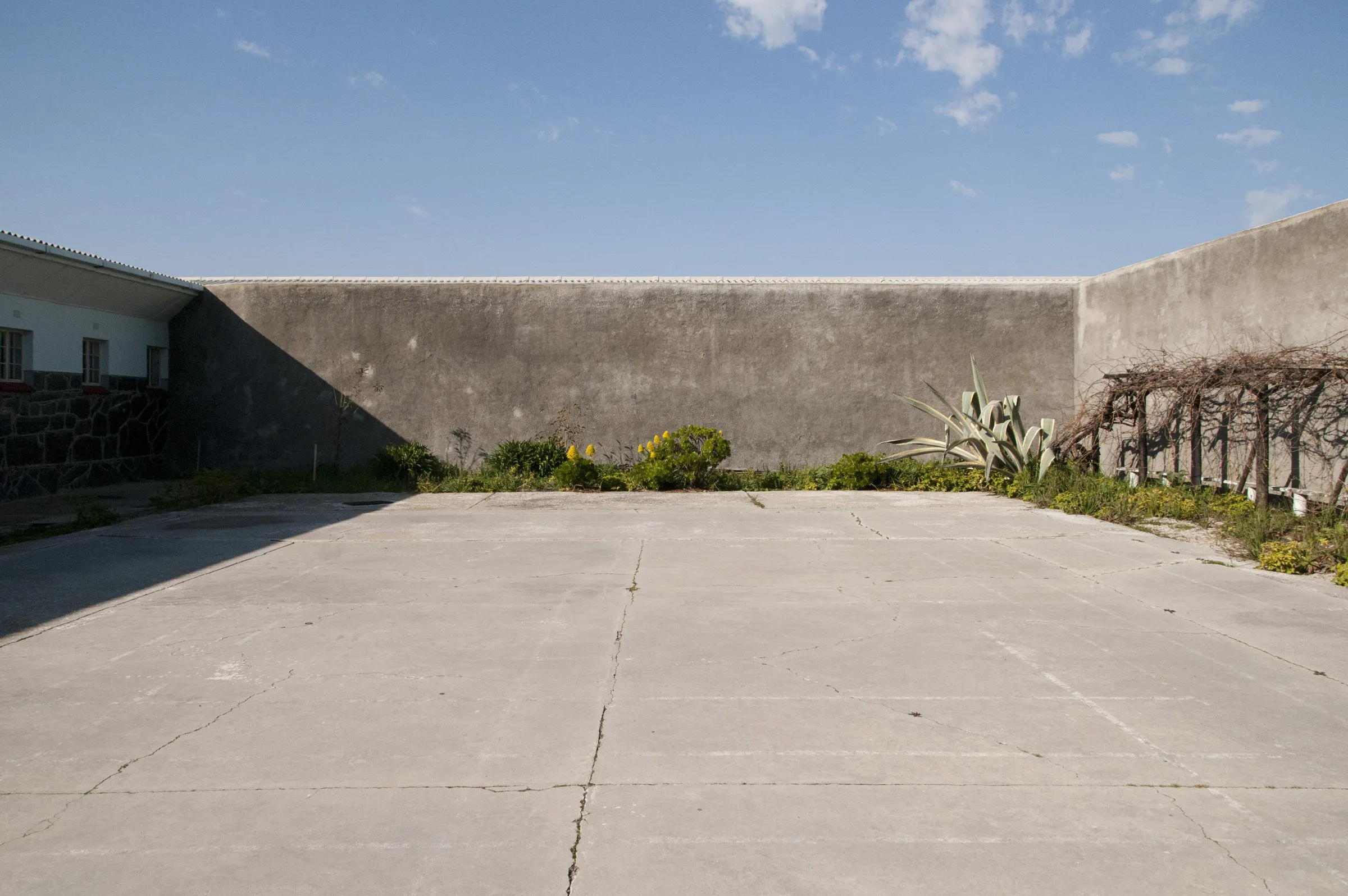 5
The boat leaves the Waterfront for Nelson Mandela's former prison island. The guided visit connects cells and other sites to the history of resistance to apartheid.
View details for Robben Island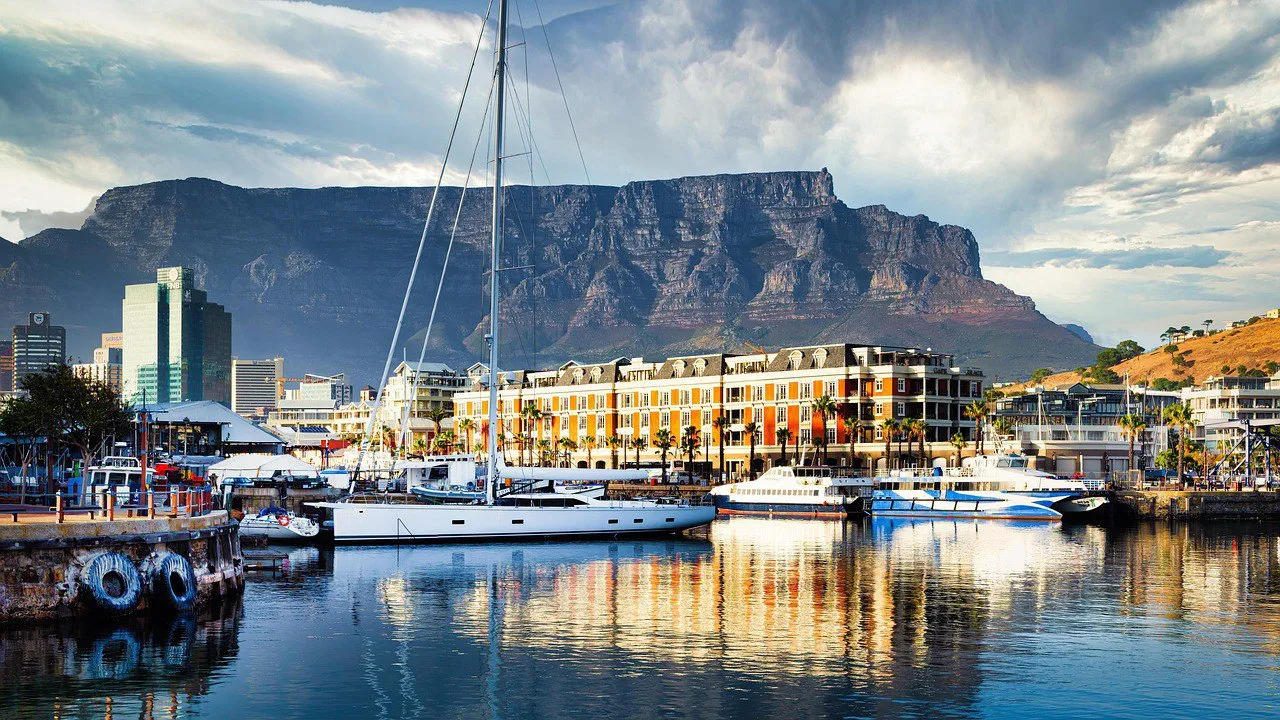 6
Boats, quays and the clock tower share space with restaurants and shops at the Waterfront, a place for strolling that remains tied to a working harbor.
View details for V&A Waterfront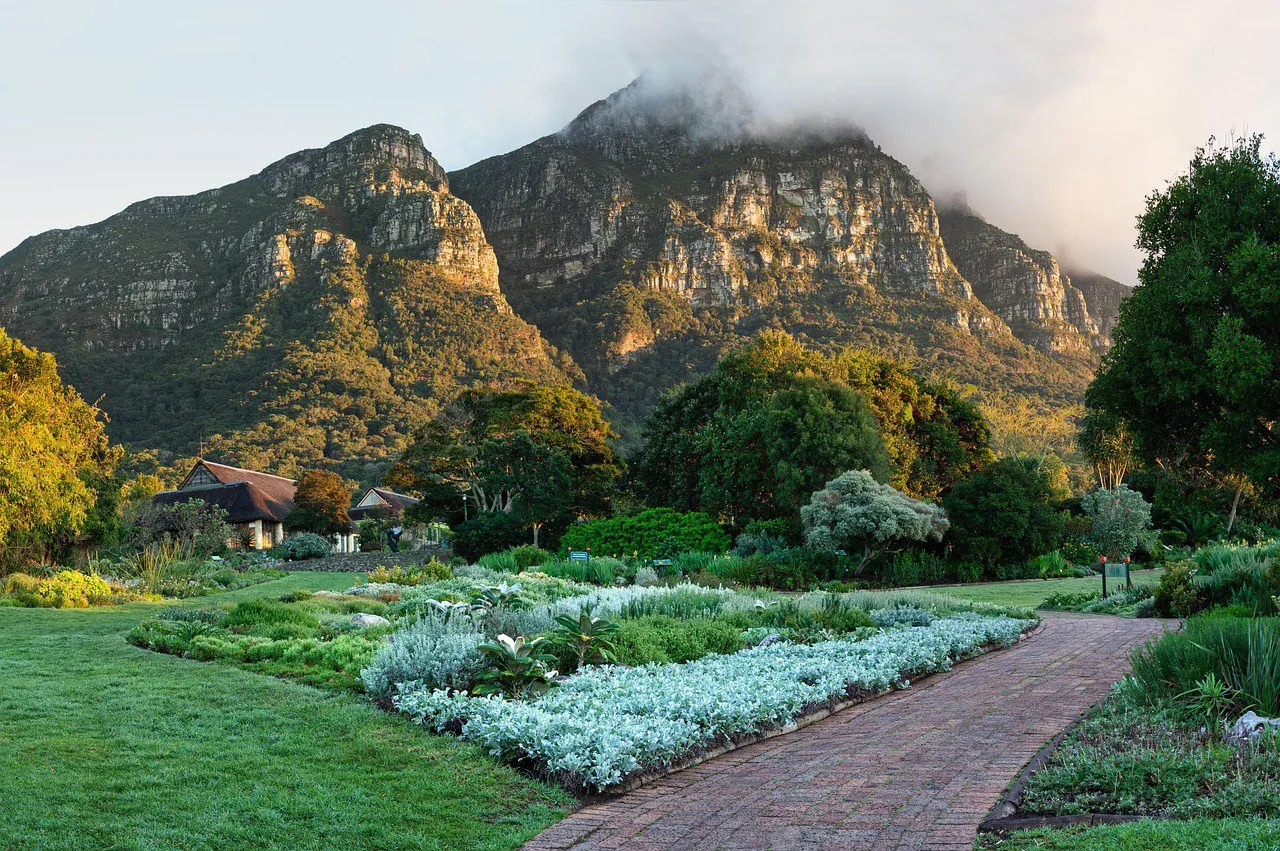 7
On the eastern slope of Table Mountain, Kirstenbosch brings together gardens, native vegetation and the Boomslang walkway, which curves among the treetops.
View details for Kirstenbosch Botanical Garden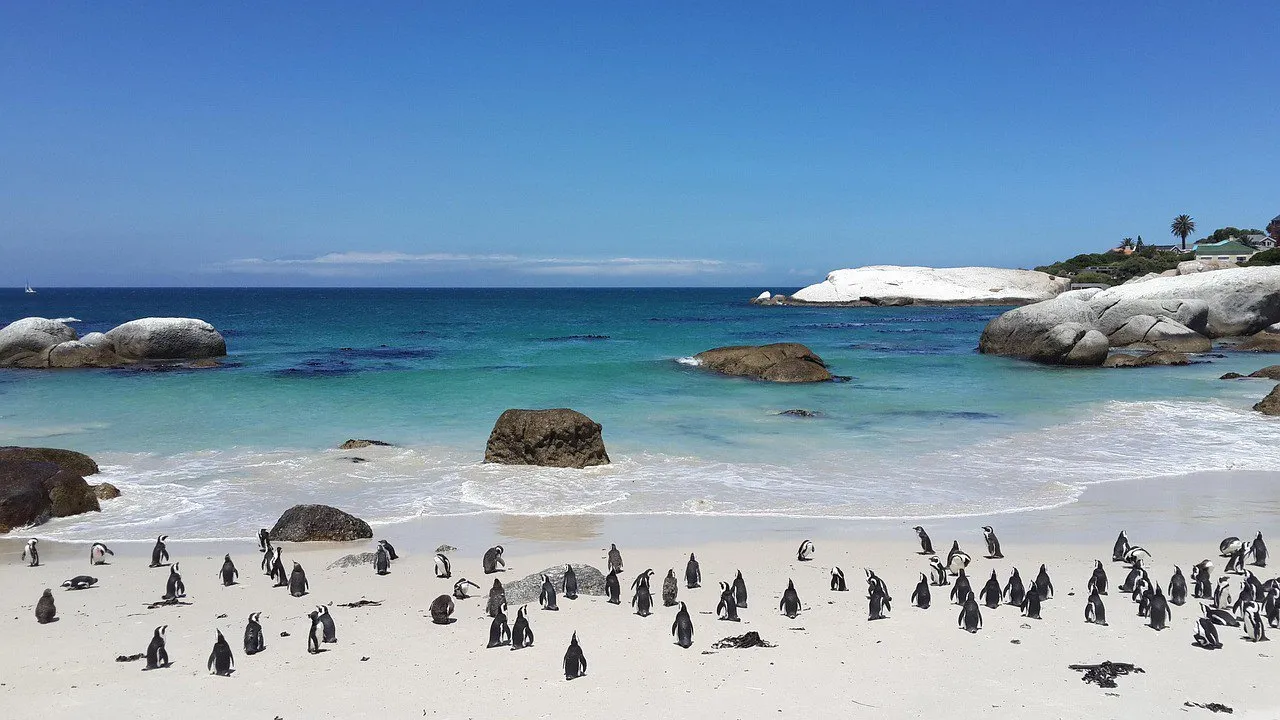 8
African penguins waddle between sand and rocks at Boulders, near Simon’s Town; boardwalks let you watch the colony without intruding on the animals' space.
View details for Boulders and the penguin colony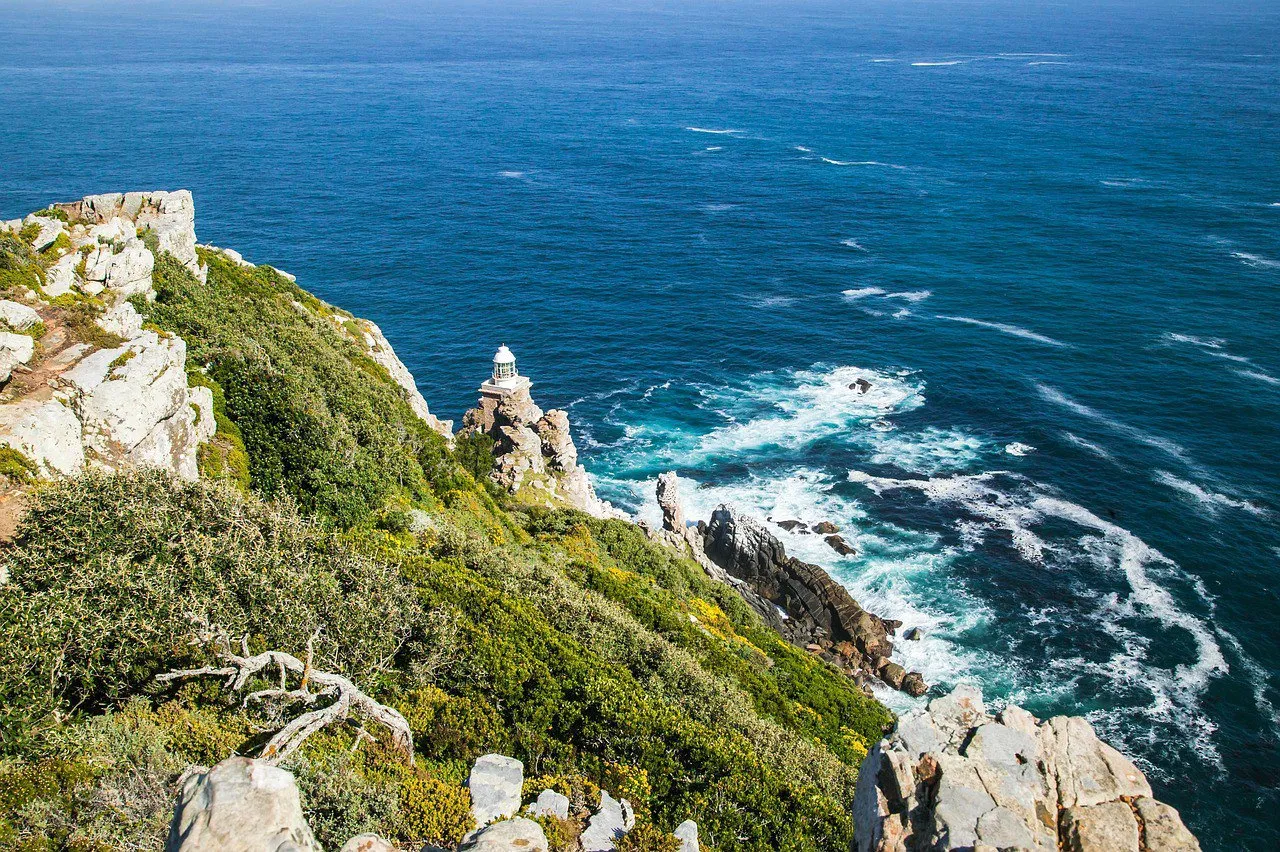 9
Cliffs, open sea and paths up to the old lighthouse make Cape Point the great outing of the peninsula's south, inside Table Mountain National Park.
View details for Cape Point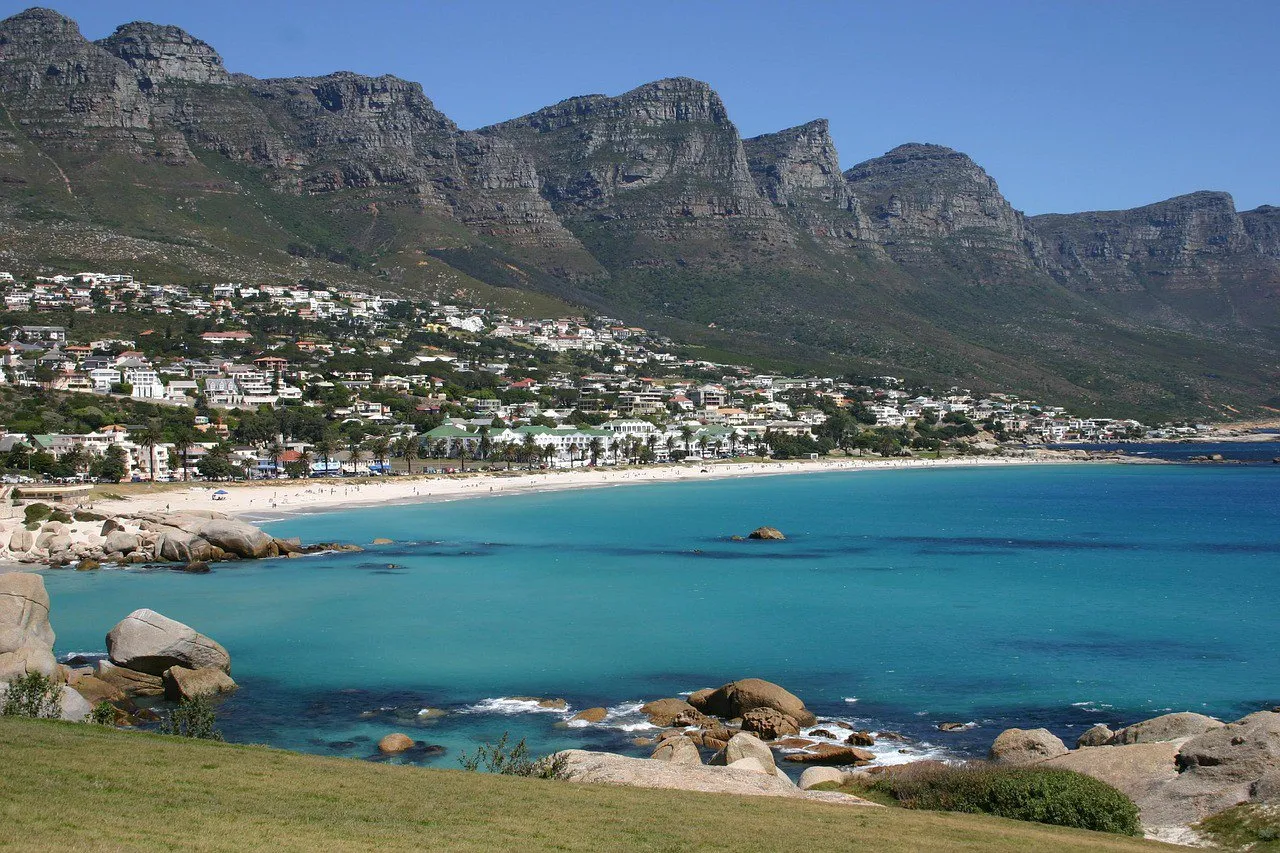 10
The pale sand of Camps Bay sits between the Atlantic and the Twelve Apostles mountains; across the road, cafes and restaurants stretch out the break after the beach.
View details for Camps Bay1The mountain that seems to follow you through the streets changes scale once the cable car starts to climb. Up top, the city becomes a drawing between slopes and ocean.
The ride depends on weather conditions, and blue sky at your hotel does not guarantee the cable car is running up there. Keep this outing flexible and check the official website before heading out. The summit paths also call for sturdy shoes; riding up does not turn the mountain into a sidewalk. Stick to the marked trails.
2Pink, green, blue: the facades of Bo-Kaap turn your walk into a series of tough choices for the camera. But the houses have residents, and the neighborhood has a history tied to slavery, the Muslim community and Cape Malay culture. Getting to know these layers changes the way you look at the streets.
Start around Wale Street and walk without blocking doorways. A guide from the community helps you go beyond the colors; a cooking class can stretch the visit into lunch.
3The garden was born to solve a very practical problem: feeding the ships that called at the Cape. Today you find paths for slow strolling, greenery and benches that seem to show up exactly when your feet start to complain.
Walk along Government Avenue and notice how the city's institutions line up around the green space, including Parliament and the Iziko museums. The idea here is a short walk; if you want to go inside the neighboring institutions, add time to the itinerary instead of treating each door as a five-minute stop.
4Before thinking about the streets that disappeared, think about the people who lived on them. The District Six Museum gathers the memories of a community broken up by forced removals during apartheid. Photographs, documents and objects bring this history closer to the homes, the gatherings and the everyday life that segregation cut short.
The visit calls for reading and attention, without the rush to squeeze in one more facade between the mountain and dinner. When a guide is available, take the chance to hear the context of the collections.
5The city fades behind you during the crossing, but the visit brings you closer to an essential part of South African history. Robben Island was a place of confinement, and the guided route passes through the former maximum-security prison, including Nelson Mandela's cell.
The standard tour combines getting around the island with a visit to the prison, departing from the Nelson Mandela Gateway at the Waterfront. Set aside the whole morning: the crossings are part of the total time and vary by vessel. Getting back to the mainland leaves room for lunch, but not for a tight string of bookings.
6Between one restaurant table and the next, a boat reminds you that the Waterfront is still part of a working port. Walk along the quays, look for the red clock tower and gaze at Table Mountain beyond the vessels when the sky is clear.
It is a convenient base for your Robben Island day, since the terminal is right there. After the tour, have lunch and pick a short stretch to walk. If shopping and restaurants are your priority, come back with more time: the most common mistake here is counting a lunch break as a full visit.
7At Kirstenbosch, the mountain becomes a backdrop for gardens and paths. Look for the proteas and take in the fynbos, the region's vegetation of shrubs and plants that deserve a close look.
The Boomslang walkway adds another vantage point: its curves cut through the canopy, with openings to look out over the garden and the mountains. There are slopes on the way in, so adjust the route to your own pace. If you arrive after Robben Island, choose just a few areas; covering the whole garden takes an afternoon of its own.
8Rounded boulders shape small coves, and the African penguins do the rest of the scene. At Boulders, you watch birds come out of the water, stroll across the sand and go about their own routine. The boardwalks were built to bring you closer while keeping your distance: they help more than any attempt to sneak up.
The viewing area and the strip of beach are not quite the same outing; check the access points according to what you want. Do not touch or feed the animals, even if one wanders close: the photo does not need a handshake.
9The wind arrives before the view. At Cape Point, the land juts out over the sea and the paths lead to viewpoints beside the old lighthouse. You can make the climb on foot or partly by funicular, depending on operations.
Do not mistake the famous name for the southernmost point of the continent, which is at Cape Agulhas. Here, the reason for the trip lies in the slopes, the vastness of the ocean and the walk through the reserve. Arrange your return trip before going in, keep food stowed away because of the baboons and respect the gate hours.
10You look at the sea, turn around and find the Twelve Apostles mountains. Camps Bay has this not-so-subtle advantage: the scenery carries on when you switch sides of your towel. The strip of sand invites a stroll, while cafes and restaurants across Victoria Road make the break easy.
It is a good late-afternoon stop, but it does not have to compete with a full day on the peninsula. If the drive back from Cape Point runs late, come another time. A jacket helps when the wind picks up.
Use the first window of good weather for Table Mountain and keep an eye on the cable car status. Jacket, water and sunscreen stay in your bag even when downtown is warm.
MyCiTi serves parts of the city, and ride-hailing cars help with getting around town. For Boulders and Cape Point, plan on a car, a driver or a tour with a return trip arranged; cell signal in the reserve can drop out.
Prefer busy streets during the day, keep your phone put away between map checks and avoid deserted stretches at night. Ask your accommodation about the route and use organized transport when needed; on trails, go with company and follow marked paths.
In Bo-Kaap, keep doorways and passages clear, ask permission before photographing people and respect the prayer routine. Prefer a tour with a local guide.
Book Robben Island in advance and check the visitor categories in the park fees. Pay in rand and check whether service is already included at the restaurant.
At Boulders, watch the penguins from the designated areas, without touching or feeding them. At Cape Point, keep food stowed and car doors closed because of the baboons; at the beaches, follow the signs and the lifeguards' instructions.
Bo-Kaap is a good gateway to Cape Malay flavors: you can try a curry or learn to make one in a class with locals. For a bite on the go, look for a salomie; to share, a gatsby. Then compare koesister with koeksister: the near-identical names call for attention at the counter, and the research ends with sugar on your fingers.
Roti filled with curry, a snack associated with Cape Malay cooking; napkins are part of the planning.
A long sandwich with fries, meats and sauces, born in the Athlone area; worth ordering to share.
Soft, oval fried dough flavored with spices and tangerine peel; different from the braided, crunchy koeksister.