 1
Religion and architecture
Ben Youssef Madrasa
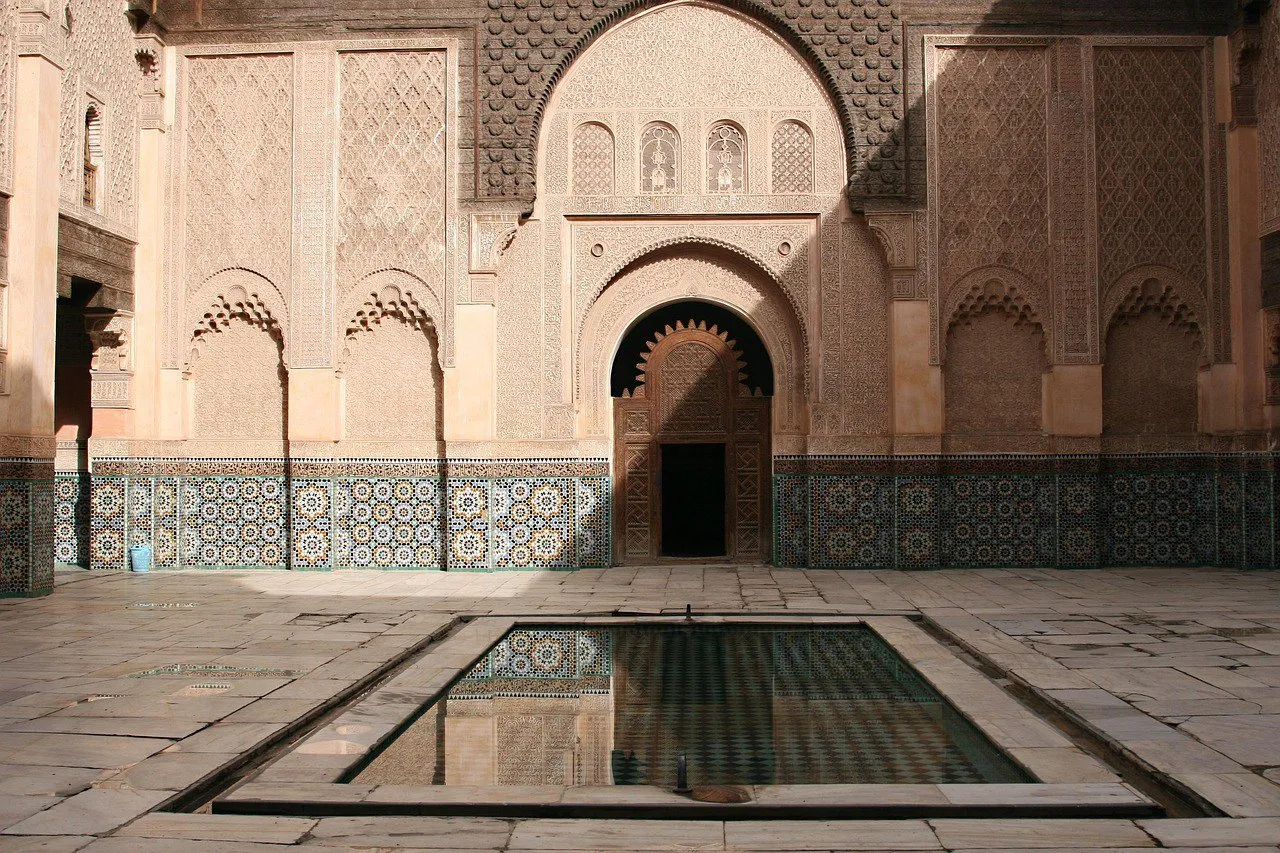
The former Ben Youssef school arranges student rooms around an ornamented courtyard; the architecture ties the life of study to today's visit.
View details for Ben Youssef Madrasa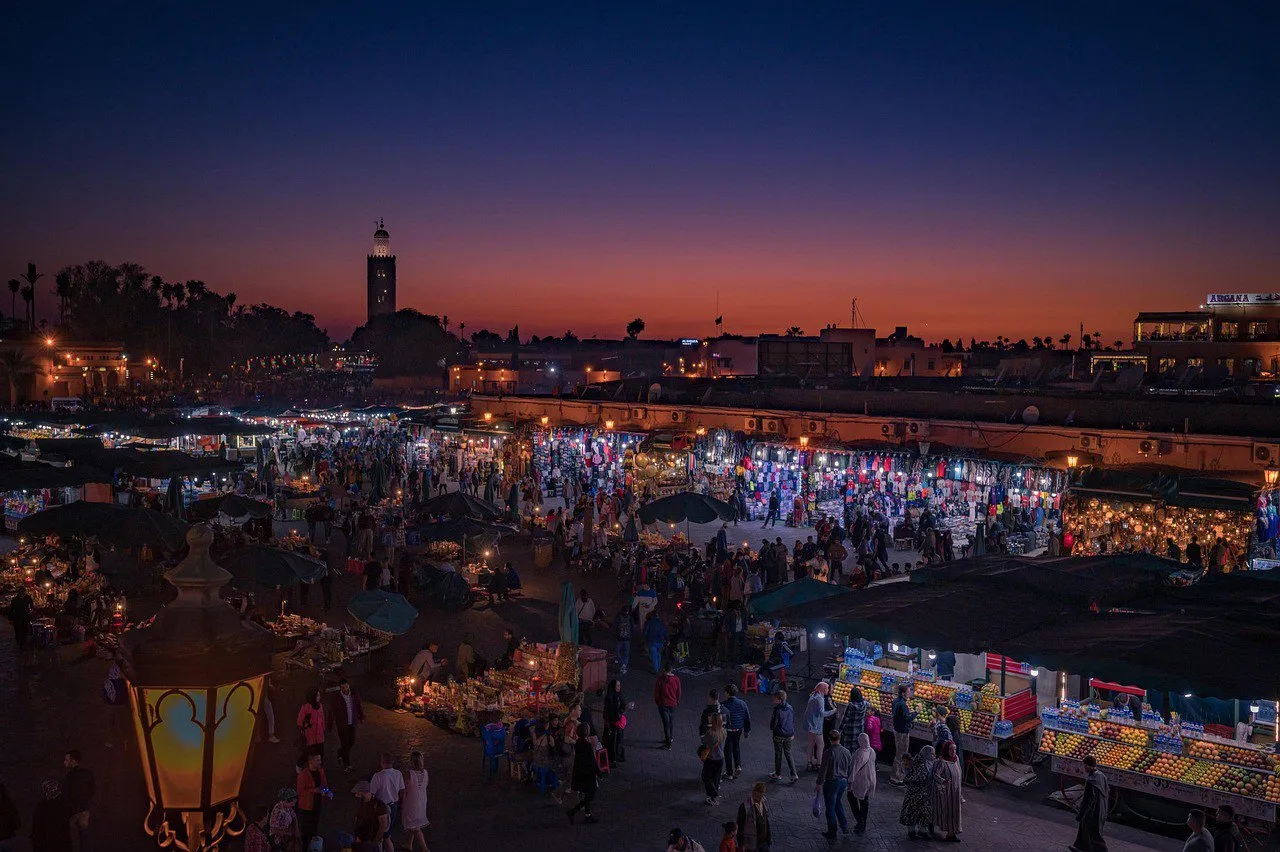
Morocco
Smoke from the kitchens rises over Jemaa el-Fna while you pick a table. Just before, your path went through a silent courtyard: in Marrakech, the next corner can change the volume of your walk, too.
The Koutoubia minaret shows up on the horizon, but inside the medina you soon swap that landmark for a sequence of shops, passageways and small courtyards. Marrakech asks for attention to materials: worked metal, painted wood, tiles, earth and leaves. The old city keeps homes, businesses and workshops in daily use. Walk remembering that you are visiting a place where other people are working, buying their lunch or simply trying to get where they are going.
Split the trip into three blocks: the medina with its souks and Jemaa el-Fna, the palaces and tombs of the south, and a day of gardens. The central routes fit into walks with breaks; Majorelle and Menara call for some transport planning. In the heat, cut down your time outdoors and protect your rest stops. Fitting every courtyard in before lunch may look good on the map, but it won't improve your ability to look at the next ceiling.
The name Koutoubia is tied to the booksellers who worked near the mosque: this urban landmark also carries a story of trade.
The Majorelle Garden grew out of a painter's project; the link with Yves Saint Laurent does not make him the author of the garden.
Le Jardin Secret combines an exotic garden with an Islamic one: comparing the plants, paths and composition is part of the visit.
Tanjia is the name of the clay vessel and of the stew cooked in it; ordering the dish does not mean taking the pot home.
1The former Ben Youssef school arranges student rooms around an ornamented courtyard; the architecture ties the life of study to today's visit.
View details for Ben Youssef Madrasa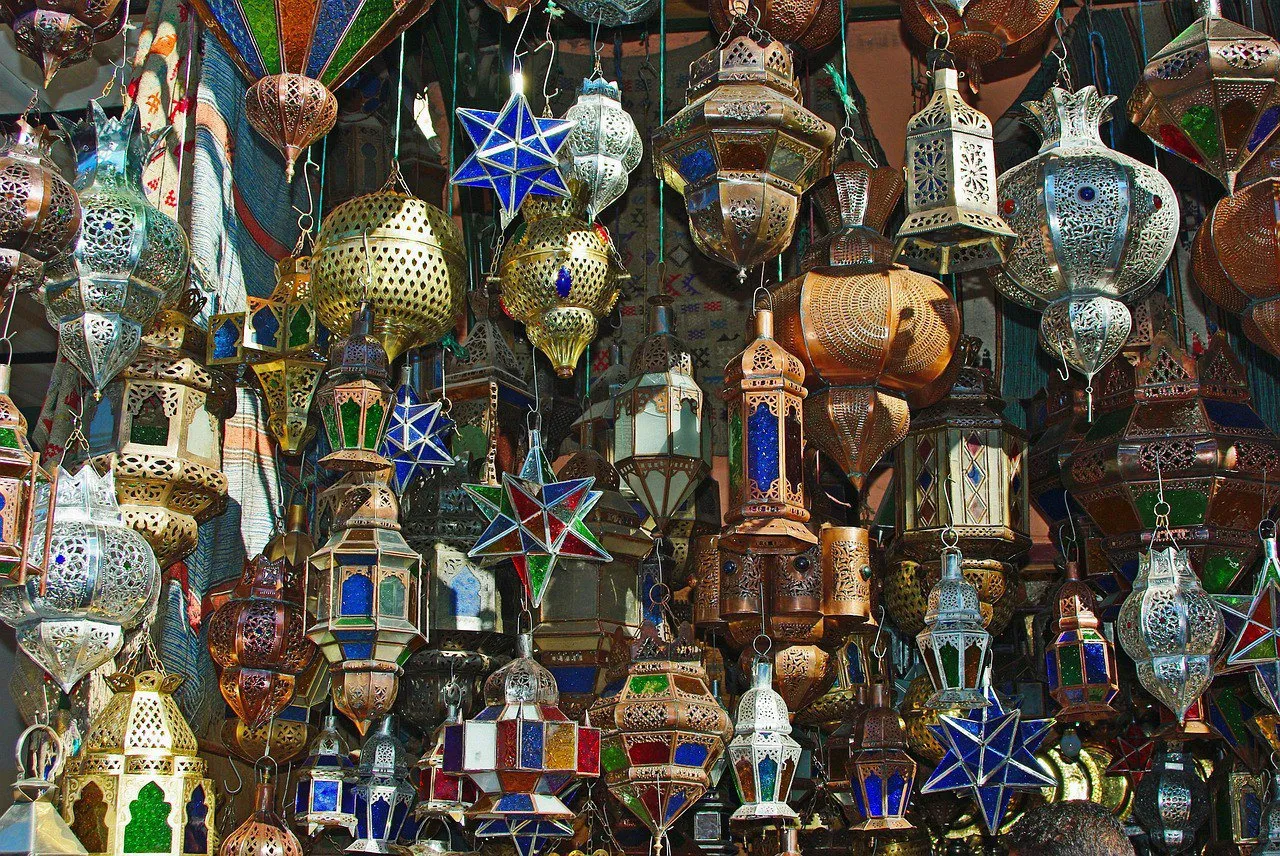 2
Shopping streets, workshops and covered passageways make up the medina souks; walk one chosen stretch, with time to look at materials and chat.
View details for Medina souks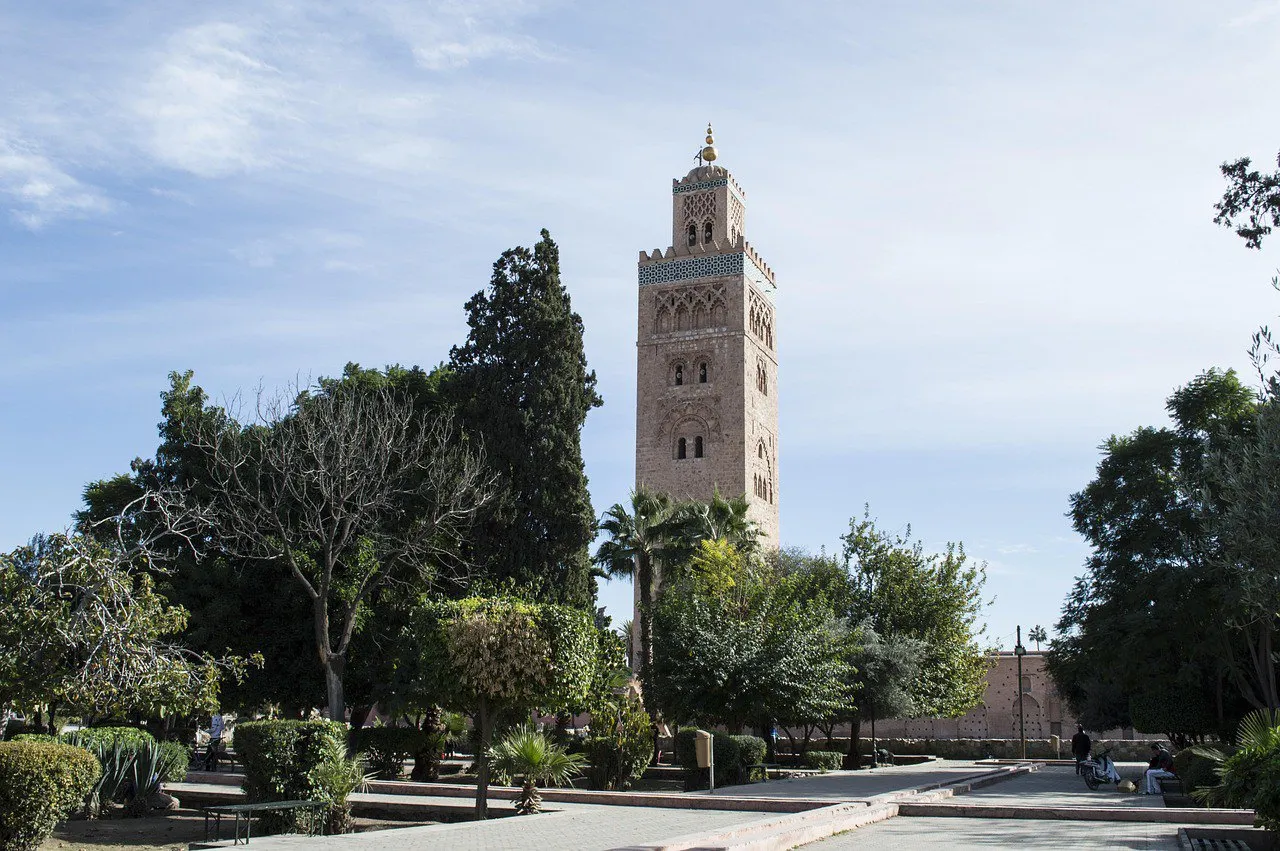 3
The Koutoubia minaret helps you find your bearings in the medina; the gardens and outdoor spaces let you see the mosque without including access to the interior.
View details for Koutoubia Mosque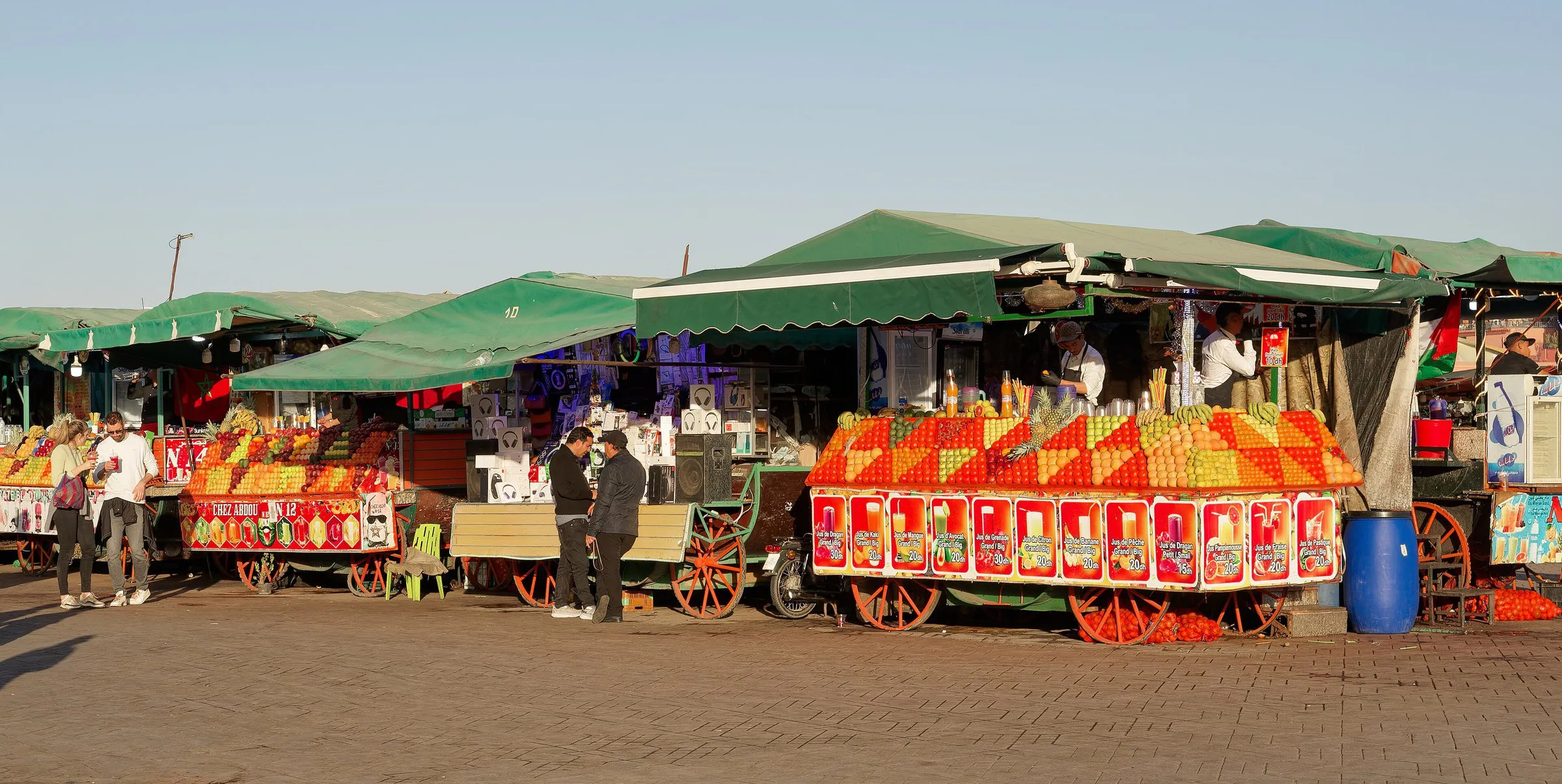 4
Stalls, musicians, shops and terraces make Jemaa el-Fna a square to watch at different times of day; the activity grows toward the end of the day.
View details for Jemaa el-Fna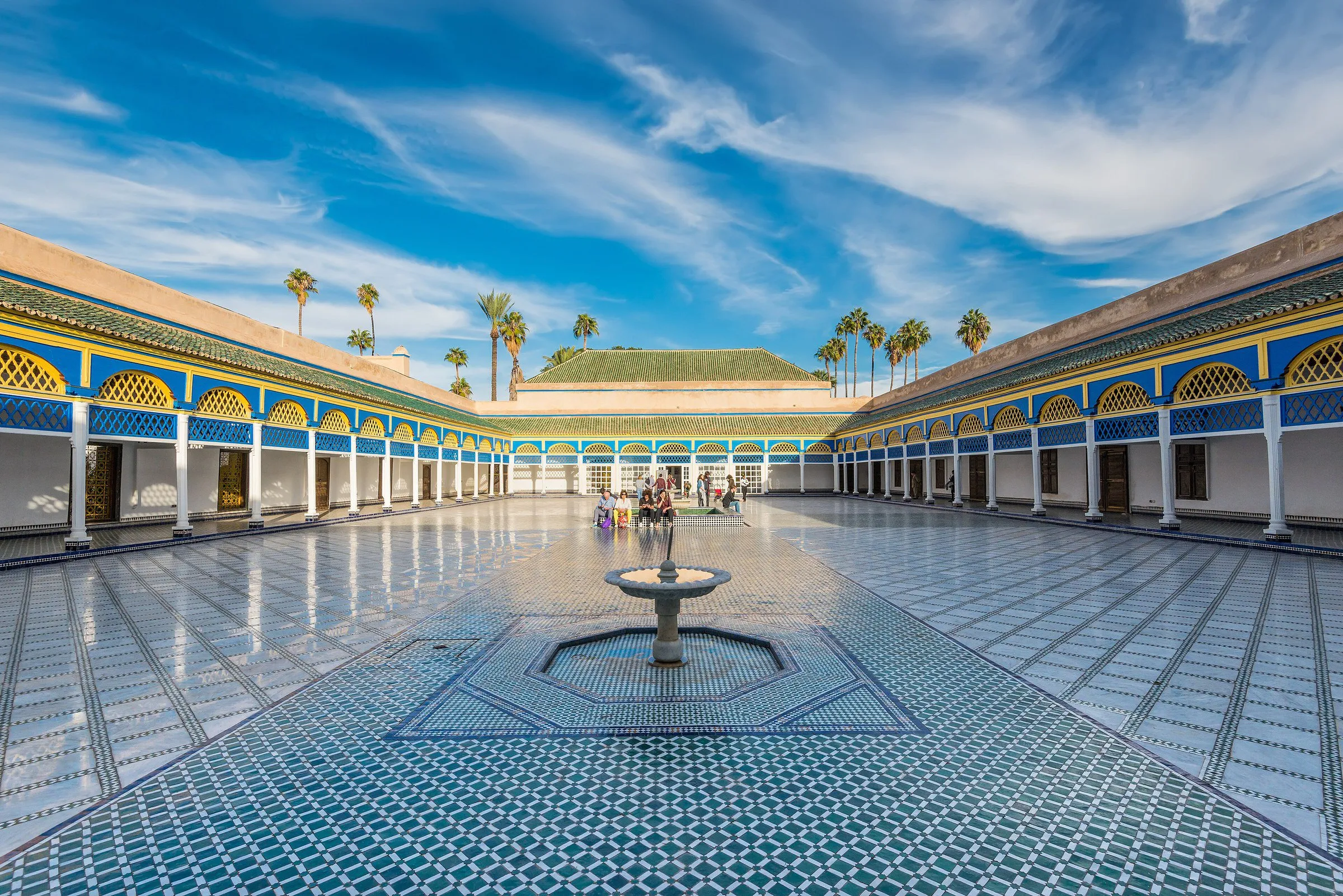 5
Courtyards and decorated rooms make Bahia a visit for close looking: painted wooden ceilings, tiles and marble deserve attention beyond the first photo.
View details for Bahia Palace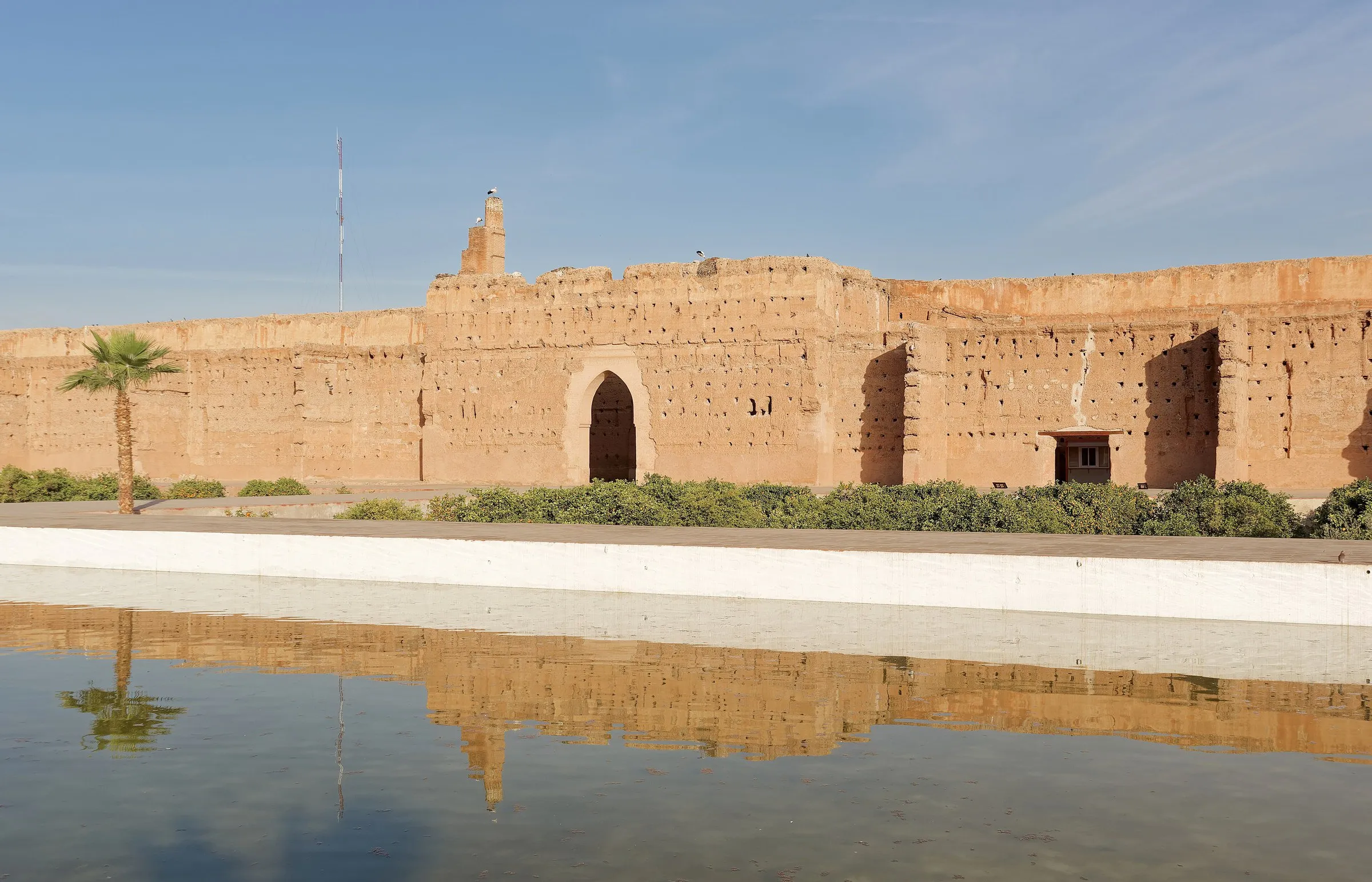 6
El Badi preserves large courtyards, pools and ruins of a Saadian palace; the walk reveals the scale of a complex that once had abundant decoration.
View details for El Badi Palace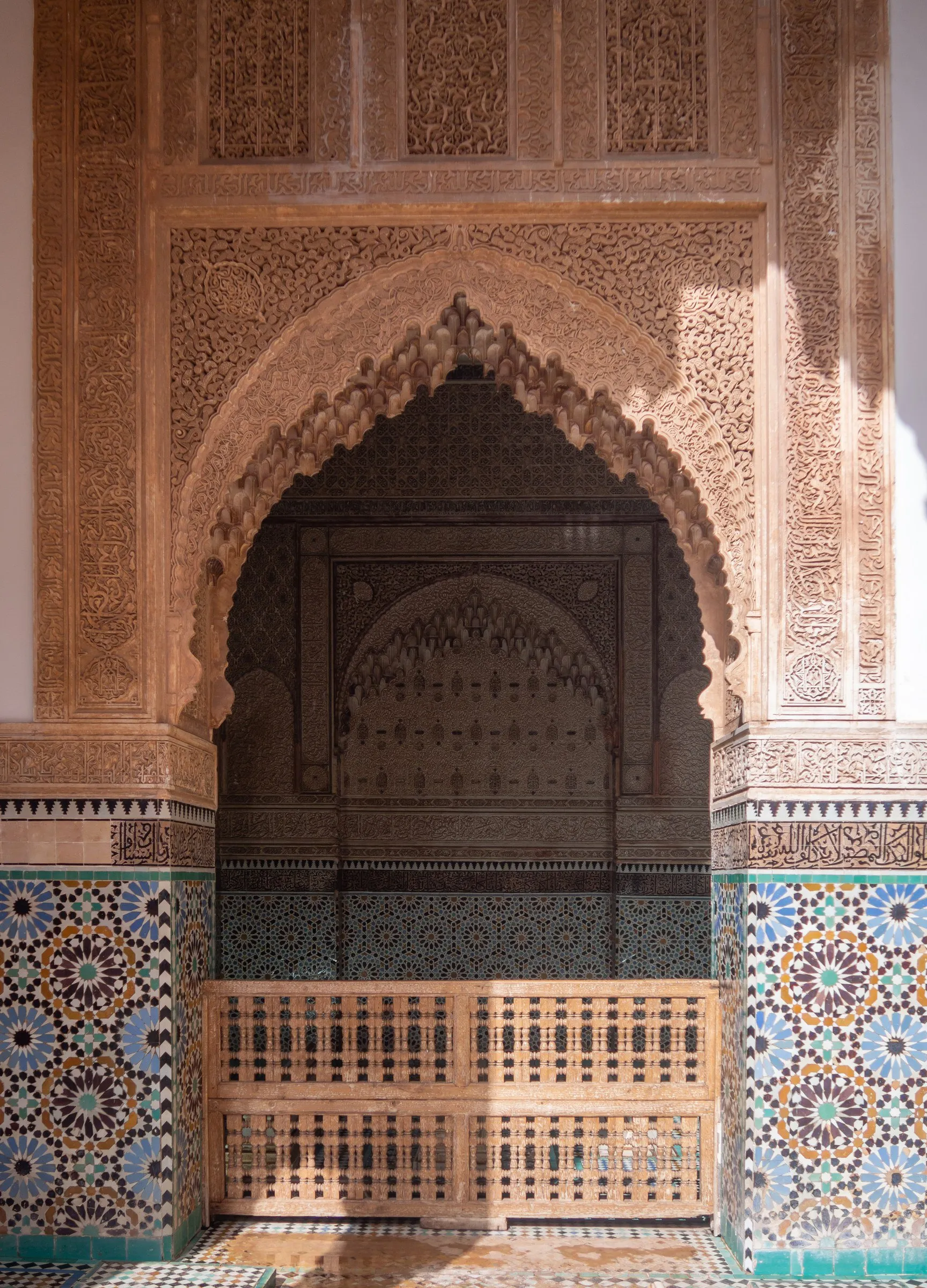 7
The Saadian royal necropolis combines mausoleums and elaborate decoration next to the Kasbah Mosque; the visit calls for silence and attention to detail.
View details for Saadian Tombs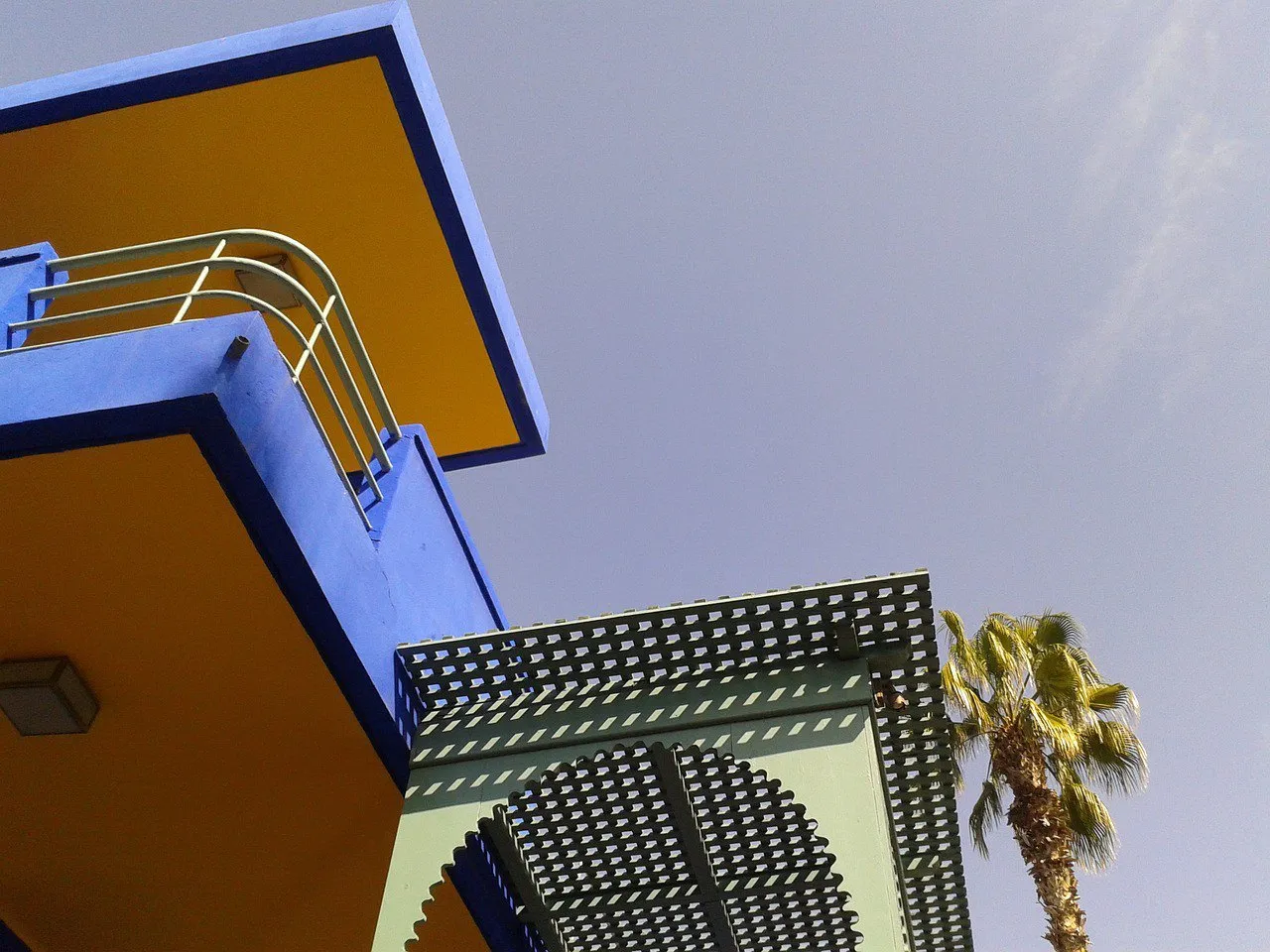 8
The Majorelle Garden combines vegetation, paths and brightly colored buildings; book your time slot online and separate the garden visit from the complex's museums.
View details for Majorelle Garden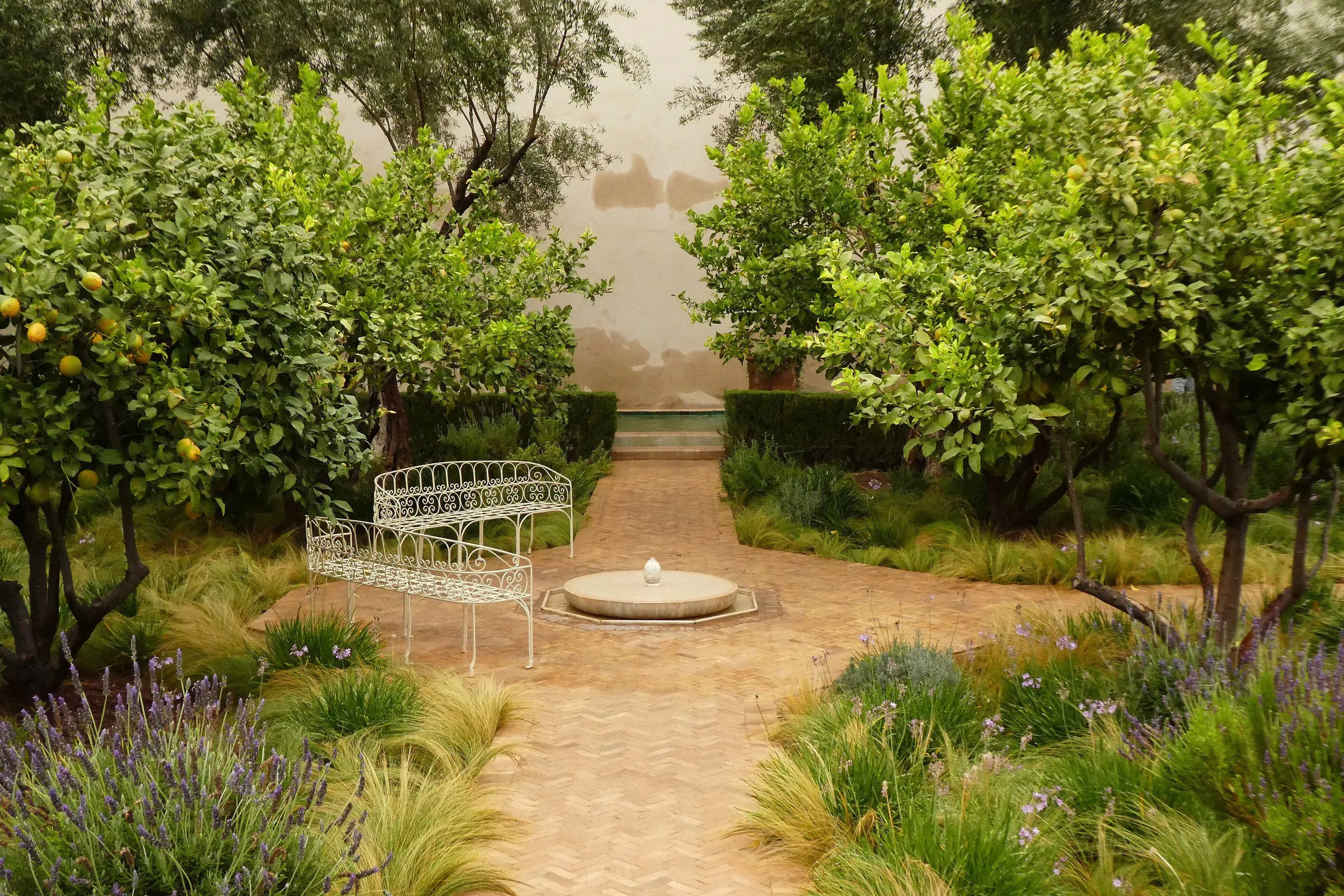 9
In the Mouassine area, Le Jardin Secret brings together gardens with different approaches, fountains and paths of geometric design inside a historic complex.
View details for Le Jardin Secret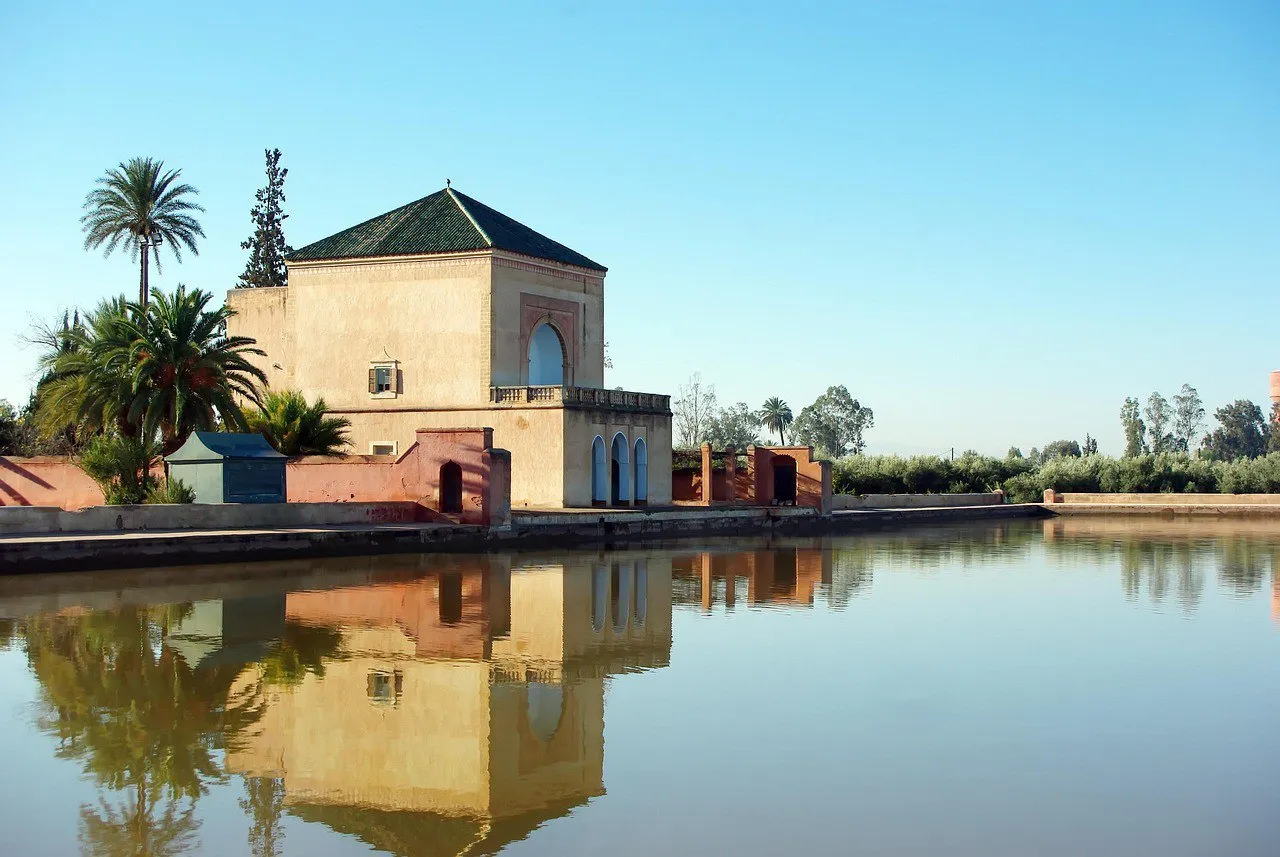 10
A large reservoir and the green-roofed pavilion anchor the Menara Gardens; a walk to take in water, trees and open landscape.
View details for Menara Gardens1The courtyard of the Ben Youssef Madrasa draws the first photograph, but the former student rooms help you understand the building. The school was organized around that central space and its prayer hall, in the heart of the medina.
Notice the relationship between the ornamented courtyard and the smaller rooms. The route depends on the sections open to visitors: check accessibility and photography rules. Do not confuse the visitable monument with permission to enter other religious areas of the neighborhood.
2In the souks, your walk is split between looking at displays and figuring out where to go next. Fabrics, metalwork, ceramics and other goods appear among shops and workshops. The medina is a residential and working area, with passageways that still serve daily life.
Pick a short route starting from Jemaa el-Fna and save your lodging's address for the way back. Look at materials and finishes before haggling over a purchase.
3The Koutoubia minaret reappears between buildings and trees. Look at the arches and the ceramic details of the tower from the public spaces around it. The gardens change the framing at every stretch.
The mosque remains a place of worship, and non-Muslims cannot enter. The route is entirely outdoors: use the walk to take in the whole complex, without counting on climbing the minaret or visiting the prayer hall.
4Jemaa el-Fna changes pace throughout the day: juice stalls, locals and visitors passing through, circles of performers and food all compete for attention. In the late afternoon, the square takes on another density of people, voices and kitchen smoke.
Take a lap before choosing where to sit. A terrace lets you take in the whole scene; on the ground, you notice the small scenes better. Agree on terms and payment before photographing performances, and ask permission for portraits.
5At Bahia Palace, look up: the painted cedar ceilings deserve as much attention as the tiles and the marble. The complex, linked to the grand vizier Ba Ahmed, leads the visit through spaces that change in scale and decoration.
Walk the route without trying to turn every passageway into a symmetrical photograph. Set aside time for the details and confirm which rooms are open. Works or restricted areas may change the circulation and the time needed.
6At El Badi, the question changes: instead of looking for ornament, you try to imagine what once filled those spaces. Large courtyards, pools and the remains of pavilions help you grasp the scale of Ahmad al-Mansur's palace.
Some of its valuable materials were removed and reused in other buildings. The visit means looking at the volumes that remain, without expecting furnished halls. Some stretches are exposed to the sun; bring water, plan breaks and check which sections and exhibition spaces can be visited.
7At the Saadian Tombs, the decoration fills spaces of a very different scale from the courtyards of El Badi. Columns, stucco work and wall coverings lead the eye to the mausoleums. The complex holds burials of the Saadian dynasty.
Slow down and respect the marked-off areas. This is a necropolis, and the visit deserves a quiet pace. The wait to see certain rooms may weigh more than the distance walked; leave some margin before scheduling your next appointment or transport time.
8The blue of the buildings appears among plants, pots and paths in the Majorelle Garden. Created by the painter Jacques Majorelle, the place was later acquired by Yves Saint Laurent and Pierre Bergé. The landscape was conceived as both a refuge and a space for experimentation.
Buy your ticket on the official website; sales are exclusively online. The itinerary covers only the garden. Museums and other spaces in the complex depend on the ticket purchased and need additional time. Save time for photography, but also leave a few minutes without hunting for the next blue wall.
9At Le Jardin Secret, the shift begins when the design of the paths starts to organize the walk. The complex brings together an exotic garden, with plants from different origins, and another inspired by Islamic tradition. Water and geometry take part in the composition.
Walk through both spaces. The tower has its own conditions and ticket; the route does not depend on climbing it. Between one visit and another in the medina, the garden works as a complete outing, without requiring you to add every available space to your ticket.
10At Menara, the reservoir gives scale to the green-roofed pavilion. Water is part of the gardens' irrigation history; the complex combines practical use with a place for strolling.
Walk a stretch along the pool, watching the reflection as the light shifts. There are areas open to the sun, and the visit is better in mild temperatures. Do not count on access to the inside of the pavilion without confirming the day's conditions; the proposed walk takes place mainly around the exteriors.
Save your lodging's address and ask for advice on getting there on foot through the medina. For longer trips and intense heat, compare taxis and buses; confirm the fare and the terms of the service before setting out.
Bring water and sun protection. Prefer open-air walks in the milder hours, and bring an extra layer for cool nights. El Badi and Menara should not turn into an endurance test against the heat.
Majorelle sells only online, through the channel indicated by the official website. Check the spaces included, the hours and the ticket policy. At the other monuments, confirm open areas and possible changes due to works before heading out.
Ask permission for portraits and agree on payment before photographing performances. At the Koutoubia, the proposed tourist visit is outdoors. Notice entrances and restricted areas without trying to turn an open door into an invitation.
In Jemaa el-Fna and the souks, keep your bag and phone close. Stop out of the flow of people to check the map, and pick a meeting point with your group before splitting up among the stalls.
Between one palace and another, set aside a sit-down meal for tanjia, a stew associated with Marrakech and slowly cooked in a clay vessel. Alternate it with tagine or couscous, depending on your appetite. In Jemaa el-Fna, take a lap around the menus before choosing; the smell may suggest dinner, but it is worth checking the order and the price before sitting down.
Meat slowly cooked in a clay vessel, with seasonings that may include cumin and preserved lemon.
A stew of meat, chicken or vegetables prepared in a conical-lidded pot; the ingredients vary with the recipe.
Semolina served with vegetables and, depending on the version, meat: a meal to choose by the dish as a whole.
Green tea with mint, usually sweetened, to stretch out a break between the medina and the next garden.