 1
Religion and art
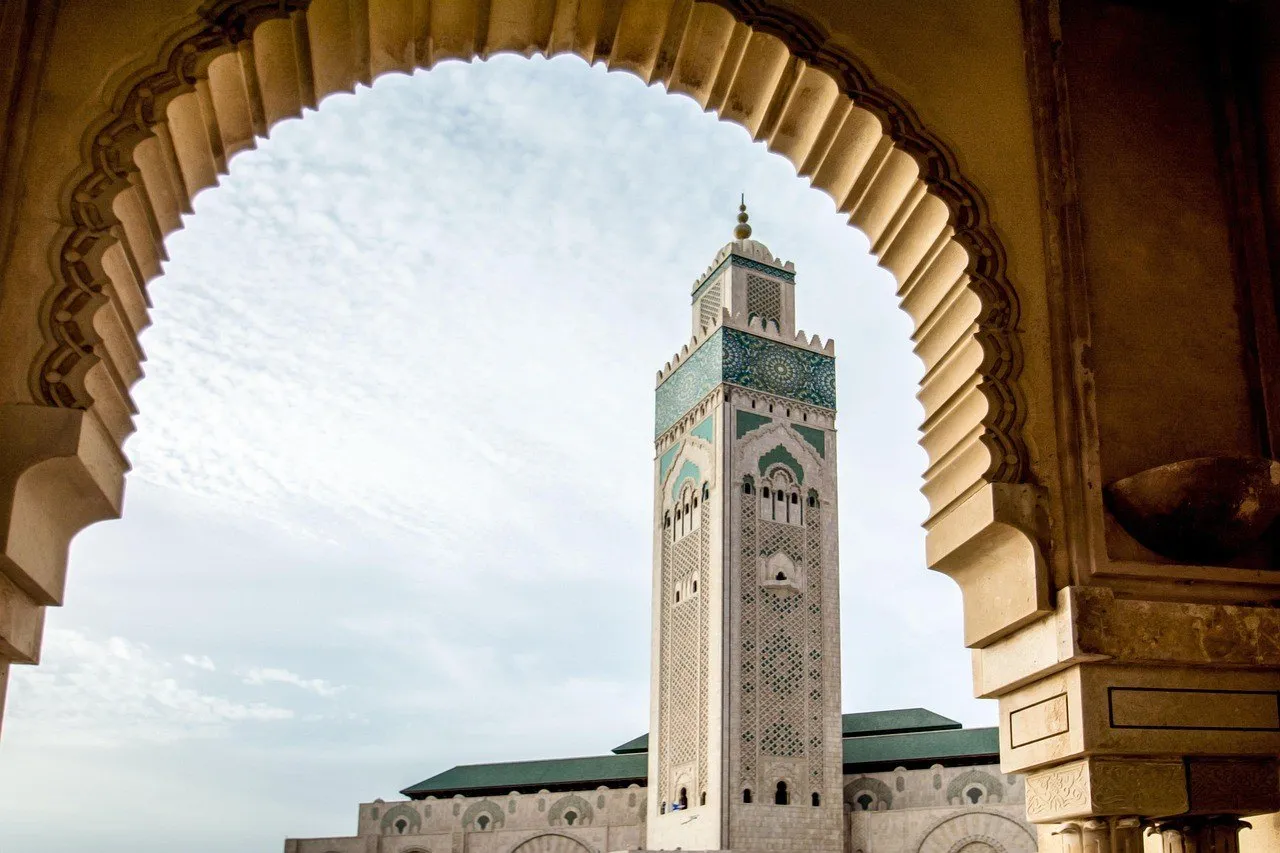
Hassan II Mosque
On the edge of the Atlantic, the mosque combines a vast esplanade with interiors of mosaics, carved wood and marble, visited on a guided tour.
View details for Hassan II Mosque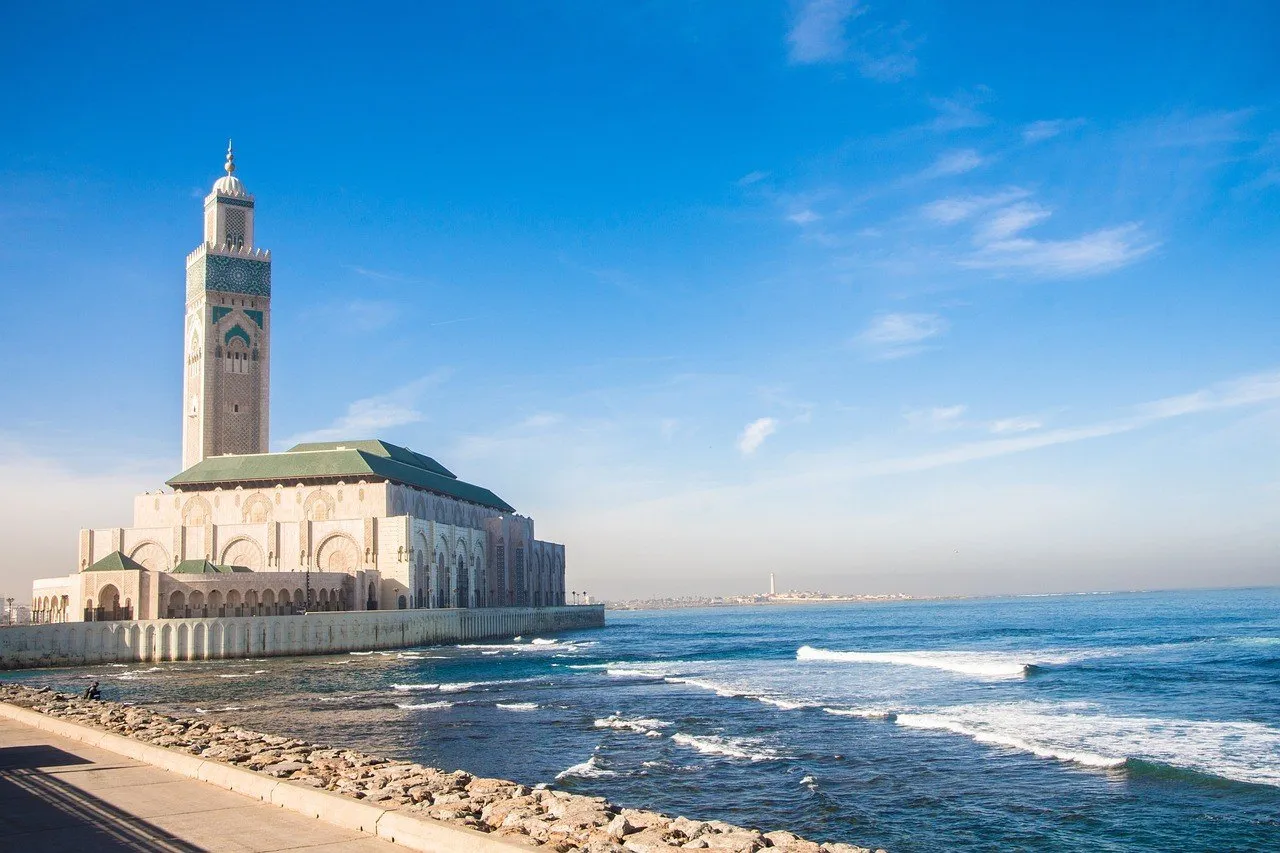
Morocco
At the Hassan II Mosque, you try to fit the minaret and the Atlantic into the same photo. Then come the Art Deco facades, the fish at the Central Market and a break in the sea breeze on the Corniche.
The Atlantic crashes right beside the Hassan II Mosque while you step back a little more to fit the whole minaret in the frame. That is a good introduction to Casablanca: sea, architecture and a scale that demands room in your schedule. Among the commercial districts, downtown keeps its Art Deco facades; by the port, the old medina squeezes its paths into shopping streets. You change scenery without leaving the city, but you will need transport between some of these areas.
Plan the trip by area: one day for the mosque and the old medina, another for the markets and gardens downtown, and the third for Habous and the Ain Diab seafront. That leaves time to notice the mosaics, pick a fish dish and browse the craft shop windows without turning the outing into a race. The three days in this guide are a comfortable suggestion; the times for each stop are planning estimates, not official visit durations.
Casablanca has an old medina and another one called the new medina: Habous was planned during the French protectorate, combining modern urban design with traditional Moroccan forms.
The dome at United Nations Square, known as Kora Ardia, was designed by Jean-François Zevaco and lights up an underground passage between the new city and the medina.
At the Hassan II Mosque, the guided visit also goes through the ablution hall: the artisans' work extends well beyond the facade.
1On the edge of the Atlantic, the mosque combines a vast esplanade with interiors of mosaics, carved wood and marble, visited on a guided tour.
View details for Hassan II Mosque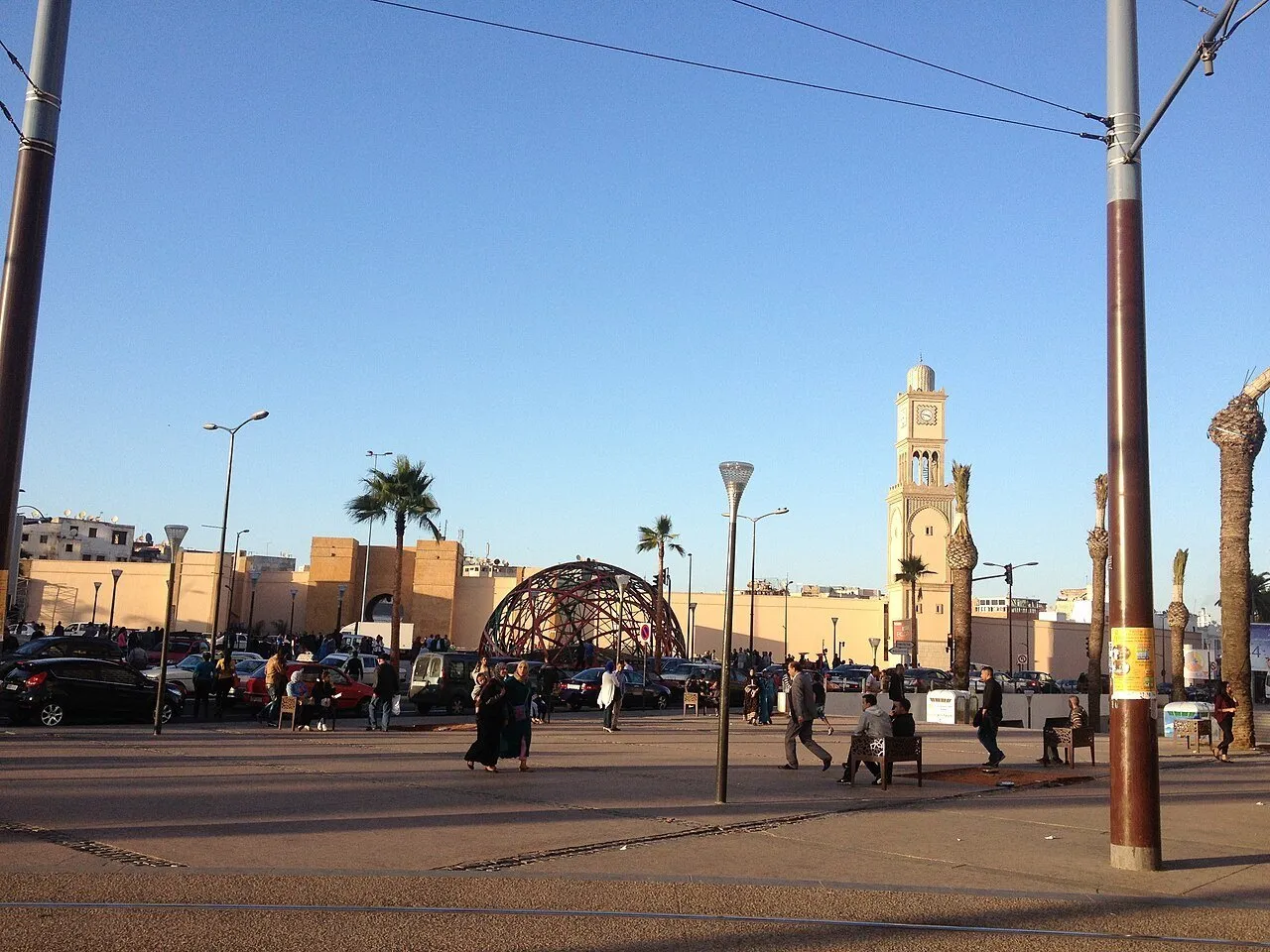 2
Between ramparts and shopping streets, the old medina shows the Casablanca of small shops, ornate doors and facades that mix Moroccan and European influences.
View details for Old Medina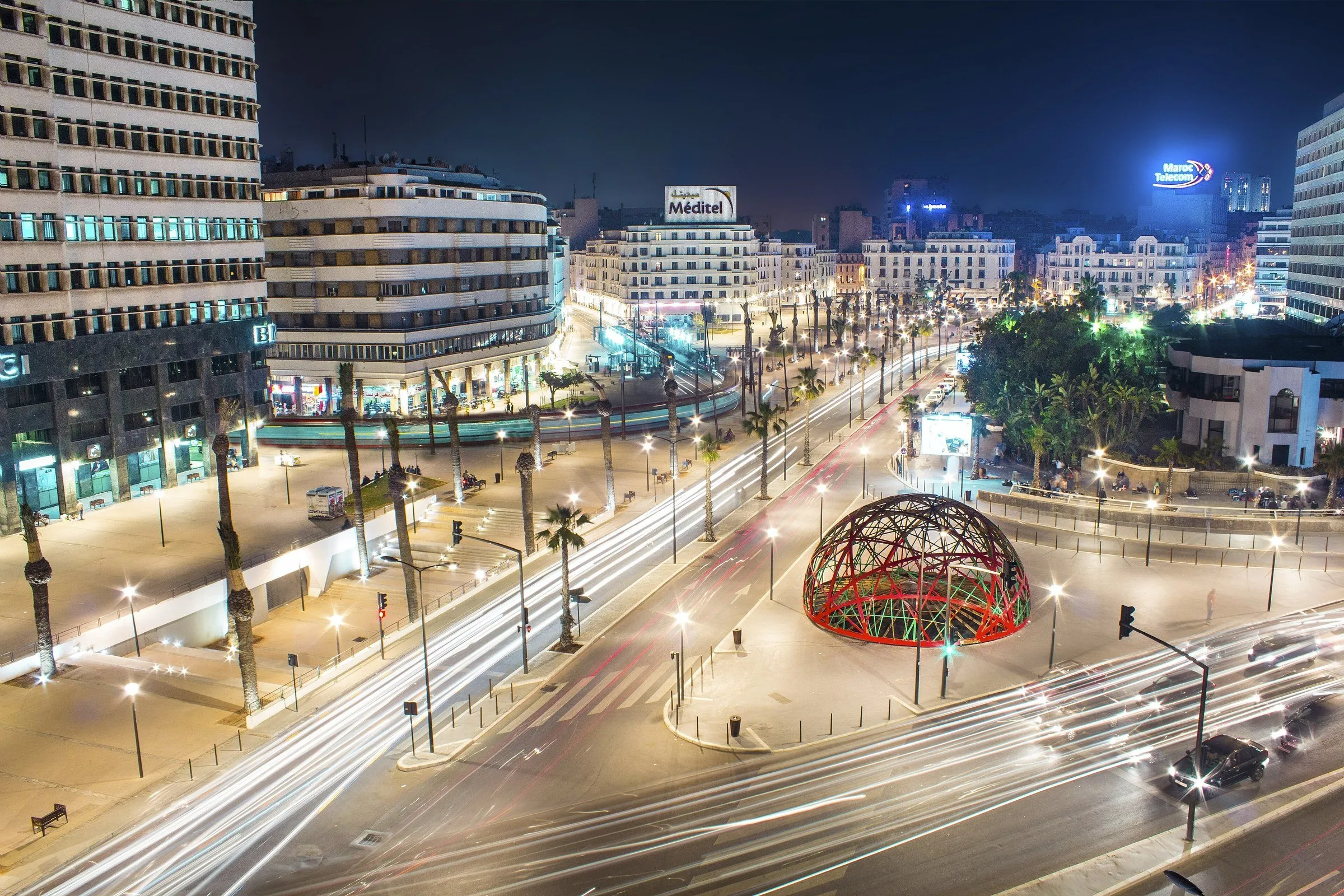 3
Between the medina and downtown's main avenues, the square brings together historic facades, pedestrian traffic and the Kora Ardia dome, by Jean-François Zevaco.
View details for United Nations Square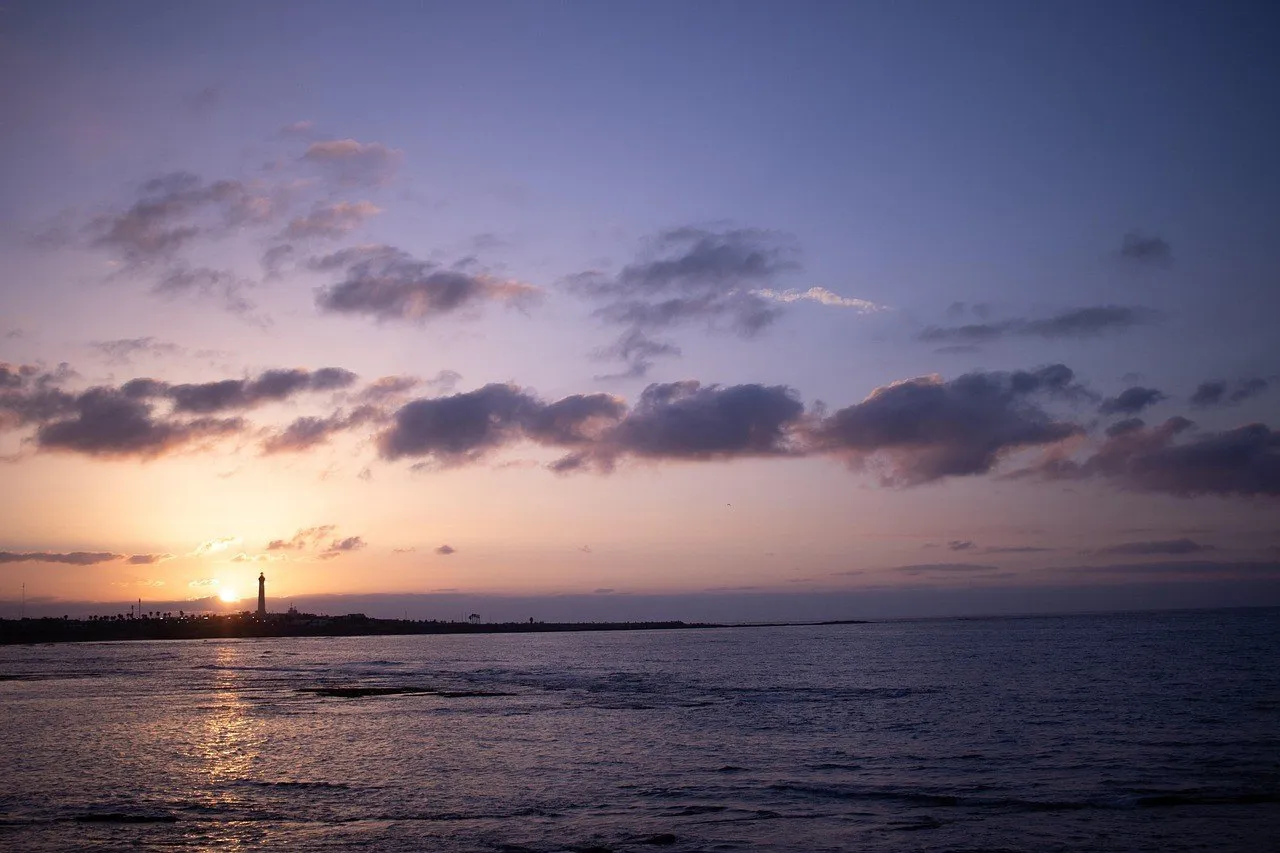 4
On El Hank Point, the white tower punctuates the Casablanca coast; a stop to see the lighthouse from the outside and breathe in the Atlantic wind.
View details for El Hank Lighthouse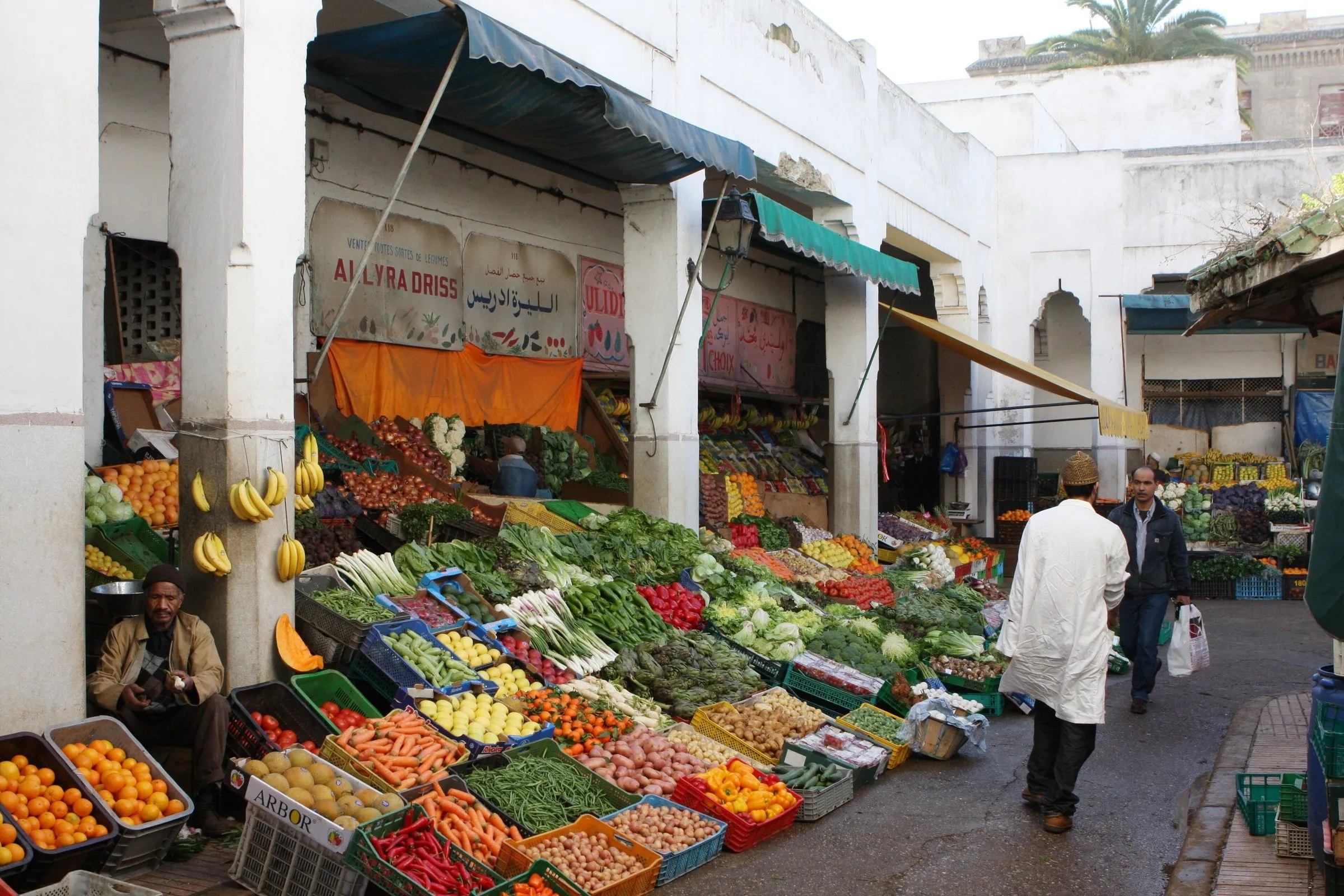 5
Flowers, fish stalls and covered passages set the rhythm at this downtown market, which pairs arcaded architecture with a good lunch break.
View details for Central Market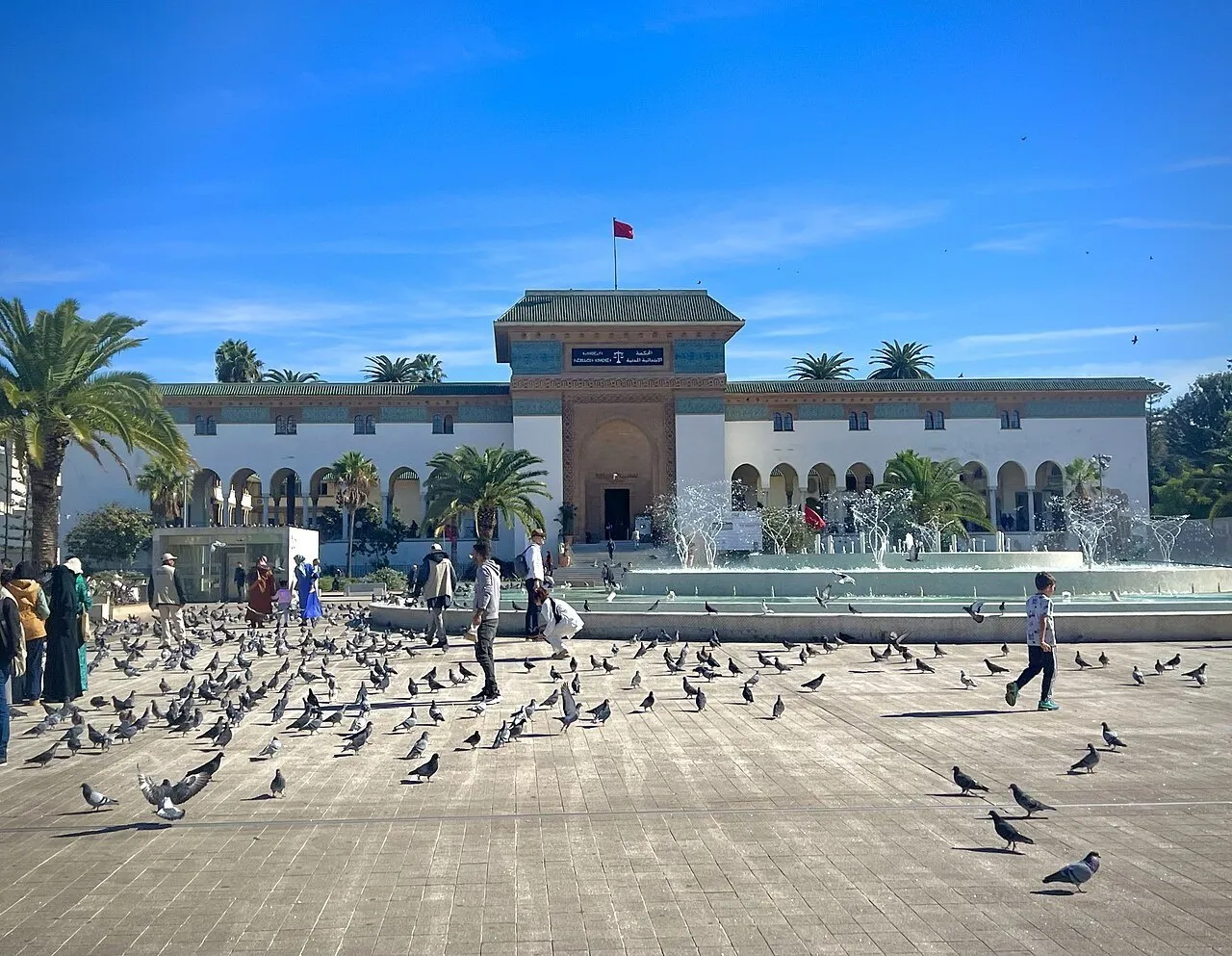 6
The square brings together a fountain, pigeons and administrative buildings, with the Wilaya tower standing out; a good pause for reading downtown's architecture.
View details for Mohammed V Square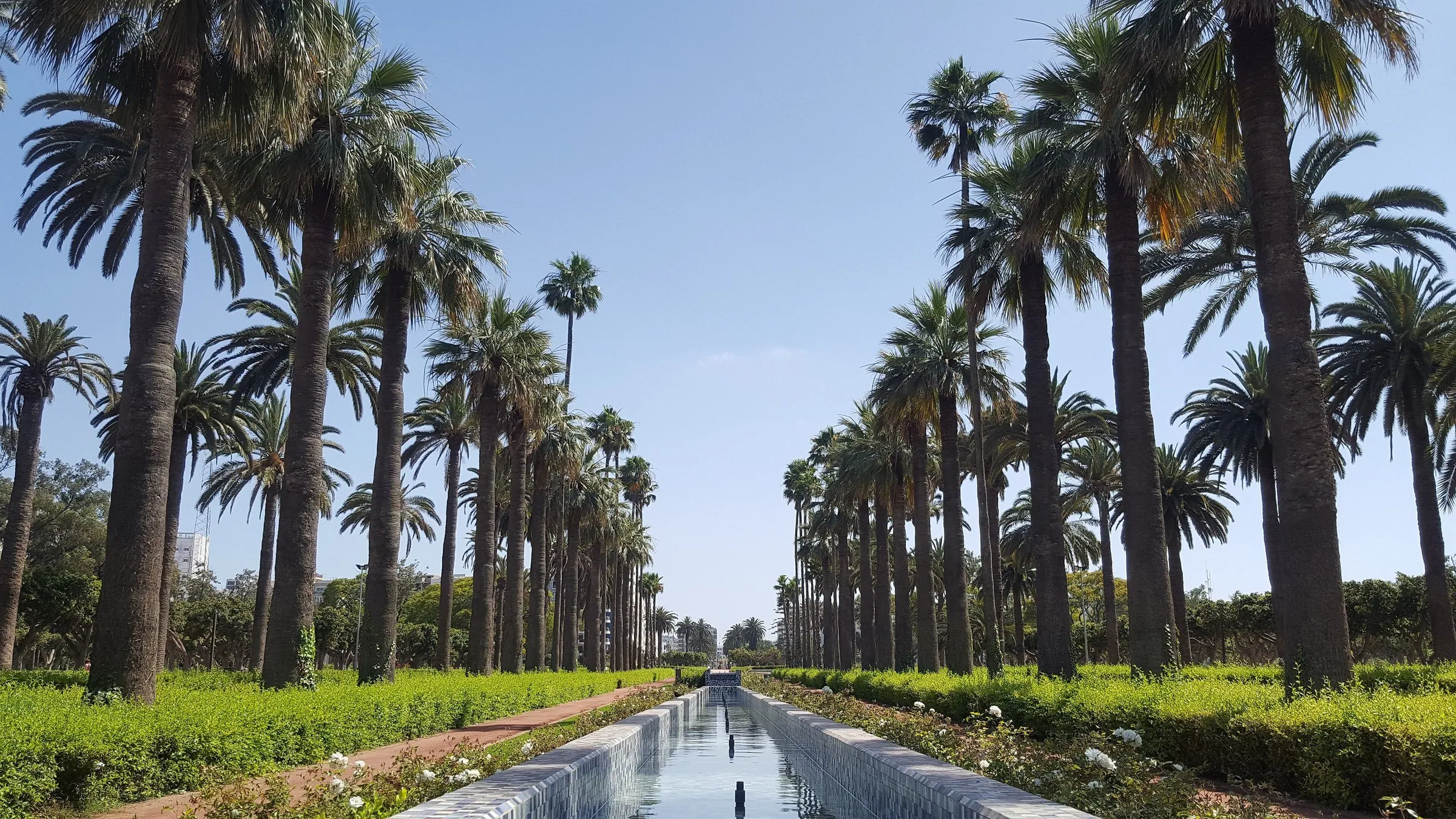 7
Palm-lined avenues, lawns and shaded paths make the park a break between downtown visits, with room to walk and rest.
View details for Arab League Park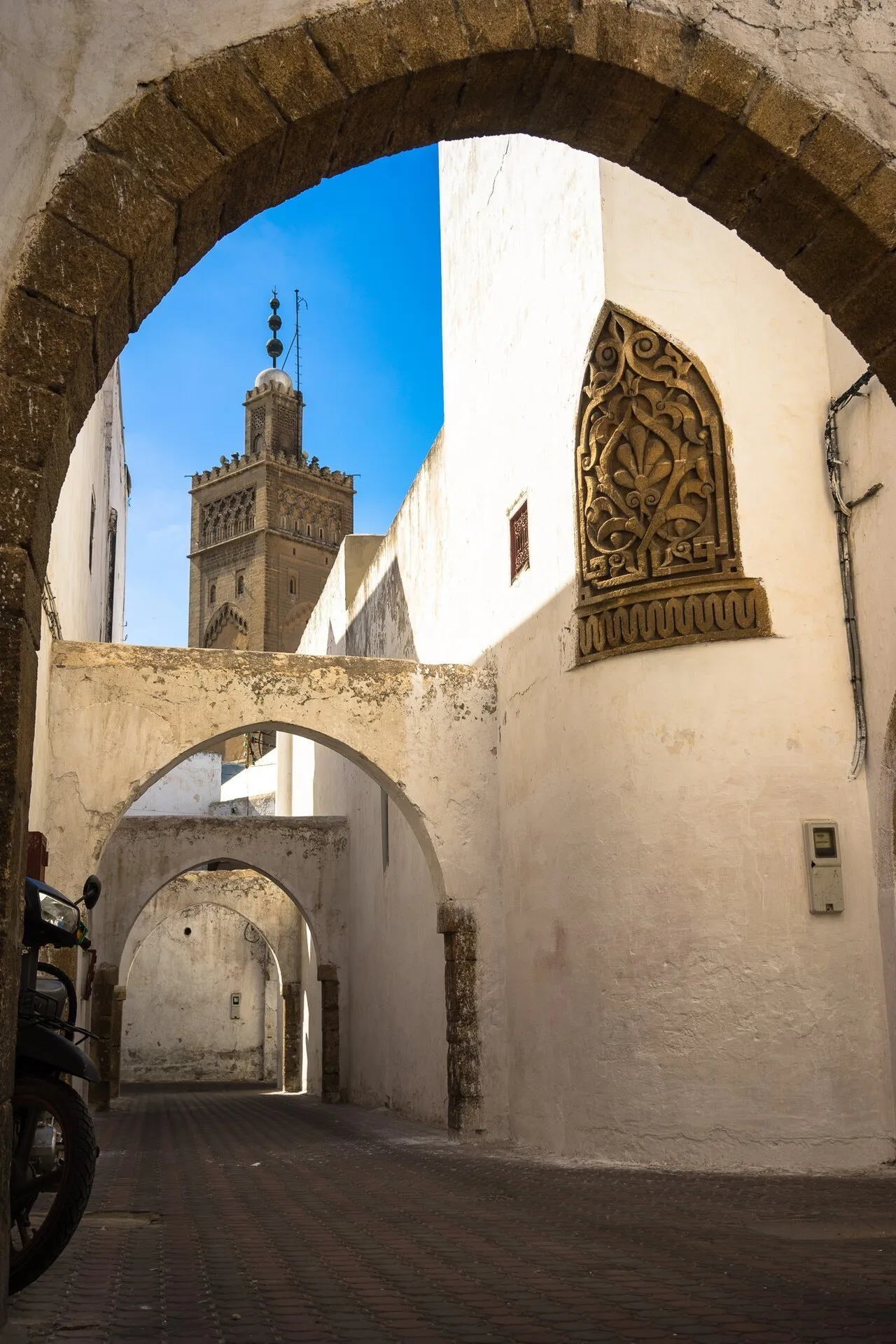 8
Known as the new medina, Habous brings together arcades, small squares and craft shops in a planned neighborhood drawing on traditional Moroccan architecture.
View details for Habous Quarter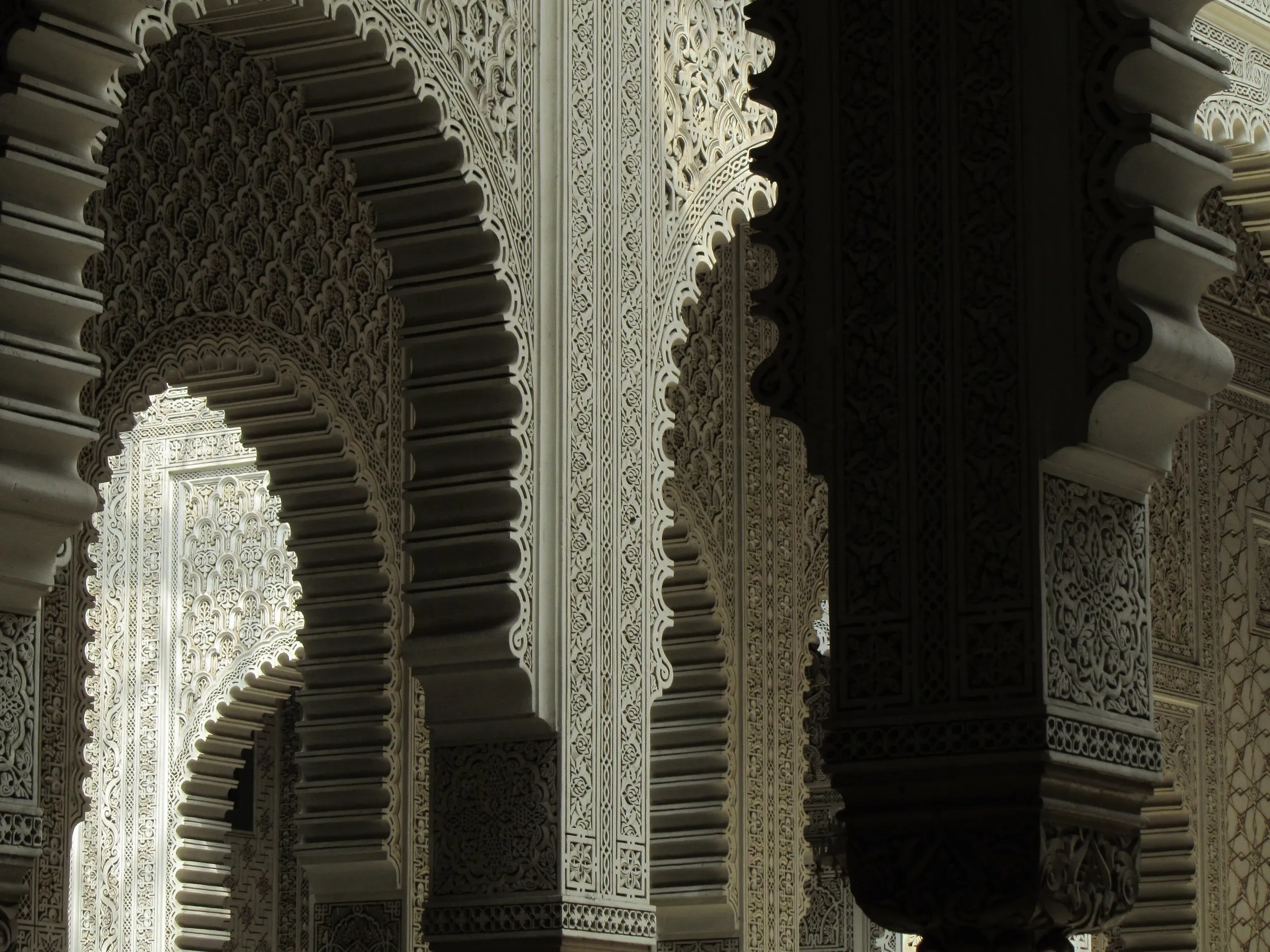 9
An administrative building in Habous with courtyards and decoration in wood, stucco and mosaics; the exterior fits into the walk even when inside access is not possible.
View details for Mahkama du Pacha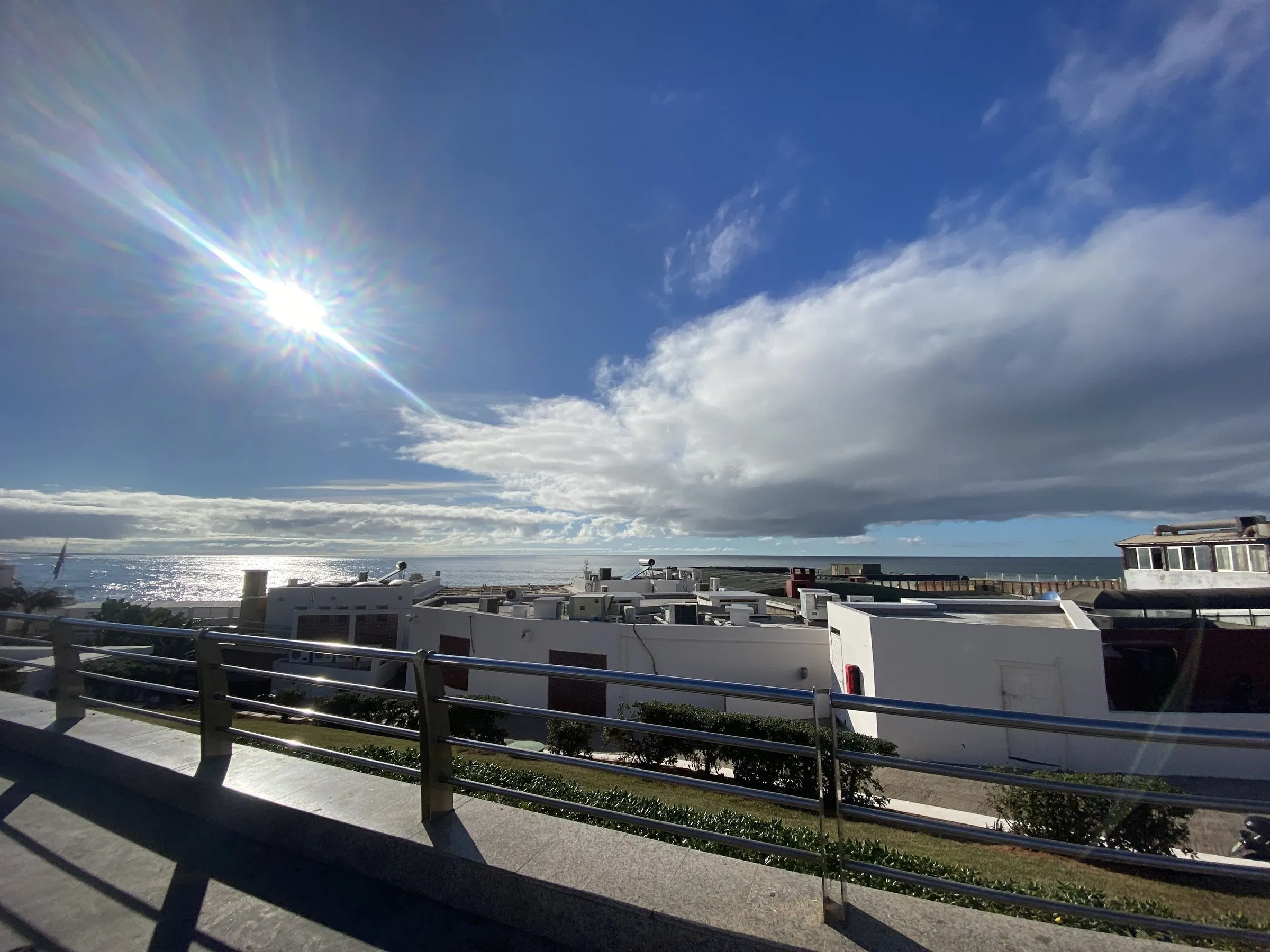 10
The Ain Diab promenade follows the Atlantic past walking areas, beach and cafés, with room to extend the outing after the downtown visits.
View details for Ain Diab Corniche1The Atlantic enters the composition before you even look at the minaret. The Hassan II Mosque sits on the water's edge, and the esplanade leaves room to take in the arches. Set aside time to see it from the outside before your tour slot.
On the guided tour, carved wood, worked plaster, mosaics and marble appear in the prayer hall and the ablution area. You start by looking at the whole and end up trying to figure out how they made a single detail of the ceiling.
2Go in through the ramparts and slow down. In the old medina, the walk takes you past everyday commerce, clothing and leather goods; the narrow lanes call for care at the corners. Bab Marrakech is one of the well-known entrances to start exploring.
Notice the white facades, the iron grilles and the arches: the architecture reveals different influences. Walk during the day and save a reference for the way out; the purchase can be spontaneous, but the way back doesn't have to be.
3The medina lies on one side; on the other, downtown's grand avenues open up. At United Nations Square, this change of scale helps you understand Casablanca. Look at the surrounding buildings and the Kora Ardia dome, designed by Jean-François Zevaco to light an underground passage.
It is worth slowing down before moving on: the tram cuts through the scene and the facades deserve a look apart from the shop windows. Combine the stop with the medina and take a break at the nearby cafés, keeping an eye on the tracks at the crossings.
4The white tower of the El Hank Lighthouse punctuates the coast with a narrow line pointing upward. The lighthouse sits on El Hank Point, west of the port, and is part of Casablanca's maritime memory.
Plan to take in the exterior and the sea, without counting on climbing it. The appeal lies in the relationship between tower, sky and coast; a good frame saves you the gymnastics of looking for the highest spot. Check access conditions locally.
5The shopping list shares space with the idea of lunch. At the Central Market, flowers, fruit, vegetables and fish fill a building of arcades and covered passages next to Boulevard Mohammed V. Among the stalls, look at the decorative elements.
The relationship with the fish is part of the outing. If you decide to eat, clarify the portion, preparation and price before ordering; that way, your only inner negotiation will be saving room for dessert. Go while the stalls are open.
6The pigeons grab your attention first, but it is worth looking up. At Mohammed V Square, the fountain and the administrative buildings form an open ensemble, with the Wilaya tower marking the skyline. Take in the facades and the movement of people crossing downtown.
From the square, head to the Arab League Park, nearby. Pause to look at each side; in a single panorama, the most interesting details can end up too small. The walk to the park shifts the scenery from buildings to green avenues.
7After the downtown facades, rows of palm trees take the stage. The Arab League Park brings together avenues, lawns and gardens in a central area of Casablanca. The paths let you alternate between walking and resting after the day's visits.
You can cross it as a link between sights, but it deserves its own time. Look for shade, notice the layout of the avenues and let your legs set the pace. After a walk through downtown, this change of scenery takes away any rush to leave.
8The arcades of Habous organize both the walk and the gaze. The so-called new medina was planned during the French protectorate, combining modern urban patterns with traditional Moroccan forms. Between the passageways, you find bookshops, craft stores and small cafés.
Look at the doors, the ceramics and the copper objects, then pick a place to pause. You can compare pieces before deciding what fits in your suitcase. The Mahkama du Pacha is in the area and goes well with the same morning.
9The Mahkama du Pacha is an administrative building, and tourist entry should not be assumed. Include the exterior in your walk through Habous and check beforehand whether visiting the courtyards and interior areas is permitted.
When access is allowed, carved cedar wood, stucco and geometric mosaics share your attention across walls, columns and ceilings. Look slowly; if the door is closed, admire the facade and carry on through the neighborhood without derailing your day.
10The plan is to walk with the Atlantic beside you. The Ain Diab Corniche combines a pedestrian promenade, spaces for outdoor activities and beach access, with cafés and restaurants nearby. Pick a stretch and see where to stop.
A late-afternoon pause lets the sea light change the pace of the trip. To get here from Habous, use transport; if you want to include a beach or club, check sea conditions, opening times and charges separately.
Check the Casatramway and Casabusway maps and plan the final stretch on foot; not all sights are close together.
The airport has a rail link to Casablanca; check the ONCF for service on your date and the most convenient station for your accommodation.
The Hassan II Foundation asks for covered shoulders and torso, clothing below the knees and shoes removed at the entrance; check the rules.
Bring dirhams for shops that don't take cards and agree on prices in the souk; at the market, clarify the cost of preparing the fish.
Visit the old medina during the day, as the city guide recommends; keep your belongings close in the shopping areas.
Bring a light layer for the Corniche wind; during Ramadan, reconfirm visits and time zone, and at the beach follow local signage.
At the Central Market, the outing can end with fish on your plate; in Habous, the pastry displays compete for your attention with the ceramics. Alternate these stops with dishes from Moroccan cuisine and ask what is being prepared that day. Setting aside a proper lunch break helps: after so much looking up in search of facades, you deserve to look at the table.
Fish and seafood are part of the food tour downtown; agree on the portion, preparation and price before ordering.
Served with vegetables and, depending on the recipe, meat or fish; Moroccan tradition links it to Friday lunch.
A stew cooked in a vessel with a conical lid, with combinations of meats, vegetables and spices that vary by cook.
Chicken with lentils, spiced broth and pieces of bread or msemen; the ONMT links this recipe to Casablanca.