 1
Architecture
Palacio Salvo
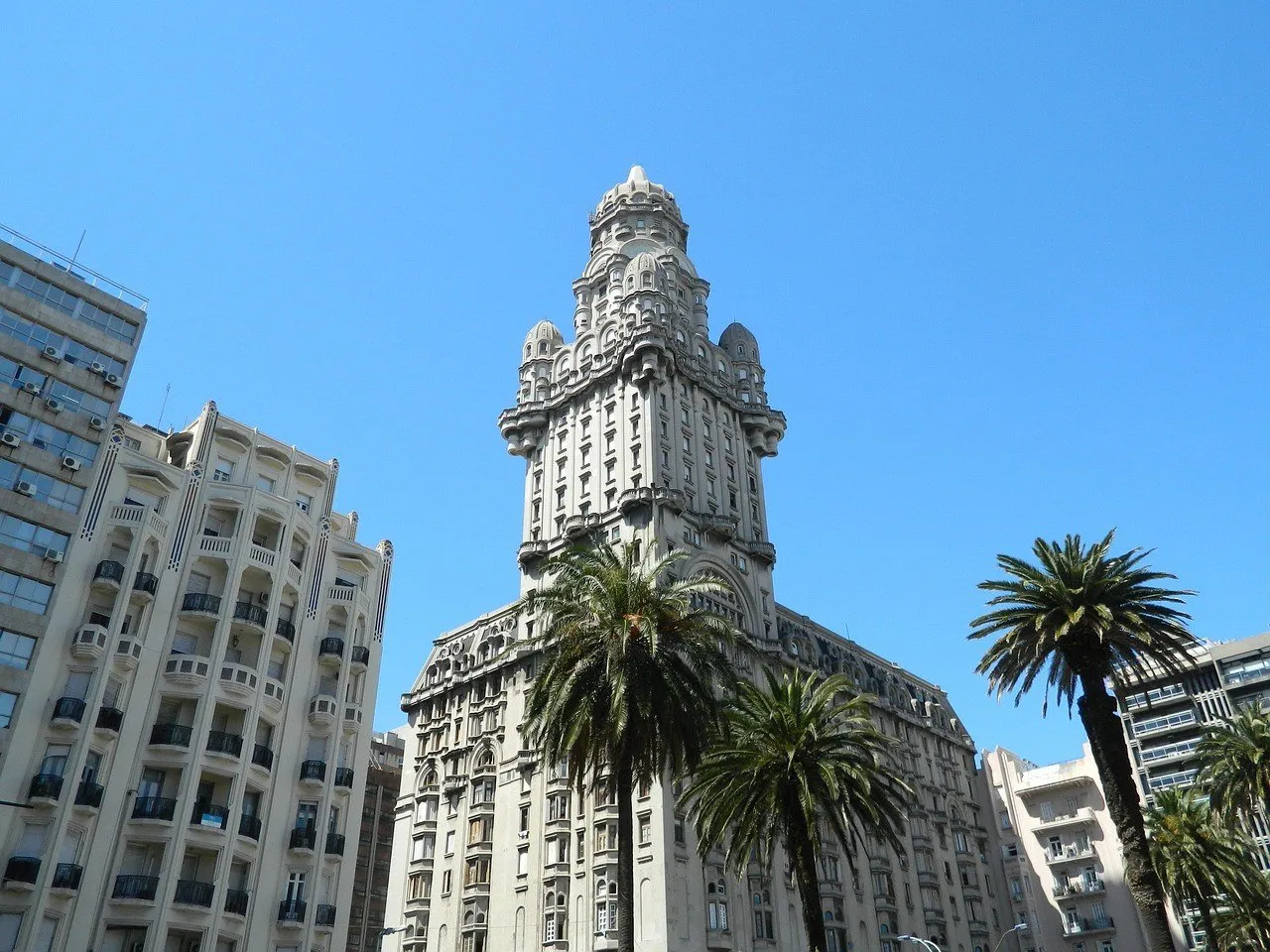
Mario Palanti's tower dominates the corner of Plaza Independencia; guided visits cover parts of the building and its link to La Cumparsita.
View details for Palacio Salvo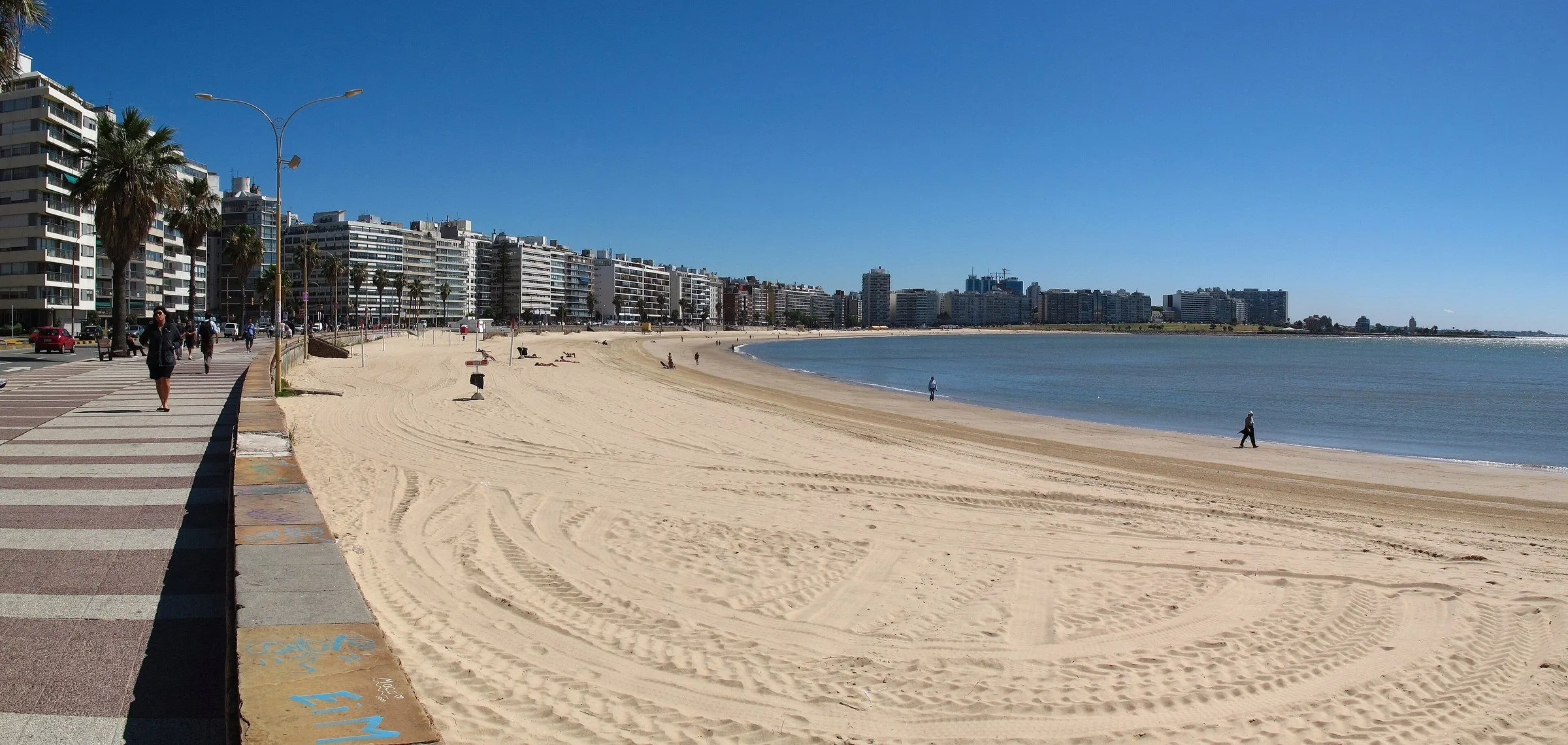
Uruguay
On Montevideo's rambla, mate fills one hand and the Río de la Plata fills the whole view. Then comes the parrilla: the smoke from the Mercado del Puerto already helps you pick a direction.
Montevideo calls for a simple division of labor: you walk, the rambla takes care of the scenery and the parrilla handles lunch. In the Ciudad Vieja, the Puerta de la Ciudadela opens onto pedestrian streets, squares and the smell of grilled meat from the Mercado del Puerto. The Palacio Salvo, with its richly detailed tower, stands on the way to the Centro; the Teatro Solís is right there, ready to swap your walk for a visit to its performance halls.
Set aside one day for that old core, another for the Palacio Legislativo, the Mercado Agrícola and football at the Centenario, and a third for Parque Rodó, art and the coast. The distances between these blocks call for a bus or taxi; trying to stitch everything together on foot turns the trip into an endurance test. In spring and autumn, it is worth prioritizing walks. In winter, museums and the theater take center stage; in summer, Pocitos invites you to linger on the sand, depending on swimming conditions.
The site of the Palacio Salvo once held the Confitería La Giralda, where the tango La Cumparsita, by Gerardo Matos Rodríguez, was first played. The tower has a soundtrack before you even step inside.
The National Museum of Visual Arts started out in a wing of the Teatro Solís before moving to Parque Rodó. The two stops used to be neighbors down the hall.
The name Pocitos is tied to the small wells that washerwomen, among them enslaved African women, dug by the stream to wash clothes. Even the beach scenery holds a story of labor.
1Mario Palanti's tower dominates the corner of Plaza Independencia; guided visits cover parts of the building and its link to La Cumparsita.
View details for Palacio Salvo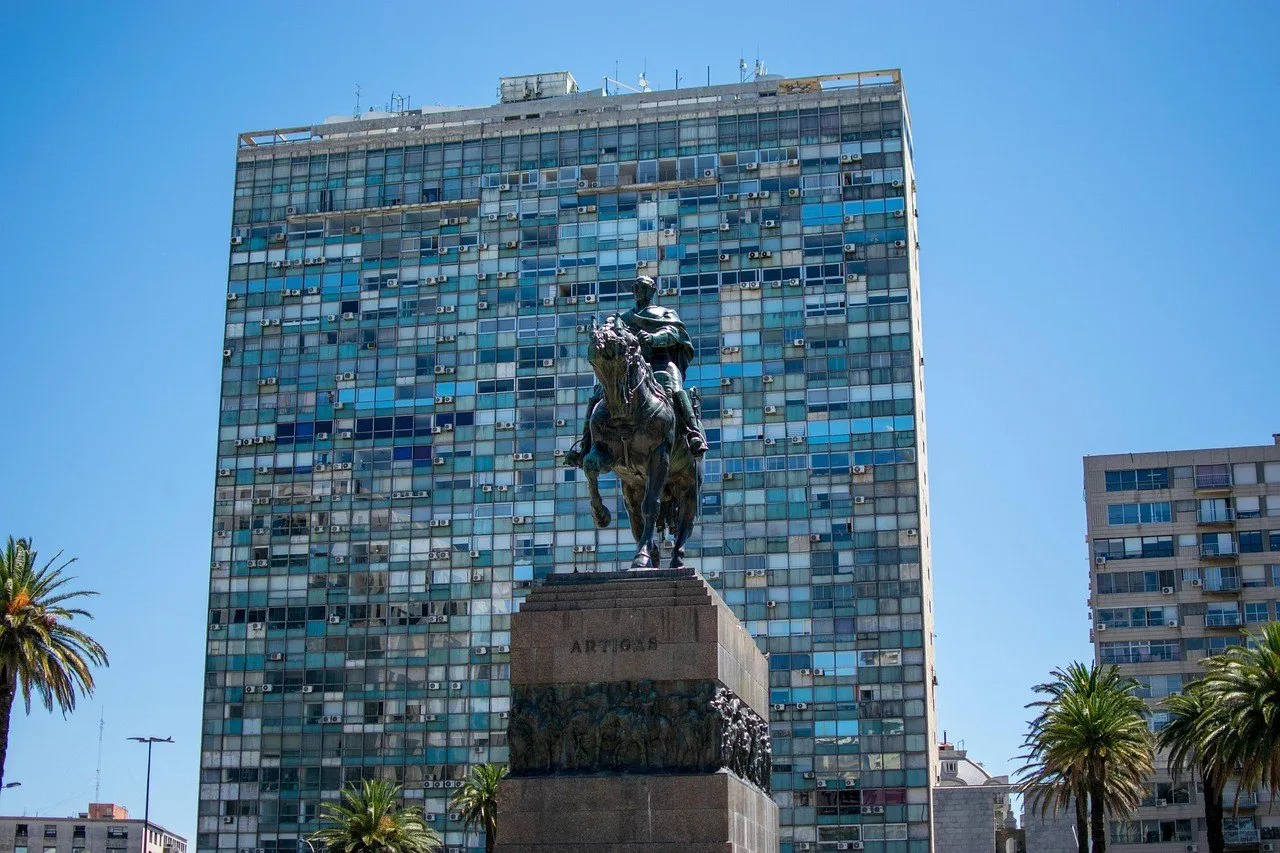 2
The square links the Ciudad Vieja to the Centro, with Artigas in the middle, the Palacio Salvo on its edge and the Puerta de la Ciudadela marking the old way in.
View details for Plaza Independencia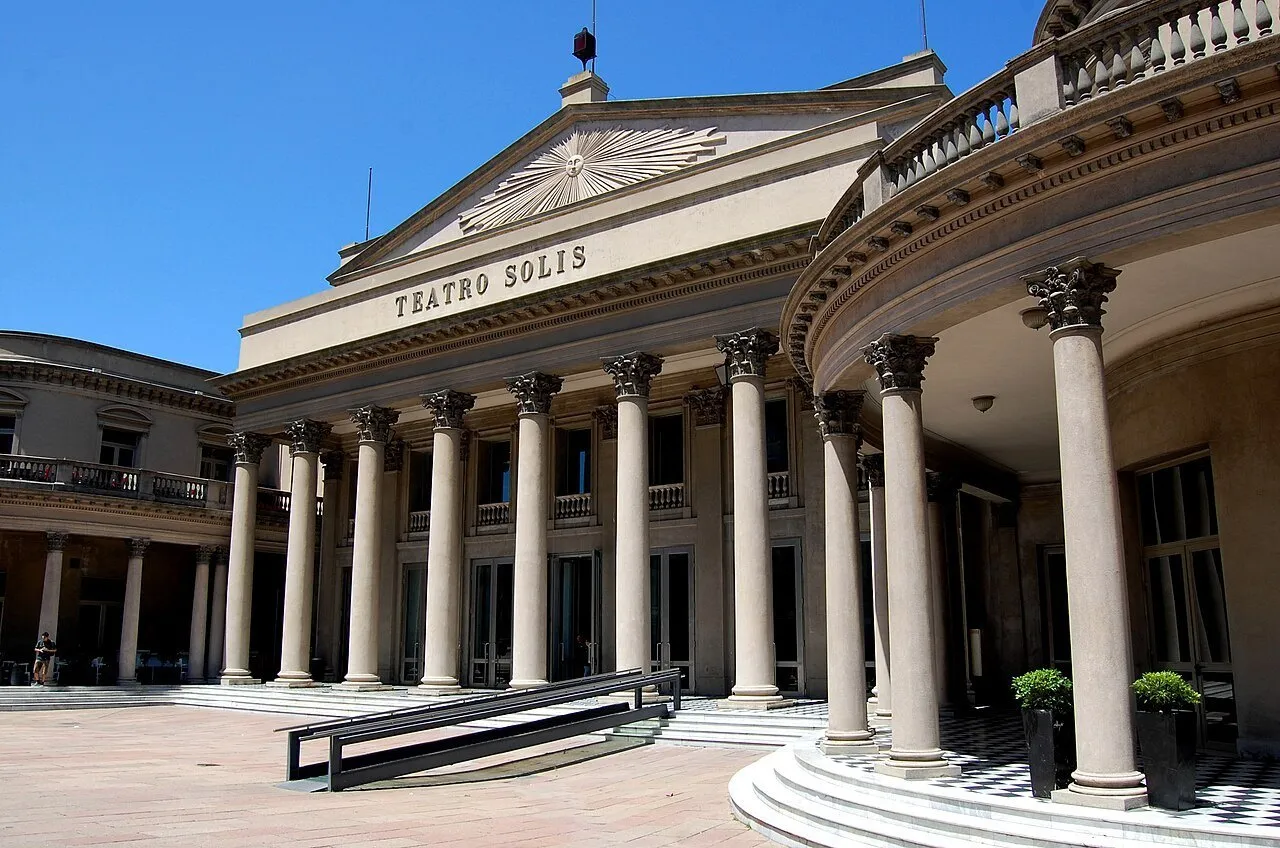 3
Opened with a Verdi opera, the Solís combines a columned facade, performance halls and guided visits a few steps from Plaza Independencia.
View details for Teatro Solís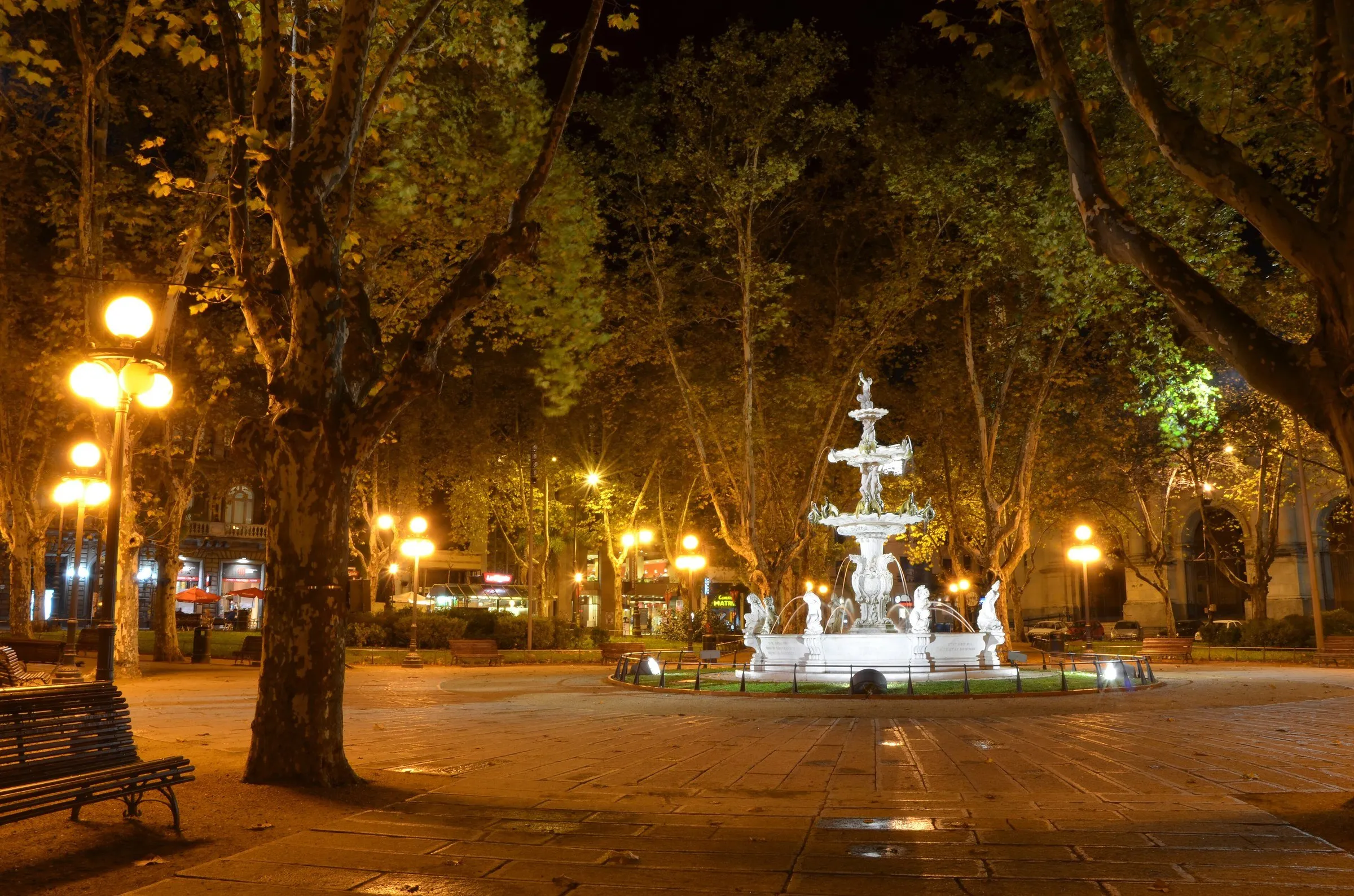 4
Also called Plaza Constitución, it gathers the fountain, the Cathedral and the Cabildo in a leafy pause on the way between Sarandí and the port.
View details for Plaza Matriz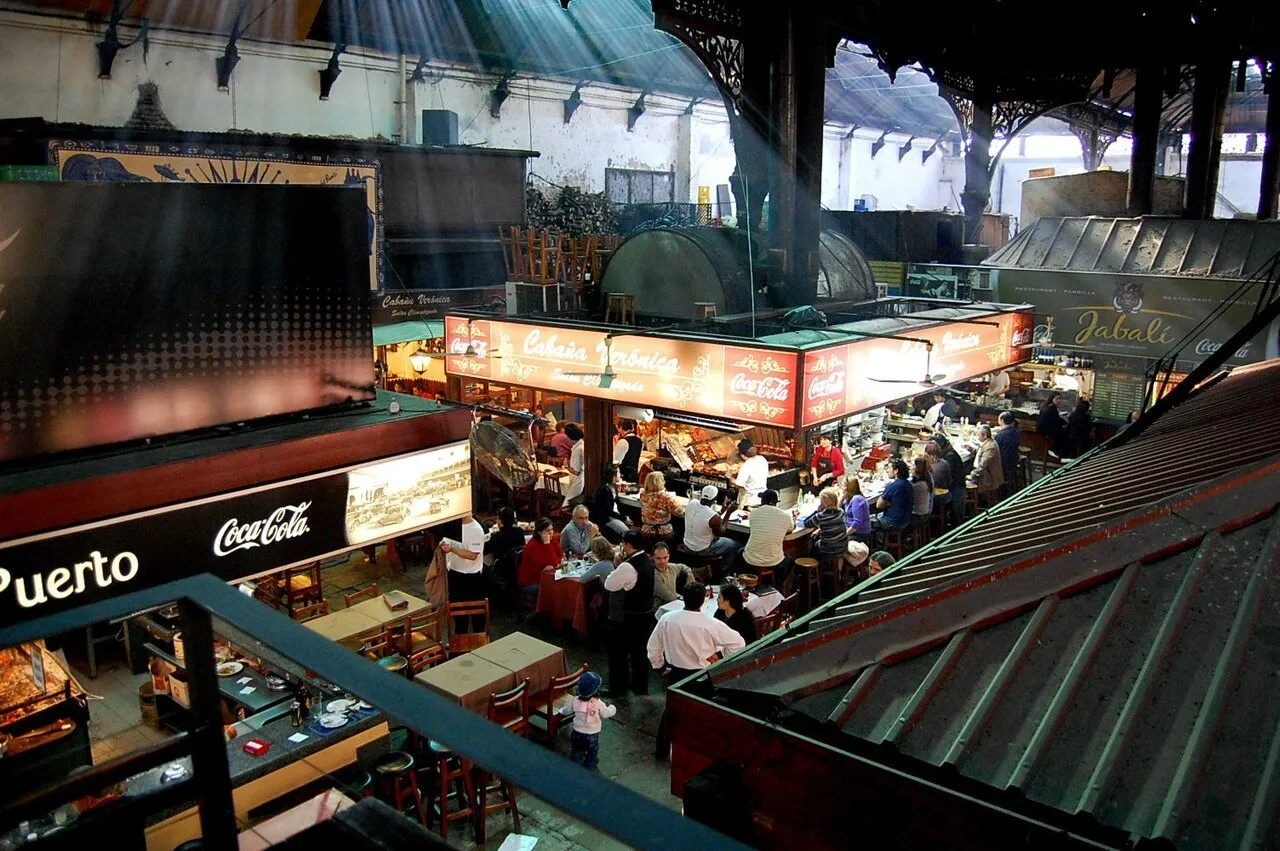 5
Parrillas, embers and tables set the pace at this Ciudad Vieja market; lunch is a chance to try Uruguayan cuts before the next walk.
View details for Mercado del Puerto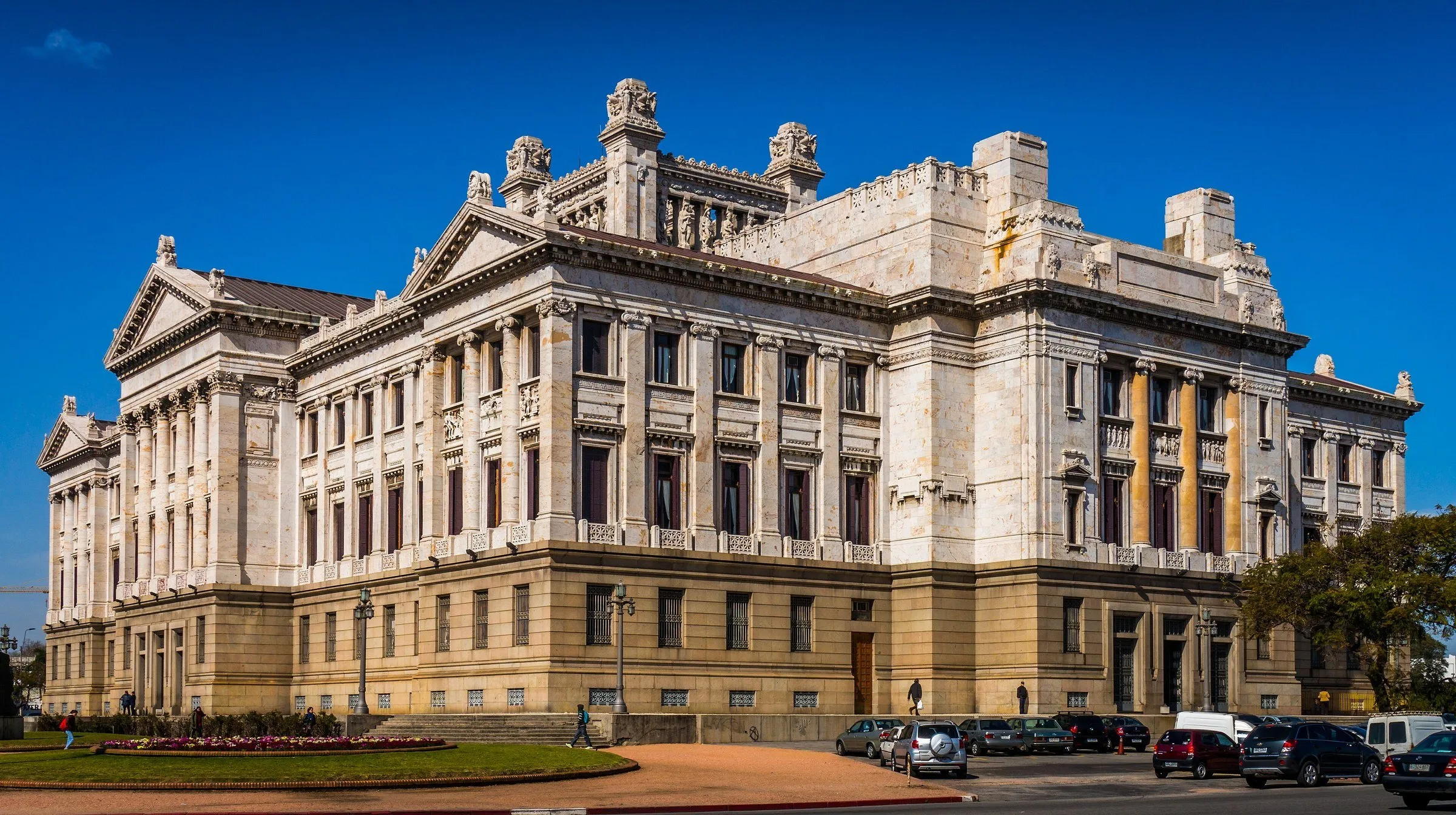 6
Seat of Uruguay's Parliament, this classically inspired building trades the scale of the streets for columns and grand halls seen on guided visits.
View details for Palacio Legislativo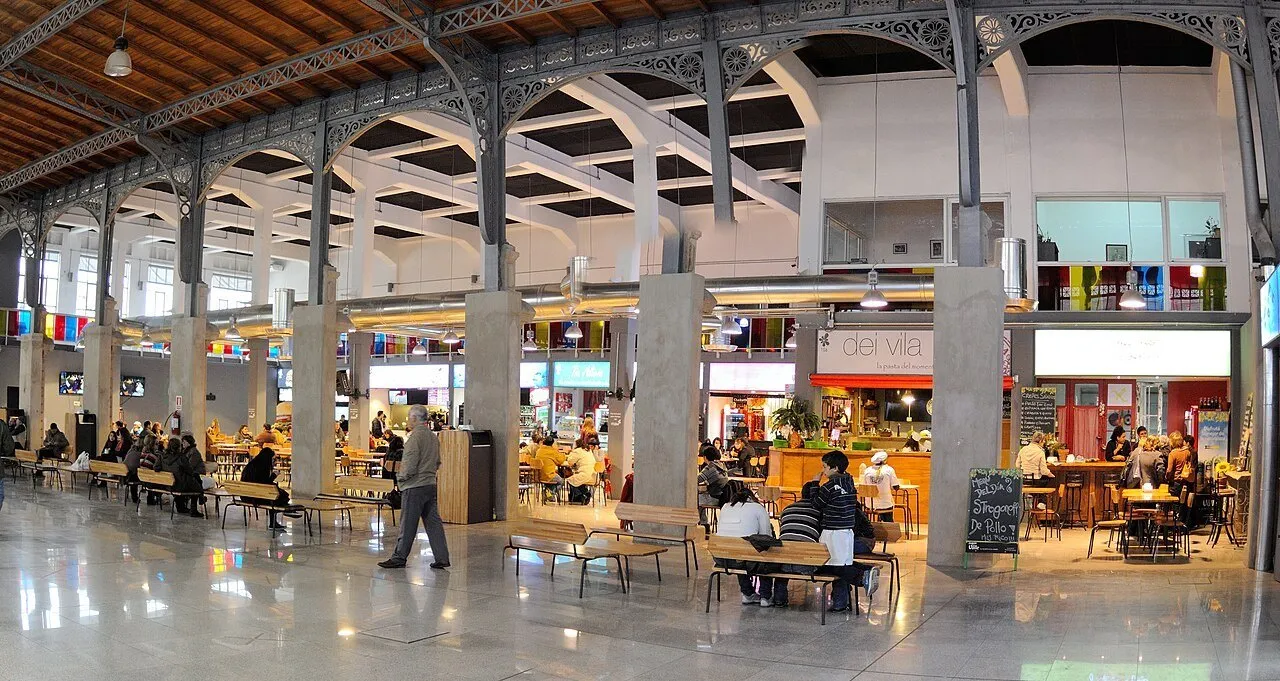 7
In the Goes neighborhood, the MAM combines an iron structure, food shopping and dining: a good follow-up to the Palacio Legislativo visit.
View details for Mercado Agrícola de Montevideo 8
The stadium of the first World Cup houses, under the Olympic Stand, a museum of trophies, jerseys and Uruguayan football memory.
View details for Estadio Centenario and Museo del Fútbol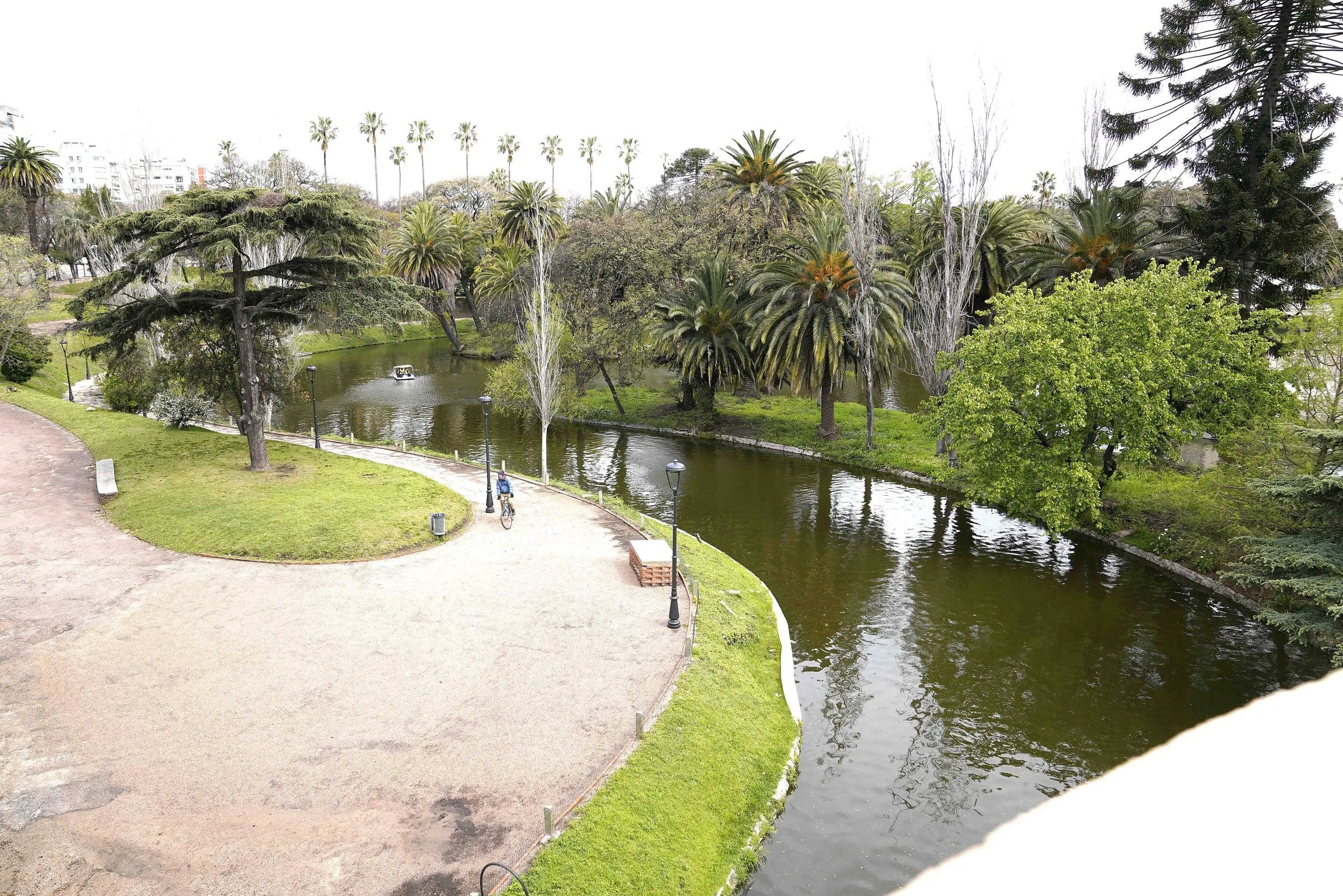 9
Trees, a lake and a small castle give the coast a green pause; the park is near Playa Ramírez and houses the National Museum of Visual Arts.
View details for Parque Rodó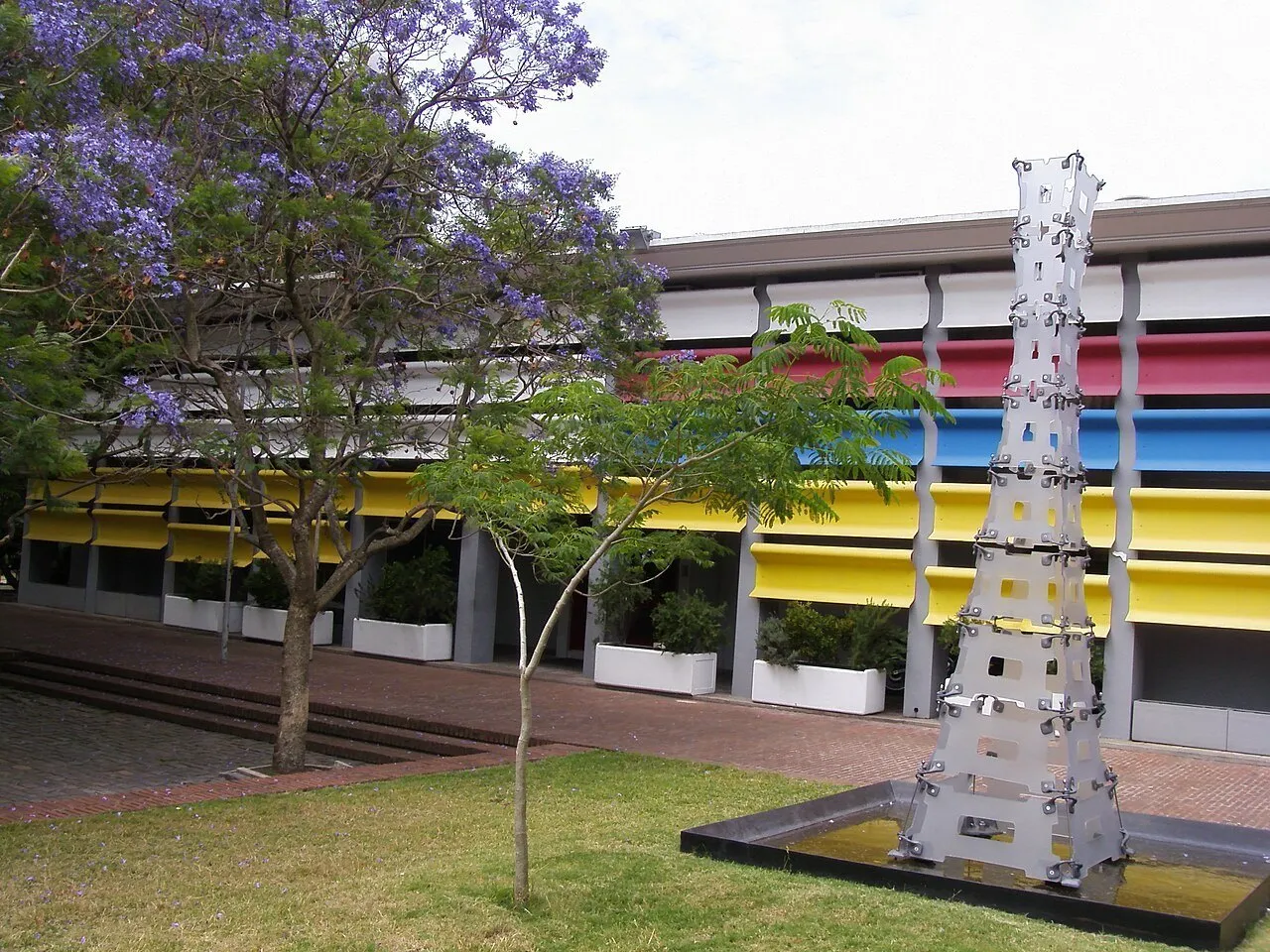 10
Among the gardens of Parque Rodó, the MNAV presents Uruguayan art and temporary exhibitions, with a collection that shows the country beyond its architecture.
View details for National Museum of Visual Arts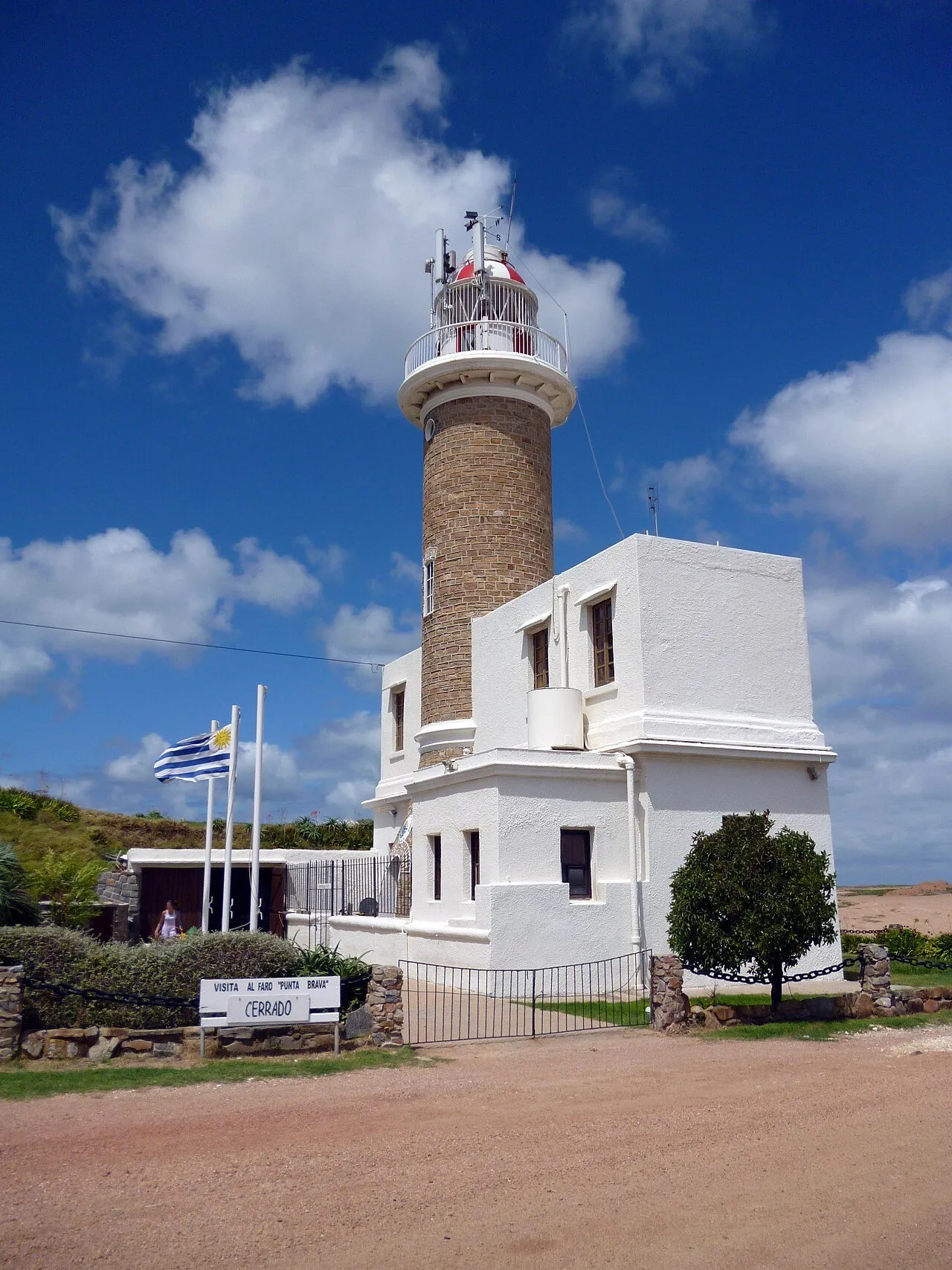 11
On the rocky point of Punta Carretas, the lighthouse still guides ships while offering an open-horizon stroll beside the Río de la Plata.
View details for Faro de Punta Carretas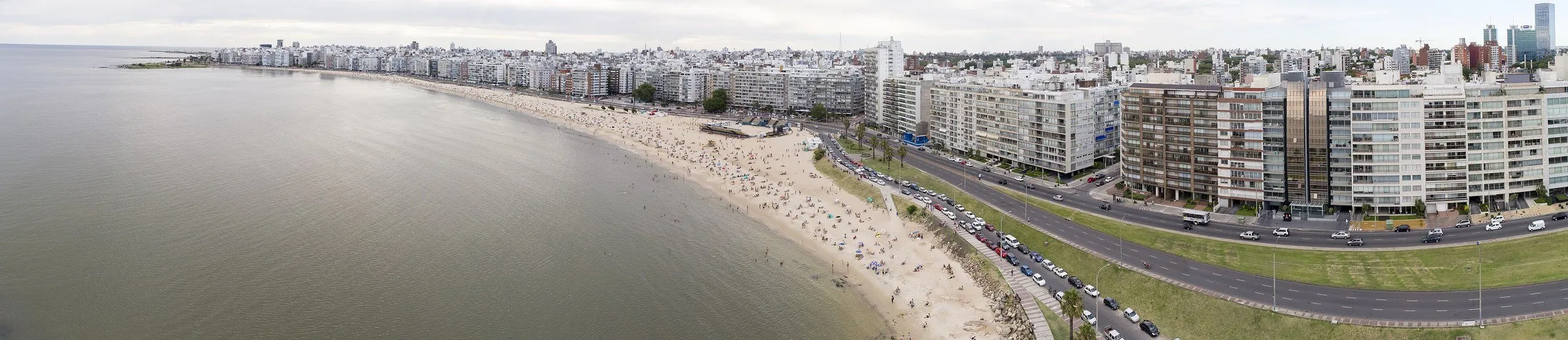 12
Pocitos' curve of sand meets a line of tall buildings and the rambla: a stretch of the city to walk, sit and watch life by the river.
View details for Playa Pocitos and the rambla1Try to work out where one detail ends and the next begins on the tower of the Palacio Salvo. Mario Palanti's design stands at the corner of Plaza Independencia and 18 de Julio, giving you a good reason to look up before crossing the street.
To see the building beyond the sidewalk, look for a guided visit and check which spaces are included. The address also has musical history: the Confitería La Giralda stood here, tied to the first performance of La Cumparsita. The corner comes with its own soundtrack.
2Before crossing into the Ciudad Vieja, stop at Plaza Independencia and look around. On one side begins 18 de Julio Avenue; on the other, the Puerta de la Ciudadela recalls a city that once had fortifications. The square works as a hinge between the two halves of Montevideo.
At the center, Artigas sits on horseback atop the mausoleum that holds his remains. Spend your stop on the facades and add the underground space if it is open. It is a good introduction to the city's map.
3The columns on the facade call for a pause, but it is inside that the Teatro Solís completes the introduction. Opened in 1856 with Verdi's opera Ernani, it still hosts performances and offers guided visits to the halls and other parts of the building.
Check the schedule before your trip and choose between the daytime tour and a performance. One explains the architecture; the other shows the theater at work. Access to the halls depends on the artistic calendar, so don't count on an impromptu entry between walks.
4On Plaza Matriz, a bench in the shade has solid arguments for delaying your walk. Also called Plaza Constitución, it occupies the old center of public life in the Ciudad Vieja. The Cathedral and the Cabildo face the same space: the colonial layout shows up without your opening an old map.
Look at the central fountain before heading back to the Sarandí pedestrian street. The stop fits between the Teatro Solís and the Mercado del Puerto; if you want to go inside the surrounding buildings, confirm access and add time.
5The smoke from the parrilla tells you that you have reached the Mercado del Puerto. The main subject is grilled meat, but there are other food options and souvenir shops. Walk around first: looking at the grills helps, and reading the menus helps even more when the bill arrives.
Use the stop as lunch, with time to choose your cut. If you are sharing, ask about portion sizes before ordering full plates for everyone. Afterward, head back along the pedestrian streets; your digestion will appreciate an unhurried schedule.
6Columns and Greek-inspired facades announce that the Palacio Legislativo is on a different scale from the corners of the Ciudad Vieja. The seat of Uruguay's legislative branch stands in the Aguada area. Walk around the exterior to take in the whole before going inside.
The guided visit introduces the interior spaces and explains how this architecture serves Parliament. Because the building is still in use, plan your visit according to institutional rules. Pair the stop with the Mercado Agrícola, leaving lunch for the neighboring district.
7The Mercado Agrícola de Montevideo, or MAM, mixes the outing of people who came for lunch with the routine of those shopping for groceries. The building has an iron structure and sits in Goes, stretching the trip beyond the Ciudad Vieja and beach axis.
Look up at the roof, walk through the food sections and pick where to eat. It is a practical stop after the Palacio Legislativo, with options for everyone to put together their own lunch. The cultural program may give you a reason to stay, but it depends on the market's schedule.
8Even without a ball rolling, the Centenario has plenty to fill a visit. The stadium opened in 1930, the year of the first World Cup, held in Uruguay. In Parque Batlle, its construction ties football memory to the cityscape.
Under the Olympic Stand is the Museo del Fútbol, with uniforms, trophies and records of the national team and the clubs. It is the part that gives the concrete some context. Confirm which areas your ticket includes: visiting the museum does not guarantee free access to the stands.
9At Parque Rodó, you trade the open line of the coast for paths among trees, a lake and a castle. The name honors the writer José Enrique Rodó; the grounds combine green areas and cultural spaces facing the Playa Ramírez area.
Take a loop around the lake before visiting the National Museum of Visual Arts, inside the park. The castle houses a library: the fairy-tale look comes with reading hours. The amusement park rides, meanwhile, operate on their own.
10After the lake, shift your focus to the walls of the National Museum of Visual Arts, the MNAV. The institution preserves Uruguayan artistic production, alongside foreign works, and hosts temporary exhibitions. Painting and sculpture broaden a trip that until now was dominated by facades and grills.
The museum began in a wing of the Teatro Solís before moving to Parque Rodó. At its current home, the garden, designed by Leandro Silva Delgado, is also part of the visit. Check which rooms are open and set your own pace.
11Where the coast juts out toward Punta Brava, the Punta Carretas lighthouse organizes the landscape. It still guides ships, with the Río de la Plata all around and the city receding from view. Here, the horizon gets the attention that used to go to your watch.
It is worth going for the view from the ground; check beforehand whether climbing is possible. The point requires a detour from the rambla. Plan your return with daylight in mind and use transport if you are saving your legs for Pocitos.
12Pocitos shows Montevideo on another scale: a curve of sand, tall buildings and the rambla following the Río de la Plata. The beach is part of a residential neighborhood, and the stroll works outside summer too. Walk along the water or sit and watch the activity.
The name preserves the memory of the small wells washerwomen used by the stream, including the work of enslaved African women. The scenery gains another layer with this origin. Before getting in the water, check the day's conditions and signage.
Walk in the Ciudad Vieja and along stretches of the rambla; between Aguada, Parque Batlle and the coast, combine buses and taxis. Check the route and the direction of the line before boarding.
The Salvo, the Solís and the Palacio Legislativo have their own visits. Check schedule, language, reservations and required documents before planning the day; the facade and the interior need different amounts of time.
Spring and autumn favor walking; in winter, mix the coast with museums and cafés. Bring an extra layer for the rambla and adjust your outing to the forecast.
The currency is the Uruguayan peso: check the code before comparing prices with your home currency or dollars. At the parrillas, confirm the cut, the sides and the portion size.
Prefer to explore the Ciudad Vieja during daytime activity and plan your way back after the theater. Keep your phone put away while moving and your bag close to your body.
Before getting in the water at Pocitos, check the water conditions and signage. A walk along the rambla is a full outing even without a dip.
At the Mercado del Puerto, the grill joins the conversation before the waiter does: the smoke already introduces the topic. Compare the cuts and sides before sitting down, and use the Mercado Agrícola to vary your food break. Between one parrilla and the next, there is room for sandwiches, mate and dulce de leche; just leave some gap between field research sessions.
Meats and offal cooked over embers; ask for guidance on the cut and settle the sides before closing your order.
A grilled beef sandwich with fillings that vary by version: the name is small, but lunch tends to disagree.
An infusion of yerba mate that accompanies the city's routine, including strolls beside the Río de la Plata.
Found in alfajores, ice cream and crepes; choose the format according to the room left after the parrilla.