 1
Architecture
Civic Center
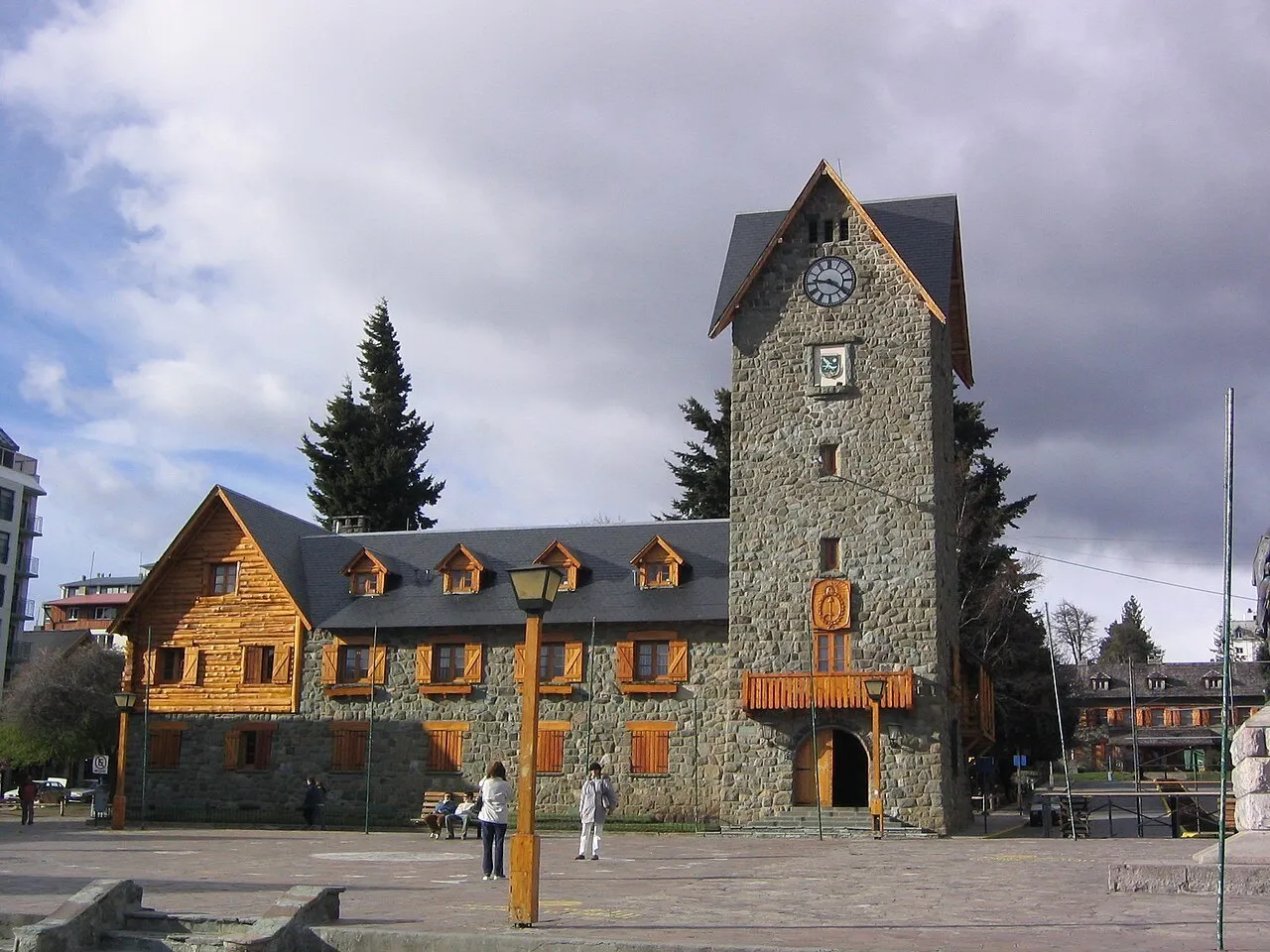
Stone, timber and a square open to Nahuel Huapi: the Civic Center brings together downtown's most recognizable architecture and Bariloche's everyday life.
View details for Civic Center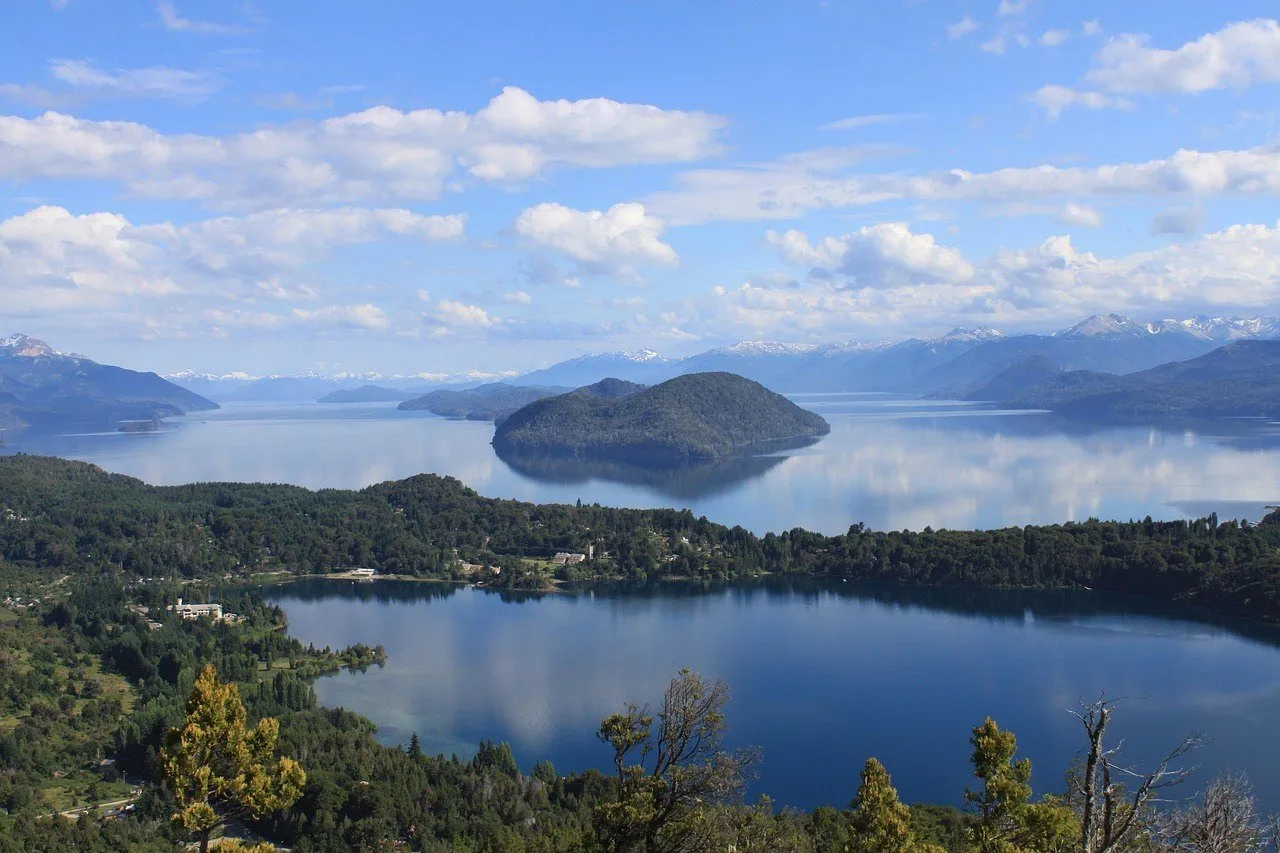
Argentina
The wind off Nahuel Huapi calls for a jacket, the shop windows on Mitre Street call for a break, and you still have to pick which mountain to climb. In Bariloche, even the chocolate makes it into the day's plan.
You head out to look at Nahuel Huapi and come back with a bag of chocolate. The combination works: Bariloche has a stone-and-timber downtown, shops along Mitre Street and mountains that change the plan with the season. In summer, lakes and hikes take center stage; in winter, snow shifts the conversation to slopes, lessons and rental gear. Choosing when to go is choosing a good part of the trip, not just the coat.
Downtown can be covered on foot, but the guide keeps going down the road. Avenida Bustillo follows the lake toward the Llao Llao area and helps organize the Circuito Chico loop; in the other direction are Cerro Catedral and Lake Gutiérrez. Group your stops by area and save your best visibility day for a viewpoint. The itinerary below proposes three days of outings: if you plan to ski, add time devoted entirely to the mountain.
On Cerro Otto, the revolving tearoom turns while you stay in your seat. The view can change between one sip of hot chocolate and the next.
The cathedral's stained-glass windows also portray figures tied to local history, including the very people responsible for building the church.
Campanario and Punto Panorámico are not the same outing: the first is at the top of a hill; the second is a roadside stop with a view of Lake Moreno.
1Stone, timber and a square open to Nahuel Huapi: the Civic Center brings together downtown's most recognizable architecture and Bariloche's everyday life.
View details for Civic Center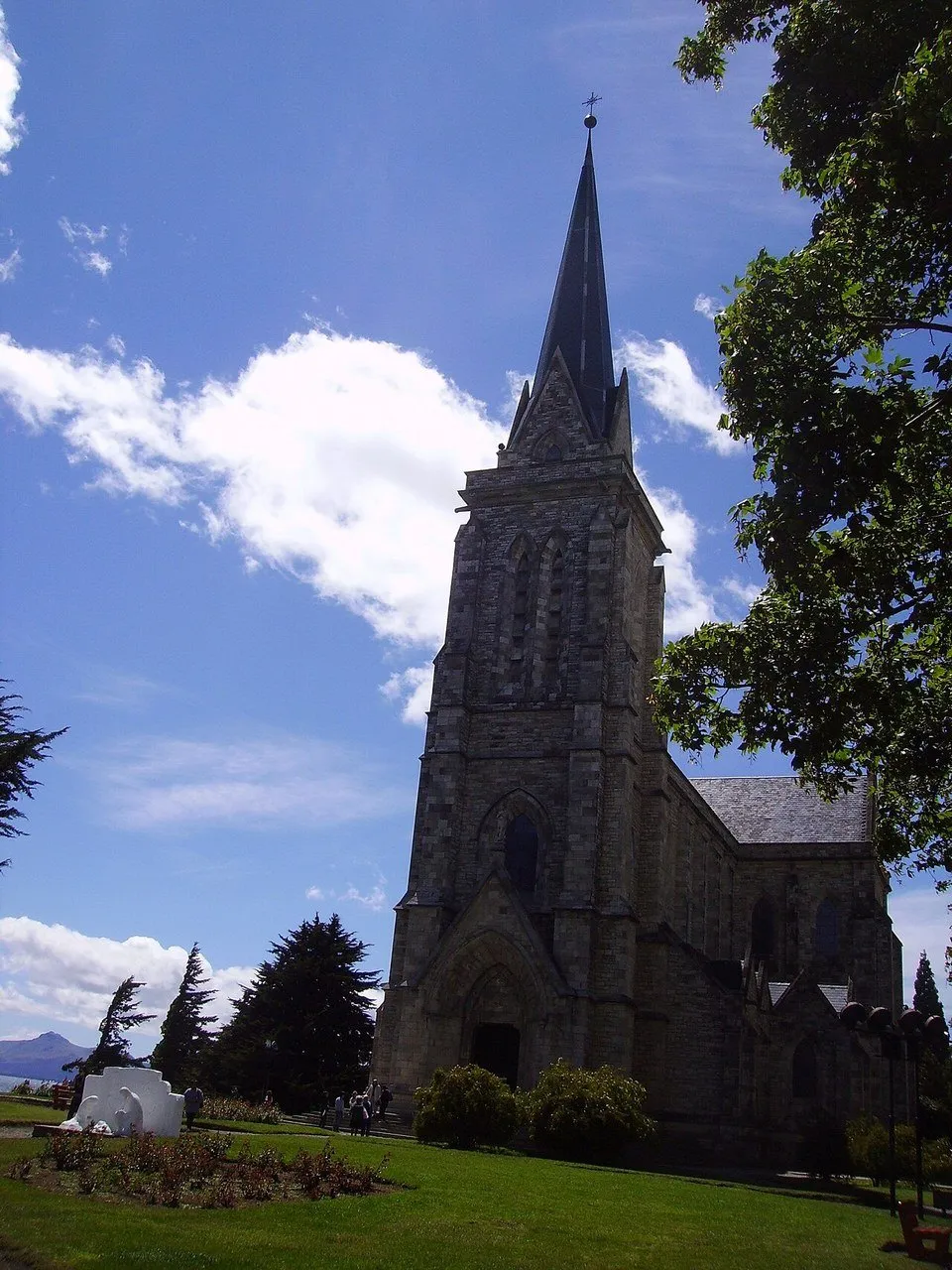 2
The neo-Gothic cathedral by the waterfront trades the bustle of the chocolate shops for stone, gardens and stained glass that nods to Bariloche's own history.
View details for Our Lady of Nahuel Huapi Cathedral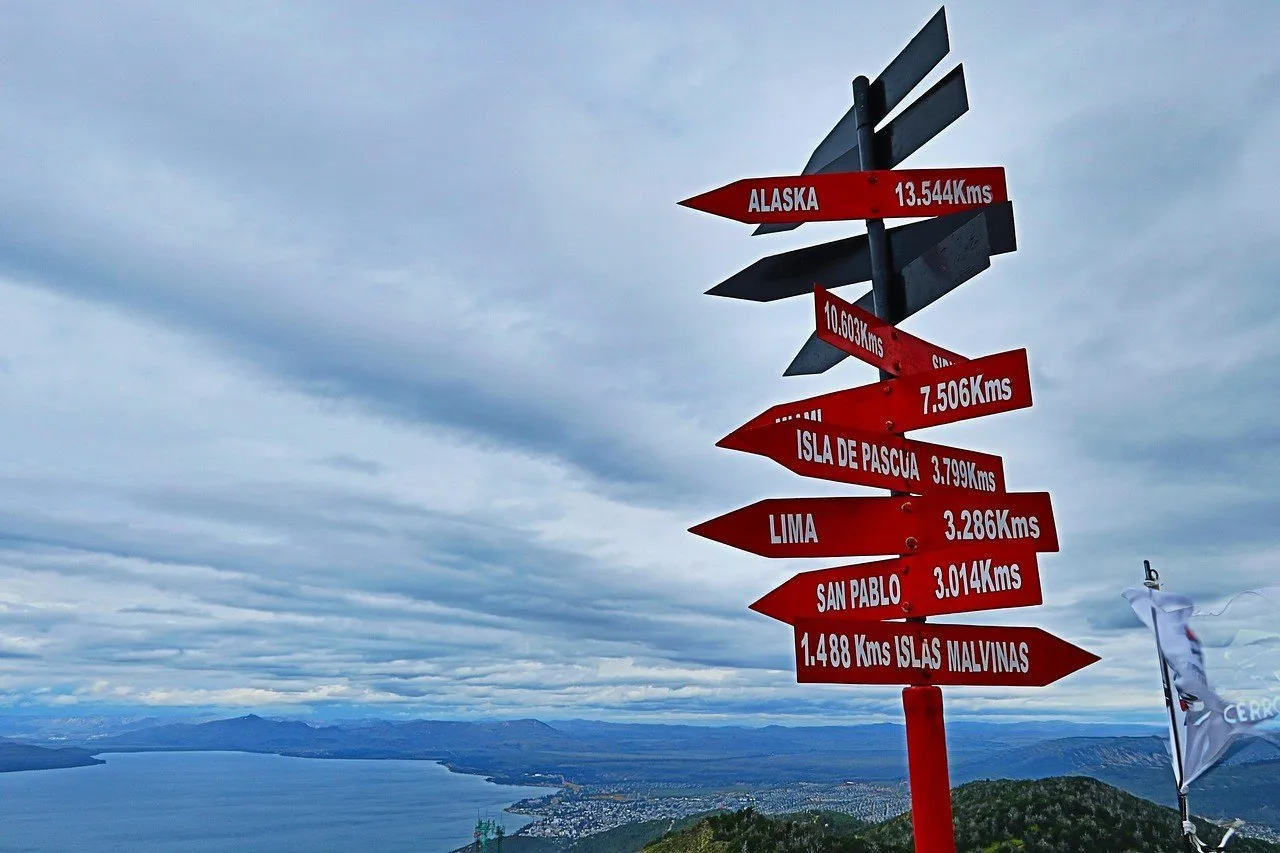 3
Gondola, mountains and a revolving tearoom: on Cerro Otto, the hot chocolate break also changes the angle of the landscape.
View details for Cerro Otto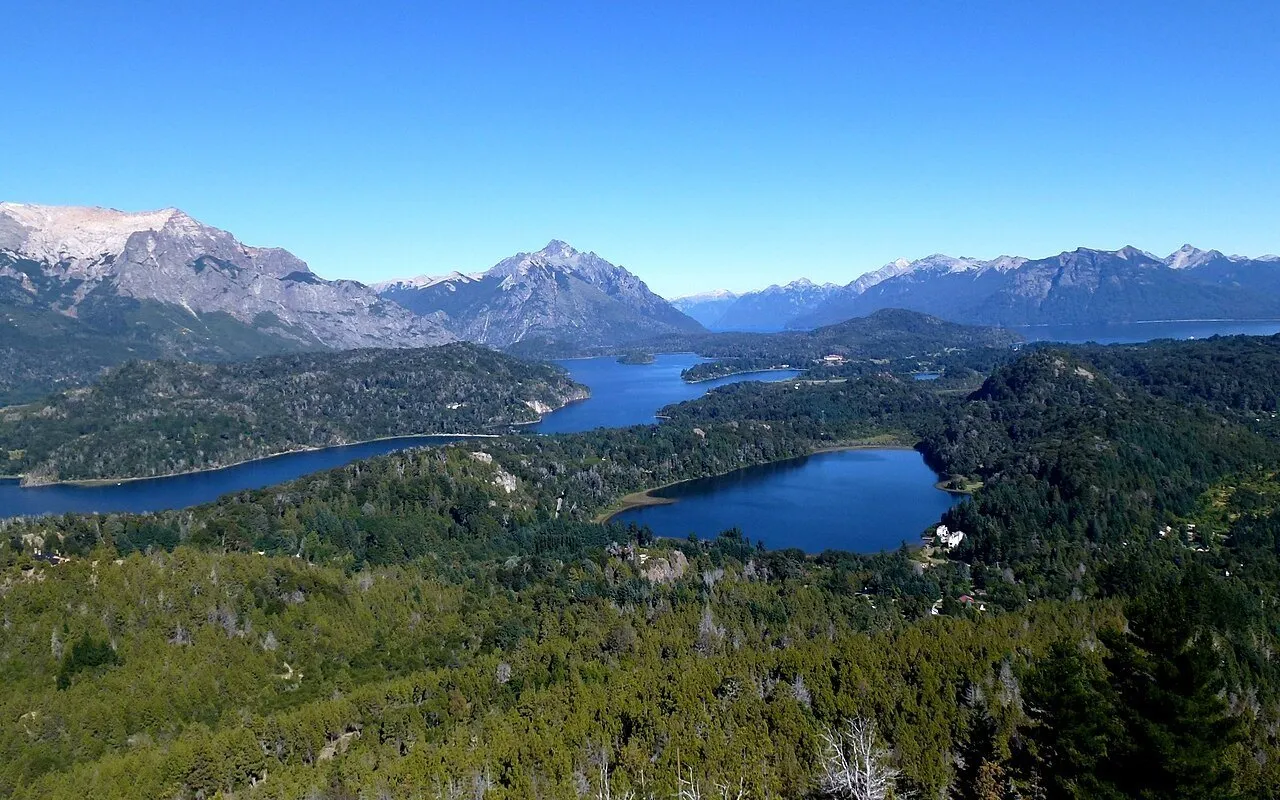 4
A hilltop with viewpoints over lakes Nahuel Huapi and Moreno: Campanario helps you grasp the pattern of lake arms, peninsulas and mountains.
View details for Cerro Campanario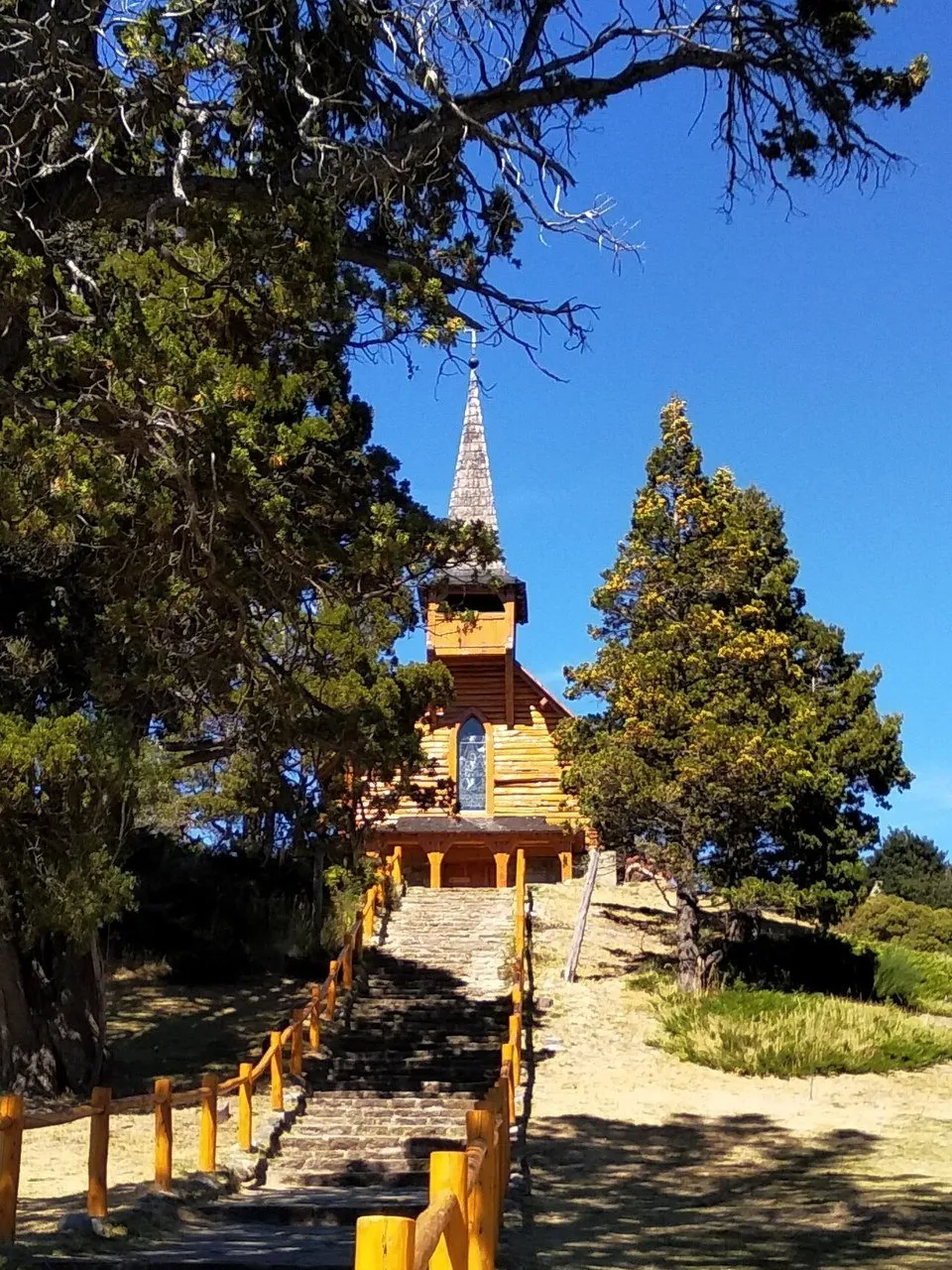 5
A mountain chapel perched near Llao Llao: the visit brings together a stone staircase, Bustillo's architecture and views of the surroundings.
View details for San Eduardo Chapel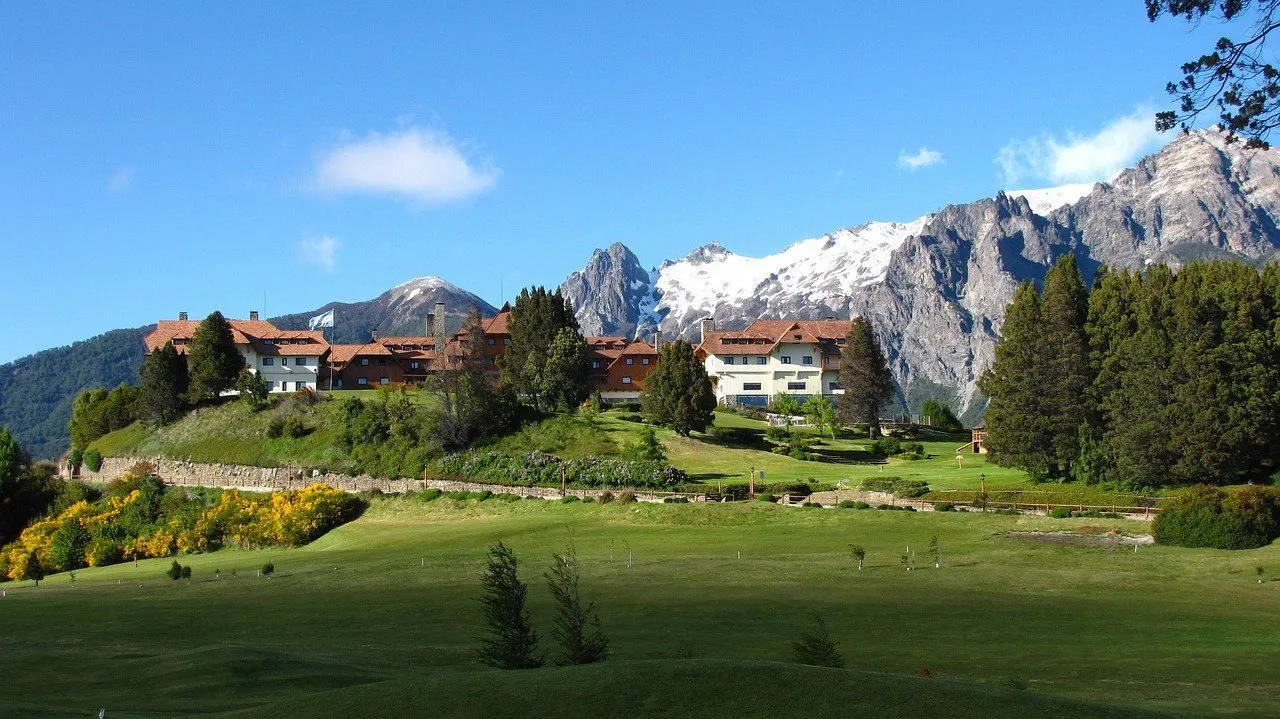 6
The roofs of Alejandro Bustillo's hotel rise between the forest and the mountains of Llao Llao, in a stop for admiring the architecture from outside.
View details for Llao Llao Hotel (exterior view)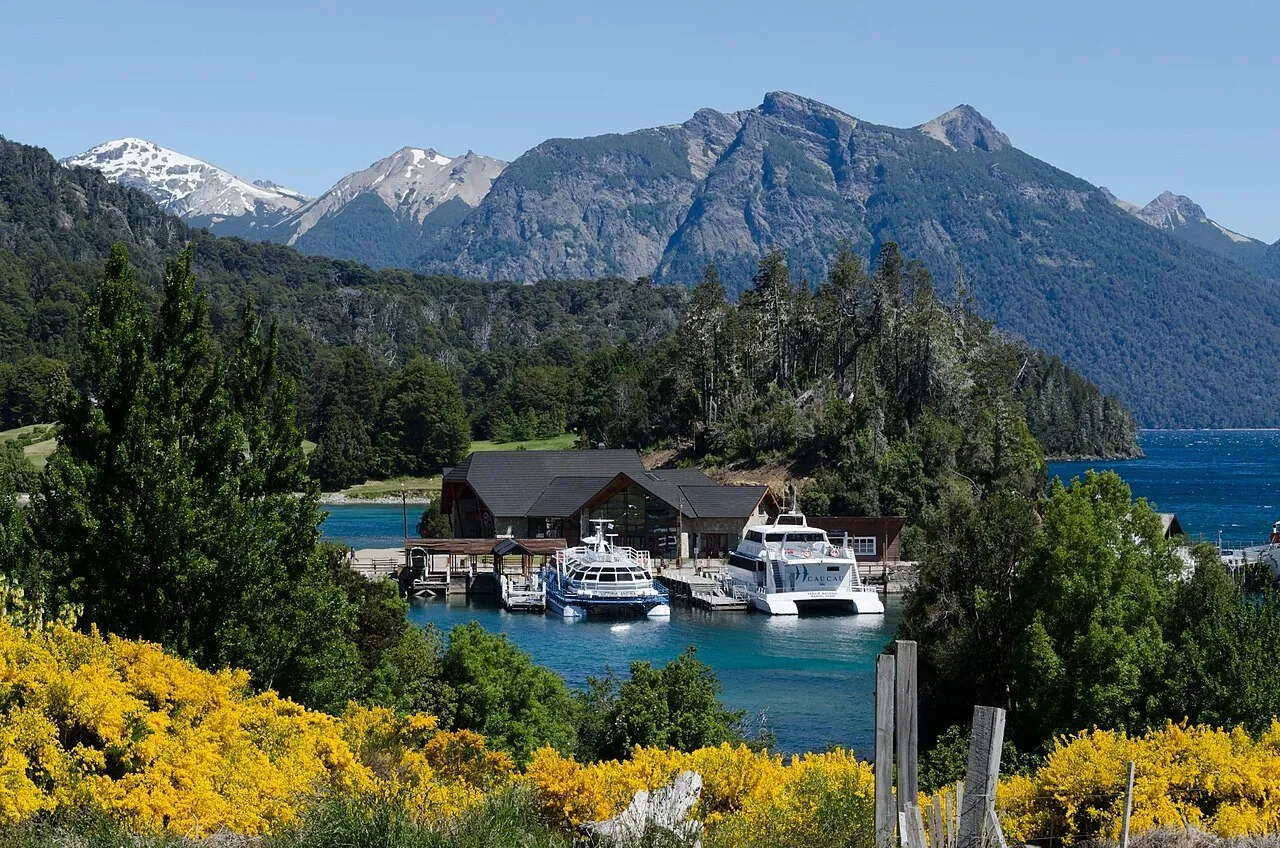 7
The Llao Llao port connects Bariloche to Nahuel Huapi's lake excursions and lets you watch boats coming and going among the mountains.
View details for Puerto Pañuelo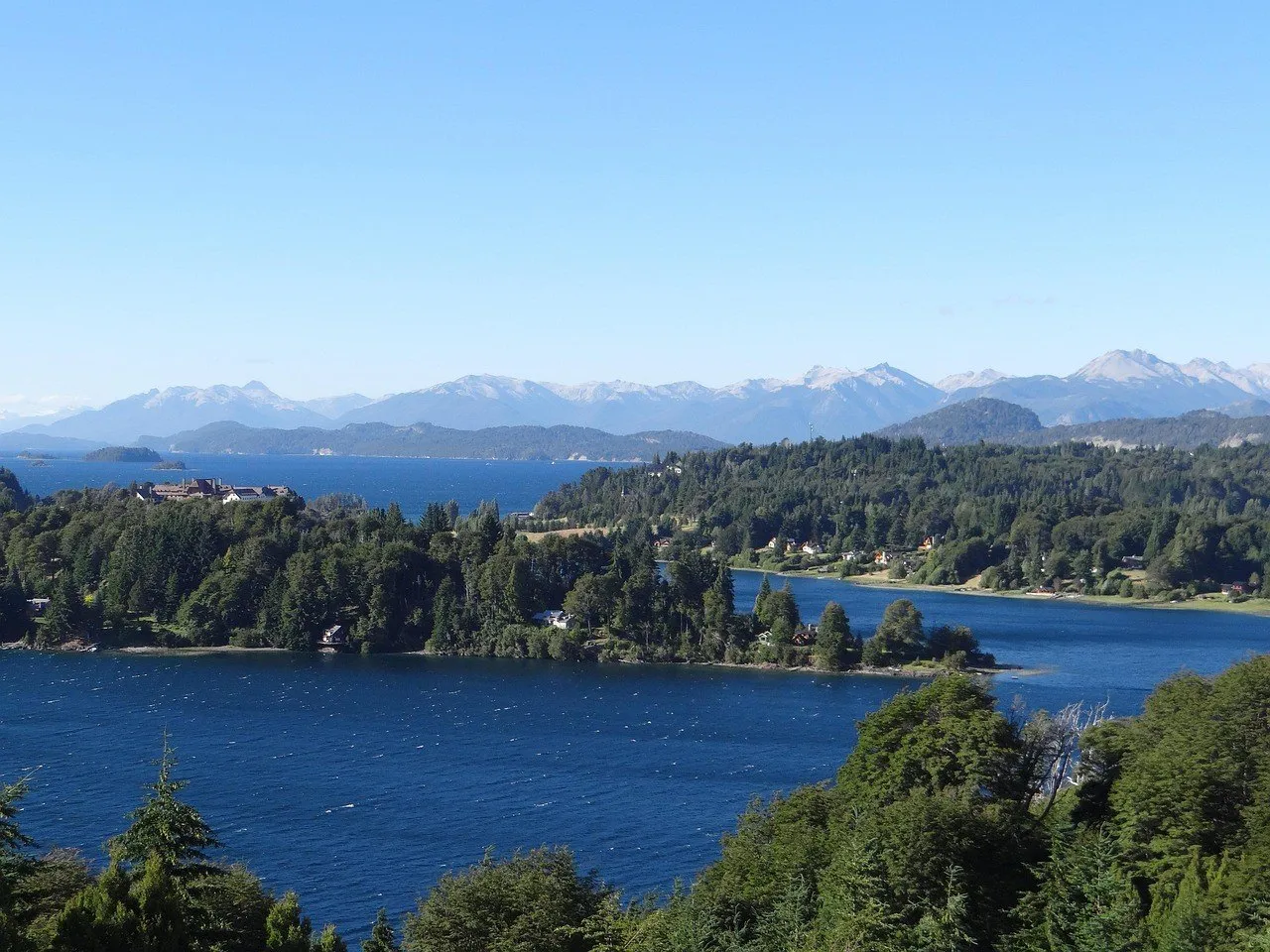 8
A stop along the Circuito Chico for views of Lake Moreno and the Llao Llao peninsula, with no need for a cable car to reach the vantage point.
View details for Punto Panorámico on the Circuito Chico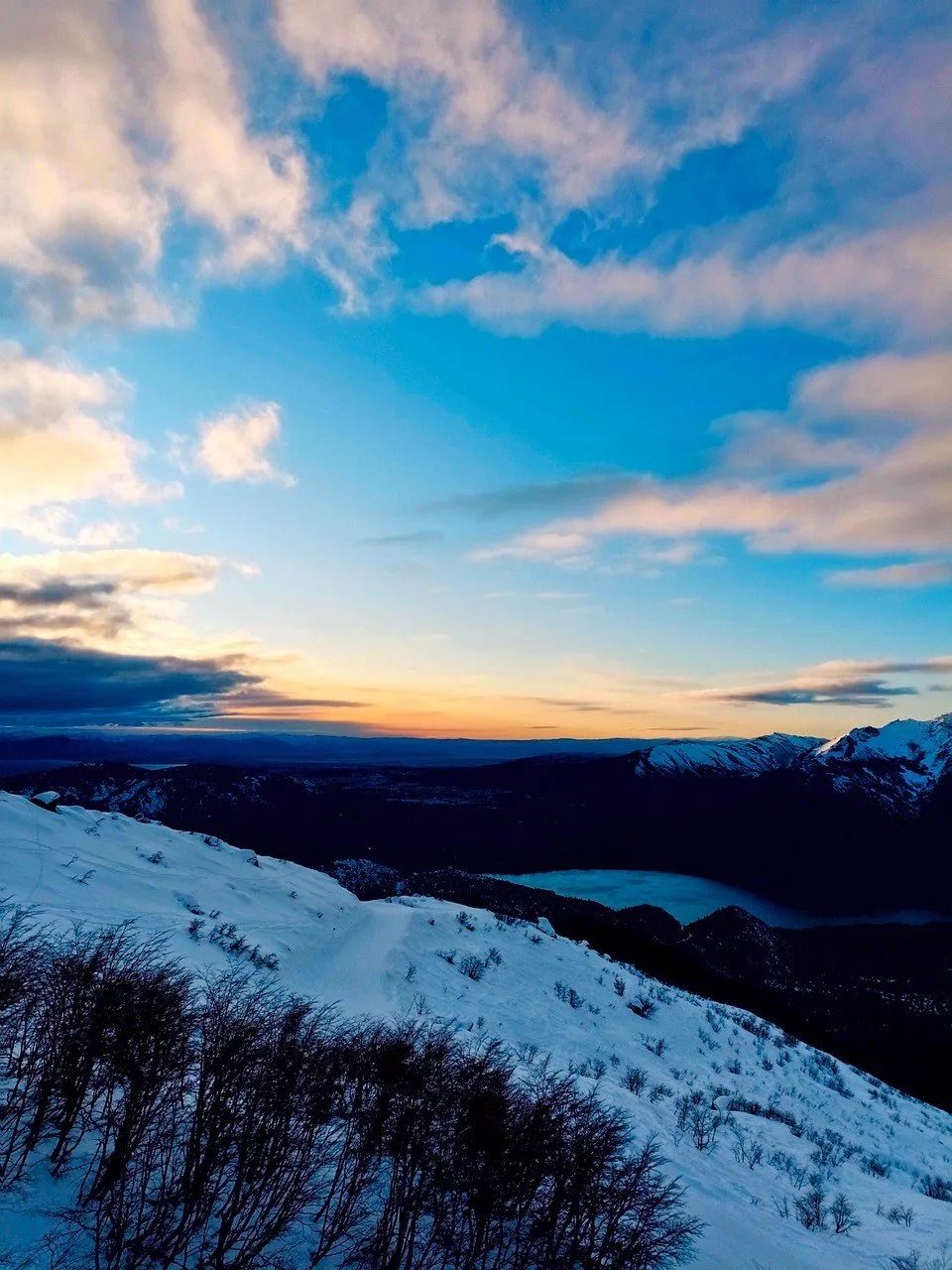 9
The ski-slope mountain also has a sightseeing visit: the plan changes with the season, the lifts available and the weather.
View details for Cerro Catedral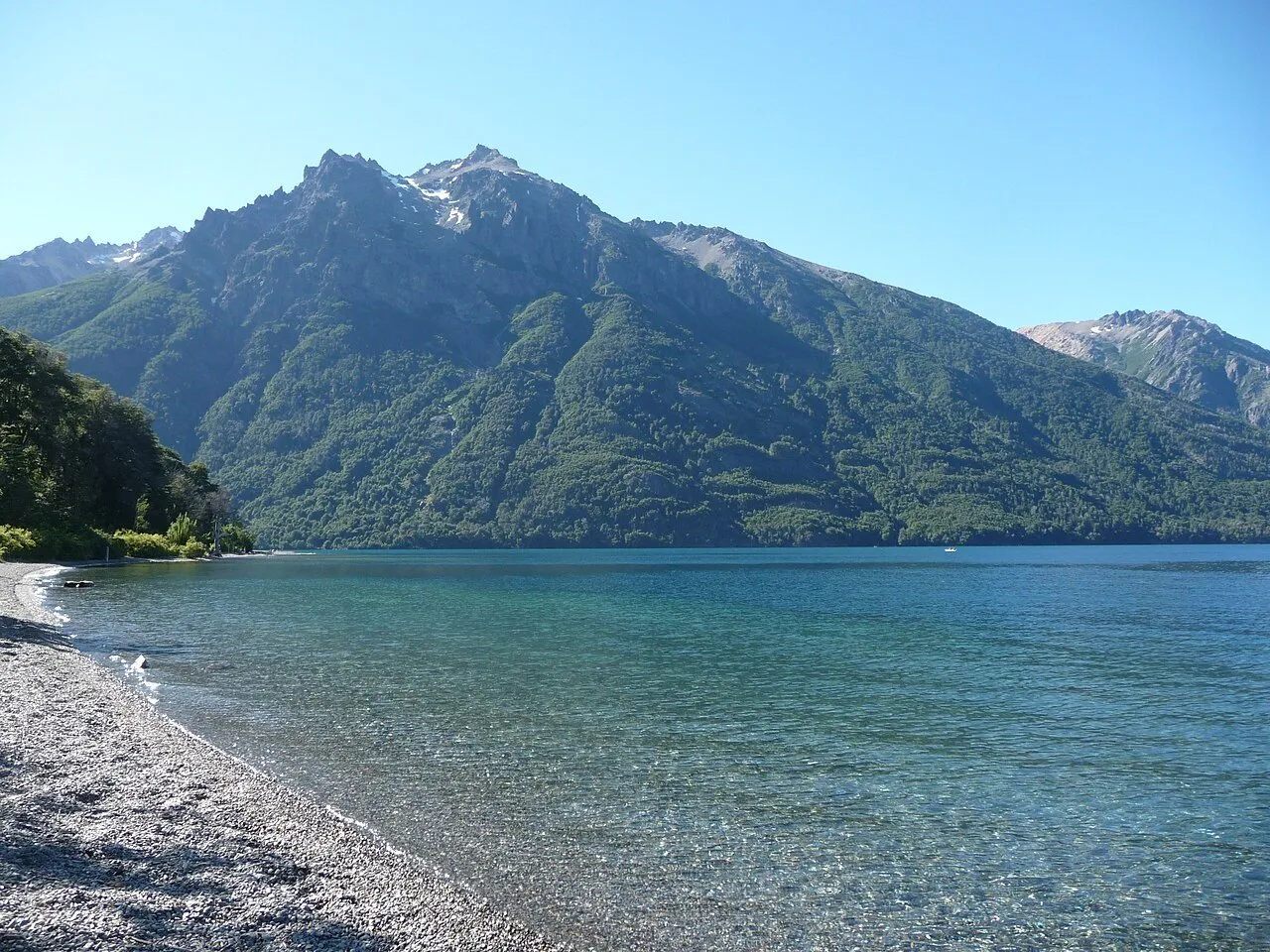 10
Between cerros Otto, Catedral and Ventana, Gutiérrez offers a different scale of lake, with beaches and access through the Villa Los Coihues area.
View details for Lake Gutiérrez1The Civic Center square puts Nahuel Huapi in the background and stone-and-timber buildings all around. The complex was designed by Ernesto de Estrada and houses the Patagonia Museum. It's a good start for understanding why the city doesn't feel like a ski resort built only for the season.
Look at the façade details, cross the square, then head to Mitre Street, where the chocolate shops compete for your attention. The idea of buying souvenirs only on the last day starts to sound unconvincing here.
2Near the lake, the Cathedral of Nuestra Señora del Nahuel Huapi stands out for its stone-and-concrete neo-Gothic construction. The design is by Alejandro Bustillo, who is also linked to other landmark buildings in the region. The surrounding park lets you take in the façade without needing to go inside.
When it's open, step in slowly to see the stained glass. Besides religious scenes, there are figures from regional history and references to those responsible for the work. It's a detail that rewards a more attentive visit than a quick photo of the tower before heading back to the waterfront.
3The gondola ride is already part of the Cerro Otto experience, with cabins crossing the slope up to the tourist complex at the top. Up there, the views reach Nahuel Huapi, Lake Gutiérrez and other mountains in the region. Leave room to simply look, without turning every window into a photo contest.
The most curious attraction is the revolving tearoom: you stay seated and the landscape changes places. The complex also has a gallery with replicas of works by Michelangelo. Confirm that it's operating before heading out; the outing depends on conditions and maintenance stoppages.
4From the top of Campanario, the lakes stop looking like a single blue strip. The viewpoints show Nahuel Huapi, Moreno, Laguna El Trébol and the mountains that close off the horizon. It's worth walking around to the different angles: the first view tends to cause a small meltdown in your ability to decide where to point the camera.
You can go up by chairlift or on foot, depending on local conditions. The tearoom offers another way to take in the scenery, this time with a table between you and the window. Combine the stop with the Circuito Chico, leaving time for the ride up and down.
5A stone staircase leads up to the small San Eduardo Chapel, built on a rise in the Llao Llao area. Alejandro Bustillo's design blends a mountain idiom with neo-Gothic elements. Here, the building is on a very different scale from the downtown cathedral; the setting is as much a part of the visit as the façade.
Notice the chapel's volume, the approach and its relationship with the hotel and Cerro López in the landscape. If it's open to visitors, take a look inside too. Since the place keeps its religious function, plan your stop around service times and celebrations.
6The Llao Llao's pitched roofs blend into the landscape near Puerto Pañuelo. Designed by Alejandro Bustillo, the hotel helps you recognize the mountain architecture that appears at other points around Bariloche. Look at the design of the whole complex from the public areas nearby, choosing an angle that includes the forest and the slopes.
The idea of this stop is to enjoy the exterior. Access to the hotel's spaces depends on the establishment's rules; for a guided visit or to have a meal or drink, check availability directly. That way, the photo of the roofs fits into the Circuito Chico without turning the outing into a hotel booking.
7Boats change the scale of Nahuel Huapi at Puerto Pañuelo, in the Llao Llao area. Lake excursions depart from here, and the bustle of the port reminds you that the lake is also a route. For a short visit, stay in the authorized areas and watch how the boats, the forest and the mountains relate to one another.
Boarding is a different plan, with a check-in time, travel to the port and services that may be charged separately. Don't add a whole boat trip as if it were just one more photo stop on the Circuito Chico. Check with the operator what the ticket includes and how much time to set aside.
8Not every viewpoint in Bariloche requires a mountain climb. The Punto Panorámico on the Circuito Chico sits along the road and opens up views of Lake Moreno and the Llao Llao peninsula. It's the stop for taking in water, forest and relief in a single glance, with different logistics from a visit to Campanario.
Since access is part of a road route, watching for traffic still matters even when the lake seems to fill your whole field of view. Plan a safe stop and use the area set aside for viewing. The photo can wait until the car is properly parked.
9The name Catedral also belongs to a mountain, and here ski gear takes the place of stained glass. The resort brings together slopes, lifts and services at the base, with activities that vary by season. For a first visit without skiing, confirm which scenic lifts will be running on your date.
Anyone who wants to learn to glide needs a different pace: clothing, equipment, lessons and transfers take time even before the first run. Set aside the day for that and leave the rest of the itinerary for another occasion. Going up as a pedestrian and skiing are different plans, including in the choice and cost of the ticket.
10Gutiérrez fills a valley ringed by cerros Otto, Catedral and Ventana. For a simple visit, use the Villa Los Coihues area, at the northern end, as your reference point. The water, the strip of beach and the nearby slopes make a different kind of break from the high viewpoints of the Circuito Chico.
Pick a permitted stretch of shoreline and set aside time with nothing to do. If the idea shifts from resting to hiking, find out beforehand about the route, conditions and any registration requirement. The lake has several access points, and reaching the shore doesn't mean you're ready for any trail that starts nearby.
Treat downtown as an on-foot block and plan outside excursions by area. There are buses to popular attractions, but check routes, frequencies and the last return before heading out; many stops in one day may work better with a tour or a car.
The municipal portal states that public transport is paid with SUBE. Confirm the accepted payment methods and where to top up before your first ride, especially for the airport and the more distant excursions.
Summer can bring a big gap between daytime heat and cold nights. Bring layers, wind protection and sturdy footwear; choose your viewpoint day by the weather, rather than tying the whole trip to a fixed order.
Before paying for a winter outing, check the conditions and what's included: transport, ticket, clothing, equipment and lessons can be separate services. A day of skiing needs time for picking up gear and learning.
Ask park rangers about permits, difficulty and trekking registration before hiking in a protected area. Bring water, carry your trash out and respect the signs; even a short trail can have poor conditions.
Do the math in pesos and check the conversion and fees on your payment method. For cable cars and tours, ask for the total with transfers and extras; an old price found online makes a poor budget.
Among the windows of Mitre Street, chocolate goes from souvenir to travel plan. For a meal, look for trout, lamb and smoked dishes; the regional offering also includes craft beer and tearooms along Bustillo. Choose an unhurried break, rather than turning every restaurant into a stop between two transfers. The jacket can stay on the back of the chair for a few minutes.
Bars, bonbons or a hot cup: pick one form to try now and another to take home, if the bag survives the trip.
A fish found in regional cooking, served in different preparations; it's worth looking at the house's approach before ordering.
One of the flavors associated with the region, a good choice for a leisurely meal after the mountains.
Local production earns its own stop in the itinerary; pair the tasting with a ride back that's already arranged.