1Auckland Art Gallery Toi o Tāmaki
The gallery in central Auckland presents art from New Zealand, Māori and Pacific art and international works; the building deserves a look before you go in.
View details for Auckland Art Gallery Toi o Tāmaki
New Zealand
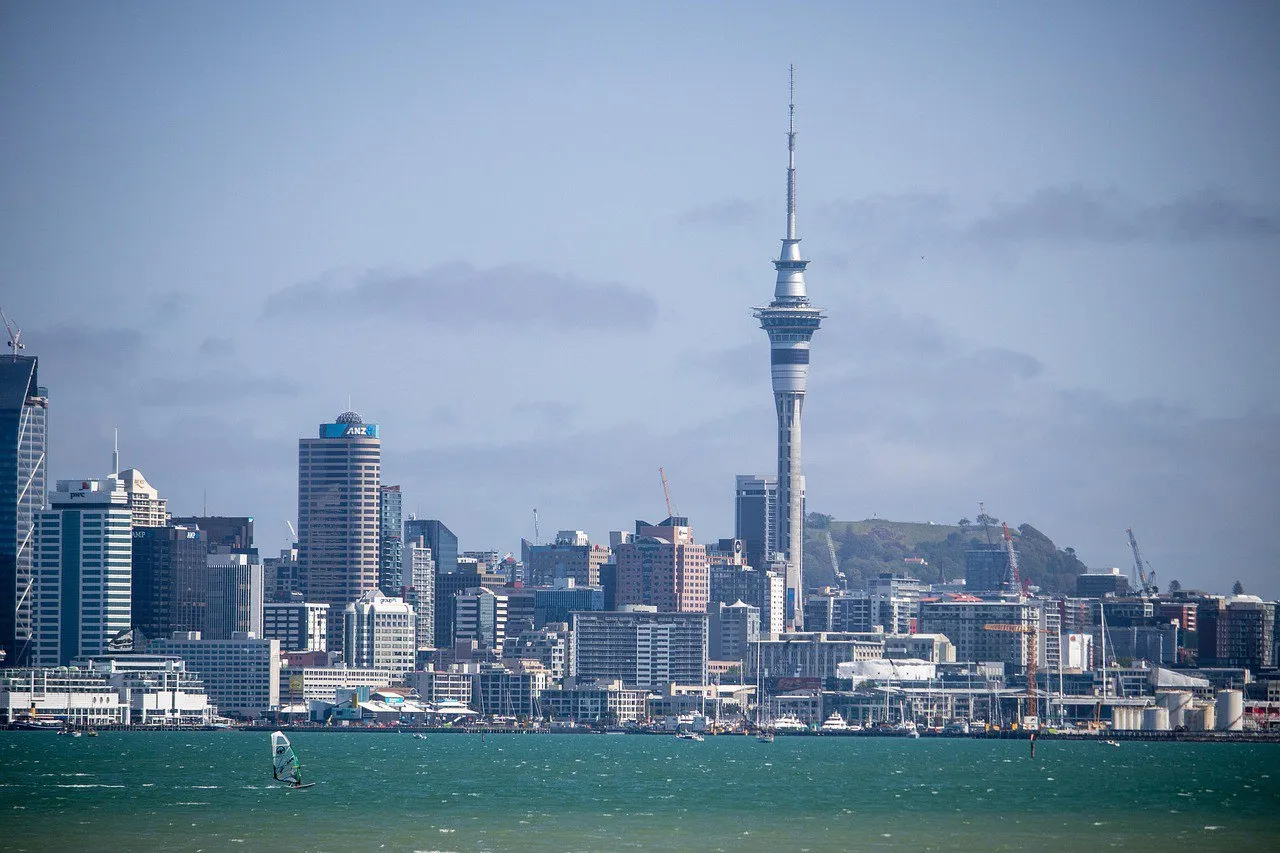
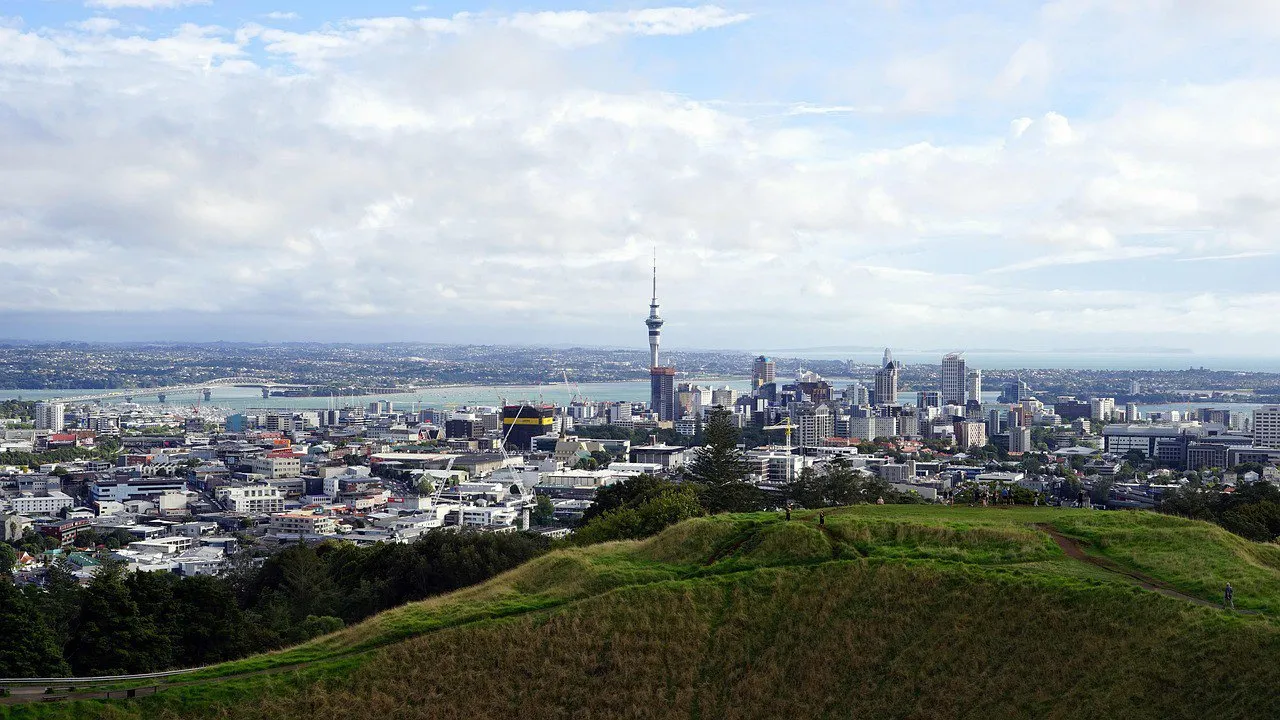
From the top of Maungawhau, the green crater lies at your feet and the Sky Tower rises between the buildings. In Auckland, you alternate between climbs up volcanic cones and walks beside the harbor's boats.
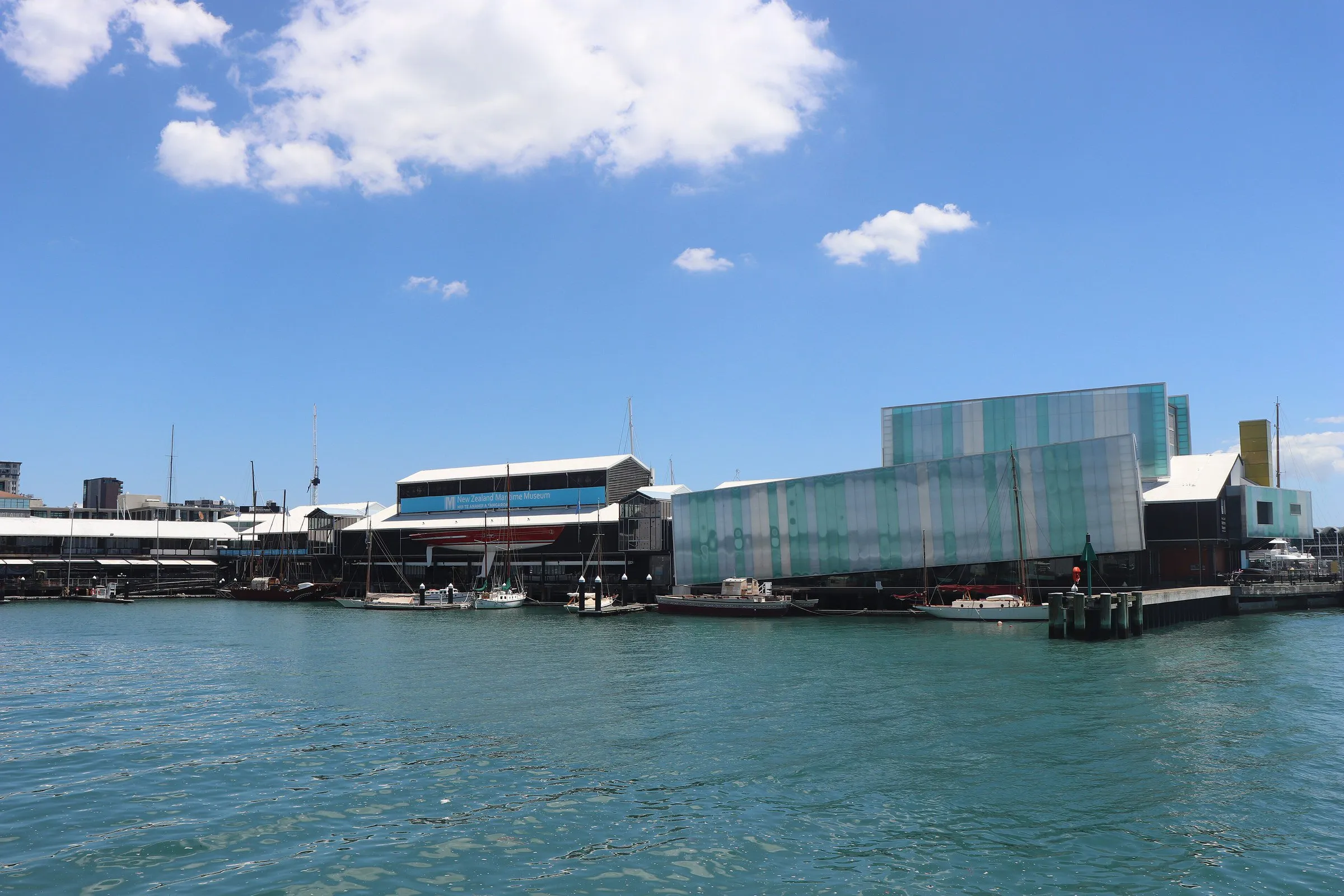
At the New Zealand Maritime Museum, the subject of the galleries can also turn into sailing: historic boats head out into the harbor on trips with their own schedule and tickets.
Maungakiekie and Cornwall Park sit side by side but are managed separately; the ancestral mountain is cared for by the Tūpuna Maunga Authority.
The Auckland Museum is also a war memorial. Its full name, Auckland War Memorial Museum, helps explain why a visit brings together such different subjects.
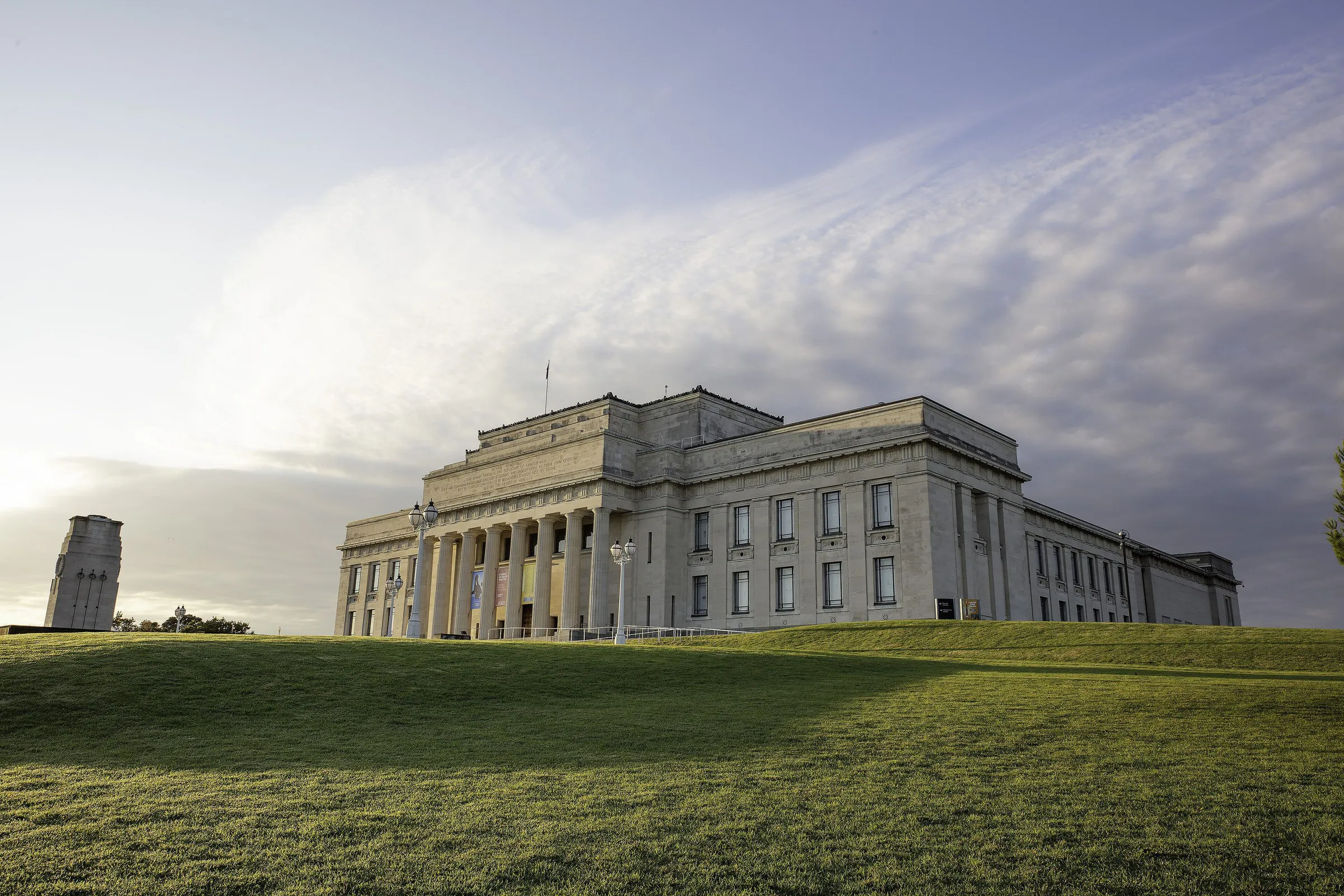
1The gallery in central Auckland presents art from New Zealand, Māori and Pacific art and international works; the building deserves a look before you go in.
View details for Auckland Art Gallery Toi o Tāmaki
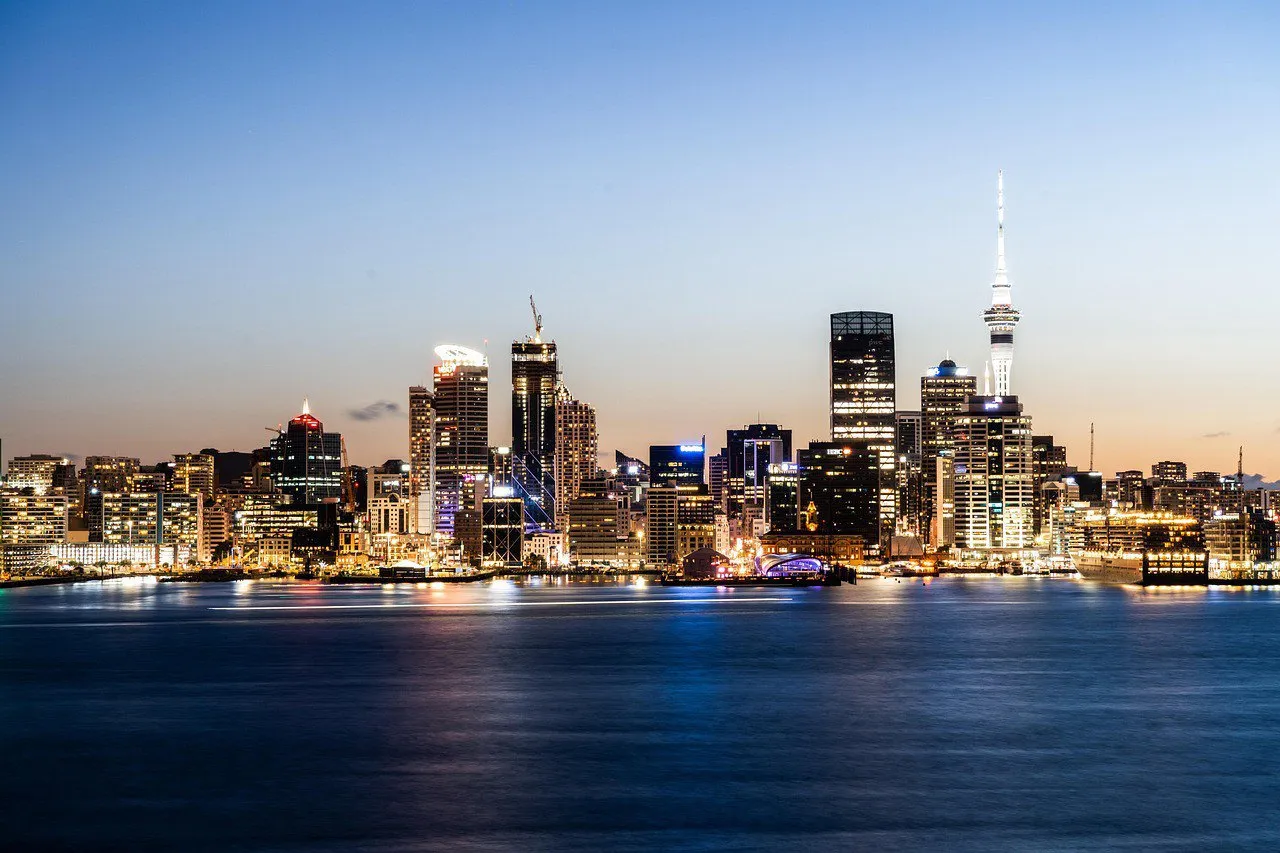
2The observation tower in central Auckland helps you locate the harbor, the volcanic cones and the islands; visibility is a big part of choosing the day.
View details for Sky Tower
3Beside Viaduct Harbour, the maritime museum connects boats and stories of the sea to life in New Zealand and to the links between the Pacific islands.
View details for New Zealand Maritime Museum
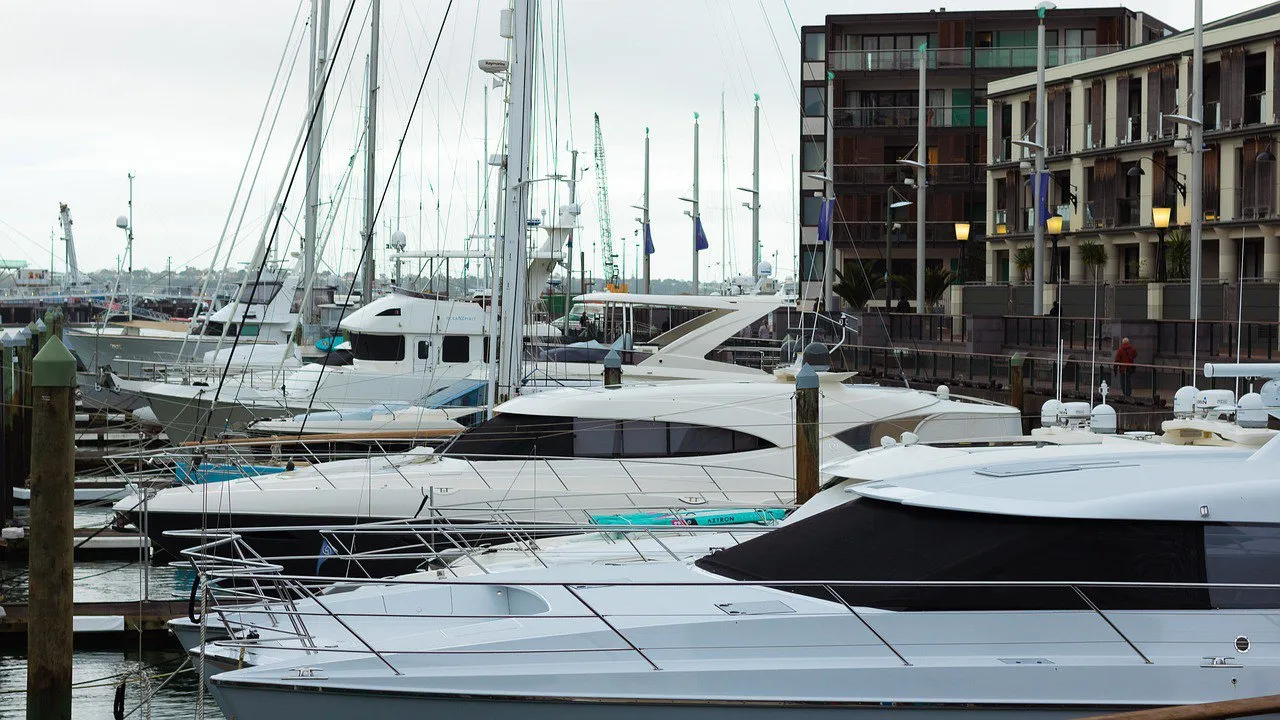
4Marinas, waterside promenades and former industrial spaces make up the stretch of waterfront between Viaduct Harbour and Wynyard Quarter, near the center.
View details for Viaduct Harbour and Wynyard Quarter
5In the Auckland Domain, the museum and memorial presents stories of Aotearoa, nature and conflicts; check which galleries are open before setting your priorities.
View details for Auckland War Memorial Museum — Tāmaki Paenga Hira
6The preserved crater and the view of the buildings make Maungawhau a good urban walk; the ancestral mountain calls for attention to the marked paths.
View details for Maungawhau / Mount Eden
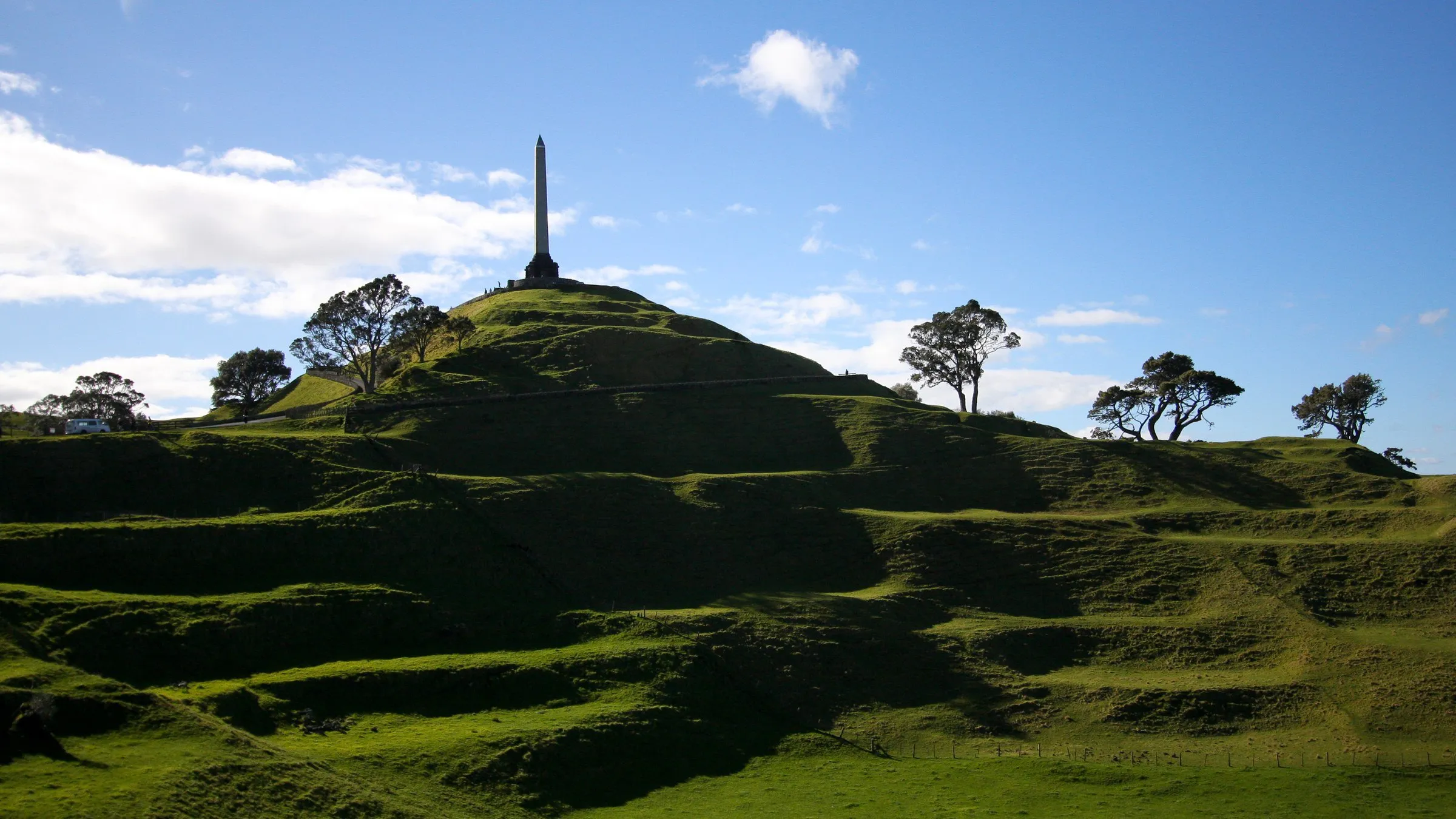
7The ancestral mountain next to Cornwall Park preserves the terraces and ditches of an old Māori pā; the walk to the summit offers another perspective on Auckland.
View details for Maungakiekie / One Tree Hill
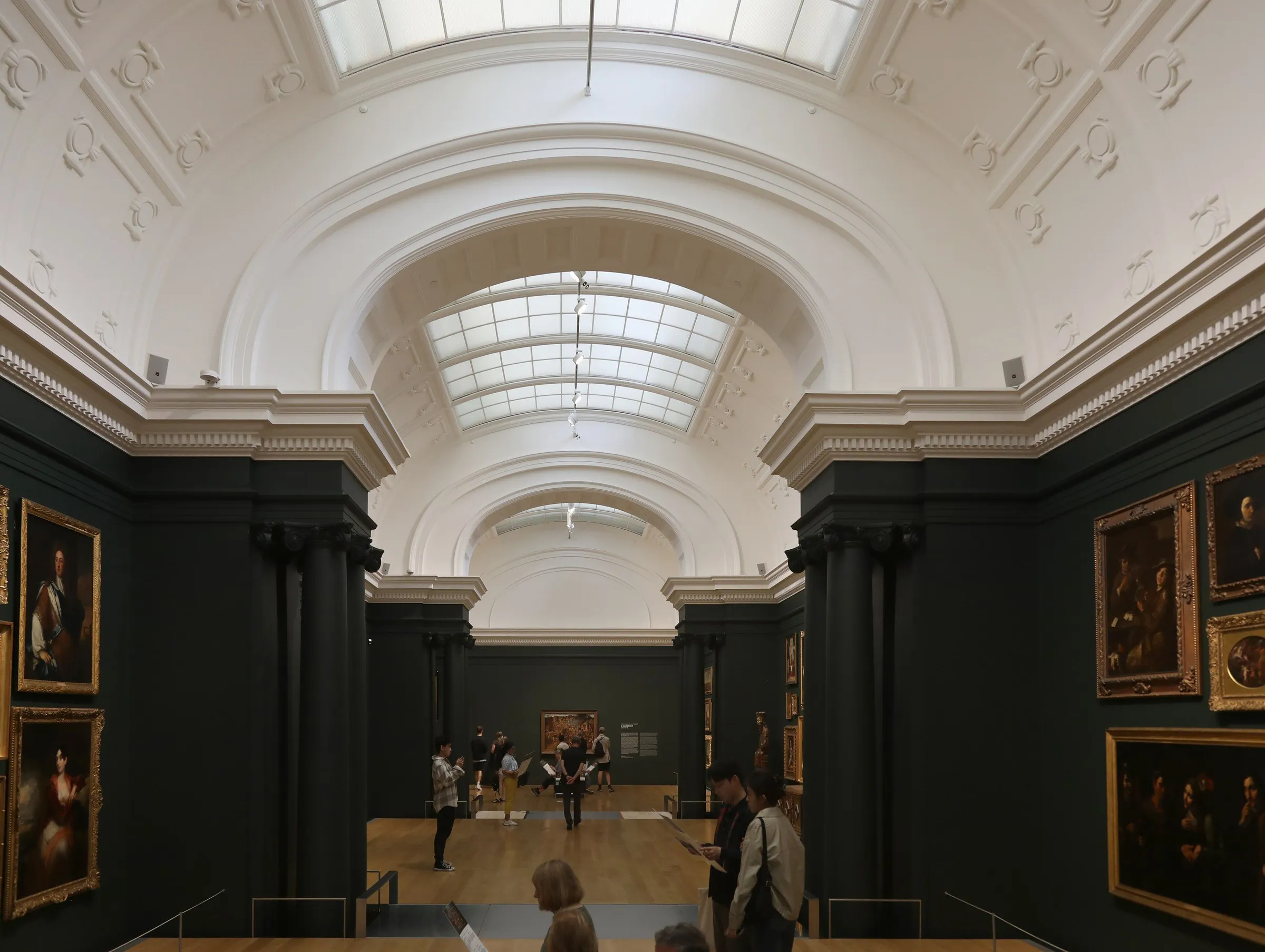
1The timber canopy changes the rhythm of the sidewalk before you step into the galleries. Auckland Art Gallery Toi o Tāmaki brings together art from New Zealand, Māori and Pacific works, and international pieces. Start with the day's program to choose a route, instead of turning the visit into a checklist of paintings seen.
Leave time to look at the works and read about who made them and in what context. The general collection is usually free to enter, while special exhibitions may require a ticket. The cloakroom takes backpacks and larger items.
2From up there, the city stops looking like a string of slopes and arranges itself around water, buildings and green cones. The Sky Tower has observation decks for picking out the harbor and Auckland's surroundings.
Choose your time by visibility and check what your ticket includes. Access options may cover different decks, and bad weather or private events change how it operates. On an overcast day, consider swapping the itinerary blocks; paying for the view doesn't usually persuade a cloud to move.
3The marina's boats stay in view as you arrive at the New Zealand Maritime Museum. The Hobson Wharf location suits the subject of the galleries: Aotearoa's relationship with the sea and Pacific connections. Look at the vessels and pick the open exhibitions that best help you understand this landscape.
The museum also offers sailing trips on historic boats, sold according to the schedule and the day's conditions. Treat the trip out into the harbor as an extra choice with its own time, and don't assume it comes with the gallery ticket.
4Masts fill much of the view at Viaduct Harbour. Follow the water's edge between boats, tables and buildings to the link with Wynyard Quarter, where the waterfront combines public spaces with traces of its industrial past. Here, wandering without too ambitious a goal usually works better than setting aside fifteen minutes to "see the harbor."
Use the walk to wrap up the museum block and decide where to eat by looking at menus without rushing. The pedestrian crossing between the two areas depends on the access available; follow the signs if there is a detour.
5The columned facade rises above the lawn of the Auckland Domain. Inside, the Auckland War Memorial Museum connects the stories of New Zealand, nature and the memory of conflicts. Give the open galleries time to explain the region you are traveling through, instead of using the building as just a backdrop for photos.
Choose your route using the current map. When this guide was researched, the museum listed the Māori Court and the Pacific galleries as closed, although other rooms continued to present Māori objects and stories. Check the notices so you don't plan your morning around an exhibition you can't enter.
6The crater opens a green void right in the middle of the Auckland view. At Maungawhau, also called Mount Eden, the climbing path lets you see how the city spreads around the volcanic cone.
This is an ancestral Māori mountain, with remains of an old pā, a fortified settlement. Stay on the formed paths and never go down into the crater, which is sacred. The main road up has restricted vehicle traffic; be ready to walk, and check the accessibility guidance if you need another way up.
7Terraces cut across the slope of Maungakiekie, also known as One Tree Hill. They are not shortcuts to make the climb easier: they are part of the remains of an important Māori pā. Look at the terrain with that in mind and the mountain shows much more than a green surface for a stroll.
Follow the permitted route to the top and protect the archaeological terraces and ditches, which are sensitive to erosion. The summit does not admit private vehicles; plan the walk to suit your pace. Cornwall Park is next door but is managed separately. Combine it with Mount Eden, leaving time to travel between the mountains.
Compare the direct bus to the center with the AirportLink and train combination via Puhinui. Check the current route before leaving the terminal and leave a margin for connections and traffic.
On services that accept tap-on payment, tap on and off with the same card or device. Each traveler needs their own payment method; check the connection conditions before boarding.
Maungawhau and Maungakiekie are ancestral mountains. Follow the open routes, protect the archaeological terraces and never enter the crater of Maungawhau.
Bring a waterproof layer and sun protection for the climbs and the waterfront walks. In summer, accommodation can get tighter; in winter, prioritize outdoor outings for the daylight hours.
On the waterfront, zip up your backpack before taking photos. Stop out of the flow of foot traffic to check the map or pay for transport, and put your phone away when you finish.
After the masts of the Viaduct and the climbs up the maunga, a stop to eat deserves more than a hasty snack. Fish and chips suits the waterfront; the hāngī shows another way of preparing meat and root vegetables. Auckland also has a table with Asian influences: dumplings can end up on your order list too.
Battered or crispy-coated fish with fries; ask which fish is being served and choose your portion before making any commitments to the seagulls.
A Māori method of cooking food with heated stones in an earth oven; meat and root vegetables, such as kūmara, can be part of the meal.