 1
Religion
Metropolitan Cathedral
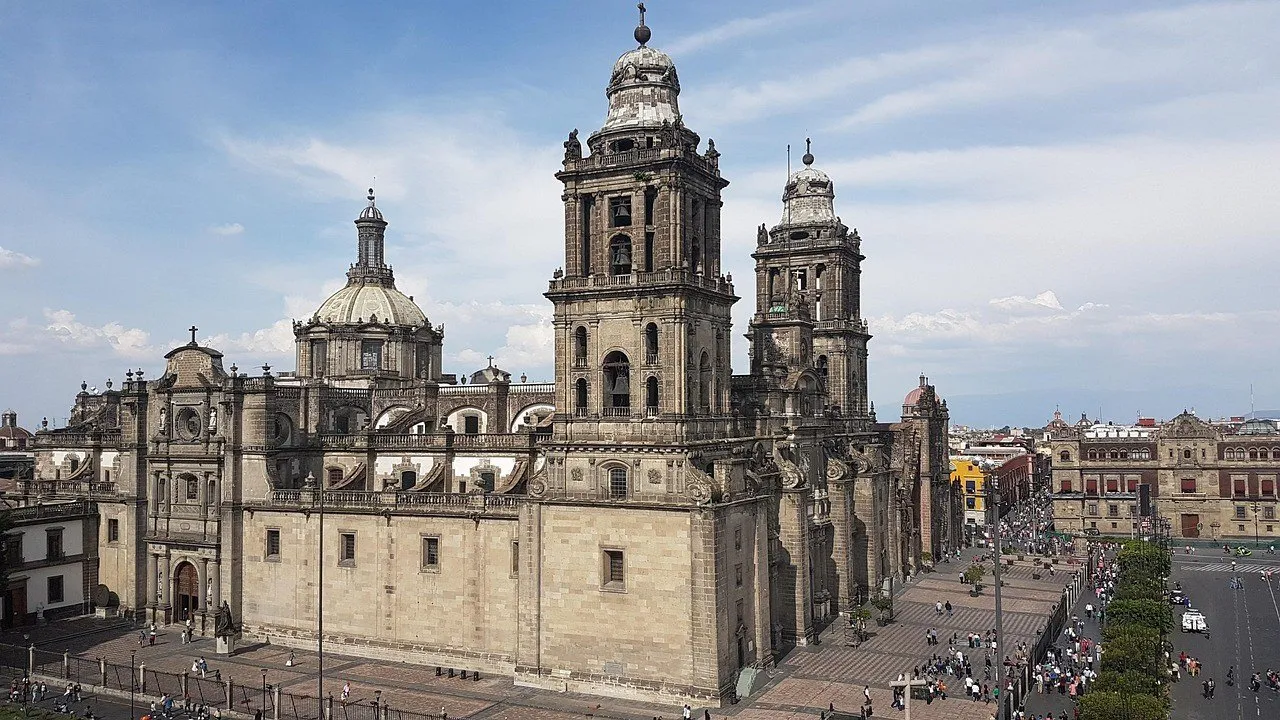
Almost 250 years of construction, from 1573 to 1813, explain the mix of styles of the great church on the Zócalo, built over the former Aztec sacred precinct.
View details for Metropolitan Cathedral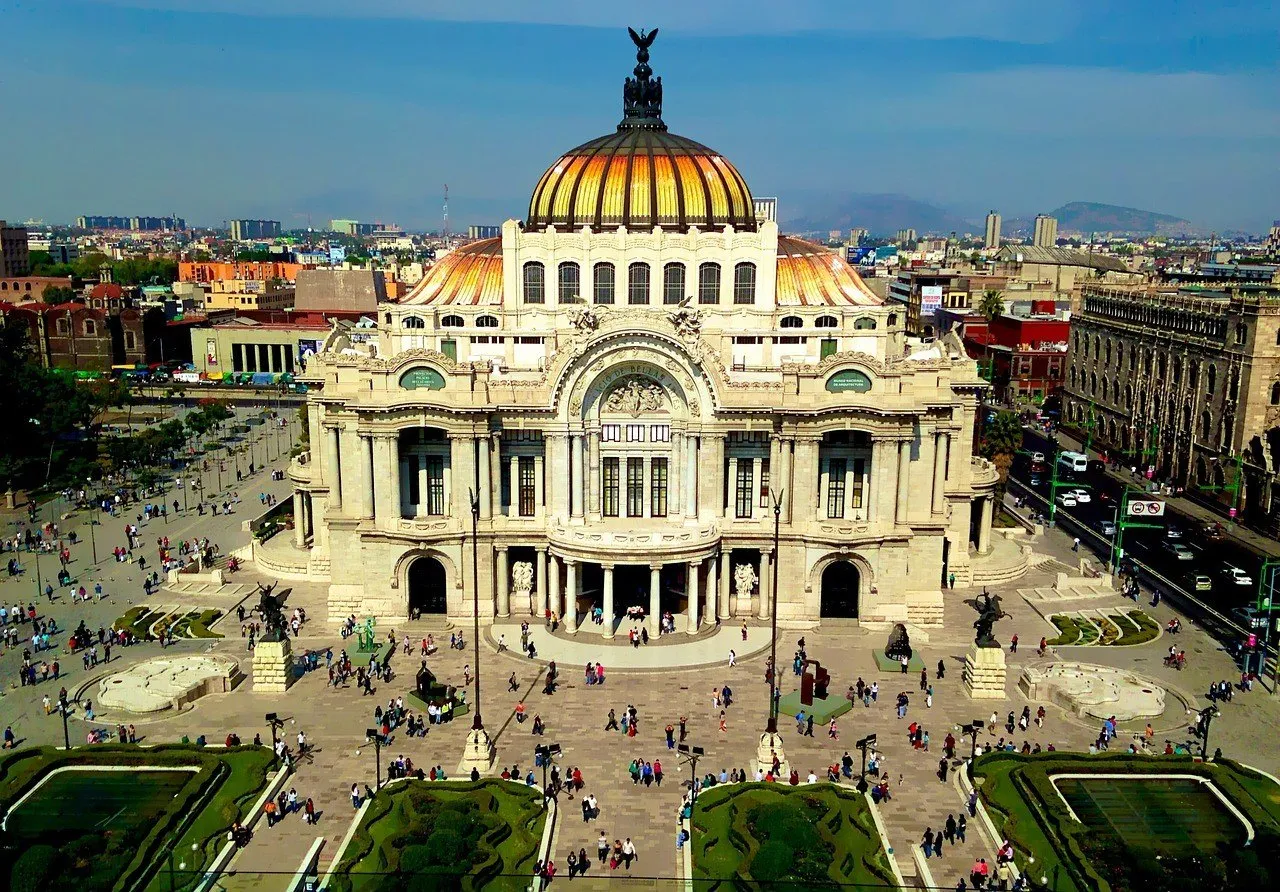
Mexico
In the heart of Mexico City, the Palacio de Bellas Artes has sunk about four meters, Aztec ruins pop up next to the cathedral, and the ground itself keeps reminding you this was once a lake. Bring an appetite and good sneakers.
Mexico City sits 2,240 meters above sea level, and your body notices before your brain does: the first flight of stairs feels harder than it should, and the beer hits faster. The whole city was built on a lakebed, where the Mexica founded Tenochtitlan around 1325. That watery past keeps showing up in sinking buildings, in the canals of Xochimilco, and in ruins that surface in the middle of downtown.
More than 9 million people live in the city proper and over 21 million in the metro area, so the secret is to split your visit by neighborhood. The historic center packs palaces, a cathedral and ruins; Chapultepec brings together a castle and museums; the south has Coyoacán, Frida Kahlo's house and the colorful boats. The Basilica of Guadalupe and the pyramids of Teotihuacan, to the north, fit into a single day.
The city's tourism office counts around 170 museums, which puts it among the ten cities with the most museums in the world. Still, half the fun is out on the sidewalk: the smell of tortillas on the griddle, and the downpours that, between May and October, send everyone scrambling under awnings.
Zócalo, the nickname of the main square, means pedestal: it comes from an independence monument that never got past its base. The official name, Plaza de la Constitución, honors the Constitution of Cádiz of 1812, which was Spanish.
The bell that Father Miguel Hidalgo rang in 1810 to call for independence hangs above the central balcony of the Palacio Nacional, where it was moved in 1896.
The Templo Mayor was found by accident in 1978, when workers from the electric company digging about two meters down hit an enormous stone disc of the goddess Coyolxauhqui.
The curve of Avenida Ámsterdam, in Condesa, follows the outline of a former racetrack. Parque México fills the center where horses once ran.
The axolotl, the smiling-faced amphibian, is native to the canals of Xochimilco and is critically endangered in the wild.
1Almost 250 years of construction, from 1573 to 1813, explain the mix of styles of the great church on the Zócalo, built over the former Aztec sacred precinct.
View details for Metropolitan Cathedral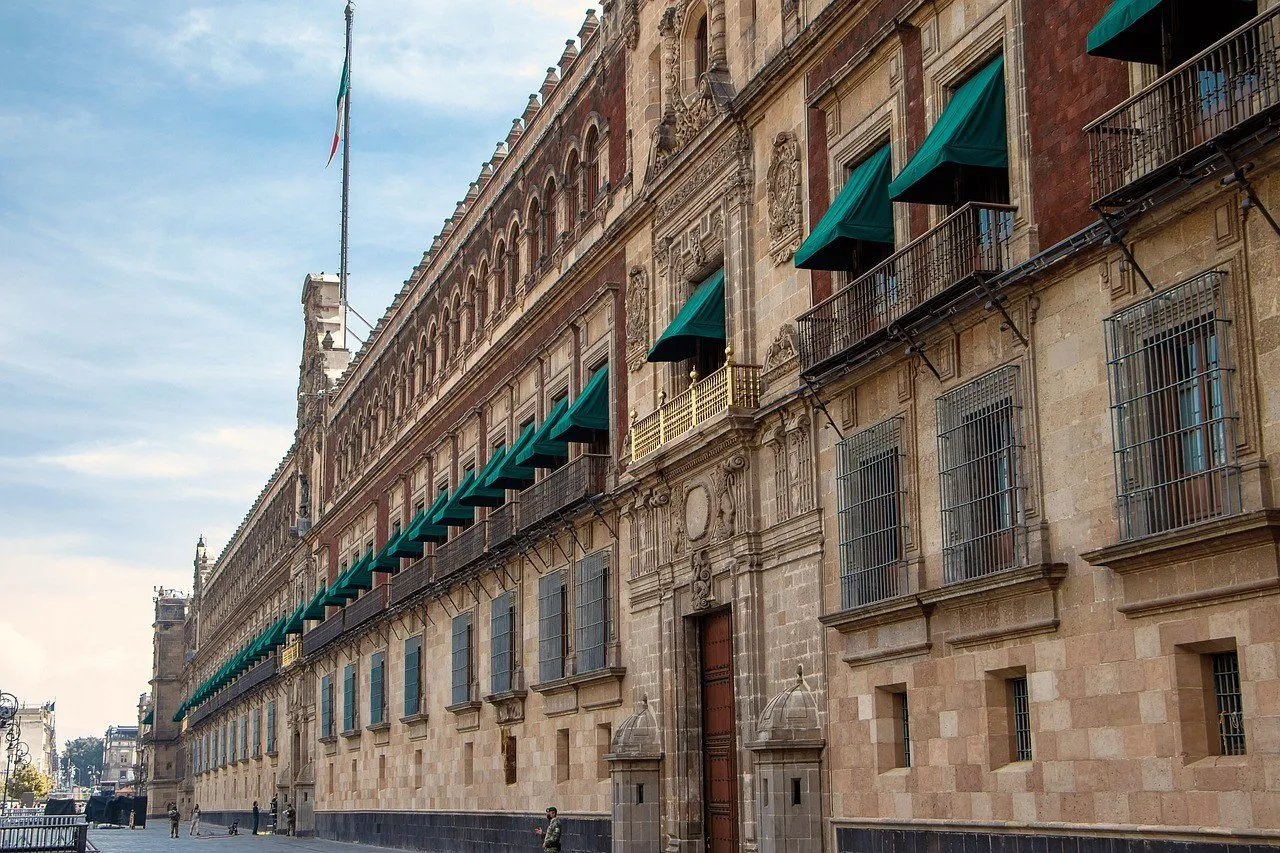 2
Seat of the federal government, with more than 200 meters of facade along the east side of the Zócalo and, inside, the murals where Diego Rivera painted the history of Mexico.
View details for Palacio Nacional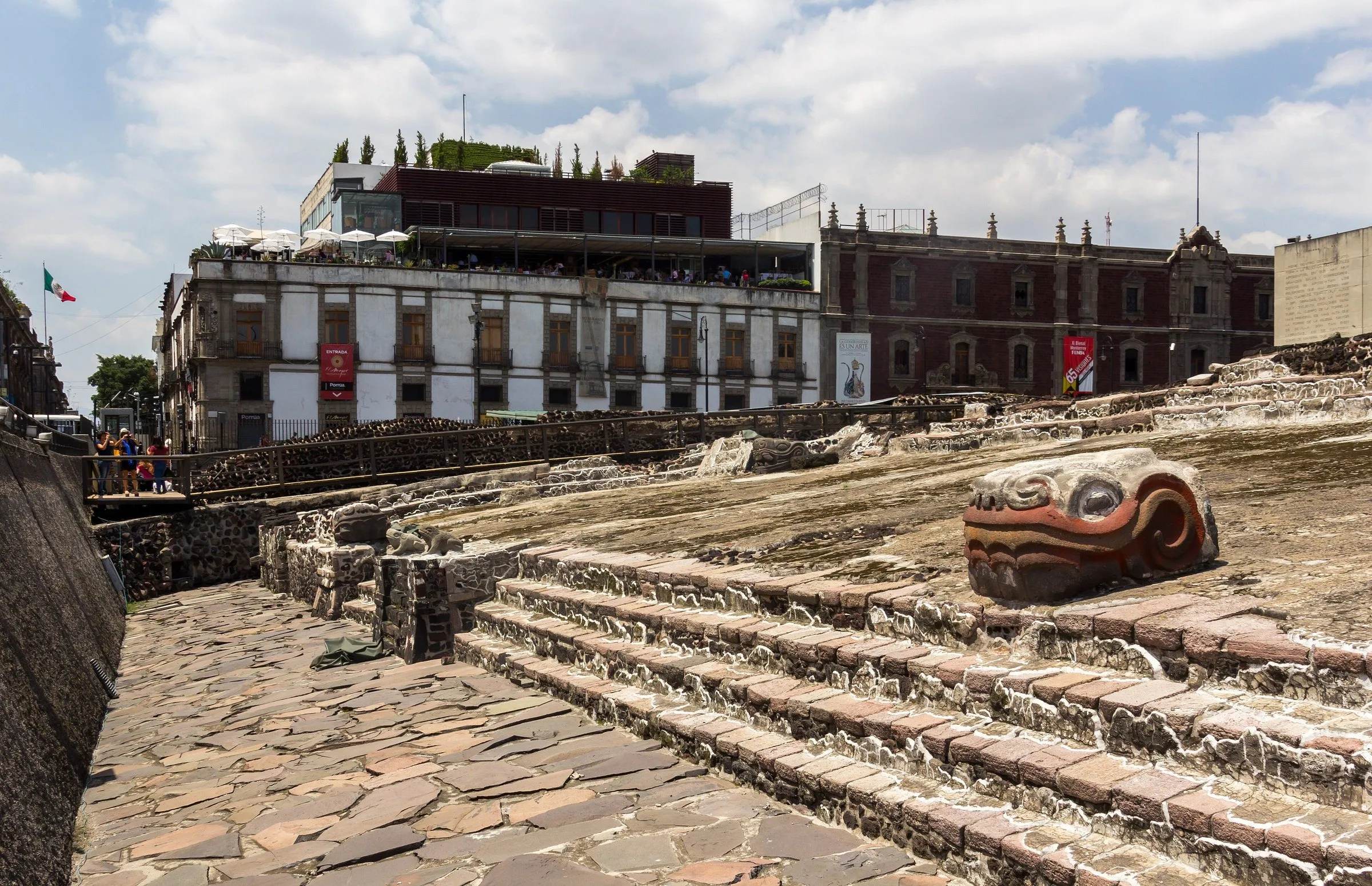 3
Ruins of the main temple of Tenochtitlan, dedicated to Huitzilopochtli and Tláloc, rediscovered in 1978 a few steps from the Zócalo and with its own museum.
View details for Templo Mayor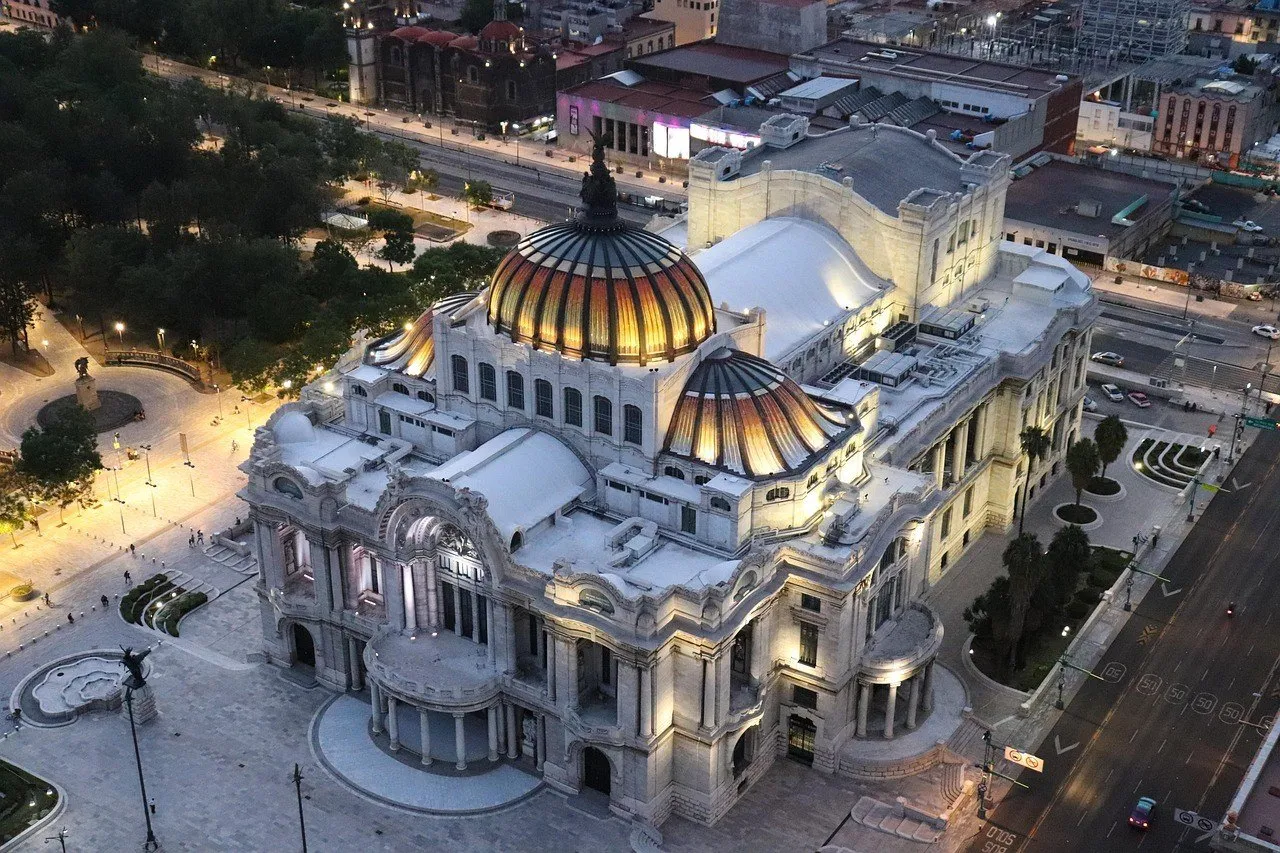 4
An arts palace begun in 1904 and only inaugurated in 1934, with an Art Nouveau facade, an Art Deco interior and murals by Rivera, Siqueiros and Orozco.
View details for Palacio de Bellas Artes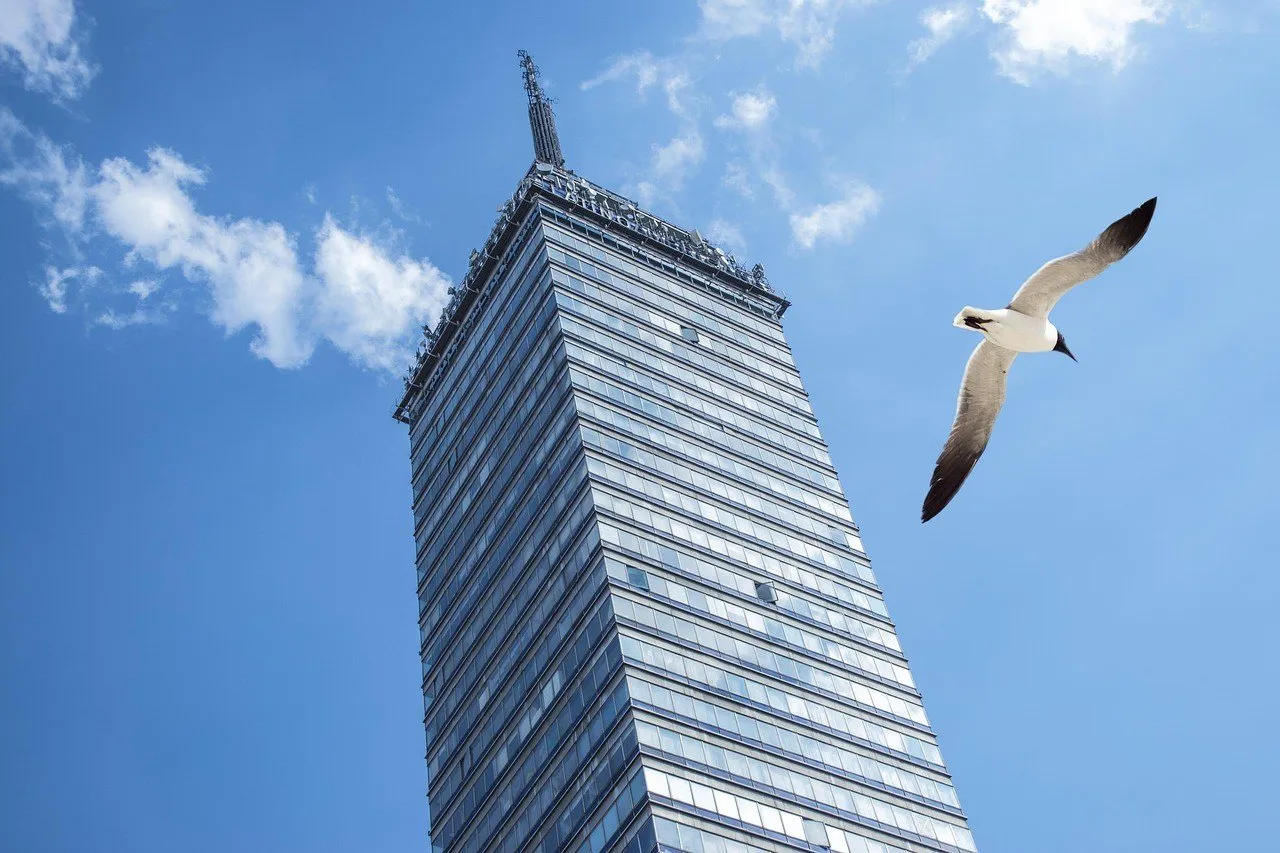 5
A 44-story skyscraper opened in 1956 that withstood the earthquakes of 1957 and 1985 and has an observation deck on top with views over the whole center.
View details for Torre Latinoamericana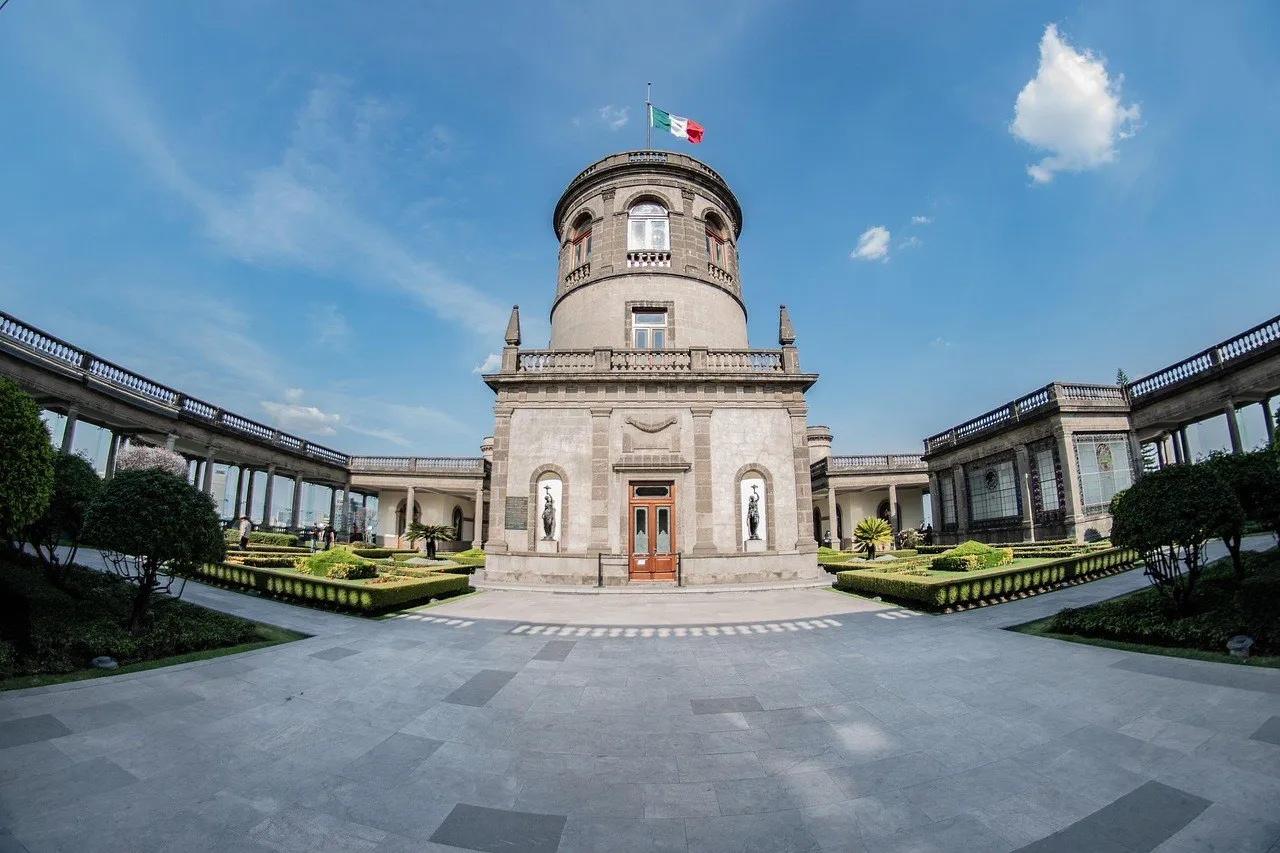 6
At the top of Chapultepec Park, the castle has been home to a viceroy, an emperor and presidents, and today houses the National Museum of History.
View details for Chapultepec Castle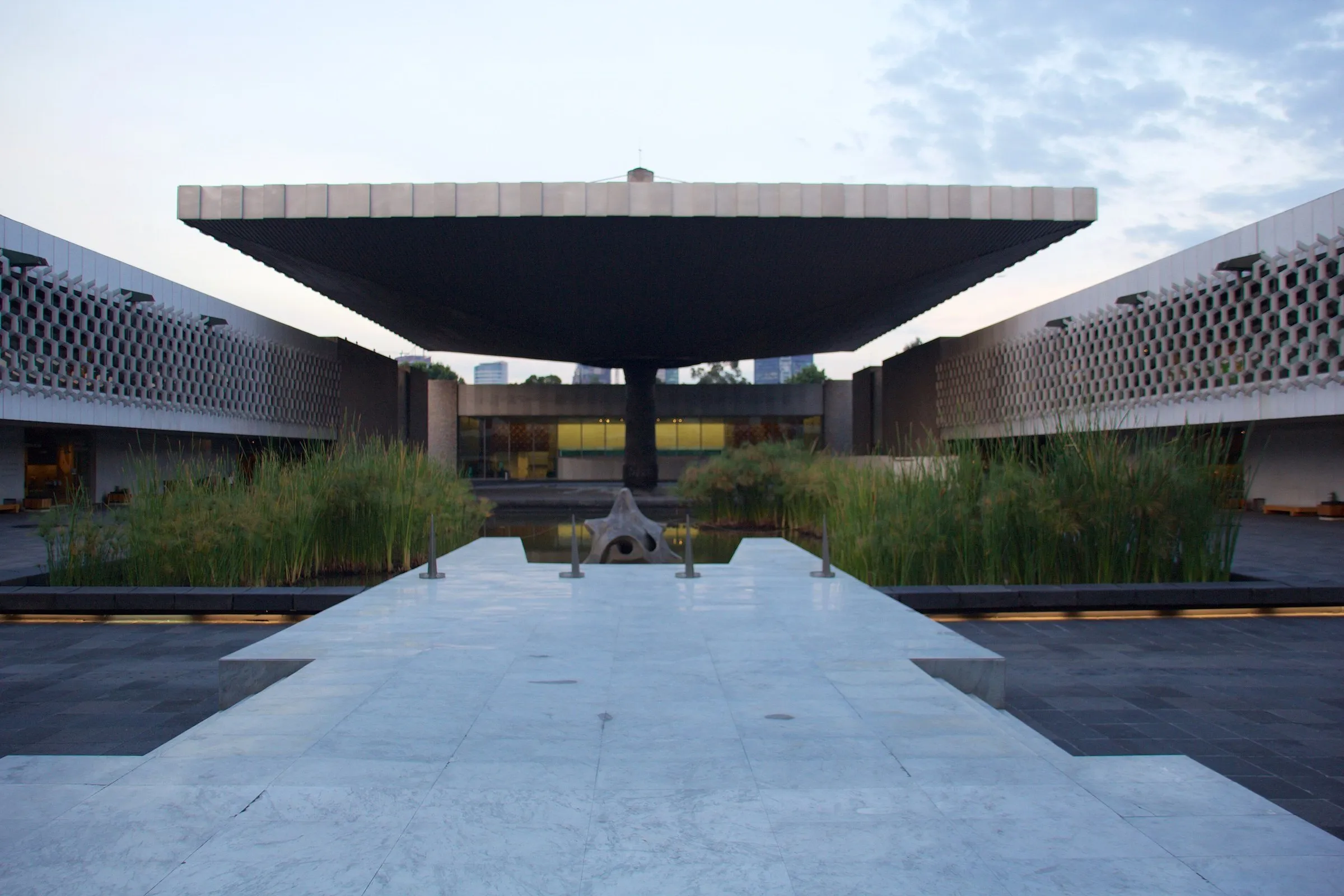 7
Mexico's most visited museum, opened in 1964, with 23 halls on the country's peoples and the original Sun Stone as the star of the Mexica hall.
View details for National Museum of Anthropology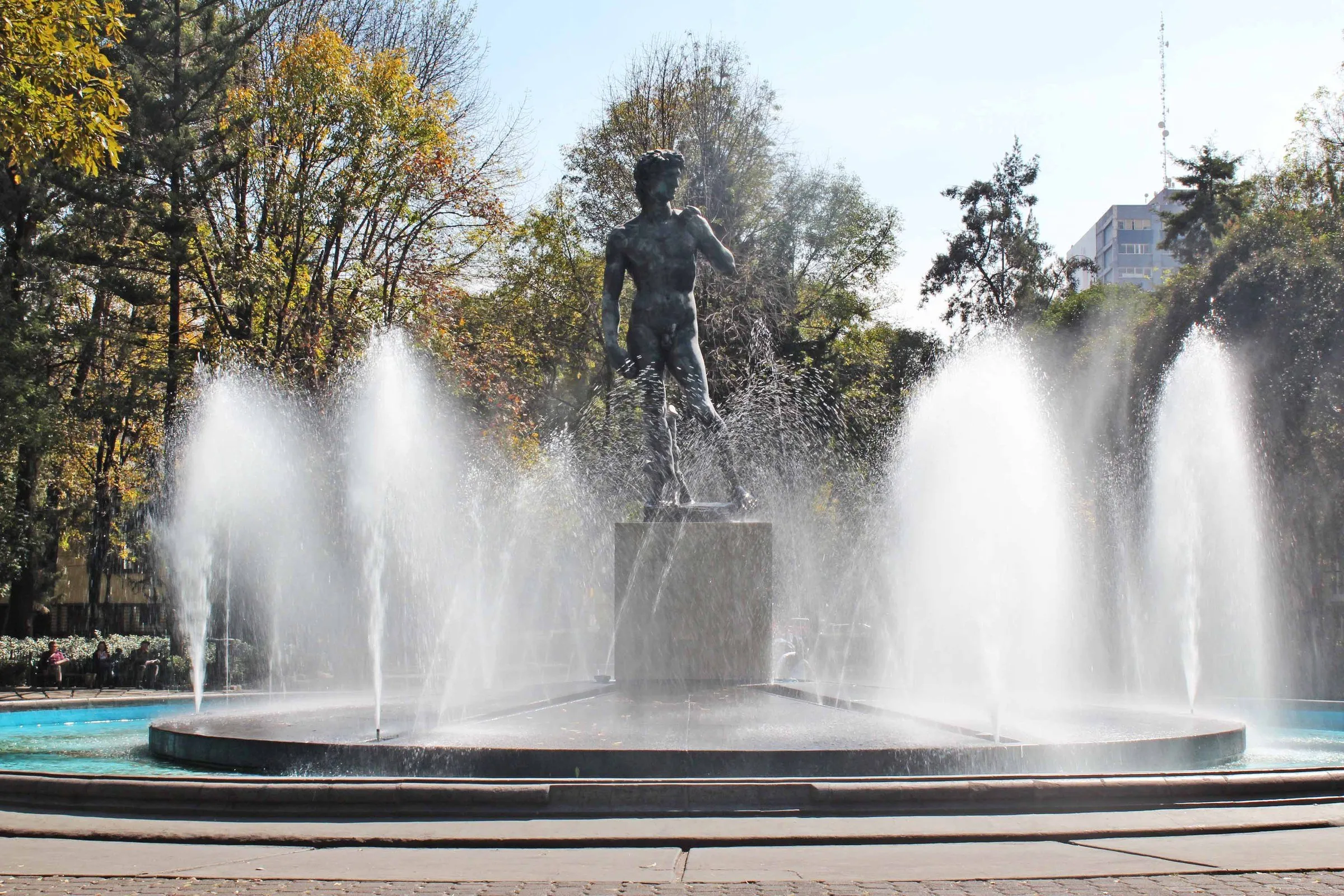 8
Neighboring districts of old mansions, Art Deco buildings and squares like Plaza Río de Janeiro, with its replica of David, packed with cafés, bars and restaurants.
View details for Roma and Condesa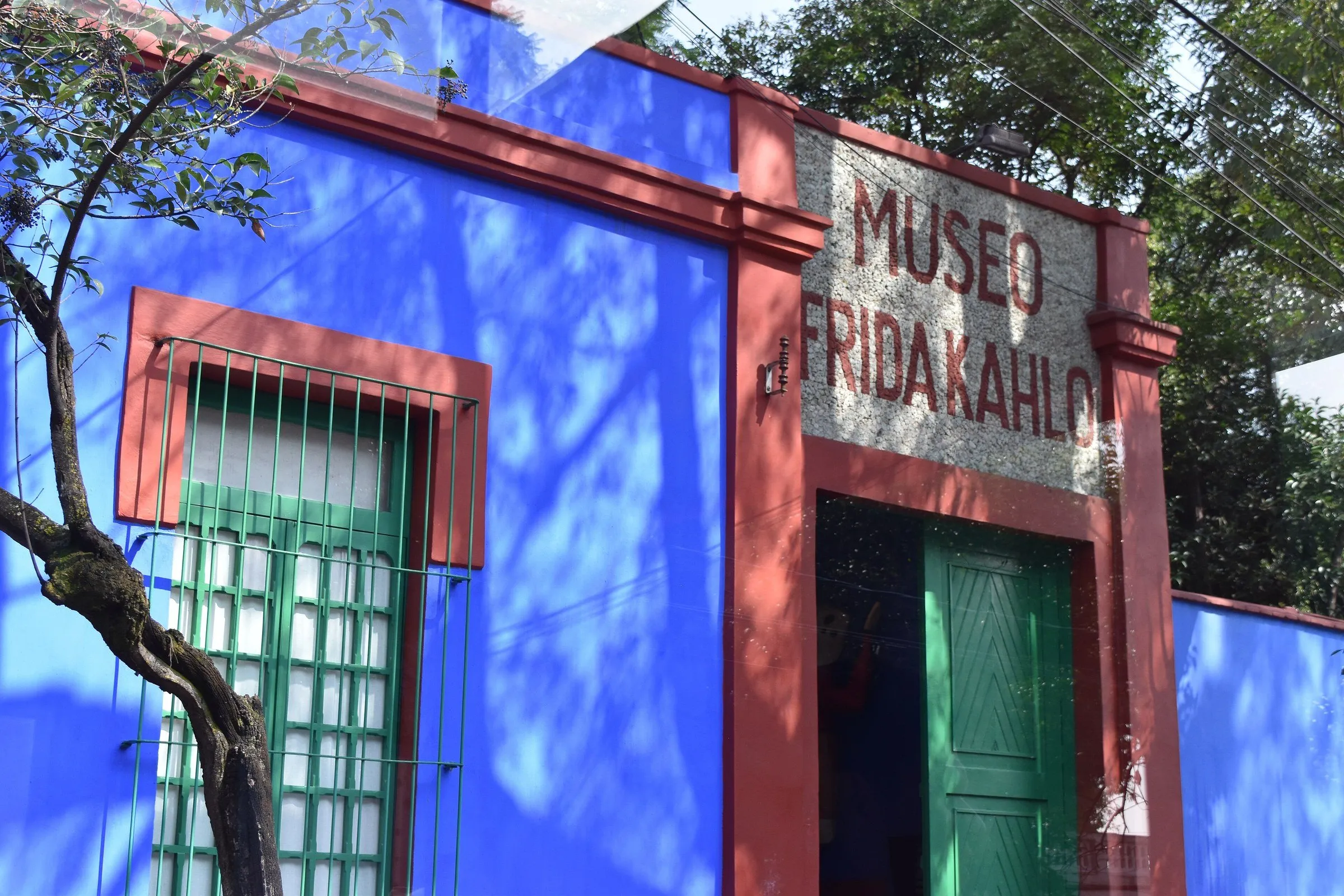 9
The Casa Azul in Coyoacán, where Frida Kahlo was born, lived with Diego Rivera and died, preserves her bedroom, studio and personal belongings almost as they were in the 1950s.
View details for Frida Kahlo Museum (Casa Azul)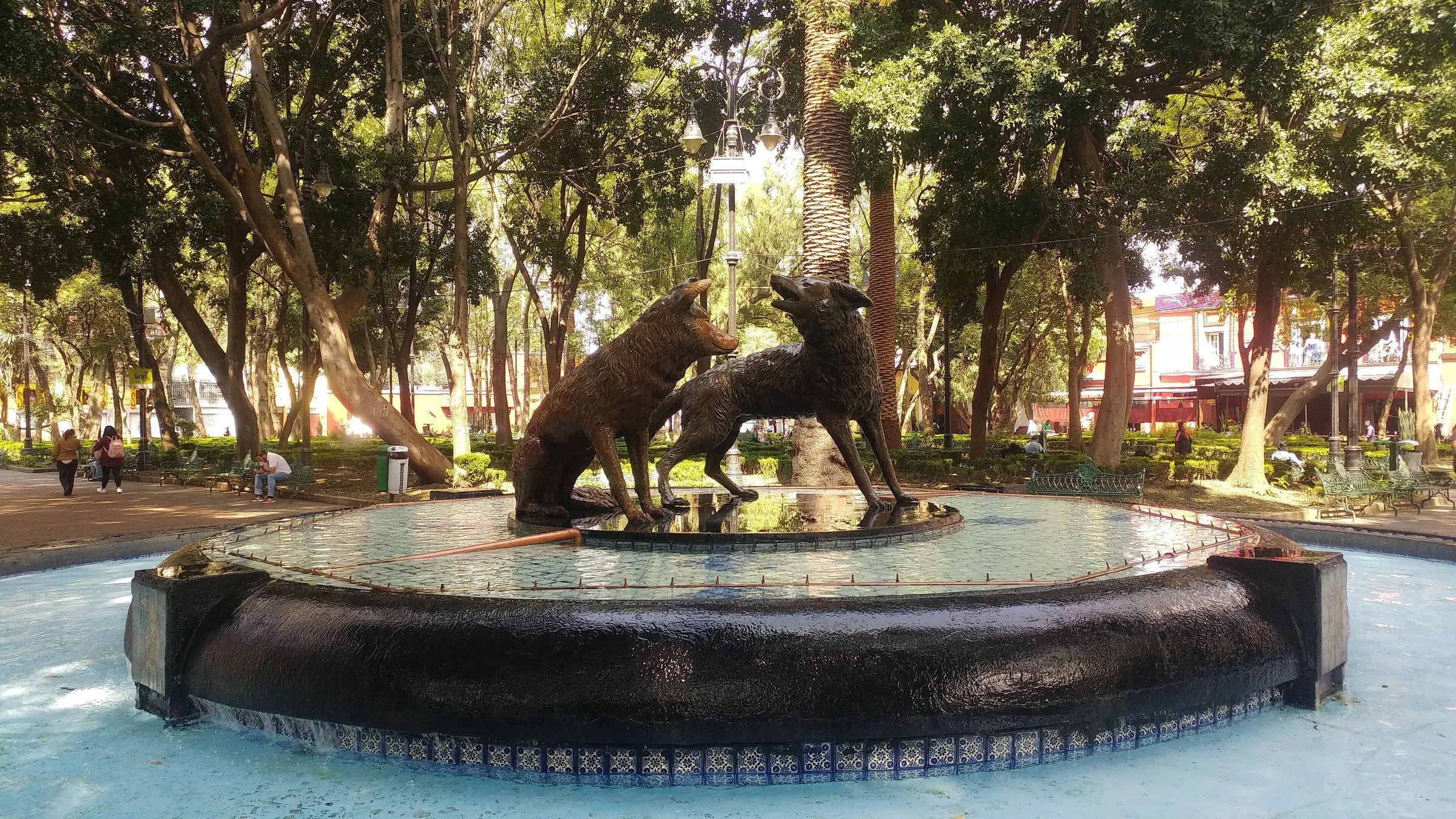 10
A southern neighborhood with leafy squares, a 16th-century church and a fountain with two bronze coyotes, ideal for an afternoon on foot after the Casa Azul.
View details for Coyoacán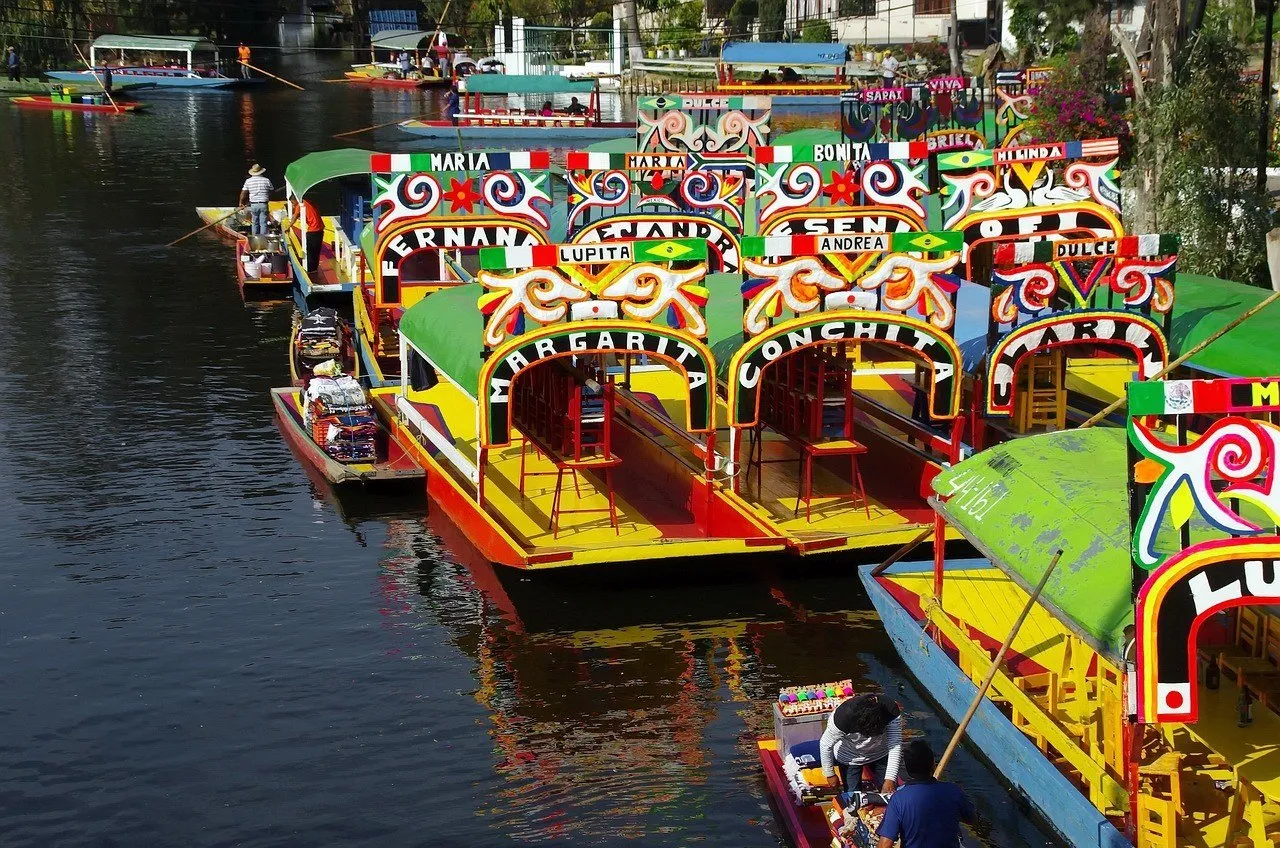 11
What remains of the valley's lakes: about 170 km of canals traveled by colorful trajineras, among chinampas and mariachi boats.
View details for Xochimilco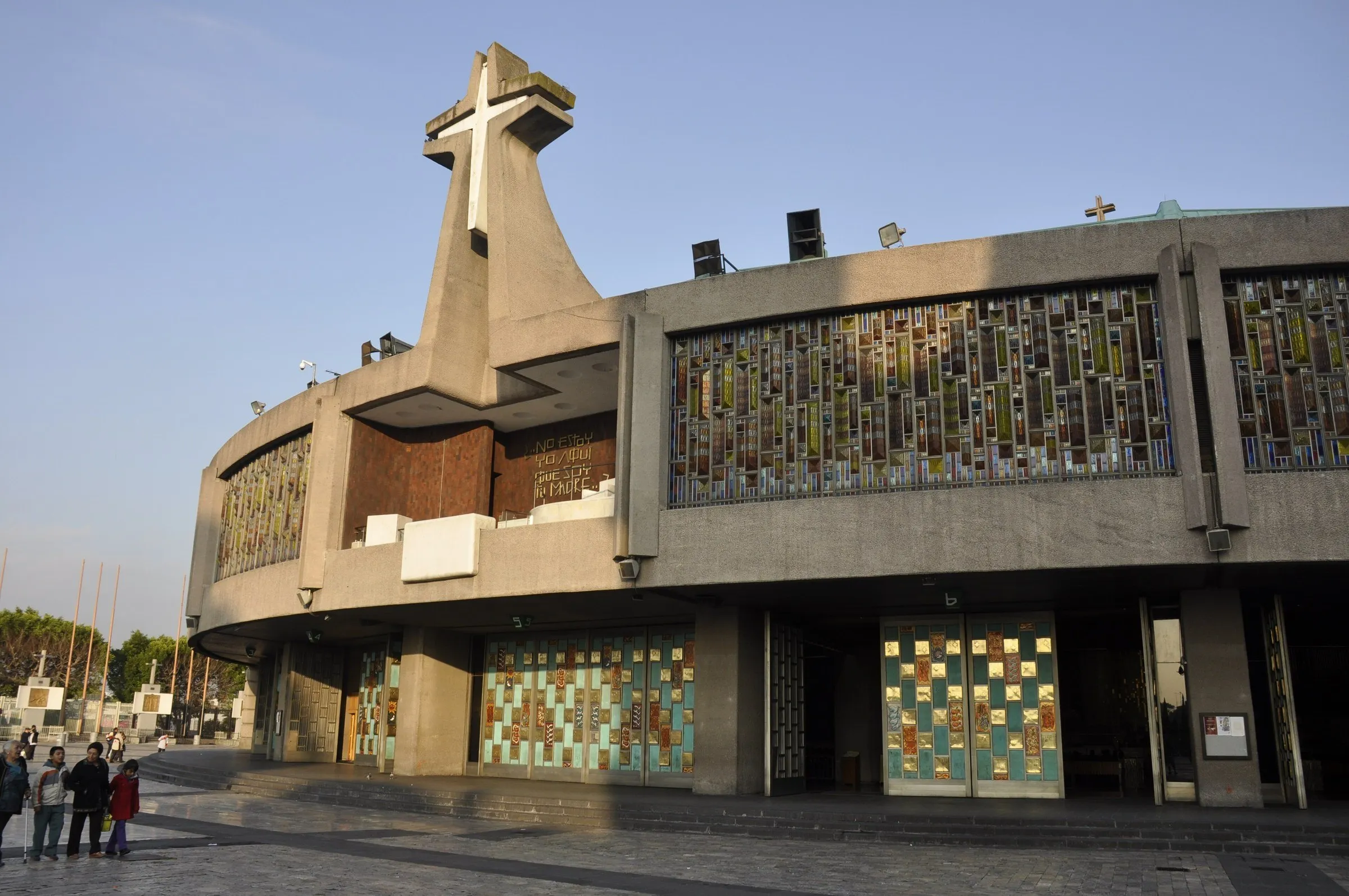 12
A shrine at the foot of Tepeyac Hill, with a circular basilica completed in 1976 that receives about 20 million pilgrims a year.
View details for Basilica of Guadalupe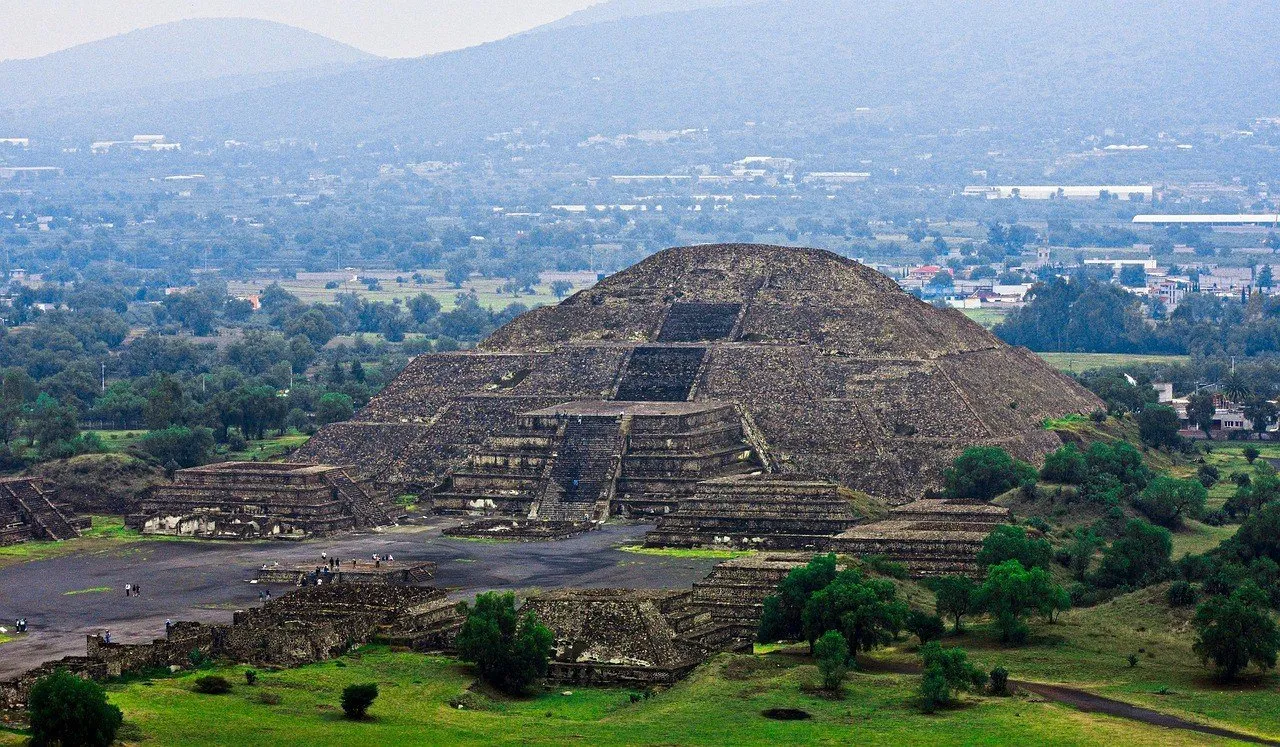 13
An ancient city about 40 km from downtown, with the Pyramid of the Sun, at some 65 meters, the Pyramid of the Moon and the long Avenue of the Dead linking the two.
View details for Teotihuacan1It took from 1573 to 1813 to finish, and you can read that delay on the facade: Gothic, Baroque and Neoclassical share the same block of stone. Part of the stones came from the temple of Huitzilopochtli, destroyed after the conquest, which makes the neighborhood with the Templo Mayor even more intriguing.
Inside, the Altar of the Kings has about 25 meters of gilded wood and earned the nickname cueva dorada, the golden cave. The soft clay ground made the building sink for decades, and only a restoration begun in the 1990s took it off the list of endangered monuments.
2The facade takes up the entire east side of the Zócalo, at more than 200 meters, and the site has a long history: Moctezuma II's new houses stood here, and Cortés had the palace rebuilt from 1522, reusing part of the material. Over the central balcony hangs Hidalgo's bell, which the president rings every September 15 during the Grito ceremony.
The reason to visit is inside: The Epic of the Mexican People, the murals Diego Rivera painted between 1929 and 1935. Since the building is the seat of government and the presidential residence, only a few courtyards are open to the public, and entry usually requires prior registration.
3For centuries it lay buried beneath the colonial city, until, in 1978, electric company workers stumbled upon a stone disc of the goddess Coyolxauhqui. The excavation revealed a temple built in layers: the Mexica raised successive versions, one on top of the other, and today you walk along walkways looking at those phases laid bare like slices of a cake.
At the top stood two shrines, one for Huitzilopochtli, god of war, and another for Tláloc, god of rain. The site museum holds the original disc and deserves as much time as the ruins.
4Construction began in 1904 under the Italian architect Adamo Boari and stalled twice: on the soft ground and during the Mexican Revolution. Federico Mariscal only resumed it in 1932, and the result gives away the three-decade gap: Art Nouveau outside, geometric Art Deco inside. The weight took its toll, and the building has already sunk about four meters.
Head to the upper floors to see murals by Diego Rivera, Siqueiros, Orozco and Tamayo. In the theater, the Tiffany Studios curtain is made of nearly a million little pieces of glass and depicts the volcanoes Popocatépetl and Iztaccíhuatl.
5When it was finished in 1956, the 44-story tower was a bold bet on ground that sinks and shakes. It passed the two toughest tests: the 1957 earthquake and the one in 1985, which damaged several downtown buildings. It became a symbol of the city's engineering, not just of its height.
The observation deck is on the 44th floor and shows the grid of the historic center, the dome of Bellas Artes right below and, if the air cooperates, the mountains that close off the valley. Go up late in the afternoon to watch the windows light up without moving from your spot.
6Construction began in 1785 on a viceroy's orders, and the castle has never stopped changing residents. In 1847 it was the setting for the battle in which the Niños Héroes died defending the position against United States troops. In 1864 it became the residence of Emperor Maximilian and Empress Carlota, and later the home of presidents until 1934.
Maximilian had an avenue opened linking the castle to the center, today's Paseo de la Reforma. Since 1939 the building has been the National Museum of History, and the furnished rooms from the imperial era compete for your attention with the views from the terraces.
7Right at the entrance, the central courtyard gets a gigantic concrete roof resting on a single column, nicknamed el paraguas, the umbrella. The design by Pedro Ramírez Vázquez opened in 1964 and is now the country's most visited museum: 3.7 million visitors in 2024.
There are 23 halls, and trying to see everything in one day is a recipe for leaving dizzy. Prioritize the Mexica hall, the largest of all, home to the original Sun Stone, and the Teotihuacan hall, which sets the stage for your visit to the pyramids. Upstairs, the ethnography halls show how Indigenous peoples live today.
8Roma began in the early 20th century as a wealthy neighborhood and still keeps the mansions from that era. In the middle of Plaza Río de Janeiro, a bronze replica of Michelangelo's David, installed in 1976, rules over the fountain, surrounded by old mansions and the occasional modern tower.
Next door, Parque México, in the heart of Condesa, sits at the center of a former racetrack, and Avenida Ámsterdam still follows the curve of the track around it. You can walk the oval under the trees, past Art Deco buildings that survived the 1985 earthquake.
9The cobalt-blue walls announce from afar that you have arrived. The house was built in 1904, and Frida was born there in 1907, grew up there, lived there with Diego Rivera and died in an upstairs room in 1954. Rivera later donated the house, with everything inside, to the country.
The visit feels intimate: the studio, the bedroom with the plaster corset she wore and the urn with her ashes, plus the couple's collection of folk art and pre-Hispanic pieces. The rooms have been kept almost as they were in the 1950s.
10The name comes from Nahuatl and refers to coyotes, which is why the fountain in Jardín Centenario has two of them in bronze, a stop for every photo. Next to it, Plaza Hidalgo has a bandstand donated for the independence centennial in 1910, and the parish of San Juan Bautista, built between 1520 and 1552, is one of the three oldest in the city.
Coyoacán was the seat of Spanish power right after the conquest, but today it moves at small-town pace, with squares full of families on weekends. Nearby is the house where Leon Trotsky lived in exile and was assassinated in 1940, now a museum.
11Before the asphalt, the valley was covered in lakes, and Xochimilco keeps what is left: a network of about 170 kilometers of canals. Along the banks lie the chinampas, farming islands created by pre-Hispanic peoples about a thousand years ago and still in use, today mostly as plant nurseries. The area has been a UNESCO World Heritage Site since 1987.
The classic outing is by trajinera, a wide boat painted in bold colors, with a table in the middle, pushed along by a boatman with a long pole. On a busy day, mariachis pull their boat alongside yours and offer a serenade.
12Catholic tradition holds that, in 1531, the image of the Virgin of Guadalupe appeared imprinted on Juan Diego's cloak, and that is the piece the faithful come to see. An estimated 20 million pilgrims pass through every year, close to 9 million in the days around December 12 alone.
The current basilica was completed in 1976 because the old church next door was suffering from the sinking ground. Its circular plan recalls the tent that sheltered the Ark of the Covenant and keeps the image visible from every spot. Beneath the altar, moving walkways keep the line going on its own.
13By the time the Aztecs arrived, Teotihuacan had already been abandoned for centuries, and its Nahuatl name, often translated as the place where the gods were born, is theirs. The city was built roughly between 100 BCE and 250 CE and, at its peak, may have had about 100,000 inhabitants.
The Avenue of the Dead runs through the site and links the major monuments. The Pyramid of the Sun, at about 65 meters, is among the largest in the world; the Pyramid of the Moon closes off the avenue to the north. The rules for climbing have changed in recent years, so check before you go. Bring water, a hat and sunscreen: there is almost no shade.
At 2,240 meters, you run out of breath faster. Drink plenty of water, take it slow on the first day and go easy on the alcohol.
The metro is cheap and covers much of the center, but it gets packed at rush hour. For long trips, with luggage or at night, ride-hailing apps tend to be more practical.
On the metro, in the Zócalo and on the downtown shopping streets, keep your phone and wallet in front of your body.
Drink bottled or filtered water and use the same water to brush your teeth.
Between May and October rain is frequent and usually comes on suddenly. A light rain jacket does the trick.
Several museums, like the Casa Azul, close on Mondays. Use that day for Xochimilco, the neighborhoods or Teotihuacan.
Mexico City eats on the street, and eats well. Stands selling tacos, tamales and quesadillas appear on every corner, and a line is the best quality guide there is. Downtown, the churrería El Moro has been frying churros since 1935 on the former San Juan de Letrán avenue, today's Eje Central.
Pork marinated in dried chiles and achiote, roasted on a vertical spit called the trompo, a legacy of the shawarma brought by Lebanese immigrants. Served with onion, cilantro and pineapple.
Fried dough rolled in sugar, made for dunking in a cup of thick, hot chocolate.
Pieces of fried tortilla bathed in green or red salsa, with cream, cheese and onion. The favorite breakfast of anyone who slept too little.
A smoky agave spirit, served neat in a small cup, meant to be sipped slowly and without hurry.