 1
Squares and architecture
Plaza de la Catedral
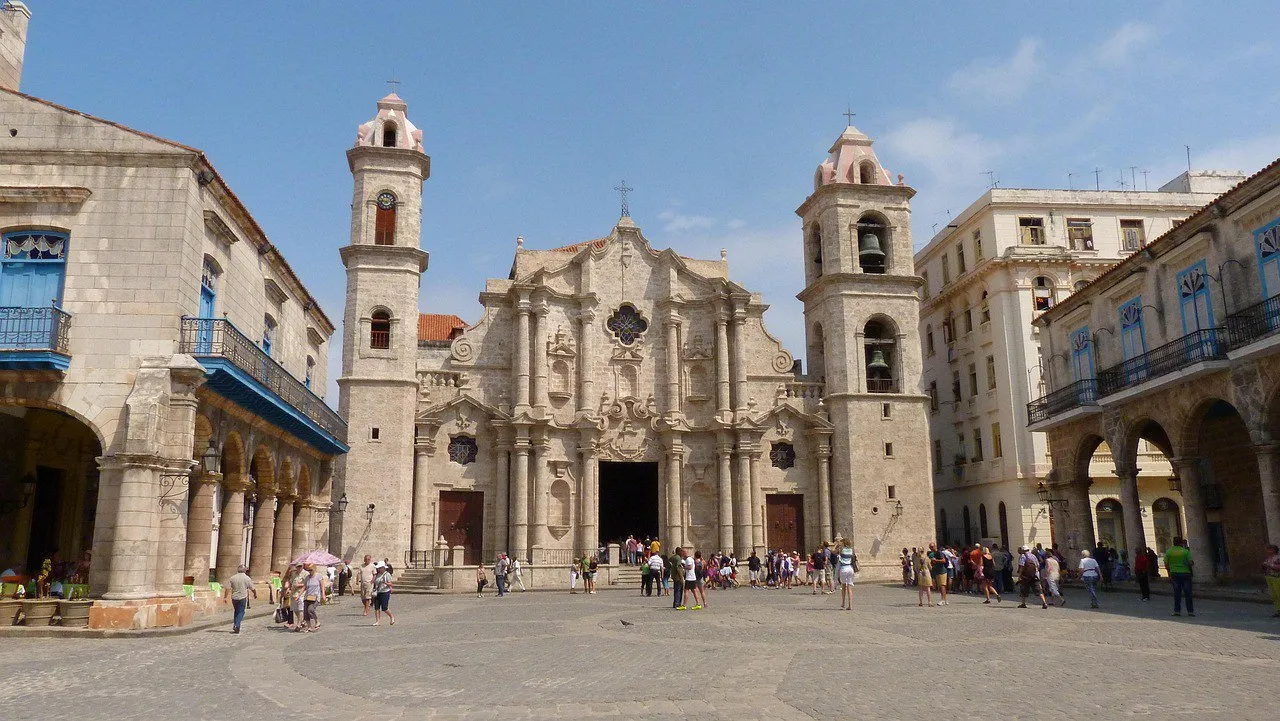
The cathedral's baroque facade fills one side of this stone square, ringed by mansions: a start to the walk that asks you to look up and slow down.
View details for Plaza de la Catedral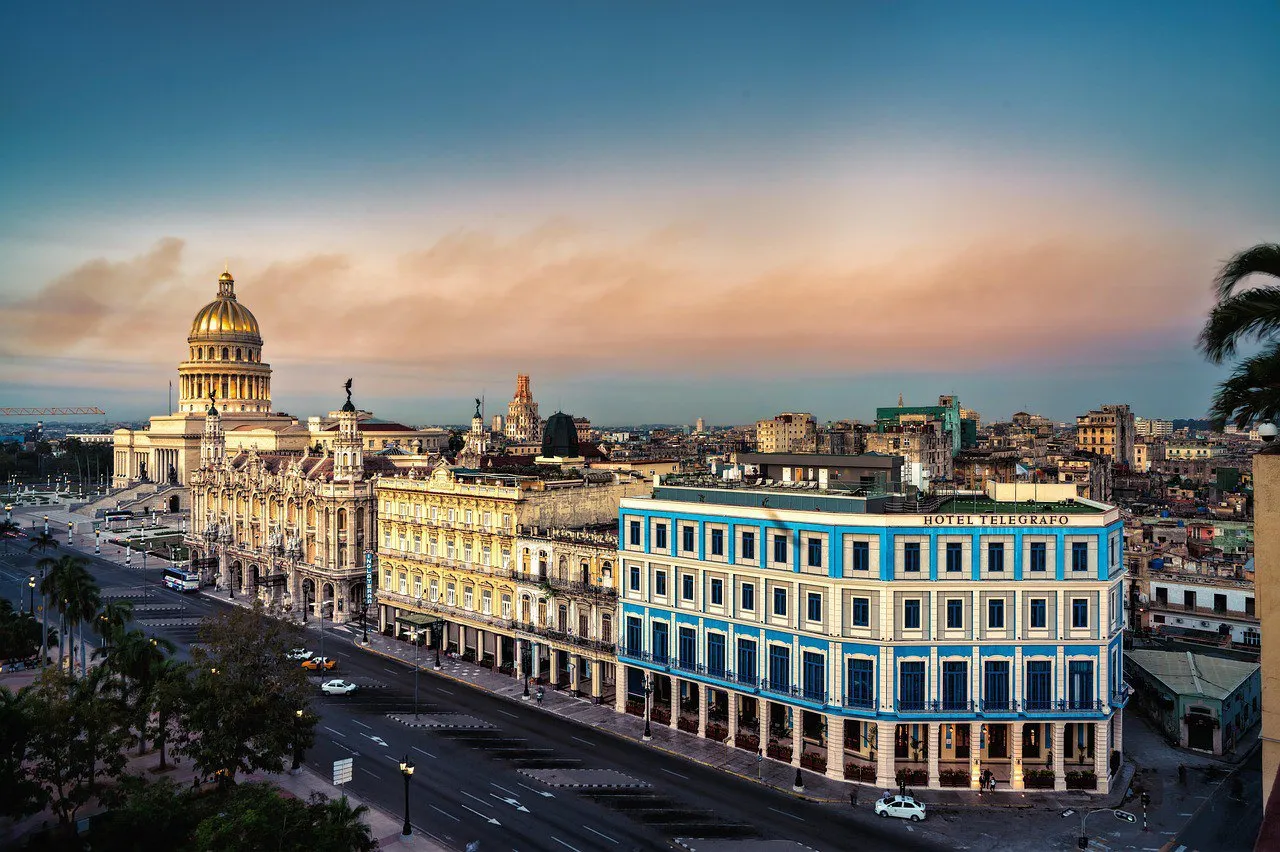
Cuba
In Plaza Vieja, you try to pick one balcony to photograph and end up circling the whole square. Farther on, the Malecón swaps facades for the sea and changes the pace of your walk.
You can start Havana with a sequence of squares: the Cathedral's baroque facade, the gardens of Plaza de Armas, the San Francisco complex and the balconies of Plaza Vieja. They help you read the layout of Habana Vieja without checking your phone at every corner. UNESCO recognizes the old center and its system of fortifications; on the streets, the pleasure lies in noticing how arcades, grilles and courtyards belong to a city that is still lived in.
To organize your visit, split it into the old center, the axis from the Capitolio to the Malecón, and the trips to Revolution Square and the fortresses. In November 2026, the energy and supply crisis affects services and transport in Cuba; the British government advises against non-essential travel. Before booking, check the official advisories and how flights are operating. This itinerary collects route suggestions: opening status of attractions and logistics need to be reconfirmed close to your trip.
Plaza Vieja was once called Plaza Nueva: the name changed as other commercial spaces appeared in the city.
The restoration of Plaza Vieja included removing an underground parking garage that occupied the space; reclaiming a square can also start by taking the cars out.
Kilometer zero of Cuba's roads is marked inside the Capitolio by a replica diamond: a small detail in a building that tends to pull your eyes upward.
The lions of the Prado and those of the San Francisco fountain play different roles on a walk: one group accompanies your stroll; the other gathers the square around the water.
1The cathedral's baroque facade fills one side of this stone square, ringed by mansions: a start to the walk that asks you to look up and slow down.
View details for Plaza de la Catedral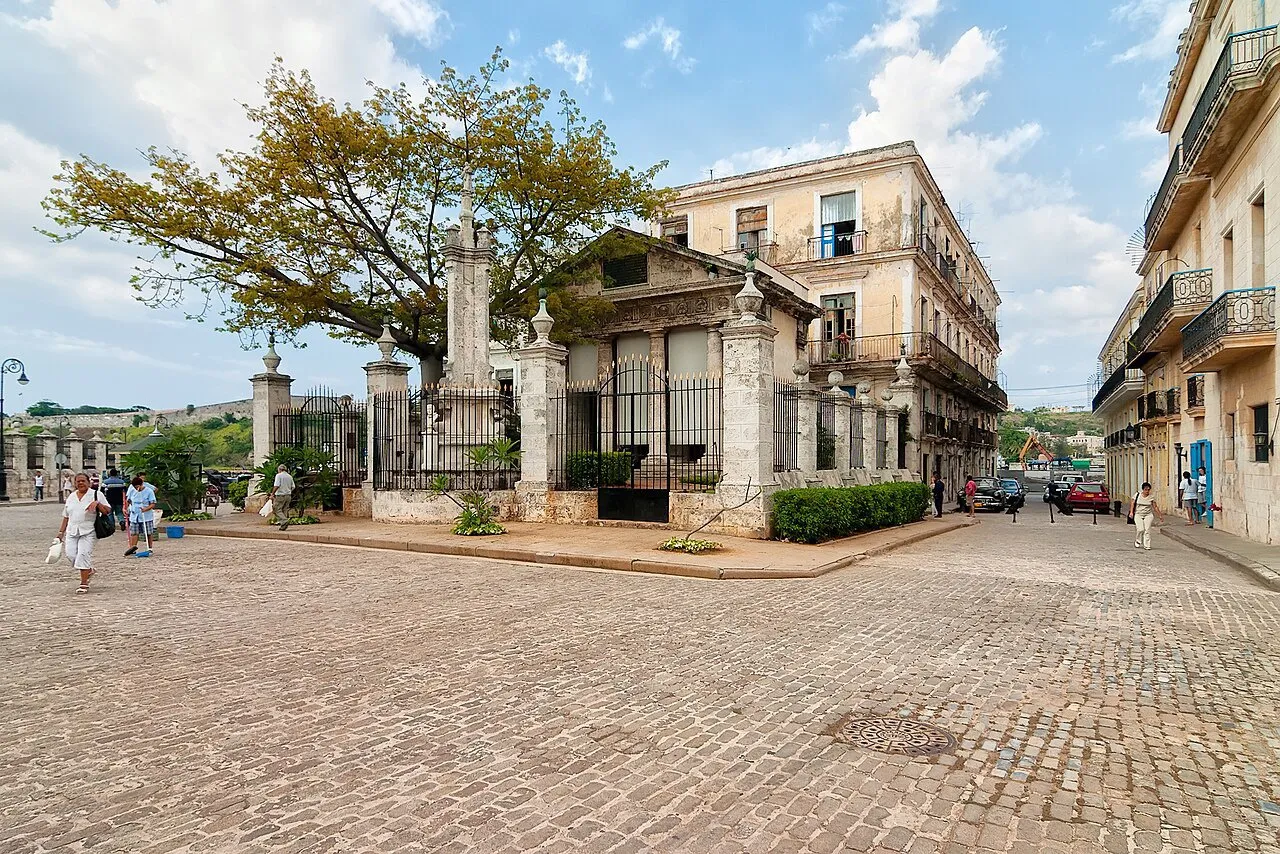 2
Gardens and buildings tied to colonial power surround Havana's oldest square; the visit pays off when you trade haste for a full lap.
View details for Plaza de Armas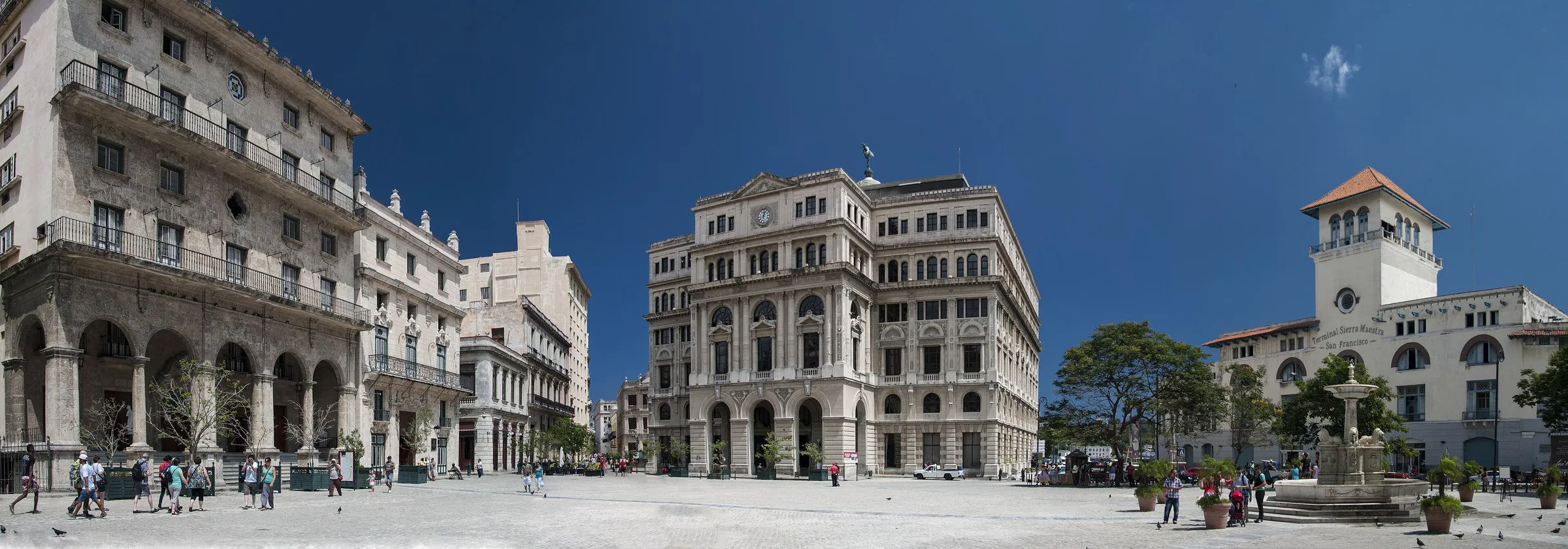 3
The former convent, the lion fountain and the commercial buildings tie this square to the port's history, in an ensemble unlike the other squares in the center.
View details for Plaza de San Francisco de Asís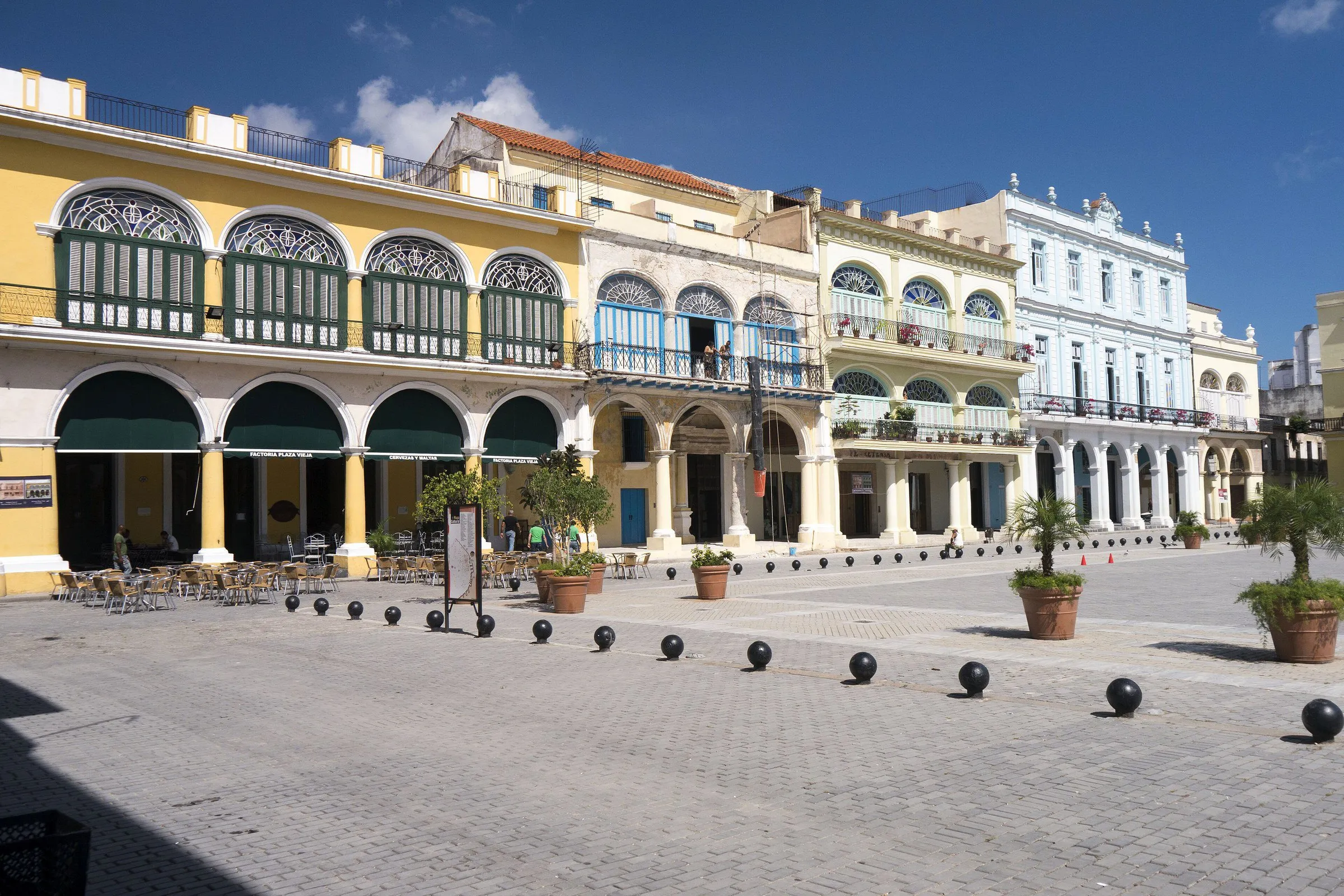 4
Balconies, arcades and facades from different eras surround Plaza Vieja, a restored space that once had a parking garage under its feet.
View details for Plaza Vieja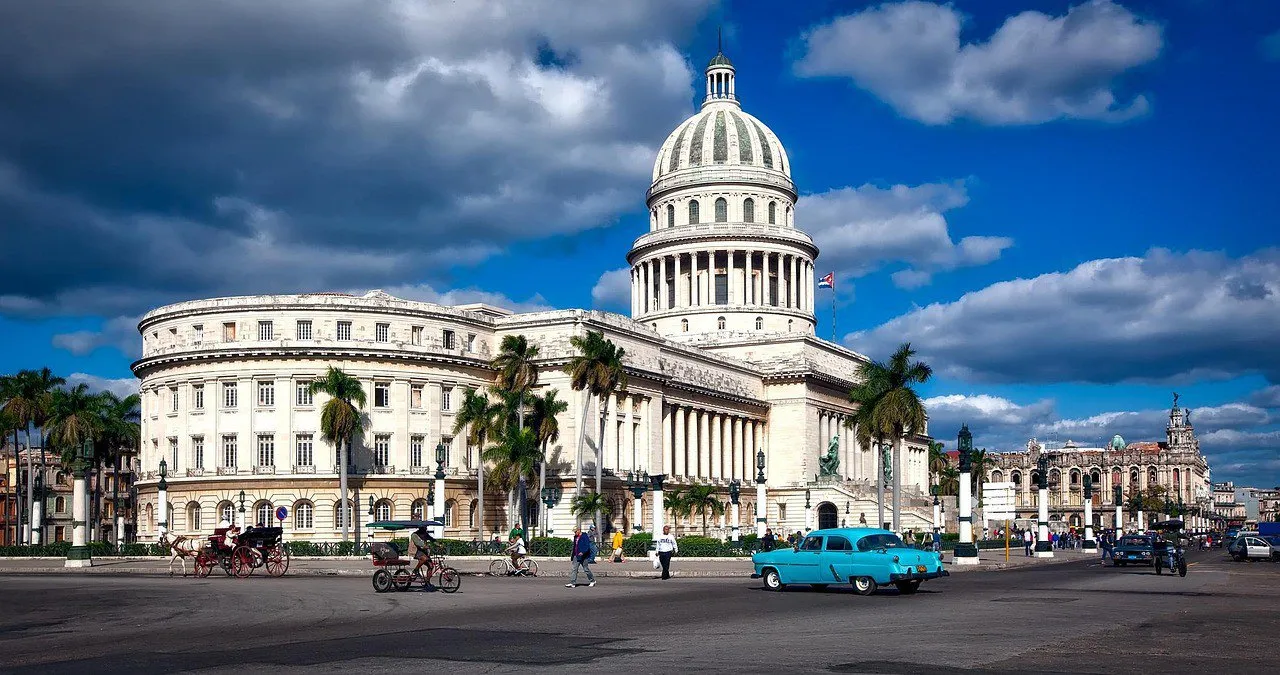 5
Dome, columns and staircase let the Capitolio dominate the Prado axis; inside, the statue of the Republic and the kilometer-zero marker change the scale.
View details for National Capitol Building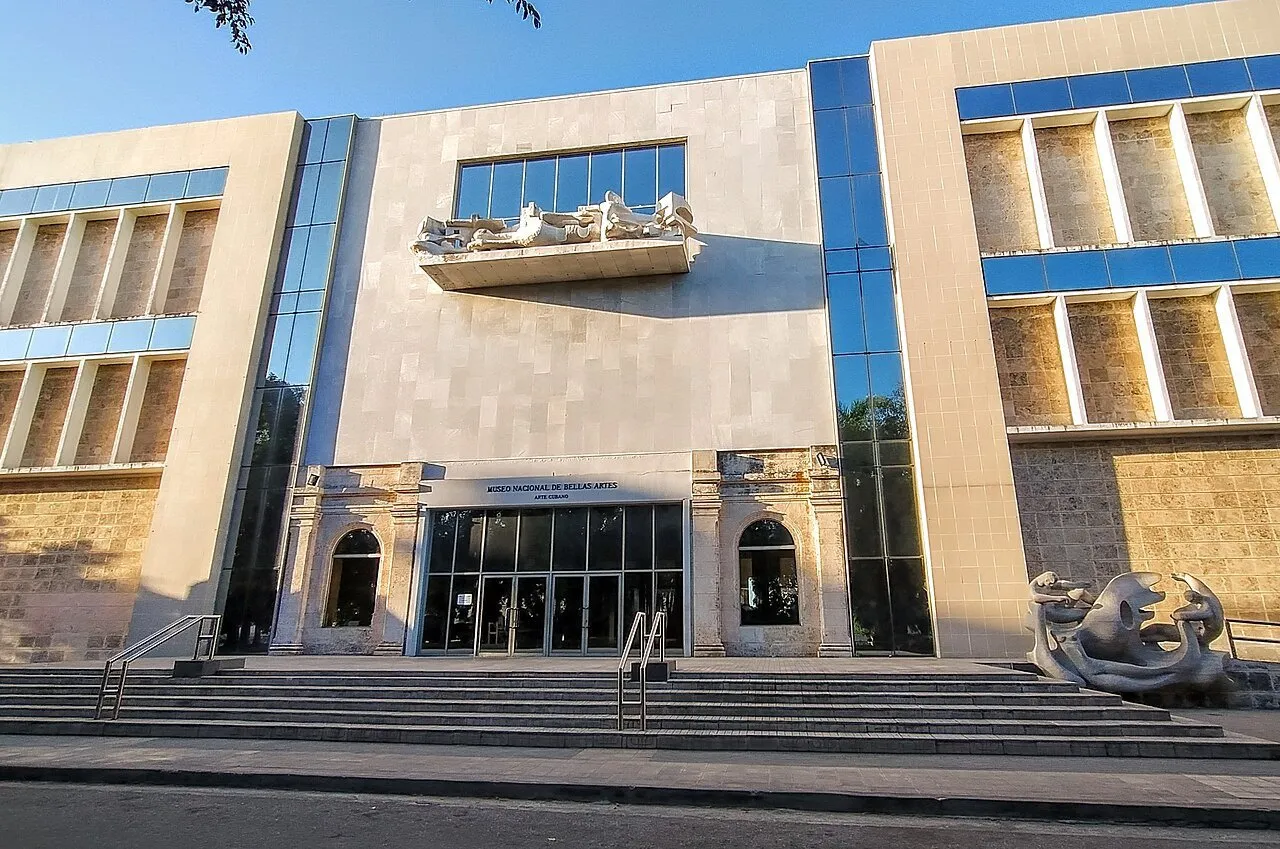 6
The Cuban art collection swaps the street's monuments for painting and other languages, with artists like Wifredo Lam broadening how you read Havana.
View details for National Museum of Fine Arts — Cuban Art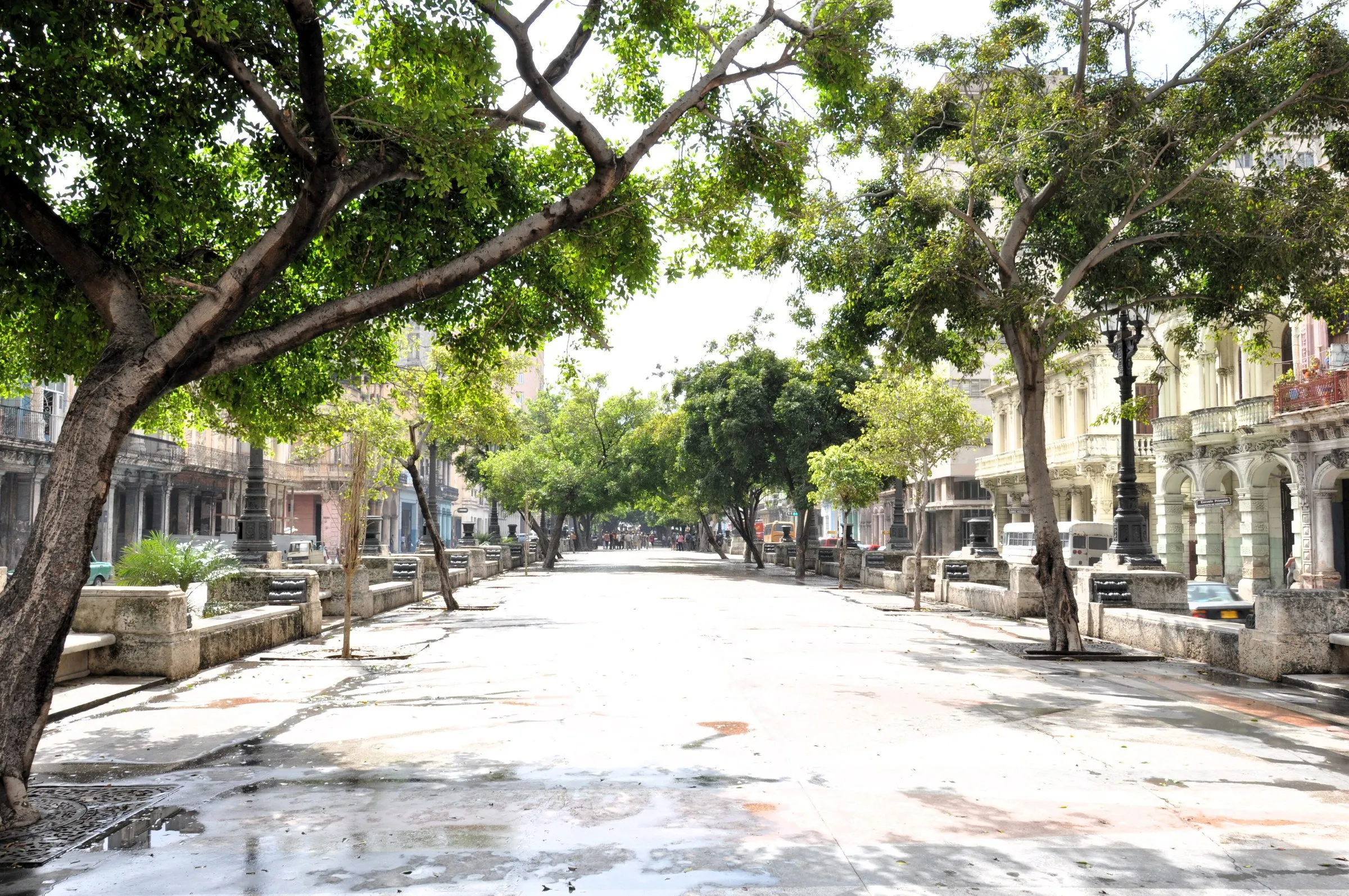 7
The Prado's tree-lined central promenade leads you toward the sea past benches, bronze lions and facades that deserve more than a passing glance.
View details for Paseo del Prado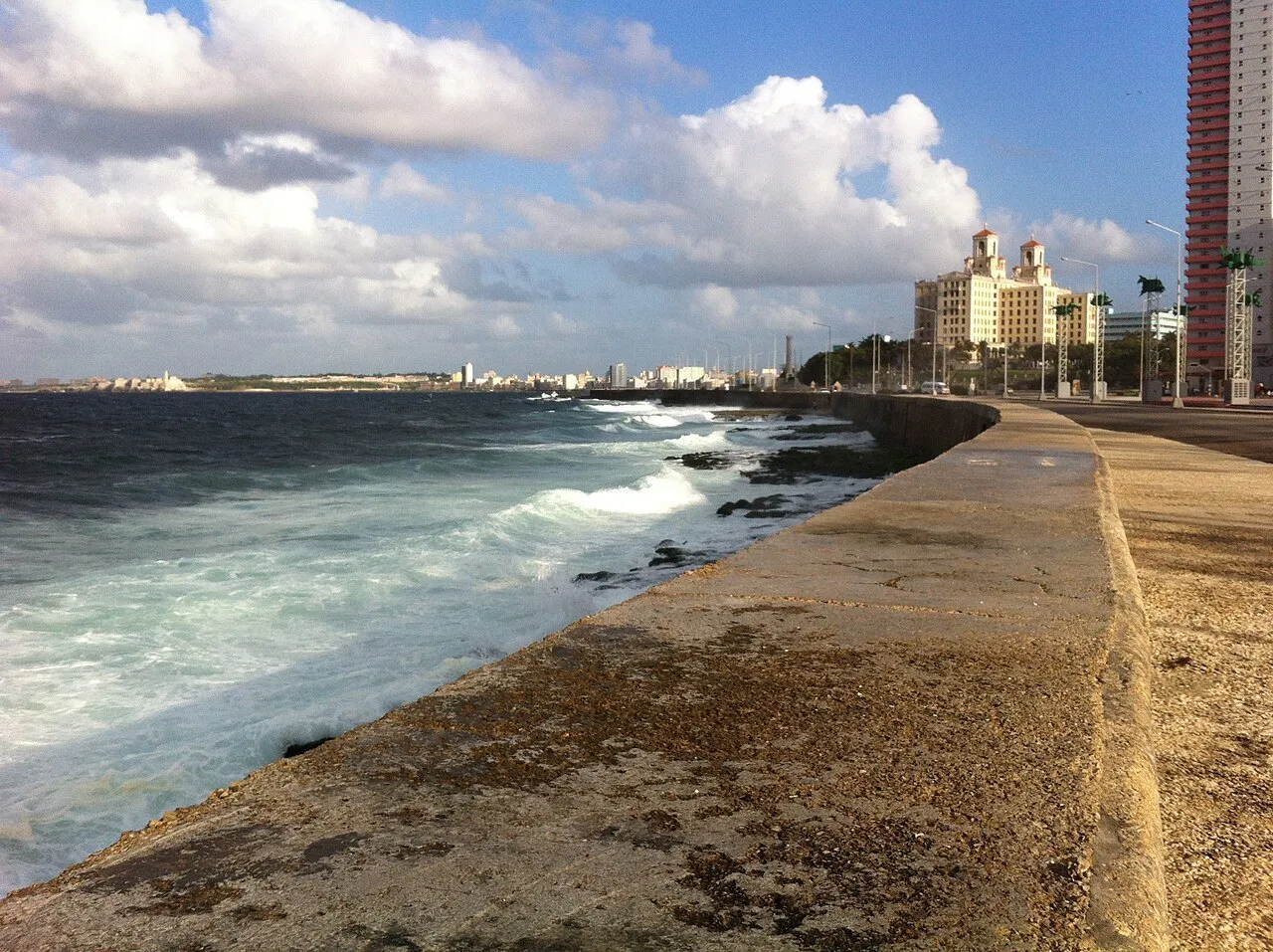 8
The seawall follows the avenue and changes Havana's horizon: here, the plan can be simply to walk one stretch and watch the light fall on the facades.
View details for Malecón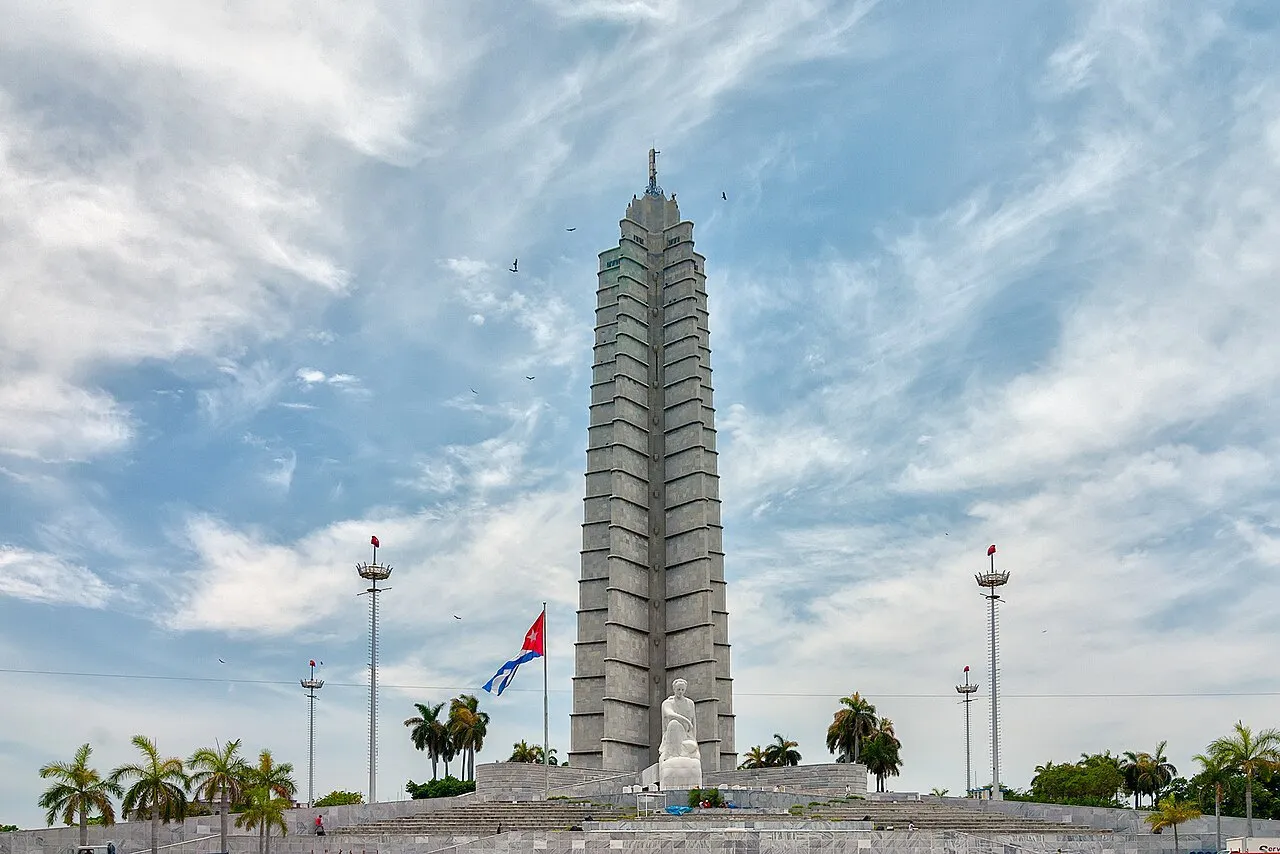 9
The José Martí memorial and the monumental portraits on the facades help you read Cuban political history in a square whose scale changes the walk considerably.
View details for Plaza de la Revolución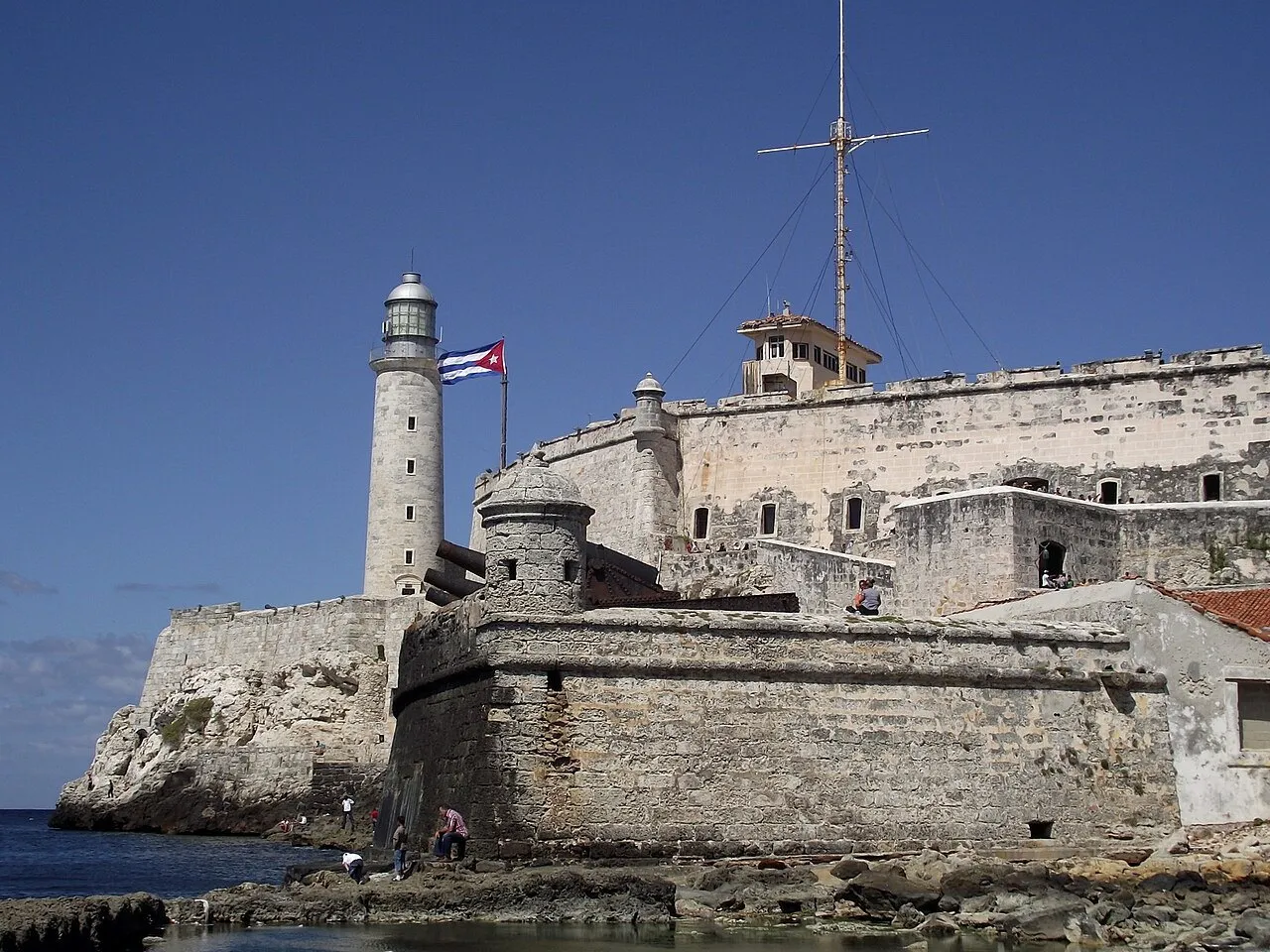 10
El Morro guards the bay entrance and offers another reading of Havana, with ramparts and the lighthouse shaping the view from the side opposite the old center.
View details for Morro Castle (Castillo de los Tres Reyes del Morro)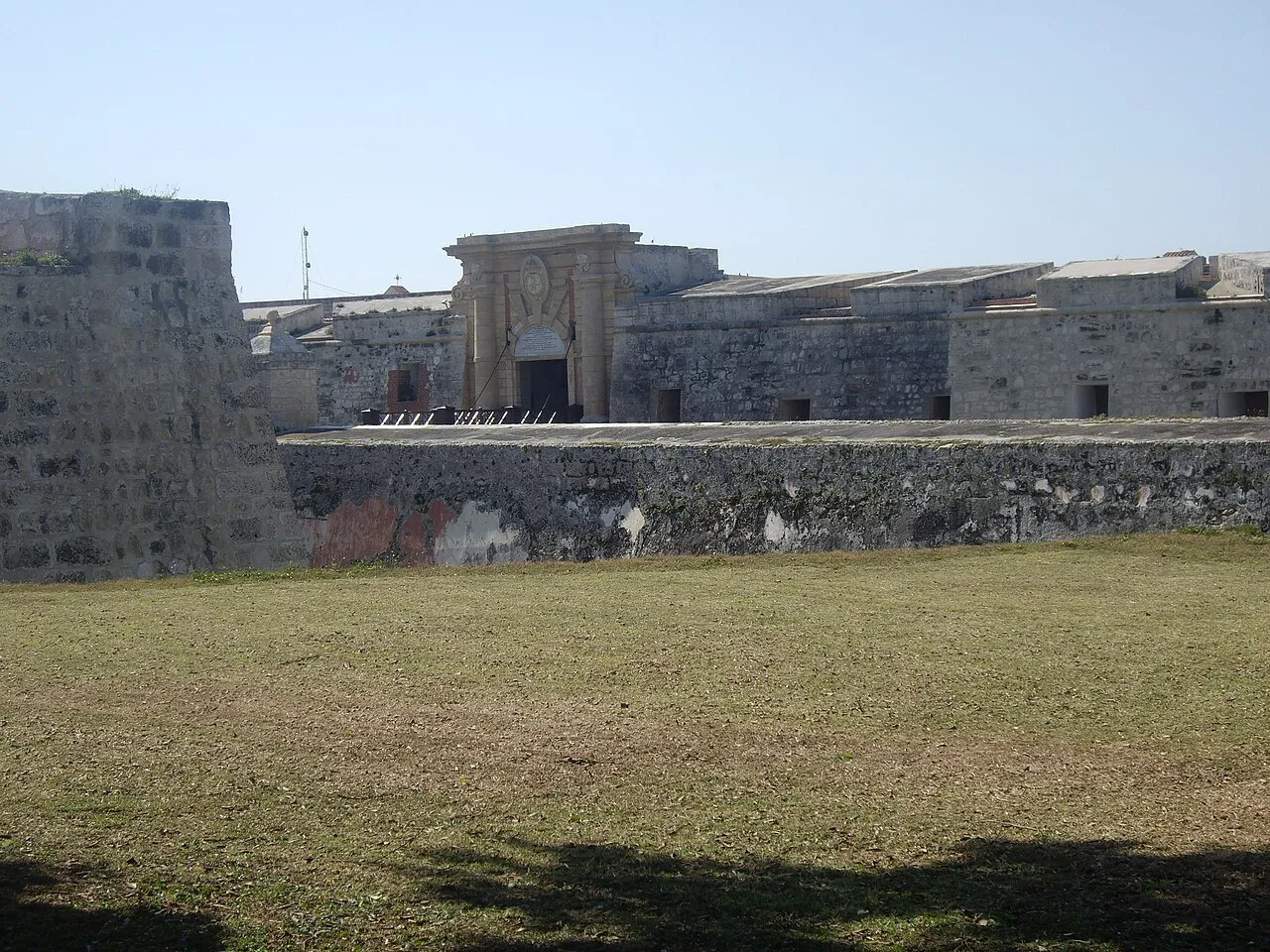 11
La Cabaña extends the bay's defense system with long ramparts and views of Havana; the cannon ceremony depends on confirmation of the schedule.
View details for San Carlos de La Cabaña Fortress1The square works like an open-air living room: nearby facades, stone paving and the cathedral taking over the conversation. The baroque shows in the curves of the facade, while the towers frame the whole. Step back to take in the church and the mansions together.
Start your day in Habana Vieja here, comparing doors, grilles and balconies. If you can get inside, go in with respect for worship; if it's closed, simply looking at the square justifies the stop.
2This is where Havana organized its first great public space. Gardens and facades help explain how close the port, the administration and city life were. Facing the square, the Palacio de los Capitanes Generales gives a sense of the scale of old colonial power.
Walk around the garden before crossing it: on one side you see stone details; on the other, the greenery changes how the buildings are framed. The pause fits between the Cathedral and San Francisco, with no need to chase every facade with your phone held up.
3The tower of the former convent marks this square, linked to the port and the flow of goods. The Fuente de los Leones fills the open space; the Lonja del Comercio is a reminder that faith and business once had addresses very close together here.
Between Plaza de Armas and Plaza Vieja, don't just take the shortest path across. Step away from the tower to take in the ensemble, then move closer to the fountain: in photos, the tower finally fits in the frame.
4Calling a square old after it was known as new is a mix-up Havana chose to keep. Around it, buildings from different eras combine arcades, balconies and colors; comparing the corners is more rewarding than grabbing a table right away.
One transformation explains the place: the underground parking garage that occupied the square was removed during the restoration. Walk all four sides and only then rest from the circuit, checking the menu and prices before you sit.
5Once the dome enters your field of view, it's hard to keep looking at the map. The staircase, columns and statue of the Republic impress by their scale; the kilometer-zero marker asks for the opposite move: looking down at the floor.
A replica diamond marks this reference point for Cuba's roads. Confirm whether you can go inside and have two options ready: enter, if it's operating, or look at the facade before the museum. The staircase in the sun also has its own persuasive power.
6After so many facades, see how Cuban artists have depicted people, landscapes and their restlessness. The collection includes Wifredo Lam, Carlos Enríquez and Víctor Manuel; moving from room to room can dismantle the idea that there is only one possible image of Cuba.
Prioritize the Cuban art building on Trocadero Street, choosing a few works to look at calmly. Giving equal attention to everything just wears you out. Confirm which rooms are open: having a collection doesn't guarantee the whole circuit is available.
7The bronze lions seem to take the job of guarding the Prado quite seriously. Benches and trees shape a walk along the central median, away from the side lanes. Officially called Paseo de Martí, the avenue links the Capitolio area with the waterfront.
Look at the facades on both sides and pick a bench for a break. The route changes when your gaze leaves the dome and starts looking for the sea; walk without any obligation to cover the whole avenue.
8At the Malecón, Havana gains a horizon and the walk needs no entrance gate. The wall follows the coastal avenue through different parts of the city. Pick one section: covering the entire waterfront doesn't have to become an endurance test.
Late afternoon tends to favor the light, but the sea has more say than the clock. When the waves are strong, change plans and move away from the wall; in calm conditions, follow one stretch and stop when the view pleases you.
9Here, distances grow. The José Martí memorial dominates one side; Che Guevara and Camilo Cienfuegos appear in monumental portraits on the surrounding facades. A setting for large political gatherings, the square calls for a different kind of visit than those in Habana Vieja.
Focus your stop on the outside views, preferring less intense sun. The memorial and viewpoint need to be confirmed separately. Arrange transport in advance to continue your day: crossing the city depends more on the logistics available than on your step goal.
10Seen from the center, El Morro is the fortress across the water; up close, its position explains its job. The ramparts command the bay entrance and help you understand how the port was protected. Its full name is Castillo de los Tres Reyes del Morro.
Notice the relationship between stone, sea and city. The castle and lighthouse may have separate entrances: confirm both. Plan the continuation to La Cabaña and your return before crossing to this shore.
11After El Morro, La Cabaña shows a defense built to cover more ground. Built to reinforce Havana's protection by land as well, it helps you see the fortresses as a network rather than isolated castles.
The site was also a prison, part of a history that deserves attention. The traditional cannon ceremony is associated with the complex, but it depends on confirmation. You can do the daytime visit and decide separately about the evening program, with your return organized.
The energy crisis affects flights, transport, water and services; follow official advisories and confirm operations directly before booking.
Confirm the current payment methods and plan enough cash; avoid relying on withdrawals or international cards.
Walk the old center and the Prado; for Revolution Square and the fortresses, arrange transport, price, currency and return.
November to April tends to be less rainy; bring sunscreen and water, and respect closures when the sea is rough.
Save maps and contacts and carry a power bank; blackouts affect communication and lighting, so plan your way back and look after valuables.
Ask permission before photographing people and agree on paid photos in advance; respect posted restrictions in museums, official buildings and military areas.
Look for Cuban cooking through its dishes, without turning a famous bar's name into an obligation. Rice, beans, meats and sides come in combinations that change with the restaurant and what's available. Before ordering, confirm what actually came out of the kitchen that day, the prices and the currency charged; a stroll through the squares goes better with a meal break already sorted out.
Shredded beef cooked with seasonings and sauce; worth asking about the available sides.
Rice and black beans cooked together, a simple pairing with its own seasoning.
Slices of fried green plantain, good alongside a main dish or to share at the table.
Rum, mint, lime, sugar, soda water and ice: check how it's made and decide whether it fits your break.