 1
Nature
Stanley Park
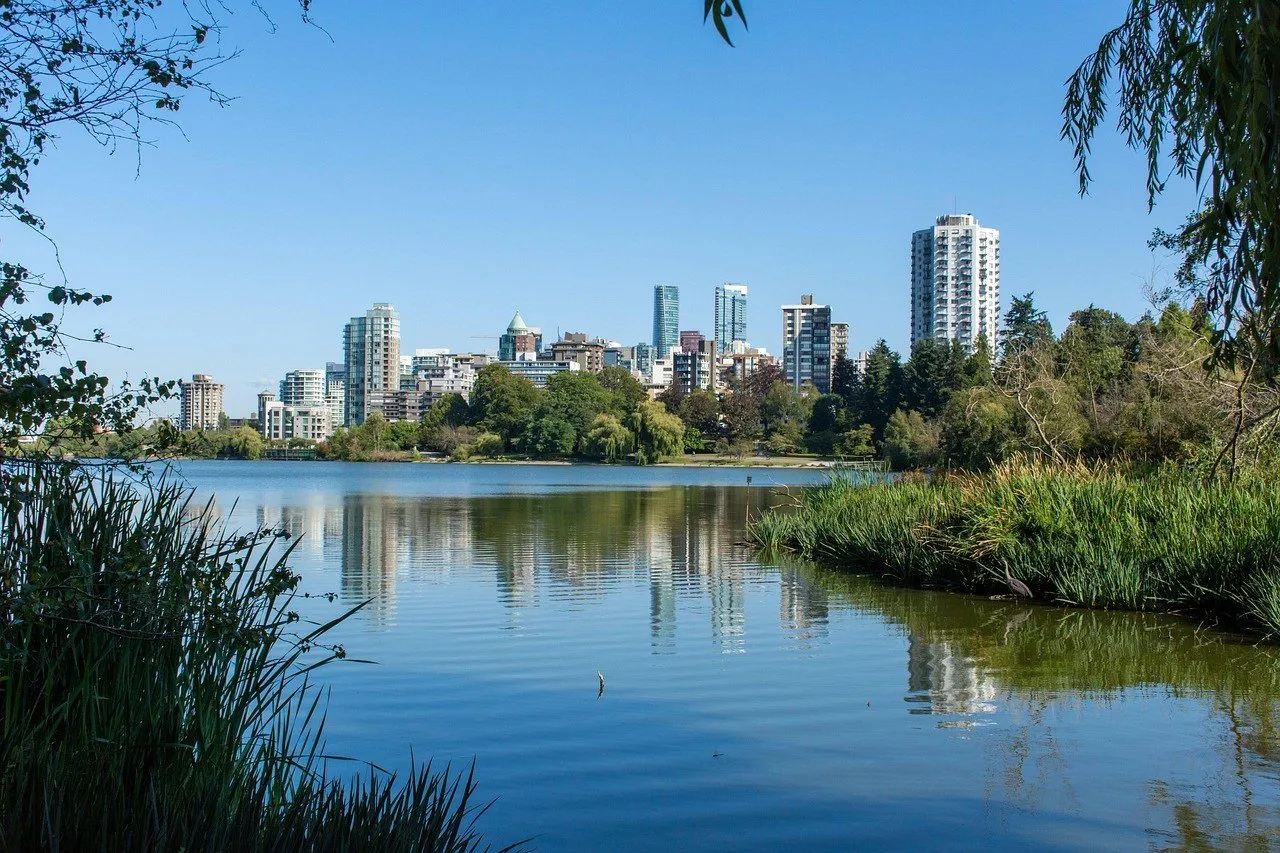
Forest, gardens and stretches of shoreline share Stanley Park; choose open paths and one part of the park instead of counting on the full seawall loop.
View details for Stanley Park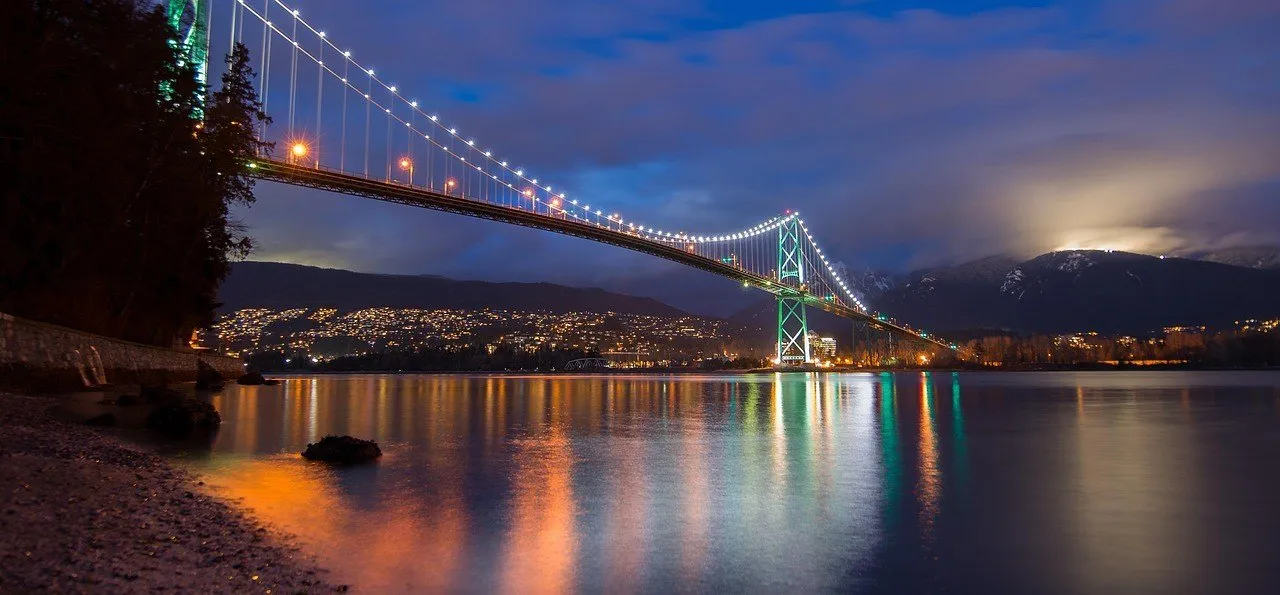
Canada
You step out of Stanley Park's forest and find boats, buildings and mountains in the same frame. In Vancouver, a coffee break usually comes with a good excuse to keep going along the water.
The first negotiation in Vancouver is between your sneakers and the weather forecast. Stanley Park's forest comes right up to the buildings, English Bay offers a break on the sand and boats cross the landscape while you pick your next coffee. The outing works best when short walks alternate with transit, without turning every stretch of waterfront into an endurance test.
Split your stay between downtown, the gardens and Granville Island, plus one day in North Vancouver, which is a different city. Capilano and Lonsdale make up that regional outing, with transportation arranged for the trip out and back. There is construction on the Stanley Park seawall at the time of this research: choose open sections, check the detours and leave room to have lunch, catch transit and simply look at the bay, without rushing from one shore to the other.
The quarry gardens at Queen Elizabeth Park sit in a former excavation site: the terrain itself is part of the flower bed design.
At VanDusen there is a hedge maze; finding the exit can take longer than choosing the next flower to photograph.
In Gastown, the Steam Clock is not remarkable just for its face: the whistle is part of the stroll along Water Street too.
1Forest, gardens and stretches of shoreline share Stanley Park; choose open paths and one part of the park instead of counting on the full seawall loop.
View details for Stanley Park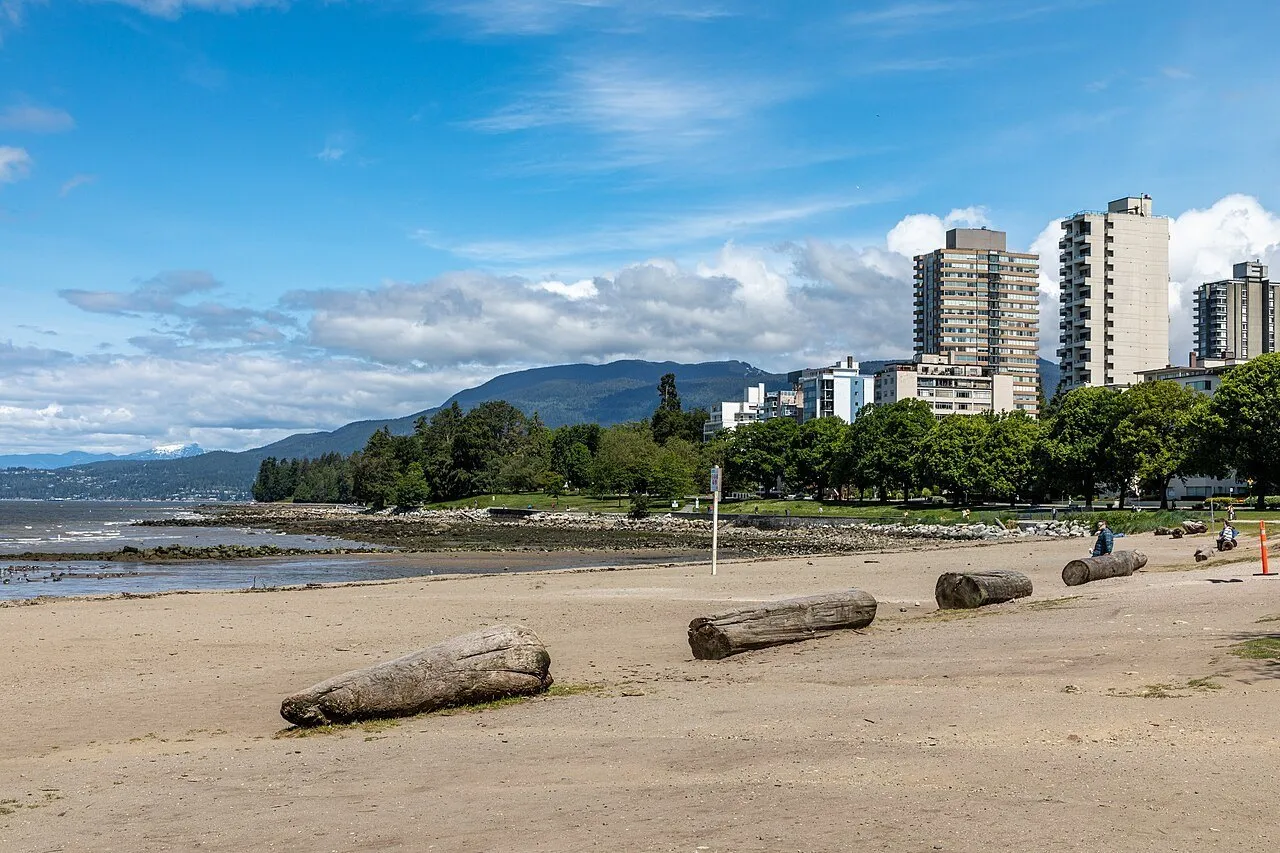 2
The West End beach offers sand and a pause by the water near downtown; swimming and summer services depend on conditions and the season.
View details for English Bay Beach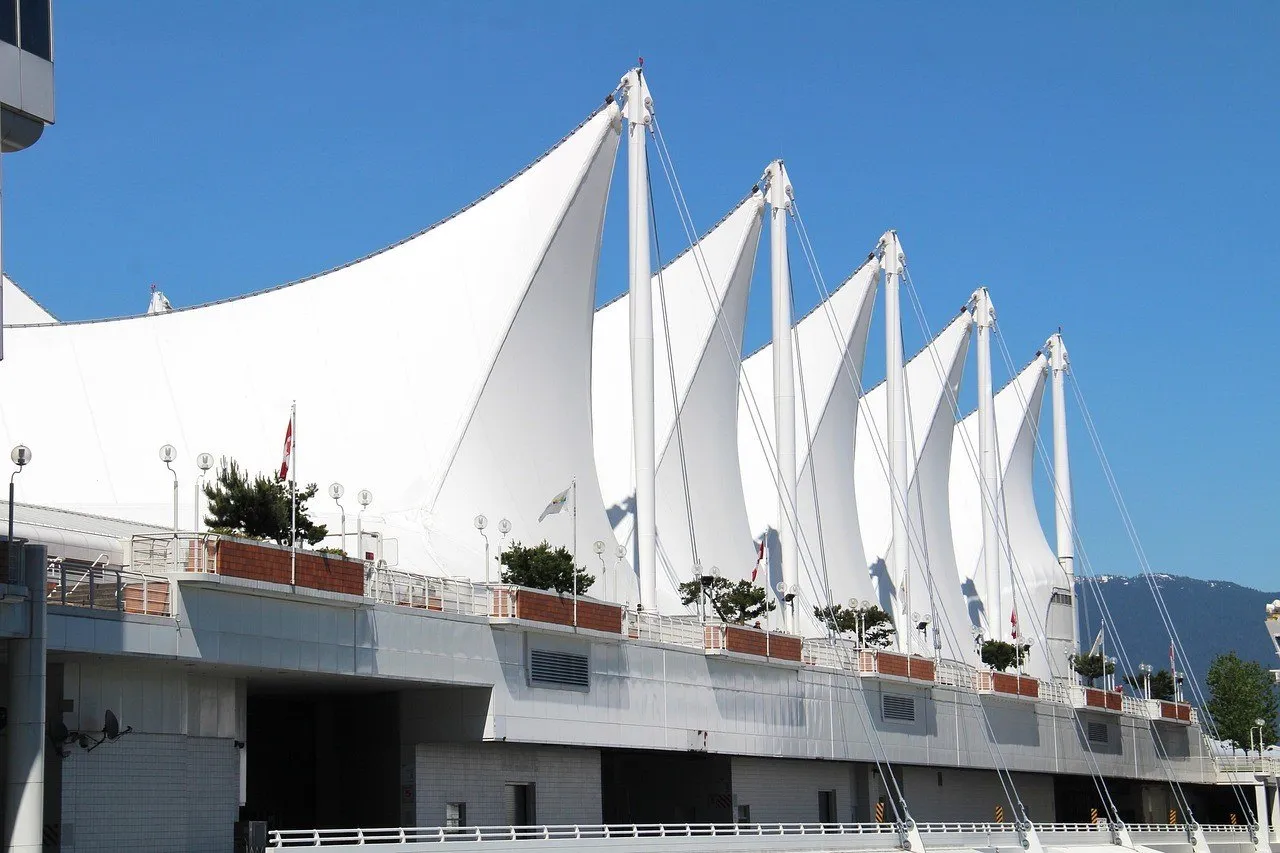 3
White sail-shaped roofs mark Canada Place, where an outdoor stroll brings you close to the port and the Burrard Inlet landscape.
View details for Canada Place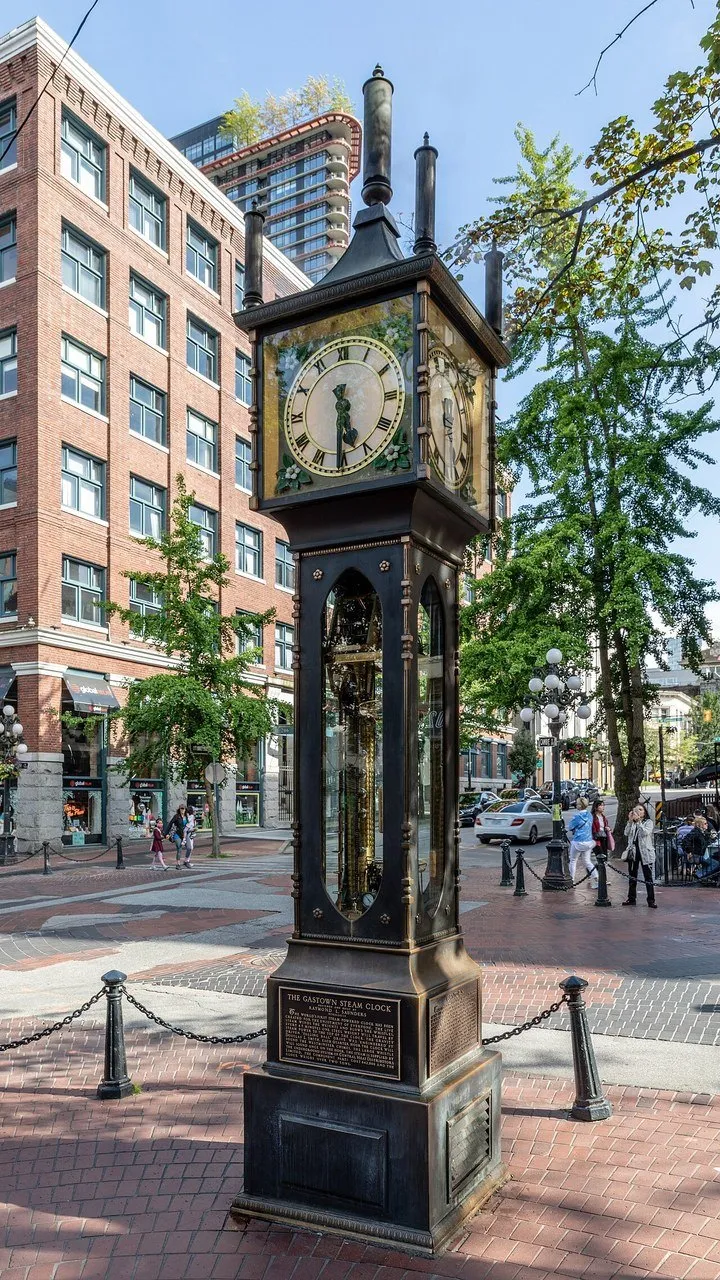 4
Water Street brings together historic facades, cafés and the Steam Clock, a reference point for walking Gastown and ending the downtown outing with a meal.
View details for Gastown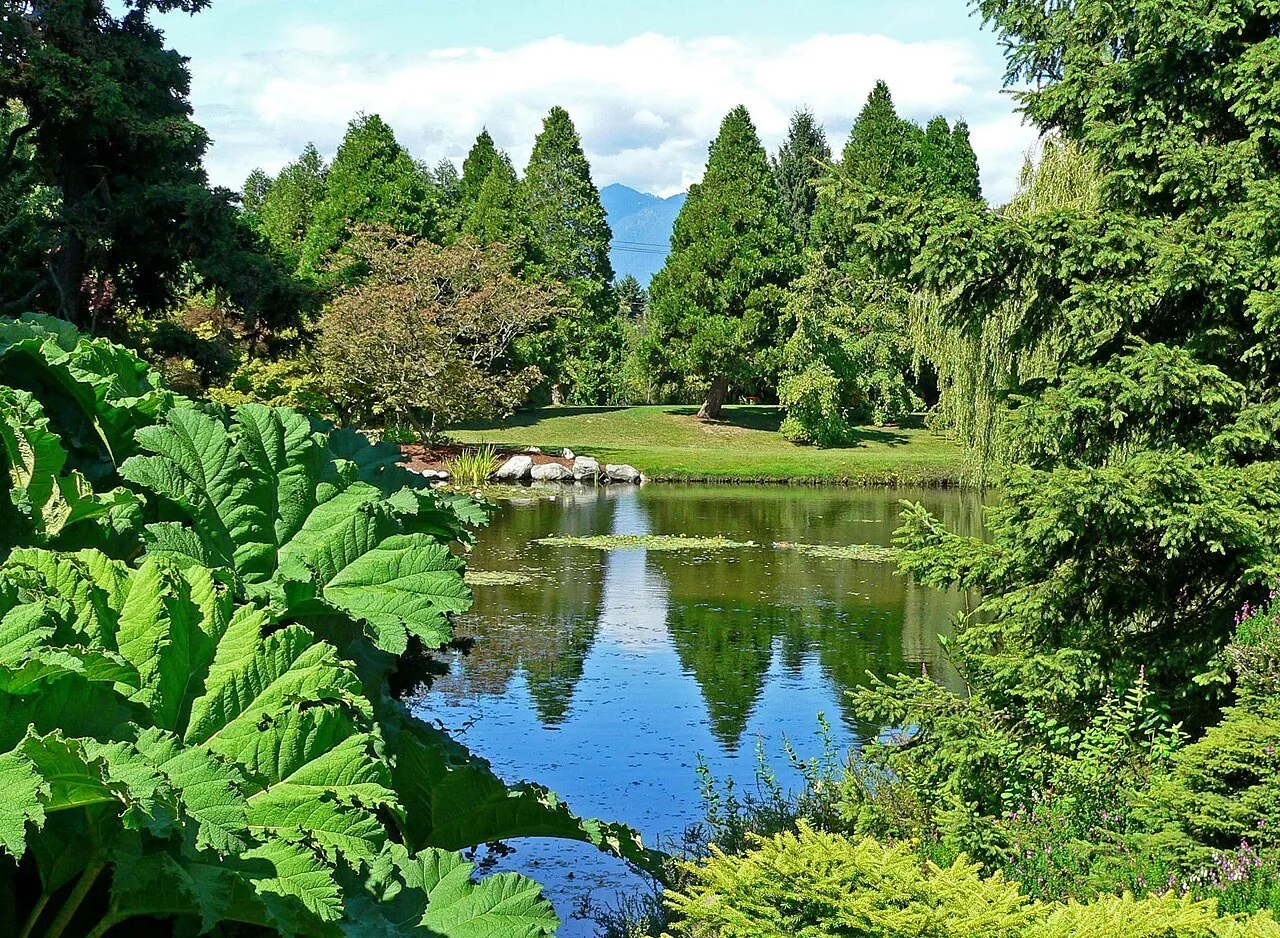 5
Plant collections and a hedge maze set the pace at VanDusen, a paid garden whose hours get shorter for part of the year.
View details for VanDusen Botanical Garden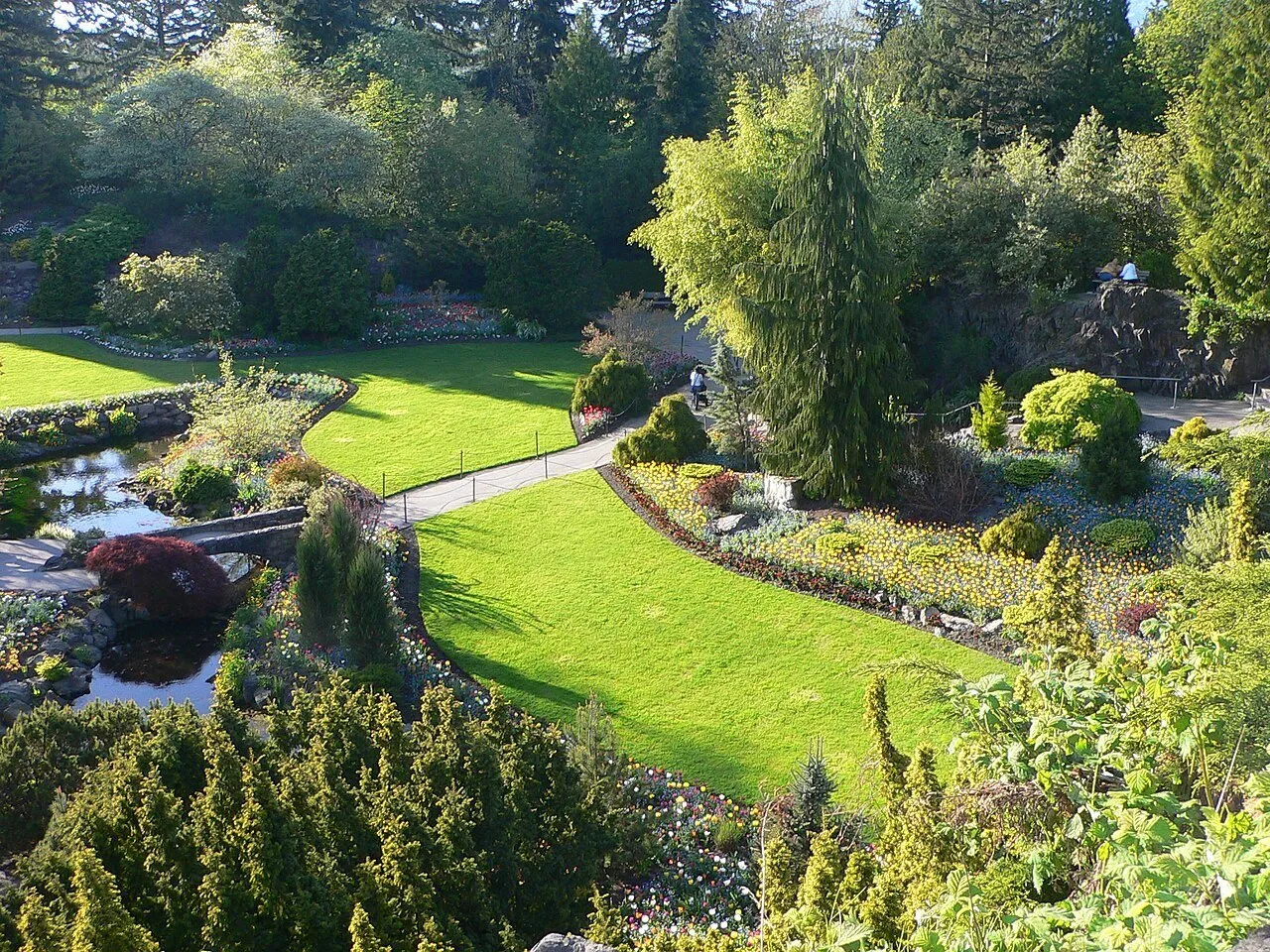 6
Quarry gardens and city views lead the outing at Queen Elizabeth Park; the Bloedel Conservatory is a separate, optional visit.
View details for Queen Elizabeth Park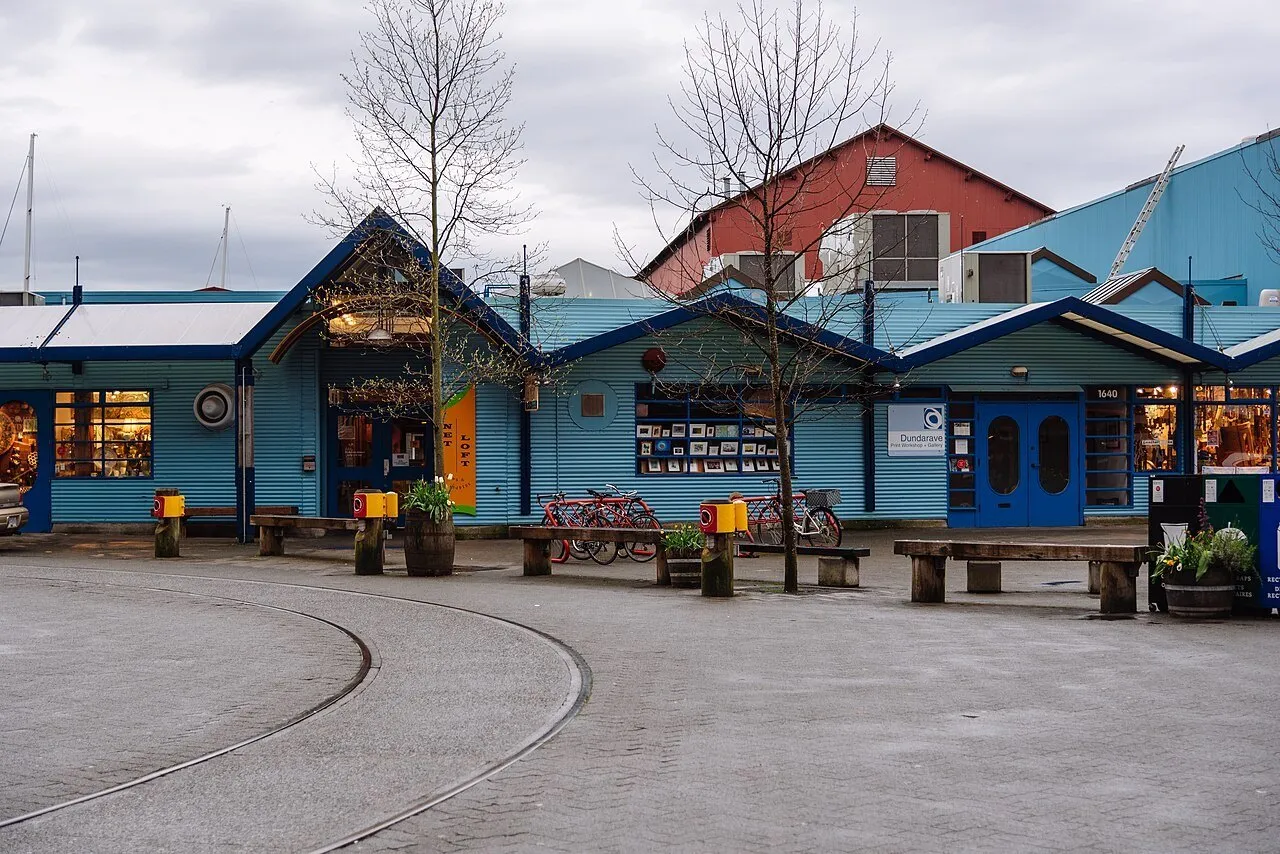 7
A public market, workshops and cultural venues fill Granville Island; set aside time to eat and stroll by the water, as well as to visit the stalls.
View details for Granville Island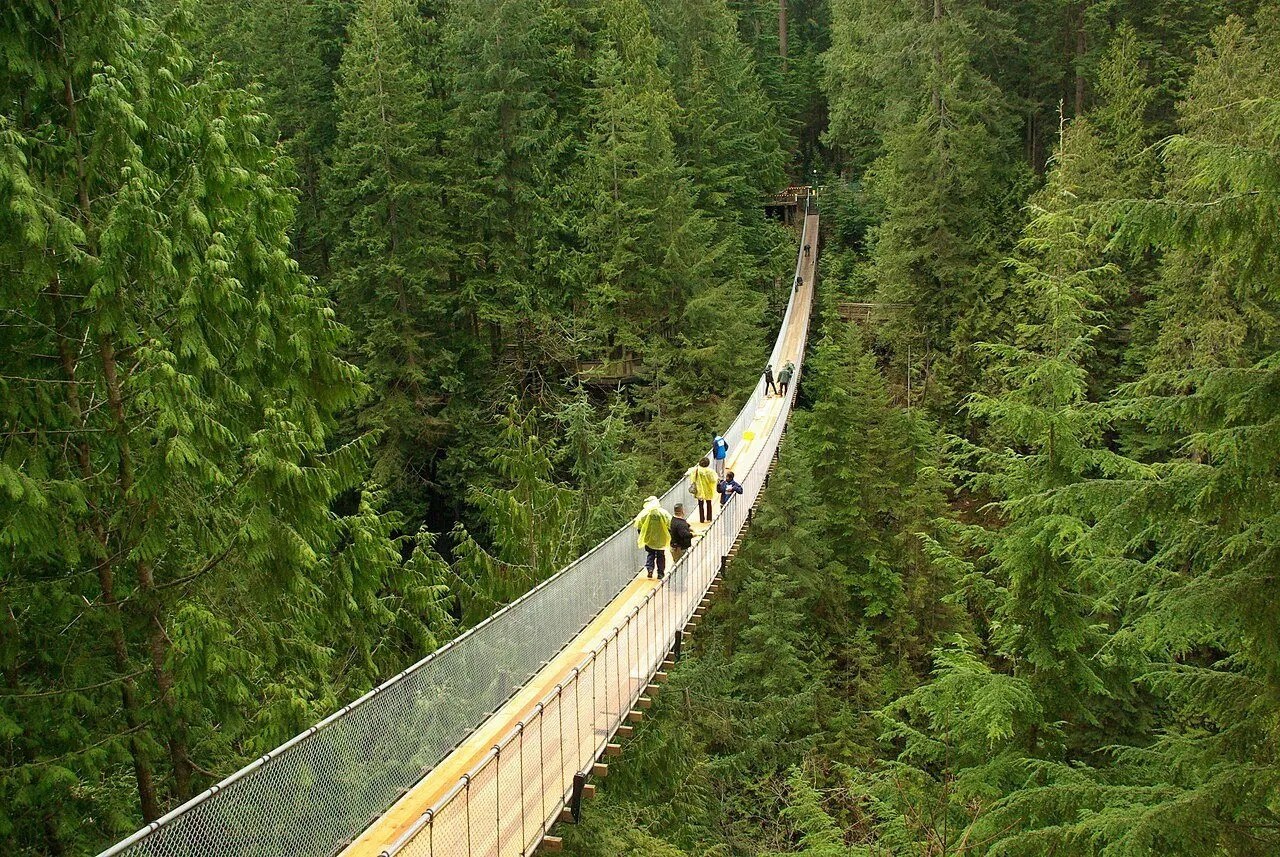 8
The suspension bridge is part of a paid park with walkways in the forest and the canyon, in North Vancouver; set aside time and consider mobility conditions.
View details for Capilano Suspension Bridge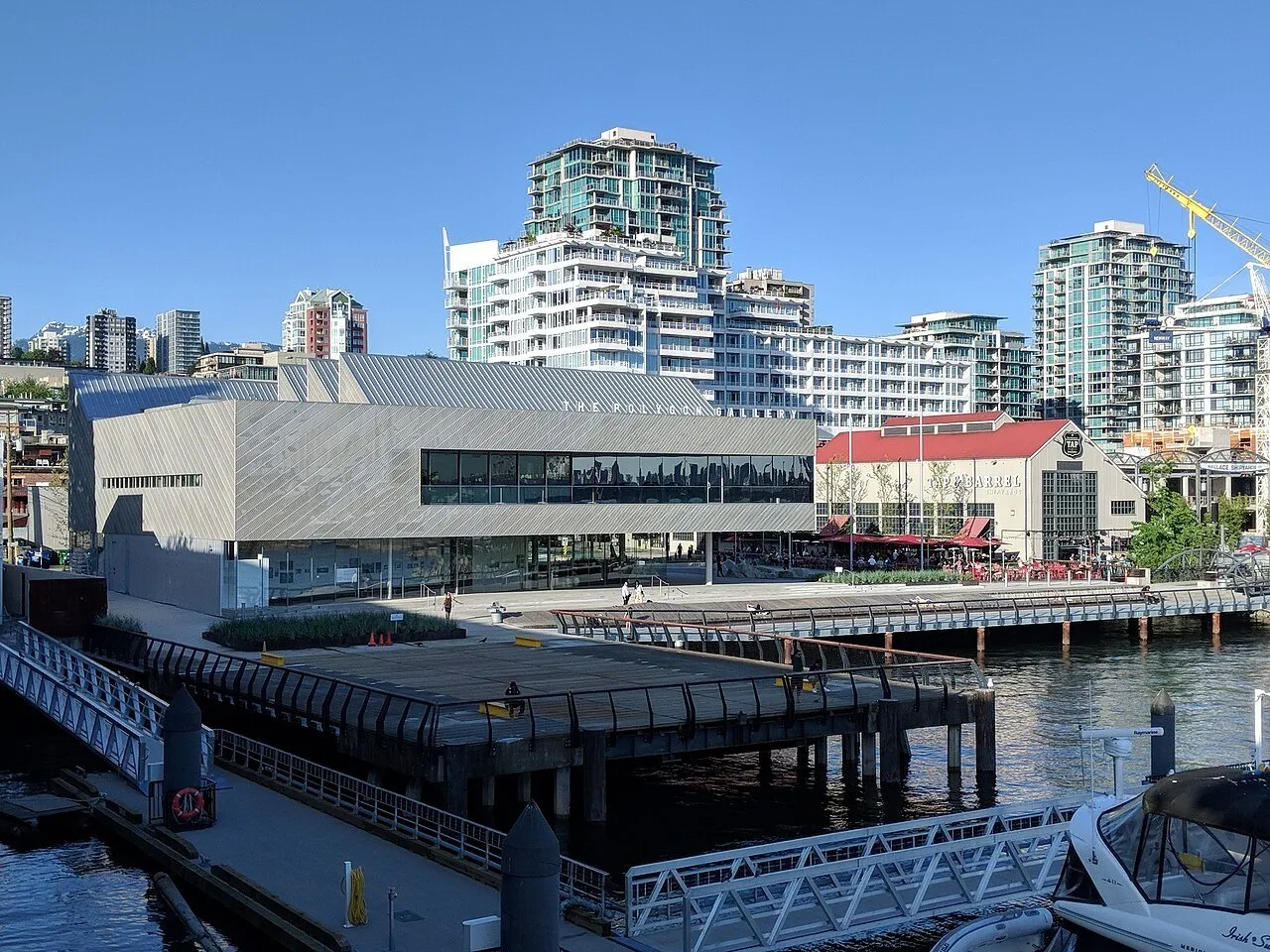 9
The Lower Lonsdale waterfront combines shops, food, plazas and a pier; the SeaBus links the area to downtown Vancouver across Burrard Inlet.
View details for Lonsdale Quay and The Shipyards1Tall trees change the sound of the walk before you can see the buildings again. Stanley Park brings together coastal forest, gardens and waterside paths, with different sections to explore. Cover one section without trying to complete the whole edge.
The seawall stretch between Lumberman's Arch and Third Beach is closed for construction at the time of this research. Follow the detours and check the city map; the itinerary uses a selection of open paths and does not promise the full loop.
2English Bay is an easy pause to understand: a bench, a strip of sand and water filling your field of view. Also called First Beach, it sits in the West End. Combine the visit with the southern section of Stanley Park, without trying to cross closed stretches.
The basic plan is to walk and sit. If you want to get in the water, check the water quality notices and local conditions; lifeguards and some accessibility features run seasonally. The view stays available without a swimsuit.
3The white sails announce the outing. Canada Place houses convention facilities, a hotel and a cruise terminal on the central waterfront. For a first pass, the appeal lies in the exterior and in how the building relates to the movement of the port.
Walk through the open public areas, watch the boats and the mountains when the weather allows and head on to Gastown. Don't confuse the outdoor stroll with a ticket to indoor attractions: activities such as Flyover are booked separately and are outside this itinerary.
4The Steam Clock whistles at the corner of Water and Cambie. In Gastown, the clock shares attention with shops, cafés and facades along Water Street. Pick a few blocks instead of turning the visit into a collection of shop windows.
The walk pairs well with a meal after Canada Place. Stay alert at intersections and watch your belongings, and plan your return according to the time and the stretch you chose. The neighborhood is a place to work and live as well as a place to visit.
5Flowers, trees and paths lead the morning at VanDusen. The collections gather plants from several regions, and the hedge maze turns the game from looking to finding a way out. Choose one circuit instead of trying to examine every flower bed.
The garden has an admission fee and seasonal hours, much reduced in winter. That is why it opens this day of the itinerary. Check the accessibility map: many paved paths are accessible, but other routes have uneven ground and steps.
6The climb rewards the eyes with gardens and a view that can reach the North Shore mountains. At Queen Elizabeth Park, the old quarry cuts have become part of the flower bed design. Pick a bench according to the light and rest between sections.
This itinerary's outing stays in the outdoor areas, after VanDusen. The Bloedel Conservatory, with its tropical environment, requires checking admission and hours separately. In fog, focus the visit on the gardens and don't expect a panorama.
7The market takes care of hunger, but it doesn't exhaust Granville Island. Food stalls, artisan workshops and cultural venues share this corner of False Creek. Take a lap before you buy: the decision gets better once you know the options.
Set aside time to eat and to walk the outdoor areas. The small boats of False Creek are one way to arrive, with their own tickets and schedules; there is also access by land. Check the hours of shops and activities separately from the market.
8The bridge moves with the people crossing it, and the first decision is to walk at your own pace. Capilano Suspension Bridge Park combines the crossing with Treetops Adventure and Cliffwalk, walkways among the trees and along the canyon. It is in North Vancouver and requires transportation from downtown.
Buy through the official channel and check access by public transit or the operator's shuttle. There are steps and suspended sections; the main attractions are not wheelchair accessible. Look into alternative routes before buying.
9Across the water, Vancouver becomes scenery. Lower Lonsdale brings together Lonsdale Quay and The Shipyards, with shops, places to eat and public spaces tied to the area's former shipbuilding activity. Stroll the waterfront and the pier, and pick a meal without needing a festival to make the place worth it.
After Capilano, take transit to this part of North Vancouver and return by SeaBus, depending on service. Events, the skating rink and play areas follow their own calendars. Walk, look at the harbor and take a break.
The Canada Line connects YVR to downtown. Check the train's destination, the schedule and the surcharge on some trips departing from the airport; plan the last leg to your lodging.
TransLink accepts Compass and tap-to-pay methods. Use the same card or device when entering and exiting SkyTrain and SeaBus; on the bus, tap only when boarding. Each traveler needs their own payment method.
Dress in layers and bring rain protection. Check the forecast and air quality advisories; in strong wind or smoke, adjust outdoor outings and follow local guidance, without pushing on with trails.
Add up the fares you will actually use before buying passes. An attraction's shuttle and the False Creek boats should not be confused with the regular TransLink network.
Look after your belongings, including in the car. Ask for consent before photographing people; in Indigenous collections, read the authorship and context and respect reproduction rules, without treating living cultures as decoration.
British Columbia adopted permanent UTC−7 in 2026. Check the time zone on your tickets and on connections to other regions; don't automatically apply the old winter clock change to Vancouver.
Pacific fish meets the techniques of many cuisines at Vancouver's tables. Look for one sushi meal and another at an Indigenous-owned business, paying attention to who is cooking and where the recipes come from. Granville Island helps with breaks: looking over the stalls first usually leads to a more coherent lunch than buying the first thing you see when hungry.
Lightly seared fish, found in sushi preparations such as salmon oshi; compare portions and prices before ordering.
Appears in different preparations; ask about its origin and the house option, subject to availability.
A bread found on the menus of Indigenous-owned businesses, served in different versions; learn the story the establishment tells.