 1
History and architecture
St. Peter's Cathedral
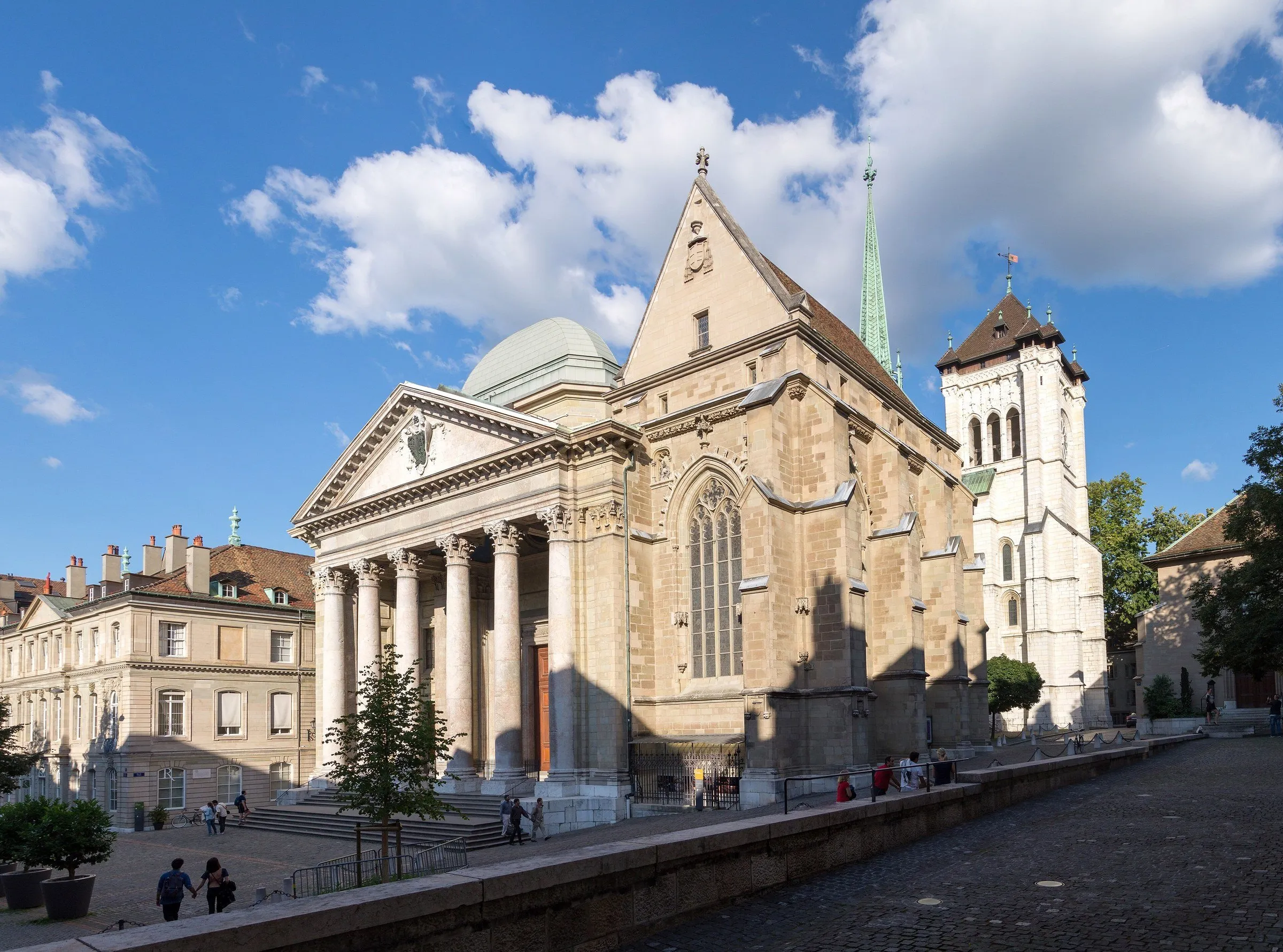
At the top of the Old Town, St. Peter's combines memories of the Reformation, archaeological remains and towers with views over the rooftops and Lake Léman.
View details for St. Peter's Cathedral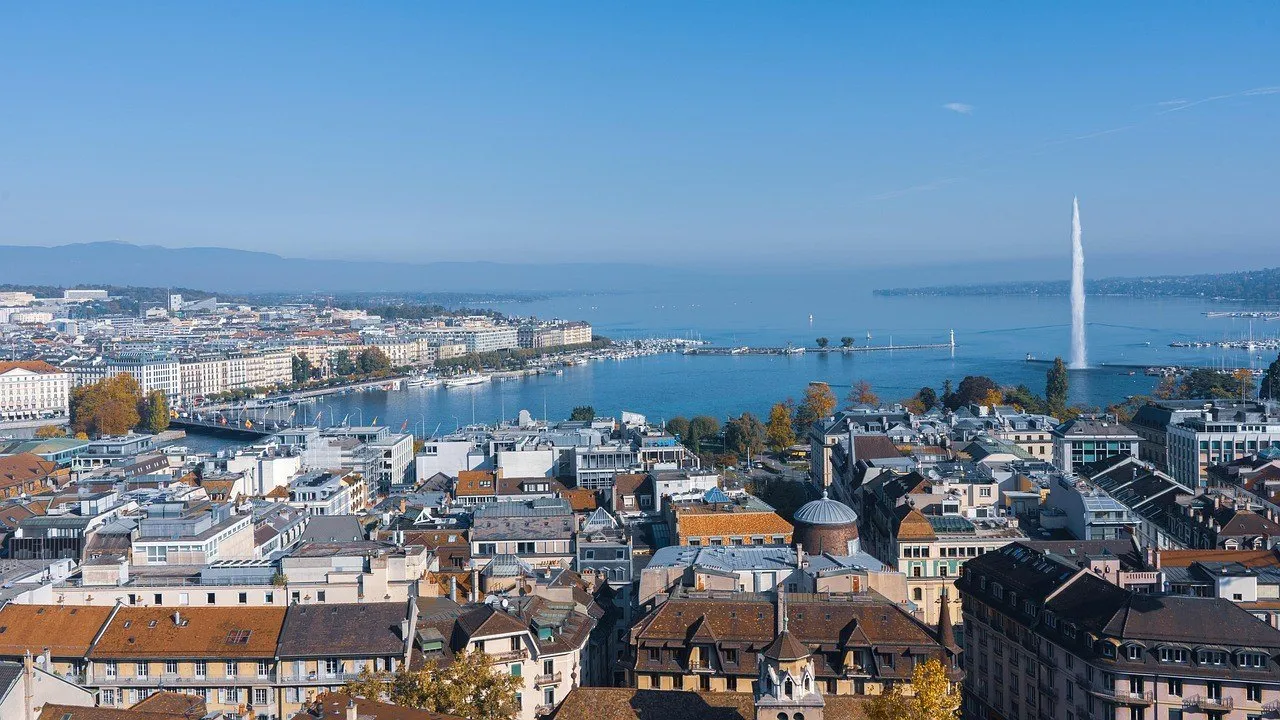
Switzerland
The wind shifts on Lake Léman and the Jet d’Eau threatens to turn your photo into a shower. In Geneva, with towers, flowers that tell the time and fondue by the water, the itinerary welcomes detours.
A column of water rises from Lake Léman, boats cross the bay, and you try to decide whether to look at the lake or at the rooftops of the Old Town. Geneva demands these little negotiations. The city that hosts the UN also has a public bathing spot with fondue, a clock planted in a garden and a cathedral that offers a program both up and down: towers above, archaeology below. The walk starts with a workout for your neck.
Organize your stay by area: the Old Town hill and its museums; the lakeshores, linked by the little Mouettes boats; and the area around the Palais des Nations, the Ariana and the Botanical Garden. Set aside a walk to the Jonction, where the Rhône meets the Arve. Three days let you do all this without turning every park bench into a timed break. The times below are suggestions for building your outing, with room for lunch and getting around.
The Jet d’Eau was born from an industrial fix: water pressure had to be released when the workshops shut down their machines. The workday ended and the attraction began.
The flower clock in the Jardin Anglais tells the real time, with a signal transmitted by satellite. Even the gardening is punctual.
Gustave Revilliod, founder of the Ariana, hid time capsules on his properties, with photographs, medals and even wine for whoever came after him.
1At the top of the Old Town, St. Peter's combines memories of the Reformation, archaeological remains and towers with views over the rooftops and Lake Léman.
View details for St. Peter's Cathedral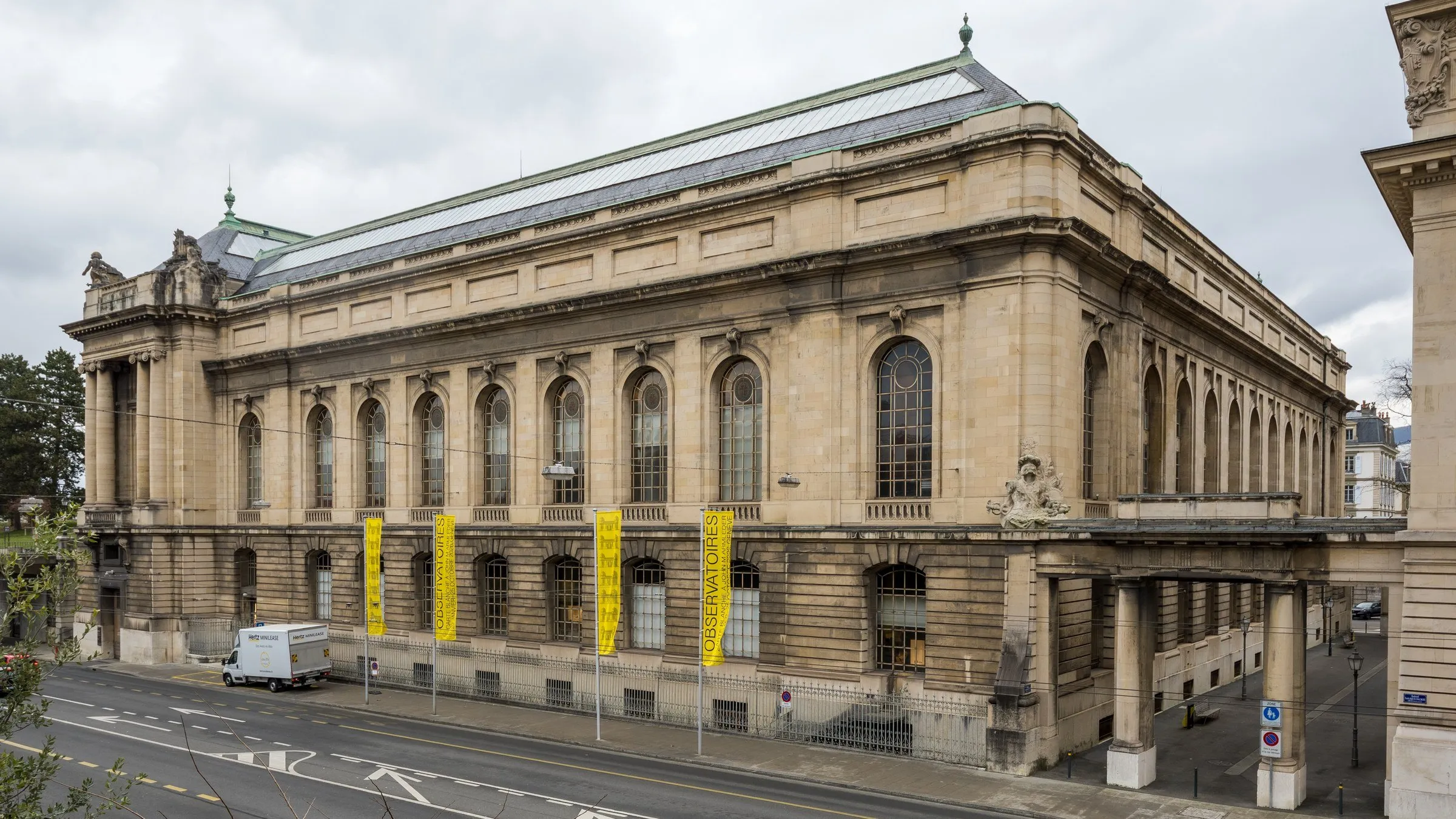 2
Archaeology, fine arts and applied arts share one large building near the Old Town, a good place to pick one collection and take your time.
View details for Museum of Art and History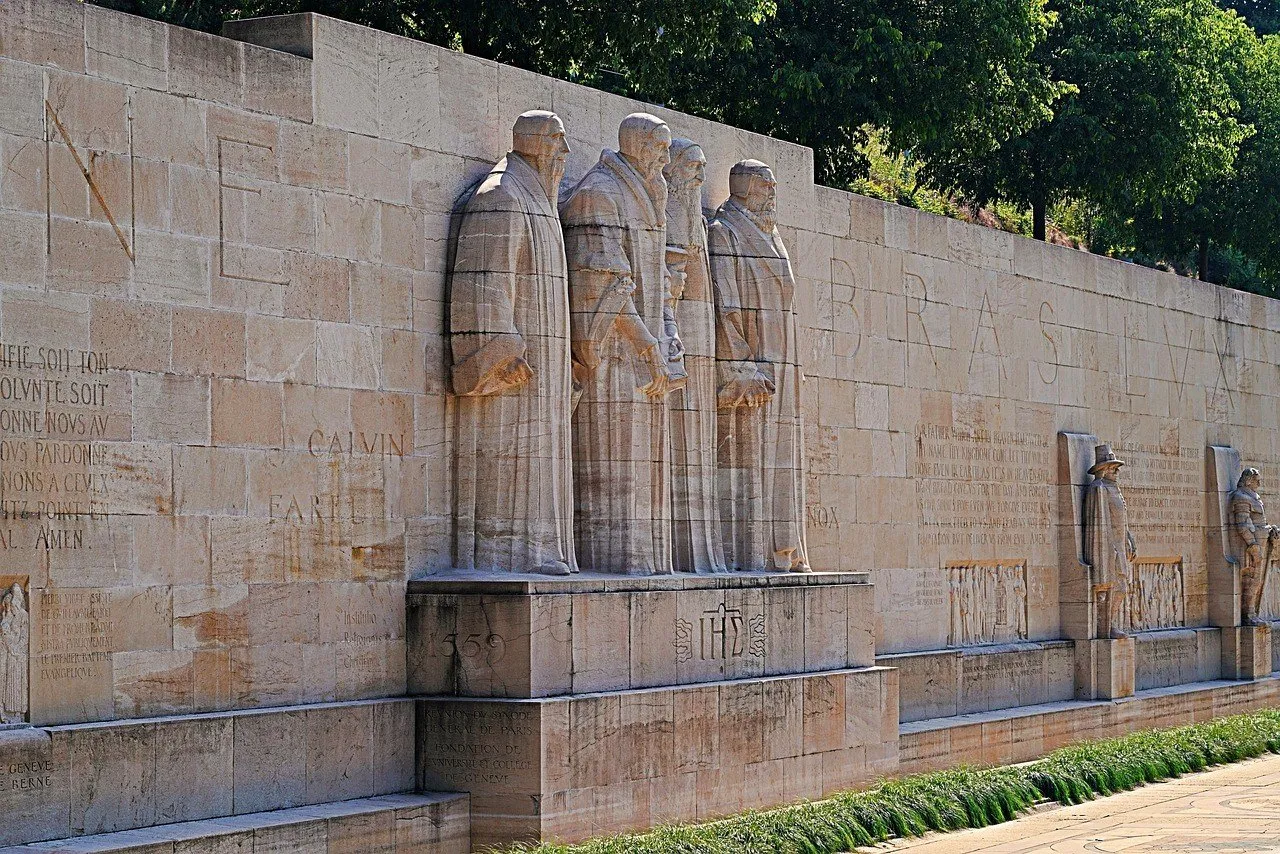 3
The figures of the Reformation line the old rampart beside Bastions Park; the stroll combines a monument, trees and a break after the slopes.
View details for Bastions Park and the Reformation Wall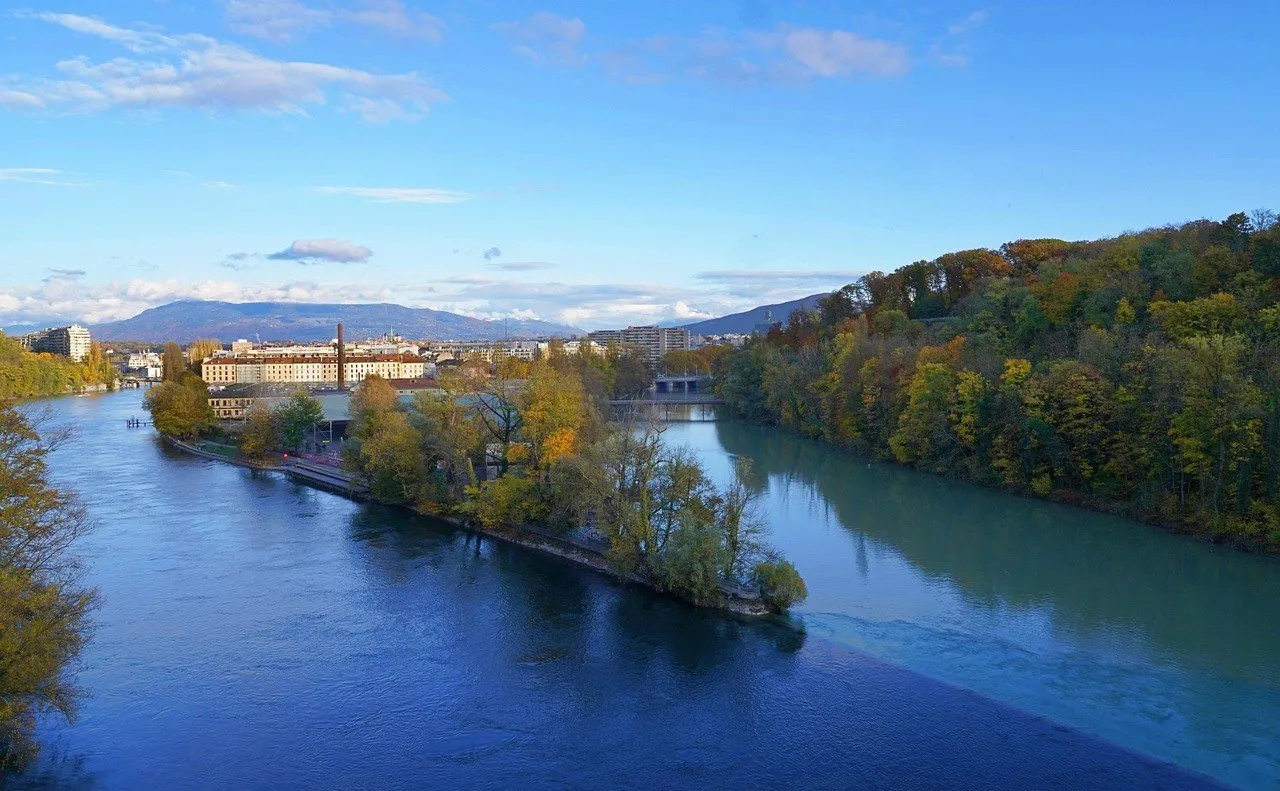 4
The Rhône and the Arve meet in waters of different shades, seen from the Jonction viaduct: a river landscape inside the urban itinerary.
View details for Jonction: where the Rhône meets the Arve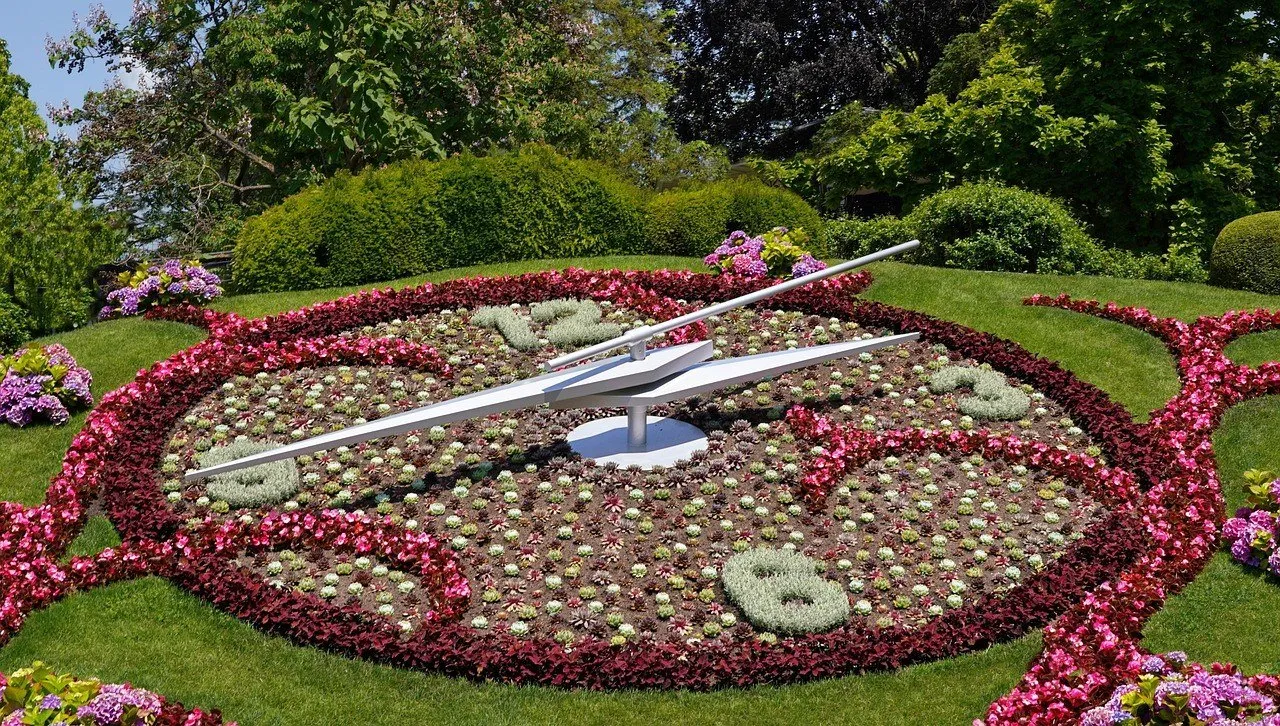 5
On the shore of Lake Léman, the Jardin Anglais brings together a bronze fountain, the National Monument and a flower clock that really works.
View details for Jardin Anglais and the Flower Clock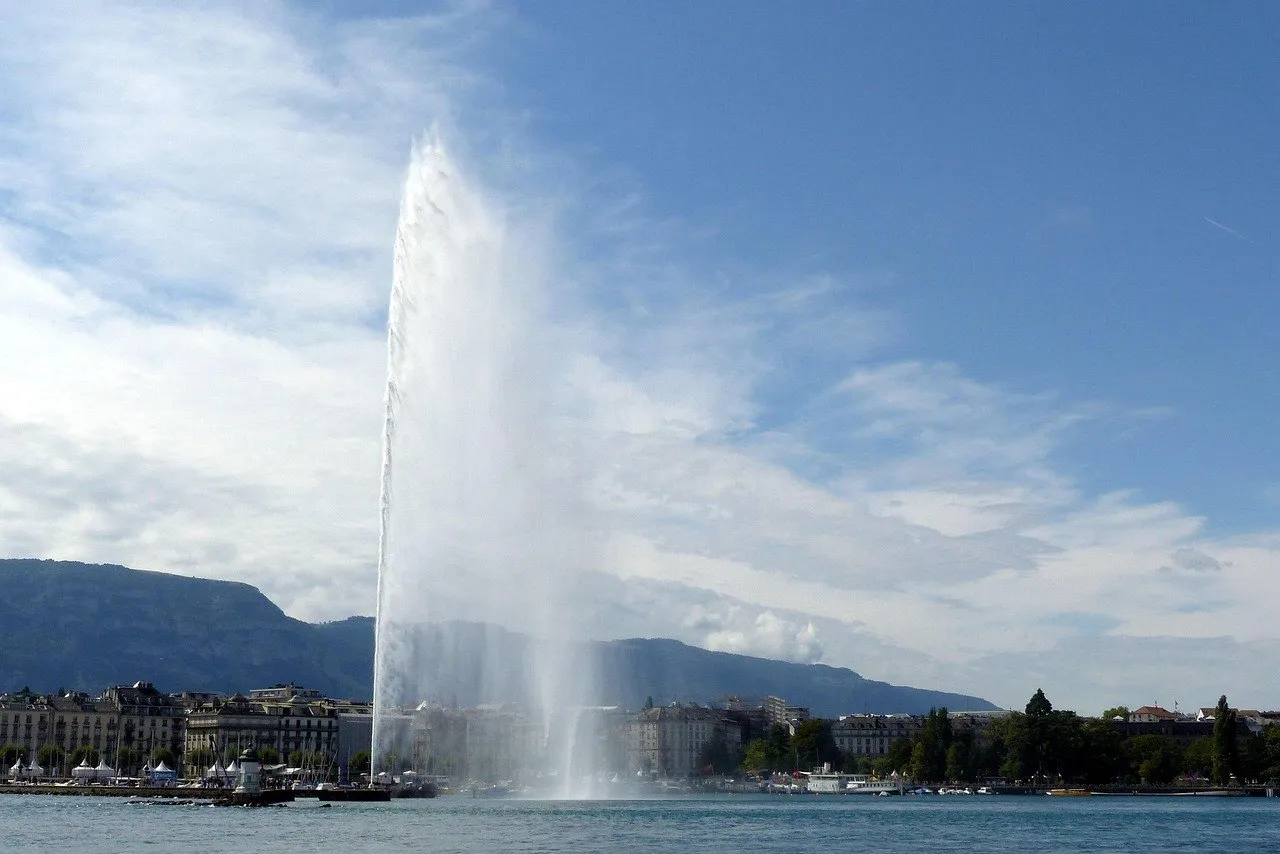 6
The jet that rises about 140 meters from Lake Léman began as a hydraulic solution and became a landmark for anyone strolling along Geneva's shores.
View details for Jet d’Eau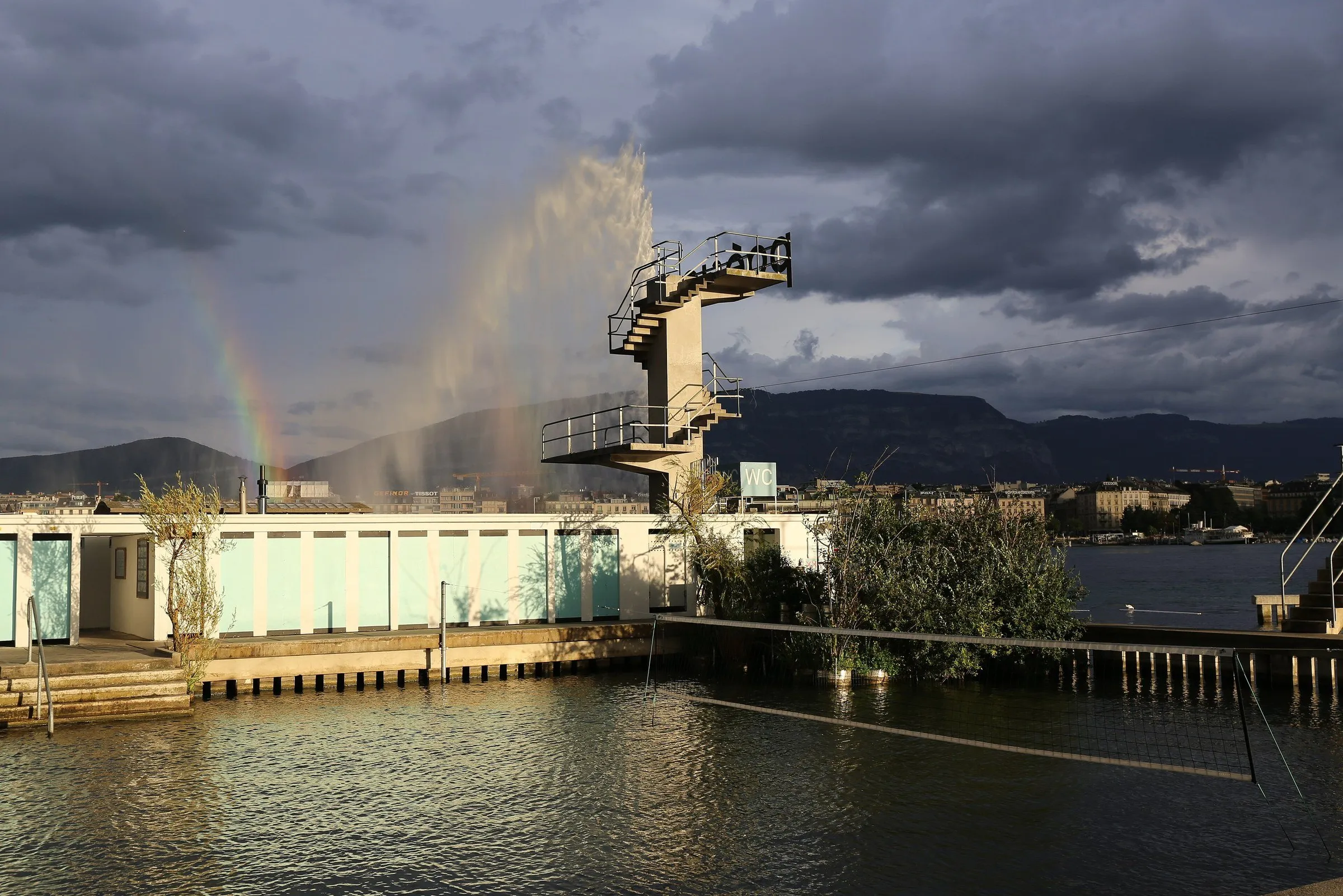 7
Public baths, a view of the bay and a buvette serving fondue make the Bains des Pâquis an outing that can go on well past the first photograph.
View details for Bains des Pâquis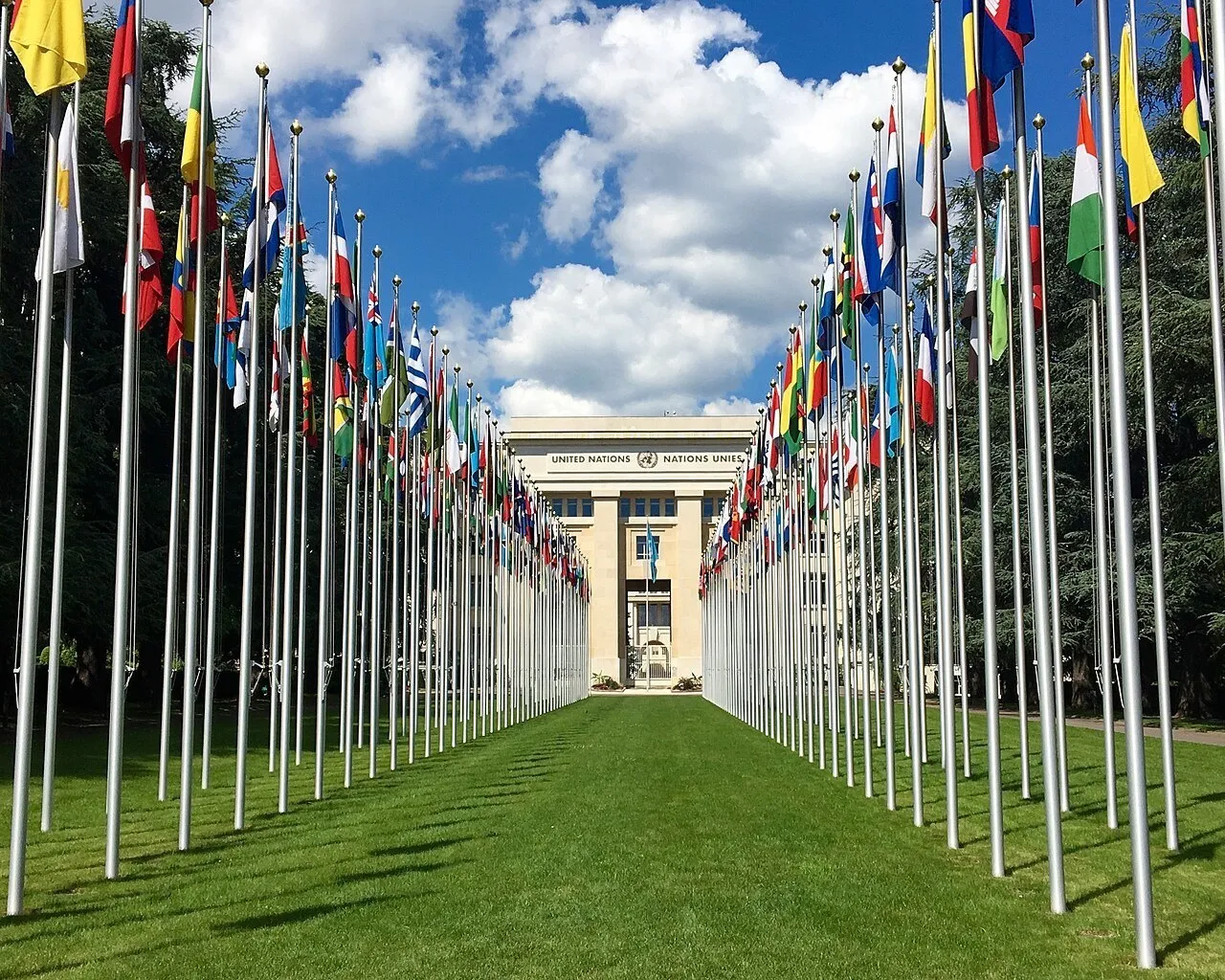 8
Former seat of the League of Nations and the UN's seat in Geneva, the Palais opens part of its workspaces in guided tours by reservation.
View details for Palais des Nations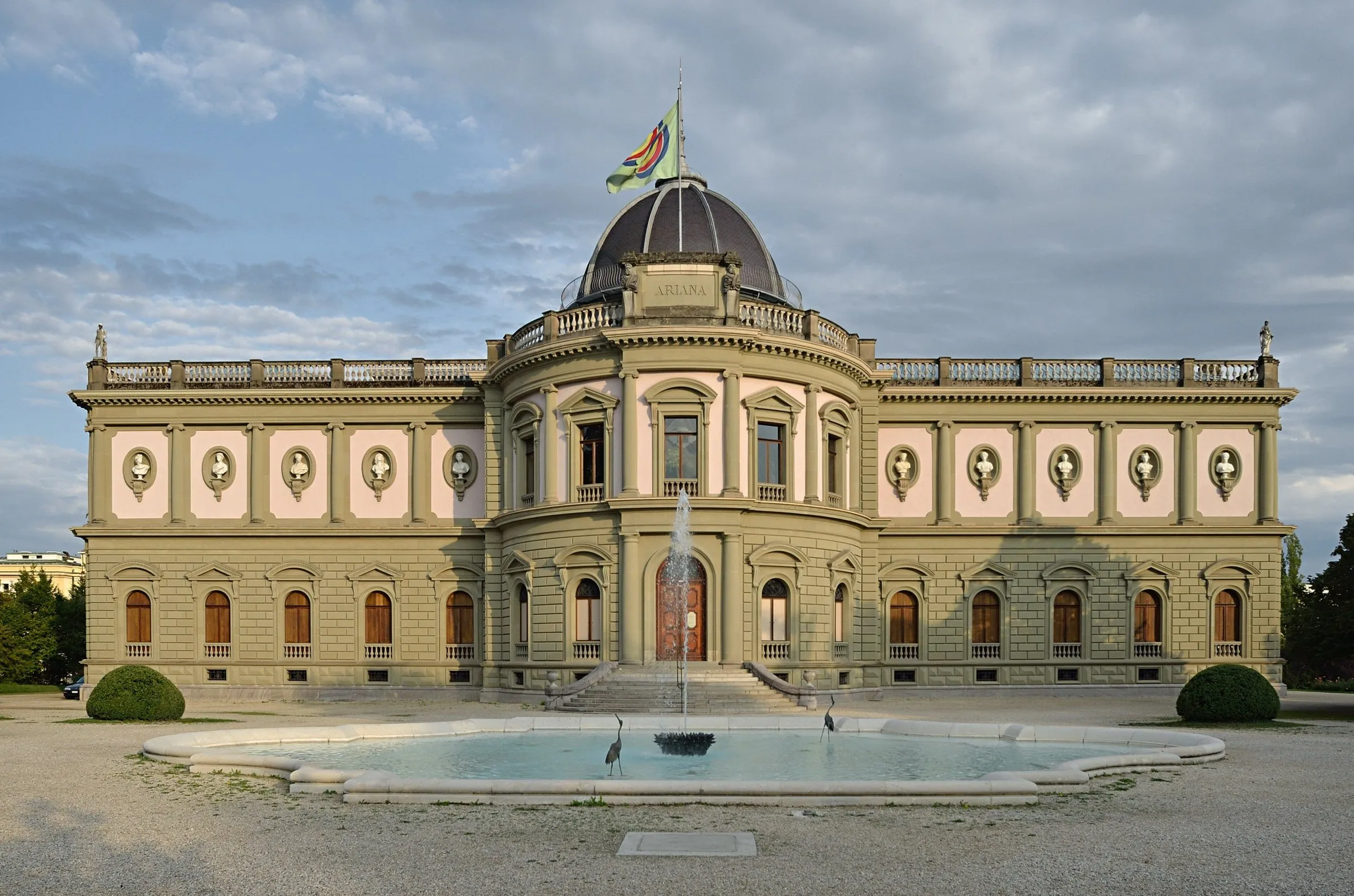 9
Ceramics and glass fill a palace-inspired building next to the international district, among porcelain, everyday pieces and surprising shapes.
View details for Ariana Museum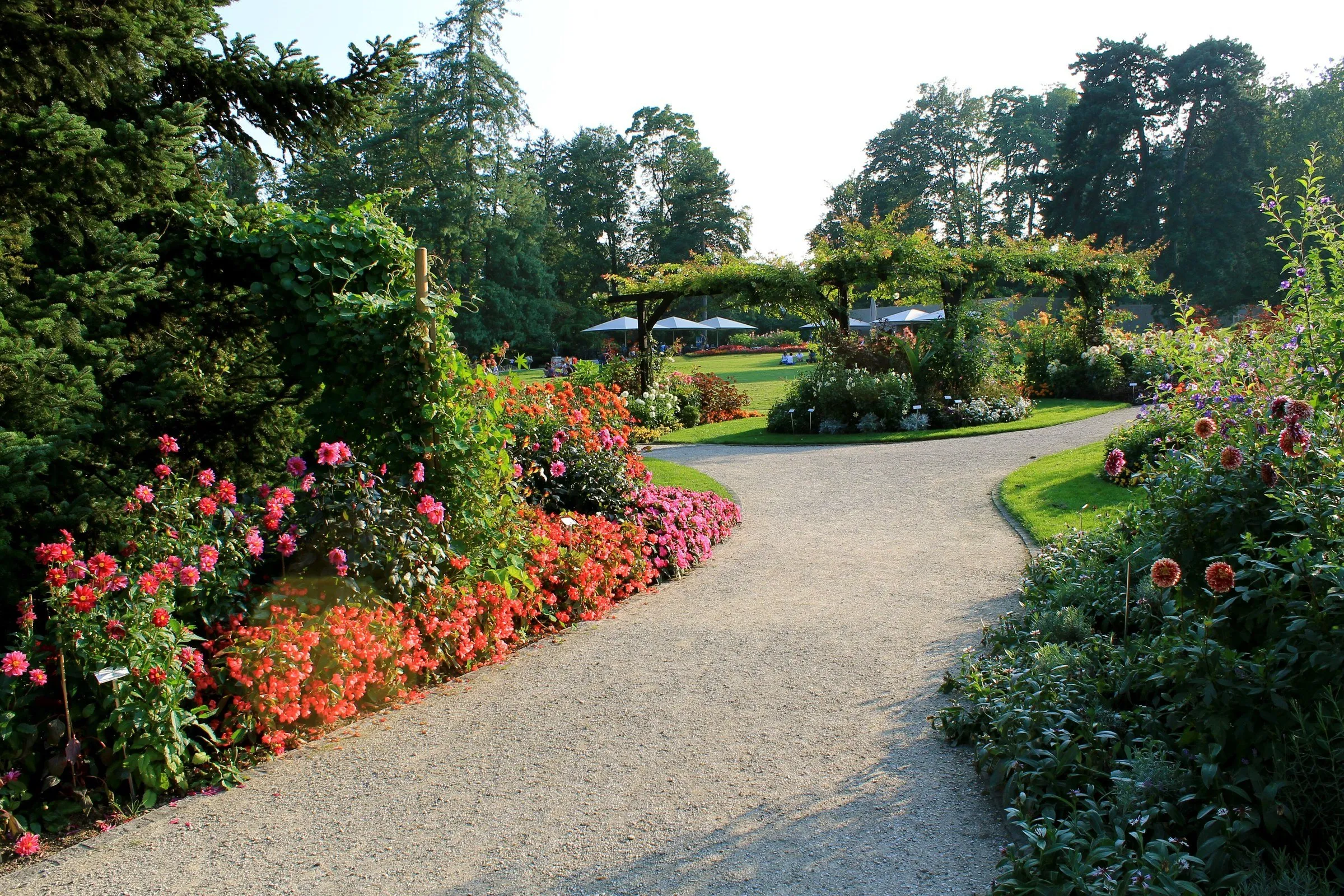 10
Plant collections, greenhouses and science activities make the Botanical Garden a green break near the international district and the lakeshores.
View details for Geneva Botanical Garden1The climb through the Old Town ends at St. Peter's, tied to Geneva's Protestant Reformation. The nave, the stained-glass windows and the vaults deserve a pause before the next choice: go up to look at the city or go down to see what existed before it. The archaeological site preserves remains of buildings that predate the cathedral.
For the view of the lake and the rooftops, it is 157 steps up the north tower. The narrow passage is a good reason to go slowly; the scenery supplies the other excuse. The nave, the towers and the underground each have their own visiting conditions.
2Next to the Old Town, the Musée d’Art et d’Histoire, or MAH, changes the scale of the outing: the façade is monumental and the collections range from archaeology to fine arts and applied arts. Pick a subject before going in. It is a travel strategy and a foot-survival strategy.
The appeal lies in the mix of objects made for use and pieces made for contemplation. Check the temporary exhibitions too, and leave without guilt about the room you skipped. With the cathedral nearby, the museum rounds off a morning on the hill nicely.
3Calvin, Farel, Théodore de Bèze and John Knox appear in stone on the Reformation Wall, next to the old fortifications. The monument presents leading figures of the Protestant Reformation and its spread across Europe. After the cathedral, it helps connect the names to the transformations of Geneva, with no exam at the end.
Look for “Post Tenebras Lux”, the city's motto, before turning your attention back to the park. The visit can be short, but set aside a pause under the trees to rest from the sloping streets of the Old Town before heading on to the Rhône.
4At the Jonction, the Rhône arrives clear and the Arve brings murkier water. The meeting draws a line of colors that calls for a second look, to check that the camera understood correctly. The contrast varies with river conditions; don't demand that nature deliver a copy of the promotional photo.
The Jonction viaduct offers the view from above, with banks and trees framing the scene. Factor the trip into your planning and go on foot: the idea is to watch the confluence from the bank and the pedestrian walkway.
5You can check the time on your phone, but in the Jardin Anglais it gets its own flower bed. The Flower Clock pays tribute to Geneva's watchmaking and changes its design with the plants of the season. The hands work over living flowers: garden maintenance with a clock's commitment.
Stroll through the lakeside park, between the bronze fountain and the National Monument, which commemorates Geneva's entry into the Swiss Confederation. Start surrounded by flowers and follow the left bank toward the Jet d’Eau.
6When it is running, the Jet d’Eau rises about 140 meters and guides walks around the bay. What began as pressure relief for a hydraulic system gained prominence at the Jetée des Eaux-Vives. Engineering you can admire without understanding the control panel.
From the shore, watch the column of water and the mist spread by the wind. For a wide shot, also see the jet from the Bains des Pâquis side, with the Old Town in the background. Operation depends on weather and maintenance: check the schedule.
7At the Bains des Pâquis, the lake becomes part of the program. The public baths sit on the right bank of the bay, with a view of the water and the Jet d’Eau. When it is hot, a swim fits; at other times of year, the buvette and wellness activities still give reasons to show up.
Fondue by the lake extends the visit without requiring another commitment. Choose services according to the season and check the rules. The planning risk is booking a quick stop and finding out it has already turned into dinner.
8Behind the flags is a workplace: the Palais des Nations houses the UN in Geneva and was the seat of the League of Nations. The guided tour introduces the organization and walks through areas of the complex depending on availability. The negotiations keep their own schedule.
Book before planning your day: works and meetings can change the route and the hours. The tour usually lasts about an hour, in addition to arriving early and going through security. Follow the instructions on your ticket; a photo of the flags is no substitute for a reservation to get in.
9Porcelain, clay and glass star at the Ariana. Created by the collector Gustave Revilliod, the museum occupies a building with Neo-Renaissance and Neo-Baroque references, inspired by Italian palaces. The façade calls for a slow pace; inside, the scale shifts to details that demand a closer look.
The collections bring ceremonial pieces and everyday objects together. If you arrived thinking only of plates, leave room to change your mind. Combine the visit with the Palais des Nations, but confirm opening days: the neighborhood helps, but the calendar still rules.
10Swap flags for plant labels: the Botanical Garden combines a stroll with research near the international district. Living collections, greenhouses and conservation work show that a garden can be a laboratory without losing the charm of a walk. It is worth noticing how often you walk past leaves without asking anything.
Choose a short route after the Palais and the Ariana, or extend the pause. The greenhouses keep their own hours and may close before the outdoor paths. Check opening times so you can walk without racing the last minutes before closing.
Ask whether your accommodation takes part in the Geneva Transport Card, offered by participating establishments for using the local network, including the Mouettes boats; confirm the coverage before heading out.
The currency is the Swiss franc; prefer paying in CHF and check the menu before sitting down to fit the meal into your budget.
French predominates and English is common in tourist services; a “bonjour” on the way in and a “merci” on the way out help the conversation get started.
Bring something that cuts the wind for the waterfront and check the forecast before heading out; the museums help rearrange rainy days.
At the Palais, check ID and accreditation requirements in your reservation; while taking photos and boarding around the city, keep your wallet and phone put away.
Between walks along the water and up the slopes, try longeole, a Geneva specialty, and set aside another meal for fondue. The buvette at the Bains des Pâquis lets you combine cheese and a lake view in the same outing; check the service and availability before going. To let the budget breathe, alternate the longer meal with a simple lunch chosen from the daily menu.
Pork sausage seasoned with fennel seeds, typical of Geneva, traditionally served with potatoes cooked in white wine.
A blend of melted Gruyère and Vacherin for coating bread: a specialty of French-speaking Switzerland that deserves an unhurried meal.