 1
Neighborhoods
Gamla Stan
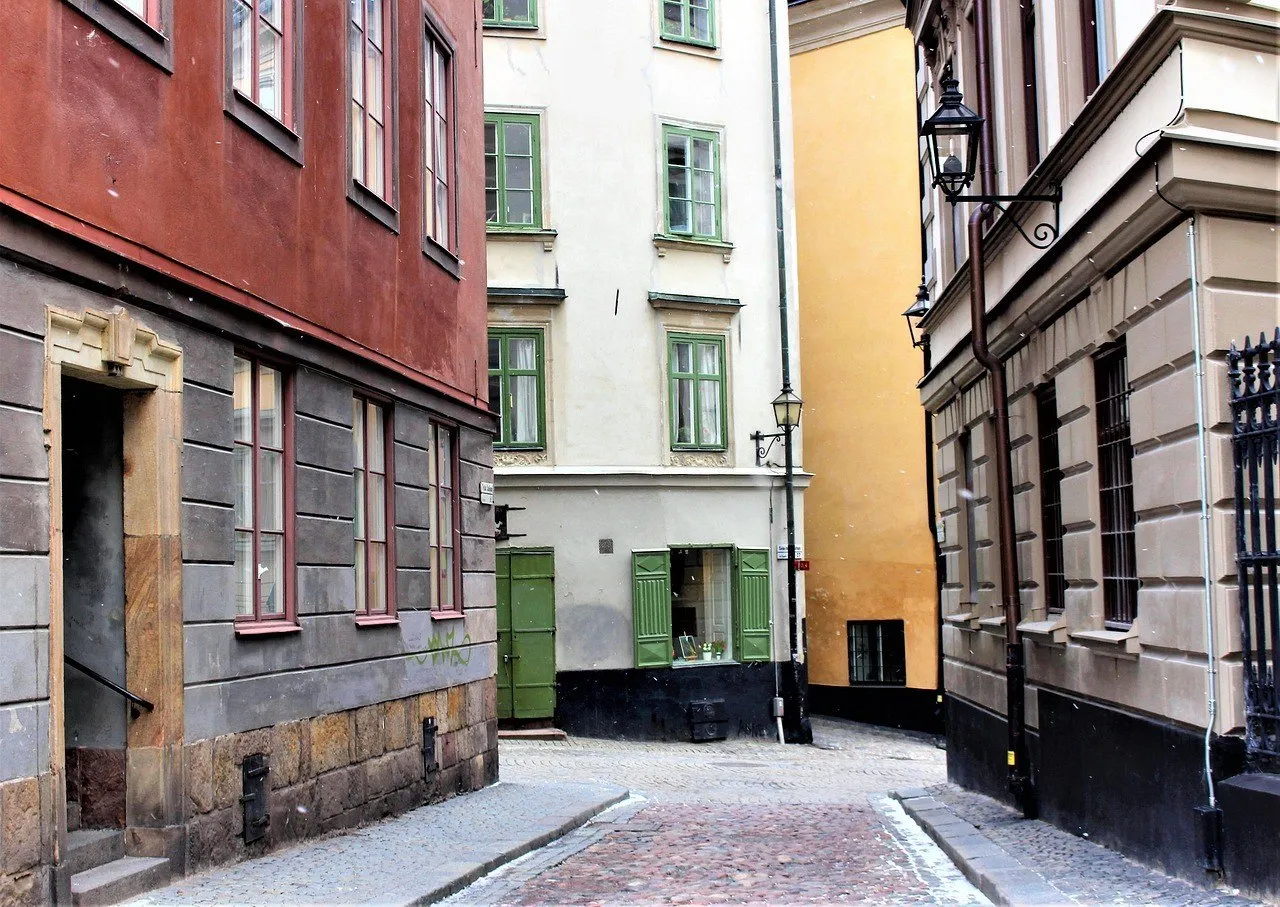
Colorful facades surround Stortorget, and the narrow streets of the old town bring shops, cafés and the Royal Palace together in a walk of small discoveries.
View details for Gamla Stan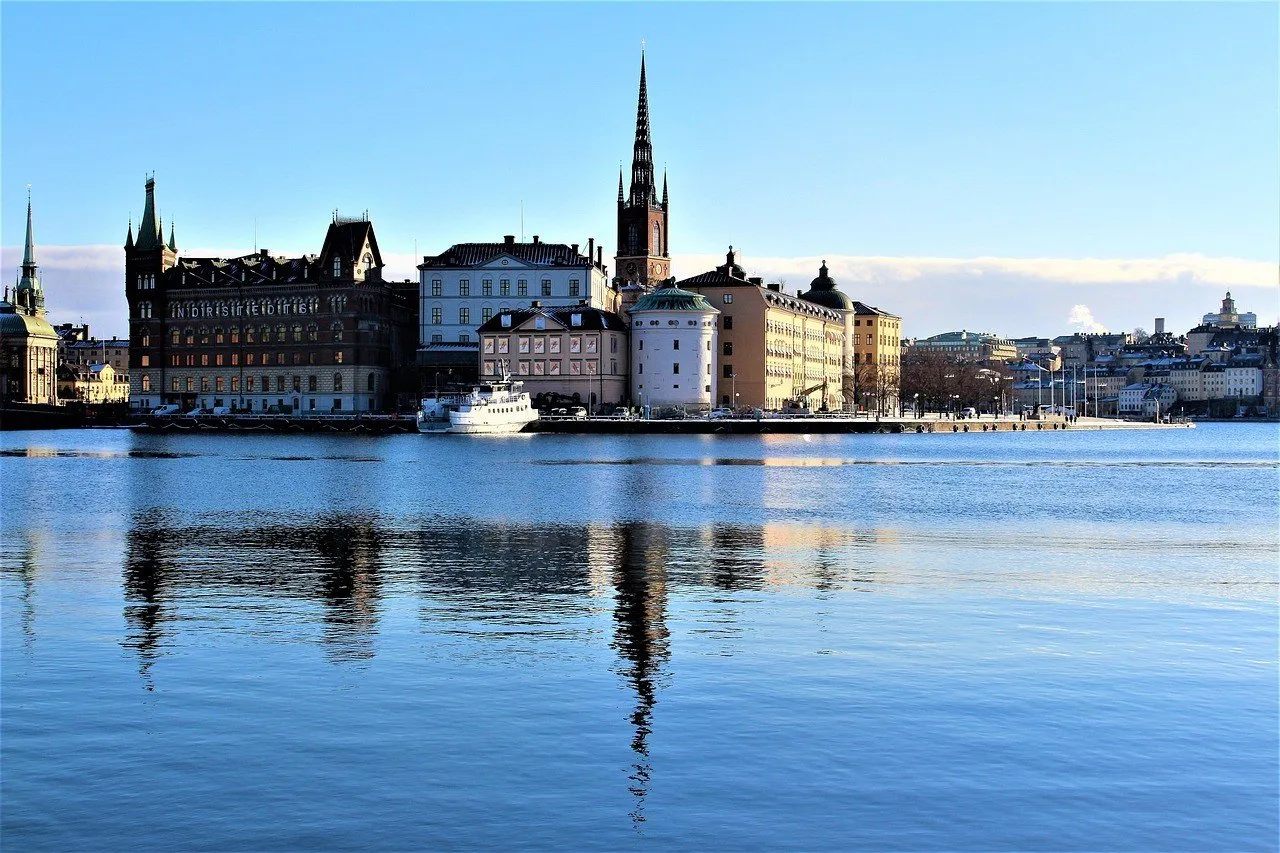
Sweden
In Stockholm, you cross a bridge after the colorful facades of Gamla Stan and soon find water again. Between a rescued ship and a coffee with cinnamon, the stroll changes islands.
The facades of Gamla Stan seem to squeeze in to fit around the square, while the smaller streets pull you away from the most obvious route. Step out of that core and the water reappears, with towers and rooftops on the opposite shore. In Stockholm, it pays to look at the map before heading in a straight line: the destination may be close as the crow flies and still ask for a bridge along the way. That geography sets the rhythm of the trip.
Organize your days by area to spend less energy getting around. Set aside one for Gamla Stan and the public buildings, another for the museums of Djurgården and a third for the market, art and views of Södermalm. The Vasa asks for time in front of an entire ship; Skansen spreads houses and crafts across an open-air site. Between visits, fika, a break for coffee and something sweet, settles the negotiation between the itinerary and your feet.
The Vasa sank on its maiden voyage, in 1628. The ship that never managed to leave Stockholm is now one of the reasons to come here.
City Hall hosts the Nobel banquet and is still a workplace for the municipal administration. The ballrooms share an address with government meetings.
At T-Centralen, stylized leaves and flowers by Per Olof Ultvedt cover the platforms of the blue line. The train's route becomes part of the visit, too.
Fika can be just a conversation over a cup of coffee. The cinnamon bun takes part for excellent reasons.
1Colorful facades surround Stortorget, and the narrow streets of the old town bring shops, cafés and the Royal Palace together in a walk of small discoveries.
View details for Gamla Stan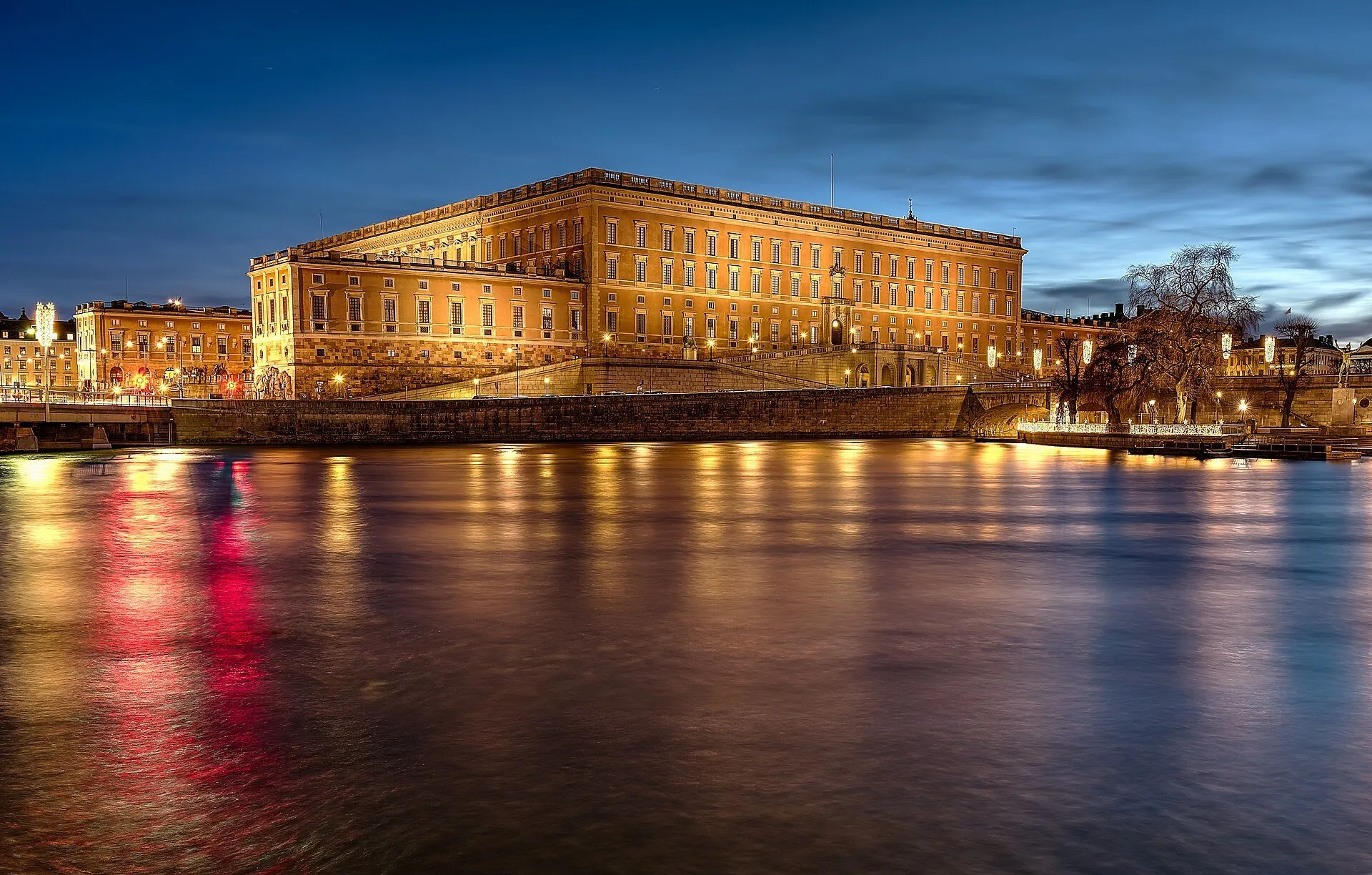 2
The official residence and workplace of the monarchy, this Baroque palace opens its State Apartments and collections, which show different sides of royal life.
View details for Royal Palace of Stockholm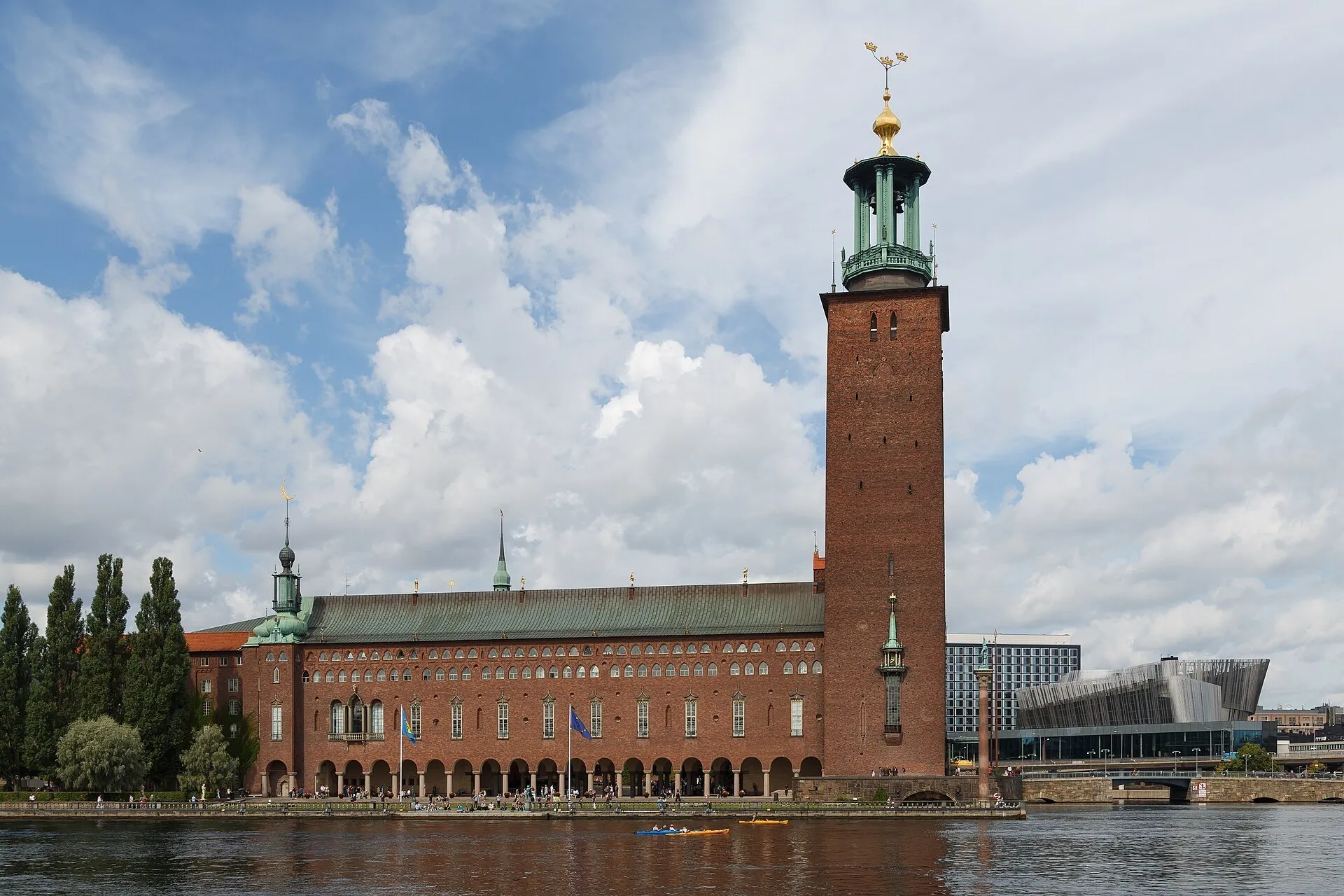 3
The crowned tower marks the shore of Kungsholmen; the interiors include the Nobel banquet halls and spaces used by the municipal government.
View details for Stockholm City Hall (Stadshuset) 4
A warship that sank on its maiden voyage sits at the center of the museum, surrounded by exhibits on its construction, rescue and life on board.
View details for Vasa Museum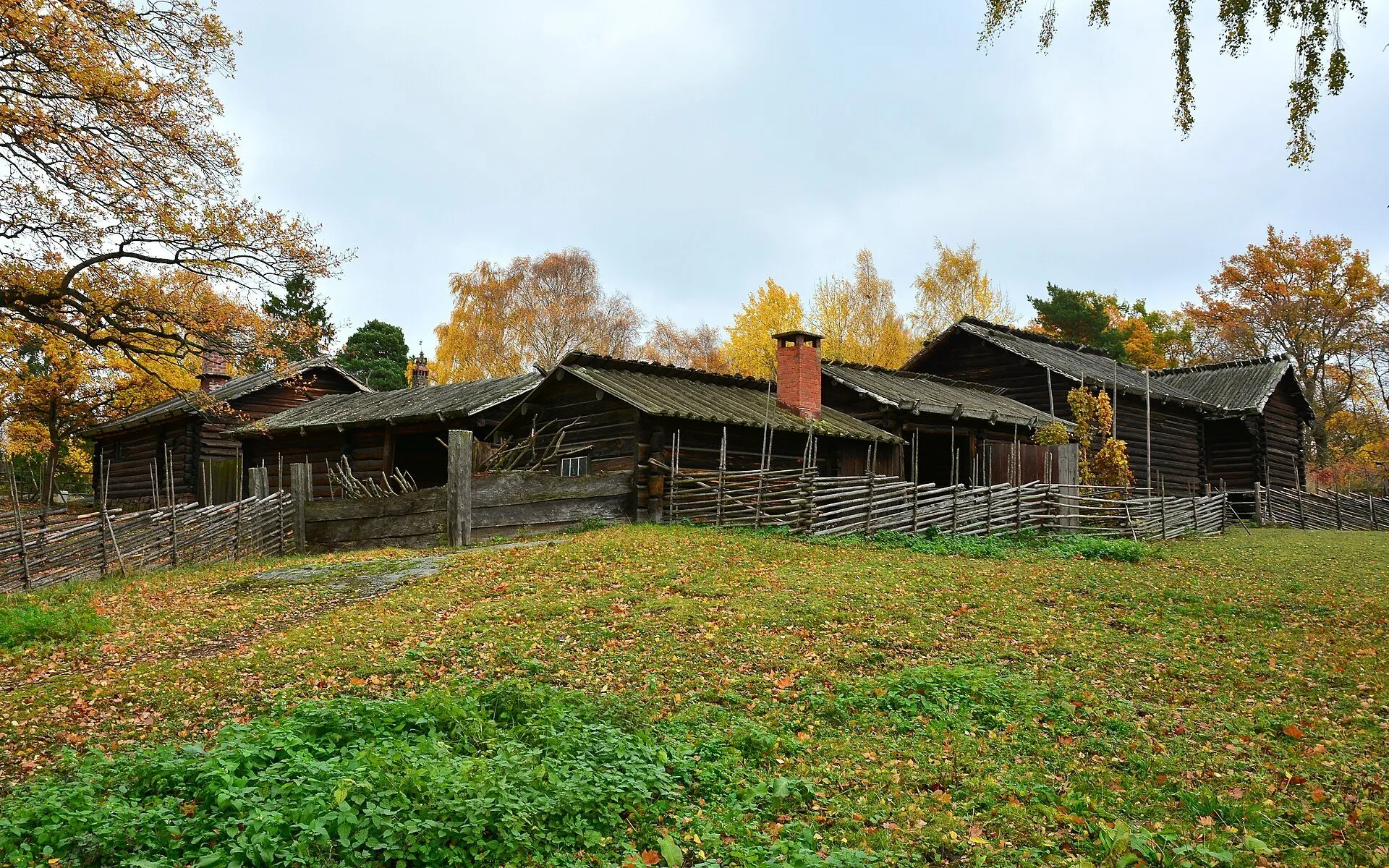 5
Houses, workshops, gardens and animals make up an open-air museum that brings together ways of living and working from different regions of Sweden.
View details for Skansen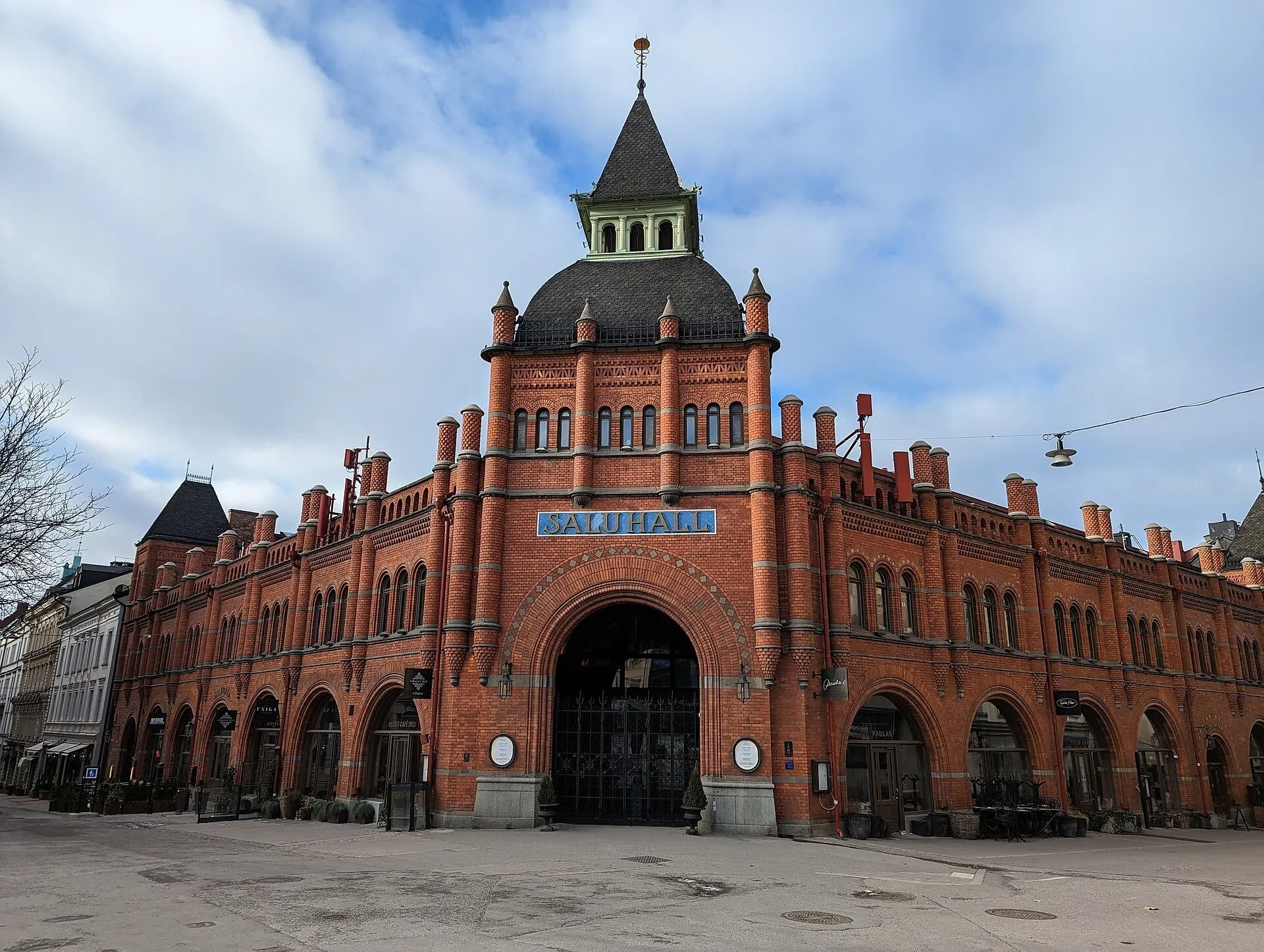 6
Counters of fish, meats, sweets and specialties fill a covered brick market, with restaurants that can turn the visit into lunch.
View details for Östermalms Saluhall Market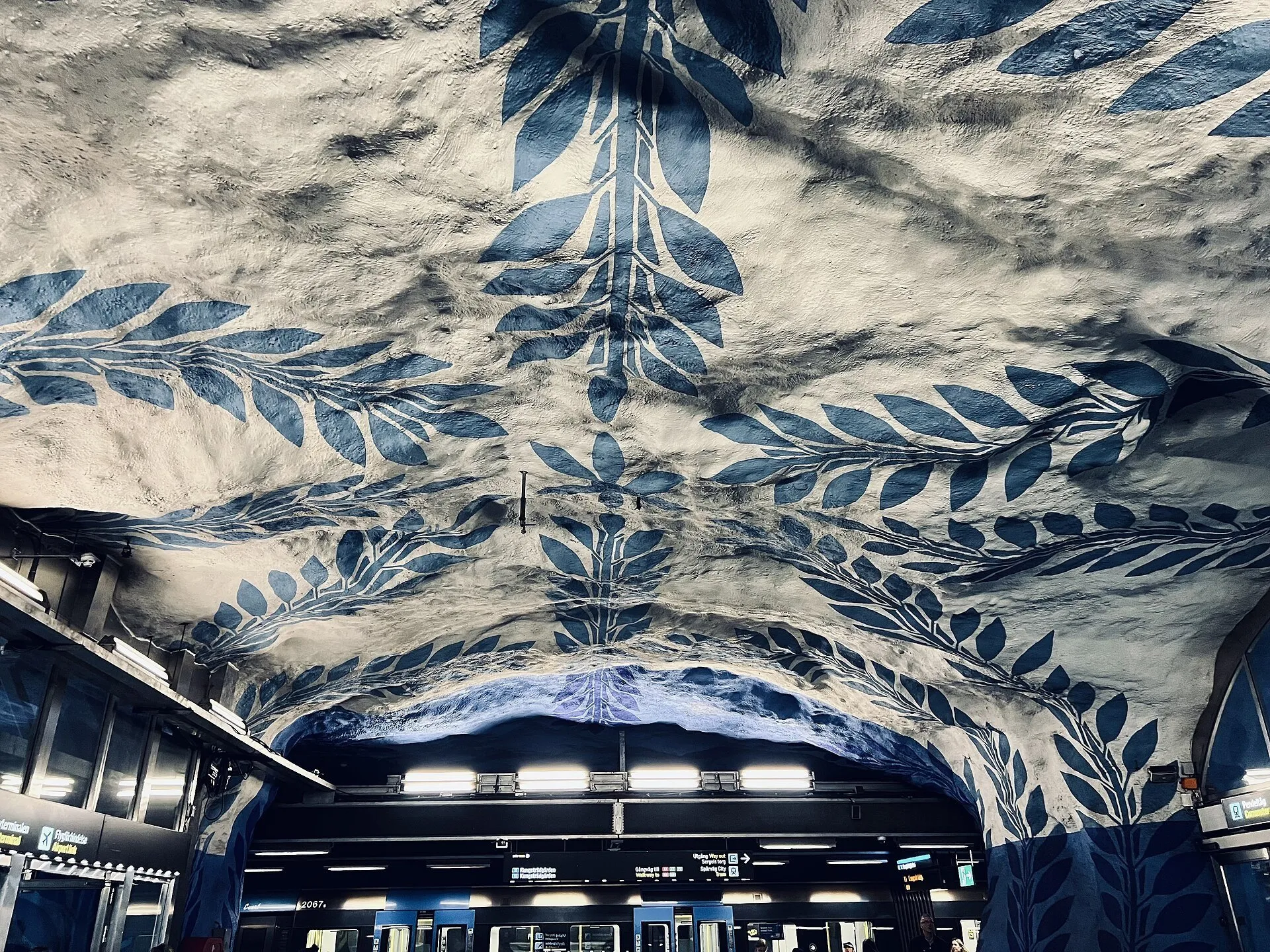 7
On the blue line platforms, paintings of leaves and flowers cover cave-like surfaces, turning a metro connection into a sight to visit.
View details for T-Centralen: Art in the Metro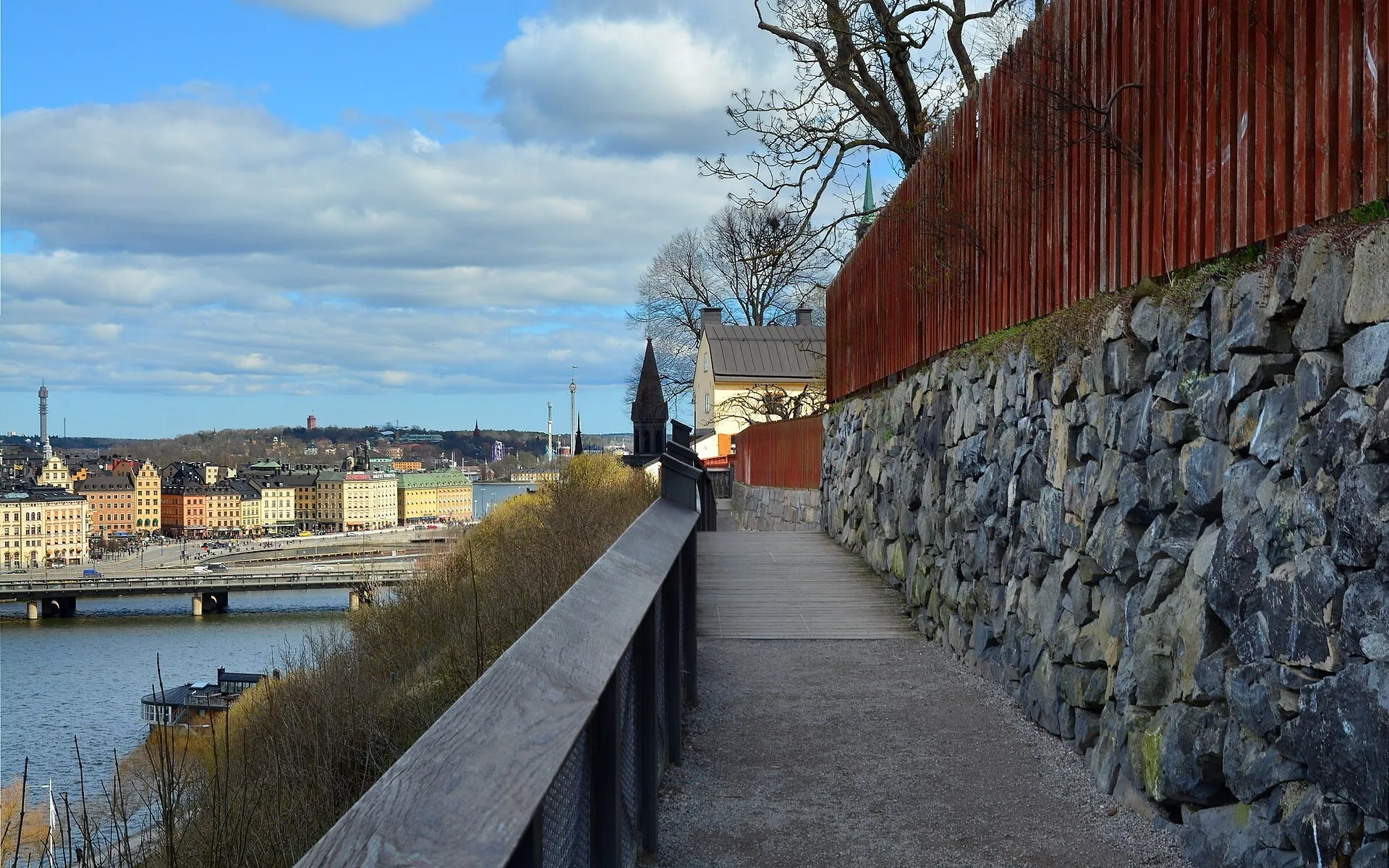 8
The elevated path on the edge of Södermalm offers views of Lake Mälaren, City Hall and Riddarholmen, with houses lining the route.
View details for Monteliusvägen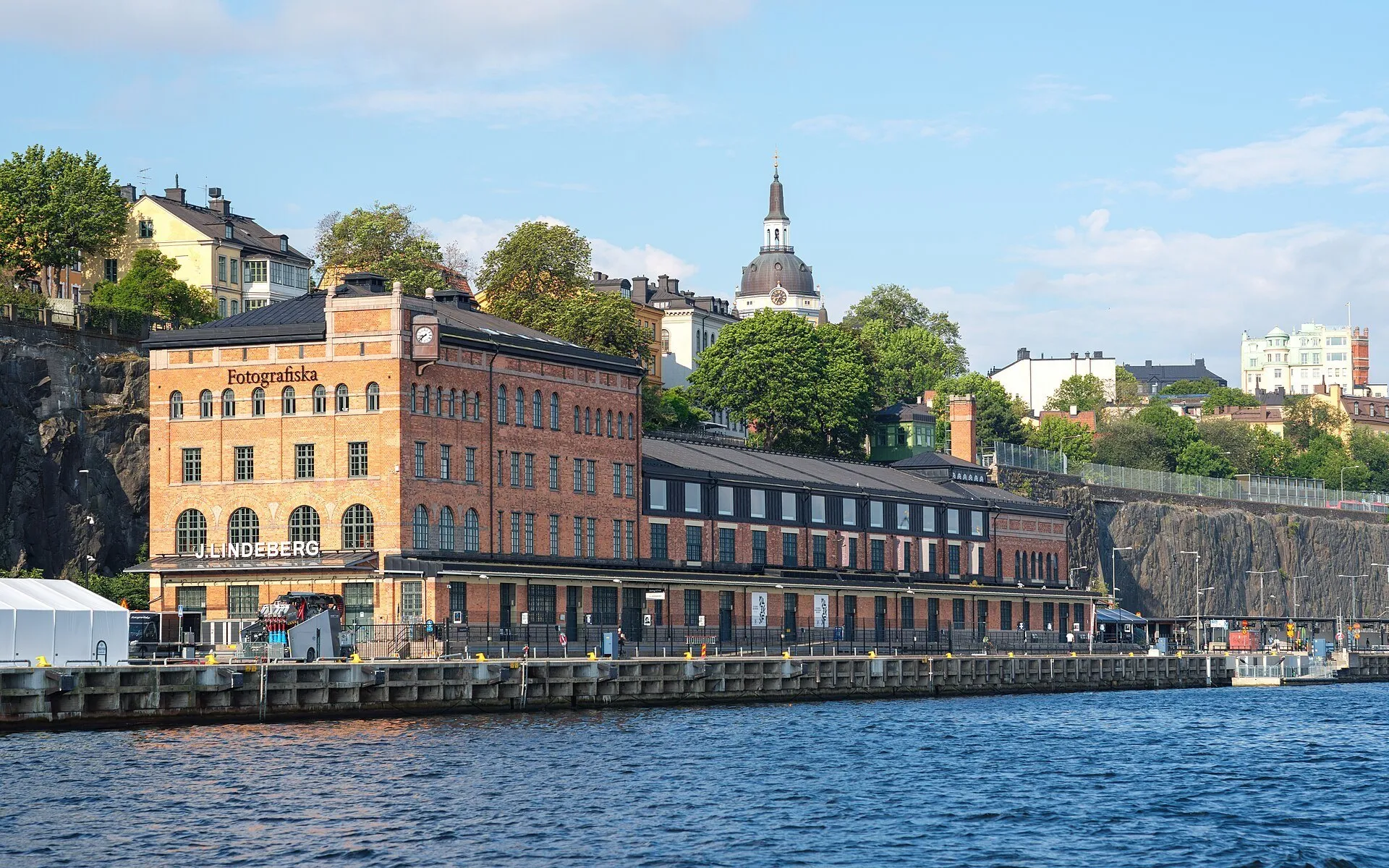 9
Temporary photography and art exhibitions fill the space by the water; on the top floor, the view of the city also competes for your attention.
View details for Fotografiska1In Stortorget, the colorful facades all but force you to stop in the middle of the square. After the photo, look for the smaller streets instead of sticking to the main shopping axis. Gamla Stan is the oldest core of Stockholm, with a layout and buildings that make your walk change direction at every corner.
Today, the neighborhood also has restaurants, cafés and small shops. Alternate the square with quieter passages, and save your coffee for when you find a table that invites you to sit down.
2The facade of the Royal Palace looks designed to fill your entire field of view. Inside, the State Apartments show the scale of the monarchy's receptions. The building remains an official residence and workplace, so the visit takes place at an address that still keeps its own calendar.
Choose the rooms that interest you most: there are ceremonial halls, the Treasury with royal regalia and the Tre Kronor Museum, tied to the palace's medieval history. Not everything has to fit into the same visit. The temptation to see every room is usually bigger than the energy left in your legs after lunch.
3The crowns at the top of the tower help you recognize City Hall before you reach the courtyard. Walk along the water to take in the brick facade and the building's relationship with the city. The address houses the municipal government, in addition to the halls associated with the Nobel banquet.
The interior visit is guided. It lets you trade the silhouette seen from the bridges for the meeting and reception rooms, including the Blue and Golden Halls depending on the route available. Book before planning the rest of your day: here, showing up at the door full of enthusiasm is no substitute for a spot in the group.
4The low light first reveals the mass of wood; only then do your eyes start to pick out ropes, sculptures and details of the hull. The Vasa sank on its maiden voyage, in 1628, and now dominates a museum built to receive it. Walking around the ship helps you grasp a scale that a photograph compresses.
The exhibits explain the construction, the sinking, the rescue and life on board. Look at the sculptures, too: the ship was a show of power before becoming a lesson in engineering. Use the film or the audio guide to connect the details, instead of leaving with just a dark photo on your phone.
5At Skansen, the display case has a door and a roof. Houses and farms from different regions of Sweden were brought together to show ways of living and working, with historic settings and craft demonstrations. The visit spreads across the grounds, so pick a few interests before trying to follow every path.
Nordic gardens and animals are part of the visit, too. The program changes with the seasons and Swedish celebrations, and the time of a workshop may differ from the park's general hours. It's a good occasion to put the stopwatch aside: watching handwork takes more time than photographing a facade.
6Outside, the brick and the towers catch your eye; inside, the counters take command. Östermalms Saluhall gathers fish, meats, sweets and specialties, along with restaurants and bars. Make a first lap with no commitment: choosing before you've seen everything tends to bring regret at the next counter.
The star-shaped interior layout was restored in the market's renovation, making the space itself part of the visit. Notice the structures and the flow between the stalls, then decide whether you want to sit down for a meal or just taste something. The setting helps you get to know ingredients, but it doesn't spare you from checking the price and the portion size.
7The descent to the blue line at T-Centralen changes the palette of your outing: the white of the surfaces receives blue drawings of stylized leaves and flowers. Per Olof Ultvedt's work accompanies anyone passing through one of the metro's main connection points, without asking anyone to interrupt their routine.
Head to the right platforms and look at the details between one ride and the next. The station is still public transport, with passengers hauling suitcases or rushing to a connection. Take your photos out of the flow, away from the edge and without taking up the stairs. The shot looks better when it doesn't become an obstacle for others.
8The City Hall you visited now appears on the other side of the water. Monteliusvägen follows the slope of Södermalm with views of Lake Mälaren and Riddarholmen, among houses and stopping points. The path helps bring together in a single landscape places that the itinerary had been showing separately.
Pick a moment with good visibility and leave time to watch the changes in the light. The walk is short, but the urge to put your phone away takes a while to arrive. In winter, parts of the surface can be slippery; if conditions are bad, a view is not worth turning the end of the day into a balance test.
9After photographing Stockholm, step inside to look at images made by other people. Fotografiska runs temporary exhibitions of photography, art and culture, so the program during your trip may be quite different from the one a friend saw. Choose based on what's on, without counting on a permanent collection.
The top floor adds a wide view of the city to the visit. The café, bar and restaurant have access conditions worth checking, especially if the idea is to go in only to eat. Hours tend to run later than at many museums, leaving room to finish here after your outdoor stroll.
Use the SL planner to combine walking and transit. Compare single tickets and passes according to your trips; entering the platforms also requires a valid fare.
Many businesses don't accept cash. Bring a card enabled for international use and a backup way to pay, without relying only on your phone.
Summer can have rain, too; in autumn, wind and humidity change how the temperature feels. Bring waterproof protection and footwear suited to wet stone or ice.
Set the City Hall guided tour and any timed entries first. Check which rooms are open at the palace and the museum programs before buying.
Take photos on the platforms without blocking passengers, and keep your distance from the edge. In Gamla Stan, watch your belongings among groups and lines and keep doorways clear.
Arlanda is the main international airport. Compare the connections to your lodging and check fares and surcharges; calculate this transfer separately from the city sightseeing.
Fika names the break that the itinerary was already asking for: coffee, conversation and, if you like, a cinnamon bun. For a proper meal, look for the Swedish classics and notice the combination of sauce, pickles and fruit that goes with the meatballs. The market helps you look at the ingredients before choosing; check the menu and the price before turning curiosity into an order.
Meatballs served with creamy sauce, potatoes, lingonberries and pickled cucumber: the contrast comes on the same plate.
Toast topped with a creamy shrimp mixture, usually finished with roe; a classic starter of Swedish cooking.
A sweet cinnamon roll to go with coffee; the cardamom version goes by the name kardemummabulle.
A cake with layers of cream and a green marzipan covering, recognizable in the display case before you can pronounce its name.