 1
Squares and streets
Red Square
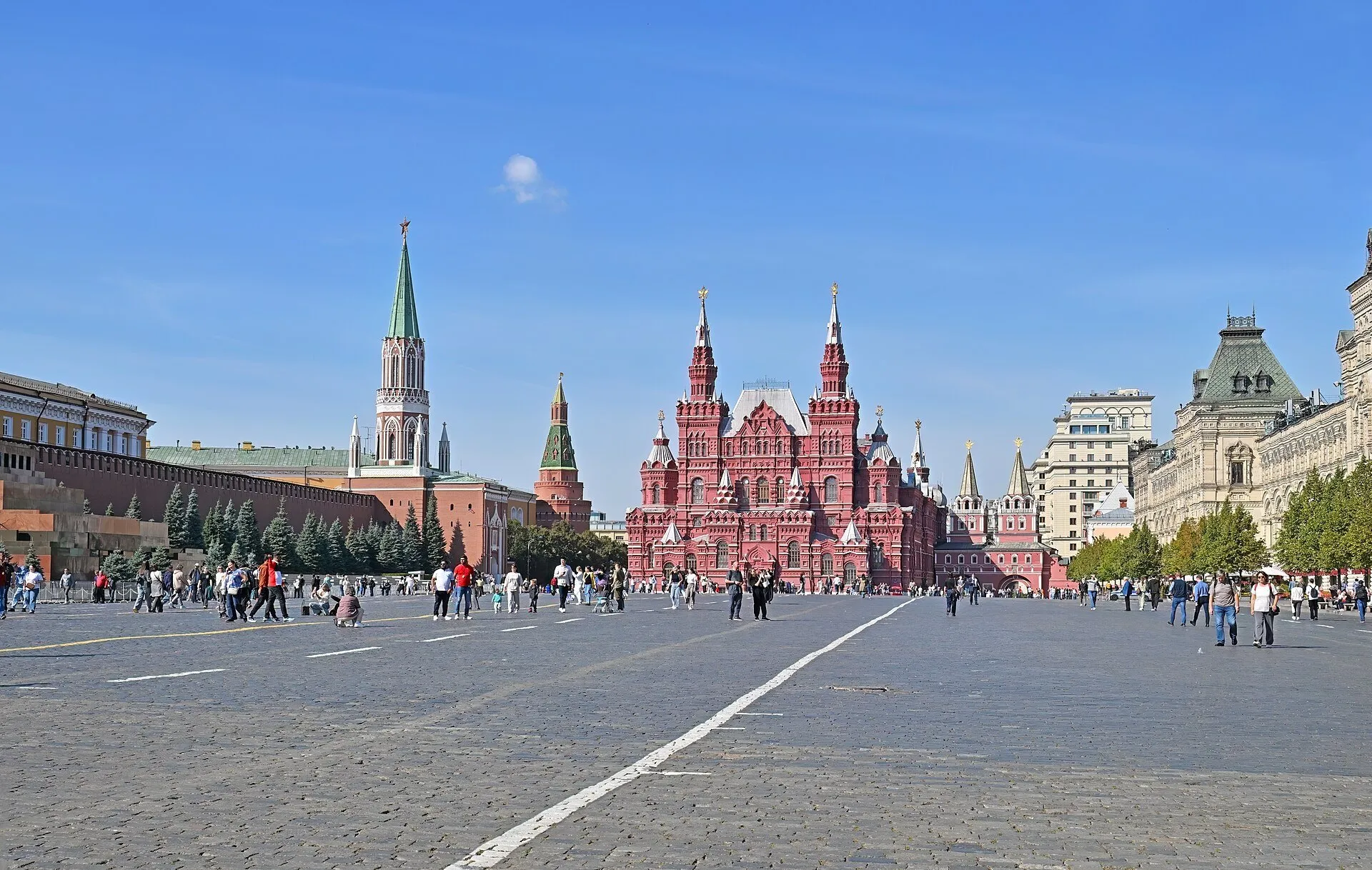
Between the Kremlin walls, GUM and St. Basil's, Red Square gathers facades you recognize before you can even get your camera ready.
View details for Red Square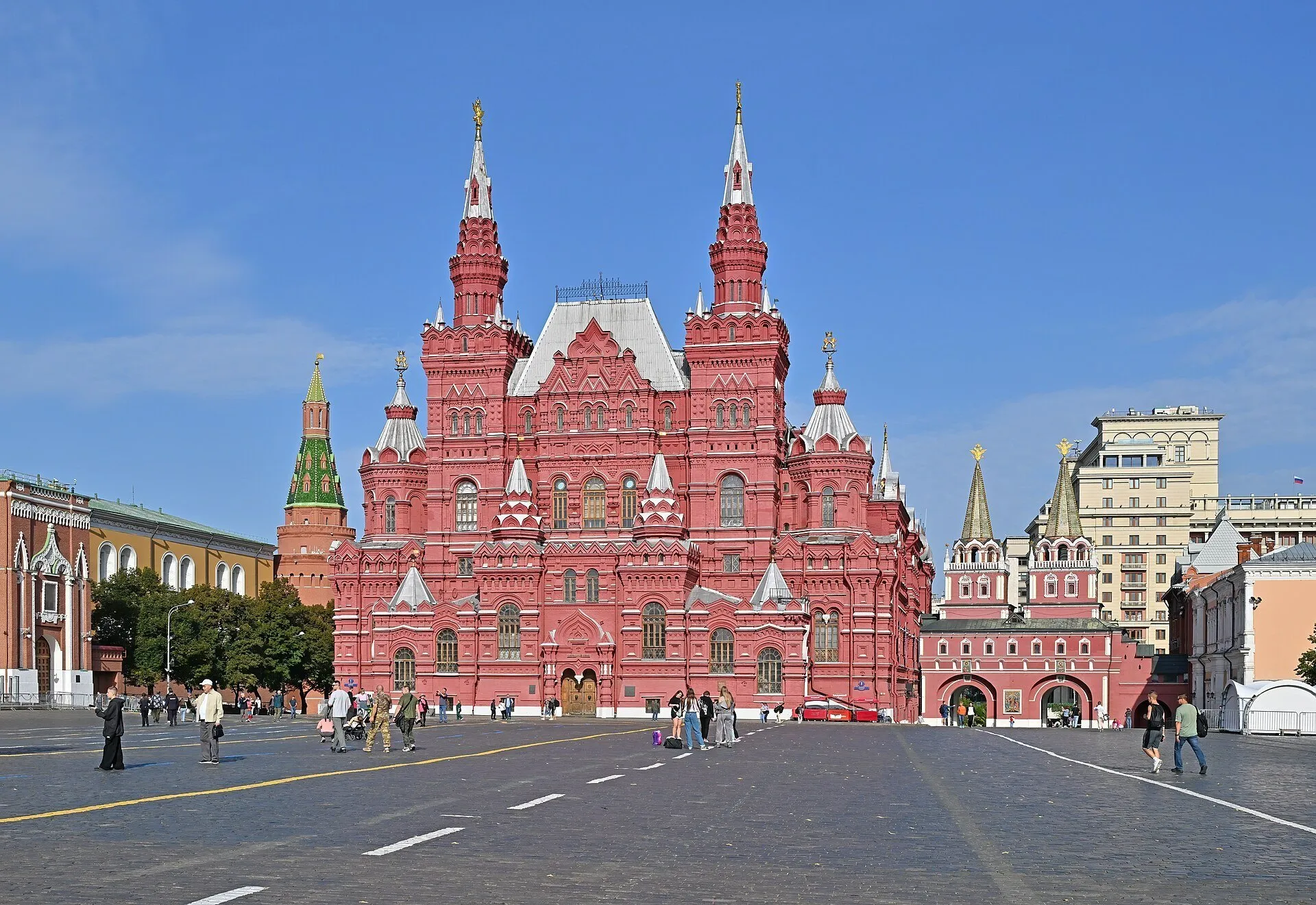
On Red Square, you try to fit St. Basil's domes into the frame and end up stepping back a little more. In the Moscow metro, it's the opposite: the detail that holds your gaze is high above your head.
Moscow keeps changing scale on you. On Red Square, the Kremlin walls seem to call for a wider lens; inside St. Basil's, the visit shrinks into passageways and small churches. Then come the Moskva River, the parks and the metro mosaics. It's a city for alternating between grand ensembles and fine details, without trying to cover everything in one endless walk.
Plan your first visit by area: the Kremlin core, the south bank with the Tretyakov Gallery, and the VDNH district. Three days make a good introduction, as long as you pick your exhibitions and accept using public transport. Before booking, check consular advisories, flights and payment options: current restrictions may affect your plans, and the card that works on other trips may fail here.
St. Basil's stands outside the Kremlin walls: visiting one doesn't mean you've entered the other, even if both show up together in your photos.
At Mayakovskaya station, mosaics based on drawings by Aleksandr Deineka fill niches in the ceiling: an art visit here means taking your eyes off the next train.
Zaryadye recreates Russian landscapes such as tundra, steppe, forest and wetlands; some of its indoor spaces are hidden beneath the park's own terrain.
1Between the Kremlin walls, GUM and St. Basil's, Red Square gathers facades you recognize before you can even get your camera ready.
View details for Red Square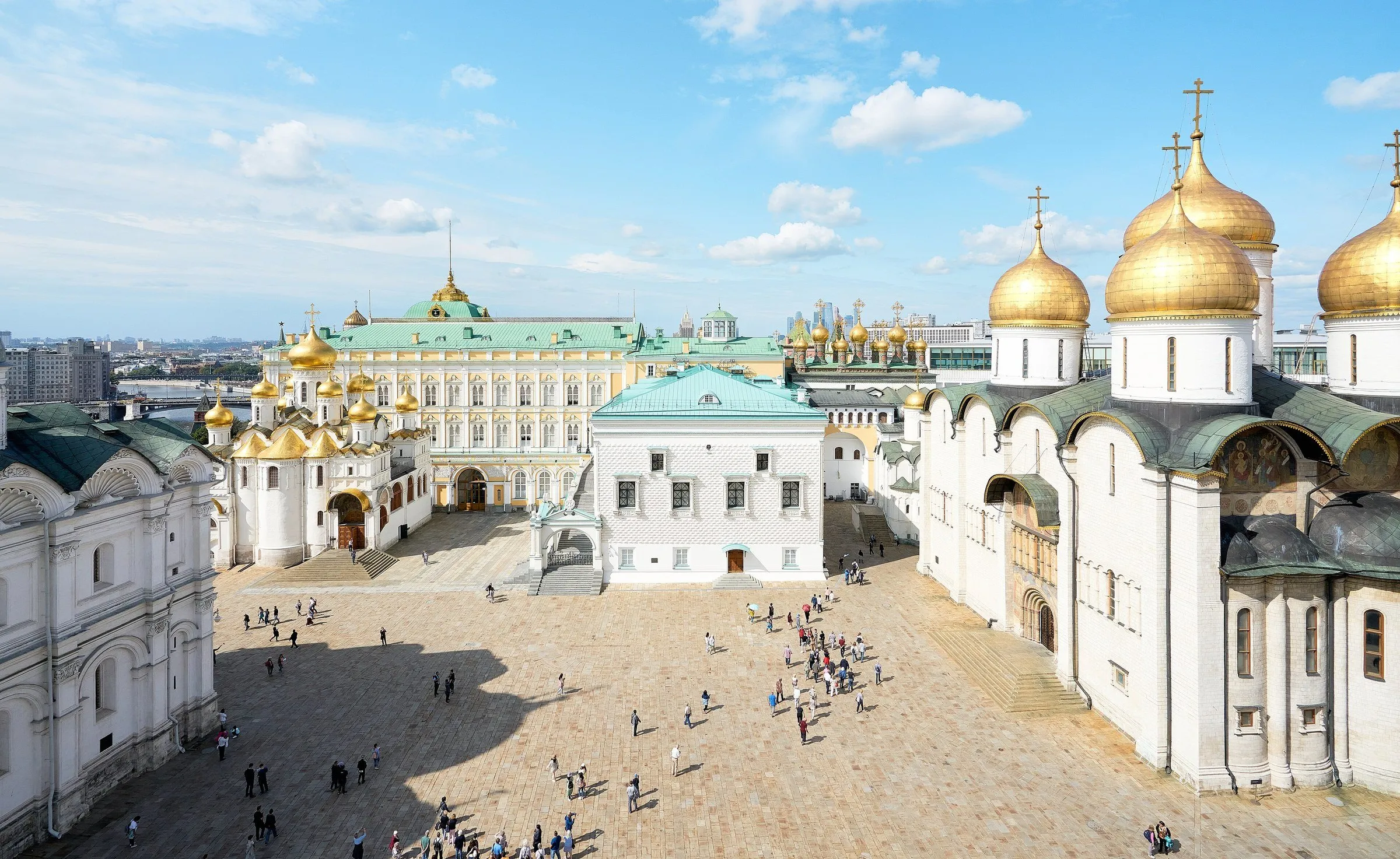 2
Behind the walls, Cathedral Square gathers churches and domes; visiting the Kremlin museums involves separate entrances and routes.
View details for Moscow Kremlin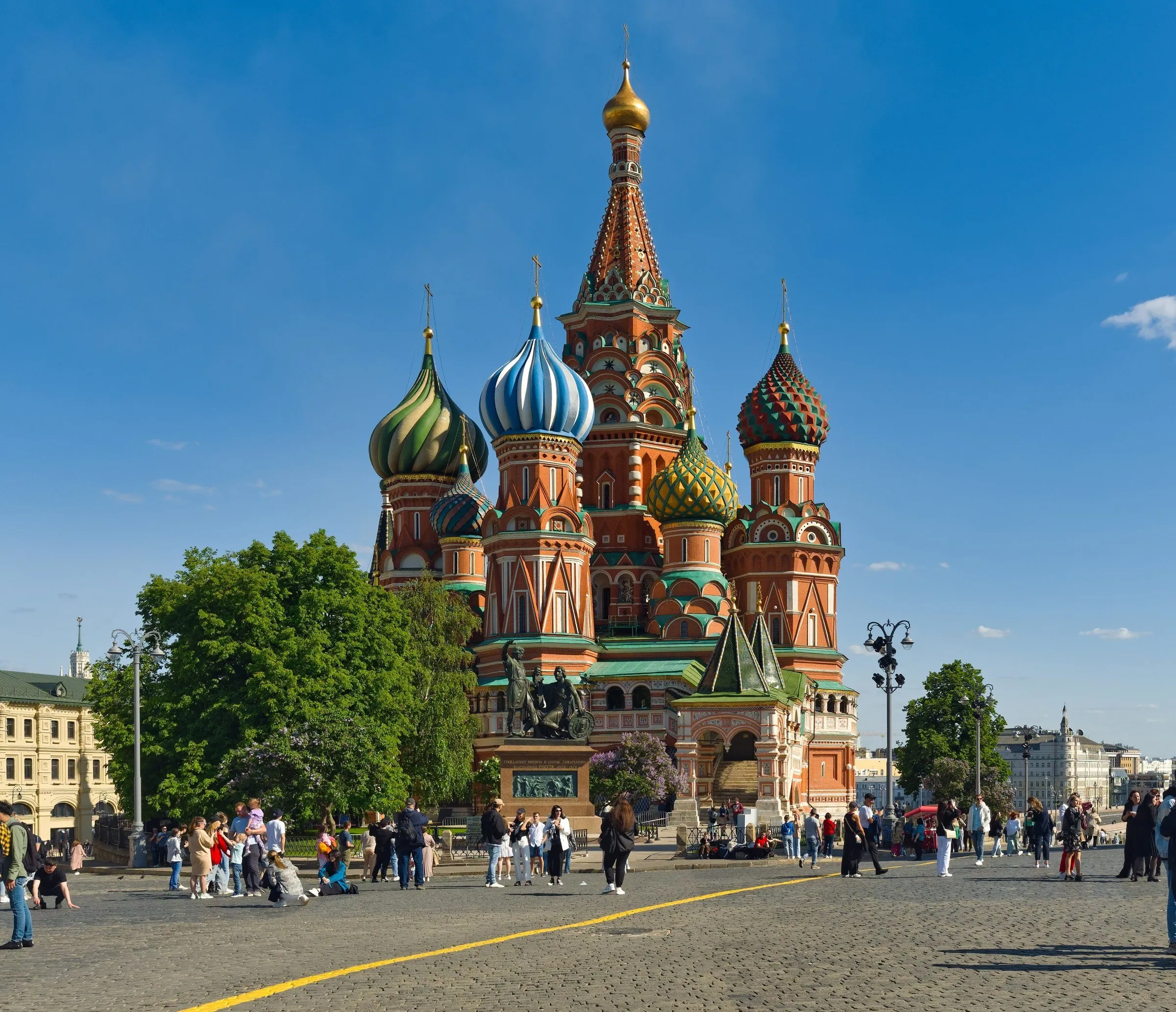 3
Colorful domes outside and a set of churches with passageways and paintings inside: St. Basil's changes a lot once you step in.
View details for St. Basil's Cathedral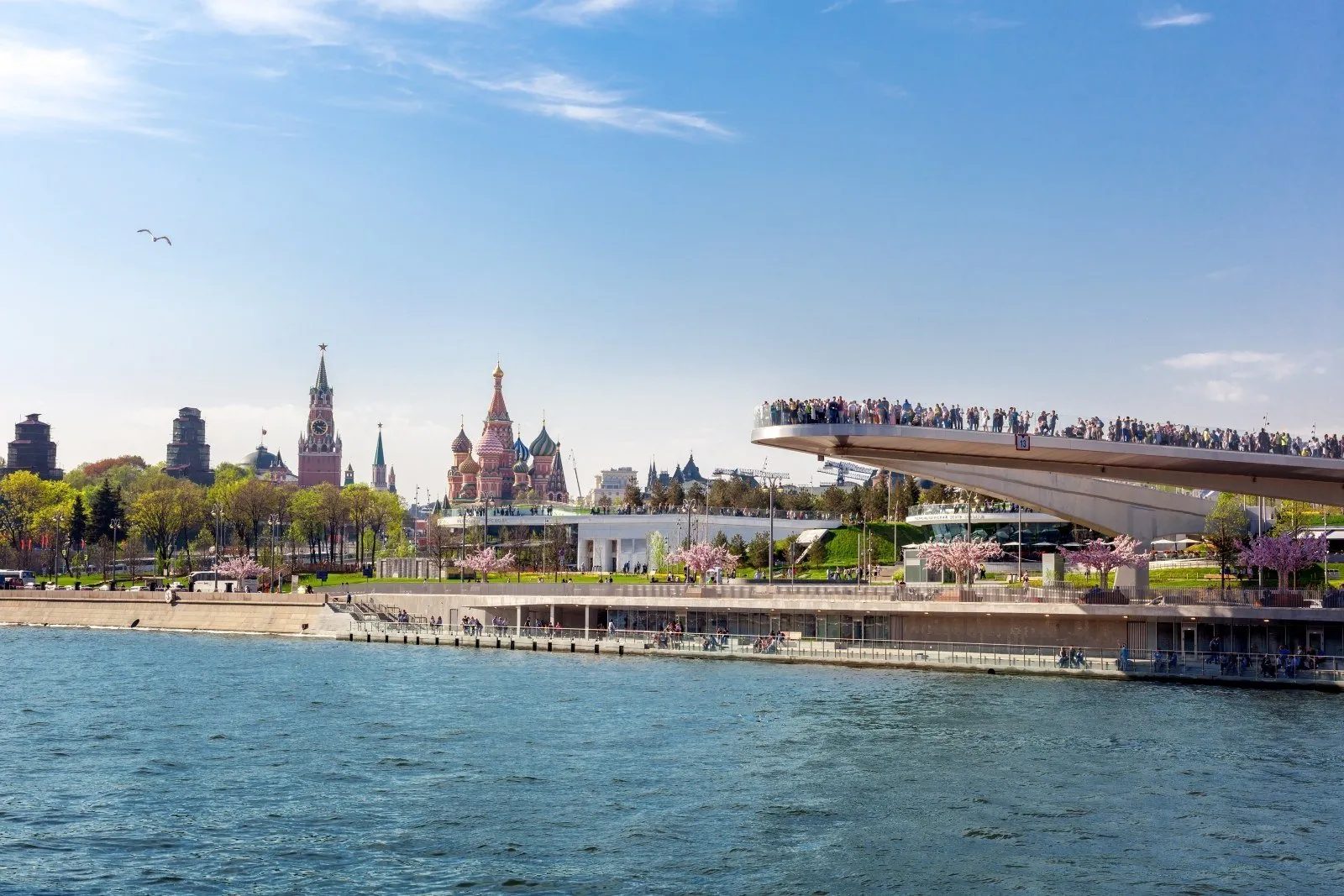 4
Next to Red Square, Zaryadye combines recreated Russian landscapes, buildings merged into the terrain and a viewing bridge over the Moskva River.
View details for Zaryadye Park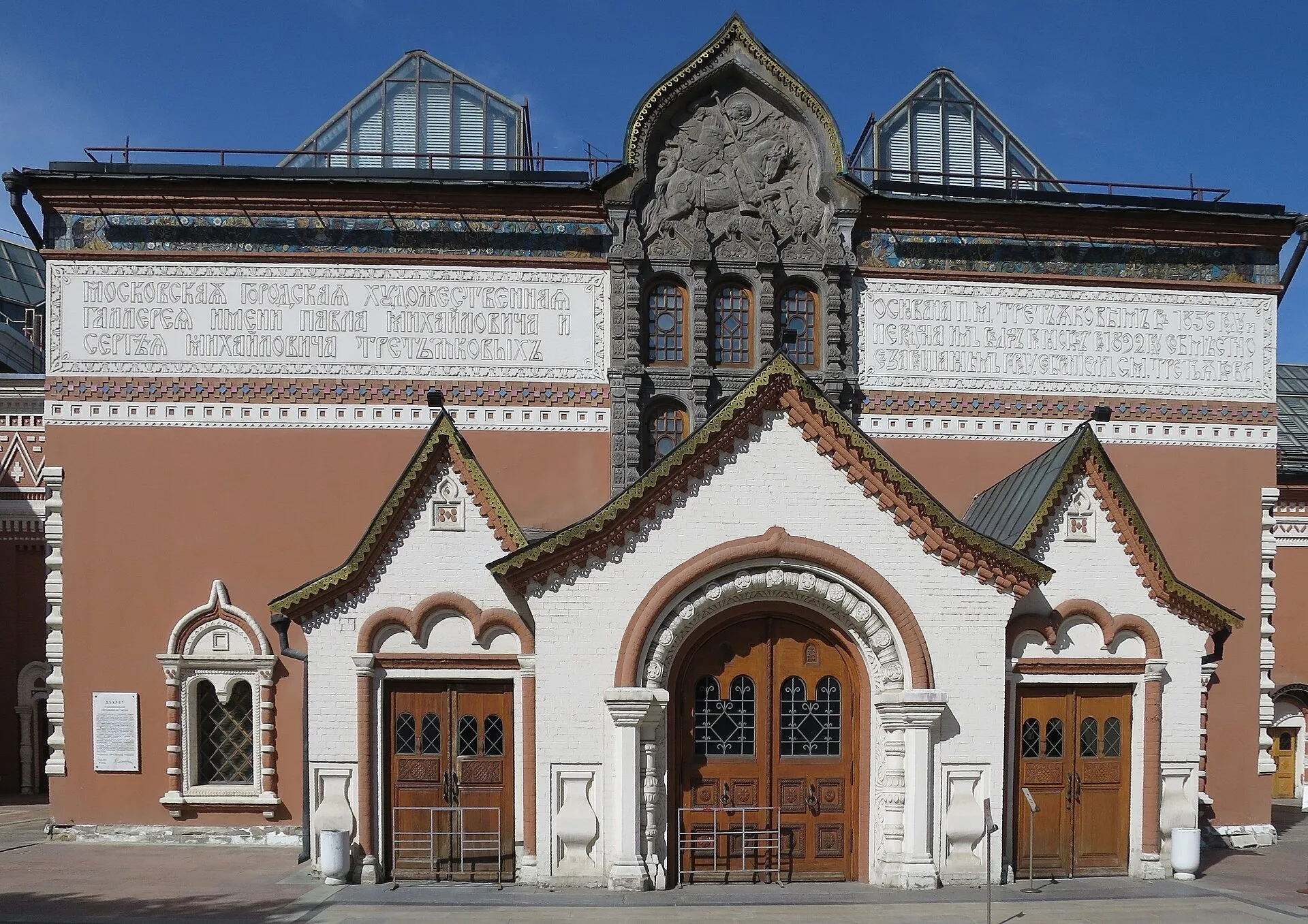 5
In the historic building on Lavrushinsky, the Tretyakov's permanent collection traces Russian art through icons, portraits and major paintings.
View details for Tretyakov Gallery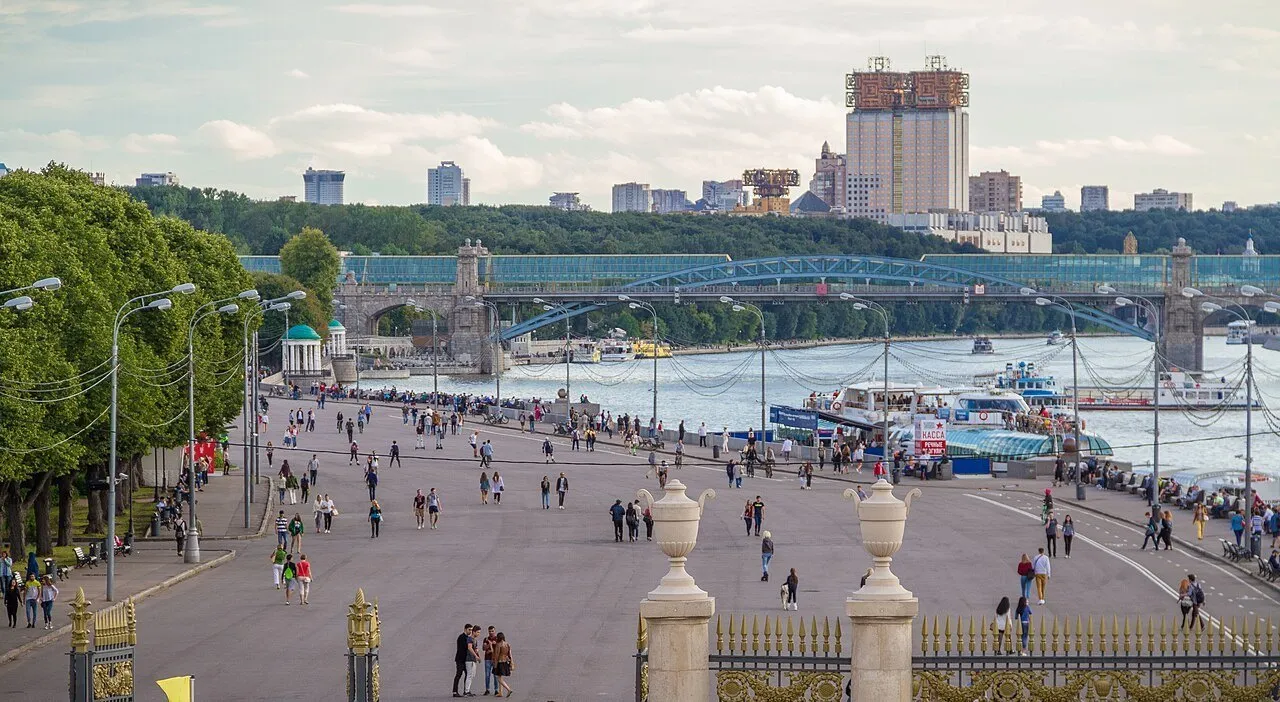 6
The Pushkinskaya embankment and the paths by Golitsyn Pond make for a green break in Gorky Park, though you should watch for works and open entrances.
View details for Gorky Park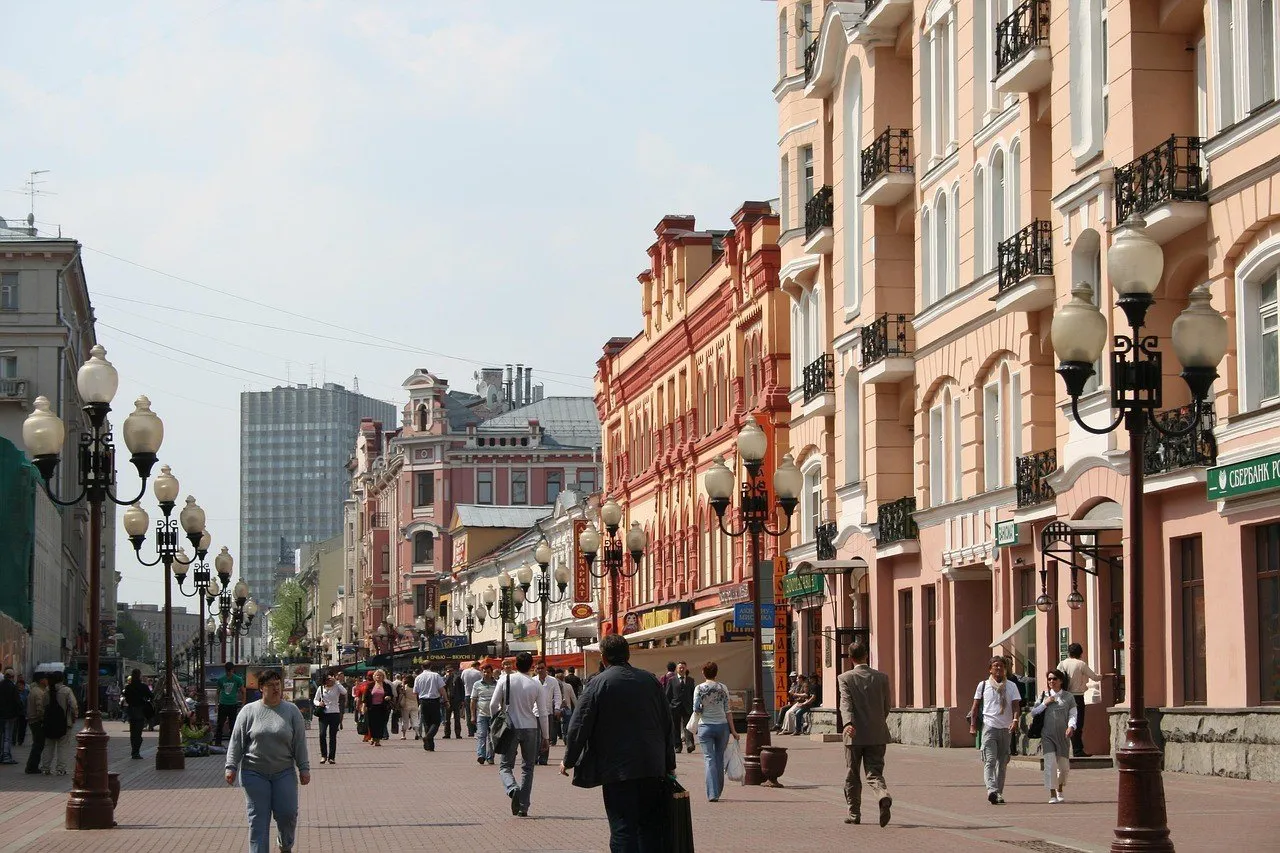 7
The old Arbat gathers facades, shops and addresses tied to literature on a pedestrian street; it's a light finish to a day of museums and parks.
View details for Arbat Street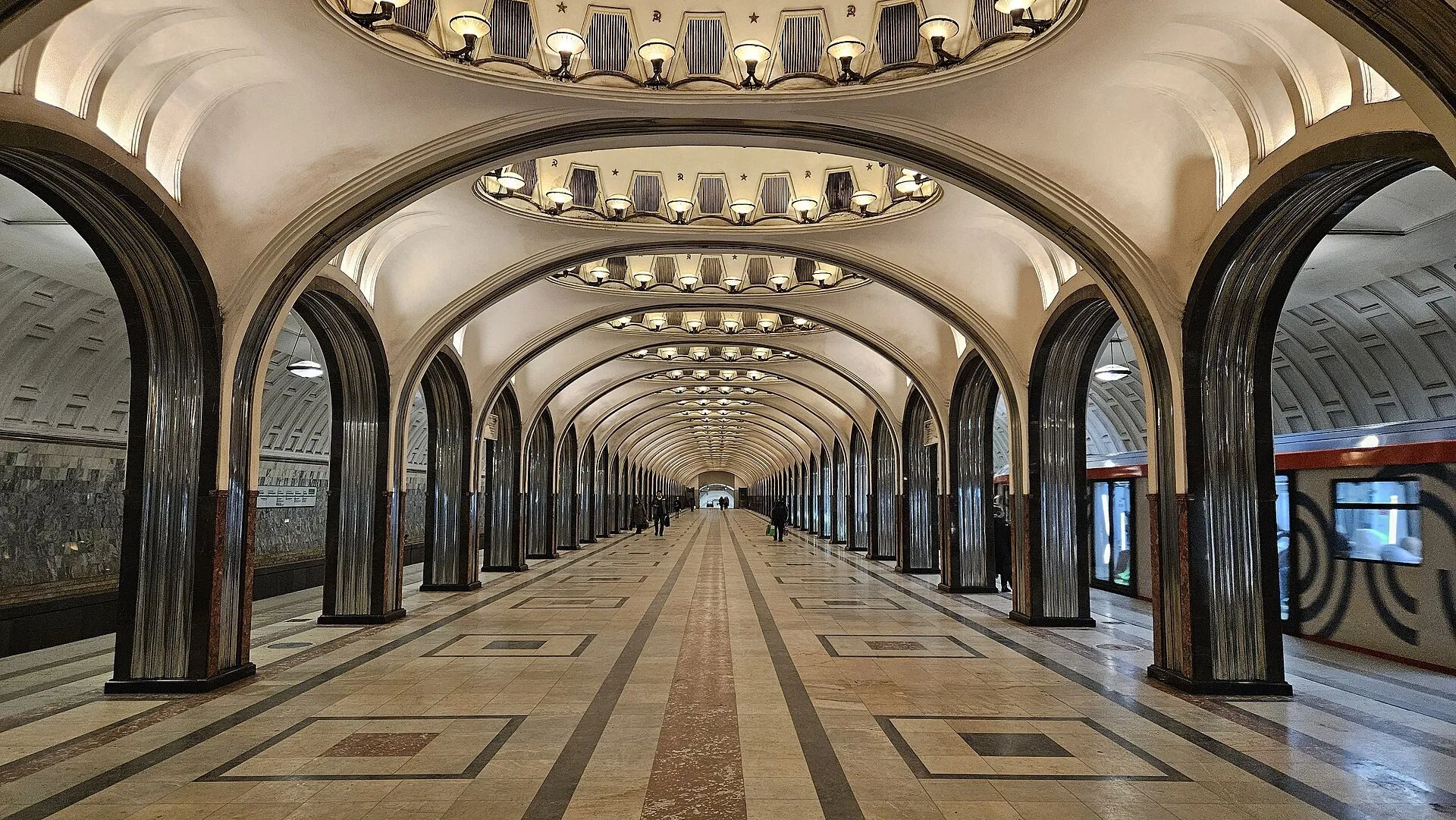 8
Arches and mosaics in the ceiling niches make Mayakovskaya an architecture stop inside the metro, among commuters on their way to work.
View details for Mayakovskaya Station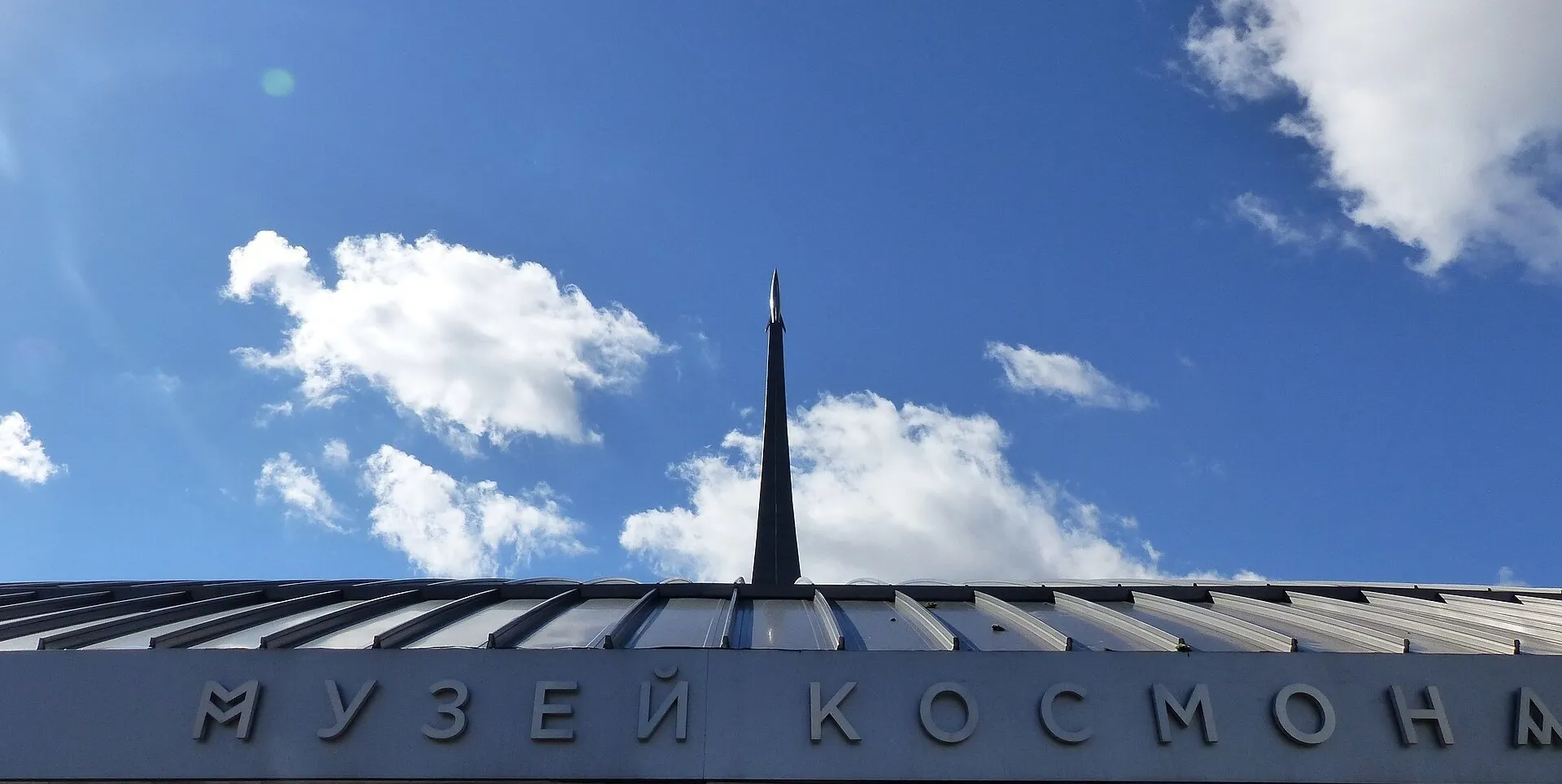 9
Beneath the Monument to the Conquerors of Space, the Cosmonautics Museum brings together suits, equipment and stories of space exploration.
View details for Cosmonautics Museum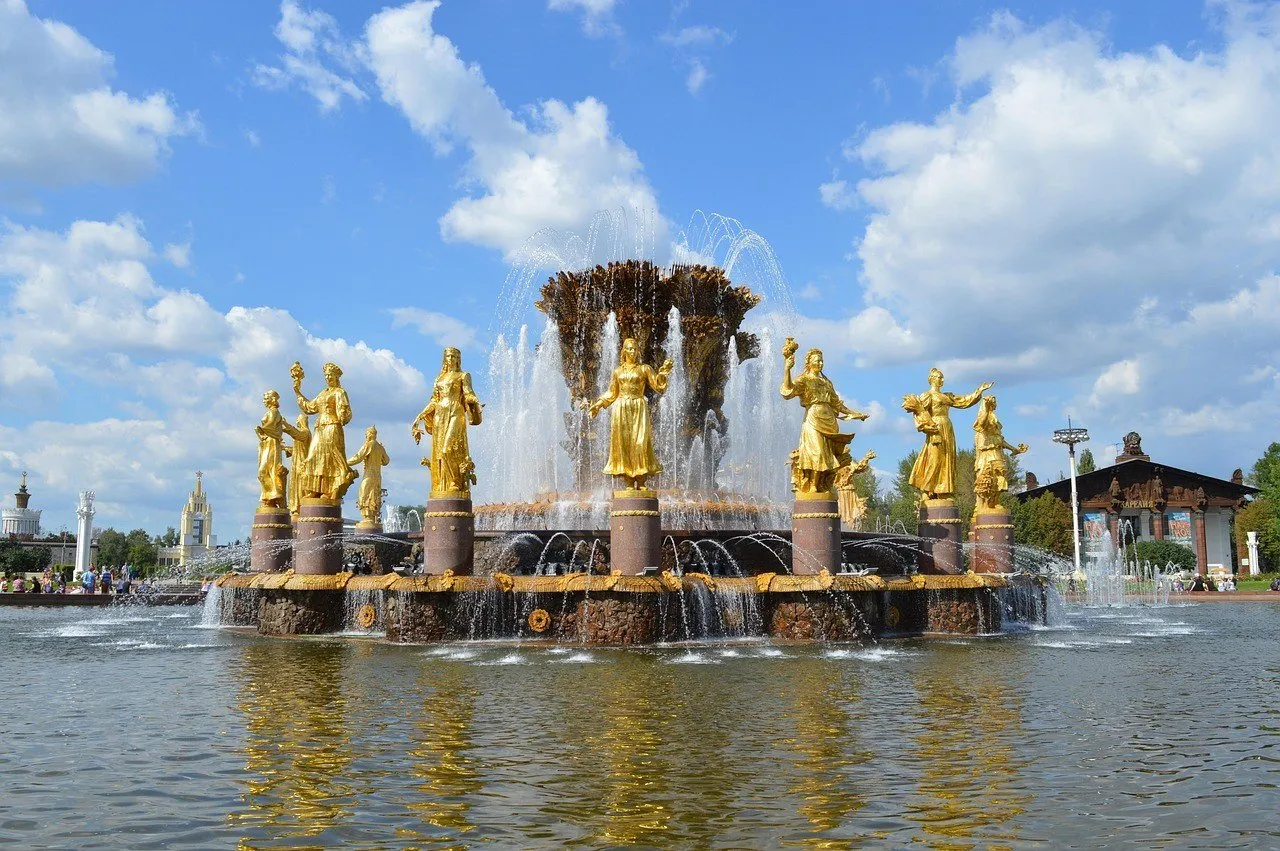 10
Avenues, pavilions and fountains make up VDNH, a vast Soviet architecture complex where it pays to pick a route instead of trying to see everything.
View details for VDNH1First comes the open space; then you pick out the edges. On one side are the Kremlin walls; on the other, GUM. St. Basil's closes one end, and the State Historical Museum the other. Walk through the middle to take in the whole ensemble.
The square is an open-air stroll, not a joint ticket to the monuments around it. Look at the facades and leave the entrances for separate visits. Events and access controls may change your route.
2The wall is only the beginning. Inside the Kremlin, Cathedral Square brings together churches and domes tied to the history of Russia's rulers. The scale shifts as you move from the courtyard to the paintings and icons of the open churches.
Focus on this ensemble on your first visit. The Armory requires its own ticket and time. Check the official notices: not every route is open, and the ticket doesn't let you roam freely through the whole complex.
3The domes steal the first photo, but the interior dismantles the idea of a huge nave. The Cathedral of the Intercession, known as St. Basil's, brings together churches linked by passageways, with paintings, floral ornaments and icons.
Compare the details instead of just looking for the facade angle as seen from inside. The building works as a museum, with its own rules. Stairs and passageways limit access for people with reduced mobility; confirm the conditions before buying a ticket.
4After stone and walls, Zaryadye swaps the scenery for vegetation and changes in level. The project recreates Russian environments, including steppe, tundra and forest, and hides facilities beneath the landscape. It's a break with architecture underneath.
The viewing bridge extends over the Moskva to look at the city, without crossing to the other bank. Stroll through the park and pick the indoor spaces if time allows: they have their own tickets and don't all have to fit in after the Kremlin.
5Between a painted face and a landscape, the Tretyakov changes the way you look at Russia. This itinerary covers the permanent collection in the historic building on Lavrushinsky, with early Russian art and painting up to the early 20th century.
Pick a theme, such as icons, portraits or landscapes, so the morning doesn't turn into a marathon. The gallery has several buildings: the name alone in an app isn't enough. Check the location and exhibition printed on your ticket before you set out.
6Gorky works as a break from museums: walk along the Moskva, sit near Golitsyn Pond and let lunch settle. Pick a short stretch of the Pushkinskaya embankment, without trying to cover the whole park.
Partial closures have been announced at the parterre, Fountain Square and the main entrance. The embankment and the pond area appeared open in the notice consulted, but access needs to be reconfirmed. Plan your entrance using the current map.
7On the Arbat, the itinerary gets a simpler measure: a pedestrian street. Look at the facades and shop windows, without treating every souvenir shop as a required stop. The cultural references recall the district's ties to writers and artists.
Use the walk to choose a café and end the day; house museums can wait for another time. Look for the old Arbat on the map, since Novy Arbat is a different road. After Gorky, take transport: walking between them adds a lot to the day.
8Look up, but first step out of the way of people boarding. At Mayakovskaya, arches and columns frame the platform while mosaics based on drawings by Aleksandr Deineka appear in the ceiling niches.
It's a working station, not an exhibition closed to foot traffic. Make a short stop and move on. Allow time for the transfers to VDNH: the two places fit into the same day thanks to the metro, not because they're side by side.
9The Monument to the Conquerors of Space points at the sky, but the visit starts at its base. The Cosmonautics Museum gathers equipment, suits and accounts of space exploration. The captions help tell historic pieces from models and reconstructions.
Choose themes like life in orbit or lunar exploration. The address is next to VDNH station and has its own ticket; it isn't the space exhibition in the neighboring pavilions. Set aside an extended morning so you don't visit while watching the clock.
10The acronym is short; the walk grows fast. At VDNH, the main avenue leads past pavilions and the Friendship of Nations Fountain area. Choose this axis to take in Soviet architecture before going into any exhibitions.
The Stone Flower Fountain adds a flower-shaped composition with sculptural details. The water is seasonal: in the cold, don't expect the jets from the summer photos. Pavilions and attractions may have separate tickets; the outdoor walk is the basis of this itinerary.
The Troika card can be bought and topped up at metro ticket offices and machines. Check the fare type for your route and bring rubles for the ticket office; save the map and check your transfers.
Visa and Mastercard cards issued outside Russia don't work in Russian shops and ATMs. Arrange payments with your accommodation and providers before you leave, rather than counting on withdrawing cash on arrival.
Check the airport code before booking your transfer. Aeroexpress lists services to Sheremetyevo and Domodedovo; check how it operates on your date and leave some slack for flight changes.
Check travel advisories and insurance coverage before booking. In October 2026, the British government advised against travel to Russia and warned of airport disruptions; check the guidance that applies to your nationality.
Late spring to early autumn makes walking easier; bring an extra layer and rain protection. In winter, shorten outdoor stretches and add more breaks in museums and cafés.
At Mayakovskaya, take photos out of the boarding flow. Check each museum's rules on bags and photography; at St. Basil's, stairs and passageways limit the visit for people with reduced mobility.
After the Kremlin, a hot meal resets the day. Ask about the filling: similar-looking dough can hide meat, fish or mushrooms. Pelmeni, blini and pirozhki show up on Moscow menus without being exclusive to the city. Choose the version that matches your appetite.
Small filled dumplings, often with meat, also served with smetana, the sour cream; there are versions with fish and mushrooms.
Pancakes that can arrive with fillings such as meat or fish; read the accompaniments before imagining a small snack.
Small buns or pies with fillings, with options such as cabbage, meat, potato and mushrooms, or apple.
We use cookies and similar technologies, such as Google Analytics, in accordance with our Privacy Policy and, by continuing to browse, you agree to these terms. You can decline at any time in the policy.