 1
Modern architecture
Oslo Opera House
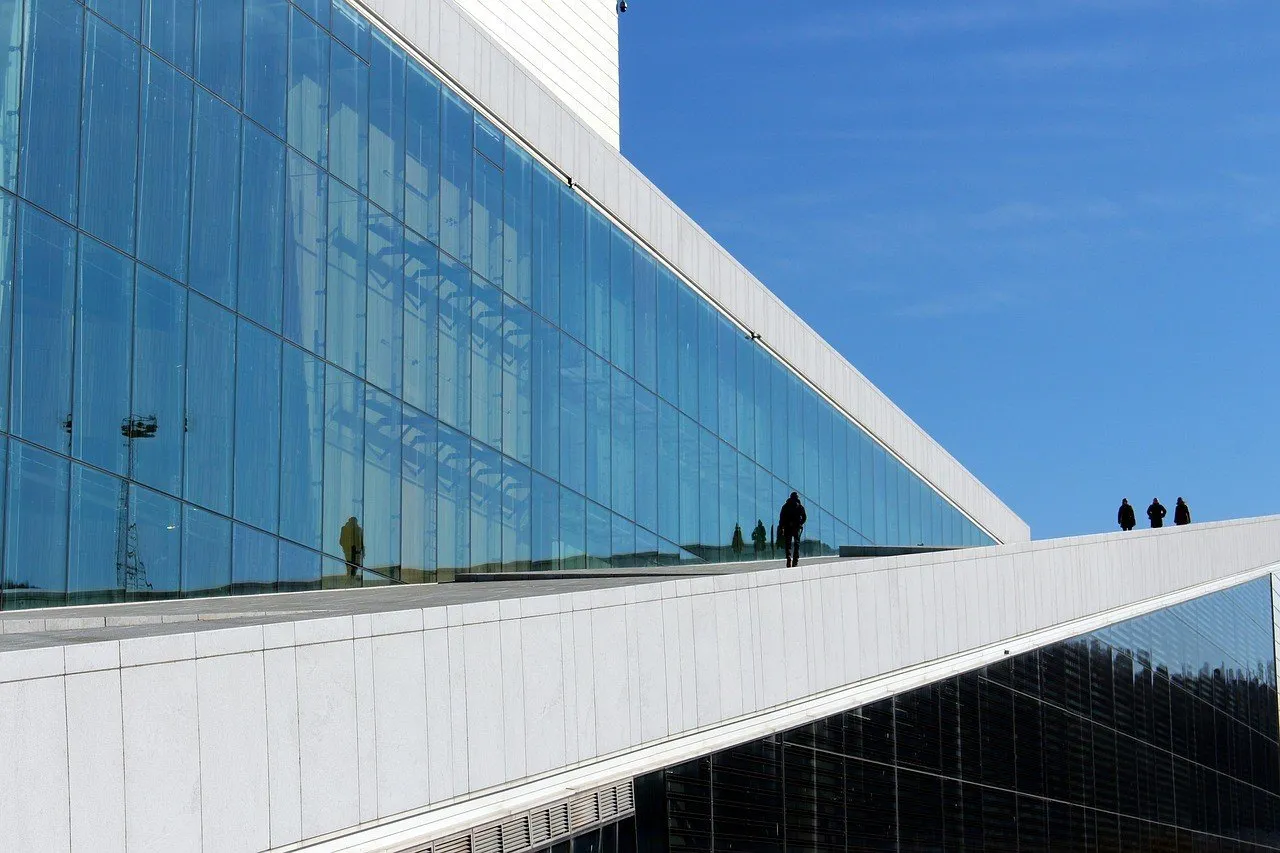
A marble building by the fjord whose roof is also a walkway: the Opera House lets you look over Bjørvika from above, even without a ticket to a performance.
View details for Oslo Opera House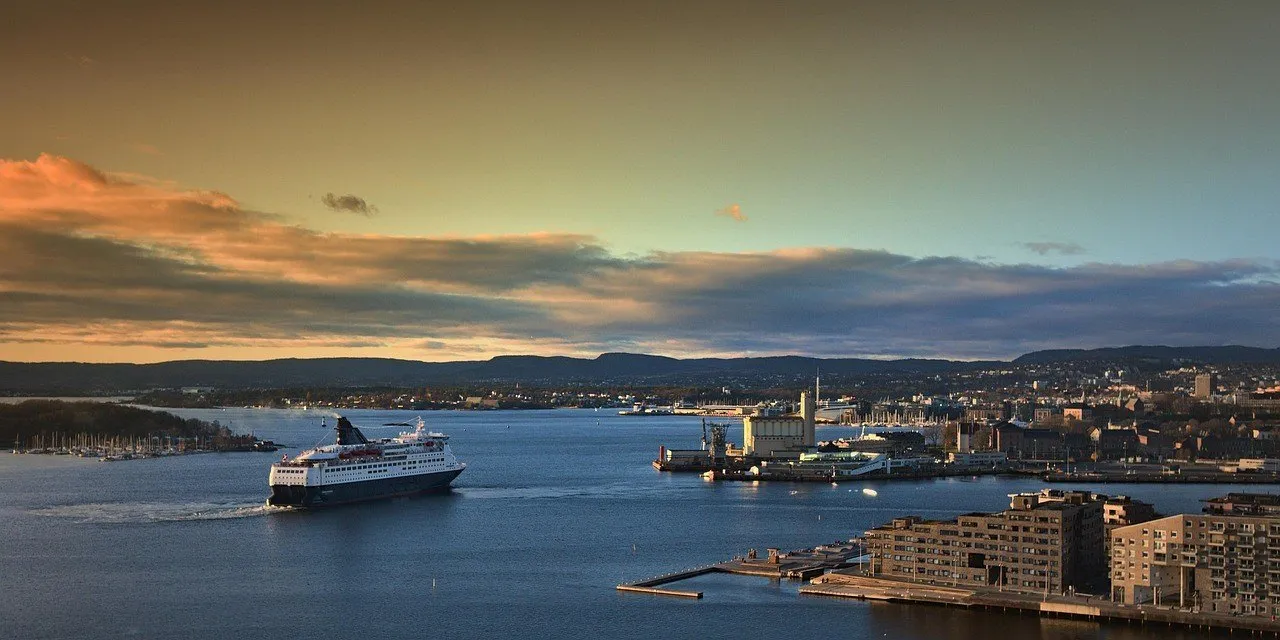
Norway
In Oslo, the day can start on the Opera House roof, with the fjord ahead, and end inside a polar ship. In between, you still have to decide which version of The Scream you want to see.
The white marble of the Opera House rises from the water like a ramp, and you can follow it all the way to the roof. Down below, Bjørvika brings together a library, a museum and people strolling along the fjord; a little farther on, the walls of Akershus change the texture of the landscape. Oslo works well in that rhythm: step into an exhibition, head outside to look at the water and discover that a library deserves a spot on the itinerary too.
For a first visit, set aside the waterfront and the city center, the axis of the Royal Palace and Vigeland Park, and the Bygdøy peninsula. The museums here call for choices: MUNCH and the National Museum offer different things, while the Fram and Kon-Tiki museums keep real vessels. Plan three full days, or four if you want to read the wall texts without haggling with the clock. In summer, stretch out the walks; on cold days, let the indoor spaces lead the trip.
The Opera House roof is part of the outing: the walk over the building gives another perspective on the fjord, even for those who won't be attending a performance.
The Deichman Bjørvika Library is home to the Future Library space, a project that keeps unpublished manuscripts for future readers: a library that also knows how to wait.
The Scream exists in different versions: MUNCH rotates its fragile works on display, and the National Museum holds another version of the same motif.
In Bygdøy, the comparison is at real scale: you can visit the polar ship Fram and, in the neighboring museum, see the original Kon-Tiki raft.
1A marble building by the fjord whose roof is also a walkway: the Opera House lets you look over Bjørvika from above, even without a ticket to a performance.
View details for Oslo Opera House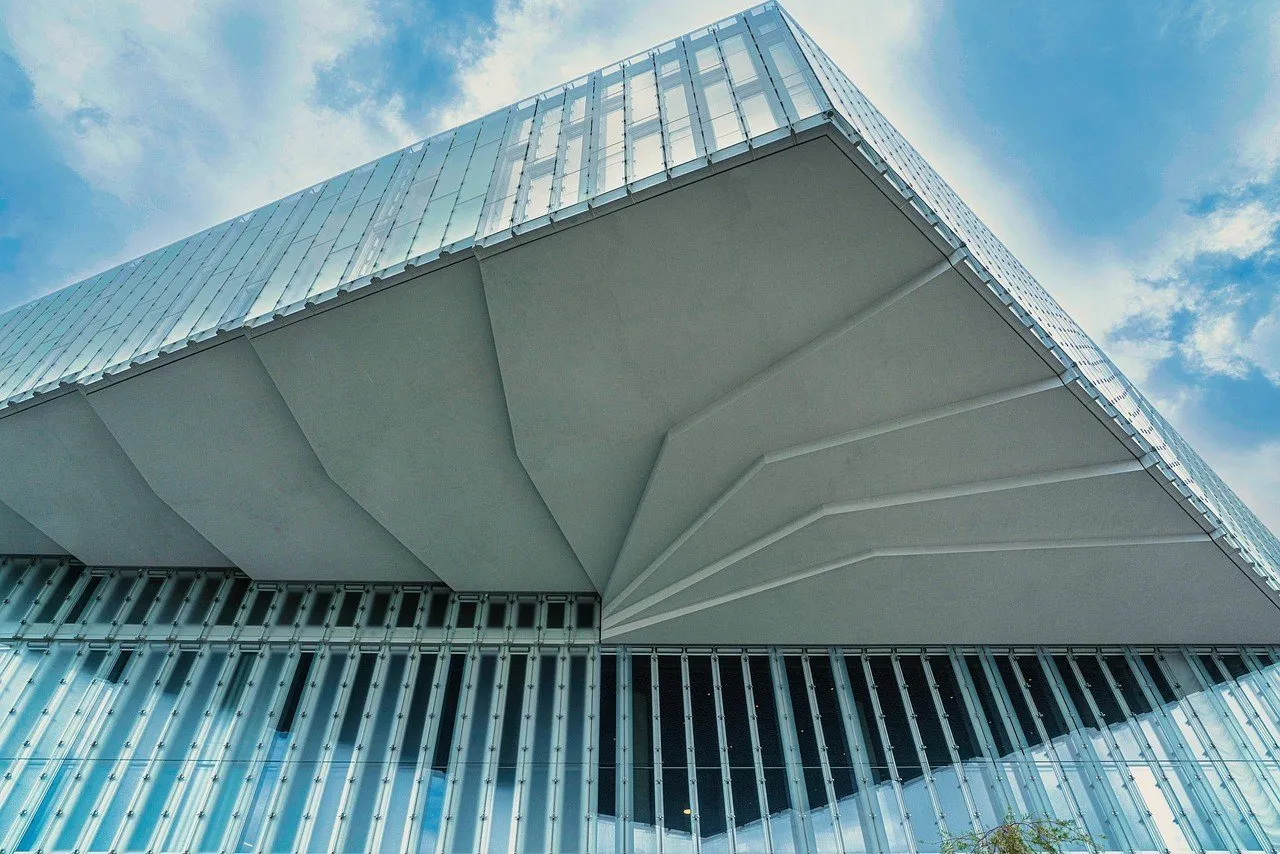 2
Next to the Opera House, Oslo's main library combines books, workshops and fjord views; it's worth climbing through its spaces even if you aren't looking for a title.
View details for Deichman Bjørvika Library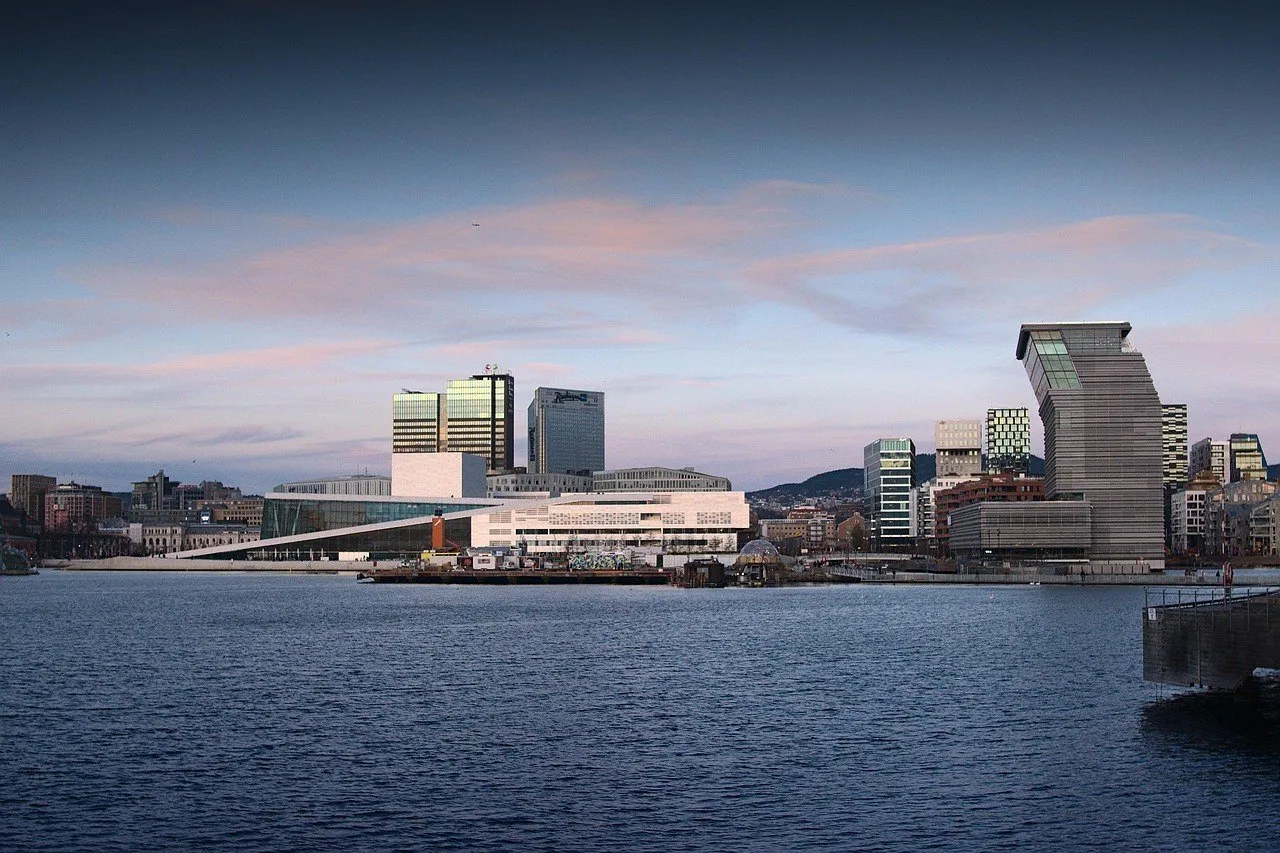 3
The museum dedicated to Edvard Munch lets you go beyond The Scream and follow the themes that recur in his art, in a tall building by the waters of Bjørvika.
View details for MUNCH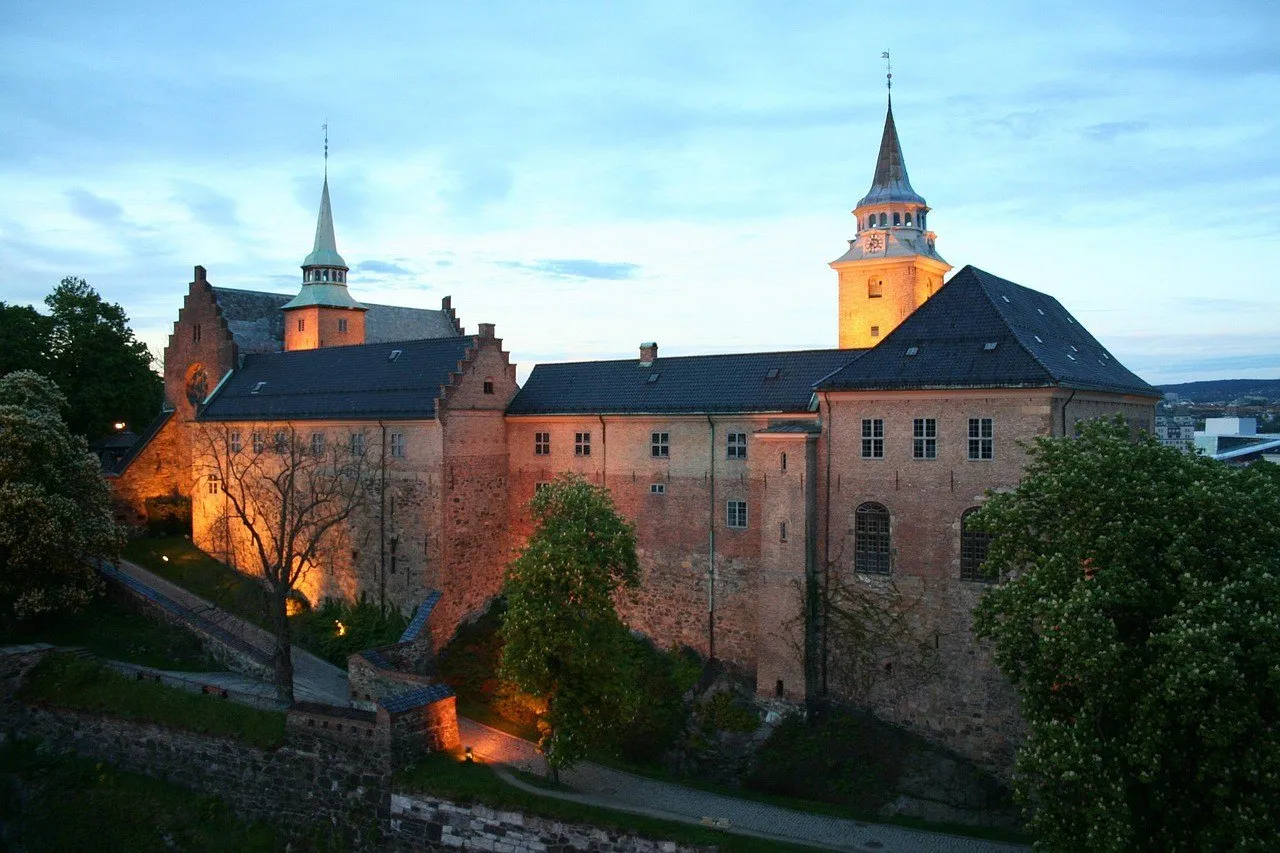 4
Walls, green areas and harbor views surround Akershus Castle, in a complex that is still tied to Oslo's military and official life.
View details for Akershus Fortress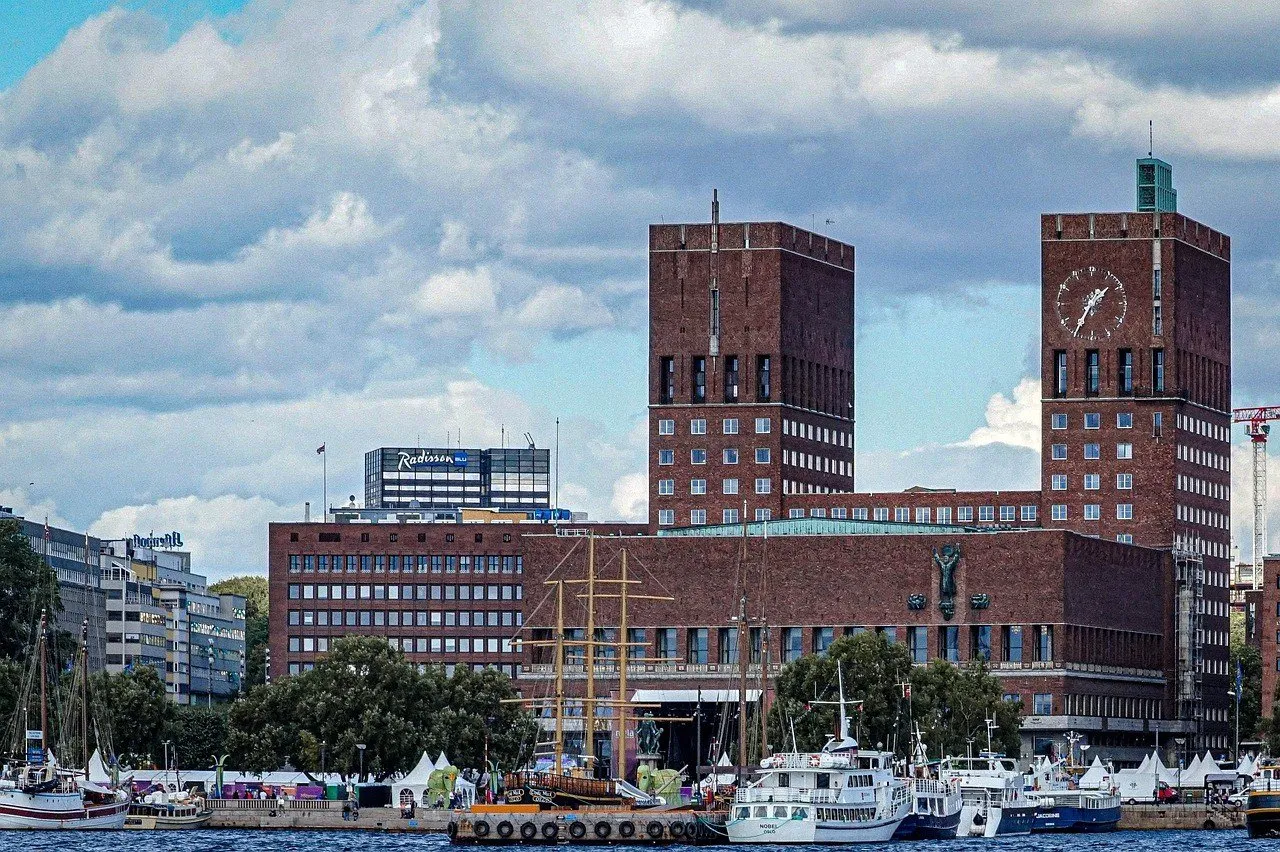 5
The City Hall's brick facade holds halls and murals that present Norwegian history; the building is still a workplace.
View details for Oslo City Hall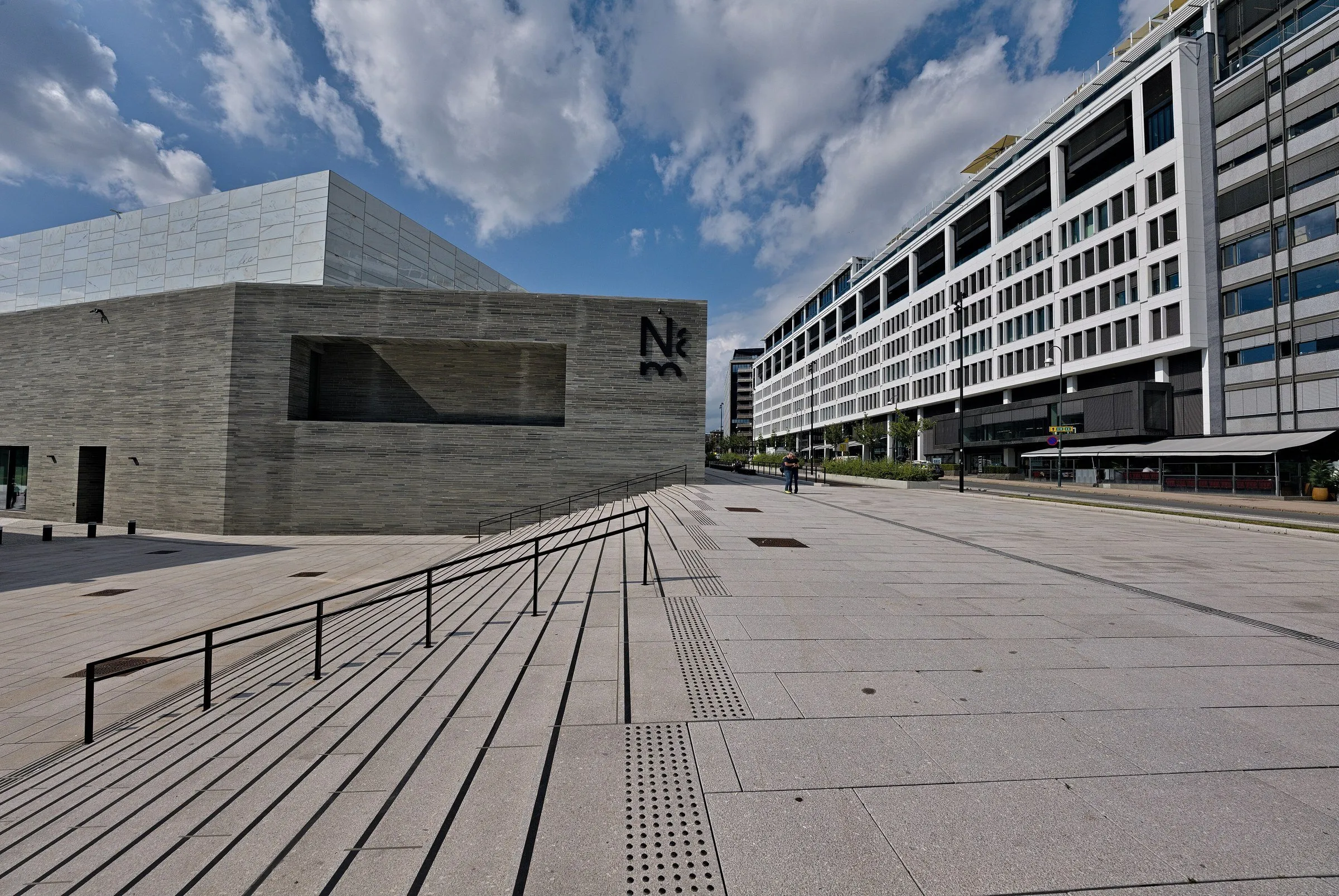 6
Art, architecture and design share the National Museum, whose collection includes works by Munch and lets you follow the paths of Norwegian artistic production.
View details for National Museum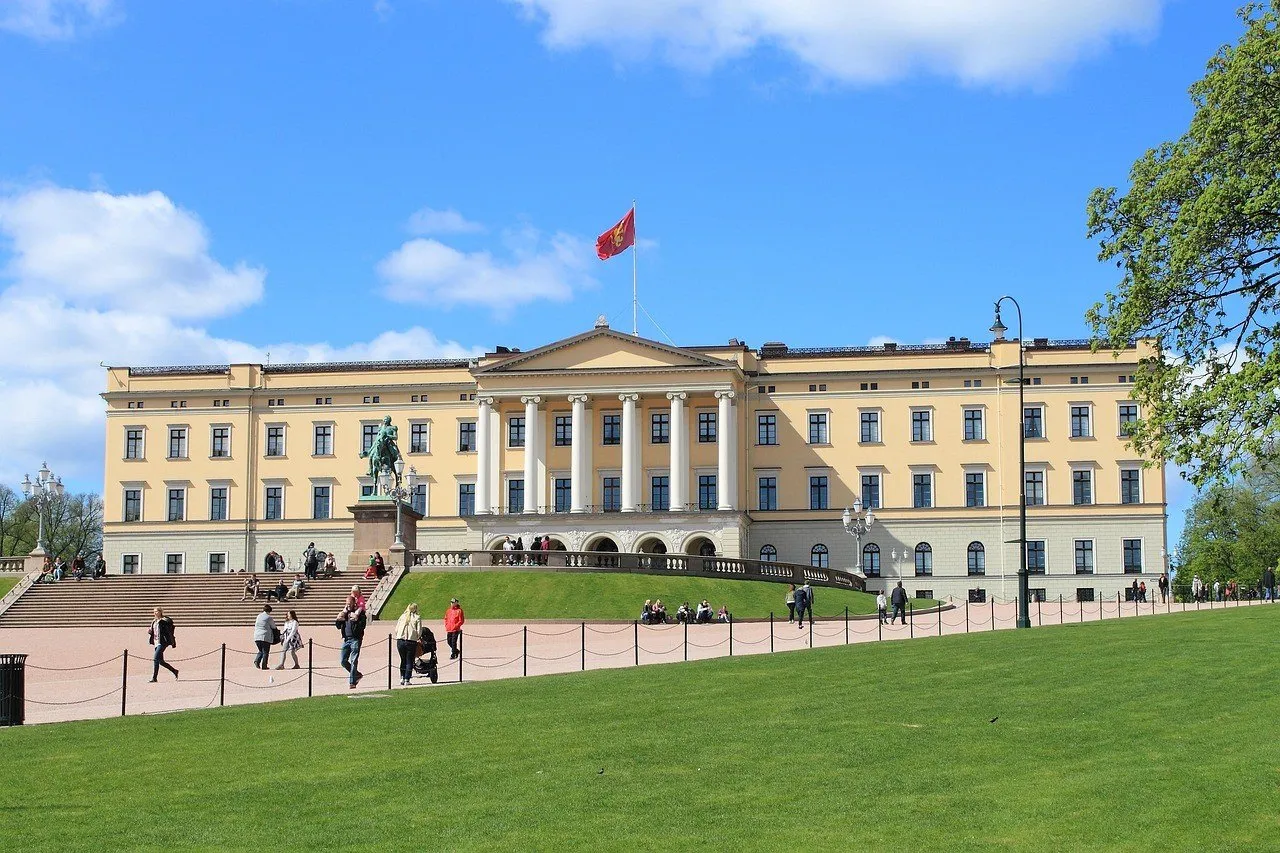 7
The Royal Palace opens onto a ceremonial square and a park of curving paths; the interiors, when available, require a seasonal guided visit.
View details for Royal Palace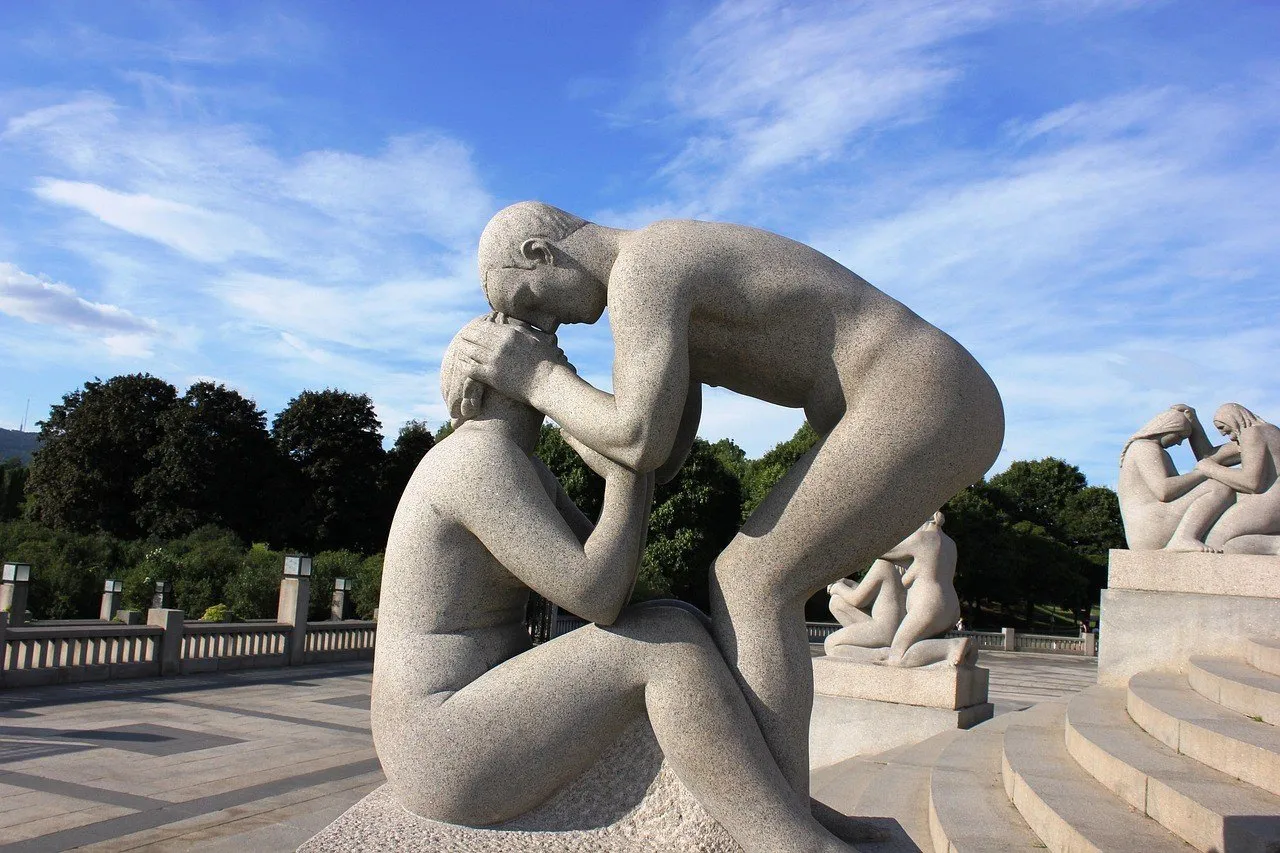 8
Within Frogner Park, Gustav Vigeland's sculptures explore human relationships in bronze and granite; the bridge, the fountain and the Monolith organize the walk.
View details for Vigeland Park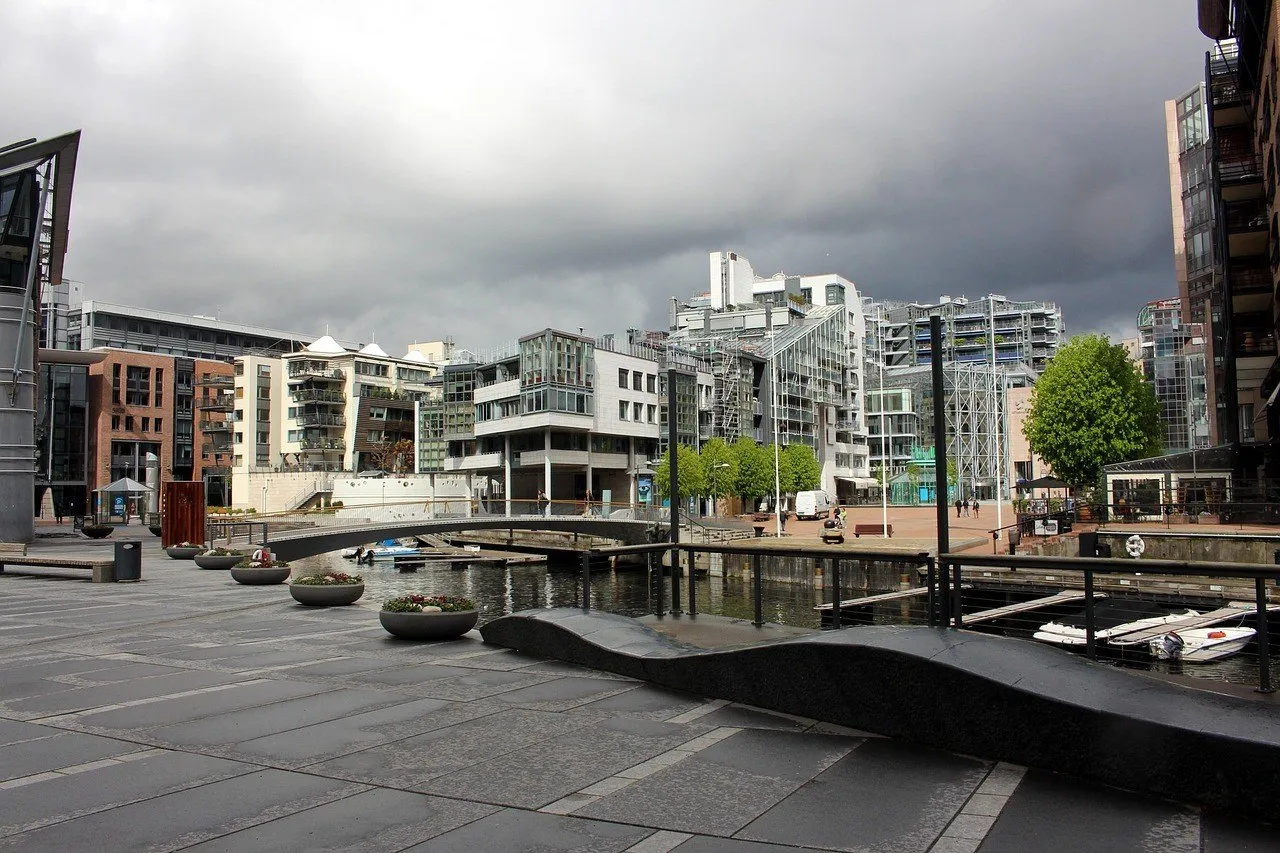 9
Former shipyard buildings share Aker Brygge with recent construction, restaurants and a boardwalk facing the marina and the Oslo fjord.
View details for Aker Brygge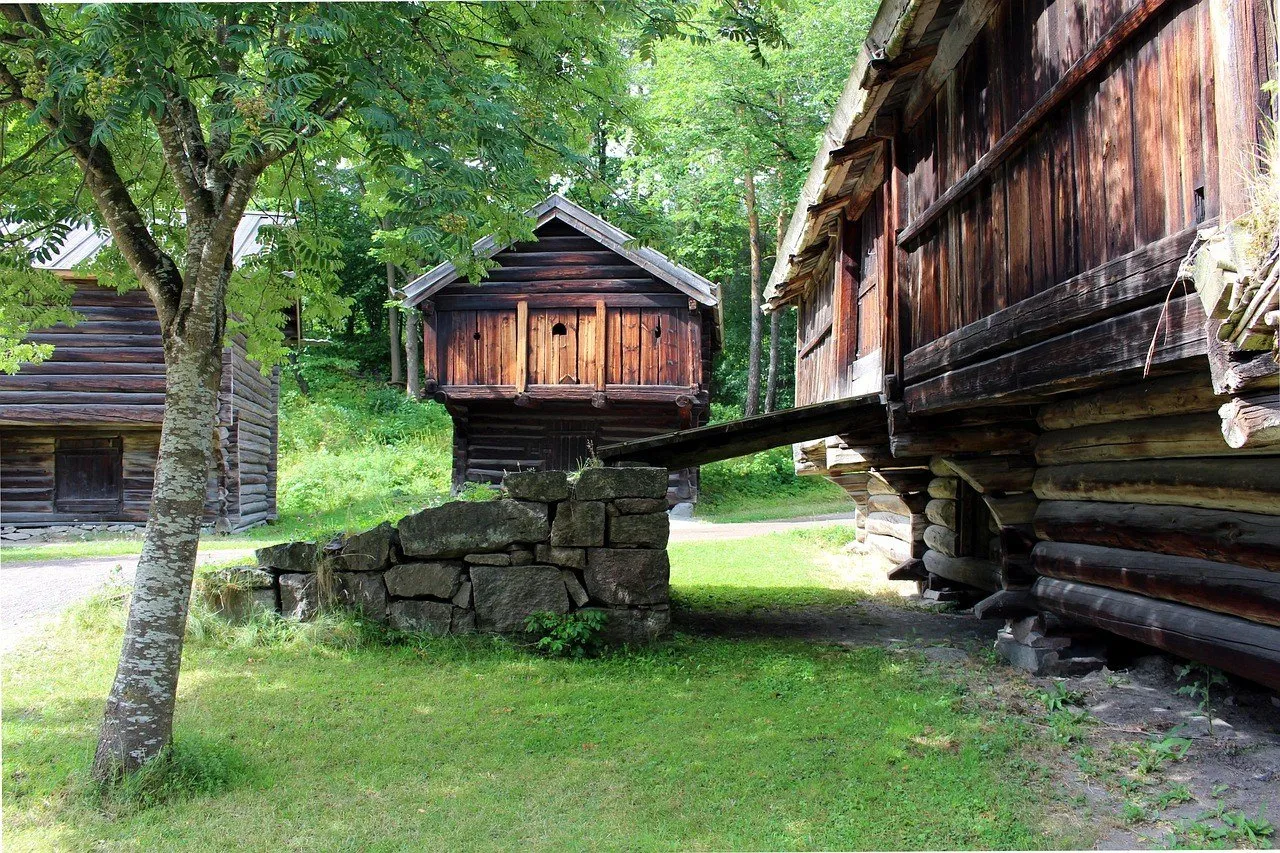 10
The museum of Norwegian culture brings together historic open-air buildings and indoor exhibitions; the wooden church from Gol is one of the highlights of the visit.
View details for Norsk Folkemuseum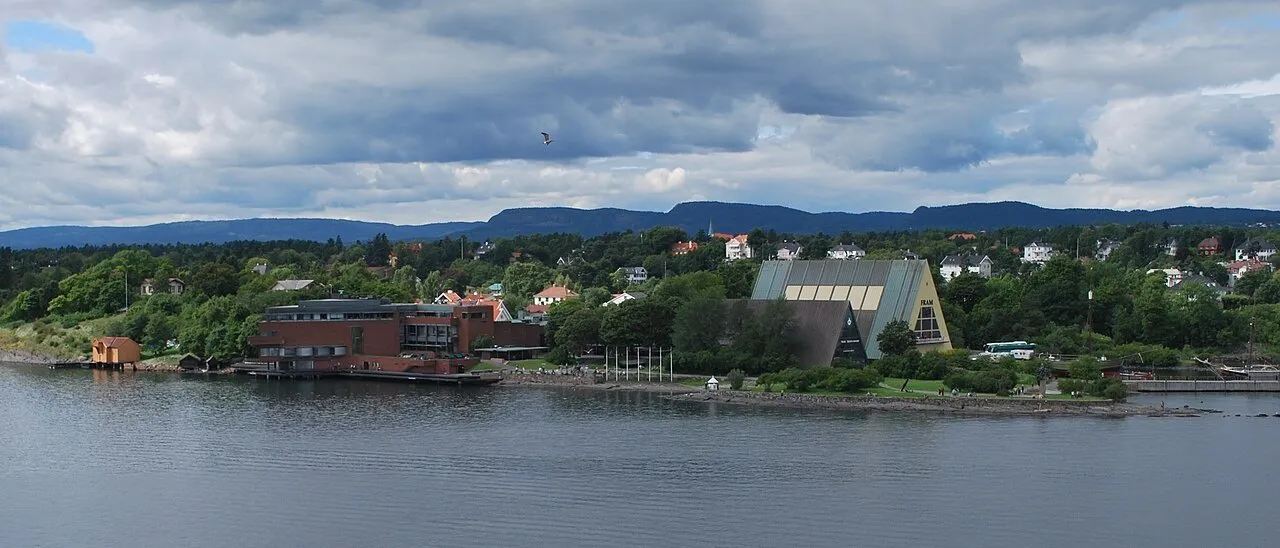 11
The polar ship Fram sits at the center of this museum in Bygdøy, where you can climb aboard and learn about living conditions on expeditions to the Arctic and Antarctica.
View details for Fram Museum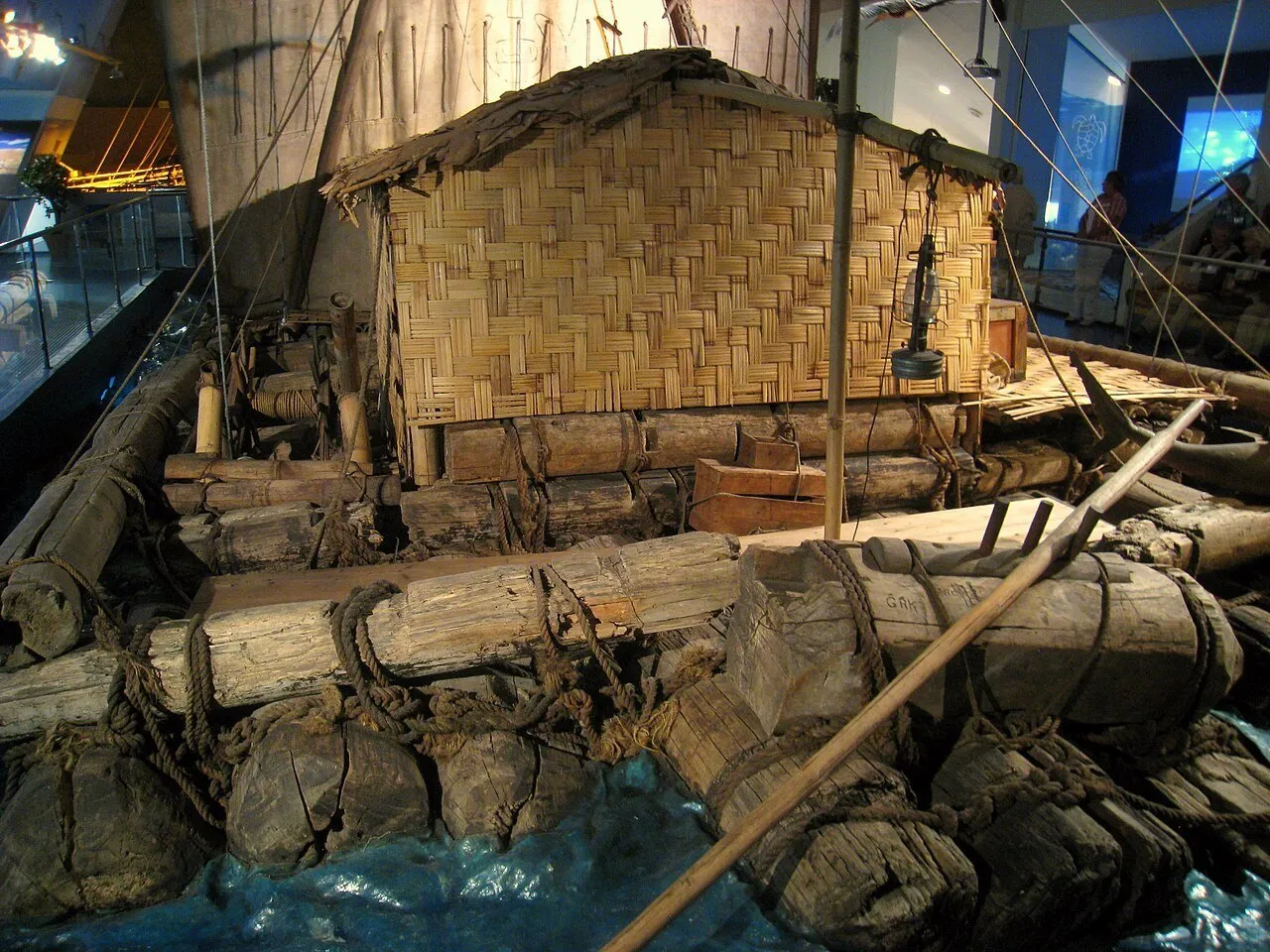 12
The original Kon-Tiki raft and the reed vessel Ra II help tell the voyages of Thor Heyerdahl in a museum next to the Fram, in Bygdøy.
View details for Kon-Tiki Museum1Here, climbing onto the roof is part of the visit. The sloping marble surface lifts you above the water, with Bjørvika all around and the fjord ahead. The Opera House hosts opera and ballet performances, but its exterior already works as an architecture walk, with no need to tell an act from an intermission.
Walk slowly to take in the building's lines and the glass-and-steel sculpture She Lies in the water. Then check access to the foyer; if you want to see behind the scenes or attend a performance, you'll need to plan that part separately.
2Cross over from the Opera House to a building where books share space with cinema, workshops and areas to linger without rushing. The Deichman Bjørvika Library is Oslo's main library, open to the city and to visitors. You walk in to look at the architecture and soon start wondering whether you could spend the whole afternoon there.
Go up at an easy pace and look for the spaces facing the fjord. At the top is the area tied to the Future Library, a project of manuscripts kept for future publication. People are also working and studying here: the best soundtrack for the visit is a low voice.
3The tilted top of the facade helps you spot MUNCH from the waterfront. Inside, the visit moves through the work of Edvard Munch and through exhibitions that widen the conversation. Love, loneliness and anxiety appear in different techniques; it pays to arrive with time to look beyond the figure with hands pressed to the face.
If The Scream is at the center of your plans, there's one detail: the museum's versions are shown in rotation to limit light exposure. Check the schedule and accept the pause in front of the other works; the famous painting is an entrance to the collection, not the exit.
4The waterfront walk changes material at Akershus: the big glass planes fade out, and stone walls, paths and green areas come in. The complex brings together a fortress, a castle and museums, and still serves military functions. It's worth noticing this everyday use alongside the historic buildings, rather than treating it all as abandoned scenery.
For a first pass, focus on the paths of the grounds and the views of the harbor. Visiting the castle interior or a museum calls for another block of time and may have its own ticket. Watch your step and keep away from the edges: the walls are truly high.
5From the outside, bricks and towers mark the square by the harbor. Inside, City Hall changes the scale of the visit with halls and art on the walls. The works of artists such as Henrik Sørensen and Per Krohg help tell the country's history and values, so it's worth swapping the quick photo for a few minutes of looking.
The building is still in use, with political and official activities. That is part of what makes the place interesting, but it also explains closed rooms and changes in access. Allow time for the security check and look at the calendar before leaving the visit for the end of the day.
6Choosing rooms is a useful skill at the National Museum. The collection brings together art from different eras, architecture and design, and stitches together collections that were once in separate institutions. Among the Norwegian works, you'll find names such as Harriet Backer and Harald Sohlberg; the museum also makes room for artists from other countries.
There is a version of The Scream in the collection, different from the ones that belong to MUNCH. But do look around after it: paintings, objects and design pieces help change the question from who painted this to how people lived with these things.
7Arriving at the Royal Palace square changes the pace of the center: the facade sits high above, while the park invites you to spread the outing along its paths. The building hosts the monarchy's official activities, with meetings and receptions. The outside works well for anyone who wants to see this part of Oslo without tying the day to a reservation.
In the park, look for the gravel paths and the curved ponds, part of the romantic landscape design. To see the palace rooms, check the summer season of guided visits. The suggested itinerary counts on the exterior; going inside means adding time, not just walking faster.
8People embracing, people in conflict, bodies in motion: Gustav Vigeland's sculptures occupy one axis of Frogner Park with emotions that need no long caption. Cross the bridge, head toward the fountain and watch how the groups change until you reach the Monolith. The space between the works is part of the visit too.
The unclothed figures were conceived so that clothing wouldn't tie them to an era or a social class. It's worth walking around each group, because the gesture changes with the angle. When you tire of interpreting family ties and stone arguments, sit down for a while and let the park be a park.
9Where a shipyard once operated, the path between the buildings now leads to tables, shops and benches by the water. Aker Brygge preserves industrial buildings next to more recent architecture, and the mix becomes clearer when you step a little away from the line of restaurants. Look at the bricks before you look at the menu.
The walk along the quay offers views of the marina and the fjord, with room to end the day without buying a ticket. If you want dinner, compare menus before picking a table: the view slips easily into the decision. If you just want to sit and watch the boats move, the outing is still complete.
10In Bygdøy, the Norsk Folkemuseum puts buildings from different regions of Norway within walking distance. Houses, interiors and objects help compare ways of living and working, with plenty of the visit taking place outdoors. The wooden church from Gol stands out for its dark bulk and carved portals.
The building was moved from Gol and rebuilt on the peninsula; looking at the details of the wood shifts the scale after the big museums in the center. Check which houses are open and which activities are on the day of your visit. The program varies, so don't count on specific demonstrations and interiors without checking first.
11The Fram joins the itinerary at full size: the polar ship sits inside the museum, and you can climb aboard to see the spaces the crew used. Cabins and passageways make the history of the expeditions more concrete. Just imagine a season in there and your complaint about the hotel room loses a bit of its force.
The exhibitions cover Arctic and Antarctic exploration, with objects and resources that help you understand these journeys. There is also a space dedicated to the Gjøa and the Northwest Passage. Allow time to look at the ship from the outside and the inside, rather than crossing the deck like someone changing rooms.
12Seeing the Kon-Tiki raft up close changes the idea the word vessel might suggest. The museum keeps the original balsa-wood structure used by Thor Heyerdahl and his crew to cross the Pacific. The scale is human; it's the imagined ocean around it that refuses to cooperate.
The visit also presents the reed vessel Ra II and other voyages by Heyerdahl. Read the goals and the context of the expeditions: knowing the vessels helps you understand the questions that motivated these projects. Since the museum sits next to the Fram, the two make a practical pair for comparing very different ways of sailing.
Gardermoen has regional trains, an express service and buses. Compare the options on the Avinor website before buying: the first train that shows up on the board may not be the best fit for where you're staying.
Check routes on the Ruter planner and confirm the ticket for your chosen trip. Use public transport between the center and Frogner and to reach Bygdøy; the central waterfront is better on foot.
Alternate paid attractions with the Opera House roof, the library and walks in the parks. Check menus before sitting down in Aker Brygge and bring a bottle: tap water is drinkable unless indicated otherwise.
The currency is the Norwegian krone, and cards are widely accepted. Check your card's conversion cost before the trip and keep track of spending in NOK: pulling the calculator out of your pocket is part of the outing too.
For walking by the fjord, bring a wind and rain layer even outside winter. In the cold, choose soles with good grip and follow any closures of outdoor areas, including at the Opera House.
Watch your bag and phone at busy stations and attractions. Inside the library, remember that people are studying: a visit to the architecture doesn't need to become a live narration.
Between one Munch room and the next, there's space for a waffle with brown cheese. The combination sounds like it was invented by someone who gave up choosing between sweet and savory, but it has a proper place at the Norwegian table. In Oslo, use the cafés to try these snacks and save one meal for fish; in Aker Brygge, read the menu with the same attention you gave the museum captions.
Norwegian waffles topped with slices of the sweetish brown cheese; they also come with jam and sour cream.
Smoked salmon, a good way into the fish of Norwegian cooking.
A thin, soft flatbread, made with flour or potato; it can come folded with butter, sugar and cinnamon.
Pickled herring, served with different marinades: ask for a small portion if it's your first encounter with the fish.