 1
Art and architecture
Royal Palace and Dam Square
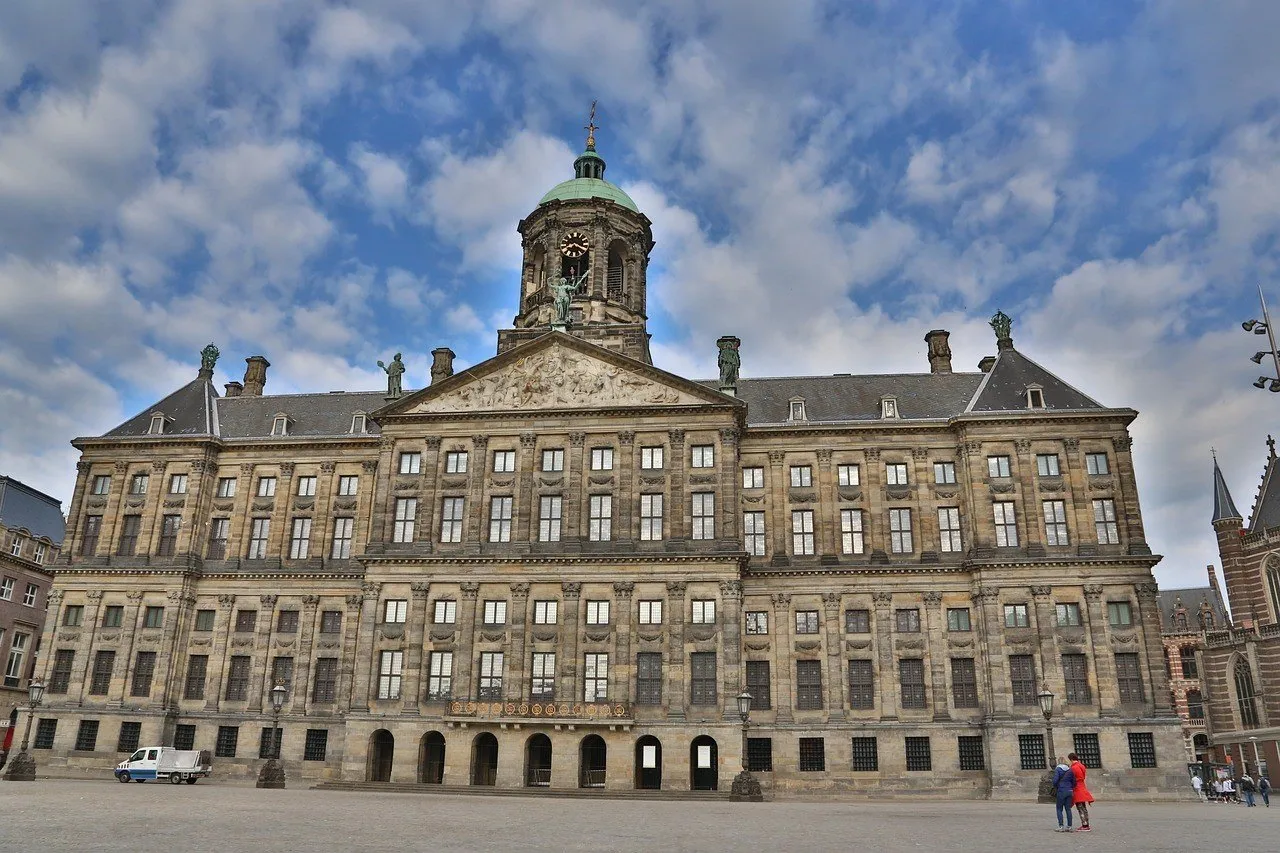
The palace on Dam Square began as a town hall and still hosts official royal events; inside, halls and paintings show a different scale of Amsterdam.
View details for Royal Palace and Dam Square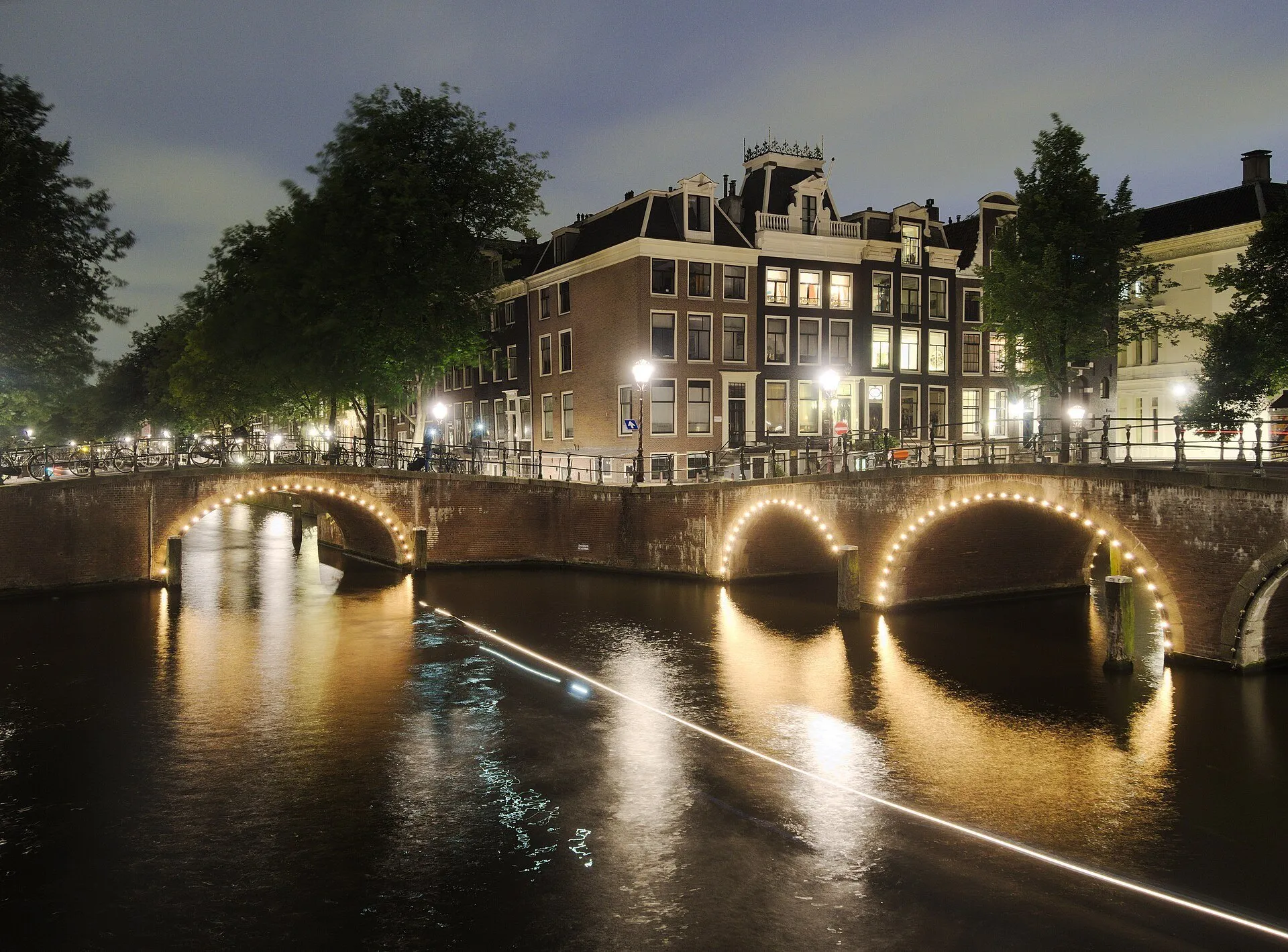
You stop on a bridge to photograph the houses reflected in the canal and hear a bicycle bell: in Amsterdam, even daydreaming has to make room for people just passing through.
On the bridge, the houses stand in a neat row; in the water, they come apart with every passing boat. Amsterdam invites you to look down, up and sideways, especially before stepping onto a bike lane. The canal ring helps you make sense of the center, but a walk pays off more when you alternate the waterfront with the inside of a museum and a break at a café in the Jordaan.
Split your first trip between the center and the Jordaan, the museum district, and a mix of De Pijp with the north bank of the IJ. Start by booking the Anne Frank House and the Van Gogh Museum, then fit your walks around them. The timings in this guide are suggestions for organizing your visits, with room for meals and for watching the canals.
The Royal Palace began life as a town hall: the rooms the monarchy uses today once belonged to the city government.
The canal layout recognized by UNESCO came out of urban planning and drainage, laid out in arcs around the old center.
NDSM was a shipyard; today its sheds are part of the city's art scene.
The entrance to Anne Frank's hiding place was behind a movable bookcase in her father's company building.
1The palace on Dam Square began as a town hall and still hosts official royal events; inside, halls and paintings show a different scale of Amsterdam.
View details for Royal Palace and Dam Square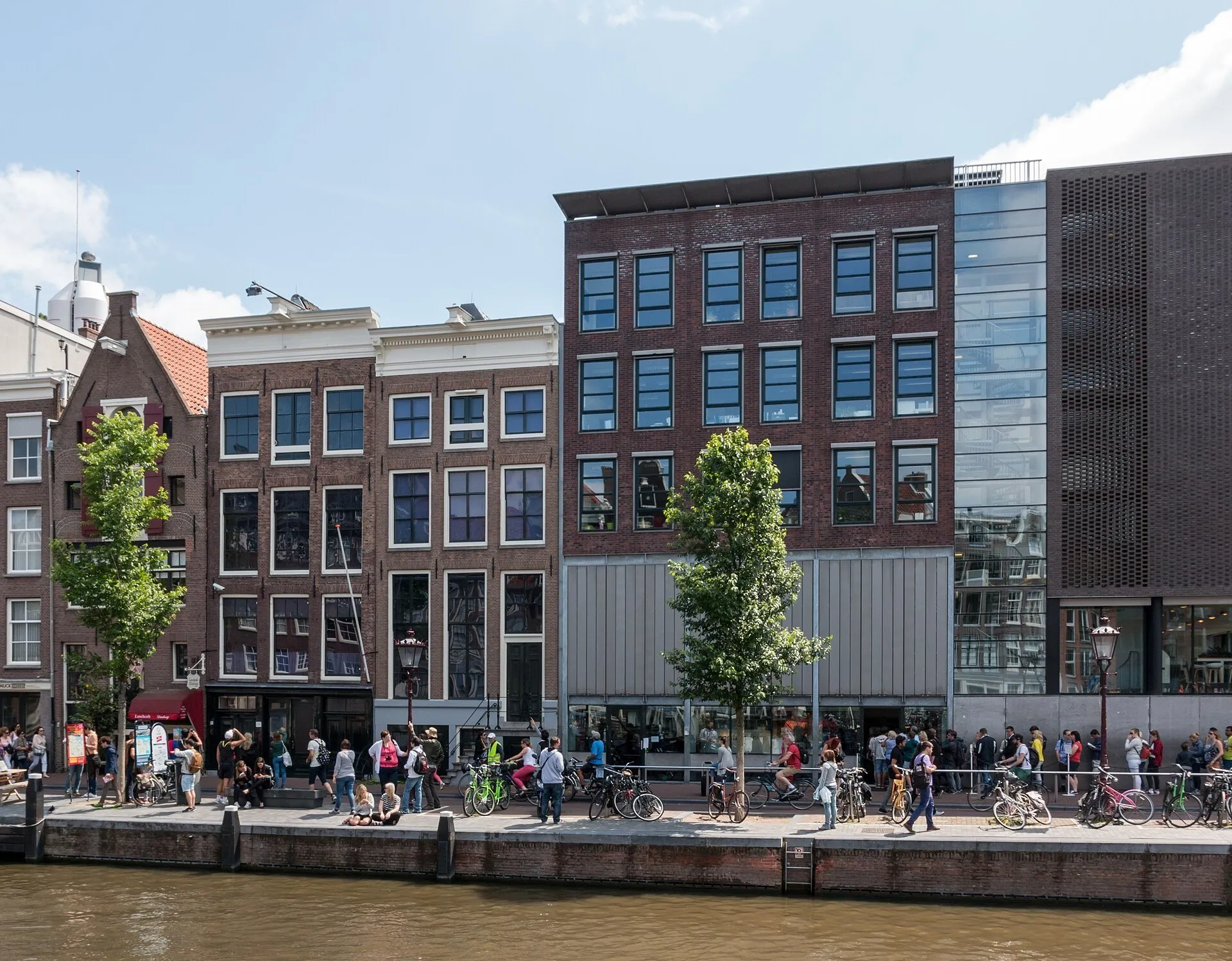 2
Anne Frank's former hiding place preserves the passage behind the bookcase and tells the story of the persecution of Jews; the visit calls for a booking and time to listen.
View details for Anne Frank House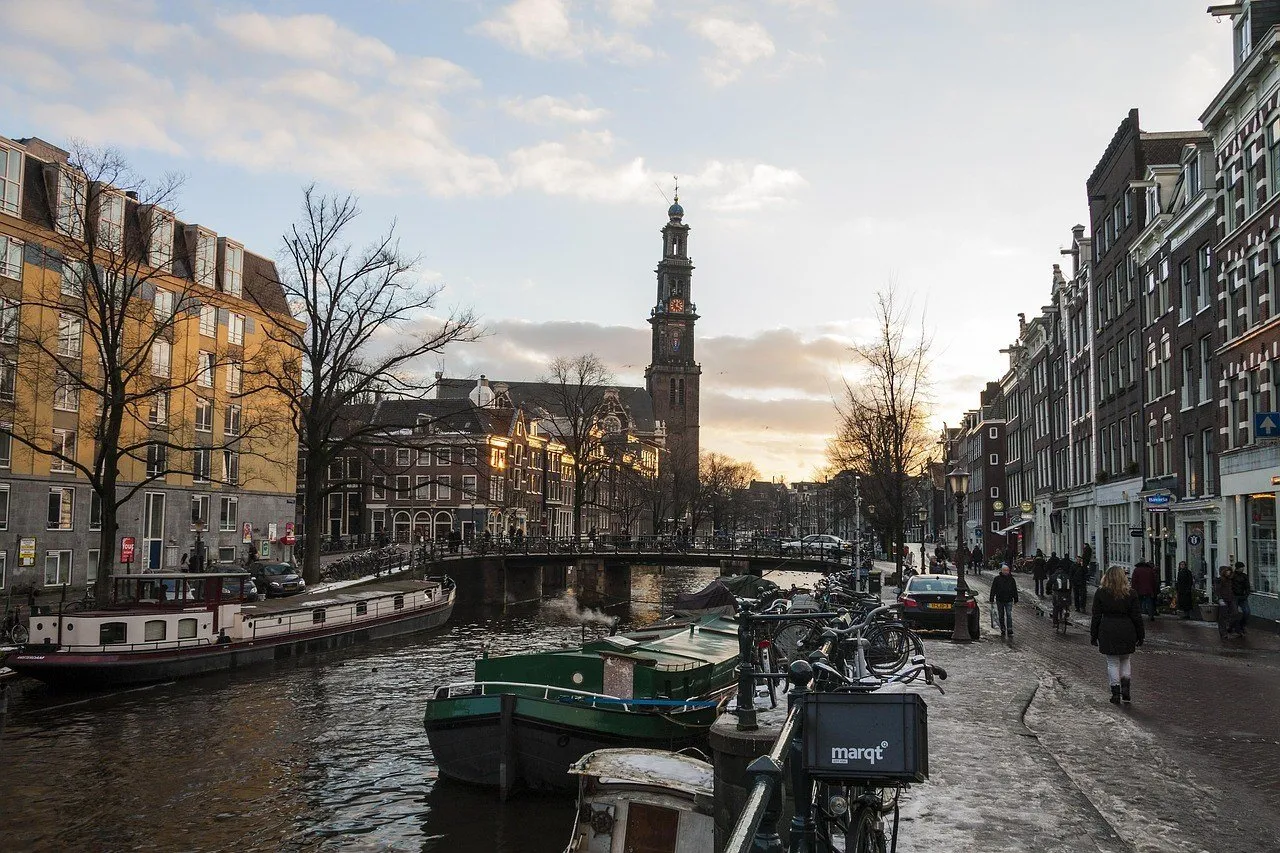 3
Canalside streets, small galleries and cafés fill a former working-class neighborhood; the Jordaan works best when you trade hurry for a sidewalk table.
View details for Jordaan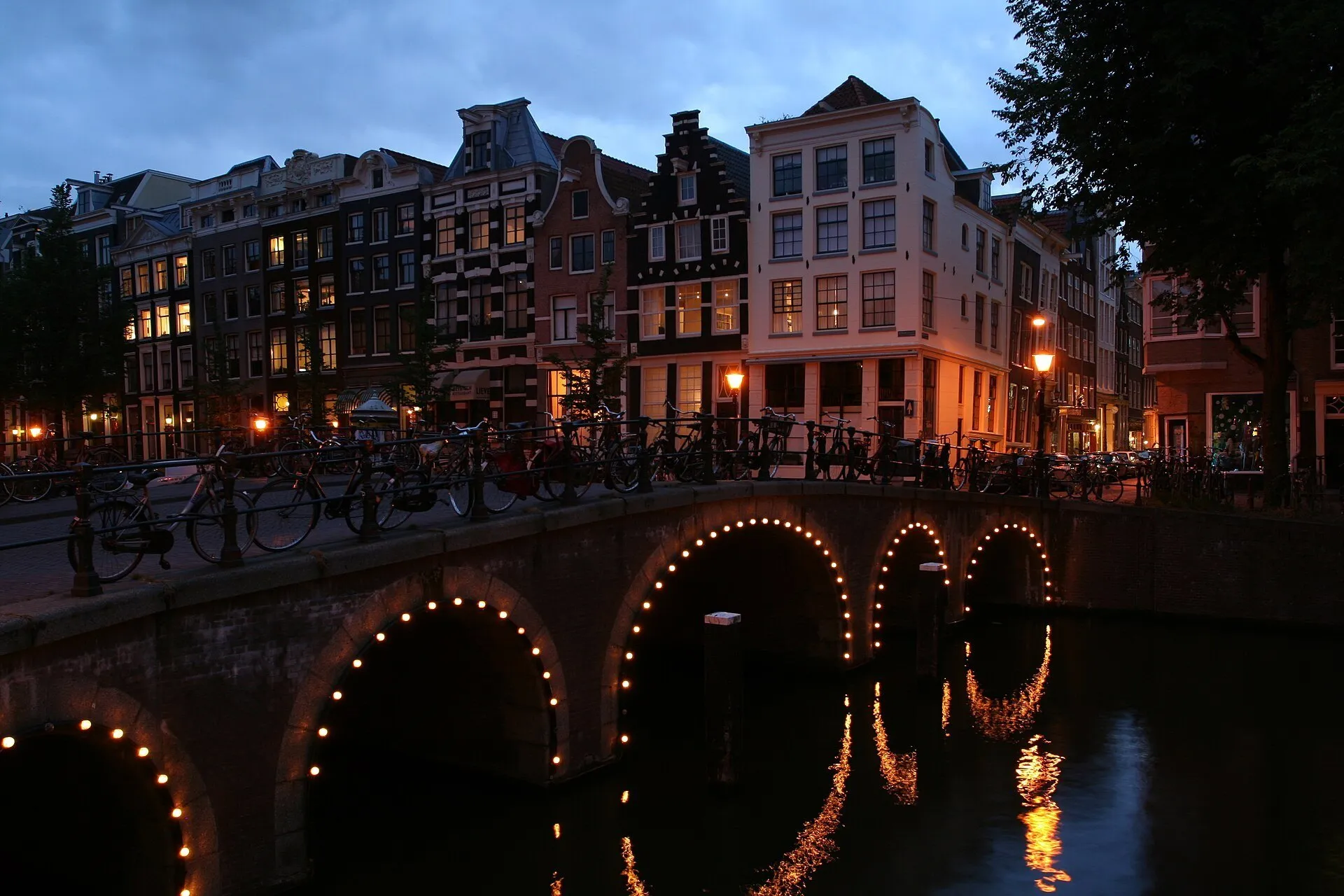 4
Bridges and gabled houses line canals drawn in arcs; walking the Grachtengordel helps you see how Amsterdam organized its own expansion.
View details for Canal Ring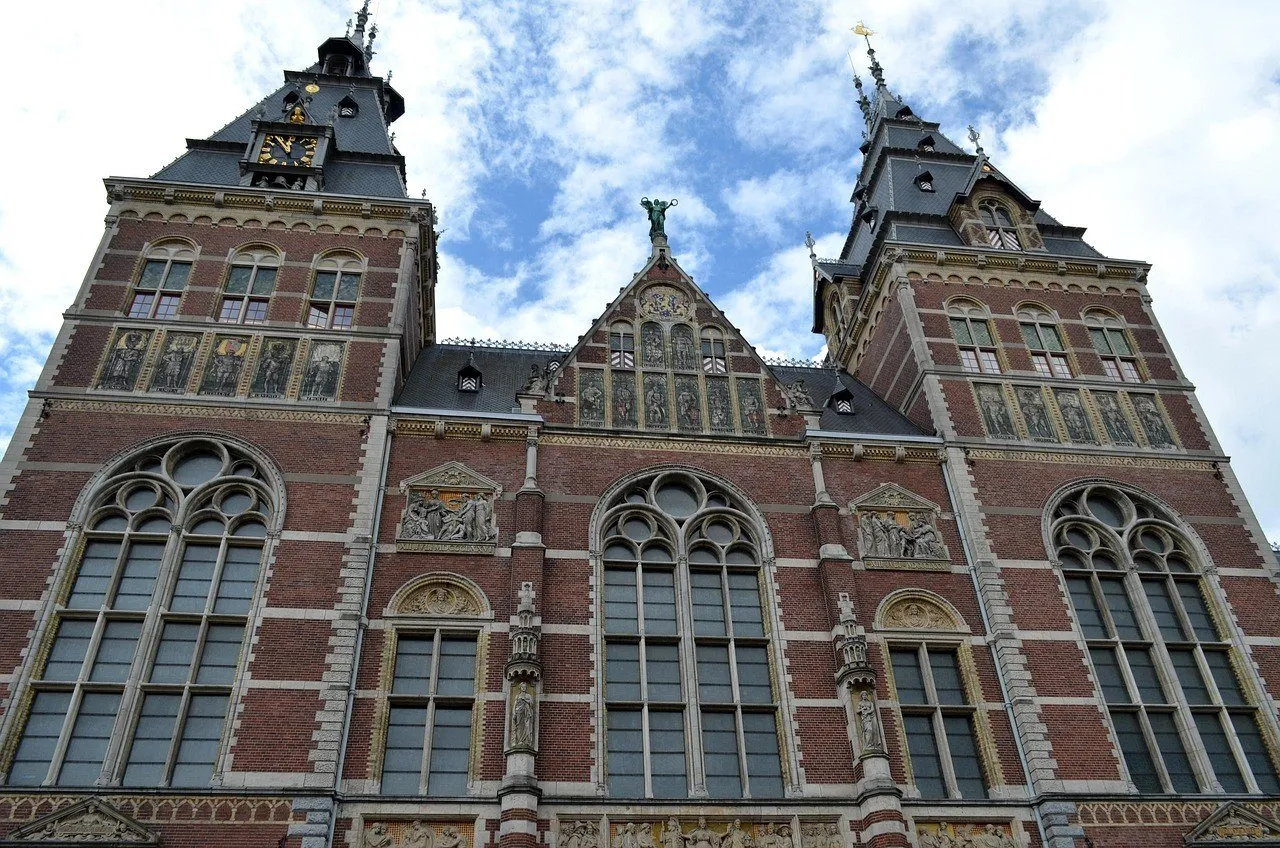 5
Rembrandt and Vermeer share space with objects from Dutch history at the Rijksmuseum; choosing a few rooms before going in beats chasing everything.
View details for Rijksmuseum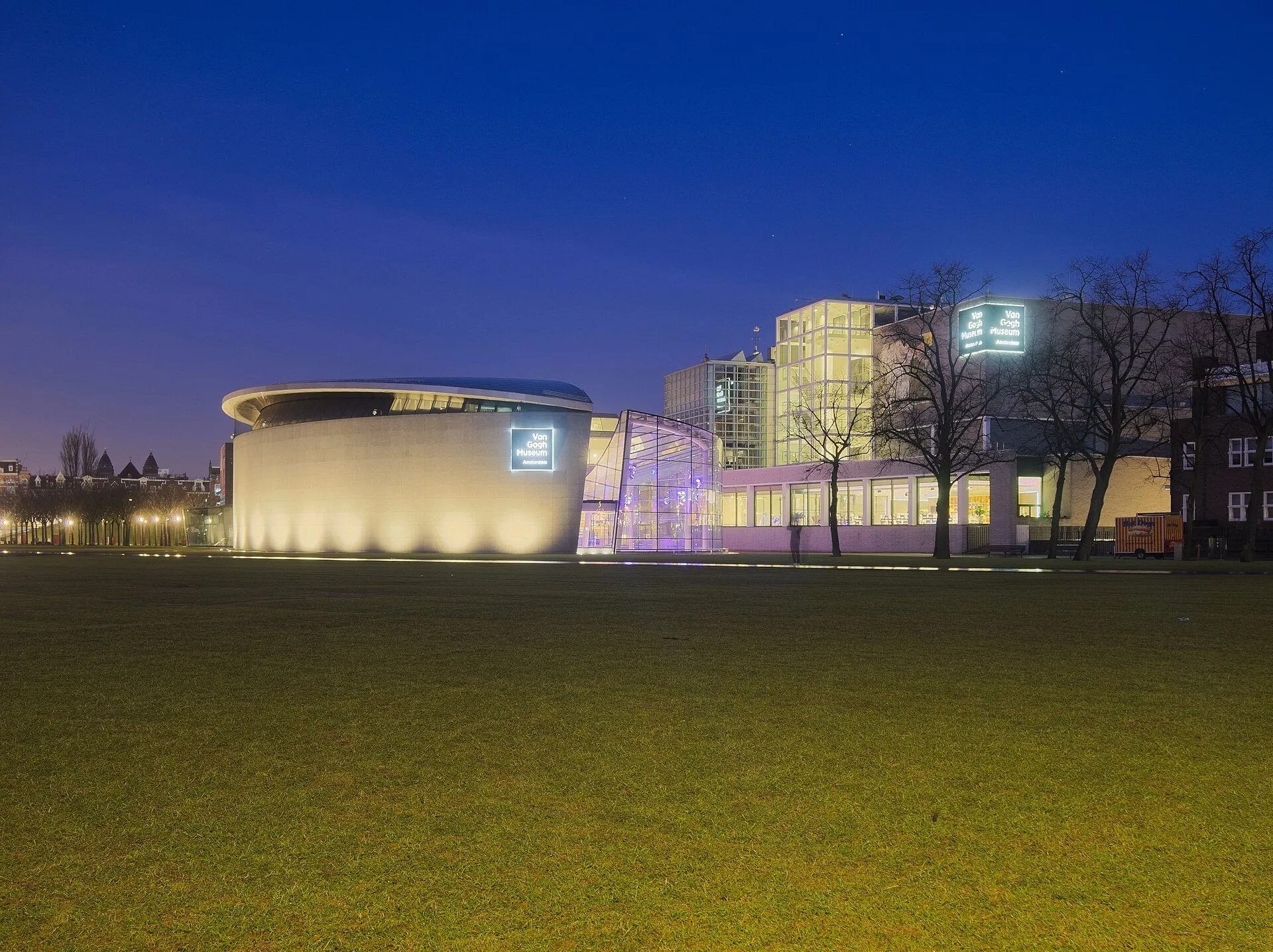 6
Sunflowers, drawings and letters let you follow Van Gogh's work; the collection shows how his way of painting changed, far beyond the familiar reproductions.
View details for Van Gogh Museum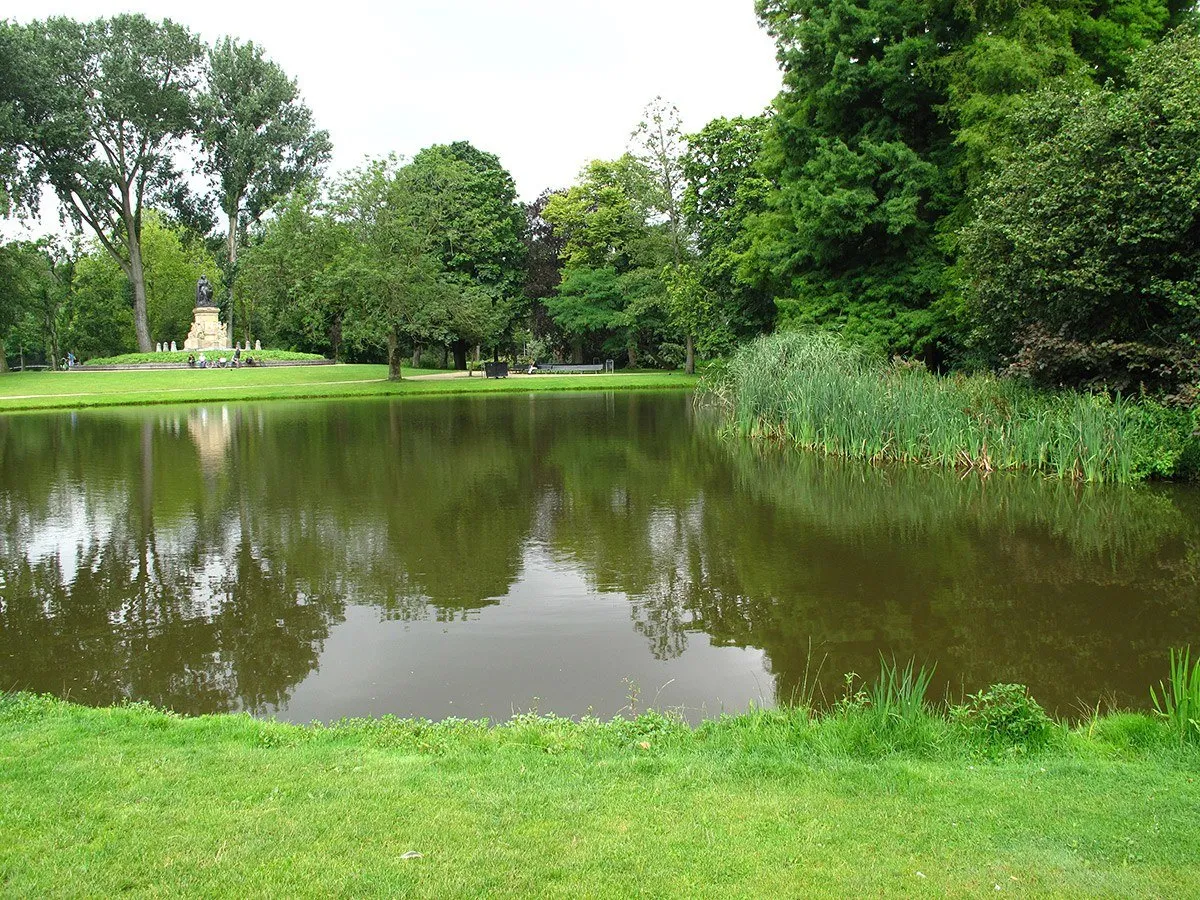 7
Ponds, paths and lawns make Vondelpark a break near the museum district; you can swap the last exhibition room for a bench outdoors.
View details for Vondelpark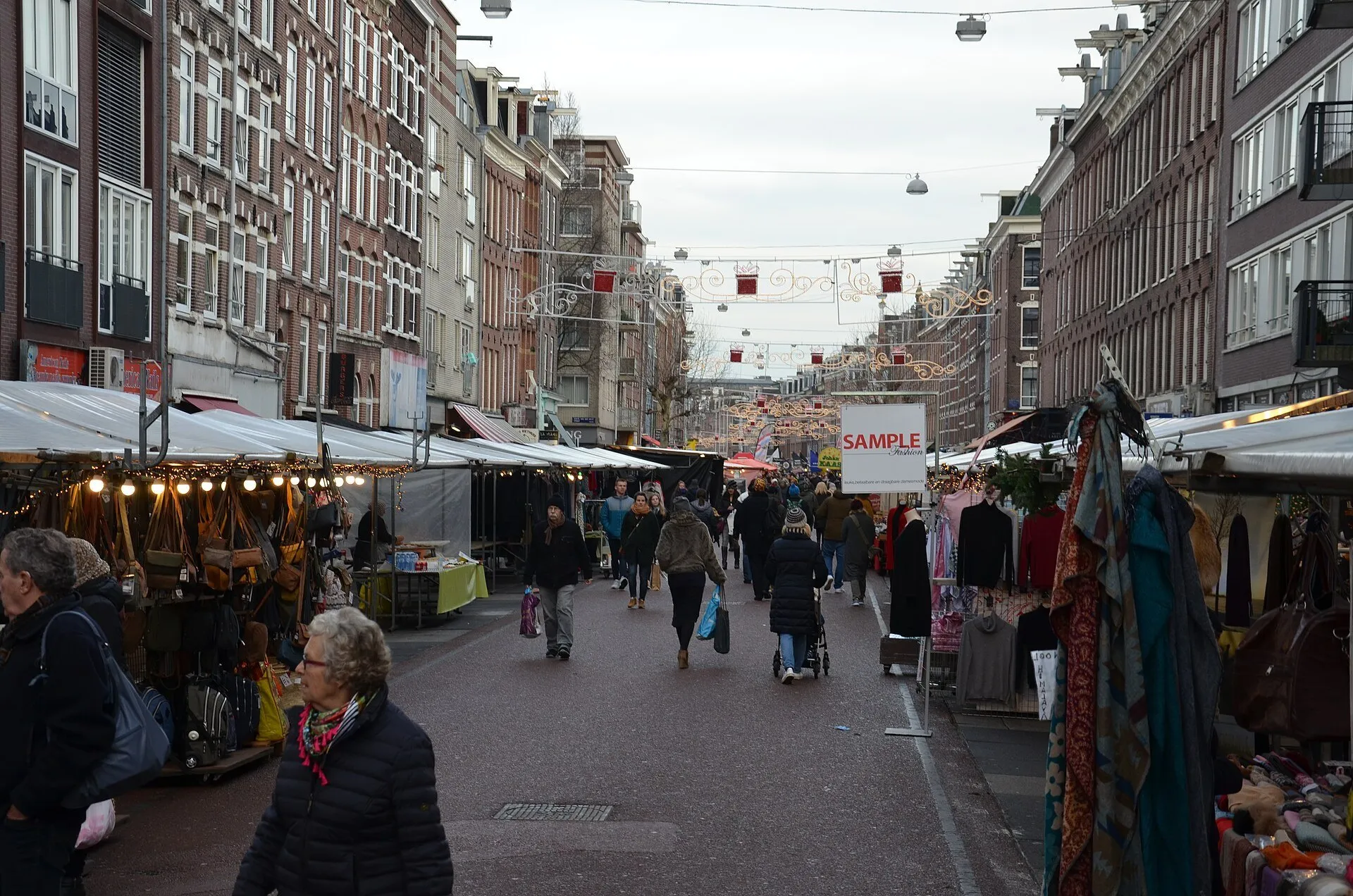 8
The stalls of De Pijp mix food and street shopping; at Albert Cuyp, a freshly made stroopwafel can start a lunch you eat on the move.
View details for Albert Cuyp Market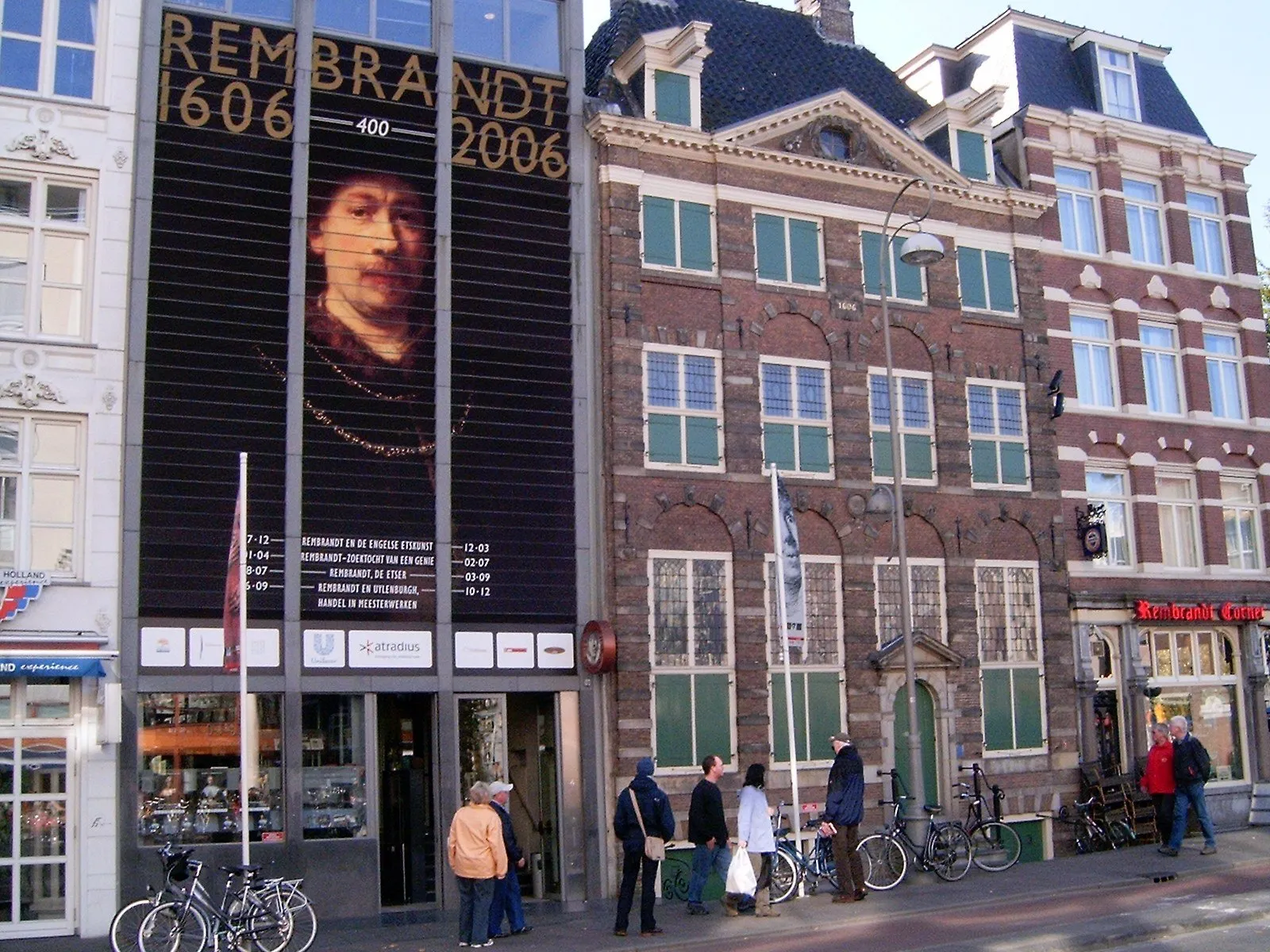 9
In the painter's former home and studio, the focus moves from the frame to Rembrandt's craft, with domestic rooms and painting and printmaking demonstrations.
View details for Rembrandt House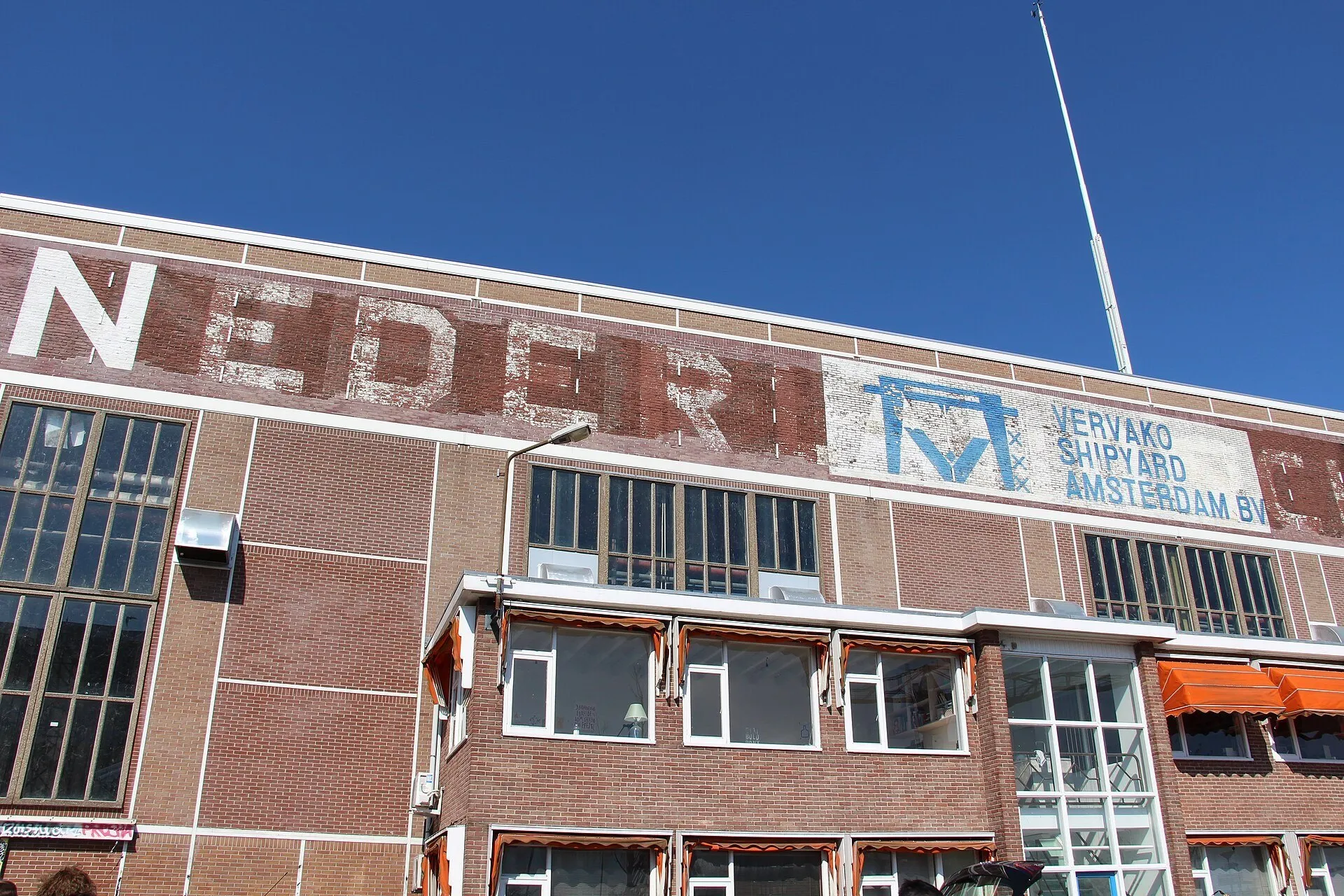 10
A former shipyard across the IJ brings together sheds, art and places to eat; the crossing to NDSM stretches the outing beyond the canal houses.
View details for NDSM1The stone façade dominates Dam Square, but the building wasn't even meant to house a king: it started out as a town hall. Today, the Koninklijk Paleis hosts official royal events between periods of public opening. The royal schedule can rewrite your tourist schedule.
When it's open, step inside to see the halls and paintings by artists such as Ferdinand Bol. The scale is striking after the narrow canal houses; if it's closed, keep the stop at the square.
2A passage behind a bookcase changes the meaning of a house on the canal. In the rear annex, Anne Frank and others hid from Nazi persecution. The diary takes on a physical dimension that no façade can prepare you for.
Listen to the audio guide without tight plans waiting for you outside. Timed tickets are sold exclusively by the museum itself; neighborhood tours advertised by third parties do not guarantee entry. Check the access conditions for the stairs on the historic route.
3In the Jordaan, the plan can start with a wrong turn and end in a café. The former working-class neighborhood has gained galleries and shops, but the streets along the canals still invite small-scale strolls: a shop window, a bridge, another break.
Use the Noordermarkt as a reference point and wander the streets around it. People live behind those windows; taking photos without pressing the camera to the glass makes the walk better for everyone. Leave time to sit down instead of collecting blocks.
4The reflection of the façades wobbles when a boat goes by, and the next bridge asks for another photo. The Grachtengordel, recognized by UNESCO, is the result of an urban expansion project with canals in arcs and plots of land between them. Water organized the city's growth.
Pick one stretch instead of trying to cover every canal. Use the Negen Straatjes (Nine Streets) as a reference for walking between the banks. To see the façades from a boat, check the departure point and route first.
5You might arrive thinking only of The Night Watch by Rembrandt, and end up lingering in front of Vermeer's The Milkmaid. The Rijksmuseum brings together Dutch art and history in a building that also deserves attention. These works help you choose a path for your first visit.
Find your favorite pieces on the map and leave room for unexpected encounters. Since the itinerary includes the Van Gogh Museum, take a break for lunch; if you study every brushstroke, pick one museum and save the other for your next trip.
6Sunflowers has already appeared on mugs and notebook covers, but the painting invites you to notice the texture of the paint. The collection follows Van Gogh's development and includes drawings and letters, which add other voices to the walk among the paintings.
Notice how the colors and subjects change along the way: compare The Potato Eaters with the flowers and the self-portraits. Entry usually requires an online timed ticket; deciding at the door can end in a change of plans.
7After so many paintings viewed on your feet, a bench in Vondelpark gains artistic value of its own. Paths, water and lawns spread the stroll across a park used by locals and visitors alike. There are cafés and an open-air theater, with a changing program.
Walk in without feeling you have to cross it all: follow a pond and stop somewhere comfortable. In rain or strong wind, shorten the walk and look for a covered break. Here, after the museums, the itinerary can do without another to-do list.
8The smell of a warm stroopwafel competes with your plan to take a lap before buying food. On Albert Cuypstraat, in De Pijp, the market combines a wide range of goods with Dutch snacks. Try small portions before choosing what deserves a repeat.
The market usually runs Monday to Saturday; Sunday calls for another plan. The cafés nearby help stretch the outing. Check the price, ingredients and payment method before ordering: street snacks taste better when those questions are settled first.
9After the paintings at the Rijksmuseum, the Rembrandt House steers the conversation to where the work happened. The museum on Jodenbreestraat brings together the former home, the studio and a collection that presents the artist beyond his best-known canvases.
The painting and printmaking demonstrations add a hands-on part to the visit; check the day's program to follow the process. Use the multimedia tour to guide your route and leave a gap before heading on to Centraal Station.
10Sheds and street art fill a former shipyard on the north bank of the IJ. At NDSM, the scale shifts: you leave the narrow houses of the center behind and find an industrial space that now hosts artists, exhibitions and places to eat.
The ferry crossing from Centraal is part of the outing; confirm the destination before boarding. Walk the public areas and finish by the water. Events change how people move around, so don't count on free access to every shed or on programming in every corner.
The station sits below the Schiphol terminal; check the NS journey planner for the connection to your hotel and for possible disruptions due to works.
GVB accepts contactless payment; use the same card or device when you check in and out, and check the fare rules.
Look before crossing and open your map away from the bikes' path; at Centraal and on crowded vehicles, keep your bag closed and in front of you.
Secure your tickets for the Anne Frank House and the Van Gogh Museum before fitting in the walks, and compare what tourist passes cover.
Not every vendor accepts every card; bring a debit option and cash for small purchases, and confirm how to pay before you order.
Dress in layers and keep rain protection within reach: going back to the hotel soaked after crossing the canals takes more time than a pause to put on a raincoat.
At Albert Cuyp, split your appetite between sweet and savory; in the cafés of the Jordaan, a slice of apple pie stretches the break. For the end of the day, try bar snacks, checking the ingredients if you have dietary restrictions. A stroopwafel made to order still has warm syrup, so hold the paper tight.
Two thin waffle layers with sweet syrup in between; look for a stall that makes them to order.
Fried balls with a crunchy crust, usually served with mustard; let the filling cool before the first bite.
A herring sandwich served with onion and pickles, for anyone who wants to try one of the snacks at the fish stalls.
Apple pie with a tall filling, cinnamon and often raisins; whipped cream usually comes on the side.
We use cookies and similar technologies, such as Google Analytics, in accordance with our Privacy Policy and, by continuing to browse, you agree to these terms. You can decline at any time in the policy.