1Trinity College and the Book of Kells
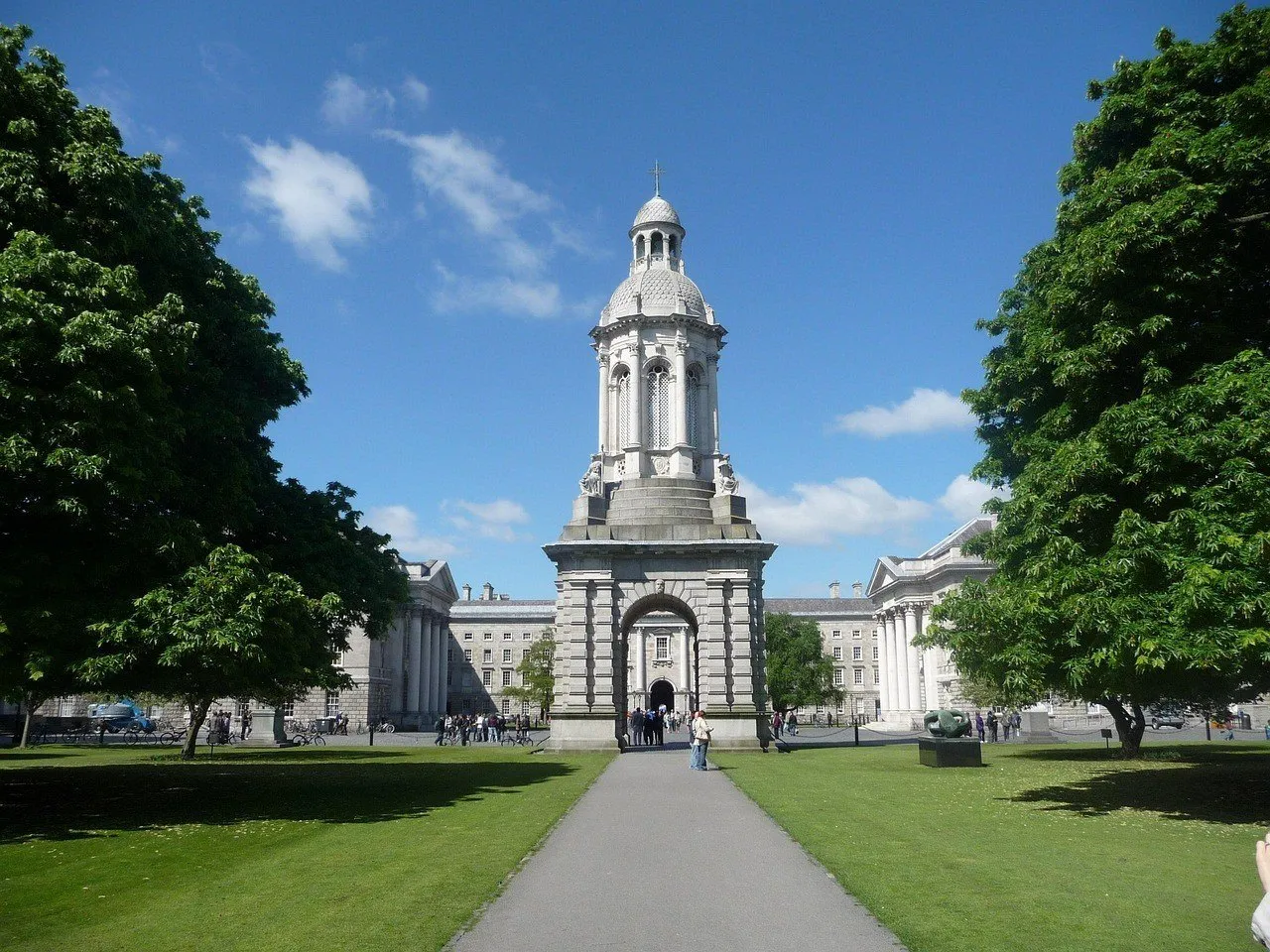
A meticulously illustrated manuscript and the great hall of the Old Library inside Trinity, with part of the shelves temporarily emptied for conservation.
View details for Trinity College and the Book of Kells
You cross the Liffey in a buttoned-up coat, turn into a street of pubs, and the sound of a fiddle takes the place of the wind. In Dublin, a day out mixes manuscripts, parks and a good table to wait out the rain.
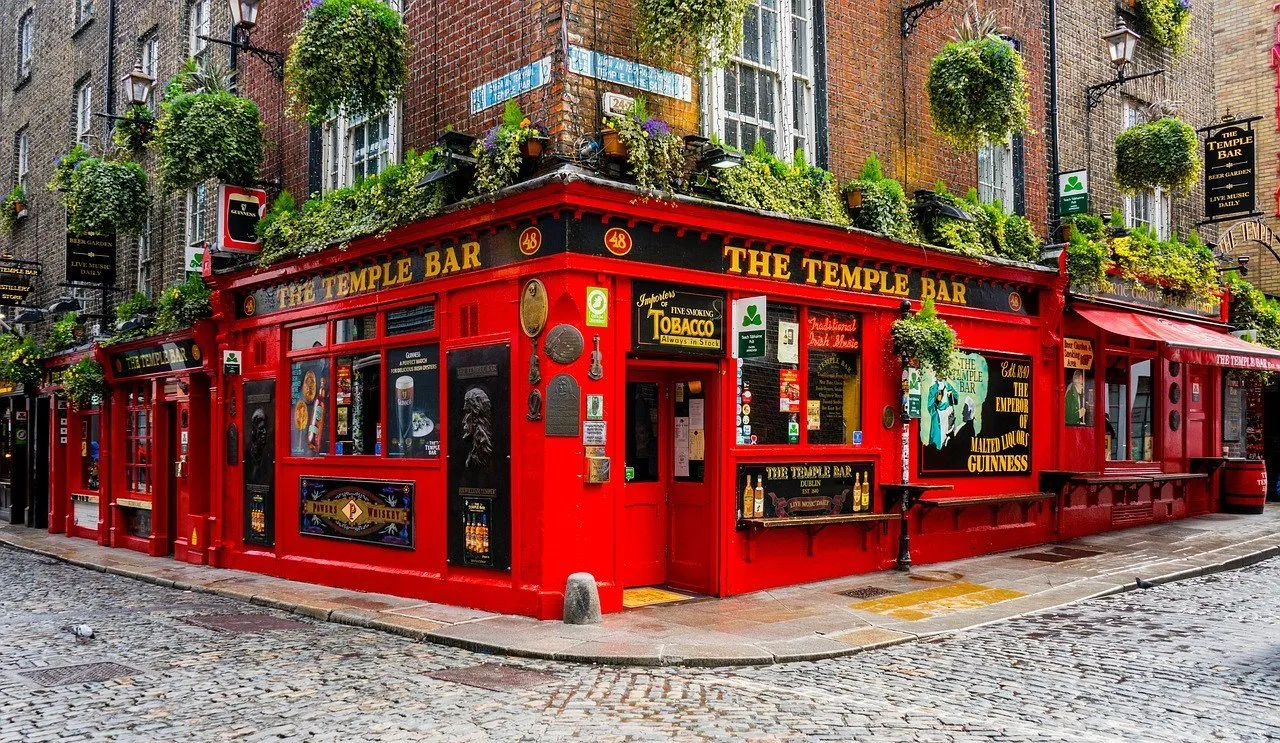
Temple Bar is the name of a neighborhood as well as of the red-fronted pub: there are also cinemas, photography, independent shops and cultural spaces among its cobbled streets.
The Book of Kells pages on display are changed for conservation reasons; the image you saw before traveling may not be the one open in the case.
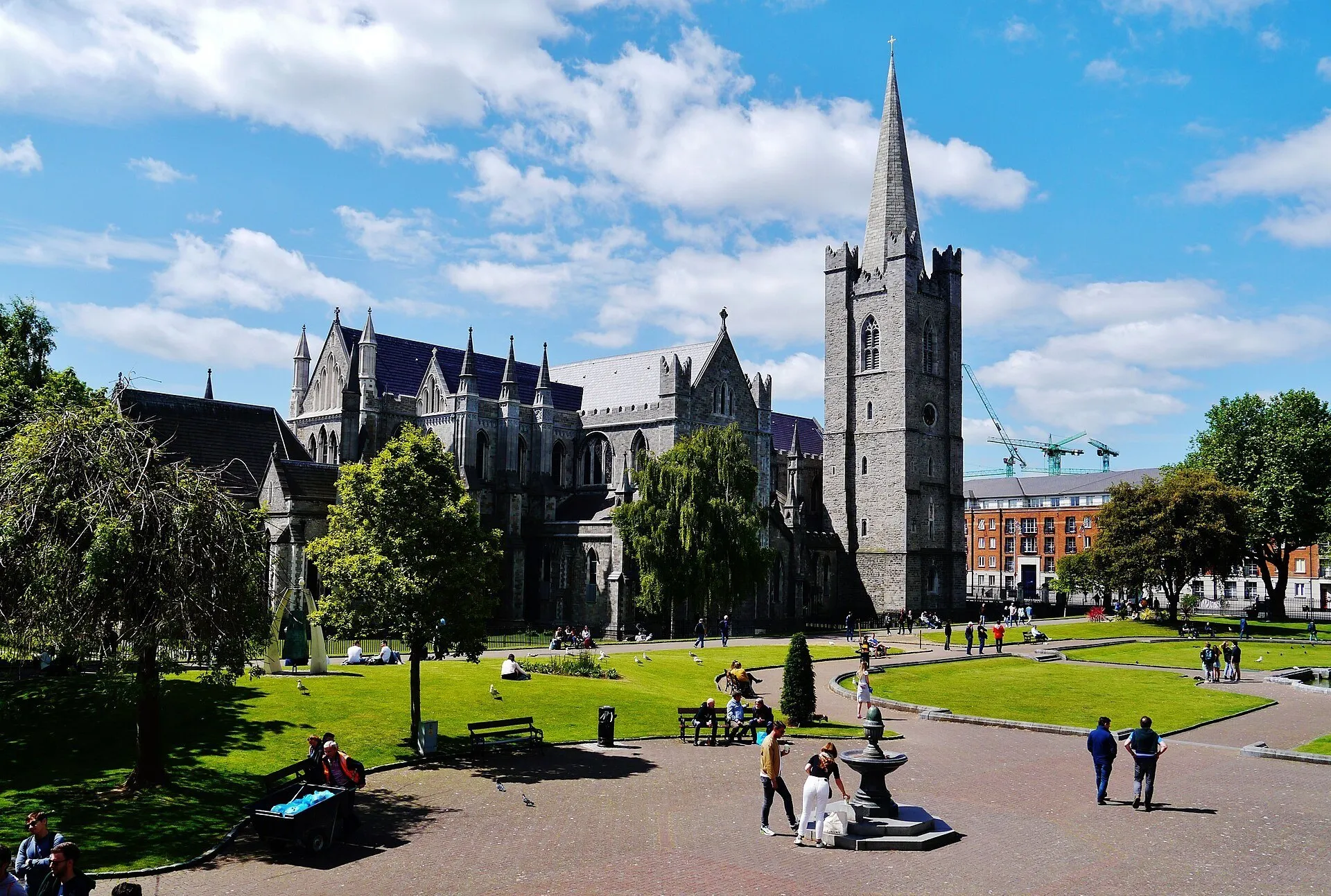
Jonathan Swift, author of Gulliver’s Travels, was dean of St Patrick’s and is buried in the cathedral itself.
Phoenix Park is home to wild fallow deer: coming across the herd is a possibility on your walk, with no set time and no obligation to show up for the photo.
1A meticulously illustrated manuscript and the great hall of the Old Library inside Trinity, with part of the shelves temporarily emptied for conservation.
View details for Trinity College and the Book of Kells
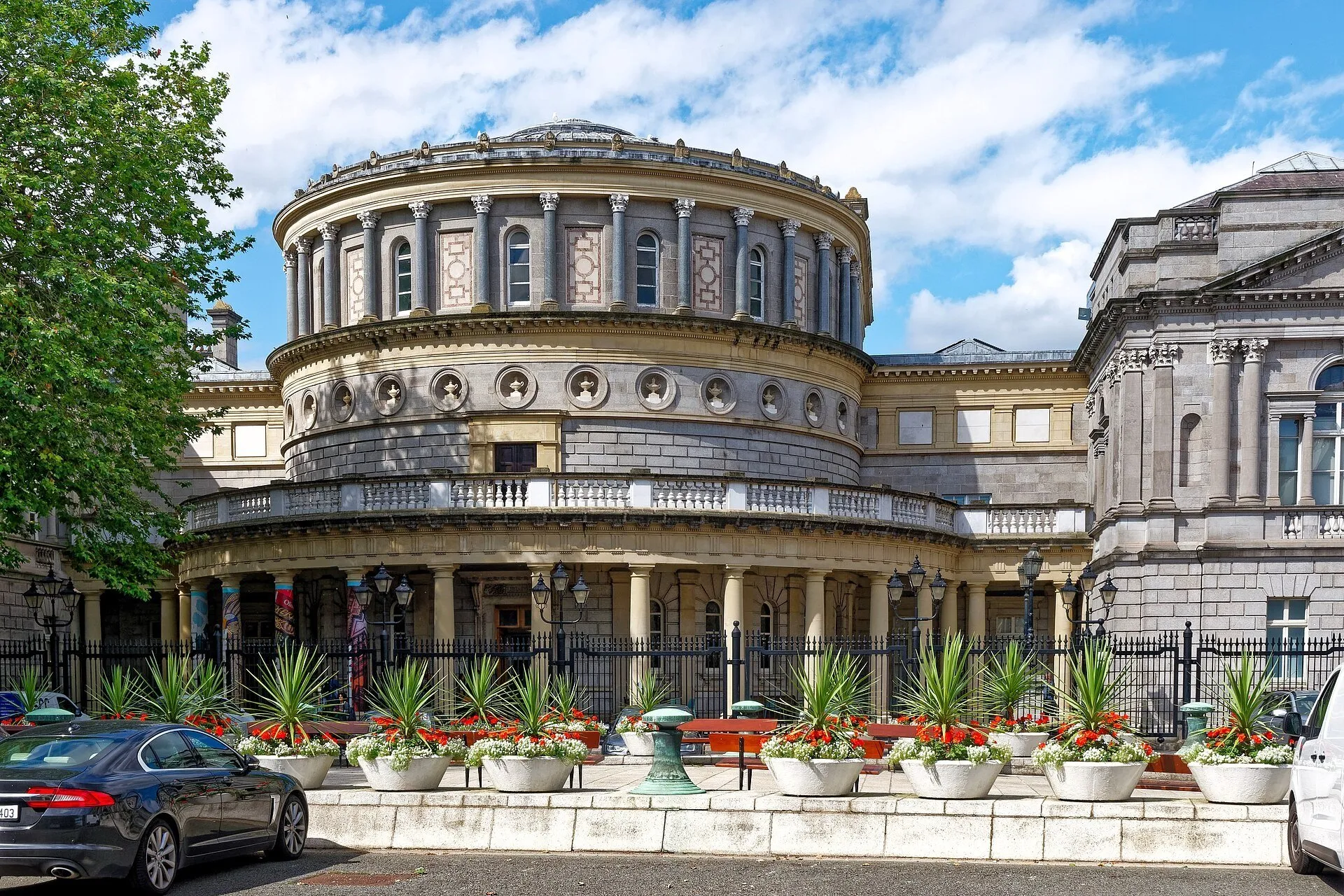
2The Kildare Street building presents archaeological finds from Ireland, including the exhibition on bog bodies and the interpretations around them.
View details for National Museum of Ireland — Archaeology
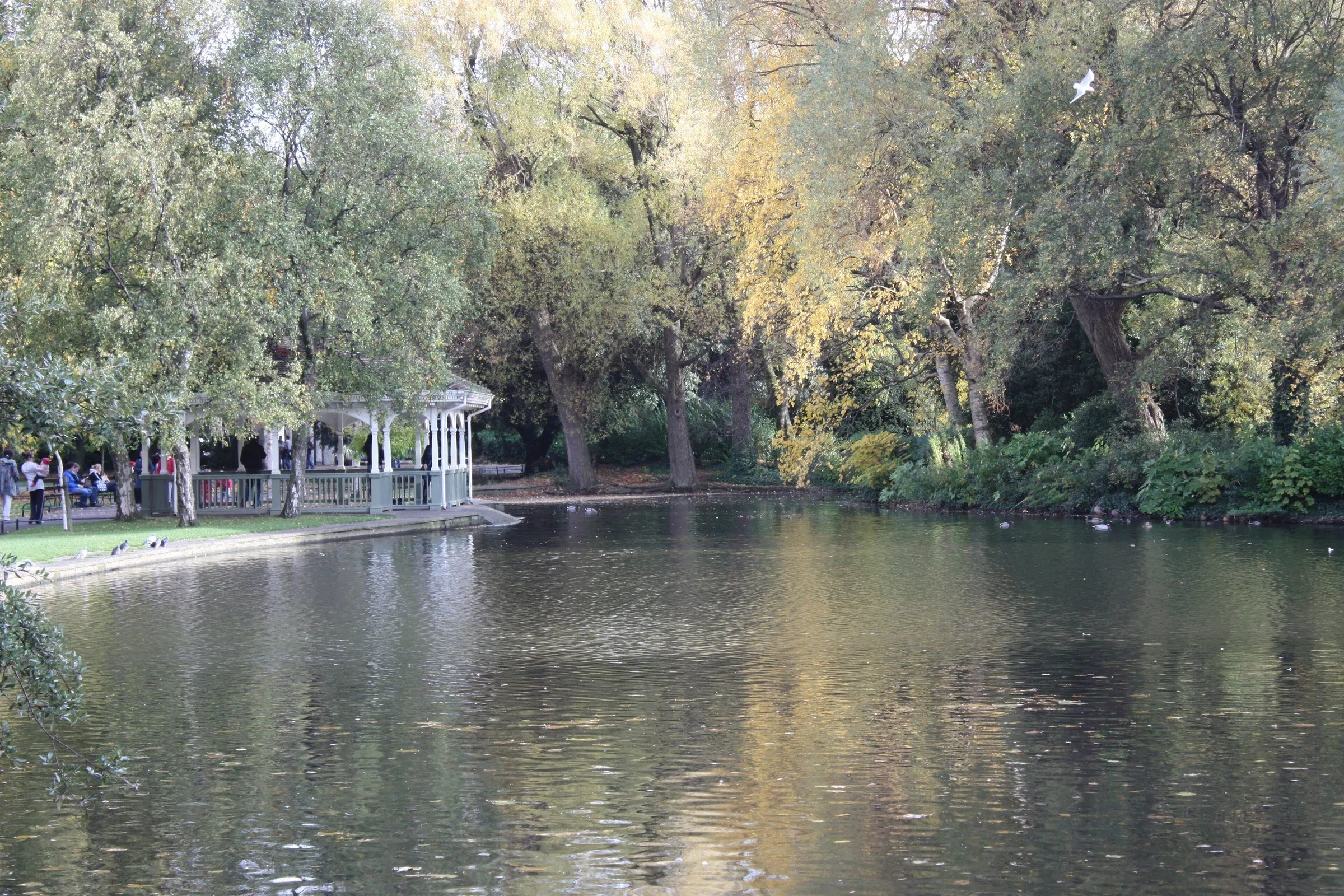
3Curving paths, flower beds and an ornamental lake make up the green pause beside Grafton Street, with benches for slowing down between visits.
View details for St Stephen’s Green
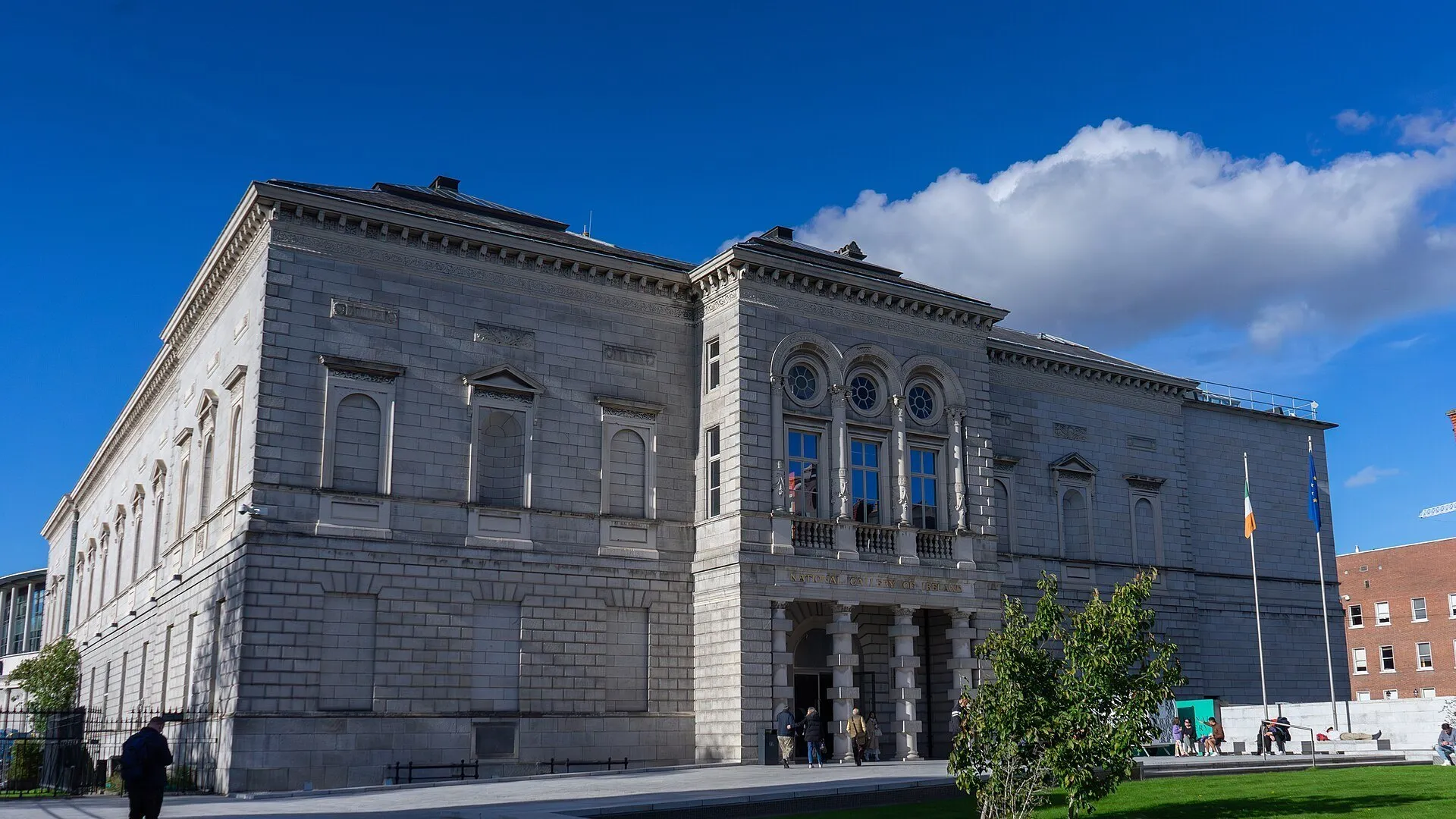
4Irish and European painting in a museum with a free permanent collection, with rooms to explore at your own pace and temporary exhibitions with their own rules.
View details for National Gallery of Ireland
5A working cathedral where stained glass, monuments and the memory of Jonathan Swift share the route with Dublin’s religious routine.
View details for St Patrick’s Cathedral
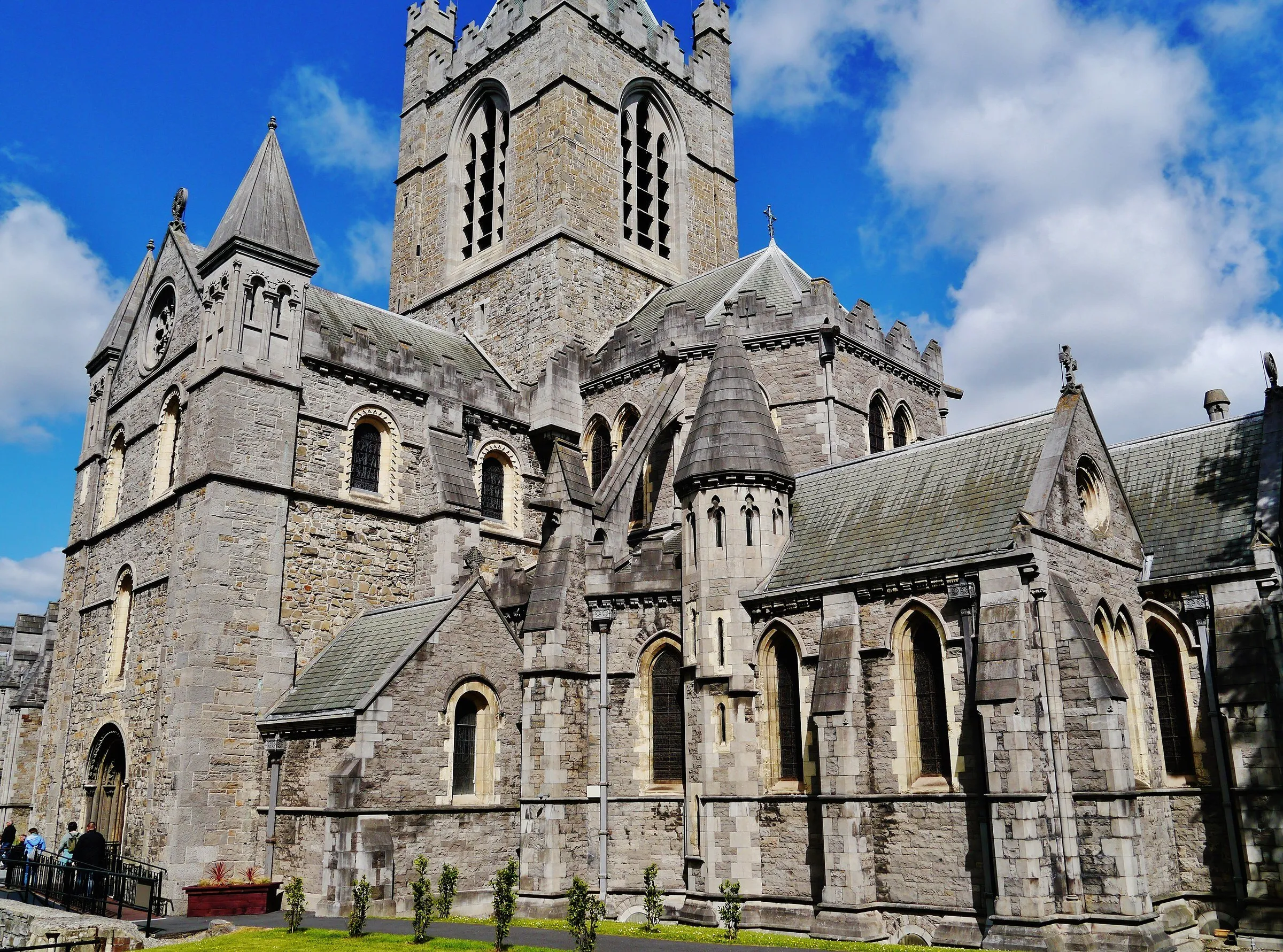
6The high-ceilinged nave and the crypt of Christ Church show layers of the city’s religious history, with visits subject to the worship schedule.
View details for Christ Church Cathedral
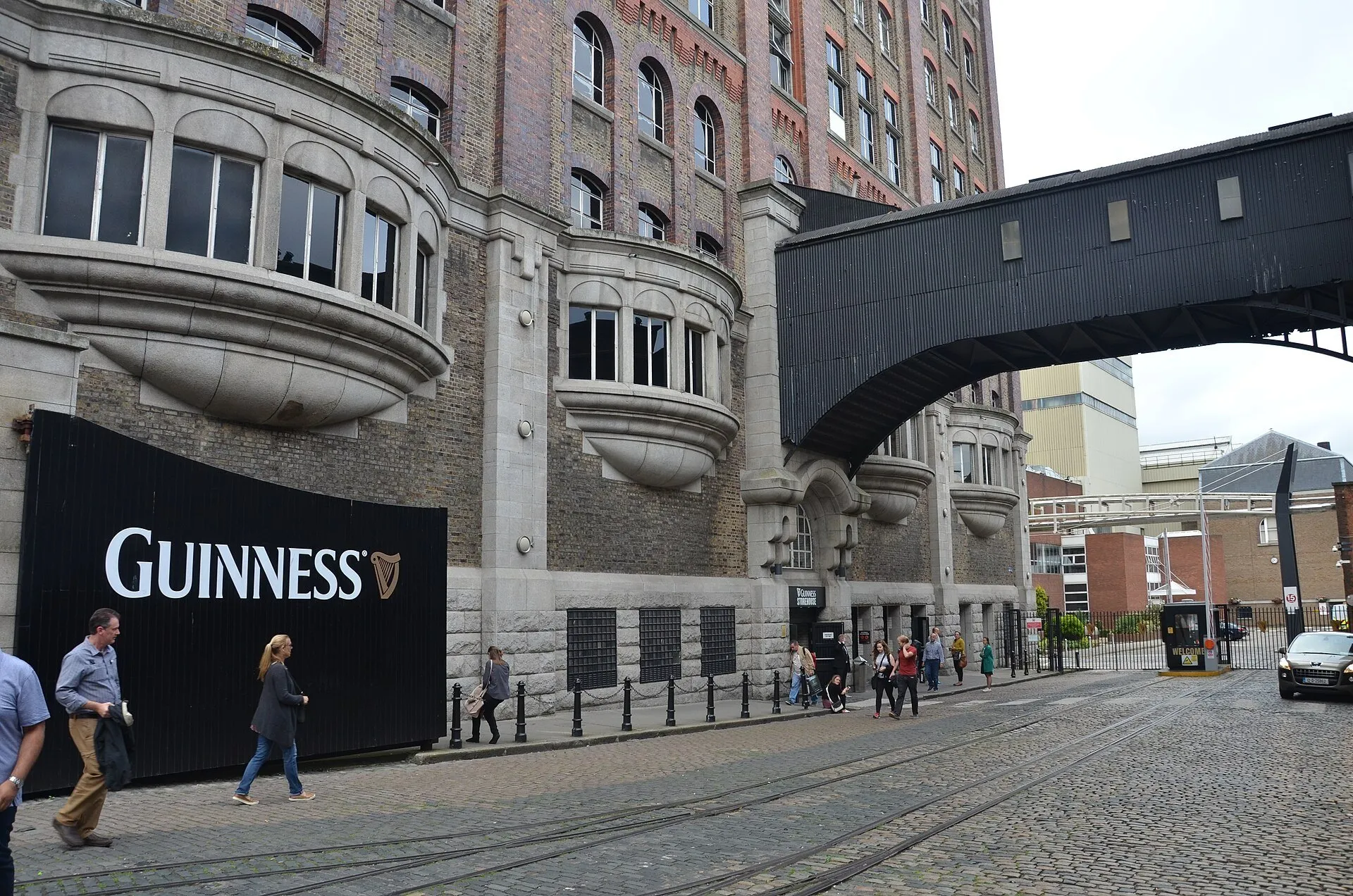
7The history and advertising of Guinness become an interactive exhibition, ending at the Gravity Bar with its glass-walled view over Dublin.
View details for Guinness Storehouse
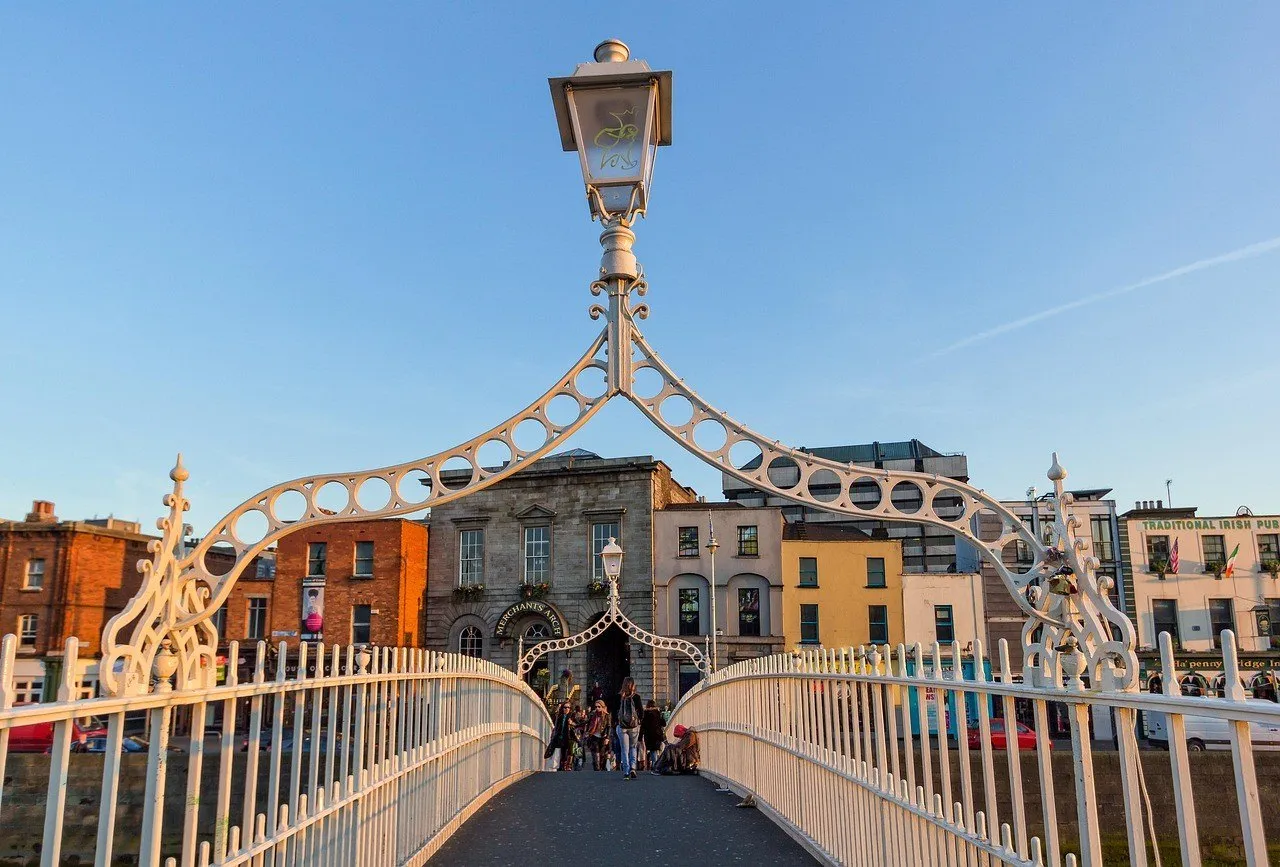
8Cobbled streets by the Liffey gather pubs, music and cultural spaces in a neighborhood worth a walk before your first stop for a drink.
View details for Temple Bar
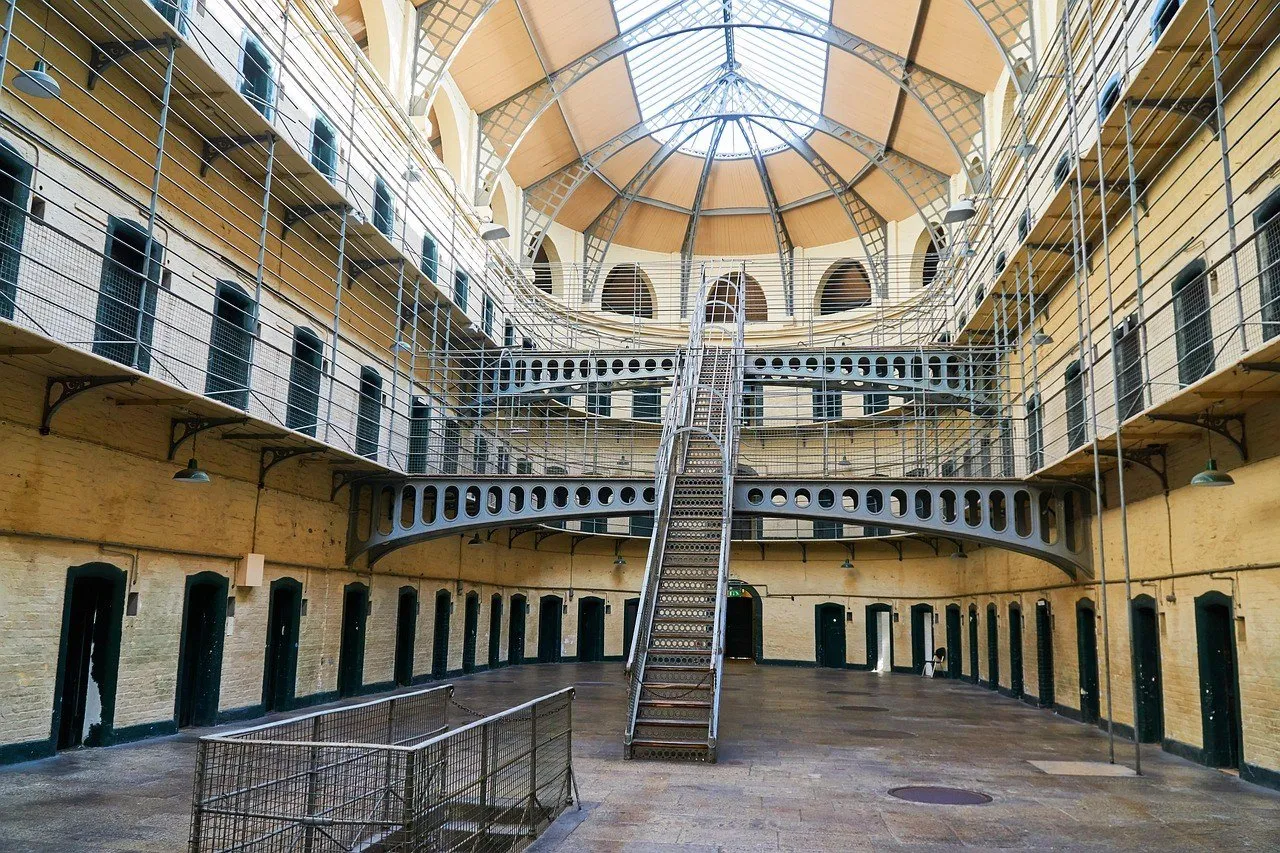
9The former prison tells the stories of ordinary inmates and of people linked to Irish independence, in guided visits that require an official booking.
View details for Kilmainham Gaol
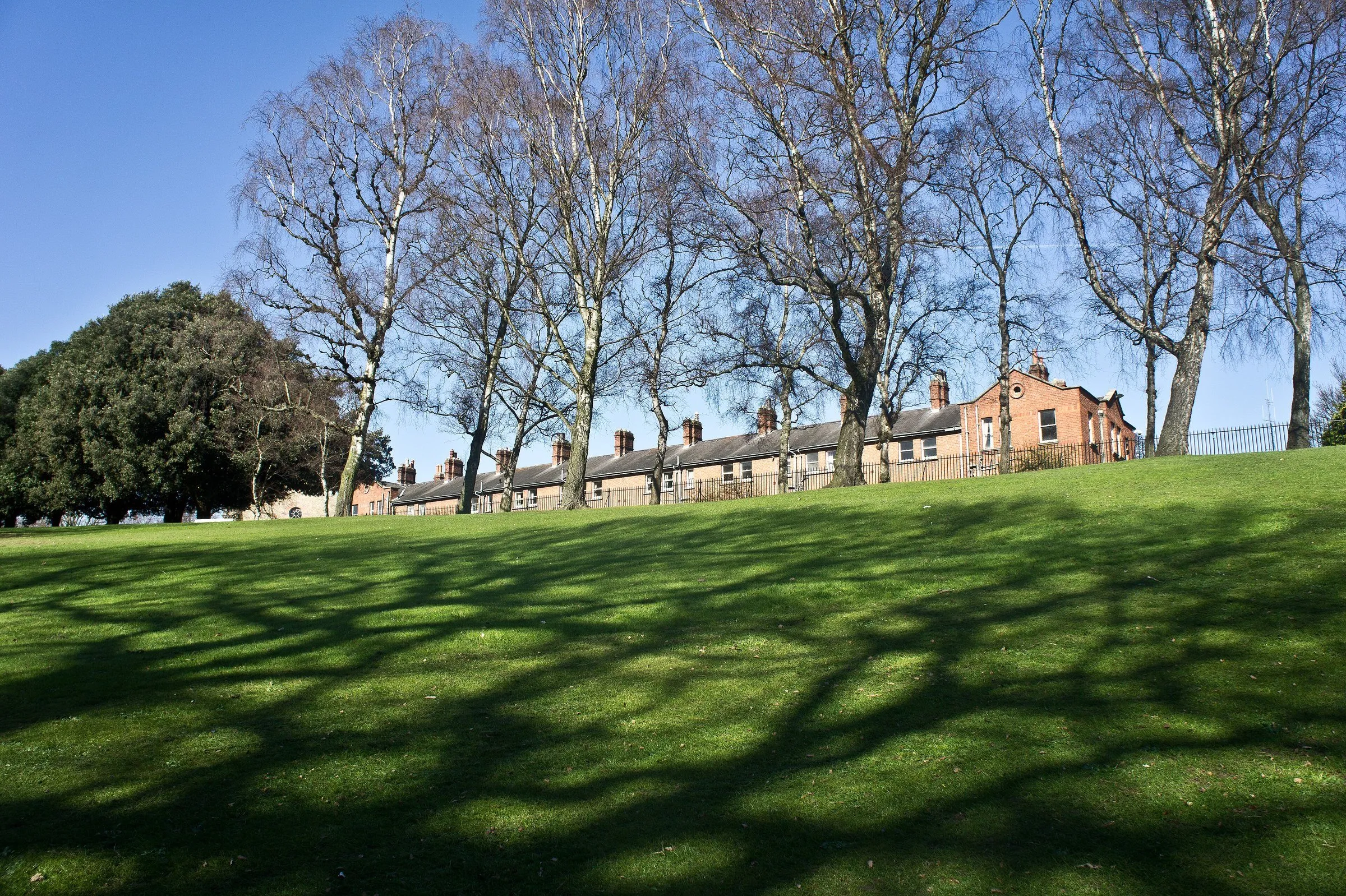
10Vast lawns, wooded areas and wild fallow deer give western Dublin a sweeping outing, best enjoyed by choosing one stretch instead of trying to do it all.
View details for Phoenix Park
1The Book of Kells makes you slow down: drawings and lettering on a page that deserves more attention than your camera. The paid visit inside the Trinity campus includes the manuscript and the Long Room; some ticket types add the digital exhibition in another building.
Set your expectations: most of the books have been removed for conservation, leaving the first bays near the entrance. The architecture is still there, but that old photograph of every shelf full does not show the current situation.
2The bogs preserved traces that archaeology is still trying to understand. In Kingship and Sacrifice, preserved bodies are shown alongside hypotheses about power and ritual; notice the difference between evidence and interpretation. There are also weapons, tools and butter preserved in those wetlands.
This is a visit with human remains on display, so adjust your route if that content is sensitive for you. Entry is normally free; rooms may close, and Sundays and Mondays usually start later.
3At the end of Grafton Street, the noise of shopping gives way to the paths and the lake of St Stephen’s Green. The Victorian design arranges flower beds, trees and nooks where taking a break stops feeling like a delay in your itinerary.
There are sculptures, a playground and room for a snack when the weather helps. Walk once around the lake and pick a bench; if it starts to drizzle, the waterproof jacket turns out to have been an excellent purchase.
4You do not need to conquer the whole National Gallery in one afternoon. Choose a few rooms; the collection includes The Taking of Christ by Caravaggio, whose light concentrates the tension of the scene. Confirm the work is on display, since loans happen.
The permanent collection is usually free with no individual booking, while certain exhibitions require a ticket. The Merrion Square and Clare Street entrances make it easy to fit the stop into the center; saving your energy is also part of seeing art properly.
5Look for the link to Jonathan Swift among the monuments of St Patrick’s. The author of Gulliver’s Travels was dean here and is buried in the cathedral: the Dublin of the books can also be found among pews and memorials.
Then take in the stained glass and the nave. The building is still a place of worship, and tourist access follows the religious schedule. Pair it with nearby Christ Church, a short walk away, but notice the differences instead of collecting two identical tickets.
6Look at the floor first and then at the ceiling: Christ Church combines medieval tiles with a tall nave that naturally lowers your voice. The Anglican cathedral remains active but welcomes visitors who want to see its architecture.
The crypt changes the scale of the visit, with low vaults and objects on display. Among them are the mummified remains of a cat and a rat. Self-guided and guided visits have different formats; the tower is not automatically included.
7Ingredients, stories and old advertising campaigns line the way to the top of the Storehouse. The toucans from the ads show how a beer can also build a visual repertoire you recognize before reading the name.
The Gravity Bar ends the route with windows onto the city and alcohol-free options. Treat it as a Guinness museum attraction, with extra activities sold separately; anyone expecting to roam freely through the industrial production needs to adjust their plan before booking.
8The red front of the most photographed pub catches the eye, but Temple Bar goes on through the surrounding streets. There are cinemas, photography and shops between doorways with music. Take a walk around the neighborhood: the soundtrack may decide where you sit.
The street gets crowded as the night goes on. Check the menu, keep your belongings safe and choose your atmosphere. The famous name on the facade does not have to make the decision for your wallet; you can enjoy the neighborhood just by walking.
9The corridors, cells and yard of Kilmainham put Irish political history on a human scale. The prison held men, women and children, from people convicted of ordinary crimes to participants in the struggle for independence. Listening to their stories helps you grasp its weight.
Access is by booked guided tour, followed by the museum. It is a sober program, with difficult content and cold parts of the building. Arrive early and follow the explanation without turning the place into a photo stop.
10Phoenix Park calls for a different measure of walking: the lawns open up and the center stops feeling so close. Pick one part to explore instead of turning the afternoon into an endurance test against the map.
The deer roam free and have no appointment with visitors. If they appear, watch from a distance and do not offer food. Check the map and think about the way back before heading to areas far from the entrances.
Cover the center on foot; for Kilmainham and Phoenix Park, plan on a bus or the Luas and the final stretch on foot. Compare the standard Leap card with the Visitor Card based on your trips, services and the zones covered.
Compare stops, luggage and expected duration between city buses and express airport buses. Confirm that your ticket is valid with that operator: a transit card does not automatically cover every bus.
Start with the Kilmainham and Book of Kells bookings, then fit in the Guinness. The National Gallery’s permanent collection is usually free; special exhibitions may charge.
May to September usually offers milder conditions, but rain and wind change any walk. Bring layers and a waterproof; save the park for a better weather window.
On the packed streets of Temple Bar, put away your phone and wallet before the music distracts you. In the cathedrals, follow the signs and the worship routine; in the park, keep your distance from the deer and do not feed them.
Dublin puts one-pot dishes and seafood soup in the same conversation. A pub lunch sustains a good part of your walking, but check the menu: kitchen and music do not always keep the same hours. Choose by hunger and atmosphere, without turning the meal into an endurance test.
A stew of sausage, bacon, potato and onion tied to the city, served with more substance than ceremony.
A lamb stew with root vegetables, the kind that makes a cold day seem like a good choice of date.
A creamy fish and seafood soup that usually arrives with bread for soaking up the broth.
A dark beer with a creamy head; if it is not your drink, dinner works just fine without it.
We use cookies and similar technologies, such as Google Analytics, in accordance with our Privacy Policy and, by continuing to browse, you agree to these terms. You can decline at any time in the policy.