1Hallgrímskirkja
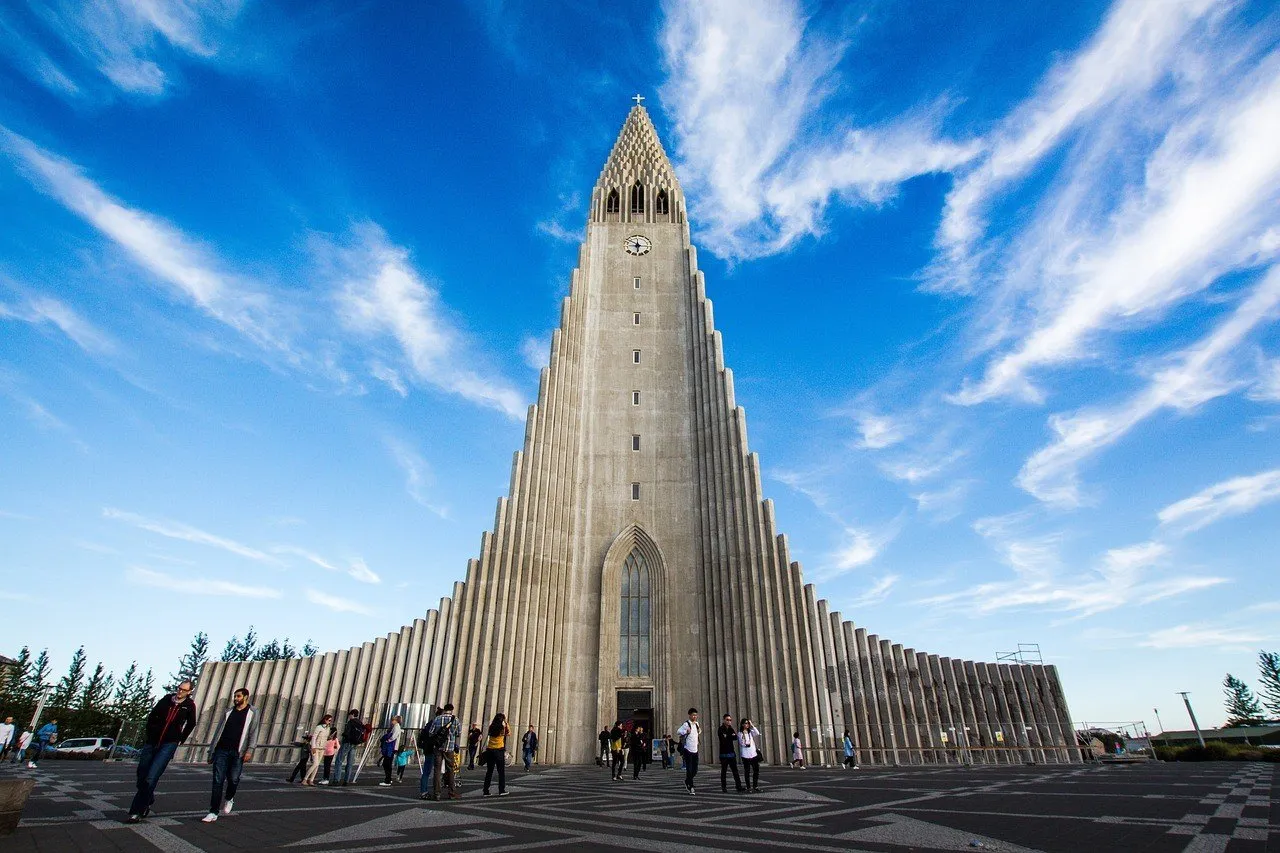
The concrete church that dominates Reykjavík's skyline, 74.5 meters tall with a facade inspired by basalt columns; an elevator takes you up the tower for a view of the whole city.
View details for Hallgrímskirkja
Iceland
In Reykjavík, you shower without a swimsuit before getting into the pool, by the rules, and then soak in hot water while the Atlantic wind messes up the hair of everyone left outside.
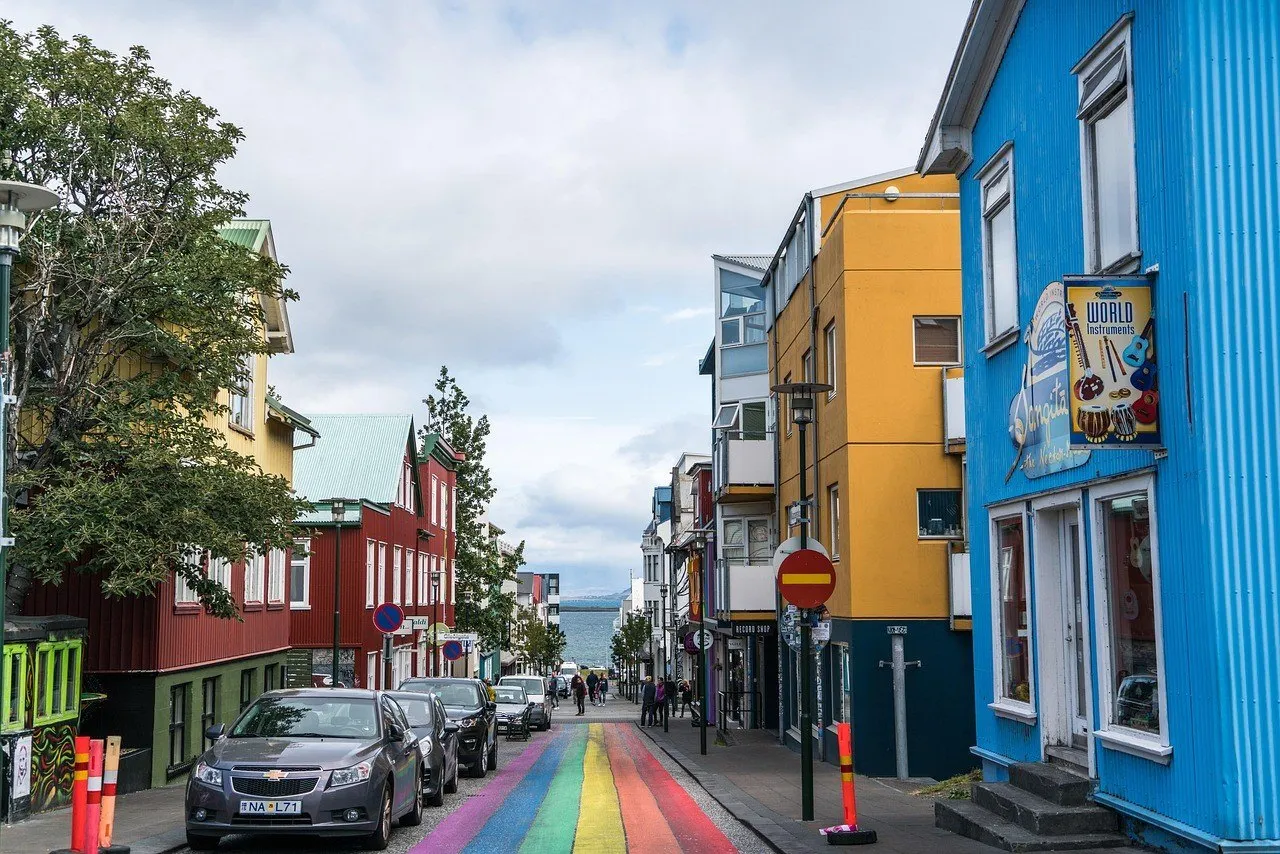
Laugavegur, the main shopping street, means something like washing road: it led to the hot springs of Laugardalur, where the women of the city did their laundry.
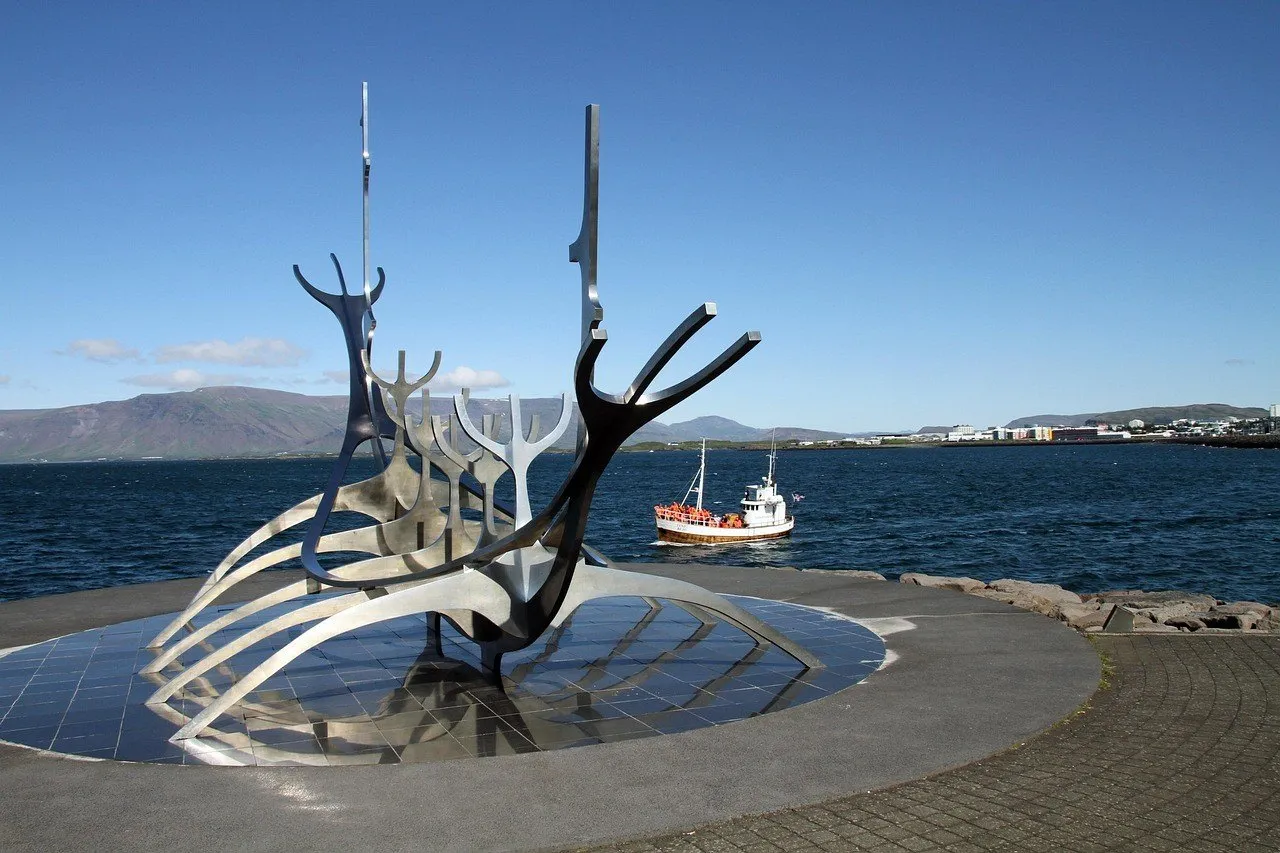
Sólfar, the steel sculpture on the waterfront, is not a Viking ship. The artist Jón Gunnar Árnason described it as a dream boat, an ode to the sun.
The word geyser, used all over the world, comes from Geysir, the spring in the Haukadalur valley, whose name derives from the Icelandic verb geysa, to gush.
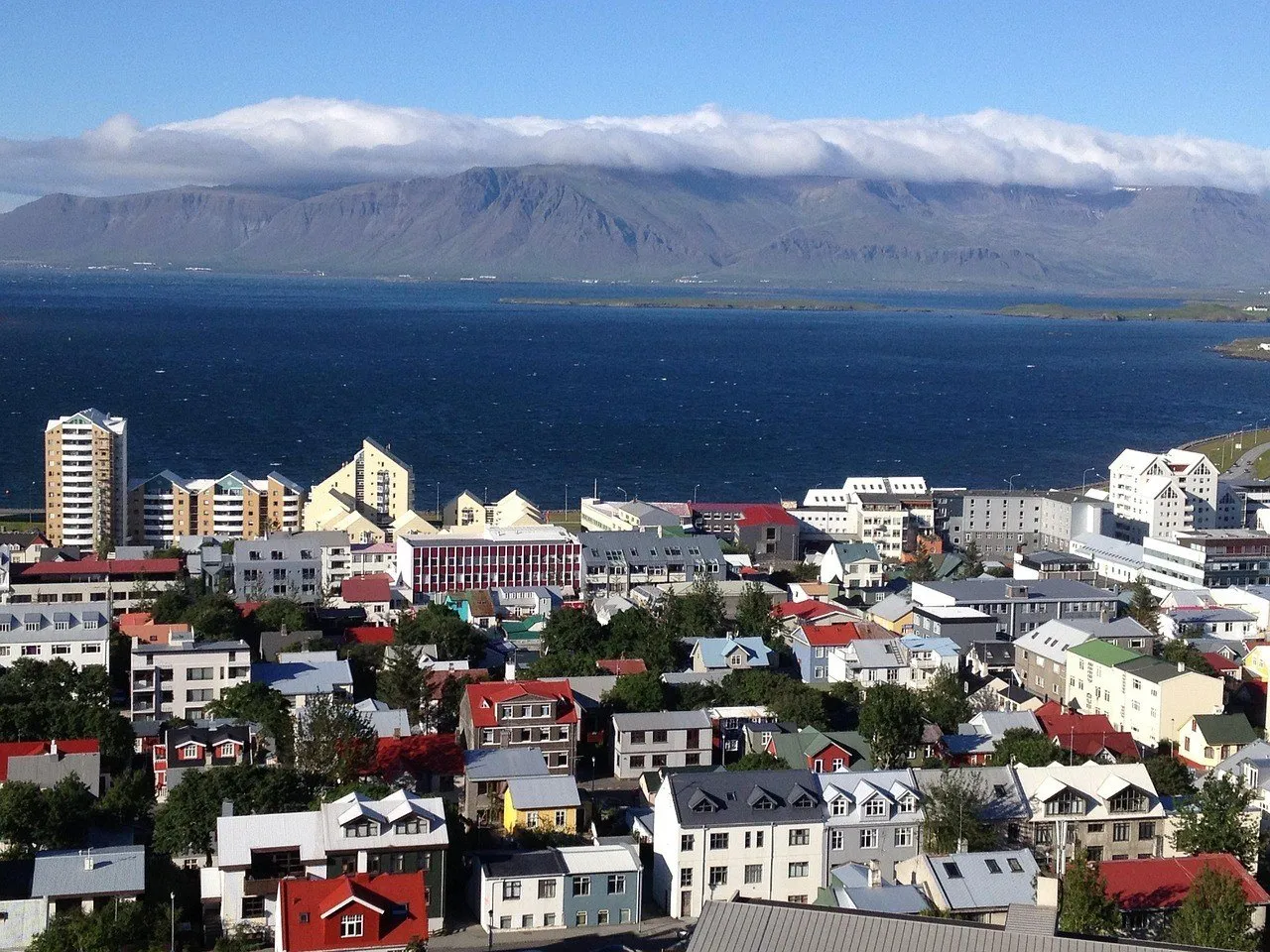
Every building in Reykjavík is heated with geothermal energy, and the same hot water supplies the city's many public pools and hot tubs.
The hot dog stand Bæjarins Beztu Pylsur has been open since 1937. In 2004, Bill Clinton stopped by and ordered his with mustard only.
1The concrete church that dominates Reykjavík's skyline, 74.5 meters tall with a facade inspired by basalt columns; an elevator takes you up the tower for a view of the whole city.
View details for Hallgrímskirkja
2The main shopping street of the center, opened in 1885 on the way to the hot springs, and the slope that climbs to Hallgrímskirkja: wool and design shops, cafés and bars packed on weekends.
View details for Laugavegur and Skólavörðustígur
3A stainless steel sculpture by the sea that many people call a Viking ship, but which the artist Jón Gunnar Árnason imagined as a dream boat, an ode to the sun.
View details for Sólfar (Sun Voyager)
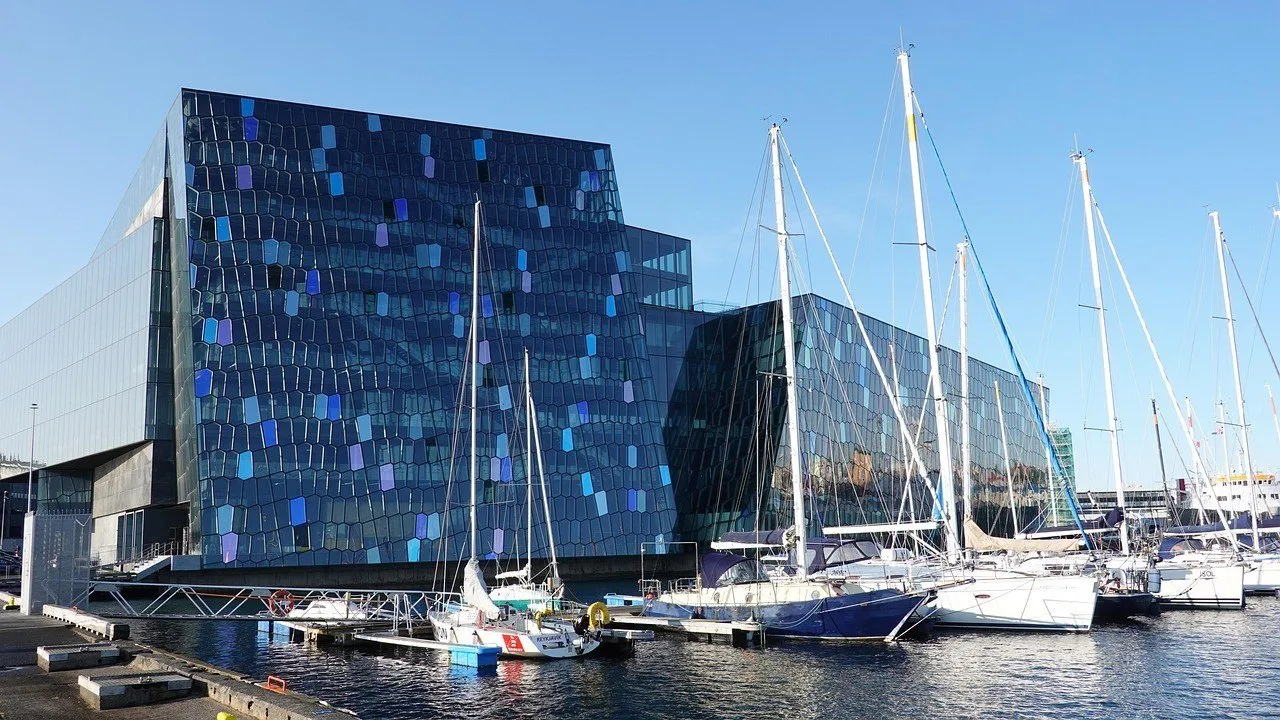
4A concert hall of colored glass by the harbor, designed by Henning Larsen with a facade by Ólafur Elíasson; winner of the Mies van der Rohe Award and home of the Iceland Symphony Orchestra.
View details for Harpa
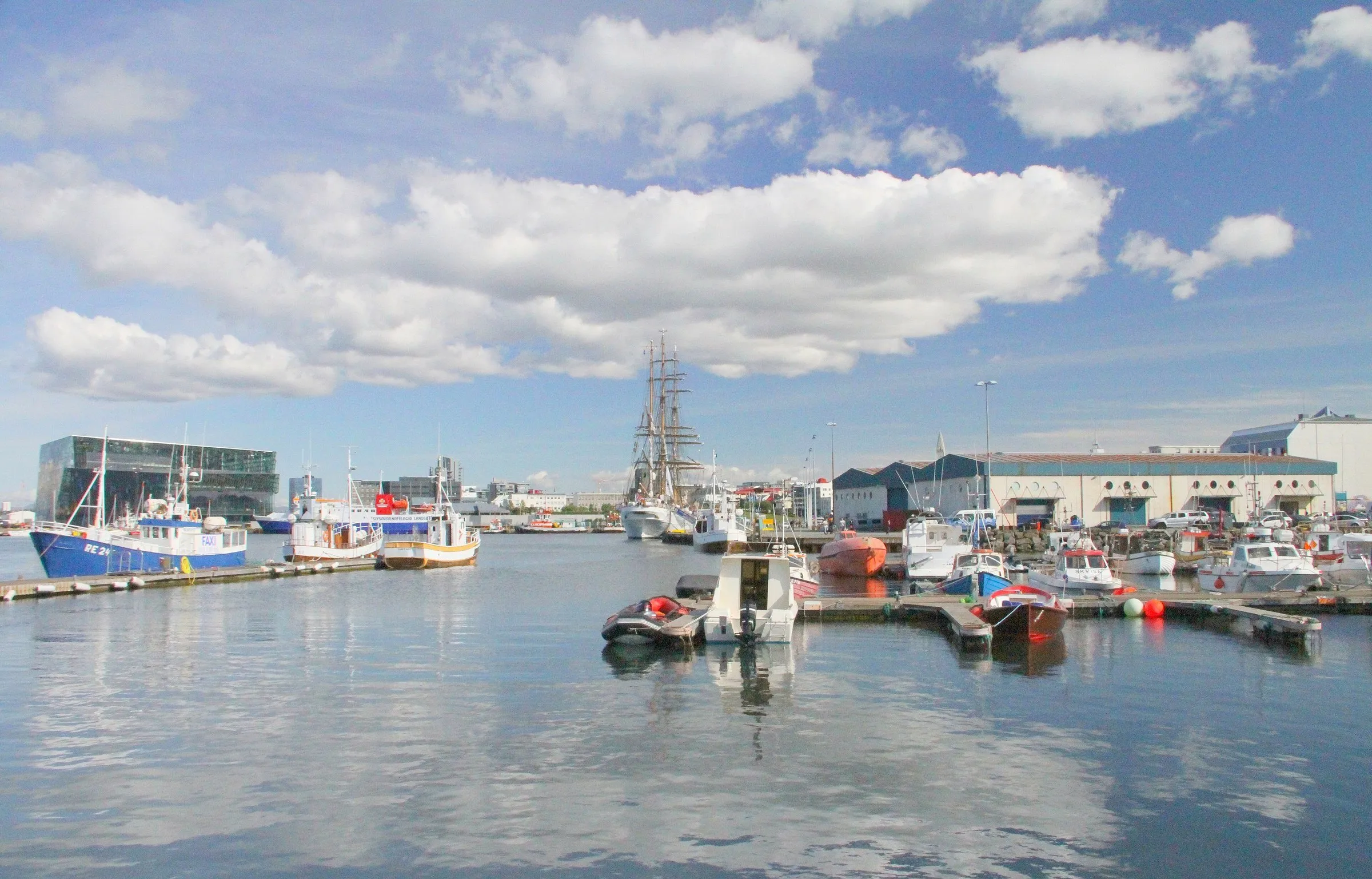
5The city's old fishing heart has become a district of museums and restaurants; whale-watching boats leave from here, and at the tip of Grandi there is a grassy hill to climb.
View details for Old Harbour and Grandi
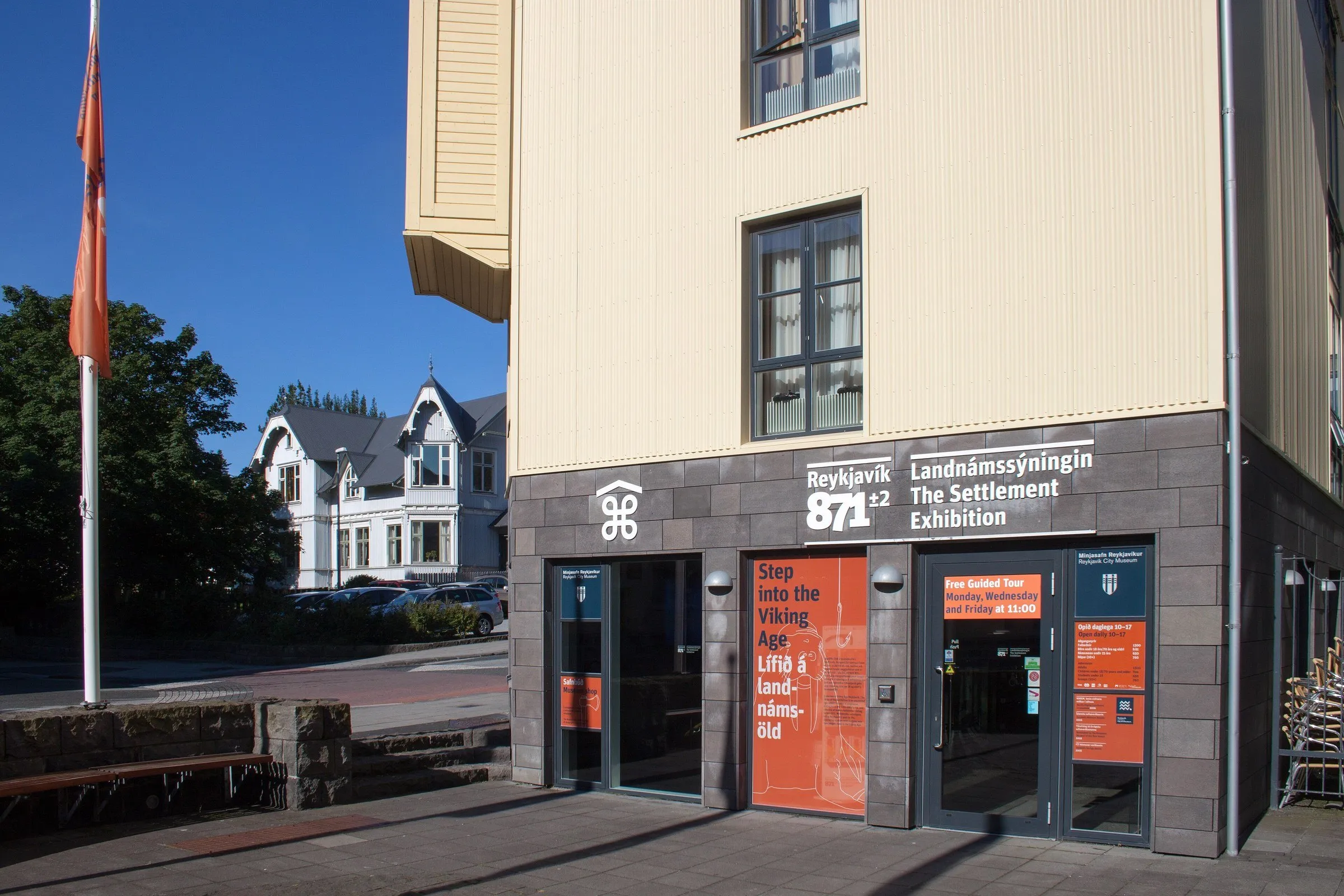
6Beneath Aðalstræti street, the ruins of a 10th-century Viking longhouse tell how Reykjavík went from farm to city; the route continues underground to the oldest building in the neighborhood.
View details for The Settlement Exhibition (Landnámssýningin)
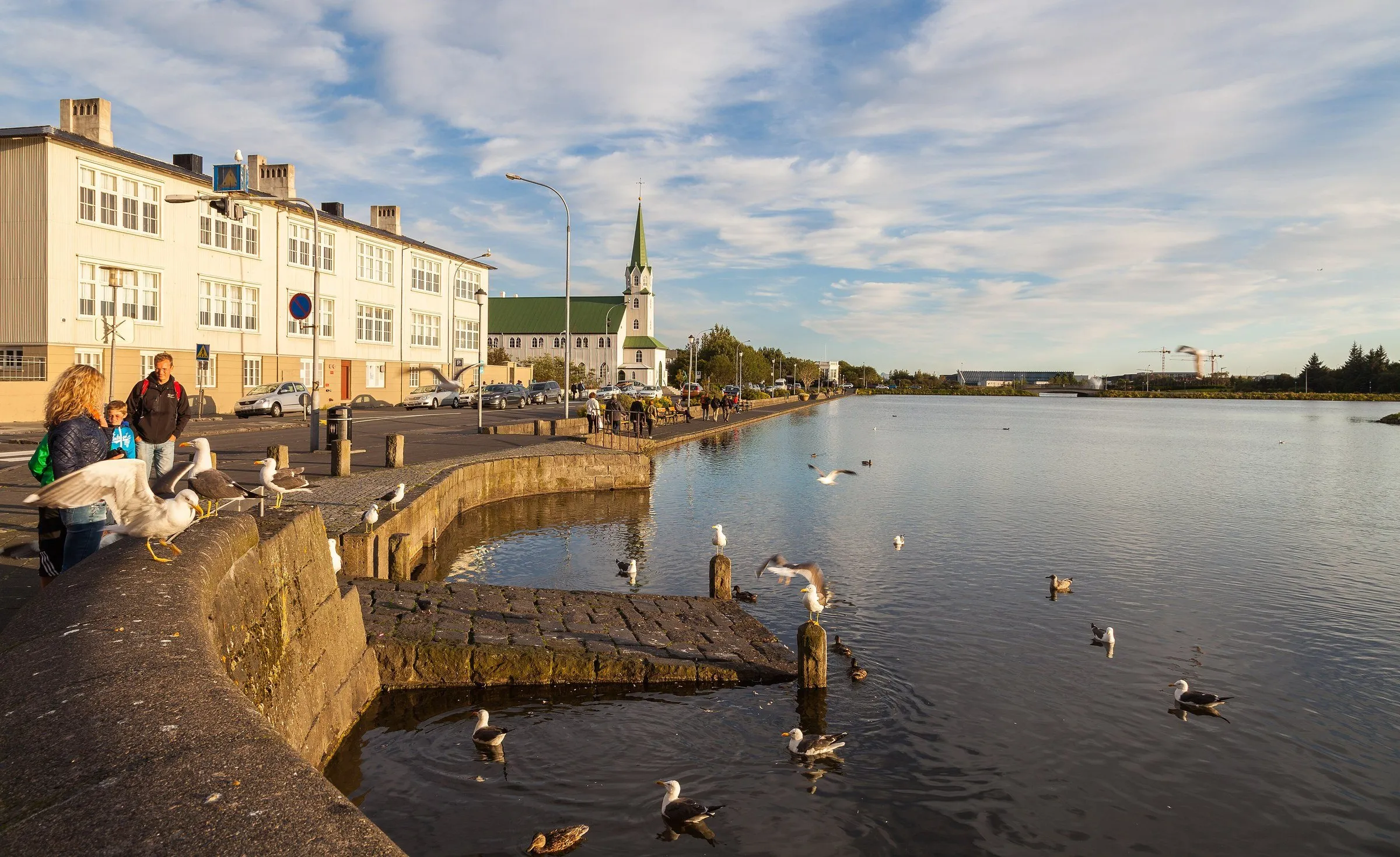
7The shallow pond in the middle of downtown hosts 40 to 50 species of waterbirds; on its shore, City Hall holds a large 3D map of Iceland, handy for planning day trips.
View details for Tjörnin and City Hall
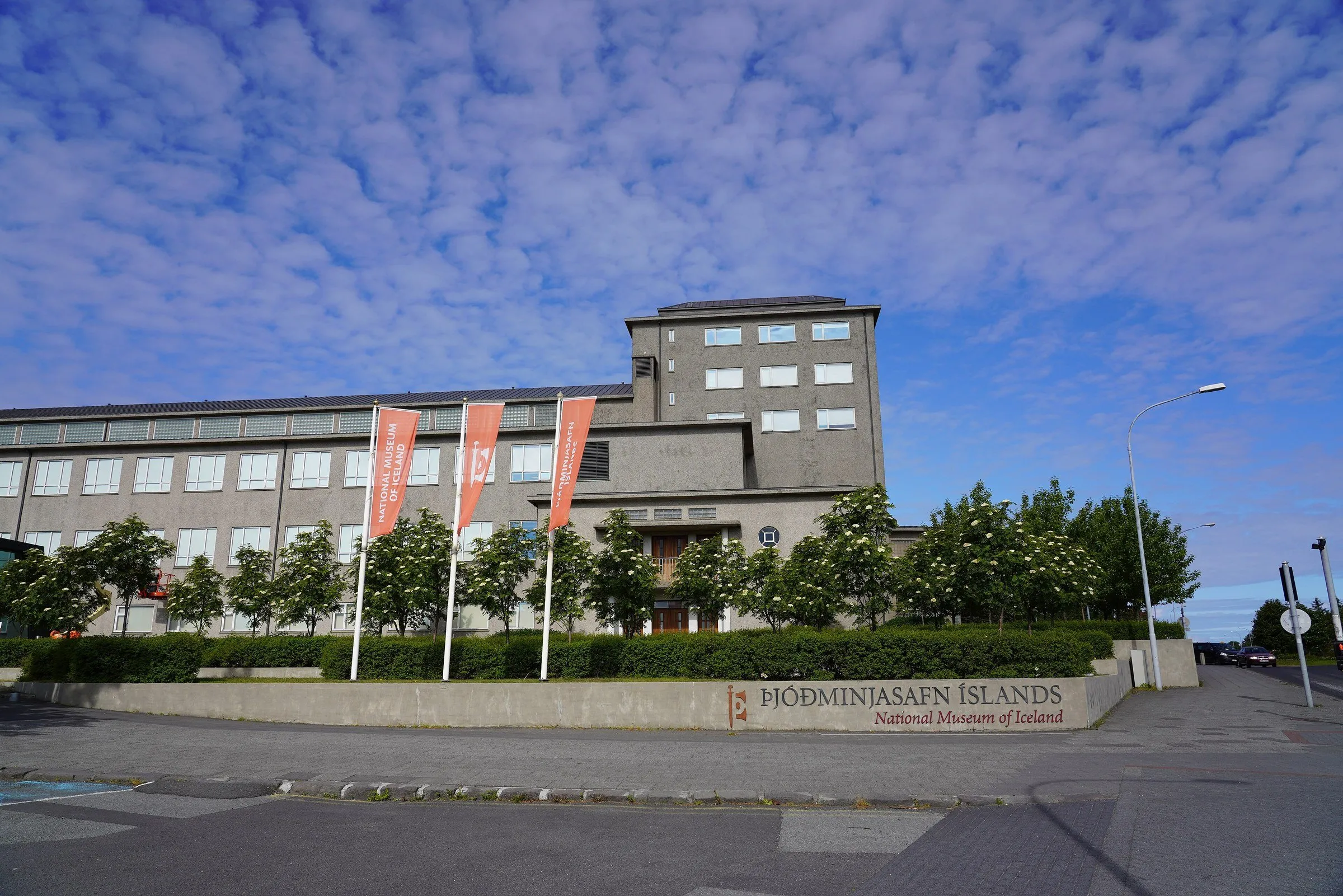
8The permanent exhibition brings together about 2,000 objects to tell the history of Iceland, with pieces such as the carved Valþjófsstaður door and a figure of Thor with his hammer.
View details for National Museum of Iceland
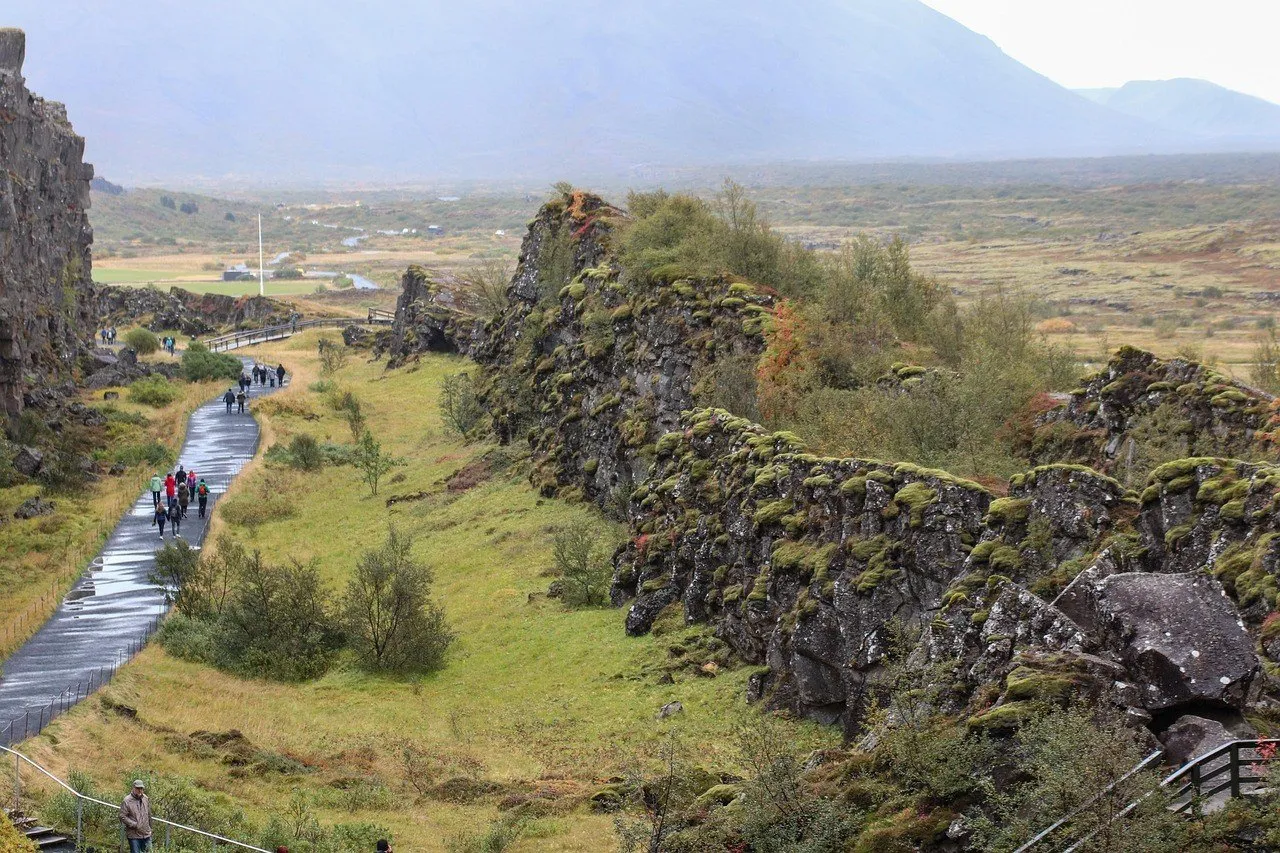
9The valley where the Icelandic parliament met starting in 930 sits on the boundary between the North American and Eurasian plates; it has been a UNESCO World Heritage Site since 2004.
View details for Þingvellir National Park
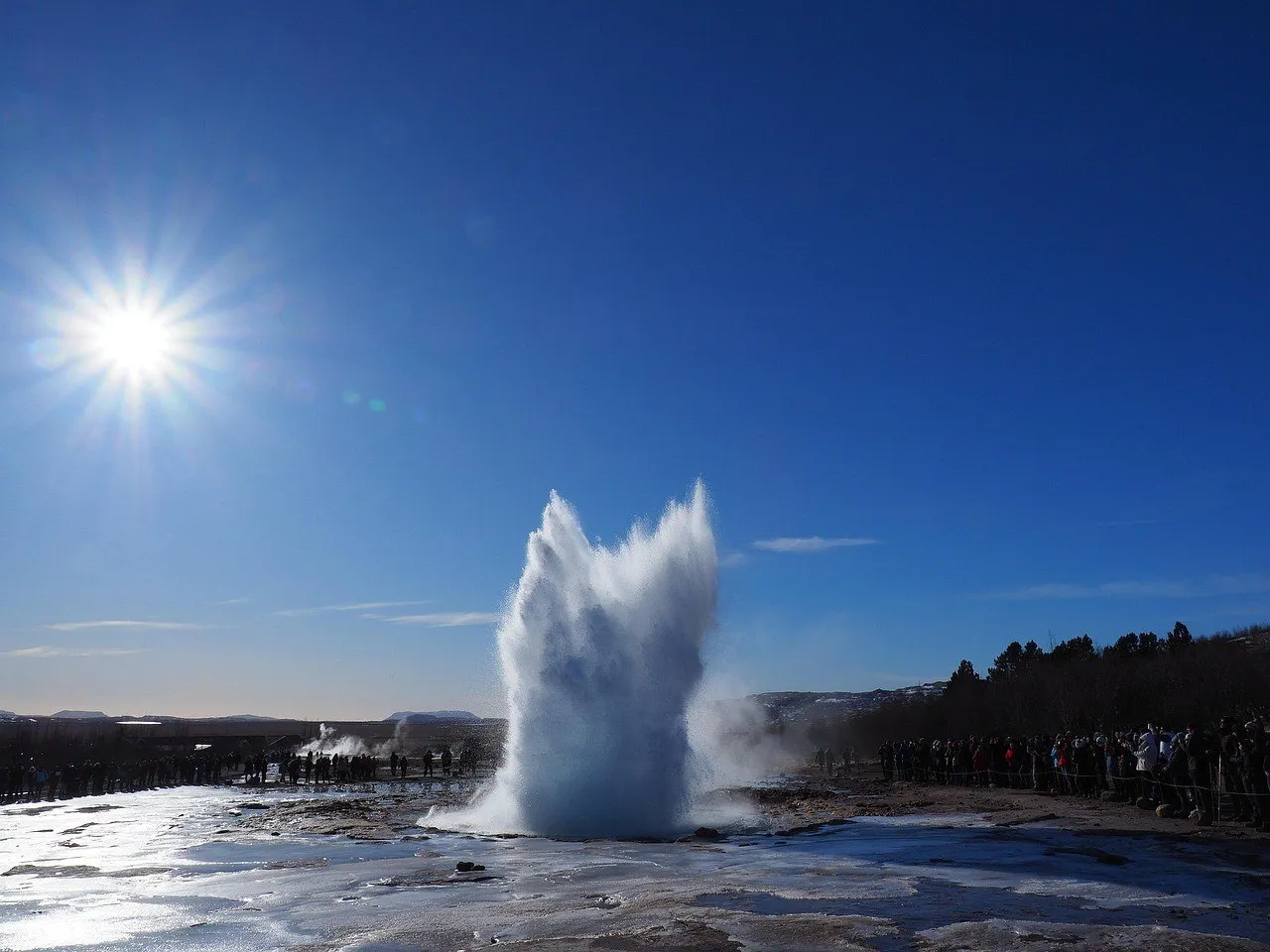
10In the Haukadalur valley, Strokkur shoots boiling water every few minutes, while its neighbor Geysir, which gave its name to all geysers in the world, spends most of its time quiet.
View details for Geysir Geothermal Area
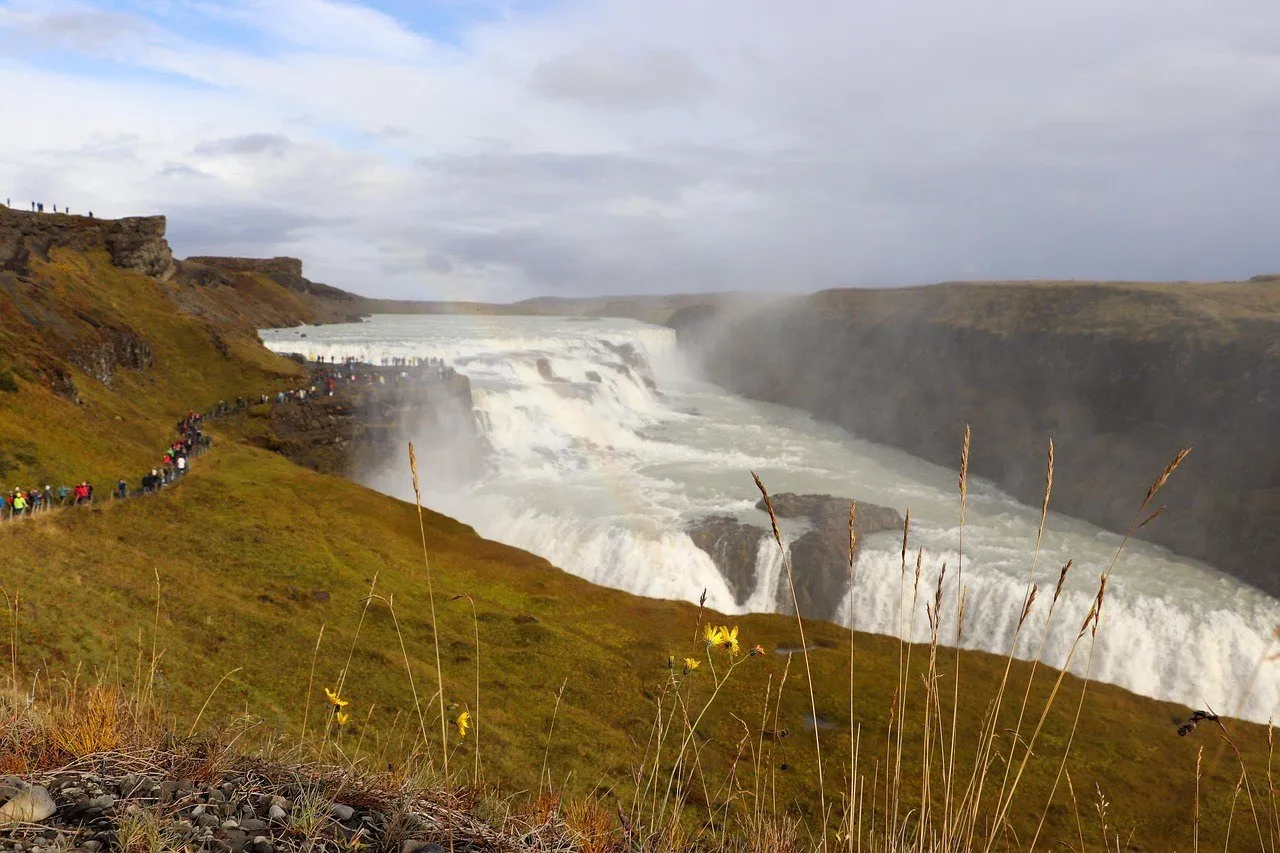
11The Hvítá river plunges in two steps, of about 11 and 21 meters, into a narrow crevice; the waterfall has been a protected area since 1979 and closes the Golden Circle.
View details for Gullfoss Waterfall
1You can use Hallgrímskirkja as a compass: from almost any corner of the center you can see the 74.5-meter tower of the country's largest church. Guðjón Samúelsson's design began to rise in 1945, and the nave was only consecrated in 1986, after 41 years of construction. The stepped facade recalls the basalt columns scattered across the island, as if geology had turned into a building.
Inside, the almost empty white interior leaves the spotlight to the Klais organ, with 5,275 pipes and a height of 15 meters. In the square out front, the statue of Leif Erikson arrived before the church: it was a gift from the United States for the Alþingi's thousand-year celebration in 1930.
2Laugavegur means something like washing road. The street, opened in 1885, led to the hot springs of Laugardalur, where the women of Reykjavík did the city's laundry. Today the cargo is different: bags from design shops, wool sweaters and the coffee you hold with both hands to warm your fingers.
On one corner, Skólavörðustígur climbs toward the church and frames the tower at the top of the slope, turning the walk into a series of photos taken from below. On Friday and Saturday nights, Laugavegur changes shifts: bars and restaurants fill up, and the sidewalk turns into a line.
3Almost every visitor arrives at Sólfar saying they are going to see the Viking ship. It is not. Jón Gunnar Árnason conceived the sculpture as a dream boat, an ode to the sun and to the promise of lands yet to be discovered. The stainless steel piece was unveiled on August 18, 1990, the city's birthday, a year after the artist's death.
It sits on a granite circle on the edge of Sæbraut avenue, with Faxaflói bay and Mount Esja behind it. A detail for the observant: it points north, not toward the sunset. On windy days, the metal skeleton looks more ready to set sail than you are to stand there with your coat open.
4Construction of Harpa began in 2007, stopped with the 2008 financial crisis and only continued because the government decided to pay for the rest. For a few years, it was the only construction project underway in the country. The result opened its doors in 2011 and, in 2013, won the European Union's Mies van der Rohe Award for contemporary architecture.
The facade was created by the artist Ólafur Elíasson with the firm Henning Larsen: by day, the geometric glass panels reflect sky and sea; at night, LED lights draw patterns on the building. It is the home of the Iceland Symphony Orchestra. Even without a concert, climb the stairs and look at the harbor through the glass.
5For decades, Reykjavík's money arrived by boat, through the Old Harbour. The old fish factories found new uses: the Maritime Museum occupies one of them, with a Coast Guard ship docked out front, and Whales of Iceland shows life-size models of 23 whale species. Restaurants and cafés complete the quay.
This is also where whale- and puffin-watching tours of Faxaflói bay depart. At the tip of Grandi, look for Þúfa, a work by Ólöf Nordal in the form of a grassy hill, with a winding path to the top and a view of the harbor, Mount Esja and the city.
6The oldest Reykjavík lies a few meters below the sidewalk. At Aðalstræti 16, the exhibition was built around the remains of a 10th-century Viking longhouse. Instead of looking at a model, you walk around the foundations and try to imagine an entire family getting through the winter in there.
The route continues underground to number 10, the oldest surviving building in Kvosin, the historic core of the city. An area opened in 2022 carries the story up to today, from the settlers' farm to the capital you have just crossed on foot, and an excavation open to the street shows that the past is still being dug up.
7Tjörnin simply means the pond, and the city did not need a fancier name. The water is just over half a meter deep on average and attracts 40 to 50 species of birds, from eider ducks to Arctic terns. Feeding the ducks was so popular that the spot earned the nickname of the world's biggest bread soup; today the city asks that nobody feed them, because gulls take advantage to attack the chicks.
On the northwest shore, City Hall, built in 1992 from a design by the firm Studio Granda, looks as if it has landed on the water. Inside there is a large 3D map of Iceland, great for grasping the scale of the country. In winter, when the pond freezes, the walk turns into ice skating.
8Founded in 1863, the National Museum has occupied the Suðurgata building since 1950, a few minutes' walk from Tjörnin. The permanent exhibition, Making of a Nation, arranges about 2,000 objects on a timeline of Icelandic history and works as a summary of centuries of life on an island where nothing arrived easily.
Two pieces deserve the longest pause. A figure of Thor holding the hammer Mjölnir is among the best-known objects in the collection. The Valþjófsstaður door, meanwhile, carries the carved legend of the knight who kills a dragon and frees a lion, which then follows him as a loyal companion. It is a medieval comic book, only in wood.
9Þingvellir packs two reasons to visit into the same valley. The first is history: the Alþingi, Iceland's general assembly, was founded here around 930 and met on the spot until 1798. The Lögberg, the Law Rock, was the natural platform from which speeches and announcements were made to those gathered.
The second is geology: the park sits in a rift valley between the North American and Eurasian plates. Walking through Almannagjá, the largest fault in the area, is walking inside a canyon opened by the Earth itself. Nearby, the Öxarárfoss waterfall plunges over the same fault, and the Silfra fissure draws divers to its icy water.
10Every geyser on the planet owes its name to this one: the word came from Geysir, from the Icelandic verb geysa, to gush. The problem is that the Great Geysir has become lazy, with rare eruptions and long periods of silence. A big eruption in 2016 even made the news.
What saves the outing is Strokkur, about 50 meters away. It usually erupts every 6 to 10 minutes, with jets of 15 to 20 meters, and now and then much higher. Join the circle of visitors, keep your phone ready and wait for the water to swell before the blast; if you miss the moment, just wait for the next one.
11Gullfoss sends the Hvítá river down in two steps, of roughly 11 and 21 meters, and out of sight into a crevice about 2.5 km long. Seen from above, it looks as if the water enters the ground. The roar and the mist arrive before the view, so keep your phone in a pocket that zips.
The most repeated story is that of Sigríður Tómasdóttir, daughter of one of the landowners, who is credited with fighting to stop the waterfall from being exploited; tradition says she threatened to throw herself into the waters. A stone memorial with her profile stands at the top. In 1979, the government bought the area and turned it into a permanent reserve.
Keflavík is about 50 km from the city. Shuttle buses and transfers make the trip; compare schedules, prices and drop-off points before you travel, because some services stop only at the bus terminal and others drop you at your hotel.
In public pools, the rule is to take a full shower, without a swimsuit, before getting into the water, and staff do check. If that makes you uncomfortable, there are private changing rooms. Phones and cameras are prohibited in the locker rooms.
It rains much of the year and the wind turns an umbrella inside out. Dress in layers: a base layer, fleece and a waterproof jacket with a hood. In summer too, because 12 °C (54 °F) with wind feels much colder.
From late May to late July, it barely gets dark: bring a sleep mask. In midwinter, daylight lasts less than five hours, so concentrate outdoor outings in the middle of the day.
Before taking the car out for the Golden Circle, check the weather forecast and road conditions on the official Icelandic services. Stop only in parking areas and respect the ropes at geothermal areas and waterfalls.
Reykjavík's most famous meal is cheap and eaten standing up: the hot dog from Bæjarins Beztu Pylsur, a stand that has been around since 1937 and now sits on Tryggvagata, near the harbor. The sausage mixes lamb, pork and beef, and the local order is eina með öllu, with everything. The rest of the day, look for fish in the Old Harbour restaurants, try the dark rye bread and finish with skyr, which you eat with a spoon.
A hot dog with everything: ketchup, sweet mustard, remoulade, crispy fried onion and raw onion. Order two, because the first one disappears fast.
A creamy dairy product similar to a thick yogurt, which came from Norway and only survived in Iceland. Good at breakfast or as a dessert.
Dark, dense, moist rye bread, traditionally baked in pots buried near hot springs. With butter and fish, it becomes lunch.