 1
Squares and gardens
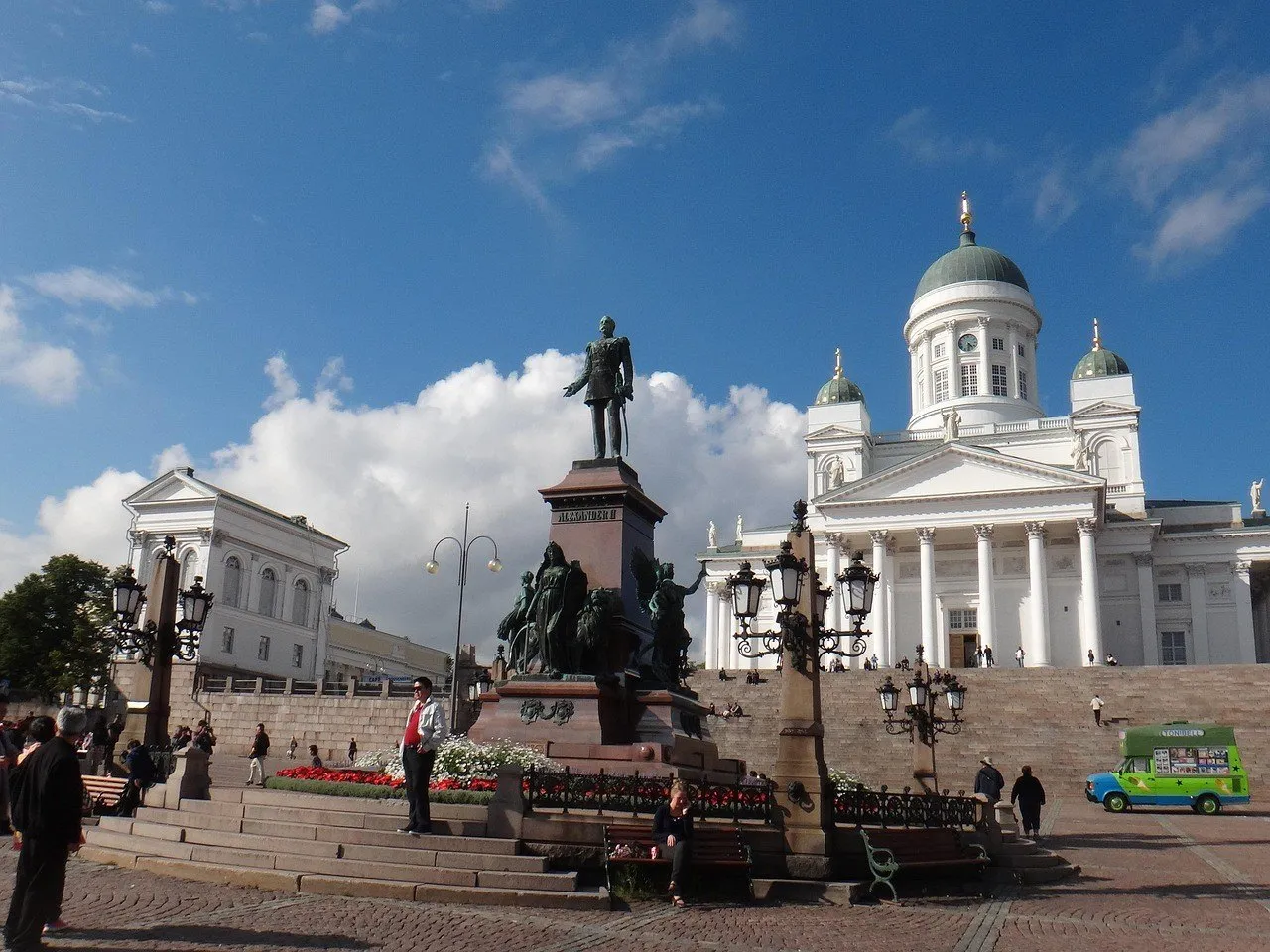
Senate Square
Neoclassical façades surround the square at the foot of the white cathedral. Start here to understand the center before heading to the harbor.
View details for Senate Square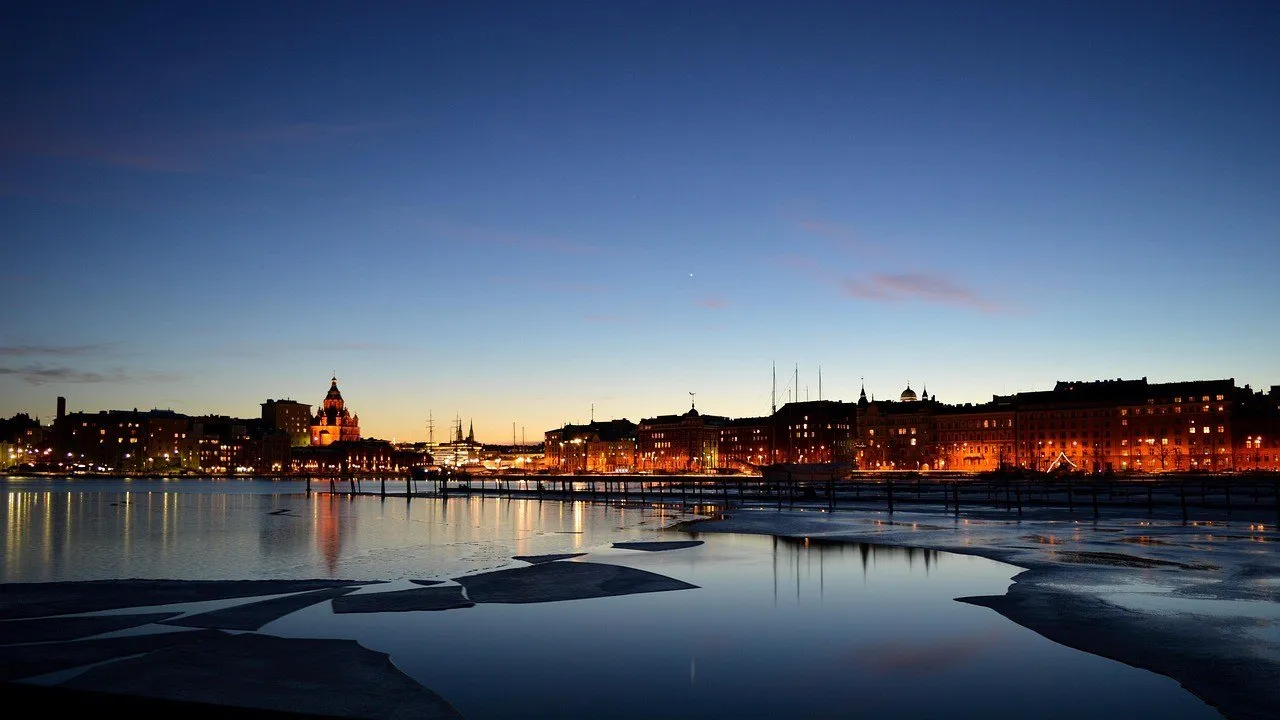
Finland
The ferry slips its moorings near the market stalls, and the cathedral's white dome slowly fades behind you. In Helsinki, even public transport comes with a sea cruise.
You can start the morning among seaside stalls, cross a neoclassical square and end up reading in a library that also has studios and workshops. Helsinki works well in that back-and-forth between street and shelter. The white cathedral helps you find the old center; the water reappears whenever you get distracted by the next shop window. And the ferry ride to Suomenlinna is already part of the program: watch the city slip away from the deck.
Set aside one day for the center near the harbor, another for the fortress and a third for Oodi, Töölö and Seurasaari. Use public transport for the longer stretches and save your energy for walking on the islands. Summer favors this plan, with more daylight and the open-air museum running; in winter, keep outdoor outings short. Bring an extra layer: the sea breeze doesn't check the forecast you saw at the hotel.
At Oodi, a library is also a place to make things: besides the bookshelves, there are studios, game rooms and workshops.
Some of the bricks of the Uspenski Cathedral came from the Bomarsund fortress in the Åland Islands, destroyed during the Crimean War.
The Sibelius Monument sparked debate between defenders of abstract and figurative art; the ensemble ended up with a portrait of the composer as well.
The houses on Seurasaari were not all built there: the museum's buildings were moved from different regions of Finland.
1Neoclassical façades surround the square at the foot of the white cathedral. Start here to understand the center before heading to the harbor.
View details for Senate Square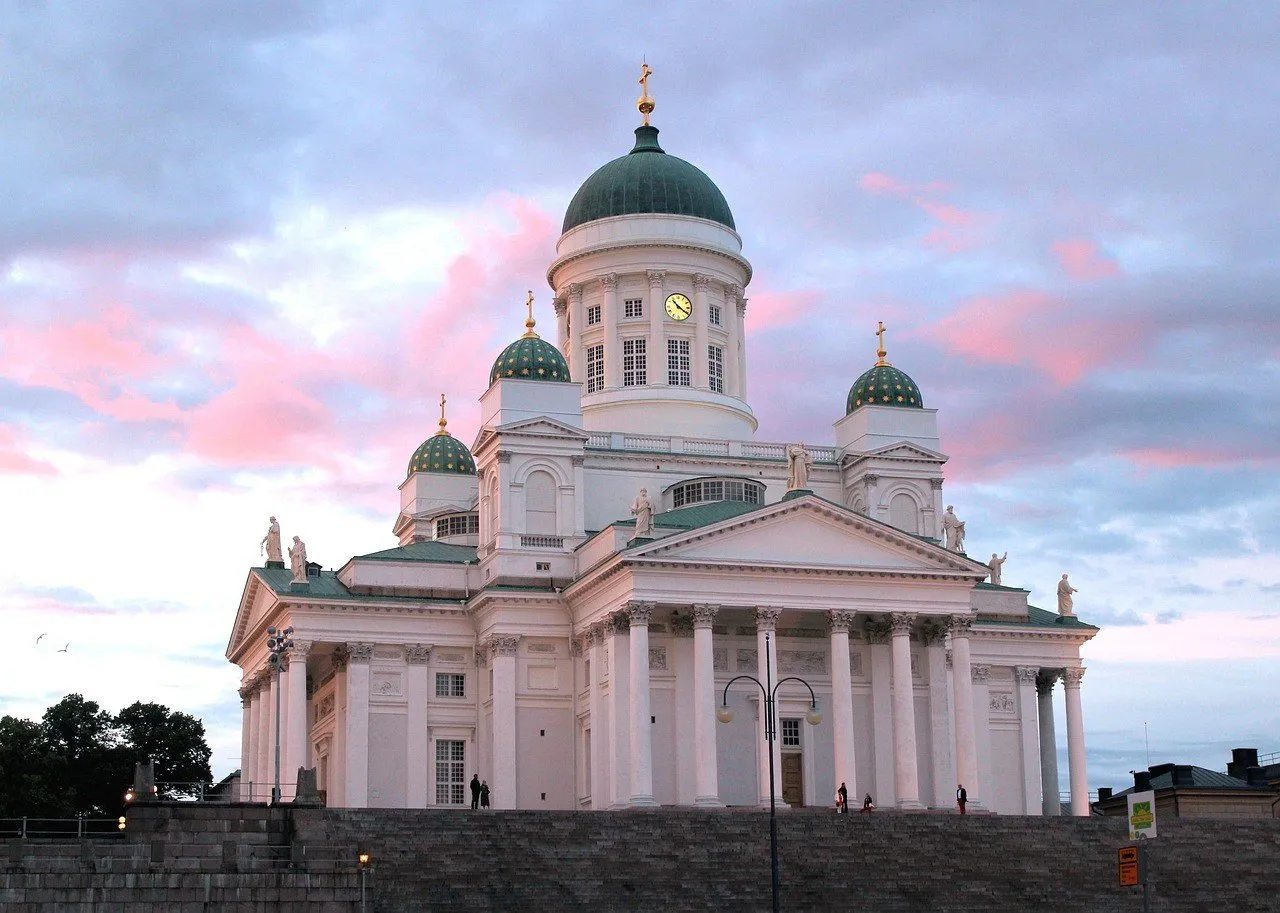 2
The Lutheran cathedral with its green dome towers over Senate Square. Apostle figures watch from the roof; the interior is more restrained.
View details for Helsinki Cathedral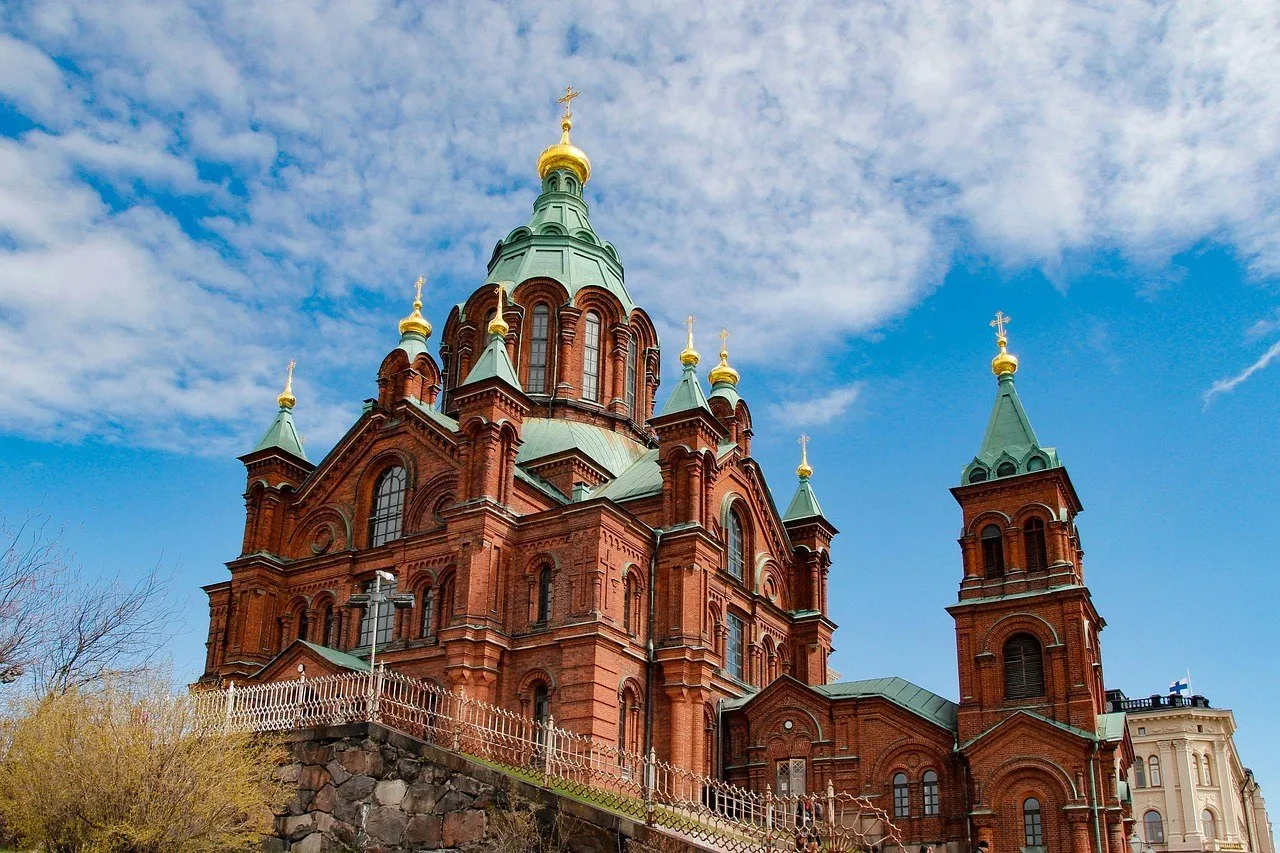 3
Red bricks and golden domes mark the Orthodox cathedral of Katajanokka. Inside, look for the icons and the ornate iconostasis.
View details for Uspenski Cathedral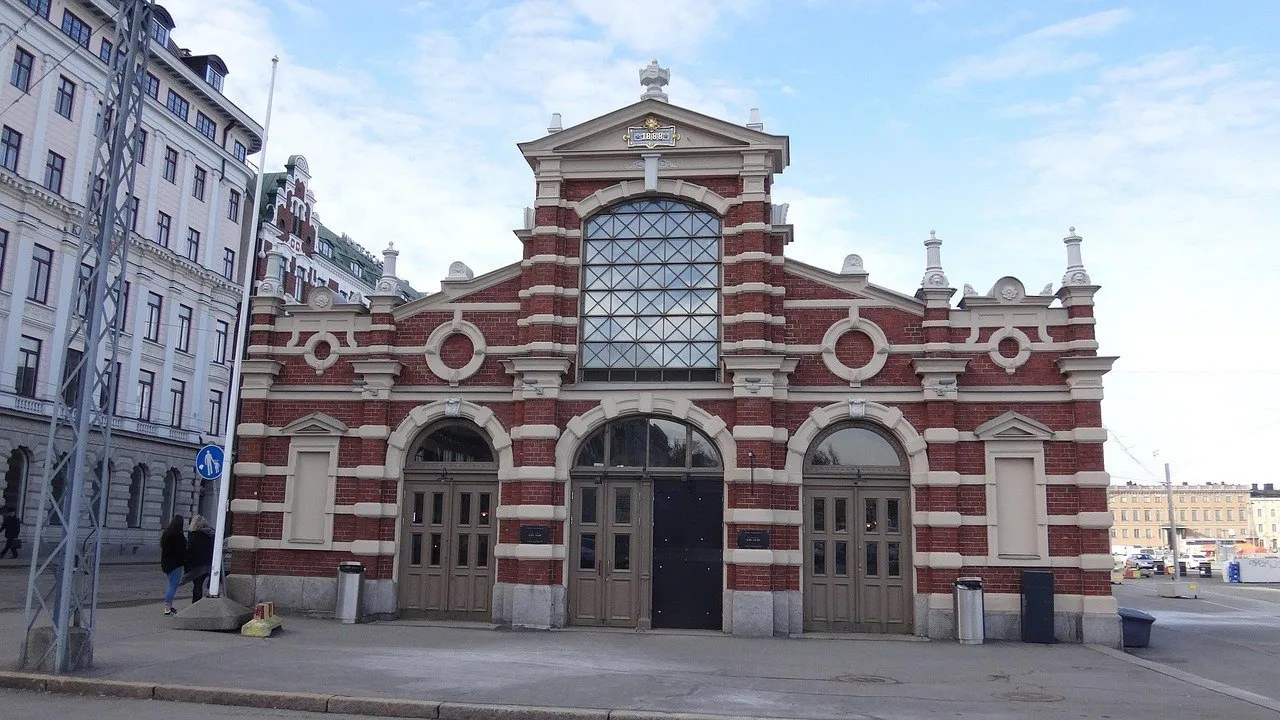 4
Helsinki's oldest covered market brings together fishmongers, cheeses, cafés and meals by the South Harbor, under an iron structure.
View details for Old Market Hall — Vanha Kauppahalli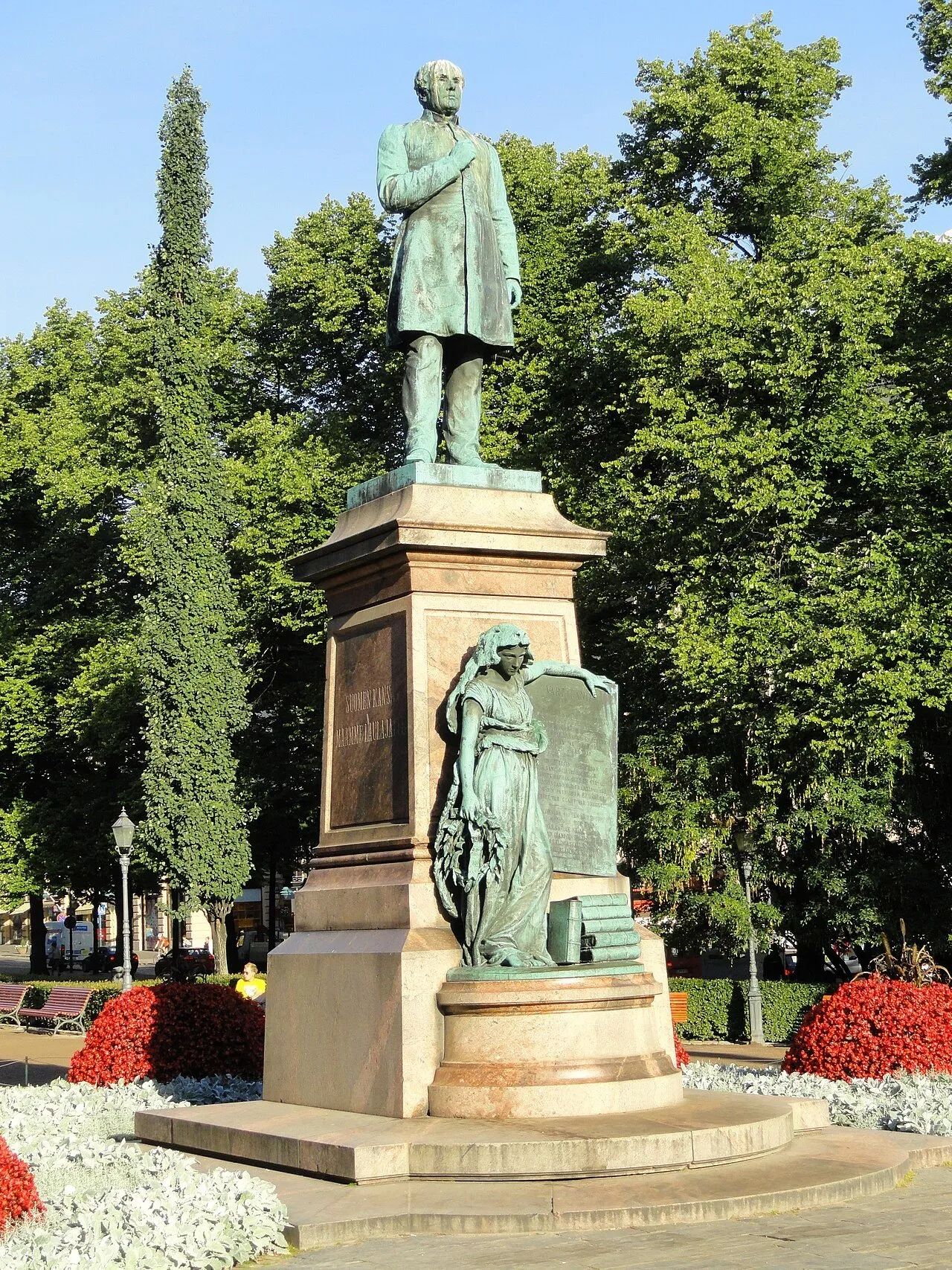 5
A strip of gardens and trees links the center to the market area. Benches, sculptures and the Espa stage line the walk through the park.
View details for Esplanadi Park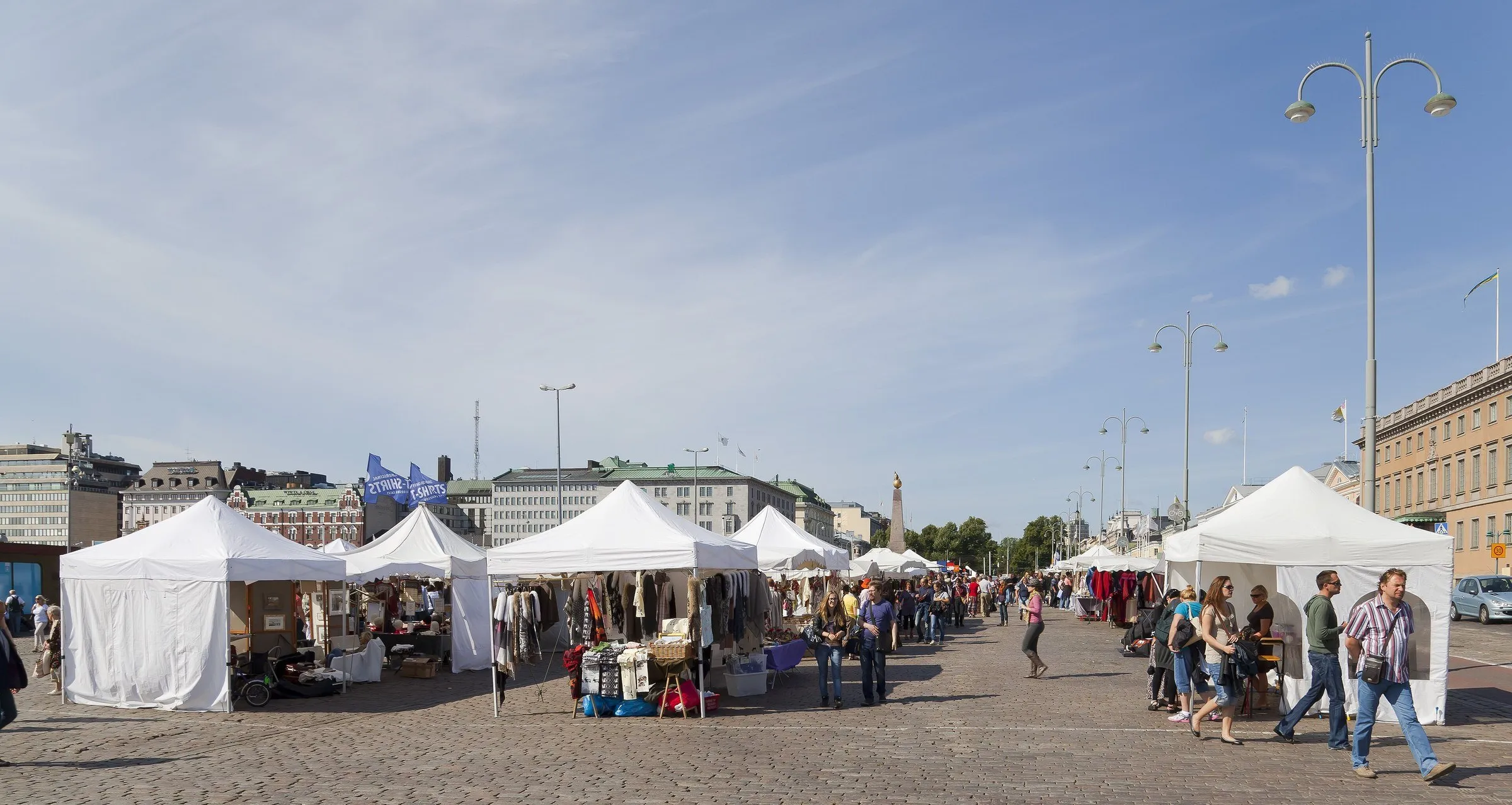 6
Food stalls, crafts and souvenirs fill the square by the sea, near the departure point of the ferry to Suomenlinna.
View details for Kauppatori — Market Square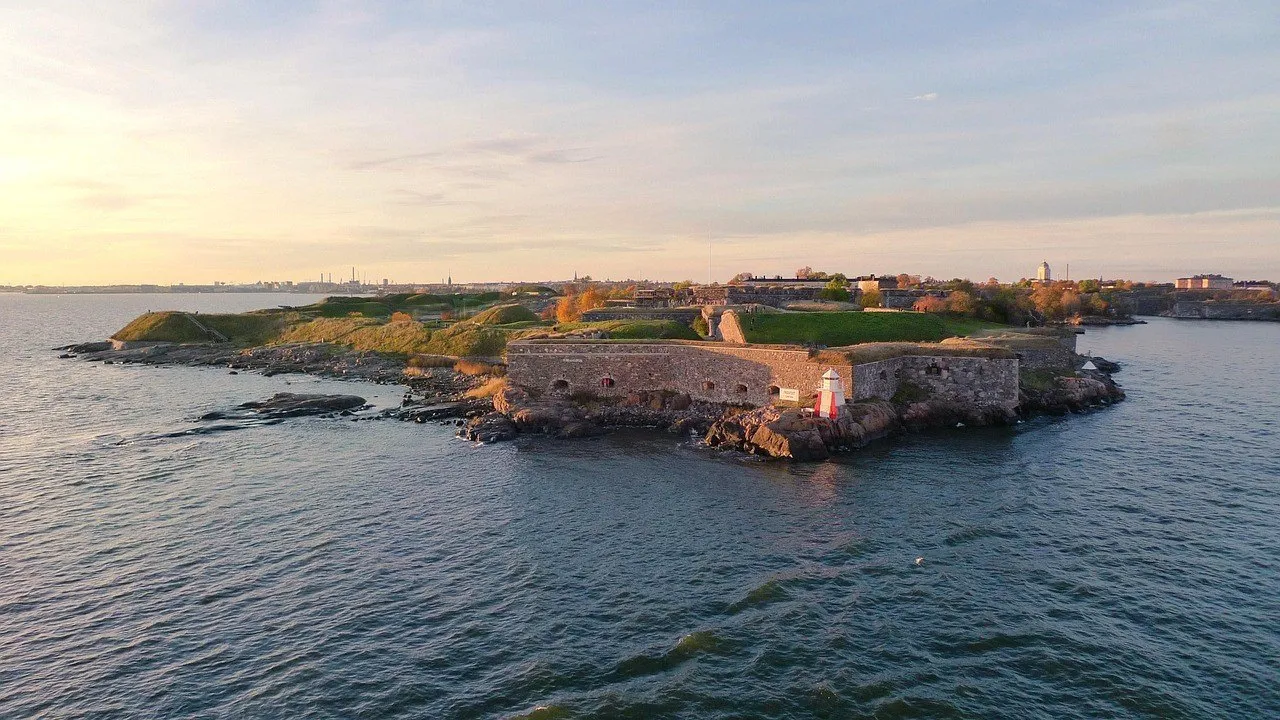 7
The sea fortress built under Swedish rule spans islands at the harbor entrance. Ramparts and sea views call for time on foot.
View details for Suomenlinna Fortress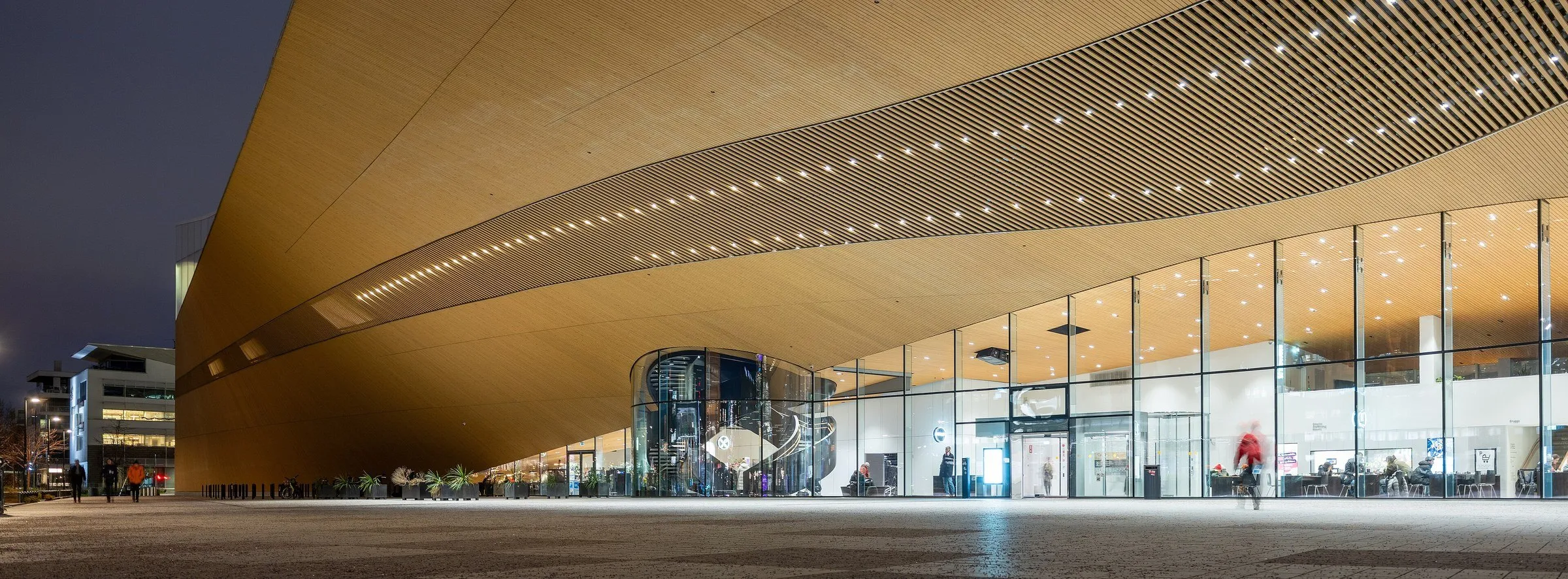 8
The library with a curved façade combines reading, workshops, games and studios. Up top, the undulating ceiling makes you want to linger.
View details for Oodi Central Library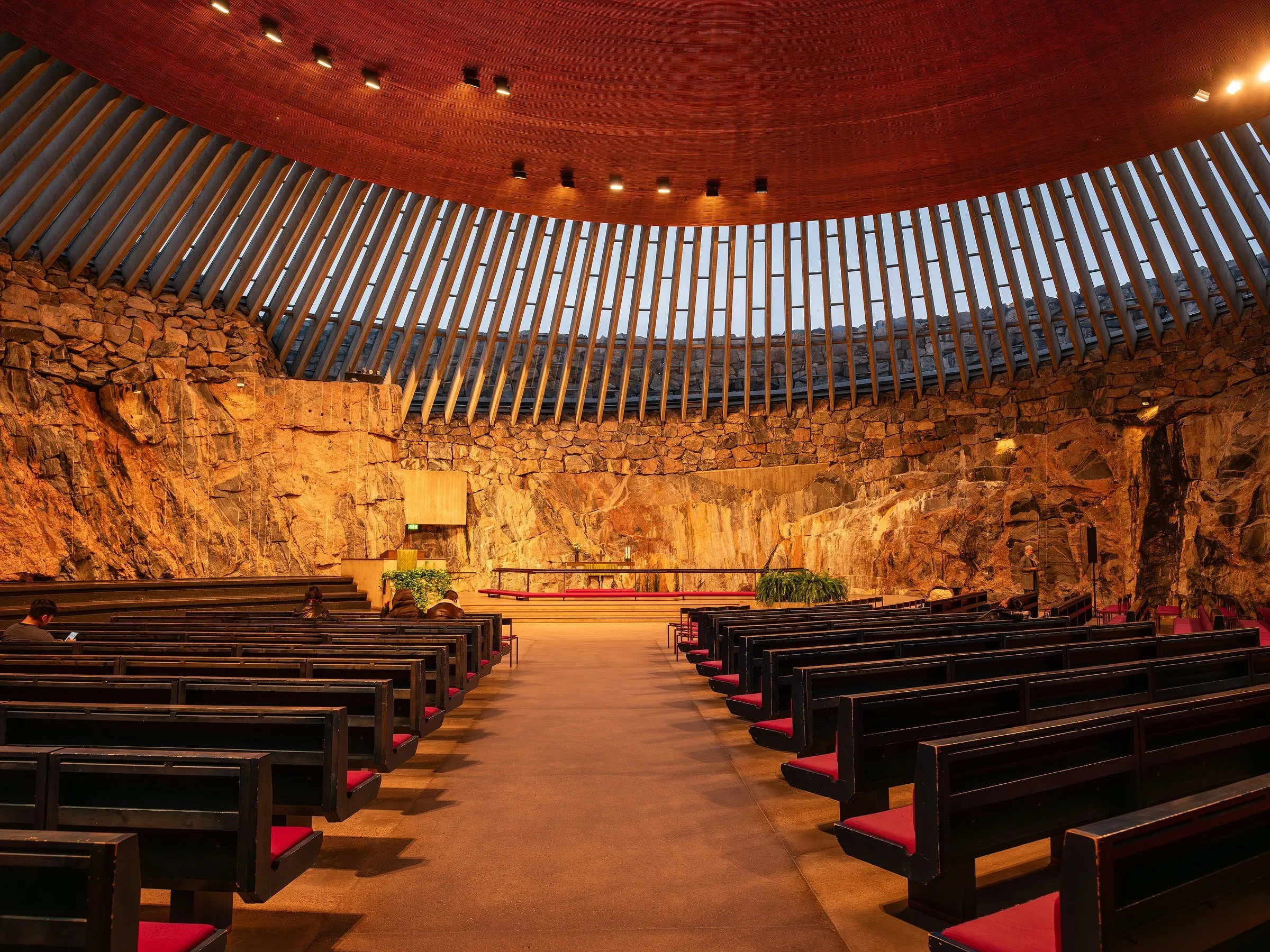 9
Carved into the rock, the church combines rough walls, a copper-clad dome and natural light. The acoustics favor concerts.
View details for Temppeliaukio Church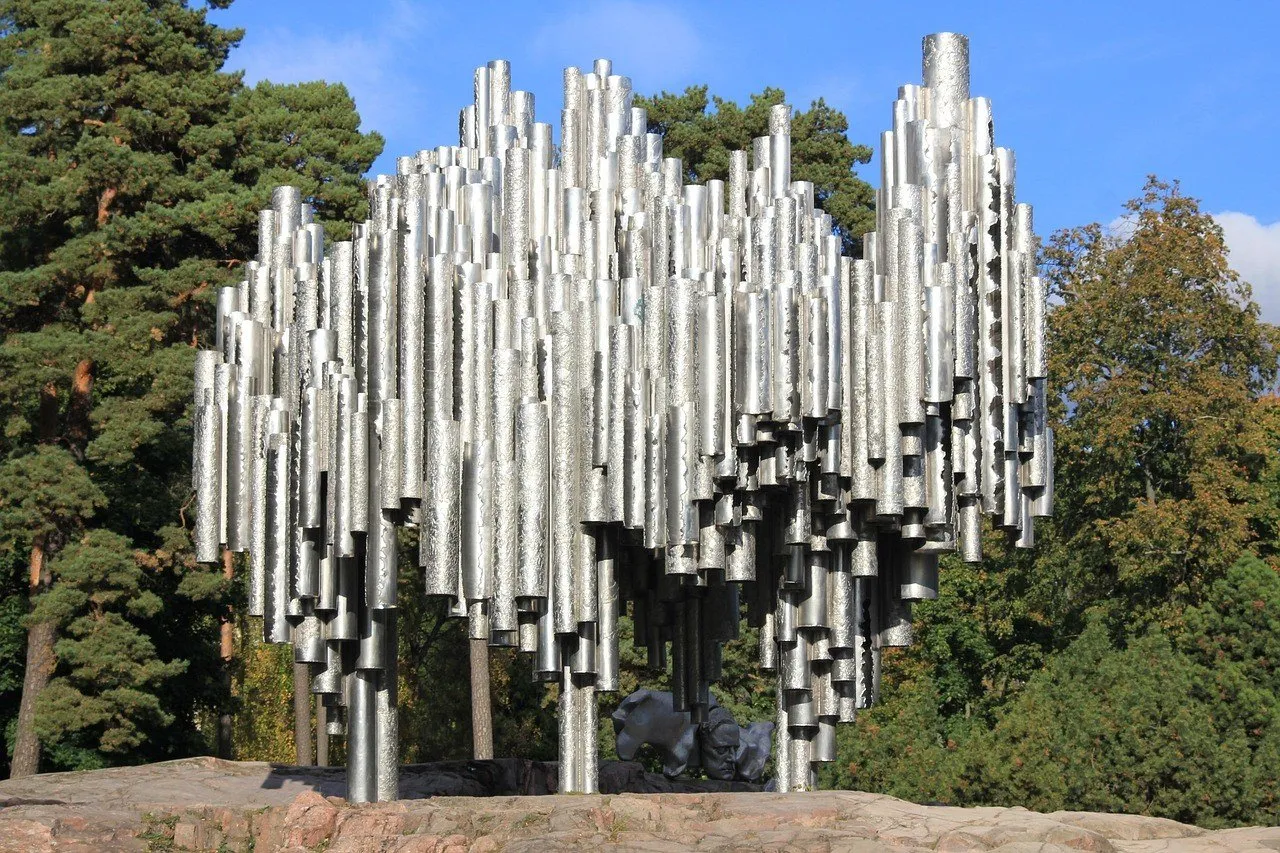 10
Steel pipes form Eila Hiltunen's abstract tribute to the composer Jean Sibelius. Walk around to see the gaps between the pieces.
View details for Sibelius Monument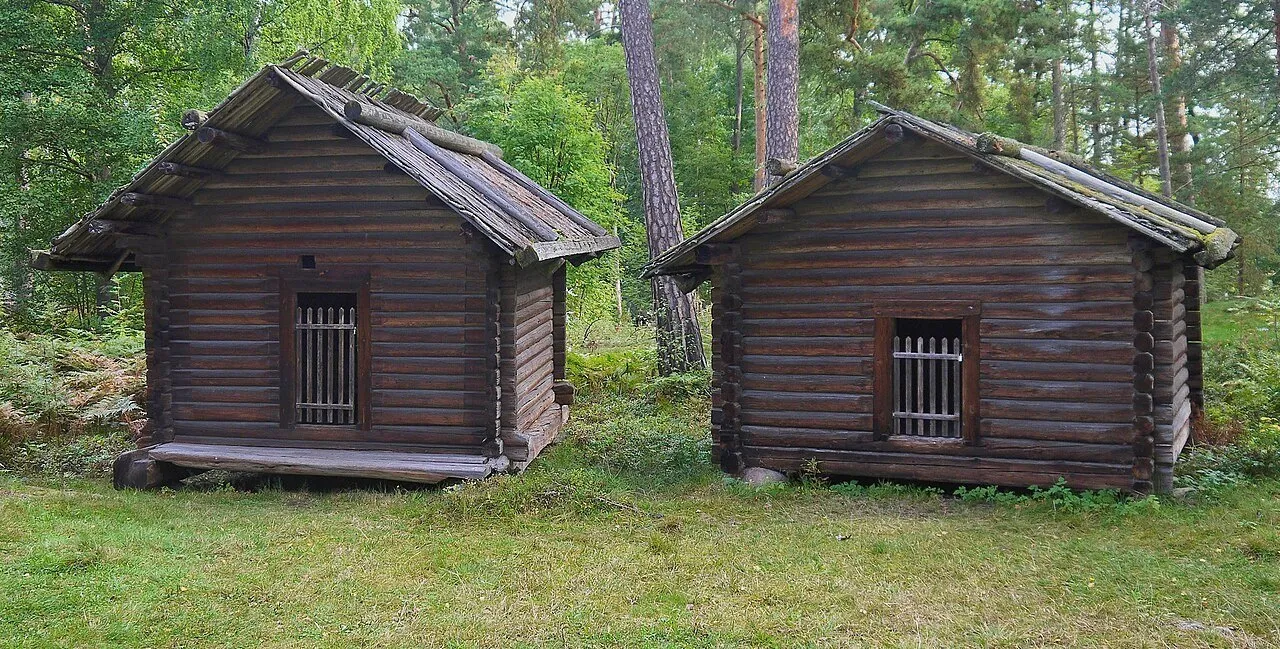 11
A bridge leads to the wooded island with wooden houses brought from various regions. The park is open for strolls outside the museum season.
View details for Seurasaari Island1Before climbing the cathedral steps, take a lap around Senaatintori. The Government Palace and the university's main building are part of the neoclassical ensemble associated with Carl Ludvig Engel. In the middle, the statue of Alexander II is a handy landmark when everyone decides to photograph the same dome.
Look at the square from below, then change your height on the steps. The proportions of the façades become clearer. Take a few minutes to take in the space, without turning the staircase into just a step counter.
2White columns, green domes and a staircase that invites you to pause before the door: Helsingin tuomiokirkko organizes the downtown skyline. Carl Ludvig Engel's design is also visible to those arriving by sea. Look for the apostle sculptures on the roof, a detail easy to miss when the camera frames the whole building.
The Lutheran church still hosts services. Include the interior when it is open to visitors, respecting religious services. Even on a pass-by from outside, step back across the square to take in the whole ensemble.
3The red of the bricks announces another chapter of the city. Uspenski stands on the heights of Katajanokka and was built when Finland was an autonomous grand duchy of the Russian Empire. The view and the details of the domes already justify the climb.
If you go in, look at the iconostasis, the screen of religious images that separates the nave from the sanctuary. The bricks reused from Bomarsund add another layer to the building's history. Visit unhurriedly, respecting the worship areas and the signs about photography.
4Walk into Vanha Kauppahalli hungry, but take a lap before choosing where to sit. Fish and cheese compete for your attention, while the arched windows and the iron structure remind you the visit is also about architecture. It is Helsinki's oldest covered market.
The building sits by the South Harbor and makes a sheltered break between the churches and the sea. Compare the menus: the hard part is keeping a stop short when you still haven't seen the other aisle.
5After the façades and the stalls, swap the next queue for a bench in Esplanadi. The park is long, lined with lime trees and crossed by people just passing through and by others who came to stay. The statue of the poet Johan Ludvig Runeberg stands in the central part.
Near the market, the Kappeli restaurant faces the Espa stage, which hosts performances in the warmer season. Bring a coffee and take in the sculptures. In winter, the seasonal lights change the scenery.
6Kauppatori puts the market almost inside the boat trip: on one side the stalls, on the other the departures for the archipelago. You'll find food and crafts in a space open to the wind, with the harbor's bustle as a backdrop.
Look for seasonal products and compare the stalls. Activity varies with the weather, holidays and time of year. Then follow the signs for the operator you chose: nobody wants to board the wrong boat with the right snack.
7The ferry leaves the center behind and delivers you to a fortress spread across islands. Suomenlinna began as a sea defense under Swedish rule and is now a UNESCO World Heritage Site. Walk among military buildings and ramparts: the position at the harbor entrance explains why the place was chosen.
Set aside a good part of the day to follow the marked paths and look at the sea. The area is also a Helsinki neighborhood; respect the homes. The HSL ferry runs year-round, but museums and services keep their own schedules.
8You come in to see a library and find people working, creating and resting. At Oodi, the event spaces are near the entrance; the middle floor houses studios, game rooms and workshops. Watching this everyday use is as worthwhile as photographing the curved façade.
Head up to the reading area under the undulating ceiling and take a break. Tourists can visit the floors without a library card; equipment and rooms may require registration or a booking. When the balcony is open, enjoy the view.
9Here, the church's main material was already on the site. The Suomalainen brothers designed Temppeliaukio by excavating the rock and leaving its uneven surface in view. Above the hall, the copper-clad dome receives a band of natural light.
Sit and watch stone, metal and daylight meet, without looking only through your phone screen. The acoustics favor concerts, in addition to religious use. Since visiting hours vary, plan to arrive when the hall is open: the discreet exterior is no substitute for the interior.
10From afar, the ensemble resembles organ pipes; up close, the spaces between the pieces are part of the visit. Eila Hiltunen created an abstract tribute to Jean Sibelius that can also be viewed from underneath. Trees and rocks change the backdrop with every step.
Look for the portrait of the composer beside the main ensemble, a result of the debate over how to represent him. Step out of the front-on frame to notice textures and reflections in the steel. Combine the stop with the rest of Töölö.
11After the footbridge, the plan becomes walking among trees and wooden houses. Seurasaari combines a park and an open-air museum with buildings brought from different parts of Finland, showing ways of living in the countryside.
During the museum season, the ticket lets you see the buildings and their yards. Outside it, the island remains a walking option, but the houses are closed. Bring a snack and plan your transport from Töölö to enjoy the afternoon without rushing.
Trains I and P connect the airport to the central station. HSL lists an ABC ticket for this trip; check the app to choose the ticket type and look for service changes.
The HSL ferry to Suomenlinna is part of the public network; sightseeing boats from other operators have their own fares. Identify the service and check your ticket before boarding.
Bring layers even in summer. In winter, prioritize shoes with grip, protection for your head and hands, and short outdoor outings: ice on the ground changes the pace of a walk.
Visit the floors of Oodi at no charge between paid attractions. Before buying a tourist pass, compare what it includes with the places you really plan to enter.
Cards are widely accepted in Finland. Save local names, such as Senaatintori and Vanha Kauppahalli, to find entrances and stops with fewer tries.
Check the Seurasaari museum season and how services run on Suomenlinna. Being able to walk on the island doesn't mean finding every interior open.
Use the Old Market Hall for a sit-down meal and Kauppatori to watch the seasonal produce. Fish and rye bread introduce Finnish food; a hot soup fixes the gap after the ferry. Compare menus and set aside a coffee break.
Salmon soup with potatoes, cream and dill, a good choice for a meal after walking by the sea.
Open pie with a thin rye crust and rice porridge filling, traditionally served with an egg and butter spread.
Dark, tangy rye bread that can go with the soup or become a snack with butter.