 1
History and architecture
Charles Bridge
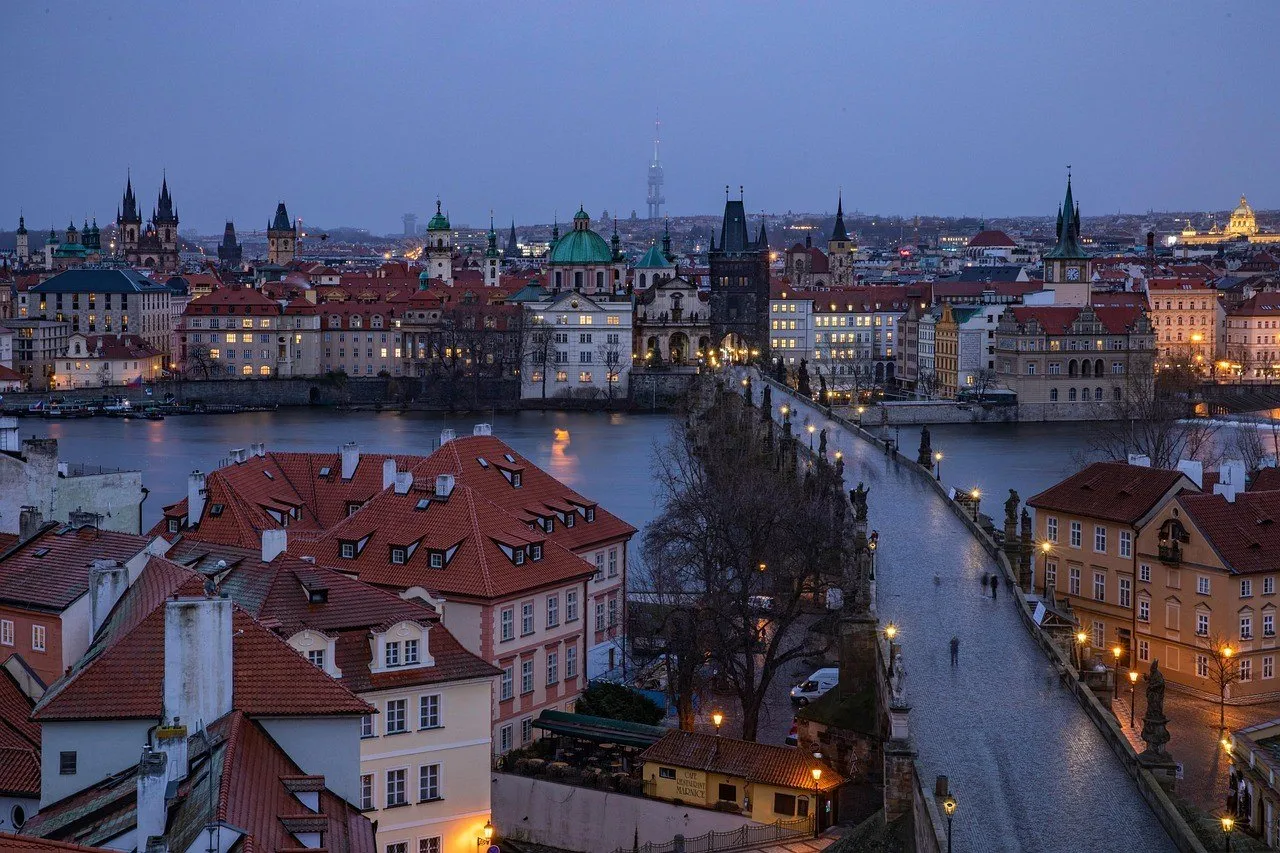
Stone saints, towers at both ends and the castle on the horizon: crossing Charles Bridge becomes a whole outing over the Vltava.
View details for Charles Bridge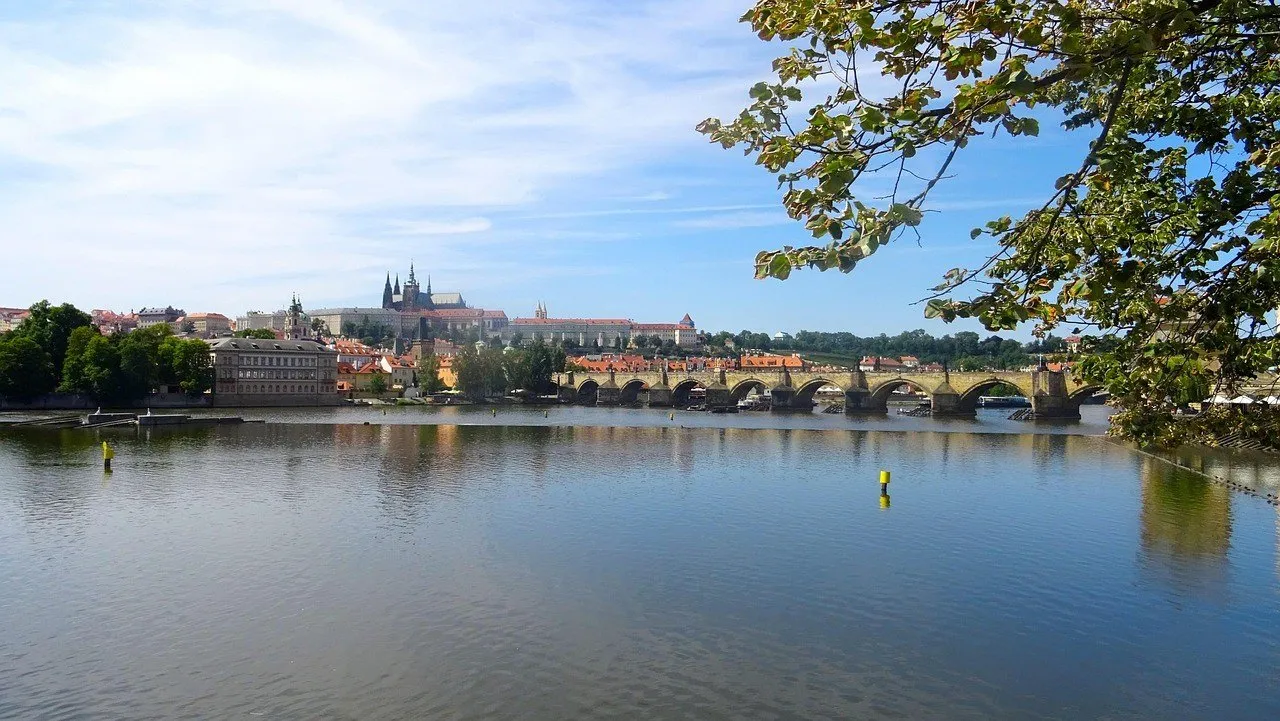
On Charles Bridge, stone saints watch you try to frame the castle with nobody in the shot. Then Prague swaps the crowds for a bench by the Vltava and a mug of beer.
Just before the hour, phones go up in front of the Astronomical Clock. The figures move, the skeleton rings the bell, and you realize you haven't understood half of that dial. Prague starts like this: it offers an easy-to-recognize scene and keeps the detail for those who stay a little longer. Across the Vltava, St. Vitus Cathedral rises above the rooftops; below it, Malá Strana turns any walk to lunch into a string of Baroque facades.
Plan your days around the riverbanks and the climbs. The Old Town, Josefov and Letná form one cluster; the castle, St. Nicholas and Kampa, another. Save a day as well for Wenceslas Square, the National Museum and the walls of Vyšehrad. Walking covers most of the distances, but a tram saves your legs for looking up at church ceilings. Between stops, leave room for knedlíky and gravy: the dish deserves attention too.
The Orloj shows more than ordinary time: its dials also track astronomical phenomena and old ways of measuring time. Understanding it all can take longer than the show of the figures.
The Spanish Synagogue got its name from its Moorish-inspired decoration, which echoes the Alhambra; it was never a synagogue of the Sephardic rite.
The little houses of Golden Lane once sheltered castle marksmen and goldsmiths. The tiny rooms help you imagine a life very different from that of the palaces around them.
St. Nicholas's bell tower belonged to the Malá Strana administration, while the church belonged to the Jesuits; later, the secret police used the tower to watch embassies.
1Stone saints, towers at both ends and the castle on the horizon: crossing Charles Bridge becomes a whole outing over the Vltava.
View details for Charles Bridge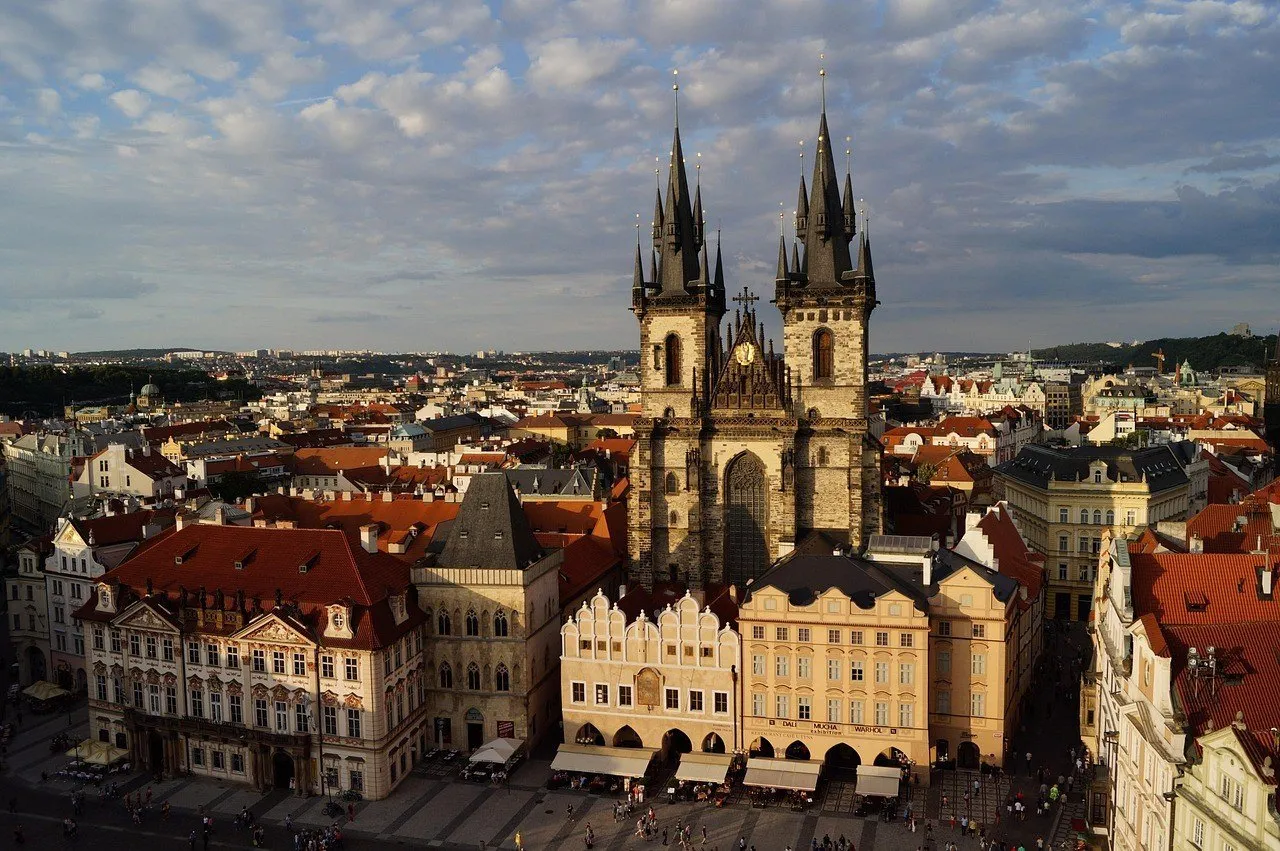 2
The Orloj draws the eyes, but the square also holds the towers of Týn Church, the Jan Hus monument and facades worth a full lap.
View details for Old Town Square and the Astronomical Clock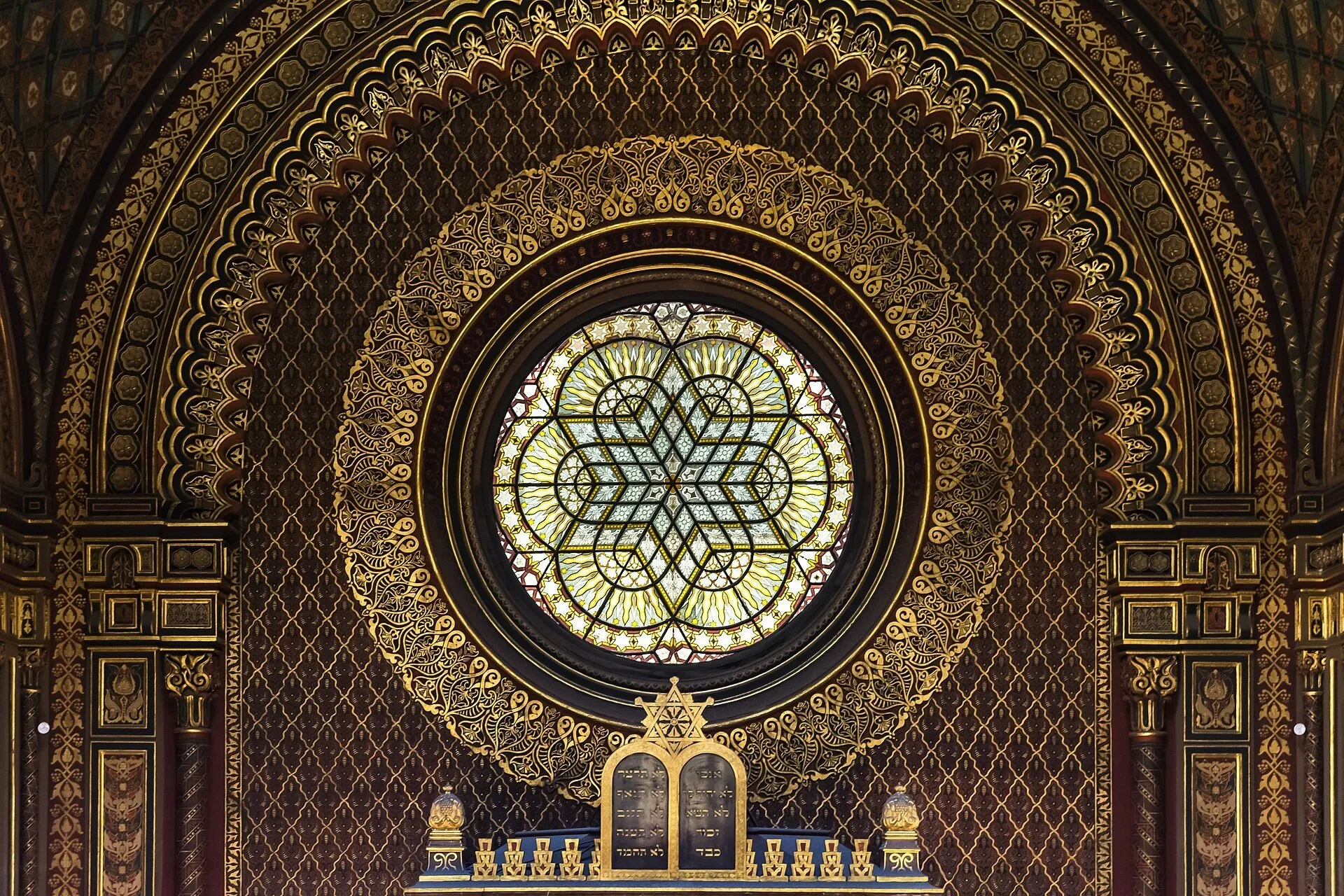 3
In Josefov, a route through synagogues and the old cemetery presents Prague's Jewish life, its cultural output and the memory of persecution.
View details for Jewish Museum in Prague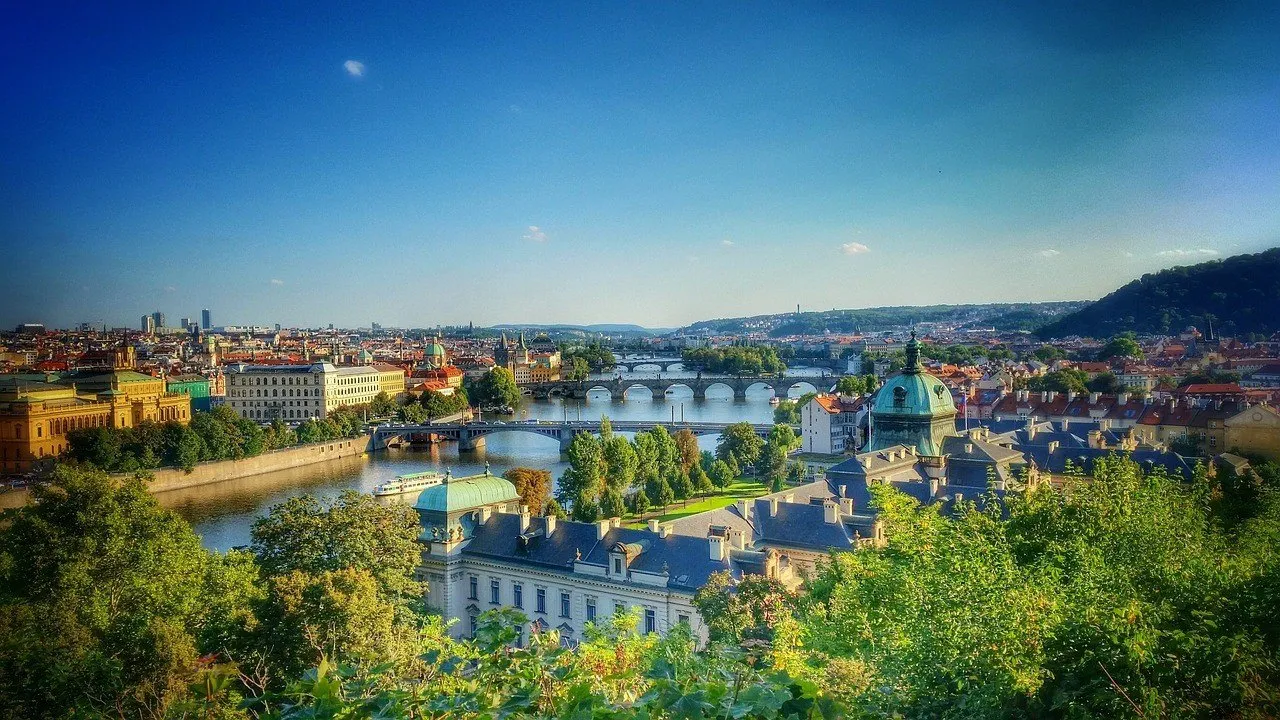 4
Above the Vltava, Letná combines tree-lined paths, lawns and views of the bridges; near the Hanavský Pavilion, the river organizes Prague's landscape.
View details for Letná Park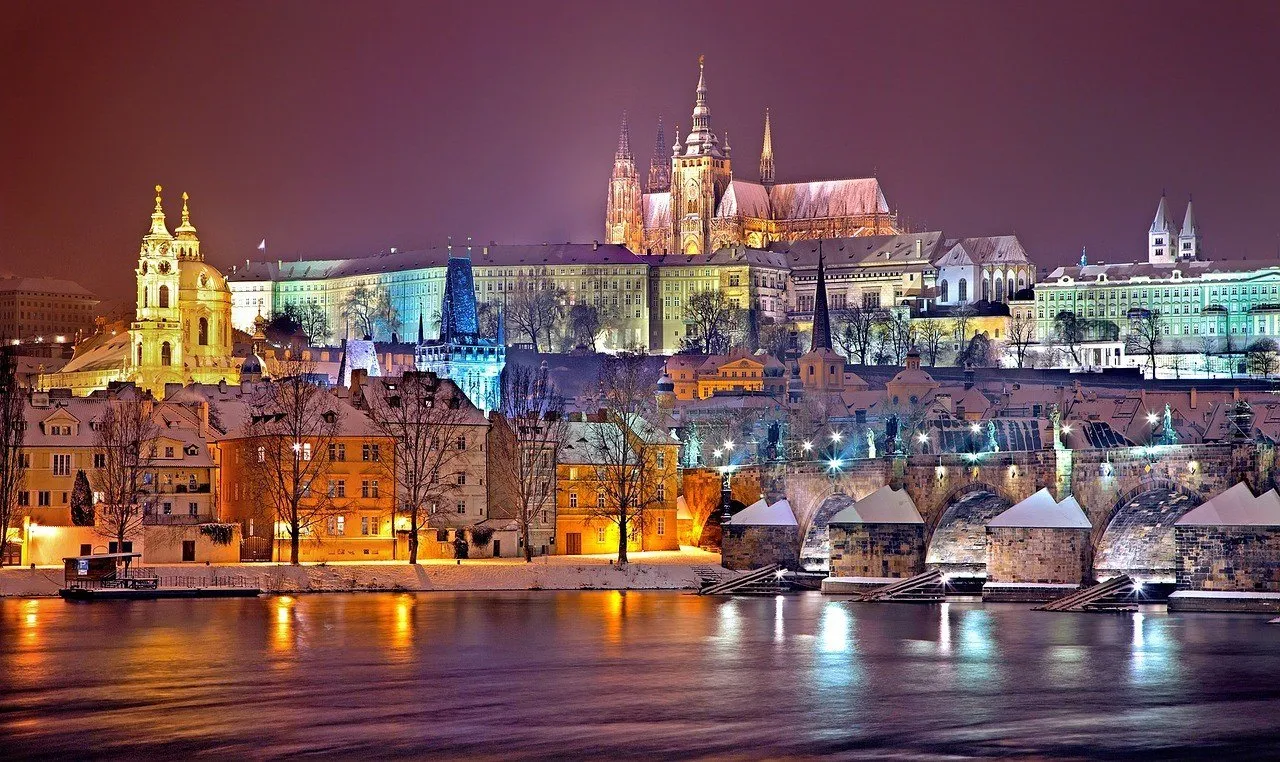 5
Courtyards, old palaces and Golden Lane surround St. Vitus Cathedral, where stained glass and royal tombs help tell the story of Bohemia.
View details for Prague Castle and St. Vitus Cathedral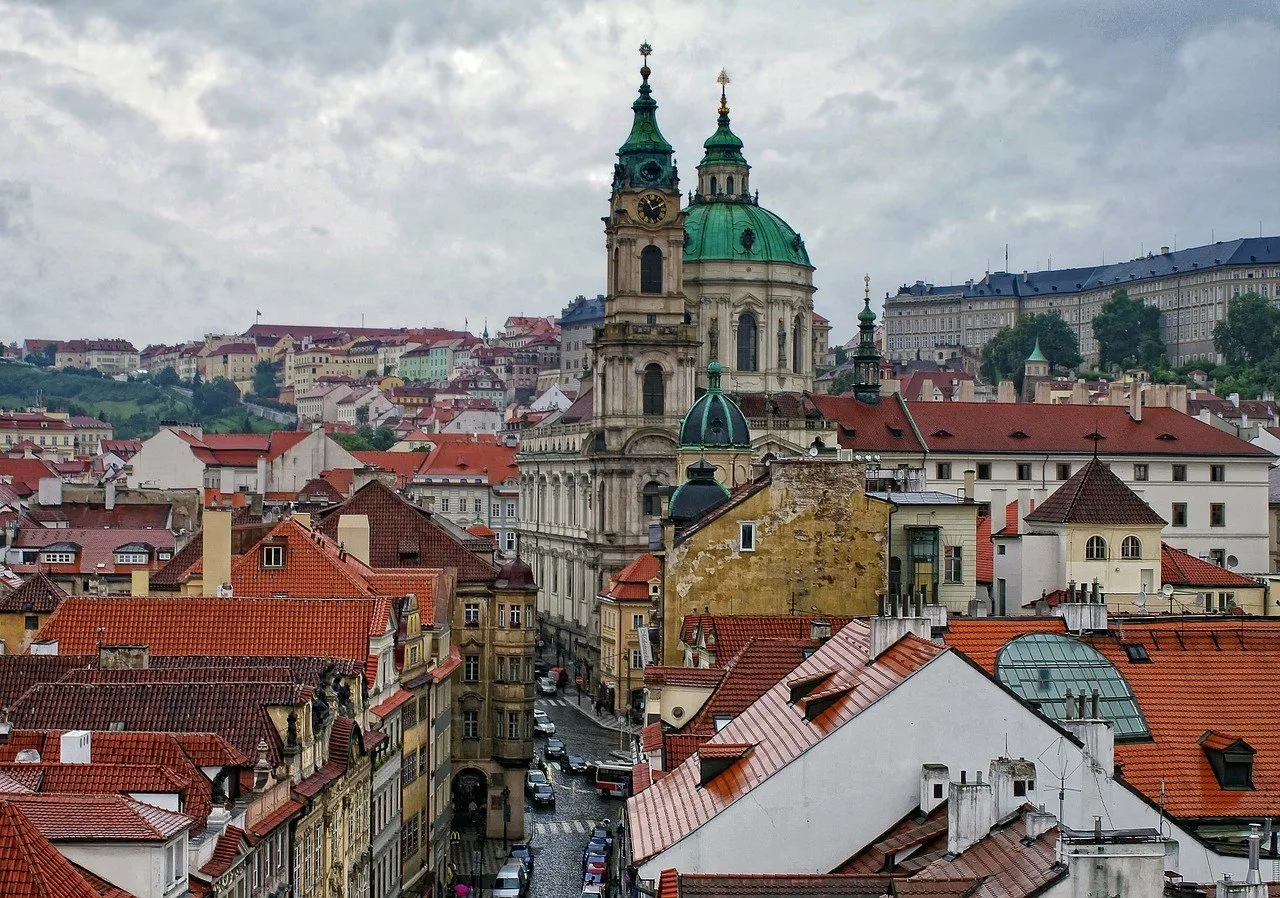 6
Malá Strana's Baroque church fills your field of view with curves and ornament; its green dome follows you through the streets of the district.
View details for St. Nicholas Church in Malá Strana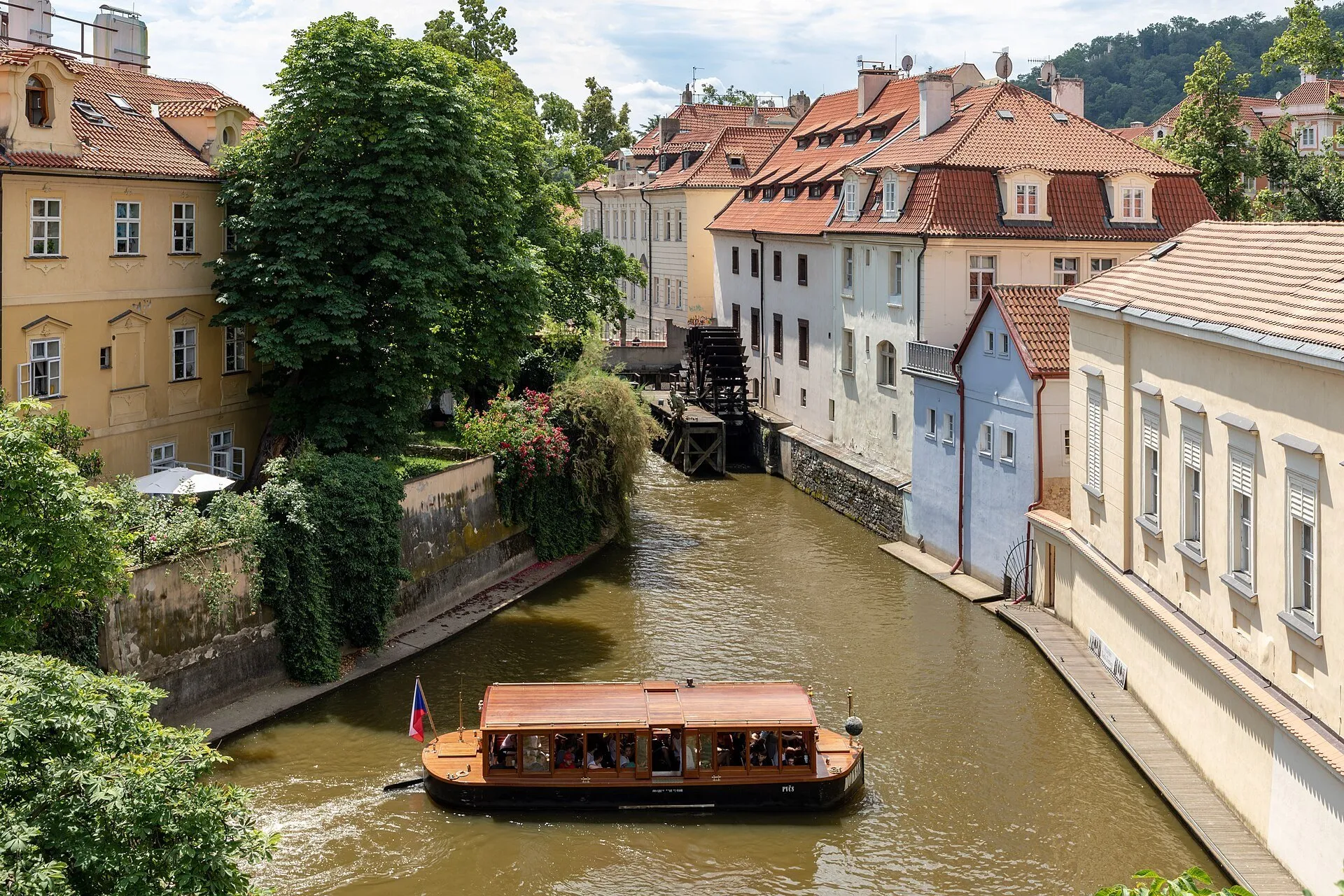 7
Between the Vltava and the Čertovka canal, Kampa offers lawns, waterside paths and a mill wheel near the bustle of Charles Bridge.
View details for Kampa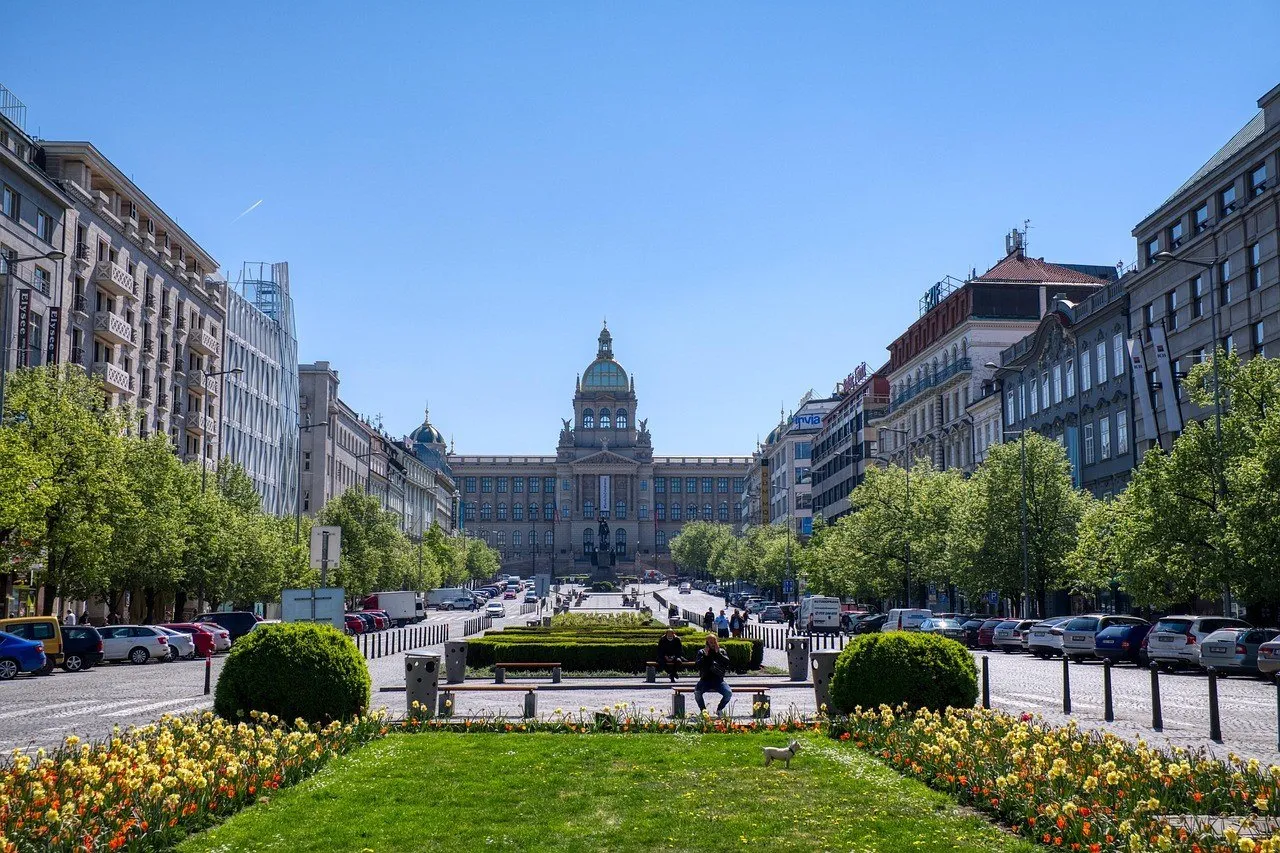 8
Shaped like a boulevard, with the National Museum at the far end, Wenceslas Square brings together shops, the saint's statue and decisive chapters of Czech political life.
View details for Wenceslas Square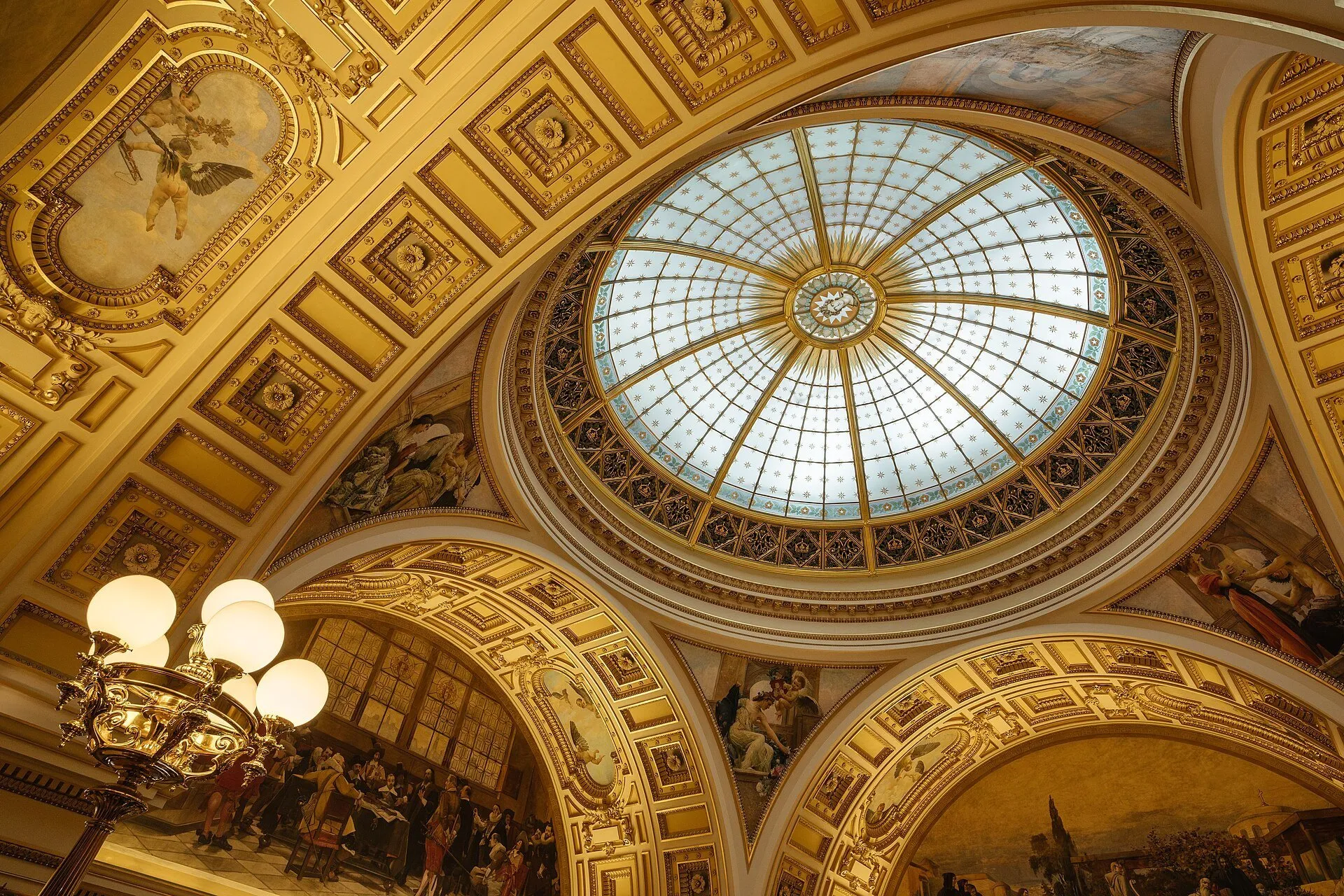 9
At the top of Wenceslas Square, the National Museum links a monumental building to a modern one through an underground passage with multimedia content.
View details for National Museum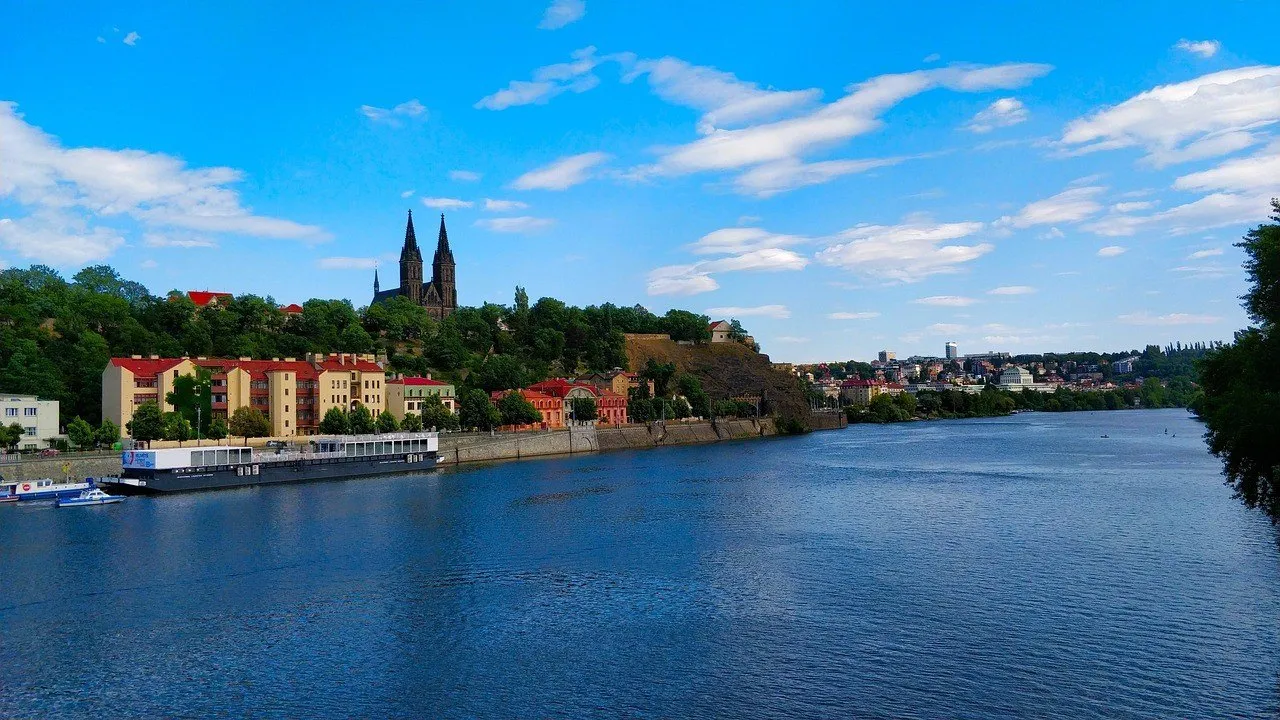 10
Ramparts above the Vltava, parks and the Basilica of St. Peter and St. Paul make Vyšehrad an outing that mixes walking and remembrance.
View details for Vyšehrad1Crossing Charles Bridge takes some negotiation with your camera: you look at the castle, turn to a statue and forget to keep walking. Between fortified towers, the sandstone bridge links the Old Town to Malá Strana.
It replaced the Judith Bridge, which was damaged by a flood. Go early if you want to watch the river with fewer distractions, and look at the bridge heads: the profile of the arches shows better from outside than from on top of them.
2On Old Town Square, the clock has an audience and the facades set the stage. Look for the pointed towers of the Church of Our Lady before Týn and the Jan Hus monument before you approach the Orloj, on the old town hall.
The procession of the apostles is brief; the dials deserve a longer look. Visiting the inside of the town hall and the tower requires a ticket and offers an elevated view over the Old Town rooftops.
3Josefov calls for a different pace from the bustle of the Old Town. The Jewish Museum is spread across nearby buildings, with exhibitions, synagogues and the Old Jewish Cemetery forming a route on foot. The visit presents the Jewish presence beyond the facades.
In the Spanish Synagogue, the gilding and Moorish-inspired designs share your attention with the exhibition on Jewish history in the Czech lands. Allow time for reading and for the spaces of remembrance.
4After seeing Prague up close, climb Letná to sort out the bridges in your head. The park covers the slope above the Vltava, mixing tree-lined paths, lawns and lookout points. The area around the Hanavský Pavilion, a cast-iron building, is a good reference point for finding the view.
After the photos, sit under a tree. It's a useful pause after the exhibitions of Josefov, with room to walk and no shop windows in the way.
5Prague Castle is visited on foot, moving between buildings, courtyards and passageways. St. Vitus Cathedral dominates the complex: inside, stained glass, chapels and tombs recall the coronations and ceremonies of the Czech monarchy that took place there. Save the morning for the interiors.
Continue through the Old Royal Palace and Golden Lane, depending on the circuit you choose. The workers' houses on the lane change the scale of the walk. Tickets and access to the gardens vary; decide what you want to visit before joining the queue.
6Step into St. Nicholas in Malá Strana ready to look up. The Baroque interior brings together painting, sculpture and curves that carry on into the dome; the square seems modest after the visit. The building passed through the hands of the Dientzenhofer family of architects and was completed by Anselmo Lurago.
The tower next door has its own history and entrance: it served as a fire-watch post and, later, for political surveillance. Church and bell tower are separate visits: weigh your budget and your legs after the castle.
7After St. Nicholas, head down to Kampa. The island lies between the Vltava and the Čertovka canal, with a park where the plan can simply be to find some shade and watch the water. Near the canal, the wheel of the old Grand Priory Mill recalls the less touristy uses of this bank.
Walk without hurry. The lawns allow a real pause, and the stretches along the river show the Old Town from another angle. End the castle day on a park bench.
8Wenceslas Square looks like a boulevard that decided to keep the name of a square. Walk from the lower end, at Můstek, toward the National Museum: shops and facades line the climb to the equestrian statue of St. Wenceslas. The space began as a horse market and is still tied to the everyday movement of the New Town.
It was also the stage for major demonstrations, including those of the Velvet Revolution. Take in the museum's facade next to the monument before going in.
9The National Museum's facade closes off the view of Wenceslas Square, but it's worth walking through the door and continuing the visit inside. The complex combines the historic, palace-like building with a modern one that once housed the Federal Assembly. Together they show different architectural languages of Prague.
An underground passage with a multimedia exhibition joins the buildings. Look at the available exhibitions and choose a route that fits your morning: remember that Vyšehrad is still on the program.
10At Vyšehrad, follow the ramparts to watch the Vltava open up between the neighborhoods. The complex brings together parks, fortifications and the Basilica of St. Peter and St. Paul; you can devote the visit to the outdoor paths or add interiors depending on the day's access.
The cemetery beside the basilica holds the memory of figures from Czech cultural and public life, among sculptures and arcades. Take in the monuments in silence. The underground tours are a different program and depend on which circuits are offered.
For paper tickets with no printed start of validity, stamp them before the paid area of the metro or when boarding; with the PID Lítačka app, wait for activation to finish before you travel.
Check public transport for the climbs to the castle and to Vyšehrad; roadworks can change stops and lines.
Compare prices in Czech koruna and choose your interiors before buying passes; parks, squares and walks also fill this itinerary.
Close your backpack compartments and keep your wallet and phone secure while watching the Orloj; avoid leaving your belongings out of sight.
May, June and September go well with parks and interiors; bring layers and rain protection for walks along the Vltava.
Visit churches outside services and walk home from dinner quietly: the paths of Malá Strana pass by residents' homes.
After the climbs, sit down to meet the combination of meats, sauces and knedlíky in Czech cooking. In svíčková, the fruit and lemon add contrast to the sauce; the knedlíky help you make the most of what's left on the plate. Prague's breweries and beer halls offer an entry into the Czech lager tradition, as well as craft beers.
Beef with a creamy root-vegetable sauce, usually served with knedlíky, cranberries and lemon.
A dough side dish; with svíčková, the slices of the bread version soak up much of the sauce.
The family of beers tied to the pilsner tradition has a strong presence in Prague's beer halls; ask for guidance on the house options.
We use cookies and similar technologies, such as Google Analytics, in accordance with our Privacy Policy and, by continuing to browse, you agree to these terms. You can decline at any time in the policy.