 1
Squares and fountains
Grand-Place
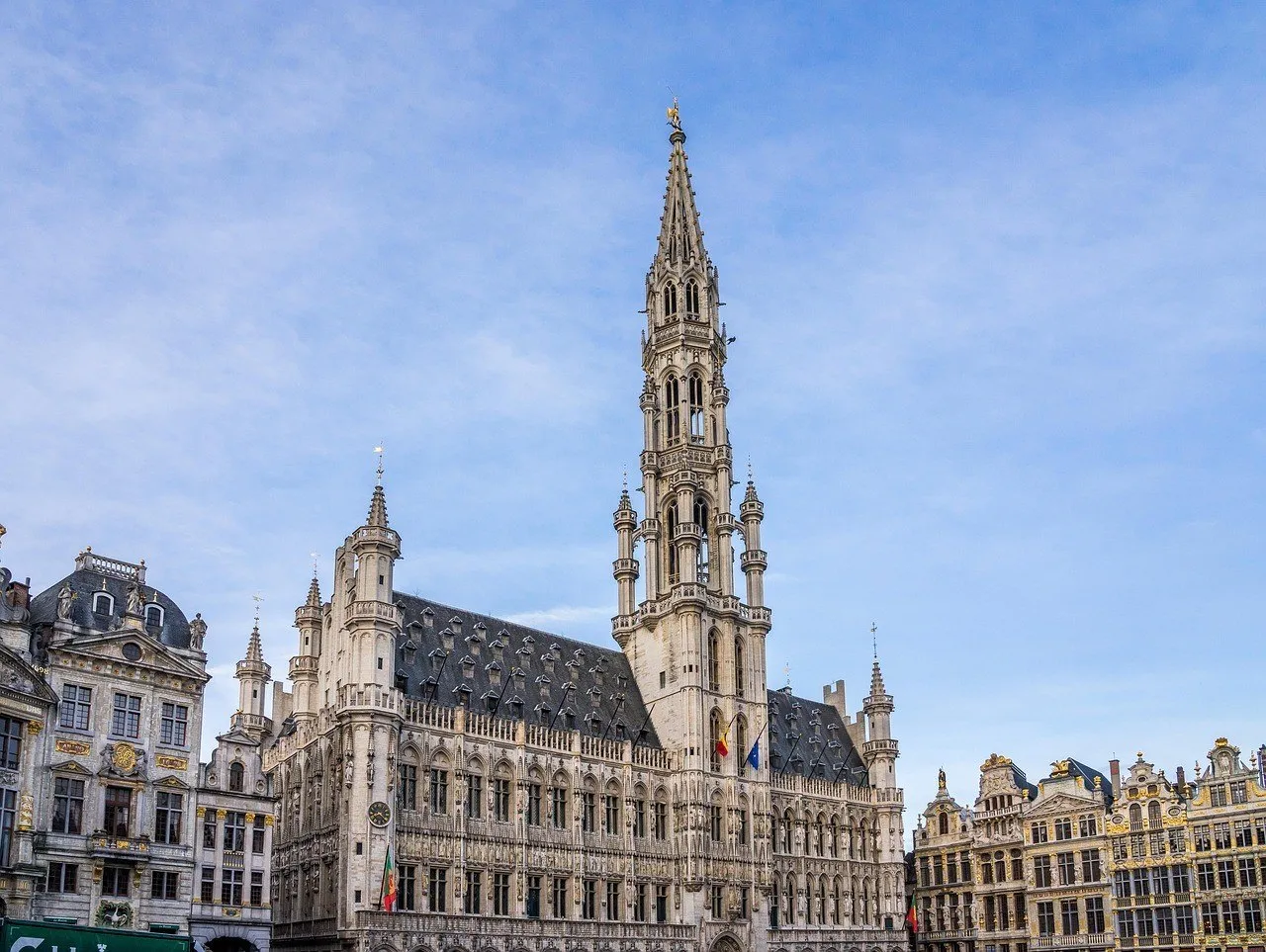
Golden facades, former guildhalls and the town hall tower surround the square that turns a walk through the center into a long pause.
View details for Grand-Place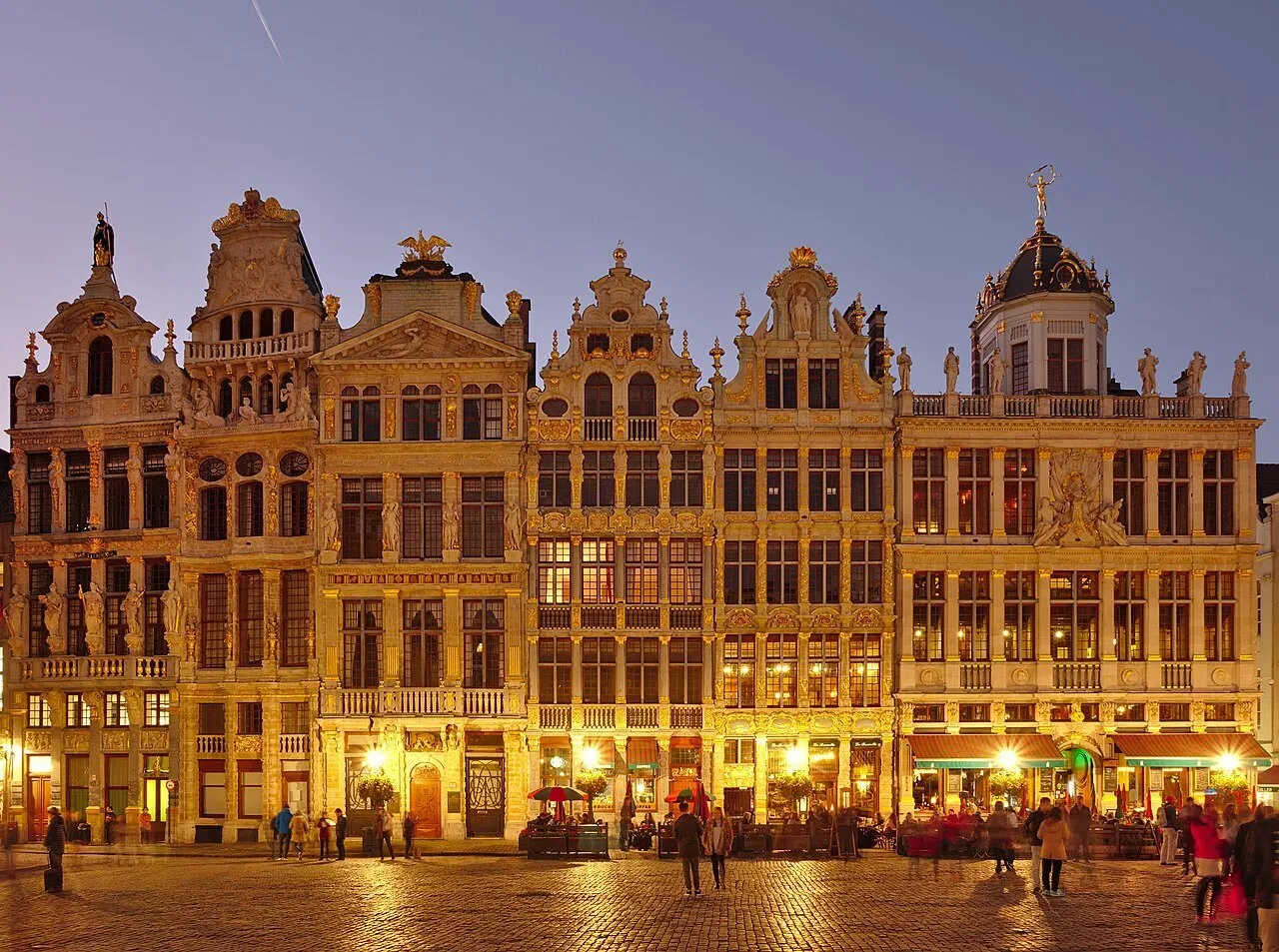
Belgium
You turn into an alley that smells of waffles and step out facing the golden facades of the Grand-Place. In Brussels, even a chocolate break can happen under a monumental glass roof.
On the Grand-Place, the challenge is framing the facades without leaving half of them out of the photo. The town hall competes for your attention with former guildhalls, while the streets around offer waffles, chocolate and the next shop window. This center is easy to cover on foot, but Brussels also has an upper town: the climb to the Mont des Arts comes with a garden and a good excuse to stop and look back.
Set aside one day for the historic heart and another for the Mont des Arts, the Sablon and the European Quarter. The second combines walking with public transport and a reserved visit to the Parlamentarium. Bring a waterproof layer: when the sky changes its mind, the covered galleries become even more convincing. For a gentler pace, split that second route over two days and keep time for meals.
The Grand-Place is framed by the town hall and former guildhalls, but no church stands along its edges: the square's role was commercial and administrative.
The Manneken-Pis on the corner is a replica; the original is kept safe in the Brussels City Museum, on the Grand-Place.
A Brussels waffle is usually rectangular, light inside and crisp outside; the Liège waffle is a different recipe, even when both sit in the same shop window.
1Golden facades, former guildhalls and the town hall tower surround the square that turns a walk through the center into a long pause.
View details for Grand-Place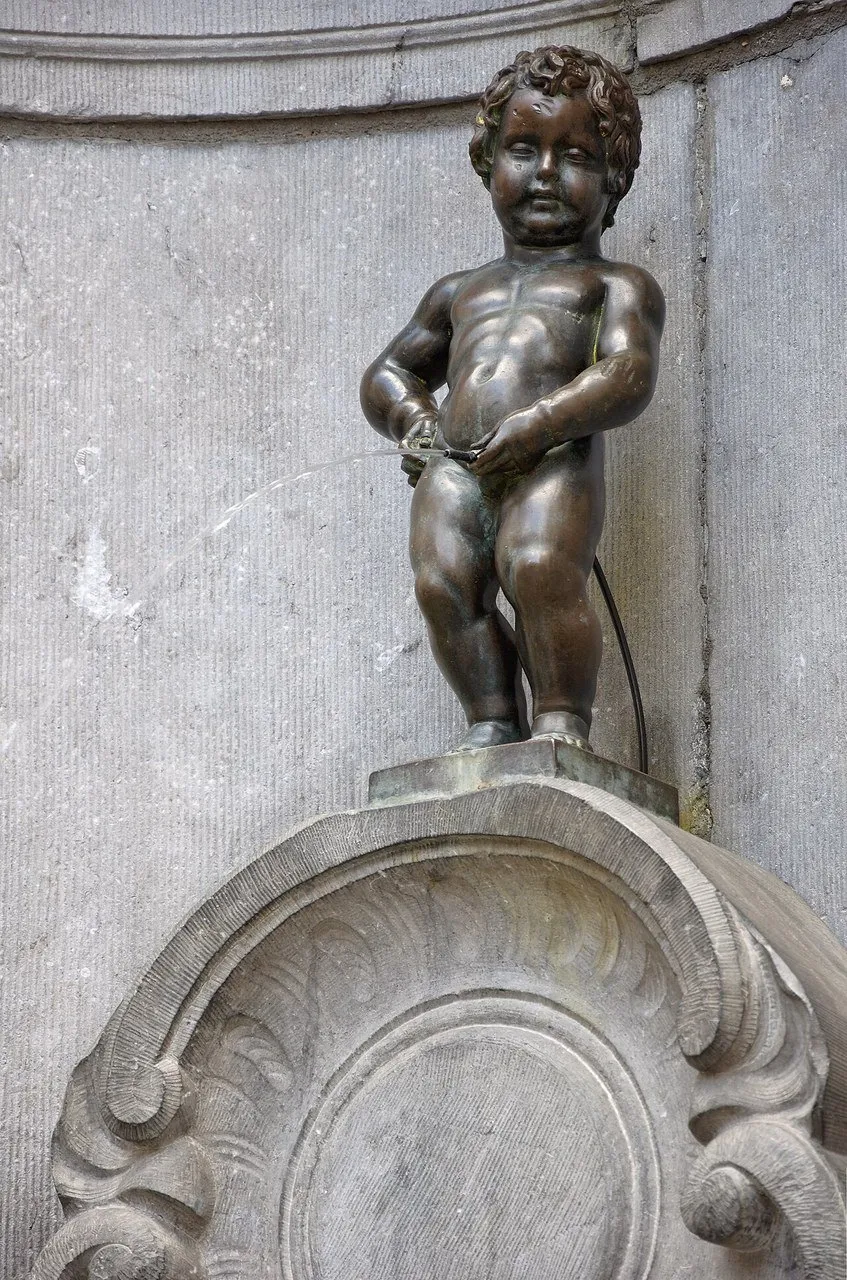 2
The little bronze boy fountain makes a short stop near the Grand-Place; the original sculpture is in the City Museum.
View details for Manneken-Pis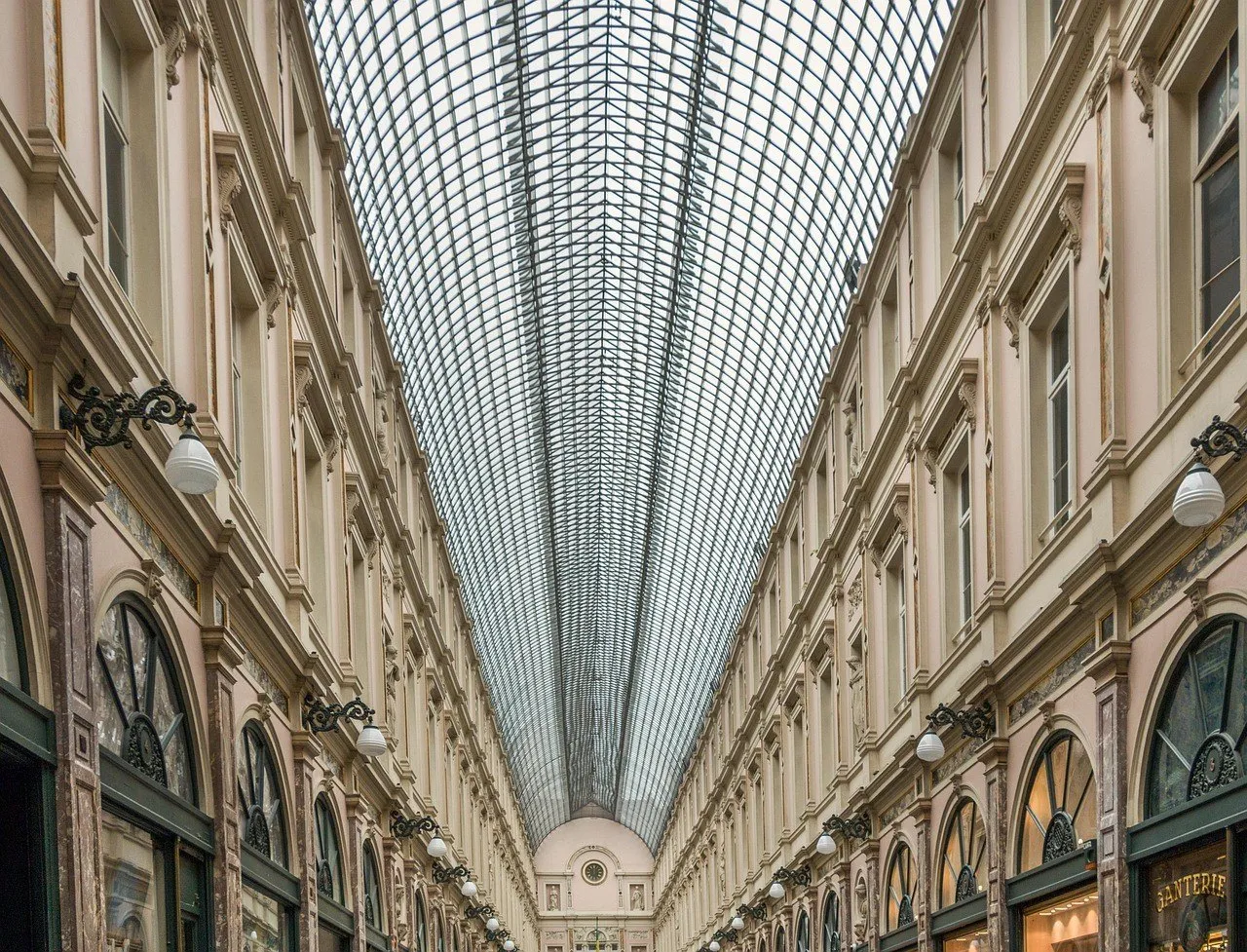 3
Glass-covered arcades, shops and chocolate makers turn the Saint-Hubert Galleries into a walk where looking up competes with looking at the windows.
View details for Royal Saint-Hubert Galleries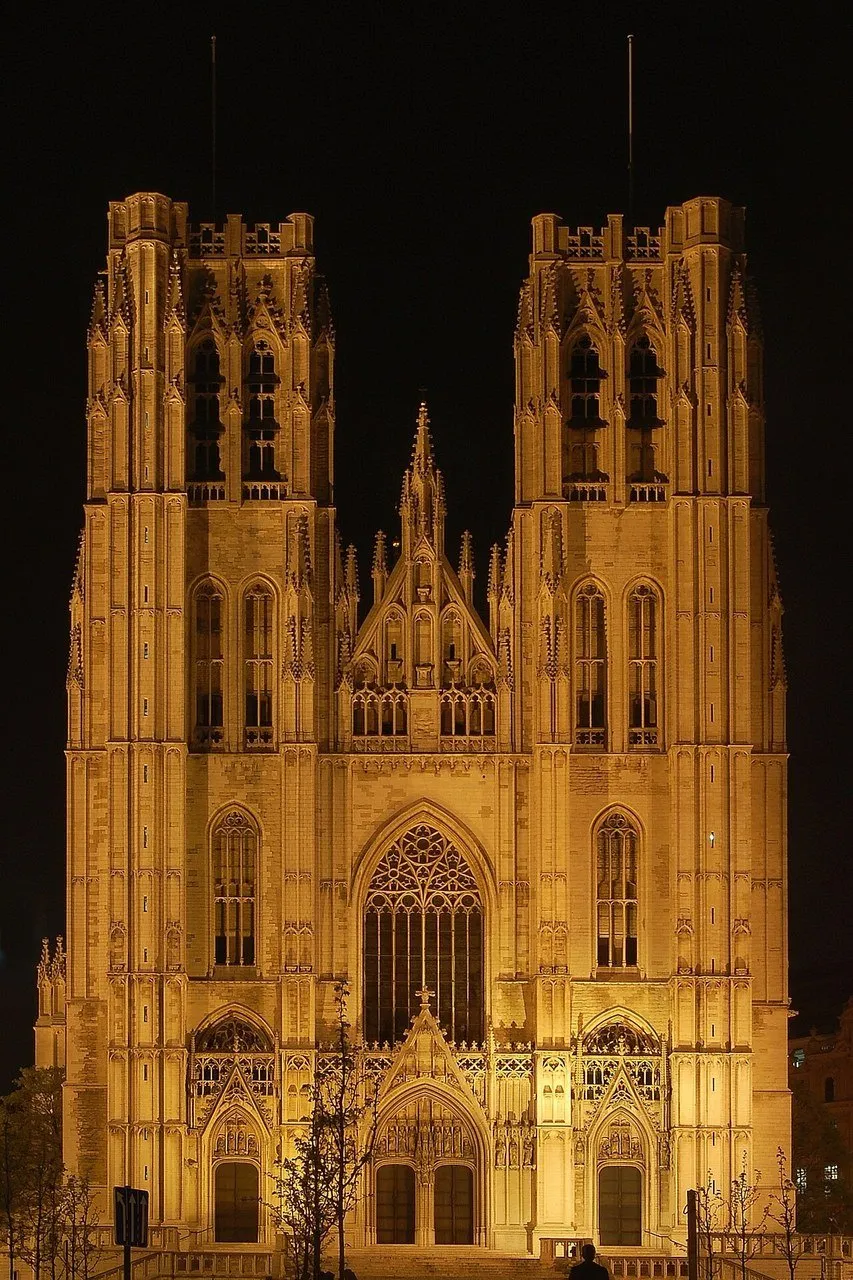 4
The Gothic cathedral offers a pause between the shopping streets and the royal district, with stained glass, a tall nave and visits that depend on religious services.
View details for Cathedral of St. Michael and St. Gudula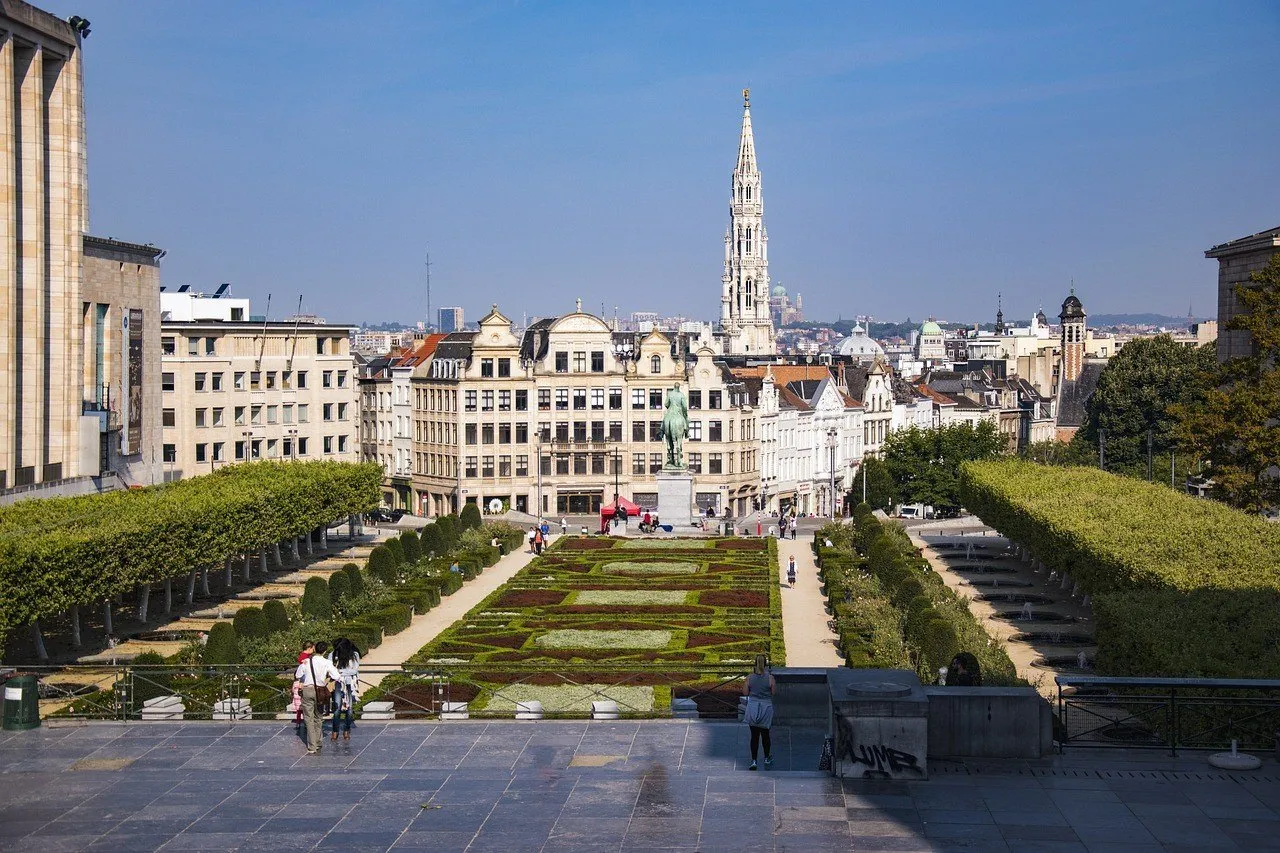 5
Geometric gardens and a view of the town hall tower mark the climb between the lower town and the museums of the royal district.
View details for Mont des Arts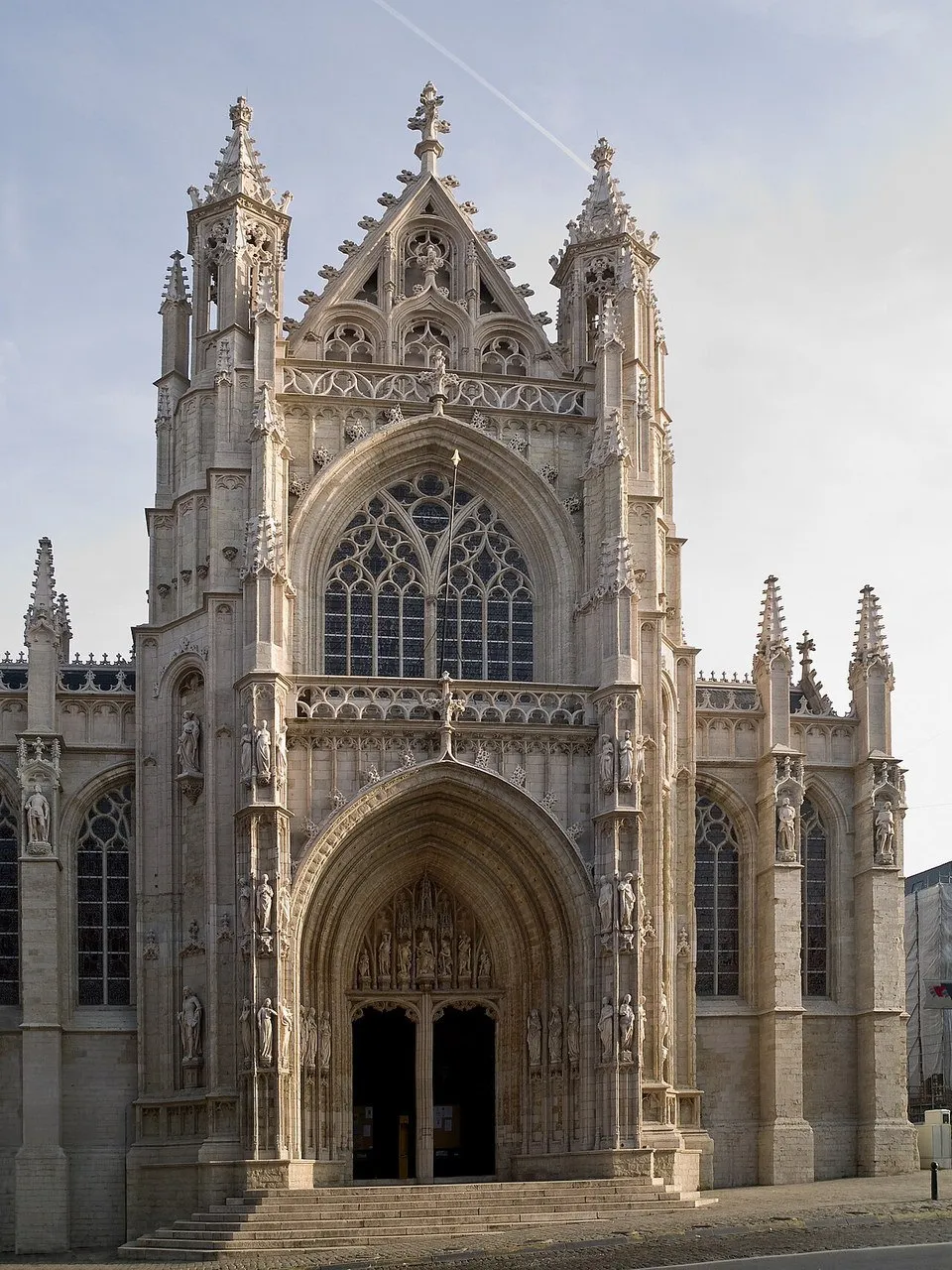 6
The Gothic church of the Sablon pairs stained glass with carved stone, a quiet stop between the royal district and the chocolate shops nearby.
View details for Notre-Dame du Sablon Church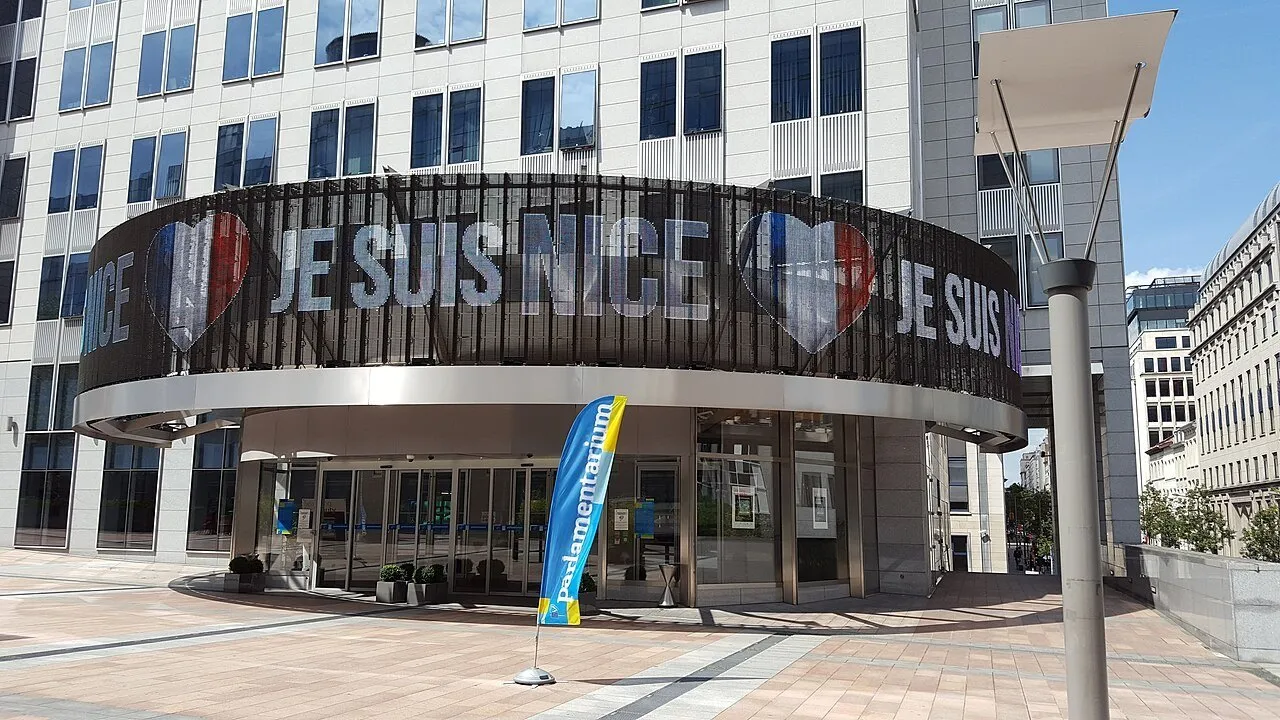 7
The European Parliament's visitor center explains European cooperation with multimedia displays; entry is free, with a reservation recommended.
View details for Parlamentarium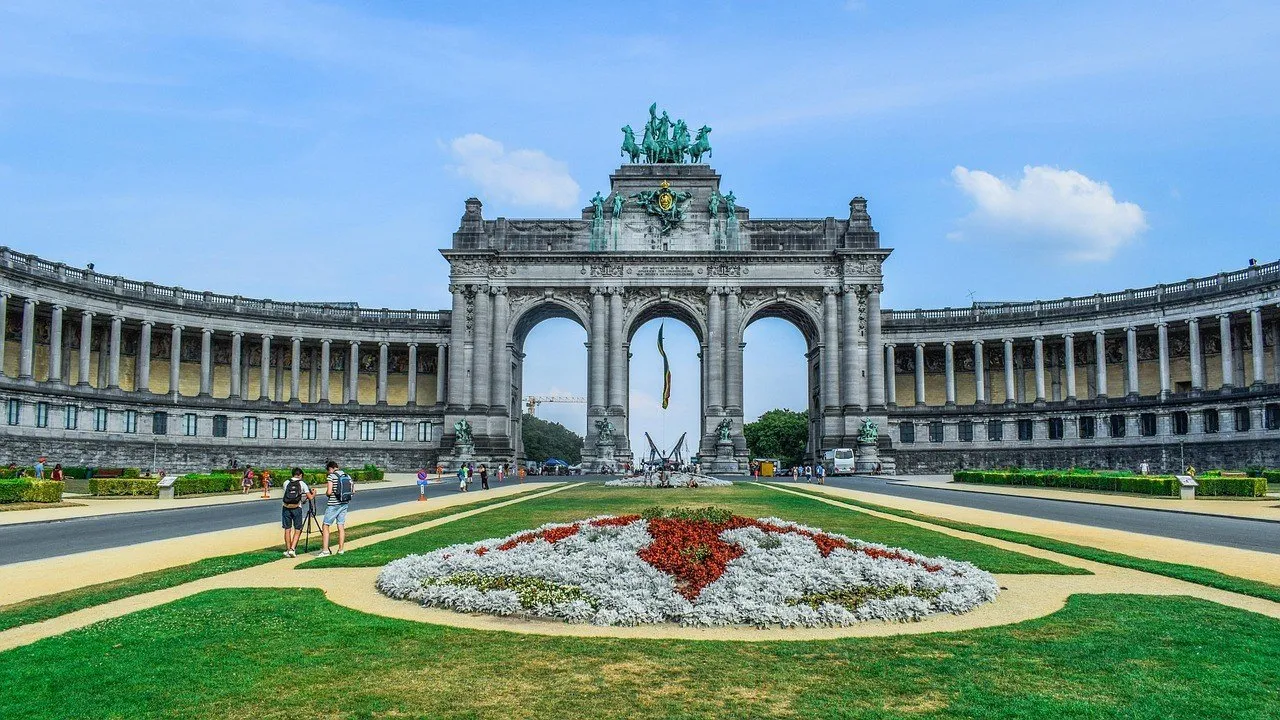 8
Avenues and lawns lead to the monumental Cinquantenaire arch, an outdoor finish to a walk through the European Quarter, with no museum marathon.
View details for Cinquantenaire Park1First comes the town hall tower; then your eyes follow the ornaments around it. The Grand-Place is a UNESCO World Heritage Site and its architecture preserves the importance of the old craft guilds. Look for their symbols in the golden details of the facades.
Cross the square before choosing your angle. The Maison du Roi, opposite the town hall, houses the City Museum, an extra visit for anyone who wants context. Coming back after dark, when the buildings are lit, also transforms the ensemble.
2You may spot the tourists before you spot the fountain. The Manneken-Pis really is small, so adjust your expectations and don't count on a monumental sculpture. Its corner fits easily into a walk around the Grand-Place, without needing a separate plan.
The figure on display is a replica; the original is in the City Museum. On certain occasions, the boy is dressed in ceremonial costumes. The wardrobe changes follow their own calendar and are not guaranteed during your visit.
3Under the glass roof, the rain stops running the show. The Royal Saint-Hubert Galleries combine commercial architecture with chocolate shops, cafés and cultural spaces. Walk through slowly: the light coming in from above deserves as much attention as the shop windows.
You can enjoy the place without buying anything. If you decide to taste some chocolates, compare small selections before choosing a big box. If you want to sit in a café or step into a shop, check its opening hours, unlike the walk through the galleries.
4Leave the shopping streets and slip into the rhythm of the cathedral. The tall nave and stained glass call for a slow walk. Dedicated to St. Michael and St. Gudula, it remains a place of prayer, and services take priority over visits.
General access is free, but the treasury and the Romanesque remains have their own conditions. The towers require advance planning and physical effort, so they are not an automatic part of the visit. For a first pass, focus on the nave and the stained glass.
5Look back once you've climbed: the gardens fill the foreground and the town hall tower rises above the old center. The Mont des Arts links the lower town to the royal district, with stairs, terraces and cultural institutions along the way.
This stop fits naturally on the way up to the royal district, and the garden and view need no ticket. Instead of fighting for a photo on the staircase, stroll through the whole ensemble. If you need to avoid steps, plan your access via Rue du Mont des Arts.
6The stained glass changes the pace after a walk through the royal district. Notre-Dame du Sablon is a Gothic church tied to the city's crossbowmen; its stonework deserves a stroll around the outside before you step in. Give your eyes time to adjust to the light.
The visit pairs well with a break in the Sablon and adds no big detour. Respect services and reserved areas: the interior is still in religious use. Afterward, choose a chocolate shop out of curiosity and budget, with no obligation to visit them all.
7If Brussels shows up in the news without much explanation, the Parlamentarium fills in the gaps. Multimedia displays present European integration, the work of the Parliament and its effects. The visit is self-guided, with content in English to help with less familiar subjects.
Entry is free, but book a time slot and bring a valid physical ID, such as your passport. There is a security check and large bags are not allowed. The visitor center does not include the plenary chamber, which requires a different kind of access.
8After the screens of the Parlamentarium, give your eyes trees, lawns and sky. The landmark of Cinquantenaire Park is the arch topped by a bronze quadriga. The avenues offer different perspectives: walk beyond the front-on photo.
Museums of art, military history and automobiles fill the buildings around the park, but save this end of the day for the park itself. Going inside any of them takes time of its own. Works may change access routes; follow the signs and tell the free walk apart from the paid institutions.
Zaventem (BRU) has a train station beneath the terminal; Charleroi (CRL) is farther out. Compare the fare and transfer costs together, and check the rail supplement for BRU.
On STIB, compatible bank cards allow contactless payment. Use the same card or device for connections, and one payment method per traveler; don't switch between the physical card and its version on your phone.
Reserve the Parlamentarium and check which physical ID is required for entry. Compare the tickets you want before buying a pass; squares, gardens and walks already fill a good part of this itinerary.
Dress in layers and bring a light waterproof piece. May, June, September and October tend to be pleasant for walking, but they don't rule out rain; schedule the outdoor stretches for the steadier weather.
Keep bags closed and in front of you, and avoid leaving your phone or wallet on café tables in the center. In stations, watch your luggage too while you check signs and machines, when your attention tends to be split.
Brussels uses French and Dutch, so a station or street may appear under different names. Check your destination on the map, greet people when you walk into shops, and respect services and silence in churches, even on a quick visit.
The chocolate shop windows make any climb easier to negotiate, but save some appetite for a brasserie meal. Your choice can range from mussels with fries to a beef stew cooked with beer. With a Brussels waffle, start with a simple topping to notice the crust: the mountain of extras is optional.
Rectangular, light inside and crisp outside; powdered sugar is enough for a sweet break.
Mussels served with fries, a classic combination to order in a brasserie.
Beef stew in a beer sauce, usually served with potatoes: your jacket can stay on the back of the chair.
Filled chocolates to taste in small selections; compare flavors before deciding on the size of the box that will travel home with you.