 1
Viewpoints
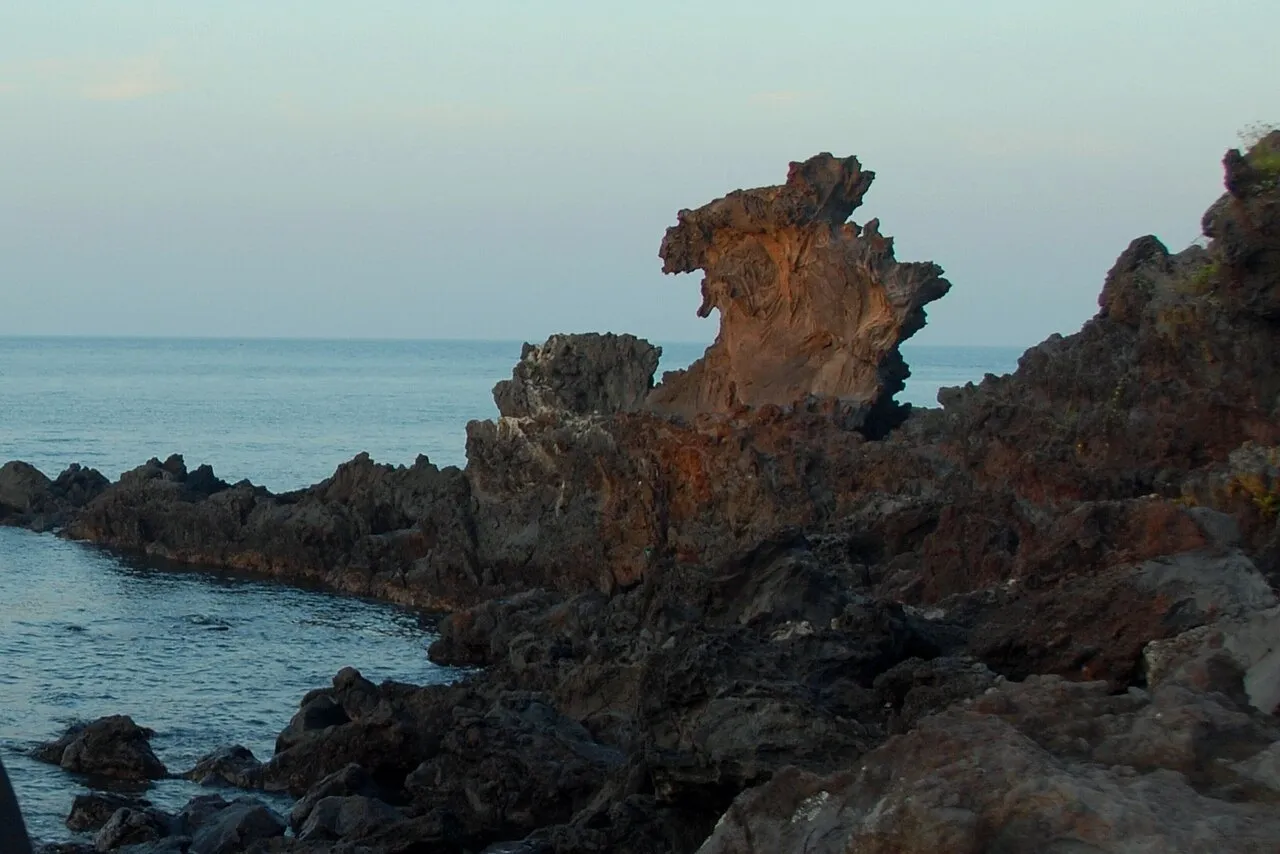
Yongduam Rock
A volcanic rock shaped like a dragon's head marks the coast of Jeju City, near the airport, for a short stop to look at the sea.
View details for Yongduam Rock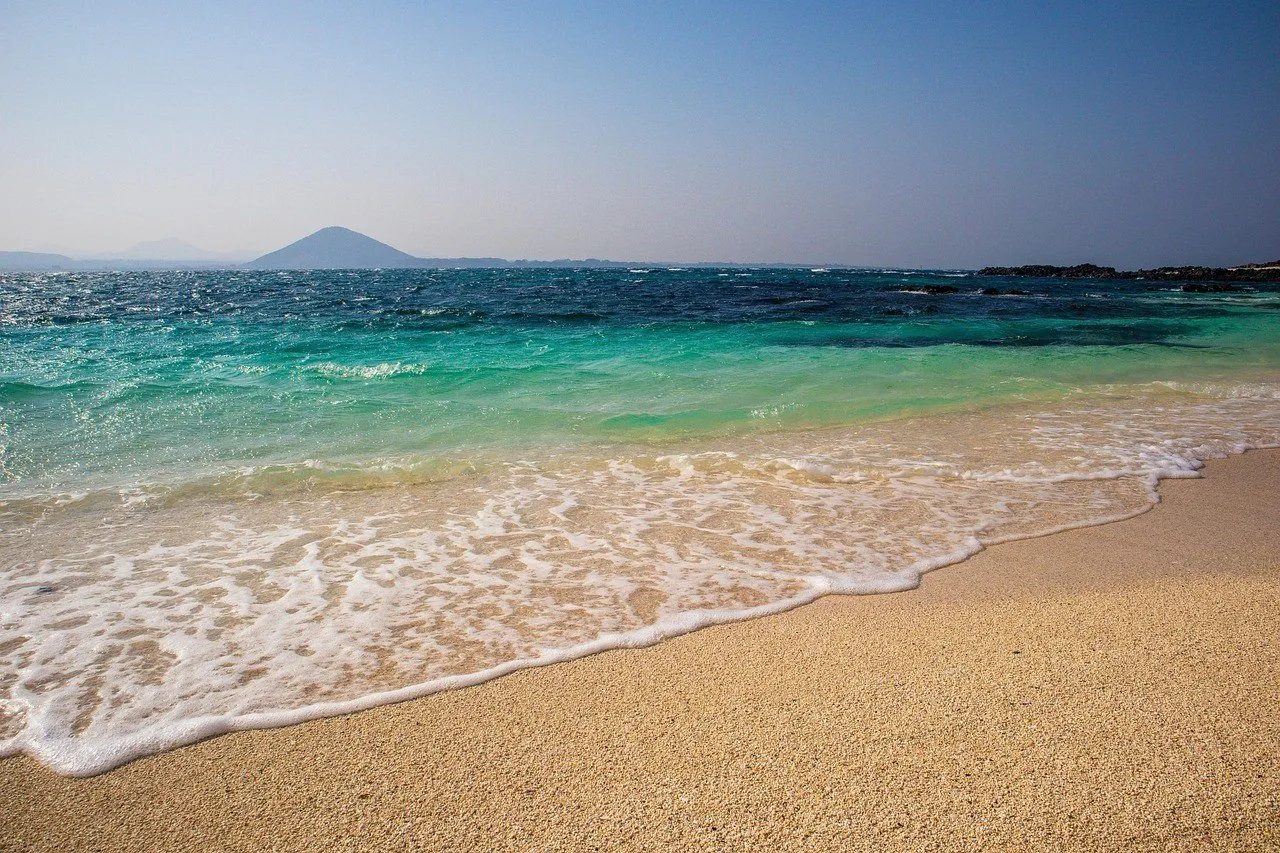
South Korea
In Jeju, the sea crashes against columns of lava, a waterfall tumbles onto the coast and a trail climbs to a crater. Between one black rock and the next, you still have to decide what goes on the grill.
Basalt turns up even when all you wanted was to spread out a beach towel: Jeju was born of volcanism, and its coast keeps dark rock between pale beaches. In the middle of the island, Hallasan is a reminder that a day out can also call for boots and a full day of hiking. This guide covers the island of Jeju, including the city of the same name in the north and Seogwipo in the south; staying only in the urban center would leave much of the trip out.
Plan your outings by region, because an island-shaped map doesn't come with a shortcut across the water. The itinerary spreads the north, east, south, mountain and west over five days, with transfers by road. A car or tours with transport make that sequence easier; by bus, cut back on stops and add time. Save your best-weather window for Hallasan and leave room to shuffle the order: Jeju's wind has a say in the planning too.
The haenyeo gather seafood by free diving, without air tanks; their culture is recognized by UNESCO and involves knowledge passed down between generations.
Oreum are volcanic cones that dot the island; Hallasan may dominate the landscape, but it didn't shape the terrain alone.
Not all of Jeju's volcanic rock is black: Seopjikoji also has reddish scoria, which changes the palette of the walk without changing its volcanic origin.
1A volcanic rock shaped like a dragon's head marks the coast of Jeju City, near the airport, for a short stop to look at the sea.
View details for Yongduam Rock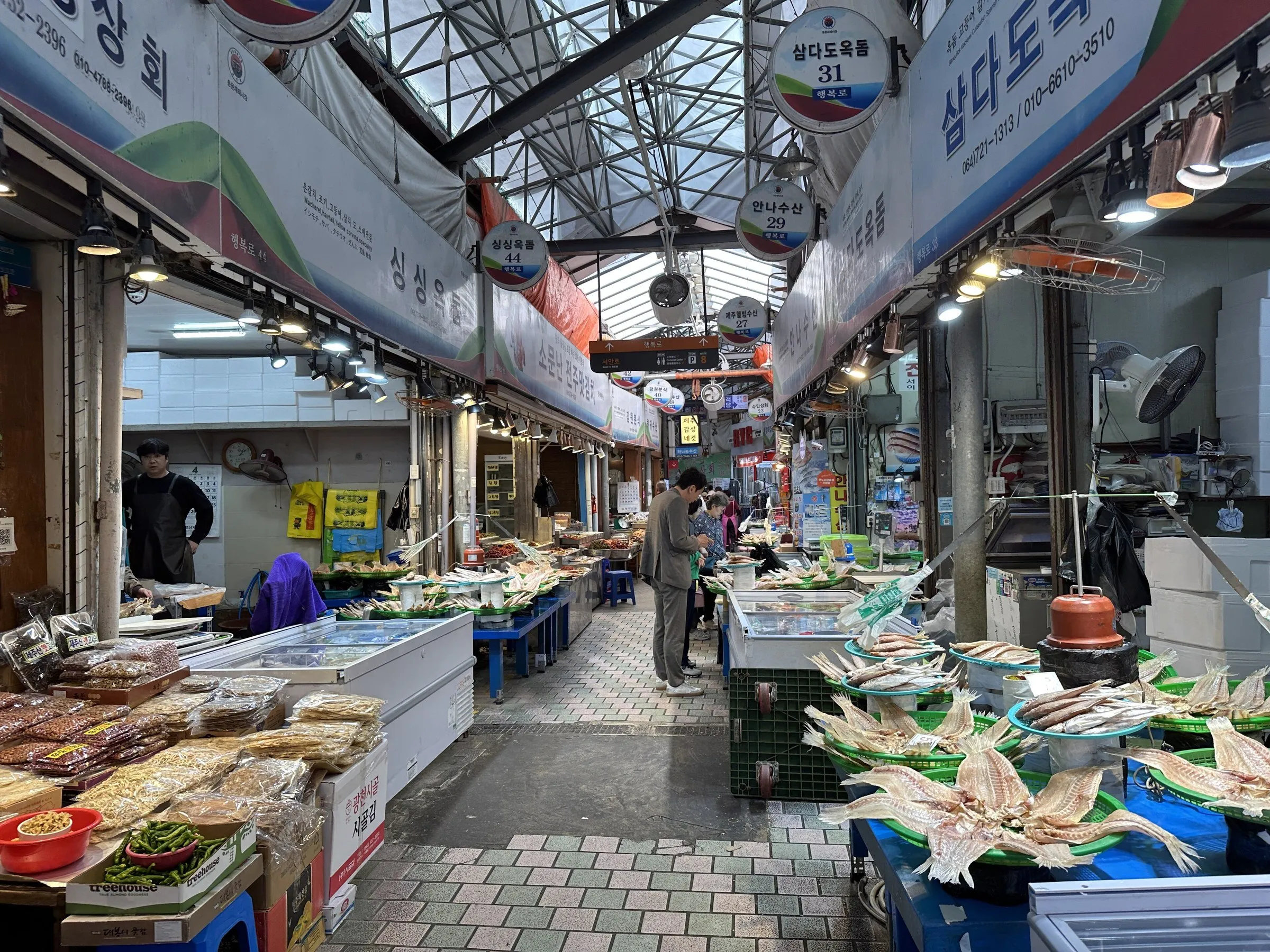 2
Fish, fruit, local products and food stalls share the aisles of Dongmun, a permanent market to explore hungry and unhurried.
View details for Dongmun Market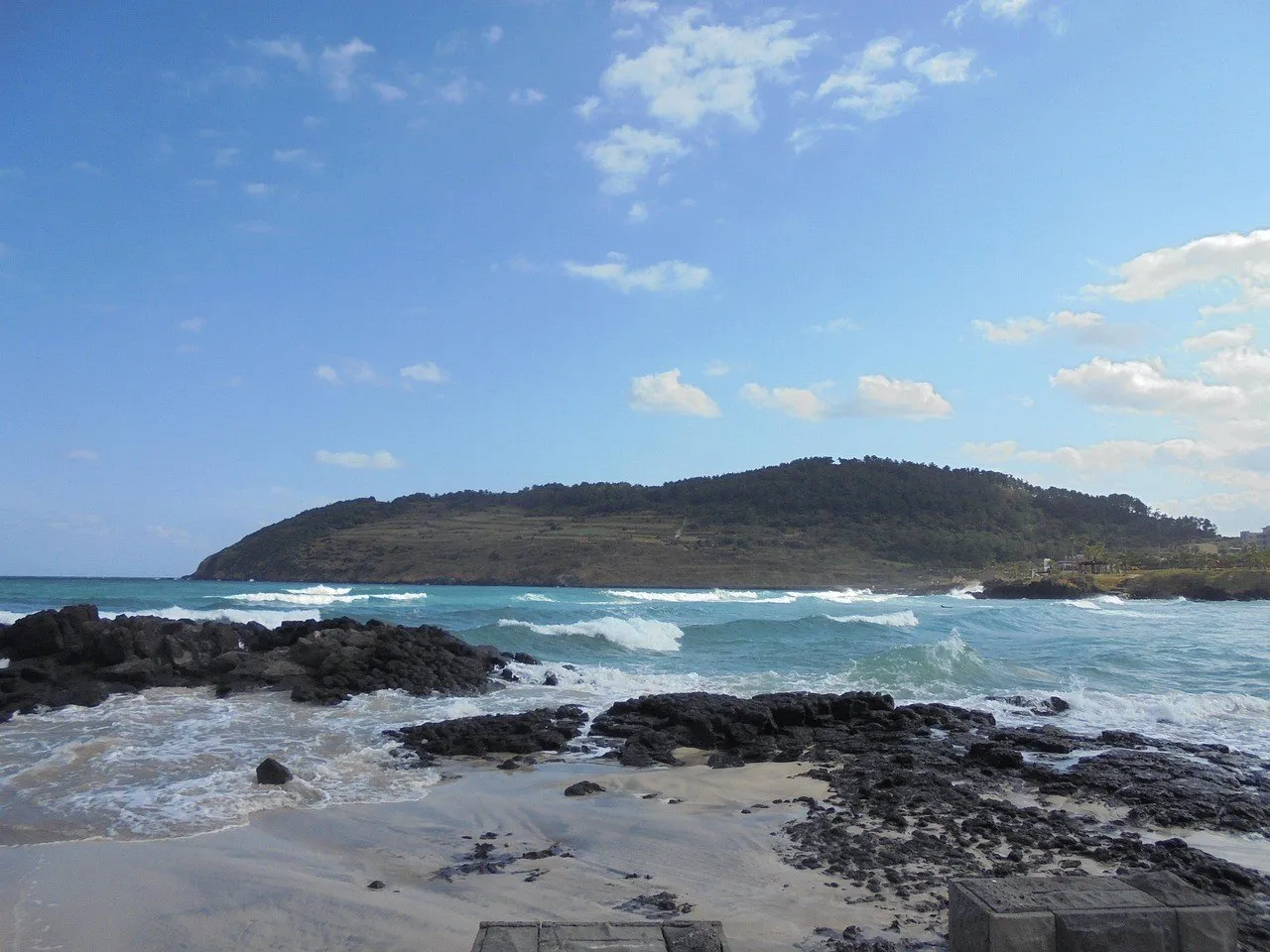 3
Pale sand, clear water and the rise of Seoubong next door make Hamdeok a good stop for a walk before heading along the east coast.
View details for Hamdeok Beach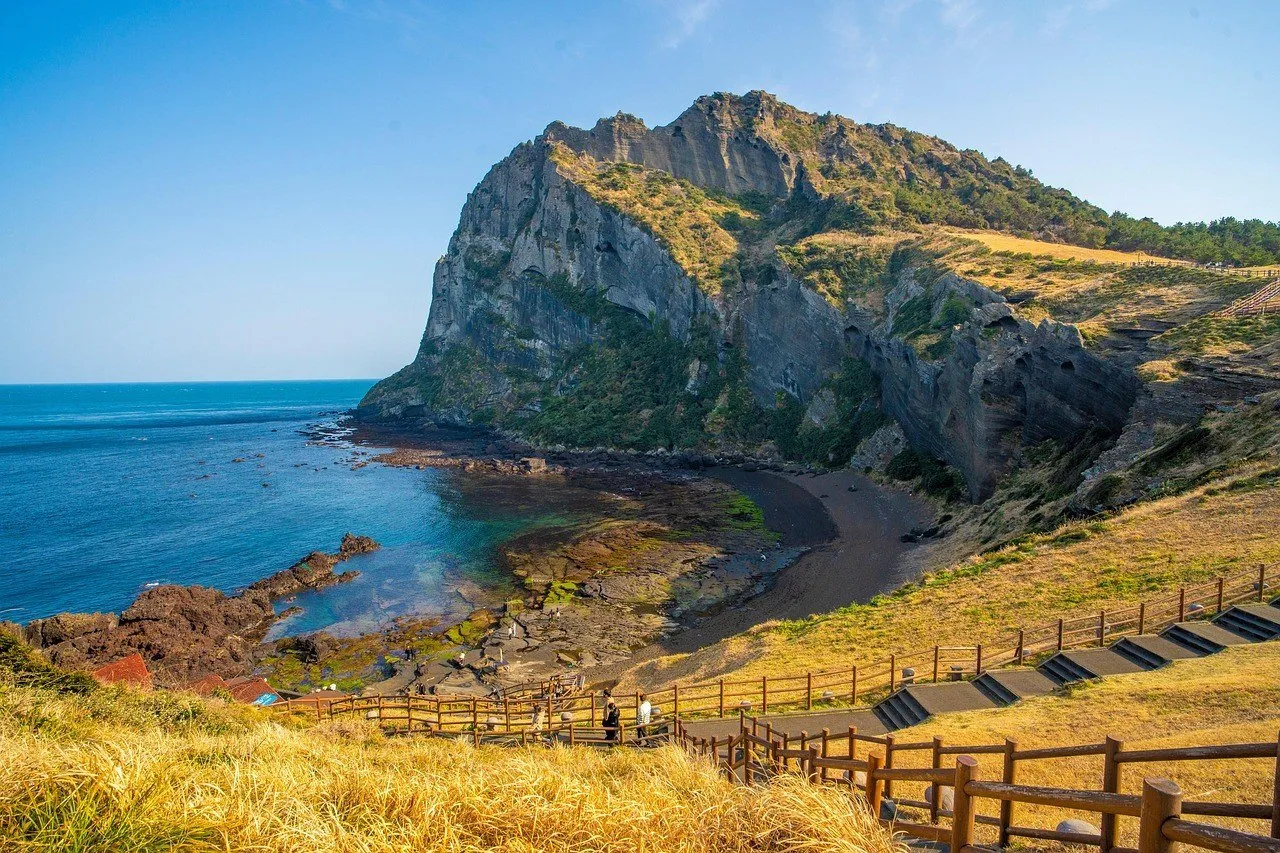 4
A tuff cone with a wide crater rises on Jeju's east coast, formed when magma met seawater and surrounded by cliffs.
View details for Seongsan Ilchulbong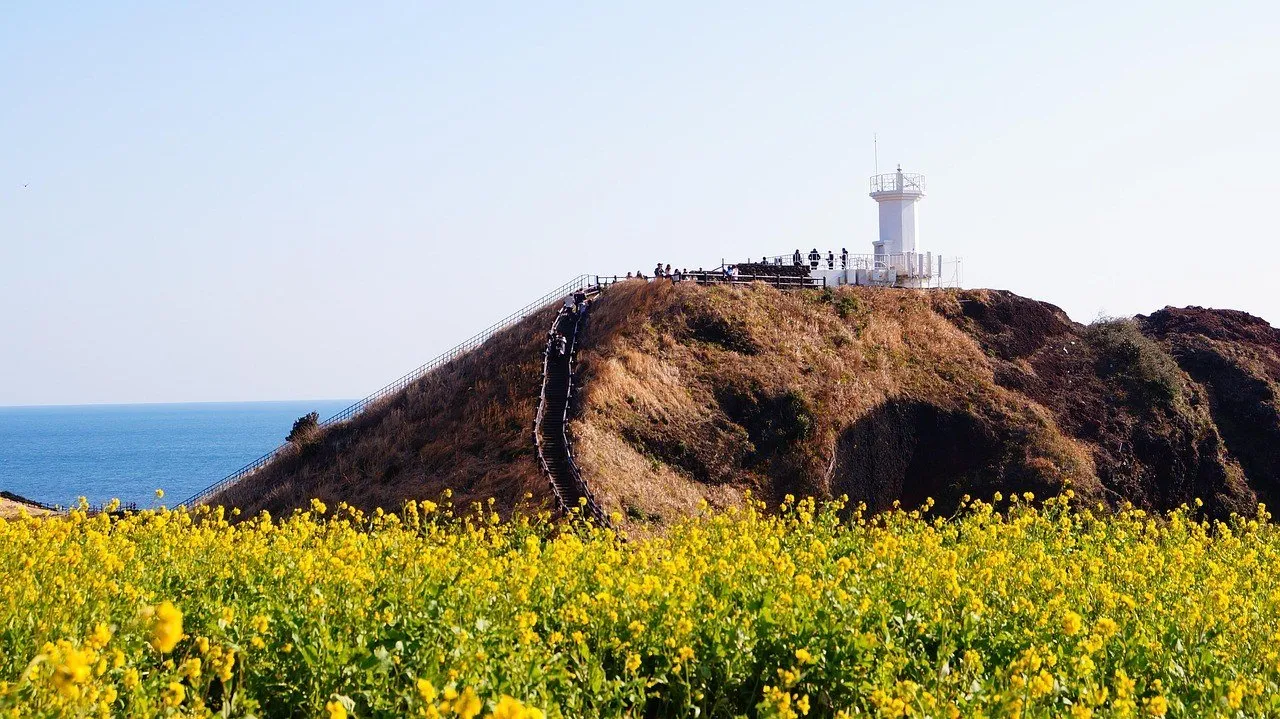 5
A headland juts into the sea near Seongsan, with coastal paths, reddish volcanic rock and a lighthouse to guide the walk.
View details for Seopjikoji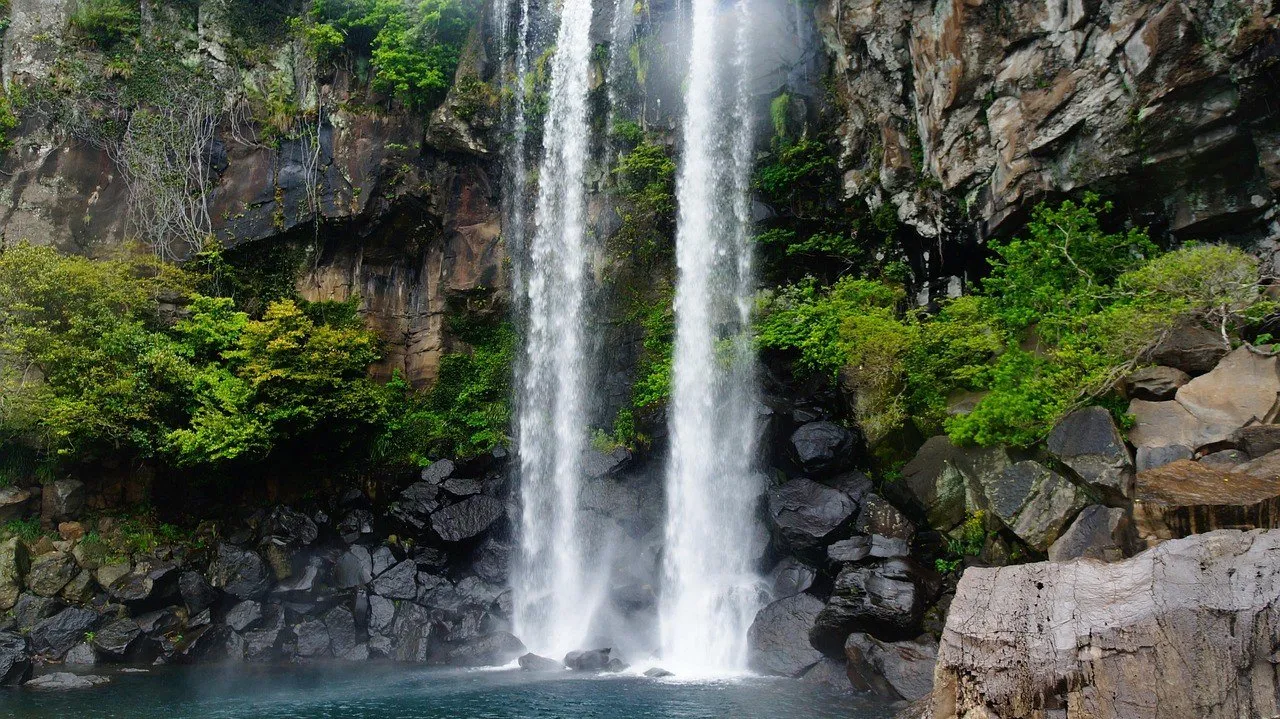 6
At Jeongbang, water drops down a dark rock wall straight to the shoreline, with the open sea completing the scene beside the waterfall.
View details for Jeongbang Waterfall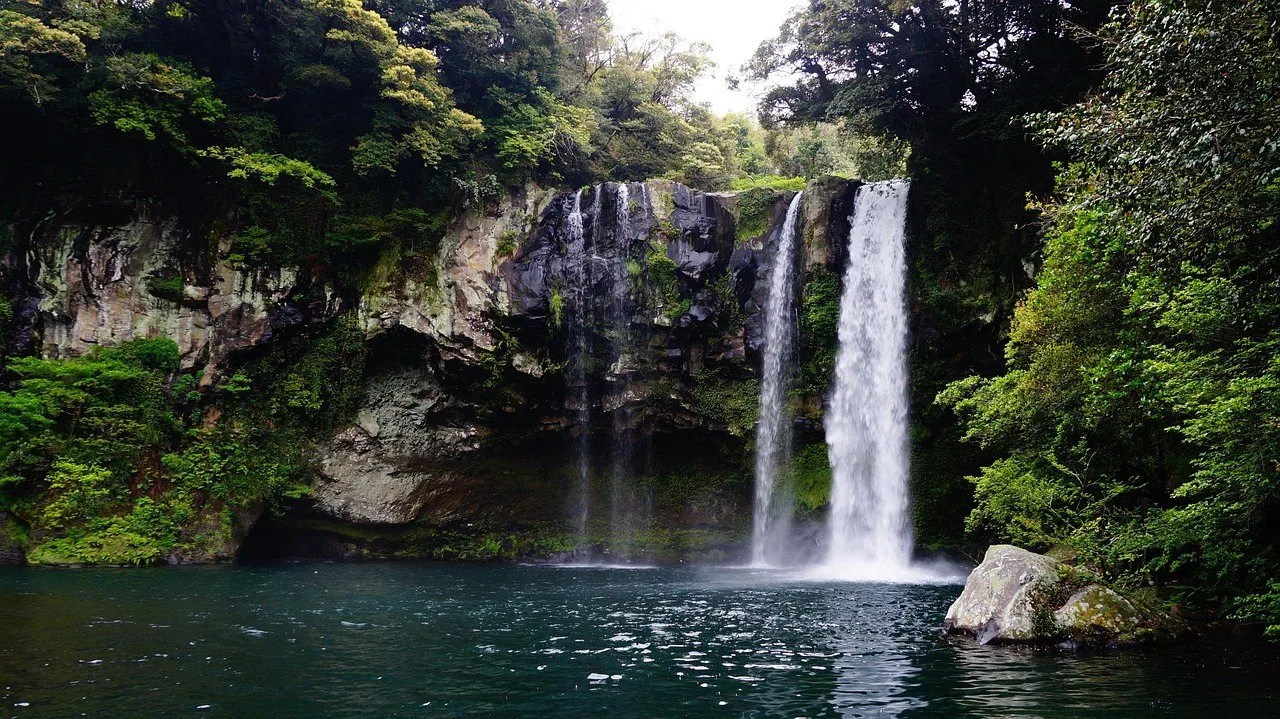 7
A walk through dense vegetation leads to the Cheonjiyeon fall and the pool behind a name linked to the meeting of heaven and earth.
View details for Cheonjiyeon Waterfall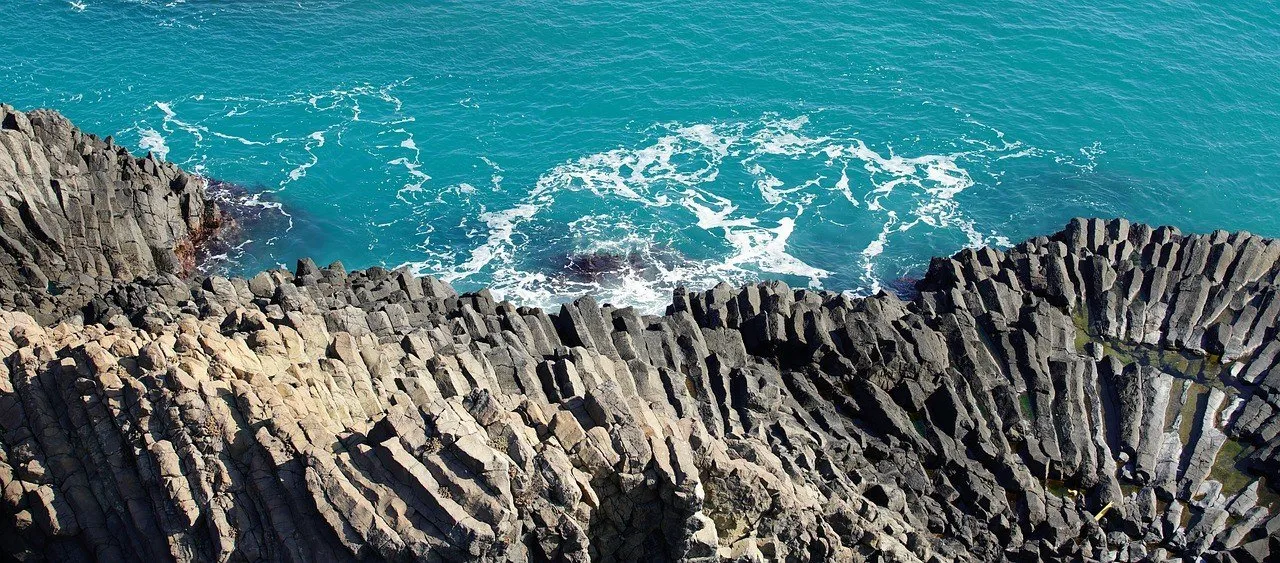 8
Stacked basalt columns on the Daepo coast look hand-carved, but they came from fractures created as the lava cooled.
View details for Jusangjeolli Cliffs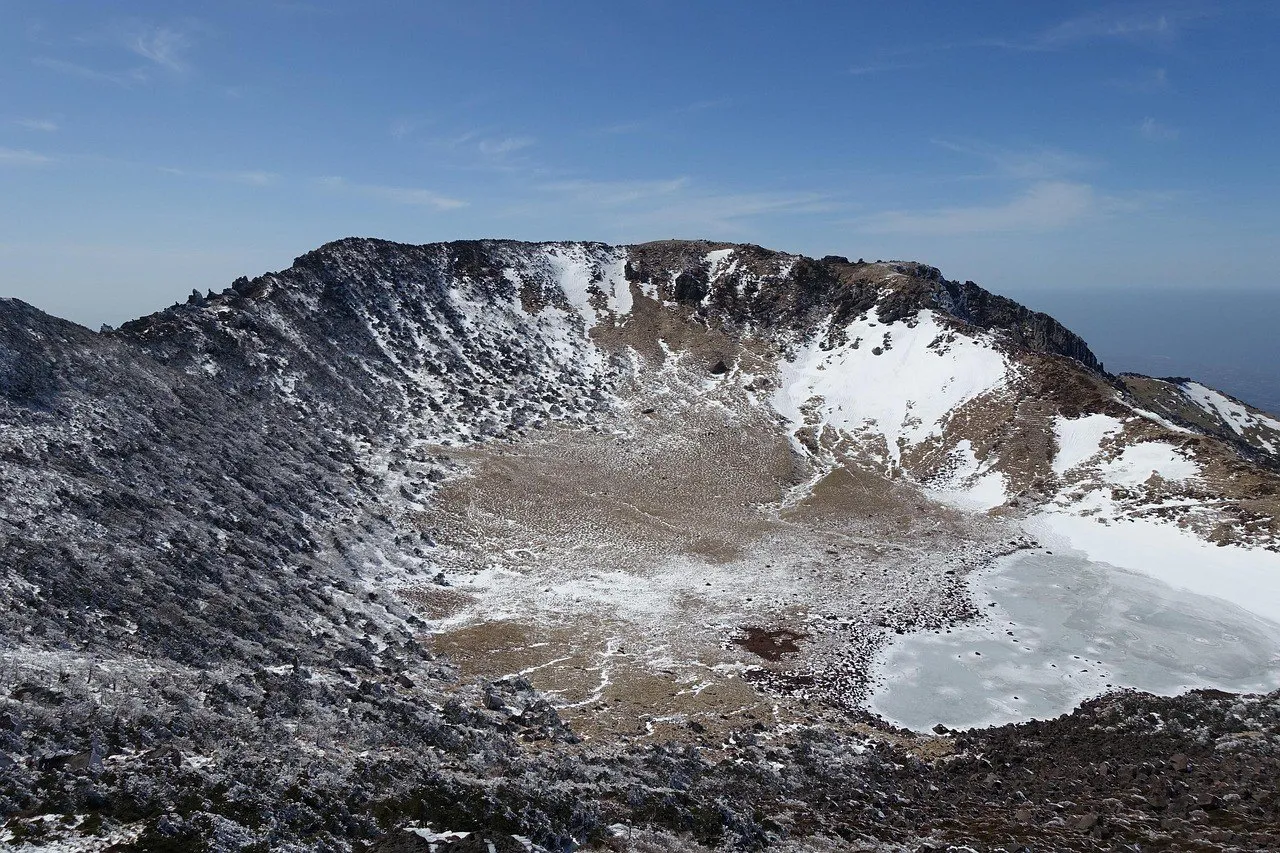 9
Jeju's central volcanic mountain has trails of varying effort; reaching the Baengnokdam summit takes planning and a reservation on its dedicated routes.
View details for Hallasan National Park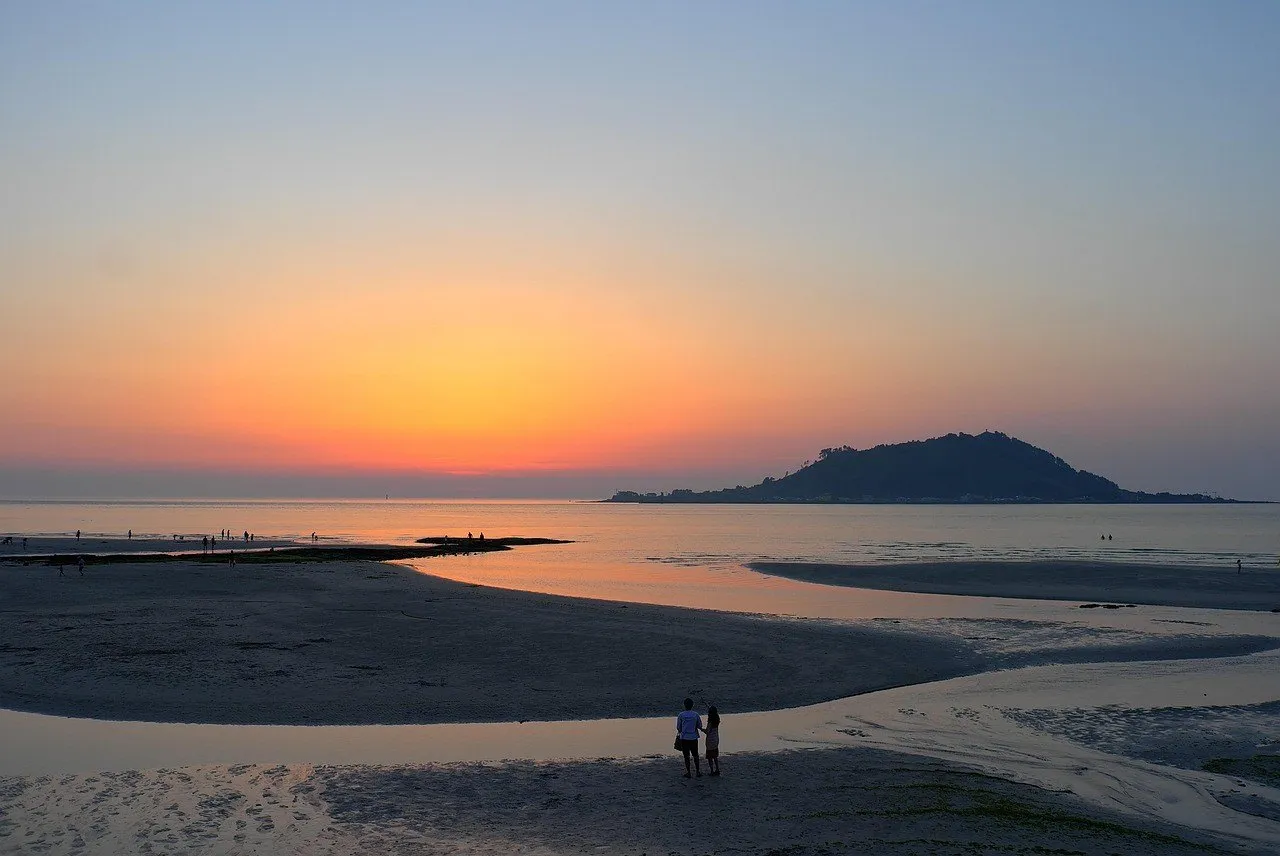 10
Pale sand with shell fragments, dark rocks and Biyangdo on the horizon make up a west-coast beach that deserves time with no agenda.
View details for Hyeopjae Beach1Before you go looking for the dragon, choose your angle. At Yongduam, the rock beside the water looks like a raised head, especially from the west side. The shape came from erosion; tradition added a dragon that tried to reach the sky and ended up turned to stone.
Close to the airport, it's a practical stop on arrival. Watch from the designated areas, without climbing down for a shot right at the water's edge. The dragon is already motionless; you can do your part by staying away from the wet rocks.
2Dongmun brings everyday shopping and travel snacks together in aisles of fish, fruit, dried goods and ready-made food. You may walk in thinking about a meal and walk out negotiating for space in your suitcase. Make a lap of the stalls before choosing where to eat.
The traditional market and the night food area keep their own rhythms: showing up too early for one doesn't mean finding the other open. It's a good introduction to Jeju City before the island's roads.
3At Hamdeok, the clear water shows the shallow bottom near the sand, while Seoubong closes off one side of the view. The beach also goes by the name Hamdeok Seoubong because of that neighboring volcanic cone. Blue sea, pale sand and a green hill make for pauses along the way.
On a road-trip day, go for a walk along the shore. To extend your swim, cut another stop. The clarity invites you to look; whether you can swim depends on the season, the conditions and local guidance.
4Stairs going up, sea on both sides and a crater covered in vegetation at the top: Seongsan Ilchulbong sums up Jeju's volcanic origin. The cone formed when magma met seawater, and today it is part of the Jeju site recognized by UNESCO.
The name is tied to sunrise, but you can climb during the day, within the permitted hours. That way, you fit in Hamdeok before and Seopjikoji after, without turning the predawn hours into an endurance test.
5The Seopjikoji path follows a spit of coast, with open sea and a view of Seongsan Ilchulbong. The reddish scoria contrasts with the dark basalt of other stretches of Jeju; in spring, canola flowers add yellow to the landscape.
Walk to the lighthouse area and come back taking in the angles of the coast. The wind makes that comb in your backpack pretty useless. Stick to the marked paths and avoid shortcuts over the rocks, especially near the water.
6The sound comes first; then, as you go down the steps, the fall appears next to the sea. Jeongbang brings waterfall and coast together, with dark rock, vegetation above and waves ahead. Choosing between photographing the fresh water or the salt water seems like an unnecessary worry.
The visit involves stairs and rocky ground near the fall. Expect spray and leave your slippery shoes at the hotel. Respect the marked areas: access may be suspended depending on the weather.
7Cheonjiyeon trades Jeongbang's open view of the sea for vegetation and running water. The prepared trail follows the valley to the waterfall and its deep pool. The name refers to the meeting of heaven and earth; the green all around completes the scene.
The subtropical forest is naturally protected, so watch the path as well. A note on the map: despite the similar names, Cheonjiyeon and Cheonjeyeon are different attractions. One letter can change your taxi's route.
8The columns of Jusangjeolli make nature look rather organized. As the lava cooled, it cracked and split the rock into geometric pillars; beside the sea, they sit in dark steps. Waves slip between the columns and dissolve into foam.
Watch from the paths and viewpoints of Daepo, in the Jungmun area. The perspective changes how you read the shapes. After the waterfalls, it's a good stop on the way west, with a transfer by road.
9Hallasan changes the vocabulary of the trip: out go the beach towel and the swim, in come the forecast and the turnaround time. The volcanic mountain fills the island's interior. Seongpanak and Gwaneumsa normally give access to the Baengnokdam summit, subject to reservation and operating conditions.
Not every trail ends at the crater. Choose a route that matches your fitness and check the park's notices. The turnaround deadline matters more than the urge to reach the top.
10Hyeopjae puts pale sand, volcanic rock and the island of Biyangdo in the same field of view. Shell fragments help form the light strip, more exposed at low tide. After investigating Jeju's rocks, you've earned an excuse to just sit in front of them.
Set aside time to walk and rest. Swimming depends on operations and local conditions. With a flight the same day, shorten the visit and work out the return with a margin for dropping off the car.
Jeju has buses and taxis, but no subway or train. Without a car, plan your connections and add days to keep the itinerary's stops.
Ask the rental company which international driving documents it accepts, besides your passport and home license; also compare insurance, deductible and pickup.
Spring and autumn favor hiking. Check the forecast for the coast and the mountain separately and bring protection against wind and rain.
Check the season, supervision and signage before swimming. On cliffs and at waterfalls, respect closures even when someone tries for a closer photo.
The haenyeo work with their own knowledge of the sea. Keep your distance from their equipment and ask permission before photographing people up close.
At Dongmun, compare prices before dinner. For a simple meal outside the market, gogi-guksu helps break up the days of barbecue.
The smell of pork on the grill can decide dinner before you even open the map. Alternate Jeju barbecue with noodles in broth or abalone porridge; ask about ingredients if you have dietary restrictions.
Jeju black pork, closely associated with barbecue; meljeot sauce, made from fermented anchovy, may come with the meat.
Noodles in pork broth with slices of the meat, a bowl meal that goes well with the return from a day on the road.
Savory rice porridge with abalone, in which the mollusk and the broth flavor a soft texture.
Cutlassfish braised in a spicy sauce, to eat with rice and take a break from the grill.