 1
Museums
Museum of Islamic Art (MIA)
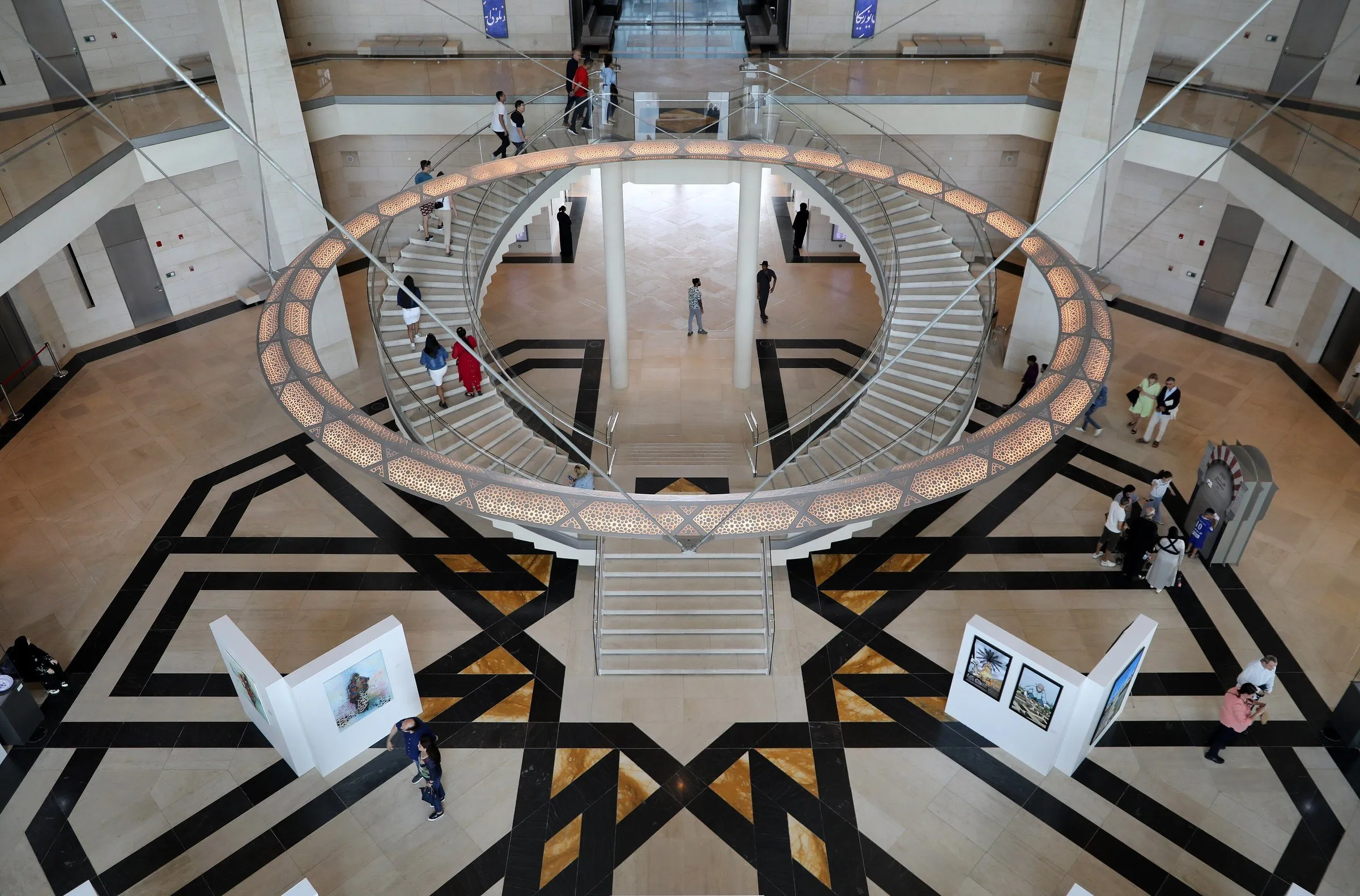
Pale stone blocks designed by I. M. Pei hold manuscripts, ceramics, textiles and metalwork; the bay joins the visit through the big windows.
View details for Museum of Islamic Art (MIA)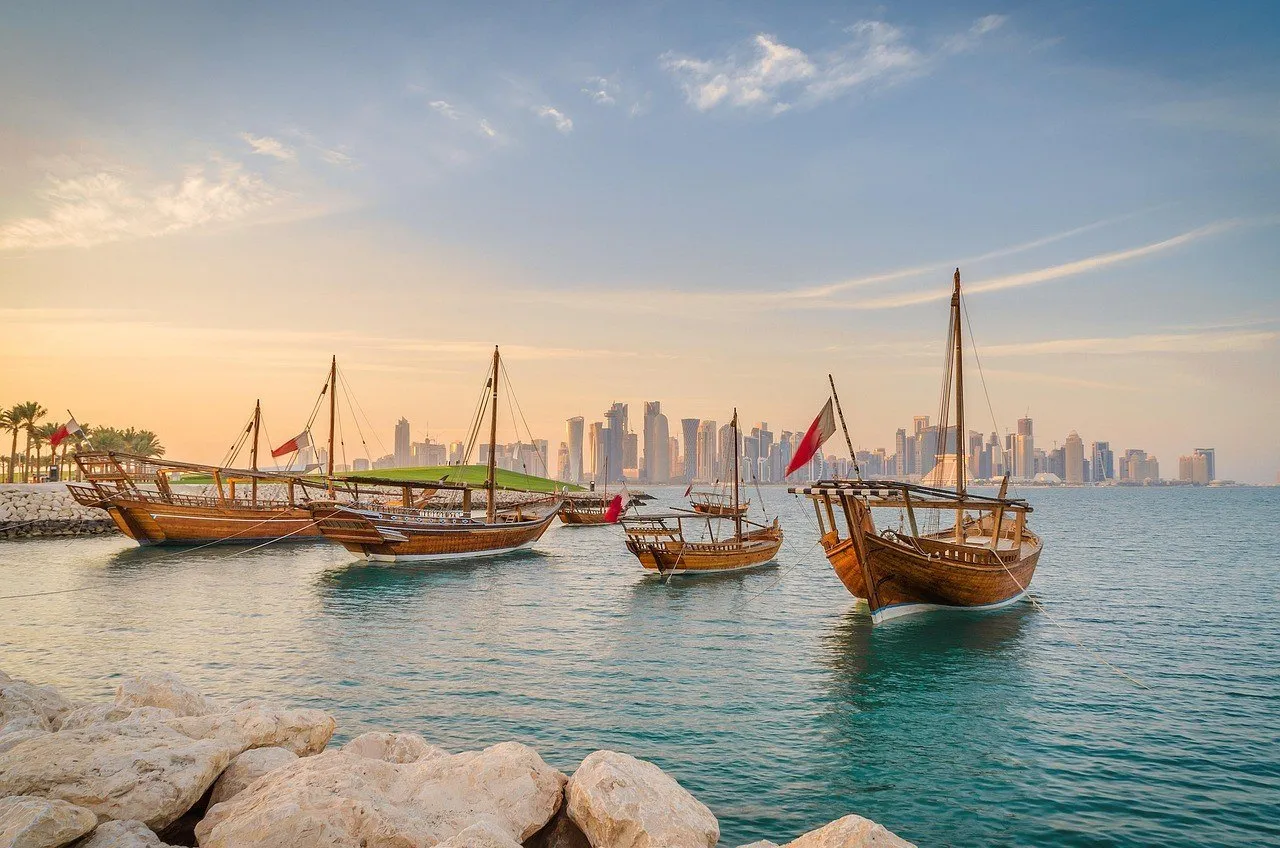
Qatar
On Doha's Corniche, wooden boats bob in front of the West Bay towers. Farther along, the scent of spices from Souq Waqif changes the course of your walk, and probably your dinner plans too.
A wooden boat in the foreground, glass towers across the water: the bay helps you grasp how Doha is laid out. The Museum of Islamic Art sits on the waterfront in pale blocks; the National Museum looks like a very carefully calculated pile of discs. Between one facade and the next, it's worth going inside. Manuscripts, ceramics and stories of the country give substance to that first round of photos, while Souq Waqif offers a different kind of navigation: follow the scent of spices until you get hungry.
Plan your days by area and by the sun. The center has the souq, Msheireb and the museums near the bay; Katara and The Pearl call for a trip north. The metro helps on the main routes, and taxis cover the last stretches. In summer, a distance that looks innocent on the map can turn into a negotiation with your own stamina. Save the indoor sights for the hottest hours and leave the waterfront for later; your sneakers and your water bottle will thank you for the deal.
The rose that inspired the National Museum is a mineral one: the desert rose forms clusters of crystals that resemble petals, translated by Jean Nouvel into huge architectural discs.
At Souq Waqif, falconry has its own specialized trade and even a hospital for the birds; it is part of local life, beyond the souvenir shop windows.
Bin Jelmood House, in Msheireb, deals with slavery and its social effects: the museum complex also makes room for difficult chapters of history.
1Pale stone blocks designed by I. M. Pei hold manuscripts, ceramics, textiles and metalwork; the bay joins the visit through the big windows.
View details for Museum of Islamic Art (MIA)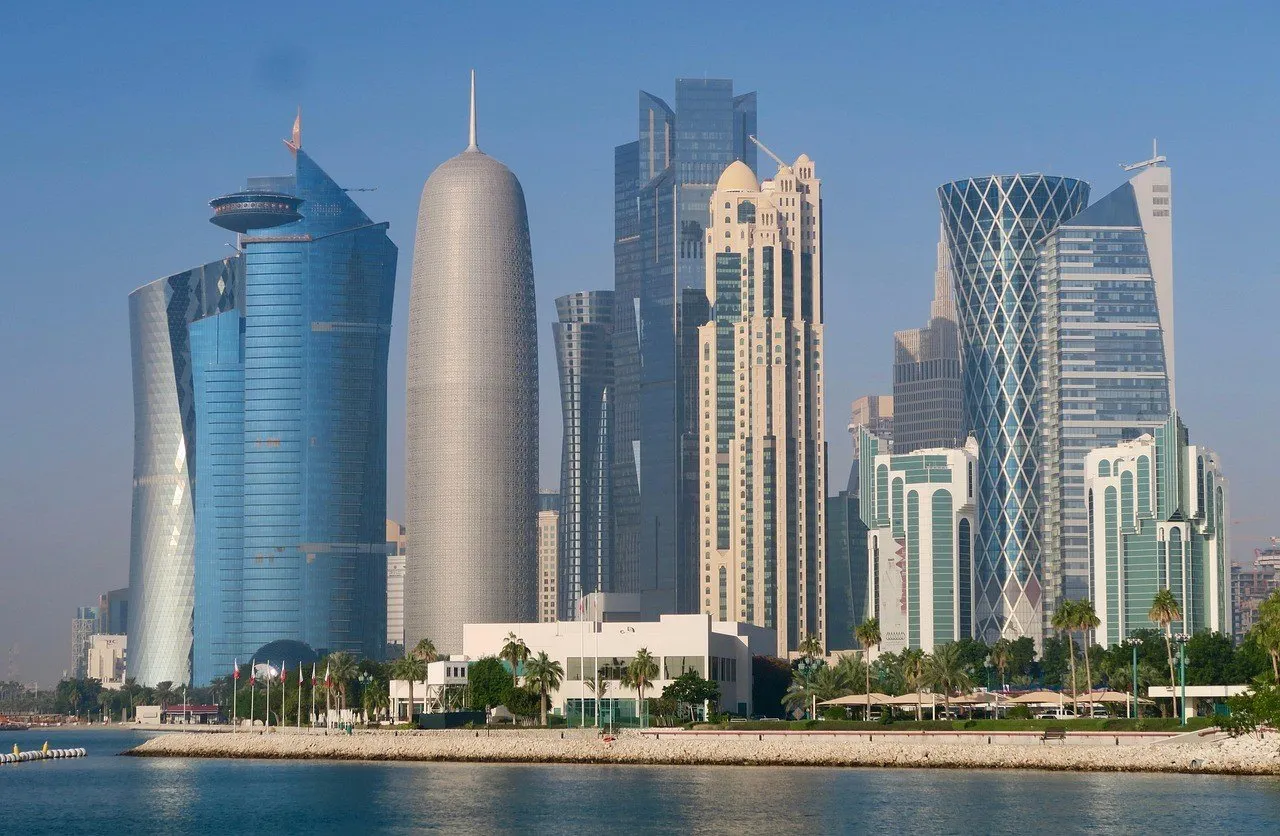 2
The promenade follows the curve of the bay, with traditional boats on the water and the West Bay towers ahead; pick a stretch to walk in the late afternoon.
View details for Doha Corniche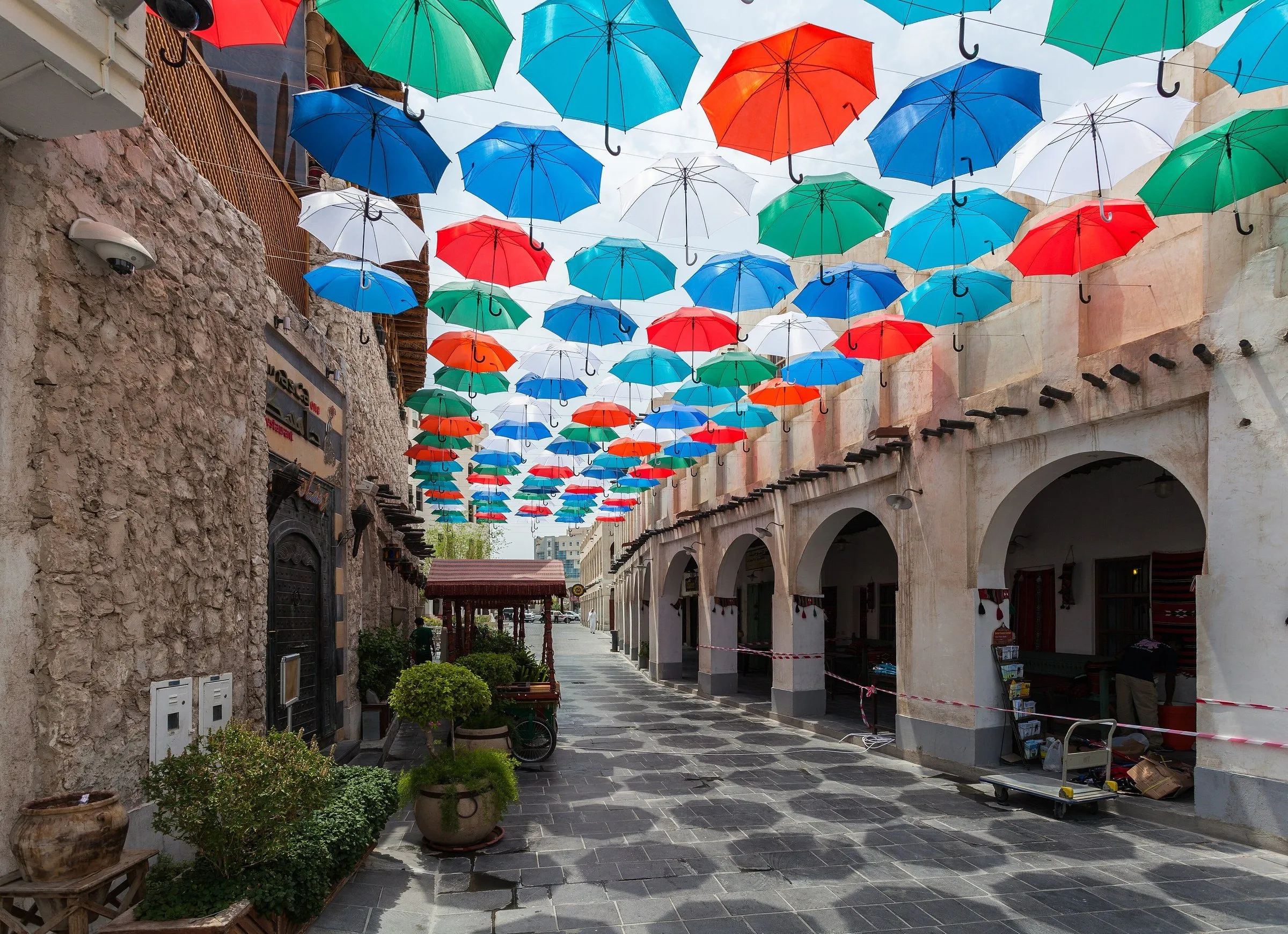 3
Spices, perfumes, fabrics and cafes fill the alleys of Doha's market; after dark the stroll gets even better with a table and a cup of karak.
View details for Souq Waqif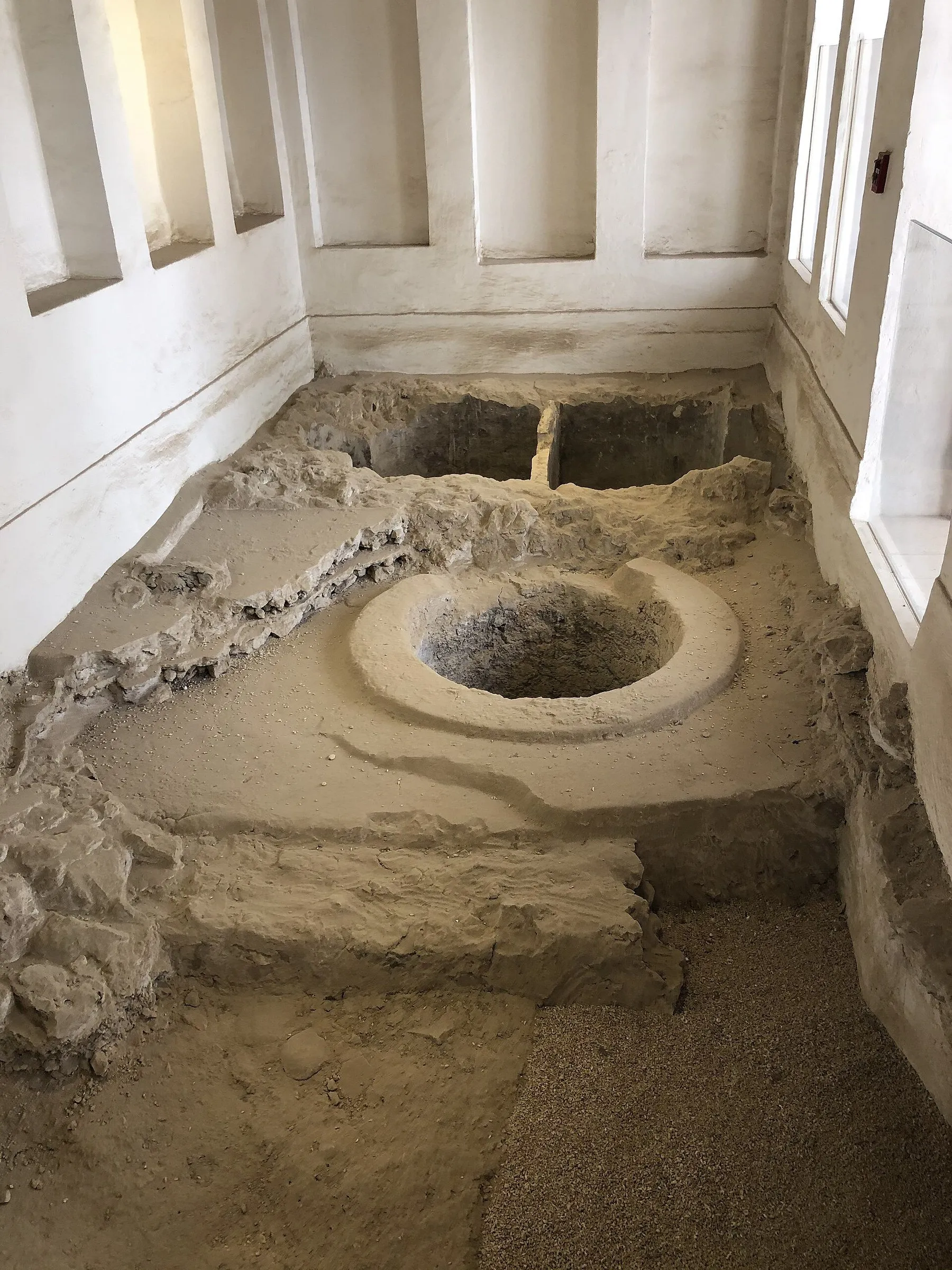 4
Renovated streets, Barahat Msheireb square and houses turned into museums help you read Doha's transformation, a short walk from Souq Waqif.
View details for Msheireb Downtown and Its Museums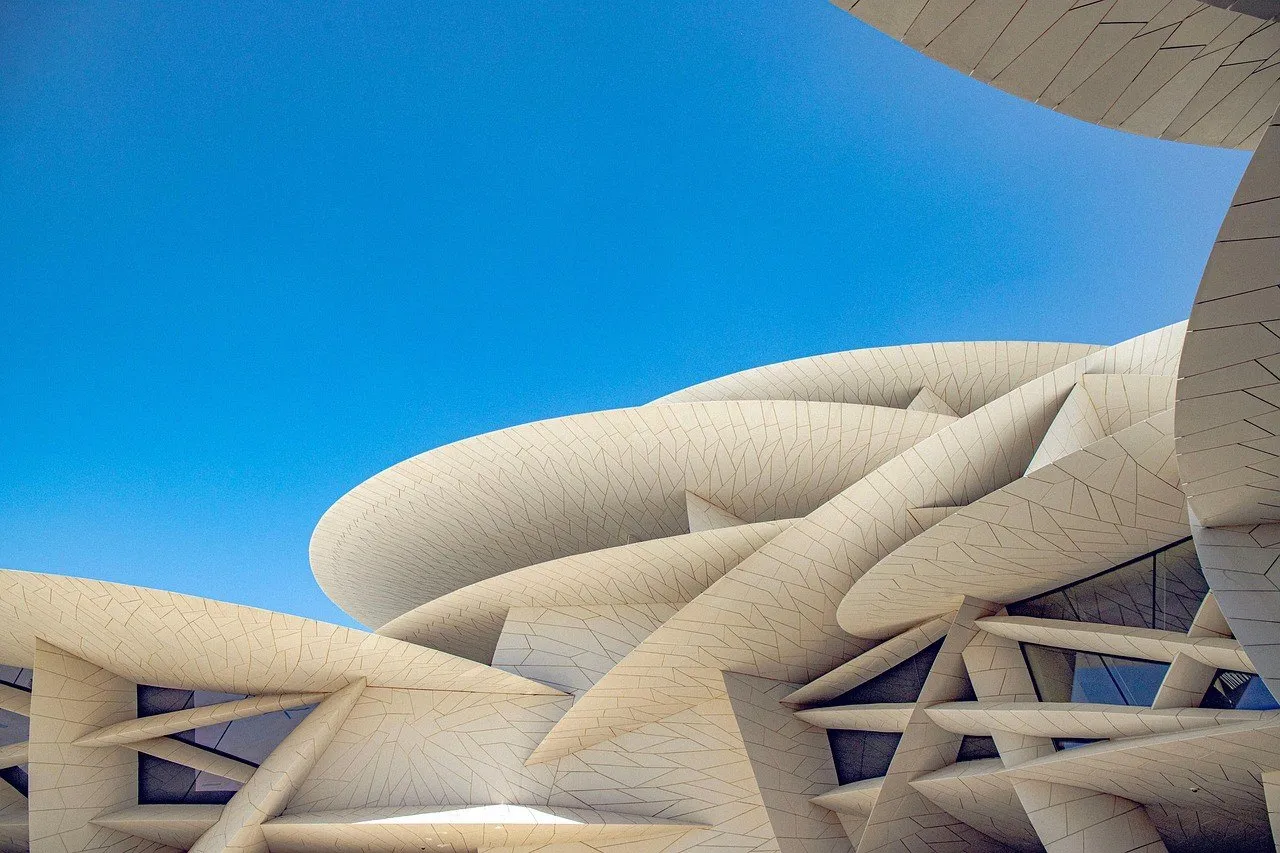 5
Inspired by the desert rose, Jean Nouvel's building wraps around an old palace and tells the story of Qatar; the giant discs are already worth a walk around the outside.
View details for National Museum of Qatar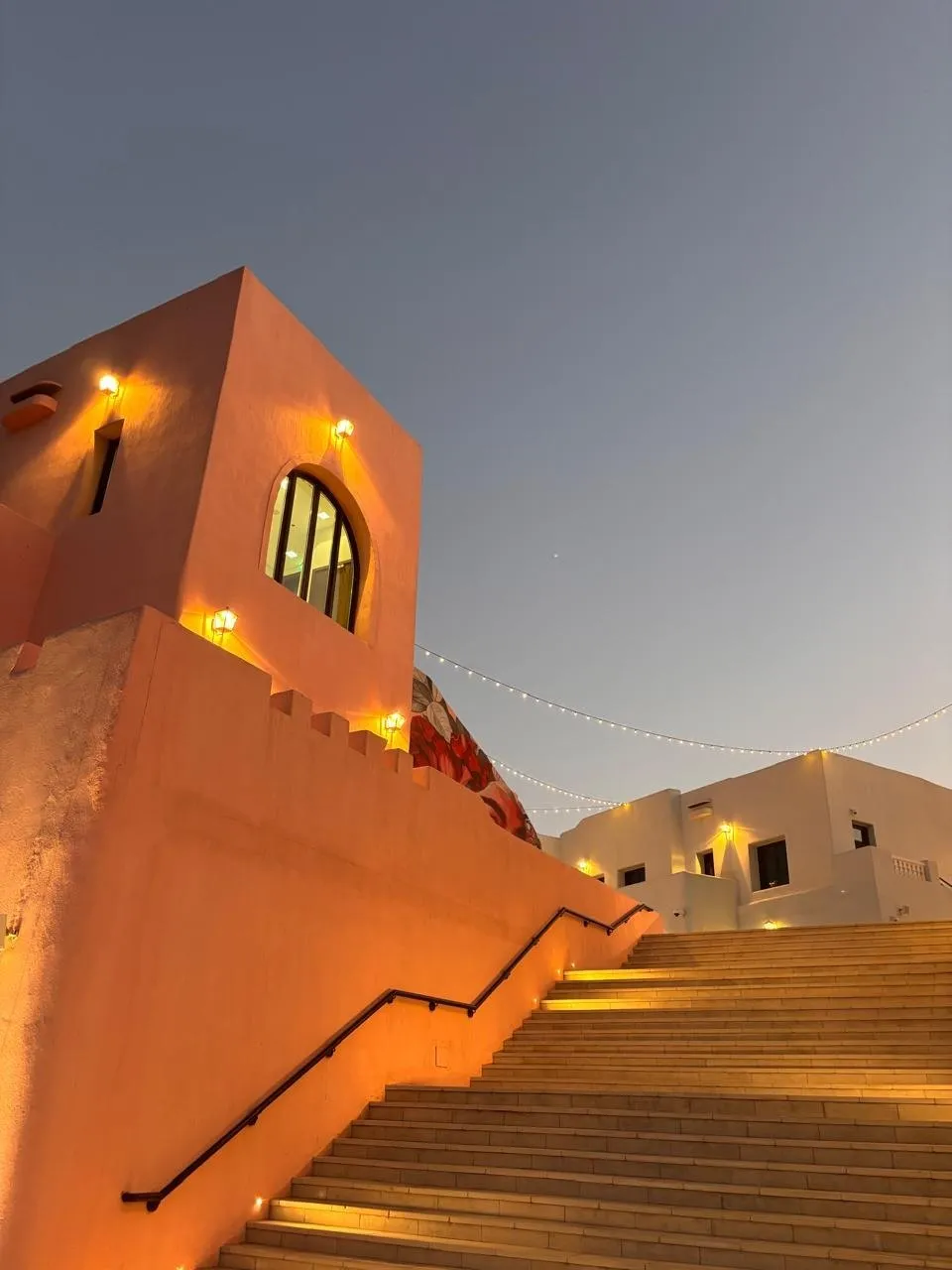 6
Pastel facades, stone alleys and cafes have changed the look of the old port; the district also has a fish market and views of Doha Bay.
View details for Mina District and the Old Port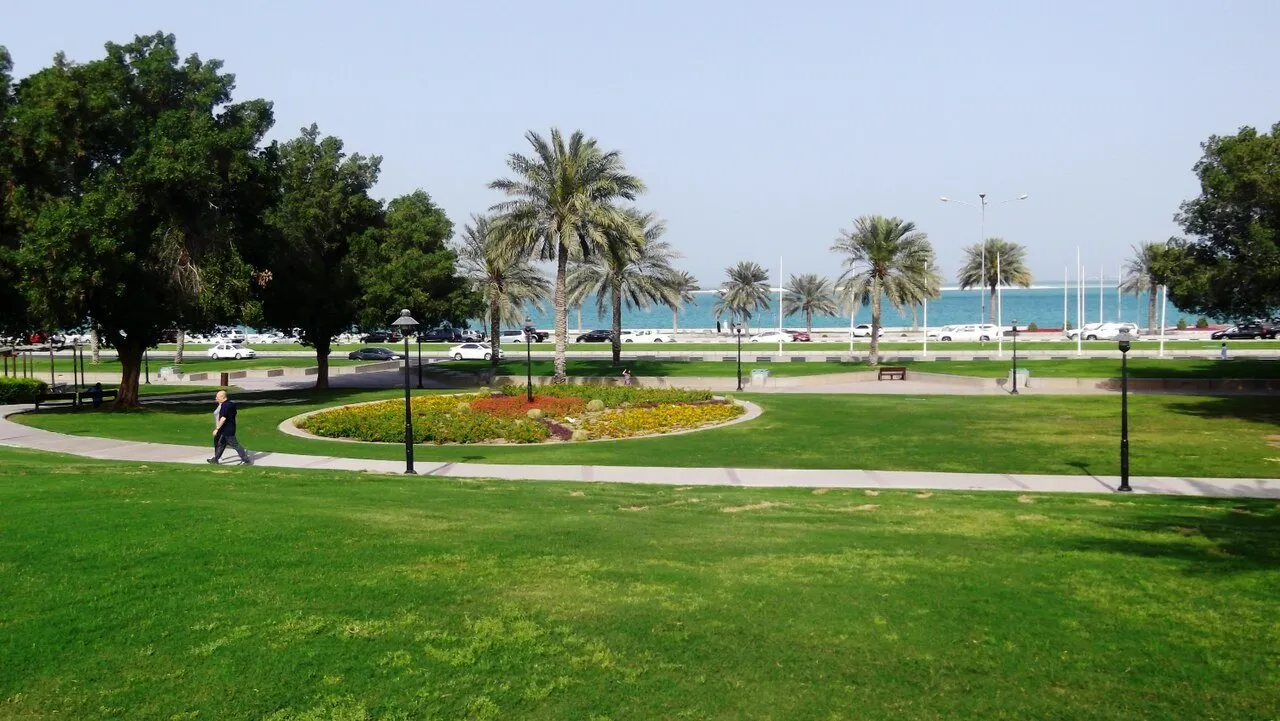 7
Lawns, paths and sports areas make up a park next to the Corniche; a stop to walk early, watch birds and give the string of museums a break.
View details for Al Bidda Park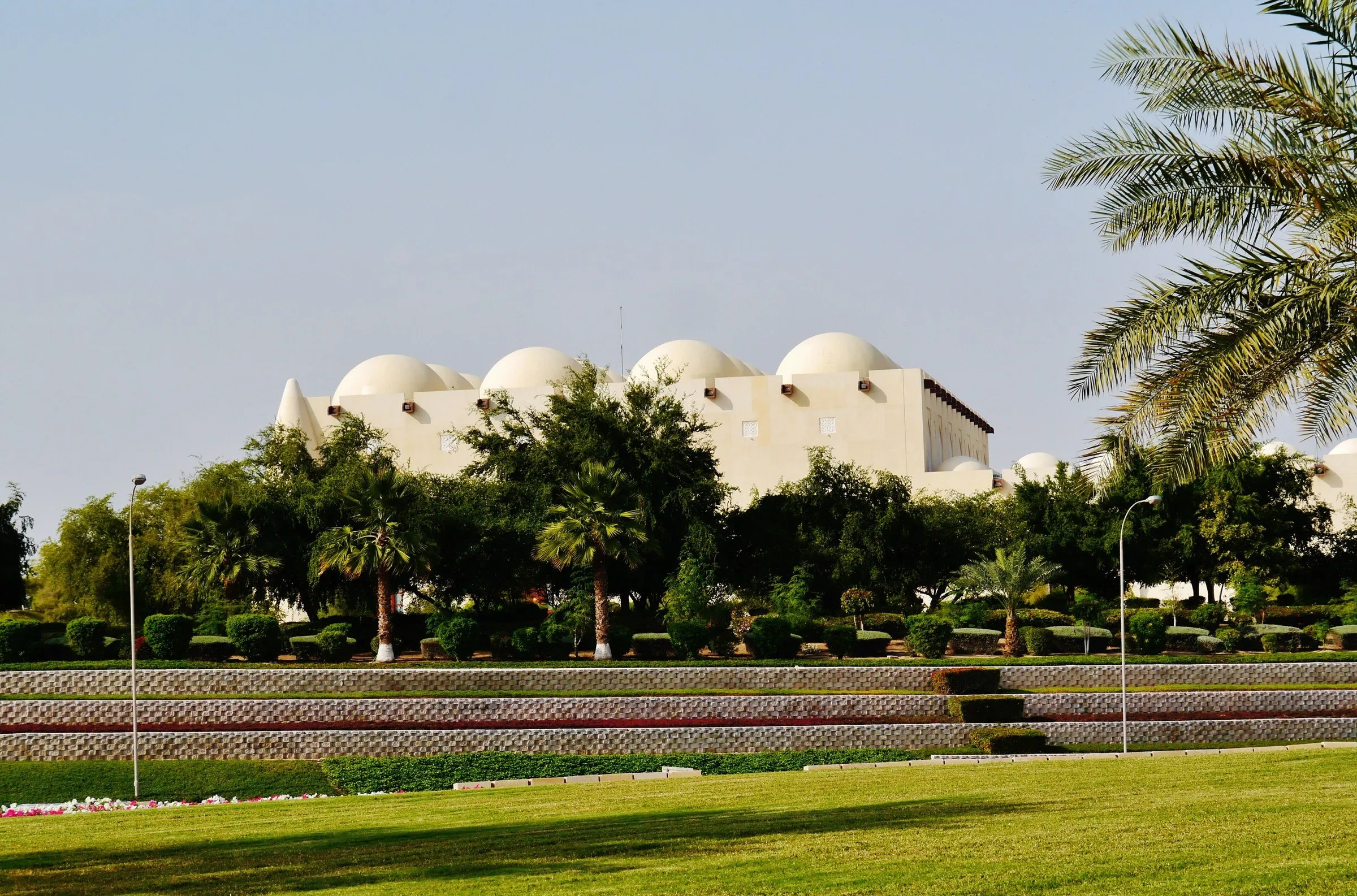 8
Also known as the State Grand Mosque, it has sequences of arches and domes on a rise; tourist access calls for attention to prayer times.
View details for Imam Muhammad ibn Abd al-Wahhab Mosque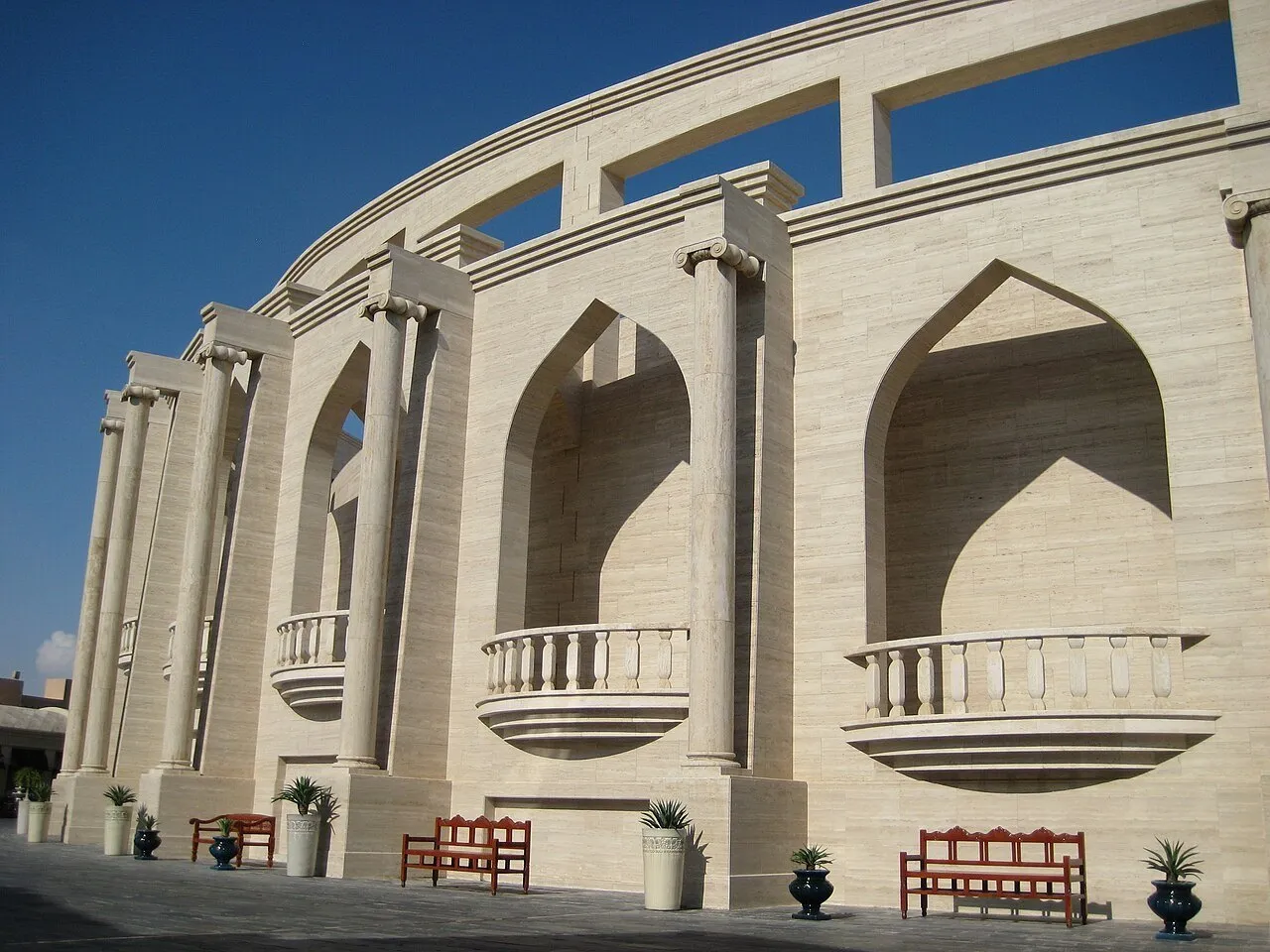 9
An amphitheater, galleries, mosques and a waterfront with restaurants make up the Katara stroll; look for the blue tiles and the pigeon towers among the alleys.
View details for Katara Cultural Village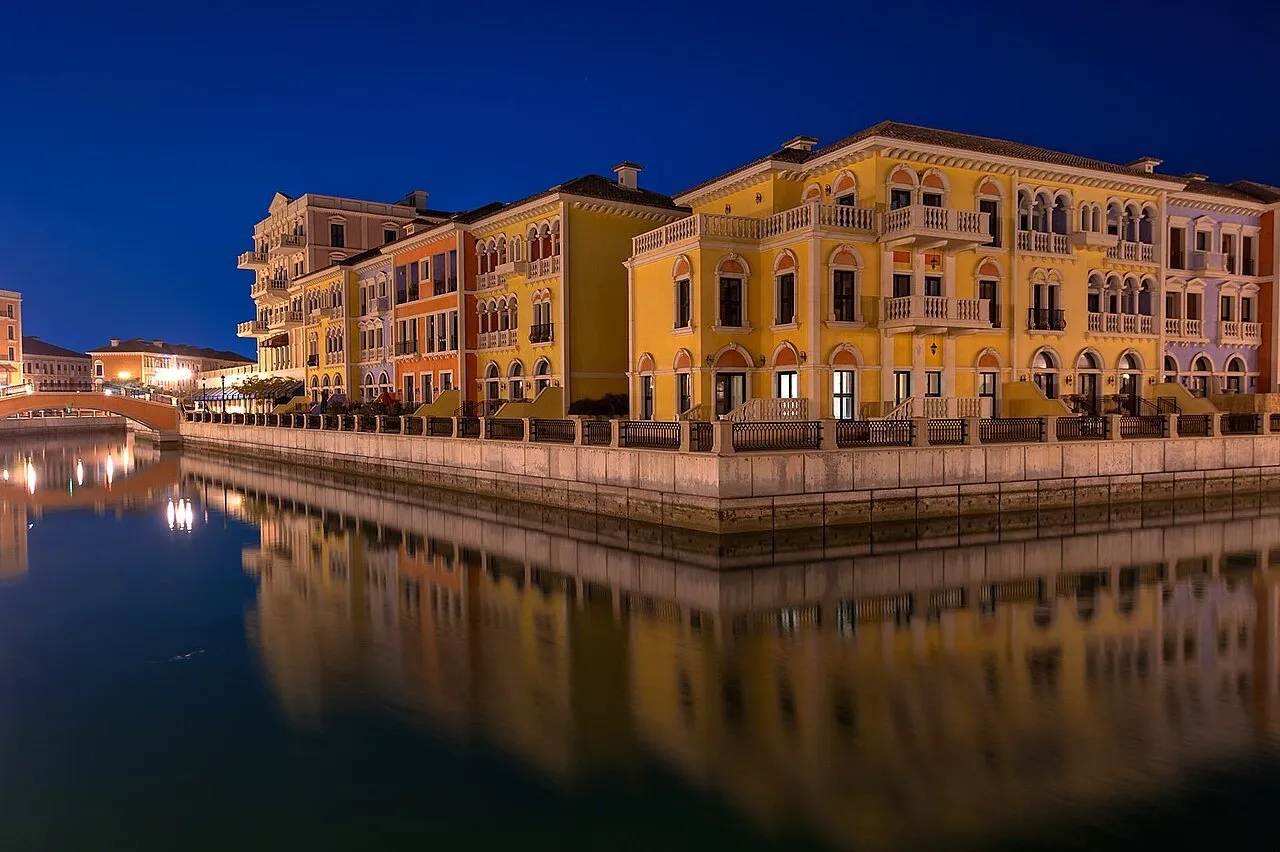 10
Marinas, restaurants and canals make up the artificial island of The Pearl; choose between the boats of Porto Arabia and the colorful bridges of Qanat Quartier.
View details for The Pearl-Qatar1The MIA's volumes look simple until the light picks out every recess. I. M. Pei used geometry and pale stone to create a building that begs for a walk around the outside. In the atrium, the curving staircase and the dome change the subject: you are already looking up before the first gallery.
The collection brings together manuscripts, ceramics, textiles and metal objects from different societies of the Islamic world. Pick a few pieces and read their stories rather than trying to see everything.
2The curve of the Corniche organizes the view: water and dhows, the traditional wooden boats, on one side; the avenue and the city on the other. As you walk, the West Bay towers shift position on the horizon. It's easy to photograph the same boat from three angles.
Choose a stretch that suits your time and the heat. Late afternoon lets you watch the buildings light up; keep the walk to the southern part so you can continue to Souq Waqif.
3Dried limes, spices, perfumes and fabrics compete for your attention in the alleys of Souq Waqif. The market occupies an old trading area and is still full of reasons to lose the shortest route. There are sections for jewelry, crafts and falconry; every detour changes the window display.
Go with time to have dinner and watch the bustle after dark. Do a lap before you buy: that indispensable object faces serious competition once the first table of food appears.
4In Msheireb, you move from renovated streets to restored traditional houses that hold specific stories. Radwani House presents domestic life; Company House follows the oil industry. Pick the theme that interests you instead of collecting museum doors.
Bin Jelmood House deserves attention for its approach to slavery and its social impact. Afterward, walk to Barahat Msheireb for a break among the cafes. Each house has its own visiting hours.
5Pale discs intersect at angles that change the facade with every step. Jean Nouvel's reference was the desert rose, a mineral formation of the region. The building wraps around the old palace of Sheikh Abdullah bin Jassim Al Thani, preserved inside the complex.
The visit presents the history of Qatar and its people. Set aside time to take in the architecture and check which galleries are open: some may close for improvements, according to the official notice.
6Pink, blue and yellow show up on the facades of Mina District, a renovated area of the old port. The stone alleys lead to shops and cafes, while the fish market keeps the sea present beyond the view. After the museum, swap the wall labels for a table.
Walk the streets without counting on a docked ship to complete the scenery: the terminal's activity changes. Check the actual route to get there, especially in the strong midday sun.
7After so many buildings begging for photos, Al Bidda offers lawns, paths and room to simply walk. The park spreads across the Arumailah, Al Bidda and Wadi Al Sail areas, near the Corniche. There are sports facilities and a chance to watch birds.
Choose one part to enjoy during this break. Covering all of it can use up the energy set aside for Katara; in hot season, shorten the walk and favor the first hours of the day, before carrying on with the itinerary.
8Repeating arches, domes and sand-colored stone make up the State Grand Mosque, set on a rise. The covered walkways create shade and frame the Doha landscape. Notice these rhythms in the construction, even if you stay only in the permitted exterior.
This is a place of daily worship. Look into a guided visit outside prayer times, dress appropriately and follow the staff on footwear, circulation and photography. Your schedule has to adapt to the mosque's routine.
9Pigeon towers full of tiny holes stand next to the blue-tiled mosque: notice the details between the buildings of Katara. The amphitheater combines Greek references with arches of Islamic inspiration; galleries and performance spaces complete the seaside complex.
For a first visit, combine the amphitheater, the alleys and the waterfront, with a stop to eat. Check the program and the hours of each space; if you want to use the beach, look up its own conditions.
10Boats in the Porto Arabia marina and canals in Qanat Quartier show two sides of The Pearl. The artificial island brings together residential buildings, shops and restaurants; the canal district takes Venice as its reference, with bridges and colorful facades that demand space on your phone.
Pick one of these areas for a walk and dinner. If you insist on both, count on extra travel. After Katara, check the route back to the hotel before ending the day.
The metro links the airport, Msheireb and West Bay. Check the route between station and attraction; for the mosque, the port and The Pearl, a taxi can simplify the last leg.
Winter makes walking easier; in summer, favor outdoor outings early in the day or in the late afternoon. Bring water, sunscreen and a light layer for air-conditioned interiors.
Cover shoulders and knees in public spaces and museums. Mosques have their own guidelines, including covering the head; check them before leaving the hotel.
Museums have different closing days and hours that change on Fridays, during Ramadan and on holidays. Check each attraction before deciding the order of your days.
Alternate paid museums with the Corniche, the streets of Msheireb and the markets. Compare prices at the souq and check the fare before requesting a ride.
Prefer marked crossings and check the actual route before crossing avenues. Look after your documents and belongings as you would on any trip.
Start with machboos and leave room for a karak break. Souq Waqif combines a meal with exploring the alleys; Katara and The Pearl have options too. Look for Qatari dishes on the menu: Doha serves cuisines from many origins, and not every dish you find in the city is local.
Spiced rice with meat, considered Qatar's national dish; a good choice for arriving at the table hungry.
Black tea with milk, sugar and cardamom; the small cup is a good excuse to stretch out your break.
Fried sweet dumplings, scented with cardamom and saffron and served with syrup; order them fresh to enjoy the crisp shell.
Sweetened, seasoned thin noodles served with egg; breakfast puts sweet and savory on the same plate.