 1
History and architecture
Fort San Pedro
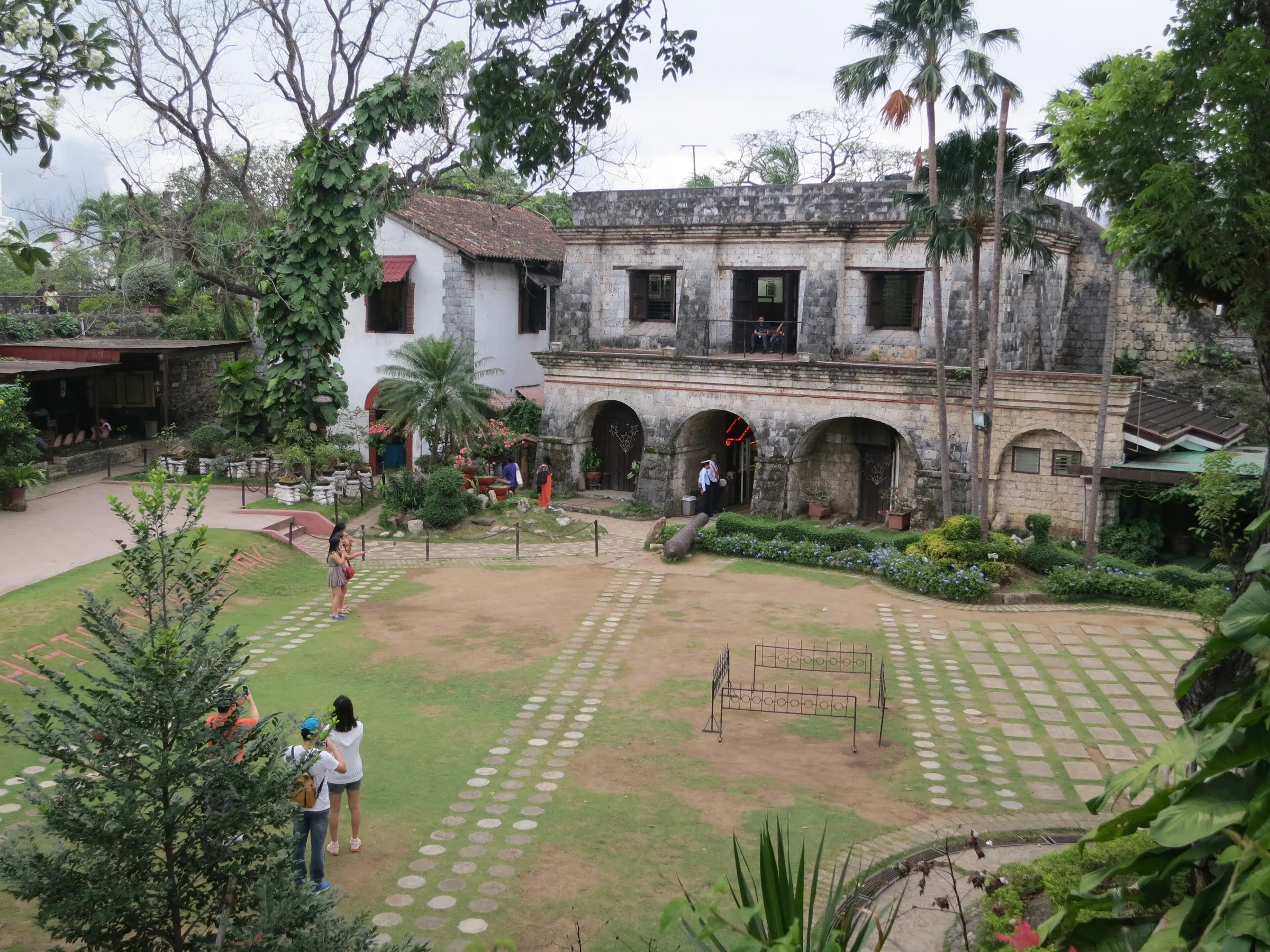
The walls and courtyard of Fort San Pedro reveal Cebu’s old Spanish defenses; its triangular layout sits next to Plaza Independencia.
View details for Fort San Pedro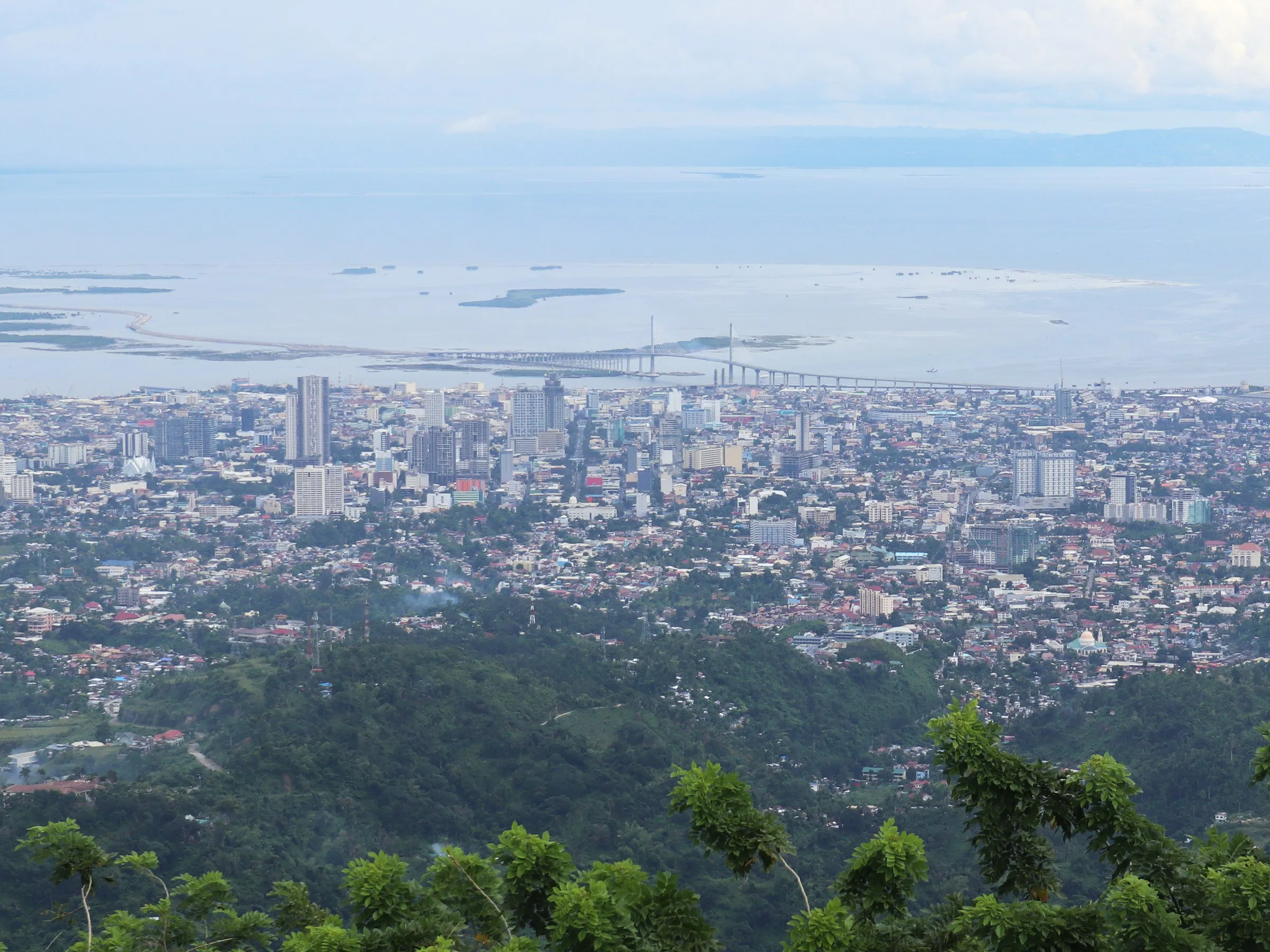
Philippines
In Cebu, you look up at the painted ceiling of Magellan’s Cross and at the timber of the Yap-Sandiego house. The next day, you head up to Busay to watch the city lights spread out toward the sea.
The painted ceiling of the Magellan’s Cross pavilion makes you look up; in the Yap-Sandiego house, the wood and the old objects reward close attention. Cebu City offers a walk past fortress walls, a museum and domestic spaces where materials and customs from different origins took on a local character. Between visits, lechon arrives at the table with crackling skin and settles one question in the itinerary: lunch needs its own time slot.
This guide covers the city of Cebu, with the nearby Busay viewpoints, not the whole island. Set aside two days: one for the historic center and Parian, another for the Taoist temple and the hills. The airport is in Mactan, in the neighboring city of Lapu-Lapu, so factor that crossing into your choice of hotel. Combine short walks in the center with transport for the other blocks, and check the forecast before heading up for the view.
The name Temple of Leah may suggest a place of worship, but the complex was created as a memorial to Leah Albino-Adarna and to house her collection.
The Yap-Sandiego house combines coral stone and wood: look at the materials before you hunt for the antique objects in the rooms.
At TOPS, the wide view shares your attention with the arches and the geometric pattern of the floor: it is worth looking down after gazing at the horizon.
1The walls and courtyard of Fort San Pedro reveal Cebu’s old Spanish defenses; its triangular layout sits next to Plaza Independencia.
View details for Fort San Pedro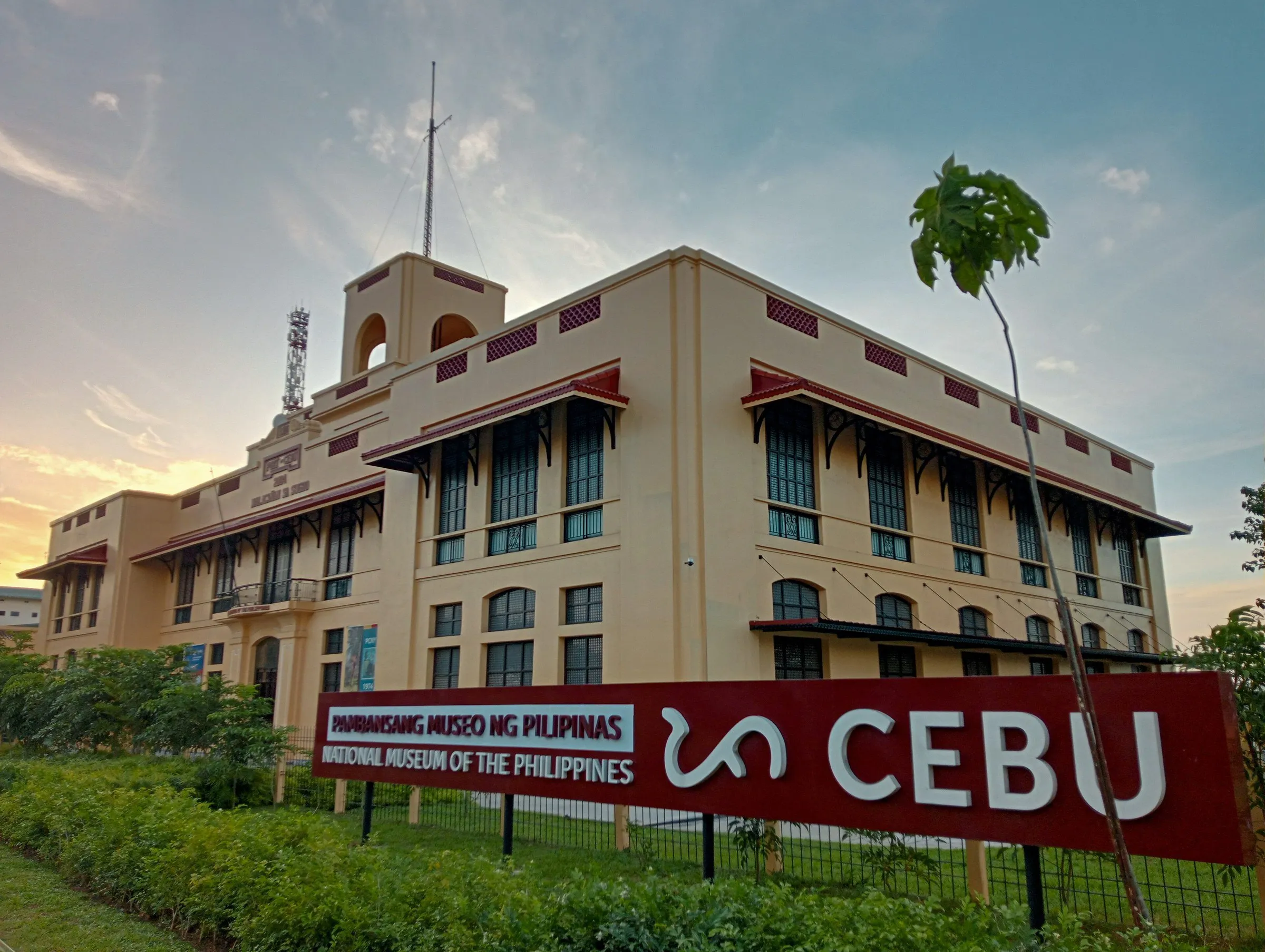 2
The former customs house holds Cebu’s national museum, with exhibits on nature, seafaring and the cultural formation of the region.
View details for National Museum of the Philippines – Cebu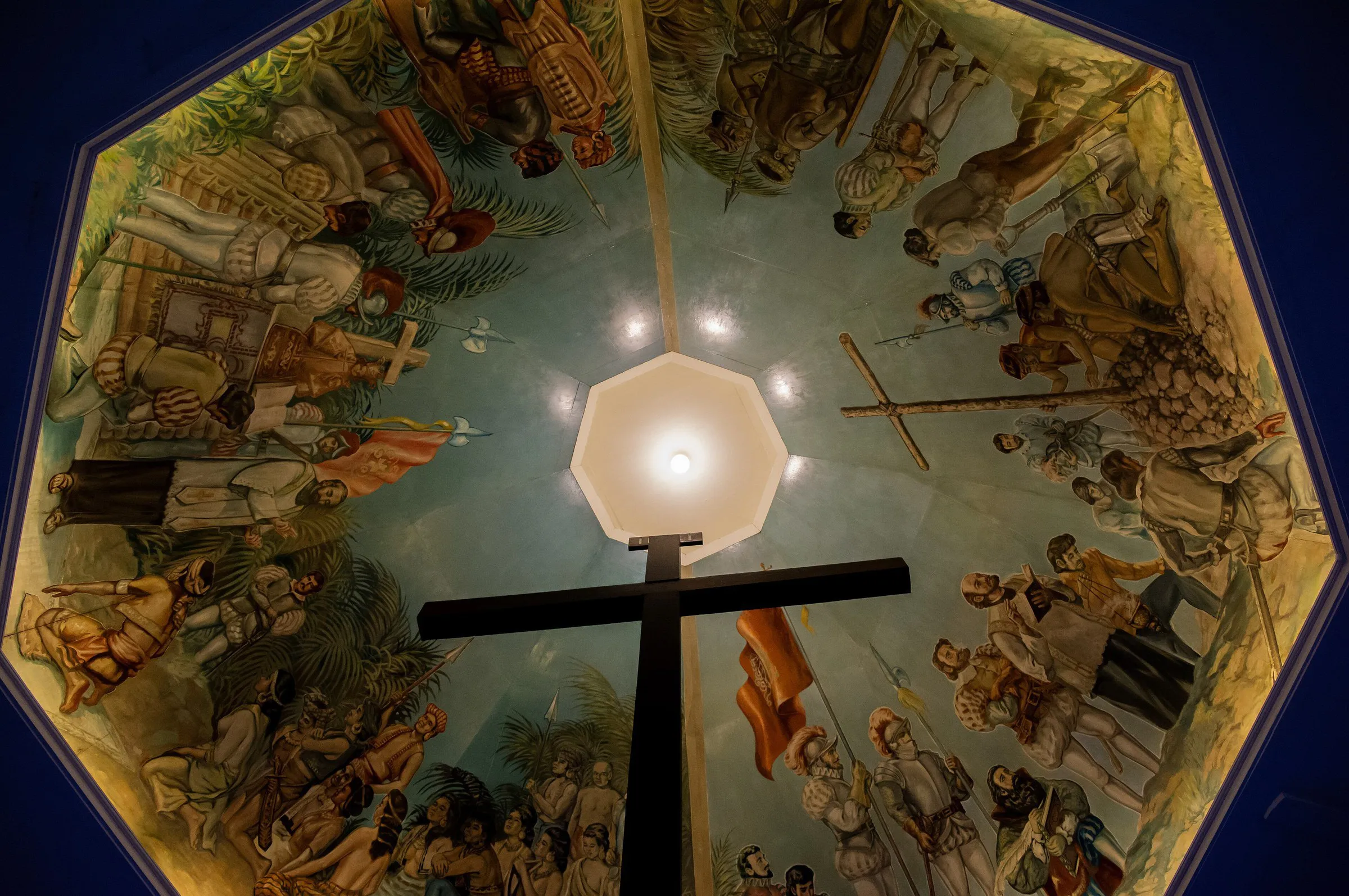 3
The Magellan’s Cross pavilion, on Plaza Sugbo, shelters the monument associated with the expedition’s arrival and with Cebu’s Christian memory.
View details for Magellan’s Cross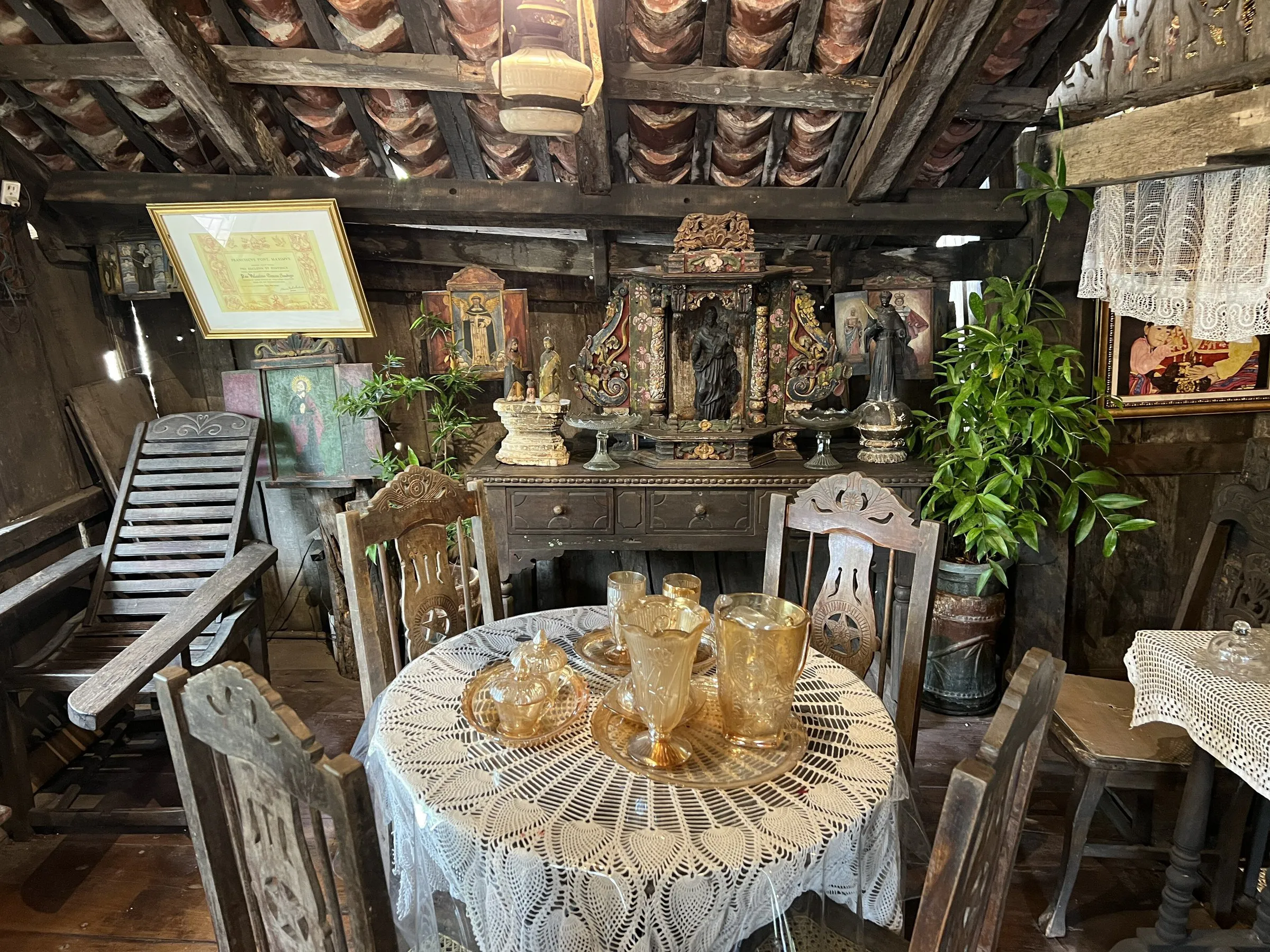 4
Coral stone, wood and antique objects make up the Yap-Sandiego Ancestral House, a domestic stop in Parian’s historic district.
View details for Yap-Sandiego Ancestral House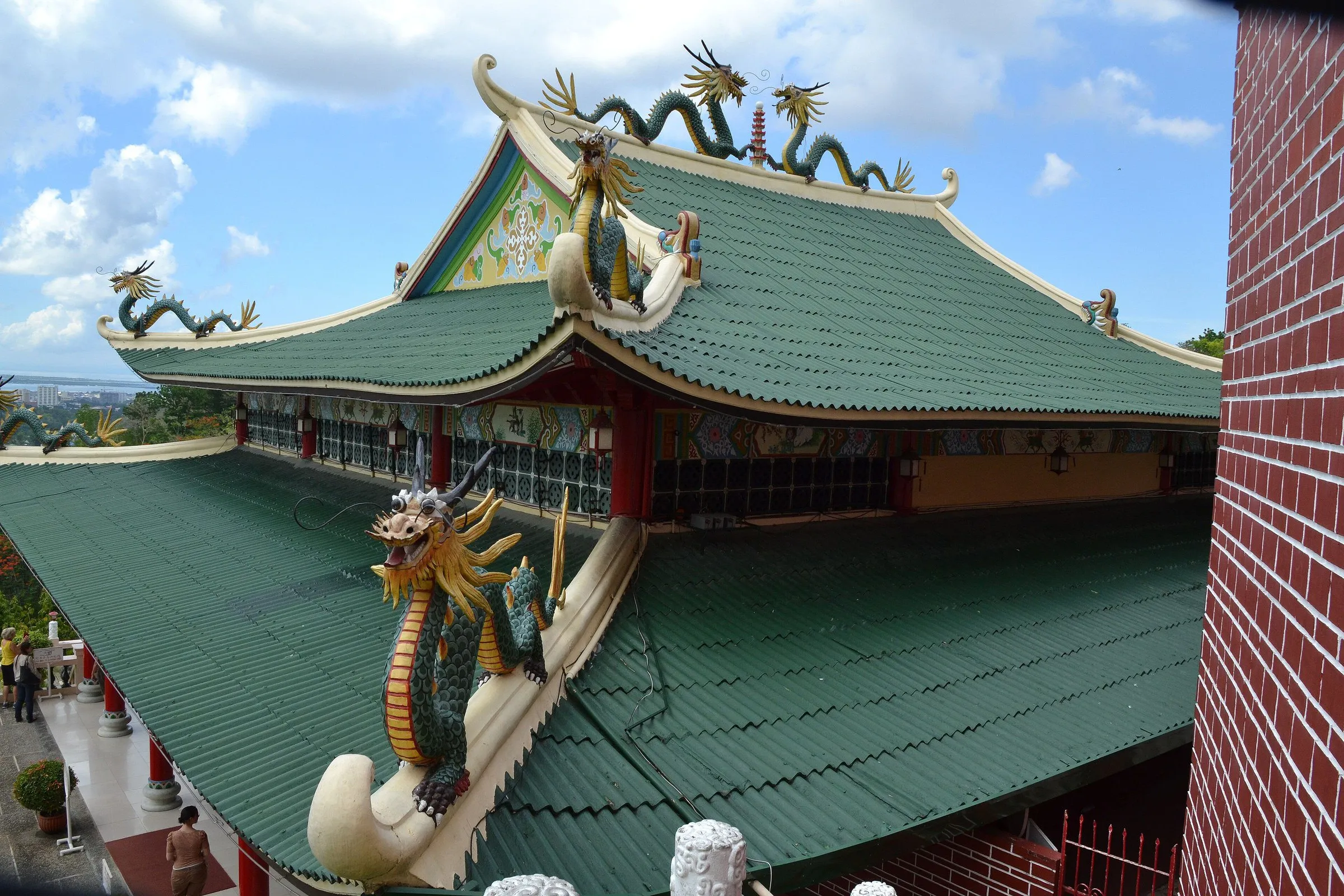 5
Ornate roofs, dragons and terraces mark the Taoist temple in Beverly Hills, tied to Cebu’s Chinese-Filipino community.
View details for Cebu Taoist Temple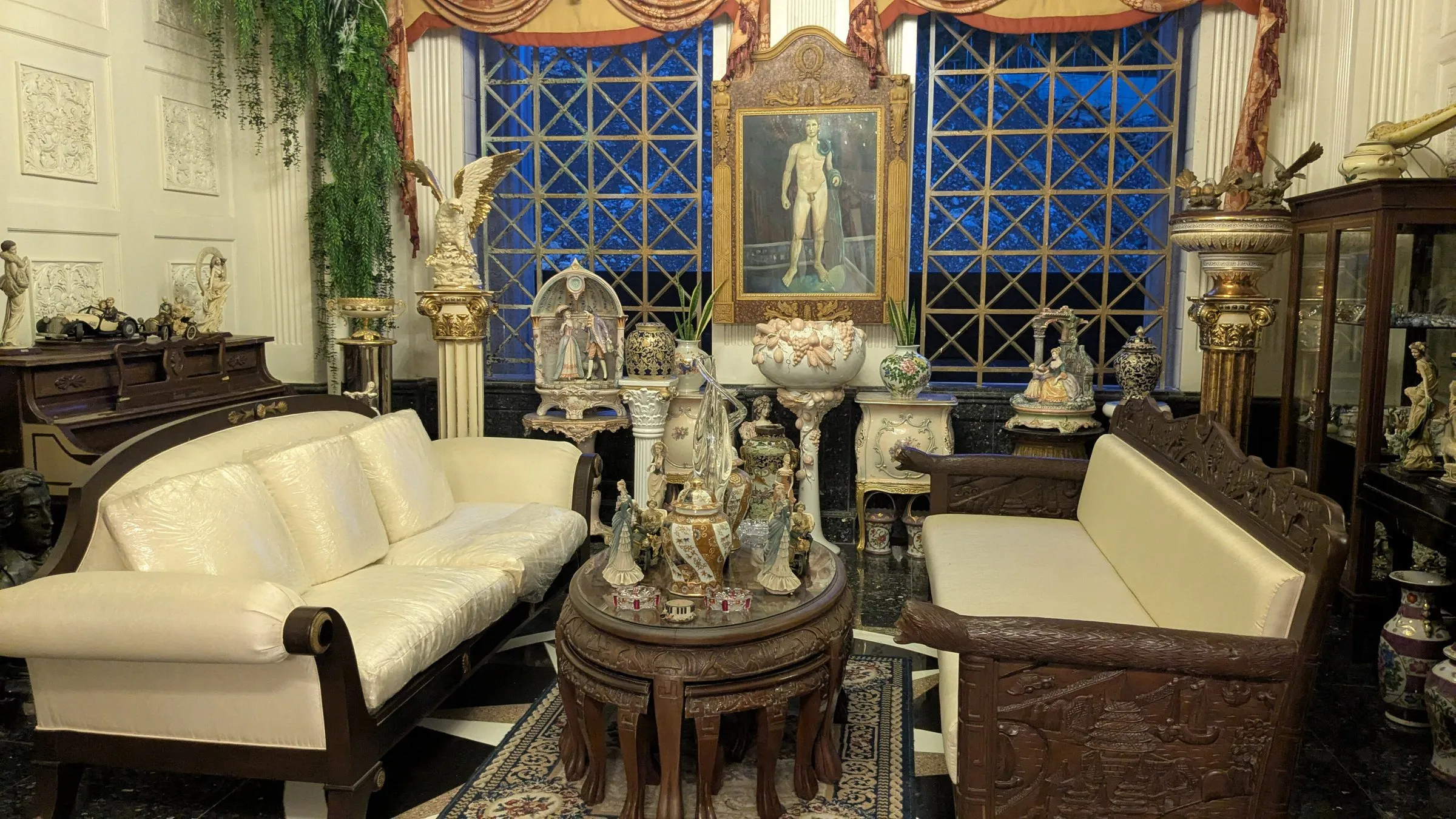 6
The Busay memorial combines Roman-inspired columns and rooms set aside for the collection of Leah Albino-Adarna, honored by her husband.
View details for Temple of Leah7The Busay viewpoint opens the landscape to the city, the hills and the sea; arches and a geometric floor are also part of the visit to TOPS.
View details for TOPS1Stone walls surround a courtyard that offers a pause from the bustle of the center. Fort San Pedro was a Spanish defensive structure tied to the colonial occupation of Cebu. Take in the gateway and the shape of the walls before going in: the complex has a triangular plan, with bastions at the corners.
The visit fits into a short block, but it works better when you read the historical information and walk the open areas without hurrying. Pair it with the nearby National Museum, without setting aside the whole morning for the fortification. The fort’s compact size does not call for a conquest plan to find the exit.
2The facade of the old customs house still faces the port area, but what is inside goes beyond the goods that once passed through Cebu. The Aduana building was adapted to house the National Museum of the Philippines – Cebu. Its proximity to Fort San Pedro makes it easy to link the two visits.
Look for the exhibits on the natural environment and the region’s maritime connections, keeping in mind what is open that day. Set aside a pause for the captions: recognizing the building from outside is only the start of the visit.
3The painted ceiling competes with the cross for the attention of everyone who steps into the pavilion. This small space on Plaza Sugbo commemorates the planting of a cross by Ferdinand Magellan’s expedition. The memory of local rulers’ conversion to Christianity is part of the story told here.
See the site as a place of devotion and of colonial memory, without trying to settle all of that history in one photograph. The origin of the original wood is debated; it is safer to understand the monument’s meaning than to treat it as an intact piece of the expedition.
4Wood, coral stone and a sloping roof give shape to the Yap-Sandiego house. The Parian house is linked to the family of a Chinese merchant and keeps antique objects in its rooms. The visit shows how references from different origins appear in local homes, beyond the great monuments of the center.
Look at the materials and proportions instead of trying to guess the age of each piece. Move with care and ask before touching furniture or objects: the interest lies in the set of spaces and in the domestic details.
5The dragons on the roofs catch your eye before you reach the terraces. The Cebu Taoist Temple stands in the Beverly Hills area and is tied to the city’s Chinese-Filipino community. It is a place of Taoist worship that also welcomes visitors interested in the architecture and in the views of the surroundings.
Take in the details without disturbing people who came to pray, and follow the instructions for entering the inner spaces. Not every area open to visitors allows photography. Getting there means leaving the compact block of the center: arrange the return trip with your driver, and do not mistake the name Beverly Hills for a promise of a walk between attractions.
6A sequence of columns appears on the Busay hillside, far from the setting that Roman inspiration might suggest. The Temple of Leah was created by Teodorico Adarna as a tribute to his wife, Leah Albino-Adarna, and to house her objects. The word temple describes the monumental form of the memorial.
The collection is part of the reason the complex exists, beyond the facade and the terraces. Visit only the authorized areas and confirm that it is open before heading up: access to the rooms can vary. Arrange transport with a wait so you can continue to TOPS with daylight left to take in the landscape and choose where to stand when the city starts to light up.
7As the light changes, the buildings give way to the city lights and the horizon depends more and more on clear skies. TOPS gathers observation areas in the Busay hills, with views of the urban area and the sea. The arches and the geometric floor help you recognize the place.
Arrive with some daylight left to understand the landscape before the night lighting. The complex has places to eat, but check opening hours if you plan to have dinner there. If you only want to visit the viewpoint, the official shuttle departing from IT Park can simplify transport; if you are combining other stops, you will need to organize the full circuit.
Mactan–Cebu is in Lapu-Lapu, on Mactan Island. Leave a margin for crossing to Cebu City, and do not book a timed visit right after landing.
Group the fort, museum, cross pavilion and Parian house on the same day. For Beverly Hills and Busay, arrange round-trip transport, including waiting time at each stop.
At the Taoist temple, follow the signs, speak quietly and confirm which areas may be photographed. Visitor movement should respect those who came to worship.
February to May is usually a drier period in the region. Bring water, sun protection and something for rain, and swap the Busay day if the forecast takes away the visibility.
Carry pesos in small bills for entrance fees and minor purchases. Keep your bag closed in the center and step out of the pedestrian flow to check your phone.
Cebu’s lechon arrives with skin that crackles under the knife. Order a portion that matches your hunger and ask about the side dishes, rather than treating the display as an individual challenge. For coffee time, look for otap; the dried mango can stay in your bag for the next break.
Roast pork with crisp skin and seasoned meat; ask about the portion size before ordering.
A thin, flaky pastry coated in sugar, good with coffee and terrible to eat without making crumbs.
Sweet, chewy slices sold in packs: compare the ingredients and take a portion for the road.